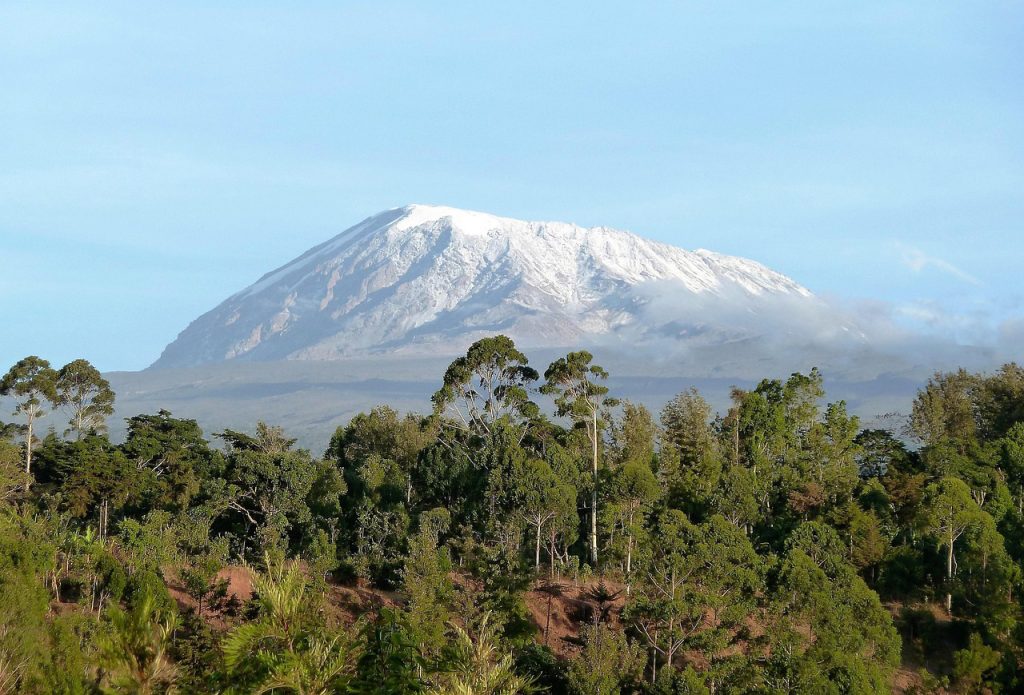
Climbing Mount Kilimanjaro is a dream adventure for many travelers around the world. As the highest mountain in Africa at 5,895 meters, reaching the summit requires proper planning, preparation, and enough time for acclimatization. One of the most common questions climbers ask is: how many days does it take to climb Kilimanjaro?
The answer depends on the route you choose and how well your body adjusts to high altitude. Most Kilimanjaro climbs take between five and nine days. While shorter itineraries may seem attractive, longer routes often provide better acclimatization and higher summit success rates.
In this guide, we will explain how long each route takes, why duration matters for safety and success, and how to choose the right number of days for your climb.
Why Duration Is Important
The duration of your climb is one of the most important factors when planning to summit Mount Kilimanjaro. Many climbers focus on reaching the top as quickly as possible, but spending more time on the mountain significantly increases safety and success rates.
Kilimanjaro is a high-altitude mountain, and as you ascend, the oxygen level decreases. Your body needs time to adjust to these changes. This process is called acclimatization. If you climb too quickly without allowing your body to adapt, you increase the risk of altitude sickness, which is the main reason some climbers fail to reach the summit.
Longer itineraries give your body more time to adjust gradually. Routes that take seven days or more provide better acclimatization and higher summit success rates compared to five- or six-day options. Adding just one extra day on the mountain can greatly improve your chances of safely reaching Uhuru Peak.
Duration is not only about success, but also about comfort and overall experience. A well-paced climb allows you to enjoy the scenery, conserve energy, and reduce physical stress. Choosing the right number of days is therefore essential for a safe, enjoyable, and successful Kilimanjaro adventure.
How Long Does Each Kilimanjaro Route Take?
Climbing Mount Kilimanjaro can take between five and nine days depending on the route you choose. The duration is very important because it affects acclimatization, safety, and summit success rate. Below is an overview of the main routes, including distance, minimum duration allowed by KINAPA (Kilimanjaro National Park Authority), and the recommended duration for beginners.
Lemosho Route
The Lemosho Route is one of the most scenic and successful routes on Kilimanjaro. It starts on the western side of the mountain and crosses the beautiful Shira Plateau before joining the Machame Route.
The total distance is 70 kilometers or 43 miles. The minimum duration allowed under KINAPA rules is six days. However, beginners are strongly advised to choose seven to eight days. The extra day greatly improves acclimatization and increases summit success rates.
Marangu Route
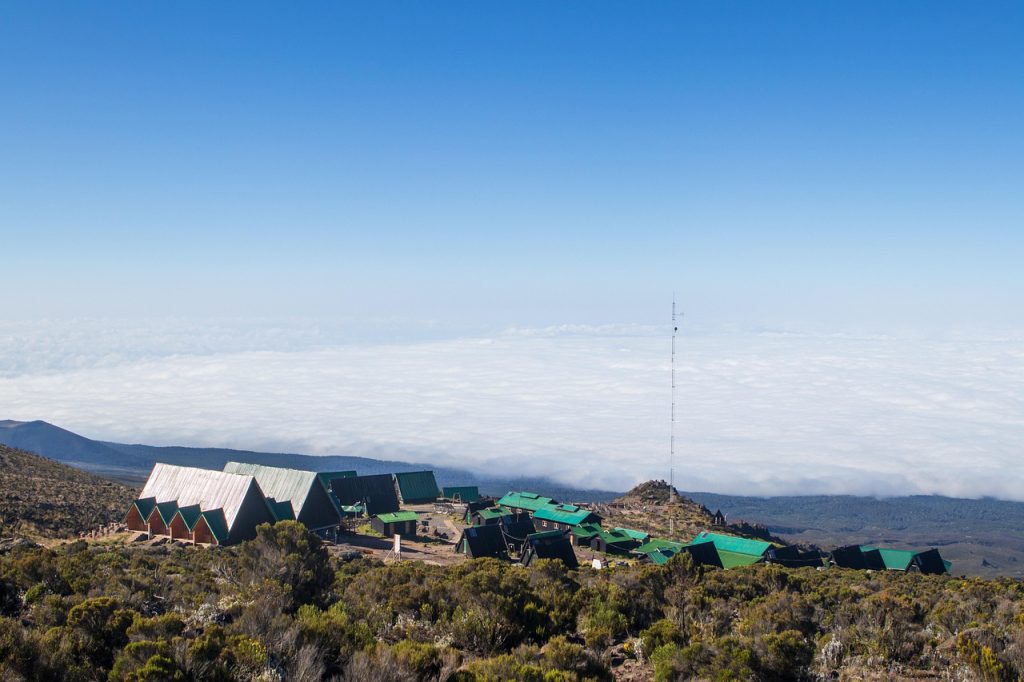
The Marangu Route is the only route that offers hut accommodation instead of camping. It follows the same path for ascent and descent.
The total distance is 72 kilometers or 45 miles. The minimum duration is five days, but this option has a lower success rate due to limited acclimatization. For beginners, six days is recommended for better safety and comfort.
Machame Route
The Machame Route is one of the most popular and scenic routes. It is sometimes called the “Whiskey Route” because it is more challenging than Marangu.
The distance is 62 kilometers or 39 miles. The minimum duration under KINAPA is six days. Beginners should choose seven days for better acclimatization and a higher chance of reaching the summit.
Rongai Route
The Rongai Route approaches the mountain from the northern side near the Kenyan border. It is quieter and drier compared to other routes.
The total distance is 74 kilometers or 46 miles. The minimum duration is five days, but this is not ideal for acclimatization. Beginners are advised to climb for seven days to improve success rates.
Northern Circuit Route
The Northern Circuit is the longest route on Kilimanjaro and offers excellent acclimatization. It circles around the northern slopes of the mountain, providing unique views and fewer crowds.
The distance is 98 kilometers or 61 miles. The minimum duration is eight days, which is also the recommended duration for beginners. This route has one of the highest summit success rates.
Umbwe Route
The Umbwe Route is the shortest and steepest route. It is physically demanding and best suited for experienced climbers.
The distance is 53 kilometers or 33 miles. The minimum duration is six days. Beginners should choose seven days if attempting this route, but it is generally not recommended for first-time climbers due to rapid ascent.
Other Factors That Affect the Length of a Kilimanjaro Climb
Climbing Mount Kilimanjaro is not only determined by the route you choose. There are several other important factors that can affect how long your climb will take.
The first factor is your physical fitness and preparation. Climbers who are physically prepared and have previous hiking experience may adapt more easily to long trekking days. However, even strong climbers need enough time for proper acclimatization at high altitude.
The second factor is acclimatization. As you ascend higher, oxygen levels decrease. Your body needs time to adjust to these changes. If you climb too quickly without allowing proper acclimatization, you increase the risk of altitude sickness. For this reason, many climbers add an extra acclimatization day to improve safety and summit success.
Weather conditions also play an important role. During the rainy season, trails can become muddy and slippery, which may slow down progress. Extreme weather conditions can also affect daily hiking time and overall itinerary planning.
Another factor is the itinerary design. Some trekking programs include an additional acclimatization day or a slower ascent profile. Although this increases the total number of days, it significantly improves success rates and comfort.
Finally, group pace can influence the duration of the climb. When trekking in a group, the pace is usually adjusted to the slowest member to ensure safety and proper acclimatization. A steady and slow pace is recommended for reaching the summit successfully.
For these reasons, the length of a Kilimanjaro climb depends not only on the route itself but also on preparation, acclimatization, weather, itinerary structure, and group dynamics.
Fitness Level and Hiking Experience
Your fitness level and hiking experience play a major role in your success when climbing Mount Kilimanjaro. Although Kilimanjaro is considered a non-technical mountain, it still requires physical endurance, mental strength, and preparation.
A good fitness level helps your body handle long walking hours, steep trails, and consecutive trekking days. Most climbers walk between five and eight hours per day, and summit night can take up to twelve hours of hiking. Strong legs, good cardiovascular endurance, and stamina make the climb more manageable and enjoyable.
Hiking experience is also important. If you have experience trekking for several days in a row, carrying a small daypack, and walking on uneven terrain, you will feel more confident on the mountain. Experience teaches you how to pace yourself, conserve energy, and stay motivated.
However, you do not need to be a professional athlete to climb Kilimanjaro. Many first-time hikers successfully reach the summit with proper preparation and a well-planned itinerary. The key is to train in advance by doing regular cardio exercises, long walks, stair climbing, or hiking smaller mountains.
In short, better fitness and some hiking experience increase comfort, reduce fatigue, and improve your overall summit success.
Prior Acclimatization
Prior acclimatization can greatly improve your chances of successfully climbing Mount Kilimanjaro, which rises to 5,895 meters (19,341 feet) above sea level. It refers to preparing your body for high altitude before attempting the summit.
When you spend time at moderate or high elevations before your Kilimanjaro climb, your body begins to adjust to lower oxygen levels. This process improves breathing efficiency and helps reduce the risk of altitude sickness once you reach higher camps.
One of the best ways to achieve prior acclimatization in Tanzania is by climbing Mount Meru, which stands at 4,566 meters (14,980 feet). Mount Meru is typically climbed in three to four days, making it an excellent preparation trek before attempting Kilimanjaro. Spending several days above 3,000 meters (9,842 feet) helps your body start adapting to altitude.
For example, a climber who completes a 3 to 4 day Mount Meru trek and then rests for one or two days before starting Kilimanjaro often has a better acclimatization profile than someone arriving directly from sea level.
Although prior acclimatization is very helpful, it does not replace the need for a proper Kilimanjaro itinerary. Even with previous high-altitude exposure, climbers should choose routes of seven days or more to allow gradual ascent and improve summit success rates.
In conclusion, prior acclimatization especially through a Mount Meru climb can give your body a strong advantage, reduce fatigue, and increase your chances of safely reaching Uhuru Peak.
Who Should Choose a 5 to 6 Day Kilimanjaro Climb?
A 5 to 6 day climb on Mount Kilimanjaro is generally recommended for experienced and physically fit climbers rather than beginners. Shorter itineraries involve faster altitude gain, which increases the risk of altitude sickness due to limited acclimatization time.
This option may be suitable for climbers who have prior high-altitude experience above 4,000 meters (13,123 feet), such as those who have recently climbed mountains like Mount Meru or other high peaks. Strong cardiovascular fitness, mental resilience, and previous multi-day trekking experience are important for handling the physical demands of a shorter climb.
A 5 to 6 day itinerary may also appeal to travelers with limited time or tighter budgets, since fewer days on the mountain usually mean lower overall costs. However, it is important to understand that shorter routes typically have lower summit success rates compared to 7 to 8 day programs.
Climbers choosing a shorter itinerary must be prepared for longer hiking hours, steeper ascents, and a more demanding summit night. Proper training before arrival is essential.
In summary, a 5 to 6 day Kilimanjaro climb is best suited for experienced, well-trained climbers with prior altitude exposure. For first-time climbers, beginners, or those coming directly from sea level, a longer itinerary is strongly recommended for safety and higher chances of reaching Uhuru Peak.
Who Should Choose a 7 Day Kilimanjaro Itinerary?
A 7-day itinerary on Mount Kilimanjaro is ideal for climbers who want a strong balance between acclimatization, cost, and success rate. It is one of the most popular options because it provides enough time for the body to adjust to altitude without extending the trip too long.
This itinerary is best suited for first-time climbers who have good physical fitness but no prior high-altitude experience. Seven days allow for gradual ascent, which significantly improves summit success compared to 5 to 6 day programs. Routes such as Machame (7 days) or Lemosho (7 days) are excellent choices under this schedule.
A 7 day climb is also a good option for travelers who have limited vacation time but still want a high chance of reaching Uhuru Peak. It offers better acclimatization than shorter routes while keeping costs lower than 8 to 9 day programs.
Climbers who are moderately fit, have done multi-day hikes before, and are willing to train in advance will find the 7 day itinerary both manageable and rewarding. It provides a challenging yet achievable experience.
In summary, a 7 day Kilimanjaro itinerary is perfect for fit beginners, time-conscious travelers, and anyone seeking a strong balance between safety, budget, and summit success.
Who Should Consider an 8 to Day or Longer Kilimanjaro Hike?
An 8 day or longer itinerary on Mount Kilimanjaro is the best choice for climbers who prioritize safety, acclimatization, and a higher summit success rate. Longer hikes allow the body to adjust gradually to high altitude, which is the most important factor in reaching Uhuru Peak successfully.
This option is especially recommended for beginners who have never climbed at high altitude before. If you are coming directly from sea level, the extra day or two on the mountain can make a significant difference in how your body responds to decreasing oxygen levels.
Climbers over 40 years old, cautious travelers, or those who are concerned about altitude sickness should also strongly consider an 8 day itinerary. The slower pace reduces physical stress, minimizes fatigue, and creates a more comfortable climbing experience.
An 8 day or longer hike is also ideal for those who want to fully enjoy the journey rather than rush to the summit. With more time on the mountain, you can appreciate the changing landscapes, take better photos, and maintain steady energy levels throughout the trek.
Routes such as Lemosho (8 days) and the Northern Circuit (8 to 9 days) are known for their excellent acclimatization profiles and high success rates.
In summary, an 8 day or longer Kilimanjaro hike is perfect for beginners, safety-focused climbers, older adventurers, and anyone who wants the highest chance of standing on the Roof of Africa.
How Long Does the Descent Take?
After reaching the summit of Mount Kilimanjaro at 5,895 meters (19,341 feet), many climbers are surprised to learn that the descent is much faster than the ascent. In most cases, the descent takes one to two days, depending on the route and itinerary.
On summit day, climbers typically reach Uhuru Peak early in the morning and then begin descending immediately. From the summit to the high camp, such as Barafu Camp or Kibo Hut, the descent usually takes about three to five hours. After a short rest, climbers continue descending further to a lower camp like Mweka Camp or Horombo Hut. The total descent time on summit day can range from five to seven hours or more.
The following day, climbers descend from the final camp to the park gate. This typically takes an additional three to five hours, depending on the route and weather conditions.
Although descending is faster due to increasing oxygen levels at lower altitude, it can be physically demanding. The steep downhill sections put pressure on the knees and leg muscles, and fatigue from summit night can make the descent challenging.
In summary, most climbers complete the descent in one to two days. While reaching the summit is the highlight of the adventure, a safe and steady descent is equally important for completing the Kilimanjaro experience successfully.
Can You Climb Kilimanjaro in Fewer Than 5 Days?
Technically, it is possible to climb Mount Kilimanjaro in fewer than five days, but it is strongly discouraged and not recommended for safety reasons.
Kilimanjaro rises to 5,895 meters (19,341 feet), and the main challenge is not distance it is altitude. Climbing too quickly does not give your body enough time to acclimatize to lower oxygen levels. Rapid ascent greatly increases the risk of altitude sickness, which can become serious and even life-threatening.
The official minimum duration allowed on most routes is five or six days, depending on the route. Even five days is considered too short for proper acclimatization, and summit success rates on such itineraries are much lower compared to 7 to 8 day climbs.
Very experienced mountaineers with prior high altitude acclimatization and exceptional fitness have completed Kilimanjaro in shorter periods. However, these are rare cases and usually involve special arrangements, advanced preparation, and higher medical risk.
For the majority of climbers, especially beginners, choosing a 7 to 8 day itinerary is the safest and smartest option. Longer climbs allow gradual ascent, reduce fatigue, and significantly increase the chance of reaching Uhuru Peak successfully.
In summary, while climbing Kilimanjaro in fewer than five days may be physically possible for a small number of elite climbers, it is not advisable for regular trekkers. Safety, acclimatization, and proper pacing should always come first.
Is It Possible to Climb Mount Kilimanjaro in One Day?
Climbing Mount Kilimanjaro in one day is not realistic for normal trekkers and is strongly discouraged for safety reasons.
Kilimanjaro stands at 5,895 meters (19,341 feet) above sea level. The main challenge is not just the hiking distance, but the rapid gain in altitude. Your body needs time to adjust to lower oxygen levels through a process called acclimatization. Without proper acclimatization, the risk of severe altitude sickness increases dramatically.
Even the shortest official itineraries take at least five days under park regulations. These multi-day programs are designed to allow gradual ascent and safer adaptation to high altitude.
There have been rare cases where elite athletes have run or speed-climbed Kilimanjaro in less than 24 hours. However, these attempts involve exceptional physical conditioning, professional support teams, and significant risk. They are not suitable for regular climbers or tourists.
For the vast majority of people, climbing Kilimanjaro safely requires 6 to 9 days. Choosing a longer itinerary greatly improves your chances of reaching Uhuru Peak successfully and enjoying the experience without serious health risks.
In summary, while a one-day climb may be physically possible for highly trained professionals, it is not a safe or practical option for normal trekkers. Proper acclimatization and a well-planned itinerary are essential for a successful Kilimanjaro adventure.
What Should You Consider to Successfully Reach the Summit?
Reaching the summit of Mount Kilimanjaro at 5,895 meters (19,341 feet) requires more than just determination. Proper preparation, smart decisions, and the right mindset are essential for standing on Uhuru Peak successfully.
First, choose the right itinerary. Selecting a 7 to 8 day route allows better acclimatization and greatly increases your summit success rate. Rushing the climb with a shorter itinerary increases the risk of altitude sickness.
Second, focus on acclimatization. Climb slowly and follow the “pole pole” (slowly, slowly) principle. Giving your body enough time to adjust to lower oxygen levels is the most important factor in reaching the summit.
Third, prepare your physical fitness. Cardiovascular endurance, strong legs, and stamina help you manage long hiking days and the demanding summit night. Regular training before your trip makes a big difference.
Fourth, maintain proper nutrition and hydration. Drink enough water every day and eat well, even if your appetite decreases at higher altitude. Staying hydrated helps reduce altitude sickness symptoms.
Fifth, have the right gear. Proper clothing for cold temperatures, especially on summit night, is crucial. Temperatures near the summit can drop below freezing.
Sixth, maintain a positive mindset. Mental strength is just as important as physical strength. Summit night is long and challenging, but staying focused and determined helps you push through.
Finally, climb with an experienced and professional guide team. A good guide monitors your health, controls the pace, and ensures safety throughout the climb.
In summary, reaching the summit is not about speed it is about preparation, patience, and smart planning. When you combine proper acclimatization, fitness, equipment, and a strong mindset, your chances of standing on the Roof of Africa increase significantly.
Final Conclusion
Climbing Mount Kilimanjaro is not just about reaching 5,895 meters (19,341 feet) it is about choosing the right route, allowing enough time for acclimatization, and preparing your body and mind for the journey. As we have seen, the number of days you spend on the mountain directly affects your safety, comfort, and summit success rate. Shorter climbs may reduce cost and save time, but longer itineraries significantly improve your chances of standing on Uhuru Peak.
Whether you choose a 7 day program for balance, an 8 day itinerary for maximum success, or a carefully planned route that matches your fitness level, the key is smart planning. Proper acclimatization, steady pacing, and professional guidance make all the difference between turning back early and celebrating at the Roof of Africa.
Kilimanjaro is achievable for beginners, experienced hikers, and determined adventurers – but success comes from making informed decisions. If you are ready to start your journey, choose a route that fits your goals and climb with a trusted team that prioritizes safety and high summit success rates.