Kilimanjaro Full Moon Climb: Best Dates, Routes, Pros, Cons & Tips
Estimated reading time: 23 minutes
The best time for a Kilimanjaro full moon climb is when your summit night falls on or very close to the full moon. The bright moonlight can illuminate the trail, Kibo’s slopes, glaciers, and the landscape below as you make your way toward Uhuru Peak. It can turn the challenging night ascent into a beautiful and memorable part of your Kilimanjaro adventure.
However, choosing the right date requires more than checking when the full moon appears. Most climbers begin their summit attempt around midnight after spending several days on the mountain. This means you need to plan your summit night, not simply your arrival day in Tanzania or the day you start your trek.
Your route and number of trekking days determine when you should begin your climb. For example, an 8-day Lemosho trek needs a different starting date from a 6-day Rongai or 7-day Machame trek if you want to reach Uhuru Peak under the full moon. Planning this carefully helps you get the moonlit summit experience while still choosing a route and schedule that suit your fitness, budget, and acclimatization needs.
A full moon Kilimanjaro climb is a trek planned so that your summit night happens during a full moon or close to it. Instead of relying only on your headlamp, you may have bright natural moonlight around you as you climb toward Uhuru Peak, the highest point of Mount Kilimanjaro.
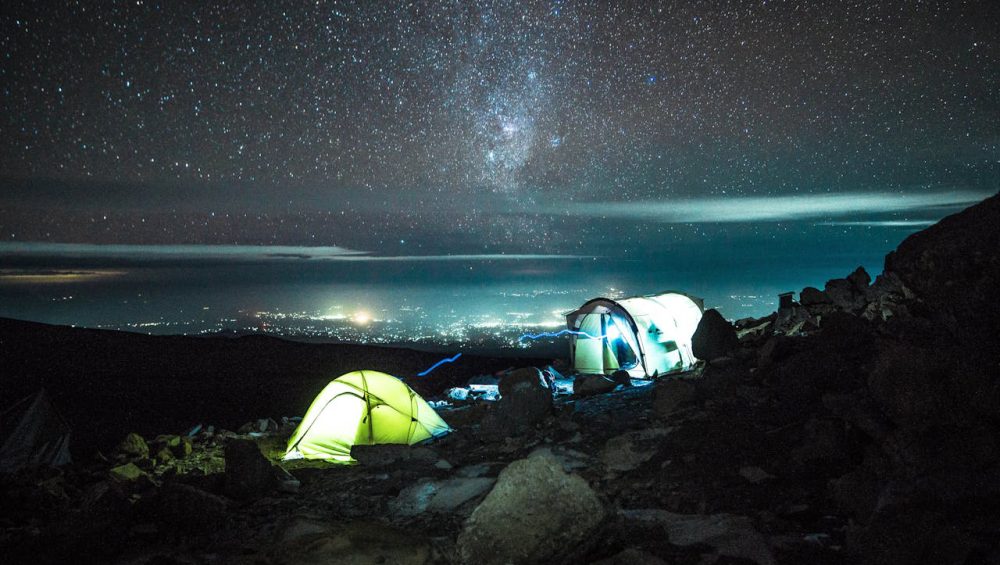
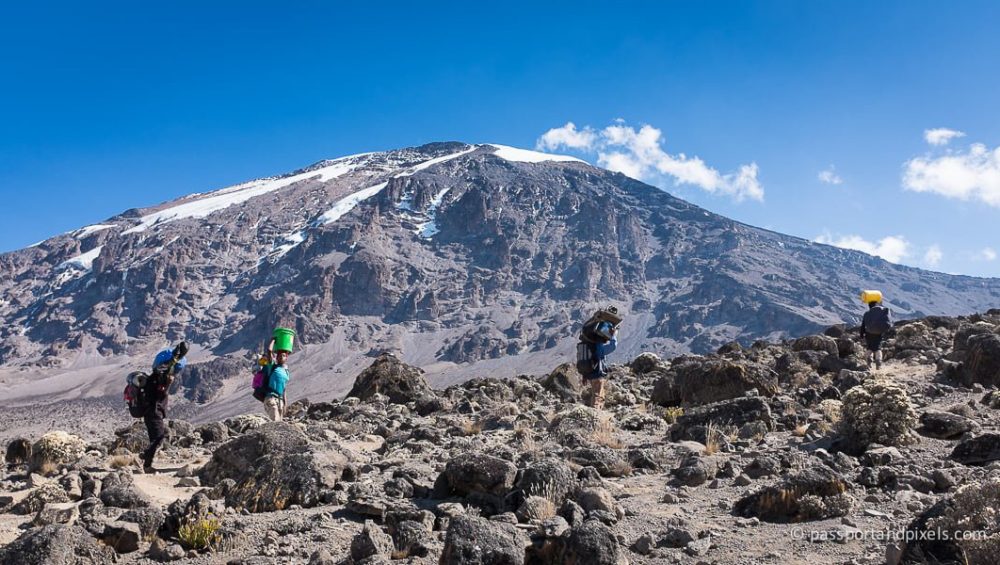
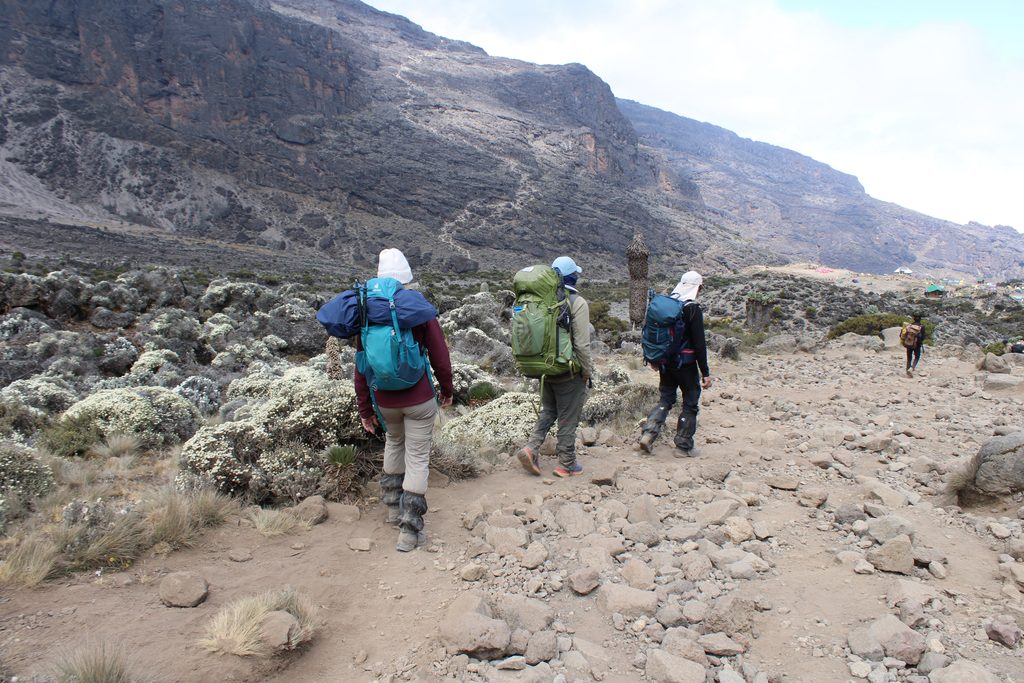
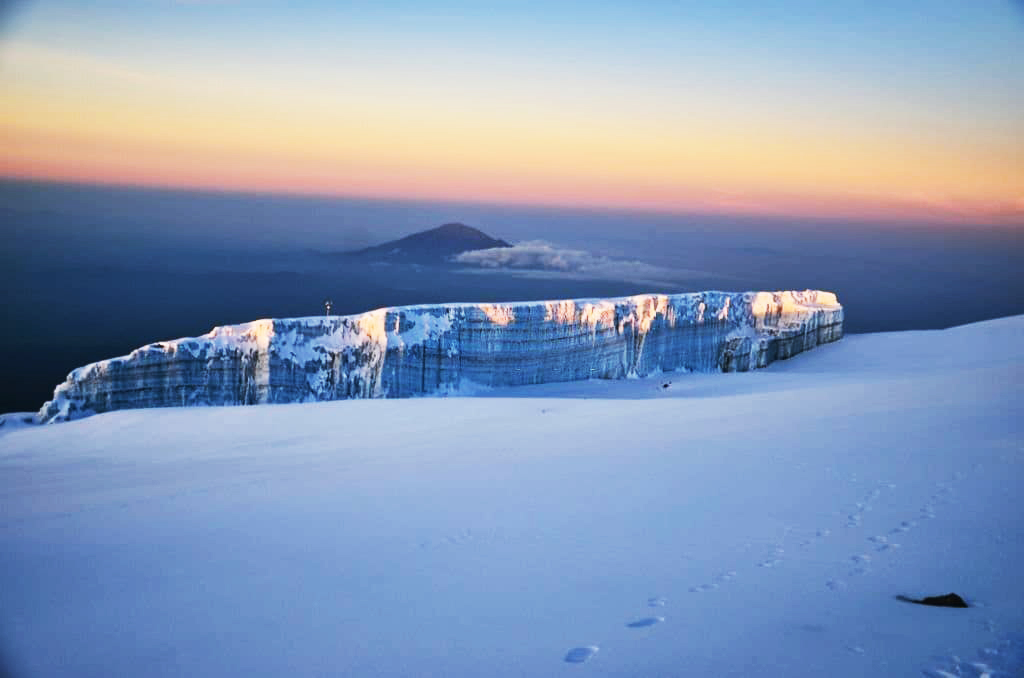
The full moon can make the summit trail feel completely different. Moonlight can brighten the rocky slopes of Kibo, reveal glaciers and surrounding peaks, and create beautiful views across the landscape when the sky stays clear. You can also see the moon from higher camps during your trek, making evenings on the mountain especially memorable.
The timing matters because a Kilimanjaro summit attempt normally starts around midnight. You climb through the night and aim to reach Uhuru Peak around sunrise. Therefore, the date of your summit night matters more than the date you begin your trek.
For example, if the full moon occurs on a particular night, you need to choose your route and starting date so that your summit attempt reaches Uhuru Peak around that time. A seven-day trek and an eight-day trek will require different starting dates to achieve the same moonlit summit.
A full moon does not mean you can leave your headlamp at home. Clouds, terrain, and changing weather can reduce moonlight, so a reliable headlamp remains essential for every night-time summit attempt.
When Is the Best Time for a Full Moon Summit?
The best time for a full moon summit is the night of the full moon or the night immediately before it. This timing gives you the brightest natural moonlight during the midnight climb toward Uhuru Peak. If you want this experience, plan your trekking dates around your summit night, rather than simply choosing a trip that starts on the full moon date.
Full moon timing matters
The full moon reaches its fullest point on a specific date, but you can still enjoy strong moonlight on the nights around it. For a Kilimanjaro climb, the exact timing matters because your summit attempt usually starts around midnight and continues into the early morning.
For example, if the full moon occurs on 10 August, you should aim to reach Uhuru Peak during the night of 9–10 August or close to that date. Your trekking route and number of days determine when you need to start.
Why your summit night matters
Many climbers look at a full moon calendar and choose the full moon date as their trek start date. That can lead to the wrong timing. You might spend your first day on the mountain while the full moon shines, then reach the summit several days later when the moon has already moved into another phase.
Instead, work backwards from your planned summit night. First choose the night you want to reach Uhuru Peak, then count the trekking days for your chosen route to find your ideal starting date.
How many days before the full moon should you start?
Your start date depends on your route and itinerary. As a general planning guide:
Trek
Approximate start before summit night
5-day Umbwe
4 days
6-day Rongai
5 days
6-day Marangu
5 days
7-day Machame
6 days
7-day Lemosho
6 days
8-day Lemosho
7 days
9-day Northern Circuit
8 days
10-day Northern Circuit
9 days
These numbers count the days from the first trekking day to the summit night. Your operator should confirm the exact schedule because route itineraries can vary.
For the best experience, aim to place your summit attempt on the full moon night or within a day of it. Keep your headlamp ready, though, because clouds, terrain, and changing weather can quickly reduce the amount of moonlight on the mountain.
Kilimanjaro Full Moon Dates
If you want to climb Kilimanjaro during a full moon, plan your trek so your summit night falls on or close to one of the full moon dates below. The dates mark when the Moon reaches its full phase in Tanzania. Your actual trek start date will depend on the number of days in your chosen route.
Kilimanjaro Full Moon Dates 2026
Month
Full Moon Date
Best summit window
January
January 3, 2026
January 2-3
February
February 2, 2026
February 1-2
March
March 3, 2026
March 2-3
April
April 2, 2026
April 1-2
May
May 1, 2026
April 30-May 1
May
May 31, 2026
May 30-31
June
June 30, 2026
June 29-30
July
July 29, 2026
July 28-29
August
August 28, 2026
August 27-28
September
September 26, 2026
September 25-26
October
October 26, 2026
October 25-26
November
November 24, 2026
November 23-24
December
December 24, 2026
December 23-24
Tanzania has 13 full moons in 2026 because May has two full moons. The full moon dates above follow the local lunar calendar for Tanzania.
Kilimanjaro Full Moon Dates 2027
Month
Full Moon Date
Best summit window
January
January 22, 2027
January 21-22
February
February 21, 2027
February 20-21
March
March 22, 2027
March 21-22
April
April 21, 2027
April 20-21
May
May 20, 2027
May 19-20
June
June 19, 2027
June 18-19
July
July 18, 2027
July 17-18
August
August 17, 2027
August 16-17
September
September 16, 2027
September 15-16
October
October 15, 2027
October 14-15
November
November 14, 2027
November 13-14
December
December 13, 2027
December 12-13
The 2027 dates follow Tanzania’s local time. Some international calendars show a date one day earlier because they use a different time zone, so checking the lunar calendar for Tanzania gives a more useful reference for Kilimanjaro planning.
How to use the full moon calendar
Do not book your trek on the full moon date simply because the calendar shows a full moon. Instead, choose your desired summit night first and then count backwards according to your route.
For example, if you want to summit around the September 26, 2026 full moon, a seven-day trek would normally start several days before September 26, while an eight-day trek would start earlier. Your exact itinerary should determine the final departure date.
The full moon gives you a target for your summit night, while your route determines when you need to start climbing. Weather can also change the experience, so the full moon does not guarantee clear skies or perfect visibility.
How to Plan Your Trek Around the Full Moon
To plan a Kilimanjaro trek around the full moon, choose your summit night first, then work backward to find your trekking start date. The number of days on your route determines when you should begin. This approach helps you reach Uhuru Peak when the moon is brightest instead of starting your trek on the full moon by mistake.
5-Day Trek
For a 5-day trek, plan to start about 4 days before your planned summit night. This short itinerary gives you little flexibility, so your dates need to match the full moon closely.
A 5-day route can work for an experienced climber, but it provides less time for acclimatization than longer itineraries. If your main goal is the full moon experience, check the entire schedule before confirming your dates.
6-Day Trek
For a 6-day trek, start about 5 days before your planned summit night. This gives you one additional day on the mountain compared with a 5-day itinerary.
When choosing your dates, focus on the night you expect to climb from high camp toward Uhuru Peak. That is the night you want to place close to the full moon.
7-Day Trek
A 7-day trek usually needs a start date around 6 days before your planned summit night. This option gives you more time on the mountain and works well for climbers who want to combine a strong itinerary with a moonlit summit.
Before booking, confirm the exact daily schedule with your operator because different routes can use different camp arrangements.
8-Day Trek
For an 8-day trek, plan to begin about 7 days before your planned summit night. The extra day gives you more time for acclimatization and allows a more gradual approach to the summit.
This makes an 8-day itinerary a strong choice if you want to enjoy the full moon without choosing an unnecessarily short climb.
9-Day Trek
For a 9-day trek, start about 8 days before your planned summit night. Longer routes give your body more time to adjust to altitude while also giving you more opportunities to enjoy the mountain before summit night.
The Northern Circuit is one example of a longer Kilimanjaro itinerary where careful date planning can place your summit attempt close to the full moon.
10-Day Trek
For a 10-day trek, plan to begin about 9 days before your planned summit night. Because this itinerary spends more time on the mountain, you need to calculate your dates carefully rather than simply booking the full moon date as your arrival or starting day.
A longer itinerary can provide a more gradual climbing experience, but your exact summit date still depends on the route schedule.
The Simple Rule
Full moon date to choose your summit night to count backward based on your route to choose your start date.
Your operator should confirm the final dates before you book flights and accommodation because trekking itineraries can vary. Also remember that the full moon does not guarantee clear skies. Clouds and mountain weather can still limit visibility, so carry a reliable headlamp even during a full moon climb.
Which Kilimanjaro Route Is Best for a Full Moon?
Lemosho is one of the best routes for a full moon Kilimanjaro climb, especially on a 7- or 8-day itinerary. The Northern Circuit also offers an excellent option because of its longer itinerary and gradual acclimatization. However, the best route depends on more than moonlight. Your fitness, preferred scenery, number of days, acclimatization needs, and the exact summit date all matter.
Lemosho Route
Best for: scenery, acclimatization, and a longer full-moon experience.
Lemosho works very well for a full moon climb because you can choose a 7- or 8- or -9day itinerary and carefully position your summit night around the full moon. The route approaches Kilimanjaro from the west and crosses the Shira Plateau before joining the southern circuit.
The longer schedule gives you more time to adjust to altitude and enjoy the changing landscapes before summit night. For many climbers, 8-day Lemosho offers the best balance between a moonlit summit, acclimatization, scenery, and overall experience.
Machame is another strong choice for a full moon climb. The 7-day itinerary gives you enough time to plan your summit night close to the full moon while experiencing some of Kilimanjaro’s most varied landscapes.
The route becomes busier during popular periods, so a full moon climb on Machame may combine bright moonlight with more climbers on the trail. If you prefer a quieter experience, consider a longer or less crowded route.
Best for: maximum acclimatization and a longer mountain experience.
The Northern Circuit offers one of the longest approaches to Uhuru Peak. Its longer itinerary gives you plenty of time to plan a full-moon summit while allowing a gradual climb through different parts of Kilimanjaro.
It also spends more time on the quieter northern side of the mountain. Choose this route if you value acclimatization, scenery, and a longer adventure more than keeping the trip short.
Best for: a quieter approach and a different side of Kilimanjaro.
Rongai approaches Kilimanjaro from the northern side and can provide a different experience from the busier southern routes. A 7-day itinerary can work well if you want your summit night close to the full moon.
Rongai generally offers less rainforest scenery than Lemosho or Machame, but its quieter character makes it attractive for climbers who prefer a less crowded approach.
Marangu can work for a full moon climb if your dates match the summit night. Its 6-day itinerary makes date planning relatively simple, and climbers sleep in mountain huts rather than tents.
However, the shorter itinerary gives you less time for acclimatization than longer options. Choose Marangu because its route style and accommodation suit you, not simply because it can reach the summit during a full moon.
Best for: experienced trekkers seeking a steep and challenging route.
Umbwe offers a direct and steep approach toward the southern side of Kilimanjaro. A 5-day itinerary can place your summit night close to the full moon, but the short schedule and rapid elevation gain make it a demanding choice.
The full moon does not make Umbwe easier. Choose this route for its challenging character and direct approach rather than for the moonlight alone.
If your priority is the best overall full moon experience, consider 8-day Lemosho or the Northern Circuit. They give you more time to acclimatize and enjoy Kilimanjaro before your moonlit summit attempt.
If you want a popular 7-day option, Machame or Lemosho can work well. Choose Rongai if you prefer a quieter northern approach, Marangu if you want huts, and Umbwe if you are looking for a more demanding climb.
Most importantly, choose the route first and then calculate the start date so your summit night to not your first trekking day to falls close to the full moon.
What Does Kilimanjaro Look Like Under a Full Moon?
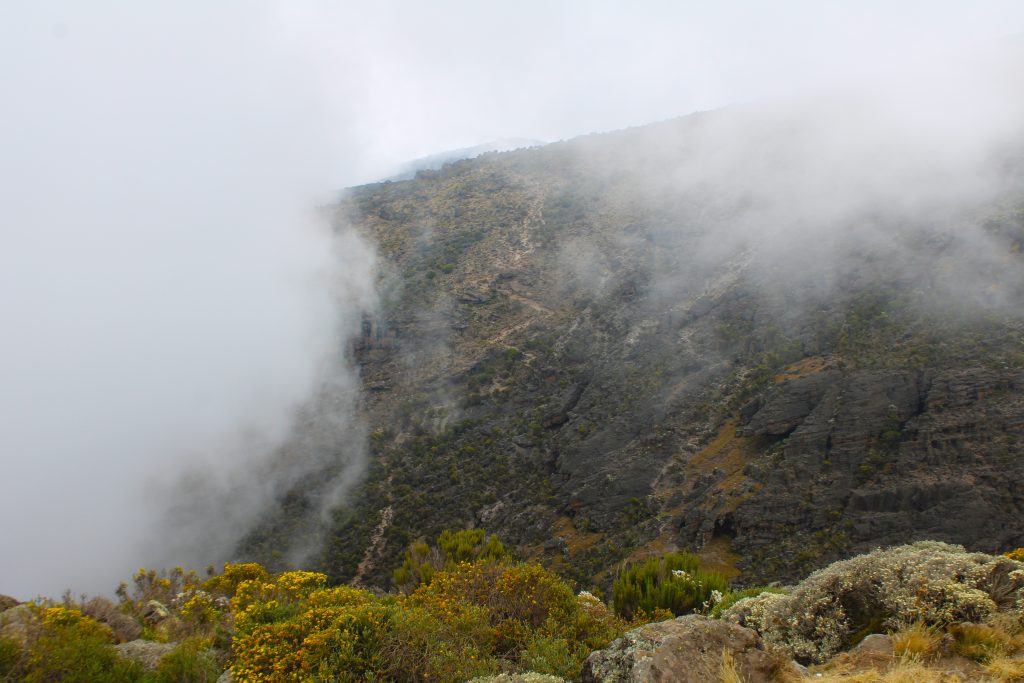
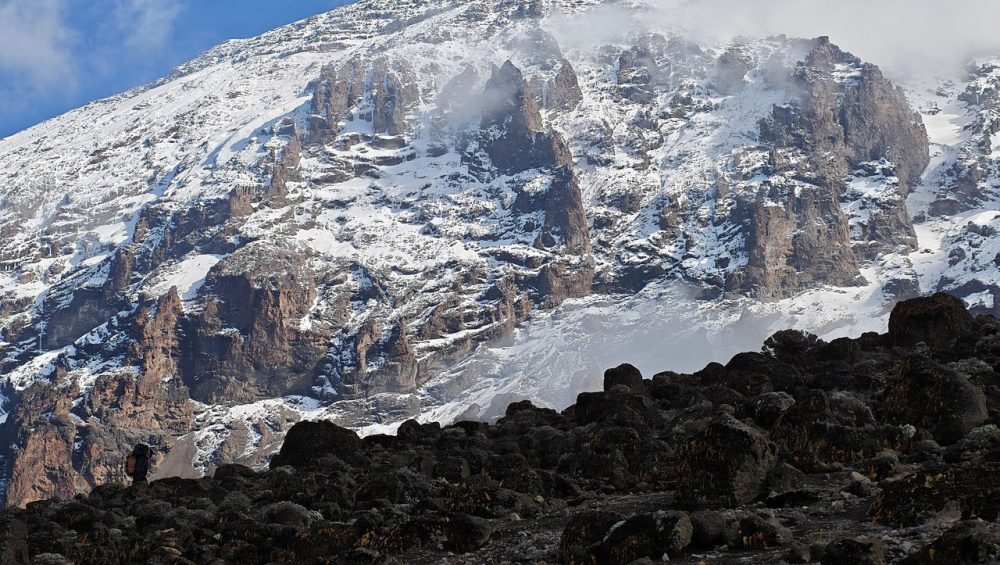
Under a full moon, Kilimanjaro looks different from a normal night climb. Moonlight can illuminate Kibo, glaciers, the scree slopes, clouds, and the surrounding landscape, giving you enough natural light to see parts of the mountain beyond your headlamp. As the night ends, the moonlit landscape gradually changes into the first light of sunrise.
Kibo
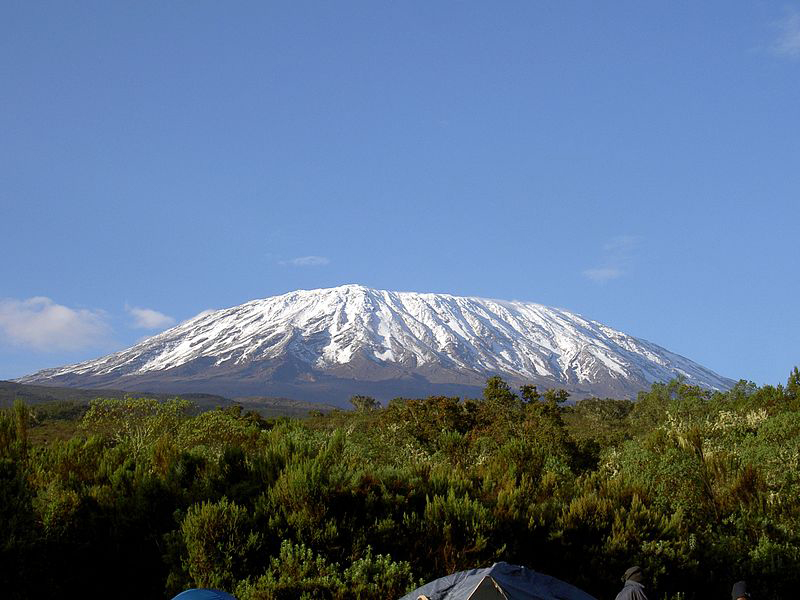
Kibo’s upper slopes can appear clearly under strong moonlight, especially when the sky stays clear. The broad volcanic cone becomes easier to see as you climb higher toward the summit.
Glaciers
The remaining glaciers and ice around Kibo can stand out in the moonlight. Their pale surfaces can reflect the available light, creating a noticeable contrast against the dark volcanic rock.
Scree
The summit trail contains loose volcanic scree, which can look grey or silver under a bright moon. You can often see the slope ahead more clearly, although your headlamp remains important for identifying the safest path.
Clouds
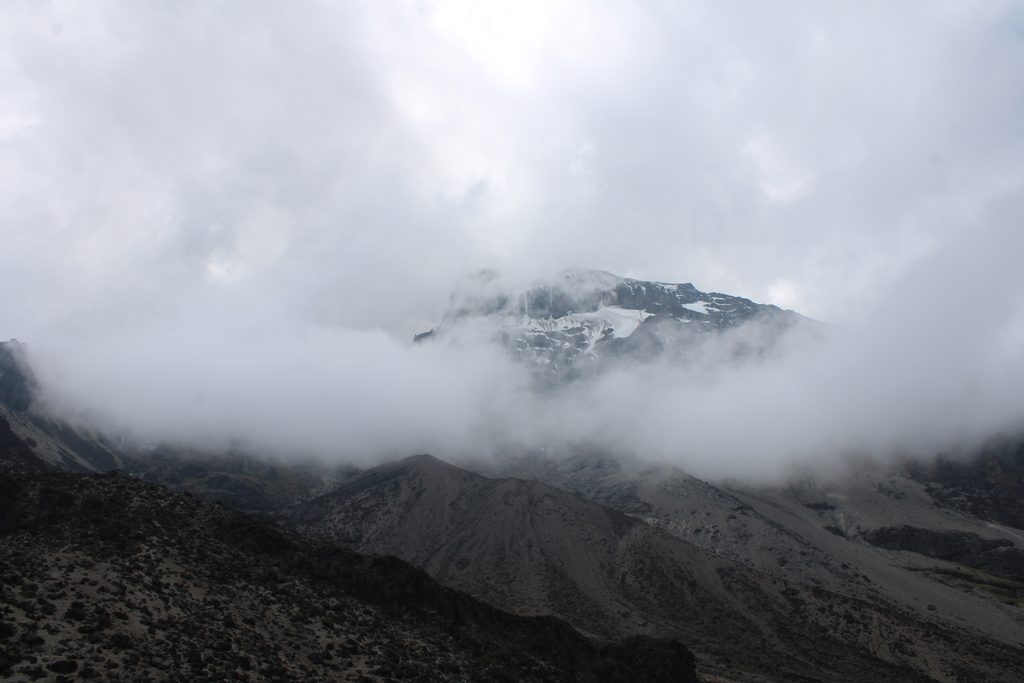
Clouds can completely change the view. When they stay below you, moonlight may illuminate the cloud layer and create a wide, bright landscape. When clouds move across the summit area, visibility can drop quickly and the moon may disappear.
Surrounding Landscape
From higher elevations, clear conditions can reveal large areas of Tanzania below the mountain. During a full moon, the landscape appears darker and less detailed than during daylight, but lights from lower areas and the moonlit horizon can add depth to the view.
From Moonlight to Sunrise
The most dramatic change comes near sunrise. The dark blue night gradually becomes lighter, the surrounding landscape becomes more visible, and the first sunlight reaches Kibo. You move from a moonlit summit climb to a sunrise view at Uhuru Peak within a short period.
A full moon does not guarantee these views. Clouds, visibility, weather, and the position of the moon can change what you see on summit night.
Advantages of Climbing Kilimanjaro During a Full Moon
A full moon can make your Kilimanjaro summit night more enjoyable, especially when the sky stays clear. The main advantage is the extra natural light, but the experience also offers several visual benefits.
Better Visibility on the Summit Trail
Bright moonlight can illuminate the rocky slopes and scree around Kibo. You may see more of the surrounding terrain instead of relying entirely on your headlamp.
Beautiful Views at Night
The full moon can reveal Kibo, glaciers, clouds, and the landscape below in a way that you cannot experience during a darker night. The scenery changes again as sunrise approaches.
A Memorable Summit Experience
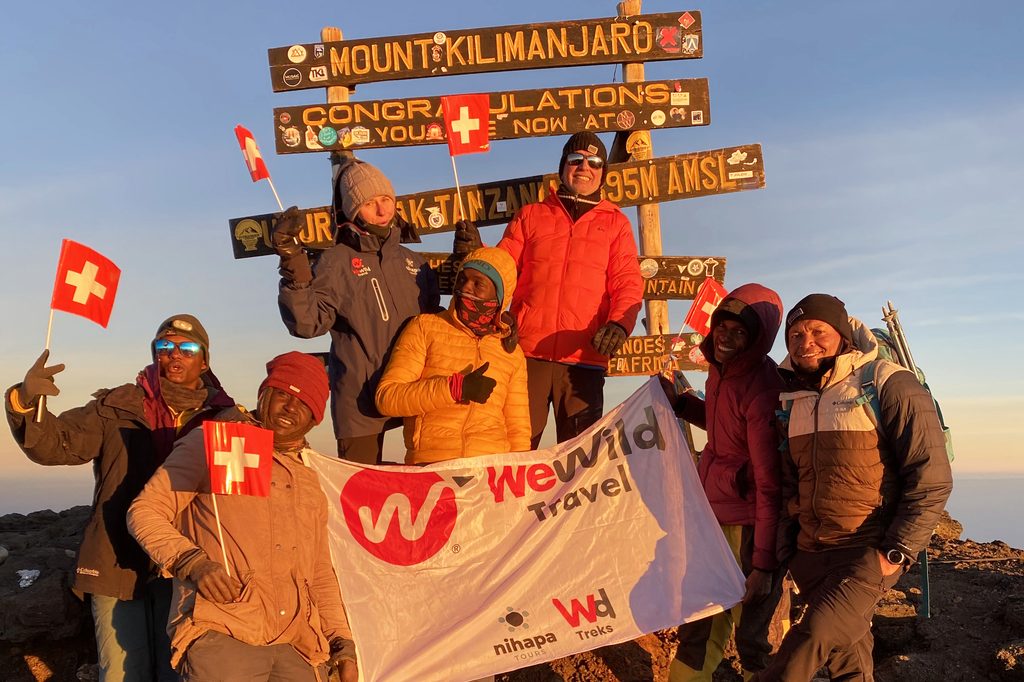
Walking toward Uhuru Peak under a bright moon creates a different atmosphere from a normal night climb. For many climbers, combining moonlight with the sunrise at the summit makes the final ascent especially memorable.
Less Dependence on Artificial Light
Moonlight can provide useful additional illumination, particularly on exposed sections of the trail. However, you should still use your headlamp throughout the summit attempt.
Disadvantages of a Full Moon Climb
A full moon also comes with some disadvantages. The biggest issue for some climbers is that popular full-moon dates can attract more people, while the moon itself does not improve the physical difficulty or safety of the climb.
More Popular Dates
Full moon periods are popular among climbers who want to experience the mountain under bright moonlight. This can make those dates more sought after, so availability may become limited.
Potentially More Climbers
More people may choose to summit around the same full moon period. On busy routes, this can mean more climbers on the trail during the night and more activity around high camps.
Moonlight Does Not Guarantee Clear Weather
A full moon only provides light when you can see it. Clouds, mist, rain, or poor visibility can block the moon and limit your views. Mountain weather can change quickly, so you should never book a full moon climb expecting guaranteed clear skies.
You Still Need a Headlamp
Moonlight does not replace a headlamp. The summit trail contains loose scree, rocks, and uneven ground, and clouds can reduce natural light without warning. Carry a reliable headlamp with spare batteries.
A Full Moon Does Not Prevent Altitude Sickness
The moon has no protective effect against altitude sickness. Your risk still depends on factors such as how quickly you gain elevation, your individual response to altitude, hydration, rest, and acclimatization. A longer itinerary with a suitable pace remains important, regardless of the moon phase.
Do You Still Need a Headlamp During a Full Moon?
Yes, you still need a headlamp during a full moon climb on Kilimanjaro. A full moon can provide useful natural light, but it cannot reliably replace a headlamp during the night ascent.
Your summit climb takes place in darkness, often starting around midnight. The trail toward Uhuru Peak includes loose scree, rocks, uneven ground, and steep sections where you need to see your footing clearly.
Clouds can also cover the moon without warning. When that happens, natural light can drop quickly, leaving the trail much darker.
Use your headlamp as your main source of light and let the moon provide additional illumination when conditions allow. Carry spare batteries or a fully charged backup, especially for the long summit night.
Full moon extra natural light, not a replacement for your headlamp.
Is a Full Moon Better Than a New Moon for Kilimanjaro?
For most climbers, a full moon offers a better night-time experience than a new moon because it provides natural light during the summit climb. However, a new moon can offer darker skies, fewer moon-related distractions, and better conditions for seeing stars. Neither moon phase makes the climb easier or guarantees good weather.
Full Moon
A full moon can brighten the summit trail and make Kibo, glaciers, scree, and the surrounding landscape easier to see at night. It also creates a dramatic setting for the climb toward Uhuru Peak.
The main disadvantage is popularity. Many climbers deliberately plan their summit night around the full moon, which can make these dates busier on popular routes.
New Moon
A new moon produces very little natural moonlight, so the summit trail will appear much darker. You will depend more heavily on your headlamp throughout the night.
The advantage is the darker sky. When clouds stay away, a new-moon summit can provide excellent conditions for seeing stars and the night sky above Kilimanjaro. New-moon dates may also attract fewer climbers than popular full-moon periods, although crowd levels depend mainly on the season, route, and overall demand.
Full Moon vs New Moon
Factor
Full Moon
New Moon
Night-time light
Much brighter
Very dark
Headlamp
Still required
Essential
Moonlit scenery
Excellent
Minimal
Stargazing
Less ideal
Better
Popularity
Often higher
Often lower
Summit experience
Moonlight to sunrise
Dark sky to sunrise
Which Should You Choose?
Choose a full moon climb if you want natural light, moonlit mountain scenery, and the experience of walking toward Uhuru Peak under a bright moon.
Choose a new moon climb if you prefer darker skies, stronger stargazing opportunities, and potentially quieter dates.
Whichever phase you choose, your route, acclimatization, weather, and preparation matter much more than the moon phase itself.
Full Moon vs New Moon: Which Should You Choose?
Choose a full moon if you want a brighter summit night and moonlit views of Kibo. Choose a new moon if you prefer darker skies, stronger stargazing, and potentially quieter trekking dates.
Full Moon
New Moon
Brighter summit night
Darker summit night
Better natural visibility
More dependent on your headlamp
Excellent for night photography
Better for seeing stars
More popular dates
Often quieter
Moonlit Kibo views
Darker mountain silhouettes
The full moon suits climbers who want to see more of the mountain at night and experience Kibo under natural moonlight. The new moon suits climbers who prefer a darker sky and better stargazing conditions.
Neither option guarantees clear skies or a successful summit. Weather, altitude, acclimatization, fitness, and route choice remain more important factors in your climb.
Does a Full Moon Affect Kilimanjaro Weather?
No. A full moon does not control or improve Kilimanjaro’s weather. Moon phase and mountain weather are different things.
A full moon changes how much natural light reaches the mountain at night. It does not guarantee clear skies, less wind, warmer temperatures, or better visibility.
You can have a bright full moon and still experience clouds, strong wind, rain, mist, or poor visibility during your summit attempt. The moon may also disappear behind clouds for part of the night.
Weather conditions depend on factors such as altitude, season, temperature, wind, cloud formation, and local mountain conditions. Check the weather forecast before your climb, but also prepare for conditions to change quickly at high altitude.
The right expectation is simple: a full moon can improve night-time light, but it cannot guarantee good mountain weather.
What to Pack for a Full Moon Summit
A full moon does not require a completely different packing list. You need the same essential summit equipment as any night climb, with a few items that help you enjoy and photograph the moonlit scenery.
Headlamp: Your main source of light during the summit climb.
Spare batteries: Cold temperatures can reduce battery performance, so carry a backup.
Warm layers: Bring an insulated jacket and suitable layers for the cold summit conditions.
Gloves: Use warm gloves to protect your hands from cold and wind.
Sunglasses: Essential after sunrise when bright sunlight reflects from snow, ice, and rocky surfaces.
Camera or phone: Useful for capturing Kibo, the moonlit landscape, and sunrise at Uhuru Peak.
Power bank: Helps keep your phone or camera charged during the trek.
Water: Carry enough water for the summit section and protect it from freezing in very cold conditions.
Lip balm and sunscreen: Useful protection against cold, dry air and strong sunlight after sunrise.
Small backpack: Keep your summit essentials accessible during the night ascent.
Do not pack less simply because you are climbing under a full moon. The summit remains cold, high, and physically demanding, and you should prepare for darkness, changing weather, and a long night on the mountain.
Best Routes and Days for a Full Moon Summit
The best route and number of days for a full moon summit depend on your priorities. For most climbers, a 7- or 8-day Lemosho trek offers a strong balance of acclimatization, scenery, and full-moon timing. The 9- or 10-day Northern Circuit suits climbers who want more time on the mountain, while shorter routes work for travelers who need a shorter itinerary.
Route
Typical Days
Best For
Full Moon Choice
Lemosho
7-8 days
Scenery and acclimatization
Best overall
Northern Circuit
9-10 days
Longer, gradual trek
Excellent
Machame
7 days
Scenery and a popular route
Very good
Rongai
6 days
Quieter northern approach
Good
Marangu
6 days
Hut accommodation
Good
Umbwe
5 days
Experienced trekkers
Challenging
The important point is that the summit night should match the full moon, not the first day of your trek. Once you choose your preferred route and number of days, count backward from your target summit night to find the appropriate starting date.
If you want more time to acclimatize, consider 8-day Lemosho or a 9- or 10-day Northern Circuit. If you want a shorter trip, 6-day Rongai or Marangu can work, while 5-day Umbwe requires a much more demanding approach.
Your final dates should also account for your flight schedule, accommodation before and after the climb, and any safari or Zanzibar plans you have after Kilimanjaro.
Why Climb Kilimanjaro With WeWild Travel?
A full moon climb needs more than simply choosing a date from a moon calendar. WeWild Travel helps you match your preferred route and trekking days with the summit date you want, then organizes the climb around that schedule.
We focus on Kilimanjaro trekking and mountain climbing, so the planning stays centered on the mountain experience. We can help you choose a suitable route, understand the daily itinerary, prepare for the summit night, and arrange the climb around your travel dates.
Before you start, we explain what to expect on the mountain, including altitude, weather, accommodation, meals, equipment, and the physical demands of summit night.
During the trek, our mountain team supports you throughout the route and helps you stay focused on a safe and well-planned climb.
If a full moon is important to you, tell us your preferred travel month, number of trekking days, and route preference. We can then work backward from the full moon to plan the summit night and recommend the right starting date.
The goal is simple: choose the right route, plan the dates carefully, and enjoy your Kilimanjaro summit under the moon and sunrise.
Frequently Asked Questions
Is a full moon good for climbing Kilimanjaro?
Yes. A full moon provides extra natural light during the night summit and can make Kibo, the scree slopes, glaciers, and surrounding landscape easier to see.
What is the best route for a full moon climb?
Lemosho is one of the best choices, especially on a 7- or 8-day itinerary. The Northern Circuit also works well for climbers who prefer a longer and more gradual trek.
Should I start my trek on the full moon date?
No. Your summit night should fall on or close to the full moon. You normally need to start several days earlier, depending on your route and itinerary length.
Do I still need a headlamp during a full moon?
Yes. Moonlight does not provide consistent lighting, especially when clouds cover the moon. A reliable headlamp and spare batteries remain essential.
Does a full moon make Kilimanjaro easier?
No. The moon can improve night-time visibility, but it does not reduce altitude, cold, steep terrain, or physical effort. Proper acclimatization remains important.
Does a full moon guarantee good weather?
No. Moon phase and mountain weather are separate. Clouds, wind, rain, and poor visibility can still occur during a full moon.
Is a full moon better than a new moon?
It depends on your preference. A full moon offers brighter conditions and moonlit views, while a new moon provides darker skies that can be better for stargazing.
Are full moon climbs more crowded?
They can be. Full moon dates attract climbers who specifically want the moonlit summit experience, so popular routes may have more people during these periods.
What should I pack for a full moon summit?
Pack your normal summit equipment, including a headlamp, spare batteries, warm layers, gloves, sunglasses, water, and a camera or phone. The full moon does not remove the need for proper cold-weather gear.
Conclusion
A Kilimanjaro full moon climb can make your summit night special, with natural moonlight illuminating Kibo, the trail, and the landscape before sunrise. But the moon should be only one part of your planning.
Choose your route and trekking days based on your fitness, acclimatization needs, scenery, and preferred experience. Then work backward from the full moon to select the right starting date. Remember, your summit night matters more than the day you begin your trek.
A full moon does not guarantee clear weather, prevent altitude sickness, or replace your headlamp. Good preparation, the right itinerary, and a responsible mountain team remain essential.
If you want to plan your climb around a specific full moon, WeWild Travel can help you choose the route, calculate the trekking dates, and prepare for your Kilimanjaro summit.
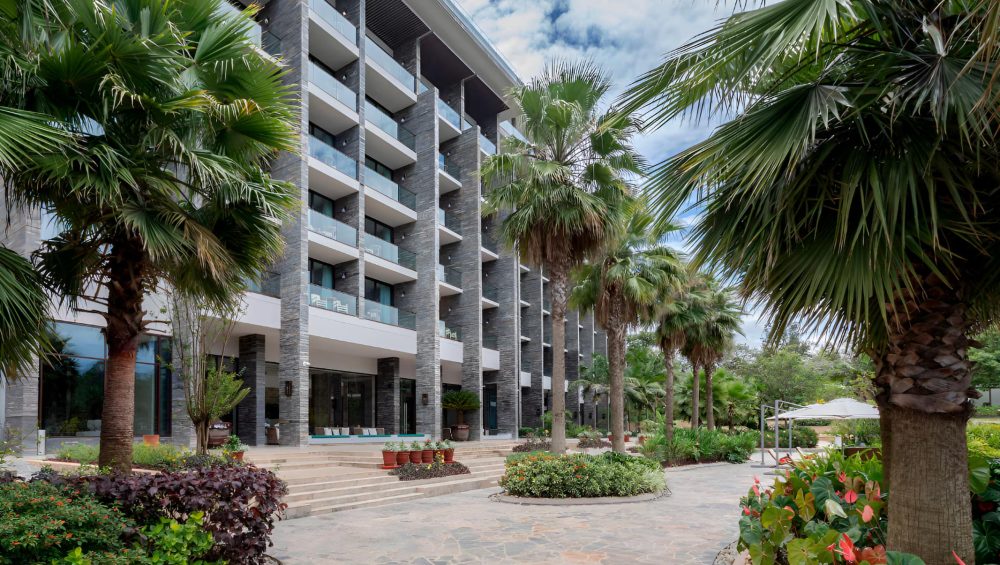
Choosing the right hotel is an important part of preparing for a Kilimanjaro climb. You need more than a comfortable bed. The best Kilimanjaro hotels give you a quiet place to sleep, a good meal, a hot shower, space to organize your trekking gear, and an easy starting point for your journey to the mountain.
For most trekkers, Moshi is the best place to stay before climbing Kilimanjaro. The town is a major base for mountain expeditions and gives climbers convenient access to the main Kilimanjaro routes. It also offers accommodation ranging from affordable guesthouses to comfortable mid-range hotels, boutique properties, and higher-end lodges.
But not every hotel in Moshi is equally suitable for climbers. A hotel that looks excellent for a normal holiday may not be the best choice before a long mountain trek. Before climbing, you want somewhere that makes your preparation easier rather than adding unnecessary travel or stress.
That is why this guide focuses specifically on hotels for Kilimanjaro climbers. We look at location, comfort, breakfast, quietness, facilities, access to Moshi town, suitability for early departures, and how practical each property is before and after a trek.
We have selected 10 places to stay before your Kilimanjaro climb, covering different budgets and travel styles. Whether you are looking for a comfortable hotel before your first trek, a quiet boutique stay, a budget-friendly option, or somewhere relaxing after reaching Uhuru Peak, this guide will help you choose the right base.
Where Should You Stay Before Climbing Kilimanjaro?
Moshi is generally the best place to stay before climbing Kilimanjaro. It keeps you close to the mountain routes while giving you access to hotels, restaurants, trekking operators, gear services, and other facilities you may need before departure. The best hotel depends on your budget, route, arrival time, and how much comfort you want before the trek.
For climbers, we recommend choosing a hotel that offers a comfortable bed, hot shower, reliable meals, early breakfast, secure luggage storage, Wi-Fi, quiet surroundings, and convenient transfers. These practical details can make a bigger difference than simply choosing the hotel with the highest rating.
Quick Facts About Kilimanjaro Hotels
Best town for most climbers: Moshi
Main purpose: Rest, prepare, and organize your gear before the climb
Best location: Convenient access to your Kilimanjaro route and town services
Accommodation: Hotels, lodges, boutique hotels, guesthouses, and budget stays
Useful facilities: Breakfast, hot showers, Wi-Fi, luggage storage, restaurant, and secure parking
Best for pre-climb stays: Quiet rooms and comfortable beds
Best for post-climb stays: Pool, restaurant, spa, and comfortable rooms
Budget: Options range from budget guesthouses to luxury hotels
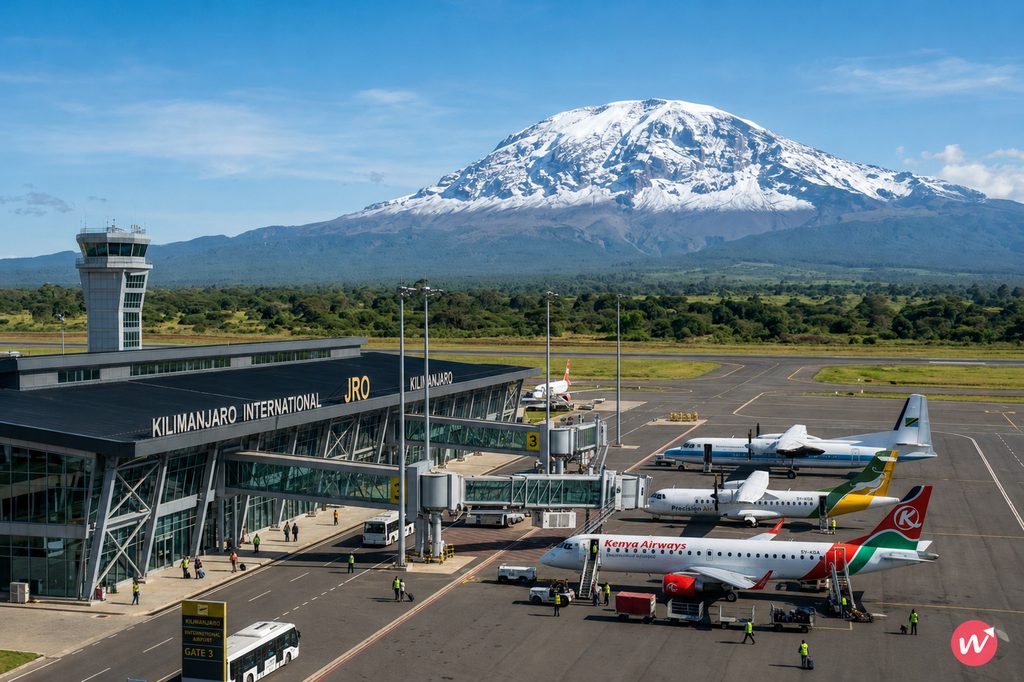
Airport: Kilimanjaro International Airport (JRO) is the main international gateway
Booking tip: Reserve early during busy Kilimanjaro climbing seasons
Most important factor: Choose a hotel that makes your climb easier, not simply one with the highest rating
Top 10 Kilimanjaro Hotels for Climbers
Choosing a hotel before climbing Kilimanjaro is about more than finding a highly rated room. You want a place where you can sleep well, eat properly, organize your trekking equipment, attend your pre-climb briefing, and leave for the mountain without unnecessary stress.
For this guide, we focus on hotels and lodges that are practical for Kilimanjaro trekkers. The list includes different accommodation styles, from comfortable city hotels to peaceful lodges and boutique properties. We also consider access to Moshi, airport transfers, luggage storage, meals, swimming pools, quiet surroundings, and convenience for climbers.
1. Kilimanjaro Wonders Hotel
Best for: Overall comfort and first-time Kilimanjaro climbers
Location: Moshi, Tanzania
Nearby route: Practical base for Machame, Lemosho, Marangu, Rongai, Umbwe, and Northern Circuit departures
Airport distance: About 40 km from Kilimanjaro International Airport
Facilities: Swimming pool, restaurants, bars, rooftop lounge, Wi-Fi, fitness room, airport transfers, parking, and luggage storage
Accommodation: Standard rooms, twin rooms, grand rooms, suites, and accessible rooms
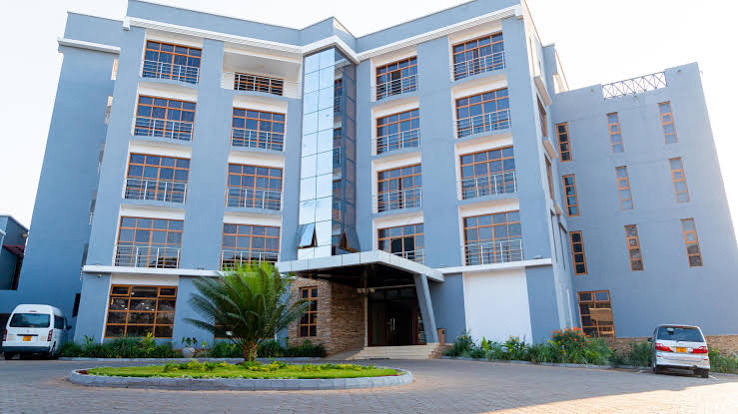
Why choose it: Kilimanjaro Wonders combines comfortable accommodation with several facilities that are useful before and after a trek. The hotel also provides secure luggage storage while guests are away climbing. Its rooftop area offers views toward Mount Kilimanjaro on clear days.
Things to consider: It is a larger hotel, so travelers looking for a small, quiet boutique atmosphere may prefer another option.
WeWild recommendation: One of our strongest all-round choices for climbers who want comfort, reliable facilities, and an easy pre-climb stay.
2. Chanya Lodge
Best for: Comfortable lodge-style accommodation
Location: Kiboriloni area, Moshi
Nearby route: Convenient base for Machame, Lemosho, Marangu, Rongai, Umbwe, and Northern Circuit climbs
Airport distance: Approximately 40-45 km from Kilimanjaro International Airport
Accommodation: Lodge-style rooms suitable for individual travelers, couples, and groups
Why choose it: Chanya Lodge has become one of the highly rated accommodation options in Moshi, with a strong reputation among travelers. Current listings show a 4.8/5 rating from more than 500 reviews.
Things to consider: Its location outside the central town area means you may need transport for some activities in central Moshi.
WeWild recommendation: A strong option for climbers who prefer a relaxed lodge atmosphere rather than a large city hotel.
3. Ameg Lodge
Best for: Relaxing before and after the mountain
Location: Shanty Town, Moshi
Nearby route: Practical for all major Kilimanjaro routes departing from the Moshi area
Airport distance: Around 40 km from Kilimanjaro International Airport
Facilities: Swimming pool, fitness centre, restaurant, Wi-Fi, laundry, and transfer services
Accommodation: Standard rooms and junior suites with en-suite bathrooms, air conditioning, Wi-Fi, safes, and private verandahs
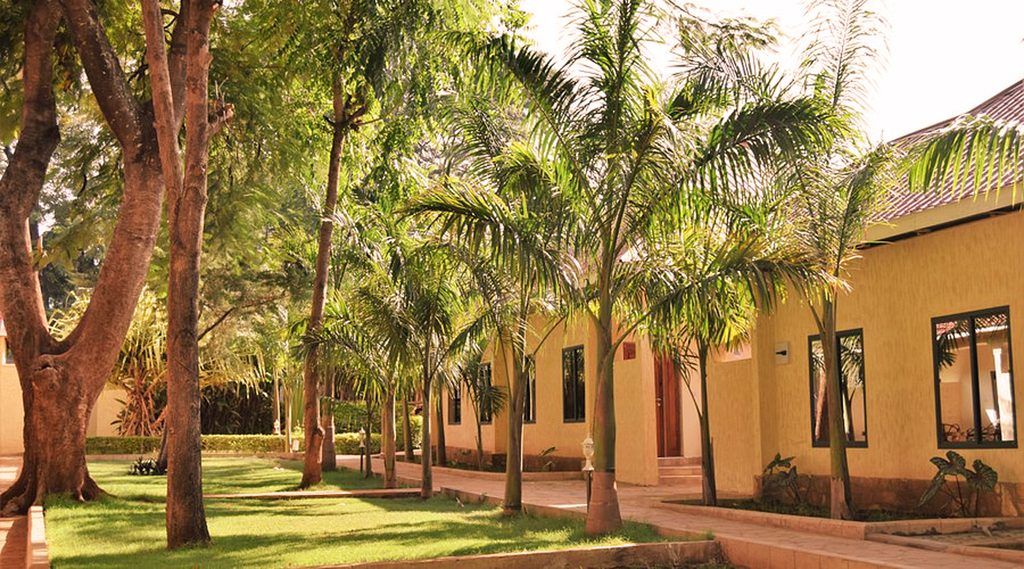
Why choose it: Ameg Lodge offers a peaceful garden setting, a swimming pool, fitness facilities, and comfortable rooms. Some rooms also have connecting doors, which can be useful for families.
Things to consider: The property is outside central Moshi, so transport is useful if you want to explore town.
WeWild recommendation: A good choice when rest and a peaceful environment are more important than staying directly in the town centre.
4. Kibo Palace Hotel Moshi
Best for: Travelers wanting a more upscale city stay
Location: Central Moshi
Nearby route: Convenient starting base for Machame, Lemosho, Marangu, Rongai, Umbwe, and Northern Circuit transfers
Airport distance: Approximately 40 km from Kilimanjaro International Airport
Facilities: Restaurant, modern hotel services, Wi-Fi, comfortable common areas, and business facilities
Accommodation: Modern hotel rooms, including rooms with Kilimanjaro views and balcony options
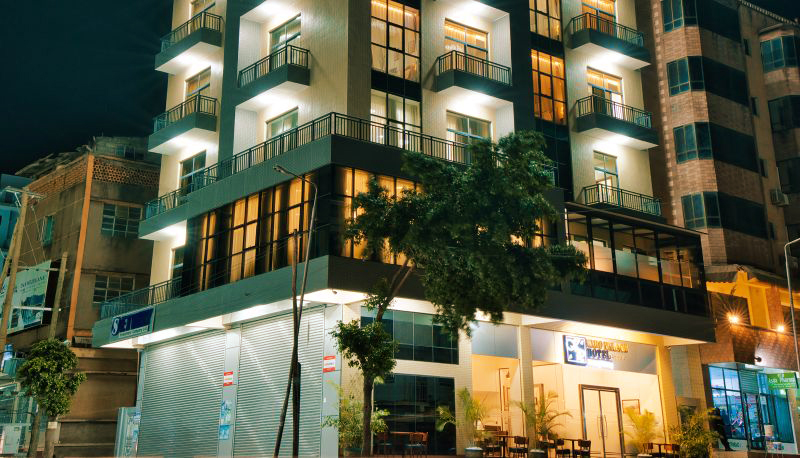
Why choose it: Kibo Palace provides a more polished city-hotel experience while keeping travelers close to central Moshi. Its accommodation includes rooms with mountain views, air conditioning, tea and coffee facilities, safes, and modern bathrooms.
Things to consider: It has a more urban atmosphere than a garden lodge, so it may not suit travelers seeking a secluded pre-climb retreat.
WeWild recommendation: A good option for travelers who value modern comfort and want to stay close to central Moshi.
5. Honey Badger Lodge
Best for: Relaxed stays, couples, families, and travelers seeking a quieter setting
Location: About 6 km outside Moshi
Nearby route: Suitable as a base for the main Kilimanjaro routes accessed from Moshi
Airport distance: About 35 minutes from Kilimanjaro International Airport
Facilities: Swimming pools, restaurant, bar, Wi-Fi, laundry, spa services, gardens, and luggage storage
Accommodation: Ensuite lodge rooms for individuals, couples, families, and groups
Why choose it: Honey Badger offers a relaxed setting away from central Moshi, with spacious grounds, a swimming pool, mountain views, restaurant, and luggage storage. The lodge also emphasizes its local community connection.
Things to consider: Being outside the town centre means you will rely more on transport for restaurants, shops, and other town activities.
WeWild recommendation: Excellent for climbers who want to slow down, rest, and enjoy a more peaceful environment before or after Kilimanjaro.
6. Parkview Inn
Best for: Central Moshi convenience
Location: Central Moshi
Nearby route: Convenient for transfers to Machame, Lemosho, Marangu, Rongai, Umbwe, and Northern Circuit routes
Airport distance: Approximately 40-45 km from Kilimanjaro International Airport
Facilities: Restaurant, swimming pool, Wi-Fi, parking, and standard hotel services
Accommodation: Comfortable hotel rooms suitable for individual travelers, couples, and groups
Why choose it: Parkview Inn is centrally located, making it practical for travelers who want easy access to Moshi town before their climb.
Things to consider: Central locations can be busier than the quieter garden lodges outside town.
WeWild recommendation: A practical choice for climbers who want convenience, especially when they need to access shops, restaurants, or other services in Moshi.
7. Pink Flamingo Boutique Hotel
Best for: Boutique-style comfort
Location: Karanga area, Moshi
Nearby route: Suitable for climbers departing toward the main Kilimanjaro gates
Airport distance: Roughly 40-45 km from Kilimanjaro International Airport
Facilities: Boutique hotel services, restaurant, garden areas, swimming pool, Wi-Fi, and guest relaxation spaces
Accommodation: Individually designed boutique-style rooms
Why choose it: Pink Flamingo offers a more intimate atmosphere than a large hotel and is a strong option for travelers who care about character, design, and a peaceful stay.
Things to consider: It is not in the centre of Moshi, so transport may be needed for town activities.
WeWild recommendation: A great choice for couples and travelers who want their pre-climb hotel to feel more personal and boutique.
8. Salinero Kilimanjaro & Villa
Best for: Comfortable pre- and post-climb stays
Location: Moshi, around 4-5 km from the town centre
Nearby route: Practical base for all major Kilimanjaro routes departing from Moshi
Airport distance: About 40 km from Kilimanjaro International Airport
Facilities: Swimming pool, indoor and outdoor restaurants, bars, spa, Wi-Fi, gardens, and secure storage
Accommodation: Standard, deluxe, and family rooms, plus a private villa
Why choose it: Salinero offers comfortable rooms with hot showers, quality bedding, secure storage, and several facilities designed for relaxation. The hotel also offers airport transfers on request.
Things to consider: It is positioned more as a comfortable hotel experience than a budget accommodation option.
WeWild recommendation: A strong choice for travelers who want to relax in comfort before the climb and enjoy a more restorative stay afterward.
9. Keys Hotel
Best for: Travelers looking for a practical, established hotel
Location: Uru Road, Moshi
Nearby route: Convenient base for the major Kilimanjaro routes
Airport distance: Approximately 40-45 km from Kilimanjaro International Airport
Facilities: Restaurant, swimming pool, gardens, Wi-Fi, parking, and hotel guest services
Accommodation: Standard hotel rooms suitable for individuals, couples, and groups
Why choose it: Keys Hotel is an established Moshi accommodation option and provides a practical base for travelers preparing for a mountain trek.
Things to consider: The hotel has a more traditional feel than some newer boutique properties.
WeWild recommendation: A dependable option for climbers who prefer a straightforward hotel with useful facilities rather than a luxury experience.
10. Kilimanjaro White House Hotel
Best for: Travelers seeking value and mountain views
Location: Longuo area, Moshi
Nearby route: Suitable for transfers to the main Kilimanjaro climbing routes
Airport distance: Approximately 40-45 km from Kilimanjaro International Airport
Facilities: Hotel and lodge services, restaurant, Wi-Fi, parking, and guest accommodation facilities
Accommodation: Hotel rooms and other accommodation options
Why choose it: Kilimanjaro White House offers another practical accommodation choice for travelers who want to stay in the Moshi area while preparing for their climb.
Things to consider: Facilities and room types can vary, so confirm the exact room and services included when booking.
WeWild recommendation: A useful option for travelers who want a comfortable base without moving into the higher-priced hotel category.
Our Overall Recommendation
There is no single hotel that is perfect for every Kilimanjaro climber. Kilimanjaro Wonders Hotel stands out as an excellent all-round choice, while Ameg Lodge and Honey Badger Lodge are especially attractive for travelers who value a quieter environment. Kibo Palace works well for those seeking a more upscale city stay, while Chanya Lodge and Pink Flamingo Boutique Hotel are strong alternatives for travelers who prefer a lodge or boutique atmosphere.
The most important thing is to choose accommodation that supports your climb. A comfortable night, good food, secure luggage storage, and an easy transfer to the trailhead can make your Kilimanjaro experience smoother from the very beginning.
Best Kilimanjaro Hotels by Budget
Not every climber needs the same type of accommodation. Some travelers simply want a clean and comfortable room before an early mountain transfer, while others prefer a quiet lodge, swimming pool, excellent meals, and extra comfort after the trek.
For most climbers, budget, location, comfort, and useful facilities matter more than choosing the most expensive hotel. Moshi has accommodation across several price levels, from simple budget stays to comfortable mid-range hotels and luxury properties.
Budget Hotels
Budget accommodation is ideal for climbers who want to keep more of their travel budget for the Kilimanjaro trek itself. Look for a clean room, reliable hot water, comfortable bedding, breakfast, secure luggage storage, and easy access to your operator.
Good options include:
Rafiki Backpackers & Guesthouse A practical choice for budget-conscious and independent travelers.
KILIMANJARO WHITE HOUSE HOTEL – Best 4-Star hotel with Mount Kilimanjaro view| Luxury| Budget hotels in Moshi Tanzania Useful for travelers looking for value and mountain views.
Kindoroko Hotel – A simple central option for travelers prioritizing affordability.
Best for: Backpackers, solo travelers, younger travelers, and climbers who prefer to spend more of their budget on the mountain experience.
Mid-Range Hotels
Mid-range hotels are often the best balance for Kilimanjaro climbers. You can get a comfortable room, good meals, a swimming pool or garden, Wi-Fi, and a more relaxing environment without paying luxury-hotel prices.
Good options include:
Kilimanjaro Wonders Hotel – A strong all-round choice for pre- and post-climb stays.
Chanya by Ardhi Africa – A comfortable lodge-style option with a quieter atmosphere.
Parkview Inn – Convenient for travelers who want to remain close to central Moshi.
Brubru Lodge – A good alternative for travelers who prefer a lodge setting.
Best for: Couples, families, first-time Kilimanjaro climbers, and travelers who want comfort without moving into the luxury category.
Luxury Hotels
Luxury accommodation is particularly attractive after a Kilimanjaro climb, when a comfortable room, good meal, swimming pool, spa, or peaceful garden can make the return to Moshi more enjoyable.
Good options include:
Kibo Palace Hotel Moshi – A convenient upscale option in central Moshi.
Pink Flamingo Boutique Hotel – A boutique-style choice for travelers who prefer a more private and personalized atmosphere.
Salinero Kilimanjaro Hotel – A comfortable option for travelers wanting additional facilities and relaxation.
Best for: Couples, families, luxury travelers, special occasions, and climbers who want extra comfort before or after their trek.
Our tip: If you are climbing Kilimanjaro, mid-range accommodation is often the sweet spot. You get the comfort needed for good rest without paying mainly for luxury features you may not use during a short pre-climb stay.
Best Hotels by Kilimanjaro Route
Your hotel does not need to be directly beside the Kilimanjaro gate. Most climbers stay in Moshi and travel to their route’s starting point on the morning the trek begins. The best hotel therefore depends on your route, departure time, and whether you value convenience, quietness, or comfort.
Machame Route
For the Machame Route, choose a hotel that makes an early transfer toward Machame Gate convenient.
Recommended options:
Ameg Lodge – Good for travelers who prefer a quieter setting.
Kilimanjaro Wonders Hotel – Strong all-round choice for comfort and logistics.
Parkview Inn – Convenient for travelers who want central Moshi access.
Aishi Machame Hotel – Particularly interesting for travelers who want to stay closer to the Machame side of the mountain.
Best choice: Ameg Lodge for a peaceful pre-climb stay, or Kilimanjaro Wonders for an all-round hotel experience.
Marangu Route
The Marangu Route begins at Marangu Gate on the eastern side of Kilimanjaro. A hotel in Moshi works well because your operator can arrange the transfer to the gate before the trek begins.
Recommended options:
Kilimanjaro Wonders Hotel – Comfortable and practical.
Kibo Palace Hotel – Good for travelers who want an upscale city hotel.
Keys Hotel – A practical option for travelers looking for value.
Chanya Lodge – Good for a quieter lodge experience.
Best choice: Kilimanjaro Wonders for most travelers who want a balance of comfort and convenience.
Lemosho Route
The Lemosho Route starts farther west than Machame, so your transfer to the trailhead is longer. For this route, a comfortable hotel with a good night’s sleep is especially useful.
Recommended options:
Kilimanjaro Wonders Hotel – Excellent all-round base.
Chanya Lodge – Good for travelers who prefer a quieter atmosphere.
Ameg Lodge – Suitable for a peaceful night before an early departure.
Springlands Hotel – A practical option for organized climbing groups.
Best choice: Choose based on your departure time and transfer arrangements rather than simply choosing the hotel closest to central Moshi.
Rongai Route
The Rongai Route approaches Kilimanjaro from the northern side near the Kenya border. Because the route starts farther from Moshi, your operator will arrange an early transfer toward the trailhead.
Recommended options:
Kilimanjaro Wonders Hotel – Convenient for a comfortable pre-climb night.
Kibo Palace Hotel – Good for travelers wanting upscale accommodation.
Chanya Lodge – A relaxed alternative.
Keys Hotel – Useful for travelers prioritizing value.
Best choice: A comfortable Moshi hotel with an early breakfast and reliable transfer arrangements is more important than staying in the city center.
Northern Circuit Route
The Northern Circuit Route is Kilimanjaro’s longest major route, so choosing accommodation that allows you to rest properly before the trek is worthwhile.
Recommended options:
Kilimanjaro Wonders Hotel – Excellent overall choice.
Ameg Lodge – Good for a quiet and comfortable stay.
Kibo Palace Hotel – Suitable for travelers seeking more luxury.
Chanya Lodge – Good for travelers who prefer a peaceful lodge atmosphere.
Best choice: Prioritize a comfortable room, good meals, luggage storage, and an easy transfer rather than focusing only on distance from the trailhead.
Quick Route Tip
If you are booking a Kilimanjaro package with WeWild Travel, you do not need to choose your hotel based only on the route. We can coordinate your hotel stay, mountain briefing, luggage arrangements, and transfer to the appropriate trailhead so that your pre-climb night is as simple as possible.
How Many Nights Should You Stay Before Kilimanjaro?
For most climbers, one night before starting your Kilimanjaro climb is the minimum, while two nights is a more comfortable choice, especially after a long international flight. Staying an extra night gives you more time to rest, organize your gear, complete your briefing, and start the trek feeling prepared rather than rushed.
One Night Before Kilimanjaro
One night works well if you arrive in Tanzania early enough and your travel is straightforward. You can check into your hotel, rest, meet your guide, complete your gear check and pre-climb briefing, then prepare for an early departure the following morning.
This is the most common option for climbers with limited time. However, arriving only one night before means you have less flexibility if your flight is delayed or your luggage does not arrive with you.
Two Nights Before Kilimanjaro
Two nights is our preferred option for many international climbers. The first night gives you time to recover from your journey, while the second day allows you to prepare without rushing.
A typical plan looks like this:
Night 1: Arrive in Tanzania, transfer to your hotel, rest and sleep.
Day 2: Complete your gear check, attend the climb briefing and relax in Moshi.
Night 2: Get a full night’s sleep before leaving for the mountain.
Day 3: Begin your Kilimanjaro climb.
This option is particularly useful for travelers arriving from North America, Europe, Australia or other destinations involving long flights and multiple connections. Some operators specifically recommend arriving two days before the climb to allow enough time for rest and preparation.
Should You Stay Longer Before the Climb?
You can stay longer if your travel schedule allows. An additional night gives you more flexibility and can make sense if you want to explore Moshi or recover from a long journey before trekking.
However, extra hotel nights should not replace proper acclimatization on the mountain. Kilimanjaro’s main altitude adjustment happens during the climb, so choosing a route with a sensible itinerary and enough time for gradual ascent is more important than simply adding several nights in town.
What About After the Climb?
We also recommend planning at least one night after your Kilimanjaro climb. After several days on the mountain, having a comfortable hotel, proper meal, shower and uninterrupted sleep gives you time to recover before continuing your Tanzania trip or flying home.
If your schedule allows, two post-climb nights can make the experience even more relaxed.
Our Recommendation
For most WeWild Travel climbers, we recommend planning two nights before Kilimanjaro and at least one night afterward. One night before can work, but two nights gives you a better buffer for travel delays, gear preparation and rest.
If your climb package already includes accommodation, check what nights are included before booking an additional hotel. This helps you avoid paying twice for the same accommodation.
Where Should You Stay After Climbing Kilimanjaro?
After climbing Kilimanjaro, Moshi is usually the best place to stay for at least one night. Most climbers return to Moshi after descending from the mountain, making it a convenient place to shower, eat a proper meal, sleep in a comfortable bed, collect stored luggage, and recover before continuing their Tanzania journey.
Your priorities also change after the climb. Before Kilimanjaro, you mainly need a practical hotel for sleeping and preparing your gear. After the climb, comfort becomes much more important. A quiet room, hot shower, good restaurant, swimming pool, laundry service, and comfortable bed can make your first night off the mountain much more enjoyable.
Stay in Moshi After Your Climb
For most climbers, staying in the same Moshi hotel before and after the trek is the simplest option. Your hotel can usually keep your extra luggage while you are on the mountain, allowing you to return to the same room or property after your descent. Some climbing operators also arrange post-climb accommodation in Moshi as part of their packages.
If you prefer more comfort after the trek, you can also upgrade your accommodation for the post-climb night.
What Should You Look for in a Post-Climb Hotel?
After several days of trekking, small comforts become important. Look for a hotel that offers:
A comfortable bed and quiet room
Hot showers
A good restaurant or easy access to meals
Swimming pool or relaxing outdoor space
Laundry service
Secure luggage storage
Reliable Wi-Fi
Easy transport for your next destination
Space to rest without unnecessary travel around town
A swimming pool can be particularly appealing after a long trek, while laundry service is useful if you are continuing to another destination. Current Moshi accommodation options include hotels and lodges with pools, restaurants, gardens, laundry, and other recovery-friendly facilities.
Best Types of Hotels After Kilimanjaro
For overall comfort: Kilimanjaro Wonders Hotel offers a convenient post-climb base with comfortable rooms, a pool, restaurant facilities and rooftop space.
For a quieter lodge experience: Honey Badger Lodge provides a more relaxed setting away from the busiest parts of central Moshi.
For a comfortable mid-range stay: AMEG Lodge is another practical option for travelers who want a peaceful place to recover.
For a central Moshi location: Parkview Inn is useful if you want convenient access to the town after your climb.
For a more upscale stay: Kibo Palace Hotel Moshi offers a more polished city-hotel experience in central Moshi.
Should You Stay One or Two Nights After Kilimanjaro?
One night is usually enough if you are continuing your journey the following day. It gives you time to shower, eat, sleep properly and recover from the trek.
However, two nights can be better if your schedule allows it. The extra day gives you time to enjoy a slow morning, do laundry, relax at the hotel, or prepare for a safari or flight without rushing. Some climbing guidance recommends allowing one to two recovery days after the climb rather than immediately flying home.
If you are continuing to a Tanzania safari, you can use this extra time as a comfortable transition between the mountain and your next adventure.
Moshi or Arusha After Kilimanjaro?
For the first night after your climb, Moshi is generally the more practical choice because it is the main town used for Kilimanjaro trekking logistics. Staying there reduces unnecessary travel immediately after your descent.
Arusha can make more sense if your next activity is a northern safari or if your itinerary already takes you there. In that case, you can transfer to Arusha after resting in Moshi.
Our Recommendation
For most WeWild Travel climbers, we recommend one comfortable night in Moshi after Kilimanjaro, with a second night if your schedule allows. Choose a hotel where you can rest properly, enjoy a good meal, take a hot shower, handle your laundry and prepare for the next part of your Tanzania adventure.
Your climb may finish at the mountain gate, but a good post-climb stay gives you the chance to properly enjoy what you have achieved.
Hotel or Lodge: Which Is Better?
For a Kilimanjaro climb, both hotels and lodges can be excellent choices. The better option depends on what you need before or after your trek. Hotels usually offer more standard services and convenient town locations, while lodges often provide a quieter atmosphere, gardens, outdoor spaces, and a more relaxed feel.
For most climbers, the most important factors are comfortable rooms, good meals, hot showers, quiet surroundings, luggage storage, Wi-Fi, and easy access to your climbing arrangements. Moshi has both hotels and lodges that cater well to these needs.
Hotels: Best for Convenience and Services
Hotels are a good choice if you want easy access to restaurants, shops, transport, and other services. Many are located around central Moshi, making them practical for travelers who want to explore the town before or after their climb.
Hotels can also be convenient for groups and families because they often have a wider range of room types and facilities.
Choose a hotel if you want:
A central location
Easy access to town services
Restaurant and room-service options
Swimming pools or fitness facilities
Different room categories
Convenient arrangements for transfers and luggage
A more traditional hotel experience
For example, Kilimanjaro Wonders Hotel is a practical choice for climbers who want hotel-style comfort and facilities in Moshi.
Lodges: Best for Peace and Relaxation
Lodges can be a better choice if your priority is a peaceful environment. Many have gardens, outdoor seating areas, and more space between rooms, creating a relaxed atmosphere before or after a demanding trek.
A lodge can be especially appealing after climbing Kilimanjaro when you want to slow down, enjoy a meal, take a shower, and rest without spending much time in a busy town environment.
Choose a lodge if you want:
A quieter atmosphere
Gardens and outdoor spaces
More privacy
A relaxed setting
A smaller, more personal feel
A peaceful place to recover after the climb
Honey Badger Lodge and Brubru Lodge are examples of lodge-style accommodation around Moshi.
Hotel vs Lodge for Kilimanjaro Climbers
Feature
Hotel
Lodge
Location
Often central
Often quieter or outside town
Atmosphere
More structured
More relaxed
Services
Usually wider range
Often more personal
Privacy
Depends on property
Often stronger
Gardens/outdoor space
Varies
Usually more common
Restaurants
Usually available
Usually available
Best for
Convenience and services
Peace and relaxation
Before the climb
Excellent
Excellent
After the climb
Excellent
Excellent
Which Is Better Before Kilimanjaro?
Before your climb, choose the property that makes preparation easiest. A hotel near your meeting point may be more convenient if you need a briefing, gear check, or last-minute supplies. A lodge can be better if you prefer a quiet environment and want to relax before your departure.
The accommodation itself does not make your climb better. What matters is getting enough rest and having everything you need ready before leaving for the mountain.
Which Is Better After Kilimanjaro?
After the climb, a lodge can be particularly attractive because of its peaceful surroundings. However, a comfortable hotel with a swimming pool, restaurant, laundry service, and good rooms can be equally useful for recovery.
Your choice should depend on how you plan to spend the day after descending.
Our Recommendation
There is no single winner between a hotel and a lodge. For a first-time Kilimanjaro climber, we recommend choosing based on location, comfort, quietness, meals, luggage storage, and transfer arrangements rather than the accommodation label.
If you want convenience and more services, choose a hotel. If you want peace, space, and a relaxed atmosphere, choose a lodge.
Most importantly, choose accommodation that helps you arrive at Kilimanjaro rested, organized, and ready for the adventure.
What Should You Look for in a Kilimanjaro Hotel?
The best Kilimanjaro hotel is not necessarily the most expensive or the highest-rated. Look for comfortable rooms, good meals, hot showers, quiet surroundings, luggage storage, reliable Wi-Fi, and convenient access to your climbing arrangements. These practical features can make your preparation and recovery much easier.
Before booking, consider how the hotel will support you before and after several days on the mountain.
1. Comfortable Bed and Quiet Room
Good sleep is one of the most important things before a Kilimanjaro climb. Choose a hotel with comfortable beds and a quiet environment where you can rest without unnecessary noise.
This becomes even more valuable after the trek when you need time to recover.
2. Hot Showers and Clean Facilities
A hot shower can make a big difference after traveling or returning from the mountain. Check that the hotel provides clean bathrooms, reliable hot water, fresh towels, and well-maintained rooms.
3. Good Food and Breakfast
You want easy access to nutritious meals before starting your trek. A hotel restaurant can be particularly convenient when you arrive tired or have an early departure.
Ask whether the hotel can provide an early breakfast or packed meal if your transfer leaves before normal breakfast hours.
4. Secure Luggage Storage
Most climbers do not take everything they bring to Tanzania onto Kilimanjaro. A reliable hotel should have a secure place where you can leave luggage that you do not need during the trek.
Confirm the storage arrangements with your tour operator or hotel before departure.
5. Easy Transfer Access
Your hotel should make it easy to reach your Kilimanjaro route. You do not need to stay directly beside the national park, but your accommodation should have reliable transport arrangements for your mountain departure.
This is especially important when leaving early in the morning.
6. Wi-Fi and Communication
Reliable Wi-Fi is useful for contacting family, checking travel arrangements, downloading information, and staying connected before and after your climb.
It is not essential for the trek itself, but it can make your hotel stay more convenient.
7. Laundry Service
Laundry is particularly useful after a multi-day climb. Instead of carrying heavily used trekking clothes into the next part of your Tanzania trip, you can have them cleaned before continuing your journey.
8. Swimming Pool or Relaxation Area
A swimming pool, garden, terrace, or comfortable outdoor area gives you somewhere to relax without leaving the hotel.
These facilities can be especially appealing after completing your Kilimanjaro climb.
9. Convenient Location
Consider where the hotel is located in relation to Moshi town, your briefing location, airport transfers, and your mountain departure.
A central hotel may be better if you want easy access to shops and restaurants. A lodge outside the centre may be better if you prefer peace and space.
10. Reliable Guest Services
Helpful staff can make your stay much easier. Look for accommodation that can assist with airport transfers, luggage storage, meals, laundry, local transport, and other practical arrangements.
Kilimanjaro Hotel Checklist
What to Check
Why It Matters
Comfortable bed
Helps you rest before the climb
Quiet room
Supports good sleep
Hot shower
Useful before and after trekking
Restaurant
Makes meals convenient
Early breakfast
Useful for early departures
Luggage storage
Keeps unused bags secure
Wi-Fi
Helps with communication
Laundry
Useful after the trek
Pool or garden
Provides a place to relax
Airport transfer
Simplifies arrival and departure
Mountain transfer
Makes your route departure easier
Good location
Reduces unnecessary travel
Our Recommendation
When choosing among Kilimanjaro hotels, do not judge a property only by its star rating or price. Think about what you actually need as a climber.
A comfortable bed, reliable meals, secure luggage storage, hot water, quiet surroundings, and easy transportation can be more valuable than expensive extras you may never use.
The best hotel is the one that makes your Kilimanjaro experience simpler, more comfortable, and less stressful.
What Is the Best Area to Stay in Moshi?
Moshi Town Centre is the best area for most Kilimanjaro climbers, especially first-time visitors who want easy access to restaurants, shops, trekking operators, transport, and other services. Moshi is compact, so staying centrally can make the days before and after your climb much easier.
However, the best area depends on what you want from your stay. Some climbers prefer the convenience of the town centre, while others would rather stay in a quieter area with gardens, more space, and a relaxed atmosphere.
1. Moshi Town Centre Best for Convenience
Moshi Town Centre is the most practical choice for many climbers. You are close to restaurants, shops, banks, supermarkets, transport, and trekking-related services.
It is particularly useful if you are staying for only one or two nights before your climb. You can attend your briefing, organize your equipment, buy any last-minute essentials, and return to your hotel without spending much time traveling around town.
Best for: First-time climbers, short stays, convenience, and travelers who want easy access to town services.
2. Shanty Town Best for a Quieter Stay
Shanty Town is a good option if you want to stay close enough to Moshi while enjoying a quieter residential environment. The area has hotels and lodges with more gardens and outdoor space than you may find in the busiest parts of the centre.
This can be especially appealing after climbing Kilimanjaro when your main priority is resting rather than exploring the town.
Best for: Couples, families, travelers seeking peace, and post-climb recovery.
3. Rau and Nearby Outskirts Best for Peace and Space
Areas around Rau and the outskirts of Moshi offer a more relaxed setting away from the centre. Some accommodation options here provide gardens, open spaces, and mountain views when weather conditions are clear.
The trade-off is convenience. You may need a taxi or arranged transfer to reach central Moshi, restaurants, shops, or trekking offices.
Best for: Travelers who value quiet surroundings, longer stays, and a more relaxed atmosphere.
4. Areas Toward Kilimanjaro Best for a Mountain Atmosphere
Some accommodation is located farther from central Moshi toward the mountain. These properties can provide a peaceful setting and, depending on the location and weather, views toward Kilimanjaro.
They can be excellent for relaxing before or after your trek, but they are less convenient if you want to walk into town or need frequent access to city services.
Best for: Quiet stays, nature, views, and travelers who prefer a lodge-style experience.
Which Area Should You Choose?
Area
Best For
Main Advantage
Moshi Town Centre
Most climbers
Convenience
Shanty Town
Couples and families
Quiet but accessible
Rau / outskirts
Relaxation
Space and peaceful surroundings
Toward Kilimanjaro
Nature lovers
Mountain atmosphere
Our Recommendation for Kilimanjaro Climbers
If you are visiting Moshi for the first time, choose a hotel in or near the town centre. It keeps your pre-climb logistics simple and gives you easy access to the services you may need.
If you have already visited Moshi or prefer a quieter environment, consider Shanty Town or a lodge on the outskirts. These areas can be particularly attractive for your post-climb night when you simply want to relax.
The most important point is not choosing the “perfect” neighbourhood. Choose accommodation that gives you good sleep, comfortable rooms, reliable meals, secure luggage storage, easy transfers, and a convenient meeting point for your Kilimanjaro climb.
How Far Is Moshi From Kilimanjaro International Airport?
Moshi is about 40 km (25 miles) from Kilimanjaro International Airport (JRO) by road. Under normal conditions, the drive takes around 45-60 minutes, making Moshi a convenient base for travelers arriving for a Kilimanjaro climb.
Kilimanjaro International Airport is the main international gateway for travelers visiting northern Tanzania. The airport is located between Arusha and Moshi, with Moshi approximately 30 km west-southwest of the airport according to airport information.
How Do You Get From JRO to Moshi?
The easiest option for most Kilimanjaro climbers is a pre-arranged airport transfer. Your driver can meet you at the airport and take you directly to your hotel in Moshi.
A private transfer is especially convenient if you arrive after a long international journey or have trekking equipment and luggage with you.
You can also use a taxi or other transport services. The road journey from JRO to Moshi is approximately 40 km and normally takes about 45 minutes, although the actual journey can vary depending on traffic and your exact hotel location.
Should You Stay Near JRO or in Moshi?
For most Kilimanjaro climbers, Moshi is the better choice if your climb starts from one of the main Kilimanjaro routes. Staying in Moshi puts you closer to your trekking arrangements, briefing location, restaurants, shops, and other services.
Staying near the airport can make sense if you have a very early flight or arrive late at night and do not want to continue to Moshi. However, for most climbers spending one or two nights before the trek, Moshi offers more practical accommodation choices and easier access to mountain services.
How Early Should You Leave Moshi for JRO?
If you are flying home after your climb, allow plenty of time for the journey from your hotel to the airport. Although the drive is relatively short, your departure time, traffic, check-in requirements, and other airport procedures should all be considered.
Your tour operator or hotel can help arrange the transfer according to your flight schedule.
Quick Distance Guide
Journey
Approximate Distance
Typical Drive Time
JRO to Moshi
40 km / 25 miles
45-60 minutes
Moshi to JRO
40 km / 25 miles
45-60 minutes
Our Recommendation
For most Kilimanjaro climbers, stay in Moshi rather than near the airport. The approximately 40 km journey from JRO is manageable, and Moshi gives you a more convenient base for preparing for your climb.
If you book a WeWild Travel climbing package, arranging your airport transfer in advance can make your arrival much easier. You can go directly from JRO to your hotel, rest, and prepare for your Kilimanjaro adventure without worrying about transport after a long flight.
When Should You Book Your Hotel?
The best time to book your Kilimanjaro hotel is as soon as your climbing dates are confirmed. For busy climbing seasons, booking around 3-6 months in advance gives you a better choice of hotels, room types, and locations. Hotels in Moshi can become busier during popular climbing periods, so waiting until the last minute may limit your options.
Book Early During Peak Climbing Seasons
If you plan to climb during June to October or January to February, consider reserving your hotel several months before arrival. These periods attract more climbers, and popular accommodation can fill faster.
Booking early is especially useful if you want a particular hotel, mountain-view room, family room, or specific location in Moshi.
Book Your Hotel After Confirming Your Climb
Your hotel dates should match your Kilimanjaro itinerary and flight schedule. First confirm your climbing dates with your tour operator, then arrange accommodation around your arrival, pre-climb preparation, and return from the mountain.
This approach helps avoid booking unnecessary nights or choosing a hotel that does not fit your transfer schedule.
What About Last-Minute Booking?
Last-minute hotel bookings can sometimes work, especially during quieter periods. However, you may have fewer choices and less flexibility with room types or preferred hotels.
For a smoother Kilimanjaro experience, we recommend arranging your accommodation early rather than leaving it until the week before your climb.
WeWild Travel Tip: If you book your Kilimanjaro climb with us, we can help coordinate your hotel, airport transfer, pre-climb briefing, luggage storage, and mountain departure so everything fits your itinerary.
Frequently Asked Questions
What is the best place to stay before climbing Kilimanjaro?
Moshi is the most practical base for most climbers because it offers easy access to the mountain, trekking services, restaurants, and accommodation options.
How many nights should I stay in a hotel before Kilimanjaro?
Most climbers stay one or two nights before the trek. One night may be enough if your flight arrives early, while two nights gives you more time to rest and prepare.
Should I stay in Moshi or Arusha?
Moshi is generally more convenient for Kilimanjaro because it is closer to the main trailheads. Arusha can be useful if you are combining your climb with a safari.
How far in advance should I book my hotel?
For popular climbing periods, booking 3-6 months ahead is a good approach. Peak-season accommodation can fill quickly, especially at popular hotels.
What facilities should a Kilimanjaro hotel have?
Look for a comfortable bed, hot shower, reliable meals, Wi-Fi, luggage storage, secure parking, and convenient transport. These facilities make your pre-climb preparation easier.
Can hotels store my luggage during the climb?
Many hotels in Moshi offer luggage storage, but you should confirm this before booking. It is especially useful when you leave non-trekking belongings behind during your climb.
Should I book a hotel after climbing Kilimanjaro?
Yes. A comfortable night after your trek gives you time to rest, shower, eat, and recover before continuing your Tanzania journey.
Can WeWild Travel arrange my hotel?
Yes. When planning your Kilimanjaro climb with WeWild Travel, we can help coordinate suitable accommodation around your climbing itinerary.
Conclusion
Choosing the right hotel can make your Kilimanjaro experience more comfortable from the moment you arrive in Tanzania. For most climbers, Moshi is the best base before and after the trek, with accommodation for different budgets, travel styles, and comfort levels.
The best Kilimanjaro hotel is not necessarily the most expensive one. Look for a comfortable bed, good meals, hot showers, quiet surroundings, luggage storage, reliable Wi-Fi, and convenient transfers. These simple details can help you rest properly and prepare for the mountain.
Whether you choose a budget guesthouse, a comfortable mid-range hotel, or a boutique lodge, book your accommodation around your climbing dates and itinerary. During popular climbing seasons, booking several months ahead gives you more choices.
At WeWild Travel, we can help coordinate your accommodation, airport transfer, pre-climb arrangements, and mountain departure as part of your Kilimanjaro adventure. The goal is simple: make your journey to the Roof of Africa comfortable, organized, and memorable from start to finish.
Can You Climb Kilimanjaro Wirthout a Guide? Rules, Safety & Your Options
Estimated reading time: 34 minutes
No, you cannot legally climb Mount Kilimanjaro without a licensed guide. Tanzania National Parks (TANAPA) requires Kilimanjaro climbs to be guided, so an independent, unguided ascent is not an option. The current Kilimanjaro National Park visitor guidance specifically states that all climbs must be guided through a licensed operator and that solo trekking is not permitted.
That rule applies whether you are an experienced hiker, a first-time trekker, or someone who simply wants to keep the climb as independent as possible. However, needing a guide does not mean you have to join a large group or give up the freedom of a private trek. You can still choose a private Kilimanjaro climb, select the route and number of days that suit you, and travel with a dedicated mountain team.
There is also a practical reason why guided trekking matters. Kilimanjaro rises to 5,895 metres (19,341 feet) and takes you through several distinct ecological and climatic zones. The challenge is not technical mountaineering alone; altitude, changing weather, long trekking days, route conditions, and the need to make sensible decisions at high elevation all make experienced mountain leadership valuable. TANAPA also advises climbers to use reputable local operators with trained guides who understand current mountain conditions.
In this guide, we explain why you need a guide to climb Kilimanjaro, what the rules mean for independent travellers, whether you can climb privately without joining a group, what guides and porters actually do, and how to choose the right trekking arrangement for your climb.
No, you cannot legally climb Mount Kilimanjaro without a licensed guide. Kilimanjaro National Park requires climbing groups to be guided, and solo trekking is not permitted under the park’s current regulations. Climbers should arrange their trek through a licensed tour operator, which provides the required guiding and helps organize the necessary park arrangements.
This requirement applies even if you have extensive hiking or mountaineering experience. Kilimanjaro is managed as a national park, so reaching the summit is not simply a matter of arriving at the trailhead and starting to walk. Climbers must follow the park’s access, route, safety, and guiding requirements throughout the trek.
TANAPA also advises people planning to climb Kilimanjaro to use a reputable, registered local tour operator with trained guides who understand the mountain and current trail conditions.
What Does the Guide Requirement Mean?
The guide requirement does not mean you have to join a large group. You can still choose a private Kilimanjaro climb with your own guide and mountain crew. This gives you more flexibility while keeping your trek within the park’s rules.
It also does not mean your guide simply walks in front of you. A good Kilimanjaro guide helps manage the pace of the trek, explains the route, monitors how the group is coping with altitude, communicates with the mountain crew, and helps make sensible decisions when conditions change.
In other words, you can climb Kilimanjaro privately, but you cannot climb it independently without the required guide.
For anyone dreaming of reaching Uhuru Peak on their own terms, the better question is therefore not “Can I avoid having a guide?” but “What type of guided Kilimanjaro climb is right for me?”
Why Does Kilimanjaro Require a Guide?
Kilimanjaro requires a guide because climbing the mountain involves more than following a trail. The mountain is inside a protected national park, reaches 5,895 meters (19,341 feet), and has changing conditions, challenging terrain, and high altitude. Tanzania National Parks (TANAPA) requires climbs to be guided by a licensed operator, and solo trekking is not permitted.
A professional guide provides local knowledge and helps the climbing team make safer decisions throughout the trek. Here are the main reasons guides are required on Kilimanjaro.
1. Mountain Safety
A Kilimanjaro guide helps manage the group safely from the trailhead to the summit and back down. Conditions can change as you gain altitude, and the guide can adjust the pace, route decisions, and daily plan when necessary.
TANAPA also advises climbers to follow designated paths, avoid hiking alone, and follow the instructions of their guide while on the mountain.
2. Route Knowledge
Kilimanjaro has several established routes, and each has different terrain, camps, distances, and altitude profiles. A local guide knows the route and understands how the trail normally changes between different sections of the mountain.
This knowledge becomes especially useful when visibility is poor, weather changes, or the trail becomes difficult to follow. Instead of relying entirely on a map or GPS, climbers have an experienced person who knows the mountain environment.
3. Altitude Awareness
Altitude is one of the most important factors on Kilimanjaro. The mountain rises from lowland surroundings to 5,895 meters at Uhuru Peak, so the body needs time to adjust as the elevation increases.
A good guide watches the group throughout the climb, encourages an appropriate pace, and pays attention to changes in a climber’s condition. TANAPA specifically advises climbers to choose an itinerary that allows acclimatization, ascend slowly, and report symptoms to their guide.
4. Emergency Support
A guide also provides an important link between climbers and the support system on the mountain. If a serious problem occurs, the guide can recognize that something is wrong, communicate with the climbing team, and coordinate the appropriate response according to park procedures.
This matters because climbers may be far from the park gates and other services. Having someone who understands the mountain and knows how to communicate with the crew and park authorities adds an important layer of support.
5. Park Regulations
The guide requirement is also part of Kilimanjaro National Park’s operating rules. TANAPA states that all climbs must be guided by a licensed operator and that solo trekking is not permitted. Climbers must also remain on designated routes and follow park regulations during their trek.
Therefore, hiring a guide is not simply a recommendation for inexperienced hikers. It is a requirement for climbing Kilimanjaro legally and within the park’s regulations.
In short: a Kilimanjaro guide combines mountain knowledge, group management, altitude awareness, emergency coordination, and knowledge of park regulations. You can still choose a private climb and enjoy a more personal experience, but the climb must include the required licensed guiding service.
Do You Need a Tour Operator to Climb Kilimanjaro?
Yes, you need to arrange your Kilimanjaro climb through a licensed tour operator. The operator organizes the official park arrangements and provides the required guiding service, while the guide leads and supports you on the mountain.
In simple terms, the tour operator organizes the climb, the park authorizes access, and the guide leads the trek. These roles work together rather than replacing one another.
How the Tour Operator, Permits and Guide Work Together
1. The Tour Operator Organizes Your Climb
Your tour operator is responsible for putting the different parts of your trek together. This normally includes your itinerary, park arrangements, mountain crew, transportation connected to the climb, accommodation where included, meals, and other services included in your package.
Instead of trying to arrange each part separately, you have one company coordinating the trek from preparation to the mountain and back.
2. Park Permits and Fees Provide Legal Access
Kilimanjaro National Park controls access to the mountain. Park entry and other applicable fees must be paid through the official park system, and TANAPA provides official tariff and reservation information for visitors.
Your tour operator helps handle these arrangements so that your climb is properly registered and organized before you enter the park.
3. The Guide Leads You on the Mountain
The guide is the person who works directly with you during the trek. They lead the group along the designated route, help manage the pace, monitor the group, and communicate with the mountain crew.
TANAPA specifically identifies Kilimanjaro routes as activities that require guiding.
This means booking a tour operator is not simply a convenient way to arrange a holiday. It connects you with the guiding service required to climb Kilimanjaro legally.
Can You Arrange Everything Yourself?
For an ordinary Kilimanjaro climb, you should not think of the mountain as a self-guided trekking destination where you simply pay an entrance fee and start walking.
TANAPA’s current guidance requires Kilimanjaro climbs to be guided. Therefore, the practical route for visitors is to book through a licensed operator that can arrange the required guiding and park procedures.
You can still choose a private Kilimanjaro climb rather than joining strangers in a large group. The difference is that your experience can be private while still following the park’s guiding requirements.
The key point: you do not need to give up independence in how you experience the mountain, but you do need to follow Kilimanjaro’s official access and guiding requirements.
Can You Climb Kilimanjaro Alone?
Yes, you can climb Kilimanjaro on a private trek with a guide, but you cannot legally climb the mountain completely alone without a guide. TANAPA states that all Kilimanjaro climbs must be guided by a licensed operator and that solo trekking is not permitted.
The important distinction is between climbing alone as a visitor and booking a private Kilimanjaro climb.
Climbing option
Allowed?
What it means
Alone without a guide
No
You cannot enter the mountain and trek independently without the required guiding service.
Private trek with a guide
Yes
You can have your own guide and climb without joining a larger group.
Group trek with a guide
Yes
You share the climb with other trekkers and travel with a guided mountain crew.
Alone Without a Guide
If by “alone” you mean arriving at Kilimanjaro and hiking to the summit without a guide or licensed operator, no. That is not the way Kilimanjaro National Park operates.
The requirement applies even if you are an experienced hiker or have climbed other mountains before. Kilimanjaro is a regulated national park, and visitors must follow its guiding and access requirements. TANAPA also advises climbers to follow designated routes and guide instructions while on the mountain.
So bringing your own map, GPS device, or previous mountain experience does not turn a Kilimanjaro climb into a self-guided trek.
Solo or Private Trek With a Guide
If you want a more independent and personal experience, a private Kilimanjaro trek is the better option.
With a private climb, you do not have to join a large group of strangers. Your trek can be arranged around your own group, while a qualified guide leads you on the mountain and the climb follows the park’s requirements.
This option works particularly well for travelers who want:
A private experience with family or friends
More flexibility within the planned itinerary
A guide focused on their own group
A quieter trekking experience
The freedom to choose a suitable route and number of climbing days
In other words, you can climb Kilimanjaro without joining a group, but you cannot climb it without the required guide.
What About a “Solo Climb”?
The word solo can cause confusion when people research Kilimanjaro.
On some mountains, “solo climbing” means reaching the summit independently without a guide or support crew. On Kilimanjaro, that interpretation does not apply because the park requires guided climbs.
For Kilimanjaro, it is more accurate to describe your options as either a private guided trek or a group guided trek.
The simplest answer: If you want the mountain to yourself, book a private guided climb. If you want to climb completely without a guide, Kilimanjaro is not an option.
Can You Climb Kilimanjaro Without Porters?
Yes, porter support is different from the guide requirement. Kilimanjaro regulations require guided climbs, but the role of a porter is mainly to help carry equipment, food, water, and other supplies during the trek. Your tour operator can explain which crew arrangement is available for your chosen route and itinerary.
For a climber, this distinction matters. You cannot replace the required guide with your own hiking experience, but porter support is a separate part of the trekking setup.
What Do Porters Do on Kilimanjaro?
Porters help move the equipment and supplies needed to operate a mountain trek. Depending on the trip arrangement, this can include tents, camping equipment, food, cooking equipment, and other group supplies.
Their support allows the guide to focus on leading the trek while the rest of the mountain team handles camp and logistical tasks.
TANAPA regulations also place limits and responsibilities on porter work, including rules concerning the weight they carry. This is one reason responsible operators should organize porter arrangements carefully rather than treating porters simply as extra luggage carriers.
What Happens If You Do Not Use Porter Support?
A climb without porter support would mean taking greater responsibility for carrying and managing your own equipment and supplies. However, the exact arrangement depends on the operator, route, park requirements, and the services included in your climb.
It is therefore better to ask your tour operator exactly what is included before booking rather than assuming that every Kilimanjaro climb uses the same crew structure.
For most organized treks, the mountain team may include a guide, porters, and a cook, with each person having a different role. The guide leads the trek and manages the group, while porters help with mountain logistics and the cook prepares meals where cooking services are included.
Guide vs Porter: What Is the Difference?
Role
Main responsibility
Guide
Leads the trek, manages the route and group, and provides mountain guidance
Porter
Carries equipment and supplies and supports camp logistics
Cook
Prepares meals when cooking service is included
The important point is simple: a porter does not replace a guide, and a guide does not perform exactly the same role as a porter.
If you want a more independent-feeling experience, discuss the crew arrangement with your licensed tour operator before booking. A responsible operator should clearly explain who will accompany you, what each crew member does, and what services are included in your package.
What Does a Kilimanjaro Guide Do?
A Kilimanjaro guide is responsible for much more than showing climbers which trail to follow. The guide leads the group, helps manage the pace, watches for changes in a climber’s condition, supports mountain safety, and coordinates communication throughout the trek.
Because Kilimanjaro climbs take place inside a regulated national park, guides also help climbers follow park rules and stay on the designated route. TANAPA requires Kilimanjaro climbs to be guided and advises visitors to follow their guide’s instructions while on the mountain.
Route and Pace Management
Your guide leads you along the planned Kilimanjaro route and helps set a pace that the group can maintain.
A good guide does not simply focus on reaching the next camp as quickly as possible. Instead, the guide considers the terrain, elevation, weather, and condition of the group when deciding how the day should progress.
The guide also helps the group stay on the designated trail and manages changes when mountain conditions affect the planned itinerary.
This becomes especially useful on longer routes, where daily distances and elevation gains vary. Your guide can explain what to expect during the day and help keep the trek organized from one camp to the next.
Altitude Monitoring
Altitude is one of the most important considerations on Kilimanjaro. As the elevation increases, the body has less available oxygen, so climbers need time to adjust.
A guide watches the group for noticeable changes in how climbers are coping with the altitude. They can ask how you are feeling, observe your pace and behavior, and encourage you to communicate any symptoms or concerns.
This does not mean a guide can guarantee that nobody will experience altitude-related problems. Instead, the guide provides an important layer of observation and communication while the group is on the mountain.
TANAPA advises climbers to choose an itinerary that allows acclimatization, ascend slowly, and report symptoms to their guide.
Mountain Safety and Emergencies
Safety is another major part of a guide’s job. The guide helps the group follow park regulations, use designated paths, and make sensible decisions when conditions change.
If a climber becomes unwell or an unexpected problem occurs, the guide is an important link between the climber, the mountain crew, and the relevant support systems. The guide can communicate the situation and help coordinate the appropriate response.
A guide is not a replacement for professional medical or rescue services. Their role is to recognize concerns, communicate them promptly, and follow the established procedures.
For this reason, choosing an experienced and properly licensed guiding team is an important part of planning a Kilimanjaro climb.
Communication and Daily Logistics
Your guide is also the main point of communication between you and the rest of the mountain team.
Each day involves more than walking. The team needs to coordinate departure times, camps, meals, equipment, water arrangements, weather considerations, and other practical details.
The guide helps keep these moving parts organized so climbers can concentrate on the trek.
A guide can also explain the environment, route, local culture, and landmarks along the way. This can turn the climb from simply reaching the summit into a more meaningful experience of Kilimanjaro.
In short, a Kilimanjaro guide combines route leadership, pace management, altitude awareness, safety support, communication, and daily coordination. That is why the guide requirement is about more than having someone walk ahead of you it provides structured leadership throughout the climb.
What Do Porters and Cooks Do?
A Kilimanjaro climbing team can include more than just the guide. Porters and cooks support the practical side of the trek, helping move supplies and prepare meals while the guide focuses on leading and managing the climb.
Their roles can vary depending on the route, itinerary, group size, and services included in the trekking package. Therefore, it is useful to understand what each member of the mountain crew actually does before booking.
What Do Kilimanjaro Porters Do?
Porters help transport the equipment and supplies needed during the climb. This can include tents, cooking equipment, food, and other group gear.
Their work reduces the amount of communal equipment that climbers need to carry themselves. Porters may also help with setting up and organizing camp as part of the overall mountain operation.
Porter work is regulated. TANAPA’s mountain regulations include rules governing porter duties and the weight they are permitted to carry. A responsible tour operator should therefore have a clear system for assigning and managing porter loads.
It is also important to remember that porters are not guides. They do not replace the person responsible for leading the trek, managing the route, and coordinating the climbing group.
What Does a Kilimanjaro Cook Do?
On treks that include a cook, the cook is responsible for preparing meals for the climbing team.
Meals need to be planned around several days in a mountain environment, with food supplies transported as part of the expedition logistics. The cook prepares breakfast, lunch, and dinner according to the services included in the trekking package.
Having a dedicated cook means climbers do not have to prepare the group’s meals themselves after a day on the trail. Instead, the cooking team handles this part of the daily camp routine.
How the Mountain Crew Works Together
The guide, porters, and cook have different responsibilities, but they work as one team.
Crew member
Main role
Guide
Leads the trek, manages the route and group, and supports mountain safety
Porters
Transport equipment, supplies, and group gear
Cook
Prepares meals when cooking service is included
This team structure allows each person to concentrate on a specific part of the expedition. The guide focuses on the climb itself, porters support transportation and camp logistics, and the cook manages meal preparation.
When comparing Kilimanjaro operators, do not look only at the number of crew members. Ask what services are included, how porter loads are managed, who prepares your meals, and how the company treats its mountain crew.
A well-organized climb should be transparent about these arrangements from the beginning.
Private vs Group Kilimanjaro Climbing
Once you know that an unsupported solo climb is not permitted, the next choice is usually between a private Kilimanjaro climb and a group climb.
Both options require a guide. The main difference is who you share the trek with and how the climbing team is organized. TANAPA states that all Kilimanjaro climbs must be guided by a licensed operator, while guide and porter services are arranged through licensed tour operators.
Option
Guide
Porters/Crew
Best For
Private climb
Yes
Based on package and trek arrangements
Privacy and flexibility
Group climb
Yes
Based on group and package arrangements
Social experience and shared costs
Unsupported solo climb
Not permitted
–
Not an option
Private Kilimanjaro Climb
A private climb means you trek with your own climbing group rather than joining other unrelated travelers.
You still have a guide, but the experience can feel more personal. You can discuss your preferred pace, route, number of trekking days, and other practical arrangements with your operator before the climb.
Private trips can work well for couples, families, friends, or individual travelers who want a more personal experience on the mountain.
However, private does not mean completely independent. A private Kilimanjaro climb is still a guided climb and must follow park regulations.
Group Kilimanjaro Climb
A group climb brings together travelers who are taking the same route and itinerary.
You share the mountain experience with other climbers and travel with a guided crew. For many travelers, this adds a social element to the adventure.
Group climbs can also be attractive to people who enjoy meeting other trekkers while keeping the structure and support of an organized expedition.
The size and exact composition of the group can vary, so check with your tour operator before booking.
Unsupported Solo Climb
An unsupported solo climb means attempting to trek Kilimanjaro independently without the required guiding arrangement.
This is not permitted. TANAPA’s current Kilimanjaro Visitor Guide states that all climbs must be guided by a licensed operator and that solo trekking is not permitted.
This means carrying your own equipment, having previous hiking experience, or using GPS navigation does not turn a Kilimanjaro climb into a permitted self-guided trek.
Which Option Should You Choose?
The right choice depends on the experience you want.
Choose a private climb if you value privacy, want to travel with people you already know, or prefer a more personalized trekking experience.
Choose a group climb if you enjoy meeting other travelers and sharing the experience with a wider group.
If your goal is to climb without a guide or organized guiding arrangement, Kilimanjaro is not suitable for that type of trip because of the park’s guiding requirements.
In simple terms: private and group climbs are both guided options; unsupported solo climbing is not.
Does Your Experience Matter?
Yes, previous hiking or mountaineering experience can be valuable on Kilimanjaro. An experienced climber may already understand long trekking days, changing weather, uneven terrain, and the importance of managing effort.
However, experience does not remove the requirement to climb with a licensed guide.
This is an important distinction for experienced mountaineers who may be used to climbing independently in other parts of the world. Kilimanjaro is located inside a protected national park with its own access and guiding regulations. TANAPA requires Kilimanjaro climbs to be guided, so previous experience does not turn the trek into a self-guided climb.
Experienced Climbers Still Need a Guide
Imagine a climber who has already completed several high-altitude treks. They may be comfortable navigating trails, carrying equipment, and managing long days in the mountains.
That experience can certainly be useful.
However, the question is not whether the climber can navigate the mountain. The question is whether they are permitted to climb Kilimanjaro without the required guiding arrangement.
The answer remains no.
The guide requirement applies to experienced and first-time climbers alike. Your previous achievements do not create an exemption from the park’s regulations.
What Experience Can Help With
Previous mountain experience can still make the overall trekking experience more familiar.
An experienced hiker may already understand:
How to manage effort during a long trekking day
How to prepare for changing mountain conditions
How to organize personal trekking equipment
What it feels like to spend several days on a mountain
How to follow a structured itinerary
Even so, Kilimanjaro presents its own combination of altitude, terrain, weather, and park regulations. A guide remains part of the required climbing arrangement.
Experience Does Not Replace Local Knowledge
There is also a difference between general mountaineering experience and knowledge of Kilimanjaro.
A climber may have extensive experience elsewhere but still be unfamiliar with Kilimanjaro’s routes, camps, park procedures, and local mountain conditions.
A local guide brings knowledge specific to the mountain and works within the established park system.
Therefore, the best way to think about experience is simple:
Your experience can make you a more prepared climber, but it does not make a guide optional.
Whether you are climbing Kilimanjaro for the first time or have already climbed other mountains, you still need to follow the same park requirements and use the required guiding arrangement.
Which Kilimanjaro Routes Can You Climb?
You can climb Kilimanjaro through several permitted routes, including Machame, Lemosho, Marangu, Rongai, Umbwe, and Londorosi. TANAPA identifies these as the mountain’s established ascending routes. Each route approaches the mountain differently and has its own scenery, terrain, camps, and itinerary options.
However, the route you choose does not change the guiding requirement. Whether you choose Machame, Lemosho, Marangu, Rongai, Umbwe, or another permitted route, the climb must follow the applicable park regulations and guiding arrangements.
Machame Route
The Machame Route approaches Kilimanjaro from the south. It is known for varied scenery and a trekking profile that includes several changes in elevation.
It can suit climbers who want a scenic route with a more traditional camping experience.
The Marangu Route approaches Kilimanjaro from the southeast. It is different from most other routes because accommodation is provided in mountain huts rather than tents.
Marangu is also used for both ascending and descending the mountain.
Londorosi is another permitted ascending route identified by TANAPA. It is less commonly discussed in commercial route comparisons, but it forms part of the park’s established access routes.
Does the Route Change the Guide Requirement?
No.
This is particularly important for anyone searching for a route that might allow an independent climb. There is no permitted Kilimanjaro route where you can simply avoid the required guiding arrangement because of your experience or because the route is quieter.
The better question is which route and itinerary fit your interests, available time, and approach to the mountain.
Whether you choose Machame, Lemosho, Marangu, Rongai, Umbwe, or Londorosi, you still need to follow the applicable Kilimanjaro National Park regulations and climb with the required guiding support.
For travelers who want privacy, a private guided climb provides a better alternative to attempting an unsupported solo trek. You can have your own climbing group and guide while still following the rules of the national park.
How Much Does a Guided Kilimanjaro Climb Cost?
There is no single price for a guided Kilimanjaro climb. The final cost depends on the route, number of days, type of trek, park fees, mountain crew, accommodation, transfers, and the services included in your package.
This is why two Kilimanjaro operators can quote different prices for what may appear to be a similar climb. A lower price does not necessarily mean a better deal, and a higher price does not automatically mean a better experience.
TANAPA confirms that Kilimanjaro fees can vary according to the visitor category, route, and number of days. Conservation, camping or hut, and rescue fees may also apply.
Route
The route you choose affects the overall price. Different routes require different logistics, camp arrangements, transfers, and numbers of trekking days.
For example, a longer Lemosho or Northern Circuit itinerary generally involves more days of park access, meals, crew support, and accommodation than a shorter itinerary.
Number of Days
The number of days on the mountain is one of the most obvious factors affecting cost.
A longer itinerary usually means additional:
Park fees
Camping or hut charges
Meals
Crew services
Accommodation nights
Transfers and logistics
However, choosing a climb only because it has fewer days can overlook the value of having more time on the mountain. The right itinerary should balance your budget with the route and overall trekking experience.
Private or Group Climb
A private Kilimanjaro climb and a group climb can have different prices.
With a private trek, the costs of the guiding team and other operational services are arranged around your own group. A group climb allows travelers to share the experience and, depending on the package, some costs across multiple climbers.
Ask the operator whether the quoted price is per person and whether it applies to a private or group departure.
Park Fees
Park charges form an important part of a Kilimanjaro package. Depending on the applicable tariff and itinerary, costs can include conservation fees, camping or hut fees, and rescue-related charges.
TANAPA publishes the official park tariff information, so travelers should check the current fees rather than relying on an old blog or outdated quotation.
Mountain Crew
Your package may include a guide, porters, and a cook, depending on the trek arrangement.
These crew members have different responsibilities. The guide leads the climb and manages the group, porters support transportation and camp logistics, and a cook prepares meals when cooking services are included.
The size and organization of the crew can vary according to the group and package, so ask exactly what is included before comparing prices.
Accommodation
Accommodation can include different parts of the trip.
On Kilimanjaro, Marangu uses mountain huts, while other routes generally use designated tented camps. Before or after the trek, your package may also include a hotel or lodge in the Moshi or Arusha area.
Therefore, check whether your quotation includes pre- or post-climb accommodation or only the mountain portion of the trip.
Transfers
Transfers are another cost to consider.
Depending on the package, these may include airport pickup, transport between your hotel and the mountain gate, and transportation after the trek.
A quotation that looks cheaper may simply exclude transfers that another operator has already included.
Equipment and Trekking Support
Some operators provide or arrange certain trekking equipment and support services, while others expect climbers to bring everything themselves.
Before booking, ask whether the package includes any equipment rental, dining or camping equipment, luggage handling, water arrangements, or other mountain support.
What Should Be Included in the Price?
Before comparing Kilimanjaro packages, ask for a clear breakdown of the quotation.
Cost factor
What to check
Route
Which route and itinerary are included?
Number of days
How many mountain days and nights?
Private/group
Is the climb private or shared?
Park fees
Which official park charges are included?
Crew
Guide, porters, cook, and other support
Accommodation
Mountain accommodation and hotel nights
Transfers
Airport, hotel, and mountain-gate transportation
Equipment/support
Rental equipment and other included services
The best comparison is therefore not simply “Which company is cheapest?” Instead, compare what each operator includes for the price.
A transparent Kilimanjaro quotation should make it easy to understand what you are paying for, what is included, and which personal expenses remain outside the package.
How to Choose a Responsible Kilimanjaro Tour Operator
Choosing the right tour operator is one of the most important decisions you will make before climbing Kilimanjaro. The company you choose arranges your mountain crew, guides your trek, handles park arrangements, and helps manage the practical side of your climb.
Do not choose an operator based only on the lowest price. Instead, look at licensing, guide experience, safety practices, porter welfare, route knowledge, and pricing transparency. TANAPA states that Kilimanjaro climbs must be guided by a licensed operator, so the company you book should be properly established and able to explain how your climb will be organized.
1. Check That the Operator Is Legitimate
Start by checking whether the company is properly registered and operates within Tanzania’s national park requirements. A professional operator should be comfortable explaining its registration, mountain operations, and the guides who will lead your trek.
Be cautious if a company avoids basic questions about who will operate your climb or gives unclear information about park arrangements.
2. Ask About Your Kilimanjaro Guides
Your guide is the person who will lead you on the mountain, so experience matters. Ask how long the guides have worked on Kilimanjaro, which routes they regularly lead, and what first-aid or wilderness training they have.
A good guide should also be able to communicate clearly with you throughout the trek. This is particularly important when discussing how you are feeling, changing conditions, your walking pace, and decisions on the mountain.
3. Understand the Company’s Safety Approach
Do not settle for a website that simply says “safety is our priority.” Ask what that means in practice.
For example, ask how the company monitors climbers during the trek, how guides respond when someone becomes unwell, and what communication and emergency procedures are available. TANAPA advises climbers to choose itineraries that allow acclimatization, ascend slowly, report symptoms to their guide, and stay on designated paths.
The important question is not whether an operator promises that nothing will go wrong. It is whether the company has a clear process for responding when conditions change.
4. Look at How Porters Are Treated
Responsible trekking also means responsible treatment of the people who support your climb.
Ask how porters are paid, what equipment they receive, how their loads are managed, where they sleep, and how the company handles tips. These questions can tell you much more about an operator’s standards than a statement about being “eco-friendly.”
TANAPA confirms that guide and porter services are arranged through licensed tour operators, while responsible trekking organizations also emphasize transparency around porter welfare and load limits.
5. Check Exactly What Your Price Includes
Two operators can advertise the same route and number of days while offering very different packages.
Before paying a deposit, ask whether your quotation includes:
TANAPA notes that park fees vary according to visitor category, route, and number of days, with conservation, camping or hut, and rescue fees potentially applying.
A transparent quotation makes it easier to compare operators fairly.
6. Check Independent Reviews
Reviews can help you understand what an operator is actually like once the trek begins.
Look beyond comments about beautiful scenery or friendly staff. Pay attention to reviews that mention:
Guide professionalism
Communication
Food and camp organization
How the company handled difficult situations
Porter treatment
Whether the advertised itinerary matched the actual trek
Whether the final price matched the original quotation
No operator will have perfect reviews. What matters is whether the overall feedback shows consistent service and responsible mountain operations.
7. Choose an Operator With Real Local Knowledge
Kilimanjaro is not simply a destination that can be managed from behind a computer. Local knowledge matters because the people running the climb understand the routes, mountain environment, park procedures, camps, and day-to-day realities of trekking in Tanzania.
This is one reason to consider a Tanzanian-based Kilimanjaro operator that directly manages its mountain climbs rather than treating the trek as a booking passed between different companies.
Why WeWild Travel Takes This Approach
At WeWild Travel, our focus is specifically on Kilimanjaro trekking. As a local Tanzanian operator, we believe choosing an operator should be about more than finding the cheapest quotation.
Our approach is built around experienced local guides, responsible mountain operations, clear communication, and giving climbers an honest understanding of what their package includes. We also believe that the people supporting your climb deserve to be treated with respect.
Most importantly, we want travelers to understand why they need a guided climb and what a responsible operator should provide before they decide to book.
That means you do not have to choose WeWild Travel simply because we say we are responsible. Use the same questions above to evaluate us—and any other Kilimanjaro company you are considering.
A Simple Checklist Before You Book
What to check
Question to ask
Legitimacy
Is the operator properly registered and authorized to organize Kilimanjaro climbs?
Guides
Who will guide my climb, and what experience do they have?
Safety
What procedures do you follow if a climber becomes unwell?
Porters
How are porters paid, equipped, and managed?
Price
What is included and excluded from my quotation?
Reviews
What do previous climbers say about the guides and service?
Local expertise
Does the company directly manage climbs on Kilimanjaro?
Communication
Can I speak with the operator before booking?
A responsible operator should be willing to answer these questions clearly. If you receive vague answers, pressure to pay quickly, or a quotation that leaves important costs unexplained, take a step back and investigate further.
Is Climbing Kilimanjaro With a Guide Worth It?
Yes. Climbing Kilimanjaro with a guide is worth it, and it is also required under current Kilimanjaro National Park regulations. TANAPA states that all climbs must be guided by a licensed operator and that solo trekking is not permitted.
However, the value of a guide goes beyond simply meeting a park requirement. A good guide brings local mountain knowledge, helps manage the pace of the trek, monitors how the group is coping with altitude, and helps coordinate the practical details of each day.
A Guide Adds More Than Route Directions
You might think a guide is only there to show you which trail to follow. In reality, the role is much broader.
Kilimanjaro reaches 5,895 meters (19,341 feet), and the experience changes significantly as you move through different elevations and environments. TANAPA recommends ascending slowly, allowing time for acclimatization, following guide instructions, and reporting symptoms promptly.
Your guide can therefore help you understand the rhythm of the mountain rather than simply lead you from one camp to another.
Guides Help You Manage the Trek
Kilimanjaro is not a race to the summit. The way you walk each day matters.
An experienced guide can help establish a sustainable pace, adjust the day’s progress when necessary, and keep the group together. They also understand the terrain and the normal rhythm of different sections of the route.
That support can make the trek feel more organized, especially when you are tired or dealing with changing mountain conditions.
Local Knowledge Makes a Difference
Maps and online information can help you prepare, but they cannot replace someone who regularly works on the mountain.
Local guides understand the routes, camps, weather patterns, park procedures, and practical realities of a Kilimanjaro trek. TANAPA itself advises climbers to use reputable registered local tour operators employing trained guides with strong experience and knowledge of current mountain conditions.
That local knowledge becomes particularly valuable when conditions change or a planned day does not go exactly as expected.
A Guide Also Connects You With the Mountain Crew
Your guide is usually the main point of communication between you and the wider trekking team.
Depending on your package, that team may include assistant guides, porters, and a cook. The guide helps coordinate the group’s movement and communicates important information between climbers and the crew.
This allows you to concentrate more on the experience instead of trying to manage every logistical detail yourself.
Is a Private Guided Climb Worth It?
If you want more privacy, you do not have to join a large group.
A private Kilimanjaro climb still includes the required guide, but your trekking group can consist only of your own travelers and mountain crew. This can give you a more personal experience while keeping the benefits of professional guidance.
It can be a good option if you prefer:
A private trekking experience
More personal attention from your guide
A pace suited to your group
Greater flexibility within the planned itinerary
Traveling with family or friends
What About the Extra Cost?
A guided climb costs more than simply arriving at the mountain and walking by yourself but on Kilimanjaro, that comparison is misleading because unsupported solo trekking is not permitted.
Instead, compare operators based on what their price actually provides. Park fees, guides, porters, meals, camping or hut arrangements, transfers, and other services can all affect the final cost. TANAPA confirms that fees vary according to factors such as visitor category, route, and number of days, with applicable conservation, camping/hut, and rescue fees.
The better question is not simply, “Can I find a cheaper climb?”
It is:
“Am I getting a well-organized, responsible and properly guided Kilimanjaro experience for the price I am paying?”
So, Is a Kilimanjaro Guide Worth It?
For Kilimanjaro, the answer is yes.
A guide is not just someone who walks at the front of the group. The right guide combines route knowledge, mountain experience, group management, communication, and practical support throughout the trek.
And because TANAPA requires guided climbs, there is no genuine option to save money by turning Kilimanjaro into an unsupported solo hike.
If you value privacy, choose a private guided climb. If you enjoy meeting other travelers and sharing the experience, choose a group guided climb. Either way, the important thing is choosing a responsible operator with experienced local guides.
Frequently Asked Questions
Can I climb Kilimanjaro without a guide?
No. Kilimanjaro climbs must be guided by a licensed operator, and solo trekking is not permitted.
Can I climb Kilimanjaro alone?
You cannot climb completely alone without a guide. However, you can book a private trek with your own guide.
Is a guide mandatory on Kilimanjaro?
Yes. A licensed guide is required for Kilimanjaro climbs.
Do I need a tour operator?
Yes. You should arrange your climb through a licensed tour operator that provides the required guiding service.
Can I hire a guide only?
The climb must be organized through a licensed operator. Ask the operator whether they can arrange a guiding-only service alongside the required park arrangements.
Can I climb without porters?
Porters and guides have different roles. Porter arrangements depend on your trekking package and how your equipment and supplies are handled.
Can experienced hikers climb without a guide?
No. Hiking or mountaineering experience does not remove the guide requirement.
Can I do a private Kilimanjaro climb?
Yes. A private climb gives you your own trekking group and guide without requiring you to join a large group.
Are Kilimanjaro guides trained?
Professional operators should use experienced, trained mountain guides. Ask about your guide’s experience and training before booking.
What does a Kilimanjaro guide do?
A guide leads the route, manages the pace, monitors the group, communicates with the crew, and helps handle changing mountain conditions.
How many people can join a private climb?
There is no single private-group size. You can discuss the number of travelers with your chosen operator.
Which route is best for a private climb?
Several routes can be done privately. Your choice should depend on scenery, difficulty, duration, and your trekking preferences.
Conclusion: Can You Climb Kilimanjaro Without a Guide?
So, can you climb Kilimanjaro without a guide? No. Kilimanjaro National Park requires climbs to be guided by a licensed operator, and solo trekking is not permitted.
That does not mean you have to join a large group. You can choose a private Kilimanjaro climb with your own guide, or join a group trek and share the experience with other travelers.
A good guide does more than lead the way. They bring local route knowledge, help manage the pace, monitor the group, communicate with the mountain crew, and help you respond appropriately when conditions change. TANAPA also advises climbers to ascend slowly, allow time for acclimatization, and report symptoms to their guide.
Therefore, the better question is not whether you can avoid a guide. It is which guided Kilimanjaro experience is right for you.
Whether you choose Machame, Lemosho, Marangu, Rongai, Umbwe, or another permitted route, take time to compare operators, understand what your package includes, and choose a company that values safety, experienced guides, responsible trekking, and clear communication.
At WeWild Travel, we focus specifically on Kilimanjaro climbs and help travelers plan guided treks with experienced local mountain teams. If you are ready to start planning your climb, contact us to discuss your preferred route, dates, group size, and trekking style.
How to Get to Kilimanjaro: Flights, Airports, Transfers & Travel Guide
Estimated reading time: 47 minutes
Getting to Mount Kilimanjaro is easier when you know which airport to choose, how to reach your hotel, and what to expect before your climb. For most international travellers, the best option is to fly into Kilimanjaro International Airport (JRO) in northern Tanzania. From there, you can travel by road to Moshi or Arusha, the two main towns used as bases for Kilimanjaro adventures.
However, your journey to Kilimanjaro does not begin when you reach the mountain gate. It starts with choosing the right flight and planning how you will get from your home country to Tanzania, from the airport to your accommodation, and finally from your hotel to the starting point of your chosen Kilimanjaro route.
Depending on where you are travelling from, you may fly directly or connect through an international hub such as Amsterdam, Doha, Istanbul, Addis Ababa, or Nairobi. Another option is to fly into Dar es Salaam or Nairobi and take a connecting flight to Kilimanjaro. Your best choice depends on your departure city, travel dates, flight schedules, budget, and how much time you want to spend travelling.
Once you arrive at JRO, the next stage is straightforward. A pre-arranged airport transfer can take you to Moshi or Arusha, where you can rest, meet your trekking team, attend your climb briefing, and prepare your equipment before heading to Kilimanjaro National Park.
In this complete guide, WeWild Travel explains how to get to Kilimanjaro step by step, including the best airport to use, flights to Kilimanjaro, alternative arrival routes, airport transfers, Moshi versus Arusha, travel preparation, and what happens after you land in Tanzania. Whether you are travelling from the UK, USA, Canada, Australia, Europe, or elsewhere, you will find the practical information you need to plan your journey with confidence.
The easiest way to get to Kilimanjaro is to fly into Kilimanjaro International Airport (JRO) in northern Tanzania. From JRO, travel to Moshi or Arusha, where most climbers spend a night before their trek. Your Kilimanjaro operator can arrange an airport pickup and transfer you to your hotel, then take you to the correct mountain gate on your starting day. From there, your chosen route takes you toward the summit.
Getting to Kilimanjaro at a glance
Step
What you need to do
1
Book your international flight to Tanzania
2
Fly into Kilimanjaro International Airport (JRO)
3
Meet your pre-arranged airport transfer
4
Travel to Moshi or Arusha
5
Check into your hotel and prepare for the trek
6
Travel to your route’s starting gate and begin your Kilimanjaro climb
Which Airport Should You Fly Into for Kilimanjaro?
If you are travelling to Tanzania specifically to climb Mount Kilimanjaro, Kilimanjaro International Airport (JRO) is usually the most convenient airport to choose. JRO serves northern Tanzania and gives you straightforward road access to both Moshi and Arusha, the main towns where climbers stay before their trek.
However, JRO is not your only option. Depending on your international flight, you may find it more convenient to travel through Nairobi, Dar es Salaam, or another Tanzanian airport before continuing to the Kilimanjaro area.
Your best choice depends on where you start your journey, available flight connections, arrival time, and whether you plan to visit other parts of Tanzania before or after your climb.
Kilimanjaro International Airport (JRO)
Kilimanjaro International Airport is the best airport for most international travellers climbing Mount Kilimanjaro. The airport sits between Moshi and Arusha, making it easy to continue your journey by road after landing.
JRO receives international and regional flights, so many climbers can reach northern Tanzania without first travelling through Dar es Salaam. The airport also connects with several major international hubs, giving travellers from Europe, North America, Asia, Australia, and other regions different ways to reach Tanzania.
After clearing immigration and collecting your luggage, you can meet your pre-arranged driver and travel directly to your accommodation in Moshi or Arusha. If you book your climb with a local operator, you can arrange this transfer before your arrival and avoid searching for transportation after a long international journey.
For most Kilimanjaro climbers, the simplest journey looks like this:
International flight → JRO → airport transfer → Moshi or Arusha → Kilimanjaro climb
If your main goal is climbing Kilimanjaro, JRO should usually be your first airport to check when comparing flights.
Arusha Airport (ARK)
Arusha Airport (ARK) serves the Arusha area and mainly handles domestic and regional flights. It differs from Kilimanjaro International Airport, so travellers should check their ticket carefully before booking.
ARK can work well if you are already travelling within Tanzania or combining your Kilimanjaro climb with other destinations. For example, you might reach Arusha on a domestic flight and then arrange road transportation to your hotel or the mountain.
However, international travellers should not automatically choose ARK simply because the airport name contains “Arusha.” JRO generally offers the more practical arrival point for an international Kilimanjaro trek.
If you find a domestic connection to ARK that fits your itinerary, compare the total travel time, baggage allowance, transfer arrangements, and cost before making your decision.
Julius Nyerere International Airport (DAR)
Julius Nyerere International Airport (DAR) in Dar es Salaam can be another option when international flights to Dar es Salaam offer a better connection or fare.
A typical journey would look like:
International flight → Dar es Salaam (DAR) → domestic flight → JRO → Moshi or Arusha
This route can make sense if you plan to spend time in Dar es Salaam or if your international itinerary connects there more conveniently than through another hub.
However, flying into Dar es Salaam adds another stage to your journey. You need to consider the domestic flight schedule, baggage arrangements, connection time, and the possibility of delays before choosing this option.
If your only purpose is to climb Kilimanjaro, compare a DAR itinerary carefully against a flight that takes you directly to JRO. A cheaper international ticket does not always produce the easiest overall journey.
Nairobi Airport (NBO)
Jomo Kenyatta International Airport (NBO) in Nairobi, Kenya, provides another useful gateway for travellers heading to Kilimanjaro. Nairobi has a large international flight network, so some travellers may find better connections into Kenya than directly into Tanzania.
From Nairobi, you can continue to Kilimanjaro by air:
International flight → Nairobi (NBO) → JRO → Moshi or Arusha
This option can work particularly well if you want to combine your trip with time in Kenya or find a convenient international flight into Nairobi.
Before choosing this route, remember that Nairobi and Kilimanjaro are in different countries. Your itinerary therefore needs to account for the international border crossing and the relevant entry requirements if you travel overland between Kenya and Tanzania.
For a dedicated Kilimanjaro trip, compare the complete journey with a flight directly to JRO. The shortest-looking airfare is not necessarily the easiest option once you include additional flights, transfers, border procedures, and travel time.
Which airport is best for your Kilimanjaro climb?
Airport
Best for
Recommendation for climbers
JRO
International and regional arrivals for northern Tanzania
Best choice for most climbers
ARK
Domestic and regional travel
Useful in selected itineraries
DAR
International arrivals through Dar es Salaam
Good alternative when connections work well
NBO
International arrivals through Nairobi
Useful alternative, especially for combined Kenya Tanzania trips
Flights to Kilimanjaro International Airport
Flying to Kilimanjaro International Airport (JRO) is the most straightforward option for travellers coming to Tanzania for a Mount Kilimanjaro climb. The airport has international connections from Europe, the Middle East, and several regional African hubs. Current schedules show direct European services from Amsterdam, Istanbul, Milan, Paris, Brussels, and Zürich, although several European routes operate seasonally. (FlightConnections)
If your city does not have a direct flight to JRO, you can usually reach Kilimanjaro through a major international hub and continue on a connecting flight. When comparing flights, look beyond the ticket price. Consider the total journey time, number of connections, baggage allowance, arrival time in Tanzania, and how easily you can connect with your airport transfer.
Flights to Kilimanjaro from Europe
Europe provides some of the most convenient international connections to Kilimanjaro. Several European cities have direct or seasonal services to JRO, while travellers from other European countries can connect through these hubs.
Amsterdam to Kilimanjaro
Amsterdam (AMS) is one of the main European gateways to Kilimanjaro. KLM operates direct services between Amsterdam and JRO, giving travellers from the Netherlands and nearby European countries a convenient option. Current schedules show the Amsterdam Kilimanjaro route as a seasonal service, so always check your exact travel dates before booking.
Istanbul to Kilimanjaro
Istanbul (IST) provides an important year-round connection between Europe and Tanzania. Turkish Airlines currently operates direct flights between Istanbul and Kilimanjaro, making Istanbul a useful connecting point for travellers from Turkey and other European and international markets. Current schedules show regular service on this route.
Milan to Kilimanjaro
Travellers from Italy can check Milan Malpensa (MXP) for direct flights to Kilimanjaro. Neos currently operates the Milan–JRO route on a seasonal basis. This connection can be particularly useful for travellers from Italy who want to avoid an additional European connection.
Zürich to Kilimanjaro
Zürich (ZRH) also has direct seasonal connections to Kilimanjaro through Edelweiss Air. Travellers from Switzerland and nearby European countries can therefore check JRO when comparing their flight options.
Paris to Kilimanjaro
Travellers from France can look for flights from Paris Charles de Gaulle (CDG) to JRO. Air France currently operates the route on a seasonal basis, making Paris another useful European gateway for reaching northern Tanzania.
Brussels to Kilimanjaro
Brussels (BRU) provides another direct European connection to Kilimanjaro. Brussels Airlines currently operates seasonal service between Brussels and JRO. This can be convenient for travellers from Belgium and surrounding European countries.
Frankfurt and Other European Cities
Frankfurt is an important international aviation hub, but travellers should distinguish between having a connection through Frankfurt and having a current nonstop Frankfurt–JRO service. Flight schedules change, and airlines may operate routes seasonally or through partner carriers. For this reason, travellers from Germany and other European countries should compare the complete itinerary rather than assuming that every major European airport has a nonstop Kilimanjaro flight. Current airline schedules also show services involving Frankfurt and Kilimanjaro. (Lufthansa)
European Flights to Kilimanjaro at a Glance
European gateway
Airport
Direct JRO service
Main airline
Amsterdam, Netherlands
AMS
Seasonal
KLM
Istanbul, Türkiye
IST
Regular
Turkish Airlines
Milan, Italy
MXP
Seasonal
Neos
Zürich, Switzerland
ZRH
Seasonal
Edelweiss Air
Paris, France
CDG
Seasonal
Air France
Brussels, Belgium
BRU
Seasonal
Brussels Airlines
Frankfurt, Germany
FRA
Check current schedule
Varies
Flight schedules can change between seasons, so check your exact travel dates before booking rather than assuming that a route operates every day. Current route data identifies Europe as one of the main regions with intercontinental flights to Kilimanjaro, alongside the Middle East.
What if there is no direct flight from your city?
You do not need to live in a city with a direct JRO flight to reach Kilimanjaro easily. Travellers from other European cities can connect through a major hub such as Amsterdam, Istanbul, Paris, Brussels, Zürich, or another airport with a suitable connection to Tanzania.
For example:
London → Amsterdam → JRO → Moshi
or
Madrid → Istanbul → JRO → Moshi
The important thing is to compare the whole journey, not just the first flight. A route with one well-timed connection can sometimes make your arrival much easier than choosing a cheaper itinerary with several separate flights.
For WeWild Travel climbers, we recommend planning your arrival so that you reach Tanzania with enough time to transfer to your hotel, rest, attend your pre-climb briefing, and prepare for your Kilimanjaro route before the trek begins.
Flights to Kilimanjaro from the United Kingdom
For travellers from the United Kingdom, the easiest way to reach Mount Kilimanjaro is usually to book a flight from a UK airport to Kilimanjaro International Airport (JRO) with a connection along the way. Depending on your departure city and travel dates, you may connect through a major European, Middle Eastern, or African hub before continuing to northern Tanzania.
A typical journey looks like this:
UK → connecting airport → Kilimanjaro International Airport (JRO) → Moshi or Arusha
London usually offers the widest choice of international connections, but travellers from Manchester, Birmingham, Edinburgh, Glasgow, and other UK airports can also plan their journey to JRO by connecting through another airport.
The important point is to look at the complete journey, not just the first available flight. A cheaper ticket with two or three connections may take considerably longer and leave you more tired before your climb. For a Kilimanjaro trek, a well-timed itinerary with fewer connections can make your arrival much easier.
Common connection options from the UK
Travellers can often find routes through major hubs such as:
Amsterdam – useful for connecting onward to JRO
Istanbul – an important Europe–Tanzania connection
Doha – a major Middle Eastern hub for Tanzania
Addis Ababa – another important African connection
Nairobi – useful for travellers combining Kenya and Tanzania
Flight schedules change throughout the year, so check your exact travel dates before choosing a route. You should also check whether your itinerary uses a single ticket or separate bookings, as this can affect baggage handling and connection arrangements.
What happens after you land in Tanzania?
Once you arrive at JRO, your journey to the mountain is not quite finished. After immigration and baggage collection, you can meet your pre-arranged driver and continue by road to Moshi or Arusha.
For most climbers, the journey follows this simple pattern:
UK → JRO → airport pickup → Moshi/Arusha → hotel → mountain gate → Kilimanjaro trek
WeWild Travel can arrange the airport transfer as part of your Kilimanjaro trip, allowing you to move from the airport to your accommodation without having to organize transportation after a long international journey.
When should UK travellers arrive before climbing?
Avoid planning your international flight so that you land at JRO immediately before your trek starts. Giving yourself at least one night in northern Tanzania before the climb provides time to recover from the journey, settle into your accommodation, meet your trekking team, and prepare your equipment.
If your flight arrives late, has several connections, or involves a tight schedule, an additional night can give you more flexibility.
The best flight to Kilimanjaro is not necessarily the cheapest one. For a mountain journey that can last several days, consider the arrival time, number of connections, baggage allowance, total travel time, and how easily you can connect with your airport transfer before you make your final booking.
Flights to Kilimanjaro from the United States
Travellers from the United States will usually reach Mount Kilimanjaro through an international connection rather than flying nonstop from a US airport to Kilimanjaro International Airport (JRO). Your best route depends on your departure city, travel dates, and the connections available when you book.
A typical journey looks like:
USA → international hub → JRO → Moshi or Arusha
Depending on your starting point, you may connect through a major hub such as Amsterdam, Doha, Istanbul, or Addis Ababa before continuing to Tanzania. Some itineraries may use another African or Middle Eastern hub, so you do not need to limit your search to one route.
When comparing flights, pay attention to the total travel time and number of connections. A flight with a slightly higher fare may be a better choice if it reduces your connections and gets you to Tanzania at a convenient time.
After landing at JRO, you can continue by road to Moshi or Arusha, where you can spend the night and prepare for your Kilimanjaro trek.
For a smoother trip, arrange your airport transfer before leaving the United States and give yourself enough time in Tanzania before your climb begins.
Flights to Kilimanjaro from Canada
Travelling from Canada to Kilimanjaro normally involves one or more international connections before you reach Tanzania. There is no need to focus on finding a flight from Canada directly to JRO; instead, look for a practical connection through a major international hub.
Your journey may look like:
Canada → international hub → JRO → Moshi or Arusha
Travellers can compare connections through Europe, the Middle East, or Africa, depending on their departure airport and the flights available on their travel dates.
For example, a traveller leaving Toronto, Vancouver, Montréal, Calgary, or another Canadian city may first travel to a larger international hub before continuing to Kilimanjaro.
When choosing your ticket, compare more than the advertised price. Check the number of stops, connection times, baggage allowance, arrival time, and total journey duration. These details matter when you are travelling with trekking equipment and preparing for a multi-day mountain climb.
Once you arrive at Kilimanjaro International Airport, a pre-arranged transfer can take you directly to your accommodation in Moshi or Arusha. From there, you can rest and prepare for your climb before travelling to your route’s starting point.
Flights to Kilimanjaro from Australia
For travellers coming from Australia, getting to Kilimanjaro usually requires one or more connections. Because the journey covers a long distance, choosing the right itinerary can make a significant difference to your arrival experience.
The basic journey is:
Australia → international hub → JRO → Moshi or Arusha
Depending on your departure city and travel dates, you may connect through an airport in Asia, the Middle East, Europe, or Africa before continuing to Kilimanjaro.
Travellers from Sydney, Melbourne, Brisbane, Perth, Adelaide, and other Australian cities should compare several routing options rather than assuming there is one standard way to reach Tanzania.
Because the journey can take considerable time, look closely at the number of connections and length of each stopover. A very long itinerary may save money but leave you tired when you arrive. A better-timed itinerary can give you more time to recover before beginning your climb.
After reaching JRO, your final airport journey is straightforward: meet your pre-arranged driver and travel to Moshi or Arusha. Spending at least one night there gives you time to rest, organize your trekking equipment, attend your briefing, and prepare for the mountain.
Can You Fly to Kilimanjaro Through Nairobi?
Yes, you can travel to Mount Kilimanjaro through Nairobi, Kenya. Nairobi can be a useful gateway because it has a large international flight network and connections to northern Tanzania. However, travelling through Nairobi adds another part to your journey, so you should compare the entire itinerary before choosing this option.
For most travellers, there are two main ways to continue from Nairobi: take a connecting flight to Kilimanjaro International Airport (JRO) or travel overland to Moshi or Arusha.
Option 1: Nairobi to Kilimanjaro International Airport
The simplest Nairobi connection for a Kilimanjaro climb is to fly from Jomo Kenyatta International Airport (NBO) to Kilimanjaro International Airport (JRO).
Your journey would look like:
International flight → Nairobi (NBO) → JRO → Moshi or Arusha
This option works well if your international flight gives you a convenient connection in Nairobi. After arriving at JRO, you can arrange an airport transfer to your accommodation in Moshi or Arusha and prepare for your climb.
Before booking, check the connection time carefully. You need enough time to complete the required airport procedures, collect or transfer your luggage where necessary, and catch your onward flight.
Option 2: Nairobi to Moshi or Arusha by Road
You can also continue from Nairobi to northern Tanzania by road. This route can take you toward Arusha or Moshi, depending on your travel plans.
The journey involves crossing the Kenya to Tanzania border, so you need to allow time for border procedures and make sure you have the correct travel documents and entry requirements for both countries.
Overland travel can be useful if you want to combine your Kilimanjaro adventure with time in Kenya. It may also fit your plans if you are already visiting destinations such as Nairobi or travelling through East Africa.
However, don’t assume that travelling by road will automatically cost less or take less time. Compare the international airfare, onward flight or road transfer, border procedures, travel time, luggage arrangements, and overall convenience before making your decision.
Is Nairobi a good gateway for Kilimanjaro?
It can be, but JRO is usually the simpler arrival point if Kilimanjaro is your main goal.
If you find a good international connection to Nairobi, flying onward to JRO can work very well. If you want to combine Kenya and Tanzania, travelling overland may also make sense.
For a dedicated Kilimanjaro trip, however, compare your Nairobi itinerary with a flight directly to JRO. The cheapest international ticket is not always the easiest or most economical journey once you add the extra flight, transfer, border crossing, and travel time.
Can You Fly to Kilimanjaro Through Dar es Salaam?
Yes, you can travel to Mount Kilimanjaro through Dar es Salaam, especially if you find a convenient international flight into Julius Nyerere International Airport (DAR). From Dar es Salaam, you can take a domestic flight to Kilimanjaro International Airport (JRO) and then continue by road to Moshi or Arusha.
The journey typically looks like this:
International destination → Dar es Salaam (DAR) → Kilimanjaro (JRO) → Moshi or Arusha
Option 1: Dar es Salaam to Kilimanjaro by Flight
For travellers who arrive in Dar es Salaam, taking a domestic flight to JRO is usually the most straightforward way to continue toward the mountain.
After landing at JRO, you can meet your airport transfer and travel to your accommodation in Moshi or Arusha. This makes the final part of the journey relatively simple.
Scheduled flights operate between Dar es Salaam and Kilimanjaro, although timetables and flight frequencies can change, so check the current schedule for your travel dates before booking.
When Does Flying Through Dar es Salaam Make Sense?
Dar es Salaam can be a useful choice when your international flight offers a better connection, suitable arrival time, or competitive fare compared with flying directly to JRO.
It can also work well if you want to spend some time on Tanzania’s coast before heading north for your Kilimanjaro climb.
For example:
London → DAR → JRO → Moshi
or
International destination → DAR → JRO → Arusha
However, don’t choose DAR simply because the international ticket looks cheaper. You should compare the complete journey, including the domestic flight, baggage arrangements, connection time, airport transfer, and additional travel time.
DAR or JRO: Which Should You Choose?
If you can find a suitable international flight directly to Kilimanjaro International Airport, JRO will usually be the more convenient choice for a dedicated Kilimanjaro trip. You arrive in northern Tanzania without adding another domestic flight to your itinerary.
Flying through Dar es Salaam can still make sense when the international connection works better for your dates or when you plan to visit Dar es Salaam or another destination in Tanzania first.
The best route is the one that gives you a reliable and manageable journey from your home country all the way to your Kilimanjaro hotelnot simply the flight with the lowest advertised price.
How Far Is Kilimanjaro International Airport From Moshi and Arusha?
Kilimanjaro International Airport (JRO) sits between Moshi and Arusha, making both towns convenient bases for travellers preparing to climb Mount Kilimanjaro. After landing, most climbers continue by road to their accommodation before travelling to their route’s starting point.
The journey does not always take exactly the same amount of time. Traffic, weather, road conditions, and your hotel’s location can affect the actual travel time, so treat the figures below as practical estimates rather than guaranteed journey times.
Journey
Approximate road travel time
JRO → Moshi
About 1 hour
JRO → Arusha
About 1-1.5 hours
Moshi → Kilimanjaro gate
Depends on your route and starting gate
Arusha → Kilimanjaro gate
Depends on your route and starting gate
JRO to Moshi
Moshi is the closest major town to Kilimanjaro International Airport. The drive from JRO to central Moshi generally takes around an hour under normal conditions.
For climbers, Moshi is a popular place to stay before a Kilimanjaro trek because several mountain routes begin on the southern and western sides of the mountain. Your exact transfer time will depend on where your hotel is located and the traffic on the day.
JRO to Arusha
The drive from JRO to Arusha usually takes longer than the journey to Moshi, with a typical road journey taking around 1 to 1.5 hours. Arusha is a major tourism centre in northern Tanzania and works particularly well for travellers who plan to combine their Kilimanjaro climb with a safari.
If you are choosing between Moshi and Arusha, consider your complete itinerary rather than looking only at airport distance.
From Moshi or Arusha to the Kilimanjaro Gate
Your final transfer depends on the Kilimanjaro route you choose. Machame, Marangu, Lemosho, Rongai, Umbwe, and Northern Circuit treks use different starting areas, so there is no single travel time from Moshi or Arusha to “the Kilimanjaro gate.”
Your trekking operator should confirm the correct meeting time and starting point before your climb.
Why does the distance matter?
Knowing these distances helps you plan your first and last days in Tanzania. If you arrive at JRO, you can travel directly to your hotel, rest after your flight, and prepare for your trek. On your departure day, your operator can also arrange transportation back to the airport based on your flight time.
For most climbers, JRO to Moshi to mountain gate is the simplest sequence. However, Arusha can be a convenient base if your wider Tanzania itinerary includes a safari or other northern Tanzania destinations.
This section should answer the practical question first and then compare the options honestly. I’d keep WeWild Travel as a natural solution rather than turning the section into an advertisement.
How Do You Get From Kilimanjaro Airport to Moshi?
Getting from Kilimanjaro International Airport (JRO) to Moshi is straightforward. The town sits roughly an hour away by road, although the actual journey can vary with traffic, weather, road conditions, and your accommodation’s location.
For most Kilimanjaro climbers, a pre-arranged airport transfer is the easiest choice. It means you can leave the airport without searching for transport after a long international flight and continue directly to your hotel in Moshi.
You have several options depending on your budget, comfort, and travel plans.
Private Airport Transfer
A private transfer gives you a vehicle and driver for your journey from JRO to Moshi. For climbers carrying backpacks, trekking equipment, and checked luggage, this is often the most convenient option.
Your driver can meet you after you complete the airport arrival procedures, help you with your luggage, and take you directly to your accommodation.
A private transfer also gives you more flexibility if your flight arrives late or your plans change. You do not have to wait for other passengers before leaving the airport.
Shared Transfer
A shared transfer allows several travellers heading in the same general direction to use the same vehicle. This can reduce the cost compared with a private transfer.
The trade-off is flexibility. You may need to wait for other passengers, and the vehicle may make additional stops before reaching your accommodation.
For travellers who want to keep transportation costs lower and do not mind a longer journey, a shared transfer can be a practical alternative.
Taxi From Kilimanjaro Airport to Moshi
Taxis are another way to travel from JRO to Moshi. They can be useful if you need transportation at short notice, but it is still worth arranging your journey carefully before leaving the airport.
If you choose a taxi, confirm the destination and fare before starting the journey. For a first-time visitor arriving after a long international flight, having a confirmed transfer waiting at the airport can make the arrival considerably less stressful.
Airport Pickup With Your Kilimanjaro Tour Operator
If your Kilimanjaro climb includes airport transfers, arranging the pickup with your trekking company can simplify the entire arrival process.
With WeWild Travel, you can arrange your airport transfer before travelling. Your driver can meet you at JRO and take you directly to your accommodation in Moshi or Arusha, depending on your itinerary.
This also keeps your arrival connected to the rest of your climb. Instead of arranging separate transportation after landing, you already know how you will get from the airport to your hotel and, later, from the hotel to your Kilimanjaro route.
Which option is best for Kilimanjaro climbers?
Private transfer
Climbers who want comfort and flexibility
Shared transfer
Travellers looking to reduce transport costs
Taxi
Travellers arranging transport independently
Tour operator pickup
Climbers who want their arrival connected to their trek
For most climbers, arranging your JRO Moshi transfer before you arrive is the simplest approach. You can then focus on resting, checking your trekking equipment, and preparing for the mountain instead of organizing transportation after your flight.
Should You Stay in Moshi or Arusha Before Climbing Kilimanjaro?
Both Moshi and Arusha work well as bases before a Mount Kilimanjaro climb, but they suit slightly different travel plans. Moshi lies closer to the mountain and has a strong connection with Kilimanjaro trekking, while Arusha works especially well for travellers who want to combine their climb with a safari or other northern Tanzania experiences.
Your choice can also depend on your airport transfer, hotel, trekking route, and what you plan to do before or after the climb.
Moshi
Arusha
Closer to Mount Kilimanjaro
Larger tourism centre
Popular with Kilimanjaro climbers
Popular with safari travellers
Convenient access to many mountain routes
Convenient for combining climbing and safari
Wide choice of trekking-focused accommodation
Wide choice of hotels, restaurants, and travel services
Good choice for a dedicated climbing trip
Good choice for a wider northern Tanzania itinerary
Why Stay in Moshi Before Climbing Kilimanjaro?
Moshi is the natural choice for many travellers whose main purpose is climbing Kilimanjaro. Its location makes the transfer to several mountain starting points relatively convenient, and the town has a long-established connection with trekking.
Staying in Moshi also gives you a quieter transition from your international journey to your mountain adventure. You can check your equipment, meet your guide, attend your pre-climb briefing, and rest before travelling to the starting point of your route.
For a trip focused almost entirely on Kilimanjaro, Moshi usually makes the most practical base.
Why Stay in Arusha Before Climbing Kilimanjaro?
Arusha is a particularly useful choice if Kilimanjaro is only one part of your Tanzania itinerary. The city serves as a major base for northern Tanzania tourism and is commonly used by travellers visiting destinations such as the Serengeti, Ngorongoro, and Tarangire.
For example, you might stay in Arusha before your climb, trek Kilimanjaro, and then continue with a safari. Alternatively, you might complete your safari first and travel toward the mountain afterward.
Arusha also offers a wide selection of accommodation and places to eat, making it a convenient option for travellers who want more than a mountain-focused stay.
Which Is Better for Kilimanjaro Climbers?
If you are coming to Tanzania mainly to climb Mount Kilimanjaro, Moshi is generally the more convenient base. You are closer to the mountain, and the town caters strongly to climbers preparing for their treks.
Choose Arusha if you are combining Kilimanjaro with a safari or a broader northern Tanzania itinerary. The extra road distance does not necessarily make Arusha a poor choice; it simply makes more sense when your trip includes other destinations.
So rather than asking “Moshi or Arusha-which is better?”, ask:
That is the better way to choose your base before climbing Kilimanjaro.
How to Get From Moshi to Kilimanjaro National Park
Reaching Moshi is only the beginning of your Kilimanjaro adventure. You do not simply leave your hotel, arrive at the mountain, and start hiking. Before your trek begins, your trekking team needs to transport you to the correct starting point, complete the park entry procedures, and register your climb.
For most organized Kilimanjaro climbs, the morning follows a simple sequence:
Hotel in Moshi → Mountain transfer → Route starting gate → Registration → Trek begins
Your exact departure time depends on your route, the location of your hotel, road conditions, and the distance to the starting point.
Machame Gate
Machame Gate serves as the starting point for the Machame Route. The drive from Moshi takes you toward the southern side of Mount Kilimanjaro.
After reaching the gate, your trekking team completes the required registration and entry procedures while the crew prepares the equipment. Once everything is ready, you begin walking through the forest toward your first campsite.
Marangu Gate
Marangu Gate is the starting point for the Marangu Route. It provides access from the southeastern side of the mountain.
Your team normally handles the park registration and preparations at the gate before you begin your first hiking day through the lower forest zone.
Lemosho Starting Point
The Lemosho Routebegins farther west on Kilimanjaro. Unlike routes that use a single well-known gate close to the main road, Lemosho itineraries can use different access points depending on the specific itinerary and current park arrangements.
This makes transportation arrangements particularly important. Your trekking operator should confirm the exact meeting point and starting location before your climb.
Rongai Gate
The Rongai Routeapproaches Kilimanjaro from the northern side of the mountain near the Kenya border. Climbers normally travel from Moshi toward the northern access area before beginning the trek.
Because Rongai starts on a different side of the mountain, the transfer from Moshi can take longer than some of the southern routes.
Umbwe Gate
Umbwe Gate provides access to the Umbwe Route on the southern side of Kilimanjaro. The route is known for its steep early stages, so the transfer and preparation at the starting point form an important part of the first trekking day.
Your guide and support team handle the park entry process before you start the hike.
Northern Circuit Starting Area
The Northern Circuit Route uses the western side of Kilimanjaro before travelling around the quieter northern slopes of the mountain.
The exact starting location can vary according to the itinerary and park arrangements. Your operator should therefore confirm the pickup time, starting point, and route plan before departure.
Who Arranges the Transfer From Moshi?
If you book an organized Kilimanjaro trek, your tour operator normally coordinates the transportation from your hotel to the appropriate mountain starting point.
At WeWild Travel, the process is designed to keep your morning simple:
Your hotel → WeWild Travel vehicle → Kilimanjaro starting point → park registration → trek
You do not need to work out which road to take or arrange separate transportation to the mountain gate yourself. Your guide and driver know where your route starts and coordinate the transfer with the trekking team.
What Is the Best Way to Get to Kilimanjaro?
For most international travellers coming to Tanzania specifically to climb Mount Kilimanjaro, the simplest option is to fly into Kilimanjaro International Airport (JRO) and arrange a private transfer to Moshi or Arusha. This route reduces unnecessary connections and puts you closer to the mountain from the moment you land.
However, JRO is not the only way to reach Kilimanjaro. Your ideal route depends on where you are travelling from, your flight schedule, and whether you plan to visit other destinations in East Africa.
Best for Most International Climbers: Fly to JRO
The most straightforward journey is:
International flight → Kilimanjaro International Airport (JRO) → private transfer → Moshi → overnight stay → mountain gate
This option works particularly well when Kilimanjaro is the main purpose of your Tanzania trip. After landing at JRO, your driver can take you directly to your hotel in Moshi, where you can rest and prepare for your climb.
You avoid adding another domestic flight after your international journey, which can make your travel day simpler.
Best Alternative: Fly Through Nairobi
If you find a convenient international flight to Nairobi, Kenya, you can continue by air to Kilimanjaro:
International flight → Nairobi (NBO) → JRO → Moshi or Arusha
Nairobi can be a useful gateway because of its extensive international connections. It can also make sense if you plan to combine your Kilimanjaro climb with a Kenya trip.
However, compare the entire itinerary before booking. An additional flight and border considerations can make the journey longer than flying directly to JRO.
Another Option: Fly Through Dar es Salaam
You can also reach Kilimanjaro through Tanzania’s largest city:
International flight → Dar es Salaam (DAR) → JRO → Moshi or Arusha
This option can work well if you find a suitable international fare to Dar es Salaam or want to spend time elsewhere in Tanzania before heading north.
If Kilimanjaro is your only destination, compare this route carefully with a direct flight to JRO. Adding a domestic flight can mean more travel time, another airport connection, and additional baggage considerations.
If You Are Already Travelling in Tanzania
If you are already in Tanzania, you do not need to return to an international airport to reach Kilimanjaro. Depending on your location and available schedules, you can take a domestic flight to JRO or travel by another suitable regional connection before continuing to Moshi or Arusha.
For example:
Zanzibar → JRO → Moshi
or
Dar es Salaam → JRO → Moshi
This can fit well into a longer Tanzania itinerary that combines Kilimanjaro with a beach holiday, safari, or other destinations.
So, Which Route Should You Choose?
Your situation
Recommended route
Kilimanjaro is your main trip
Fly to JRO to Moshi to climb
You find a good international connection to Nairobi
Nairobi to JRO to Moshi/Arusha
Your international flight works better through Dar es Salaam
DAR to JRO to Moshi/Arusha
You are already travelling in Tanzania
Domestic flight to JRO to Moshi/Arusha
You want to combine Kenya and Tanzania
Nairobi to JRO or overland to northern Tanzania
For most first-time international climbers, our recommendation is simple: fly to JRO, arrange your airport transfer in advance, stay in Moshi or Arusha before your trek, and let your trekking operator coordinate the transfer to your route’s starting point.
The best journey is not always the one with the lowest airfare. Look at the complete trip from your home airport to your Kilimanjaro hotel, including connections, travel time, baggage, airport transfers, and how much rest you will have before the climb.
When Should You Arrive Before Your Kilimanjaro Climb?
Plan to arrive in northern Tanzania at least one day before your Kilimanjaro trek begins. This gives you a buffer between your international journey and your first hiking day, so you can reach your hotel, rest, meet your trekking team, and prepare without rushing.
Trying to land at Kilimanjaro International Airport on the same day your trek starts can create unnecessary pressure. A delayed flight, missed connection, baggage problem, or longer-than-expected airport transfer could affect your entire itinerary.
Why Arrive One Day Before Your Trek?
A night in Moshi or Arusha gives you time to:
Recover from your flight – International journeys can leave you tired, especially after several connections.
Meet your guide and trekking team – You can go through the plan for your route and ask any final questions.
Complete your pre-climb briefing – Your operator can explain the hiking schedule, safety procedures, and what to expect on the mountain.
Check your trekking equipment – Make sure you have everything you need before leaving for the mountain.
Organize your luggage – Separate the items you need on the mountain from anything you will leave at your hotel.
Handle unexpected delays – An extra night gives you some breathing room if your flight or luggage arrives later than planned.
Is One Night Enough?
For many travellers, one night before the climb works well when the international journey goes according to plan. However, arriving earlier can give you greater flexibility.
Consider arriving two or more nights before your trek if you have a long journey, several flight connections, a tight travel schedule, or simply want more time to settle into Tanzania before starting the climb.
An extra day can also give you an opportunity to explore Moshi or Arusha rather than moving straight from the airport to the mountain.
What If My Flight Arrives on the Same Day as My Climb?
It is better to avoid this whenever possible.
If your flight lands only a few hours before your scheduled mountain transfer, even a small delay could cause problems. You also need time for immigration, baggage collection, the drive to your accommodation, and final preparations.
At WeWild Travel, we recommend giving yourself enough time between your international arrival and your climb so that you can begin your Kilimanjaro adventure rested and prepared not rushing from the airport straight to the mountain.
A simple plan is:
Day 1: Arrive in Tanzania → JRO → Moshi/Arusha → rest
Day 2: Briefing and mountain transfer → Kilimanjaro trek begins
If your schedule allows, adding another night gives you an even larger buffer and a more relaxed start.
What Happens When You Arrive at Kilimanjaro Airport?
Arriving at Kilimanjaro International Airport (JRO) is the first stage of your journey to Mount Kilimanjaro. If you have arranged your airport transfer in advance, the process is straightforward: complete the arrival formalities, collect your luggage, meet your driver, and continue to your accommodation in Moshi or Arusha.
Here is what you can expect after your flight lands.
1. Land at Kilimanjaro International Airport
Your journey begins when your flight arrives at JRO, the main international gateway for travellers visiting Mount Kilimanjaro.
Follow the airport signs for arrivals and immigration. Keep your passport and other important travel documents accessible so you can move through the arrival process without unnecessary delays.
2. Complete Immigration Procedures
After leaving the aircraft, proceed to the immigration area and complete the required entry procedures for Tanzania.
Make sure you have checked the current Tanzanian entry and visa requirements before travelling. Requirements can depend on your nationality and travel circumstances.
Once immigration clears you, continue to baggage collection.
3. Collect Your Luggage
Head to the baggage area and collect your checked bags. If you are carrying trekking equipment, take a moment to make sure all your luggage has arrived before leaving the airport.
Keep your important documents, medication if applicable, valuables, and essential travel items with you rather than placing everything in checked luggage.
If your baggage does not arrive, report the issue at the airport before continuing to your transfer.
4. Meet Your Driver
If you arranged an airport pickup, your driver will meet you at the agreed arrival point.
Confirm the pickup details before your journey to Tanzania, including who will meet you, where you will meet them, and how you will identify the vehicle or driver.
This is particularly helpful after a long international flight because you do not have to search for transportation after landing.
5. Transfer to Moshi or Arusha
Once you meet your driver, you can begin the road journey from JRO to your accommodation.
Most Kilimanjaro climbers continue to Moshi or Arusha, depending on their itinerary and accommodation.
Moshi is generally the more convenient base for travellers focused specifically on climbing Kilimanjaro, while Arusha can work particularly well for travellers combining their climb with a safari or other northern Tanzania activities.
6. Check Into Your Hotel
After arriving in Moshi or Arusha, check into your accommodation and take some time to rest.
If you have travelled a long distance, don’t underestimate the value of a quiet evening. Drink water, have a meal, and give yourself time to recover from the journey.
You can also organize your belongings and separate the equipment you will take onto the mountain from items you will leave at the hotel.
7. Meet Your Trekking Team
Before your climb begins, you will normally meet your guide or trekking team for a pre-climb briefing.
This is your opportunity to review the route, daily hiking plan, meeting time, equipment, safety procedures, and other important details.
Use this time to ask questions. If something about the itinerary or equipment is unclear, it is much easier to resolve it before you leave for the mountain.
8. Prepare for the Climb
Once your arrival is complete, your focus shifts from travelling to preparing for Kilimanjaro.
Check your daypack, organize your clothing and personal items, confirm your departure time, and make sure you know which mountain gate your route uses.
Your next journey will typically follow:
Hotel → mountain transfer → route starting point → park registration → Kilimanjaro trek
With WeWild Travel, we coordinate the important arrival and pre-climb arrangements so you can concentrate on preparing for the adventure ahead.
The goal is simple: arrive in Tanzania, settle in, rest properly, and start your Kilimanjaro climb prepared rather than rushed.
Kilimanjaro Airport Arrival Tips
Arriving at Kilimanjaro International Airport (JRO) should be the easy part of your journey, but a little preparation can prevent common problems. Keep your travel documents organized, know how you will reach your hotel, and give yourself enough time between arriving in Tanzania and starting your climb.
1. Keep Your Passport Accessible
Keep your passport, visa or entry documents, and other essential travel papers somewhere you can reach easily during your journey. You may need them several times before you leave the airport.
Avoid putting your passport inside checked luggage.
2. Check Your Baggage Before Leaving the Airport
Before meeting your driver, make sure your checked bags have arrived.
If a bag is missing or damaged, report it to the appropriate airline or airport desk before leaving the airport. This becomes much harder to sort out once you have already travelled to Moshi or Arusha.
3. Save Your Accommodation Details
Keep your hotel’s name, address, phone number, and booking information available on your phone. It is also sensible to keep an offline copy in case you have limited internet access after landing.
Knowing exactly where you are going makes it easier to communicate with your driver or arrange alternative transportation if your plans change.
4. Confirm Your Airport Transfer Before Travelling
Don’t wait until you land in Tanzania to figure out how you will reach Moshi or Arusha.
Confirm your transfer before your journey, including your arrival date, flight number, pickup location, driver contact details, and destination hotel.
If your flight changes, tell your transfer provider as soon as possible.
5. Leave Enough Time Between Connecting Flights
If you reach Tanzania through another airport, allow enough time for your connections. Avoid choosing an itinerary with an extremely short connection simply because it costs less.
A missed connection can affect your arrival in Tanzania and, in turn, your plans for reaching your hotel and starting your Kilimanjaro trek.
6. Don’t Rush Straight From the Airport to the Mountain
Avoid scheduling your mountain departure immediately after a long international journey.
Give yourself time to reach Moshi or Arusha, rest, organize your trekking equipment, and attend your pre-climb briefing. Arriving at least one day before your trek also gives you some protection against flight delays or baggage problems.
7. Check Tanzania’s Current Entry Requirements
Entry and visa requirements can vary according to your nationality and can change over time. Check the current official Tanzanian immigration requirements before your trip rather than relying on information from an old travel article.
Make sure your passport meets the applicable requirements and that you have any necessary visa or supporting documents ready.
8. Keep Your Trekking Documents Accessible
Keep important trekking information together, including your hotel confirmation, transfer details, travel insurance information, emergency contacts, flight information, and Kilimanjaro booking details.
You may not need everything at the airport, but having these details readily available makes your arrival and pre-climb preparation much easier.
A Simple Arrival Checklist
Before leaving JRO, make sure you have:
Passport and entry documents
All your luggage
Hotel details
Airport transfer confirmed
Driver contact information
Flight and trekking information
Essential personal items
How to Choose the Best Flight to Kilimanjaro
The best flight to Kilimanjaro is not always the cheapest flight. When you are travelling for a multi-day mountain climb, your flight affects how rested you feel, when you reach your hotel, and how much time you have to deal with unexpected delays.
Instead of comparing ticket prices alone, look at the whole journey from your departure airport to your accommodation in northern Tanzania.
1. Compare the Total Travel Time
Check how long the complete journey takes from your home airport to Kilimanjaro International Airport (JRO).
A cheaper ticket may involve a very long layover or several connections. Paying slightly more for a shorter itinerary can sometimes give you a much easier arrival before your climb.
2. Look at the Number of Connections
Every additional connection creates another opportunity for a delay, missed flight, or baggage problem.
Whenever possible, compare itineraries with fewer well-timed connections. You do not necessarily need the shortest possible route, but avoid adding unnecessary stops just to save a small amount of money.
3. Check Your Baggage Allowance
Your Kilimanjaro trip involves more than normal holiday luggage. You may travel with hiking boots, clothing, trekking equipment, and other essential items.
Before booking, check:
Checked baggage allowance
Cabin baggage allowance
Sports or trekking equipment rules
Additional baggage fees
Whether baggage transfers automatically between connecting flights
A flight that looks cheaper at first can become more expensive after adding baggage charges.
4. Check Your Arrival Time in Tanzania
Your arrival time matters because you still need to complete airport procedures, collect your luggage, meet your driver, and travel to Moshi or Arusha.
A flight arriving at a convenient time can make your first day much easier than one that lands very late at night.
If you plan to climb the following day, make sure you have enough time to reach your hotel and prepare without rushing.
5. Consider Connection Risk
A short connection may look attractive because it reduces your total travel time, but it can leave little room for delays.
When comparing flights, ask yourself:
What happens if my first flight arrives late?
A reasonable connection time can give you more breathing room, particularly when you have another international or domestic flight to catch.
6. Think About Your Airport Transfer
Your flight and airport transfer should work together.
If your driver expects you at JRO at a particular time, make sure they have your correct flight number and arrival information. If the airline changes your schedule, inform your transfer provider as soon as possible.
For travellers flying through Nairobi or Dar es Salaam, also consider how the connecting flight affects your final arrival at JRO.
A flight that costs less initially may become more expensive once you add another flight, extra luggage, or an additional hotel night.
A Simple Example
Imagine you have two choices:
Flight A: Lower price, several connections, long layover, and an additional domestic flight before reaching JRO.
Flight B: Slightly higher price, fewer connections, and direct arrival at JRO.
For a Kilimanjaro trek, Flight B may offer better overall value because you spend less time travelling and reduce the number of connections before reaching your hotel.
The cheapest ticket is not automatically the best ticket.
Our Advice for Kilimanjaro Travellers
Before booking your flight, compare these six things:
What to compare
Why it matters
Total travel time
Helps you arrive with more energy
Number of connections
Fewer connections can reduce travel complications
Baggage allowance
Important when travelling with trekking equipment
Arrival time
Gives you enough time to reach your hotel
Connection time
Reduces the risk of missing your onward flight
Airport transfer
Makes your arrival in Tanzania easier
For most climbers, a well-timed flight into JRO with a reliable airport transfer is worth considering even when it costs a little more. Your goal is not simply to find the cheapest way to Tanzania; it is to arrive in northern Tanzania safely, comfortably, and with enough time to prepare for your Kilimanjaro climb.
How Much Does It Cost to Fly to Kilimanjaro?
The cost of a flight to Kilimanjaro depends on where you are travelling from, when you travel, and which flight itinerary you choose. There is no single airfare that applies to everyone, and prices can change frequently as airlines adjust availability and demand.
For that reason, it is better to compare flights for your exact travel dates rather than rely on a fixed price published in a travel guide.
What Affects the Cost of a Flight to Kilimanjaro?
Several factors can change the price of your journey to Kilimanjaro International Airport (JRO).
Departure Country
Your starting point has a major influence on airfare. A traveller flying from the United Kingdom may find completely different prices from someone travelling from the United States, Canada, Australia, or another part of Europe.
The number of available routes from your departure airport also affects the options you can compare.
Travel Dates
Flight prices can change significantly between different dates. Even moving your departure or return by a few days can produce a different fare.
If your Kilimanjaro dates are flexible, compare several possible travel dates before purchasing your ticket.
Season
Demand for Kilimanjaro travel can influence both flight availability and prices. Peak travel periods may have fewer affordable seats, while quieter periods can sometimes provide more choices.
Remember that airfare seasonality and the best season for climbing Kilimanjaro are not necessarily the same thing, so consider both when planning your trip.
Airline and Route
Different airlines offer different fares, schedules, baggage allowances, and connection options.
A direct or well-connected journey to JRO may cost more than an itinerary involving additional flights. However, the cheaper option may require considerably more travel time.
Number of Connections
Additional connections can affect the overall cost of your journey. You may also need to account for domestic flights if your international ticket takes you first to Dar es Salaam or another regional airport.
Always compare the complete itinerary rather than looking only at the first flight price you see.
Baggage
Check how much luggage your fare includes before booking. Kilimanjaro climbers often travel with trekking clothing and equipment, so baggage allowance can make a meaningful difference to the final cost.
A lower-priced ticket may become less attractive after you add checked baggage or other luggage fees.
How Early You Book
Booking earlier can give you more flight choices and different fare options, particularly when your travel dates are fixed.
However, there is no guarantee that booking a certain number of weeks or months ahead will produce the lowest price. Compare available fares and choose an itinerary that works well for your complete Kilimanjaro trip.
Don’t Compare Flight Prices Alone
When planning your journey, look at the total cost of getting from your home airport to your Kilimanjaro hotel.
For example:
International airfare + connecting flight + baggage + airport transfer + additional accommodation
A flight with a higher ticket price may actually provide better value if it takes you directly to JRO and avoids an additional domestic flight or unnecessary overnight stay.
What About the Cost of the Kilimanjaro Climb?
Your flight is only one part of your overall Tanzania travel budget. You should also plan for your Kilimanjaro climbing package, accommodation, transfers, park fees, meals, tips, travel insurance, and personal expenses.
For a complete breakdown of the costs involved in climbing Mount Kilimanjaro, see our Kilimanjaro climbing cost guide.
The best approach is to build your budget around the complete journey, not just the advertised airfare. This helps you choose a flight that fits both your budget and your Kilimanjaro itinerary.
Yes. This section can capture a lot of long-tail searches, but I would make it more useful than simply repeating the same “country → hub → JRO” formula. The table should give a quick answer, followed by practical guidance.
How to Get to Kilimanjaro From Different Countries
There is no single flight route that works for every traveller heading to Mount Kilimanjaro. Your best journey depends on your departure airport, available connections, travel dates, and whether you plan to visit another country or destination before your climb.
For most international travellers, the final international destination is Kilimanjaro International Airport (JRO). After landing, you can continue by road to Moshi or Arusha and prepare for your trek.
Starting point
Typical journey to Kilimanjaro
United Kingdom
UK to international hub to JRO to Moshi/Arusha
United States
USA to international hub to JRO to Moshi/Arusha
Canada
Canada to international hub to JRO to Moshi/Arusha
Australia
Australia to international hub to JRO to Moshi/Arusha
Europe
European city to direct/connecting hub to JRO to Moshi/Arusha
Kenya
Nairobi to JRO to Moshi/Arusha
Tanzania
DAR/ZNZ/other Tanzanian airport to JRO to Moshi/Arusha
From the United Kingdom
Travellers from the UK can reach Kilimanjaro through major European, Middle Eastern, or African hubs. Depending on your departure airport and travel dates, you may connect before continuing to JRO.
UK to connecting hub to JRO to Moshi/Arusha
London generally offers the widest range of international connections, but travellers from other UK cities can also connect through a larger European or international airport.
From the United States
Travellers from the USA normally need an international connection before reaching JRO.
USA → international hub → JRO → Moshi/Arusha
The best connection depends on your departure city and travel dates. When comparing itineraries, pay attention to the total journey time rather than choosing solely on ticket price.
From Canada
Canadian travellers can normally reach Kilimanjaro by connecting through a major international hub.
Canada → international hub → JRO → Moshi/Arusha
Your options will vary depending on whether you start in Toronto, Montréal, Vancouver, Calgary, or another Canadian city.
From Australia
Getting to Kilimanjaro from Australia usually involves one or more connections because of the distance between Australia and East Africa.
Australia → international hub → JRO → Moshi/Arusha
When planning such a long journey, consider connection times carefully. A slightly longer flight with comfortable connections can be preferable to an itinerary that leaves you rushing between airports.
From Europe
European travellers have several ways to reach Kilimanjaro. Some cities have direct or seasonal services to JRO, while others require a connection through another European, Middle Eastern, or African hub.
European city → direct/connecting route → JRO → Moshi/Arusha
Travellers should check the current schedule for their exact dates because direct services can vary by season.
From Kenya
If you are already in Kenya, Nairobi provides a practical gateway to northern Tanzania.
Nairobi → JRO → Moshi/Arusha
You can also consider travelling overland between Kenya and Tanzania if your wider itinerary includes both countries. However, this involves an international border crossing, so allow additional time for the journey and entry procedures.
From Within Tanzania
Travellers already in Tanzania can reach Kilimanjaro from other parts of the country by domestic flight or road, depending on their location.
For example:
Zanzibar (ZNZ) → JRO → Moshi
or
Dar es Salaam (DAR) → JRO → Moshi
If you are already travelling around Tanzania, compare the available domestic flights and road options with your overall itinerary. You may find it easier to arrange your Kilimanjaro transfer as part of your existing travel plans.
What Happens After You Reach JRO?
Regardless of where your journey begins, the final part is usually straightforward:
JRO → airport transfer → Moshi or Arusha → hotel → mountain starting point → Kilimanjaro trek
If you are climbing with WeWild Travel, you can arrange your airport transfer before travelling. This means you can focus on reaching your accommodation, resting after your journey, and preparing for your climb rather than organizing transportation after landing.
The key is to plan the entire journey, not just the flight to Tanzania. Check your connections, baggage allowance, arrival time, airport transfer, and time available before your Kilimanjaro trek.
Frequently Asked Questions About Getting to Kilimanjaro
What airport should I fly to for Kilimanjaro?
For most international climbers, Kilimanjaro International Airport (JRO) is the most convenient airport because it provides easy road access to Moshi and Arusha.
How do I get from Kilimanjaro Airport to Moshi?
You can travel from JRO to Moshi by private transfer, shared transfer, or taxi. A pre-arranged transfer is usually the easiest option for climbers with trekking luggage.
Can I fly to Kilimanjaro through Nairobi?
Yes. You can fly from Nairobi to JRO and then continue by road to Moshi or Arusha. You can also travel overland across the Kenya–Tanzania border.
Can I fly to Kilimanjaro through Dar es Salaam?
Yes. You can fly into Dar es Salaam and take a domestic flight to JRO before continuing to Moshi or Arusha.
How far is Kilimanjaro Airport from Moshi?
JRO is roughly an hour from Moshi by road, although traffic and road conditions can affect the journey.
How far is Kilimanjaro Airport from Arusha?
The journey from JRO to Arusha usually takes around 1-1.5 hours by road, depending on traffic and your destination.
Should I stay in Moshi or Arusha before climbing?
Moshi is generally more convenient for a dedicated Kilimanjaro climb. Arusha works particularly well if you plan to combine Kilimanjaro with a safari.
How early should I arrive before climbing Kilimanjaro?
Arrive at least one day before your trek. This gives you time to rest, prepare your equipment, attend your briefing, and handle unexpected travel delays.
How much does a flight to Kilimanjaro cost?
Airfare varies according to your departure country, travel dates, airline, season, connections, and baggage. Compare the complete journey rather than relying on a fixed price.
Conclusion: Plan Your Journey to Kilimanjaro With Confidence
Getting to Mount Kilimanjaro does not have to be complicated. For most international travellers, the simplest option is to fly into Kilimanjaro International Airport (JRO), arrange a transfer to Moshi or Arusha, spend at least one night preparing for the trek, and then travel with your trekking team to the starting point of your chosen route.
If JRO does not fit your flight plans, you can also reach Kilimanjaro through Nairobi or Dar es Salaam and continue to northern Tanzania by air or road. The right choice depends on your departure country, flight connections, budget, travel dates, and wider Tanzania itinerary.
Before booking your ticket, look beyond the airfare. Compare the total journey time, number of connections, baggage allowance, arrival time, and airport transfer arrangements. A slightly more expensive flight can sometimes give you a much easier start to your Kilimanjaro adventure.
Once your flight is booked, the next step is preparing for the mountain itself. At WeWild Travel, we help climbers organize the journey from arrival in Tanzania to the mountain, with route planning, accommodation, transfers, experienced local guides, and support throughout the trek.
Your Kilimanjaro adventure starts long before you reach the summit. Plan the journey well, arrive prepared, and give yourself the time to enjoy the experience from the moment you land in Tanzania.
Mount Kilimanjaro is Africa’s highest mountain, reaching 5,895 metres (19,341 feet) at Uhuru Peak in northern Tanzania. You can climb Kilimanjaro without technical mountaineering skills, but you need the right route, enough days for acclimatization, proper preparation, suitable equipment, and an experienced mountain crew.
This Complete Guide explains how to plan your climb from start to finish. You will learn about the main Kilimanjaro routes, the best number of days to spend on the mountain, climbing costs, the best time to visit, physical preparation, altitude and acclimatization, camping and food, guides and porters, summit night, and mountain safety.
Choosing the right itinerary matters. A short climb may save time and money, but a longer route can give your body more time to adjust to altitude. Your fitness also matters, but good fitness alone cannot prevent altitude problems. Your pace, route profile, preparation, weather, and how your body responds to altitude all play a role.
Whether this is your first Kilimanjaro climb or you are comparing different routes, this guide gives you the practical information you need before booking. By the end, you will understand what the climb involves, what you should budget for, how to prepare, and how to choose a Kilimanjaro itinerary that matches your time, goals, and trekking experience.
Mount Kilimanjaro stands at 5,895 metres (19,341 feet) above sea level, making it the highest mountain in Africa. It sits in northern Tanzania near the Kenya border. You can climb Kilimanjaro without technical mountaineering skills, but altitude, long trekking days, changing weather, and summit night make proper preparation important.
Question
Quick Answer
How high is Mount Kilimanjaro?
5,895 metres (19,341 feet)
Where is Kilimanjaro?
Northern Tanzania, near the Kenya border
What is the highest point?
Uhuru Peak
Do you need climbing experience?
No technical mountaineering experience is required on the standard routes.
How many days does it take?
Most routes take about 5–9 days, depending on the route and itinerary.
What is the biggest challenge?
High altitude and your body’s ability to acclimatize.
Can beginners climb Kilimanjaro?
Yes. Beginners can climb with proper preparation, a suitable route, and an experienced mountain crew.
Which routes offer more acclimatization time?
Longer itineraries, such as Lemosho and Northern Circuit, allow a more gradual ascent.
Which route uses mountain huts?
Marangu Route
Which routes use tents?
Machame, Lemosho, Rongai, Umbwe, and Northern Circuit use mountain camps.
What does “pole pole” mean?
“Pole pole” means “slowly, slowly” in Swahili and describes the steady pace used on Kilimanjaro.
Do you need a guide?
Yes. Kilimanjaro climbs must follow the park’s guiding requirements.
Can you climb Kilimanjaro all year?
Yes, but weather conditions vary considerably throughout the year.
What should you prepare first?
Choose the right route and duration, then prepare your fitness, equipment, travel documents, and acclimatization plan.
Where Is Mount Kilimanjaro?
Mount Kilimanjaro is in northern Tanzania, close to the border with Kenya, in East Africa. The mountain lies inside Kilimanjaro National Park, about 80 kilometres (50 miles) from Arusha and roughly 50 kilometres (31 miles) from Moshi.
Kilimanjaro stands near the equator, but its high elevation creates much colder conditions near the summit. The mountain rises from Tanzania’s lower agricultural areas to Uhuru Peak at 5,895 metres (19,341 feet) above sea level.
Most international climbers reach Kilimanjaro through Kilimanjaro International Airport (JRO). The airport sits between Arusha and Moshi, making it convenient for travelers heading to the mountain. From there, your trekking operator can arrange a transfer to your hotel and later to the trailhead.
The mountain has three volcanic cones: Kibo, Mawenzi, and Shira. Kibo contains Uhuru Peak, the highest point on Kilimanjaro and the highest point in Africa.
Kilimanjaro’s location also makes it possible to combine a mountain trek with other experiences in northern Tanzania. After your climb, you can explore the surrounding area or continue your journey to other destinations in the region.
Mount Kilimanjaro Location at a Glance
Location Detail
Information
Country
Tanzania
Region
Northern Tanzania
Continent
Africa
Mountain range
Kilimanjaro Massif
National park
Kilimanjaro National Park
Highest point
Uhuru Peak
Elevation
5,895 m (19,341 ft)
Nearest major towns
Moshi and Arusha
Main international airport
Kilimanjaro International Airport (JRO)
Nearby country
Kenya
If you are planning to climb Kilimanjaro, Moshi is the main trekking base, while Arusha also serves as an important starting point for travelers visiting northern Tanzania.
What Makes Climbing Kilimanjaro Difficult?
Climbing Kilimanjaro is difficult mainly because your body must adapt to high altitude while you hike for several days and then tackle a demanding summit night. You do not need technical mountaineering skills, but you still need preparation, patience, and the right itinerary. Understanding the challenges before your trek helps you prepare for the mountain instead of underestimating it.
1. High Altitude
Altitude is the biggest challenge on Kilimanjaro. The trail climbs from the lower slopes to 5,895 metres at Uhuru Peak, where the air contains much less oxygen than at sea level. Your body needs time to adjust as you gain elevation.
This is why a longer itinerary can make a major difference. A slower ascent gives your body more time to adapt before summit day. Your guide will also monitor how you feel throughout the trek and adjust the pace when necessary.
Good fitness does not guarantee that your body will adapt to altitude well. A strong hiker can still struggle at high elevation, while someone with moderate fitness may handle the altitude better. Proper acclimatization matters just as much as physical preparation.
2. Several Days of Continuous Hiking
Kilimanjaro does not challenge you with one long hike alone. Most climbs involve several consecutive days on the trail, with each day bringing more elevation and different terrain.
You may walk for several hours, reach camp, rest, eat, sleep, and then repeat the process the following day. Your legs can become tired, especially on longer itineraries.
Training with regular walking and longer hikes helps your body become comfortable with this routine. However, you also need to learn how to conserve energy rather than trying to walk fast.
3. The Demands of Summit Night
Summit night creates a completely different experience. Climbers usually leave camp during the night and walk for several hours toward Uhuru Peak. The darkness, cold temperatures, steep sections and altitude make this part of the trek especially demanding.
You need patience because the pace becomes deliberately slow. Your guide sets a steady rhythm so you can preserve energy for the final push to the summit.
Reaching Uhuru Peak feels rewarding because you have combined several days of preparation and hiking into one final effort.
4. Changing Weather and Terrain
Kilimanjaro takes you through several environments, so the trail does not feel the same from the first day to the summit. You can start your trek in a warm forest and eventually reach a cold, rocky high-altitude environment.
Rain, wind, sunshine, cold temperatures and muddy trails can all affect your hiking experience. The terrain also changes from forest paths to rocky trails, open moorland and steep sections near the summit.
That means you need layers, suitable footwear and equipment that can handle changing conditions.
The Key to Handling Kilimanjaro’s Challenges
You do not need to be an elite athlete to climb Kilimanjaro. Instead, focus on choosing an appropriate route, allowing enough days for acclimatization, training consistently, walking at a steady pace, carrying suitable gear and listening to your mountain crew.
The mountain rewards preparation more than rushing.
How High Is Mount Kilimanjaro?
Mount Kilimanjaro is 5,895 metres (19,341 feet) above sea level, making it the highest mountain in Africa. Its highest point, Uhuru Peak, sits on the Kibo volcanic cone.
Kilimanjaro rises dramatically from the surrounding plains of northern Tanzania. The large difference in elevation creates major changes in temperature, vegetation, landscape, and air pressure as you climb.
At the lower slopes, the environment feels warm and supports agriculture and dense vegetation. Higher up, the trail passes through rainforest, heath and moorland, alpine desert, and finally the cold summit zone.
Kilimanjaro Elevation at a Glance
Point
Approximate Elevation
Lower mountain
800-1,800 m
Rainforest
1,800-2,800 m
Heath and moorland
2,800-4,000 m
Alpine desert
4,000-5,000 m
Stella Point
5,739 m (18,829 ft)
Uhuru Peak
5,895 m (19,341 ft)
Why Does Kilimanjaro’s Height Matter?
The mountain’s height creates the main physical challenge of the climb: altitude.
As you gain elevation, air pressure decreases and your body has less oxygen available with each breath. You may notice heavier breathing, tiredness, headaches, or other symptoms as you climb higher.
Your physical fitness alone cannot predict how your body will respond to altitude. That is why a sensible route, gradual ascent, steady pacing, rest, and careful monitoring matter throughout the trek.
The summit also brings much colder conditions than the lower slopes. Even if you start your climb in warm weather, temperatures near Uhuru Peak can fall well below freezing.
How High Is Kilimanjaro Compared With Other African Mountains?
Kilimanjaro stands higher than any other mountain in Africa. Its 5,895-metre elevation makes it one of the world’s most recognizable high-altitude trekking destinations.
Unlike many mountains of similar height, Kilimanjaro does not require technical climbing equipment on its standard trekking routes. The main challenge comes from the altitude, long trekking days, changing weather, and demanding summit ascent.
For climbers, reaching 5,895 metres at Uhuru Peak means standing at the highest natural point in Africa.
Kilimanjaro’s Five Climate Zones
Kilimanjaro has five distinct climate zones, and each zone brings a noticeable change in vegetation, temperature, landscape, and trekking conditions. As you climb from the lower slopes toward Uhuru Peak, the warm cultivated land gradually changes into rainforest, heath and moorland, alpine desert, and finally the cold summit zone.
This rapid change makes Kilimanjaro unusual. Within a single climb, you can walk through environments that feel completely different from one another.
1. Cultivation Zone
Approximate elevation: 800 to 1,800 metres
The cultivation zone covers the lower slopes of Kilimanjaro. Local communities farm this fertile area, with crops such as bananas, coffee, maize, and other plants growing around the mountain.
The weather here usually feels warm compared with the upper mountain. Depending on your route, you may pass through farmland and local communities before reaching the national park boundary.
As you gain elevation, farms gradually give way to thicker natural vegetation.
2. Rainforest Zone
Approximate elevation: 1,800 to 2,800 metres
The rainforest creates a dramatic change in scenery. Tall trees, moss, ferns, vines, and dense vegetation surround the trail, while the air becomes cooler and more humid.
This zone receives considerable rainfall, which helps create the lush environment. You may also hear birds and, depending on your route and conditions, spot wildlife such as monkeys.
The trail can become muddy after rain, so good footwear and rain protection are important.
3. Heath and Moorland Zone
Approximate elevation: 2,800 to 4,000 metres
Above the rainforest, the landscape opens into heath and moorland. Tall trees become less common, and you start seeing grasses, shrubs, giant heathers, and distinctive high-altitude plants.
Giant lobelias and other plants adapted to the mountain environment can appear along some sections of the trail.
Temperatures also become cooler as you climb. The open landscape provides wider views of the mountain and surrounding areas, while the increasing elevation makes your walking pace more important.
This is where many climbers begin to notice the effects of altitude more clearly.
4. Alpine Desert Zone
Approximate elevation: 4,000 to 5,000 metres
The alpine desert looks very different from the forest below. Vegetation becomes sparse, and volcanic rocks, gravel, and exposed ground dominate the landscape.
Daytime conditions can feel surprisingly warm under strong sunlight, while temperatures can drop sharply after sunset. The air also contains much less oxygen than at lower elevations.
At this altitude, conserve your energy and maintain the slow, steady pace recommended by your guide. The environment becomes increasingly harsh as you approach the summit.
5. Arctic Summit Zone
Approximate elevation: 5,000 to 5,895 metres
The Arctic summit zone represents the final environment on Kilimanjaro. Almost no vegetation survives at this elevation, and the landscape becomes rocky, dry, cold, and highly exposed.
Temperatures can fall below freezing, particularly during the night and early morning. Strong winds can make conditions feel even colder.
This is where you complete the final ascent toward Stella Point and then continue around the crater rim toward Uhuru Peak at 5,895 metres (19,341 feet).
The combination of extreme elevation, cold, steep terrain, and reduced oxygen makes this the most demanding climate zone of the climb.
Kilimanjaro’s Five Climate Zones at a Glance
Climate Zone
Approx. Elevation
What You Experience
Cultivation Zone
800-1,800 m
Farms, villages, warm conditions
Rainforest
1,800-2,800 m
Dense forest, moisture, wildlife
Heath & Moorland
2,800-4,000 m
Open vegetation, giant heathers, cooler air
Alpine Desert
4,000-5,000 m
Rocky terrain, sparse vegetation, thin air
Arctic Summit Zone
5,000-5,895 m
Cold, exposed terrain and very little vegetation
Why Are Kilimanjaro’s Climate Zones Important?
The five zones show how quickly conditions change as you climb. You can begin the trek in a warm agricultural environment and finish several days later in a cold, high-altitude landscape.
Each zone requires a slightly different approach to trekking. Lower sections may focus on staying comfortable in warm or wet conditions, while higher sections require more attention to warmth, pacing, hydration, energy conservation, and altitude.
Understanding these zones also helps you prepare your clothing and equipment. Instead of packing for one type of weather, you need a layering system that works across the mountain’s changing environments.
Kilimanjaro is not just a climb to a summit; it is a journey through five remarkable ecological and climatic zones
Which Kilimanjaro Route Should You Choose?
The best Kilimanjaro route depends on your time, trekking experience, budget, preferred scenery, and how much time you want to give your body to adjust to altitude. There is no single route that works best for everyone.
If reaching Uhuru Peak is your main goal, do not choose a route only because it costs less or takes fewer days. A longer itinerary can give you more time to acclimatize and enjoy the mountain.
Lemosho is one of the strongest choices for a first Kilimanjaro climb, especially on a 7 to 9-day itinerary. The route gives you a gradual approach, varied scenery, and more time to adjust to altitude.
The Northern Circuit also suits beginners who have enough time for a longer trek. Its 8 to 9-day itinerary gives you a gradual journey around the mountain before the summit attempt.
Which Route Has the Best Scenery?
Lemosho and Machame stand out for scenery.
Lemosho takes you through a quieter western approach before joining the southern side of the mountain. Machame offers dramatic landscapes and a classic Kilimanjaro trekking experience.
If photography and changing landscapes matter to you, compare these two routes first.
Which Route Is Best for Acclimatization?
Longer itineraries generally give you more time to adjust to altitude. The Northern Circuit and longer Lemosho programs provide more days on the mountain than short itineraries.
Remember that no route can guarantee that you will avoid altitude sickness. Your body responds to altitude differently from another climber.
Which Route Is Best if You Prefer Huts?
Marangu is the main choice if you want to sleep in mountain huts instead of camping in tents.
You still need to prepare for long walking days and high altitude. Hut accommodation does not make the climb easy.
Which Route Is Best for Experienced Trekkers?
Umbwe offers a direct and demanding ascent. Its steep profile makes it more suitable for trekkers who already have strong mountain experience and understand the demands of high-altitude trekking.
It is not the route I would recommend simply because you want to finish Kilimanjaro quickly.
Which Route Should You Choose?
Use this simple guide:
First Kilimanjaro climb: Lemosho
More time for acclimatization: Northern Circuit
Beautiful scenery and classic trek: Machame
Mountain huts: Marangu
Quieter northern approach: Rongai
Experienced trekker looking for a tougher route: Umbwe
Our simple recommendation
If you have enough time, choose a longer itinerary rather than the shortest possible climb. For many first-time climbers, 7 to 9 days on Lemosho or 8 to 9 days on the Northern Circuit provide a better balance of trekking, acclimatization, and summit preparation.
The right route should fit you, not simply the route with the lowest price or fewest days.
What Makes Climbing Kilimanjaro Difficult?
Climbing Kilimanjaro is difficult mainly because of the high altitude, long trekking days, changing weather, and demanding summit climb. You do not need technical mountaineering skills for the standard routes, but your body still needs to adjust to the mountain’s increasing elevation. Good preparation, a suitable route, a steady pace, and enough time for acclimatization can make the climb more manageable.
1. High Altitude
Altitude is the biggest challenge for many climbers. Kilimanjaro rises to 5,895 metres (19,341 feet) at Uhuru Peak, where the air contains much less available oxygen than at sea level.
As you climb higher, you may notice that breathing becomes harder and normal walking requires more effort. Your body needs time to adapt, which makes acclimatization an important part of your itinerary.
Being physically fit does not guarantee an easy response to altitude. Each person’s body reacts differently, so even experienced hikers can experience altitude-related problems.
2. Long Days on the Trail
Kilimanjaro involves several consecutive days of hiking. Depending on your route, you may spend many hours walking each day before reaching your next camp.
The challenge comes from repeating this routine while gradually gaining elevation. Your legs and feet can become tired, especially during longer trekking days and the final descent.
Regular walking and hiking before your trip can help you become more comfortable with spending several hours on your feet.
3. Summit Day Is the Hardest Part
The summit attempt usually creates the biggest physical and mental challenge of the entire climb.
Most climbers start during the night and walk toward Uhuru Peak in darkness. The temperature can fall below freezing, the terrain becomes steeper, and the high altitude makes each step more demanding.
The slow pace can also test your patience. Your guide will normally encourage you to walk pole pole, meaning slowly and steadily, so you can conserve energy for the summit and descent.
4. Changing Weather
Kilimanjaro passes through several climate zones, so weather conditions change as you gain elevation.
You may experience warm temperatures near the lower slopes, rain in the rainforest, cooler conditions in the moorland, strong sunlight in the alpine desert, and freezing temperatures near the summit.
Rain, wind, clouds, and cold can make the trail more challenging. Good clothing and a proper layering system help you handle these changes.
5. Different Types of Terrain
The trail does not remain the same throughout the climb. Depending on your route, you can walk through forest paths, rocky trails, open moorland, volcanic terrain, and steep sections near the summit.
The descent can also put extra pressure on your knees and legs after the summit attempt.
Comfortable, well-tested hiking boots and trekking poles can help you manage uneven sections of the trail.
6. Limited Recovery Time
Kilimanjaro does not give you a full day of rest after every hiking day. Most itineraries involve walking on consecutive days.
You need to eat, drink, rest, sleep, and prepare for another day of trekking while your body continues adapting to altitude.
This is one reason choosing the right number of days matters. A longer itinerary can provide a more gradual ascent and give you additional time on the mountain.
7. Mental Challenge
Kilimanjaro also tests your patience and determination.
There may be moments when the trail feels slow, the weather changes, or your body feels tired. Summit night can feel particularly demanding because you start before sunrise and continue for several hours at high altitude.
The key is to focus on the next section of trail rather than thinking about the entire distance to the summit. Follow your guide’s pace, take scheduled breaks, eat and drink regularly, and communicate if something does not feel right.
Is Kilimanjaro Too Difficult for Beginners?
No. Many beginners successfully climb Kilimanjaro, especially when they choose an appropriate itinerary and prepare properly.
You do not need previous technical climbing experience for the standard trekking routes. However, you should take the altitude seriously and avoid choosing an itinerary simply because it has the lowest price or fewest days.
For a first climb, a longer route can give you more time to adjust to altitude and experience the mountain at a controlled pace.
What Makes Kilimanjaro Manageable?
You can make the climb more manageable by focusing on the things you can control:
Choose an itinerary with enough acclimatization time.
Train consistently before your trip.
Walk at a slow and steady pace.
Follow your guide’s instructions.
Eat and drink regularly.
Bring suitable clothing and footwear.
Get enough rest at camp.
Tell your guide about any symptoms or unusual changes in how you feel.
Put safety ahead of reaching the summit.
Kilimanjaro rewards patience rather than speed. You do not need to race toward Uhuru Peak. You need to prepare well, climb steadily, adapt to the altitude, and make sensible decisions throughout the trek.
Kilimanjaro Route Comparison
The best Kilimanjaro route depends on your time, trekking experience, preferred scenery, budget, and how much time you want for acclimatization. Kilimanjaro has several established routes, and each one offers a different experience. Longer routes generally give you more time to adjust to altitude, while shorter routes require a faster ascent.
Kilimanjaro Routes at a Glance
Route
Typical Days
Scenery
Difficulty
Acclimatization
Best For
Lemosho
7-9 days
Excellent
Moderate
Very good
First-time climbers
Machame
6-7 days
Excellent
Challenging
Good
Scenic trekking
Northern Circuit
8-9 days
Excellent
Moderate
Excellent
More acclimatization time
Rongai
6-7 days
Very good
Moderate
Good
Quieter trekking
Marangu
5-6 days
Very good
Moderate
Fair to good
Climbers who prefer huts
Umbwe
6 days
Excellent
Very challenging
Limited
Experienced trekkers
Lemosho Route
Lemosho is one of the best choices for first-time Kilimanjaro climbers. The route approaches the mountain from the west and gives you beautiful scenery, a gradual start, and several itinerary options.
The longer 8- or 9-day versions allow more time for acclimatization. You also experience different landscapes as the route crosses the mountain toward the southern slopes.
Best for: First-time climbers, scenic trekking, and travelers with enough time for a longer climb.
Machame Route
Machame is a popular choice for climbers who want dramatic scenery and a classic Kilimanjaro trekking experience. The route includes varied landscapes and challenging sections, including the Barranco area.
The 6-day version moves at a faster pace, while the 7-day itinerary gives you more time on the mountain.
Best for: Scenic trekking, active hikers, and climbers who want a well-known route.
Northern Circuit Route
The Northern Circuit gives you one of the longest and most gradual approaches to Uhuru Peak. The route travels around the quieter northern side of Kilimanjaro before joining the summit section.
Its 8- or 9-day itineraries provide plenty of time for gradual altitude gain and allow you to experience parts of the mountain that receive fewer trekkers.
Best for: Climbers who have enough time and want to prioritize acclimatization and a quieter experience.
Rongai Route
Rongai approaches Kilimanjaro from the northern side near the Kenya border. It offers a different perspective of the mountain and generally sees fewer trekkers than Machame.
The landscape changes as you cross toward the southern side of Kilimanjaro for the summit attempt.
Best for: Climbers looking for a quieter route and a different approach to the mountain.
Marangu Route
Marangu is the only major Kilimanjaro route that uses permanent mountain huts instead of camping tents. This makes it a popular choice for travelers who prefer hut accommodation.
However, sleeping in huts does not make the climb easier. The shorter 5- or 6-day itineraries can give your body less time to adjust to altitude.
Best for: Climbers who prefer huts and want a straightforward trail experience.
Umbwe Route
Umbwe is one of the steepest and most direct approaches to Kilimanjaro. The route gains elevation quickly and includes demanding sections early in the trek.
Because of its steep profile and limited acclimatization time on shorter itineraries, Umbwe suits experienced trekkers who understand the demands of high-altitude trekking.
Best for: Experienced trekkers looking for a more challenging ascent.
Which Kilimanjaro Route Should You Choose?
There is no single route that is best for everyone. Use your priorities to narrow down your choice:
Best for first-time climbers: Lemosho
Best for more acclimatization time: Northern Circuit
Best for dramatic scenery: Lemosho or Machame
Best for a quieter approach: Rongai or Northern Circuit
Best for mountain huts: Marangu
Best for experienced trekkers: Umbwe
Best balance of time and acclimatization: 7-day Machame or 7 to 8-day Lemosho
If you have enough time and budget, consider a longer itinerary rather than choosing the shortest climb available. More days can give you a more gradual ascent and a less rushed experience.
The right Kilimanjaro route is not simply the cheapest or shortest one. It is the route that matches your experience, schedule, priorities, and ability to adapt to altitude.
How Many Days Do You Need to Climb Kilimanjaro?
Most Kilimanjaro climbs take 5 to 9 days, depending on the route and itinerary. While a shorter climb can reduce the cost and time needed for your trip, adding extra days can make the ascent more gradual and provide more time for your body to adapt to high altitude.
There is no perfect number of days for every climber. The right itinerary depends on your chosen route, previous trekking experience, fitness, schedule and how well you adapt to altitude.
5 Days on Kilimanjaro
A 5-day climb is a fast itinerary and usually gives you less time to acclimatize. It can suit experienced, physically prepared trekkers who understand the demands of high-altitude trekking, but it is generally not the first choice for someone climbing Kilimanjaro for the first time.
If your main goal is to save time or money, a 5-day itinerary may look attractive. However, reducing the number of days also means spending less time allowing your body to adjust to the altitude.
6 Days on Kilimanjaro
A 6-day itinerary offers a little more time on the mountain than a 5-day climb, but it can still involve a relatively quick ascent depending on the route.
It can be a reasonable option for trekkers with limited time, but route selection becomes particularly important. A well-designed 6-day itinerary can be very different from another 6-day itinerary because elevation profiles and acclimatization opportunities vary between routes.
7 Days on Kilimanjaro
Seven days is a popular middle ground for climbers who want to balance trip length, cost and acclimatization. It gives you more time on the mountain without requiring the longer commitment of an 8- or 9-day expedition.
For many trekkers, a 7-day itinerary provides a good balance between having enough time for the climb and keeping the overall trip manageable.
8 Days on Kilimanjaro
An 8-day itinerary gives you more time to ascend gradually and experience the mountain without rushing through the route.
This can be a strong choice for first-time climbers who have enough time in Tanzania and want to prioritize acclimatization and a more comfortable trekking pace. The extra day also gives the itinerary more flexibility compared with a very short climb.
9 Days on Kilimanjaro
A 9-day itinerary is one of the longest standard options and allows for a slower ascent with more time for acclimatization.
The extra time does not guarantee that you will reach Uhuru Peak, but it can reduce the pressure of having to gain altitude quickly. For trekkers who have the time and budget, a longer itinerary can be worth considering, especially when the route provides a well-planned acclimatization profile.
Is Saving One or Two Days Worth It?
This is one of the most important questions to ask before booking Kilimanjaro.
Usually, saving one or two days should not be the only reason to choose a faster itinerary. The price difference may look attractive, but the additional days can provide more time for acclimatization and a less rushed trekking experience.
Think of it this way:
5 days: Fast and demanding; best considered by well-prepared, experienced trekkers.
6 days: Shorter option, but route and acclimatization profile matter greatly.
7 days: Good balance between time, cost and acclimatization.
8 days: More gradual and generally a strong choice for first-time climbers.
9 days: Allows the most time among these options for a gradual ascent.
If you are choosing between a shorter and longer itinerary, consider what you are gaining from the extra day, not simply what you are paying for it. On Kilimanjaro, an extra day can mean more time to adjust to altitude, enjoy the scenery and trek at a controlled pace.
For this reason, Nihapa Tours recommends choosing the itinerary that gives you an appropriate acclimatization profile rather than automatically choosing the shortest option.
Best Time to Climb Kilimanjaro
The best time to climb Kilimanjaro is during the drier months, especially from January to mid-March and from late June to October. These periods usually offer better trail conditions, clearer mountain views, and more comfortable trekking conditions than the rainy seasons. However, Kilimanjaro has its own weather patterns, and conditions can change quickly as you gain altitude.
When Are the Main Dry Seasons?
Kilimanjaro has two main climbing seasons:
January to mid-March: Generally warm and relatively dry, with good conditions for trekking.
Late June to October: The longer dry season, with generally drier trails and good visibility.
The mountain also receives rain during other months. Late March to May usually brings the long rainy season, while November often brings the shorter rainy season.
Which Months Are Best for First-Time Climbers?
For a first Kilimanjaro climb, January, February, July, August, September, and early October are strong choices.
If you want the best balance of weather and trekking conditions, February, September, and early October can be particularly appealing. The mountain can still experience rain or clouds during the dry season, so no month can guarantee perfect weather.
Kilimanjaro Weather by Season
Period
General Conditions
Crowd Level
Best For
January to February
Generally dry and warm at lower elevations
Moderate to high
Clear views and comfortable trekking
March
Rain gradually increases
Lower
Flexible travelers
April to May
Main rainy season
Low
Experienced trekkers seeking quieter trails
June
Conditions improve as rain decreases
Moderate
Quieter transition into dry season
July to August
Mostly dry and cool
High
Reliable trekking conditions
September
Dry with good visibility
Moderate to high
Strong overall conditions
October
Generally dry, rain may increase later
Moderate
Weather and crowd balance
November
Short rainy season
Low
Quiet trekking with higher weather risk
December
Conditions generally improve
Moderate to high
End-of-year climbs
Is It Possible to Climb Kilimanjaro During the Rainy Season?
Yes, you can climb Kilimanjaro during the rainy season, but the trek can become more challenging.
Rain can make lower trails muddy and slippery, while clouds can reduce visibility. You may also experience wetter conditions in the rainforest zone.
Some climbers choose the rainy season because the trails are quieter and prices may be more attractive. However, first-time climbers often prefer the drier seasons because they offer more predictable trekking conditions.
Choose your climbing period based on what matters most to you:
Best overall conditions: February, July, August, September
Best for dry trails: July to September
Best for warmer conditions: January and February
Best for fewer crowds: June or October
Best for a quieter adventure: March, November, or the rainy season
Best for first-time climbers: January, February, July, August, September, or October
Keep in mind that temperatures change dramatically with altitude. A warm morning in Arusha does not mean the summit will feel warm. Uhuru Peak can remain extremely cold even during the dry season.
Does the Route Change the Best Time to Climb?
Yes. Your route can influence how weather affects your experience.
Lemosho and Machame cross several climate zones and include long sections on the western and southern sides of the mountain. Rongai approaches from the northern side, which can have different rainfall patterns from the southern slopes.
Your operator should consider the season when recommending a route and itinerary.
Our Recommendation
If you have flexible travel dates, choose a drier climbing period and allow enough days for acclimatization. For many travelers, a 7- to 9-day itinerary during the dry season offers a good combination of gradual altitude gain, enjoyable trekking conditions, and time to experience Kilimanjaro without rushing.
Weather is only one part of planning your climb. Route selection, itinerary length, acclimatization, preparation, pacing, and a responsible mountain crew also play important roles in your experience.e best month is only one part of a successful Kilimanjaro plan. Route choice, itinerary length, acclimatization, preparation, pacing and the quality of your guiding team also matter.
How Much Does It Cost to Climb Kilimanjaro?
Climbing Kilimanjaro usually costs about US$2,000 to US$3,500 per person for a properly organized guided trek in 2026. The final price depends on the route, number of days, group size, accommodation, services, and whether you choose a private or group climb.
A cheaper package may look attractive, but price alone should not determine your choice. Your climbing fee pays for much more than access to the mountain. It also covers park fees, guides, porters, food, camping equipment, transportation, and the logistics needed to support you throughout the trek.
What Determines the Cost of Climbing Kilimanjaro?
Several factors affect the final price of your climb.
1. Route and number of days
Longer routes usually cost more because you spend more nights on the mountain. A 9-day Northern Circuit or Lemosho trek requires more food, crew time, park fees, camping nights, and logistics than a shorter itinerary.
2. Group size
Joining a group can reduce the cost per person because the operating expenses are shared among several climbers. A private trek normally costs more because you have a dedicated mountain crew and greater flexibility.
3. Accommodation
Most routes use mountain camps with tents, while the Marangu Route uses permanent mountain huts. Your package price should clearly state what accommodation you will use.
4. Mountain crew
Your guides, porters, and cooks form an important part of your climbing team. A responsible operator needs enough staff to support the group properly throughout the trek.
5. Park fees
Kilimanjaro National Park charges mandatory fees for climbers. These can include conservation or entrance fees, camping or hut fees, rescue fees, and applicable taxes. Longer itineraries can therefore have higher park-related costs.
6. Transfers and hotel accommodation
Your package may include transportation between your hotel and the mountain gate, along with accommodation before or after your trek. Check these details carefully when comparing quotations.
Typical Kilimanjaro Price Range
Type of Climb
Approximate Cost Per Person
What It Usually Means
Budget group climb
US$2,000-$2,400
Basic service with shared costs
Standard group climb
US$2,400-$3,000
More comprehensive service and support
Private climb
US$2,800-$3,500+
Private crew and greater flexibility
Premium/private expedition
US$3,500+
Higher accommodation and additional services
These figures provide a general planning range rather than a fixed quotation. Prices vary between operators and change according to the route, dates, group size, accommodation, and services included.
What Does a Kilimanjaro Package Usually Include?
A standard climbing package can include:
Kilimanjaro National Park fees
Mountain guides
Porters
Mountain cook on camping routes
Meals during the trek
Drinking water
Camping or hut accommodation
Tents and camping equipment
Mountain-gate transfers
Pre-climb briefing
Mountain rescue fees
Hotel accommodation when listed in the package
Always check the exact inclusion list before booking. Two operators can advertise similar prices while providing different services.
What Is Not Usually Included?
You should normally budget separately for:
International flights
Tanzania visa
Travel insurance
Personal trekking equipment
Equipment rental, if required
Tips for guides, porters, and cooks
Personal expenses
Extra hotel nights
Drinks and souvenirs
Travel insurance remains important even when your package includes a mountain rescue fee. A park rescue charge does not replace travel insurance that covers medical treatment, evacuation, and other eligible travel risks.
Why Is Kilimanjaro Expensive?
Kilimanjaro requires a large amount of organization behind the scenes.
Before you start hiking, your operator needs to arrange park registration, crew members, food, camping equipment, transportation, accommodation, permits, and route logistics. Your mountain team then supports you throughout the trek.
Park fees also make up a significant part of the overall cost. These mandatory charges mean that a legitimate Kilimanjaro climb cannot operate at an extremely low price without cutting other costs somewhere.
Should You Choose the Cheapest Kilimanjaro Package?
Not necessarily.
A very low price can mean fewer crew members, lower-quality equipment, limited services, or costs that appear later as additional charges.
Instead of asking only “How much does Kilimanjaro cost?”, ask “What am I getting for the price?”
Before booking, compare:
Number of trekking days
Route and itinerary
Group size
Number of guides and porters
Food and drinking water
Camping equipment
Hotel nights
Transfers
Park fees
Safety equipment
Emergency procedures
Crew welfare practices
Additional costs
A transparent quotation should make these details easy to understand.
Is a Longer Kilimanjaro Route Worth the Extra Cost?
For many climbers, yes.
An additional day means extra accommodation, food, crew time, and park-related costs, so the price naturally increases. However, a longer itinerary can also give you more time to gain altitude gradually and experience the mountain without rushing.
If your budget allows it, compare the total value of the itinerary rather than choosing the shortest climb simply because it costs less.
How Much Should You Budget for the Whole Trip?
Your Kilimanjaro climbing package represents only part of your Tanzania travel budget.
You should also consider your flights, visa, travel insurance, equipment, tips, airport transfers, hotel nights, meals outside the trek, and any activities you plan before or after climbing.
If you plan to combine your Kilimanjaro trek with another Tanzania experience, such as a safari or Zanzibar holiday, include those costs separately.
Final Advice on Kilimanjaro Cost
A good Kilimanjaro package should give you a clear price and clearly explain what that price covers. Do not choose an operator based only on the cheapest quotation.
Look at the route, number of days, mountain crew, safety practices, accommodation, food, park fees, and overall service. Paying a fair price for a well-organized trek can give you better preparation, stronger support, and a more responsible experience on the mountain.
For a personalized price, give WeWild Travel your preferred travel dates, number of climbers, and route or number of days. We can then recommend an itinerary that matches your plans and provide a clear quotation.
Park Fees
Tanzania National Parks Authority (TANAPA) charges mandatory fees for entering and using Kilimanjaro National Park. These costs form a significant part of your climbing package and increase with longer itineraries.
Depending on the route, the park-related costs can include entry or conservation charges, camping or hut fees, rescue fees and applicable taxes. Camping routes such as Machame and Lemosho use designated campsites, while Marangu uses mountain huts. Current published 2026 guides place the park-related cost for a typical 7-day camping climb at roughly US$900-$1,100, although the exact amount depends on the current tariff, route and calculation method.
Because park tariffs can change, ask your operator for the current fee structure rather than relying on an old figure found online.
What Is Included in a Kilimanjaro Climbing Package?
A Kilimanjaro climbing package normally covers the main services you need during the trek, including park fees, mountain guides, porters, meals, accommodation on the mountain, camping equipment, drinking water, and transport to and from the trailhead. The exact inclusions depend on the route, number of trekking days, group size, and tour operator.
Before you book, always check the inclusion and exclusion list carefully. A cheaper package may leave out services that another operator includes in the price.
What Is Usually Included?
A well-organized Kilimanjaro climbing package commonly includes:
Kilimanjaro National Park fees and other applicable park charges
Professional mountain guides to lead and support your trek
Porters to carry camping equipment, food, and group supplies
Mountain cook on camping routes
Breakfast, lunch, and dinner during the trek
Drinking water throughout the climb
Mountain tents on camping routes
Dining tent and camping equipment
Mountain hut accommodation on the Marangu Route
Transportation between your hotel and the Kilimanjaro trailhead
Pre-trek briefing before you start climbing
Mountain safety and emergency support
Rescue fees required by the park
Hotel accommodation before or after the trek when your selected package includes it
What Is Not Usually Included?
You normally need to budget separately for expenses outside the trekking package, such as:
International flights
Tanzania visa
Travel insurance
Personal trekking gear
Equipment rental, if not included
Tips for guides, porters, and cooks
Personal expenses
Extra hotel nights
Meals outside the agreed itinerary
Drinks and other personal purchases
Does Every Route Include the Same Services?
No. Your route changes some of the services you receive.
For example, Marangu uses mountain huts, while Lemosho, Machame, Rongai, Umbwe, and the Northern Circuit normally use camping accommodation. Longer routes also require more nights on the mountain, which can increase the overall package price.
Private climbs may also include additional services or more flexible arrangements compared with group climbs.
What Should You Check Before Booking?
Do not compare Kilimanjaro packages by price alone. Ask the operator exactly what your payment covers.
Check:
How many trekking days are included?
How many hotel nights are included?
Are all current park fees included?
How many guides and porters will join the trek?
Are meals and drinking water included?
Are tents, dining equipment, and other camping supplies included?
Are transfers to and from the mountain included?
Are rescue fees included?
What equipment can you rent if you need it?
Which expenses will you pay separately?
A clear quotation should show these details before you make your booking.
Why Does This Matter?
Two Kilimanjaro operators can advertise similar prices but provide very different packages. One may include airport transfers, extra hotel nights, better camping equipment, or a larger mountain crew, while another may charge these services separately.
At WeWild Travel, we aim to make our Kilimanjaro packages easy to understand so you know what you are paying for before your trek begins. Your final package depends on your route, trekking duration, group size, and selected services.
The best Kilimanjaro package is not necessarily the cheapest one. Choose a package that clearly covers the services, safety support, crew, accommodation, meals, and logistics you need for your climb.n.
How to Prepare for Kilimanjaro
To prepare for Kilimanjaro, focus on regular walking, hiking, cardiovascular fitness, comfortable equipment, and getting used to spending several hours on your feet. You do not need to become an elite athlete, but you should arrive ready for consecutive trekking days, changing weather, steep sections, and high altitude.
Good preparation also means choosing a suitable route, allowing enough days for acclimatization, and understanding what your body may experience during the climb.
1. Build Your Fitness Gradually
Start training several weeks or months before your trek. Regular exercise can help you handle the long walking days more comfortably.
Focus on activities such as:
Hiking
Long walks
Stair climbing
Incline walking
Cycling
Jogging, if it suits you
Step-ups
Squats and lunges
Core-strength exercises
Increase the duration and difficulty gradually instead of trying to do very hard workouts immediately before your trip.
2. Practise Long Walks and Hiking
Kilimanjaro involves several consecutive days of walking, so regular hiking provides useful preparation.
If possible, include hills, stairs, or uneven trails in your training. Start with shorter walks and gradually work toward longer sessions.
You should also practise walking at a comfortable pace. Kilimanjaro guides commonly use the phrase “pole pole,” meaning “slowly, slowly.” A steady pace helps you conserve energy during the climb.
3. Prepare for Consecutive Trekking Days
One long hike does not fully prepare you for Kilimanjaro. You will normally walk on several days in a row, with limited recovery time between stages.
When possible, practise back-to-back walking days. For example, complete a longer hike one day and a moderate walk the next day.
This helps you understand how your legs and feet feel when you start another day of trekking.
4. Break In Your Hiking Boots
Do not wait until you reach Tanzania to discover that your boots feel uncomfortable.
Wear your hiking boots during training walks before the climb. Use the same socks you plan to wear on Kilimanjaro.
Pay attention to rubbing, pressure points, or discomfort. Giving yourself time to solve these problems can make a big difference during the trek.
5. Practise With Your Daypack
Take some training walks with the daypack you plan to use on Kilimanjaro.
Carry practical items such as water, snacks, a rain jacket, warm layers, sunscreen, and personal essentials. Keep the weight reasonable because porters normally carry the main camping and group equipment on supported climbs.
Training with your daypack also helps you adjust the straps and find a comfortable fit.
6. Prepare for Changing Weather
Kilimanjaro passes through several climate zones, so conditions can change significantly during the climb.
You may experience warm conditions in the lower areas, rain in the forest, cooler temperatures higher up, and freezing conditions near the summit.
Pack clothing in layers so you can add or remove items as conditions change. Your gear should also protect you from rain, wind, cold, and strong sunlight.
7. Understand Altitude
Fitness alone does not determine how your body responds to altitude.
Kilimanjaro reaches 5,895 metres (19,341 feet) at Uhuru Peak, and the reduced oxygen at high elevation can affect climbers in different ways.
Choose an itinerary that gives you enough time to acclimatize. During the trek, walk slowly, follow your guide’s instructions, and tell your guide if you feel unwell.
Never try to hide altitude-related symptoms because you want to reach the summit.
8. Prepare Your Mind for a Slow Pace
Kilimanjaro rewards patience.
You may normally walk quickly, but your guide will encourage a slower pace as you gain altitude. Summit night can feel especially demanding because you climb in darkness, cold conditions, and at very high elevation.
Prepare yourself for slow progress, regular breaks, and long trekking days. Focus on one section of the trail at a time rather than thinking about the entire climb.
9. Test Your Equipment Before the Trek
Do not wait until your first day on Kilimanjaro to test your equipment.
Check your:
Hiking boots
Hiking socks
Daypack
Rain jacket
Warm layers
Gloves
Hat
Headlamp
Water bottles or hydration system
Sleeping bag
Trekking poles
Testing your equipment beforehand gives you time to replace anything that does not work or feel comfortable.
10. Get Medical Advice When Necessary
If you have a medical condition, take regular medication, or have concerns about high-altitude travel, speak with a qualified healthcare professional before your trek.
A healthcare professional can help you understand whether high-altitude travel suits your circumstances and whether you need any specific precautions.
A Simple Kilimanjaro Preparation Plan
Your preparation does not need to be complicated. Build your fitness gradually, walk regularly, practise longer hikes, use your trekking equipment before the trip, and include some consecutive walking days.
Most importantly, arrive ready to walk slowly, conserve energy, listen to your guide, and communicate honestly about how you feel.
Good preparation cannot guarantee a successful summit, but it can help you approach Kilimanjaro with greater confidence and a better understanding of what the mountain demands.
Altitude, Acclimatization & Mountain Safety
Altitude is one of the biggest challenges on Mount Kilimanjaro. As you climb higher, the air contains less available oxygen, so your body needs time to adjust. This process is called acclimatization.
Kilimanjaro reaches 5,895 metres (19,341 feet) at Uhuru Peak, so altitude can affect climbers regardless of their fitness or previous hiking experience. People also respond differently to high altitude, which means you cannot predict your response simply from how fit you are.
What Does Altitude Mean?
Altitude refers to the height of a place above sea level. As elevation increases, the air pressure decreases and your body receives less oxygen with each breath.
At lower elevations, your body works normally without needing to make major adjustments. Higher on Kilimanjaro, however, you may notice that walking becomes harder, your breathing increases and your body needs more time to adapt.
Altitude sickness can affect people who are otherwise healthy and physically fit. Being strong or experienced on the trail does not make you immune to altitude illness.
Why Does Acclimatization Matter?
Acclimatization gives your body time to adapt to reduced oxygen availability.
A well-planned Kilimanjaro itinerary increases altitude progressively rather than rushing toward the summit. Longer routes can provide more opportunities for gradual ascent and additional nights on the mountain.
This is one reason we do not recommend choosing a Kilimanjaro itinerary based only on the lowest price or fewest number of days. The route profile and time available for acclimatization matter.
Gradual Ascent
Your body needs time to adjust as you gain elevation. The CDC recommends gradual ascent for high-altitude travel and advises against moving too quickly to higher sleeping elevations.
On Kilimanjaro, your itinerary should therefore allow your guide to manage the pace and elevation gain carefully.
A longer itinerary does not guarantee that you will summit, but it can give your body more time to adapt than a very rapid ascent.
Pacing: Pole Pole Matters
Your walking speed can make a major difference to how manageable the trek feels.
Kilimanjaro guides often encourage a slow, steady pace, particularly as you climb higher. Walking too quickly can make the day unnecessarily exhausting.
The goal is not to reach camp as fast as possible. The goal is to maintain a sustainable pace, conserve energy and give your body time to adjust.
Your guide may slow the group down even when you feel capable of walking faster. That is part of managing the trek rather than a sign that you are not fit enough.
Hydration
Drink regularly throughout the trek and follow your guide’s advice about fluids.
Dehydration can make a difficult trekking day harder, but drinking excessive amounts of water is not a substitute for proper acclimatization. Avoid treating hydration as a guarantee against altitude illness.
Your food and fluid intake should also take account of the weather, exercise level and conditions on the mountain.
Monitoring Your Condition
Your mountain crew should pay attention to how you are coping as you gain altitude.
Tell your guide if you develop symptoms such as:
Headache
Unusual tiredness
Loss of appetite
Nausea or vomiting
Dizziness
Difficulty sleeping
Unusual shortness of breath
Problems with coordination
Confusion
These symptoms can have different causes, so a guide should assess the situation rather than assuming that every symptom means altitude sickness. The CDC and Wilderness Medical Society both emphasize the importance of recognizing altitude-illness symptoms and preventing further ascent when symptoms are present.
When Should a Climber Stop or Descend?
Do not continue climbing simply because you have already paid for the trek or because you are close to the summit.
If altitude symptoms develop, the climber should tell the guide immediately. A person with altitude illness should not continue ascending while symptoms remain. If symptoms become severe or worsen, descent may be necessary.
Serious warning signs include confusion, loss of coordination, severe weakness, or significant breathing problems. These can indicate a dangerous form of altitude illness and require urgent action.
The Wilderness Medical Society recommends descent for suspected high-altitude cerebral edema and high-altitude pulmonary edema, with descent remaining the key treatment when these conditions occur.
A responsible mountain team should therefore be willing to change the plan, stop the ascent or descend when a climber’s safety requires it.
Safety Comes Before the Summit
Reaching Uhuru Peak is the goal, but it should never come at the expense of your health.
Choose an itinerary that allows sensible acclimatization, follow your guide’s pacing instructions, communicate any symptoms early and take changes in your condition seriously.
A good Kilimanjaro climb is not about pushing through every problem. It is about knowing when to continue, when to rest and when descending is the safest decision.
Medical note: This section provides general travel information, not individual medical advice. If you have a medical condition, take medication, or have concerns about high-altitude travel, speak with a qualified healthcare professional before your Kilimanjaro trek. The CDC recommends that travelers with certain pre-existing conditions seek medical advice before traveling to high elevations.
What Is a Typical Day on Kilimanjaro Like?
A typical day on Kilimanjaro starts early, followed by breakfast, several hours of walking at a steady pace, a lunch break, and an afternoon arrival at the next camp. Your exact schedule depends on the route, altitude, and stage of the climb, but most days follow a simple rhythm: wake up, eat, trek, rest, eat again, and prepare for the next day.
The pace on Kilimanjaro is intentionally slow. Guides often encourage climbers to walk “pole pole,” meaning slowly in Swahili. This helps you conserve energy and gives your body more time to adjust to the increasing altitude.
Morning: Wake Up and Get Ready
Most mornings begin around 6:00-7:00 a.m., although summit night starts much earlier. After waking up, you pack your day bag, organize your sleeping area, wash up, and have breakfast.
Your guide will usually explain the day’s route, expected walking time, altitude gain, and planned breaks before you leave camp.
During the Trek: Walking and Breaks
After breakfast, you begin walking toward the next camp. Kilimanjaro trekking is not a race. The group normally moves at a comfortable pace, with regular short breaks to drink water, have a snack, and enjoy the surroundings.
The landscape changes as you gain altitude. Depending on your route and elevation, you may walk through forest, moorland, alpine desert, and eventually the high-altitude summit zone.
Afternoon: Arrive at Camp and Rest
After several hours of trekking, you arrive at the day’s camp. Your crew helps with the camp arrangements while you settle in, eat, drink, and rest.
There is usually time to enjoy the scenery, talk with your guides and fellow climbers, or simply recover from the day’s walk. On some routes, an acclimatization hike may take place after reaching camp before returning for dinner.
Evening: Dinner and Preparation
Dinner is an important part of the evening. A typical mountain meal provides carbohydrates, protein, vegetables, and plenty of fluids to support your energy needs.
After dinner, your guide will normally discuss the following day’s trek. You can then prepare your clothing and daypack before getting enough rest.
Summit Day Is Different
Summit day follows a much different schedule. Climbers normally leave camp during the night so they can reach Uhuru Peak, the highest point of Mount Kilimanjaro, around sunrise or in the morning.
The climb is slower and more demanding because of the altitude and cold. After reaching the summit, you descend to a lower camp to recover.
What Makes a Day on Kilimanjaro Special?
A day on Kilimanjaro is more than simply walking from one camp to another. You experience changing landscapes, dramatic mountain views, local Tanzanian guiding expertise, and the unique atmosphere of spending several days above the clouds.
The routine may sound simple, but that consistency is what helps you manage your energy and adapt to the mountain. Walk slowly, stay hydrated, listen to your guide, eat well, and focus on one stage at a time.
What Changes on Summit Day?
Summit day is different from every other day on Kilimanjaro because you start trekking during the night, climb to the mountain’s highest altitude, reach Uhuru Peak, and then descend to a lower camp for recovery. The day is physically demanding, but the slow pace, careful planning, and support from your mountain crew help you manage the climb.
An Early Start
Instead of waking up around the usual morning time, you normally leave your high camp around midnight or in the early hours of the morning. Your guide will give you a specific departure time based on your route, weather conditions, and planned summit schedule.
Before leaving, you have a light meal and prepare your warm clothing, headlamp, water, snacks, and other essentials.
The Climb to Uhuru Peak
The ascent begins in darkness. You walk slowly and steadily because the combination of steep terrain, cold temperatures, and high altitude makes the summit section more challenging than the lower parts of the trek.
Your guide sets a comfortable pace and regular breaks allow you to drink, eat small snacks, and check how you are feeling.
As the sky begins to brighten, you approach the summit area. Reaching Uhuru Peak at 5,895 meters (19,341 feet) marks the highest point of Mount Kilimanjaro and the highest point in Africa.
After Reaching the Summit
After spending some time at the summit, you begin the descent. Going downhill may feel easier than the ascent, but it still requires care because you have already spent several hours trekking at high altitude.
You continue down to a lower camp, where you can eat, drink, rest, and recover. Depending on your itinerary, you may spend the night there before continuing toward the mountain’s lower slopes the following day.
Why Summit Day Requires Good Preparation
The key to summit day is preparation rather than speed. Getting enough rest before the summit attempt, staying hydrated, eating regularly, dressing appropriately for the cold, and following your guide’s instructions all matter.
Your guide also monitors the group throughout the climb. If someone becomes unwell, the team can assess the situation and decide on the safest course of action.
Summit day can be one of the most memorable parts of a Kilimanjaro climb. The long night, changing light, high-altitude landscape, and moment of reaching Uhuru Peak create an experience that is very different from the days spent trekking through the lower mountain zones.
What Is Summit Night Like?
Summit night is the most demanding part of a Kilimanjaro climb. You usually leave your high-altitude camp around midnight or in the early morning and climb through the darkness toward Uhuru Peak. The pace is slow and steady, with short breaks along the way, until you reach the summit around sunrise or later in the morning.
Before Leaving Camp
The evening before the summit attempt is different from a normal trekking day. You usually have an early dinner and try to rest as much as possible before your guide gives you the final briefing.
Your guide will explain the departure time, route, weather conditions, and what you need to carry. You should have your warm layers, headlamp, water, snacks, and other essentials ready before going to sleep.
Starting the Night Climb
Most climbers begin the ascent between midnight and 1:00 a.m. The exact time depends on the route, camp location, weather, and the group’s planned schedule.
The mountain is usually quiet and dark at this time. Your headlamp provides the light for the trail while your guide leads the group at a controlled pace.
You do not need to rush. The goal is to conserve energy and keep moving steadily as you gain altitude.
Climbing Through the Darkness
The summit section is steep and physically demanding. You may take frequent short breaks to drink water, eat a snack, and recover your breathing.
Your guide monitors the group throughout the ascent and adjusts the pace when necessary. Because the altitude is high, paying attention to how you feel is important.
As the night progresses, the temperature can remain very cold, so appropriate clothing and protection from the wind are essential.
Reaching the Summit Around Sunrise
After several hours of climbing, the sky gradually begins to brighten. Depending on your pace and conditions, you may reach Uhuru Peak at 5,895 meters (19,341 feet) around sunrise.
Standing at the highest point of Mount Kilimanjaro can be a memorable moment after several days of trekking. You can take photographs, enjoy the views, and celebrate your achievement before beginning the descent.
Descending After the Summit
The summit is only part of the day. After leaving Uhuru Peak, you descend to a lower camp where you can eat, drink, and rest.
The descent is usually much quicker than the ascent, but it still requires care because you have already spent many hours trekking at high altitude.
Your guide will continue to monitor the group and help maintain a safe pace throughout the descent.
What Makes Summit Night Different?
Summit night combines an early start, darkness, cold temperatures, steep terrain, and high altitude. However, you are not expected to climb quickly. A steady pace, good preparation, regular hydration, and close communication with your guide are more important than speed.
For many climbers, the changing sky, first light over the mountain, and arrival at Uhuru Peak make summit night one of the most memorable parts of the entire Kilimanjaro experience.nt.
Where Do You Sleep and What Do You Eat on Kilimanjaro?
On Kilimanjaro, where you sleep depends on the route you choose. Most routes use mountain camps with sleeping tents, while the Marangu Route uses permanent mountain huts. Meals are prepared by the mountain crew and normally include a combination of carbohydrates, protein, vegetables, fruit, and drinks to help you maintain energy throughout the trek.
Where Do You Sleep?
On camping routes such as Machame, Lemosho, Rongai, Umbwe, Shira, and Northern Circuit, you sleep in tents at designated mountain camps. Your crew normally sets up the tents before or shortly after you arrive, giving you a place to rest after the day’s trek.
A typical sleeping tent contains sleeping spaces and enough room for your personal gear. Depending on your package, you may share a tent with another climber or have a private tent.
Camping conditions become more basic as you climb higher. There are no luxury hotel facilities on the mountain, and facilities at the camps vary by altitude and route. Toilets are generally basic, although some camps have improved facilities.
On the Marangu Route, climbers sleep in permanent mountain huts rather than camping tents. The huts provide shared sleeping rooms with bunk beds, making this route different from the camping routes.
What Do You Eat on Kilimanjaro?
Food on Kilimanjaro is designed to keep you fueled during long days of trekking. Meals are usually prepared by your mountain cook and served at camp or in a dedicated dining tent, depending on the route and climbing package.
Breakfast commonly includes foods such as porridge, eggs, bread, fruit, and hot drinks. Lunch may be served at camp or as a packed meal, depending on the day’s itinerary. Dinner is usually a more substantial meal and can include rice, pasta, potatoes, vegetables, meat, soup, or other filling dishes.
Fresh fruit, snacks, and hot drinks can also help you maintain your energy and fluid intake throughout the day.
Can You Get Vegetarian or Special Meals?
Yes. Most climbing operators can accommodate common dietary requirements when you provide the information before the climb. Vegetarian, vegan, and other dietary preferences should be discussed during the booking process so the kitchen team can plan suitable meals.
If you have specific food allergies or dietary restrictions, tell your operator in advance rather than waiting until you arrive on the mountain.
What About Drinking Water?
Your crew provides or helps arrange drinking water during the climb, but you should carry enough water in your daypack for each day’s trek. Your guide can advise you about your daily water needs based on the route, weather, and altitude.
Staying hydrated is an important part of managing the physical demands of trekking at high altitude.
What Is Life at Camp Like?
Life at camp is simple and focused on rest and preparation. After arriving, you can wash up, change clothes, eat, relax, and prepare your equipment for the following day.
You will usually spend the evening with your climbing group and mountain crew before going to sleep early. On summit night, the routine changes because you leave camp during the night for the ascent toward Uhuru Peak.
The combination of basic accommodation, warm meals, and a supportive mountain crew creates a comfortable routine despite the remote environment. You do not need luxury facilities to enjoy Kilimanjaro; you mainly need a safe place to sleep, nutritious food, enough water, and good preparation for the next day’s trek.ore you arrive in Tanzania.
Your Kilimanjaro guide leads the climb, while porters and other mountain crew members help carry equipment, prepare camp, and support the group throughout the trek. Responsible trekking means treating this team fairly, respecting local communities and the mountain environment, and choosing a tour operator that follows ethical trekking practices.
What Does a Kilimanjaro Guide Do?
Your guide is responsible for leading the group along the route and helping you understand what to expect each day. Before setting out, the guide normally explains the day’s trek, expected conditions, breaks, and important safety considerations.
Guides also monitor how climbers are coping with the altitude and changing conditions. Their experience with the mountain can be particularly valuable when weather, trail conditions, or a climber’s condition requires a change of plan.
A good guide does more than lead the way. They can also introduce you to the mountain’s landscapes, explain local culture and traditions, and help make the trek a safe and meaningful experience.
What Do Porters Do?
Porters are an important part of most Kilimanjaro climbing teams. They carry shared camping equipment, food, kitchen supplies, and other group gear, allowing climbers to carry a lighter personal daypack.
Porters often travel ahead of the group to help prepare the next camp. Their work supports the entire trekking operation, from setting up camp to helping move essential supplies between mountain camps.
Because porters play such an important role, responsible operators should provide fair working conditions, appropriate equipment, adequate food, and reasonable loads.
Why Responsible Trekking Matters
Kilimanjaro is a protected natural environment, and every climbing group has a responsibility to reduce its impact. Responsible trekking includes following designated trails, disposing of waste properly, avoiding damage to vegetation, and respecting wildlife and other climbers.
It also means recognizing the people who make each climb possible. Choosing an ethical local operator helps support guides, porters, cooks, and other Tanzanian mountain workers while contributing to the local tourism economy.
How Can You Trek Responsibly?
You can contribute to responsible Kilimanjaro trekking by:
Choosing a reputable local tour operator with clear porter and crew policies.
Treating guides, porters, cooks, and other crew members with respect.
Following your guide’s instructions and staying on designated trails.
Taking your rubbish with you and avoiding unnecessary waste.
Using water responsibly and avoiding single-use plastic where practical.
Respecting other climbers and the communities around Kilimanjaro.
Asking questions about how your operator supports its mountain crew before booking.
Your Mountain Crew Is Part of the Experience
A Kilimanjaro climb is a team effort. The guide provides leadership and mountain knowledge, while porters and cooks support the daily operation of the trek. When everyone works together and treats one another with respect, the experience becomes better for both climbers and the people who make the journey possible.
For WeWild Travel, responsible trekking should mean more than simply reaching Uhuru Peak. It should also mean respecting the mountain, supporting the Tanzanian people who work on it, and leaving the environment as clean as possible for future climbers.
Complete Kilimanjaro Planning Timeline
Planning a Kilimanjaro climb is easiest when you break the preparation into stages, starting several months before your trek and continuing until you arrive at the mountain. Booking your route, preparing physically, arranging travel, checking your equipment, and understanding the climb in advance can make the experience much smoother.
3-6 Months Before Your Climb
This is a good time to choose your route and decide how many days you want to spend on the mountain. Longer itineraries generally give you more time to acclimatize and enjoy the trek at a comfortable pace.
Once you have chosen your itinerary, confirm your travel dates and book your climb with a reputable tour operator.
You should also arrange your international flights and check the entry requirements that apply to your nationality.
2-3 Months Before
Start building your fitness and walking routine if you have not already done so. Focus on regular walking or hiking, gradually increasing the distance and including hills or stairs where possible.
This is also a good time to review your equipment. Make sure you have suitable hiking boots, warm layers, rain protection, a comfortable daypack, and other essential trekking gear.
Avoid leaving important equipment purchases until the last week. You want enough time to test your boots and make sure everything fits comfortably.
1 Month Before
Review your complete packing list and confirm that you have everything required for your route and travel plans.
Contact your tour operator to reconfirm your itinerary, arrival details, airport transfer, accommodation, and any special dietary requirements.
You should also review your travel documents, travel insurance, and any health or entry requirements relevant to your trip.
1 Week Before
Keep your preparation simple. Avoid suddenly increasing your training because you are close to departure.
Check your luggage, organize your documents, charge your electronics, and separate the equipment you will need during the trek from items that can remain at your hotel.
If you are staying in Arusha or Moshi before the climb, use this time to rest and make any final preparations with your mountain team.
During the Kilimanjaro Trek
Once the climb begins, your main priority changes from preparation to following the mountain routine.
Walk at a steady pace, drink regularly, eat your meals, listen to your guide, and allow your body time to adjust to the increasing altitude.
Each day normally involves trekking to a higher camp, resting, eating, and preparing for the following stage. Your guide will explain the day’s plan and monitor the group throughout the climb.
Summit Day
Summit day requires a different schedule. You normally leave your high camp during the night and begin the slow ascent toward Uhuru Peak.
After reaching the summit, you begin the descent toward a lower camp where you can rest and recover. From there, the trek continues down the mountain according to your itinerary.
After the Climb
After completing your descent, most climbers return to their hotel for a shower, proper rest, and a well-earned meal.
If you have additional time in Tanzania, you can use the following days to relax in Arusha or explore other destinations before your flight home.
Your Kilimanjaro Planning Checklist
Good planning does not mean trying to control everything on Kilimanjaro. Instead, arrive prepared, understand what the trek involves, and give yourself enough time to enjoy the journey. Taking the climb one day at a time allows you to focus on the experience rather than worrying about every detail.
Complete Kilimanjaro Checklist
A complete Kilimanjaro checklist should cover your travel documents, trekking equipment, clothing, personal items, health preparation, and everything you need for life on the mountain. Preparing these items before you travel helps you avoid last-minute problems and lets you focus on enjoying your climb.
Before You Book
Choose your Kilimanjaro route and number of trekking days.
Select suitable climbing dates.
Compare reputable tour operators and their packages.
Confirm what is included and excluded from the price.
Check your passport validity and Tanzania entry requirements.
Arrange suitable travel insurance.
Confirm airport transfers and pre- and post-climb accommodation.
Clothing and Trekking Gear
Comfortable, broken-in hiking boots
Hiking socks and spare pairs
Moisture-wicking base layers
Warm insulating layers
Waterproof jacket and trousers
Trekking trousers
Warm hat and sun hat
Gloves and warmer summit gloves
Sunglasses
Headlamp with spare batteries
Comfortable daypack
Backpack rain cover
Trekking poles
Water bottles or a hydration system
Sleeping bag suitable for mountain temperatures
Personal Items
Sunscreen
Lip balm with sun protection
Personal toiletries
Small towel
Wet wipes
Hand sanitizer
Personal medication
Small first-aid supplies
Reusable water bottle
Camera or phone
Power bank
Headphones or other small personal items
Documents and Travel Essentials
Passport
Tanzania visa or required entry documentation
Flight tickets
Travel insurance details
Accommodation confirmation
Kilimanjaro booking confirmation
Emergency contact information
Copies of important travel documents
Keep important documents and valuables somewhere secure and easily accessible during your journey.
Before Leaving for the Mountain
Check your complete equipment.
Test your headlamp and power bank.
Make sure your hiking boots are comfortable.
Organize your daypack.
Confirm your climbing itinerary with your operator.
Tell your operator about dietary requirements or important personal needs.
Meet your guide and ask any final questions.
Get plenty of rest before the trek begins.
During the Climb
Carry the items you need for the day’s trek.
Drink water regularly.
Eat your meals and snacks.
Walk at a steady pace.
Follow your guide’s instructions.
Keep your personal belongings organized.
Protect yourself from the sun and changing weather.
Keep the mountain clean by carrying your waste with you.
Summit Night Checklist
Summit night requires a few additional preparations because you will start trekking in darkness and face colder conditions at high altitude.
Before leaving camp, make sure you have:
Headlamp with fresh or fully charged batteries
Warm base layers
Insulating jacket
Waterproof outer layer
Warm gloves
Warm hat
Sunglasses for the descent
Water
High-energy snacks
Trekking poles if you use them
Small personal essentials
Your guide will normally give you a final briefing and explain what to expect before the summit attempt.
Equipment: Daypack ✓ | Headlamp ✓ | Water system ✓ | Trekking poles ✓ | Sleeping bag ✓
Personal: Toiletries ✓ | Sunscreen ✓ | Medication ✓ | Phone/camera ✓ | Power bank ✓
Before the trek: Itinerary confirmed ✓ | Equipment checked ✓ | Guide briefing completed ✓ | Rested ✓
You do not need to bring everything you own to Kilimanjaro. The goal is to pack carefully, prioritize essential equipment, and make sure you are prepared for changing temperatures, rain, cold conditions, and several days of trekking at altitude.the trailhead. Choose carefully, prepare gradually, check your equipment, understand your itinerary and communicate with your mountain team throughout the trek.
Kilimanjaro Frequently Asked Questions
1. How difficult is Mount Kilimanjaro?
Kilimanjaro is physically demanding because of long hiking days, steep sections, cold temperatures and high altitude. You do not need technical climbing skills, but good preparation helps.
2. Can a beginner climb Kilimanjaro?
Yes. Many first-time trekkers climb Kilimanjaro successfully. Choose a suitable route, allow enough time for acclimatization and follow your guide’s advice.
3. How many days does it take?
Most climbs take between 5 and 9 days. Longer itineraries generally provide more time for gradual acclimatization.
4. Which route is best for first-time climbers?
Lemosho and the Northern Circuit are popular choices because they offer longer itineraries and varied scenery.
5. Which route has the best acclimatization profile?
Longer routes generally provide more time to adjust to altitude, but the actual profile depends on the itinerary and daily elevation changes.
6. What is the best month to climb?
Dry-season months such as January, February, July, August and September are popular. Each month has different weather and crowd conditions.
7. How much does it cost?
A guided climb can cost around US$2,000-$3,500 or more, depending on the route, duration, group size and services included.
8. Do I need previous climbing experience?
No. You need hiking fitness rather than technical mountaineering experience.
9. Do I need a guide?
Yes. Kilimanjaro requires climbers to trek with an authorized guide.
10. What happens if I get sick?
Tell your guide immediately. The team can assess your condition and decide whether you should rest, stop ascending or descend.
Conclusion
Climbing Mount Kilimanjaro is more than reaching Uhuru Peak. It is a journey that requires the right route, realistic preparation, good acclimatization and a responsible mountain team.
Before booking, consider how many days you can spend on the mountain, the season you prefer, your fitness level and the type of trekking experience you want. Compare operators carefully and look beyond the cheapest price. A clear itinerary, experienced mountain crew, responsible porter practices and strong safety procedures all matter.
With proper preparation, Kilimanjaro is an achievable goal for many trekkers, including first-time climbers. However, no route, training plan or operator can guarantee that every climber will reach the summit. Weather, altitude and individual health can affect the outcome.
Take time to prepare, choose your itinerary carefully and understand what your package includes. Then you can focus less on the logistics and more on experiencing the forests, high-altitude landscapes, sunrise and unforgettable moments on Africa’s highest mountain.
Ready to plan your Kilimanjaro adventure? Explore WeWild Travel’s Kilimanjaro routes and choose an itinerary that matches your time, experience and goals.
Climbing Kilimanjaro from Singapore: What You Need to Know
Estimated reading time: 1 minute
Climbing Kilimanjaro from Singapore is an achievable adventure for travelers who prepare properly and choose the right itinerary. Your journey starts with a flight from Singapore to Tanzania, followed by arrival at Kilimanjaro International Airport and a transfer to Arusha. From there, you prepare for your trek to Uhuru Peak, the highest point in Africa at 5,895 metres.
This journey involves more than booking a flight and joining a mountain trek. You need to choose a suitable route, allow enough days for altitude adjustment, prepare for changing temperatures, arrange accommodation and budget for the complete trip. Your fitness, travel dates and available vacation time also influence which Kilimanjaro itinerary suits you best.
For most travelers from Singapore, 7 to 9 trekking days can provide a more comfortable experience than choosing the shortest possible route. Longer itineraries allow more time on the mountain and can make the ascent feel less rushed.
In this guide, you will learn how to travel from Singapore to Kilimanjaro, how much to budget, which routes to consider, when to climb, what to pack, how to prepare and how WeWild Travel can organize your adventure from arrival in Tanzania to your return flight.
This places your exact keyphrase in the first sentence, which should directly address the Yoast warning.
Traveling from Singapore to Tanzania for Kilimanjaro gives you more than a mountain trek. You get the chance to cross continents, experience East African landscapes and work toward one of the world’s most recognizable mountain summits. Kilimanjaro offers a clear goal, changing environments and a rewarding challenge without requiring technical mountaineering skills on standard routes.
Stand on Africa’s Highest Point
At 5,895 metres, Uhuru Peak marks the highest point in Africa. Reaching the summit gives you a powerful sense of achievement after several days of hiking through changing mountain environments.
For Singapore travelers, the experience offers something completely different from everyday city life. You leave Southeast Asia and travel to the slopes of Africa’s highest mountain with one clear objective: reach the Roof of Africa.
Experience Five Ecological Zones
Kilimanjaro takes you through five distinct ecological zones as you gain altitude:
Cultivation zone – farmland and local communities around the lower slopes.
Rainforest – dense vegetation, tall trees and birdlife.
Moorland – open landscapes with heather and high-altitude plants.
Alpine desert – rocky volcanic terrain with very little vegetation.
Arctic zone – the cold, exposed summit environment around Uhuru Peak.
The scenery changes dramatically as you climb, making each trekking day feel different.
Take on a Once-in-a-Lifetime Challenge
Kilimanjaro does not require technical climbing skills on its standard trekking routes, but it still demands endurance, preparation and determination. Long hiking days, altitude and the final summit push test both your physical fitness and mental strength.
For a traveler coming from Singapore, completing the climb can become a memorable personal achievement that goes far beyond an ordinary holiday.
Explore Tanzania Beyond the Mountain
Your Kilimanjaro trip can also give you time to experience northern Tanzania’s landscapes and local culture. Staying in Arusha before or after your trek lets you slow down, recover from the climb and experience a different side of Tanzania.
You can also spend time exploring local markets, meeting Tanzanian people and enjoying the atmosphere of northern Tanzania before returning to Singapore.
Kilimanjaro gives you the summit, the changing ecosystems and the challenge. Tanzania gives you the wider travel experience around it.
How to Travel from Singapore to Kilimanjaro
For a traveler from Singapore, reaching Kilimanjaro requires international air travel followed by a short ground transfer. Your easiest arrival point for a Kilimanjaro climb is Kilimanjaro International Airport (JRO) in northern Tanzania. From there, you can continue to Arusha, rest before your trek and prepare for the mountain.
Singapore to Tanzania Flight Options
Your journey starts at Singapore Changi Airport (SIN). You will normally need at least one connection before reaching Tanzania because nonstop Singapore–Kilimanjaro flights are not generally available.
When searching for flights, use Singapore (SIN) to Kilimanjaro (JRO) as your route. Depending on your travel dates, airlines and flight schedules, your connection may take you through a major international airport before you continue to Tanzania.
Try to avoid choosing a flight that lands shortly before your planned mountain departure. A comfortable arrival gives you time to recover from the long journey, organize your equipment and prepare for the trek.
Which Tanzanian Airport Should You Use?
If Kilimanjaro is your main reason for visiting Tanzania, choose Kilimanjaro International Airport (JRO) whenever your flight schedule and price make it practical.
JRO sits between Arusha and Moshi, two important towns for Kilimanjaro travelers. Arriving there saves you from adding another long journey after your international flight.
You can also enter Tanzania through Dar es Salaam, but that option usually creates additional travel before you reach northern Tanzania. For a dedicated Kilimanjaro trip, JRO offers the more convenient starting point.
Kilimanjaro International Airport (JRO)
After landing at JRO, you will complete the airport arrival process, collect your luggage and meet your arranged driver or WeWild Travel representative.
Your transfer can take you directly to Arusha, where you can check into your hotel and recover from your journey.
This arrival day matters. Instead of rushing straight onto the mountain, you can use the time to rest, check your trekking equipment and prepare for the days ahead.
How Do You Get from JRO to Arusha?
A private vehicle transfer provides the easiest option for most Kilimanjaro travelers. The journey from JRO to Arusha usually takes around one to one-and-a-half hours, depending on traffic and your exact hotel location.
With WeWild Travel, you can arrange your airport pickup before leaving Singapore. Your driver can meet you at the airport and take you directly to your accommodation in Arusha.
That means you do not need to figure out local transportation immediately after a long international journey.
Do Singapore Citizens Need a Visa for Tanzania?
Singapore passport holders should check Tanzania’s current entry rules before booking their trip, because immigration requirements can change.
Tanzania’s official immigration system provides the latest information about visa requirements and online applications. If the current rules require you to obtain a visa, you can follow the official application process before your journey.
Before flying from Singapore, make sure you:
Check your passport validity.
Confirm the latest Tanzania visa requirements.
Review the current entry conditions.
Keep your flight and accommodation details available.
Confirm your airport transfer before departure.
Check the requirements again shortly before your trip.
Do not rely on an old blog for immigration rules. Always confirm the latest requirements through Tanzania’s official immigration authorities before you travel.
A Simple Journey from Singapore to the Mountain
Singapore → connecting airport → Kilimanjaro International Airport → Arusha → Kilimanjaro National Park → Uhuru Peak
With the right preparation, the long journey from Singapore becomes the first part of your Kilimanjaro adventure. WeWild Travel can coordinate your airport transfer, Arusha accommodation, mountain itinerary and trekking support, allowing you to concentrate on preparing for the climb.
How Much Does It Cost to Climb Kilimanjaro from Singapore?
The total cost of climbing Kilimanjaro from Singapore depends on two separate budgets: your international travel costs and your Kilimanjaro trekking costs. Your route, number of trekking days, travel dates, group size and package inclusions can all change the final amount.
For a Singapore traveler, it helps to separate the costs before booking. That way, you can compare trekking packages properly instead of choosing one based only on its advertised starting price.
Expense
What to Budget For
International flights
Singapore → Tanzania → Singapore
Kilimanjaro trek
Park fees, guide, mountain crew, meals and camping
Hotel
Accommodation before and after the climb
Airport transfers
JRO to Arusha
Visa
Tanzania entry requirements, if applicable
Travel insurance
Trekking, medical and emergency coverage
Personal expenses
Tips, souvenirs and other purchases
Kilimanjaro park charges form an important part of your trekking cost. TANAPA publishes official park tariffs, including fees for Kilimanjaro National Park, so a professional operator should account for the applicable charges when preparing your quotation. (Tanzania Parks)
What Is Included in a Kilimanjaro Trek Package?
A properly organized Kilimanjaro package normally covers the main services you need on the mountain. Depending on the operator and itinerary, this can include:
Kilimanjaro National Park fees
Professional mountain guides
Porters and mountain crew
Cook and trekking meals
Tents and camping arrangements
Drinking water during the trek
Mountain transfers
Airport pickup and drop-off
Pre- and post-climb hotel nights
Always ask for a detailed quotation because different operators include different services.
At WeWild Travel, we can explain your package before you confirm the booking, so you know what your trekking price covers.
Your international travel costs normally sit outside the Kilimanjaro package. You may need to budget separately for:
Flights from Singapore to Tanzania
Visa or entry-related costs, where applicable
Travel insurance
Personal trekking equipment
Tips for the mountain crew
Extra hotel nights
Personal snacks and drinks
Laundry and other personal services
Optional activities outside your trek
This distinction matters because a US$2,000 trekking package does not mean your entire Singapore-to-Tanzania holiday will cost US$2,000.
How Can You Avoid Unexpected Costs?
The easiest way to control your budget is to request a complete quotation before booking. Ask your operator to list every included and excluded service.
Check these points carefully:
Know your route and number of days. A longer climb usually increases accommodation, food, crew and park-related costs.
Ask whether airport transfers are included.
Confirm your pre- and post-trek accommodation.
Check whether the quotation includes mountain crew costs.
Ask about tipping expectations before you travel.
Budget separately for flights and insurance.
Avoid comparing operators using price alone.
A transparent Kilimanjaro quotation should let you understand exactly where your money goes. That makes it much easier for a traveler from Singapore to plan the complete journey without unpleasant surprises.
How Many Days Do You Need for Kilimanjaro?
Most travelers should allow 7 to 9 trekking days for Kilimanjaro, although shorter itineraries exist. The right duration depends on your available vacation time, fitness, route and, most importantly, how much time you want to give your body to adjust to altitude.
For travelers coming from Singapore, I would not choose a route based only on the shortest possible itinerary. More days can give you a more gradual ascent, better time to adapt and a less rushed mountain experience.
6-Day Lemosho Route
The 6-Day Lemosho Route gives you a relatively short way to climb Kilimanjaro. It follows a scenic route through rainforest, moorland and high-altitude terrain before the summit.
However, the shorter schedule leaves less time for acclimatization. It suits trekkers who have limited vacation time and understand the demands of a faster ascent.
7-Day Machame Route
The 7-Day Machame Route gives you a popular balance between trekking time and overall trip length. You experience changing landscapes and use the route’s climb-high, sleep-lower pattern in parts of the itinerary to help your body adjust.
It works well for travelers who want a classic Kilimanjaro adventure without committing to a nine-day climb.
8-Day Lemosho Route
The 8-Day Lemosho Route gives you more time on the mountain and a more gradual progression toward the summit. You can enjoy the scenery without rushing through the lower and middle sections.
For many first-time climbers, this provides a strong balance between acclimatization, comfort, scenery and time commitment.
9-Day Lemosho Route
The 9-Day Lemosho Route gives you an even longer schedule for adapting to altitude. The extra day can make the overall journey feel less rushed and gives you more time to settle into the rhythm of mountain life.
If you have enough vacation time, this longer approach can make sense for travelers who prioritize a gradual climb over saving one day.
9-Day Northern Circuit
The 9-Day Northern Circuit takes you around the quieter northern side of Kilimanjaro before joining the summit route. Its longer itinerary gives you plenty of time to experience the mountain while gradually gaining elevation.
It suits travelers who want a longer adventure, varied scenery and more time for altitude adjustment.
Why Does the Number of Days Matter?
Altitude makes Kilimanjaro different from an ordinary hiking trip. You cannot train your body to eliminate altitude sickness simply by becoming fitter. Your body needs time to respond to thinner air as you climb higher.
A longer itinerary gives you more opportunities to walk at a controlled pace, rest, sleep at different elevations and allow your body to adapt.
For a traveler flying from Singapore, I would recommend looking beyond the shortest itinerary. If your schedule allows it, an 8- or 9-day climb can give you a more comfortable and gradual Kilimanjaro experience.
Which Kilimanjaro Route Is Best for Singapore Travelers?
Lemosho and Northern Circuit are strong choices for Singapore travelers who can spend more time in Tanzania, especially if gradual acclimatization matters to you. However, the best route depends on your vacation length, trekking style, budget and personal goals.
Route
Duration
Best For
Machame
6-7 days
Scenic trekking and a classic Kilimanjaro experience
Lemosho
7-9 days
Gradual ascent, scenery and more acclimatization time
Marangu
5-6 days
Travelers who prefer mountain huts
Rongai
6-7 days
Quieter trails and the northern approach
Northern Circuit
8-9 days
More acclimatization and a longer mountain adventure
Best Route for First-Time Climbers from Singapore
Lemosho is an excellent option for first-time climbers who have enough vacation time. The route approaches Kilimanjaro from the west and gives you several days to gain elevation before the summit attempt.
The 8-day or 9-day Lemosho itinerary can work particularly well if you want a less rushed experience.
Best Route for Higher Summit Success
If your priority is giving yourself more time to adapt to altitude, consider a longer itinerary such as the 8- or 9-day Lemosho or 9-day Northern Circuit.
Remember that no route can guarantee that you will reach Uhuru Peak. Your response to altitude, weather, health and pacing all influence your climb.
Best Route for Limited Vacation Time
If your schedule from Singapore is tight, 6- or 7-day Machame or 6-day Lemosho can reduce your time on the mountain.
However, don’t choose a shorter route simply because it saves one or two days. You also need to account for international flights, arrival recovery, hotel nights and your return journey.
Best Route for Travelers Who Prefer Mountain Huts
Marangu stands apart because it uses mountain huts rather than camping tents. This option may appeal if sleeping in a hut sounds more comfortable than camping.
Best Route for a Quieter Experience
Rongai approaches Kilimanjaro from the northern side and can provide a different atmosphere from the more popular southern routes.
Best Route for a Long Adventure
If you have plenty of time and want to experience more of Kilimanjaro, the 9-day Northern Circuit offers an extended route around the mountain before the summit push.
Best Time to Climb Kilimanjaro from Singapore
The best time to climb Kilimanjaro from Singapore is usually January to early March or June to October. These periods generally bring better weather for trekking, clearer views and more comfortable trail conditions. If you are traveling a long distance from Singapore, choosing a favorable season can make your mountain experience much more enjoyable.
January to March
January and February are excellent months for climbing Kilimanjaro. The weather usually stays relatively dry, giving you good conditions for long hiking days and mountain views.
The lower slopes can feel warm, while temperatures drop as you gain altitude. You should prepare for different conditions rather than expecting one type of weather throughout the trek.
March can also work, especially early in the month. However, rainfall usually becomes more likely later in March.
June to October
June to October is another popular climbing period. The mountain usually experiences drier weather, which can make trails easier to manage and improve your chances of enjoying clear views.
July, August and September attract many international climbers, so popular routes may feel busier. If you want a quieter experience, June or October may offer a better balance.
What About November and December?
You can climb Kilimanjaro in November and December, but the weather becomes less predictable.
November often brings short rains. Rain can make sections of the trail wet and slippery, while clouds may hide some mountain views.
December can offer better conditions, particularly as you move toward the end of the month. However, weather can still change quickly on the mountain.
If these months fit your schedule, you do not have to cancel your climb. Choose good equipment, allow enough trekking days and work with an experienced local guide.
Which Months Offer the Best Summit Conditions?
If your priority is drier trails, better visibility and a more comfortable summit attempt, consider:
January-February: Excellent overall choice
June-September: Excellent dry-season window
October: Good option with generally favorable conditions
Early March: Possible, although rain becomes more likely later
For most travelers from Singapore, January to February or June to September offers the best combination of weather and trekking conditions.
Remember that Kilimanjaro creates its own mountain weather. No month guarantees sunshine at the summit, so proper clothing, preparation and a sensible itinerary remain important.
How Difficult Is Kilimanjaro for Singapore Travelers?
Kilimanjaro is challenging but achievable for a reasonably fit traveler who prepares properly. The biggest difference for someone from Singapore is not simply the hiking itself. Kilimanjaro takes you from tropical lower slopes to 5,895 metres, where the air contains much less oxygen than at sea level.
Singapore offers plenty of opportunities to build fitness, but you may not find long natural climbs that perfectly reproduce Kilimanjaro. Focus on building walking endurance, leg strength and the ability to stay active for several hours.
Fitness You Should Build Before the Trip
You do not need to become an elite athlete. Instead, build a fitness base that helps you walk for several consecutive days.
Focus on:
Brisk walking
Stair climbing
Hiking
Leg and core exercises
Longer weekend walks
Gradually increasing your walking distance
Consistency matters more than trying to complete one extremely difficult workout.
How to Train in Singapore
Singapore’s parks, stairways and walking paths can become useful training grounds.
Try combining long walks with stair sessions during the week. You can also use a treadmill with an incline if you have access to a gym.
As your trip gets closer, increase the length of your weekend walks and carry a backpack similar to what you expect to use on Kilimanjaro.
Prepare for Uphill Hiking
Kilimanjaro involves plenty of uphill walking, especially as you move toward higher camps.
Use stairs or an inclined treadmill to train your legs. Focus on maintaining a steady pace rather than rushing uphill. Your goal is to become comfortable walking uphill for extended periods.
Prepare for Long Walking Days
A Kilimanjaro trekking day can last several hours, and summit day requires considerably more endurance.
Start with shorter walks and gradually increase your time on your feet. This prepares your legs and feet for repeated trekking days.
Good walking shoes also matter. Break them in before flying to Tanzania rather than wearing completely new footwear on the mountain.
Understanding Kilimanjaro Altitude
Altitude creates the biggest challenge for many Kilimanjaro climbers. Uhuru Peak stands at 5,895 metres, far above Singapore’s sea-level environment.
Fitness cannot guarantee that you will avoid altitude problems. Your body needs time to adjust as you climb higher.
That makes route duration important. An 8- or 9-day itinerary gives you more time to gain elevation gradually than a very short climb.
Your guide will also monitor your condition throughout the trek. If you develop concerning altitude symptoms, tell your guide immediately rather than trying to hide them or push through.
The goal is not to climb Kilimanjaro as fast as possible. The goal is to climb steadily, adapt to the altitude and arrive at the summit safely.
What Should You Pack from Singapore?
Pack for two completely different environments: warm conditions on the lower mountain and cold, windy conditions near the summit. You do not need to bring your entire home with you, but you should prepare carefully because Kilimanjaro’s weather changes dramatically as you gain altitude.
Essential Trekking Clothing
Layering works best on Kilimanjaro. Instead of carrying one very heavy jacket, bring several layers that you can add or remove as temperatures change.
Your clothing should include:
Moisture-wicking T-shirts
Long-sleeve trekking shirts
Fleece or warm mid-layer
Waterproof and windproof jacket
Trekking trousers
Warm trousers for higher camps
Thermal base layers
Warm hat and gloves
Sun hat or cap
Sunglasses
Lightweight rain protection
Do not pack only tropical clothing because you are starting your journey in Singapore. The summit environment can become extremely cold.
Hiking Boots and Socks
Choose comfortable, supportive hiking boots with good grip. Wear them during training before your trip so your feet become familiar with them.
Bring several pairs of trekking socks, including warm socks for the summit night. Avoid relying on brand-new boots or socks during the climb.
Sleeping Equipment
If your chosen route uses camping, your operator normally provides the main camping equipment. Confirm what your package includes before deciding what to bring.
Personal items can include:
Sleeping bag suitable for cold mountain temperatures
Sleeping bag liner
Small pillow or inflatable pillow
Headlamp with spare batteries
Earplugs
If you plan to hire some equipment in Tanzania, ask your operator about availability and sizes before your arrival.
Personal Medication and First-Aid Items
Bring any regular medication that you personally need, together with enough supply for the entire trip.
A small personal kit can include:
Blister protection
Plasters
Personal hygiene items
Lip balm
Sunscreen
Insect repellent
Hand sanitizer
Tell your guide about any important medical needs before starting the trek.
Electronics and Travel Essentials
You do not need to carry every electronic device you own. Keep your packing practical.
Consider bringing:
Phone
Camera
Power bank
Charging cables
Universal travel adapter
Small waterproof bag
Passport and travel documents
Travel insurance details
Small amount of Tanzanian currency
A power bank can prove particularly useful because access to electricity becomes limited on the mountain.
What You Can Hire in Tanzania
You do not necessarily need to buy every piece of mountain equipment in Singapore. Depending on availability, some trekking operators can arrange equipment hire in Tanzania.
Items may include:
Sleeping bags
Trekking poles
Extra warm clothing
Waterproof gear
Other selected trekking equipment
Ask WeWild Travel about available rental equipment before your flight from Singapore. This allows you to confirm availability, sizes and prices in advance.
The best packing strategy is simple: bring what you genuinely need, prepare for cold summit conditions and confirm your equipment list with your Kilimanjaro operator before leaving Singapore.
What Is the Food Like on Kilimanjaro?
Food on Kilimanjaro focuses on keeping you energized throughout long trekking days. Your mountain cook prepares meals at camp, so you do not need to carry several days of food in your backpack. The menu usually combines familiar foods with simple Tanzanian-style meals that provide carbohydrates, protein and enough energy for hiking.
Meals During the Trek
You can expect three main meals each day, although the exact menu depends on your trekking team and route.
Breakfast can include items such as porridge, eggs, bread, fruit and hot drinks. Lunch may come as a packed meal or a prepared camp meal, depending on the day’s itinerary. Dinner usually provides a more substantial meal after several hours of hiking.
Common foods can include:
Rice
Pasta
Potatoes
Vegetables
Chicken or other protein
Soup
Fresh fruit
Bread
Eggs
Porridge
Your appetite can change at altitude, so simple, familiar foods can make eating easier when you feel tired.
Staying Hydrated at High Altitude
Drink regularly throughout the day rather than waiting until you feel thirsty. Your guide will advise you on your water needs based on the day’s conditions and altitude.
Carry a reusable water bottle or hydration system that you can access easily while walking. You may also want to bring water-treatment supplies if your operator recommends them.
Avoid relying only on coffee or other drinks. Water should remain your main source of hydration during the trek.
Food Preparation by the Mountain Crew
Your mountain cook plays an important role in the expedition. The team carries food and cooking supplies to the camps and prepares meals in the mountain environment.
At WeWild Travel, we understand that good food can make a major difference during a demanding trek. Our mountain team focuses on serving warm, practical meals that help you recover after each day’s hike.
If you have allergies, dietary restrictions or specific food requirements, tell us before your climb. Early notice gives the team time to plan suitable meals.
The aim is simple: eat well, drink regularly and give your body the fuel it needs for the next day’s adventure.
Where Do You Stay Before and After Kilimanjaro?
You can choose your accommodation in Arusha based on your budget, comfort level and travel style. Luxury travelers can enjoy a high-end hotel with extra facilities, while budget-conscious climbers can choose a comfortable, affordable lodge. The important thing is to stay somewhere convenient before and after your mountain trek.
Accommodation in Arusha
Arusha gives you plenty of accommodation choices before starting Kilimanjaro. You can choose a luxury hotel if you want more comfort after your long journey from Singapore, or select a mid-range hotel or lodge if you want to keep your overall trip cost lower.
Budget: Outpost Lodge or other comfortable local lodges
Your choice can depend on your budget and how much comfort you want before the climb.
At WeWild Travel, we can help arrange your accommodation in Arusha as part of your trekking plans, so you do not have to organize everything yourself after arriving in Tanzania.
Accommodation After the Trek
After several days on Kilimanjaro, a comfortable hotel can make your recovery much easier. You may want a private room, a hot shower, a good meal and a quiet place to rest.
You can return to a luxury hotel if you want to relax in comfort, or choose a mid-range or budget lodge if you prefer to spend more of your budget on the mountain experience.
If your flight leaves Tanzania the following day, staying in Arusha also makes your departure easier because your transfer team can arrange transportation according to your flight schedule.
Why Staying One Night Before the Climb Helps
A night in Arusha before your trek gives you time to recover from your journey from Singapore. Instead of arriving at JRO and immediately heading toward the mountain, you can sleep properly, eat well and prepare your equipment.
You can also use this time to:
Meet your Kilimanjaro guide
Attend your trek briefing
Check your equipment
Organize your bags
Confirm your pickup time
Recover from your international flight
After the climb, another hotel night gives you time to shower, rest, eat properly and recover before traveling home.
Whether you prefer a luxury hotel or a budget-friendly lodge, choosing the right accommodation helps make your Kilimanjaro trip from Singapore smoother from arrival to departure.
How Long Should You Stay in Tanzania?
For travelers climbing Kilimanjaro from Singapore, plan around 9–12 days in Tanzania if you want a relaxed trip. Your total stay should include your arrival, hotel preparation, Kilimanjaro trek, recovery time and your return journey. A longer stay gives you more flexibility and reduces the pressure of fitting everything into a tight schedule.
Arrival Day
Give yourself at least one day in Tanzania before starting the climb. After a long journey from Singapore, you can travel to Arusha, check into your hotel and rest.
Use the day to organize your trekking equipment, meet your guide and attend your pre-climb briefing. A relaxed arrival also gives you a buffer if your flight experiences a delay.
Kilimanjaro Trek
Your time on Kilimanjaro depends on your chosen route.
A shorter climb may take 6 days, while longer options such as the 8-day Lemosho, 9-day Lemosho or 9-day Northern Circuit give you more time on the mountain.
For travelers who have traveled all the way from Singapore, adding extra trekking days can make the experience less rushed and provide more time for altitude adjustment.
Recovery Day
Give yourself at least one recovery night after the mountain.
After the summit and descent, you will probably appreciate a comfortable bed, a hot shower and a proper meal. You can spend the day relaxing in Arusha before your flight home.
This also gives you some protection against unexpected delays on the final trekking day.
Optional Tanzania Extension
If your schedule allows, you can extend your Tanzania trip beyond Kilimanjaro. You might spend additional time experiencing Arusha, local culture, nature or other attractions in northern Tanzania.
You do not need to turn your trip into a long holiday. Even an extra two or three days can give you more time to enjoy Tanzania instead of immediately returning to Singapore after the climb.
A Practical Trip Length
For example, an 8-day Lemosho climb could fit into a roughly 11-12-day Tanzania trip:
Day 1: Arrive in Tanzania
Day 2: Preparation in Arusha
Days 3-10: Kilimanjaro trek
Day 11: Recovery
Day 12: Depart Tanzania
Your exact schedule will depend on your international flights and trekking route.
The key is not to count only the days you spend walking. Plan the entire journey from Singapore to Tanzania and back so you have enough time to rest, prepare and enjoy the experience.
Is Kilimanjaro Safe for Singapore Travelers?
Yes, Singapore travelers can climb Kilimanjaro safely when they prepare properly and trek with an experienced mountain team. Kilimanjaro does not require technical climbing on its standard routes, but altitude, weather, fatigue and long trekking days create real challenges. Good planning, a sensible itinerary and responsible guides can help reduce unnecessary risks.
Experienced Mountain Guides
An experienced guide does much more than show you the trail. Your guide controls the pace, explains the route, watches the weather and pays attention to how you are coping with the climb.
At WeWild Travel, our local Tanzanian guides know the mountain environment and understand how conditions can change as you move toward higher camps.
A good guide also encourages a steady pace. On Kilimanjaro, slow and consistent usually works better than trying to walk fast and finish early.
Altitude Monitoring
Altitude presents one of the biggest challenges on Kilimanjaro. As you climb higher, the air contains less available oxygen, and your body needs time to adjust.
Your guide should check how you feel throughout the trek and ask about symptoms such as headache, unusual tiredness, dizziness or nausea.
Never hide symptoms because you want to reach the summit. Tell your guide as soon as something feels wrong. The team can then assess the situation and decide what action makes sense.
Choosing a longer itinerary can also give your body more time to adjust to increasing altitude.
Emergency Procedures
Kilimanjaro remains a remote mountain environment, so your operator should have a clear plan for handling emergencies.
Your mountain team should know how to respond if a climber becomes seriously unwell, suffers an injury or cannot continue. Depending on the situation, the guide may arrange assistance and descent to a lower elevation or coordinate further emergency support.
Before booking, ask your operator what emergency procedures they follow and what support they provide during the trek.
Why Travel Insurance Matters
Travel insurance is an important part of your Kilimanjaro preparation. Choose a policy that specifically covers trekking at the altitude you will reach, along with medical treatment and emergency evacuation where applicable.
Do not assume that a normal holiday insurance policy automatically covers a climb to 5,895 metres.
Before leaving Singapore, check the policy carefully and confirm:
Kilimanjaro trekking coverage
Maximum covered altitude
Emergency medical treatment
Evacuation or rescue coverage
Trip cancellation or interruption
Coverage for your entire Tanzania stay
A safe Kilimanjaro climb starts before you leave Singapore. Choose a suitable route, prepare your body, listen to your guide and make sure your insurance matches the adventure you are undertaking.
Singapore vs Tanzania: What Should You Expect?
For travelers coming from Singapore, Tanzania will feel different from home in several everyday ways. The climate, food, currency, internet access and local customs can all affect your trip. Knowing these differences before you arrive makes your Kilimanjaro adventure easier and more comfortable.
Weather Differences
Singapore has a hot and humid tropical climate throughout the year. Tanzania also has warm areas, but Kilimanjaro creates several different climate zones as you gain altitude.
You can start your journey in warm conditions around Arusha and then experience cold temperatures on the mountain. Near Uhuru Peak, conditions can become very cold and windy, especially during the summit attempt.
Pack for both warm lowland weather and cold mountain conditions.
Food Differences
Tanzania offers a mixture of local East African dishes and international foods. You may find rice, potatoes, vegetables, beans, meat, fruit and other familiar ingredients.
During your Kilimanjaro trek, your mountain cook prepares practical meals designed to provide energy for long hiking days.
If you have dietary requirements, tell WeWild Travel before your climb so the team can plan your meals.
Currency and Payments
Tanzania uses the Tanzanian shilling (TZS), although some tourism businesses also quote prices in US dollars.
Cards may work at larger hotels and established businesses, but you should not depend entirely on electronic payments, especially when traveling outside major urban areas.
Keep some local currency available for small purchases and personal expenses.
Internet and Mobile Connectivity
You can find mobile networks and Wi-Fi in Arusha and other populated areas. However, connectivity becomes less reliable as you climb Kilimanjaro.
Do not expect the same level of constant internet access that you may enjoy in Singapore.
Download important travel information before leaving your hotel and let family or friends know that you may have limited connectivity during the trek.
Time Difference
Tanzania operates on East Africa Time (EAT), UTC+3, while Singapore uses Singapore Standard Time (SGT), UTC+8.
That means Tanzania is normally five hours behind Singapore.
For example, when it is 6:00 PM in Singapore, it is 1:00 PM in Tanzania.
Your body may need some time to adjust after the long journey, which gives you another good reason to arrive in Tanzania before starting your climb.
Local Culture and Etiquette
Tanzania has its own customs and social traditions. A friendly greeting, patience and respectful behavior go a long way.
Swahili is widely spoken, while English is common in tourism and many professional settings.
Simple greetings such as “Jambo” or “Habari” can be a friendly way to connect with local people. Dress respectfully when visiting communities or religious and cultural places, and always ask before photographing people.
Most importantly, approach Tanzania with curiosity rather than expecting everything to work exactly as it does in Singapore.
The differences are part of the adventure. Once you understand what to expect, you can enjoy the journey from Singapore to Tanzania with greater confidence.
Common Mistakes Singapore Travelers Should Avoid
A successful Kilimanjaro trip starts with good decisions before you leave Singapore. Many problems come from rushing the planning process, choosing a trek based only on price or assuming that good fitness alone will solve the altitude challenge. Avoiding a few common mistakes can make your climb more comfortable and better organized.
Choosing the Cheapest Trek Package
The cheapest Kilimanjaro package does not always offer the best value. A very low price may leave out services that you later need to pay for separately.
Before booking, check whether the price covers park fees, guides, porters, meals, camping equipment, transfers and accommodation.
Ask for a clear list of included and excluded services rather than comparing the headline price alone.
Choosing Too Few Days
A shorter itinerary may look attractive when you have limited vacation time, but it gives your body less time to adjust to increasing altitude.
If your schedule allows, consider a 7-, 8- or 9-day route rather than automatically choosing the shortest option.
For many first-time climbers from Singapore, extra days can make the experience feel less rushed.
Underestimating Altitude
Kilimanjaro’s 5,895-metre summit creates a serious altitude challenge. You can have excellent fitness and still struggle with high altitude.
Do not treat Kilimanjaro like a normal hike. Walk at a controlled pace, follow your guide’s instructions and tell your guide if you feel unwell.
Arriving Without Proper Training
Singapore has excellent walking facilities, but Kilimanjaro demands more than ordinary daily activity.
Start preparing before your trip with:
Long walks
Stair climbing
Incline training
Weekend hikes
Leg-strength exercises
Consecutive days of walking
Build your training gradually instead of trying to become fit a few days before your flight.
Packing Only for Warm Weather
You may leave hot and humid Singapore wearing light clothing, but Kilimanjaro can become extremely cold near the summit.
Pack suitable layers, warm clothing, gloves, a hat, waterproof protection and comfortable hiking footwear.
Your packing list should prepare you for both the warm lower slopes and the cold upper mountain.
Ignoring Travel Insurance
Do not assume ordinary holiday insurance automatically covers a Kilimanjaro climb.
Before leaving Singapore, check that your policy covers high-altitude trekking, medical treatment and emergency evacuation where applicable.
Also check the maximum altitude allowed under the policy. Kilimanjaro reaches 5,895 metres, so this detail matters.
Good preparation costs less than fixing poor planning later. Choose your route carefully, allow enough time for altitude adjustment, train properly and confirm your insurance before starting your journey from Singapore.
Kilimanjaro from Singapore: Sample 10-Day Travel Plan
A 10-day trip can work for Singapore travelers who choose a shorter Kilimanjaro itinerary and coordinate their flights carefully. However, your exact schedule depends on your flight connections, arrival time and chosen route. For a more relaxed experience, consider adding extra days.
Day 1: Singapore to Tanzania
Begin your journey from Singapore Changi Airport and fly toward Tanzania. Your itinerary will normally include a connection before you reach Kilimanjaro International Airport.
Because the journey can take many hours, plan to rest during the flight and stay hydrated.
Day 2: Arrival and Hotel
Arrive at Kilimanjaro International Airport (JRO) and meet your arranged transfer to Arusha.
Check into your hotel, rest after your journey and prepare your trekking equipment. If your schedule allows, meet your guide for a briefing and final equipment check.
Day 3: Begin Kilimanjaro
After breakfast, your mountain adventure begins.
Your exact starting point depends on the route you choose. You will travel to the appropriate park gate, complete the entry procedures and begin hiking with your mountain crew.
From this point, your days will focus on steady walking, rest, hydration and gradual altitude gain.
Days 4 to 9: Trek and Summit
Continue through Kilimanjaro’s changing landscapes as you gain elevation. Depending on your route, you may walk through rainforest, moorland, alpine desert and the high summit zone.
Your summit attempt will become the main objective of the trek. After reaching Uhuru Peak, you will descend to a lower camp for further rest before continuing toward the mountain gate.
Important: A full 8- or 9-day Kilimanjaro route cannot realistically fit into the exact six trekking days shown in this sample. If you choose an 8-day or 9-day route, extend your Tanzania stay accordingly rather than rushing the itinerary.
Day 10: Departure
After completing your climb and recovering from the trek, travel from Arusha to Kilimanjaro International Airport for your flight home.
If your international flight leaves late, you can enjoy a relaxed morning before heading to the airport.
Can You Extend Your Trip?
Yes. Your itinerary should match your chosen Kilimanjaro route and international flight schedule.
For example, you could add:
An extra night in Arusha before climbing
An extra recovery night after the trek
An additional trekking day for acclimatization
More time to explore northern Tanzania
For Singapore travelers, adding one or two extra days can make the journey much less rushed.
WeWild Travel can help coordinate your mountain itinerary, accommodation and airport transfers around your international flight schedule, so your trip works as one complete journey rather than a collection of separate bookings.
Frequently Asked Questions About Climbing Kilimanjaro from Singapore
Can Singapore citizens climb Kilimanjaro?
Yes. Singapore travelers can climb Kilimanjaro by flying to Tanzania and joining a guided trek.
How do I get from Singapore to Kilimanjaro?
Fly from Singapore Changi Airport to Kilimanjaro International Airport (JRO), usually with a connection. From JRO, travel to Arusha by road.
How many days should I spend in Tanzania?
Plan around 9-12 days for a comfortable trip, depending on your route and flights.
Which Kilimanjaro route is best from Singapore?
Lemosho works well for travelers who want scenic trekking and more time for altitude adjustment. The 8-day or 9-day option gives you a gradual experience.
How much does Kilimanjaro cost from Singapore?
Your total budget includes flights, trekking fees, accommodation, transfers, insurance, visa costs where applicable and personal expenses. The trek itself varies by route and duration.
When should I climb Kilimanjaro?
January to February and June to September generally offer favorable trekking conditions.
Do I need previous climbing experience?
No. Standard Kilimanjaro routes do not normally require technical climbing experience. Good fitness and preparation matter more.
Is Kilimanjaro difficult for Singapore travelers?
Yes, the climb can be demanding because of long hiking days and altitude. Proper training and a suitable itinerary can help.
What should I pack?
Bring layered clothing, hiking boots, warm summit clothing, rain protection, personal medication, toiletries, electronics and important travel documents.
Do I need travel insurance?
Yes. Choose insurance that covers high-altitude trekking, medical treatment and emergency evacuation where applicable.
Can WeWild Travel arrange my trip?
Yes. WeWild Travel can help organize your Kilimanjaro trek, accommodation, airport transfers and mountain crew, giving you one coordinated plan from arrival to departure.
Conclusion: Climbing Kilimanjaro from Singapore
Climbing Kilimanjaro from Singapore is a challenging but achievable adventure with the right preparation. From the long journey to Tanzania to standing at 5,895 metres on Uhuru Peak, every stage requires thoughtful planning.
Choose your route based on your time, fitness, budget and altitude goals. If you can spend more time on the mountain, an 8-day or 9-day Lemosho or Northern Circuit itinerary can give you a more gradual experience. Train before leaving Singapore, pack for changing temperatures and arrange suitable travel insurance.
Your journey should also include time to rest before and after the climb. Staying in Arusha gives you a comfortable base for preparation and recovery.
At WeWild Travel, we help Singapore travelers organize the important details of their Kilimanjaro adventure, including route planning, accommodation, airport transfers, experienced local guides and mountain support.
Your journey from Singapore to the Roof of Africa starts with good preparation. Choose your route, plan your time wisely and let WeWild Travel help you turn your Kilimanjaro goal into a real adventure.
Things to Do After Climbing Kilimanjaro: Best Activities, Places and Travel Ideas
Estimated reading time: 21 minutes
After climbing Kilimanjaro, the best next step is to rest, recover, celebrate your achievement, and explore more of Tanzania. You can spend a quiet day in Arusha or Moshi, visit Materuni Waterfalls and a coffee farm, enjoy a cultural experience, or take a Tanzania safari through destinations such as Serengeti and Ngorongoro. If you want more relaxation, continue to Zanzibar for beautiful beaches, warm weather, and a slower pace. Your post-Kilimanjaro trip can match your energy, available time, and travel interests.
The mountain does not have to mark the end of your Tanzania adventure. After reaching Uhuru Peak, you can turn your climbing trip into a wider Tanzania experience by combining recovery, nature, wildlife, culture, and the coast. Whether you have one extra day or a full week, you have plenty of rewarding options after the climb.
In this guide, WeWild Travel explains the best things to do after climbing Kilimanjaro, where to go, how much time to allow for recovery, and how to combine Kilimanjaro with a safari, local experiences, or Zanzibar.
After climbing Kilimanjaro, rest first, then choose gentle activities that help you enjoy your achievement without rushing your body. Most climbers feel tired after the summit and descent, so your first day should focus on sleep, good meals, hydration, and a relaxed celebration. Once you feel ready, you can explore Arusha or Moshi, visit a nearby attraction, or begin a safari.
Rest and Recover After the Climb
Give yourself time to recover before starting a busy schedule. A full night’s sleep, a comfortable hotel, regular meals, and plenty of fluids can help you feel refreshed after several demanding days on the mountain.
Keep your first activities simple. You can relax at your hotel, enjoy a meal, take a gentle walk, or spend time with your climbing team. If you plan a safari or another major activity, leave enough time between the mountain and your next adventure so you do not feel rushed.
Celebrate Reaching Uhuru Peak
Reaching Uhuru Peak, the highest point in Africa, deserves a proper celebration. Take time to look back at the climb, share your summit photographs, and celebrate with the guides and porters who supported you throughout the journey.
Many climbers also receive a Kilimanjaro summit certificate after completing their trek. A relaxed dinner or small celebration in Arusha or Moshi gives you a chance to enjoy the achievement before moving on to your next Tanzania experience.
Enjoy Your First Day After the Mountain
Make your first day after Kilimanjaro easy and flexible. You can sleep longer, enjoy a relaxed breakfast, explore your hotel, or take a short and comfortable outing.
If you have enough energy, consider a coffee tour, Materuni Waterfalls, or a relaxed visit around Arusha or Moshi. If you still feel tired, simply rest and enjoy a quiet day.
The key is simple: do not try to fit everything into your first day after the climb. Give yourself time to recover, then enjoy the rest of your Tanzania adventure at a comfortable pace.
Best Things to Do After Kilimanjaro
After completing your Kilimanjaro climb, you can choose from several rewarding experiences across northern Tanzania. The best option depends on how much time you have, how much energy you have left, and what you want to experience next. You can see wildlife on safari, explore waterfalls and coffee farms, discover local culture, or enjoy a relaxed day in Moshi.
Go on a Tanzania Safari
A Tanzania safari makes one of the best ways to continue your trip after Kilimanjaro. You can leave the mountain behind and spend the next few days watching elephants, lions, giraffes, zebras, and other wildlife in their natural surroundings.
You can choose a short safari in Tarangire National Park or Arusha National Park, or allow more time for Ngorongoro and Serengeti. A safari also gives you a completely different experience after several days of hiking through mountain landscapes.
Visit Materuni Waterfalls
Materuni Waterfalls offers a refreshing day trip after your Kilimanjaro climb. The waterfall sits near Materuni Village, close to Moshi, and the surrounding area combines green landscapes, village life, and local traditions.
You can walk through the village and coffee-growing areas before reaching the waterfall. The experience works especially well if you want a peaceful outdoor activity without committing to another multi-day adventure.
Take a Tanzanian Coffee Tour
Tanzania has a strong coffee-growing tradition, and a coffee tour gives you an opportunity to experience it directly. Around the Kilimanjaro area, local farms grow coffee on the fertile slopes of the mountain.
During a tour, you can learn how local farmers grow, harvest, process, and prepare coffee. You can also meet members of the local community and enjoy a freshly prepared cup. It offers a slower and more cultural experience after your climb.
Experience Local Tanzanian Culture
Use your extra time after Kilimanjaro to discover more about Tanzanian culture. You can visit local communities, explore markets, taste traditional foods, learn about local crafts, or join a guided cultural experience.
These activities allow you to see a different side of Tanzania beyond the mountain. Choose experiences that work respectfully with local communities and give you genuine opportunities to interact with local people.
Explore Arusha National Park
Arusha National Park provides an excellent option if you want wildlife and nature without committing to a long safari. The park sits near Arusha and offers views of Mount Meru, forests, open landscapes, and diverse wildlife.
You may see giraffes, zebras, buffaloes, monkeys, and many bird species during your visit. Depending on your plan, you can explore the park on a game drive or take part in other guided nature experiences.
Discover Moshi Town
Spend a relaxed day exploring Moshi after your Kilimanjaro climb. The town gives you an easy way to experience everyday life around Mount Kilimanjaro without taking another demanding trek.
Visit local cafés, restaurants, markets, and shops, or simply enjoy a slow day before continuing your journey. Moshi also works well as a starting point for nearby experiences such as coffee tours and Materuni Waterfalls.
Where to Go After Climbing Kilimanjaro
After climbing Kilimanjaro, the best place to go depends on how much time you have and what you want to experience next. Arusha and Moshi work well for rest and local activities, northern Tanzania offers outstanding wildlife experiences, and Zanzibar provides a relaxing beach escape. You can choose one destination or combine several for a complete Tanzania holiday.
Stay in Arusha
Arusha makes a convenient place to rest after your Kilimanjaro climb. You can enjoy a comfortable hotel, visit restaurants and cafés, explore local attractions, or simply take a quiet day before your next activity.
Arusha also gives you easy access to several safari destinations. If you want to continue with wildlife, you can use the city as a base before heading toward Tarangire, Ngorongoro, or Serengeti.
Explore Moshi
Moshi sits close to Mount Kilimanjaro and offers a relaxed atmosphere after the climb. Spend time at local cafés, restaurants, markets, and shops, or enjoy views of the mountain when the weather allows.
Moshi also works well for short experiences around Kilimanjaro. You can visit a coffee farm, explore Materuni Village, or simply enjoy a slower day before your next journey.
Visit Materuni Village
Materuni Village offers a great choice for travelers who want nature and culture without another long trek. The village lies near Moshi and provides access to Materuni Waterfalls and coffee-growing areas.
You can walk through the village, learn about local coffee production, meet community members, and visit the waterfall. This combination makes Materuni a rewarding half-day or full-day experience after Kilimanjaro.
Explore Arusha National Park
Arusha National Park gives you an opportunity to enjoy wildlife and beautiful landscapes close to Arusha. The park includes forests, open grasslands, lakes, and views of Mount Meru.
You can enjoy a game drive or choose another guided park experience depending on your energy and schedule. The park works especially well for travelers who want a short wildlife experience before a longer safari.
Visit Tarangire National Park
Tarangire National Park offers excellent wildlife viewing and makes a strong choice for a short safari after Kilimanjaro. The park is famous for its large elephant populations, ancient baobab trees, and varied wildlife.
A one- or two-day visit can give you a taste of Tanzania’s safari experience without requiring a long itinerary. It also fits well into a northern Tanzania travel plan.
Explore the Ngorongoro Conservation Area
The Ngorongoro Conservation Area offers dramatic landscapes and some of Tanzania’s most memorable wildlife experiences. The Ngorongoro Crater provides a spectacular setting for seeing animals in a relatively compact area.
You can combine Ngorongoro with other northern Tanzania destinations if you have several days available. The area also adds a completely different experience after the mountain’s high-altitude landscapes.
Continue to Serengeti National Park
Serengeti National Park makes an excellent choice if you have more time after Kilimanjaro. The park covers a vast landscape and supports large populations of lions, elephants, giraffes, zebras, wildebeest, and other wildlife.
A Serengeti safari works best as part of a multi-day itinerary. You can combine it with Ngorongoro or other northern Tanzania parks before continuing to your next destination.
Relax in Zanzibar
If you want to slow down after your climb, Zanzibar offers a completely different atmosphere. You can spend your days relaxing on the beach, exploring Stone Town, enjoying local food, or taking part in suitable marine and cultural activities.
A few days in Zanzibar can give you plenty of time to relax after Kilimanjaro. It also creates a natural ending to a Tanzania adventure that combines mountains, wildlife, culture, and the coast.
Kilimanjaro Climb Recovery and Activities
After climbing Kilimanjaro, give your body time to recover before filling your schedule with activities. The summit push and descent can leave you tired, so your first priority should remain rest, sleep, food, and hydration. Once you feel comfortable, you can gradually return to sightseeing, safari activities, and other experiences.
How Long Should You Rest After Kilimanjaro?
Most travelers should plan at least one relaxed day after the climb before starting a busy itinerary. Your body has just spent several days walking at high altitude, so rushing straight into a packed schedule can make your trip less enjoyable.
Use your first day to sleep, eat well, drink enough fluids, and relax at your hotel. If you still feel very tired, give yourself another easy day. You do not need to follow a strict timetable let your energy level guide your plans.
If you experience unusual or concerning symptoms after the climb, speak with a qualified medical professional rather than trying to push through them.
What Should You Eat and Drink After the Climb?
Choose regular, balanced meals and plenty of fluids after Kilimanjaro. Your body needs food and water after several days of hiking, so focus on meals that provide carbohydrates, protein, healthy fats, fruits, and vegetables.
You can enjoy Tanzanian dishes such as rice, beans, vegetables, chicken, fish, fresh fruit, and other foods that you normally tolerate well. Keep drinking water throughout the day, especially if you plan to spend time outdoors.
There is no need for an unusual recovery diet. Eat well, drink regularly, and listen to your body’s needs.
When Can You Start Activities After Kilimanjaro?
You can start gentle activities when you feel rested and comfortable. A relaxed walk around Arusha or Moshi, a coffee tour, or a quiet cultural experience can work well during your first days after the climb.
Save more demanding activities for when you feel ready. A multi-day safari involves long drives and early mornings, while other excursions may require additional walking.
A simple approach works best: rest first, start gently, and increase your activities as your energy returns. This allows you to enjoy the rest of your Tanzania adventure without turning your recovery into another challenge.
Should You Go on Safari or Zanzibar After Kilimanjaro?
After climbing Kilimanjaro, choose a safari if you want wildlife and adventure, choose Zanzibar if you want beach relaxation, or combine both if you have enough time. Your choice depends on your interests, energy, budget, and how many days you can add to your Tanzania trip.
Choose a Safari for Wildlife and Adventure
A Tanzania safari is an excellent choice after Kilimanjaro if you want to see the country’s wildlife. Instead of hiking, you can spend your days exploring national parks by vehicle and watching animals in their natural habitats.
You can choose a short safari to Tarangire or Arusha National Park, or plan a longer journey through Ngorongoro and Serengeti. A safari also gives you a strong contrast to your mountain experience: after days of walking, you can sit back, enjoy the scenery, and look for elephants, lions, giraffes, zebras, and other wildlife.
A safari suits travelers who want to continue exploring Tanzania rather than end their trip after the mountain.
Choose Zanzibar for Beach Relaxation
Choose Zanzibar if your main goal after Kilimanjaro is to slow down and relax. The island offers a very different experience from the mountain, with beaches, warm coastal weather, historic Stone Town, and opportunities to enjoy local food and culture.
You can spend your days relaxing by the beach, exploring Stone Town, or choosing suitable cultural and marine activities. Zanzibar works particularly well when you want several quiet days after a demanding climb.
For many travelers, the combination of mountain adventure followed by a peaceful beach stay creates a satisfying way to finish a Tanzania holiday.
Combine Kilimanjaro, Safari and Zanzibar
If you have enough time, you do not have to choose between a safari and Zanzibar. You can combine Kilimanjaro, a northern Tanzania safari, and Zanzibar in one trip.
A typical journey could start with the Kilimanjaro climb, followed by a recovery day in Arusha. You could then spend two or more days on safari before flying to Zanzibar for several days of relaxation.
This option gives you three completely different Tanzania experiences: climbing Kilimanjaro, seeing African wildlife, and relaxing on the Indian Ocean coast. Allow enough time between each part of the trip so you can enjoy the journey without rushing from one activity to another.
Best Places to Visit After Kilimanjaro
The best places to visit after Kilimanjaro depend on how you want to spend the rest of your Tanzania trip. Arusha and Moshi suit travelers who want rest and local experiences, northern Tanzania offers outstanding wildlife, and Zanzibar provides a relaxing coastal escape. You can choose one destination for a short extension or combine several if you have more time.
Arusha and Moshi
Arusha and Moshi make convenient places to spend your first day after the mountain. Both towns offer hotels, restaurants, cafés, shops, and easy access to nearby attractions.
Choose Arusha if you plan to continue with a safari or want a wider selection of activities. Choose Moshi if you prefer to stay closer to Kilimanjaro and enjoy the relaxed atmosphere around the mountain.
Materuni Waterfalls
Materuni Waterfalls offers a refreshing nature experience near Moshi. The journey takes you through green landscapes and coffee-growing areas before you reach the waterfall.
You can combine the visit with a coffee experience and time in Materuni Village. The activity works well after Kilimanjaro because you can enjoy the scenery and local culture without committing to another multi-day trek.
Arusha National Park
Arusha National Park gives you a chance to enjoy wildlife and nature without traveling far from Arusha. The park features forests, lakes, open landscapes, and views of Mount Meru.
You may see giraffes, zebras, buffaloes, monkeys, and many bird species. A visit can fit comfortably into a one-day plan, making it a practical option after a Kilimanjaro climb.
Tarangire National Park
Tarangire National Park is a strong choice for travelers who want a short safari after Kilimanjaro. The park is well known for its elephants, baobab trees, and diverse wildlife.
You can spend a full day exploring the park and return to your accommodation, or include Tarangire as part of a longer northern Tanzania safari. It offers a good introduction to Tanzania’s wildlife without requiring a long stay.
Ngorongoro
Ngorongoro Conservation Area offers dramatic scenery and excellent opportunities to see wildlife. The famous Ngorongoro Crater provides a unique setting where visitors can see many animals within a relatively compact area.
You can combine Ngorongoro with Tarangire or Serengeti when you have several days available. The landscapes also provide a striking contrast to the high-altitude environment you experienced on Kilimanjaro.
Serengeti
Serengeti National Park suits travelers who want a longer and deeper safari experience after Kilimanjaro. Its vast plains support large populations of wildlife, including lions, elephants, giraffes, zebras, and wildebeest.
Allow at least a few days if you want to explore the Serengeti properly. You can combine the park with Ngorongoro and other northern Tanzania destinations before continuing your journey.
Zanzibar
Zanzibar offers the perfect change of pace after a demanding mountain climb. You can relax on the beach, explore historic Stone Town, enjoy local cuisine, or take part in suitable cultural and marine activities.
Spend several days on the island if you want a relaxed finish to your Tanzania adventure. The combination of Kilimanjaro, safari, and Zanzibar lets you experience Tanzania’s mountains, wildlife, and coast in one memorable journey.
How Many Days Should You Spend After Climbing Kilimanjaro?
Plan at least 1-2 extra days after climbing Kilimanjaro, especially if you want time to rest before traveling again. If you have more time, you can use 3–4 days for a short safari or local experiences, 5-7 days for a safari and relaxation, or more than a week to combine Kilimanjaro with a longer Tanzania itinerary and Zanzibar.
1-2 Days After the Climb
Choose 1-2 days if you have a tight travel schedule. Use the first day to rest, enjoy a good meal, sleep well, and celebrate reaching Uhuru Peak.
On the following day, you can enjoy a gentle activity such as exploring Moshi or Arusha, taking a coffee tour, or visiting Materuni Waterfalls. Keep your schedule flexible and avoid packing too many activities into a short period.
3-4 Days After the Climb
With 3-4 extra days, you have enough time to recover and add a short Tanzania experience. You could spend one day relaxing and then choose a day trip or short safari.
For example, you could visit Arusha National Park or Tarangire National Park. You can also combine a coffee tour or Materuni Waterfalls with your free time in Moshi.
This option works well for travelers who want more than a mountain climb but still need to fit their trip into a limited schedule.
5-7 Days After the Climb
A 5-7 day extension gives you much more flexibility. You can allow a proper recovery day, enjoy local experiences, and take a multi-day safari.
A possible plan could include time in Arusha, followed by Tarangire, Ngorongoro, or Serengeti. If you prefer relaxation instead of a longer safari, you can use some of these days for a beach escape.
This length works especially well for travelers who want to experience more of Tanzania without rushing between destinations.
More Than 7 Days After the Climb
If you have more than seven days, you can create a complete Tanzania holiday after your Kilimanjaro climb. You could combine a northern Tanzania safari with several days in Zanzibar.
For example, you might rest in Arusha, explore Tarangire and Ngorongoro, continue to Serengeti, and then fly to Zanzibar for a few days by the coast.
Having extra time lets you travel at a comfortable pace and enjoy each destination instead of trying to see everything in a few days.
Sample Post-Kilimanjaro Itineraries
Your ideal post-Kilimanjaro itinerary depends on your available time and energy. A 3-day plan works well for a short recovery and local experience, 5 days gives you room for a safari, while 7 days allows you to combine wildlife, culture, and relaxation. These sample plans give you a simple starting point that you can adjust to your travel schedule.
3-Day Post-Kilimanjaro Itinerary
Day 1: Rest and Recover in Arusha or Moshi Take a slow morning after your climb. Enjoy a good meal, sleep, relax at your hotel, and celebrate reaching Uhuru Peak.
Day 2: Materuni Waterfalls and Coffee Experience Visit Materuni Village, explore the surrounding coffee-growing area, and enjoy the waterfall. Keep the day relaxed so you can enjoy the experience without tiring yourself out.
Day 3: Explore Arusha or Moshi Spend your final day visiting local cafés, markets, shops, or cultural attractions. If you have a later departure, enjoy a relaxed meal before continuing your journey.
5-Day Post-Kilimanjaro Itinerary
Day 1: Recovery Day Rest after the climb and give yourself time to recover before starting a busy schedule.
Day 2: Arusha or Moshi Experience Explore the town, visit a coffee farm, or enjoy a cultural experience.
Day 3: Tarangire National Park Start your safari and spend the day looking for elephants, giraffes, zebras, and other wildlife among Tarangire’s baobab landscapes.
Day 4: Ngorongoro Conservation Area Continue your safari toward Ngorongoro and explore the crater area with its dramatic scenery and diverse wildlife.
Day 5: Departure or Continue Your Journey Return to Arusha for your departure, or continue to another destination such as Zanzibar if your schedule allows.
7-Day Post-Kilimanjaro Itinerary
Day 1: Rest and Recovery Spend the day relaxing after your Kilimanjaro climb. Keep your schedule light and focus on sleep, meals, and hydration.
Day 2: Materuni Village and Coffee Tour Enjoy a relaxed cultural and nature experience near Moshi.
Day 3: Tarangire National Park Begin your safari with a full day exploring Tarangire’s wildlife and landscapes.
Day 4: Ngorongoro Conservation Area Explore the Ngorongoro area and enjoy its unique scenery and wildlife.
Day 5: Serengeti National Park Continue into the Serengeti and spend the day exploring its vast plains and searching for wildlife.
Day 6: Serengeti or Travel Toward Zanzibar Enjoy another safari experience or begin your journey toward the coast, depending on your flight schedule.
Day 7: Zanzibar Relaxation If your travel schedule allows, spend the day relaxing in Zanzibar, exploring the coast, or enjoying Stone Town.
These itineraries are examples rather than fixed schedules. You can shorten, extend, or rearrange the activities based on your recovery, interests, budget, and departure time.
Practical Tips for Planning Your Trip After Kilimanjaro
Planning what comes next after Kilimanjaro can make your Tanzania trip more comfortable and enjoyable. Give yourself enough recovery time, match activities to your energy, arrange your accommodation and transfers early, and avoid booking a flight too close to your mountain finish. A little extra planning helps you enjoy your post-Kilimanjaro experiences without unnecessary pressure.
Allow Enough Time to Recover
Do not treat the day after your climb like a normal travel day. Give yourself time to sleep, eat well, hydrate, and relax after several days on the mountain.
If your schedule allows, keep your first day flexible. You can always add a gentle activity later if you feel ready, but a tight schedule leaves little room to slow down when you need it.
Choose Activities Based on Your Energy
Your energy level should guide your first activities after Kilimanjaro. If you feel tired, choose relaxed options such as a coffee tour, a cultural experience, or time at your hotel.
If you feel refreshed, you can consider a day trip or begin a safari. Avoid trying to fit several demanding activities into one day simply because you have limited time.
Book Accommodation and Transfers Early
Arrange your hotel, airport transfers, safari, and other major activities before your Kilimanjaro climb whenever possible. Early planning helps you avoid last-minute stress and gives you a clear plan for getting from the mountain to your next destination.
Leave some flexibility in your schedule as well. Your mountain itinerary can sometimes take longer than expected, so avoid creating a post-climb plan that leaves no room for changes.
Leave Enough Time Before Your Flight
Do not schedule an important international flight immediately after finishing your Kilimanjaro climb. Give yourself enough time to descend, travel to your hotel, rest, and handle any unexpected changes to your itinerary.
An extra day can make your journey much easier. It gives you time to recover and reduces the pressure of watching the clock after completing your climb.
The best post-Kilimanjaro plan gives you freedom to enjoy Tanzania rather than forcing you to rush from the mountain to your next destination.
Frequently Asked Questions About Things to Do After Climbing Kilimanjaro
What should I do after climbing Kilimanjaro?
After climbing Kilimanjaro, rest and recover first, then explore Tanzania at a comfortable pace. You can spend time in Arusha or Moshi, visit Materuni Waterfalls, take a coffee tour, go on safari, or continue to Zanzibar.
What are the best things to do after Kilimanjaro?
The best options include going on a Tanzania safari, visiting Materuni Waterfalls, taking a coffee tour, experiencing local culture, exploring Arusha National Park, and relaxing in Zanzibar. Choose activities that match your available time and energy.
Where should I go after climbing Kilimanjaro?
Arusha and Moshi make good places to start because they offer comfortable accommodation and easy access to local attractions. If you want wildlife, consider Tarangire, Ngorongoro, or Serengeti. If you want beach relaxation, continue to Zanzibar.
Can I go on safari after climbing Kilimanjaro?
Yes, you can go on safari after climbing Kilimanjaro. Allow yourself time to rest before starting, then choose a safari that matches your schedule and energy. Tarangire works well for a shorter safari, while Ngorongoro and Serengeti suit longer trips.
Is Zanzibar a good destination after Kilimanjaro?
Yes. Zanzibar provides a relaxing change of pace after a demanding mountain climb. You can spend several days enjoying the beaches, exploring Stone Town, tasting local food, and experiencing the island’s culture.
Can I combine Kilimanjaro, safari and Zanzibar?
Yes. You can combine all three into one Tanzania holiday. A practical plan starts with Kilimanjaro, followed by recovery time, a northern Tanzania safari, and several days in Zanzibar. Give yourself enough time between each part of the trip so you can enjoy the journey without rushing.
Conclusion: Make the Most of Your Tanzania Adventure
Climbing Kilimanjaro does not have to be the end of your Tanzania adventure. After reaching Uhuru Peak, rest first, celebrate your achievement, and then choose an experience that matches your time and energy. You can explore Arusha or Moshi, visit Materuni Waterfalls, discover local coffee and culture, or continue your journey into Tanzania’s famous national parks.
If you have several extra days, combine your mountain experience with a Tanzania safari in places such as Tarangire, Ngorongoro, or Serengeti. If you prefer a slower finish, head to Zanzibar and enjoy the beaches, culture, and coastal atmosphere.
The best Things to Do After Climbing Kilimanjaro depend on what you want from the rest of your trip. Whether you have one extra day or more than a week, Tanzania gives you plenty of ways to turn your Kilimanjaro climb into a complete and memorable adventure.
Lava Tower Kilimanjaro is a massive volcanic rock formation located at approximately 4,600 meters (15,092 feet) on Mount Kilimanjaro. Known as one of the mountain’s most important acclimatization points, Lava Tower helps climbers prepare their bodies for the high-altitude summit environment. Most trekkers visit Lava Tower on the Lemosho, Machame, and Northern Circuit routes before descending to lower camps such as Barranco Camp.
This ancient volcanic plug offers more than just a challenging hiking point. It represents Kilimanjaro’s powerful volcanic history and gives climbers dramatic views of the Alpine Desert, Kibo Peak, glaciers, and surrounding landscapes.
For many hikers, reaching Lava Tower becomes one of the most memorable moments of their Kilimanjaro journey. The trail climbs gradually from the Shira Plateau into a dry volcanic landscape where vegetation becomes rare, temperatures drop, and the effects of altitude become noticeable.
The main purpose of visiting Lava Tower is not only sightseeing but also acclimatization. Climbers follow the “climb high, sleep low” principle by reaching this high elevation during the day before descending to sleep at a lower camp. This process helps the body adjust to reduced oxygen levels before the final summit attempt.
Whether you are researching Lava Tower Kilimanjaro altitude, wondering about Lava Tower difficulty, planning a Lemosho Route itinerary, or simply interested in Kilimanjaro’s volcanic history, this guide explains everything you need to know about this iconic landmark.
Lava Tower is a massive volcanic rock formation on Mount Kilimanjaro located at approximately 4,600 meters (15,092 feet) above sea level. This iconic landmark sits on the southern side of Kibo Volcano and serves as one of the most important acclimatization points for climbers preparing for the summit.
Unlike a normal mountain camp, Lava Tower is mainly used as a daytime stopping point where trekkers experience high altitude before descending to lower sleeping camps. This follows the proven acclimatization strategy known as “climb high, sleep low.”
Most climbers visit Lava Tower during the Lemosho Route, Machame Route, and Northern Circuit Route. After reaching this high volcanic formation, many itineraries continue down toward Barranco Camp, allowing the body to adjust before climbing higher toward Barafu Camp and Uhuru Peak.
Where Is Lava Tower Located?
Lava Tower is located on the southern side of Kibo, the largest volcanic cone of Mount Kilimanjaro. It stands along the route between the Shira Plateau and the Barranco Valley, making it an important landmark on several popular trekking routes.
The tower rises above the surrounding Alpine Desert Zone, where the landscape changes dramatically from vegetation-covered slopes to rocky volcanic terrain. From Lava Tower, climbers can enjoy views of Kibo’s summit glaciers, volcanic cliffs, and the wide landscapes below.
How High Is Lava Tower?
Lava Tower stands at approximately 4,600 meters (15,092 feet) above sea level.
At this elevation:
Oxygen levels are significantly lower than at sea level.
Climbers may begin feeling the effects of altitude.
Temperatures become colder, especially with wind.
Physical movement requires more energy.
Although Lava Tower is not the highest point on Kilimanjaro, reaching this elevation provides valuable preparation for the final summit climb to Uhuru Peak at 5,895 meters (19,341 feet).
Why Is Lava Tower Important for Climbers?
Lava Tower is important because it helps climbers acclimatize safely before reaching higher elevations.
During a typical climbing day, trekkers ascend to Lava Tower, spend time resting and eating lunch, then descend to a lower camp. This exposure helps the body adapt to thinner air and prepares climbers for the challenges ahead.
Lava Tower also allows guides to monitor how climbers respond to altitude. If someone develops early symptoms of altitude sickness, the guide can assess their condition and make the safest decision before the climb continues.
Beyond acclimatization, Lava Tower is also one of Kilimanjaro’s most impressive geological features. Its towering volcanic structure tells the story of the mountain’s ancient volcanic activity and reminds climbers of the powerful forces that created Africa’s highest peak.
The Geological History of Lava Tower: Kilimanjaro’s Giant Volcanic Plug
Lava Tower is one of the oldest and most fascinating geological landmarks on Mount Kilimanjaro. Rising to approximately 4,600 meters (15,092 feet), this towering rock formation is not an ordinary mountain peak. It is an ancient volcanic plug that formed hundreds of thousands of years ago during the volcanic activity that built Kibo, Kilimanjaro’s highest volcanic cone.
Today, Lava Tower stands alone above the surrounding Alpine Desert because the softer volcanic rock around it gradually eroded away, leaving behind a solid core of hardened magma. For climbers, it is an unforgettable landmark. For geologists, it provides a remarkable window into the volcanic history of Africa’s highest mountain.
How Lava Tower Formed
Millions of years ago, Mount Kilimanjaro was an active volcano with repeated eruptions that sent lava and ash across the landscape. During one eruption, molten magma rose through a narrow volcanic vent beneath the surface but cooled and solidified before it could fully erupt.
As this magma cooled, it formed an extremely hard column of volcanic rock inside the vent. Over thousands of years, additional eruptions covered the area with lava flows, ash, and volcanic debris.
Long after Kilimanjaro became dormant, natural forces such as rain, wind, temperature changes, and ice slowly wore away the softer surrounding rock. Because the hardened magma was much more resistant to erosion, it remained standing while the weaker volcanic material disappeared.
The result is the impressive rock formation known today as Lava Tower.
Lava Tower as a Volcanic Plug
Lava Tower is a classic example of a volcanic plug, also called a volcanic neck.
A volcanic plug forms when magma hardens inside the central vent or conduit of a volcano. Instead of flowing out as lava, the magma cools beneath the surface and becomes solid rock.
After thousands or even millions of years, erosion removes the softer rocks surrounding the hardened magma. What remains is a steep, isolated rock tower rising above the landscape.
Lava Tower is composed of dense volcanic rock that has resisted erosion far better than the surrounding lava flows and ash deposits. This natural process explains why it appears as a giant stone pillar in the middle of Kilimanjaro’s Alpine Desert.
The Relationship Between Lava Tower and Kibo Volcano
Lava Tower is closely connected to Kibo Volcano, the highest and youngest of Mount Kilimanjaro’s three volcanic cones.
Kibo, Mawenzi, and Shira formed during different stages of volcanic activity over the past one million years. Lava Tower developed during Kibo’s active volcanic period, when magma repeatedly rose beneath the mountain.
Although Kibo is now considered a dormant volcano, evidence of geothermal activity still exists inside Kibo Crater, where fumaroles release warm volcanic gases. Lava Tower remains one of the best-preserved reminders of the powerful eruptions that shaped the mountain thousands of years ago.
Today, climbers passing Lava Tower walk through a landscape created by the same volcanic forces that built Africa’s highest peak.
Why Lava Tower Survived Millions of Years of Erosion
One of the most remarkable features of Lava Tower is its ability to withstand the forces of nature for an incredibly long time.
The surrounding volcanic ash, loose lava, and softer rock gradually broke down through weathering and erosion caused by:
Rainfall
Wind
Freezing and thawing
Temperature changes
Gravity
However, the hardened magma inside the volcanic vent was much stronger than the surrounding material. As erosion continued, the softer rock disappeared while the resistant volcanic core remained standing.
This natural process transformed an underground magma column into the towering landmark seen by climbers today.
Lava Tower is therefore much more than a scenic stop on the trail. It is a geological monument that tells the story of Kilimanjaro’s volcanic birth and the immense natural forces that have shaped the mountain over hundreds of thousands of years. Standing beneath this ancient volcanic plug gives climbers a rare opportunity to witness one of the most impressive geological formations on Mount Kilimanjaro.
Lava Tower Altitude: Why 4,600 Meters Matters
Lava Tower stands at approximately 4,600 meters (15,092 feet) above sea level, making it one of the most important acclimatization points on Mount Kilimanjaro. While the altitude itself is impressive, what truly matters is how your body responds to the thinner air. At this elevation, oxygen becomes less available, breathing feels more difficult, and many climbers begin to notice the first effects of high altitude.
For this reason, experienced Kilimanjaro guides do not take climbers to Lava Tower simply to admire the scenery. They bring them here to help their bodies adapt before continuing to higher camps and, ultimately, Uhuru Peak.
Oxygen Level Compared with Sea Level
One of the biggest changes at Lava Tower is the reduction in available oxygen.
Although the atmosphere still contains about 21% oxygen, the air pressure is much lower than at sea level. This means every breath delivers fewer oxygen molecules to your lungs and bloodstream.
At approximately 4,600 meters, the atmospheric pressure is only about 58-60% of sea-level pressure. As a result, your body receives significantly less oxygen with each breath, forcing your heart and lungs to work harder.
This explains why even simple activities such as walking uphill, talking, or putting on a backpack can feel surprisingly tiring.
Why Climbers Feel Altitude Effects
Many climbers notice the effects of altitude for the first time at Lava Tower.
Common symptoms include:
Mild headache
Shortness of breath
Faster heartbeat
Fatigue
Dizziness
Loss of appetite
Mild nausea
These symptoms often indicate that the body is adjusting to lower oxygen levels. They are usually mild and improve with proper acclimatization, hydration, and rest.
However, guides carefully monitor every climber because altitude sickness can worsen if ignored. If symptoms become severe or continue to progress, descending to a lower altitude is the safest treatment.
Why Guides Bring Climbers Here for Acclimatization
Lava Tower is famous because it supports one of Kilimanjaro’s most effective acclimatization strategies: “Climb High, Sleep Low.”
During a typical itinerary, climbers hike from Shira Camp to Lava Tower, spending time at 4,600 meters before descending to Barranco Camp, which lies about 650 meters lower.
This approach allows the body to experience high altitude during the day while recovering and sleeping at a lower elevation. As a result, climbers gradually produce more red blood cells, improve oxygen transport, and adapt more effectively to the thin mountain air.
Research and decades of guiding experience show that this strategy significantly improves summit success rates while reducing the risk of altitude sickness.
Experienced local guides also use the stop at Lava Tower to:
Check each climber’s physical condition.
Monitor symptoms of altitude sickness.
Encourage hydration and regular nutrition.
Adjust the climbing pace if necessary.
Decide whether it is safe to continue the expedition.
Elevation Comparison on Mount Kilimanjaro
Location
Elevation
Moshi
900 m (2,953 ft)
Shira Camp
3,600 m (11,811 ft)
Lava Tower
4,600 m (15,092 ft)
Barafu Camp
4,673 m (15,331 ft)
Uhuru Peak
5,895 m (19,341 ft)
Why 4,600 Meters Is a Turning Point
For many climbers, Lava Tower marks the point where Kilimanjaro becomes a true high-altitude expedition. The landscape changes into an exposed alpine desert, the air becomes noticeably thinner, and every step requires more effort.
Although reaching Lava Tower can feel challenging, it plays a vital role in preparing your body for the final climb to Uhuru Peak. By following the guidance of experienced local guides, maintaining a slow “pole pole” pace, drinking plenty of water, and allowing your body time to acclimatize, you greatly increase your chances of reaching the summit safely and successfully.
Why Is Lava Tower Important for Kilimanjaro Acclimatization?
Lava Tower is one of the most important acclimatization points on Mount Kilimanjaro. At approximately 4,600 meters (15,092 feet), it allows climbers to safely expose their bodies to high altitude before descending to sleep at a lower elevation. This strategy significantly improves the body’s ability to cope with reduced oxygen levels and increases the chances of reaching Uhuru Peak successfully.
Many experienced guides consider the Lava Tower day one of the most valuable parts of the climb. While the scenery is spectacular, the main purpose is to help your body adapt to altitude in a controlled and safe way.
The “Climb High, Sleep Low” Principle
The success of many Kilimanjaro expeditions depends on the “Climb High, Sleep Low” principle.
Instead of sleeping at the highest point reached during the day, climbers first hike to a higher elevation to stimulate acclimatization and then descend to a lower camp for the night.
A typical itinerary looks like this:
Start at Shira Camp (3,600 m / 11,811 ft)
Climb to Lava Tower (4,600 m / 15,092 ft)
Descend to Barranco Camp (3,950 m / 12,959 ft)
This method gives your body time to experience thinner air while allowing it to recover overnight at a safer altitude.
Scientific research and decades of guiding experience show that this approach greatly improves summit success rates and reduces the likelihood of serious altitude illness.
How Lava Tower Prepares Your Body for the Summit
At 4,600 meters, the amount of oxygen available in every breath is much lower than at sea level. To cope with this change, your body begins making several natural adjustments.
During acclimatization, your body:
Breathes faster to take in more oxygen.
Increases heart rate to deliver oxygen more efficiently.
Produces more red blood cells over time.
Improves oxygen transport to muscles and organs.
Becomes more efficient at working in low-oxygen conditions.
These adaptations do not happen instantly. They require time, which is why longer Kilimanjaro itineraries generally have higher summit success rates than shorter ones.
Lava Tower provides the first major opportunity for these changes to begin before climbers continue toward Barafu Camp and eventually Uhuru Peak.
Signs of Altitude Sickness at Lava Tower
Because Lava Tower is one of the highest daytime points on many Kilimanjaro routes, it is also where climbers may first experience symptoms of Acute Mountain Sickness (AMS).
Acute Mountain Sickness (AMS)
AMS is the mildest and most common form of altitude illness. It develops when the body has not yet fully adapted to lower oxygen levels.
Common symptoms include:
Headache
Nausea or vomiting
Dizziness or light-headedness
Fatigue or unusual weakness
Loss of appetite
Difficulty sleeping
Many climbers experience mild AMS, and symptoms often improve after resting, drinking fluids, eating, and descending to a lower camp. Guides closely monitor these symptoms throughout the day.
When Symptoms Become Serious
While mild AMS is common, it can sometimes progress into life-threatening altitude illnesses if ignored.
High-Altitude Cerebral Edema (HACE)
High-Altitude Cerebral Edema (HACE) occurs when fluid builds up in the brain due to severe altitude illness. It is a medical emergency.
Warning signs include:
Severe headache that does not improve
Confusion or unusual behavior
Loss of balance or difficulty walking
Slurred speech
Extreme drowsiness
Loss of consciousness
A climber showing signs of HACE must descend immediately with assistance from the guide. Supplemental oxygen may be given if available, but rapid descent is the most important treatment. The climber should receive urgent medical care as soon as possible.
High-Altitude Pulmonary Edema (HAPE)
High-Altitude Pulmonary Edema (HAPE) is often even more dangerous because fluid leaks into the lungs, making it increasingly difficult to breathe.
Symptoms include:
Shortness of breath while resting
Persistent cough, sometimes producing frothy or pink-tinged sputum
Chest tightness
Rapid heartbeat
Blue lips or fingertips caused by low oxygen
Extreme weakness and difficulty walking
HAPE is a life-threatening emergency.
If a guide suspects HAPE:
The climber must stop ascending immediately.
They must descend as quickly and safely as possible.
Emergency oxygen should be administered if available.
The climber must be transported to a medical facility for urgent treatment.
Without prompt treatment, HAPE can become fatal.
Listen to Your Guide
Experienced Kilimanjaro guides are trained to recognize both mild and severe altitude illness. During the Lava Tower acclimatization stop, they monitor each climber by asking questions, observing how they walk, checking their breathing, and, on many expeditions, measuring oxygen saturation and pulse rate.
Never hide symptoms because you want to reach the summit. Reporting a headache, nausea, dizziness, or unusual fatigue early allows your guide to make safe decisions before the condition becomes more serious.
Reaching Uhuru Peak is an incredible achievement, but returning safely is always the true success of every Kilimanjaro expedition.
Lava Tower on Different Kilimanjaro Routes
Lava Tower is one of Mount Kilimanjaro’s most famous landmarks and an essential acclimatization stop on several climbing routes. Although every route reaches Lava Tower differently, they all use it for the same purpose to help climbers adapt to high altitude before continuing toward the summit.
The Lemosho Route, Machame Route, Northern Circuit Route, and Umbwe Route all pass Lava Tower, but each offers a unique hiking experience, scenery, and pace of acclimatization.
Lemosho Route: Lava Tower Day 4
The Lemosho Route offers one of the best acclimatization profiles on Mount Kilimanjaro, making Lava Tower a highlight of Day 4.
The typical trekking route is:
Shira Plateau – Lava Tower (4,600 m) – Barranco Camp (3,950 m)
After leaving Shira Camp in the morning, the trail gradually climbs across the open Alpine Desert. As climbers gain elevation, the landscape becomes more rugged, with volcanic rocks replacing the giant groundsels and lobelias found at lower elevations.
Reaching Lava Tower is often the first time many trekkers experience the effects of high altitude. Guides encourage everyone to hike slowly, drink plenty of water, and eat lunch while monitoring for any signs of altitude sickness.
After spending time at Lava Tower, the trail descends to Barranco Camp, where climbers sleep nearly 650 meters lower. This follows the “Climb High, Sleep Low” principle and makes the Lemosho Route one of the most successful routes for summit attempts.
Machame Route: Lava Tower Day 4
The Machame Route, often called the Whiskey Route, also visits Lava Tower on Day 4.
After climbing through the Shira Plateau, trekkers enter the Alpine Desert before arriving at Lava Tower. This section offers spectacular views of Kibo Peak, volcanic rock formations, and the vast high-altitude landscape.
Following lunch and a short rest at Lava Tower, climbers descend to Barranco Camp for the night. Although the day involves many hours of hiking, the altitude gain and descent provide excellent acclimatization before tackling the famous Barranco Wall the following morning.
Northern Circuit Route
The Northern Circuit Route is the longest standard route on Mount Kilimanjaro and offers the best acclimatization of all the trekking routes.
Like the Lemosho Route, climbers usually travel:
Shira Plateau – Lava Tower – Barranco Camp
However, the Northern Circuit continues around Kilimanjaro’s quieter northern slopes instead of heading directly toward Barafu Camp.
Because the expedition lasts nine or more days, climbers spend additional time adapting to altitude. This gradual ascent allows many trekkers to arrive at Lava Tower feeling stronger and better acclimatized than on shorter itineraries.
The Northern Circuit is widely recognized for its high summit success rate, and the Lava Tower acclimatization day plays an important role in that success.
Umbwe Route
The Umbwe Route is the shortest and steepest route that passes Lava Tower, making it the most physically demanding approach.
Unlike the gradual ascent of the Lemosho or Northern Circuit routes, Umbwe climbs rapidly through dense rainforest before entering the Alpine Desert.
Trekkers eventually join the southern circuit and continue toward Lava Tower before descending to Barranco Camp.
Because Umbwe gains altitude quickly, climbers have less time to acclimatize before reaching 4,600 meters. This increases the likelihood of experiencing altitude sickness, which is why the route is generally recommended only for experienced hikers with previous high-altitude trekking experience.
Route Comparison: Lava Tower on Kilimanjaro
Route
Typical Lava Tower Day
Route to Lava Tower
Acclimatization Quality
Lemosho Route
Day 4
Shira Plateau – Lava Tower – Barranco Camp
Excellent
Machame Route
Day 4
Machame/Shira – Lava Tower – Barranco Camp
Very Good
Northern Circuit Route
Day 4
Shira Plateau – Lava Tower – Barranco Camp
Excellent (Longest Route)
Umbwe Route
Day 3 or 4
Umbwe – Lava Tower – Barranco Camp
Moderate (Rapid Ascent)
No matter which route you choose, Lava Tower is far more than a scenic stop. It is one of Kilimanjaro’s most valuable acclimatization points, helping climbers prepare safely for higher camps and improving their chances of standing on Uhuru Peak, the highest point in Africa.
Lava Tower Kilimanjaro Day Experience: What Actually Happens?
The day you hike to Lava Tower is one of the most unforgettable days on Mount Kilimanjaro. It is the day when the mountain begins to feel truly wild. The forests are far behind you, the air becomes noticeably thinner, and every step brings you closer to the volcanic heart of Africa’s highest mountain.
Unlike summit night, this day is not about reaching the highest point. It is about allowing your body to adapt to the altitude while experiencing one of Kilimanjaro’s most dramatic landscapes. From the open Alpine Desert to the towering volcanic plug and the lush Barranco Valley below, the scenery changes constantly, making this one of the most rewarding days of the entire expedition.
Morning Departure
The day usually begins just after sunrise at Shira Camp. The cold mountain air greets you as you unzip your tent and step outside to golden light spreading across the plateau.
After enjoying a hot breakfast of porridge, eggs, fruit, tea, or coffee, your guides give a short briefing about the day’s hike. They remind everyone to walk pole pole slowly, steadily, and at a pace that allows the body to adjust to the altitude.
As you leave camp, the trail climbs gently across the volcanic plateau. Behind you, the vast Shira Plateau stretches toward the horizon, while ahead, the dark slopes of Kibo dominate the skyline.
Walking Through the Alpine Desert
As the morning progresses, the landscape changes dramatically.
The green vegetation slowly disappears, replaced by a world of volcanic rocks, loose gravel, and dry, dusty trails. This is the Alpine Desert Zone, where rainfall is scarce and temperatures can change rapidly throughout the day.
Only a few hardy plants survive here, including small mosses, lichens, and occasional giant groundsels that cling to sheltered areas.
The silence is remarkable. Apart from the sound of boots crunching over volcanic stones and the occasional breeze, the mountain is almost completely quiet.
Every deep breath reminds you that the air is becoming thinner.
First View of Lava Tower
After several hours of gradual climbing, a giant dark rock suddenly appears in the distance.
Standing high above the surrounding landscape, Lava Tower looks almost unreal. Rising from the barren Alpine Desert, it resembles the ruins of an ancient fortress or a massive stone pillar placed there by nature itself.
As you get closer, its true size becomes clear.
The volcanic plug towers above the trail, creating one of the most iconic landmarks on Mount Kilimanjaro. Many climbers pause here to take photographs, not only because of its beauty but because reaching Lava Tower marks an important milestone in the journey to Uhuru Peak.
Reaching the Volcanic Giant
Arriving at 4,600 meters (15,092 feet) feels like entering another world.
The air is cooler, breathing becomes slower, and even simple movements require more effort. Guides encourage everyone to take their time, drink water, and pay attention to how they feel.
This is often the first place where some climbers notice mild altitude symptoms such as a slight headache or increased fatigue.
Your guide carefully observes the group, checking that everyone is adapting well before continuing. This stop is one of the most important acclimatization points on the mountain and plays a key role in preparing climbers for the summit.
Standing beside Lava Tower, you can truly appreciate the immense volcanic forces that shaped Kilimanjaro thousands of years ago.
Lunch at Lava Tower
One of the highlights of the day is enjoying a freshly prepared lunch at one of Africa’s highest picnic spots.
Depending on the itinerary, your mountain crew may serve hot soup, sandwiches, fruit, pasta, boiled eggs, popcorn, biscuits, and warm drinks to help restore energy.
While you eat, you can admire panoramic views of:
Kibo Peak
The Alpine Desert
Towering volcanic cliffs
Distant glaciers high above the mountain
Despite the cold air, the atmosphere is relaxed. Climbers from around the world share stories, laugh together, and celebrate reaching this important landmark.
Descending Toward Barranco Valley
After lunch, the journey takes a surprising turn.
Instead of continuing higher, the trail begins descending toward Barranco Valley. This descent is intentional and follows the proven “Climb High, Sleep Low” acclimatization strategy.
As you lose elevation, the landscape changes once again.
The dry volcanic desert gradually gives way to giant groundsels, towering giant lobelias, and patches of green vegetation. Ahead, the famous Barranco Wall rises dramatically above the valley, hinting at tomorrow’s adventure.
By the time you arrive at Barranco Camp, the air feels noticeably richer in oxygen than it did at Lava Tower. Many climbers find they have more energy after descending, despite the long day.
As the sun sets behind Kibo, you look back toward the towering volcanic giant you visited earlier. It is more than just a landmark it is a turning point in your Kilimanjaro journey. The day at Lava Tower has prepared your body for higher elevations and given you an unforgettable glimpse into the volcanic history of Africa’s highest mountain.
Can You Climb Lava Tower?
Yes, you can climb parts of Lava Tower, but most Kilimanjaro trekkers do not climb to its summit. During a standard Kilimanjaro expedition, climbers hike to the base of Lava Tower at approximately 4,600 meters (15,092 feet) as part of their acclimatization day. The main goal is to adapt to the altitude, not to summit the rock formation itself.
Although Lava Tower attracts adventurous climbers because of its impressive appearance, reaching the top is not included on normal Kilimanjaro trekking itineraries. Climbing the tower requires scrambling and technical rock-climbing skills beyond those needed for a regular Kilimanjaro hike.
Is Lava Tower Technically Difficult?
For most visitors, reaching the base of Lava Tower is not technically difficult. The trail follows a well-established trekking path through Kilimanjaro’s Alpine Desert and does not require ropes or climbing equipment.
However, climbing onto the Lava Tower itself is a different challenge.
The rock formation includes:
Steep volcanic rock faces.
Loose stones in some areas.
Exposed scrambling sections.
Sharp volcanic rock.
These conditions make the climb much more demanding than the normal hiking trail.
Technical climbing experience, good balance, and appropriate equipment are essential for anyone attempting higher sections of the tower.
Do Climbers Climb to the Top?
Most climbers do not climb to the top of Lava Tower.
Instead, they:
Hike to the base of the volcanic plug.
Rest and eat lunch.
Take photographs.
Enjoy the panoramic mountain views.
Continue descending to Barranco Camp for acclimatization.
Some experienced rock climbers have explored parts of Lava Tower, but these are specialized climbing activities, not part of the standard Kilimanjaro trekking experience.
Because the main purpose of visiting Lava Tower is acclimatization, guides usually encourage climbers to conserve energy rather than attempt additional climbing at high altitude.
Safety Considerations
Safety always comes before adventure on Mount Kilimanjaro.
At 4,600 meters, the thin air already places extra stress on the body. Attempting unnecessary climbing can increase fatigue and reduce your energy for the summit attempt.
When visiting Lava Tower, remember that:
Most climbers safely walk around the base.
A few short scrambling sections may exist near the lower rocks, but only where your guide considers them safe.
Reaching the summit of Lava Tower requires technical climbing skills and should only be attempted by experienced climbers with proper equipment and permission where applicable.
Loose volcanic rock and high altitude increase the risk of slips and falls.
Weather can change quickly, bringing strong winds, cold temperatures, or reduced visibility.
Always follow your guide’s instructions and stay on established trekking paths. Your goal is to acclimatize safely and continue toward Uhuru Peak, not to take unnecessary risks.
Should You Climb Lava Tower?
For nearly all Kilimanjaro trekkers, the answer is no.
The views from the base of Lava Tower are already spectacular, and the stop plays a vital role in helping your body adjust to altitude. Saving your strength for the summit push is a much better strategy than attempting a technical climb.
Standing beside this ancient volcanic plug, surrounded by the dramatic landscapes of Kibo and the Alpine Desert, is an unforgettable experience in itself. For most climbers, reaching the base of Lava Tower is one of the highlights of the Kilimanjaro adventure.
Lava Tower Camp Kilimanjaro: Can You Sleep There?
Most climbers do not sleep at Lava Tower. Although the area is often called Lava Tower Camp, it is primarily used as an acclimatization stop rather than an overnight campsite. Trekkers usually spend one to two hours here to rest, eat lunch, take photographs, and allow their bodies to adjust to the high altitude before descending to a lower camp.
The standard Kilimanjaro itinerary follows the proven “Climb High, Sleep Low” principle. Climbers hike up to Lava Tower at 4,600 meters (15,092 feet) during the day and then descend to Barranco Camp at 3,950 meters (12,959 feet) to sleep. Sleeping lower gives the body a better chance to recover while still benefiting from exposure to high altitude.
Why Don’t Most Climbers Sleep at Lava Tower?
The main reason is altitude.
At 4,600 meters, the air contains much less available oxygen than at lower elevations. Spending the night here would increase the risk of altitude sickness without providing the same recovery benefits as sleeping lower.
Descending to Barranco Camp helps climbers:
Recover more comfortably.
Sleep better.
Reduce the risk of Acute Mountain Sickness (AMS).
Prepare for the following day’s climb over the Barranco Wall.
Improve their chances of reaching Uhuru Peak successfully.
For these reasons, almost all commercial Kilimanjaro itineraries include only a daytime stop at Lava Tower.
What Is the Main Purpose of Lava Tower?
Lava Tower serves as one of Kilimanjaro’s most important acclimatization points.
During the stop, climbers typically:
Eat a hot lunch or packed meal.
Drink plenty of water.
Rest before descending.
Allow guides to monitor their health.
Observe how their bodies respond to high altitude.
Many climbers experience mild altitude symptoms here, making it an ideal place for guides to assess whether everyone is acclimatizing well before continuing the expedition.
Do Any Expeditions Camp at Lava Tower?
Yes, but they are uncommon.
Some specialized expeditions, scientific research teams, mountaineering groups, or custom high-altitude programs may establish temporary camps near the Lava Tower area for operational reasons.
However, these are exceptions rather than the rule.
Standard trekking itineraries operated by reputable Kilimanjaro companies almost always continue to Barranco Camp after visiting Lava Tower because it is the safer and more effective option for acclimatization.
Camp Elevation Comparison
Camp
Elevation
Shira Camp
3,600 m (11,811 ft)
Lava Tower
4,600 m (15,092 ft)
Barranco Camp
3,950 m (12,959 ft)
Is Sleeping at Lava Tower Recommended?
For most climbers, no.
The short visit to Lava Tower provides all the acclimatization benefits needed without exposing climbers to an unnecessary night at high altitude. By descending to Barranco Camp, your body has a better opportunity to recover, making you stronger and better prepared for the challenging days ahead.
Although you may not spend the night at Lava Tower, the stop remains one of the most memorable parts of a Kilimanjaro climb. Standing beside this ancient volcanic plug at 4,600 meters is an unforgettable experience and an important milestone on the journey to Africa’s highest summit.
What Does Lava Tower Look Like?
Lava Tower is one of the most striking natural landmarks on Mount Kilimanjaro. Rising dramatically from the barren Alpine Desert Zone, this enormous dark volcanic rock stands like a giant stone fortress against the mountain’s open landscape. Its rugged cliffs, weathered surface, and isolated position make it one of the most photographed features on the climb.
Unlike the green rainforests and moorlands found lower on Kilimanjaro, the area surrounding Lava Tower feels wild and almost otherworldly. The combination of volcanic rock, high altitude, and wide-open skies creates a landscape that resembles the surface of another planet.
Giant Dark Volcanic Rock
Lava Tower is an ancient volcanic plug formed when molten magma hardened inside a volcanic vent thousands of years ago. Over time, wind, rain, and ice eroded the softer surrounding rock, leaving behind this massive pillar of solid volcanic stone.
Its dark gray to black color comes from hardened volcanic lava, while cracks and rough textures reveal the powerful geological forces that shaped Mount Kilimanjaro.
Standing at the base of Lava Tower, climbers often feel dwarfed by its size. The towering rock rises steeply above the trail, making it one of the mountain’s most recognizable landmarks.
Tower Rising from the Alpine Desert
One of the most remarkable features of Lava Tower is its location.
The tower rises from the Alpine Desert Zone, where vegetation is sparse and the landscape is dominated by volcanic gravel, rocky slopes, and dusty trails. Temperatures can change quickly, with warm sunshine during the day and freezing conditions after sunset.
The contrast between the dark volcanic rock and the pale desert terrain makes Lava Tower visible from a great distance. As climbers approach, it appears to grow larger with every step, creating one of the most exciting moments of the trek.
The silence of the Alpine Desert adds to the experience. Apart from the sound of boots on volcanic gravel and the occasional mountain breeze, the area is remarkably peaceful.
Surrounded by Glaciers and Kibo Summit Views
Looking beyond Lava Tower, climbers enjoy breathtaking views of Kibo, the highest volcanic cone on Mount Kilimanjaro.
On clear days, you can see:
The snow-covered slopes leading toward Uhuru Peak.
The remaining glaciers near Kibo’s summit.
The vast Alpine Desert stretching across the mountain.
The dramatic cliffs of Barranco Valley below.
Layers of clouds floating far beneath the trail.
The contrast between ancient volcanic rock, white glaciers, and brilliant blue skies creates one of the most spectacular landscapes on Kilimanjaro.
For photographers, Lava Tower is one of the best locations to capture the mountain’s geological beauty and the dramatic transition between Kilimanjaro’s ecological zones.
Image: Lava Tower on Mount Kilimanjaro
Suggested Image: A panoramic photograph of Lava Tower showing the towering volcanic plug rising from the Alpine Desert, with Kibo Peak and its glaciers visible in the background. Including climbers on the trail helps illustrate the immense scale of the rock formation and the dramatic high-altitude landscape.
Best Time to Visit Lava Tower
The best time to visit Lava Tower on Mount Kilimanjaro is during the dry seasons, from January to March and June to October. These months usually offer clearer skies, drier trails, better visibility, and more stable weather, making the hike to Lava Tower safer and more enjoyable.
Although Lava Tower is accessible throughout the year, weather conditions greatly affect the hiking experience. Because the landmark sits at 4,600 meters (15,092 feet) in the Alpine Desert Zone, temperatures can change quickly, and rain or snow may occur at any time. Choosing the right season increases your chances of enjoying spectacular views of Kibo Peak, the surrounding volcanic landscape, and Kilimanjaro’s glaciers.
Dry Seasons
The dry seasons provide the best overall conditions for visiting Lava Tower.
January to March
The January to March climbing season is one of the most rewarding times to visit Lava Tower.
During these months, climbers often enjoy:
Mild daytime temperatures.
Clear morning skies.
Fewer crowds than the middle of the year.
Excellent visibility of Kibo Peak and Lava Tower.
Good opportunities for photography.
Afternoon clouds can still develop, but mornings are often bright and calm. This season is ideal for trekkers who prefer quieter trails while still enjoying favorable weather.
June to October
The June to October dry season is the most popular time to climb Mount Kilimanjaro.
During this period, you can expect:
Dry and well-maintained trails.
Stable mountain weather.
Crisp air with excellent long-distance views.
Spectacular sunrises and sunsets.
Busy trekking routes due to peak climbing season.
Because rainfall is usually lower, the volcanic paths around Lava Tower are less slippery, making hiking more comfortable and safer.
Rainy Seasons
Lava Tower remains accessible during the rainy seasons, but conditions become more challenging.
The main rainy periods are:
Late March to May (long rains)
November to early December (short rains)
During these months, climbers may experience:
Wet and muddy lower trails.
Thick clouds reducing visibility.
Occasional rain or snow at higher elevations.
Colder temperatures due to increased moisture.
More unpredictable mountain weather.
Despite these challenges, rainfall often decreases as you reach the Alpine Desert around Lava Tower. However, changing weather can still affect visibility and photography.
Best Seasons to Visit Lava Tower
Season
Months
Trail Conditions
Visibility
Crowds
Recommendation
Short Dry Season
January to March
Dry to moderately dry
Excellent
Moderate
★★★★★
Long Dry Season
June to October
Very dry
Excellent
High
★★★★★
Long Rainy Season
March to May
Wet and muddy
Variable
Low
★★☆☆☆
Short Rainy Season
November to December
Mixed conditions
Fair to good
Moderate
★★★☆☆
Our Recommendation
If your goal is to experience Lava Tower at its best, plan your Kilimanjaro climb between January and March or June and October. These dry seasons provide the clearest mountain views, the best photography conditions, and safer hiking trails.
No matter when you climb, remember that weather on Mount Kilimanjaro can change quickly. Dress in layers, carry waterproof gear, and follow your guide’s advice to enjoy a safe and unforgettable visit to one of the mountain’s most iconic volcanic landmarks.
Is Lava Tower Dangerous?
Lava Tower is not dangerous for most climbers who are well prepared and accompanied by experienced guides. However, at 4,600 meters (15,092 feet), it is one of the highest points reached before the final summit push, and the altitude can make this section physically demanding. The main risks are altitude sickness, cold temperatures, rapidly changing weather, and rocky terrain, but these can usually be managed by following your guide’s instructions and climbing at a steady pace.
Every year, thousands of climbers safely pass through Lava Tower because they acclimatize properly, stay hydrated, and allow their guides to monitor their health.
Altitude Sickness
The greatest challenge at Lava Tower is high altitude, not the trail itself.
At 4,600 meters, atmospheric pressure is much lower than at sea level, meaning each breath delivers less oxygen to your body. As a result, many climbers experience mild symptoms of Acute Mountain Sickness (AMS).
Common symptoms include:
Headache
Nausea
Dizziness
Fatigue
Loss of appetite
Shortness of breath during exercise
These symptoms are often mild and improve after resting and descending to a lower camp. However, they should never be ignored.
If AMS becomes more severe, it can develop into:
High-Altitude Cerebral Edema (HACE) – a life-threatening condition caused by swelling of the brain. Warning signs include severe headache, confusion, poor balance, slurred speech, unusual behavior, and loss of consciousness.
High-Altitude Pulmonary Edema (HAPE) – a life-threatening condition in which fluid builds up in the lungs. Symptoms include severe shortness of breath at rest, persistent cough, chest tightness, extreme weakness, and difficulty walking.
If HACE or HAPE is suspected, the climber must descend immediately. Supplemental oxygen should be used if available, and urgent medical treatment is essential. Experienced Kilimanjaro guides are trained to recognize these conditions and will make safety the highest priority.
Cold Temperatures
Even though Mount Kilimanjaro stands close to the Equator, Lava Tower experiences true alpine conditions.
Daytime temperatures are often cool, while strong winds can make the air feel much colder. During cloudy weather or storms, the temperature can drop rapidly.
To stay warm, wear:
Thermal base layers
Insulating fleece
Down jacket
Waterproof outer shell
Warm gloves
Hat or balaclava
Layering clothing allows you to adjust quickly as mountain conditions change.
Weather Changes
Weather on Kilimanjaro can change within minutes.
A sunny morning may become cloudy by midday, and strong winds, fog, rain, sleet, or even light snowfall are possible around Lava Tower.
Reduced visibility can make navigation more difficult, which is why climbers should always remain with their guide and group.
Before leaving camp, guides monitor weather conditions and adjust the day’s pace if necessary to keep everyone safe.
Rocky Terrain
The trail around Lava Tower passes through the Alpine Desert, where volcanic rocks, loose gravel, and uneven paths are common.
Although the route is not technically difficult, hikers should watch their footing, especially during wet or icy conditions.
Trekking poles provide extra stability and reduce pressure on your knees during both the climb and the descent toward Barranco Camp.
How to Stay Safe at Lava Tower
The best way to stay safe is to follow simple but important mountain safety practices.
Go slowly (“Pole Pole”). A slow pace allows your body to adapt to altitude more effectively.
Listen to your guides. They monitor your condition and understand how to manage high-altitude environments.
Stay hydrated. Drink plenty of water throughout the day to support acclimatization.
Eat regular meals and snacks. Your body needs energy to perform well at altitude.
Report symptoms immediately. Tell your guide if you develop a headache, nausea, dizziness, unusual fatigue, or breathing difficulties. Early action can prevent serious altitude illness.
Is Lava Tower Safe?
Yes. Lava Tower is a safe and rewarding part of a Kilimanjaro climb when approached with proper preparation and guidance. The trail itself is manageable for most trekkers, while the stop at 4,600 meters plays a vital role in helping your body acclimatize before the summit attempt.
The key is not to underestimate the altitude. Climb slowly, follow your guide’s advice, stay hydrated, and always speak up if you feel unwell. By respecting the mountain and listening to your body, Lava Tower becomes one of the most memorable and valuable stages of the journey to Uhuru Peak.
Fascinating Facts About Lava Tower Kilimanjaro
Lava Tower is far more than a lunch stop on the way to the summit. It is one of Mount Kilimanjaro’s most famous landmarks, a remarkable geological formation, and one of the mountain’s most important acclimatization points. These fascinating facts explain why nearly every climber remembers their visit to this iconic volcanic giant.
Lava Tower stands at approximately 4,600 meters (15,092 feet) above sea level, making it one of the highest daytime stops on the Lemosho, Machame, Northern Circuit, and Umbwe routes.
It is an ancient volcanic plug, formed when magma hardened inside a volcanic vent before the surrounding softer rock gradually eroded away.
The tower formed hundreds of thousands of years ago during the volcanic activity that created Kibo, the highest of Mount Kilimanjaro’s three volcanic cones.
Lava Tower is one of Kilimanjaro’s most important acclimatization points. Climbers hike to its high elevation before descending to Barranco Camp, following the proven “climb high, sleep low” strategy.
It sits on the southern slopes of Kibo Volcano, between the Shira Plateau and Barranco Valley, making it a key landmark on several popular trekking routes.
The surrounding landscape belongs to the Alpine Desert ecological zone, where vegetation is sparse and only hardy plants such as lichens and mosses can survive.
Lava Tower offers spectacular views of Kibo Peak, the summit glaciers, Barranco Valley, and the vast volcanic plains stretching across the mountain.
Many climbers experience the effects of high altitude here for the first time, making it an ideal location for guides to assess acclimatization before the summit push.
Despite its dramatic appearance, most trekkers do not climb to the top of Lava Tower. Standard Kilimanjaro itineraries visit only the base because the upper sections require technical rock-climbing skills.
Lava Tower is one of the most photographed landmarks on Mount Kilimanjaro. Its towering volcanic rock, set against the open Alpine Desert and the snow-capped slopes of Kibo, creates one of the mountain’s most iconic views.
The name “Lava Tower” comes from its volcanic origin. It is composed of hardened magma that remained standing after millions of years of erosion removed the surrounding softer rock.
Reaching Lava Tower is often considered a turning point in the Kilimanjaro climb. It marks the transition from lower-altitude trekking into the true high-altitude environment that prepares climbers for the final ascent to Uhuru Peak.
These facts highlight why Lava Tower is not only one of Kilimanjaro’s greatest natural attractions but also a vital part of a safe and successful journey to the Roof of Africa.
Frequently Asked Questions About Lava Tower Kilimanjaro
What is Lava Tower on Kilimanjaro?
Lava Tower is a giant volcanic plug on Mount Kilimanjaro at 4,600 meters (15,092 feet). It is one of the mountain’s most famous landmarks and an important acclimatization stop.
Why is Lava Tower important?
Lava Tower helps climbers acclimatize using the “climb high, sleep low” method, improving their chances of reaching Uhuru Peak successfully.
Which Kilimanjaro routes visit Lava Tower?
The Lemosho Route, Machame Route, Northern Circuit Route, and Umbwe Route all pass Lava Tower.
Can you climb to the top of Lava Tower?
Most trekkers only visit the base. Climbing to the top requires technical rock-climbing skills and is not part of standard Kilimanjaro itineraries.
Do climbers sleep at Lava Tower?
Usually not. Most climbers stop for lunch and acclimatization before descending to Barranco Camp to spend the night.
Is Lava Tower dangerous?
The main risk is altitude rather than the trail itself. Climbers should walk slowly, stay hydrated, and report any symptoms of altitude sickness to their guide immediately.
What is the best time to visit Lava Tower?
The best months are January to March and June to October, when the weather is generally drier and visibility is excellent.
How cold is Lava Tower?
Daytime temperatures are usually between 5°C and 15°C (41°F-59°F), while wind can make it feel much colder.
What can you see from Lava Tower?
You can enjoy views of Kibo Peak, Barranco Valley, the Alpine Desert, volcanic landscapes, and Kilimanjaro’s glaciers.
Why is it called Lava Tower?
It is called Lava Tower because it is an ancient volcanic plug formed when magma hardened inside a volcanic vent and remained after the surrounding softer rock eroded away.
Conclusion: Why Lava Tower Is One of Kilimanjaro’s Most Important Landmarks
Lava Tower is much more than a stop along the trail to Uhuru Peak. It is one of Mount Kilimanjaro’s most significant geological landmarks, a vital acclimatization point, and an unforgettable highlight of the climbing experience. Rising to 4,600 meters (15,092 feet), this ancient volcanic plug tells the story of Kilimanjaro’s volcanic past while helping thousands of climbers prepare safely for the journey to Africa’s highest summit.
Whether you reach Lava Tower on the Lemosho, Machame, Northern Circuit, or Umbwe Route, the experience is unforgettable. The dramatic Alpine Desert, towering volcanic rock, breathtaking views of Kibo Peak, and the surrounding glaciers create one of the mountain’s most spectacular landscapes. It is also the place where many climbers first appreciate the importance of walking pole pole, listening to their guides, and allowing their bodies to adapt to the high altitude.
Lava Tower also reminds us that climbing Kilimanjaro is about more than reaching the summit. It is about understanding the mountain’s geology, respecting its changing environment, and enjoying every stage of the adventure. The acclimatization stop at Lava Tower greatly improves your chances of reaching Uhuru Peak while reducing the risk of altitude sickness.
At WeWild Travel, our experienced local mountain guides use proven acclimatization strategies, monitor your health throughout the climb, and ensure you enjoy every step of the journey safely. If you’re planning your Kilimanjaro adventure, including Lava Tower on a well-designed itinerary such as the Lemosho Route or Northern Circuit Route gives you the best opportunity to experience this incredible volcanic landmark and achieve a successful summit.
Your journey to the Roof of Africa is not defined by a single destination it is shaped by unforgettable places like Lava Tower, where Kilimanjaro’s ancient volcanic history meets the adventure of a lifetime.
Mount Kilimanjaro Flora and Fauna: Plants, Wildlife & Ecological Zones (2026 Guide)
Estimated reading time: 47 minutes
Mount Kilimanjaro flora and fauna include more than 2,500 plant species, over 140 mammal species, hundreds of bird species, and five distinct ecological zones that stretch from tropical rainforest to an Arctic summit. As you climb Africa’s highest mountain, the landscape changes dramatically. Within just a few days, you can walk through lush forests filled with monkeys and colorful birds, pass giant groundsels and lobelias in the moorland, cross the alpine desert, and finally reach glaciers and volcanic rock at Uhuru Peak.
Unlike many mountains, Mount Kilimanjaro National Park supports an extraordinary range of ecosystems because of its location near the Equator and its elevation of 5,895 meters (19,341 feet). Each ecological zone has its own climate, vegetation, and wildlife, making Kilimanjaro one of the most biodiverse mountains in Africa and a recognized UNESCO World Heritage Site.
Although many visitors come to climb the mountain, the journey is also an opportunity to discover remarkable plants and animals. You may spot black-and-white colobus monkeys swinging through the rainforest canopy, hear Hartlaub’s turacos calling from the trees, admire towering giant groundsels that exist nowhere else in the world, or watch white-necked ravens soaring above the volcanic slopes near the summit.
This guide explains everything you need to know about Mount Kilimanjaro flora and fauna, including the mountain’s ecological zones, native plants, trees, wildlife, birds, rare species, conservation efforts, and the best trekking routes for experiencing Kilimanjaro’s unique biodiversity. Drawing on the experience of local Kilimanjaro guides, you’ll also learn where to see the most wildlife, when to visit, and how to appreciate this remarkable mountain while helping protect its fragile ecosystems for future generations.
Mount Kilimanjaro is home to one of Africa’s richest collections of plants and wildlife. Scientists have recorded more than 2,500 plant species, over 140 mammal species, and hundreds of bird species across the mountain’s five ecological zones. From tropical rainforest to the icy summit, each habitat supports different forms of life that have adapted to Kilimanjaro’s changing climate and altitude.
Protected within Kilimanjaro National Park, a UNESCO World Heritage Site, these ecosystems include ancient forests, giant alpine plants, rare mammals, colorful birds, insects, reptiles, and unique microorganisms that survive near the summit. This remarkable biodiversity makes Mount Kilimanjaro not only Africa’s highest mountain but also one of its most important natural environments.
What Is the Flora of Mount Kilimanjaro?
Flora refers to all the plant life growing on Mount Kilimanjaro. The mountain supports more than 2,500 plant species, ranging from tropical trees and ferns to giant groundsels, giant lobelias, mosses, lichens, orchids, and hardy alpine flowers.
As you climb higher, the vegetation changes dramatically. The lower slopes feature coffee farms and banana plantations, followed by dense montane rainforest filled with towering trees. Higher elevations reveal giant heather, giant groundsels, and lobelias that thrive in cold, windy conditions. Above 5,000 meters, only a few lichens and microscopic organisms can survive among volcanic rocks, glaciers, and permanent ice.
This extraordinary variety of plants reflects Kilimanjaro’s dramatic elevation changes and diverse climates.
What Is the Fauna of Mount Kilimanjaro?
Fauna includes all the animals that live on Mount Kilimanjaro and within Kilimanjaro National Park. The mountain provides habitat for over 140 mammal species, hundreds of bird species, numerous reptiles, amphibians, butterflies, and insects.
Wildlife changes with elevation. In the rainforest, climbers may encounter blue monkeys, black-and-white colobus monkeys, olive baboons, bushbucks, duikers, and, on rare occasions, Cape buffalo, forest elephants, or even leopards. Higher on the mountain, mammals become less common, while birds such as the white-necked raven and scarlet-tufted sunbird remain well adapted to the harsh alpine environment.
Although wildlife sightings vary from one climb to another, every ecological zone offers opportunities to observe species specially adapted to life on Africa’s highest mountain.
Why Is Kilimanjaro So Rich in Biodiversity?
Mount Kilimanjaro’s exceptional biodiversity results from a unique combination of geography, altitude, climate, and conservation.
Located just south of the Equator, the mountain rises from about 800 meters above sea level to 5,895 meters (19,341 feet) at Uhuru Peak. This enormous elevation range creates five distinct ecological zones, each with its own temperatures, rainfall, soils, and vegetation.
The fertile volcanic soils support lush forests, while changing weather patterns allow different plants and animals to thrive at different elevations. Because the mountain is protected as Kilimanjaro National Park and recognized as a UNESCO World Heritage Site, many of these habitats remain relatively undisturbed.
As a result, climbers can experience an incredible journey through multiple ecosystems in just a few days from tropical rainforest alive with wildlife to alpine desert and glaciated summit landscapes found nowhere else in East Africa. This remarkable ecological diversity is one of the reasons Mount Kilimanjaro is considered one of the world’s most extraordinary mountains for both trekking and nature exploration.
Why Is Mount Kilimanjaro One of Africa’s Most Biodiverse Mountains?
Mount Kilimanjaro is one of Africa’s most biodiverse mountains because it combines an equatorial location, towering elevation, varied climates, fertile volcanic soils, and long-term conservation. These factors create five distinct ecological zones, allowing thousands of plant species and hundreds of animal species to thrive on a single mountain.
A trek from the base to Uhuru Peak (5,895 meters / 19,341 feet) feels like traveling from the tropics to the Arctic in less than a week. You begin among banana plantations and rainforest, continue through heath and moorland filled with giant plants, cross an alpine desert, and finally reach glaciers and permanent ice near the summit. Very few mountains on Earth offer such dramatic ecological diversity over a relatively short distance.
Location Near the Equator
Most people expect snow, glaciers, and alpine plants to exist near the Earth’s poles. Mount Kilimanjaro proves otherwise.
The mountain stands only about 330 kilometers (205 miles) south of the Equator in northern Tanzania. At its base, the climate is warm and tropical throughout the year, supporting dense forests, rich farmland, and abundant wildlife.
However, as moist air rises up the mountain’s slopes, it cools and produces rain, creating ideal conditions for forests and diverse vegetation. At much higher elevations, temperatures fall below freezing, allowing snow and glaciers to survive near the summit despite the mountain’s tropical location.
This combination of tropical warmth and high-altitude cold creates habitats that support an exceptional variety of life.
Huge Elevation Difference
Elevation is one of the main reasons Kilimanjaro supports so many different species.
The mountain rises from cultivated farmland at around 800 meters (2,625 feet) to Uhuru Peak at 5,895 meters (19,341 feet). Over this distance, air temperature decreases significantly, rainfall patterns change, and oxygen levels become much lower.
Every increase in altitude creates new environmental conditions. Plants and animals that thrive in warm rainforest cannot survive in freezing alpine environments, while species adapted to the summit would not survive in the humid forests below.
This remarkable elevation range allows many different ecosystems to exist on a single mountain.
Different Climate Zones
Mount Kilimanjaro contains five ecological zones, each with its own climate, vegetation, and wildlife.
The Cultivation Zone surrounds the lower slopes, where local communities grow bananas, coffee, maize, and other crops.
Above it lies the Rainforest Zone, the richest habitat for biodiversity. Tall trees, mosses, orchids, monkeys, antelope, birds, and countless insects thrive in the cool, humid environment.
Higher up, the Heather and Moorland Zone features giant groundsels, giant lobelias, colorful everlasting flowers, and hardy shrubs specially adapted to strong sunlight and cold nights.
The Alpine Desert Zone receives very little rainfall. Only drought-resistant plants, lichens, mosses, insects, and a few birds survive in this harsh landscape of volcanic rock.
Finally, the Arctic Summit Zone consists of glaciers, volcanic ash, rock, snow, and ice. Although almost no visible plants or animals live here, scientists have discovered microscopic organisms capable of surviving these extreme conditions.
Together, these five ecological zones create an extraordinary natural staircase of habitats rarely found anywhere else in the world.
Protected National Park
Biodiversity depends not only on climate but also on conservation.
Kilimanjaro National Park, established in 1973, protects the mountain’s forests, wildlife, and fragile alpine ecosystems from uncontrolled development and habitat loss. In 1987, UNESCO recognized the park as a World Heritage Site because of its outstanding natural importance.
Park authorities work alongside researchers, local communities, guides, and conservation organizations to protect native plants, wildlife, water sources, and trekking routes. Strict regulations help reduce environmental impacts while allowing visitors to experience one of Africa’s greatest natural treasures responsibly.
These conservation efforts ensure that future generations can continue exploring Kilimanjaro’s remarkable ecosystems.
From Tropical Rainforest to Arctic Summit
Few places on Earth allow you to experience such dramatic environmental change in such a short time. During a typical 6- to 9-day Kilimanjaro climb, you can walk through tropical farmland, ancient rainforest, open moorland, alpine desert, and finally an Arctic-like summit crowned with glaciers.
Each ecological zone supports its own unique collection of plants, birds, mammals, insects, and microorganisms. This extraordinary journey through multiple ecosystems is one of the reasons Mount Kilimanjaro is considered not only Africa’s highest mountain but also one of the continent’s greatest biodiversity hotspots and one of the world’s most fascinating destinations for nature lovers.
The Five Ecological Zones of Mount Kilimanjaro
One of the most remarkable features of Mount Kilimanjaro is that you can walk through five completely different ecological zones during a single climb. As you gain elevation, the temperature drops, rainfall changes, and the landscape transforms from tropical farmland to glaciers near the summit.
Each zone has its own climate, soils, plants, wildlife, and scenery. Together, they create one of the world’s most diverse mountain ecosystems and explain why Mount Kilimanjaro National Park is recognized as a UNESCO World Heritage Site.
Understanding these ecological zones helps climbers appreciate that Kilimanjaro is much more than Africa’s highest mountain it’s a living journey through multiple environments that normally exist thousands of kilometers apart.
Cultivation Zone (800-1,800 m)
The Cultivation Zone forms the fertile foothills surrounding Mount Kilimanjaro. Although it lies outside the protected national park, it plays an important role in the mountain’s ecosystem and supports thousands of families from the Chagga community, who have lived on Kilimanjaro’s slopes for centuries.
Rich volcanic soils, abundant rainfall, and warm temperatures create ideal conditions for agriculture. The landscape features a patchwork of small farms, fruit trees, traditional homesteads, and lively villages connected by narrow roads and walking paths. For many climbers, this is their first introduction to the beauty and culture of Kilimanjaro before entering the national park.
Coffee Farms
Mount Kilimanjaro is one of Tanzania’s most famous coffee-growing regions. The fertile volcanic soils produce high-quality Arabica coffee, which is cultivated beneath the shade of larger trees. Many local families rely on coffee farming as their primary source of income, and visitors can join guided coffee tours to learn how beans are grown, harvested, roasted, and brewed using traditional methods.
Walking through these farms offers a glimpse into daily life on the mountain and highlights the close relationship between the local people and Kilimanjaro’s natural environment.
Banana Plantations
Bananas are another essential crop grown throughout the Cultivation Zone. Large banana groves surround many homes and farms, providing food, animal feed, and materials for traditional uses.
The Chagga people cultivate several banana varieties for cooking, brewing local banana beer, and eating fresh. These plantations also help protect the soil from erosion while creating shaded habitats for birds, insects, and small animals.
The combination of banana plants, coffee trees, and native vegetation creates a productive agroforestry system that has supported communities on Kilimanjaro for generations.
Local Villages
Dozens of villages surround Mount Kilimanjaro, especially on its southern and eastern slopes. These communities serve as the gateway to many popular climbing routes, including Machame, Marangu, and Lemosho.
Visitors often experience the warmth and hospitality of the local people before beginning their trek. Markets, schools, churches, cultural centers, and family farms reflect the rich traditions of the Chagga community, whose knowledge of the mountain has been passed down through generations.
Many local guides, porters, and cooks who lead Kilimanjaro expeditions were born and raised in these villages. Their deep understanding of the mountain’s environment, weather, wildlife, and culture enriches every climb and helps visitors appreciate Kilimanjaro beyond its famous summit.
Quick Facts About the Cultivation Zone
Feature
Details
Elevation
800-1,800 meters (2,625-5,906 feet)
Climate
Warm and humid throughout most of the year
Average Temperature
20-30°C (68-86°F)
Main Vegetation
Coffee, bananas, maize, beans, avocado, shade trees
Wildlife
Small birds, butterflies, insects, reptiles, and domestic animals
Communities
Primarily Chagga villages and family farms
Highlights
Coffee tours, banana plantations, cultural experiences, fertile volcanic landscapes
The Cultivation Zone marks the beginning of every Kilimanjaro adventure. It demonstrates how fertile volcanic soils, abundant rainfall, and generations of sustainable farming have created a vibrant landscape where people and nature continue to thrive side by side.
Rainforest Zone (1,800-2,800 m)
The Rainforest Zone is the richest and most biodiverse ecosystem on Mount Kilimanjaro. Stretching from approximately 1,800 to 2,800 meters (5,906-9,186 feet), this lush forest receives the highest rainfall on the mountain, often exceeding 2,000 millimeters (79 inches) annually. Warm temperatures, frequent mist, and fertile volcanic soils create ideal conditions for thousands of plant and animal species.
For many climbers, this is where they experience Kilimanjaro’s wildlife for the first time. The forest echoes with birdsong, monkey calls, and the sound of streams flowing through ancient trees covered in moss and lichens. The dense canopy also plays a vital role in capturing moisture, making the rainforest the mountain’s most important water catchment area. Rivers that begin here provide fresh water to thousands of people living around Kilimanjaro.
Blue Monkeys
Blue monkeys are among the most commonly seen mammals in the rainforest. Despite their name, they appear grayish with a slight blue tint to their fur. They spend most of their lives in the treetops, feeding on fruits, young leaves, flowers, and insects.
These curious primates often watch climbers quietly from the branches, especially along the Lemosho, Machame, and Marangu routes.
Black-and-White Colobus Monkeys
One of the most spectacular animals on Mount Kilimanjaro is the black-and-white colobus monkey. Its long white tail and flowing white mantle make it easy to recognize as it leaps gracefully between tall trees.
Unlike blue monkeys, colobus monkeys mainly eat young leaves, seeds, and flowers. Their specialized stomachs allow them to digest leaves that many other animals cannot. Seeing a family moving silently through the forest canopy is one of the highlights of any Kilimanjaro trek.
Olive Baboons
Olive baboons live in large social groups and spend much of their time on the forest floor searching for food. Their diet includes fruits, roots, seeds, insects, and occasionally small animals.
These intelligent primates sometimes appear near park gates or picnic areas. Although they are fascinating to watch, visitors should never feed them, as human food can alter their natural behavior.
Leopards (Very Rare)
The African leopard is one of Kilimanjaro’s most elusive predators. Although leopards inhabit the rainforest, sightings are exceptionally rare because they are solitary, mostly nocturnal, and highly secretive.
Leopards help maintain the balance of the ecosystem by controlling populations of smaller mammals. Most climbers never see one, but knowing these magnificent cats still roam the mountain adds to Kilimanjaro’s wild character.
Forest Elephants (Rare)
A small population of African forest elephants occasionally moves through the lower forests of Kilimanjaro National Park. These elephants usually remain deep within remote sections of the rainforest, where dense vegetation provides food and shelter.
Although encounters are uncommon, guides sometimes find fresh footprints, broken branches, or dung along less-traveled areas of the mountain. Their presence highlights the importance of protecting Kilimanjaro’s forests as part of a larger wildlife corridor.
Cape Buffalo
The Cape buffalo is the largest wild herbivore regularly found in Kilimanjaro’s rainforest. Buffalo graze on grasses and browse shrubs within forest clearings and open glades.
Most sightings occur early in the morning or late in the afternoon. Because buffalo are powerful and unpredictable animals, climbers should always keep a safe distance and follow their guide’s instructions if one is encountered.
Tropical Trees
The rainforest supports a remarkable variety of native trees that form a dense canopy more than 30 meters (98 feet) high in some areas. Common species include Podocarpus, wild olive, camphor, fig, and East African yellowwood.
These towering trees stabilize the soil, store carbon, provide nesting sites for birds, and create habitats for countless insects, mammals, and reptiles. Mosses, lichens, and climbing plants cover many trunks, giving the forest its distinctive green appearance.
Ferns
The cool, humid environment allows numerous fern species to flourish beneath the forest canopy. Their delicate fronds line streams, cover rocky slopes, and blanket the forest floor.
Ferns thrive in the constant moisture created by mist and rainfall, contributing to the rainforest’s lush appearance and helping reduce soil erosion.
Orchids
Hidden among the branches and tree trunks are beautiful wild orchids, many of which bloom during the rainy seasons. Some grow in the soil, while others live as epiphytes, attaching themselves to trees without taking nutrients from them.
Their colorful flowers attract insects and play an important role in pollination. Although easy to overlook, these orchids are among the rainforest’s most fascinating botanical treasures.
Why the Rainforest Zone Is So Important
The Rainforest Zone is often called the green heart of Mount Kilimanjaro. It contains the greatest concentration of biodiversity on the mountain, captures the moisture that supplies rivers and springs, stores large amounts of carbon, and provides essential habitat for hundreds of plant and animal species.
For climbers, this ecological zone offers a completely different experience from the higher slopes. Before reaching alpine deserts and glaciers, every journey begins beneath towering trees, surrounded by monkeys, colorful birds, orchids, and the sounds of one of Africa’s most remarkable mountain forests.
Heather and Moorland Zone (2,800-4,000 m)
The Heather and Moorland Zone marks one of the most dramatic landscape changes on Mount Kilimanjaro. Between 2,800 and 4,000 meters (9,186-13,123 feet), the dense rainforest gradually disappears and gives way to open hillsides covered with giant plants, flowering shrubs, volcanic rocks, and sweeping mountain views.
The climate here is cooler and drier than the rainforest below. Days are usually sunny and warm, while nights often fall below freezing. Plants that survive in this zone have developed remarkable adaptations to cope with intense sunlight, strong winds, frost, and limited water.
Many climbers consider this one of Kilimanjaro’s most beautiful ecological zones because it offers panoramic scenery and some of the mountain’s most unusual plant species.
Giant Groundsel
The giant groundsel (Dendrosenecio kilimanjari) is one of Kilimanjaro’s most iconic plants. Growing up to 10 meters (33 feet) tall, it resembles a giant palm but belongs to the daisy family.
To survive freezing nights, the plant keeps dead leaves wrapped around its trunk like a natural blanket, protecting it from frost. During the day, it stores warmth and water, allowing it to survive the mountain’s extreme temperature changes.
Giant Lobelia
Another remarkable plant is the giant lobelia (Lobelia deckenii), found only on a few high mountains in East Africa.
Its thick leaves form a large rosette that collects rainwater during the day. At night, this water freezes on the outside of the plant, helping protect the growing center from frost damage. During the flowering season, giant lobelias produce tall flower spikes that attract insects and nectar-feeding birds.
Heather
Large tree heathers dominate much of this ecological zone. Unlike the small heather shrubs found in Europe, Kilimanjaro’s heather can grow several meters tall, creating woodlands with twisted branches covered in mosses and lichens.
As climbers gain altitude, the heather becomes shorter and more scattered before gradually disappearing into the alpine desert.
Everlasting Flowers
Bright everlasting flowers (Helichrysum species) add color to the moorland throughout much of the year. Their papery petals remain attractive long after blooming, giving them their common name.
These hardy flowers tolerate strong sunlight, cold nights, and poor volcanic soils, making them perfectly adapted to Kilimanjaro’s high elevations.
Sunbirds
The Heather and Moorland Zone is an excellent place to spot colorful sunbirds, especially the scarlet-tufted sunbird and malachite sunbird.
These energetic birds feed on nectar from giant lobelias and other flowering plants while also helping pollinate many mountain species. Their brilliant colors stand out against the volcanic landscape and make them favorites among birdwatchers.
Quick Facts About the Heather and Moorland Zone
Feature
Details
Elevation
2,800-4,000 meters (9,186-13,123 feet)
Climate
Cool days, freezing nights, lower rainfall
Average Temperature
5-15°C (41-59°F)
Main Vegetation
Giant groundsels, giant lobelias, tree heather, everlasting flowers
The Alpine Desert Zone is one of the harshest environments on Mount Kilimanjaro. Stretching between 4,000 and 5,000 meters (13,123-16,404 feet), this landscape receives very little rainfall and experiences intense sunlight during the day followed by freezing temperatures at night.
The ground consists mainly of volcanic ash, lava, loose scree, and rocky slopes. Water is scarce, humidity is low, and strong winds frequently sweep across the mountain. Despite these extreme conditions, a surprising number of living organisms continue to survive here.
Lichens
Lichens are among the most successful organisms in the Alpine Desert Zone.
They grow directly on volcanic rocks and consist of a partnership between fungi and algae. Lichens tolerate intense ultraviolet radiation, freezing temperatures, and long periods without water, making them some of the toughest living organisms on Kilimanjaro.
Mosses
Small patches of moss survive in sheltered areas where moisture collects from mist or melting frost.
Although they appear delicate, these plants can survive repeated freezing and drying cycles that would kill many other species.
Few Insects
Only a small number of insects can survive at these elevations.
Some beetles, flies, spiders, and butterflies occasionally appear during warmer conditions, but food and water remain limited. Many rely on strong winds to reach higher elevations before returning to lower habitats.
Rock Hyrax
The rock hyrax is one of the few mammals regularly seen in the Alpine Desert Zone.
Although it resembles a large guinea pig, the rock hyrax is surprisingly one of the elephant’s closest living relatives. It shelters among volcanic rocks and feeds on vegetation growing at lower elevations before returning to rocky outcrops for protection.
Extreme Climate
Life in this zone faces enormous challenges.
Strong ultraviolet radiation
Very dry air
Large temperature changes between day and night
Thin oxygen levels
Limited vegetation
Frequent strong winds
Only highly specialized plants and animals can survive these demanding conditions.
The Arctic Summit Zone forms the highest ecological zone on Mount Kilimanjaro, extending from approximately 5,000 meters to Uhuru Peak at 5,895 meters (19,341 feet).
This environment resembles the Arctic more than tropical Africa. Oxygen levels are nearly half those at sea level, temperatures often remain below freezing, and powerful winds sweep across volcanic rock, snowfields, and glaciers.
Despite these harsh conditions, life has not disappeared completely.
Snow
Snow falls periodically throughout the year, although the amount varies depending on the season and yearly weather patterns.
Fresh snow often transforms the summit into a brilliant white landscape before gradually melting or sublimating under the strong equatorial sun.
Ice
Permanent ice still survives in several parts of the summit crater.
These ancient ice formations preserve valuable records of past climates and continue to fascinate scientists studying Kilimanjaro’s environmental history.
Glaciers
Mount Kilimanjaro remains famous for its glaciers, including the Northern Ice Field, Southern Ice Fields, and the Furtwängler Glacier.
Although these glaciers have become much smaller over the past century, they continue to define the mountain’s summit landscape and remain one of the few places near the Equator where permanent glacier ice exists.
Very Little Life
Very few visible plants or animals survive above 5,000 meters.
The freezing temperatures, low oxygen, dry air, and limited water create conditions that are simply too harsh for most living organisms.
Occasionally, climbers may see a white-necked raven flying near the summit, but permanent animal populations are extremely limited.
Microorganisms
Although the summit appears almost lifeless, scientists have discovered microorganisms, including bacteria, algae, and microscopic fungi, living within snow, ice, and rocky surfaces.
These tiny organisms survive some of the harshest environmental conditions on Earth and continue to help researchers understand how life adapts to extreme climates.
Quick Facts About the Arctic Summit Zone
Feature
Details
Elevation
Above 5,000 meters (16,404 feet)
Climate
Freezing, dry, windy, and very low oxygen
Average Temperature
-20°C to -5°C (-4-23°F)
Main Features
Snow, glaciers, ice fields, volcanic rock
Wildlife
Very little visible life, occasional ravens, microscopic organisms
Highlights
Uhuru Peak, glaciers, Kibo Crater, Africa’s highest point
Together, these three ecological zones demonstrate why climbing Mount Kilimanjaro is unlike any other trekking experience. In just a few days, you travel from forests rich with wildlife to giant alpine plants, across a volcanic desert, and finally into an Arctic-like world of glaciers, snow, and ice an ecological journey found almost nowhere else on Earth.
What Plants and Trees Will You See on Mount Kilimanjaro?
Mount Kilimanjaro is one of the most botanically diverse mountains in Africa. Scientists have recorded more than 2,500 plant species, ranging from towering rainforest trees to giant alpine plants found only on East Africa’s highest mountains. As you climb through Kilimanjaro’s five ecological zones, the vegetation changes dramatically with altitude, rainfall, and temperature.
The lower slopes support lush forests filled with ancient trees, ferns, and orchids. Higher elevations reveal giant groundsels, giant lobelias, colorful everlasting flowers, and hardy shrubs that have adapted to freezing nights and intense equatorial sunshine. Near the summit, only mosses, lichens, and a few microscopic organisms survive among volcanic rocks and glaciers.
These unique plants are one of the reasons Kilimanjaro National Park is recognized as a UNESCO World Heritage Site and attracts botanists and nature lovers from around the world.
Giant Groundsel
The giant groundsel (Dendrosenecio kilimanjari) is perhaps the most famous plant on Mount Kilimanjaro. Endemic to East Africa’s high mountains, it grows mainly in the Heather and Moorland Zone between 2,800 and 4,000 meters.
Some plants reach heights of 10 meters (33 feet) and can live for many decades. Thick trunks covered with old leaves help insulate the plant against freezing temperatures, while the rosette of leaves protects the growing center from frost.
Its unusual appearance makes it one of the most photographed plants on Kilimanjaro.
Giant Lobelia
The giant lobelia (Lobelia deckenii) is another iconic alpine plant found in Kilimanjaro’s moorlands.
Its broad leaves form a large rosette that collects water during the day. At night, the outer water freezes first, helping protect the inner growing point from frost damage. During flowering, a tall central spike produces hundreds of blue-purple blossoms that attract insects and nectar-feeding birds.
This remarkable adaptation allows the giant lobelia to thrive where few flowering plants can survive.
Yellow Everlasting Flowers
The bright yellow everlasting flowers (Helichrysum species) add vibrant color to Kilimanjaro’s moorlands.
These hardy wildflowers bloom across volcanic slopes and grasslands, often creating golden patches among rocks and shrubs. Their papery flowers retain their shape and color long after blooming, giving them the name “everlasting.”
They tolerate strong sunlight, cold nights, dry conditions, and nutrient-poor volcanic soils, making them perfectly suited to life at high altitude.
Podocarpus Trees
Podocarpus trees are among the tallest native trees in Kilimanjaro’s rainforest.
Some specimens grow more than 40 meters (131 feet) tall, forming part of the dense forest canopy. Their evergreen leaves provide food and shelter for birds, monkeys, insects, and many other forest species.
These ancient conifers grow slowly but can survive for several centuries, making them an important part of the mountain’s ecosystem.
Juniper Trees
The African pencil cedar (Juniperus procera) grows mainly in the upper rainforest and lower heather zones.
Its aromatic wood has long been valued for its durability and resistance to insects. Mature trees develop broad crowns that provide nesting sites for birds and shade for smaller plants beneath them.
Juniper forests also help stabilize volcanic soils and reduce erosion on Kilimanjaro’s steep slopes.
Wild Olive Trees
Wild olive trees (Olea europaea subsp. cuspidata) thrive in the lower montane forests surrounding Mount Kilimanjaro.
These evergreen trees produce small fruits that provide food for birds and mammals. Their dense root systems help hold the volcanic soil together during heavy rains, reducing erosion while supporting healthy forest ecosystems.
Wild olive trees also contribute to the rich diversity of Kilimanjaro’s rainforest.
Tree Ferns
Large tree ferns create a prehistoric atmosphere within the rainforest.
Their graceful fronds spread above moist forest floors, where they thrive in cool, shaded conditions. Unlike flowering plants, tree ferns reproduce through spores rather than seeds, making them part of one of the oldest plant groups on Earth.
Many climbers first notice them along the Machame, Lemosho, and Marangu routes.
Mosses and Lichens
Mosses and lichens grow throughout Mount Kilimanjaro, from the humid rainforest to the harsh alpine desert.
In the rainforest, mosses cover tree trunks, branches, and rocks, helping retain moisture and creating habitats for insects and microorganisms.
Higher on the mountain, lichens become the dominant plant-like organisms. They survive intense ultraviolet radiation, freezing temperatures, and long dry periods by growing directly on volcanic rocks. Their ability to colonize bare rock makes them among the first living organisms to establish themselves in harsh environments.
Wild Orchids
Mount Kilimanjaro’s rainforest supports dozens of wild orchid species, many of which bloom during the rainy seasons.
Some orchids grow in the forest soil, while others attach themselves to tree branches without taking nutrients from the host tree. Their colorful flowers attract bees, butterflies, and other pollinators that play an essential role in maintaining forest biodiversity.
Because many orchid species are small and well camouflaged, they often go unnoticed without the help of an experienced guide.
Protea
The striking protea is another beautiful flowering plant found in Kilimanjaro’s higher elevations.
Its large pink or cream-colored flower heads attract nectar-feeding birds and insects, while its leathery leaves help reduce water loss in the cool, windy climate.
Proteas flower mainly in the Heather and Moorland Zone, adding splashes of color to the volcanic landscape and making them a favorite subject for photographers.
A Living Botanical Journey
One of the most remarkable aspects of climbing Mount Kilimanjaro is watching the vegetation change with every day’s hike. Few places in the world allow you to begin among towering rainforest trees, walk past giant groundsels and lobelias, cross volcanic deserts dotted with lichens, and finish beside glaciers in just a single expedition.
This extraordinary diversity of plants makes Mount Kilimanjaro not only Africa’s highest mountain but also one of the continent’s greatest natural botanical treasures.
Mount Kilimanjaro Wildlife: Animals You May See
Although Mount Kilimanjaro is famous for its glaciers and summit, it is also home to an impressive variety of wildlife. Kilimanjaro National Park protects more than 140 mammal species, making it one of Tanzania’s most important mountain ecosystems. Most wildlife lives in the lower rainforest, where food, water, and shelter are abundant. As you climb higher, the number of animals decreases because temperatures drop, oxygen becomes thinner, and vegetation becomes scarce.
Wildlife sightings are never guaranteed because these are wild animals living in their natural habitat. However, with the help of experienced local guides, many climbers have the opportunity to observe monkeys, antelope, birds, and other fascinating species during their Kilimanjaro adventure.
Blue Monkey
The blue monkey (Cercopithecus mitis) is one of the most commonly seen mammals on Mount Kilimanjaro. Despite its name, its fur appears gray with a slight bluish tint.
Blue monkeys spend most of their lives in the rainforest canopy, feeding on fruits, leaves, flowers, seeds, and insects. They live in family groups and often move quietly through the trees along the Machame, Lemosho, and Marangu routes. Their curious nature sometimes brings them close to trekking trails, making them one of the first wild animals many climbers encounter.
Black-and-White Colobus Monkey
The black-and-white colobus monkey (Colobus guereza) is one of Kilimanjaro’s most striking animals. Its glossy black fur, long white mantle, and flowing white tail create an unforgettable sight as it leaps effortlessly between tall forest trees.
Unlike blue monkeys, colobus monkeys feed mainly on young leaves, flowers, and seeds. Their specialized stomachs allow them to digest tough vegetation that many other primates cannot. They are highly social and usually travel in small family groups high above the forest floor.
Olive Baboon
The olive baboon (Papio anubis) is the largest primate living on Mount Kilimanjaro. These intelligent animals spend much of their time on the ground searching for fruits, roots, grasses, insects, and small animals.
Olive baboons live in large troops with complex social structures. Climbers often see them near park entrances or along lower forest trails. Although they usually avoid people, visitors should never feed or approach them because they remain wild animals.
Bushbuck
The bushbuck (Tragelaphus scriptus) is a shy antelope that prefers dense vegetation within the rainforest.
Its reddish-brown coat, decorated with white stripes and spots, provides excellent camouflage among the forest undergrowth. Bushbucks feed on leaves, shoots, fruits, and grasses, usually becoming active during the early morning and late afternoon. Because they are naturally cautious, sightings are relatively uncommon but always rewarding.
Duiker
Several species of duiker inhabit Mount Kilimanjaro’s forests, including the Harvey’s red duiker and the common duiker.
These small antelopes move quietly through thick vegetation, feeding on leaves, fallen fruit, flowers, and fungi. Their secretive behavior and excellent camouflage make them difficult to spot, but experienced guides occasionally notice them crossing forest trails.
Cape Buffalo
The Cape buffalo (Syncerus caffer) is the largest herbivore regularly found in Kilimanjaro National Park.
Buffalo usually stay in remote forest clearings where they graze on grasses and browse shrubs. Although encounters are uncommon on busy trekking routes, guides remain alert because buffalo are powerful animals that can become defensive if surprised.
If buffalo are nearby, guides maintain a safe distance and may temporarily adjust the group’s route.
Bush Baby
The bush baby, also called a galago, is one of Kilimanjaro’s most fascinating nocturnal mammals.
These small primates have enormous eyes that help them see in the dark and powerful hind legs that allow them to leap several meters between tree branches. Bush babies feed on insects, tree sap, fruit, and nectar.
Because they are active only at night, climbers rarely see them during daytime treks, but they may hear their distinctive calls around forest camps.
Rock Hyrax
The rock hyrax (Procavia capensis) becomes more common as climbers move into the Heather and Moorland and Alpine Desert zones.
Although it looks similar to a large guinea pig, the rock hyrax is surprisingly one of the elephant’s closest living relatives. It shelters among volcanic rocks and feeds on grasses, shrubs, and alpine vegetation.
You may spot hyraxes sunbathing on rocks near camps such as Shira, Barranco, or Lava Tower.
Forest Elephant (Rare)
A small number of African forest elephants (Loxodonta cyclotis) occasionally move through the lower forests of Mount Kilimanjaro.
These elephants are generally smaller than the African savanna elephant and spend most of their lives beneath dense forest cover. They travel along ancient wildlife corridors in search of food and water.
Seeing a forest elephant during a Kilimanjaro climb is extremely rare, but their presence highlights the ecological importance of the mountain’s protected forests.
Leopard (Very Rare)
The African leopard (Panthera pardus) is the most elusive large predator on Mount Kilimanjaro.
Leopards hunt mainly at night and avoid areas with frequent human activity. They use their excellent camouflage and stealth to move unnoticed through the dense rainforest.
Although the famous leopard described in Ernest Hemingway’s The Snows of Kilimanjaro helped make the mountain legendary, modern sightings remain exceptionally rare. Most climbers will never see one, but knowing these magnificent cats still inhabit the mountain adds to Kilimanjaro’s mystery and wilderness.
Wildlife Viewing Tips
If you hope to see wildlife while climbing Mount Kilimanjaro:
Walk quietly through the rainforest.
Let your guide know if you are interested in wildlife spotting.
Bring binoculars for better views of birds and animals.
Never feed or approach wild animals.
Keep your camera ready, but avoid using flash near wildlife.
Respect Kilimanjaro National Park’s conservation rules at all times.
The rainforest offers the greatest chance of seeing wildlife, especially during the early morning when many animals are most active. Every sighting is a reminder that Mount Kilimanjaro is not only Africa’s highest mountain but also one of its richest natural habitats.
Birds of Mount Kilimanjaro
Mount Kilimanjaro is a paradise for birdwatchers. More than 170 bird species have been recorded on the mountain and within Kilimanjaro National Park, ranging from colorful forest birds to hardy species that thrive near Africa’s highest summit. Because Kilimanjaro rises from tropical farmland to glaciers at 5,895 meters (19,341 feet), different birds occupy different elevations according to the climate, vegetation, and food available.
The rainforest hosts the greatest variety of birds, while only a few specially adapted species survive in the alpine desert and near the summit. If you carry a pair of binoculars during your climb, you may spot several remarkable birds that make Kilimanjaro one of East Africa’s best mountain birding destinations.
Hartlaub’s Turaco
The Hartlaub’s turaco (Tauraco hartlaubi) is one of Mount Kilimanjaro’s most beautiful forest birds. Its brilliant green plumage, blue wings, red eye-ring, and long tail make it easy to recognize as it glides through the canopy.
Hartlaub’s turaco lives mainly in the Rainforest Zone, where it feeds on wild fruits, berries, flowers, and young leaves. Climbers often hear its loud, distinctive calls before they see it moving through the treetops along the Lemosho, Machame, and Marangu routes.
Malachite Sunbird
The malachite sunbird (Nectarinia famosa) is a dazzling nectar-feeding bird known for its shimmering emerald-green feathers and long curved bill.
This species is common in the Rainforest and Heather and Moorland Zones, where it feeds on nectar from giant lobelias, proteas, and other flowering plants. As it moves from flower to flower, it also helps pollinate many of Kilimanjaro’s alpine plants.
White-necked Raven
The white-necked raven (Corvus albicollis) is the highest-flying bird regularly seen on Mount Kilimanjaro. Its glossy black feathers and distinctive white patch around the neck make it easy to identify against the volcanic landscape.
Unlike most mountain birds, the white-necked raven thrives in the Alpine Desert and Arctic Summit Zones. Climbers frequently spot these intelligent birds soaring above Barafu Camp, Stella Point, and even Uhuru Peak, where they search for insects and food scraps left by visitors.
Augur Buzzard
The augur buzzard (Buteo augur) is one of Kilimanjaro’s most impressive birds of prey. It has broad wings, a white chest, and a striking chestnut-red tail.
This powerful raptor soars over forests, moorlands, and open volcanic slopes, using rising warm air to search for rodents, reptiles, and small birds. It often circles high above valleys, providing climbers with spectacular aerial displays.
Scarlet-tufted Sunbird
The scarlet-tufted sunbird (Cinnyris johnstoni) is one of East Africa’s most remarkable high-altitude birds. Males display brilliant metallic green feathers with vivid scarlet shoulder tufts, while females have more subdued olive coloring.
This sunbird specializes in the Heather and Moorland Zone, where it feeds almost exclusively on nectar from giant lobelias. It has evolved to survive freezing nights and cool mountain mornings, making it one of Kilimanjaro’s most specialized bird species.
Birdwatching Tips on Mount Kilimanjaro
To improve your chances of seeing birds during your climb:
Start looking early in the morning when birds are most active.
Carry lightweight binoculars.
Walk quietly through the rainforest.
Listen for bird calls before searching the trees.
Ask your local guide to point out species along the trail.
Bring a camera with a zoom lens if you enjoy wildlife photography.
Birds Across Kilimanjaro’s Ecological Zones
Bird Species
Preferred Elevation
Main Ecological Zone
Hartlaub’s Turaco
1,800-3,000 m
Rainforest
Malachite Sunbird
2,000-4,000 m
Rainforest & Heather/Moorland
White-necked Raven
3,500-5,895 m
Alpine Desert & Arctic Summit
Augur Buzzard
1,500-4,500 m
Rainforest to Alpine Desert
Scarlet-tufted Sunbird
3,000-4,500 m
Heather & Moorland
From colorful turacos hidden in ancient forests to ravens soaring above glaciers, Mount Kilimanjaro offers an extraordinary birdwatching experience. Each ecological zone supports different species, making every day on the mountain an opportunity to discover new birdlife while climbing Africa’s highest peak.
Rare and Endemic Species of Kilimanjaro
Mount Kilimanjaro is more than Africa’s highest mountain it is also a refuge for rare and endemic species that have evolved to survive in environments found almost nowhere else on Earth. Millions of years of volcanic activity, changing climates, and geographic isolation have allowed unique plants and animals to adapt to the mountain’s forests, moorlands, alpine desert, and summit.
Some species occur only on Kilimanjaro or on a few neighboring mountains in East Africa, while others have developed remarkable adaptations that help them survive freezing nights, strong ultraviolet radiation, low oxygen levels, and limited water. These rare organisms make Kilimanjaro National Park one of the continent’s most valuable conservation areas.
Plants Found Only in East Africa
Several of Kilimanjaro’s most famous plants grow only on the high mountains of East Africa. Their unusual appearance and remarkable survival strategies have fascinated botanists for decades.
The giant groundsel (Dendrosenecio kilimanjari) is one of the mountain’s best-known endemic plants. It grows mainly on Kilimanjaro and a few nearby East African peaks. Thick stems, rosettes of leaves, and layers of old foliage help protect it from freezing nighttime temperatures.
Another extraordinary species is the giant lobelia (Lobelia deckenii), which thrives in the Heather and Moorland Zone. Its leaf rosette stores water during the day, while the outer layers freeze first at night, protecting the plant’s growing center from frost damage.
The mountain also supports endemic everlasting flowers (Helichrysum species), alpine grasses, mosses, and lichens that have evolved to survive intense sunlight, strong winds, and volcanic soils. Together, these plants create one of Africa’s most distinctive alpine landscapes.
Animals Adapted to High Altitude
Although fewer animals live at high elevations than in the rainforest, several species have adapted remarkably well to Kilimanjaro’s harsh mountain environment.
The scarlet-tufted sunbird feeds on nectar from giant lobelias and survives freezing nights in the Heather and Moorland Zone. Its long curved bill perfectly matches the flowers it pollinates, showing how plants and animals have evolved together.
The white-necked raven regularly flies above 5,000 meters, making it one of the highest-flying birds in Africa. Its intelligence and ability to survive in thin air allow it to thrive near the summit where few other birds can live.
The rock hyrax, despite its small size, tolerates dramatic temperature changes by sheltering among volcanic rocks during cold nights and warming itself in the morning sun.
Even tiny organisms have adapted to Kilimanjaro’s extreme conditions. Scientists have discovered bacteria, algae, fungi, and other microorganisms living within glacier ice and on exposed volcanic rocks near the summit. These microscopic forms of life continue to help researchers understand how organisms survive in some of Earth’s harshest environments.
Why Endemic Species Matter
Endemic species are important because they exist in only one region or a small part of the world. If they disappear from their natural habitat, they may disappear forever.
The unique plants and animals of Mount Kilimanjaro help maintain healthy ecosystems by pollinating flowers, dispersing seeds, recycling nutrients, protecting soils, and supporting food webs. They also provide scientists with valuable insights into evolution, climate adaptation, and biodiversity.
However, many endemic species face growing challenges from climate change, habitat loss around the mountain, invasive species, and increasing human pressure. Protecting Kilimanjaro National Park helps safeguard these remarkable organisms and preserves one of Africa’s greatest natural treasures for future generations.
For climbers, encountering these rare species is one of the most rewarding parts of the journey. They remind us that Mount Kilimanjaro is not only a world-famous trekking destination but also a living laboratory of evolution, where life has adapted in extraordinary ways over millions of years.
How Flora Changes as You Climb Kilimanjaro
One of the most fascinating parts of climbing Mount Kilimanjaro is watching the vegetation and wildlife change with every increase in altitude. During a typical 6- to 9-day trek, you pass through five ecological zones, each with its own climate, plants, and animals. As temperatures become colder and oxygen levels decrease, tropical forests gradually give way to giant alpine plants, volcanic deserts, and finally glaciers at the summit.
This rapid transition makes Kilimanjaro one of the few places on Earth where you can experience ecosystems that resemble the tropics, temperate regions, and the Arctic on a single mountain.
Ecological Zone
Elevation
Average Temperature
Common Plants
Wildlife You May See
Cultivation Zone
800-1,800 m (2,625-5,906 ft)
20-30°C (68-86°F)
Coffee plants, banana trees, maize, avocado trees, shade trees
Podocarpus trees, wild olive trees, juniper, tree ferns, orchids, mosses
Blue monkeys, black-and-white colobus monkeys, olive baboons, bushbuck, duiker, Cape buffalo, rare forest elephants, many bird species
Heather & Moorland Zone
2,800-4,000 m (9,186-13,123 ft)
5-15°C (41-59°F)
Giant groundsel, giant lobelia, tree heather, protea, everlasting flowers
Scarlet-tufted sunbird, malachite sunbird, rock hyrax, insects
Alpine Desert Zone
4,000-5,000 m (13,123-16,404 ft)
-5°C to 10°C (23-50°F)
Lichens, mosses, alpine grasses
White-necked raven, rock hyrax, beetles, spiders, a few insects
Arctic Summit Zone
Above 5,000 m (16,404-19,341 ft)
-20°C to -5°C (-4-23°F)
Very little vegetation, lichens, microscopic algae and bacteria
Occasional white-necked raven, microorganisms, very little visible wildlife
A Journey Through Five Worlds
Few mountains on Earth offer such dramatic ecological diversity. In less than a week, you can walk from tropical coffee farms and lush rainforest to giant alpine plants, cross a volcanic desert, and stand among glaciers and snow at Uhuru Peak (5,895 meters / 19,341 feet). Every ecological zone introduces new plants, animals, and landscapes, making the climb as rewarding for nature lovers as it is for summit seekers.
Best Routes for Seeing Kilimanjaro Flora and Fauna
Every Kilimanjaro route passes through different ecological zones, but some offer better opportunities to experience the mountain’s remarkable biodiversity than others. The route you choose can influence the wildlife you see, the forests you walk through, and the variety of plants you encounter.
If your goal is more than reaching Uhuru Peak, consider a route that allows you to spend more time exploring Kilimanjaro’s unique ecosystems. Longer itineraries generally provide more opportunities to observe wildlife, identify alpine plants, and enjoy changing landscapes.
Lemosho Route – Best for Wildlife
The Lemosho Route offers the best overall wildlife experience on Mount Kilimanjaro. It begins on the quiet western side of the mountain, where the rainforest receives fewer visitors and wildlife often feels less disturbed.
During the first two days, climbers may see blue monkeys, black-and-white colobus monkeys, olive baboons, bushbucks, colorful butterflies, and numerous bird species. Although sightings of Cape buffalo, forest elephants, and leopards remain very rare, this route passes through habitat where these animals occasionally occur.
As the trail climbs into the Heather and Moorland Zone, giant groundsels, giant lobelias, everlasting flowers, and scarlet-tufted sunbirds become common.
Best for:
Wildlife photography
Birdwatching
Giant alpine plants
Scenic ecological transitions
Machame Route – Best Rainforest Experience
Known as the Whiskey Route, the Machame Route provides one of Kilimanjaro’s finest rainforest experiences.
The trail winds beneath towering Podocarpus and wild olive trees draped with mosses and lichens. Ferns line the forest floor, while orchids bloom during the rainy seasons.
Blue monkeys, colobus monkeys, olive baboons, Hartlaub’s turacos, and many forest birds frequently appear along the lower sections. Because the rainforest remains lush throughout much of the year, Machame is an excellent choice for climbers who enjoy tropical vegetation.
Best for:
Dense rainforest
Ancient trees
Ferns and orchids
Forest birds and monkeys
Rongai Route – Best Chance of Seeing Large Mammals
The Rongai Route approaches Mount Kilimanjaro from the quieter northern side near the Kenya border.
This less-traveled route passes through remote forests and open woodland where wildlife experiences less human disturbance. While sightings are never guaranteed, climbers have a better chance of seeing bushbucks, duikers, Cape buffalo, and occasionally signs of forest elephants in the surrounding habitats.
The route also offers excellent opportunities to observe birds and alpine vegetation as it climbs toward the summit.
Best for:
Large mammals
Quiet forests
Birdwatching
Remote wilderness
Northern Circuit – Best Overall Biodiversity
The Northern Circuit Route is the longest route on Mount Kilimanjaro and provides the greatest variety of ecosystems.
Because climbers spend more days on the mountain and circle around the northern slopes, they experience nearly every ecological zone in greater detail. From rainforest and moorland to alpine desert and glaciers, this route showcases Kilimanjaro’s extraordinary biodiversity better than any other itinerary.
The extended schedule also increases opportunities to spot wildlife, observe endemic plants, and photograph changing landscapes.
Best for:
Five ecological zones
Maximum plant diversity
Birdwatching
Nature photography
Comprehensive biodiversity experience
Marangu Route – Best Forest Access
The Marangu Route, often called the Coca-Cola Route, offers excellent access to Kilimanjaro’s rainforest.
The trail begins beneath a dense canopy filled with towering trees, mosses, orchids, and tree ferns. Climbers commonly encounter blue monkeys, black-and-white colobus monkeys, olive baboons, and a wide variety of forest birds during the early stages of the climb.
Unlike the camping routes, Marangu uses mountain huts, making it an attractive option for climbers who prefer indoor accommodation while still enjoying the rainforest’s rich biodiversity.
Best for:
Easy rainforest access
Tropical vegetation
Forest wildlife
Comfortable hut accommodation
Which Route Is Best for Nature Lovers?
If your main goal is to experience Mount Kilimanjaro’s flora and fauna, the Northern Circuit and Lemosho Route are the strongest choices.
The Northern Circuit offers the greatest biodiversity because it spends more time crossing different ecological zones, while the Lemosho Route provides outstanding wildlife viewing, spectacular scenery, and an excellent introduction to Kilimanjaro’s unique plants and animals.
Regardless of the route you choose, every Kilimanjaro climb takes you through one of Africa’s most remarkable natural environments, where tropical rainforest, alpine plants, volcanic landscapes, and glaciers combine to create an unforgettable ecological journey.
Best Time to See Wildlife and Flowers
Mount Kilimanjaro offers incredible opportunities to observe wildlife and flowering plants throughout the year, but the experience changes with the seasons. Rainfall, sunshine, and temperature influence animal activity, bird migration, and the blooming of wildflowers. Choosing the right season can greatly enhance your wildlife photography, birdwatching, and botanical experience.
Dry Season
The dry seasons are widely considered the best time to explore Mount Kilimanjaro’s flora and fauna.
January to early March
June to October
These months bring clearer skies, less rainfall, and better visibility along the trails. Wildlife is often easier to spot because animals remain active around forest paths and open areas. The stable weather also provides excellent conditions for photography, allowing climbers to capture panoramic landscapes and colorful vegetation.
The dry season is especially recommended for visitors interested in:
Wildlife photography
Scenic mountain views
Birdwatching
Comfortable trekking conditions
Green Season
The green season, which usually occurs from March to May and November to early December, transforms Kilimanjaro into a lush tropical paradise.
Frequent rain encourages rapid plant growth, and the rainforest becomes greener than at any other time of year. Mosses glow with vibrant color, waterfalls become more powerful, and many wild orchids begin to bloom.
Although trails can be muddy and clouds may reduce visibility, the mountain looks exceptionally beautiful. Fewer climbers also mean a quieter experience and more opportunities to enjoy nature without crowds.
The green season is ideal for:
Botanical enthusiasts
Landscape photographers
Nature lovers
Travelers seeking quieter trails
Birdwatching Season
Birdwatching on Mount Kilimanjaro is rewarding throughout the year, but it reaches its peak between November and April.
During these months, many resident birds are actively breeding, while several migratory species from Europe and Asia visit Tanzania. Forests become especially lively with colorful birds such as:
Hartlaub’s turaco
Malachite sunbird
Scarlet-tufted sunbird
White-necked raven
Augur buzzard
Hornbills, robins, and flycatchers
Early mornings offer the best birdwatching opportunities, when birds are most active and vocal.
Flowering Season
If your goal is to see Mount Kilimanjaro covered in colorful flowers, the best period is December through March, with another flowering period following the short rains in November and December.
Proteas flowering in the Heather and Moorland Zone
Numerous rainforest shrubs and wildflowers in full bloom
The combination of fresh green vegetation, flowering plants, and clear mountain views creates some of the most photogenic landscapes on Kilimanjaro.
Best Season by Interest
Interest
Best Time
Wildlife viewing
January-March, June-October
Birdwatching
November-April
Wildflowers and orchids
December-March
Giant groundsels and giant lobelias
Visible year-round
Rainforest scenery
Marc-May, November
Photography
January-March, June-October
Whether you climb during the dry or green season, Mount Kilimanjaro offers extraordinary natural beauty. Every month reveals something unique from flowering alpine plants and colorful birds to playful monkeys in the rainforest and breathtaking landscapes stretching from tropical forests to glaciers at Africa’s highest summit.
Conservation of Mount Kilimanjaro’s Flora and Fauna
Mount Kilimanjaro’s extraordinary biodiversity faces increasing pressure from climate change, habitat loss, invasive species, and growing tourism. Protecting the mountain’s ecosystems requires the combined efforts of conservation organizations, local communities, scientists, guides, and responsible visitors.
Today, Kilimanjaro National Park plays a crucial role in safeguarding one of Africa’s most valuable natural landscapes, ensuring that its unique plants and wildlife survive for future generations.
Kilimanjaro National Park
Established in 1973, Kilimanjaro National Park protects approximately 1,688 square kilometers (652 square miles) of forests, moorlands, alpine deserts, and the mountain’s famous glaciers.
The park provides a safe habitat for hundreds of plant species and more than 140 mammal species, including blue monkeys, black-and-white colobus monkeys, Cape buffalo, bushbuck, and numerous bird species. Rangers patrol the park to prevent illegal logging, poaching, wildfires, and other threats to wildlife.
The park also supports scientific research, environmental education, and sustainable tourism while helping protect the mountain’s vital water catchment forests.
UNESCO World Heritage Site
In 1987, Mount Kilimanjaro was designated a UNESCO World Heritage Site because of its outstanding natural value.
UNESCO recognized Kilimanjaro for its exceptional biodiversity, spectacular volcanic landscapes, unique ecological zones, and globally important glaciers. From tropical rainforest to Arctic summit, the mountain contains an extraordinary range of ecosystems found on very few mountains worldwide.
This international recognition encourages stronger conservation efforts and highlights Kilimanjaro as one of Earth’s most important natural treasures.
Climate Change
Climate change is one of the greatest long-term challenges facing Mount Kilimanjaro.
Scientists have documented significant changes in the mountain’s glaciers and snow cover over the past century. Shifts in temperature, snowfall, cloud cover, humidity, and ice sublimation have contributed to the shrinking of Kilimanjaro’s ice fields. Changes in rainfall patterns may also affect forest ecosystems and the plants and animals that depend on them.
Researchers continue to study how these environmental changes influence biodiversity across the mountain’s five ecological zones and how species may adapt in the future.
Invasive Species
Invasive plants and animals can threaten Kilimanjaro’s native ecosystems by competing with indigenous species for sunlight, water, nutrients, and habitat.
Non-native plants introduced outside the park may spread into natural habitats if not carefully managed. Invasive insects and plant diseases can also affect forest health and reduce biodiversity.
Park authorities monitor these threats through ecological surveys, habitat restoration projects, and ongoing scientific research to protect native species.
Responsible Tourism
Every climber can help protect Mount Kilimanjaro’s unique flora and fauna by practicing responsible tourism.
Simple actions make a significant difference:
Stay on designated trails to avoid damaging fragile vegetation.
Never pick flowers or remove plants, rocks, or natural souvenirs.
Observe wildlife from a safe distance without feeding or disturbing animals.
Carry out all litter and minimize waste during your climb.
Use reusable water bottles instead of single-use plastics.
Support ethical local tour operators that follow environmental regulations and treat guides and porters responsibly.
Respect all rules established by Kilimanjaro National Park.
Responsible tourism helps preserve the mountain’s ecosystems while ensuring future generations can continue to experience its remarkable wildlife, rare plants, and breathtaking landscapes.
Protecting Mount Kilimanjaro is a shared responsibility. Every visitor who respects the mountain contributes to conserving one of Africa’s richest biodiversity hotspots and one of the world’s most iconic natural wonders.
Fascinating Facts About Kilimanjaro Flora and Fauna
Mount Kilimanjaro is full of natural wonders that surprise even experienced climbers. From giant plants that withstand freezing nights to birds soaring above glaciers, the mountain’s flora and fauna have evolved remarkable ways to survive. These fascinating facts reveal why Kilimanjaro is considered one of Africa’s most extraordinary biodiversity hotspots.
Giant Groundsels Can Live for Decades
The iconic giant groundsel (Dendrosenecio kilimanjari) is one of Mount Kilimanjaro’s most recognizable plants. Some individuals can live for several decades while growing up to 10 meters (33 feet) tall. Their trunks remain wrapped in dead leaves, creating natural insulation that protects the plant from freezing nighttime temperatures.
Kilimanjaro Has Five Ecological Zones
Few mountains on Earth offer such dramatic ecological diversity. During a single climb, you pass through five distinct ecological zones:
Cultivation Zone
Rainforest Zone
Heather and Moorland Zone
Alpine Desert Zone
Arctic Summit Zone
Each zone has its own climate, vegetation, wildlife, and breathtaking scenery, making every day of the climb feel like a completely different world.
Some Plants Survive Freezing Nights and Intense Daytime Sun
The plants growing above 3,000 meters (9,843 feet) face extreme conditions. Temperatures often fall below freezing at night but can become surprisingly warm under the strong equatorial sun during the day.
Species such as giant groundsels, giant lobelias, and everlasting flowers have developed unique adaptations that allow them to store water, reduce heat loss, and survive dramatic daily temperature changes.
White-Necked Ravens Are Common Near the Summit
Many climbers are surprised to see white-necked ravens flying close to Stella Point, Uhuru Peak, and Kibo Crater.
These intelligent birds are among the few animals that regularly inhabit Kilimanjaro’s Alpine Desert and Arctic Summit Zone. They use powerful air currents to glide effortlessly above Africa’s highest mountain while searching for insects and food.
Forest Elephants Occasionally Enter the Mountain Forests
Although rarely seen, African forest elephants sometimes move through the lower forests of Mount Kilimanjaro.
These shy elephants travel along ancient wildlife corridors connecting Kilimanjaro with surrounding protected areas. Their presence highlights the importance of conserving the mountain’s rainforest, which provides food, water, and shelter for many large mammals.
Giant Lobelias Store Water to Survive Freezing Temperatures
The remarkable giant lobelia (Lobelia deckenii) has evolved one of the mountain’s most effective survival strategies.
Its large rosette of leaves stores rainwater during the day. When temperatures drop below freezing at night, the outer water freezes first, helping protect the plant’s growing center from frost damage. This natural adaptation allows giant lobelias to thrive where many other flowering plants could not survive.
You Can Walk from Rainforest to an Arctic-Like Summit in Less Than a Week
One of Kilimanjaro’s greatest natural wonders is its extraordinary ecological journey.
In just 6 to 9 days, climbers can walk from tropical coffee farms and lush rainforest through alpine meadows and volcanic deserts before reaching a summit covered with glaciers and seasonal snow. Very few places in the world offer such a rapid transition through climates that resemble the tropics, temperate regions, and the Arctic on a single mountain.
Bonus Facts About Kilimanjaro’s Flora and Fauna
More than 2,500 plant species have been recorded on and around Mount Kilimanjaro.
Over 140 mammal species inhabit the mountain’s forests and surrounding ecosystems.
More than 170 bird species have been identified in Kilimanjaro National Park.
The Rainforest Zone contains the greatest concentration of wildlife on the mountain.
The Northern Circuit Route offers the widest variety of ecological zones during a single climb.
Kilimanjaro’s giant groundsels and giant lobelias are among the world’s most famous examples of giant alpine plants.
Scientists continue studying microorganisms that survive in the mountain’s glaciers and volcanic rocks, helping us understand life in extreme environments.
These remarkable facts demonstrate that Mount Kilimanjaro is much more than Africa’s highest peak. It is a living natural laboratory where rare plants, unique wildlife, and extraordinary ecosystems have evolved over millions of years, making every climb an unforgettable journey through one of the world’s most diverse mountain environments.
Frequently Asked Questions
What animals live on Mount Kilimanjaro?
Mount Kilimanjaro is home to more than 140 mammal species, including blue monkeys, black-and-white colobus monkeys, olive baboons, bushbucks, duikers, Cape buffalo, rock hyraxes, and many bird species. Forest elephants and leopards also occur but are rarely seen.
Are there elephants on Kilimanjaro?
Yes. Small numbers of African forest elephants occasionally move through the lower forests of Kilimanjaro National Park, although sightings are uncommon.
Are there lions on Mount Kilimanjaro?
No. Lions do not live on Mount Kilimanjaro. They prefer open savannas and grasslands rather than high mountain forests.
Can you see wildlife while climbing Kilimanjaro?
Yes. Most wildlife sightings occur in the Rainforest Zone, where climbers often see monkeys, birds, antelope, and colorful butterflies.
What is the most famous plant on Kilimanjaro?
The giant groundsel (Dendrosenecio kilimanjari) is Kilimanjaro’s most famous plant because of its impressive size and unique adaptation to freezing temperatures.
Why are giant groundsels unique?
They protect themselves from frost by keeping old leaves around their trunks, creating natural insulation against cold nights.
How many ecological zones does Kilimanjaro have?
Mount Kilimanjaro has five ecological zones: Cultivation, Rainforest, Heather and Moorland, Alpine Desert, and Arctic Summit.
What birds can you see on Kilimanjaro?
Common species include Hartlaub’s turaco, malachite sunbird, scarlet-tufted sunbird, augur buzzard, and white-necked raven.
Is Kilimanjaro National Park rich in biodiversity?
Yes. It protects thousands of plant species, abundant wildlife, diverse birdlife, and ecosystems ranging from tropical rainforest to glaciers.
What is the difference between flora and fauna?
Flora refers to all plant life, while fauna refers to all animal life living in a particular region.
Conclusion
Mount Kilimanjaro’s flora and fauna make Africa’s highest mountain one of the most biologically diverse trekking destinations in the world. From coffee farms and ancient rainforests to giant groundsels, colorful sunbirds, volcanic deserts, and glaciers near the summit, every ecological zone reveals a new landscape filled with remarkable plants and wildlife.
Whether you hope to photograph black-and-white colobus monkeys, admire towering giant lobelias, spot a white-necked raven soaring above the alpine desert, or simply experience the dramatic transition from tropical forest to an Arctic-like summit, Kilimanjaro offers an unforgettable journey through nature. Few mountains allow you to witness such incredible biodiversity in just a few days.
At WeWild Travel, our experienced local guides help you discover much more than the summit. They share their knowledge of Kilimanjaro’s unique ecosystems, identify wildlife and endemic plants along the trail, and ensure you enjoy a safe, responsible, and memorable climbing experience.
If you’re ready to explore the extraordinary flora and fauna of Mount Kilimanjaro, contact WeWild Travel to choose the best route for wildlife viewing, birdwatching, and botanical discoveries. Your adventure to Africa’s highest peak is also a journey through one of the continent’s greatest natural treasures.
Kilimanjaro Glaciers: Formation, History, Ice Fields and Their Future (2026 Guide)
Estimated reading time: 29 minutes
The Kilimanjaro glaciers are ancient masses of ice that formed over thousands of years as snowfall accumulated near the summit of Mount Kilimanjaro and gradually compressed into dense glacier ice. Today, several glaciers and ice fields, including the Northern Ice Field, Southern Ice Fields, Furtwängler Glacier, Rebmann Glacier, and Credner Glacier, still remain near Uhuru Peak. Although these glaciers are much smaller than they were a century ago, they continue to make Kilimanjaro one of the few places on Earth where permanent ice exists close to the equator.
For many climbers, seeing the glaciers is one of the most unforgettable moments of reaching Africa’s highest mountain. Their towering ice cliffs rise above the volcanic crater, creating a striking contrast between snow, rock, and the African landscape below. These glaciers are not only beautiful but also scientifically important because they preserve clues about Kilimanjaro’s climate and environmental history.
In this complete guide, you’ll learn how the Kilimanjaro glaciers formed, why they exist on an equatorial mountain, how they have changed throughout history, which glaciers you can still see today, and what current scientific research says about their future. You’ll also discover where to find the best glacier views during your climb, fascinating facts about the mountain’s remaining ice, and practical insights from experienced Kilimanjaro guides who have explored the summit many times.
The Kilimanjaro glaciers are permanent masses of ice that cover parts of the summit of Mount Kilimanjaro. They formed over thousands of years as layers of snow accumulated, compressed under their own weight, and gradually turned into dense glacier ice. Today, these glaciers remain one of the mountain’s most remarkable natural features and make Kilimanjaro one of the few places on Earth where you can find glaciers close to the equator.
Although the glaciers cover a much smaller area than they did in the past, they still attract thousands of climbers, photographers, and scientists every year. Their towering ice cliffs, brilliant white surfaces, and dramatic contrast with the volcanic landscape create an unforgettable view for anyone who reaches the summit.
Where Are the Glaciers Located?
The glaciers sit near the summit of Mount Kilimanjaro, mainly around Uhuru Peak on Kibo, the mountain’s highest volcanic cone. Most of the remaining ice lies above 5,700 meters (18,700 feet), where temperatures stay cold enough to preserve glacier ice for much of the year.
The largest ice formations include the Northern Ice Field, Southern Ice Fields, Furtwängler Glacier, Rebmann Glacier, and Credner Glacier. Climbers can see many of these glaciers during the final ascent to Uhuru Peak, especially on clear mornings when sunlight reflects off the ice walls.
Why Does Mount Kilimanjaro Have Glaciers Near the Equator?
Many people wonder how glaciers can exist almost on the Equator. The answer lies in Kilimanjaro’s exceptional elevation. At 5,895 meters (19,341 feet) above sea level, the summit reaches an altitude where temperatures often remain below freezing, especially at night.
Snowfall, cold temperatures, cloud cover, humidity, and mountain weather all help maintain the remaining glaciers. Over thousands of years, fresh snow accumulated faster than it disappeared, allowing thick layers of ice to develop. These unique conditions created permanent glaciers on Africa’s highest mountain despite its tropical location.
Quick Facts About Kilimanjaro’s Glaciers
Mount Kilimanjaro rises to 5,895 meters (19,341 feet) above sea level.
The glaciers surround the summit crater on Kibo, the highest of Kilimanjaro’s three volcanic cones.
The main remaining glaciers include the Northern Ice Field, Southern Ice Fields, Furtwängler Glacier, Rebmann Glacier, and Credner Glacier.
Kilimanjaro is one of the few mountains near the Equator with permanent glacier ice.
The summit glaciers create spectacular ice cliffs that many climbers photograph during sunrise.
Scientists study the glaciers to understand long-term environmental and climate changes.
Visiting the glaciers ranks among the most memorable experiences of climbing Mount Kilimanjaro.
What Happened to the Kilimanjaro Glaciers?
The glaciers on Mount Kilimanjaro have changed significantly over the last century. Historical photographs and scientific studies show that the mountain once supported a much larger ice cap that covered large parts of the summit plateau. Today, several glaciers and ice fields still remain, but they occupy a smaller area than they did in the late 1800s and early 1900s.
Despite these changes, Kilimanjaro still offers one of the most remarkable sights in Africa: towering ice cliffs rising above volcanic rock near the Equator. Many climbers reach the summit every year and experience the beauty of the mountain’s remaining glaciers firsthand.
Are the Glaciers Still There?
Yes. Mount Kilimanjaro still has glaciers and permanent ice fields near the summit. The main ice formations include the Northern Ice Field, Southern Ice Fields, Furtwängler Glacier, Rebmann Glacier, and Credner Glacier.
These glaciers surround the summit crater on Kibo, the highest of Kilimanjaro’s three volcanic cones. Most of the remaining ice lies above 5,700 meters (18,700 feet), where cold temperatures and snowfall help preserve glacier ice.
Although the glaciers cover less area than they did in the past, visitors can still see impressive ice walls and snow-covered sections around Uhuru Peak.
How Much Ice Remains Today?
Scientists estimate that Mount Kilimanjaro has lost a large portion of its ice since the late 19th century. Early explorers described extensive ice fields that covered much of the summit plateau, while modern observations show smaller and more fragmented glaciers.
The Northern Ice Field now contains the largest remaining body of ice on the mountain. Smaller glaciers, such as Furtwängler Glacier, continue to exist near the crater, while several historic glaciers have greatly reduced in size.
Researchers continue to study the mountain to understand how snowfall, temperature, humidity, cloud cover, and mountain winds influence the remaining glaciers.
Can Climbers Still See the Glaciers?
Yes. Climbers can still see glaciers during the final ascent to Uhuru Peak. Routes such as Lemosho, Machame, Northern Circuit, and Rongai offer excellent views of the summit ice, especially during clear weather.
Many trekkers first notice the glaciers near Stella Point and Uhuru Peak, where tall ice walls stand above the volcanic landscape. Sunrise often creates spectacular views as golden light reflects off the ice.
For many climbers, seeing glaciers near the Equator becomes one of the most memorable moments of the entire Kilimanjaro experience.
How Did the Kilimanjaro Glaciers Form?
The Kilimanjaro glaciers formed over thousands of years through a combination of volcanic activity, high elevation, cold temperatures, and repeated snowfall. As snow fell on the summit year after year, it accumulated faster than it disappeared. The weight of new snow compressed the older layers into dense ice, creating the glaciers that still cover parts of Kilimanjaro’s summit today.
Although Mount Kilimanjaro stands only about 330 kilometers (205 miles) south of the Equator, its exceptional height creates an environment where glacier ice can exist. Every glacier on the mountain tells the story of Kilimanjaro’s geological history and the unique weather conditions that shape Africa’s highest peak.
Kilimanjaro’s Volcanic History
Mount Kilimanjaro began forming about 2.5 million years ago through a series of volcanic eruptions. Over time, these eruptions created the mountain’s three volcanic cones: Shira, Mawenzi, and Kibo. Kibo later became the highest point in Africa, reaching 5,895 meters (19,341 feet) above sea level.
As the mountain grew higher, temperatures near the summit became much colder than those on the surrounding plains. These freezing conditions allowed snow to remain on the summit for long periods, creating the perfect environment for glaciers to develop.
From Snow to Glacier Ice
Glaciers do not form after a single snowfall. Instead, fresh snow falls repeatedly over many years and gradually builds thick layers on the mountain.
The process happens in several stages:
Snow falls on the summit during cold weather.
New snowfall covers older snow.
The weight of the upper layers compresses the snow below.
Snow crystals become denser and transform into granular ice.
Over hundreds or thousands of years, the compressed ice becomes glacier ice.
This slow natural process created the massive ice fields that once covered much of Kilimanjaro’s summit plateau.
Why High Elevation Allows Ice to Form
Elevation plays the most important role in glacier formation on Mount Kilimanjaro.
As altitude increases, air temperature decreases. At nearly 5,900 meters (19,341 feet) above sea level, the summit often experiences temperatures below freezing, especially during the night and early morning. These cold conditions allow snow and ice to remain on the mountain for long periods.
This explains why glaciers exist on Kilimanjaro even though the mountain rises from a tropical region near the Equator.
The Role of Snowfall, Temperature, and Humidity
Glaciers need more than cold temperatures to survive. They also depend on regular snowfall and enough moisture in the atmosphere.
Snow adds new layers to the glacier each year. Cold temperatures slow melting, while humidity and cloud cover help reduce direct solar heating during certain periods. When snowfall adds more ice than the mountain loses, glaciers remain stable or grow. When ice disappears faster than new snow accumulates, glaciers become smaller.
Scientists continue to study these natural processes to understand how they influence Kilimanjaro’s remaining glaciers.
How Mountain Winds Influence Ice Formation
Mountain winds also affect the glaciers by moving air, moisture, and clouds around the summit.
During the day, anabatic winds carry warmer air uphill from the lower slopes. As this air rises, it cools and often forms clouds around the upper mountain. These clouds can bring snowfall and reduce the amount of direct sunlight reaching the glacier surface.
At night, katabatic winds carry cold, dense air downhill from the summit. These winds help maintain low temperatures around the upper slopes and influence the mountain’s weather.
Another important process is sublimation. Instead of melting into water first, some glacier ice changes directly into water vapor under cold, dry, and windy conditions. This natural process removes ice even when temperatures remain below freezing.
Together, snowfall, cloud formation, humidity, elevation, sunlight, and mountain winds create the unique environment that allows glaciers to survive on Mount Kilimanjaro. Scientists continue to study how these factors interact and how they may shape the future of the mountain’s remaining ice.
The History of Kilimanjaro’s Glaciers
The glaciers on Mount Kilimanjaro have shaped the summit for thousands of years. Long before people explored the mountain, thick ice covered large areas of Kibo’s crater and summit plateau. Over time, explorers, scientists, and mountaineers documented the glaciers through written records, photographs, and scientific research. Their work allows us to understand how the glaciers formed, how they have changed, and why they remain one of Africa’s most extraordinary natural wonders.
Before Human Records
Long before anyone climbed Mount Kilimanjaro, snow and ice covered the mountain’s highest elevations. During colder periods in Earth’s history, glaciers extended much farther across the summit than they do today.
As snowfall accumulated over thousands of years, the weight of each new layer compressed the older snow into solid glacier ice. This natural process created extensive ice fields around Kibo’s crater. Although no written records exist from this period, the glaciers preserved evidence of ancient climates within their layers of ice.
1848 – Johannes Rebmann Reports Snow on Kilimanjaro
In 1848, German missionary and explorer Johannes Rebmann became the first European to report seeing snow on Mount Kilimanjaro. From the lowlands, he observed a brilliant white summit rising above the surrounding plains.
Many people in Europe doubted his report because they believed snow could not exist near the Equator. However, later expeditions confirmed Rebmann’s observations and proved that Africa’s highest mountain supported permanent snow and glaciers.
Today, Rebmann Glacier honors his contribution to the exploration of Mount Kilimanjaro.
Early Scientific Expeditions
During the late nineteenth century, explorers, geologists, and scientists began studying Kilimanjaro in greater detail. They mapped the mountain, measured its elevation, and described its glaciers and volcanic landscape.
These early expeditions identified several major glaciers and ice fields, including the Northern Ice Field, Southern Ice Fields, Furtwängler Glacier, Rebmann Glacier, and Credner Glacier. Their observations created the first scientific records of Kilimanjaro’s summit ice and provided valuable information for future researchers.
The First Photographs of the Summit Ice
At the beginning of the twentieth century, photographers captured some of the first images of Kilimanjaro’s glaciers. These photographs revealed enormous ice cliffs surrounding the summit plateau and showed that the glaciers covered a much larger area than they do today.
Modern scientists often compare these historic photographs with recent satellite images and drone surveys. This comparison helps researchers understand how the glaciers have changed over more than one hundred years.
Glacier Changes During the 20th Century
Throughout the twentieth century, researchers observed significant changes in Kilimanjaro’s glaciers. Several smaller glaciers became thinner, while some disappeared completely. The remaining glaciers also separated into smaller sections as the mountain’s ice cover declined.
Scientists link these changes to a combination of factors, including variations in snowfall, humidity, cloud cover, air temperature, solar radiation, and sublimation, a process in which ice changes directly into water vapor without first melting into liquid water.
Although the glaciers became smaller, they continued to survive on the highest parts of Kibo.
What Scientists Observe Today
Today, scientists monitor Kilimanjaro’s glaciers using satellite imagery, drones, GPS surveys, weather stations, and field measurements. These modern tools allow researchers to measure changes in glacier area, ice thickness, and seasonal snowfall with greater accuracy than ever before.
Current research shows that several glaciers and ice fields still remain near Uhuru Peak, including the Northern Ice Field, Southern Ice Fields, Furtwängler Glacier, Rebmann Glacier, and Credner Glacier. Researchers continue to study how snowfall, mountain weather, humidity, cloud formation, and atmospheric conditions influence the future of these remarkable glaciers.
Although many questions remain, one fact is clear: the glaciers of Mount Kilimanjaro continue to inspire scientists, climbers, and visitors from around the world. Their history reflects both the natural evolution of Africa’s highest mountain and the ongoing efforts to understand one of Earth’s most unique high-altitude environments.
Year
Event
Thousands of years ago
Snow accumulates and glaciers form on Kibo.
1848
Johannes Rebmann reports snow on Kilimanjaro.
1889
First successful recorded ascent confirms permanent glaciers.
Early 1900s
Scientists photograph and map the summit glaciers.
20th Century
Researchers document changes in glacier size.
Today
Scientists continue monitoring the remaining glaciers using satellites and field research.
The Main Glaciers and Ice Fields on Mount Kilimanjaro
Mount Kilimanjaro still preserves several glaciers and permanent ice fields near the summit of Kibo, Africa’s highest point. Although these glaciers cover a smaller area than they did in the past, they remain among the mountain’s most remarkable natural features. Each glacier has its own history, location, and scientific importance, making them valuable to both climbers and researchers.
Furtwängler Glacier
Location
Furtwängler Glacier lies close to Uhuru Peak inside Kibo’s summit crater. Many climbers pass near this glacier during the final stages of their summit ascent, making it one of the best-known glaciers on Mount Kilimanjaro.
History
The glacier takes its name from Walter Furtwängler, a German mountaineer who reached the summit of Mount Kilimanjaro in 1912 with Siegfried König. Their successful climb became an important milestone in the mountain’s exploration, and later researchers named the glacier in Furtwängler’s honor.
Over the years, Furtwängler Glacier became one of the most photographed glaciers on Kilimanjaro because of its striking location near the highest point in Africa.
Current Condition
Today, Furtwängler Glacier covers a much smaller area than it did a century ago. Despite its reduced size, visitors can still see its impressive ice walls near the summit. Scientists continue to monitor the glacier to better understand long-term environmental changes on Mount Kilimanjaro.
Northern Ice Field
Size
The Northern Ice Field forms the largest remaining body of glacier ice on Mount Kilimanjaro. It stretches across the northern side of Kibo’s summit plateau and contains a significant portion of the mountain’s remaining permanent ice.
Importance
The Northern Ice Field holds valuable information about Kilimanjaro’s environmental history. Scientists study layers of glacier ice to learn about past weather patterns, snowfall, and atmospheric conditions. For climbers, the ice field creates one of the most spectacular summit landscapes on the mountain.
Why It Survives
The Northern Ice Field survives because of its high elevation and favorable position on the summit plateau. Cold temperatures, seasonal snowfall, and local weather conditions help preserve the remaining ice. Although it has become smaller over time, it remains the largest glacier system on Kilimanjaro.
Southern Ice Fields
Formation
The Southern Ice Fields developed over thousands of years as repeated snowfall accumulated and compressed into glacier ice. These ice fields consist of several connected ice masses that occupy the southern side of Kibo’s summit crater.
Their towering ice cliffs create one of the most recognizable landscapes on Mount Kilimanjaro.
Best Viewpoints
Climbers enjoy excellent views of the Southern Ice Fields during the summit ascent from Barafu Camp toward Uhuru Peak. The glaciers appear especially beautiful at sunrise, when the first light reflects from the bright white ice against the dark volcanic rock.
Trekkers following the Machame, Lemosho, and Northern Circuit routes often enjoy some of the best views of these impressive ice formations.
Rebmann Glacier
Who Was Johannes Rebmann?
Johannes Rebmann was a German missionary and explorer who became the first European to report seeing snow on Mount Kilimanjaro in 1848. His observations surprised many people because they believed snow could not exist near the Equator.
Although some doubted his report at first, later expeditions confirmed that permanent snow and glaciers covered the summit.
Why Does the Glacier Bear His Name?
Scientists later named Rebmann Glacier in honor of Johannes Rebmann and his important contribution to the exploration of Mount Kilimanjaro. His observations introduced the mountain’s glaciers to the wider scientific world and inspired future expeditions to explore Africa’s highest peak.
Credner Glacier
History
Credner Glacier takes its name from the German geologist Hans Credner, who contributed to geological studies in East Africa during the late nineteenth century. Researchers recognized his work by naming one of Kilimanjaro’s summit glaciers after him.
Like the other glaciers on the mountain, Credner Glacier has experienced significant changes over time, making it an important subject for scientific research.
Location
Credner Glacier lies near the summit crater of Kibo, close to the Northern Ice Field. Although it covers a smaller area than the Northern Ice Field, climbers can still observe parts of the glacier while exploring the summit area.
Today, Credner Glacier remains one of the surviving glaciers on Mount Kilimanjaro and continues to attract scientists interested in the mountain’s unique high-altitude environment.
Glacier / Ice Field
Named After
Location
Can Climbers See It?
Special Feature
Furtwängler Glacier
Walter Furtwängler
Near Uhuru Peak
Yes
Most famous summit glacier
Northern Ice Field
Geographic location
North of Kibo
Yes
Largest remaining ice field
Southern Ice Fields
Geographic location
South of Kibo
Yes
Dramatic ice cliffs
Rebmann Glacier
Johannes Rebmann
Summit area
Limited views
Honors the first European to report Kilimanjaro’s snow
Credner Glacier
Hans Credner
Near the summit crater
Yes
Important for geological research
Glaciers That Have Disappeared or Greatly Shrunk
Mount Kilimanjaro once supported many more glaciers than visitors see today. Historical maps, photographs, and scientific surveys show that the summit contained a much larger network of glaciers and ice fields during the late nineteenth and early twentieth centuries. Over time, several glaciers disappeared completely, while others shrank into small remnants.
These lost glaciers provide valuable evidence of how Kilimanjaro’s summit has changed through history and help scientists understand the mountain’s unique climate.
Little Barranco Glacier
The Little Barranco Glacier once occupied the western side of Kibo near the Western Breach. It formed part of the larger ice cap that covered much of Kilimanjaro’s summit in the past.
As the glacier gradually became smaller, only a small remnant remained. This remaining ice later became known as the Arrow Glacier. Eventually, the last section disappeared, leaving exposed volcanic rock where glacier ice once existed.
Arrow Glacier
The Arrow Glacier represented the final remnant of the former Little Barranco Glacier. It stood near the Western Breach at an elevation of approximately 5,300 to 5,470 meters (17,390-17,950 feet).
Many climbers on the Western Breach Route once viewed this glacier during their ascent. Today, visitors no longer see glacier ice in this location because the Arrow Glacier has disappeared. The route still carries its historical name, reminding climbers of the glacier that once stood there.
Drygalski Glacier
The Drygalski Glacier ranked among the largest glaciers on Mount Kilimanjaro during the early years of scientific exploration. It occupied the northwestern side of Kibo and connected with the Northern Ice Field.
Researchers documented a steady reduction in its size throughout the twentieth century. Eventually, the glacier fragmented and disappeared as a distinct glacier. Today, only nearby sections of the Northern Ice Field remain in that part of the summit.
Other Lost Ice Fields
Several other glaciers and ice fields have also disappeared or declined dramatically over the last century. These include the Great Penck Glacier and Uhlig Glacier, while glaciers such as the Great Barranco Glacier became much smaller and survive only as limited remnants under different names. Scientific maps from the early twentieth century show a summit that contained far more continuous ice than visitors see today.
Historical photographs clearly illustrate these changes. Early expedition images reveal broad ice fields and towering glacier walls surrounding Kibo’s summit, while modern photographs show a much smaller and more fragmented ice cover. Comparing old and new images allows climbers to appreciate how the summit landscape has evolved over time and highlights the importance of continued scientific monitoring.
Glacier
Current Status
Last Known Condition
Little Barranco Glacier
Disappeared
Later became Arrow Glacier
Arrow Glacier
Disappeared
Final remnant vanished
Drygalski Glacier
Disappeared
Formerly connected to the Northern Ice Field
Great Penck Glacier
Disappeared
Historical glacier on Kibo
Uhlig Glacier
Disappeared
Recorded in early glacier surveys
Why Are Kilimanjaro’s Glaciers Changing?
The glaciers on Mount Kilimanjaro have changed dramatically over the past century. Scientists agree that the mountain has lost a large amount of glacier ice, but they continue to study the natural processes responsible for these changes. Instead of pointing to a single cause, researchers examine how temperature, snowfall, humidity, cloud cover, mountain winds, and sublimation work together to influence the glaciers.
Understanding these factors helps climbers appreciate why glaciers can survive near the Equator and why they continue to change over time.
Temperature
Temperature influences every glacier on Earth, including those on Mount Kilimanjaro. Warmer conditions can increase ice loss, especially when they occur alongside reduced snowfall and dry air.
However, Kilimanjaro differs from many mountain ranges. Because the summit remains extremely cold for much of the year, scientists have found that air temperature alone does not fully explain the glacier changes. Other environmental factors also play important roles.
Snowfall
Snowfall provides the fresh snow that glaciers need to survive and grow.
When heavy snowfall reaches the summit, it adds new layers of snow that gradually compress into glacier ice. Fresh snow also reflects a large amount of sunlight because of its bright white surface, helping protect the glacier from absorbing too much solar energy.
Several studies suggest that East Africa became drier after the late nineteenth century, reducing snowfall on Kilimanjaro. With less fresh snow reaching the summit, the glaciers receive less new ice each year.
Sublimation
One of the most important processes on Kilimanjaro is sublimation.
Sublimation occurs when solid ice changes directly into water vapor without becoming liquid water first. This process happens under cold, dry, and windy conditions.
Unlike many glaciers in colder regions that lose ice mainly through melting, Kilimanjaro’s glaciers often lose a significant amount of ice through sublimation. Scientists have shown that this process plays a major role in the mountain’s glacier mass loss.
Cloud Cover
Clouds strongly influence the amount of sunlight that reaches the glacier surface.
Thick cloud cover can reduce direct solar radiation and help protect glacier ice during the day. Clouds also contribute moisture that supports snowfall near the summit.
When cloud cover decreases, more sunlight reaches the ice and snowfall may also decline. Researchers believe that long-term changes in cloud patterns have contributed to changes in Kilimanjaro’s glaciers.
Mountain Winds
Mountain winds help shape the weather around Kilimanjaro’s summit.
During the day, anabatic winds carry warmer, moist air uphill. As the air rises, it cools and often forms clouds around the upper slopes. These clouds may bring snow and reduce direct sunlight on the glaciers.
At night, katabatic winds carry cold, dense air downhill from the summit. These winds help maintain low temperatures and influence the movement of moisture across the mountain.
Although mountain winds do not create glaciers by themselves, they influence cloud formation, humidity, snowfall, and sublimation. Together, these processes help determine how much glacier ice the mountain gains or loses each year.
Scientific Research and Different Views
Scientists agree on one important fact: Mount Kilimanjaro’s glaciers have become much smaller than they were a century ago.
Researchers also agree that glacier change results from several interacting processes rather than a single cause. Temperature, snowfall, atmospheric moisture, cloud cover, solar radiation, and sublimation all influence the mountain’s ice.
Scientists continue to collect data using weather stations, satellites, drones, GPS surveys, and field observations. As new information becomes available, researchers refine their understanding of how Kilimanjaro’s glaciers respond to changes in climate and mountain weather.
Although research continues, the remaining glaciers still provide an extraordinary opportunity for climbers and scientists to experience one of the world’s most unique high-altitude environments.
Can You See the Glaciers While Climbing Kilimanjaro?
Yes. You can still see several glaciers and ice fields while climbing Mount Kilimanjaro. The best views appear during the final summit ascent on Kibo, especially between Stella Point and Uhuru Peak. As the sun rises, the glaciers glow against the dark volcanic landscape, creating one of the most unforgettable sights on Africa’s highest mountain.
Not every climbing route offers the same glacier views. Some routes provide longer and clearer views of the summit ice because they approach the crater from different directions.
Best Routes for Glacier Views
Lemosho Route
The Lemosho Route offers some of the best glacier views on Mount Kilimanjaro. After crossing the Shira Plateau and climbing the southern slopes, trekkers reach the summit via Barafu Camp. During the final ascent, climbers can see the Southern Ice Fields, Furtwängler Glacier, and other summit glaciers as they approach Uhuru Peak.
The Lemosho Route also provides excellent opportunities to photograph the glaciers during sunrise because climbers reach the crater shortly after dawn.
Machame Route
TheMachame Route follows a similar summit approach to the Lemosho Route. Climbers pass through Barranco Camp, Karanga Camp, and Barafu Camp before reaching the summit.
From Stella Point to Uhuru Peak, trekkers enjoy spectacular views of the Southern Ice Fields and several remaining glaciers. The contrast between the bright white ice and Kilimanjaro’s volcanic rocks makes this one of the most scenic sections of the climb.
Northern Circuit Route
The Northern Circuit Routeoffers the most complete glacier experience on Mount Kilimanjaro. Since this route circles the northern side of Kibo, climbers enjoy unique views that many other routes do not provide.
Trekkers often see the Northern Ice Field, one of the largest remaining ice formations on the mountain. The route also offers quieter trails and more time to appreciate the summit landscape.
Rongai Route
TheRongai Route approaches Kilimanjaro from the northern side near the Kenya border. During the summit climb, trekkers enjoy excellent views of the Northern Ice Field before reaching Uhuru Peak.
Because fewer people choose this route, climbers often experience peaceful sunrise views of the glaciers with less crowding than on the southern routes.
Best Time of Year
You can see Kilimanjaro’s glaciers throughout the year, but clear skies make a significant difference.
January to early March – Warm temperatures, good visibility, and frequent clear mornings.
June to October – Dry weather, excellent visibility, and stable climbing conditions.
These seasons often provide the clearest views of the glaciers and surrounding ice cliffs. During the rainy seasons, clouds may hide parts of the summit, although the glaciers remain present.
Best Photography Locations
If you enjoy mountain photography, Kilimanjaro offers several outstanding locations to capture its glaciers.
The best places include:
Uhuru Peak – The highest point in Africa, with close views of Furtwängler Glacier and nearby ice fields.
Stella Point – A perfect location to photograph the sunrise as light reaches the glaciers.
Crater Rim – Excellent panoramic views of the Northern Ice Field and Southern Ice Fields.
Barafu Summit Trail – Beautiful views of the glaciers during the final ascent.
Northern Circuit Summit Approach – One of the best places to photograph the Northern Ice Field.
From my experience guiding climbers on Kilimanjaro, the most spectacular glacier photographs usually come just after sunrise. At this time, the soft golden light illuminates the white ice while the volcanic rocks remain in shadow, creating dramatic contrasts that last only a short time. For photographers, arriving at the summit around sunrise offers the best opportunity to capture the beauty of Kilimanjaro’s remaining glaciers.
Fascinating Facts About Kilimanjaro’s Glaciers
The glaciers of Mount Kilimanjaro are among the most unusual ice formations on Earth. They exist on a tropical mountain near the Equator, rise above Africa’s highest peak, and preserve a history that stretches back thousands of years. Beyond their beauty, these glaciers reveal fascinating stories about geology, weather, exploration, and the changing environment of Kilimanjaro.
Ice Near the Equator
One of the most amazing facts about Kilimanjaro’s glaciers is their location. Mount Kilimanjaro stands only a few degrees south of the Equator, yet its summit supports permanent ice.
The secret is elevation. At 5,895 meters (19,341 feet) above sea level, the summit reaches an extremely cold environment where temperatures can remain below freezing. The mountain’s great height creates conditions similar to those found in much colder regions of the world.
This makes Kilimanjaro one of the few places where climbers can walk through tropical forests, alpine deserts, and glacier-covered landscapes during one journey.
The Oldest Ice on Kilimanjaro
The ice on Kilimanjaro formed over thousands of years as repeated snowfall accumulated and compressed into glacier ice.
Scientists have studied ice cores and glacier layers to understand past environmental conditions on the mountain. These layers preserve information about historical snowfall, atmospheric conditions, and changes in Kilimanjaro’s climate.
Some ice near the summit represents a long record of the mountain’s past, although researchers continue to study the exact age and history of different glacier sections.
Why the Ice Looks Blue
Have you ever noticed that glacier ice sometimes appears blue instead of white?
The blue color happens because dense glacier ice absorbs longer wavelengths of visible light, such as red and yellow, while it allows more blue light to travel through the ice and reflect back to our eyes.
Fresh snow usually looks bright white because it contains many air spaces that scatter sunlight. As snow becomes compressed into older glacier ice, the ice becomes denser and can show beautiful blue tones.
On Kilimanjaro, climbers may notice blue shades inside glacier walls, cracks, and shaded areas near the summit.
Ice Cliffs at Sunrise
The glaciers of Kilimanjaro become especially spectacular during sunrise.
During the final summit climb, the first rays of sunlight reach the ice cliffs around the crater, creating a dramatic contrast between golden light, white ice, and dark volcanic rock.
Locations such as Stella Point, Uhuru Peak, and the crater rim provide some of the best views of the summit glaciers. Many climbers describe this moment as one of the most unforgettable experiences of their entire Kilimanjaro journey.
Wildlife Around the Summit
The summit glaciers themselves cannot support wildlife because the environment is too cold, dry, and extreme. However, the lower slopes of Mount Kilimanjaro support an incredible variety of animals and plants.
As climbers move through different ecological zones, they may see wildlife such as:
Colobus monkeys in the rainforest.
Birds adapted to mountain environments.
Small mammals living in the alpine zones.
The journey from tropical forest to glacier-covered summit shows how Kilimanjaro contains several ecosystems on one mountain. The glaciers represent the final and coldest environment at the top of this remarkable natural landscape.
Will the Kilimanjaro Glaciers Survive?
The future of the Kilimanjaro glaciers remains an important topic for scientists, climbers, and conservationists around the world. Researchers agree that the mountain has lost a significant amount of ice since the late nineteenth century, but the future of the remaining glaciers depends on many factors, including snowfall, temperature, humidity, cloud cover, and atmospheric conditions.
Kilimanjaro’s glaciers continue to survive because the summit creates a unique environment where cold temperatures, high elevation, and occasional snowfall allow ice to remain near the Equator. Understanding how these factors interact helps scientists predict how the remaining glaciers may change in the future.
What Current Research Suggests
Scientific research shows that Kilimanjaro’s glaciers have become much smaller compared with historical records from the late 1800s and early 1900s. Early photographs and surveys show a much larger ice cap covering parts of Kibo’s summit.
Today, researchers monitor the remaining glaciers using satellite images, field measurements, drones, and weather observations. These studies show that glacier change involves several processes:
Snowfall: Fresh snow adds new ice and helps maintain glacier surfaces.
Temperature: Warmer conditions can increase ice loss.
Sublimation: Dry air and strong winds can remove ice by changing it directly into water vapor.
Cloud cover: Clouds influence sunlight, moisture, and snowfall around the summit.
Mountain weather: Winds and atmospheric conditions affect how much ice the glaciers gain or lose.
Scientists generally agree that Kilimanjaro’s glaciers have retreated, but researchers continue to study the exact relationship between these different factors and the future condition of the remaining ice.
What Climbers Can Expect in the Coming Decades
Climbers in the coming decades can still expect to see glaciers and ice fields near the summit of Mount Kilimanjaro. The Northern Ice Field, Southern Ice Fields, Furtwängler Glacier, Rebmann Glacier, and Credner Glacier continue to create a spectacular landscape around Uhuru Peak.
However, the appearance of the summit may continue to change. Some smaller ice sections may shrink further, while the remaining glaciers may become more fragmented depending on future weather patterns.
For climbers, reaching the summit today offers the opportunity to experience one of Earth’s most unique environments: standing near glacier ice on a mountain located close to the Equator.
The glaciers of Kilimanjaro are more than frozen water. They represent thousands of years of natural history and provide a connection between the past, present, and future of Africa’s highest mountain.
Frequently Asked Questions About Kilimanjaro Glaciers
How many glaciers remain on Kilimanjaro?
Mount Kilimanjaro still has several glaciers and permanent ice fields near the summit. The main remaining ice formations include the Northern Ice Field, Southern Ice Fields, Furtwängler Glacier, Rebmann Glacier, and Credner Glacier.
Which glacier is the largest on Kilimanjaro?
The Northern Ice Field is the largest remaining body of ice on Mount Kilimanjaro. It covers a large section of Kibo’s northern summit area and contains a significant portion of the mountain’s remaining glacier ice.
Why is there snow on Kilimanjaro?
Kilimanjaro has snow because its summit reaches 5,895 meters (19,341 feet) above sea level. At this altitude, temperatures remain cold enough for snow and ice to survive, even though the mountain stands near the Equator.
Can tourists walk on the glaciers?
Yes, climbers can see and sometimes walk near glacier areas during certain summit routes, depending on safety conditions and guide recommendations. However, glaciers contain hidden dangers such as unstable ice, cracks, and changing surfaces.
How old are Kilimanjaro’s glaciers?
Kilimanjaro’s glaciers formed over thousands of years as repeated snowfall accumulated and compressed into dense ice. Scientists study glacier layers to understand the mountain’s past climate and environmental conditions.
What is the Northern Ice Field?
The Northern Ice Field is the largest remaining glacier system on Kilimanjaro. It lies on the northern side of Kibo’s summit plateau and represents one of the most important remaining examples of permanent ice near the Equator.
What is the Furtwängler Glacier?
Furtwängler Glacier is one of Kilimanjaro’s most famous glaciers. It sits near Uhuru Peak inside Kibo’s summit area and takes its name from German mountaineer Walter Furtwängler, who reached the summit in 1912.
Why is the Rebmann Glacier important?
The Rebmann Glacier honors Johannes Rebmann, the German missionary and explorer who reported seeing snow on Kilimanjaro in 1848.
Will Kilimanjaro always have glaciers?
No one can predict the exact future of Kilimanjaro’s glaciers with complete certainty. Scientists agree that the glaciers have become much smaller compared with historical records, but several ice fields and glaciers still remain today.
Does Kilimanjaro’s water come from the glaciers?
Many people think Kilimanjaro’s glaciers provide most of the water for nearby communities, but this is not accurate. The main water sources around the mountain come from rainfall, forests, rivers, streams, and underground water systems. Glacier melt contributes only a small amount of water because the glaciers sit high on the summit and receive limited precipitation. However, the glaciers remain important as natural records of the mountain’s climate history.
Are Kilimanjaro’s hot springs connected to the glaciers?
No. Kilimanjaro’s hot springs do not come from glacier water. Hot springs form when groundwater travels deep underground, becomes heated by geothermal energy, and returns to the surface.
Conclusion: The Future of Kilimanjaro’s Glaciers
The Kilimanjaro glaciers are much more than frozen ice on the summit of Africa’s highest mountain. They represent thousands of years of natural history, volcanic evolution, changing weather patterns, and the unique environment that allows ice to exist near the Equator.
From the famous Furtwängler Glacier near Uhuru Peak to the vast Northern Ice Field and the historic Rebmann Glacier, each glacier tells an important story about Mount Kilimanjaro. Although the summit ice has become smaller compared with the past, these remaining glaciers continue to create one of the world’s most spectacular mountain landscapes.
Scientists continue to study how snowfall, temperature, cloud cover, humidity, mountain winds, and sublimation influence the future of Kilimanjaro’s ice. While researchers continue to learn more about these complex processes, one thing remains clear: the glaciers are a valuable part of Kilimanjaro’s natural heritage.
For climbers, seeing the glaciers during a Kilimanjaro summit climb is a rare and unforgettable experience. Standing beside ice formations near the Equator, surrounded by volcanic peaks and endless African views, shows the incredible diversity of this mountain.
At WeWild Travel, we believe every climb is not only a journey to the summit but also an opportunity to understand and respect the natural wonders of Mount Kilimanjaro. Experiencing the glaciers firsthand allows climbers to connect with the history, beauty, and unique environment of the Roof of Africa.
We are a team of seasoned African travel experts with over a decade of combined experience in the safari industry designing the best affordable safari adventures in Tanzania, without compromising on quality.