Rongai Route Kilimanjaro complete guide
Estimated reading time: 28 minutes
The Rongai Route is one of the quieter and less crowded ways to climb Mount Kilimanjaro. It approaches the mountain from the northern side, near the border with Kenya. The trail offers a more remote and peaceful trekking experience compared to other routes, making it ideal for climbers who prefer solitude and a less busy path to the summit. It is also known for its gradual ascent, which helps with acclimatization.
The Rongai Route starts at Rongai Gate, located on the northern side of Mount Kilimanjaro near the town of Nale Moru. From here, climbers begin hiking through farmland and forest areas before entering the mountain’s higher ecological zones. The route is accessible from Moshi or Arusha, although the journey to the starting point is longer compared to southern routes.
The Rongai Route is unique because it is the only major Kilimanjaro route that approaches the mountain from the north. This side of the mountain is drier and receives less rainfall, which means better trail conditions, especially during wet seasons. The route is also less crowded, offering a more peaceful climbing experience. In addition, it provides a gradual and steady ascent, which improves acclimatization and makes it a good alternative for climbers who want a quieter journey.
The Rongai Route is best for climbers who want a less crowded and more remote trekking experience. It is suitable for beginners as well as experienced hikers who prefer a quieter environment on the mountain. It is also a good choice during the rainy season because the northern side receives less rainfall, making the trail drier and easier to walk. Climbers who value gradual ascent and better acclimatization often choose this route for a safer summit experience.
Table of contents
- Rongai Route Kilimanjaro complete guide
- Rongai Route Overview
- Why Choose the Rongai Route?
- Rongai Route Itinerary
- Accommodation on the Rongai Route
- How Difficult Is the Rongai Route?
- Rongai Route Success Rate
- Best Time to Climb the Rongai Route
- Scenery and Wildlife on the Rongai Route
- Altitude and Acclimatization
- Rongai Route vs Marangu Route
- Rongai Route Cost
- What to Pack for the Rongai Route
- Tips for Reaching the Summit
- Frequently Asked Questions
- Final Thoughts on the Rongai Route
- Read Also:
Rongai Route Overview
The Rongai Route is a peaceful and less crowded trail on Mount Kilimanjaro, offering a unique climbing experience from the northern side of the mountain. It is known for its dry conditions, gradual ascent, and remote wilderness feel. Many climbers choose this route because it provides a quieter alternative to the busier southern routes while still offering a full Kilimanjaro summit experience.
Route Distance
The Rongai Route covers approximately 75 kilometers (round trip), depending on the exact itinerary and variations used by different operators. The distance is spread across several days of steady hiking, allowing climbers to gradually gain altitude without very steep sections. This makes the route feel longer but more manageable, especially for climbers who prefer a consistent and less aggressive climb.
Route Duration
The Rongai Route is usually completed in 6 to 7 days. The 6-day option is more direct, while the 7-day itinerary includes an extra acclimatization day, which significantly improves comfort and summit success. The longer version is recommended for beginners or anyone concerned about altitude because it gives the body more time to adjust before reaching higher camps like Kibo Hut.
Difficulty Level
The Rongai Route is considered a moderate-difficulty climb. It is not technical, meaning no climbing skills are required, but altitude remains the main challenge. The gradual slope makes the hike physically easier compared to steeper routes like Machame. However, climbers still need good fitness, mental strength, and proper pacing to handle long hiking days and summit night conditions.
Accommodation Type
Accommodation on the Rongai Route is in tents throughout the entire journey. Climbers stay in designated campsites along the trail, with mountain crews setting up tents, cooking meals, and managing logistics. This camping experience adds to the adventure and allows climbers to feel closer to nature. Conditions are simple but comfortable when proper gear is used.
Summit Success Rate
The Rongai Route has a relatively good summit success rate, especially on the 7-day itinerary. The longer version improves acclimatization and reduces altitude-related issues. The 6-day option has a slightly lower success rate due to faster ascent. Overall, Rongai is considered a solid choice for climbers who want a quieter route with a fair chance of reaching Uhuru Peak when properly prepared.
Why Choose the Rongai Route?
The Rongai Route is a good choice for climbers who want a quieter and more controlled experience on Mount Kilimanjaro. It approaches the mountain from the northern side and follows a steady, less busy path to the summit. The route is simple to follow, has fewer crowds, and offers a different landscape compared to the southern routes. It is often selected by climbers who prefer a calm trekking environment and more predictable trail conditions.
Quiet and Less Crowded Trail
The Rongai Route has fewer climbers compared to routes like Machame and Marangu, so the trail feels open and less congested. This allows climbers to walk at their own pace without frequent stops caused by group traffic. Campsites are also less busy, which makes evenings more relaxed and organized. The quieter environment reduces distractions and gives climbers more time to focus on walking, resting, and preparing for the next day. For people who do not want crowded mountain paths, this route offers a more isolated trekking experience without being technically difficult.
Drier Northern Side of Kilimanjaro
The northern side of Mount Kilimanjaro receives less rainfall than the southern side, so the Rongai Route is generally drier throughout the year. This reduces mud and slippery sections, especially in the forest zone near the start of the climb. Even during wetter months, the trail remains more stable compared to other routes. Dry conditions also make walking easier and reduce the need for constant adjustments in footing. The landscape may look less green than southern routes, but the trail condition is more consistent, which helps with steady progress during the hike.
Gentle and Gradual Ascent
The Rongai Route has a gradual elevation profile, which means the climb increases slowly over several days instead of steep sections. This allows the body more time to adjust to altitude changes. Climbers do not face very sharp climbs in the early stages, which makes the trek feel less physically intense at the start. However, altitude still becomes a challenge in the higher camps, so steady pacing is important. The gradual nature of the route supports better energy management across the climb and helps reduce early fatigue for many trekkers.
Great for First-Time Climbers
The Rongai Route is suitable for first-time climbers who want a simpler and less crowded Kilimanjaro experience. The trail is clear and does not require technical climbing skills, so navigation is straightforward. The steady ascent helps beginners adapt to higher altitude more gradually compared to steeper routes. While the route is not physically easy, it avoids extreme daily elevation jumps in the lower sections. This makes it more manageable for people with basic fitness who prepare well before the climb. Proper pacing and following guide instructions are still necessary for a successful summit attempt.
Rongai Route Map and Trail Profile
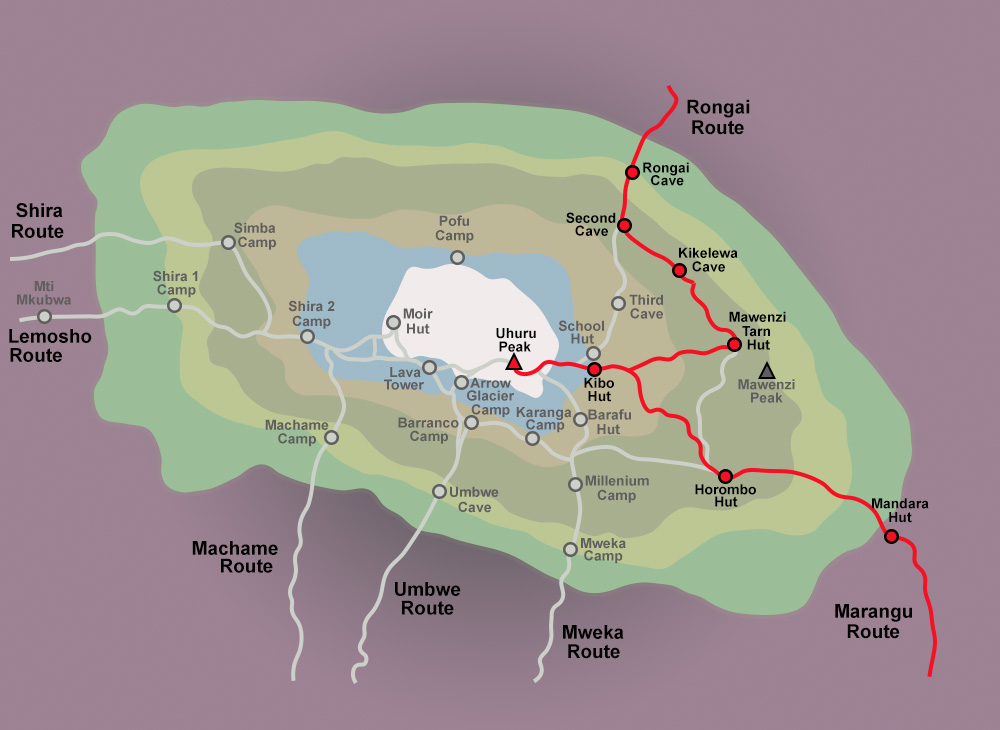
The Rongai Route follows a unique path on the northern side of Mount Kilimanjaro, starting near the Kenyan border and ascending toward the summit before descending via the Marangu Route. It is one of the few routes that approaches Kilimanjaro from this direction, which makes its trail profile different from the more popular southern routes. The map shows a steady upward climb through forest, moorland, alpine desert, and finally the arctic summit zone.
Northern Approach Route Explanation
The Rongai Route begins at Rongai Gate on the northern slope of Mount Kilimanjaro. From here, climbers move through farmland and enter a dry forest zone before gradually gaining altitude. Unlike southern routes that are busier and more developed, this path is quieter and more remote. The trail slowly curves around the mountain, heading toward the northeastern side before joining higher camps near Mawenzi Tarn and Kibo Hut. The descent is usually made through the Marangu Route, allowing climbers to experience two different sides of the mountain. This north-to-south traverse provides a wider view of Kilimanjaro’s landscapes and reduces crowding on the way up.
Key Elevation Zones
The Rongai Route passes through several distinct elevation zones, each with changing climate and terrain. The journey starts at about 1,950 meters in the forest zone, where the air is warm and vegetation is dense. As climbers move higher, they enter the moorland zone around 3,000 meters, where the landscape becomes more open with shrubs and giant plants. Around 4,000 meters, the terrain shifts into the alpine desert zone, which is dry, rocky, and exposed to strong sun and cold winds. Near 4,700 meters, Kibo Hut marks the final base before the summit attempt. The final ascent leads to Uhuru Peak at 5,895 meters, where conditions are extreme with low oxygen, freezing temperatures, and volcanic terrain. Each zone requires gradual adjustment, making pacing and acclimatization important throughout the route.
Rongai Route Itinerary
The Rongai Route itinerary follows a steady north-side ascent of Mount Kilimanjaro before joining the summit trail and descending via the Marangu Route. The journey is designed to allow gradual altitude gain, with each day moving into a higher ecological zone. Below is the standard 6-day Rongai Route itinerary used by most operators.
Day 1: Rongai Gate to Simba Camp
The trek begins at Rongai Gate on the northern side of Kilimanjaro. After registration and final preparations, climbers start walking through farmland and into a dry forest zone. The trail is relatively gentle on the first day, allowing the body to adjust to walking at altitude. Wildlife such as colobus monkeys and birds may be seen along the way. The hike takes about 4 to 6 hours before reaching Simba Camp, located near the edge of the forest zone. Here, climbers rest overnight in tents and prepare for higher elevations.
Day 2: Simba Camp to Kikelewa Camp
On the second day, the trail becomes steeper as climbers leave the forest and enter the moorland zone. Vegetation becomes shorter, and views of the mountain open up more clearly. The air becomes cooler and drier as altitude increases. The hike continues steadily toward Kikelewa Camp, passing through rocky paths and open landscapes. This day takes around 6 to 7 hours, and climbers begin to feel the effects of reduced oxygen as they gain height.
Day 3: Kikelewa Camp to Mawenzi Tarn
This is one of the most scenic sections of the Rongai Route. The trail climbs steadily toward Mawenzi Tarn, located at the base of the dramatic Mawenzi Peak. The landscape becomes more rugged and alpine in nature, with fewer plants and more volcanic rock formations. Climbers usually reach camp after 5 to 6 hours of hiking. Mawenzi Tarn offers strong views of both Mawenzi and Kibo peaks, making it an important acclimatization stop.
Day 4: Mawenzi Tarn to Kibo Hut
On this day, climbers cross the saddle area between Mawenzi and Kibo, a wide and barren alpine desert zone. The terrain is dry, rocky, and exposed, with strong sun during the day and cold temperatures. The hike can feel long due to the lack of vegetation and the gradual incline. After 5 to 7 hours, climbers reach Kibo Hut, the final base camp before the summit attempt. Rest is important here as the night ascent begins soon.
Day 5: Kibo Hut to Uhuru Peak and Horombo Camp
The summit attempt begins around midnight. Climbers ascend in darkness toward Gilman’s Point and continue along the crater rim to Uhuru Peak, the highest point in Africa at 5,895 meters. This section is the most physically demanding due to steep slopes, cold temperatures, and low oxygen levels. After reaching the summit, climbers descend back to Kibo Hut for a short rest and continue further down to Horombo Camp for overnight recovery.
Day 6: Horombo Camp to Marangu Gate
The final day is a long descent from Horombo Camp back to Marangu Gate. The trail passes through moorland and rainforest zones as oxygen levels increase and temperatures become warmer. The hike takes about 5 to 7 hours depending on pace. Upon arrival at the gate, climbers receive summit certificates and complete the trek. This marks the end of the Rongai Route journey on Mount Kilimanjaro.
Rongai Route 6 Days vs 7 Days
The Rongai Route can be climbed in either 6 or 7 days, depending on how much time climbers want for acclimatization. Both options follow the same trail, but the 7-day version adds an extra night on the mountain. This difference has a strong impact on comfort, altitude adaptation, and overall summit success. Choosing between the two depends on fitness level, experience, and how well a climber handles high altitude.
Why Add an Extra Acclimatization Day?
The main reason to choose the 7-day Rongai Route is to improve acclimatization. The extra day is usually spent at Mawenzi Tarn or a similar mid-altitude camp, allowing the body more time to adjust to reduced oxygen levels. This follows the “climb high, sleep low” principle, which helps the body adapt more effectively before reaching higher camps like Kibo Hut. The additional rest also reduces fatigue, improves sleep quality, and gives climbers a better chance to recover from early altitude symptoms such as headaches or tiredness. Overall, the extra day makes the climb feel more controlled and less rushed.
Difference in Success Rate
The success rate on the Rongai Route is noticeably higher on the 7-day itinerary compared to the 6-day option. With more time for acclimatization, climbers are better prepared for the summit push and experience fewer altitude-related issues. The 6-day route is still achievable, but it involves faster altitude gain, which can increase the risk of discomfort and early turnbacks. In general, the 7-day version is recommended for first-time climbers or anyone who wants a safer and more gradual ascent, while the 6-day option suits experienced hikers who are confident in their altitude response.
Accommodation on the Rongai Route
Accommodation on the Rongai Route is based on camping throughout the entire climb. Climbers sleep in tents at designated campsites along the trail, which are set up by the mountain crew. This type of accommodation is simple but practical, allowing climbers to stay close to nature while moving steadily up Mount Kilimanjaro. Unlike hut-based routes, Rongai provides a full wilderness camping experience from start to summit.
Mountain Camps Overview
The Rongai Route has several main camps where climbers spend each night during the ascent. The journey begins at Simba Camp, located near the forest zone, where conditions are relatively mild and sheltered. The next stop is Kikelewa Camp, followed by Mawenzi Tarn Camp, which is one of the most scenic camping areas on the route with views of Mawenzi Peak. The final base before the summit is Kibo Hut, where climbers rest and prepare for the midnight ascent. After the summit attempt, climbers usually descend to Horombo Camp on the Marangu Route side before continuing to the final gate. Each camp is positioned at increasing altitude to support gradual acclimatization.
Facilities at Each Camp
Facilities on the Rongai Route are basic but sufficient for a high-altitude trek. Each campsite includes sleeping tents, a dining tent, and a toilet area set up by the support team. Meals are prepared by cooks and served in the dining tent, providing warm food after long hiking days. There are no permanent buildings or luxury services, so comfort depends on the quality of camping equipment and weather conditions. At higher camps like Kibo Hut, temperatures drop significantly, and conditions become more extreme, requiring warm sleeping bags and proper clothing. Despite the simplicity, the setup is designed to support climbers safely throughout the journey.
How Difficult Is the Rongai Route?
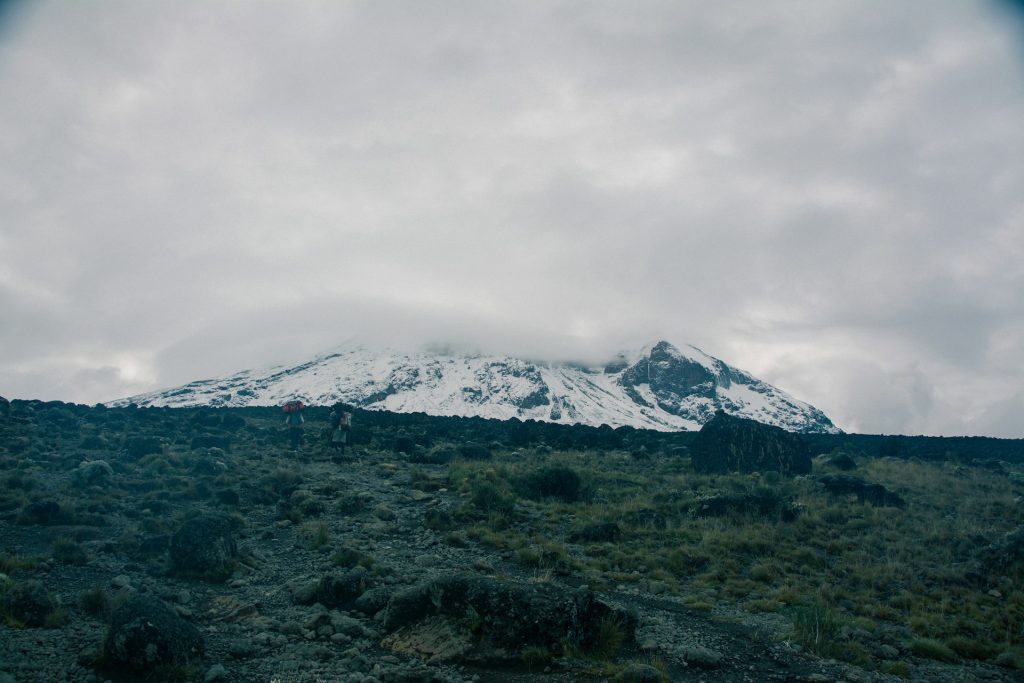
The Rongai Route is considered a moderate trekking route on Mount Kilimanjaro. It is not a technical climb, so no climbing skills are required, but it still involves long hiking days, high altitude, and cold conditions near the summit. The route is often seen as slightly easier than steeper southern routes because it has a more gradual ascent, but it still demands good preparation and endurance.
Physical Challenges
The Rongai Route involves steady daily hiking over uneven terrain, including forest paths, rocky slopes, and open alpine ground. Most days take between 4 to 7 hours of walking, which can become tiring over several days. While the incline is not very steep in most sections, the continuous movement at altitude still puts pressure on the body. Carrying a daypack, adjusting to changing temperatures, and walking on rough ground can lead to fatigue. Proper pacing and regular rest breaks are important to manage energy levels throughout the trek.
Altitude Challenges
Altitude is the main difficulty on the Rongai Route. As climbers move above 3,000 meters, oxygen levels begin to drop, and the body must adjust to thinner air. Symptoms such as headaches, shortness of breath, and reduced appetite can appear, especially at higher camps like Mawenzi Tarn and Kibo Hut. Even though the ascent is gradual, altitude still affects every climber differently. The 7-day itinerary helps reduce these effects by allowing more time for acclimatization, which improves comfort and reduces the risk of altitude sickness.
Summit Night Difficulty
Summit night is the most demanding part of the Rongai Route. Climbers begin the final ascent around midnight in freezing temperatures and complete darkness. The trail becomes steep and rocky as they climb toward Gilman’s Point and then Uhuru Peak. Low oxygen levels, cold winds, and physical exhaustion combine to make progress slow and difficult. The climb can take 6 to 8 hours, followed by a long descent back to lower camps. This section requires mental focus, slow movement, and strong determination to complete successfully.
Rongai Route Success Rate
The Rongai Route has a solid success rate compared to many other Kilimanjaro routes because it offers a more gradual ascent and fewer crowds. However, success still depends strongly on the number of days used, physical preparation, and how well climbers adapt to altitude. The longer the itinerary, the higher the chance of reaching Uhuru Peak.
6-Day Success Rate
The 6-day Rongai Route has a moderate success rate because climbers ascend at a faster pace with limited time for full acclimatization. Some trekkers may experience altitude symptoms earlier, especially after Kikelewa Camp and approaching Kibo Hut. While many still reach the summit, the shorter schedule increases physical stress and reduces recovery time between camps. This version is better suited for climbers who already have high-altitude experience or strong fitness levels.
7-Day Success Rate
The 7-day Rongai Route has a higher success rate because it includes an extra acclimatization day, usually at Mawenzi Tarn. This additional time allows the body to adjust more effectively to lower oxygen levels before reaching higher camps. Climbers often feel more stable and less fatigued during summit preparation. The slower ascent reduces altitude sickness risk and improves endurance on summit night, making this option the recommended choice for most climbers.
Key Success Factors
Several factors influence success on the Rongai Route. Acclimatization is the most important, as the body needs time to adjust to altitude changes. A slow and steady pace also plays a major role, as rushing increases fatigue and altitude-related symptoms. Hydration and proper nutrition help maintain energy levels throughout the climb. Following guide instructions is essential, especially during summit night when conditions are most challenging. Good preparation before the trek, including physical training and mental readiness, also improves the chances of reaching Uhuru Peak.
Best Time to Climb the Rongai Route
The best time to climb the Rongai Route depends on weather conditions and visibility on Mount Kilimanjaro. Although the route can be used throughout the year, some months provide more stable weather, clearer skies, and better trail conditions. Choosing the right season helps improve comfort, safety, and overall summit success.
January to March
January to March is a good time to climb the Rongai Route because conditions are generally stable and the mountain is less crowded. The northern side of Kilimanjaro, where Rongai is located, is naturally drier, so even during this period the trail remains more manageable compared to southern routes. Climbers can expect moderate temperatures, especially in lower zones, with colder conditions appearing at higher camps. Visibility is often good, allowing clear views of the mountain landscapes and Mawenzi Peak. Occasional light rain may occur, but it is usually less intense than on other routes.
June to October
June to October is considered the best season for the Rongai Route. During these months, weather conditions are dry, skies are clear, and the trail is in its most stable condition. This makes hiking easier and more predictable, especially in forest and moorland zones. Temperatures are cooler but consistent, and visibility is excellent for most of the climb. Because this is peak trekking season, there may be more climbers on the route, but Rongai is still less crowded compared to southern routes. Overall, this period offers the most reliable conditions for a successful summit attempt.
Rainy Season Conditions
The rainy seasons on Kilimanjaro occur from March to May and again in November. During these months, the Rongai Route is still one of the better options because the northern side receives less rainfall. However, some sections, especially in the lower forest zone, can still become wet and slippery. Cloud cover may reduce visibility at times, and trails can feel heavier due to moisture. Despite these challenges, the route remains accessible, and some climbers prefer this period for its quiet atmosphere. Proper waterproof gear and preparation are essential for safe trekking during the rainy season.
Scenery and Wildlife on the Rongai Route
The Rongai Route offers a changing landscape as climbers move from the lower forest near the Kenyan border up to the high alpine desert near the summit. Because it approaches Kilimanjaro from the drier northern side, the scenery feels more open and less humid compared to southern routes. The route is also known for its quieter environment, giving climbers more time to observe nature and enjoy wide mountain views.
Forest Zone Wildlife
The journey begins in the forest zone near Rongai Gate, where vegetation is thick and green. This area has fewer crowds and a calm atmosphere. Climbers may see wildlife such as colobus monkeys, blue monkeys, and a variety of birds moving through the trees. The forest is less dense compared to the southern side of Kilimanjaro, but it still provides a natural and peaceful start to the trek. The trail is often dry and easier to walk on, especially outside the rainy season, and it slowly climbs upward as the forest begins to thin.
Dry Northern Slopes
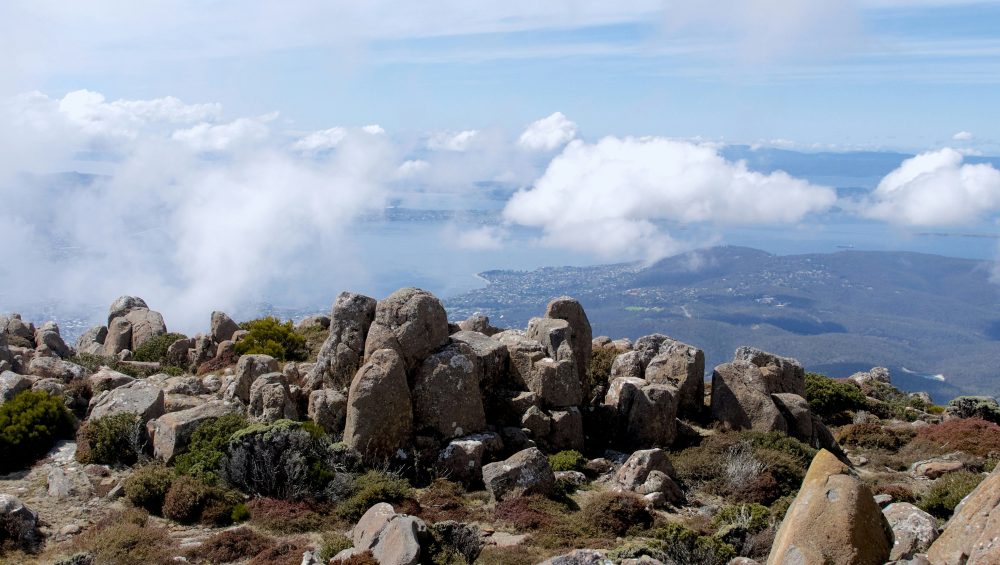
As climbers gain altitude, the forest gradually fades into open moorland and dry northern slopes. This section is less humid and more exposed, with fewer trees and more scattered vegetation. The landscape becomes wider, allowing clear views of the mountain and surrounding plains. The air is cooler and drier, and the trail feels more open compared to lower zones. Wildlife becomes less common here, but the peaceful and quiet environment makes it easier to focus on steady walking and acclimatization.
Mawenzi Peak Views
One of the highlights of the Rongai Route is the clear view of Mawenzi Peak. As climbers approach Mawenzi Tarn, the dramatic jagged shape of the peak becomes more visible. This area is considered one of the most scenic camps on the route, offering strong views of both Mawenzi and Kibo peaks. The rocky terrain and high altitude create a more rugged and alpine feeling. The scenery here is open and dramatic, with wide skies and volcanic landscapes that show the scale of Kilimanjaro’s mountain system.
Alpine Desert Zone
Higher up, the route enters the alpine desert zone near Kibo Hut. This area is dry, cold, and almost completely without vegetation. The ground is rocky and volcanic, with strong winds and large temperature changes between day and night. The landscape feels empty but powerful, with wide open space and clear views toward the summit. Oxygen levels are lower here, so movement becomes slower and more deliberate. Despite the harsh conditions, this zone marks the final stage before the summit push and shows the raw environment of high-altitude Kilimanjaro.
Altitude and Acclimatization
Altitude and acclimatization are key factors on the Rongai Route because the climb reaches very high elevations where oxygen levels are low. As climbers move higher on Mount Kilimanjaro, the body must adjust gradually to thinner air. Proper acclimatization reduces the risk of altitude sickness and improves the chances of reaching Uhuru Peak safely.
How the Body Reacts to Altitude
As altitude increases, the air contains less oxygen, and the body begins to work harder to supply oxygen to muscles and organs. Climbers may start to feel symptoms such as headaches, tiredness, shortness of breath, and reduced appetite, especially above 3,000 meters. Sleep can also become lighter or less comfortable at higher camps like Mawenzi Tarn and Kibo Hut. These reactions are normal responses to reduced oxygen, but they show that the body is under stress. Each person reacts differently, so some climbers may feel mild effects while others may experience stronger symptoms.
Importance of Slow Ascent
A slow ascent is one of the most effective ways to improve acclimatization on the Rongai Route. Moving gradually between camps gives the body more time to adapt to changing oxygen levels. The route is already designed with a steady climb, but taking extra time such as choosing the 7-day itinerary further improves adaptation. Walking slowly, resting properly, and avoiding unnecessary physical strain also help the body adjust better. This approach reduces the risk of altitude sickness and makes the overall climb safer and more manageable, especially in the higher sections of the mountain.
Rongai Route vs Marangu Route
The Rongai Route and Marangu Route are two popular ways to climb Mount Kilimanjaro, but they offer very different experiences. Rongai approaches the mountain from the quiet northern side and uses camping, while Marangu follows a more established southern path with hut accommodation. Choosing between them depends on comfort preference, crowd tolerance, and acclimatization needs.
Accommodation Differences
The biggest difference between the two routes is the type of accommodation. The Rongai Route uses camping throughout the entire climb, where climbers sleep in tents set up by the support team at designated campsites. This creates a more basic and outdoor experience close to nature. In contrast, the Marangu Route offers hut accommodation at Mandara, Horombo, and Kibo huts, where climbers sleep in bunk beds inside simple mountain shelters. Marangu is therefore more comfortable in terms of shelter, especially during cold or rainy conditions, while Rongai feels more remote and adventurous.
Crowd Levels
Rongai is generally much quieter than Marangu. Because it starts on the northern side of Kilimanjaro, fewer climbers choose this route, resulting in less crowded trails and camps. This allows for a more peaceful hiking experience with fewer interruptions on the path. Marangu, on the other hand, is one of the most used routes, so it often feels busier, especially during peak seasons. Huts on Marangu can also become crowded because all climbers stay in shared facilities, while Rongai camps are more spread out and less congested.
Success Rate Comparison
Both routes can lead to the summit, but success rates differ depending on itinerary length and acclimatization. Rongai generally has a higher success rate than the 5-day Marangu Route because of its gradual ascent and lower crowd pressure. However, the 6-day or 7-day Rongai option performs better than shorter Marangu climbs. The 6-day Marangu Route improves success rates but still remains slightly more challenging due to faster altitude gain. Overall, Rongai is often preferred for a steadier climb, while Marangu is chosen for comfort, but both require proper pacing and preparation to reach Uhuru Peak successfully.
Rongai Route Cost
The cost of the Rongai Route depends on group size and the number of trekking days. The 7-day Rongai Route is slightly more expensive than the 6-day option because it includes an extra acclimatization day, which improves comfort and summit success. Prices decrease as the group size increases, making group bookings more affordable per person.
What Is Included?
The Rongai Route price includes all essential services required for a Kilimanjaro climb. This covers park entrance fees, camping fees, rescue fees, professional mountain guides, cooks, and porters. Full board meals are provided during the trek, along with safe drinking water. Camping equipment such as tents, dining tents, and sleeping tents for staff are also included. These services ensure climbers are fully supported throughout the journey, allowing focus on trekking and acclimatization.
What Is Excluded?
Some expenses are not included in the standard Rongai Route package. These include international flights, Tanzania visa fees, travel insurance, and hotel accommodation before and after the climb. Personal trekking equipment such as boots, jackets, sleeping bags, trekking poles, and backpacks are also excluded unless rented separately. Tips for guides, cooks, and porters are not included in the package price and are paid at the end of the trek. Personal items like snacks, drinks, and souvenirs are additional costs during the climb.
Price Based on Group Size (7-Day Rongai Route)
The 7-day Rongai Route uses a group-based pricing system where the cost per person decreases as the group size increases:
- 1 guest: $2,865 per person
- 2 guests: $2,253 per person
- 3 guests: $2,048 per person
- 4 guests: $1,946 per person
- 5 guests: $1,885 per person
- 6 guests: $1,844 per person
- 7 guests: $1,815 per person
- 8 guests: $1,793 per person
- 9 guests: $1,776 per person
- 10+ guests: $1,763 per person
This pricing structure makes group travel more cost-effective. Larger groups benefit from shared logistics, while solo climbers pay a higher rate due to fixed operational costs on the mountain.
What to Pack for the Rongai Route
Read more about Kilimanjaro Packing for the Rongai Route
Packing for the Rongai Route requires preparation for different weather conditions, from warm forest zones to freezing summit temperatures. Since the route uses camping throughout, climbers must carry gear that ensures warmth, comfort, and protection in remote mountain environments. Proper packing helps reduce discomfort and improves safety during the climb.
Clothing Layers
Layered clothing is essential on the Rongai Route because temperatures change quickly with altitude. A base layer that manages moisture helps keep the body dry during long hikes. A warm mid-layer such as fleece or insulated jackets is needed for cold evenings and higher camps. The outer layer should be waterproof and windproof to protect against rain and strong winds. Thermal clothing is also important for summit night when temperatures drop below freezing. Using layers allows climbers to adjust easily throughout the day depending on weather conditions.
Footwear
Good hiking boots are one of the most important items for the Rongai Route. Boots should be waterproof, well-fitted, and broken in before the climb to avoid blisters. Strong ankle support is important for rocky and uneven terrain. Climbers should also pack warm hiking socks and extra pairs to keep feet dry and comfortable. Camp shoes or sandals are useful for relaxing at camps after long hiking days. Proper footwear helps reduce fatigue and improves stability on different sections of the trail.
Sleeping Gear
Since the Rongai Route is a camping route, a high-quality sleeping bag is necessary. The bag should be rated for cold temperatures, ideally suitable for sub-zero conditions, especially for higher camps like Mawenzi Tarn and Kibo Hut. A sleeping mat is also important for insulation from the cold ground. A sleeping bag liner can provide extra warmth and hygiene. Warm clothing for sleeping is recommended because nights become very cold at higher altitudes. Good sleeping gear ensures better rest, which is important for energy recovery.
Essential Accessories
Several accessories are important for safety and comfort on the Rongai Route. A headlamp is needed for early morning summit attempts and movement around camp at night. Trekking poles help reduce pressure on knees during both ascent and descent. Sunglasses, sunscreen, and lip balm protect against strong sun and wind at high altitude. A reusable water bottle or hydration system is essential for staying hydrated throughout the trek. Gloves, a warm hat, and a neck gaiter help protect against cold temperatures, especially during summit night.
Tips for Reaching the Summit
Reaching Uhuru Peak on the Rongai Route depends on steady pacing, good acclimatization, and following basic mountain rules. The route is not technical, but altitude is the main challenge. Small decisions during the climb can strongly affect whether a climber reaches the summit or turns back early. The following tips help improve safety and increase the chance of success.
Walk Slowly (Pole Pole)
Walking slowly is one of the most important habits on Kilimanjaro. On the Rongai Route, climbers should avoid rushing even on easier sections of the trail. Moving at a steady and controlled pace allows the body to use oxygen more efficiently and reduces fatigue. The local phrase “pole pole,” meaning slowly, is often used by guides because it helps climbers adjust better to altitude. A slow pace also helps conserve energy for summit night, which is the most demanding part of the climb.
Stay Hydrated
Hydration plays a major role in how the body responds to high altitude. Drinking enough water helps reduce symptoms such as headaches, tiredness, and dizziness. On the Rongai Route, climbers should drink small amounts of water regularly throughout the day instead of waiting until they feel thirsty. Warm drinks at camp also help maintain body temperature in cold conditions. Proper hydration supports circulation and helps the body adapt more effectively to lower oxygen levels.
Choose 7-Day Option if Possible
The 7-day Rongai Route is recommended because it includes an extra acclimatization day. This additional time allows the body to adjust more gradually to altitude changes, especially before reaching Kibo Hut and the summit zone. The slower progression reduces stress on the body and improves overall comfort during the climb. Many altitude-related problems are caused by ascending too quickly, so adding one extra day can make a significant difference in summit success rates.
Follow Guide Instructions
Mountain guides play an important role in safety and decision-making during the climb. They monitor climbers for signs of altitude sickness and adjust the pace when necessary. Following their instructions is essential, especially during steep or high-altitude sections. If a guide advises rest, slower movement, or additional precautions, it should be taken seriously. Their experience on the mountain helps prevent unnecessary risks and ensures a safer and more organized climb to the summit.
Frequently Asked Questions
The Rongai Route is often chosen by climbers looking for a quieter and more gradual path to Mount Kilimanjaro’s summit. Below are clear answers to the most common questions travelers ask before booking this route.
The Rongai Route is considered moderately easy compared to other Kilimanjaro routes, but it is not simple. It has a gradual slope and fewer steep sections, which makes walking more comfortable in the lower and middle zones.
The Rongai Route usually takes 6 to 7 days to complete. The 6-day option is more direct, while the 7-day itinerary includes an extra acclimatization day. Both routes start at Rongai Gate and end at the summit of Uhuru Peak, followed by descent through the Marangu Route. The longer version is recommended because it gives the body more time to adjust to altitude changes, which improves comfort and success rates.
Yes, the Rongai Route is suitable for beginners who have basic fitness and are prepared for multi-day trekking. The route is less crowded and has a steady ascent, which makes it easier to follow compared to steeper routes.
The success rate on the Rongai Route depends mainly on the number of days used. The 7-day itinerary has a higher success rate because of better acclimatization, while the 6-day option has a slightly lower rate due to faster ascent. Overall, Rongai performs well compared to many other routes because of its gradual climb and lower crowd pressure.
Final Thoughts on the Rongai Route
The Rongai Route is a solid choice for climbers who want a quieter and more gradual approach to Mount Kilimanjaro. It offers a different experience compared to the busier southern routes, with fewer crowds, drier conditions, and a steady ascent that supports better acclimatization. The route is straightforward to follow and gives a strong sense of wilderness, especially in the early and middle sections of the climb.
At the same time, it still demands respect because altitude becomes the main challenge as climbers approach higher camps and the summit zone. Success depends on pacing, preparation, and choosing the right itinerary length. The 7-day option is generally more reliable for acclimatization, while the 6-day version suits experienced hikers who are comfortable with faster altitude gain.
Overall, the Rongai Route is best for climbers who prefer a calm, less crowded trekking experience without technical difficulty. It may not be the most scenic route in every section, but it provides a stable and manageable path to Uhuru Peak when approached with the right preparation and mindset.