How to Climb Mount Kilimanjaro : (2026 Complete Expert Guide)
Estimated reading time: 18 minutes
How to climb Mount Kilimanjaro starts with choosing the right route, preparing your body, and allowing enough time to acclimatize. You do not need technical climbing skills to reach the summit, but you do need proper planning, good fitness, and the right equipment. A slow pace and an experienced guide also play a major role in a successful climb.
Every year, thousands of people climb Mount Kilimanjaro, Africa’s highest mountain, and many are first-time trekkers. Success depends on preparation rather than speed or strength. Choosing a longer route, training before your trip, packing the right gear, and understanding altitude sickness can greatly improve your chances of reaching Uhuru Peak.
This guide explains how to climb Mount Kilimanjaro step by step. You will learn how to prepare, choose the best route, train for the climb, pack essential gear, manage altitude, and increase your summit success.
Table of contents
- How to Climb Mount Kilimanjaro : (2026 Complete Expert Guide)
- Why Climb Mount Kilimanjaro?
- Kilimanjaro Routes Overview
- How the Kilimanjaro Climb Works
- Summit Night Explained (The Hardest Part of Kilimanjaro)
- How to Prepare for Climbing Mount Kilimanjaro
- Accommodation on Mount Kilimanjaro
- Kilimanjaro Cost Breakdown (2026 Estimate)
- Tips for a Successful Summit on Mount Kilimanjaro
- Why Climb with WeWild Travel?
- Final Thoughts
- Read Also:
Why Climb Mount Kilimanjaro?
Many people climb Mount Kilimanjaro because it offers the chance to stand on Africa’s highest peak without using technical climbing skills. The mountain combines breathtaking scenery, diverse landscapes, and the challenge of reaching Uhuru Peak at 5,895 meters (19,341 feet). For many climbers, reaching the summit is a personal achievement that creates lifelong memories.
Reach the Roof of Africa
Standing on Uhuru Peak marks a major milestone for many adventurers. At 5,895 meters, it is the highest point in Africa. Reaching the summit rewards you with spectacular sunrise views and a strong sense of accomplishment.
Experience Five Climate Zones
Mount Kilimanjaro takes you through five unique climate zones in just a few days. You begin in lush rainforest and continue through heathland, moorland, alpine desert, and the Arctic summit. Few mountains in the world offer such diverse scenery on a single trek.
No Technical Climbing Skills Required
Unlike many famous mountains, Mount Kilimanjaro does not require ropes, ice axes, or rock climbing experience. Anyone with good preparation, determination, and a licensed guide can attempt the climb. This makes Kilimanjaro one of the world’s most popular high-altitude trekking destinations.
Challenge Yourself and Create Lasting Memories
Climbing Kilimanjaro tests your physical and mental strength. Every step brings you closer to a goal that many people only dream about. The journey, the friendships you build, and the moment you reach the summit create memories that last a lifetime.
Kilimanjaro Routes Overview
Mount Kilimanjaro offers several different routes to the summit, and each one provides a unique trekking experience. These Kilimanjaro routes vary in difficulty, scenery, duration, and overall success rates, so choosing the right one is an important part of planning your climb.
Some routes are designed for better acclimatization, giving trekkers more time to adjust to high altitude, while others are shorter and more direct but physically more demanding. The Lemosho and Northern Circuit routes are known for longer itineraries and higher summit success rates due to better altitude adaptation. The Machame route is popular for its scenic variety but can be more crowded. The Marangu route is shorter and offers hut accommodation, though it has a lower success rate because of limited acclimatization time. The Rongai route approaches from the north and is quieter with drier conditions.
Each Kilimanjaro route creates a different rhythm of ascent, scenery, and challenge. The best choice depends on fitness level, budget, and how much time a climber has available for the expedition.
Lemosho Route (Highly Recommended )
- Duration: 7-8 days
- Success rate: Very high
- Crowd level: Low
- Best for: First-time climbers
The Lemosho Route is one of the best ways to climb Mount Kilimanjaro, especially for first-time trekkers. It is known for its beautiful scenery, gradual ascent, and excellent summit success rates. The journey usually takes 7 to 8 days, which gives the body more time to adjust to altitude changes and improves acclimatization.
This route starts on the western side of the mountain and passes through remote rainforest before joining the main trail at Shira Plateau. Because it begins in a less crowded area, trekkers enjoy a quieter and more peaceful experience in the early days. Wildlife sightings and untouched landscapes make the first stage of the climb especially memorable.
One of the biggest advantages of the Lemosho Route is its slow and steady elevation gain. This reduces the risk of altitude sickness and increases the chance of reaching Uhuru Peak successfully. The longer itinerary also allows climbers to follow the “climb high, sleep low” principle more effectively, which is important for safe acclimatization.
Overall, the Lemosho Route is widely considered the best balance between scenery, difficulty, and success rate. It is ideal for climbers who want a high chance of summiting Kilimanjaro while enjoying one of the most scenic trekking experiences in Africa.
Machame Route (“Whiskey Route”)
- Duration: 6-7 days
- Success rate: High
- Crowd level: High
- Best for: Adventurous trekkers
The Machame Route, often called the “Whiskey Route,” is one of the most popular ways to climb Mount Kilimanjaro. It is known for its adventurous spirit, varied landscapes, and physically demanding nature, making it a favorite choice for trekkers who want a more challenging experience on the mountain.
This route usually takes 6 to 7 days to complete, which allows for a decent level of acclimatization while still maintaining a steady pace toward the summit. The trail passes through several ecological zones, starting from dense rainforest and gradually moving into moorland, alpine desert, and finally the icy summit zone. Each section of the climb offers dramatic scenery and constant changes in environment, which is one of the main attractions of the Machame experience.
The Machame Route is considered more challenging than some other options because of its steeper sections and longer trekking days. However, its “climb high, sleep low” profile helps improve acclimatization, which contributes to its high success rate. The route is also quite busy, especially during peak seasons, as many trekkers are drawn to its reputation for beauty and adventure.
Overall, the Machame Route is ideal for travelers seeking a physically engaging and visually rewarding climb. It combines strong summit success potential with some of the most scenic views on Kilimanjaro, making it a powerful option for adventurous hikers.
Marangu Route (“Coca-Cola Route”)
- Duration: 5-6 days
- Success rate: Lower
- Accommodation: Huts (not tents)
- Best for: Budget climbers
The Marangu Route, often called the “Coca-Cola Route,” is one of the oldest and most established ways to climb Mount Kilimanjaro. It is well known for being the only route that offers hut accommodation instead of camping, which makes it more comfortable for some trekkers, especially those who prefer a bed and shelter at night.
This route usually takes 5 to 6 days to complete, making it one of the shortest options on the mountain. Because of the shorter itinerary, climbers experience less time for acclimatization, which can reduce the overall summit success rate compared to longer routes. The rapid ascent is the main challenge for many trekkers on this trail.
Despite this, the Marangu Route remains popular due to its relatively direct path and simpler logistics. The trail passes through rainforest and moorland before reaching the higher alpine zones, offering a steady but fast progression toward the summit. However, the quicker pace means climbers must be more physically prepared and aware of altitude risks.
Overall, the Marangu Route is best suited for budget-conscious climbers or those who prefer hut accommodation over camping. It offers comfort and tradition but requires strong endurance and careful pacing to increase the chances of reaching Uhuru Peak successfully.
Rongai Route
- Duration: 6-7 days
- Success rate: Medium-High
- Crowd level: Low
- Best for: Quiet, remote experience
The Rongai Route is one of the quieter and more remote ways to climb Mount Kilimanjaro. It is known for its peaceful atmosphere and less crowded trails, making it ideal for trekkers who prefer a more natural and isolated mountain experience away from the busier southern routes.
This route typically takes 6 to 7 days to complete, allowing a steady pace of ascent with improved acclimatization compared to shorter options. It starts on the northern side of the mountain near the Kenya border and gradually climbs through dry forest, alpine zones, and volcanic landscapes. The scenery is different from other routes because it is drier and less lush, especially in the early stages.
One of the main advantages of the Rongai Route is its lower crowd level. Trekkers often enjoy long stretches of quiet trail, which creates a more personal and peaceful connection with the mountain. The route is also considered less muddy during rainy seasons due to its drier northern approach.
Overall, the Rongai Route offers a balanced experience with moderate difficulty and a good success rate. It is best suited for climbers who want a calm, less crowded ascent while still having a strong chance of reaching Uhuru Peak.
Northern Circuit Route (Best Success Rate )
- Duration: 8-9 days
- Success rate: Highest
- Crowd level: Very low
- Best for: Maximum acclimatization
The Northern Circuit Route is the longest and most gradual way to climb Mount Kilimanjaro, and it is widely known for having the highest summit success rate. It is designed for climbers who want maximum acclimatization time and the best possible chance of reaching Uhuru Peak safely.
This route usually takes 8 to 9 days, giving the body enough time to adjust slowly to increasing altitude. The extended itinerary allows climbers to ascend at a comfortable pace, reducing the risk of altitude sickness. Because of this careful progression, the Northern Circuit is often recommended for first-time trekkers who want a safer and more supported experience.
The trail begins on the western side of the mountain and circles around the quieter northern slopes before joining the main summit path. This creates a unique and less crowded journey compared to other routes. Trekkers enjoy wide open landscapes, diverse ecological zones, and long stretches of peaceful hiking with very few other groups on the trail.
Overall, the Northern Circuit Route offers the most complete Kilimanjaro experience. It combines high success rates, low crowds, and excellent acclimatization, making it the best option for climbers who prioritize safety and summit success over speed.
Kilimanjaro Route Comparison
| Route | Days | Success Rate | Crowds | Best For |
|---|---|---|---|---|
| Lemosho | 7–8 | ⭐⭐⭐⭐⭐ | Low | Beginners |
| Machame | 6–7 | ⭐⭐⭐⭐ | High | Adventure seekers |
| Marangu | 5–6 | ⭐⭐ | High | Budget trekkers |
| Rongai | 6–7 | ⭐⭐⭐⭐ | Low | Quiet trekking |
| Northern Circuit | 8–9 | ⭐⭐⭐⭐⭐ | Very low | Best success |
How the Kilimanjaro Climb Works
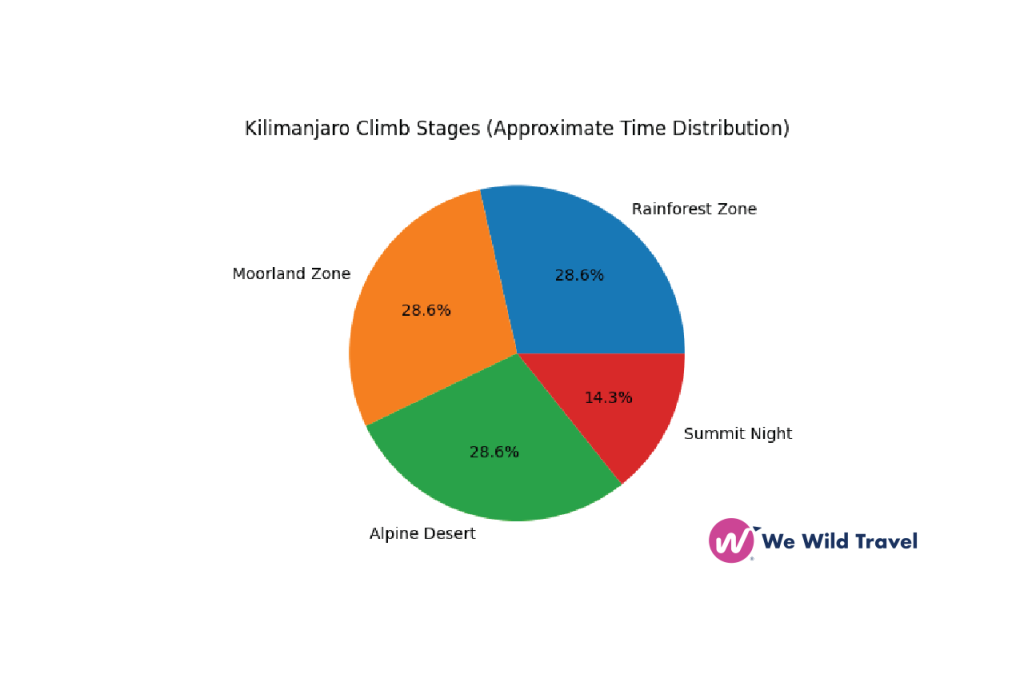
The climb up Mount Kilimanjaro is a gradual journey through several distinct ecological zones. Each stage of the mountain changes in climate, terrain, and difficulty, which makes the experience feel like moving through completely different worlds as you ascend toward the summit.
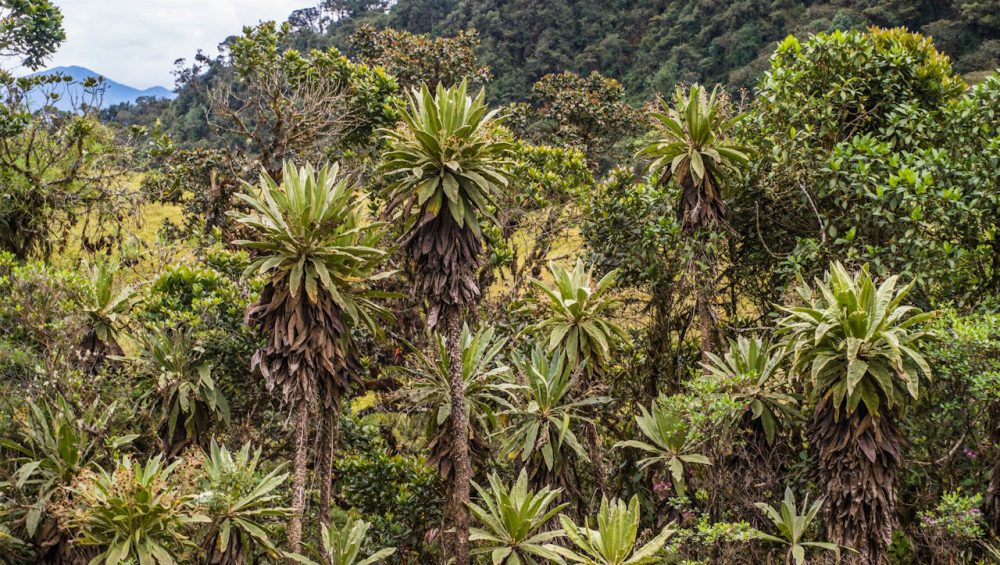
The first stage is the Rainforest Zone, usually during Day 1 to Day 2. This section is humid, green, and full of life. The trails are often muddy, and climbers pass through dense forest where monkeys, birds, and rich vegetation are common. It feels warm and tropical compared to the higher parts of the mountain.
From Day 2 to Day 4, the trail enters the Moorland Zone. The landscape opens up, with giant heathers, volcanic rocks, and cooler air. The views become wider and more dramatic as you gain elevation. This stage is important for acclimatization as the air begins to thin and the pace slows down.
Between Day 4 and Day 6, climbers reach the Alpine Desert Zone. The environment becomes dry, cold, and rocky with very little vegetation. Oxygen levels are noticeably lower, and breathing becomes more difficult. Nights are colder, and this section prepares climbers for the final challenge.
The final stage is Summit Night, one of the most demanding parts of the journey. Climbers start around midnight in extreme cold conditions, often between -10°C and -20°C. The trail is steep and volcanic, but after several hours of steady climbing, you reach Uhuru Peak at sunrise. Standing at the top of Africa makes every step of the journey worth it.
Summit Night Explained (The Hardest Part of Kilimanjaro)
Summit night is the most demanding and defining moment of the entire climb.
You typically begin just after midnight, when temperatures are at their lowest and the mountain is completely dark. From here, you’ll trek for 6 to 8 hours uphill in extreme conditions.
During the ascent, climbers face:
- Freezing winds and sub-zero temperatures
- Reduced oxygen at high altitude
- Long, slow, and mentally exhausting climbing pace
- Physical fatigue and strong mental pressure
This section is less about speed and more about endurance, determination, and steady focus step by step.
But everything changes at sunrise.
Reaching Uhuru Peak, the highest point in Africa, is an unforgettable reward. The first light over the glaciers and the feeling of standing on the Roof of Africa makes every difficult step worth it.
Climbing Kilimanjaro successfully requires choosing a 7 to 8 day route like Lemosho or Machame for better acclimatization, training your body with cardio exercises, and preparing for high-altitude trekking conditions. Success depends on pacing slowly, staying hydrated, and following your guide’s instructions.
The main routes vary in difficulty, scenery, and duration, but longer routes generally increase summit success rates. Costs typically include park fees, guides, porters, food, and accommodation, making Kilimanjaro a fully supported expedition rather than a simple hike.
The mountain is located in northern Tanzania and rises dramatically above the surrounding plains, making it visible from far distances. It stands at 5,895 meters above sea level, making it the highest mountain in Africa and one of the famous “Seven Summits” of the world. People from different countries travel here not only to reach the top but also to experience the beauty of its changing environments and the sense of achievement that comes with standing on Uhuru Peak. For many adventurers, climbing Kilimanjaro is not just a physical challenge but also a personal goal that represents endurance, discipline, and courage.
How to Prepare for Climbing Mount Kilimanjaro
Preparing for Mount Kilimanjaro starts with improving your fitness, choosing the right route, and planning your climb well in advance. You should also train for long hiking days, pack the correct gear, and learn how to reduce the risk of altitude sickness. Good preparation makes your climb safer, more comfortable, and increases your chances of reaching the summit.
Improve Your Fitness
Build your fitness at least 8 to 12 weeks before your climb. Focus on hiking, walking, running, cycling, or swimming to improve your endurance. Include strength exercises for your legs and core to help you handle long days on the mountain.
Choose the Right Route
Select a route that matches your experience, fitness level, and schedule. Longer routes such as Lemosho and the Northern Circuit give your body more time to acclimatize and usually offer higher summit success rates than shorter routes.
Train for Long Hiking Days
Practice hiking on hills or uneven trails while carrying a daypack. Gradually increase the distance and elevation of your hikes. This training prepares your body for several consecutive days of trekking.
Pack the Right Gear
Bring clothing and equipment that can handle changing mountain weather. Essential items include sturdy hiking boots, warm layers, waterproof clothing, gloves, a hat, a sleeping bag, and a headlamp. Good-quality gear helps keep you safe and comfortable from the rainforest to the summit.
Learn About Altitude Sickness
Understand the symptoms of altitude sickness before your climb. Learn how to recognize early warning signs and follow your guide’s advice throughout the trek. Climbing slowly and allowing enough time to acclimatize are the best ways to reduce your risk.
Prepare Your Travel Documents
Check that your passport is valid and arrange any required visa before you travel. Buy travel insurance that covers high-altitude trekking and emergency evacuation. Planning these details early helps you avoid last-minute problems.
| Category | Preparation Details |
|---|---|
| Physical Training (Start 6–8 Weeks Before) |
To prepare your body for long trekking days: Go on long hikes (5–10 km or more) Practice stair climbing to build leg strength Jogging or cycling for stamina and cardio fitness Train with a backpack to simulate real trekking conditions Consistency matters more than intensity. |
| Mental Preparation |
Kilimanjaro is as much mental as it is physical: Get used to slow walking (“pole pole” pace) Prepare for fatigue and long days Accept cold, wind, and discomfort as part of the journey Stay patient — summit success is about endurance, not speed |
| Essential Gear |
Packing the right equipment is critical for safety and comfort: Waterproof hiking boots (well broken-in) Warm layered clothing system (base, mid, outer layers) Sleeping bag rated to -10°C or lower Trekking poles for stability Headlamp (very important for summit night) |
Accommodation on Mount Kilimanjaro
Accommodation on Mount Kilimanjaro depends on the route you choose. Most climbers sleep in mountain tents, while the Marangu Route offers simple mountain huts. Both options provide a safe place to rest before the next day’s hike, but they offer different levels of comfort and facilities.
Camping on Most Kilimanjaro Routes
Most Kilimanjaro routes, including Lemosho, Machame, Rongai, Shira, Umbwe, and the Northern Circuit, use camping accommodation. Your trekking team sets up tents at designated camps before you arrive. You will sleep in a sleeping tent and eat your meals in a separate dining tent. Camps also have basic toilet facilities, although the quality varies by location.
Mountain Huts on the Marangu Route
The Marangu Route is the only Kilimanjaro route with mountain huts instead of tents. The huts provide shared sleeping rooms with bunk beds and mattresses. Climbers usually need to bring a sleeping bag because temperatures become very cold at higher elevations. Shared toilets and washing facilities are available at each hut.
What to Expect at Kilimanjaro Camps
Kilimanjaro camps offer basic facilities rather than luxury accommodation. Most camps have toilets, dining areas, and space for tents or huts. Electricity, hot showers, and mobile phone service are limited or unavailable at many camps. As you climb higher, temperatures become colder, so warm clothing and a good sleeping bag are essential for a comfortable night’s rest.
Kilimanjaro Cost Breakdown (2026 Estimate)
The cost of climbing Mount Kilimanjaro varies depending on the route, level of comfort, and quality of services included. A typical expedition price is made up of several key components that ensure safety, logistics, and a successful summit experience.
One of the largest portions of the total cost is park fees. These are mandatory charges set by the national park authorities and include conservation fees, camping or hut fees, and rescue fees. They directly support the protection and maintenance of the mountain.
Another major cost is the mountain crew, which includes professional guides, porters, and cooks. Guides lead the climb safely, porters carry equipment and supplies, and cooks prepare meals throughout the trek. Their teamwork is essential for a successful and safe ascent.
Accommodation costs are also included, whether you are camping on routes like Machame, Lemosho, or Rongai, or staying in huts on the Marangu route. Food and cooking services are part of the package, ensuring climbers receive enough energy for the demanding trek.
Transport to and from the mountain is another standard cost, including transfers from nearby towns such as Moshi or Arusha. Finally, tips for the mountain crew are an important part of the overall budget, as they recognize the hard work and dedication of the team supporting your climb.
Overall, Kilimanjaro climbing costs are usually divided into three categories. Budget climbs offer more basic services at lower prices, standard climbs provide a balance of comfort and quality, and luxury climbs include premium services such as better tents, upgraded meals, and additional support.
No matter the budget level, proper planning ensures a safe and memorable journey to the summit at Uhuru Peak.
| Climb Level | Cost Range (USD) | What You Get |
|---|---|---|
| Budget | $1,800 – $2,500 | Basic services, simple tents, standard food, shared equipment |
| Standard | $2,500 – $3,800 | Better tents, experienced guides, improved meals, higher comfort |
| Luxury | $4,000 – $7,000+ | Premium tents, private toilet, top guides, upgraded food and service |
Tips for a Successful Summit on Mount Kilimanjaro
Reaching the summit of Mount Kilimanjaro is not just about fitness, it is about smart preparation, pacing, and mindset.
First, choosing a longer route is one of the most important decisions you can make. Routes with more days give your body time to adjust to altitude, increasing your chances of reaching the summit safely.
Hydration is also essential. Drinking plenty of water every day helps reduce the effects of altitude and keeps your body functioning well during long trekking hours.
Walking slowly is key, the famous “pole pole” (slowly, slowly) approach is used by all successful climbers. It allows your body to conserve energy and adapt to the thin air.
Eating regularly is important, even if you lose appetite at high altitude. Your body needs constant energy to keep moving forward, especially during summit night.
Getting enough rest is equally important. Sleeping early each night helps your body recover from the physical demands of the climb and prepares you for the next day.
Finally, trust your guides. Professional mountain guides understand the terrain, weather, and altitude effects. Their experience greatly improves your safety and summit success rate, especially when aiming for the final push to Uhuru Peak.
With the right mindset and discipline, the summit becomes not just achievable, but unforgettable.
Why Climb with WeWild Travel?
At WeWild Travel, we are committed to making your journey up Mount Kilimanjaro safe, ethical, and successful from start to finish.
We work with experienced and certified mountain guides who understand the terrain, weather, and altitude challenges. Their knowledge helps ensure a safer and more enjoyable climb for every traveler.
We also prioritize ethical treatment of porters. This means fair wages, proper working conditions, and respect for every team member who supports your journey up the mountain.
Our carefully planned expeditions are designed to maximize summit success rates. We choose smart routes, proper acclimatization schedules, and steady pacing to give climbers the best possible chance of reaching the top.
We offer both budget-friendly and premium packages, allowing travelers to choose a climb that fits their needs without compromising safety or quality.
Every itinerary is built with safety as the top priority. From daily health checks to gradual altitude gain, we ensure your body is properly prepared for high-altitude conditions.
Most importantly, we don’t just guide you up the mountain, we prepare you for success, both physically and mentally, all the way to Uhuru Peak.
With WeWild Travel, your climb becomes more than a trek, it becomes a well-supported, life-changing achievement.
Final Thoughts
Climbing Mount Kilimanjaro is more than just a trek, it is a true test of endurance, mindset, and determination. Every step challenges your body, but also builds your mental strength in ways few other journeys can.
With proper preparation, the right route selection, and a reliable support team, reaching the summit becomes not only possible but highly achievable. Choosing longer routes for acclimatization, pacing yourself correctly, and following expert guidance all play a major role in your success.
Standing at Uhuru Peak is a moment that stays with you forever. It represents persistence, discipline, and courage, everything you put into the climb finally coming together at the top of Africa.
And when the sun rises above the clouds, lighting up glaciers and the vast landscape below, every difficult step suddenly feels worth it. It is not just a destination, it is an unforgettable achievement and a personal victory.