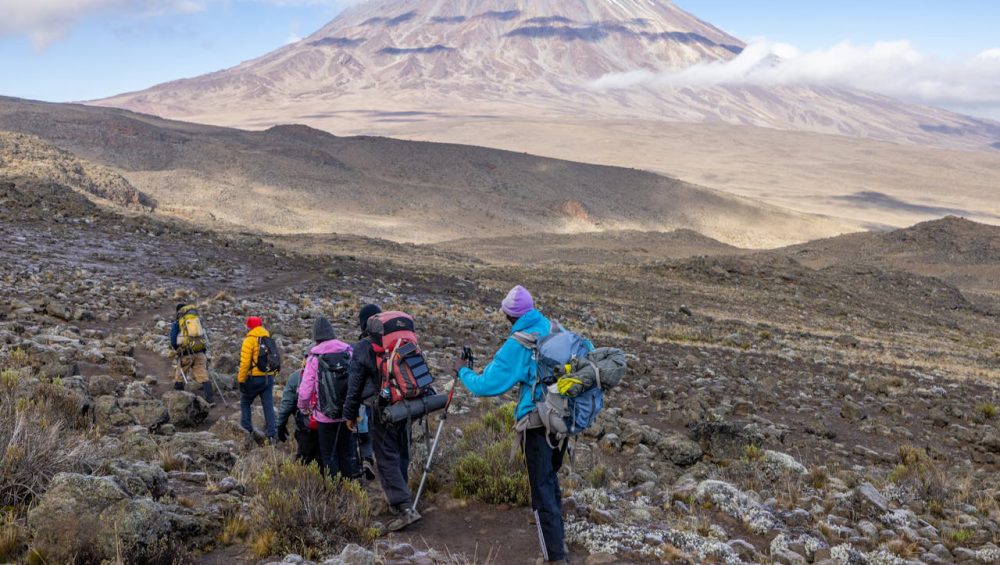
How to Climb Mount Kilimanjaro for Beginners
How to Climb Mount Kilimanjaro for Beginners: Complete Step-by-Step Guide (2026-2027)
Estimated reading time: 31 minutes
How to climb Mount Kilimanjaro for beginners starts with choosing the right route, preparing your body, and allowing enough time to adjust to the altitude. You do not need technical climbing skills to reach the summit, but you do need good fitness, the right gear, and the support of experienced mountain guides. With proper preparation, many first-time climbers successfully stand on Uhuru Peak, the highest point in Africa.
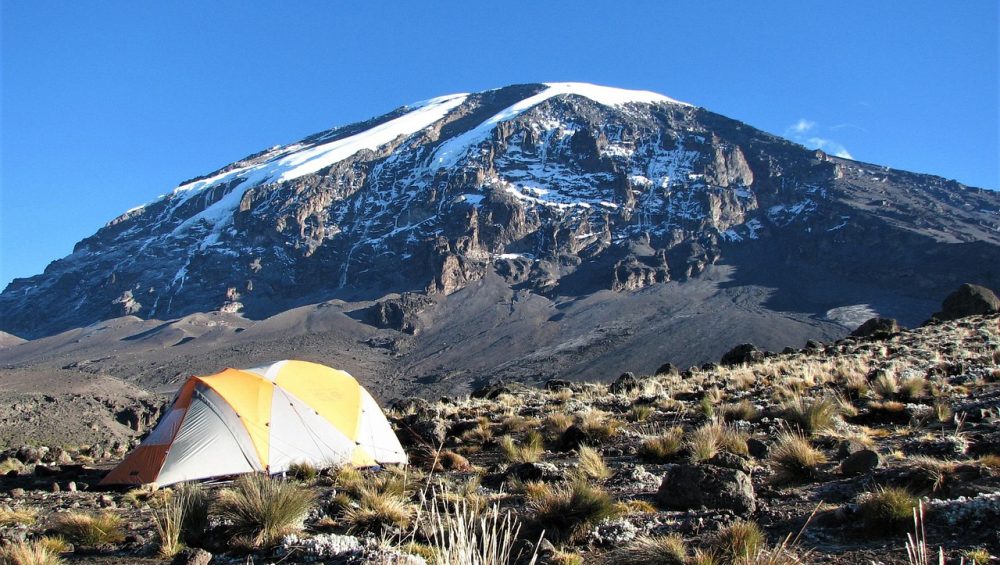
Mount Kilimanjaro rises 5,895 meters (19,341 feet) above sea level in northern Tanzania. Every year, thousands of people from around the world climb the mountain, including beginners with no previous trekking experience. The climb usually takes 6 to 9 days, depending on the route you choose. Along the way, you pass through lush rainforest, open moorland, alpine desert, and finally the snow-covered summit. Each stage offers different scenery and new challenges.
The biggest challenge on Kilimanjaro is not steep trails or rock climbing. It is the high altitude. As you climb higher, the air contains less oxygen, making it harder for your body to perform. This is why choosing a longer route, walking slowly, and taking time to acclimatize are so important. Good preparation greatly improves your chances of reaching the summit safely.
This complete guide explains how to climb Mount Kilimanjaro for beginners step by step. You will learn how difficult the climb is, how to train, choose the best route, prevent altitude sickness, pack the right equipment, understand climbing costs, and prepare for summit night. By the end of this guide, you will have the knowledge and confidence to plan your first Kilimanjaro adventure and give yourself the best possible chance of reaching the Roof of Africa.
Table of contents
- How to Climb Mount Kilimanjaro for Beginners: Complete Step-by-Step Guide (2026-2027)
- Can Beginners Climb Mount Kilimanjaro?
- Why Climb Mount Kilimanjaro?
- Where Is Mount Kilimanjaro?
- How Hard Is Mount Kilimanjaro for Beginners?
- Best Kilimanjaro Routes for Beginners
- How to Prepare for Your First Kilimanjaro Climb
- Training Plan for Beginners
- What to Pack for Mount Kilimanjaro
- Understanding Altitude Sickness
- A Typical Day on Mount Kilimanjaro
- What Does Summit Night Feel Like?
- Common Mistakes Beginners Should Avoid
- Best Time to Climb Mount Kilimanjaro
- Accommodation on Mount Kilimanjaro
- How Much Does It Cost to Climb Kilimanjaro?
- How WeWild Travel Helps Beginners Succeed
- Frequently Asked Questions
- Final Thoughts
- Read Also:
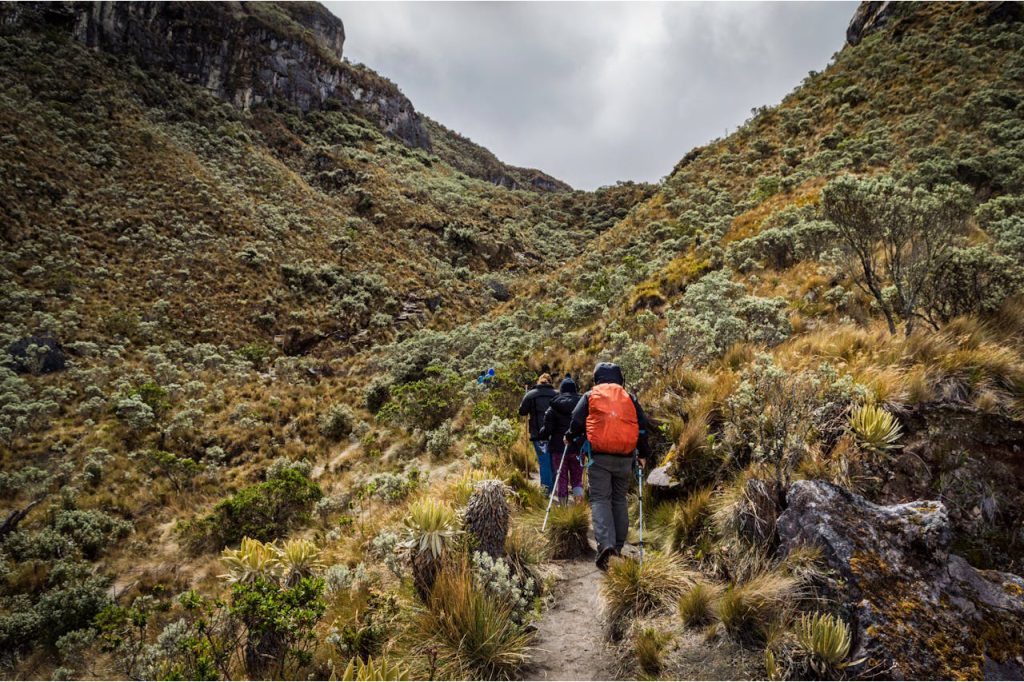
Can Beginners Climb Mount Kilimanjaro?
Yes, beginners can climb Mount Kilimanjaro. You do not need technical climbing experience to reach the summit. Success depends on choosing the right route, preparing your body, allowing enough time to acclimatize, and climbing with experienced guides. Every year, thousands of first-time trekkers successfully reach Uhuru Peak, proving that good preparation matters more than previous mountain experience.
Do You Need Climbing Experience?
No, you do not need climbing experience to climb Mount Kilimanjaro. The mountain is a trekking peak, not a technical climb. You will not use ropes, harnesses, or ice axes during a normal ascent. Instead, you will hike on well-established trails from the base to the summit. Most beginners can complete the climb if they prepare well and follow their guide’s instructions.
How Difficult Is Kilimanjaro for Beginners?
Mount Kilimanjaro is a moderately challenging trek for beginners. The daily hikes can last 5 to 8 hours, while summit night often takes 10 to 15 hours. The biggest challenge is the high altitude, not the trail itself. As you climb higher, your body receives less oxygen, which can make you feel tired and slow. Walking at a steady pace and choosing a route with good acclimatization greatly improve your chances of reaching the summit.
What Makes the Climb Challenging?
Several factors make Kilimanjaro challenging for beginners. The most important is the high altitude, which increases the risk of altitude sickness. Long hiking days, cold temperatures near the summit, and changing weather also test your endurance. However, you can overcome these challenges with proper training, the right equipment, a slow climbing pace, and enough time for acclimatization.
Beginner’s Success Factors
| Factor | Why It Matters |
|---|---|
| Choose a longer route | Gives your body more time to adjust to the altitude. |
| Train before your trip | Improves endurance for several days of hiking. |
| Walk slowly (Pole Pole) | Helps reduce fatigue and supports acclimatization. |
| Pack the right gear | Keeps you warm, dry, and comfortable in changing weather. |
| Listen to your guide | Guides monitor your health and help you make safe decisions throughout the climb. |
Key Takeaway: Being a beginner does not stop you from climbing Mount Kilimanjaro. Good preparation, patience, and the right support are the real keys to a safe and successful summit.
Why Climb Mount Kilimanjaro?
Many people climb Mount Kilimanjaro because it offers the chance to stand on Africa’s highest mountain without technical climbing skills. The journey combines breathtaking scenery, personal achievement, and the excitement of reaching Uhuru Peak at 5,895 meters (19,341 feet). Along the way, you experience changing landscapes, meet friendly local guides and porters, and create memories that last a lifetime.
Reach Africa’s Highest Peak
Reaching Uhuru Peak is the main goal for many climbers. At 5,895 meters (19,341 feet) above sea level, it is the highest point in Africa. Standing at the summit rewards you with incredible sunrise views, stunning glaciers, and a strong sense of accomplishment. For many people, reaching the Roof of Africa is a dream that becomes a lifelong memory.
No Technical Climbing Required
Unlike many famous mountains, Mount Kilimanjaro does not require ropes, harnesses, or rock climbing experience. You climb by following well-maintained trekking trails with the support of licensed mountain guides. This makes Kilimanjaro one of the most accessible high mountains in the world for beginners who prepare properly.
Experience Five Climate Zones
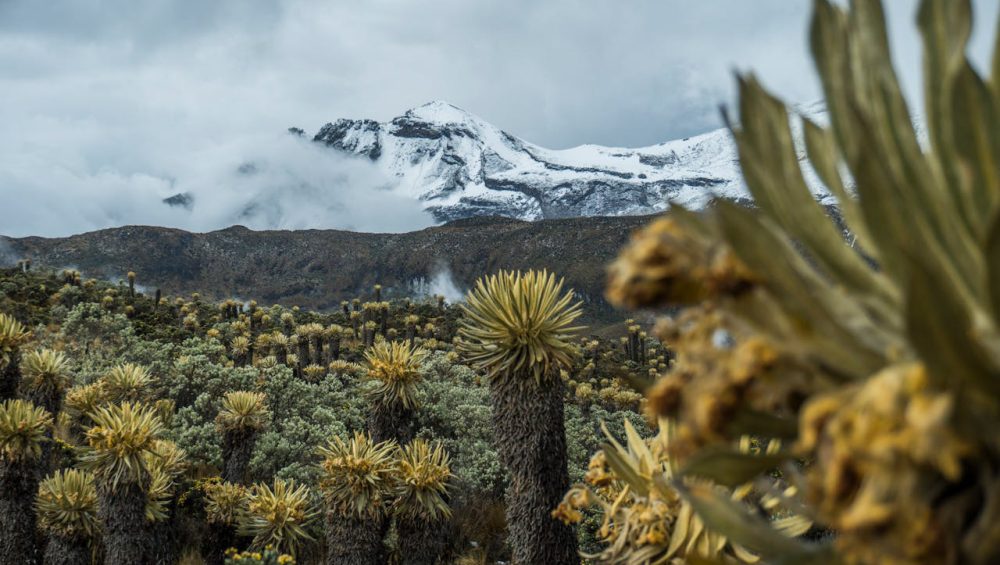
One of the most unique parts of climbing Kilimanjaro is passing through five different climate zones in a single trek. You begin in a tropical rainforest, continue through heath and moorland, cross the alpine desert, and finish at the Arctic summit. Few mountains offer such dramatic changes in scenery over just a few days.
A Once-in-a-Lifetime Adventure
Climbing Mount Kilimanjaro is about more than reaching the summit. It is an opportunity to challenge yourself, build confidence, and experience the natural beauty of Tanzania. You will share the journey with fellow climbers, enjoy spectacular mountain views, and celebrate every milestone along the way. Whether you reach the summit for personal achievement, adventure, or charity, the experience often becomes one of the most memorable moments of your life.
Where Is Mount Kilimanjaro?
Mount Kilimanjaro is located in northern Tanzania, close to the Kenya border. It stands within Kilimanjaro National Park, one of Tanzania’s most famous protected areas. The mountain attracts thousands of climbers every year because it offers a non-technical trek to the highest point in Africa. Its convenient location also makes it easy to combine a Kilimanjaro climb with a wildlife safari or a beach holiday in Zanzibar.
Location in Tanzania
Mount Kilimanjaro lies in the Kilimanjaro Region of northern Tanzania, about 70 kilometers (43 miles) from the city of Moshi. Moshi is the main starting point for most Kilimanjaro climbs and offers hotels, restaurants, gear rental shops, and tour operators. The nearest airport is Kilimanjaro International Airport (JRO), which is about a one-hour drive from Moshi.
Height and Uhuru Peak
Mount Kilimanjaro rises to 5,895 meters (19,341 feet) above sea level, making it the highest mountain in Africa and the tallest free-standing mountain in the world. Its highest point is Uhuru Peak, located on Kibo, the largest of Kilimanjaro’s three volcanic cones. Reaching Uhuru Peak is the main goal for climbers and marks the successful completion of the trek.
Interesting Facts About Kilimanjaro
Mount Kilimanjaro is an extinct volcanic mountain made up of three volcanic cones: Kibo, Mawenzi, and Shira. During the climb, you pass through five different climate zones, from tropical rainforest to the Arctic summit. Despite its impressive height, Kilimanjaro does not require technical climbing skills, making it one of the world’s most popular high-altitude trekking destinations for beginners. The mountain is also a UNESCO World Heritage Site and one of Tanzania’s most famous natural landmarks.
Quick Facts About Mount Kilimanjaro
| Feature | Information |
|---|---|
| Country | Tanzania |
| Region | Kilimanjaro Region |
| National Park | Kilimanjaro National Park |
| Highest Point | Uhuru Peak |
| Elevation | 5,895 m (19,341 ft) |
| Mountain Type | Free-standing volcanic mountain |
| Volcanic Cones | Kibo, Mawenzi, and Shira |
| Nearest Town | Moshi |
| Nearest Airport | Kilimanjaro International Airport (JRO) |
How Hard Is Mount Kilimanjaro for Beginners?
Mount Kilimanjaro is moderately challenging for beginners. You do not need technical climbing skills, but you do need good preparation, determination, and the ability to hike for several days. Most beginners find the altitude more difficult than the trails. With proper training, a slow pace, and the right route, many first-time climbers successfully reach the summit.
Physical Challenge
The physical challenge comes from hiking for several hours each day over different types of terrain. Most trekking days last 5 to 8 hours, while summit night can take 10 to 15 hours. As you climb higher, the air becomes thinner, making every step feel more demanding. Good fitness, comfortable hiking boots, and regular training before your trip can make the climb much easier.
Mental Challenge
Climbing Kilimanjaro also tests your mental strength. You may face cold temperatures, changing weather, early morning starts, and long hours of walking. Staying positive and focusing on one step at a time helps you overcome these challenges. Many beginners reach the summit because they stay patient, follow their guide’s advice, and keep moving at a steady pace.
Altitude Is the Biggest Obstacle
For most beginners, the biggest obstacle is high altitude, not steep trails. As you climb above 2,500 meters (8,200 feet), your body receives less oxygen with every breath. This can cause headaches, tiredness, dizziness, or altitude sickness. Choosing a longer route, walking pole pole (slowly), drinking enough water, and giving your body time to acclimatize greatly improve your chances of reaching Uhuru Peak safely.
Difficulty Rating Table
| Challenge | Difficulty | Why It Matters |
|---|---|---|
| Technical Climbing | ⭐☆☆☆☆ | No ropes or climbing experience required. |
| Physical Fitness | ⭐⭐⭐⭐☆ | Long hiking days require good endurance. |
| Mental Endurance | ⭐⭐⭐⭐☆ | Staying motivated is important during difficult sections. |
| Altitude | ⭐⭐⭐⭐⭐ | Thin air is the biggest challenge for most climbers. |
| Weather | ⭐⭐⭐☆☆ | Temperatures change from warm to below freezing. |
| Overall Difficulty | ⭐⭐⭐⭐☆ | Moderate to challenging, but achievable with good preparation. |
Best Kilimanjaro Routes for Beginners
The best Kilimanjaro routes for beginners are Lemosho, Machame, Rongai, and Marangu. Each route offers a different experience, but they all lead to Uhuru Peak. For most first-time climbers, the Lemosho Route is the best choice because it provides excellent acclimatization, beautiful scenery, and one of the highest summit success rates. The right route depends on your fitness level, budget, available time, and climbing goals.
Lemosho Route
The Lemosho Route is widely considered the best route for beginners. It usually takes 7 or 8 days, giving your body enough time to adjust to the altitude. The route starts on the quieter western side of the mountain and passes through rainforest, moorland, alpine desert, and the summit. Its gradual ascent helps reduce the risk of altitude sickness and improves your chances of reaching Uhuru Peak.
Why beginners choose the Lemosho Route:
- Excellent acclimatization
- High summit success rate
- Beautiful and varied scenery
- Less crowded during the first days
- Ideal for first-time climbers
Machame Route
The Machame Route, also known as the Whiskey Route, is one of the most popular ways to climb Mount Kilimanjaro. It usually takes 6 or 7 days. The 7-day itinerary is a better option for beginners because it allows more time for acclimatization. The route offers spectacular views and follows the “climb high, sleep low” principle, which helps your body adapt to the altitude.
Why beginners choose the Machame Route:
- Excellent mountain scenery
- Good acclimatization on the 7-day itinerary
- High summit success rate
- Suitable for active beginners
Rongai Route
The Rongai Route approaches Kilimanjaro from the northern side near the Kenya border. It usually takes 6 or 7 days and receives fewer climbers than the southern routes. The trail is quieter and has a more gradual ascent, making it a good choice for beginners who prefer a peaceful trekking experience.
Why beginners choose the Rongai Route:
- Fewer crowds
- Gradual ascent
- Drier conditions during some seasons
- Good option for first-time climbers
Marangu Route
The Marangu Route is the only Kilimanjaro route that uses mountain huts instead of tents. Most climbs take 5 or 6 days. Although many beginners choose this route because of the hut accommodation, the shorter itinerary gives less time for acclimatization. For this reason, summit success rates are generally lower than on longer routes.
Why beginners choose the Marangu Route:
- Comfortable hut accommodation
- Simple logistics
- Suitable for climbers who prefer not to camp
- Best on the 6-day itinerary
Route Comparison Table
| Route | Duration | Difficulty | Acclimatization | Scenery | Crowd Level | Best For |
|---|---|---|---|---|---|---|
| Lemosho | 7-8 Days | Moderate | Excellent | ⭐⭐⭐⭐⭐ | Low to Moderate | Best overall choice for beginners |
| Machame | 6-7 Days | Moderate | Very Good | ⭐⭐⭐⭐⭐ | High | Active beginners who enjoy scenic trails |
| Rongai | 6-7 Days | Moderate | Good | ⭐⭐⭐⭐ | Low | Beginners seeking a quieter climb |
| Marangu | 5-6 Days | Moderate | Fair | ⭐⭐⭐ | High | Climbers who prefer mountain huts |
How to Prepare for Your First Kilimanjaro Climb
Preparing for your first Kilimanjaro climb starts with improving your fitness, planning ahead, and understanding the challenges of high altitude. You do not need mountaineering experience, but you should train your body, break in your hiking boots, and organize your travel well before your departure. Good preparation makes the climb safer, more comfortable, and increases your chances of reaching Uhuru Peak.
Improve Your Fitness
You do not need to be an elite athlete to climb Mount Kilimanjaro, but you should have a good level of fitness. Start training 8 to 12 weeks before your trip. Focus on activities that improve endurance, such as hiking, brisk walking, running, cycling, or swimming. Add strength exercises for your legs and core to help you handle long days on the trail. Regular training will make the climb more enjoyable and help you recover faster each day.
Practice Long Hikes
Long hikes prepare your body for the demands of climbing Kilimanjaro. Hike on hills or uneven trails whenever possible, and gradually increase your distance each week. Carry a small backpack during your training to get used to hiking with extra weight. This practice builds endurance, improves balance, and helps you feel more confident on the mountain.
Build Mental Endurance
A successful Kilimanjaro climb requires patience as well as physical fitness. Some days are long, cold, and tiring, especially during summit night. Stay focused on taking one step at a time instead of thinking about the entire journey. A positive attitude, determination, and the willingness to keep moving slowly can make a big difference when the climb becomes challenging.
Break In Your Hiking Boots
Never wear brand-new hiking boots on Mount Kilimanjaro. Wear your boots during training hikes for several weeks before your trip. This helps soften the boots, improves comfort, and reduces the risk of blisters. Make sure your boots provide good ankle support and fit well with the hiking socks you plan to wear on the mountain.
Prepare Your Travel Documents
Check your passport well before your departure and make sure it meets Tanzania’s entry requirements. Arrange your visa if needed, and purchase travel insurance that covers high-altitude trekking and emergency evacuation. Keep copies of your important documents in both digital and printed form. Planning these details early helps you avoid unnecessary stress before your adventure begins.
Preparation Checklist
| Task | Recommended Time |
|---|---|
| Start fitness training | 8-12 weeks before departure |
| Practice long hikes | Every week before your trip |
| Break in hiking boots | At least 4-6 weeks before departure |
| Buy or rent trekking gear | 2-4 weeks before departure |
| Check passport and visa | 1-2 months before travel |
| Purchase travel insurance | Before booking your climb |
| Pack your equipment | 3-7 days before departure |
Training Plan for Beginners
A structured training plan gives beginners the best chance of reaching the Kilimanjaro summit. Start preparing at least three months before your climb. Build your fitness gradually instead of trying to improve everything at the last minute. Focus on endurance, strength, and regular hiking to prepare your body for several days on the mountain.
Three Months Before
Three months before your climb, begin building your fitness. Aim for three to five workouts each week. Include activities such as hiking, brisk walking, running, cycling, or swimming to improve your endurance. Add strength exercises for your legs, core, and back to help you carry a daypack and hike comfortably over uneven terrain.
If possible, take a long hike every weekend. Choose trails with hills to prepare for continuous uphill and downhill walking. Gradually increase the distance and elevation as your fitness improves.
One Month Before
One month before departure, focus on longer hikes and practice using the gear you will take to Kilimanjaro. Wear your hiking boots on every training hike to make sure they fit comfortably and prevent blisters.
Carry a backpack with a similar weight to what you will use on the mountain. Test your waterproof clothing, trekking poles, and other equipment. This is also the right time to review your packing list and replace any missing gear.
One Week Before
During the final week, reduce the intensity of your training to give your body time to recover. Continue taking short walks or easy hikes to stay active, but avoid exhausting workouts that could cause injuries.
Pack your equipment, confirm your travel arrangements, and make sure your passport, visa, travel insurance, and flight details are ready. Drink enough water, eat balanced meals, and get plenty of sleep before your trip.
Final Day Before Departure
The day before you travel, avoid hard exercise and focus on resting. Double-check your luggage, charge your electronic devices, and keep important documents in your carry-on bag. Stay hydrated and eat healthy meals to prepare your body for the journey ahead.
Arrive in Tanzania feeling rested, confident, and ready for your Kilimanjaro adventure.
Beginner Training Timeline
| Time Before the Climb | What to Do |
|---|---|
| 3 Months Before | Start endurance training, build strength, and take weekly hikes. |
| 2 Months Before | Increase hiking distance and practice on hills or uneven trails. |
| 1 Month Before | Wear your hiking boots, test your gear, and carry a loaded backpack. |
| 2 Weeks Before | Complete your longest training hike and review your packing list. |
| 1 Week Before | Reduce training, stay active with easy walks, and organize your travel documents. |
| Final Day | Rest, hydrate, check your luggage, and prepare for your flight. |
What to Pack for Mount Kilimanjaro
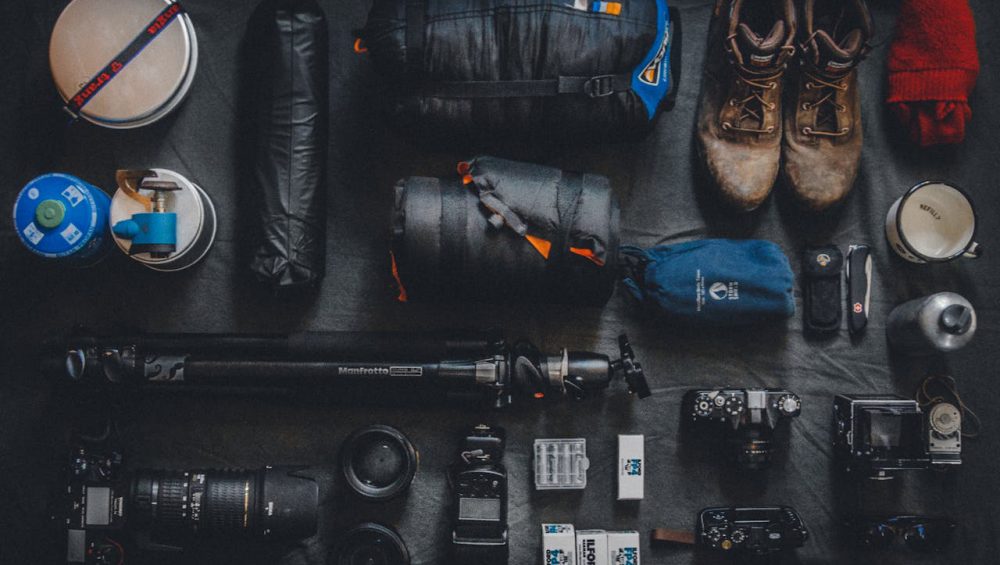
Packing the right gear is one of the most important steps when climbing Mount Kilimanjaro. The mountain’s weather changes quickly as you gain altitude, so you need clothing and equipment for warm, rainy, windy, and freezing conditions. Bringing the right items will keep you comfortable, help prevent injuries, and improve your chances of reaching the summit safely.
Essential Clothing
Dress in layers so you can easily adjust to changing temperatures throughout the climb. Wear moisture-wicking clothing to keep your skin dry and add warm layers as you climb higher. A waterproof outer layer protects you from rain and wind, while insulated clothing keeps you warm during summit night.
Your clothing should include:
- Moisture-wicking base layers
- Fleece or insulated mid-layers
- Waterproof jacket and trousers
- Warm down jacket
- Hiking trousers and shorts
- Thermal underwear
- Warm hat and sun hat
- Waterproof gloves and warm gloves
- Several pairs of hiking socks
- Gaiters (optional but useful)
Hiking Equipment
Reliable equipment makes your trek safer and more comfortable. Choose gear that fits well and test it before your trip. Never bring brand-new equipment without using it during training.
Essential hiking equipment includes:
- Waterproof hiking boots with ankle support
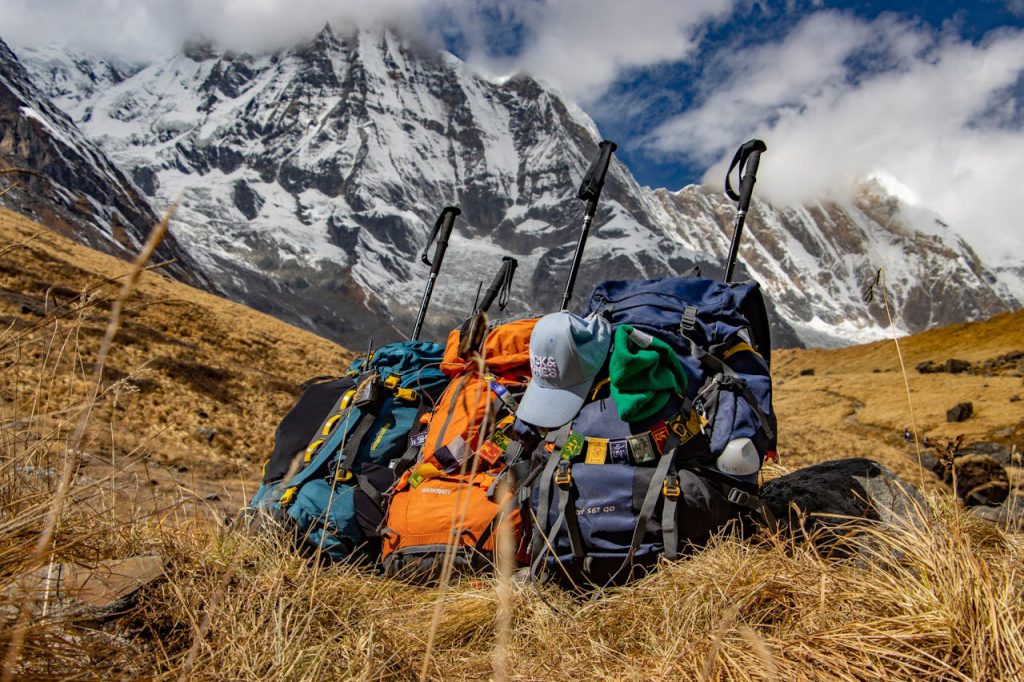
- Comfortable daypack (20-35 liters)
- Duffel bag for porters
- Trekking poles
- Four-season sleeping bag
- Headlamp with spare batteries
- Reusable water bottles or hydration bladder
- Sunglasses with UV protection
- Sunscreen and lip balm
- Rain cover for your backpack
Personal Items
Pack a few personal items to stay healthy and comfortable during the climb. Keep important documents and valuables in a waterproof bag.
Recommended personal items include:
- Passport and travel documents
- Travel insurance details
- Personal medications
- Basic first aid kit
- Toiletries
- Wet wipes and hand sanitizer
- Toilet paper
- Camera or smartphone
- Power bank
- Snacks such as energy bars or nuts
Packing Checklist Table
| Category | Essential Items |
|---|---|
| Clothing | Base layers, fleece, down jacket, waterproof jacket, hiking trousers, thermal underwear, gloves, hats, hiking socks |
| Footwear | Waterproof hiking boots, camp shoes, gaiters (optional) |
| Equipment | Daypack, duffel bag, trekking poles, sleeping bag, headlamp, water bottles |
| Personal Items | Passport, travel insurance, medications, toiletries, wet wipes, power bank |
| Safety | Sunscreen, sunglasses, lip balm, rain cover, first aid kit |
| Food | Energy bars, trail mix, electrolyte tablets |
Understanding Altitude Sickness
Altitude sickness is one of the most important things beginners need to understand before climbing Mount Kilimanjaro. As you gain elevation, the amount of oxygen in the air decreases, making it harder for your body to function normally. While many trekkers focus on fitness and gear, altitude is often the biggest challenge on the mountain.
The good news is that most cases of altitude sickness can be managed or prevented with proper acclimatization, a gradual ascent, and close attention to your body’s signals.
Why It Happens
Altitude sickness occurs when your body does not have enough time to adapt to lower oxygen levels at higher elevations. As you climb Kilimanjaro, the air becomes thinner, meaning each breath contains less oxygen than at sea level.
Your body needs time to adjust to these conditions. If you ascend too quickly, you may develop symptoms ranging from mild discomfort to more serious altitude-related illnesses. This is why longer routes with better acclimatization schedules often have higher summit success rates.
Common Symptoms
Altitude sickness can affect anyone, regardless of age, fitness level, or hiking experience. The most common symptoms include:
- Headache
- Fatigue or unusual tiredness
- Dizziness
- Nausea
- Loss of appetite
- Shortness of breath
- Difficulty sleeping
Mild symptoms are relatively common on Kilimanjaro, but they should never be ignored. Always inform your guide if you start feeling unwell.
How to Reduce Your Risk
While there is no guaranteed way to prevent altitude sickness, several strategies can significantly reduce your risk:
- Choose a route with enough acclimatization time.
- Walk slowly and follow the “pole pole” pace.
- Stay well hydrated throughout the trek.
- Eat regular meals, even if your appetite decreases.
- Get plenty of rest each night.
- Consider altitude medication if recommended by your doctor.
These simple habits can help your body adapt more effectively to the changing altitude.
When to Descend
Descending is the safest treatment for severe altitude sickness. If symptoms become worse instead of improving, continuing to climb can be dangerous.
Warning signs that require immediate attention include:
- Severe headache that does not improve.
- Persistent vomiting.
- Confusion or unusual behavior.
- Loss of coordination.
- Extreme difficulty breathing.
Kilimanjaro guides are trained to monitor trekkers for altitude-related problems and make decisions that prioritize safety. If your guide recommends descending, it is important to follow their advice.
A Typical Day on Mount Kilimanjaro
If you’ve never climbed a mountain before, you may wonder what a typical day on Mount Kilimanjaro looks like. While every route is slightly different, most days follow a similar routine. Knowing what to expect can help you prepare mentally and enjoy the experience with confidence.
Morning Routine
Your day usually begins between 6:00 and 7:00 a.m. A member of the mountain crew will wake you with a hot drink, followed by a bowl of warm water for washing. After getting dressed, you’ll enjoy a hearty breakfast to fuel the day’s hike.
Before leaving camp, your guide will give a briefing about the day’s route, expected hiking time, weather conditions, and altitude. You’ll also have time to refill your water bottles, pack your daypack, and complete a quick health check if needed.
Hiking During the Day
Most trekking days involve 5 to 8 hours of hiking, depending on your route and itinerary. The pace is slow and steady, following the famous Swahili phrase “pole pole,” meaning “slowly, slowly.” Walking at this pace helps your body adjust to the altitude and conserves energy.
Along the trail, you’ll pass through a variety of landscapes, from lush rainforest and open moorland to alpine desert. Your guide will schedule regular breaks for water, snacks, and photos while sharing interesting facts about the mountain’s wildlife, plants, and geography.
Evening at Camp
After arriving at camp in the afternoon, you’ll have time to rest and enjoy a hot drink before dinner. Many operators also encourage a short acclimatization walk to help your body adapt to the higher altitude.
In the evening, your guides will check how you’re feeling, discuss the next day’s plan, and answer any questions. After a nutritious dinner, most trekkers head to their tents early to rest and prepare for another day on the mountain.
Summit Night Experience
Summit night is the most challenging and rewarding part of the Kilimanjaro climb. Trekkers usually wake around 11:00 p.m., enjoy a light meal, and begin the final ascent around midnight.
The climb to Uhuru Peak takes place in darkness, with freezing temperatures and thinner air making every step more demanding. Although it is physically and mentally challenging, watching the sunrise from the highest point in Africa is an unforgettable reward.
After celebrating at the summit, you’ll descend to camp for a well-earned rest before continuing your journey down the mountain.
What Does Summit Night Feel Like?
For many climbers, summit night is the most difficult yet most rewarding part of the Mount Kilimanjaro adventure. It tests your physical endurance, mental strength, and determination. Although it can be challenging, reaching the highest point in Africa is a moment you’ll remember for the rest of your life.
Starting Before Midnight
Summit day begins long before sunrise. Most climbers wake between 11:00 p.m. and midnight for a light meal and a hot drink before setting off.
Stepping outside your tent, you’ll find yourself surrounded by darkness, freezing temperatures, and a sky filled with countless stars. Wearing a headlamp, you’ll quietly join the line of trekkers making their way toward the summit. The mountain is silent except for the sound of footsteps and the encouragement of your guides.
The Final Climb
The climb to the summit is slow and demanding. Every step requires more effort because the air contains much less oxygen at this altitude. Your legs may feel heavy, your breathing becomes deeper, and frequent rest stops help you regain energy.
This is where the famous Kilimanjaro motto, “pole pole” meaning “slowly, slowly” becomes especially important. Instead of rushing, you focus on taking one step at a time. Your guides continue to encourage you, reminding you that patience and determination are the keys to reaching the top.
Reaching Uhuru Peak
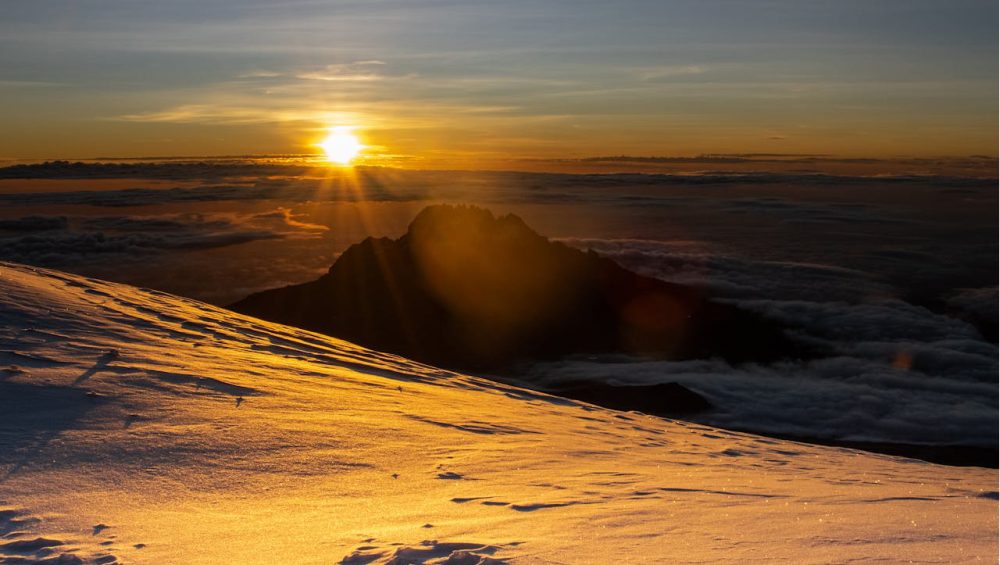
As the first light of dawn appears, you’ll finally arrive at Uhuru Peak (5,895 meters / 19,341 feet), the highest point on Mount Kilimanjaro and the roof of Africa.
Standing beside the famous summit sign, watching the sunrise over the clouds, is an unforgettable experience. The exhaustion of the climb is quickly replaced by pride, relief, and excitement. For many climbers, this is the moment when months of training and preparation become worthwhile.
Descending After the Summit
After celebrating and taking photos at the summit, it’s time to begin the descent. Although going downhill is easier on your lungs, it can be tough on your knees and legs, so trekking poles are especially helpful.
Back at camp, you’ll enjoy a well-earned rest before continuing your journey down the mountain. As you look back at the summit, you’ll realize that climbing Mount Kilimanjaro was not just about reaching the top it was about discovering your determination, resilience, and confidence along the way.
Common Mistakes Beginners Should Avoid
Climbing Mount Kilimanjaro is an unforgettable experience, but even small mistakes can make the trek more difficult than it needs to be. The good news is that most beginner mistakes are easy to avoid with the right preparation and mindset.
Hiking Too Fast
One of the biggest mistakes first-time climbers make is walking too quickly, especially during the first few days. Although you may feel energetic at lower elevations, moving too fast increases your risk of altitude sickness as you climb higher.
Kilimanjaro is climbed using the “pole pole” approach, which means “slowly, slowly.” A steady pace helps your body acclimatize, conserves energy, and improves your chances of reaching the summit.
Choosing a Short Route
It can be tempting to choose a five- or six-day itinerary because it costs less and requires fewer vacation days. However, shorter routes give your body less time to adjust to the altitude, which lowers your chances of reaching the summit.
If this is your first Kilimanjaro climb, consider a 7- or 8-day route, such as the Lemosho Route or Northern Circuit Route. The extra days provide better acclimatization and make the climb safer and more enjoyable.
Ignoring Altitude Symptoms
Many beginners think they should push through headaches, nausea, or dizziness. In reality, these can be early signs of altitude sickness and should never be ignored.
Always tell your guide if you develop any symptoms, even if they seem mild. Early action, such as resting or descending if necessary, is the safest way to prevent more serious altitude-related illnesses.
Wearing New Boots
Your hiking boots should be comfortable long before you arrive in Tanzania. Wearing brand-new boots on the mountain can lead to painful blisters and sore feet, making every step more difficult.
Break in your boots by wearing them on training hikes for several weeks before your trip. This helps ensure a better fit and allows you to identify any issues before your Kilimanjaro adventure begins.
Packing Too Much
Many first-time trekkers pack items they never use. While porters carry most of your equipment, an overloaded bag adds unnecessary weight and can make organizing your gear more difficult.
Focus on packing quality essentials, including warm clothing, waterproof layers, comfortable hiking boots, and personal items you will use every day. Following a recommended Kilimanjaro packing list will help you avoid carrying unnecessary gear.
By avoiding these common mistakes, you’ll enjoy a more comfortable trek, improve your acclimatization, and give yourself the best possible chance of standing on Uhuru Peak.
Best Time to Climb Mount Kilimanjaro
One of the most common questions first-time trekkers ask is, “When is the best time to climb Mount Kilimanjaro?” The good news is that Kilimanjaro can be climbed throughout the year. However, weather conditions vary by season, and choosing the right time can make your trek more comfortable and increase your chances of enjoying clear summit views.
For most beginners, the dry seasons offer the best climbing conditions, with more stable weather, less rainfall, and better visibility.
January to March
The period from January to early March is one of the best times to climb Mount Kilimanjaro. The weather is generally dry with cool temperatures and fewer climbers than during the middle of the year.
These months often provide clear morning skies and excellent views of the mountain. Because the trails are less crowded, many first-time trekkers enjoy a quieter and more relaxed experience. You may also have the chance to see snow near Uhuru Peak, making the summit even more spectacular.
June to October
The June to October season is the most popular time to climb Kilimanjaro. It follows the long rainy season and usually offers dry trails, sunny days, and excellent visibility.
These months attract climbers from around the world, so the mountain can be busier, especially in July, August, and September. Despite the larger crowds, this is an excellent time for beginners because of the reliable weather and comfortable trekking conditions.
Rainy Seasons
Kilimanjaro can still be climbed during the rainy months, but conditions become more challenging. The long rains, which usually occur from March to May, bring muddy trails, heavier rainfall, and limited views.
The short rains in November are generally lighter and shorter than the long rainy season, but showers are still common. Climbers who choose these months should be prepared for wet conditions and changing weather.
Monthly Weather Guide
| Month | Weather | Crowds | Recommendation |
|---|---|---|---|
| January | Dry and cool | Moderate | Excellent |
| February | Warm and dry | Moderate | Excellent |
| March | Mixed, increasing rain | Low | Good |
| April | Heavy rainfall | Very Low | Less Recommended |
| May | Heavy rainfall | Very Low | Less Recommended |
| June | Dry and cool | Moderate | Excellent |
| July | Dry and sunny | High | Excellent |
| August | Dry and clear | High | Excellent |
| September | Dry and pleasant | High | Excellent |
| October | Mostly dry | Moderate | Very Good |
| November | Short rains | Low | Fair |
| December | Improving weather | Moderate | Very Good |
There is no single “perfect” month to climb Mount Kilimanjaro, but for most first-time trekkers, January to March and June to October provide the best combination of stable weather, comfortable trekking conditions, and a higher likelihood of enjoying clear views from the summit. Choosing a route with enough time for acclimatization is just as important as choosing the right season.
Accommodation on Mount Kilimanjaro
Accommodation on Mount Kilimanjaro depends on the route you choose. Most trekking routes use mountain camps where you’ll sleep in tents, while the Marangu Route is the only route that offers hut accommodation. Although the facilities are simple, they provide everything you need for a safe and comfortable adventure.
Camping Routes
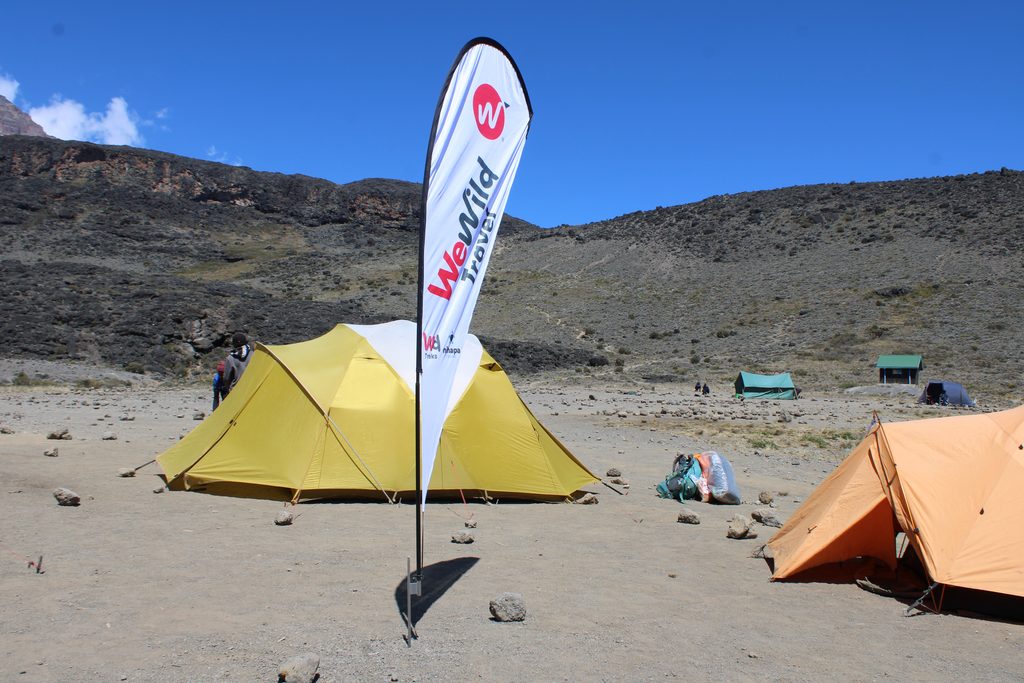
The Lemosho, Machame, Rongai, Northern Circuit, Shira, and Umbwe Routes are all camping routes. During these treks, you’ll sleep in high-quality mountain tents that are set up by your support crew before you arrive at camp.
Most climbers share a tent with one other person, although single tents are often available for an additional cost. A comfortable sleeping mat is usually provided, but you’ll need to bring or rent a warm sleeping bag suitable for temperatures below freezing.
Camping allows you to experience Kilimanjaro’s incredible scenery, from peaceful forests to open alpine landscapes and star-filled night skies.
Marangu Huts
The Marangu Route, often called the “Coca-Cola Route,” is the only Kilimanjaro route that provides hut accommodation instead of camping.
Trekkers sleep in simple wooden huts with bunk beds, shared dining areas, and communal washrooms. While the huts offer shelter from the weather, they are more basic than a hotel and can become busy during the peak climbing seasons.
The Marangu Route is a popular choice for climbers who prefer sleeping indoors, although it has less time for acclimatization than some of the longer camping routes.
Camp Facilities
Mountain camps are designed to provide the basic facilities needed for a multi-day trek. Most camps include a dining tent where freshly prepared meals are served, portable toilets or shared park toilets, and designated areas for pitching tents.
Your mountain crew will prepare your meals, provide boiled drinking water, and assist with setting up camp each day. As you climb higher, facilities become more basic, so it’s important to arrive with realistic expectations.
Although accommodation on Mount Kilimanjaro is simple, the friendly support team, breathtaking scenery, and unforgettable experience make every night on the mountain a memorable part of the journey.
How Much Does It Cost to Climb Kilimanjaro?
The cost of climbing Mount Kilimanjaro depends on the route, the number of trekking days, group size, and the level of service you choose. While it may seem expensive at first, your price includes much more than just the climb. It covers park fees, professional guides, porters, camping equipment, meals, and safety services that make your adventure possible.
For most climbers, a guided Kilimanjaro trek typically costs between US$2,000 and US$5,000 per person, depending on the operator and itinerary.
Park Fees
A significant portion of your tour price goes toward Kilimanjaro National Park fees. These government fees help protect the mountain and support conservation efforts. They include park entry, camping or hut fees, rescue fees, and other mandatory charges that are included in your climbing package.
Because these fees are set by the park authorities, they apply to every licensed tour operator.
Guide and Porter Costs
Every Kilimanjaro climb must be completed with a licensed guide, and a dedicated mountain crew supports your trek. This team usually includes guides, porters, and a cook who work together to ensure your safety and comfort.
Your package price covers their wages, meals, camping equipment, and logistics. At the end of the trek, it is also customary to tip the mountain crew in recognition of their hard work and excellent service.
Equipment and Rental Costs
If you do not own mountain gear, you can rent most essential equipment in Tanzania before your climb. Common rental items include sleeping bags, trekking poles, insulated jackets, waterproof trousers, hiking boots, and gaiters.
Renting equipment is often more affordable than buying items you may only use once, but make sure you choose quality gear that fits properly.
Estimated Cost Breakdown
| Expense | Estimated Cost (USD) |
|---|---|
| Park fees and permits | Included in your tour price |
| Professional guides and porters | Included in your tour price |
| Meals and camping equipment | Included in your tour price |
| Airport transfers and accommodation (before/after the climb) | Often included, depending on the package |
| Gear rental (optional) | $100-$300 |
| Crew tips | $200-$350 per climber |
| Typical total tour price | $2,000-$5,000+ per person |
When comparing Kilimanjaro climbing packages, don’t choose based on price alone. A reputable operator with experienced guides, quality equipment, well-treated mountain crews, and strong safety standards provides better value and can significantly improve your chances of reaching Uhuru Peak safely and comfortably.
How WeWild Travel Helps Beginners Succeed
For first-time trekkers, climbing Mount Kilimanjaro can feel overwhelming. Choosing an experienced operator makes a significant difference, not only for your comfort but also for your safety and summit success. At WeWild Travel, we focus on helping beginners prepare well, acclimatize properly, and enjoy every step of their journey.
Experienced Mountain Guides
Our licensed mountain guides have extensive experience leading climbers on Mount Kilimanjaro. They understand the mountain’s changing conditions, know how to set a comfortable pace, and provide practical advice throughout the trek.
Whether you’re climbing your first mountain or pursuing a lifelong dream, our guides are there to encourage, educate, and support you from the first day to the summit.
Daily Health Checks
Your health is monitored every day during the climb. Our guides perform regular wellness checks and ask about any symptoms you may be experiencing, such as headaches, fatigue, or nausea.
These daily assessments help identify early signs of altitude sickness, allowing the team to respond quickly and make informed decisions to keep you safe.
Pulse Oximeter Monitoring
To monitor how your body is adapting to high altitude, our guides use a pulse oximeter to measure your blood oxygen saturation and heart rate during the trek.
These checks provide valuable information about your acclimatization and help our team determine whether it is safe to continue ascending or if additional rest is needed.
Emergency Safety Procedures
Your safety is always our highest priority. Every climb follows established emergency procedures, and our guides are trained to recognize and respond to altitude-related illnesses.
If a climber develops serious symptoms, we take immediate action, including stopping the ascent, descending to a lower altitude when necessary, and coordinating emergency evacuation if required.
Why Beginners Choose WeWild Travel
Many first-time climbers choose WeWild Travel because they want more than just a guided trek they want experienced professionals who prioritize safety, preparation, and personalized support.
When you climb with us, you’ll benefit from:
- Experienced and licensed mountain guides.
- Carefully planned itineraries with excellent acclimatization.
- Daily health monitoring throughout the trek.
- Quality camping equipment and nutritious meals.
- Friendly support from a dedicated mountain crew.
- A strong commitment to responsible tourism and your overall experience.
Our goal is simple: to help you climb Mount Kilimanjaro safely, confidently, and create memories that will last a lifetime.
Frequently Asked Questions
Yes. Mount Kilimanjaro is a trekking mountain, so you do not need previous climbing or mountaineering experience. With proper preparation and a licensed guide, many beginners successfully reach the summit.
The Lemosho Route and Northern Circuit Route are excellent choices because they offer more time for acclimatization, beautiful scenery, and higher summit success rates.
You don’t need to be an athlete, but you should have good endurance. Regular cardio exercise, strength training, and hiking before your trip will help you enjoy the climb and reduce fatigue.
There is no upper age limit for climbing Kilimanjaro. Tanzania requires climbers to be at least 10 years old, and many older adults have successfully reached Uhuru Peak with proper preparation.
Yes. Thousands of first-time trekkers stand on Uhuru Peak every year. Choosing the right route, climbing slowly, and following your guide’s advice greatly improve your chances of success.
Kilimanjaro is generally more physically demanding because you climb to a much higher altitude in fewer days. However, Everest Base Camp is a longer trek with more total hiking days.
Most trekking days involve 5-8 hours of hiking. On summit night, you can expect to walk for 10-14 hours, including the ascent to Uhuru Peak and the descent back to camp.
Final Thoughts
Climbing Mount Kilimanjaro may seem like a big challenge, but it is an achievable goal for thousands of beginners every year. You don’t need technical climbing experience just the right preparation, a positive mindset, and enough time to acclimatize. By choosing a suitable route, training before your trip, packing the right gear, and following your guides’ advice, you can greatly improve your chances of reaching Uhuru Peak safely.
Remember, the journey to the summit is about more than standing on Africa’s highest point. It’s about pushing your limits, discovering your resilience, and creating memories that will stay with you for a lifetime. Every step brings you closer to an experience that few people ever have.
At WeWild Travel, we’re committed to helping first-time climbers succeed. From planning your trek and choosing the best route to providing experienced guides and comprehensive safety support, we’ll be with you every step of the way.
If you’re ready to turn your dream into reality, contact WeWild Travel today and let us help you plan a safe, unforgettable, and successful Mount Kilimanjaro adventure.