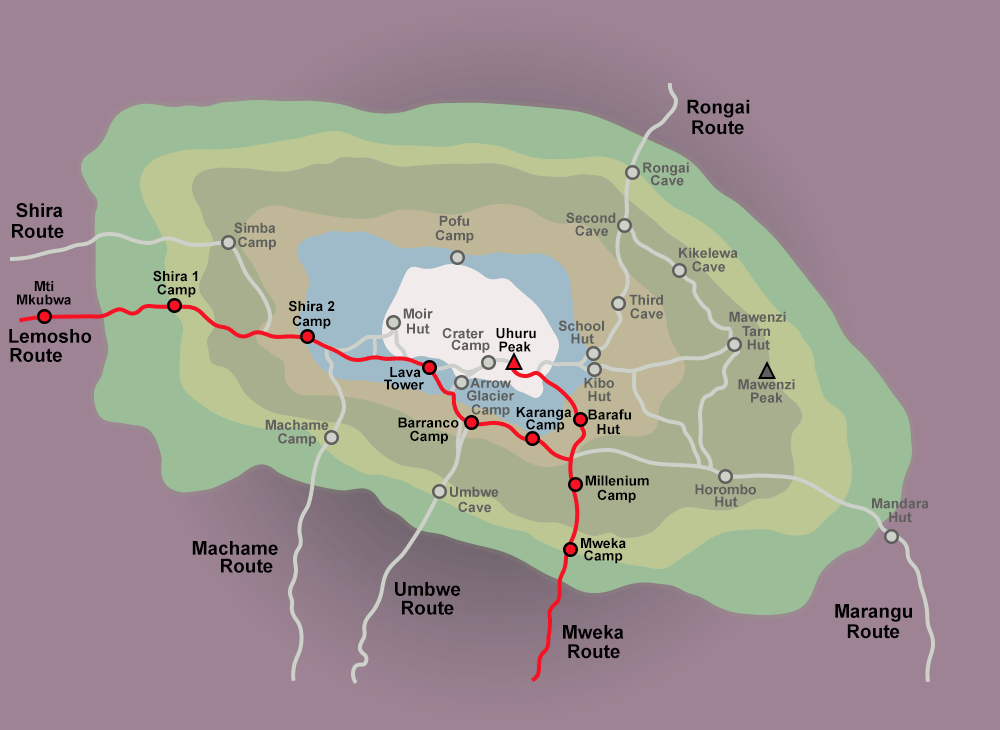
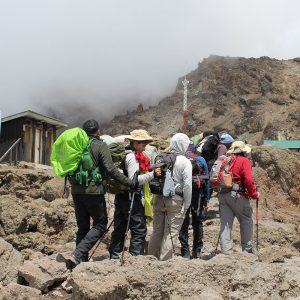
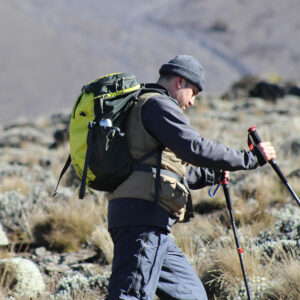
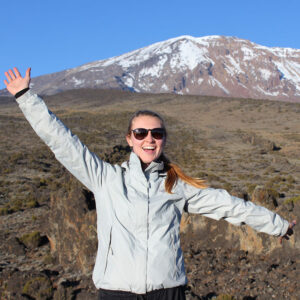
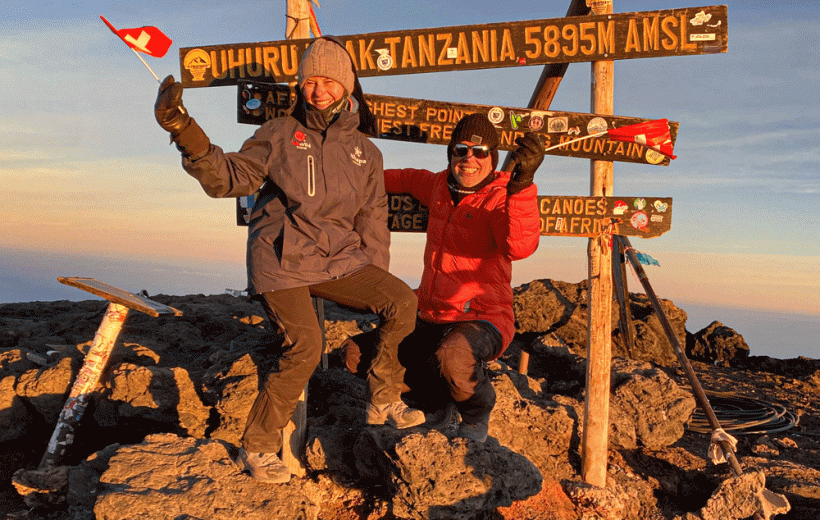
The 8-Day Lemosho Route is a popular option for climbers seeking scenic trails and more time to acclimatize on Mount Kilimanjaro. This itinerary crosses the rainforest, Shira Plateau, alpine desert and high-altitude mountain terrain before the summit attempt at Uhuru Peak (5,895 metres). WeWild Travel organizes locally guided climbs from Tanzania, with a planned daily itinerary and mountain support.
1. More Time to Acclimatize
The eight-day itinerary allows more time for altitude adjustment than shorter versions of the Lemosho Route. It includes the Lava Tower acclimatization hike before descending to Barranco Camp. This climb-high, sleep-low approach can support acclimatization, although altitude sickness remains possible and summit success is never guaranteed.
2. Diverse Kilimanjaro Landscapes
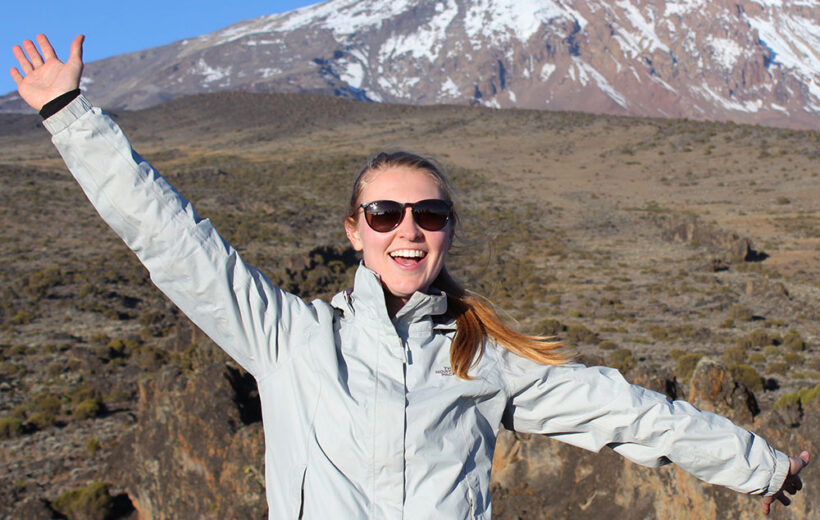
The Lemosho Route takes climbers through several of Kilimanjaro’s ecological zones. Walk through rainforest, cross the open Shira Plateau, explore the alpine desert and approach the dramatic Barranco Wall. These changing landscapes make the route appealing to trekkers who want a varied mountain experience.
3. A Scenic Approach to Uhuru Peak
Starting on Kilimanjaro’s western side, the Lemosho Route offers broad mountain views and a gradual journey toward the southern circuit. The itinerary passes notable locations such as Shira Camp, Lava Tower, Barranco Camp and Barafu Camp before the summit attempt.
4. Local Guides and Mountain Support
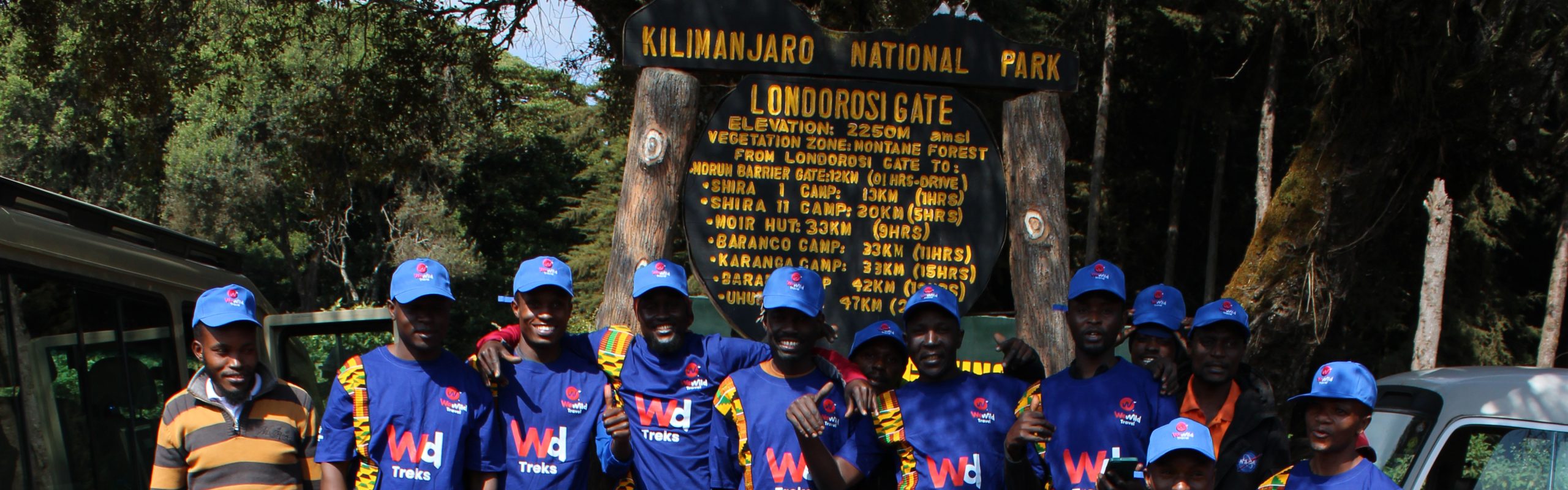
WeWild Travel is based in Arusha, Tanzania, and organizes Kilimanjaro climbs with local mountain guides and a supporting crew. Before booking, check your package details for guide services, meals, camping equipment, health monitoring, emergency procedures and porter support.
5. A Structured Eight-Day Trekking Plan
Each day has a planned destination, trekking stage and overnight camp. The schedule helps climbers understand the elevation changes, hiking demands and preparation needed for summit night. Review the daily itinerary and difficulty information before choosing this route.
6. A Camping Experience on Kilimanjaro
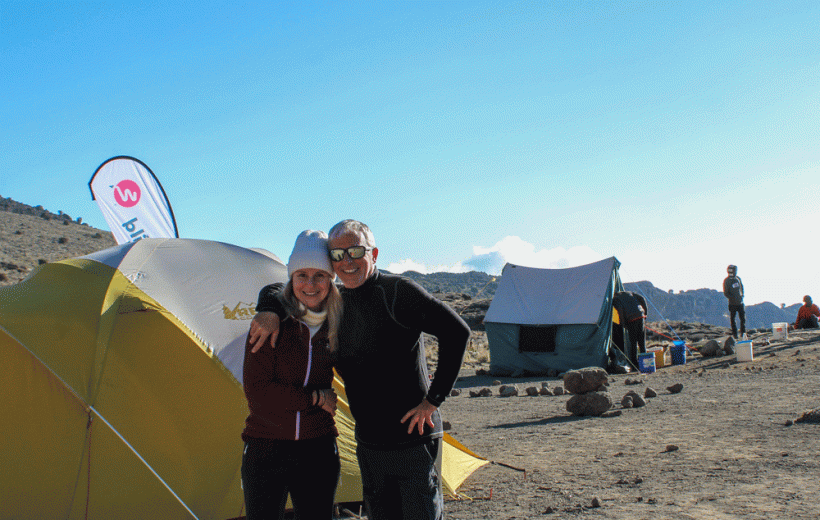
The eight-day trek includes overnight stays at designated mountain camps. Your experience changes as you move from forested slopes to exposed high-altitude terrain. WeWild Travel’s package description should clearly state which tents, meals, drinking water, toilet facilities and other services are included.
Is the 8-Day Lemosho Route Worth Choosing?
The 8-Day Lemosho Route is worth considering if you want varied scenery, a multi-day mountain trek and more time for acclimatization than a shorter itinerary provides. Your fitness, health, pace and response to altitude also affect the experience. Compare the itinerary, price, inclusions and operator support before booking.
Best Time to Climb the 8-Day Lemosho Route
The best time to climb the 8-Day Lemosho Route is during the dry seasons from January to March and June to October. These months offer stable weather, clear skies, and excellent trekking conditions, making the climb more enjoyable and increasing your chances of reaching the summit.
January to March brings warmer temperatures, fewer crowds, and beautiful mountain scenery. This period is ideal for climbers looking for a quieter experience and excellent summit views.
June to October is the most popular climbing season on Mount Kilimanjaro. The weather is generally dry, visibility is outstanding, and trail conditions are excellent. However, the mountain attracts more climbers, especially from July to September.
April, May, and November usually bring rain, which can make some sections of the trail muddy and slippery. Despite the wetter conditions, these months offer greener landscapes and fewer people on the mountain.
The 8-Day Lemosho Route is an excellent choice year-round because the extra acclimatization day provides a slower pace and one of the highest summit success rates on Mount Kilimanjaro. For the best combination of weather, scenery, and summit success, we recommend climbing between January and March or June and October.
Why Choose WeWild Travel?
Choosing the right Kilimanjaro operator matters for your preparation, comfort and support throughout the climb. WeWild Travel is a locally based tour operator in Arusha, Tanzania, specializing in guided Mount Kilimanjaro treks. Our team plans each climb around the route itinerary, gradual altitude gain and the needs of the group.
- Experienced local mountain guides who understand Kilimanjaro’s trails, changing weather and daily trekking conditions.
- Daily health checks that can include oxygen saturation measurements and assessments for symptoms of altitude sickness.
- Planned acclimatization with a structured itinerary that allows time to adjust to increasing altitude, without guaranteeing protection from altitude illness.
- Personalized mountain support to help climbers manage their pace, understand daily challenges and communicate concerns to their guides.
- Emergency procedures to respond to health concerns and coordinate descent or evacuation support when necessary.
WeWild Travel aims to provide a well-organized, supportive and responsible climbing experience, from trek preparation in Tanzania to the descent from the mountain. Before booking, review your package inclusions, safety arrangements and daily itinerary so you know what support to expect.
Planning your climb? Explore our 8-Day Lemosho Route itinerary or contact WeWild Travel for a personalized quote.
How to Book the 8-Day Lemosho Route
If you are planning to climb Mount Kilimanjaro, the most important step is choosing a trusted local operator. Booking with an experienced company ensures proper safety support, reliable logistics, and a well-organized expedition from start to summit.
For trekkers who want a safe and professionally guided experience, it is strongly recommended to book with a licensed local operator such as WeWild Travel, which provides structured support throughout the entire journey to Uhuru Peak.
Simple Booking Process with Us
- Contact our team with your preferred travel dates and group size
- Receive detailed itinerary and availability confirmation for the 8-day Lemosho climb
- Secure your booking with a deposit to reserve your place on the mountain
- Get full pre-trek support, including packing list, arrival guidance, and preparation advice
- Begin your climb in Tanzania with our professional mountain crew from Arusha
Book Your Kilimanjaro Climb Today