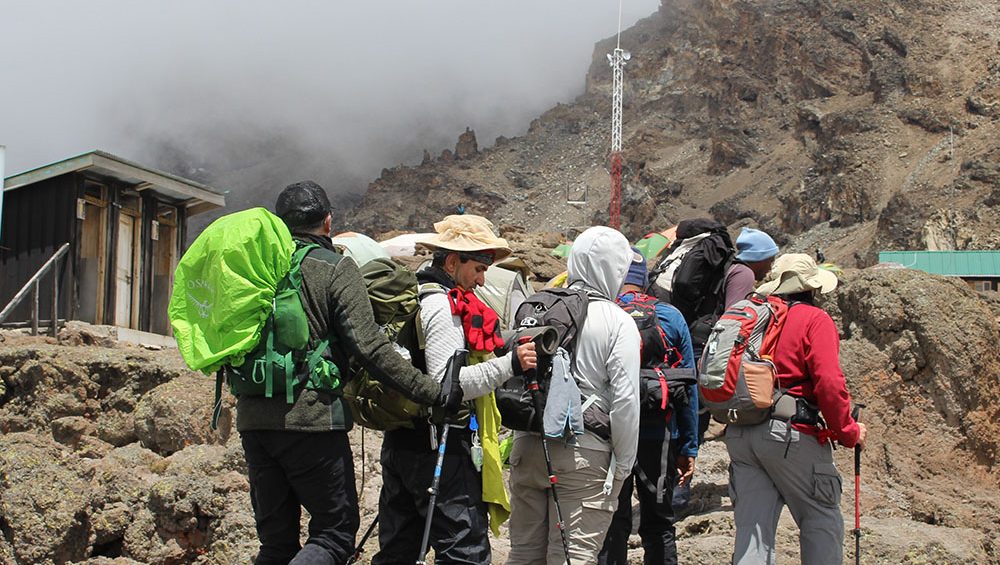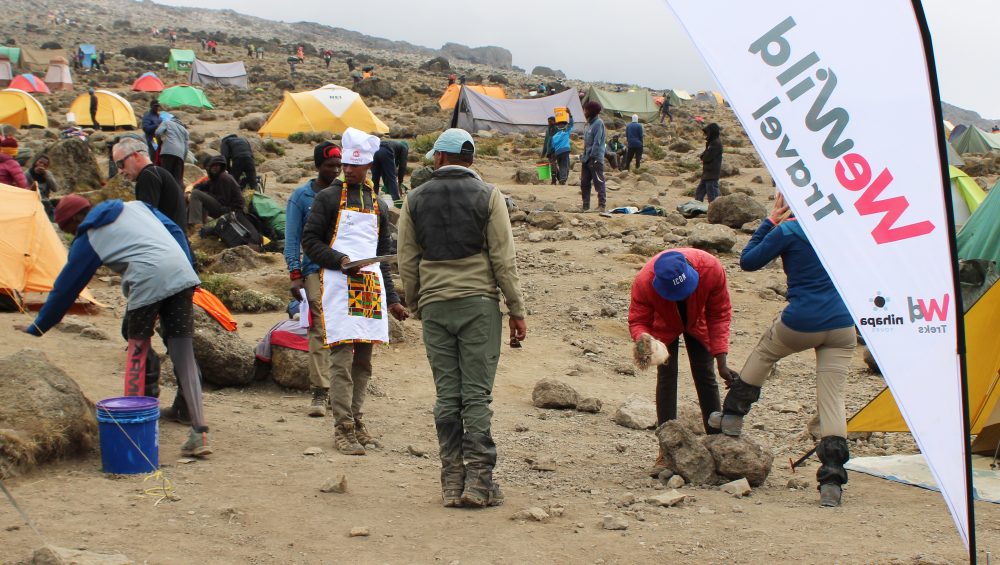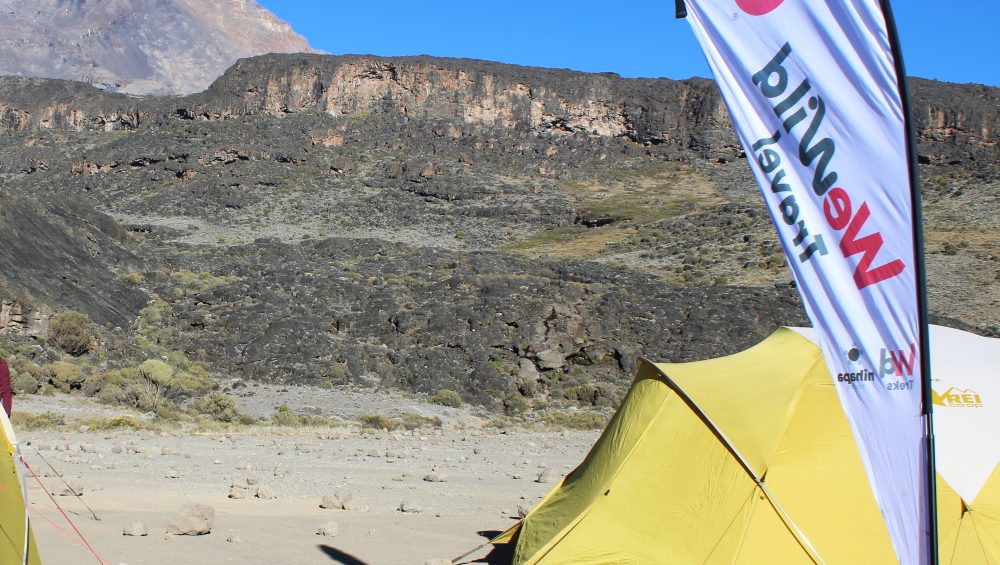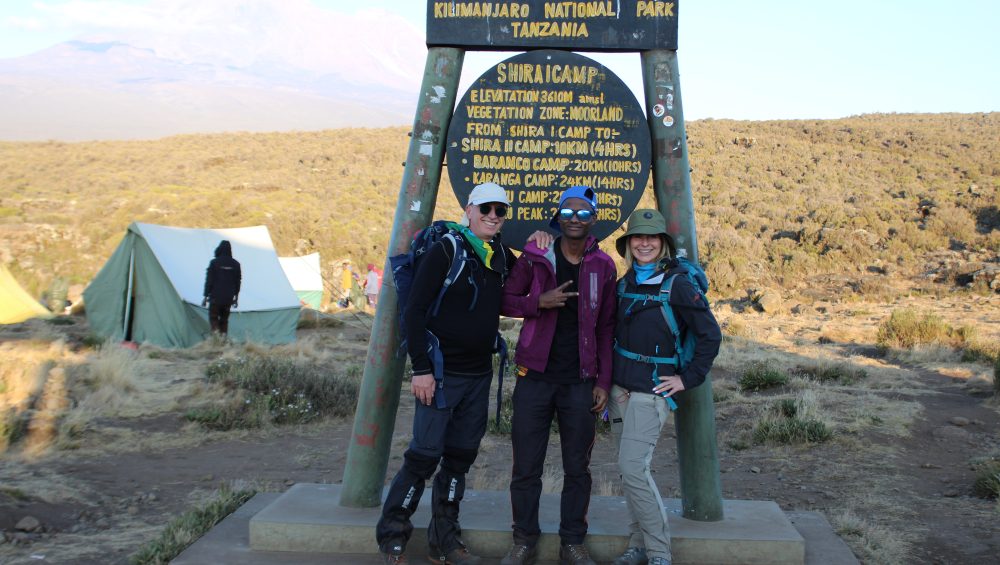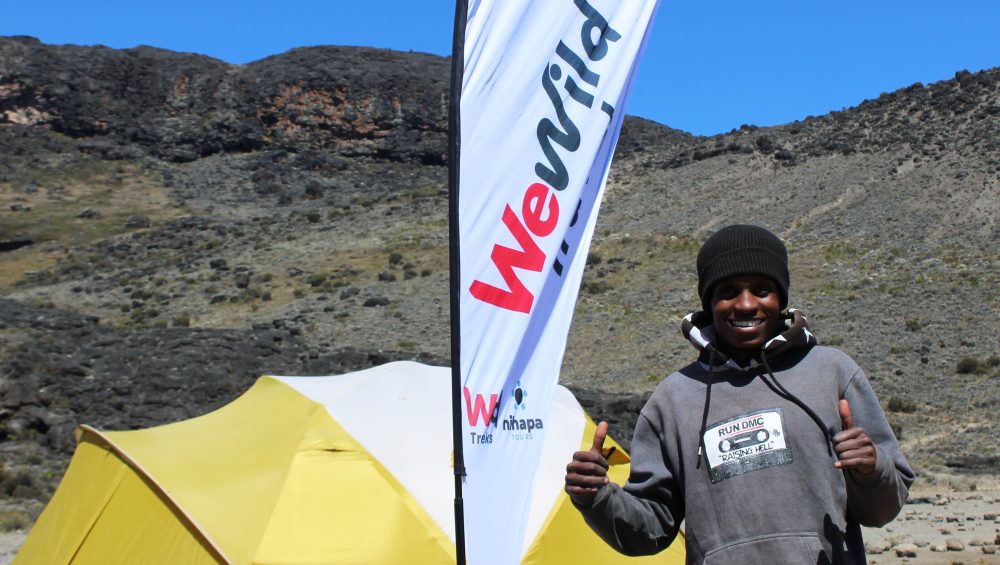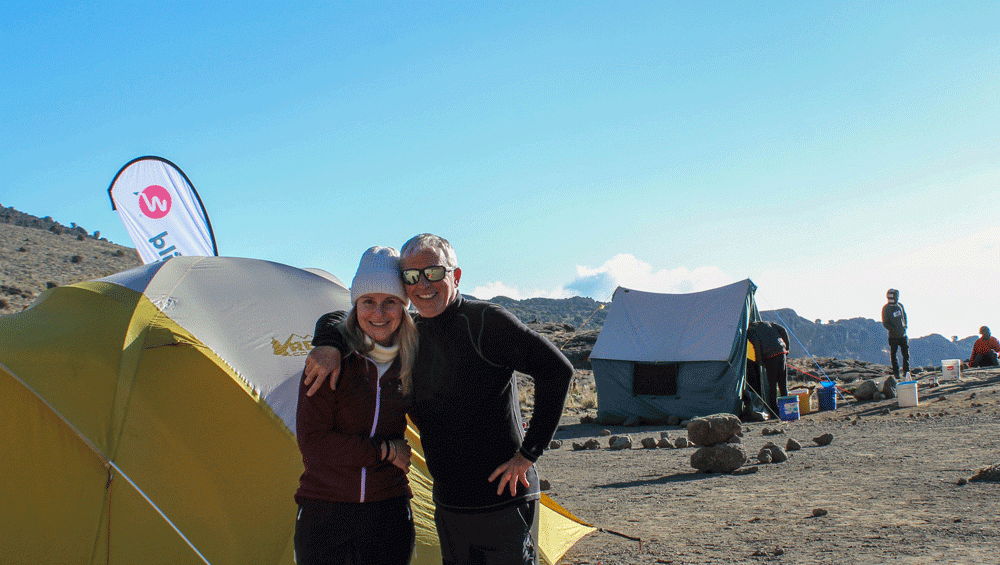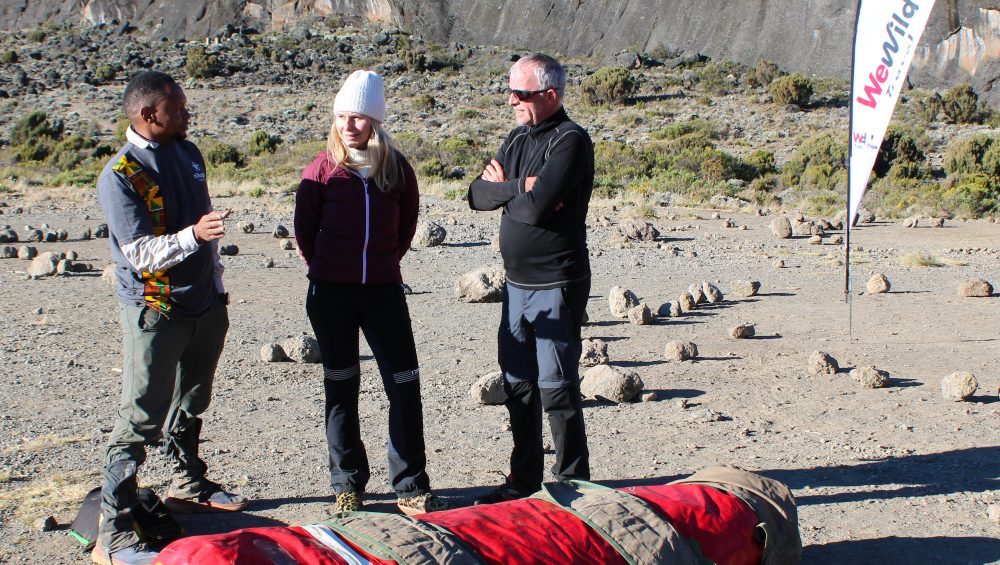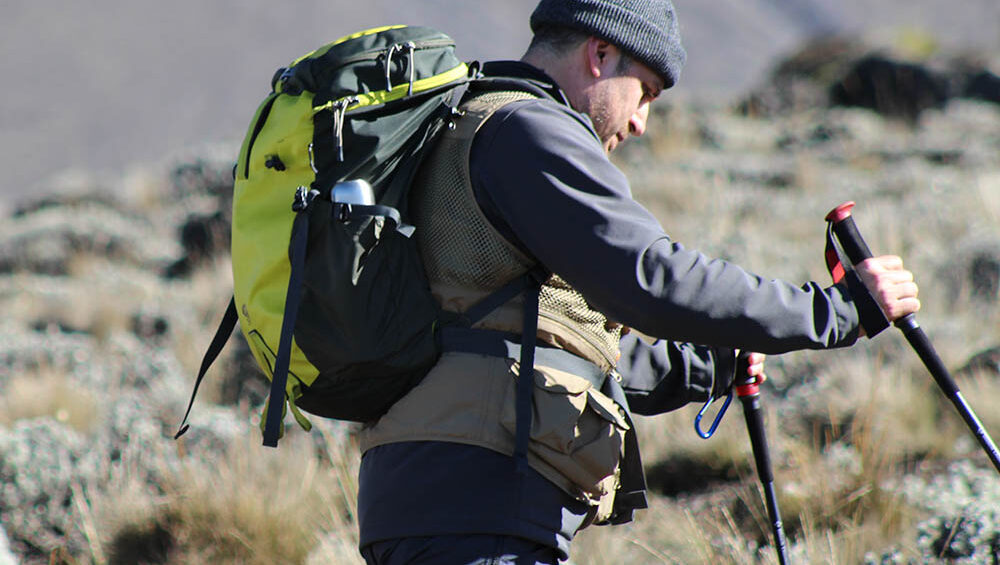
Hikers ascending the Umbwe Route on Mount Kilimanjaro through steep and scenic mountain terrain

Umbwe Route 6 Days : Kilimanjaro Itinerary, Cost and Success Rate

The 6-Day Umbwe Route Kilimanjaro itinerary offers a steep and direct approach to Mount Kilimanjaro, best suited to experienced and physically prepared trekkers. Starting at Umbwe Gate, the trail climbs through the rainforest before joining the Southern Circuit near Barranco Camp.

The itinerary continues through Barranco, Karanga, and Barafu camps before the final ascent to Uhuru Peak at 5,895 meters (19,341 feet). Compared with longer Kilimanjaro routes, the Umbwe Route gains elevation quickly during its early stages, leaving less time for gradual acclimatization and making the six-day climb particularly demanding.

The lower Umbwe trail is generally quieter than more popular approaches, offering a challenging mountain experience with a greater sense of remoteness during the early stages.

Quick Facts About the Umbwe Route

The Umbwe Route is one of the steepest and most direct approaches to Mount Kilimanjaro. This six-day climb passes through rainforest, joins the Southern Circuit near Barranco Camp, and offers limited time for gradual acclimatization.

  • Route: Umbwe Route, Mount Kilimanjaro
  • Mountain Trek Duration: 6 Days / 5 Nights
  • Highest Point: Uhuru Peak (5,895 m / 19,341 ft)
  • Starting Point: Umbwe Gate
  • Ending Point: Mweka Gate
  • Difficulty: Very challenging
  • Acclimatization: Limited compared with longer itineraries
  • Accommodation: Mountain camping in tents
  • Best For: Fit trekkers with hiking experience and preparation for high altitude
  • Best Time to Climb: January to early March and June to October
  • Trail Conditions: Steep forest paths, rocky trails, and high-altitude terrain
  • Crowd Level: Generally quieter on the lower Umbwe trail
  • Technical Climbing: No technical climbing skills are normally required on the standard route
  • Main Feature: A steep, direct ascent that joins the Southern Circuit near Barranco Camp
  • Summit: Uhuru Peak, the highest point in Africa

6-Day Umbwe Route Tour Highlights

  • Departure and Return: Travel from Arusha or Moshi to Umbwe Gate to begin the climb. After reaching Mweka Gate on the final trekking day, transfer back to your hotel or another agreed destination.
  • Departure Time: Be ready by 8:00 AM for the planned 9:00 AM departure, subject to your confirmed itinerary.
  • Return Time: The arrival time in Arusha or Moshi depends on your descent, completion of park formalities, and transfer arrangements.
  • Trekking Gear: Bring suitable hiking boots, moisture-wicking clothing, a waterproof jacket and trousers, warm layers, gloves, a hat, and other essential mountain equipment.
  • Accommodation: Two hotel nights on a bed-and-breakfast basis, typically before and after the climb, with camping in mountain tents during the trek. Confirm the hotel and package inclusions before booking.
  • Customizations: Private climbs and itinerary arrangements can be discussed according to your schedule, group size, and travel requirements.
  • Extensions: Add a Tanzania wildlife safari or a Zanzibar beach holiday before or after your Kilimanjaro climb.
  • Best Season: The route can be operated at different times of the year, but the generally drier periods offer more favorable trekking conditions. Weather remains unpredictable on the mountain.
  • Suitable For: Fit, experienced hikers who are prepared for steep trails, long trekking days, and the challenges of high altitude.

Pros of the Umbwe Route

  • Steep and direct approach: A challenging ascent for trekkers seeking a demanding mountain adventure.
  • Quieter lower trail: The initial section generally sees fewer trekkers than the most popular Kilimanjaro approaches.
  • Scenic landscapes: Experience rainforest, dramatic ridges, and changing vegetation zones as you climb.
  • Southern Circuit scenery: Join the trail near Barranco Camp and continue toward the summit via the southern side of the mountain.

Cons of the Umbwe Route

  • Limited acclimatization: The rapid ascent on a six-day itinerary gives the body less time to adjust to altitude than longer routes generally provide.
  • Physically demanding terrain: Steep trails and sustained climbing can make the early stages particularly challenging.
  • Not ideal for most beginners: Trekkers without adequate hiking preparation may find the route difficult.
  • Summit success is not guaranteed: Fitness alone does not eliminate altitude-related risks, so a suitable pace, health monitoring, and willingness to descend when necessary are important.


Typical 6-Day Umbwe Route Itinerary at a Glance

The 6-Day Umbwe Route itinerary follows a steep ascent from Umbwe Gate through the rainforest to Umbwe Cave Camp, then continues to Barranco, Karanga, and Barafu camps before reaching Uhuru Peak (5,895 m). The climb finishes with a descent to Mweka Gate. The table below summarizes daily elevations, trekking times, and overnight accommodation.

Trip Day Trekking Itinerary Elevation (Start  to  Finish) Trekking Time Accommodation
Arrival Day Arrive in Tanzania and transfer to your hotel Airport to Arusha Depends on arrival Hotel
Day 1 Umbwe Gate to Umbwe Cave Camp 1,600 m to 2,850 m 5 to 7 hours Umbwe Cave Camp (tent)
Day 2 Umbwe Cave Camp to Barranco Camp 2,850 m to 3,960 m 4 to 5 hours Barranco Camp (tent)
Day 3 Barranco Camp to Karanga Camp via Barranco Wall 3,960 m to 3,995 m 4 to 5 hours Karanga Camp (tent)
Day 4 Karanga Camp to Barafu Camp 3,995 m to 4,673 m 3 to 5 hours Barafu Camp (tent)
Day 5 Barafu Camp to Uhuru Peak, then descend to Mweka Camp 4,673 m to 5,895 m to 3,100 m 10 to 14 hours Mweka Camp (tent)
Day 6 Mweka Camp to Mweka Gate, then transfer to your hotel 3,100 m to 1,640 m 3 to 4 hours Hotel, if included in your package
Departure Day Transfer to Kilimanjaro International Airport for your onward flight Arusha to airport Depends on flight time No

Why Choose the 6-Day Umbwe Route Kilimanjaro Hiking Tour Package?

The 6-Day Umbwe Route Kilimanjaro hiking tour package is designed for fit, experienced trekkers seeking a steep and direct ascent of Mount Kilimanjaro. This demanding itinerary passes through rainforest, joins the Southern Circuit near Barranco Camp, and continues toward Uhuru Peak at 5,895 meters. Its rapid elevation gain makes acclimatization more challenging than on longer itineraries.

  • Steep and direct ascent: Follow the Umbwe trail through dense rainforest before joining the Southern Circuit near Barranco Camp.
  • Quieter lower trail: Experience a generally less crowded approach during the early stages of the climb.
  • Dramatic mountain scenery: Enjoy rainforest vegetation, steep ridges, the Barranco Valley, and high-altitude landscapes.
  • Iconic Kilimanjaro landmarks: Pass Umbwe Cave, Barranco Camp, the Barranco Wall, Karanga Camp, and Barafu Camp on your way toward the summit.
  • Six-day climbing itinerary: Complete the mountain trek in six days, with less time for gradual acclimatization than longer routes typically offer.
  • Mountain camping experience: Sleep in tents at designated camps and experience Kilimanjaro’s changing landscapes throughout the climb.

Choose the 6-Day Umbwe Route if you are physically prepared for steep trails, long trekking days, and rapid altitude gain. If you are new to high-altitude trekking, consider a longer itinerary that allows more time for acclimatization.

Best Time to Climb the 6-Day Umbwe Route

Read More The : best time to climb

The best time to climb the 6-Day Umbwe Route is generally during the drier periods of January to early March and June to October. These months typically offer more favorable trekking conditions, although weather on Mount Kilimanjaro can change quickly.

Timing is particularly important on the Umbwe Route because the trail begins with a steep ascent through the rainforest. Rain can make forest paths muddy and slippery, adding difficulty to an already demanding climb.

January to February is a good option for trekkers seeking generally favorable conditions earlier in the year. June to October is the main dry-season period and is popular for its generally drier trails and opportunities for clearer mountain views.

The April to May long rains usually bring wetter conditions, while November can experience the short rains. Climbs remain possible outside the drier periods, but trekkers should prepare for wet trails, reduced visibility, and changing mountain weather.

Our recommendation: Consider January to February or June to September if you want to prioritize generally favorable weather and trail conditions on the 6-Day Umbwe Route. No month guarantees dry weather or a successful summit.

Why Choose WeWild Travel for the 6-Day Umbwe Route?

Choosing the right local operator for your Mount Kilimanjaro climb matters for safety, logistical support, and decision-making at high altitude. WeWild Travel organizes the 6-Day Umbwe Route with experienced mountain guides, regular health checks, and support throughout the trek. Because this route involves steep terrain and rapid altitude gain, careful pacing and appropriate responses to altitude symptoms are particularly important.

  • Experienced mountain guides: Climb with knowledgeable local guides familiar with Kilimanjaro’s routes, terrain, and changing mountain conditions.
  • Daily health monitoring: Receive regular health checks, including oxygen saturation measurements, to help the team monitor your response to altitude.
  • Acclimatization and pacing: Follow a planned trekking schedule with a steady pace and appropriate monitoring, while recognizing that a six-day itinerary allows less time for acclimatization than longer routes.
  • Personalized guide support: Benefit from a guide-to-climber ratio suited to your group size and the supervision required during the climb.
  • Emergency preparedness: Your mountain team monitors for signs of altitude illness and follows emergency procedures, including arranging descent and evacuation support when necessary.

WeWild Travel aims to provide a well-organized, safety-conscious climbing experience with local expertise and personal support from the trailhead to the summit attempt. However, no operator can guarantee that every climber will reach Uhuru Peak.
How to Book the 6-Day Umbwe Route

To book the 6-Day Umbwe Route on Mount Kilimanjaro, choose a trusted local operator that can organize your trek, mountain crew, accommodation, and transfers. Because the Umbwe Route involves steep terrain and rapid altitude gain, review the itinerary carefully and understand the physical demands before confirming your climb.

WeWild Travel is a locally based Kilimanjaro operator offering guided climbing arrangements and support throughout your trek. Contact WeWild Travel to request a personalized quote, confirm available dates, and discuss the package inclusions for your 6-Day Umbwe Route climb.

Before booking, confirm the total price, accommodation, airport transfers, equipment provided, group size, and cancellation terms.

Simple Booking Process with WeWild Travel

  • Contact our team: Share your preferred climbing dates, group size, and travel plans to help us prepare your 6-Day Umbwe Route package.
  • Receive your itinerary and quote: We will provide the detailed climbing itinerary, package price, availability, and included services.
  • Confirm your booking: Pay the required deposit to secure your place on the mountain, subject to booking confirmation.
  • Prepare for your climb: Receive a packing list, arrival guidance, and practical advice to help you prepare for Kilimanjaro.
  • Arrive and stay in Arusha: We will arrange your included hotel accommodation in Arusha before the climb and coordinate your transfer to Umbwe Gate.
  • Climb with our mountain crew: Begin your guided ascent of Mount Kilimanjaro, following the Umbwe Route to Uhuru Peak before descending to Mweka Gate.
  • Return to Arusha: After the climb, transfer back to Arusha for your post-climb hotel stay, if included in your confirmed package.

Book Your Kilimanjaro Climb Today

  • WhatsApp: +255 763 261 927
  • Call / Text: +255 763 261 927
  • Email: [email protected]
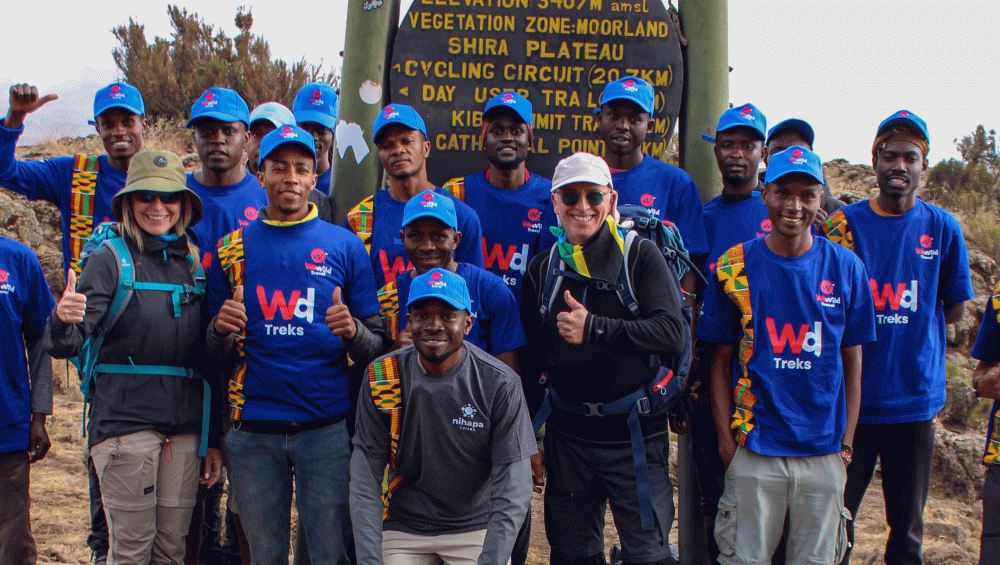
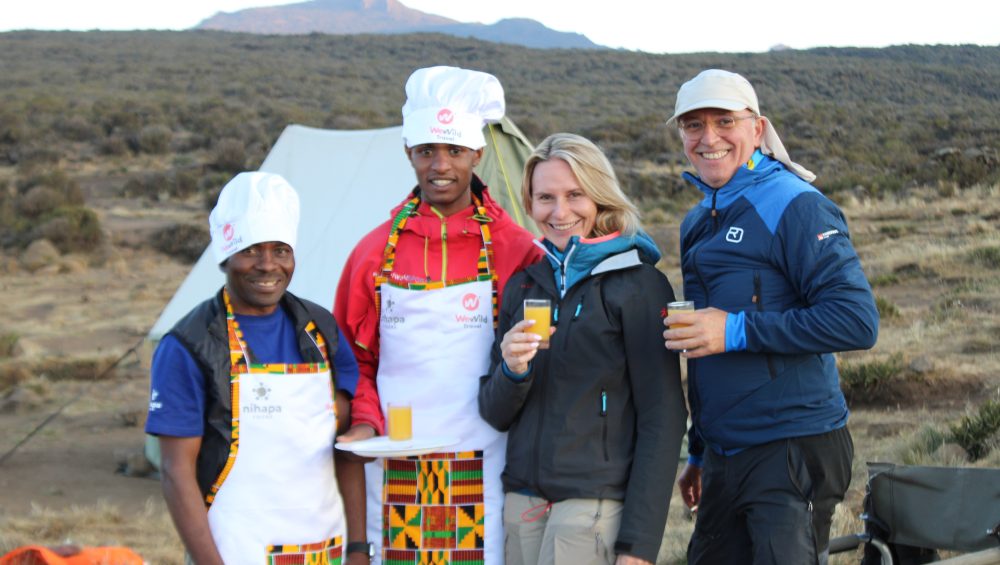
WeWild Travel Kilimanjaro guides and porters supporting climbers on the mountain

9-Day Northern Circuit Route Kilimanjaro: Itinerary and Price

The 9-Day Northern Circuit Route Kilimanjaro itinerary is a nine-day mountain trek to Uhuru Peak (5,895 m / 19,341 ft), offering more time for acclimatization than shorter Kilimanjaro routes. Starting at Londorossi Gate, the trail crosses the rainforest and Shira Plateau before circling Kilimanjaro’s remote northern slopes through Moir Hut, Buffalo Camp, and Third Cave Camp. The route continues to School Hut before the summit attempt and descent to Millennium Camp, then exits through Mweka Gate.

The Northern Circuit is known for its extended itinerary, quieter northern trails, and wide views of Kibo, Mawenzi, and the surrounding plains. Although the longer schedule provides more time to adjust to altitude, summit day remains physically demanding, and reaching Uhuru Peak is never guaranteed.

This guide covers the 9-Day Northern Circuit Route itinerary, daily camp elevations, trekking distances, hiking times, difficulty, and price. You can also review package inclusions, accommodation, meals, park fees, transfers, and available departure dates before booking your Kilimanjaro climb with WeWild Travel.

Key Facts About the 9-Day Northern Circuit Route

  • Duration: 9 days on the mountain; typically 10 to 11 days or more including arrival and departure, depending on travel arrangements.
  • Total Trekking Distance: Approximately 96 km (60 miles), depending on the route measurements used.
  • Starting Point: Londorossi Gate, approximately 2,100 m, on Kilimanjaro’s western side.
  • Descent Route: Mweka Route, finishing at Mweka Gate on the southern side of the mountain.
  • Summit: Uhuru Peak, 5,895 m (19,341 ft), the highest point in Africa.
  • Summit Success Rate: Results vary by operator, itinerary, and climber. Publish a specific percentage only when you can support it with reliable data for the stated route and duration.
  • Crowd Levels: The northern slopes are generally quieter than some of Kilimanjaro’s more frequently used trails, although visitor numbers vary by season.
  • Acclimatization: The nine-day schedule provides more time for gradual altitude adjustment than shorter itineraries, but altitude-related illness remains possible.

9-Day Northern Circuit Route: Highlights and Practical Information

  • Hotel Accommodation: Mount Meru Hotel in Arusha, subject to your confirmed package and booking arrangements.
  • Departure and Return: Transfer from Arusha or Moshi to Londorossi Gate at the start of the trek. After the climb, descend to Mweka Gate and transfer to your confirmed hotel or onward destination.
  • Departure Time: Pickup is usually planned for the morning. Confirm your exact pickup time with WeWild Travel before the trek.
  • Return Time: Arrival at your hotel or airport depends on the descent time and transfer arrangements. Allow flexibility on the final trekking day.
  • What to Wear: Bring comfortable trekking clothes, broken-in hiking boots, warm layers, a waterproof jacket and trousers, gloves, a warm hat, and sun protection.
  • Mountain Accommodation: Camping throughout the nine-day mountain trek. Hotel accommodation before or after the climb depends on your package.
  • Customizations: Ask about private departures, group options, travel dates, and additional accommodation.
  • Extensions: Safari trips and Zanzibar holidays can be arranged on request.
  • Best Season: January to early March and June to October are popular periods for climbing. Weather conditions vary throughout the year.
  • Who Should Choose This Route: Trekkers who have time for a longer expedition and want a gradual itinerary with quieter trails. Good physical preparation is important, even with the extended schedule.
  • Pros: The Northern Circuit offers a long route around Kilimanjaro’s northern slopes, varied landscapes, and more time for acclimatization than shorter itineraries. Trekkers experience rainforest, the Shira Plateau, alpine desert, and remote northern views towards Kenya.
  • Cons: The nine-day trek requires more time and usually costs more than shorter routes. The long duration and high altitude can still be physically demanding, and the route does not eliminate altitude-related risks.

Typical 9-Day Northern Circuit Route Itinerary

Day Route Elevation Distance Hiking Time Highlights Overnight
Day 1 Londorossi Gate to Mti Mkubwa Camp Confirm trailhead and camp elevations Confirm 3 to 4 hours Walk through montane rainforest, with opportunities to spot forest birds and monkeys. Mti Mkubwa Camp
Day 2 Mti Mkubwa Camp to Shira 1 Camp 2,650 to 3,500 m* 8 km 5 to 7 hours Climb through forest and heathland toward the Shira Plateau. Shira 1 Camp
Day 3 Shira 1 Camp to Shira 2 Camp 3,500 to 3,850 m 7 km 4 to 6 hours Cross open moorland with views of Kibo and the Shira Plateau. Shira 2 Camp
Day 4 Shira 2 Camp to Moir Hut 3,850 to approximately 4,150 m 14 km 5 to 7 hours Cross the high-altitude landscape toward the Lava Tower area before continuing to Moir Hut. Moir Hut
Day 5 Moir Hut to Buffalo Camp Approximately 4,150 to 4,020 m 12 km 5 to 7 hours Traverse rocky ridges and remote northern slopes, with views across the surrounding wilderness. Buffalo Camp
Day 6 Buffalo Camp to Third Cave Camp Approximately 4,020 to 3,870 m 8 km 5 to 7 hours Continue across the northern slopes, with views toward the Kenyan plains. Third Cave Camp
Day 7 Third Cave Camp to School Hut Approximately 3,870 to 4,800 m 5 km 4 to 5 hours Cross the high-altitude Saddle between Kibo and Mawenzi before reaching School Hut. School Hut
Day 8 School Hut to Uhuru Peak and Mweka Camp 4,800 to 5,895 to approximately 3,100 m Confirm actual route distance Confirm actual duration Begin the summit ascent before dawn, reach Uhuru Peak if conditions permit, and descend via Barafu Camp toward Mweka Camp. Mweka Camp
Day 9 Mweka Camp to Mweka Gate Approximately 3,100 to 1,640 m 10 km 3 to 4 hours Descend through rainforest, complete park formalities, and collect your summit certificate if you reach the summit. Trek ends

Why Choose the 9-Day Northern Circuit Route?

The 9-Day Northern Circuit Route on Mount Kilimanjaro takes you across the Shira Plateau and around the mountain’s remote northern slopes before the summit attempt at Uhuru Peak (5,895 m). Its extended schedule allows more time for altitude adjustment than shorter itineraries, while the northern trail offers a quieter alternative to some of Kilimanjaro’s busier routes.

More Time to Adjust to Altitude

The nine-day itinerary spreads the climb across more days, allowing a gradual ascent and additional time to adjust to the lower oxygen levels at altitude. This can support summit preparation, but altitude sickness remains possible, and extra days cannot guarantee reaching Uhuru Peak.

Explore Kilimanjaro’s Remote Northern Slopes

Unlike routes that spend less time on the northern side, the Northern Circuit takes you through remote mountain landscapes and quieter camps. You can enjoy a greater sense of wilderness as the trail circles Kibo, away from some of the more frequently used trekking paths.

See Kilimanjaro from Different Angles

The route reveals changing views of the Shira Plateau, Kibo, Mawenzi, and the plains toward Kenya. Along the way, you cross rainforest, heathland, moorland, and alpine desert. Each landscape brings different scenery as you gain elevation.

Follow a Longer Route Around the Mountain

The Northern Circuit approaches the summit after traversing Kilimanjaro’s western and northern slopes. This extended journey offers a broader experience of the mountain rather than focusing only on the most direct approach to the summit.

Prepare for a Demanding Summit Day

The longer itinerary provides more time on the mountain, but the climb remains physically challenging. Trekkers must manage long hiking days, cold conditions, high-altitude camps, and the summit ascent followed by a long descent. Good preparation, a steady pace, and attention to your guides’ health advice are essential.

Climb with WeWild Travel

WeWild Travel organizes the Northern Circuit with local mountain guides and planned trekking support from the trailhead to the descent gate. Before booking, ask our team about the itinerary, group options, equipment, meals, safety procedures, and package inclusions so you know what your climb covers.

Best Time to Climb the 9-Day Northern Circuit Route

The best time to climb the 9-Day Northern Circuit Route on Mount Kilimanjaro is generally during the drier periods from June to October and January to February. These months often bring more favorable trekking conditions, although weather can change quickly at high altitude.

June to October is a popular climbing season, with generally drier conditions and good opportunities for mountain views. January and February also offer favorable conditions, often with clearer skies between periods of cloud. Both seasons attract climbers, so crowd levels depend on your travel dates and the camps along your route.

You can plan a Northern Circuit climb during other months, but wetter weather, muddy trails, and reduced visibility may make trekking more challenging. The longer route offers time to explore Kilimanjaro’s northern slopes, but it does not eliminate weather-related risks. Choose your dates based on your flexibility, weather preferences, and comfort with changing mountain conditions.

How to Book the 9-Day Northern Circuit Route

To book the 9-Day Northern Circuit Route on Mount Kilimanjaro, choose your trekking dates, confirm the package details, and contact a local operator to arrange your climb. Before paying a deposit, check the itinerary, group size, accommodation, equipment, safety procedures, and what the package price includes.

WeWild Travel helps you plan your climb with local mountain guides and organized trekking support. Our team can explain the nine-day itinerary, discuss private or group departures, and clarify the arrangements before you book.

Ready to plan your climb? Contact WeWild Travel to request a quote for the 9-Day Northern Circuit Route. Share your preferred dates and group size so our team can help you plan the next steps.

Simple Booking Process with WeWild Travel

Booking your 9-Day Northern Circuit Route Kilimanjaro climb involves five straightforward steps:

  • Contact Our Team: Share your preferred trekking dates, number of climbers, and whether you prefer a private climb or group departure.
  • Review Your Climb Plan: Receive the proposed itinerary, package price, inclusions, and availability for your selected dates.
  • Confirm Your Booking: Review the booking terms and pay the required deposit to secure your reservation.
  • Prepare for Kilimanjaro: Get practical guidance on your packing list, suitable clothing, arrival arrangements, and physical preparation.
  • Start Your Trek: Meet your mountain crew and travel to Londorossi Gate to begin your Northern Circuit adventure.

Ready to plan your climb? Contact WeWild Travel to request a quote and discuss your preferred dates.

Book Your Kilimanjaro Climb Today

  • WhatsApp: +255 763 261 927
  • Call / Text: +255 763 261 927
  • Email: [email protected]
6-Day Lemosho Route itinerary from Londorossi Gate to Uhuru Peak and Mweka Gate

6-Day Lemosho Route Kilimanjaro: Itinerary, Cost and Difficulty

The 6-Day Lemosho Route is a challenging Mount Kilimanjaro trekking itinerary that approaches the summit from the western side of the mountain. The route crosses the montane rainforest and Shira Plateau, passes Lava Tower and Barranco, and continues to Barafu Camp before the summit attempt at Uhuru Peak (5,895 m).

This is the shortest Lemosho itinerary offered by WeWild Travel. It combines the Barranco Wall, Karanga Valley and ascent to Barafu Camp into one demanding trekking day, leaving less time for acclimatization than the 7-day and 8-day options. It is best suited to fit, well-prepared trekkers who understand the challenges of high altitude and the importance of following their guide’s advice.

At a glance: 6 trekking days, 5 nights on the mountain, camping accommodation, a western approach, and a summit attempt at Uhuru Peak. Arrival and departure days are additional.

WeWild Travel provides experienced local mountain guides, organized camp support and pre-climb preparation to help you understand the route and prepare for the conditions. Our team can advise you on equipment, fitness preparation and the demands of this shorter itinerary.

If you prefer more time to acclimatize and a less compressed schedule, compare our 7-day and 8-day Lemosho Route options before booking. If you have only six trekking days available, contact our local team to discuss whether this itinerary is suitable for your experience and preparation.

Quick Facts About the 6-Day Lemosho Route

Detail Information
Route Lemosho Route
Trek duration 6 days / 5 nights on the mountain
Route approach Western side of Mount Kilimanjaro
Starting point Lemosho trailhead, accessed through Londorossi Gate
Finish point Mweka Gate
Summit Uhuru Peak, 5,895 m / 19,341 ft
Overnight camps Mti Mkubwa, Shira 2, Barranco, Barafu and Mweka
Key landmarks Shira Plateau, Lava Tower, Barranco Wall and Uhuru Peak
Accommodation Camping at designated mountain camps
Meals Breakfast, lunch and dinner during the trek, according to package inclusions
Difficulty Challenging due to high altitude and the compressed itinerary
Best for Fit, well-prepared trekkers with limited time
Route style Guided camping trek
Highest overnight camp Barafu Camp, approximately 4,600 to 4,673 m; confirm the exact elevation used in your itinerary
Common climbing seasons January to March and June to October, depending on weather conditions

Route Highlights

  • Departure and Return: Your Kilimanjaro climb begins with a transfer from your hotel in Arusha to the Lemosho Route trailhead via Londorossi Gate. After the trek, you will descend to Mweka Gate and transfer to your hotel or another destination included in your package.
  • Departure Time: Your pick-up time depends on your hotel location, transfer arrangements and park registration requirements. WeWild Travel will confirm your departure schedule before the trek.
  • Return Time: Your return to Moshi or Arusha depends on your descent time, park sign-out procedures and transfer arrangements. If you need an airport transfer, discuss your flight schedule with our team in advance.
  • What to Wear and Pack: Bring layered trekking clothing, waterproof outerwear, thermal base layers, insulated gloves, a warm hat, hiking boots, trekking trousers and a warm insulated jacket for summit night. Your guide can advise you on equipment suitable for Kilimanjaro’s changing weather and temperatures.
  • Accommodation Before and After the Trek: Two hotel nights in Moshi on a bed-and-breakfast basis are available if included in your selected package. Mid-range and luxury upgrades may be arranged on request, subject to availability and additional charges.
  • Private and Group Climbs: Ask about private departures or joining a scheduled group. Additional acclimatization days may be possible by choosing a longer itinerary, depending on availability.
  • Additional Travel Arrangements: If you plan to continue your trip after Kilimanjaro, contact our team to discuss transfer arrangements and suitable extensions with the relevant travel provider.
  • Trip Availability and Best Seasons: Kilimanjaro climbs can operate throughout the year, but weather conditions vary. January to March and June to October are commonly preferred climbing periods. Rain, cold temperatures and trail conditions can affect the experience, so choose your dates carefully.

Typical 6-Day Lemosho Route Itinerary at a Glance

The 6-Day Lemosho Route is a challenging Mount Kilimanjaro trek that crosses the Shira Plateau, passes Lava Tower and the Barranco Wall, and reaches Barafu Camp before the summit attempt. After reaching Uhuru Peak (5,895 m), you descend to Mweka Camp and finish the trek at Mweka Gate.

This compressed itinerary combines the Barranco-to-Karanga and Karanga-to-Barafu sections into one demanding day. Review the hiking times and acclimatization requirements carefully before choosing this six-day option.

Day Route Elevation Hiking Time Overnight
Day 1 Londorossi Gate to Mti Mkubwa Camp 2,100 m to 2,780 m 3 to 4 hours Mti Mkubwa Camp
Day 2 Mti Mkubwa Camp to Shira 2 Camp 2,780 m to 3,850 m 5 to 7 hours Shira 2 Camp
Day 3 Shira 2 Camp via Lava Tower to Barranco Camp 3,850 m to 4,630 m (Lava Tower), then down to approximately 3,960 m 6 to 8 hours Barranco Camp
Day 4 Barranco Camp via Karanga Camp to Barafu Camp Approximately 3,960 m to 4,673 m 7 to 9 hours; confirm with your guide team Barafu Camp
Day 5 Barafu Camp to Uhuru Peak, then via Barafu to Mweka Camp 4,673 m to 5,895 m, then down to approximately 3,100 m 12 to 15 hours Mweka Camp
Day 6 Mweka Camp to Mweka Gate Approximately 3,100 m to 1,640 m 3 to 4 hours No mountain overnight

Important: Elevations and hiking times are approximate. Confirm them against your actual trekking itinerary before publishing. Day 4 is especially demanding because it combines two trekking stages, while Day 5 includes both the summit attempt and a long descent.

Why Choose the 6-Day Lemosho Route?

The 6-Day Lemosho Route offers a scenic approach to Mount Kilimanjaro for trekkers with limited time. Starting on the western side of the mountain, the route passes through rainforest, crosses the Shira Plateau, and continues through the alpine desert toward Uhuru Peak (5,895 m).

One of the main attractions is the changing landscape. You will trek through the rainforest near Mti Mkubwa Camp, explore the open Shira Plateau, climb toward Lava Tower, and cross the famous Barranco Wall. These varied environments make the Lemosho Route a memorable way to experience Kilimanjaro.

The six-day schedule suits travelers who cannot spend longer on the mountain. However, it is a demanding option because it allows less time for acclimatization than the 7-day and 8-day itineraries. The long trekking stages and summit attempt require good physical preparation, a steady pace, and close attention to your mountain guide’s advice.

With WeWild Travel, you climb with experienced local Tanzanian guides and a dedicated mountain crew. Our team provides organized camp support, meals according to your package, and guidance throughout the trek. We help you prepare for the route, understand the challenges of altitude, and know what to expect each day.

Is the 6-Day Lemosho Route right for you? Choose it if you have limited time, are well prepared for a demanding trek, and understand the acclimatization trade-offs. If you prefer a less compressed schedule with more time to adjust to altitude, compare our 7-day and 8-day Lemosho Route options before booking.

Best Time to Climb the 6-Day Lemosho Route

The best time to climb the 6-Day Lemosho Route is generally during Kilimanjaro’s drier seasons, from June to October and January to February. These months often bring better trail conditions and clearer mountain views. However, weather can change quickly at high altitude, and no season guarantees favorable conditions.

June to October: Main dry season

June to October is one of the most popular periods for climbing Mount Kilimanjaro. Trails are often drier, and clear conditions can provide excellent views across the Shira Plateau and Barranco Valley. July, August, and September are particularly busy, so booking early is advisable.

January to February: Another good climbing season

January and February often offer relatively dry conditions and good visibility. These months can suit climbers who prefer to trek outside the busiest mid-year period. Weather and crowd levels still vary, so check conditions when planning your departure.

March to May: Long rainy season

The long rains usually occur from March to May. Wet trails, cloud cover, and muddy sections can make trekking more difficult. Climbs may still operate, but conditions can be less predictable.

November to December: Short rains and changing conditions

November usually brings the short rains, although their timing and intensity vary. December can offer suitable climbing conditions, but rainfall remains possible. Check the forecast and discuss current trail conditions with your local operator before choosing your dates.

At WeWild Travel, we can help you compare departure dates and prepare for the expected conditions. Because the 6-Day Lemosho Route has a demanding schedule and limited acclimatization time, choosing a favorable season does not replace proper preparation or careful altitude monitoring.

For a broader seasonal comparison, read our guide to the best time to climb Kilimanjaro.

Why Choose WeWild Travel

Choosing the right operator for your climb on Mount Kilimanjaro directly impacts your safety, comfort, and summit success. At WeWild Travel, every expedition is structured to prioritize controlled pacing, proper acclimatization, and strong on-mountain support all the way to Uhuru Peak.

  • Certified, experienced mountain guides with deep knowledge of Kilimanjaro routes and conditions
  • Daily health monitoring, including oxygen saturation checks and altitude response tracking
  • Structured acclimatization plans designed to reduce risk of Acute Mountain Sickness (AMS)
  • Strong guide-to-climber ratio for closer supervision and personalized support
  • Emergency response readiness with established procedures for rapid decision-making and evacuation support when needed

This approach ensures every climber has the best possible balance between safety, support, and summit success.

How to Book the 6-Day Lemosho Route

If you are planning to climb Mount Kilimanjaro, the most important step is choosing a trusted local operator. Booking with an experienced company ensures proper safety support, reliable logistics, and a well-organized expedition from start to summit.

For trekkers who want a safe and professionally guided experience, it is strongly recommended to book with a licensed local operator such as WeWild Travel, which provides structured support throughout the entire journey to Uhuru Peak.

Simple Booking Process with Us

  • Contact our team with your preferred travel dates and group size
  • Receive a detailed itinerary and availability confirmation for the 6-day Lemosho climb
  • Secure your booking with a deposit to reserve your place on the mountain
  • Get full pre-trek support, including packing list, arrival guidance, and preparation advice
  • Begin your climb in Tanzania with our professional mountain crew from Arusha

Book Your Kilimanjaro Climb Today

5-Day Umbwe Route itinerary from Umbwe Gate to Uhuru Peak and Mweka Gate.

5 Days Kilimanjaro Trek via Umbwe Route

The 5 Days Kilimanjaro Trek via Umbwe Route is one of the most demanding ways to climb Mount Kilimanjaro, designed for experienced trekkers who are comfortable with steep terrain and rapid altitude gain. Unlike longer routes that give your body more time to adjust, the Umbwe Route reaches high elevations quickly, making acclimatization one of the biggest challenges of this itinerary.

The trek begins at Umbwe Gate and climbs through dense montane forest before reaching the dramatic Umbwe Ridge. From there, the trail joins Kilimanjaro’s Southern Circuit, passing through Barranco and Karanga before continuing to Barafu Camp, the final base camp before the summit. The summit attempt starts around midnight, taking you to Uhuru Peak at 5,895 meters, the highest point in Africa. After reaching the summit, you descend through Mweka Camp and Mweka Gate.

Although the five-day schedule is attractive to experienced hikers looking for a shorter climb, it leaves little time for acclimatization. The steep ascent, high altitude, long summit day, and limited recovery time make this route significantly more challenging than longer Kilimanjaro itineraries.

If you are physically strong, have previous high-altitude trekking experience, and understand the demands of a rapid ascent, the 5-day Umbwe Route offers a direct and adventurous approach to the Roof of Africa. For first-time climbers or travelers concerned about altitude adjustment, a longer itinerary is generally a better choice.

Quick Facts About the Umbwe Route

The Umbwe Route is a steep and direct Kilimanjaro trail known for rapid altitude gain, quieter lower slopes, and a demanding approach to Barranco Camp.

  • Route: Umbwe Route
  • Mountain Trek Duration: 5 Days / 4 Nights
  • Highest Point: Uhuru Peak (5,895 m)
  • Starting Point: Umbwe Gate
  • Ending Point: Mweka Gate
  • Difficulty: Very challenging
  • Acclimatization: Limited due to rapid altitude gain
  • Accommodation: Mountain tents
  • Best For: Fit and experienced high-altitude trekkers
  • Best Time to Climb: January to early March and June to October
  • Trail Conditions: Steep forest paths and high-altitude terrain
  • Crowd Level: Quieter on the lower Umbwe section
  • Technical Climbing: No technical climbing skills required on the standard route
  • Main Feature: Direct ascent before joining the southern circuit near Barranco
  • Summit: Uhuru Peak, the highest point in Africa

Tour Highlights

  • Departure and Return Place: Arusha or Moshi to Umbwe Gate and return via Mweka Gate, followed by transfer to Kilimanjaro International Airport.
  • Departure Time: Please be ready by 8:00 AM for a prompt departure at 9:00 AM.
  • Return Time: Approximately 10:00 to 11:00 AM on the final day after descent and transfer.
  • Dress Code: Comfortable hiking clothing, waterproof jacket, hiking boots, warm layers, gloves, hat, and spare trekking gear.
  • Accommodation: Two nights at a hotel on Bed and Breakfast basis before and after the climb. Mountain accommodation is in quality camping tents.
  • Customizations: The itinerary can be customized to suit private groups, individuals, and special travel requirements.
  • Extensions: Tanzania safari and Zanzibar beach holidays are available upon request.
  • Season: Available throughout the year, with the best climbing conditions during the dry seasons.
  • Suitable For: Experienced hikers, adventurous trekkers, and climbers seeking a more demanding Kilimanjaro route.
  • Pros:
    One of the least crowded routes on Mount Kilimanjaro. Offers a remote wilderness experience, beautiful rainforest scenery, dramatic ridges, and a direct path to the summit. Ideal for trekkers looking for adventure and solitude.
  • Cons:
    Steeper and more physically demanding than most Kilimanjaro routes. Faster altitude gain means acclimatization is more challenging, making it less suitable for beginners.

Typical 5-Day Umbwe Route Itinerary at a Glance

The 5-Day Umbwe Route is a challenging Kilimanjaro itinerary that starts at Umbwe Gate and follows the steep Umbwe trail to Barranco before continuing toward Barafu Camp and Uhuru Peak. After the summit, the descent follows the Mweka Route to Mweka Gate.

Trip Day Itinerary
Day 1 Umbwe Gate to Umbwe Cave Camp
Day 2 Umbwe Cave Camp to Barranco Camp
Day 3 Barranco Camp to Barafu Camp
Day 4 Barafu Camp to Uhuru Peak and descend to Mweka Camp
Day 5 Mweka Camp to Mweka Gate

Why Choose the 5-Day Umbwe Route Kilimanjaro Hiking Tour Package?

The 5-Day Umbwe Route Kilimanjaro Hiking Tour Package is ideal for experienced trekkers who want a shorter, more demanding approach to Mount Kilimanjaro. The route combines steep climbing, dramatic mountain landscapes, and a direct journey toward Uhuru Peak.

A Direct and Challenging Approach

Umbwe is known for its steep trail and rapid elevation gain. The first two days take you through the forest and along the Umbwe Ridge before joining the Southern Circuit at Barranco. This makes the route physically demanding from the beginning.

A Shorter Kilimanjaro Itinerary

With only five trekking days, the Umbwe Route is suitable for travelers who have limited time but still want to attempt the highest mountain in Africa. The itinerary moves quickly from Umbwe Gate to the summit and then descends through Mweka.

Dramatic Mountain Scenery

The trail offers changing landscapes as you climb from the forest toward the high alpine zone. You can experience the rugged Umbwe Ridge, the impressive Barranco area, views of Kilimanjaro’s glaciers, and the volcanic landscape surrounding the summit.

A Challenging Summit Experience

After reaching Barafu Camp, you begin the summit attempt toward Uhuru Peak at 5,895 meters. Reaching the summit requires strong preparation, steady pacing, and careful attention to altitude symptoms.

Ideal for Experienced Trekkers

The five-day schedule provides limited time for acclimatization, so it is better suited to hikers with previous trekking or high-altitude experience. Travelers who are new to high-altitude trekking may benefit from choosing a longer Kilimanjaro itinerary.

A Memorable Descent Through Mweka

After the summit, the route descends to Mweka Camp and continues to Mweka Gate on the final day. This gives you a different perspective of the mountain and completes the trek through Kilimanjaro’s southern slopes.

Best Time to Climb the 5-Day Umbwe Route

The best time to climb the 5-Day Umbwe Route is from January to early March and from June to October, when Kilimanjaro usually has drier trekking conditions. Dry weather is especially helpful on Umbwe because the route starts with steep forest trails that can become muddy and slippery during heavy rain.

From January to early March, climbers can often enjoy warmer conditions and quieter trails. Meanwhile, June to October is a popular climbing period because the weather is generally drier and mountain views can be clearer.

Although you can climb the Umbwe Route throughout the year, April, May, and November usually bring more rainfall. Wet conditions can make the steep lower sections more challenging and reduce visibility.

Why Choose WeWild Travel

Choosing the right operator for your climb on Mount Kilimanjaro directly impacts your safety, comfort, and summit success. At WeWild Travel, every expedition is structured to prioritize controlled pacing, proper acclimatization, and strong on-mountain support all the way to Uhuru Peak.

  • Certified, experienced mountain guides with deep knowledge of Kilimanjaro routes and conditions
  • Daily health monitoring, including oxygen saturation checks and altitude response tracking
  • Structured acclimatization plans designed to reduce risk of Acute Mountain Sickness (AMS)
  • Strong guide-to-climber ratio for closer supervision and personalized support
  • Emergency response readiness with established procedures for rapid decision-making and evacuation support when needed

This approach ensures every climber has the best possible balance between safety, support, and summit success.

  • How to Book the 5-Day Umbwe Route 

    If you are planning to climb Mount Kilimanjaro, the most important step is choosing a trusted local operator. Booking with an experienced company ensures proper safety support, reliable logistics, and a well-organized expedition from start to summit.

    For trekkers who want a safe and professionally guided experience, it is strongly recommended to book with a licensed local operator such as WeWild Travel, which provides structured support throughout the entire journey to Uhuru Peak.

    Simple Booking Process with Us

    • Contact our team with your preferred travel dates and group size
    • Receive detailed itinerary and availability confirmation for the 5-Day Umbwe climb
    • Secure your booking with a deposit to reserve your place on the mountain
    • Get full pre-trek support, including packing list, arrival guidance, and preparation advice
    • Begin your climb in Tanzania with our professional mountain crew from Moshi

    Book Your Kilimanjaro Climb Today

    • WhatsApp: +255 763 261 927
    • Call / Text: +255 763 261 927
    • Email: [email protected]
Northern Circuit Route map showing Kilimanjaro camps, trails, summit, and scenic landscapes.

Northern Circuit Route 10-Day with Crater Camp

The 10-Day Northern Circuit Route with Crater Camp is a Mount Kilimanjaro climbing itinerary that combines a gradual approach across the mountain’s northern slopes with an overnight stay inside the crater at approximately 5,750 m. The route crosses the Shira Plateau, passes remote high-altitude camps, and includes an attempt to reach Uhuru Peak (5,895 m). This demanding expedition suits well-prepared trekkers who want to explore Kilimanjaro beyond the usual summit routes. Below, WeWild Travel explains the daily itinerary, trekking times, camp elevations, acclimatization profile, package costs, and safety considerations.

Quick Facts About the 10-Day Northern Circuit Route

  • Route: Northern Circuit with Crater Camp
  • Mountain trekking: 10 days, subject to confirmation of the actual schedule
  • Total trip duration:  State the full number of days and nights, including hotel stays
  • Highest point: Uhuru Peak, 5,895 m
  • Crater Camp: Approximately 5,750 m
  • Accommodation: Mountain camping, including Crater Camp
  • Difficulty: Challenging; requires good fitness and preparation for high altitude
  • Starting point: Londorossi Gate
  • Descent route: Confirm the full route and final camp schedule
  • Price: State the correct starting price and explain group-size and package differences
  • Best seasons: January to March and June to October, subject to prevailing conditions

Highlights of the 10-Day Northern Circuit Route with Crater Camp

  • Departure and Return: Transfer from Moshi or Arusha to Londorossi Gate on the first trekking day.
  • Departure Time: Be ready by 8:00 AM for a planned 9:00 AM departure. Confirm your pickup location and time with WeWild Travel before your climb.
  • Return Time: The final-day arrival time depends on your descent schedule and transfer destination.
  • Recommended Clothing: Wear comfortable trekking clothes and sturdy hiking boots. Pack warm layers, a waterproof jacket and trousers, insulated gloves, a warm hat, sunglasses, and sun protection for changing mountain conditions.
  • Accommodation: Stay in mountain camps throughout the trek, including an overnight at Crater Camp at approximately 5,750 m. Hotel accommodation in Mount Meru Hotel, Arusha is available before and after the climb, depending on your package.
  • Customizations: Ask WeWild Travel about private climbs, available group departures, travel dates, and package options.
  • Optional Extensions: Add a Tanzania safari or a Zanzibar beach holiday after your Kilimanjaro climb.
  • Best Time to Climb: The route operates subject to park regulations and mountain conditions. January to March and June to October are generally popular periods for climbing Kilimanjaro, although weather varies throughout the year.
  • Who Should Choose This Route? The 10-Day Northern Circuit with Crater Camp suits well-prepared trekkers seeking a longer Kilimanjaro expedition and an overnight stay inside the crater.
  • Advantages: The Northern Circuit approaches Kilimanjaro from the west and crosses remote northern slopes, offering varied landscapes and generally quieter trails on many sections.
  • Considerations: The itinerary requires more days on the mountain and generally costs more than shorter climbs. The extended duration, demanding summit attempt, and overnight stay at approximately 5,750 m require careful preparation and experienced mountain support.

Typical 1o -Day Northern Circuit Route Itinerary

Day Trekking route Hiking time Elevation Overnight
1 Londorossi Gate to Mti Mkubwa Camp 3 to 4 hours 2,100 to 2,780 m Mti Mkubwa Camp
2 Mti Mkubwa Camp to Shira 1 Camp 5 to 6 hours 2,780 to 3,505 m Shira 1 Camp
3 Shira 1 Camp to Shira 2 Camp 4 to 5 hours 3,505 to 3,850 m Shira 2 Camp
4 Shira 2 Camp to Moir Hut 5 to 7 hours 3,850 to 4,200 m Moir Hut
5 Moir Hut to Buffalo Camp 5 to 7 hours 4,200 to 4,033 m Buffalo Camp
6 Buffalo Camp to Third Cave Camp 5 to 6 hours 4,033  to  3,936 m Third Cave Camp
7 Third Cave Camp to School Hut 5 to 6 hours 3,936 to 4,750 m School Hut
8 School Hut to Uhuru Peak, then Crater Camp 10 to 14 hours 4,750 to 5,895 to 5,750 m Crater Camp
9 Crater Camp to Mweka Camp 6 to 8 hours 5,750 to 3,100 m Mweka Camp
10 Mweka Camp to Mweka Gate, then hotel 3 to 4 hours 3,100 to 1,640 m Hotel or onward transfer

Why Choose the 10-Day Northern Circuit Route with Crater Camp?

The 10-Day Northern Circuit Route with Crater Camp combines a longer Kilimanjaro ascent, remote northern landscapes, a summit attempt at Uhuru Peak, and an overnight stay inside the crater at approximately 5,750 m. It suits well-prepared trekkers who want to explore more of the mountain and understand the additional demands of sleeping at extreme altitude.

1. Allow More Time for Acclimatization

The Northern Circuit spreads the ascent across multiple trekking days, giving climbers more time to gain altitude than many shorter itineraries. This longer schedule supports a more gradual approach to the summit, although individual responses to altitude vary and altitude sickness remains possible. No itinerary guarantees successful acclimatization or a summit.

2. Explore Kilimanjaro’s Remote Northern Slopes

The route crosses the Shira Plateau before continuing around Kilimanjaro’s northern slopes. Compared with busier sections of some popular routes, parts of the Northern Circuit can feel quieter and more remote. Trekkers experience changing terrain, expansive mountain views, and a different perspective on Kilimanjaro’s landscape.

3. Spend a Night at Crater Camp

Crater Camp is the defining feature of this itinerary. Located at approximately 5,750 m inside Kilimanjaro’s crater, it offers a rare opportunity to spend the night near the mountain’s summit zone. The volcanic surroundings and nearby glaciers create a distinctive high-altitude experience. However, sleeping at this elevation is demanding and requires careful preparation, experienced guides, and appropriate safety procedures.

4. Attempt the Summit at Uhuru Peak

The itinerary includes an attempt to reach Uhuru Peak at 5,895 m, the highest point on Mount Kilimanjaro and the highest point in Africa. The summit attempt requires endurance, patience, and careful monitoring of your condition. Your guide may recommend turning back or descending if continuing becomes unsafe.

5. Experience Several Mountain Climate Zones

During the trek, you pass through rainforest, heath and moorland, the Shira Plateau, alpine desert, and the high-altitude summit and crater zones. Each environment brings different scenery and trekking conditions, making the journey more varied than a summit-focused description alone can convey.

6. Choose a Longer, More Immersive Expedition

Ten days on the mountain allow you to experience a more extended approach to Kilimanjaro than shorter itineraries. The additional time and Crater Camp logistics also increase the overall demands and cost of the expedition. This route is best suited to trekkers who value the remote northern approach and the crater overnight, not simply those seeking the shortest way to the summit.

Best Time to Climb the 10-Day Northern Circuit Route

The best time to climb the 10-Day Northern Circuit Route on Mount Kilimanjaro is generally January to March and June to October, when conditions are often drier and more favorable for trekking. January to March offers a quieter climbing period, while June to October is a popular season with generally drier weather. April, May, and November tend to bring more rainfall, which can make trails wet and weather less predictable. However, conditions vary with altitude and season, so no month guarantees clear skies or ideal summit weather.

Why Choose WeWild Travel for Your Kilimanjaro Climb?

Choosing a reliable local operator is an important part of preparing for Mount Kilimanjaro. WeWild Travel organizes Kilimanjaro climbs with experienced mountain guides, planned daily trekking stages, and on-mountain support. For the 10-Day Northern Circuit Route with Crater Camp, careful preparation and altitude awareness are particularly important because the itinerary includes an overnight stay at approximately 5,750 m.

  • Experienced Kilimanjaro Guides: Climb with guides who understand the mountain’s routes, changing conditions, and challenges associated with high altitude.
  • Daily Health Monitoring: Our mountain team conducts oxygen saturation checks and monitors climbers for symptoms of altitude illness, where these services are included in the expedition.
  • Planned Acclimatization: The itinerary spreads the ascent across multiple trekking days. Our guides monitor each climber’s condition and respond to signs of altitude-related illness.
  • Personalized Guide Support: Guide-to-climber ratios are arranged according to the expedition’s group size and operational requirements, allowing the team to support climbers throughout the trek.
  • Emergency Preparedness: Our mountain team follows emergency procedures and assesses when a climber needs to stop ascending or descend, with evacuation support arranged when required.

How to Book the 10-Day Northern Circuit Route with Crater Camp

Booking your 10-Day Northern Circuit Route with Crater Camp starts with choosing a reliable local Kilimanjaro operator and confirming your travel plans. Before booking, review the itinerary, package price, accommodation, inclusions, and safety arrangements for the overnight stay at Crater Camp.

WeWild Travel is a local Kilimanjaro tour operator based in Arusha, Tanzania. Contact our team to check your preferred dates, discuss private or group departure options, and receive a personalized quotation for your climb.

Ready to plan your Kilimanjaro climb? Contact WeWild Travel to discuss your itinerary and booking requirements.

Simple Booking Process with WeWild Travel

  • Contact Our Team: Share your preferred travel dates, group size, and whether you want a private climb or a group departure.
  • Confirm Your Itinerary and Availability: Receive the detailed 10-Day Northern Circuit Route with Crater Camp itinerary, package price, inclusions, and availability.
  • Secure Your Booking: Pay the required deposit to confirm your reservation, according to the booking terms.
  • Prepare for Your Climb: Receive a packing list, arrival instructions, and practical advice to help you prepare for Kilimanjaro’s altitude and weather.
  • Arrive in Tanzania and Begin Your Adventure: Stay at Mount Meru Hotel in Arusha, if included in your package, before your team arranges the transfer to the mountain for your climb.

Book Your Kilimanjaro Climb Today

  • WhatsApp: +255 763 261 927
  • Call / Text: +255 763 261 927
  • Email: [email protected]

9-Day Lemosho Route with Crater Camp: Itinerary, Cost and Safety

The 9-Day Lemosho Route with Crater Camp is a guided Mount Kilimanjaro trek that approaches from the western side and includes an overnight stay inside Kibo Crater, near Uhuru Peak (5,895 m). The route crosses the Shira Plateau, passes Lava Tower and the Barranco Wall, and follows the southern circuit toward Barafu Camp before the summit attempt.

Unlike a standard Lemosho itinerary that descends after reaching Uhuru Peak, this nine-day route includes a night at Crater Camp, at approximately 5,700 to 5,800 m. This high-altitude overnight offers a rare opportunity to experience Kilimanjaro’s crater landscape. However, the extreme elevation, cold temperatures, and limited oxygen make it demanding and require careful preparation and close monitoring by experienced mountain guides.

The itinerary includes nine trekking days and eight nights on the mountain, according to the planned schedule. You should also allow additional time in Tanzania for arrival, the pre-climb briefing, recovery after the trek, and departure. Confirm the full trip duration and accommodation arrangements with WeWild Travel before booking.

9-Day Lemosho Route with Crater Camp: Quick Facts

The 9-Day Lemosho Route with Crater Camp is a very challenging Mount Kilimanjaro trek that combines the western approach with an overnight stay inside Kibo Crater. Review these key details, including the duration, summit altitude, accommodation, and booking requirements, before choosing this itinerary.

Quick fact Details
Trek duration 9 trekking days
Mountain accommodation 8 nights, if confirmed by the final itinerary
Total trip planning Allow at least 11 days for arrival, the trek, and departure
Route Lemosho Route, western approach
Starting point Londorossi Gate and the Lemosho trailhead; confirm the transfer and registration arrangements
Finish point Mweka Gate
Summit Uhuru Peak, 5,895 m
Highest overnight Crater Camp, approximately 5,700 to 5,800 m; verify the planned camp elevation
Accommodation Tents at designated mountain camps
Difficulty Very challenging due to extreme altitude, cold, and the demanding summit itinerary
Best suited to Well-prepared trekkers who understand the risks of extreme altitude
Starting price From US$3,833 per person, subject to confirmation of the current package price
Crater Camp arrangements Subject to park rules, availability, weather, and the guide’s safety assessment

Crater Camp requires specific arrangements and may involve additional park fees or operational costs. Contact WeWild Travel to confirm the current price, availability, inclusions, and suitability of this itinerary before booking. Summit success and permission to continue to Crater Camp cannot be guaranteed.

Route Highlights of the 9-Day Lemosho Route with Crater Camp

  • Western Approach: Begin the trek after the transfer and park registration process at the confirmed Lemosho starting point. The approach crosses the western side of Mount Kilimanjaro.
  • Nine-Day Trekking Itinerary: Spend nine days trekking on the mountain, following the planned camp sequence and allowing time for the route’s demanding stages. Confirm the complete itinerary before booking.
  • Changing Landscapes: Walk through montane rainforest, heath and moorland, the Shira Plateau, alpine desert, and the high-altitude summit zone.
  • Shira Plateau: Cross the open volcanic plateau, with views toward Kibo and the surrounding mountain landscape when weather permits.
  • Lava Tower: Trek toward Lava Tower at approximately 4,600 m before descending toward Barranco Camp, following the planned route. This stage reaches a higher elevation before the overnight stop at a lower altitude, although altitude-related illness remains possible.
  • Barranco Wall: Pass the dramatic Barranco Wall and continue through the southern circuit toward the higher camps. Your guide will help you navigate the steeper sections safely.
  • Crater Camp Overnight: Stay inside Kibo Crater at approximately 5,700 to 5,800 m, subject to park arrangements, availability, weather, and your guide’s assessment of safety. The extreme altitude makes this one of the most demanding parts of the trek.
  • Uhuru Peak: Attempt the summit of Mount Kilimanjaro at 5,895 m. Reaching the summit depends on weather, health, trail conditions, and the guide’s safety assessment.
  • Descent to Mweka Gate: Follow the confirmed descent route to Mweka Gate after the summit experience. The exact camps and descent schedule should match your nine-day itinerary.
  • Experienced Mountain Crew: WeWild Travel’s local guides, porters, cooks, and support team help manage the trek, camps, meals, and daily mountain logistics according to the package.
  • Mountain Camping: Stay at designated camps along the route. List the exact overnight camps in the day-by-day itinerary so visitors can verify where they will sleep each night.
  • Who Is This Trek For? This demanding itinerary may suit well-prepared trekkers seeking a longer Kilimanjaro climb and the distinctive experience of Crater Camp.


Typical 9-Day Lemosho Route with Crater Camp Itinerary at a Glance

The 9-Day Lemosho Route with Crater Camp crosses Kilimanjaro’s western slopes, the Shira Plateau, and the southern circuit before reaching the high-altitude Crater Camp. This overview shows the planned daily stages, approximate hiking times, and overnight elevations. Times and elevations can vary with conditions and the final route plan.

Day Route Approx. hiking time Overnight / sleeping altitude
Arrival day Kilimanjaro International Airport (JRO) to hotel in Arusha; briefing No trekking  Hotel in Mount Meru Arusha
Day 1 Londorossi Gate / Lemosho trailhead to Mti Mkubwa Camp 3 to 4 hours Approximately 2,650 to 2,895 m
Day 2 Mti Mkubwa Camp to Shira 1 Camp 5 to 6 hours Approximately 3,500 to 3,610 m
Day 3 Shira 1 Camp to Shira 2 Camp 3 to 4 hours Approximately 3,840 to 3,850 m
Day 4 Shira 2 Camp via Lava Tower to Barranco Camp 6 to 8 hours Approximately 3,900 to 3,976 m
Day 5 Barranco Camp to Karanga Camp 4 to 5 hours Approximately 3,995 to 4,035 m
Day 6 Karanga Camp to Barafu Camp 3 to 4 hours Approximately 4,600 to 4,673 m
Day 7 Barafu Camp to Crater Camp Confirm with the operations team Approximately 5,700 to 5,800 m
Day 8 Crater Camp to Uhuru Peak, then descend via Barafu toward Mweka Camp Confirm the full summit-and-descent duration Approximately 3,100 m at Mweka Camp
Day 9 Mweka Camp to Mweka Gate; transfer to Hotel in Mount Meru Arusha 3 to 4 hours  Hotel in Mount Meru Arusha
Departure day Hotel in Moshi to Kilimanjaro International Airport No trekking No overnight included

Important: The Crater Camp stage involves extreme altitude. The itinerary, overnight arrangements, and summit attempt depend on park requirements, conditions, and the guides’ assessment of each climber’s health and safety. Confirm the full route and timings with WeWild Travel before booking.

Why Choose the 9-Day Lemosho Route with Crater Camp?

The 9-Day Lemosho Route with Crater Camp offers a distinctive way to climb Mount Kilimanjaro, combining the scenic western approach with an overnight stay inside Kibo Crater. The itinerary passes through several ecological zones and includes well-known landmarks such as the Shira Plateau, Lava Tower, and Barranco Wall before the summit attempt at Uhuru Peak (5,895 m).

  • A Longer Trekking Itinerary: Nine days on the mountain provide more time for the planned ascent than many shorter Kilimanjaro itineraries. However, the Crater Camp overnight still involves extreme altitude and requires careful safety assessment.
  • Changing Mountain Landscapes: Trek through montane rainforest, heath and moorland, open volcanic terrain, alpine desert, and the high-altitude summit zone as the landscape changes with elevation.
  • Explore the Shira Plateau: Cross the broad Shira Plateau, an impressive volcanic landscape with views toward Kibo and the surrounding mountain terrain when weather permits.
  • Lava Tower and the Southern Circuit: The route passes Lava Tower before descending toward Barranco Camp. This higher-altitude stage forms part of the planned acclimatization profile, but it does not eliminate the risk of altitude sickness.
  • An Overnight at Crater Camp: The defining feature of this itinerary is the planned night inside Kibo Crater at approximately 5,700 to 5,800 m, subject to park arrangements and conditions. This is an unusual high-altitude experience, but it is also one of the most demanding parts of the climb.
  • An Attempt on Uhuru Peak: The summit objective is Uhuru Peak at 5,895 m, the highest point on Mount Kilimanjaro. Summit success depends on weather, health, trail conditions, and the guides’ safety decisions.
  • Support from Local Mountain Guides: WeWild Travel’s Tanzanian guides and mountain crew support the expedition with route guidance, camp logistics, and meals and equipment handling according to your package.
  • A Distinctive Kilimanjaro Experience: This itinerary may suit well-prepared trekkers who want to explore Kilimanjaro’s varied landscapes and experience Crater Camp. Before booking, understand the extreme altitude, review the full daily schedule, and discuss your preparation and suitability with the operator.

Best Time to Climb the 9-Day Lemosho Route with Crater Camp

The best time to climb the 9-Day Lemosho Route with Crater Camp is generally during Kilimanjaro’s drier seasons, particularly from June to October and January to February. These periods often offer better trail conditions and clearer views across the mountain. However, weather changes quickly at high altitude, and conditions near Crater Camp can be cold and severe throughout the year.

June to October: Main dry season

June to October is a popular period for climbing Mount Kilimanjaro. Lower forest trails are often drier, and clearer skies can provide views across the Shira Plateau and surrounding landscapes. July, August, and September are busy months, so arranging your preferred departure early can help with planning. Temperatures drop significantly at higher elevations, especially around Barafu Camp and Crater Camp.

January to February: Another good climbing window

January and February are also popular months for Kilimanjaro climbs. Conditions are often relatively dry, and visibility can be good across the mountain. These months may suit trekkers who prefer to avoid the busiest part of the mid-year climbing season. Nevertheless, rain, wind, and low temperatures remain possible, particularly near the summit.

March to May: Long rainy season

Rainfall generally increases from March and can continue through May. Forest trails may become muddy, clouds can limit visibility, and wet conditions can make trekking more difficult. Climbs may still operate, depending on weather and route conditions, but you should bring suitable waterproof clothing and prepare for changing conditions.

November to December: Short rains and variable weather

November often brings short rains, although their timing and intensity vary. December can offer suitable climbing conditions, but rain and cloud cover are still possible. If you choose this period, prepare for both wet lower slopes and cold, exposed terrain at higher elevations.

Read More: The best time to climb the 9-Day Lemosho Route 

Choosing the right departure date

For the 9-Day Lemosho Route with Crater Camp, choosing a relatively dry period can improve the trekking experience, but season alone does not determine whether the climb is suitable or successful. Crater Camp lies at extreme altitude, where cold, wind, and reduced oxygen create additional challenges. Your preparation, health, guide’s assessment, and current mountain conditions are all important.

WeWild Travel can help you compare available departure dates and prepare for the expected conditions. Before booking, confirm the itinerary, Crater Camp arrangements, and any weather-related changes that may affect your climb.

Why Choose WeWild Travel?

Choosing a reliable local operator is an important part of preparing for the 9-Day Lemosho Route with Crater Camp. WeWild Travel is based in Arusha, Tanzania, and focuses on guided Kilimanjaro climbs supported by experienced local mountain crews. Our approach emphasizes careful preparation, responsible trekking, and attention to climbers’ health throughout the expedition.

  • Experienced Local Mountain Guides: Our Tanzanian guides lead you along the route, explain the changing mountain conditions, and help you maintain a steady trekking pace.
  • Altitude and Health Monitoring: Health checks, including oxygen saturation measurements where provided, help the team monitor your condition. These checks support clinical judgment but cannot rule out altitude sickness on their own.
  • Careful Acclimatization Planning: The itinerary includes planned elevation changes and rest periods. However, the Crater Camp overnight involves extreme altitude, and no itinerary can eliminate the risk of altitude-related illness.
  • Personalized Mountain Support: Our guides and mountain crew provide route guidance and support throughout the climb. Confirm the guide-to-climber ratio for your chosen departure before booking.
  • Safety and Emergency Planning: The team should assess changing weather, altitude symptoms, and trail conditions throughout the expedition. Follow your guide’s instructions, and confirm the operator’s emergency and evacuation arrangements before departure.
  • Local Knowledge and Practical Preparation: WeWild Travel can help you prepare for the route, understand equipment requirements, and review the daily itinerary before your climb.

For the 9-Day Lemosho Route with Crater Camp, safety must take priority over reaching the summit or completing the planned itinerary. WeWild Travel can explain the arrangements included in your package so you can make an informed decision before booking.

How to Book the 9-Day Lemosho Route with Crater Camp

Booking the 9-Day Lemosho Route with Crater Camp starts with choosing a reliable local Kilimanjaro operator and confirming that the itinerary suits your experience, fitness, and altitude preparation. Because Crater Camp is at extreme altitude, your booking should include clear information about the route, safety arrangements, permits, and any additional costs.

WeWild Travel is a local Kilimanjaro tour operator based in Arusha, Tanzania. Our team can help you review the itinerary, understand what the package includes, and plan your climb.

Before booking, confirm these details:

  • The full nine-day mountain itinerary and overnight camps
  • The total price, including any Crater Camp supplements and park fees
  • Accommodation, meals, transfers, and mountain equipment included in your package
  • Guide support, altitude health checks, and emergency procedures
  • Your preferred travel dates and the availability of the Crater Camp itinerary

Simple Booking Process with Us

  • Contact our team with your preferred travel dates and group size
  • Receive a detailed itinerary and availability confirmation for the 9-day Lemosho climb
  • Secure your booking with a deposit to reserve your place on the mountain
  • Get full pre-trek support, including packing list, arrival guidance, and preparation advice
  • Begin your climb in Tanzania with our professional mountain crew from Arusha

Book Your Kilimanjaro Climb Today

Shira Route on Mount Kilimanjaro with scenic landscapes and dramatic mountain views

7-Day Luxury Shira Route Kilimanjaro: High-Altitude Itinerary, Cost and Safety

The 7 Days Shira Route Kilimanjaro is a scenic trekking route that approaches Mount Kilimanjaro from the west before joining the southern circuit near the Shira Plateau. The route begins with a drive toward the western side of the mountain, allowing trekkers to reach a higher elevation before the main hiking begins. From there, the trail crosses the wide Shira Plateau and continues through changing mountain landscapes toward Barranco, Karanga, and Barafu before the final ascent to Uhuru Peak at 5,895 meters (19,341 feet).

The Shira Route offers dramatic views from its first trekking day. You can see the surrounding plains, volcanic landscapes, Shira Plateau, Kibo Peak, and several of Kilimanjaro’s famous landmarks along the way. The route later follows part of the same trail used by Machame climbers, including the Barranco Wall and the high-altitude trail toward Barafu Camp.

One important feature of the 7-Day Shira Route is its high starting elevation. Because the route reaches around 3,500 meters early in the trek, your body has less time to adjust compared with routes that begin much lower on the mountain. A slow pace, proper hydration, good nutrition, and a well-planned itinerary therefore play an important role in altitude management.

Each day combines trekking with gradual altitude exposure, giving you time to experience Kilimanjaro’s changing ecological zones. The landscape moves from high moorland and volcanic terrain toward alpine desert before the summit section.

The final stage begins at Barafu Camp with the summit attempt toward Uhuru Peak. After reaching the highest point in Africa, you descend through the southern slopes toward Mweka Gate.

For travellers who want a private or luxury Kilimanjaro experience, the 7-Day Shira Route can include upgraded camping arrangements, quality meals, private services, experienced local guides, and personalised support throughout the climb. The route suits trekkers who want spectacular scenery and a western approach while accepting the challenge of beginning the climb at higher elevation.

Quick Facts About the 7-Day Luxury Shira Route

Detail Information
Mountain trek 7 days / 6 nights
Full package Add arrival and departure days
Route Shira Route
Approach Western Mount Kilimanjaro
Starting elevation Approximately 3,500 m at the Shira trailhead
Finish Mweka Gate
Summit Uhuru Peak, 5,895 m
Difficulty Challenging due to the high starting elevation
Best for Fit trekkers seeking a private premium climb
Accommodation Upgraded mountain camping, according to package
Main landmarks Shira Plateau, Moir Hut, Lava Tower, Barranco Wall, Barafu and Uhuru Peak
Trek style Private guided climb
Hotel Gran Meliá Arusha, if included in the selected package

Highlights

  • Departure and Return Place: Moshi Town to Londorossi Gate and then back to Kilimanjaro International Airport (Google Maps).
  • Departure Time: Please be ready by 8:15 AM for a prompt departure at 9:30 AM.
  • Return Time: Approximately 10:30 AM on the last day.
  • Dress Code: Casual. Comfortable athletic clothing, hiking shoes, hat, cold weather jacket, gloves, pants, and spare clothing.
  • Accommodation: Two nights of accommodations based on Bed and Breakfast at 3 stars hotel (upgrades on request).
  • Customizations: Can be customized upon request to meet traveler’s needs.
  • Extensions: Trip extensions are available on request.
  • Season: All year round.
  • Suitable for: Moderate fitness with previous trekking experience ideal.
  • Pros: It is less crowded, recommended during the dry and rainy seasons, offers incredible views of the mountain throughout the hike, and provides a peaceful trekking experience with chances of spotting wildlife.
  • Cons: Not ideal for acclimatization due to overnight camp placements, and some trekkers find the summit section more demanding compared to other routes.

7-Day Luxury Shira Route Itinerary at a Glance

Day Route Main Highlight
Day 1 Londorossi Gate to Shira 1 Camp Rainforest approach and first views of the Shira Plateau
Day 2 Shira 1 Camp to Moir Hut High-altitude scenery and gradual acclimatization
Day 3 Moir Hut to Barranco Camp Lava Tower area, alpine desert, and descent to Barranco
Day 4 Barranco Camp to Karanga Camp Barranco Wall and spectacular southern mountain views
Day 5 Karanga Camp to Barafu Camp Final ascent to the summit base camp and summit preparation
Day 6 Barafu Camp to Uhuru Peak to Mweka Camp Summit attempt, Uhuru Peak, and descent to Mweka Camp
Day 7 Mweka Camp to Mweka Gate Forest descent, trek completion, and transfe

Why Choose the 7-Day Luxury Shira Route Kilimanjaro Package?

The 7-Day Luxury Shira Route Kilimanjaro Package combines spectacular mountain scenery with a private, comfortable trekking experience. It suits travellers who want to explore Kilimanjaro at a steady pace while enjoying personalised support from an experienced local mountain crew.

  • Scenic Western Approach: Start on Kilimanjaro’s western side and trek across the dramatic Shira Plateau before joining the southern circuit.
  • 7-Day Trekking Experience: Spend seven days on the mountain with a structured itinerary that balances trekking, rest, and altitude exposure.
  • Premium Mountain Camping: Enjoy upgraded camping arrangements designed to provide greater comfort after each day of trekking.
  • Private Guided Climb: Receive personalised attention from experienced Tanzanian guides throughout the trek.
  • Iconic Kilimanjaro Landscapes: Experience the Shira Plateau, Lava Tower, Barranco Wall, Karanga Valley, Barafu Camp, and Uhuru Peak.
  • Quality Meals: Enjoy freshly prepared meals that provide the energy needed for demanding days at altitude.
  • Summit Support: Your mountain crew supports you throughout the summit attempt and descent, helping you maintain a steady and safe pace.
  • Personalised Experience: A private luxury package gives you greater flexibility and a more personal experience than a standard group climb.
  • Complete Kilimanjaro Experience: Finish at Mweka Gate after reaching Uhuru Peak at 5,895 metres (19,341 feet) and experiencing several of Kilimanjaro’s distinct ecological zones.

Best Time to Climb the 7-Day Luxury Shira Route

The best time to climb the 7-Day Luxury Shira Route is during Tanzania’s dry seasons, especially from June to October and January to February. These months generally offer more stable weather, clearer mountain views, and better trekking conditions.

June to October: Best Overall Season

June through October offers some of the most reliable conditions for a Kilimanjaro climb. The trails usually remain drier, skies often stay clearer, and the mountain provides excellent opportunities for photography. July, August, and September are popular months, so expect more trekkers on the main sections of the route.

January to February: Excellent Alternative

January and February also provide generally dry conditions and good visibility. These months can offer beautiful views of Kibo and the surrounding landscapes while avoiding some of the heavier rainfall found during the wet seasons.

March to May: Rainier Season

March through May brings heavier rainfall to Kilimanjaro. Wet trails, cloud cover, and lower visibility can make trekking more challenging. The Shira Route also begins at high elevation, so changing weather can add extra difficulty.

November to December: Short Rain Season

November and December can bring shorter periods of rain. You can still climb during these months, but weather conditions may change quickly, particularly at higher elevations.

Best Months for a Luxury Climb

For travellers who want to combine the 7-Day Shira Route with a premium trekking experience, I recommend June to October or January to February. These periods provide a good balance of favourable weather, mountain scenery, and comfortable trekking conditions.

No month guarantees perfect weather on Kilimanjaro. Mountain conditions can change quickly, so experienced guides always adjust the pace and daily plan when necessary.

Why Choose WeWild Travel

Choosing the right operator for your climb on Mount Kilimanjaro directly impacts your safety, comfort, and summit success. At WeWild Travel, every expedition is structured to prioritize controlled pacing, proper acclimatization, and strong on-mountain support all the way to Uhuru Peak.

  • Certified, experienced mountain guides with deep knowledge of Kilimanjaro routes and conditions
  • Daily health monitoring, including oxygen saturation checks and altitude response tracking
  • Structured acclimatization plans designed to reduce risk of Acute Mountain Sickness (AMS)
  • Strong guide-to-climber ratio for closer supervision and personalized support
  • Emergency response readiness with established procedures for rapid decision-making and evacuation support when needed

This approach ensures every climber has the best possible balance between safety, support, and summit success.

  • How to Book the 7 Days Shira Route Kilimanjaro

    If you are planning to climb Mount Kilimanjaro, the most important step is choosing a trusted local operator. Booking with an experienced company ensures proper safety support, reliable logistics, and a well-organized expedition from start to summit.

    For trekkers who want a safe and professionally guided experience, it is strongly recommended to book with a licensed local operator such as WeWild Travel, which provides structured support throughout the entire journey to Uhuru Peak.

    Simple Booking Process with Us

    • Contact our team with your preferred travel dates and group size
    • Receive detailed itinerary and availability confirmation for the 7 Days Shira Route Kilimanjaro
    • Secure your booking with a deposit to reserve your place on the mountain
    • Get full pre-trek support, including packing list, arrival guidance, and preparatio n advice
    • Begin your climb in Tanzania with our professional mountain crew from Arusha

    Book Your Kilimanjaro Climb Today

    • WhatsApp: +255 763 261 927
    • Call / Text: +255 763 261 927
    • Email: [email protected]
Hikers walking along the scenic Rongai Route toward the summit of Mount Kilimanjaro

6-Day Rongai Route Kilimanjaro: Itinerary and Price

The 6-Day Rongai Route Kilimanjaro itinerary approaches Mount Kilimanjaro from the northern side near the Kenyan border and descends via the Marangu Route. This camping trek passes through forest, moorland, and alpine desert before the summit attempt at Uhuru Peak, which stands at 5,895 metres. It is a shorter itinerary for trekkers with limited time, although the demanding summit climb and limited acclimatization time make careful preparation essential.

The Rongai Route offers a different perspective of Kilimanjaro from the more frequently used southern approaches. Along the way, trekkers may enjoy views of Mawenzi Peak, open mountain landscapes, and the northern slopes. Wildlife sightings are possible in the lower forest, but they are not guaranteed.

The six-day schedule includes mountain camping, meals during the trek, and support from a mountain crew, according to the confirmed package inclusions. After the summit attempt, the route descends through Horombo Hut and continues to Marangu Gate.

WeWild Travel provides guided Kilimanjaro climbs with local mountain support. Before booking, compare the six-day itinerary with the 7-Day Rongai Route, which allows an additional day for the climb and more time for acclimatization. The six-day option does not guarantee a summit, and climbers should be prepared for the physical demands of high altitude.

Quick Facts About the Rongai Route

The Rongai Route approaches Mount Kilimanjaro from the northern side near the Kenyan border and descends via the Marangu Route. It offers a quieter approach than some of Kilimanjaro’s busier southern routes, with a summit attempt at Uhuru Peak.

  • Starting Point: Rongai (Nalemoru) Gate, approximately 1,950 m
  • Summit: Uhuru Peak, 5,895 m (19,341 ft)
  • Descent Route: Marangu Route
  • Total Distance: Depends on the itinerary and the route taken; confirm the distance for your chosen package
  • Duration: 6 or 7 trekking days, depending on the package
  • Acclimatization: The 7-day itinerary provides more time for acclimatization than the 6-day option
  • Difficulty: Challenging, particularly during the high-altitude summit attempt
  • Crowd Levels: Often quieter on the northern approach, although visitor numbers vary by season
  • Best Time to Climb: Generally January to early March and June to October
  • Key Highlights: Views of Mawenzi Peak, open alpine landscapes, mountain scenery, and possible wildlife sightings at lower elevations
  • Climbing Requirements: Follow Kilimanjaro National Park regulations and climb with an authorized guide and registered mountain crew through a properly licensed operator

Highlights of the Rongai Route

  • Starting and Return Points: The climb starts at Rongai (Nalemoru) Gate on Kilimanjaro’s northern side and descends via the Marangu Route. Airport transfers depend on your booking arrangements.
  • Departure Time: Follow the pickup time confirmed by WeWild Travel before your climb.
  • Return Time: The finish time depends on your itinerary, walking pace, and descent arrangements. Confirm your transfer schedule with your operator.
  • What to Wear: Wear comfortable trekking clothes and broken-in hiking boots. Pack a sun hat, warm layers, a waterproof jacket and trousers, gloves, and spare clothing for changing mountain conditions.
  • Accommodation: The package includes two nights in a bed-and-breakfast hotel if specified in your booking. Hotel upgrades may be available on request.
  • Customizations: Ask WeWild Travel about private departures or other arrangements before booking.
  • Trip Extensions: Additional activities or nights can be arranged on request, subject to availability.
  • Best Season: January to early March and June to October generally offer drier trekking conditions. Climbs are possible outside these periods, but rainfall and trail conditions can vary.
  • Who It Suits: The Rongai Route suits trekkers with good general fitness who can handle long walking days and a demanding high-altitude summit attempt. Previous trekking experience is helpful.
  • Pros: The northern approach is often quieter than some southern routes. Trekkers can enjoy views of Mawenzi Peak, varied mountain landscapes, and possible wildlife sightings at lower elevations.
  • Cons: The six-day itinerary allows less time for acclimatization than the seven-day option. The summit night is physically demanding, and altitude can affect trekkers regardless of fitness level.

Typical 6-Day Rongai Route Itinerary at a Glance

The 6-Day Rongai Route Kilimanjaro itinerary approaches Mount Kilimanjaro from the northern side near the Kenyan border and descends via the Marangu Route. The trek passes through forest, moorland, and alpine desert before the summit attempt at Uhuru Peak (5,895 m). This shorter itinerary combines demanding trekking days with less acclimatization time than the seven-day option.

Day Route Elevation Key Highlights
Day 1 Rongai (Nalemoru) Gate to Simba Camp 1,950 m to approximately 2,600 m Trek through farmland and montane forest toward the northern slopes of Kilimanjaro.
Day 2 Simba Camp to Kikelewa Camp Approximately 2,600 m to 3,600 m Cross open moorland, pass the Second Cave area, and enjoy views toward the Kenyan plains and Mawenzi Peak.
Day 3 Kikelewa Camp to Mawenzi Tarn Camp Approximately 3,600 m to 4,330 m Climb steep grassy slopes toward Mawenzi Peak and camp beneath its rugged ridges.
Day 4 Mawenzi Tarn Camp to Kibo Hut Approximately 4,330 m to 4,700 m Cross the exposed alpine desert known as the Saddle between Mawenzi and Kibo, then rest before the summit attempt.
Day 5 Kibo Hut to Uhuru Peak and Horombo Hut Approximately 4,700 m to 5,895 m, then down to 3,720 m Attempt the summit via Gilman’s Point before descending to Horombo Hut for the night.
Day 6 Horombo Hut to Marangu Gate Approximately 3,720 m to 1,870 m Descend through moorland and rainforest to complete the climb. An onward transfer to Arusha can follow if included in your package.

Why Choose the 6-Day Rongai Route?

The 6-Day Rongai Route offers a quieter way to climb Mount Kilimanjaro, approaching from the northern side near the Kenyan border and descending via the Marangu Route. It combines peaceful trails, varied landscapes, and a challenging journey to Uhuru Peak (5,895 m).

Fewer Crowds and Quiet Trails

Enjoy a less-travelled approach with quieter paths, peaceful campsites, and a remote wilderness atmosphere.

Drier Northern Slopes

The northern side generally receives less rainfall than the southern slopes, making Rongai an appealing option during wetter periods.

Scenic Landscapes

Trek through farmland, pine forests, open moorlands, and alpine desert, with spectacular views of Mawenzi Peak and the surrounding mountain scenery.

A Different Descent Route

Reach Uhuru Peak before descending via Marangu, allowing you to experience different sides of Mount Kilimanjaro during one climb.

A Challenging Six-Day Adventure

This shorter itinerary suits well-prepared hikers who can manage long trekking days and high-altitude demands. A seven-day Rongai itinerary provides more time for acclimatization.

Choose WeWild Travel for experienced local mountain guides, organized trekking support, and a carefully planned Kilimanjaro adventure.

Best Time to Climb the Rongai Route

The best time to climb the Rongai Route on Mount Kilimanjaro is January to March and June to October, when drier weather generally offers clearer views and better trekking conditions. The route approaches from the northern side, which typically receives less rainfall than the southern slopes.

January to March: Quieter Trekking

These months offer generally drier trails, clearer skies, and fewer crowds than the peak mid-year season. Summit temperatures can be particularly cold, so bring suitable thermal clothing.

June to October: Best Overall Conditions

This is the main trekking season, with generally favourable weather, better visibility, and excellent mountain views. Popularity is higher during these months, so booking early is advisable.

April and May: Long Rainy Season

Heavy rainfall can make lower trails muddy and upper sections slippery. The Rongai Route may receive less rain than southern approaches, but conditions can still be challenging.

November: Short Rainy Season

Rain showers can affect visibility and trail conditions. Climbers should prepare for changeable weather.

December: Variable Conditions

December can bring a mixture of dry periods and rainfall. It remains a popular month for holiday climbs, so check the forecast and prepare for changing temperatures.

Planning your Rongai climb: WeWild Travel can help you choose a suitable departure date and prepare for the weather conditions expected during your trek. Both six-day and seven-day itineraries are available, with the seven-day option allowing more time for acclimatization.

Why Choose WeWild Travel for Your Kilimanjaro Climb?

Choosing a reliable local operator is an important part of planning your Mount Kilimanjaro climb. WeWild Travel is based in Arusha, Tanzania, and organizes guided mountain treks with local guides and mountain crew support. We focus on clear communication, careful trek planning, and support throughout your journey to Uhuru Peak (5,895 m).

  • Local Kilimanjaro Experience: Climb with a Tanzania-based team familiar with Kilimanjaro’s routes, mountain conditions, and trekking logistics.
  • Guided Trekking Support: Our mountain team guides you along the route and helps manage the pace according to the itinerary and conditions.
  • Acclimatization Planning: Choose an itinerary that allows appropriate time for altitude adjustment. Our team can help you compare routes and trekking durations before booking.
  • Support Throughout the Climb: Get assistance from your mountain crew during the trek, from the first day on the mountain through the descent.
  • Clear Trip Planning: Understand your itinerary, accommodation arrangements, package inclusions, and costs before your climb.
  • Personalized Service: Discuss your schedule, preferred route, and trekking needs with our team to find a suitable Kilimanjaro package.

Planning your climb? Compare our Kilimanjaro routes and trekking durations, or contact WeWild Travel for a quotation tailored to your travel dates and preferred itinerary.

How to Book the 6-Day Rongai Route

To book the 6-Day Rongai Route, choose your travel dates, confirm the itinerary and package inclusions, and request a quotation from WeWild Travel. Our Arusha-based team organizes guided Kilimanjaro climbs and can help you understand the route, accommodation arrangements, transfers, and costs before you book.

Follow these steps to plan your climb:

  • Choose your dates: Tell us when you plan to arrive in Tanzania and when you want to start climbing.
  • Confirm the itinerary: Review the six-day trekking schedule, including the planned camps, summit attempt at Uhuru Peak (5,895 m), and descent via the Marangu Route.
  • Check the package details: Confirm the price, accommodation, meals, transfers, equipment, and other inclusions before making a booking.
  • Request your quotation: Contact WeWild Travel with your preferred dates and group size to receive information about availability and pricing.
  • Prepare for your climb: Once your booking is confirmed, follow the recommended training and packing guidance and discuss any concerns about trekking at high altitude with your operator.

Simple Booking Process with Us

  • Contact our team with your preferred travel dates and group size
  • Receive a detailed itinerary and availability confirmation for the 6-day Rongai route climb
  • Secure your booking with a deposit to reserve your place on the mountain
  • Get full pre-trek support, including packing list, arrival guidance, and preparation advice
  • Begin your climb in Tanzania with our professional mountain crew from Arusha

Book Your Kilimanjaro Climb Today

  • WhatsApp: +255 763 261 927
  • Call / Text: +255 763 261 927
  • Email: [email protected]
Colorful tents at Machame Campsite beneath Mount Kilimanjaro on the Machame Route

7-Day Machame Route Kilimanjaro Itinerary, Cost and Dates

The 7-Day Machame Route Kilimanjaro itinerary is a seven-day camping climb that approaches Mount Kilimanjaro from the south and aims for Uhuru Peak at 5,895 metres. The route passes through the rainforest, Shira Plateau, Lava Tower, Barranco Wall, Karanga Camp and Barafu Camp before the summit attempt and descent to Mweka Gate.

This itinerary includes an acclimatization day at altitude via Lava Tower and Barranco Camp. Compared with shorter itineraries, seven days provide more time on the mountain, although altitude affects every climber differently and summit success is never guaranteed.

WeWild Travel is a local Kilimanjaro operator based in Arusha, Tanzania. Review the daily trekking schedule, current package price, inclusions, and available departure dates below to decide whether the 7-Day Machame Route suits your plans.

Quick Facts About the 7-Day Machame Route

  • Route: Machame Route, southern approach to Mount Kilimanjaro
  • Trekking Duration: 7 days / 6 nights on the mountain
  • Shorter Option: A separate 6-day Machame Route itinerary is available
  • Difficulty: Challenging, especially during the summit attempt
  • Best For: Fit beginners and experienced trekkers prepared for long hiking days and high altitude
  • Accommodation: Camping in designated mountain campsites
  • Starting Point: Machame Gate, approximately 1,800 m
  • Ending Point: Mweka Gate, approximately 1,640 m
  • Summit: Uhuru Peak, 5,895 m
  • Best Time to Climb: January to March and June to October, when conditions are generally drier

The 7-Day Machame Route is a scenic Mount Kilimanjaro climb that passes through rainforest, heath and moorland, alpine desert, and the summit zone. The itinerary includes the ascent to Lava Tower and descent to Barranco Camp, following the climb-high, sleep-low approach to acclimatization. Seven days on the mountain provide time to adjust to altitude, but summit success depends on individual response, weather, trail conditions, and the actual pace of the climb.

Tour Highlights: 7-Day Machame Route

  • Departure Point: Moshi, Tanzania, with transfer to Machame Gate.
  • Return Transfer: From Mweka Gate to Kilimanjaro International Airport (JRO), if included in your booking. Confirm the transfer destination and timing before departure.
  • Departure Time: Follow the pickup and departure time confirmed by WeWild Travel for your booking.
  • Return Time: Depends on trekking pace, park exit procedures and transfer arrangements. Confirm your flight schedule with the team.
  • What to Wear: Comfortable trekking clothes, broken-in hiking boots, a sun hat, a warm jacket, gloves, waterproof layers and spare clothing.
  • Accommodation: Two hotel nights with bed and breakfast, if included in your package. Three-star accommodation and upgrades are subject to confirmation.
  • Customizations: Ask WeWild Travel whether your preferred itinerary or travel arrangements can be customized.
  • Trip Extensions: Additional travel arrangements may be available on request.
  • Availability: Climbs can be arranged throughout the year, subject to departure availability and mountain conditions. January to March and June to October are generally drier periods for trekking.

Typical 7-Day Machame Route Itinerary at a Glance

The 7-Day Machame Route climbs Mount Kilimanjaro from the southern side, passing through rainforest, moorland and alpine desert before the summit attempt at Uhuru Peak (5,895 m). The itinerary includes an acclimatization day via Lava Tower and Barranco Camp, followed by descent through the Mweka Route.

Day Route Hiking Time Elevation (Start to End) Overnight Altitude
Arrival Day Airport transfer to Kahawa House, Arusha No trekking No Hotel
Day 1 Machame Gate to Machame Camp 5 to 7 hours 1,800 m to 2,980 m 2,980 m
Day 2 Machame Camp to Shira Camp 4 to 6 hours 2,980 m to 3,840 m 3,840 m
Day 3 Shira Camp via Lava Tower to Barranco Camp 6 to 8 hours 3,840 m to 4,630 m to 3,960 m 3,960 m
Day 4 Barranco Camp to Karanga Camp 4 to 5 hours 3,960 m to approximately 4,035 m Confirm camp altitude
Day 5 Karanga Camp to Barafu Camp 3 to 4 hours Approximately 4,035 m to 4,673 m 4,673 m
Day 6 Barafu Camp to Stella Point and Uhuru Peak, then descend to the confirmed camp 12 to 15 hours, depending on conditions 4,673 m to 5,895 m to overnight camp Confirm camp altitude
Day 7 Descend to Mweka Gate and transfer to Arusha Confirm actual hiking time Overnight camp to approximately 1,640 m Hotel, if included
Departure Day Transfer from Kahawa House to Kilimanjaro International Airport No trekking No No


Why Choose the 7-Day Machame Route Itinerary?

The 7-Day Machame Route itinerary is a popular option for climbing Mount Kilimanjaro because it combines varied mountain scenery with more time for acclimatization than the six-day version, provided the itineraries follow the expected schedules. Known as the Whiskey Route, Machame approaches the mountain from the south and descends via Mweka Gate.

Scenic Landscapes Across Kilimanjaro

The Machame Route passes through several ecological zones, from lush rainforest and heathland to moorland, alpine desert and the cold summit zone. Along the way, trekkers experience the Shira Plateau, views of Kibo Peak, the dramatic Barranco Wall and the high-altitude landscape around Lava Tower.

More Time for Acclimatization

The seven-day itinerary includes a trek to Lava Tower followed by a descent to Barranco Camp. This climb-high, sleep-low approach gives your body an opportunity to adjust to the altitude. Compared with a six-day itinerary, an additional day can provide more time on the mountain, but the actual benefit depends on the route schedule and each climber’s response to altitude.

A Challenging Climb for Prepared Trekkers

The 7-Day Machame Route can suit fit beginners and experienced trekkers who are prepared for long hiking days, steep sections and a demanding summit attempt. Good fitness helps with the physical effort, but it does not eliminate the risk of altitude sickness. Follow your guide’s instructions and report symptoms promptly.

Is the 7-Day Machame Route a Good Choice?

Choose the seven-day option if you can allow more time for the climb and want to experience Machame’s varied landscapes. Before booking, compare the daily itinerary, overnight camps, price and inclusions with the six-day version. The extra day may support acclimatization, but no itinerary guarantees that you will reach Uhuru Peak (5,895 m).

Best Time to Climb the 7-Day Machame Route

The best time to climb the 7-Day Machame Route is generally during Kilimanjaro’s drier periods: January to early March and June to October. These months often provide more favourable trekking conditions, although weather varies with altitude and can change quickly.

January to Early March

January to early March is a popular period for climbing Kilimanjaro. Conditions are often relatively dry, and temperatures can feel warmer than during some mid-year climbs. Visibility varies, and the mountain can still experience clouds, rain or snow at higher elevations.

June to October

June to October is another popular climbing season, with generally drier conditions and good opportunities for mountain views. July to September can be particularly busy, so booking your preferred departure dates in advance is advisable.

Climbing During the Rainier Months

April and May generally bring heavier rainfall, while November often experiences shorter rains. Trails may become muddy or slippery, and clouds can limit visibility. Some climbers still choose these months for fewer crowds, but conditions are less predictable.

Which Month Should You Choose?

For a balance of generally drier weather and favourable trekking conditions, consider January to early March or June to October. Your experience will also depend on the forecast, trail conditions and your guide’s advice. Read our guide to the best time to climb Kilimanjaro for more details about seasonal weather.

Read More: best time to climb the 7-Day Machame Route 

Why Choose WeWild Travel for Your Kilimanjaro Climb?

Choosing a local operator is an important part of planning your Mount Kilimanjaro climb. WeWild Travel is based in Arusha, Tanzania, and organizes guided mountain expeditions with local guides and mountain crew support. We focus on clear communication, careful itinerary planning and support throughout your journey to Uhuru Peak (5,895 m).

  • Local Mountain Knowledge: Our Tanzania-based team organizes climbs on Kilimanjaro’s established routes and helps you understand the terrain, itinerary and mountain conditions.
  • Guided Trekking Support: Your mountain guides lead the trek, set an appropriate pace and provide guidance as conditions change.
  • Acclimatization Planning: Compare trekking durations and daily camp elevations to choose an itinerary that allows time for altitude adjustment.
  • Safety-Focused Preparation: Review the planned health checks, emergency procedures and available support with our team before booking.
  • Clear Package Information: Understand your itinerary, accommodation, transfers, inclusions and costs before confirming your climb.
  • Personalized Service: Discuss your preferred dates, route and travel arrangements with our team to find a package that suits your plans.

Plan your Kilimanjaro climb with WeWild Travel. Contact our team to compare routes, review package details and request a quotation for your preferred dates.

How to Book the 7-Day Machame Route

To book the 7-Day Machame Route, choose a local Kilimanjaro operator, confirm your travel dates, and review the itinerary, price, accommodation, and package inclusions before paying a deposit.

WeWild Travel, a local Kilimanjaro operator based in Arusha, Tanzania, organizes guided climbs on Mount Kilimanjaro. Our team can help you review the seven-day itinerary, understand the booking details, and plan your climb to Uhuru Peak (5,895 m).

Before confirming your booking, ask for:

  • Available dates: Check whether your preferred departure date is available.
  • Itinerary: Confirm the daily trekking schedule, overnight camps, and summit-day plan.
  • Price and inclusions: Review the total cost, park fees, transfers, accommodation, meals, and equipment included in your package.
  • Booking terms: Confirm the deposit, payment schedule, and cancellation policy.

Simple Booking Process with WeWild Travel

Booking your 7-Day Machame Route climb with WeWild Travel involves five simple steps:

  • Contact our team: Share your preferred travel dates, group size, and whether you prefer a private or group climb.
  • Confirm your itinerary: Review the seven-day trekking schedule, available dates, accommodation, and package inclusions.
  • Secure your booking: Follow the confirmed booking terms and pay the required deposit to reserve your climb.
  • Prepare for your trek: Receive your packing list, arrival instructions, and pre-climb preparation guidance.
  • Begin your Kilimanjaro climb: Meet your local mountain guides and support crew before starting the Machame Route.

Ready to plan your climb? Contact WeWild Travel to check availability and request a quotation for your preferred dates.

Book Your Kilimanjaro Climb Today

  • WhatsApp: +255 763 261 927
  • Call / Text: +255 763 261 927
  • Email: [email protected]
Hiker carrying a duffel bag along the 9-day Northern Circuit Route

Northern Circuit Route 8-day Kilimanjaro Hiking Tour Package

The 8-Day Northern Circuit Route on Mount Kilimanjaro offers a longer approach to Uhuru Peak (5,895 metres), with time to explore the mountain’s remote northern slopes and adjust gradually to increasing altitude. It suits trekkers who want a longer climb, varied landscapes, and a route that avoids some of Kilimanjaro’s busier southern trails.

The journey starts on Kilimanjaro’s western side, crosses the Shira Plateau, and continues around the northern slopes of Kibo before the summit attempt. Compared with routes that follow the more frequently used southern approach, the Northern Circuit passes through less-travelled areas with wide mountain views and, in clear weather, views toward northern Tanzania and Kenya.

During the trek, you cross several ecological zones, from montane rainforest and heathland to alpine desert and the high-altitude summit area. The eight-day schedule provides more time for acclimatization than shorter itineraries on the same route, although altitude sickness remains possible and summit success is never guaranteed.

WeWild Travel’s local mountain team organizes the climb from the trailhead to the summit attempt and descent. Before booking, review the day-by-day itinerary, included services, total trip duration, and price to understand what your 8-Day Northern Circuit climb involves.

Quick Facts About the 8-Day Northern Circuit Route

  • Route: Northern Circuit, crossing the western and northern slopes of Mount Kilimanjaro
  • Duration: 8 trekking days and 7 mountain nights
  • Distance: Confirm the total distance for WeWild Travel’s actual itinerary before publishing
  • Difficulty: Challenging; the route is non-technical but involves high altitude and a demanding summit night
  • Best For: Fit first-time climbers, experienced trekkers, photographers, and climbers seeking a longer route with quieter northern trails
  • Accommodation: Camping throughout the mountain trek
  • Starting Point: Londorossi Gate, approximately 2,100 metres
  • Ending Point: Mweka Gate, approximately 1,640 metres
  • Highest Point: Uhuru Peak, 5,895 metres
  • Best Time to Climb: January to March and June to October are popular periods; conditions vary throughout the year

The 8-Day Northern Circuit Route on Mount Kilimanjaro crosses the western slopes, Shira Plateau, and remote northern side of the mountain before the summit attempt. Its longer itinerary provides more time for acclimatization than shorter climbs on the same route, while offering varied landscapes and less-travelled trails. However, altitude sickness remains possible, and no itinerary guarantees summit success.

8-Day Northern Circuit Route Highlights

  • Route: Londorossi Gate to the Northern Circuit trails, followed by the summit attempt and descent to Mweka Gate.
  • Starting Location: Hotel pickup in Arusha or Moshi, followed by a transfer to Londorossi Gate. Confirm the pickup time with WeWild Travel before departure.
  • Return Transfer: After completing the descent and park exit procedures at Mweka Gate, transfer to your arranged hotel or onward destination.
  • Trekking Schedule: Eight days on the mountain, with seven mountain nights, subject to the confirmed itinerary.
  • Clothing and Equipment: Bring broken-in hiking boots, comfortable trekking clothes, warm layers, waterproof clothing, gloves, a warm hat, and sun protection. Follow your operator’s equipment checklist.
  • Mountain Accommodation: Camping throughout the trek.
  • Hotel Accommodation: Pre- or post-climb hotel stays in Ameg Lodge Hotel, according to your package. Ask about available upgrades and whether hotel nights are included in the quoted price.
  • Private or Group Climbs: Ask WeWild Travel about private departures, group joining, available dates, and itinerary options.
  • Extensions: Tanzania wildlife safaris and Zanzibar beach holidays can be arranged on request.
  • Best Climbing Seasons: January to March and June to October are popular periods. Climbs may also operate at other times, depending on weather and trail conditions.
  • Fitness and Difficulty: Challenging. The route is non-technical, but trekkers need good fitness, preparation, and the ability to manage strenuous walking at high altitude.

Advantages of the Northern Circuit Route

The Northern Circuit crosses the Shira Plateau and follows Kilimanjaro’s northern slopes, where some trail sections are less travelled than the busier southern approaches. Its eight-day itinerary provides more time for acclimatization than shorter climbs on the same route. Trekkers also experience varied landscapes, from rainforest and heathland to alpine desert and high-altitude terrain.

Potential Disadvantages

The longer itinerary requires more time away and can cost more than shorter routes. The summit night and high altitude remain physically demanding, and altitude sickness is still possible despite the gradual itinerary. Weather, fitness, and individual responses to altitude can affect the overall experience.

Typical 8-Day Northern Circuit Route Itinerary

The 8-Day Northern Circuit Route crosses Kilimanjaro’s western and northern slopes before the summit attempt at Uhuru Peak (5,895 m). The table below summarizes the main trekking stages, approximate elevations, and expected walking times. Actual times and conditions can vary.

Trekking Day Route Elevation Change Estimated Trekking Time
Arrival Arrive in Tanzania and transfer to your hotel No No
Day 1 Londorossi Gate to Mti Mkubwa Camp 2,100 m to 2,750 m 3 to 4 hours
Day 2 Mti Mkubwa Camp to Shira 1 Camp 2,750 m to 3,505 m 5 to 6 hours
Day 3 Shira 1 Camp to Moir Hut 3,505 m to 4,200 m 5 to 6 hours
Day 4 Moir Hut to Buffalo Camp 4,200 m to 4,020 m 5 to 7 hours
Day 5 Buffalo Camp to Third Cave Camp 4,020 m to 3,870 m 5 to 6 hours
Day 6 Third Cave Camp to School Hut 3,870 m to 4,800 m 4 to 5 hours
Day 7 School Hut to Uhuru Peak to Mweka Camp 4,800 m to 5,895 m to 3,100 m Confirm with the mountain team
Day 8 Mweka Camp to Mweka Gate 3,100 m to 1,640 m 3 to 4 hours
Departure Transfer for your onward flight or travel plans No Depends on destination

Important: Elevations and trekking times are approximate. Confirm the route, overnight camps, and summit-day schedule with WeWild Travel’s mountain operations team before publishing.

Why Choose the 8-Day Northern Circuit Route?

The 8-Day Northern Circuit Route is a good option for climbers who want more time on Mount Kilimanjaro and prefer a less-travelled approach to the summit. The itinerary crosses the Shira Plateau and follows the mountain’s northern slopes, combining varied landscapes with a longer schedule for altitude adjustment.

One of the route’s main attractions is its northern traverse. Compared with the more frequently used southern trails, some sections receive fewer trekkers. The open terrain offers broad views across Kilimanjaro’s volcanic slopes and, when the weather is clear, toward the plains of northern Tanzania and Kenya.

The climb passes through several ecological zones, from montane rainforest and heathland to alpine desert and the high-altitude summit area. These changing environments make each stage different, while the longer itinerary provides more time for acclimatization than shorter climbs on the same route. However, altitude sickness remains possible, and taking eight days does not guarantee that every climber will reach the summit.

This route can suit fit first-time climbers, experienced trekkers, photographers, and nature lovers who have enough time for an extended mountain expedition. If you value varied scenery, a longer trekking schedule, and quieter trail sections, the 8-Day Northern Circuit Route is worth considering for your climb to Uhuru Peak (5,895 m).

Before choosing this itinerary, compare its total cost, daily trekking times, and summit-day demands with other Kilimanjaro routes. This will help you decide whether its longer schedule fits your fitness, travel dates, and budget.

Best Time to Climb the 8-Day Northern Circuit Route

The best time to climb the 8-Day Northern Circuit Route is generally during Kilimanjaro’s drier periods, from January to early March and from June to October. These months often offer more favorable trekking conditions and better opportunities to enjoy views of the mountain, although weather can change quickly at high altitude.

January to early March is a good option for climbers who prefer relatively quieter trails and views of Kilimanjaro’s snow-covered upper slopes when conditions allow. Temperatures can be cold, especially at higher camps and during the summit attempt.

June to October is another popular period for the Northern Circuit Route. Conditions are often drier, and visibility can be excellent on clear days. July to September can attract more climbers, so some camps and trail sections may feel busier.

April and May are generally wetter months, with rain that can make lower forest trails muddy and cloud cover that may limit views. November can also bring short rains, although the timing and intensity vary from year to year. Some climbers still choose these periods, but they should prepare for more changeable conditions.

For many trekkers, January to early March or June to October offers a practical balance of weather and trail conditions. Your ideal departure date also depends on personal preferences, available dates, and the latest advice from your local mountain team. Read our guide to the best time to climb Kilimanjaro for a broader month-by-month overview.

Why Choose WeWild Travel for the 8-Day Northern Circuit Route?

Choosing a reliable local operator is an important part of planning your Mount Kilimanjaro climb. WeWild Travel is based in Arusha, Tanzania, and organizes guided mountain expeditions with an emphasis on preparation, gradual pacing, and support throughout the trek. Our team helps climbers understand the demands of the Northern Circuit Route before they set out for Uhuru Peak (5,895 m).

  • Experienced local mountain guides: Guides familiar with Kilimanjaro’s routes, changing weather, and high-altitude trekking conditions.
  • Daily health checks: Health monitoring, including oxygen saturation measurements, to help the team assess how climbers are responding to altitude.
  • Acclimatization-focused itineraries: A planned trekking schedule that allows time for altitude adjustment, while recognizing that altitude sickness can still occur.
  • Personalized guide support: Guide arrangements based on group size, operational requirements, and the support needed throughout the climb.
  • Emergency procedures: A response plan for assessing health concerns, making decisions about continuing or descending, and arranging evacuation assistance when necessary.

WeWild Travel aims to provide a well-organized climbing experience with clear communication and practical support from the first briefing to the final descent. Every climber responds differently to altitude, and reaching Uhuru Peak cannot be guaranteed. Our priority is to help guests prepare properly and make informed decisions throughout the expedition.

Learn more about altitude sickness on Mount Kilimanjaro, including its symptoms, prevention measures, and treatment.

How to Book the 8-Day Northern Circuit Route

Booking your 8-Day Northern Circuit Route starts with choosing your travel dates, confirming your group size, and reviewing the itinerary and package price. WeWild Travel is a local Kilimanjaro operator based in Arusha, Tanzania, and can help you plan your climb according to your schedule and preferences.

To arrange your climb, contact WeWild Travel to request a quote. Tell us your preferred departure dates, the number of climbers, and whether you prefer a private climb or a group departure. Our team can explain the itinerary, accommodation arrangements, included services, and any additional costs before you confirm your booking.

Before paying a deposit, review the full itinerary, package inclusions and exclusions, payment terms, and cancellation policy. Proper planning helps you understand what to expect and prepare for the physical demands of climbing Mount Kilimanjaro.

Ready to plan your climb? Contact WeWild Travel to request a personalized quote for the 8-Day Northern Circuit Route.

Simple Booking Process with WeWild Travel

  • Contact our team with your preferred travel dates and group size.
  • Receive your itinerary and availability confirmation for the 8-Day Northern Circuit Route.
  • Secure your booking with a deposit to confirm your Kilimanjaro climb.
  • Prepare for your trek with our packing list, arrival guidance, and pre-climb advice.
  • Begin your climb in Tanzania with our experienced local mountain crew, with accommodation at Ameg Lodge Hotel in Arusha as arranged in your package.

Book Your Kilimanjaro Climb Today

  • WhatsApp: +255 763 261 927
  • Call / Text: +255 763 261 927
  • Email: [email protected]