Inca Trail vs Kilimanjaro
Inca Trail vs Kilimanjaro
Estimated reading time: 25 minutes
Inca Trail vs Kilimanjaro is a popular comparison for trekkers choosing between two of the world’s most famous hiking adventures. The Inca Trail in Peru leads through ancient Incan ruins toward Machu Picchu, while Mount Kilimanjaro in Tanzania takes climbers to the highest peak in Africa at 5,895 meters (19,341 feet). Both routes offer very different experiences, but each attracts hikers who want a challenging and unforgettable journey.
The Inca Trail focuses more on cultural history, stone pathways, and archaeological sites in the Andes Mountains. Kilimanjaro focuses on high-altitude trekking, diverse climate zones, and reaching a true mountain summit. While the Inca Trail is a multi-day hike through historic landscapes, Kilimanjaro is a climb to one of the Seven Summits of the world.
In this guide, you will compare Inca Trail vs Kilimanjaro based on difficulty, altitude, scenery, cost, duration, and overall experience. This helps you decide which adventure matches your fitness level, travel goals, and trekking style.
Both adventures are rewarding, but Kilimanjaro is generally the more demanding trek due to its altitude, longer duration, and greater physical challenge. The Inca Trail provides a unique blend of hiking and history, while Kilimanjaro offers one of the world’s most iconic mountain experiences.
Table of contents
- Inca Trail vs Kilimanjaro
- Inca Trail vs Kilimanjaro
- Inca Trail vs Kilimanjaro Comparison Table
- What Is the Inca Trail?
- What Is Mount Kilimanjaro?
- Inca Trail vs Kilimanjaro: Detailed Comparison
- Which Trek Is Harder?
- Which Trek Is Better for Beginners?
- Cost Comparison
- Training and Preparation
- Best Time to Hike
- Who Should Choose Kilimanjaro?
- Pros and Cons
- Frequently Asked Questions
- Final Verdict: Inca Trail or Kilimanjaro?
- Read Also :
Inca Trail vs Kilimanjaro
The Inca Trail and Kilimanjaro are two of the world’s most famous trekking adventures, but they offer very different experiences. If you want to reach a high mountain summit and challenge yourself at extreme altitude, Kilimanjaro is the better choice. If you prefer a shorter trek that combines mountain scenery with ancient history and the iconic ruins of Machu Picchu, the Inca Trail may be a better fit.
Kilimanjaro reaches 5,895 meters (19,341 feet), making it much higher than the Inca Trail, whose highest point is approximately 4,200 meters (13,780 feet). The Inca Trail is known for its archaeological sites and cultural significance, while Kilimanjaro is famous for its summit challenge and diverse climate zones.
Which Trek Is Better Overall?
Neither trek is universally better because they offer very different experiences. The Inca Trail is best known for its combination of mountain scenery, ancient Inca ruins, and the spectacular arrival at Machu Picchu. Kilimanjaro is famous for its high-altitude challenge, diverse climate zones, and the opportunity to stand on the highest mountain in Africa.
If your goal is to reach a major mountain summit and test your endurance, Kilimanjaro is the stronger choice. If you prefer a shorter trek focused on history, culture, and archaeology, the Inca Trail may be a better fit.
For many adventure travelers, Kilimanjaro delivers a greater sense of achievement because reaching Uhuru Peak at 5,895 meters (19,341 feet) requires several days of trekking, careful acclimatization, and determination. However, the Inca Trail offers a unique journey through the heart of the ancient Inca civilization that few trekking routes can match.
Key Differences at a Glance
The biggest difference between the two adventures is their purpose. Kilimanjaro is a summit climb, while the Inca Trail is a trekking route that leads to one of the world’s most famous archaeological sites.
Kilimanjaro is significantly higher, reaching nearly 6,000 meters above sea level, while the highest point on the Inca Trail is approximately 4,200 meters. As a result, altitude plays a much larger role on Kilimanjaro.
The Inca Trail typically takes four to five days to complete, whereas most Kilimanjaro climbs last between six and nine days depending on the route. Kilimanjaro also offers a wider variety of landscapes, including rainforest, heath, moorland, alpine desert, and Arctic conditions near the summit.
Travelers who enjoy cultural history often prefer the Inca Trail because of its ancient ruins and connection to Machu Picchu. Those seeking a physical challenge and a world-famous mountain adventure usually choose Kilimanjaro.
Ultimately, the best trek depends on your interests. The Inca Trail delivers history and culture, while Kilimanjaro provides a true high-altitude mountain experience and the chance to stand on the Roof of Africa.
Inca Trail vs Kilimanjaro Comparison Table
Before choosing between the Inca Trail and Kilimanjaro, it helps to compare the most important factors side by side. Although both adventures involve multi-day trekking at high elevations, they differ significantly in altitude, difficulty, duration, cost, accommodation style, and overall experience.
The table below highlights the key differences between the Inca Trail and Kilimanjaro, making it easier to determine which trek best matches your fitness level, travel goals, budget, and expectations. Whether you are looking for a challenging summit climb or a cultural trekking experience, understanding these differences will help you make an informed decision.
Altitude
One of the biggest differences between the two treks is elevation. Kilimanjaro rises to 5,895 meters (19,341 feet), making it the highest mountain in Africa, while the Inca Trail reaches a maximum altitude of approximately 4,200 meters (13,780 feet). As a result, altitude sickness is generally a greater concern on Kilimanjaro.
| Trek | Highest Elevation | Main Challenge |
|---|---|---|
| Mount Kilimanjaro | 5,895 m (19,341 ft) | Extreme altitude and thinner air |
| Inca Trail | 4,215 m (13,828 ft) | Moderate altitude with steep mountain passes |
Difficulty
Both treks require good fitness, but the challenges are different. Kilimanjaro tests endurance and acclimatization at high altitude, while the Inca Trail involves steep ascents, descents, and numerous stone steps. Most trekkers consider Kilimanjaro the more demanding adventure overall.
| Trek | Difficulty Level | Why? |
| Mount Kilimanjaro | Moderate to Challenging | High altitude, long summit day, multi-day trek |
| Inca Trail | Moderate | Steep stone steps, uneven terrain, continuous ascents and descents |
Duration
The Inca Trail usually takes four to five days to complete, whereas most Kilimanjaro climbs last between six and nine days depending on the route. Longer itineraries on Kilimanjaro often improve acclimatization and summit success rates.
| Trek | Typical Duration |
| Mount Kilimanjaro | 5-9 days (depending on the route) |
| Inca Trail | 4 days (Classic Inca Trail) |
Cost
The total cost of each trek varies depending on the operator, season, and level of service. Kilimanjaro climbs generally cost more because of the longer duration, larger support teams, park fees, and extensive logistics required for a high-altitude expedition.
| Trek | Average Cost |
| Mount Kilimanjaro | Approximately US$2,000-US$5,000 |
| Inca Trail | Approximately US$700-US$1,500 |
Accommodation
Accommodation differs greatly between the two experiences. Kilimanjaro climbers typically sleep in mountain tents throughout the trek, while Inca Trail hikers use designated campsites and facilities along the route. Both adventures are supported by guides and porters.
| Trek | Accommodation Style |
| Mount Kilimanjaro | Mountain tents or mountain huts, depending on the route |
| Inca Trail | Camping at designated campsites |
Best Time to Visit
Weather conditions play a major role in the trekking experience. Kilimanjaro is best climbed during its two dry seasons, while the Inca Trail is generally most enjoyable during Peru’s dry season. Choosing the right time of year can improve trail conditions, visibility, and overall comfort.
| Trek | Best Months |
| Mount Kilimanjaro | January to March and June to October |
| Inca Trail | April to October (closed in February for maintenance) |
What Is the Inca Trail?
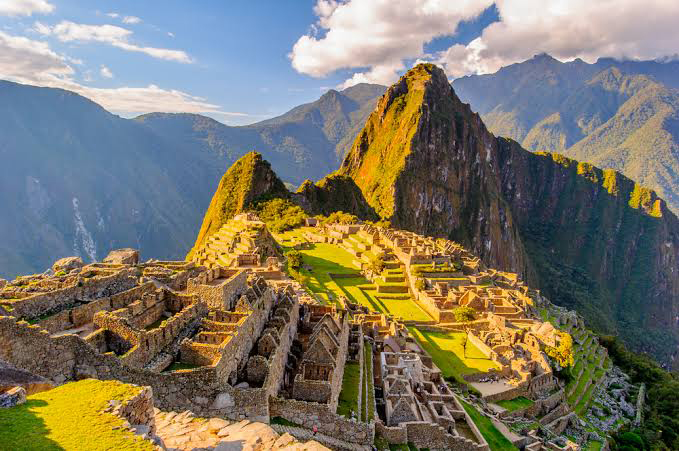
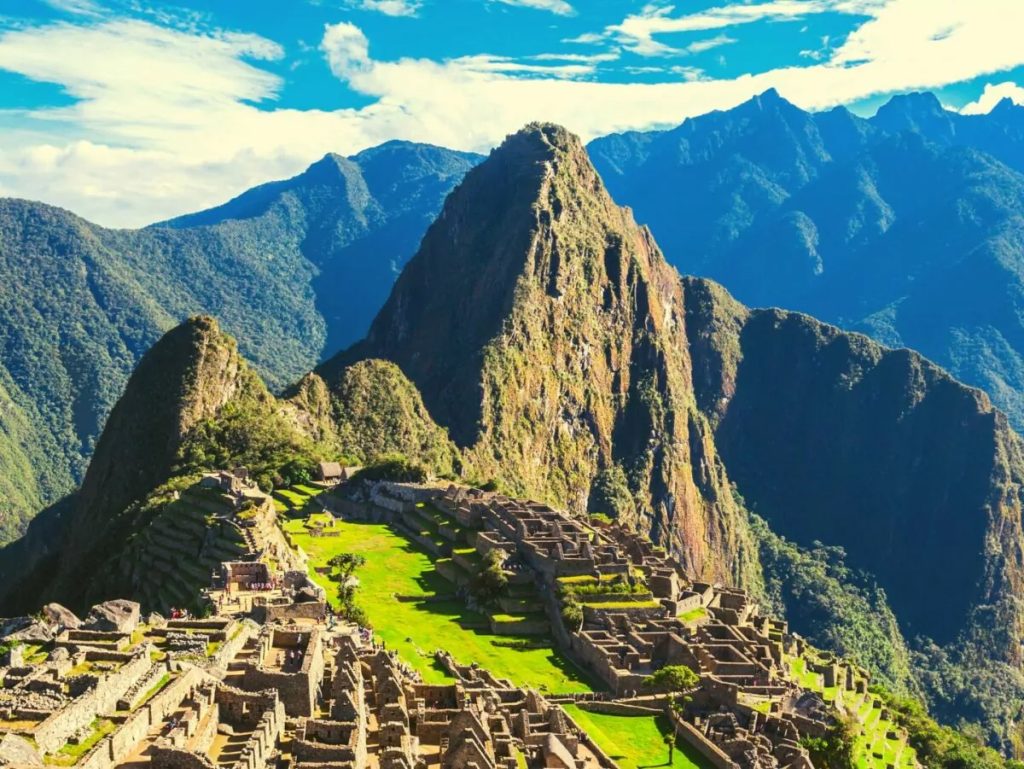
The Inca Trail is one of the most famous trekking routes in the world. Located in Peru’s Andes Mountains, this historic trail follows sections of the ancient road network built by the Inca civilization centuries ago. The trek combines mountain scenery, cloud forests, archaeological sites, and cultural heritage, ending at the iconic citadel of Machu Picchu. For many travelers, the Inca Trail is more than a hike it’s a journey through history and one of South America’s most rewarding outdoor adventures.
Route Overview
The Classic Inca Trail covers approximately 43 kilometers (27 miles) and typically takes four days to complete. Along the route, trekkers pass through mountain valleys, stone pathways, tunnels, and high-altitude passes while enjoying spectacular views of the Andes. The trail reaches its highest point at Dead Woman’s Pass, which sits at about 4,200 meters (13,780 feet) above sea level. Guided tours are mandatory, and visitor numbers are strictly controlled to protect the trail and its archaeological treasures.
Machu Picchu Experience
One of the biggest attractions of the Inca Trail is its dramatic finish at Machu Picchu. After several days of trekking, hikers arrive at the Sun Gate and catch their first view of the ancient city as the morning light illuminates the stone ruins below. This unforgettable moment is often considered the highlight of the entire journey. Unlike visitors who arrive by train, Inca Trail trekkers experience a gradual and rewarding approach to one of the world’s most famous archaeological sites.
Main Highlights
The Inca Trail offers a unique combination of natural beauty, history, and adventure. Trekkers encounter ancient Inca ruins hidden among mountain landscapes, walk along original stone paths built centuries ago, and pass through diverse environments ranging from cloud forests to alpine terrain. The trail also provides opportunities to learn about Inca culture and engineering while enjoying some of the most spectacular scenery in Peru. These features make the Inca Trail one of the most sought-after trekking experiences in the world.
What Is Mount Kilimanjaro?
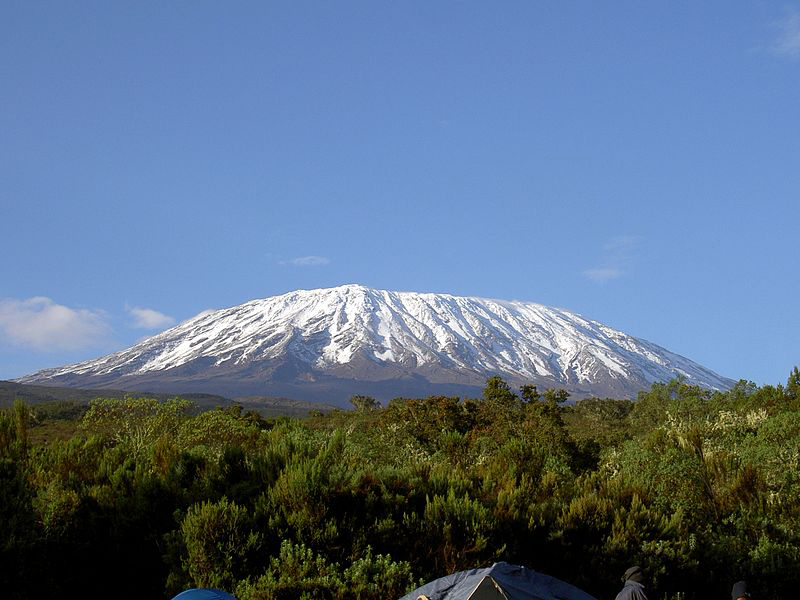
Mount Kilimanjaro is the highest mountain in Africa and the tallest free-standing mountain in the world. Located in northern Tanzania, it rises to 5,895 meters (19,341 feet) above sea level and attracts thousands of climbers every year. Unlike many famous mountains, Kilimanjaro does not require technical climbing skills, making it accessible to adventurous beginners as well as experienced trekkers. The journey to the summit takes hikers through several distinct climate zones, creating one of the most diverse mountain experiences on Earth.
Climbing Experience
Climbing Kilimanjaro is a multi-day trek that typically takes between five and nine days, depending on the route. The adventure begins in lush rainforest before passing through heathland, moorland, alpine desert, and finally the Arctic summit zone. Each day brings new landscapes and changing weather conditions. While the trails are not technically difficult, the high altitude makes the climb physically demanding. Proper acclimatization, a steady pace, and experienced guides play an important role in helping climbers reach the summit safely.
Summit Experience
Reaching Uhuru Peak is the ultimate goal of every Kilimanjaro climb. Most summit attempts begin before midnight, allowing trekkers to reach the top around sunrise. As the sun rises above the clouds, climbers are rewarded with breathtaking views of glaciers, volcanic landscapes, and the African plains far below. Standing on the Roof of Africa is a memorable achievement that many travelers consider a once-in-a-lifetime experience. The sense of accomplishment at the summit is one of the main reasons Kilimanjaro remains one of the world’s most popular trekking destinations.
Main Highlights
Mount Kilimanjaro offers much more than a summit challenge. Climbers experience five unique climate zones, encounter diverse plant and animal life, and enjoy spectacular scenery throughout the trek. The mountain is home to ancient glaciers, giant groundsels, and some of Tanzania’s most beautiful landscapes. Trekkers also benefit from a well-organized support system that includes professional guides, cooks, and porters. Combined with its status as one of the Seven Summits, these features make Kilimanjaro one of the most rewarding mountain adventures in the world.
Inca Trail vs Kilimanjaro: Detailed Comparison
Although both the Inca Trail and Kilimanjaro rank among the world’s most famous trekking adventures, they offer very different challenges and experiences. From altitude and physical demands to scenery and accommodation, understanding these differences can help you choose the trek that best matches your goals and abilities.
Altitude and Acclimatization
Altitude is one of the most significant differences between the two treks. Kilimanjaro reaches 5,895 meters (19,341 feet), while the highest point on the Inca Trail is approximately 4,200 meters (13,780 feet). As a result, altitude sickness is generally a greater concern on Kilimanjaro. Climbers spend several days gradually gaining elevation to improve acclimatization before attempting the summit. Although altitude can also affect hikers on the Inca Trail, the risks are typically lower because the maximum elevation is considerably lower.
Physical Difficulty
Both adventures require good fitness, but the challenges are different. Kilimanjaro tests endurance over multiple days at high altitude, where thinner air makes every step more demanding. The Inca Trail involves shorter trekking days but includes steep ascents, descents, and hundreds of stone steps. Most trekkers find Kilimanjaro more physically demanding overall due to its altitude and longer duration.
Trek Duration
The Inca Trail is a relatively short adventure, usually completed in four or five days. Kilimanjaro climbs typically last between six and nine days, depending on the route. Longer itineraries on Kilimanjaro provide better acclimatization and often lead to higher summit success rates. Travelers with limited time may prefer the shorter schedule of the Inca Trail.
Daily Hiking Distance
Daily hiking distances vary on both treks. On Kilimanjaro, trekkers often spend five to eight hours walking each day, with summit night lasting much longer. The Inca Trail includes several long hiking days as well, but the overall distance is shorter. The most challenging sections often involve steep climbs and descents rather than extreme altitude.
Scenery and Landscapes
Both destinations offer spectacular scenery, but the landscapes are very different. Kilimanjaro takes climbers through five climate zones, including rainforest, heathland, moorland, alpine desert, and Arctic terrain near the summit. The Inca Trail passes through mountain valleys, cloud forests, and ancient stone pathways while offering impressive views of the Andes. Travelers looking for diverse natural environments may prefer Kilimanjaro, while those interested in dramatic mountain scenery mixed with history may favor the Inca Trail.
Cultural Experience
The Inca Trail provides a stronger cultural and historical experience. Trekkers encounter ancient archaeological sites throughout the route and finish at Machu Picchu, one of the world’s most famous historical landmarks. Kilimanjaro’s appeal focuses more on the mountain itself, though climbers also have opportunities to experience Tanzanian culture before and after their trek.
Wildlife Encounters
Wildlife is not a major focus of either trek, but Kilimanjaro generally offers more opportunities to spot animals, especially in the lower rainforest zone where monkeys and various bird species are common. The Inca Trail is known more for its natural beauty and archaeological sites than for wildlife viewing.
Weather Conditions
Weather can vary significantly on both adventures. Kilimanjaro climbers experience multiple climate zones, ranging from warm and humid rainforest conditions to freezing temperatures near the summit. The Inca Trail generally enjoys milder temperatures, although rain, fog, and changing mountain weather can still affect trekking conditions. Choosing the right season is important for both destinations.
Accommodation and Camping
Accommodation styles differ between the two treks. Kilimanjaro climbers usually sleep in mountain tents throughout the expedition, supported by guides, cooks, and porters. On the Inca Trail, trekkers also camp at designated sites along the route while relying on support teams for meals and logistics. Both adventures provide a rewarding wilderness experience, but Kilimanjaro’s longer duration often requires a greater commitment to camping and life on the mountain.
Which Trek Is Harder?
Both Kilimanjaro and the Inca Trail present unique challenges, but most trekkers consider Kilimanjaro the more difficult adventure overall. The primary reason is altitude. Climbers on Kilimanjaro ascend nearly 6,000 meters above sea level, where oxygen levels are significantly lower than at sea level. The Inca Trail is physically demanding as well, but its lower elevation and shorter duration generally make it more manageable for hikers with moderate fitness.
Why Kilimanjaro Is Challenging
Kilimanjaro’s greatest challenge is its extreme altitude. As climbers gain elevation, the amount of available oxygen decreases, making even simple tasks feel more exhausting. Many trekkers experience symptoms of altitude sickness, including headaches, fatigue, and shortness of breath. In addition to the altitude, climbers spend several consecutive days hiking long distances and often face freezing temperatures during the final summit push. Summit night is particularly demanding because hikers climb in darkness while battling cold conditions and physical exhaustion.
Why the Inca Trail Can Be Difficult
Although the Inca Trail does not reach the same altitude as Kilimanjaro, it still requires a good level of fitness. The route includes steep ascents, descents, and countless stone steps that can be tough on the legs and knees. Hikers carry personal gear while navigating uneven terrain and mountain passes. Weather conditions can also add to the challenge, especially when rain makes the trail slippery. While most people find the Inca Trail achievable, it should not be underestimated.
Altitude vs Terrain
The key difference between the two treks comes down to altitude versus terrain. Kilimanjaro is primarily an altitude challenge. The trails themselves are generally non-technical, but the thin air near the summit makes the climb much harder. The Inca Trail, on the other hand, is more of a terrain challenge. Hikers must tackle steep staircases, rugged mountain paths, and frequent elevation changes throughout the trek.
If altitude is your biggest concern, the Inca Trail may feel easier. If steep climbs and long staircases are your weakness, the Inca Trail can still be demanding. However, when comparing overall difficulty, Kilimanjaro is usually considered the tougher trek because of its greater height, longer duration, and increased risk of altitude-related problems.
Which Trek Is Better for Beginners?
Both Kilimanjaro and the Inca Trail are achievable for beginners, but the best choice depends on your fitness level, hiking experience, and personal goals. Neither trek requires technical climbing skills, yet each presents unique challenges. The Inca Trail is generally easier for first-time trekkers because it is shorter and reaches a lower altitude. Kilimanjaro, however, remains a realistic goal for beginners who prepare properly and choose a suitable route.
Best Choice for First-Time Trekkers
For most first-time trekkers, the Inca Trail is often the more approachable option. The trek usually lasts four to five days, allowing hikers to experience mountain trekking without committing to a longer expedition. While the trail includes steep ascents and descents, the lower altitude compared to Kilimanjaro reduces the risk of severe altitude-related problems.
The Inca Trail also offers frequent rewards along the journey, including spectacular mountain views, ancient ruins, and the unforgettable arrival at Machu Picchu. For travelers new to multi-day trekking, this combination of culture, scenery, and moderate challenge creates an enjoyable introduction to adventure travel.
Best Choice for Experienced Hikers
Experienced hikers often prefer Kilimanjaro because it offers a greater physical and mental challenge. The climb takes several days, reaches nearly 6,000 meters above sea level, and requires careful acclimatization. Although the trails are non-technical, the high altitude makes the trek significantly more demanding than the Inca Trail.
For hikers who have completed previous mountain treks and want to test themselves at extreme elevation, Kilimanjaro provides a rewarding goal. Reaching Uhuru Peak is considered one of the world’s great trekking achievements and offers a sense of accomplishment that few adventures can match.
That said, experienced hikers should not overlook the Inca Trail. Its combination of history, culture, and beautiful Andean scenery makes it one of the most memorable trekking routes in the world. Ultimately, beginners often find the Inca Trail easier to manage, while experienced hikers may appreciate the greater challenge and altitude of Kilimanjaro.
Cost Comparison
The cost of trekking Kilimanjaro and hiking the Inca Trail can vary significantly depending on the season, tour operator, group size, and level of service. While both adventures require guides and support staff, Kilimanjaro is generally more expensive due to its longer duration, larger expedition teams, and higher logistical requirements. Understanding the typical costs of each trek can help travelers choose an adventure that fits their budget and expectations.
Average Cost of Climbing Kilimanjaro
A guided Kilimanjaro climb typically costs between $2,000 and $6,000 per person, depending on the route, number of trekking days, operator quality, and included services. The price often covers park fees, camping equipment, guides, porters, cooks, meals, accommodation before and after the climb, and airport transfers.
Longer routes such as the Northern Circuit and Lemosho Route generally cost more because they involve additional park fees and support services. Although budget operators exist, many climbers choose reputable companies that prioritize safety, experienced guides, quality equipment, and high summit success rates.
Average Cost of Hiking the Inca Trail
The Inca Trail usually costs between $700 and $2,500 per person, depending on the tour package and level of comfort. Most tours include permits, guides, meals, camping equipment, transportation, and entry to Machu Picchu. Luxury packages may include upgraded accommodation, porter services, and additional sightseeing experiences.
Because visitor numbers on the Inca Trail are strictly limited, permits often sell out months in advance. This high demand can affect pricing, particularly during the peak trekking season.
Which Offers Better Value?
Determining which trek offers better value depends on what you want from the experience. The Inca Trail often provides better value for travelers seeking a shorter adventure that combines hiking, history, and access to one of the world’s most famous archaeological sites. It requires less time and usually costs less than a Kilimanjaro expedition.
Kilimanjaro, however, offers exceptional value for those seeking a major mountain challenge. The opportunity to stand on the highest peak in Africa, experience multiple climate zones, and complete one of the world’s most iconic treks makes the higher price worthwhile for many adventure travelers.
If your priority is affordability and cultural exploration, the Inca Trail may provide better value. If your goal is to achieve a world-class summit and experience a true high-altitude expedition, Kilimanjaro is often the stronger investment.
Training and Preparation
Proper training and preparation can make a significant difference on both the Inca Trail and Kilimanjaro. Although neither trek requires technical climbing skills, both demand endurance, determination, and the ability to hike for several consecutive days. Starting your preparation at least two to three months before your trek can improve your experience and increase your chances of success.
How to Prepare for Kilimanjaro
Preparing for Kilimanjaro should focus on building endurance and adapting to long days of hiking. Regular activities such as hiking, running, cycling, swimming, and stair climbing can help improve cardiovascular fitness. If possible, practice hiking with a backpack on uneven terrain to simulate mountain conditions.
Since altitude is the biggest challenge on Kilimanjaro, climbers should learn about acclimatization and choose a route that allows sufficient time to adjust to higher elevations. Testing hiking boots, clothing, and equipment before the expedition is also important to avoid discomfort on the mountain. Mental preparation is equally valuable because summit day can be physically and emotionally demanding.
How to Prepare for the Inca Trail
Preparation for the Inca Trail should focus on leg strength, endurance, and hiking on steep terrain. The trail includes numerous stone steps, mountain passes, and uneven pathways that can be challenging for unprepared hikers. Activities such as hill walking, stair training, jogging, and strength exercises can help build the fitness needed for the trek.
Travelers should also spend time breaking in their hiking boots and becoming comfortable carrying a daypack. Because sections of the trail are located at high altitude, arriving in Peru a few days early can help the body adjust before starting the hike. Proper preparation allows trekkers to enjoy the journey rather than struggle through it.
Fitness Requirements
Neither Kilimanjaro nor the Inca Trail requires elite athletic ability, but both demand a reasonable level of fitness. Trekkers should be capable of walking for several hours a day over consecutive days while carrying essential gear. Good cardiovascular endurance, strong legs, and overall stamina are more important than speed.
For most beginners, the Inca Trail is achievable with moderate training and preparation. Kilimanjaro requires a greater commitment because of its higher altitude and longer duration. Regardless of which trek you choose, investing time in physical preparation will improve your comfort, confidence, and overall enjoyment of the adventure.
Best Time to Hike
Choosing the right season can have a major impact on your trekking experience. Weather affects trail conditions, visibility, comfort, and overall enjoyment on both Kilimanjaro and the Inca Trail. While both destinations can be visited during much of the year, certain months offer better conditions for hiking, photography, and summit success.
Best Time for Kilimanjaro
The best time to climb Kilimanjaro is during the mountain’s dry seasons, which typically run from January to March and from June to October. These months generally provide clearer skies, better trail conditions, and improved views of the surrounding landscapes.
January to March is often quieter and offers warmer temperatures, while June to October attracts more climbers due to stable weather and excellent visibility. Although Kilimanjaro can be climbed year-round, the rainy seasons of April to May and November often bring muddy trails, increased cloud cover, and more challenging trekking conditions.
Best Time for the Inca Trail
The Inca Trail is generally best hiked during Peru’s dry season, which runs from May to September. During these months, trekkers typically enjoy sunny days, lower rainfall, and clearer views of the Andes Mountains and Machu Picchu.
June, July, and August are particularly popular because of favorable weather, but they are also the busiest months on the trail. The rainy season, which usually occurs between November and March, can create slippery paths and reduced visibility. In addition, the Inca Trail closes every February for maintenance and conservation work.
Weather Comparison by Season
When comparing seasonal conditions, both treks are most enjoyable during their respective dry periods. Kilimanjaro offers more predictable weather during January to March and June to October, while the Inca Trail generally experiences its best conditions from May through September.
One important difference is temperature. Kilimanjaro climbers encounter a wide range of conditions, from warm rainforest temperatures to freezing weather near the summit. The Inca Trail typically experiences milder temperatures throughout the trek, although cold nights are common at higher elevations.
For travelers seeking the best overall conditions, June through September is often an excellent period because both Kilimanjaro and the Inca Trail usually experience favorable hiking weather. However, this is also the busiest season, so advance booking is highly recommended for either adventure.
Who Should Choose Kilimanjaro?
While both Kilimanjaro and the Inca Trail offer unforgettable trekking experiences, Kilimanjaro is often the better choice for travelers seeking a major mountain challenge. The climb combines high-altitude adventure, diverse landscapes, and the opportunity to stand on the highest peak in Africa. For many people, reaching Uhuru Peak is a lifelong goal and one of the world’s greatest trekking achievements.
Ideal Traveler Profile
Kilimanjaro is ideal for travelers who enjoy physical challenges and want to push themselves beyond their comfort zone. It appeals to adventure seekers, mountain enthusiasts, and anyone looking to experience a true summit expedition without requiring technical climbing skills.
The mountain is also well suited to hikers who enjoy spending several days in nature while progressing toward a clear goal. Travelers who appreciate dramatic scenery, changing ecosystems, and the excitement of reaching a famous summit often find Kilimanjaro more rewarding than shorter trekking routes.
Reasons to Choose Kilimanjaro
One of the biggest reasons to choose Kilimanjaro is the opportunity to stand on the highest mountain in Africa. Reaching Uhuru Peak at 5,895 meters (19,341 feet) is a remarkable accomplishment that attracts climbers from around the world.
Kilimanjaro also offers exceptional landscape diversity. During a single climb, trekkers pass through rainforest, heathland, moorland, alpine desert, and Arctic summit conditions. Few mountains provide such a dramatic variety of environments in one journey.
Another advantage is the sense of achievement that comes with completing a high-altitude expedition. Unlike the Inca Trail, which focuses heavily on cultural history and archaeological sites, Kilimanjaro centers on personal challenge, endurance, and the reward of reaching a world-famous summit.
If your dream adventure involves conquering a legendary mountain, testing your limits, and experiencing one of the most iconic treks on Earth, Kilimanjaro is likely the better choice.
Pros and Cons
Both Mount Kilimanjaro and the Inca Trail offer unforgettable trekking experiences, but each has its own advantages and disadvantages. Understanding the strengths and limitations of each trek can help you choose the one that best matches your goals, fitness level, and travel style.
Kilimanjaro Pros and Cons
Mount Kilimanjaro is an excellent choice for travelers who want to reach one of the world’s most famous summits without technical climbing. It offers diverse landscapes, from rainforest to alpine desert and glaciers, and provides the unique achievement of standing on Africa’s highest point. Several routes also allow climbers to choose an itinerary that fits their schedule and experience.
The biggest challenge is the high altitude. Many climbers experience altitude sickness, especially on shorter routes. The trek also requires several days of camping, and summit night involves a long climb in cold temperatures and thin air.
Inca Trail Pros and Cons
The Inca Trail combines mountain trekking with history and culture. Hikers follow ancient stone pathways through the Andes before arriving at Machu Picchu through the Sun Gate. Along the route, they visit archaeological sites, cloud forests, and scenic mountain passes, creating a diverse and rewarding experience.
However, the Inca Trail has strict permit limits, so bookings often need to be made months in advance. The trail is also closed every February for maintenance. Although the altitude is lower than Kilimanjaro, steep stone steps and continuous ascents can make the trek physically demanding for many hikers.
Frequently Asked Questions
Yes. Mount Kilimanjaro is generally harder than the Inca Trail because it reaches a much higher altitude of 5,895 meters (19,341 feet). While the Inca Trail includes steep climbs and uneven stone paths, Kilimanjaro’s biggest challenge is altitude, which can affect even fit hikers.
Mount Kilimanjaro is significantly higher than the Inca Trail. Kilimanjaro’s summit stands at 5,895 meters (19,341 feet) above sea level, while the highest point on the Inca Trail, Dead Woman’s Pass, reaches about 4,215 meters (13,828 feet).
No, you do not need extensive hiking experience for either trek. Beginners can complete both with good physical fitness and proper preparation. However, previous hiking experience makes the journey more comfortable, especially on long trekking days and at high altitude.
Mount Kilimanjaro usually costs more than the Inca Trail. The higher price reflects national park fees, mandatory guides and support crews, camping logistics, and longer itineraries. The Inca Trail also requires permits and licensed guides, but the overall cost is often lower.
Both treks offer spectacular scenery, but they provide different experiences. Kilimanjaro features rainforest, moorland, alpine desert, and glacier-covered summit landscapes. The Inca Trail combines mountain views with cloud forests, ancient Inca ruins, and the unforgettable arrival at Machu Picchu. The better choice depends on whether you prefer natural landscapes or a mix of nature and history.
Yes. Beginners can complete both the Inca Trail and Mount Kilimanjaro if they prepare properly. Kilimanjaro is suitable for beginners because the standard routes do not require technical climbing, while the Inca Trail is manageable for first-time trekkers with a reasonable level of fitness and endurance.
Final Verdict: Inca Trail or Kilimanjaro?
The best trek depends on what you want from your adventure. Mount Kilimanjaro is the better choice if your goal is to reach a world-famous summit and experience high-altitude trekking. The Inca Trail is ideal if you want to combine hiking with history, archaeology, and the unforgettable arrival at Machu Picchu.
Best for Adventure
Mount Kilimanjaro is the best choice for adventure seekers. Climbing to Uhuru Peak at 5,895 meters is a major achievement, and the journey takes you through rainforest, moorland, alpine desert, and glacier-covered terrain. The challenge of high altitude makes the trek both physically and mentally rewarding.
Best for Culture and History
The Inca Trail is the better option for travelers interested in culture and history. The route follows ancient Inca pathways, passes archaeological sites, and ends at the world-famous Machu Picchu. It offers a unique combination of hiking and historical discovery that few treks can match.
Best for First-Time Trekkers
Both treks are suitable for beginners with good fitness and proper preparation. However, the Inca Trail is often a better first multi-day trek because it reaches a lower altitude and follows a shorter itinerary. Kilimanjaro is also beginner-friendly, but its extreme altitude requires careful acclimatization and increases the physical challenge.
Overall Recommendation
Choose Mount Kilimanjaro if you want to stand on Africa’s highest mountain, challenge yourself at high altitude, and experience one of the world’s greatest trekking achievements. Choose the Inca Trail if you prefer a journey that combines mountain scenery, ancient history, and the iconic ruins of Machu Picchu.
Whichever trek you choose, both offer unforgettable experiences, breathtaking landscapes, and a sense of accomplishment that lasts long after the journey ends.