What Does Kilimanjaro Mean and Where Did the Name Come From?
Estimated reading time: 14 minutes
Mount Kilimanjaro is Africa’s highest mountain and one of the world’s most recognizable natural landmarks. Most researchers believe the name “Kilimanjaro” comes from a combination of the Swahili word Kilima, meaning “mountain,” and the Chagga word Njaro, often interpreted as “whiteness” or “shining.” Together, the name is commonly understood to mean “Mountain of Whiteness” or “Shining Mountain.”
However, the true meaning of Kilimanjaro remains a subject of debate. Over the years, historians, linguists, and explorers have proposed several theories linking the name to the Swahili, Chagga, and Maasai languages. Some interpretations suggest the name refers to the mountain’s snow-covered summit, while others connect it to local legends, water sources, caravans, or even spiritual beliefs.
Despite these different explanations, the name Kilimanjaro perfectly reflects the mystery and grandeur of Africa’s tallest peak. In this guide, we explore the most widely accepted theories about the meaning of Kilimanjaro, the history behind its name, and why it continues to fascinate climbers, travelers, and researchers from around the world.
Table of contents
- What Does Kilimanjaro Mean and Where Did the Name Come From?
- What Does Kilimanjaro Mean?
- Where Is Mount Kilimanjaro Located?
- About Mount Kilimanjaro
- History of the Name Kilimanjaro
- Theories About the Origin of Kilimanjaro’s Name
- What Did Local People Call Kilimanjaro?
- Why the “Mountain of Whiteness” Meaning Matters
- Interesting Facts About Kilimanjaro’s Name
- Why the Meaning of Kilimanjaro Matters Today
- Frequently Asked Questions About Kilimanjaro Meaning
- Final Thoughts on the Meaning of Kilimanjaro
- Read Also:
What Does Kilimanjaro Mean?
The most widely accepted meaning of Kilimanjaro is “Mountain of Whiteness” or “Shining Mountain.” Most researchers believe the name comes from a combination of the Swahili word Kilima, meaning “mountain,” and the Chagga word Njaro, which is often interpreted as “whiteness,” “brightness,” or “shining.”
The Most Accepted Meaning of Kilimanjaro
Although the exact origin of the name remains debated, the “Mountain of Whiteness” theory is the explanation most commonly accepted by historians, linguists, and travel experts. This interpretation reflects the mountain’s snow-covered summit, which has long stood out against the warm plains of northern Tanzania.
The first part of the name, Kilima, comes from Swahili and means “mountain” or “hill.” The second part, Njaro, is believed to come from the Chagga language and refers to whiteness, brightness, or something that shines. When combined, these words create the meaning “Mountain of Whiteness.”
This explanation is especially fitting because Mount Kilimanjaro is famous for its glaciers and snow-capped peak. For centuries, local communities, travelers, and explorers were fascinated by the sight of snow on a mountain located close to the equator, making “Mountain of Whiteness” one of the most logical interpretations of the name Kilimanjaro.
Quick Meaning Table
| Word | Language | Meaning |
|---|---|---|
| Kilima | Swahili | Mountain |
| Njaro | Chagga | Whiteness, Brightness, or Shining |
| Kilimanjaro | Combined | Mountain of Whiteness |
The most commonly accepted explanation is that the name Kilimanjaro combines the Swahili word Kilima and the Chagga word Njaro. Together, these words are generally interpreted as “Mountain of Whiteness” or “Shining Mountain,” a reference to the mountain’s snow-covered summit. Although other theories exist, this remains the most widely recognized meaning of Kilimanjaro.
Where Is Mount Kilimanjaro Located?
Read more about Mount Kilimanjaro is located
Mount Kilimanjaro is located in northern Tanzania, East Africa, very close to the border with Kenya. It rises from the surrounding plains of the Kilimanjaro Region as a massive, free-standing volcanic mountain, meaning it is not part of a mountain range but stands alone. This isolated position makes it one of the most visually dominant landmarks in Africa, visible from long distances across both Tanzania and Kenya on clear days.
The mountain sits just south of the Equator, which makes its snow-capped summit even more remarkable. Despite being in a tropical region, its extreme height creates cold conditions at the top, allowing glaciers and ice fields to exist. Kilimanjaro is part of Kilimanjaro National Park, a protected area recognized as a UNESCO World Heritage Site due to its unique ecosystems, wildlife, and geological importance.
Geologically, Kilimanjaro is also part of the East African Rift system, one of the most active tectonic regions in the world. It is formed by three volcanic cones Kibo, Mawenzi, and Shira which were created through ancient volcanic activity millions of years ago. Among these, Kibo is the highest point and the location of Uhuru Peak, the summit of Africa.
What makes Kilimanjaro’s location especially unique is how it rises directly from flat savannah land. There are no surrounding high mountains, so its massive snow-covered peak appears suddenly above the horizon, creating one of the most iconic mountain views in the world.
About Mount Kilimanjaro
Mount Kilimanjaro is the highest mountain in Africa and rises in northern Tanzania as a massive free-standing volcanic mountain. It is not part of a mountain range, which makes it stand alone above the surrounding plains and clearly visible from long distances. Because of its size and location, it is one of the most iconic mountains in the world and a major symbol of Tanzania.
Height of Kilimanjaro
Mount Kilimanjaro is 5,895 meters (19,341 feet) high above sea level. This extreme height makes it the tallest mountain in Africa and the highest free-standing mountain on Earth. Its height is also the reason it has different climate zones, starting from warm forest at the base and ending in freezing conditions at the summit.
The Three Volcanic Cones
Mount Kilimanjaro has three volcanic cones formed by ancient volcanic activity. Kibo stands as the highest cone and reaches the summit point called Uhuru Peak. Mawenzi has sharp ridges and steep slopes, which make it very rugged and difficult. Shira is the oldest cone and now appears mostly as a wide plateau because erosion shaped it over time. Together, these three cones create the full structure of the mountain.
Why Kilimanjaro Has Snow Near the Equator
Mount Kilimanjaro has snow and glaciers even though it is located near the Equator because of its very high altitude. As height increases, temperature drops, creating cold conditions at the summit. This allows ice fields and glaciers to form at the top, even though the base of the mountain lies in a warm tropical climate.
History of the Name Kilimanjaro
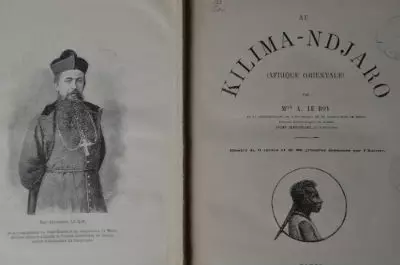
The name Kilimanjaro reached the outside world through European explorers and missionaries in the 19th century. Local communities who lived on the mountain’s slopes already knew and used their own names for it long before that time.
German missionaries Johannes Rebmann and Johann Ludwig Krapf played a key role in the first written records. In the 1840s, they became some of the first Europeans to document the mountain. They heard the name from local guides and traders. They recorded it as “Kilimanjaro,” but they did not fully understand its exact pronunciation or meaning at that time.
Before these written records, the mountain existed in strong oral traditions among the Chagga people, who lived around its base. These traditions passed stories and names through spoken language. No single standard written name existed at that time because most local languages did not use written forms.
Early explorers recorded the name in different ways based on what they heard. This led to variations in spelling and interpretation across early maps and travel reports.
As exploration of East Africa increased, the name Kilimanjaro began appearing more frequently in maps, travel reports, and scientific writings. German and British explorers in particular helped spread the name as they studied the geography of the region and attempted to map the highest peak in Africa. Over time, “Kilimanjaro” became the standardized international spelling, even though earlier documents sometimes showed variations in spelling and pronunciation.
There were also differences in interpretation of what the name actually meant. Some explorers believed it was purely a local place name without translation, while others tried to break it into parts such as “Kilima” and “Njaro” to understand its meaning. These differences created ongoing debates about whether the name is Swahili, Chagga, or a combination of both.
Today, people around the world recognize the name Kilimanjaro. Geographers, tourism experts, and scientists use it consistently. However, its exact linguistic origin still comes from a mix of local languages, early explorer records, and historical interpretations.
Theories About the Origin of Kilimanjaro’s Name
The origin of the name Kilimanjaro has several explanations because different communities and early explorers interpreted it in different ways. Historians and linguists still debate its true meaning today because no single theory has full proof.
Swahili Theory
The Swahili theory explains the name as a combination of two words: “Kilima,” which means mountain, and “Njaro,” which people often interpret as whiteness or brightness. According to this idea, Kilimanjaro means “Mountain of Whiteness,” and it refers to the snow-covered summit that people could see from the surrounding plains. This theory becomes strong because “Kilima” is a confirmed Swahili word and fits naturally with the geography of the mountain. However, the theory also has a weakness because “Njaro” does not appear clearly in standard Swahili vocabulary, so its exact linguistic origin remains uncertain and open to interpretation.
Chagga Theory
The Chagga people, who live on the slopes of the mountain, also influence the interpretation of its name. In this theory, “Njaro” connects to local Chagga expressions that describe brightness, coldness, or shining appearance. The mountain plays a central role in Chagga identity, so the name may reflect how they describe its glowing snow peak and spiritual importance. This theory emphasizes cultural meaning rather than strict word translation.
Maasai Theory
The Maasai theory links Kilimanjaro to water, spirituality, and sacred landscape beliefs. Some interpretations describe the mountain as a source of life-giving water, while others associate it with a white, sacred mountain connected to spirits. The Maasai view often focuses on the mountain’s role in nature and spiritual balance rather than direct linguistic meaning.
Other Historical Interpretations
Other historical explanations describe Kilimanjaro in symbolic ways. Some early accounts refer to it as the “Mountain of Caravans” because traders used it as a landmark. Others describe it as the “Mountain of Spirits,” reflecting local beliefs about ancestral presence. Some traditions call it the “Mountain Where Birds Cannot Fly,” highlighting its extreme height. Another interpretation calls it the “Mountain of Glory,” inspired by its impressive appearance rising above the plains.
What Did Local People Call Kilimanjaro?
Local people did not always use one single name for Kilimanjaro. Instead, different communities named its main peaks and described the mountain in ways that reflected their language, culture, and daily life.
The most common traditional names focus on the three volcanic cones. People called the highest peak Kibo, which describes its bright or spotted appearance. They used this name for the snowy summit area that rises above the clouds. The second peak, Mawenzi, refers to its rough and broken shape. Local communities used this name because the cone looks sharp, steep, and heavily eroded. The third cone, Shira, represents the oldest part of the mountain. People recognized it as a lower, wide plateau compared to the taller peaks.
Local communities did not treat Kilimanjaro as one single mountain in the way modern geography does. Instead, they saw it as a group of distinct peaks with different identities. Each name described a specific part of the mountain rather than the entire structure.
Different communities living around the mountain also viewed Kilimanjaro in cultural and spiritual ways. Some groups saw it as a source of water and life, while others connected it to spiritual beliefs and ancestral presence. These views show that Kilimanjaro held deep meaning beyond just geography.
Why the “Mountain of Whiteness” Meaning Matters
The meaning “Mountain of Whiteness” matters because it connects directly to what people actually see when they look at Kilimanjaro. The name reflects the snow and ice that sit on the summit of the mountain. Even from far away on the plains of northern Tanzania, the white peak stands out clearly above the landscape.
This meaning also comes from the mountain’s physical appearance. The high summit creates cold conditions, so ice fields and glaciers form at the top. These white features made early observers associate the mountain with brightness and whiteness, especially when sunlight reflects off the snow.
The meaning also carries cultural value. Local communities and early visitors did not just see Kilimanjaro as a physical landmark. They also connected it to identity, stories, and symbolic meaning. The idea of a “white mountain” became part of how people described its beauty and importance in East Africa.
Today, the meaning becomes even more significant because the mountain is changing. Climate change has reduced many of its glaciers over time. As the ice shrinks, the visual “whiteness” that inspired the name becomes less prominent. This makes the original meaning more important to understand, because it captures a feature that is slowly disappearing but still defines the mountain’s global identity.
Interesting Facts About Kilimanjaro’s Name
The name Kilimanjaro carries many interesting facts that show how history, language, and culture shaped it over time. Its meaning is still debated today because no single explanation has full proof. Scholars continue to study its origin, and they keep the discussion active in geography and linguistics. Different scholars continue to study its origin, and this keeps the discussion active in geography and linguistics.
The name also reflects multiple language influences. It likely connects Swahili and local Chagga expressions, and early European explorers added their own interpretations when they recorded what they heard. This mix of languages makes the name unique compared to many other mountains in the world.
Early explorers also created confusion in written records. They spelled and interpreted the name in different ways because they relied on spoken communication from guides and traders. These variations later appeared in maps and travel reports, which added more debate about the original meaning.
Local communities around the mountain preserve a strong oral tradition about its history and meaning. Communities around Kilimanjaro passed stories, names, and meanings through spoken history rather than written documents. This oral knowledge still influences how people understand the mountain today.
Today, Kilimanjaro remains one of the most famous mountain names in Africa and the world. Its global recognition comes not only from its height but also from the mystery and cultural depth behind its name.
Why the Meaning of Kilimanjaro Matters Today
The meaning of Kilimanjaro matters today because it connects geography with culture, identity, and human experience. It is not just a name for Africa’s highest mountain. It also reflects the history and traditions of the people who live around it.
In Tanzania, Kilimanjaro holds strong cultural importance. The mountain stands as a national symbol and a source of pride for local communities. It also represents nature, life, and heritage in everyday life.
For the Chagga people, who live on the slopes of the mountain, Kilimanjaro forms part of their identity. The mountain influences their stories, traditions, and way of life. It also shapes how they see their connection to the land and environment.
For climbers, the meaning adds emotional value to the journey. Understanding the name gives trekkers a deeper connection to what they are climbing. It turns the experience from a physical challenge into a cultural and meaningful adventure.
The meaning of Kilimanjaro also connects culture with adventure tourism. Visitors do not only come for the summit. They also come to understand the stories, people, and history behind the mountain. This makes the climb more meaningful and memorable.
Frequently Asked Questions About Kilimanjaro Meaning
Kilimanjaro most commonly means “Mountain of Whiteness.” The name describes the snow and bright ice that cover the summit of the mountain.
Kilimanjaro does not come from only one language. “Kilima” comes from Swahili and means mountain, while “Njaro” likely comes from local Chagga expressions.
People call it the Mountain of Whiteness because the summit has snow and ice. The white peak stands out clearly above the surrounding plains.
The name comes from a mix of languages. Swahili and Chagga both influence its meaning, and early explorers also shaped how the name spread.
The Chagga people used different names for the mountain’s peaks, such as Kibo and Mawenzi, instead of one single name for the whole mountain.
Kilimanjaro is a volcanic mountain made of three cones: Kibo, Mawenzi, and Shira. Each cone formed during different stages of volcanic activity.
The earliest known written references come from 19th-century European missionaries and explorers like Rebmann and Krapf, who recorded the name after learning it from local guides.
Final Thoughts on the Meaning of Kilimanjaro
The meaning of Kilimanjaro most commonly refers to the “Mountain of Whiteness,” a name inspired by its snow-covered summit and bright appearance above the plains of Tanzania. This simple meaning connects directly to what people see when they look at the mountain from far away.
At the same time, alternative theories still exist. Some explanations link the name to Swahili and Chagga words, while others reflect Maasai interpretations and early explorer records. Each theory adds a different layer to the story of the mountain and shows how multiple cultures influenced its identity.
The true origin of the name remains debated today because no single explanation has complete historical proof. Different languages, oral traditions, and early written records all contribute to the ongoing discussion. This mix of influences makes Kilimanjaro’s name both mysterious and fascinating.
For travelers, Kilimanjaro is more than a name or a destination. It represents culture, history, and natural beauty combined in one iconic mountain. If you want to experience this meaning in real life, you can climb Kilimanjaro with WeWild Travel and discover the mountain behind the name step by step.