The Chagga People of Tanzania: Culture, History, Traditions and Life on Mount Kilimanjaro
Estimated reading time: 25 minutes
The Chagga people are one of Tanzania’s largest ethnic groups who live on the slopes of Mount Kilimanjaro. They have built thriving farming communities for centuries, known especially for coffee and banana cultivation.
Many visitors to Tanzania encounter the Chagga while climbing Mount Kilimanjaro because many local guides, porters, and tourism professionals come from Chagga communities. Their deep knowledge of the mountain, combined with a long history of agriculture and trade, has helped shape the Kilimanjaro region into one of the most developed areas in the country.
The Chagga have preserved many aspects of their cultural heritage, including traditional foods, music, dances, crafts, and community customs. At the same time, they have embraced education, entrepreneurship, and modern technology, creating a unique blend of tradition and progress.
In this guide, you’ll learn who the Chagga people are, where they live, what they believe, what they eat, how they built their society on the slopes of Mount Kilimanjaro, and why they remain an important part of Tanzania’s cultural identity today.
Table of contents
- The Chagga People of Tanzania: Culture, History, Traditions and Life on Mount Kilimanjaro
- Who Are the Chagga People?
- Quick Facts About the Chagga People
- Where Do the Chagga People Live?
- What Is the History of the Chagga People?
- What Are the Chagga People Known For?
- What Language Do the Chagga Speak?
- What Is Traditional Chagga Culture Like?
- What Do Traditional Chagga Houses Look Like?
- What Food Do the Chagga Eat?
- What Are the Famous Chagga Caves?
- Chagga People vs Maasai People: What Is the Difference?
- How Can Tourists Experience Chagga Culture?
- 10 Interesting Facts About the Chagga People
- Frequently Asked Questions About the Chagga People
- Final Thoughts: Why the Chagga People Remain an Important Part of Kilimanjaro’s Heritage
- Read Also:
Who Are the Chagga People?
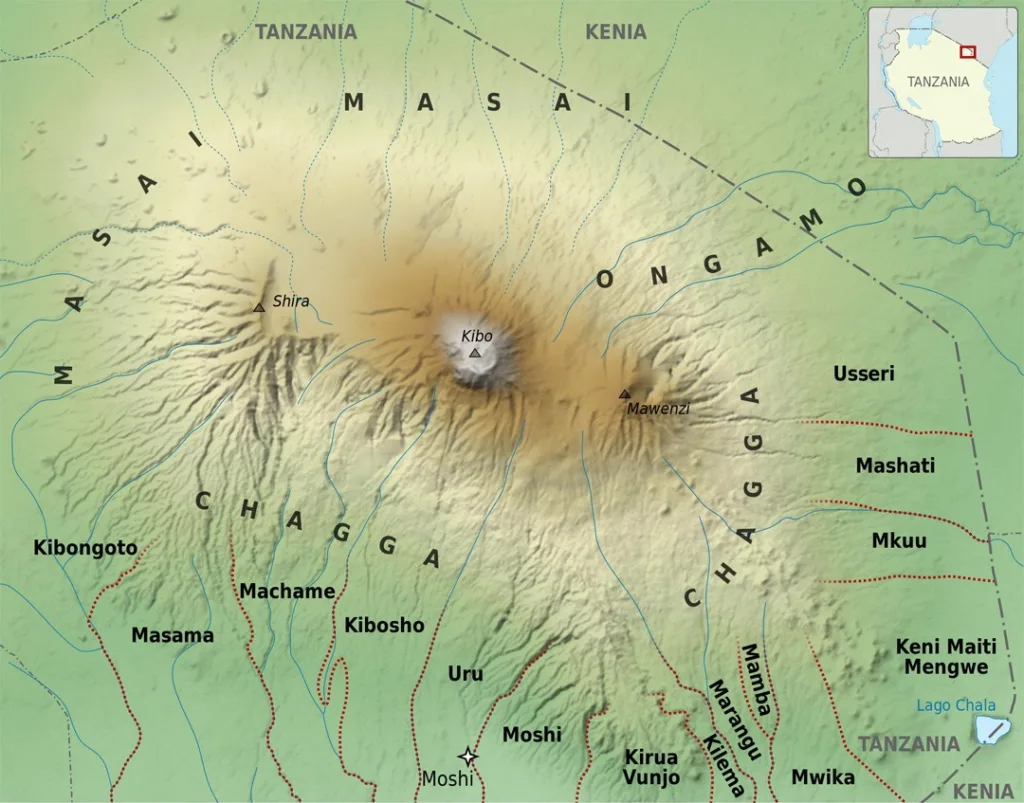
The Chagga are a Bantu ethnic group that lives on the southern and eastern slopes of Mount Kilimanjaro in northern Tanzania. They are one of the largest ethnic groups in the country and have played a major role in Tanzania’s agricultural, educational, and economic development. The Chagga are best known for coffee farming, banana cultivation, and their long connection to Africa’s highest mountain.
Why Are the Chagga Important in Tanzania?
The Chagga have made significant contributions to Tanzania’s economy and society for generations. Their fertile homeland on Mount Kilimanjaro supports some of the country’s most productive coffee and banana farms. Many Chagga families have invested heavily in education, helping produce teachers, business owners, government leaders, and tourism professionals.
The Chagga also pioneered organized coffee production through cooperative societies, which helped local farmers access international markets. Today, they remain one of Tanzania’s most economically active and educated communities.
Why Are They Associated with Mount Kilimanjaro?
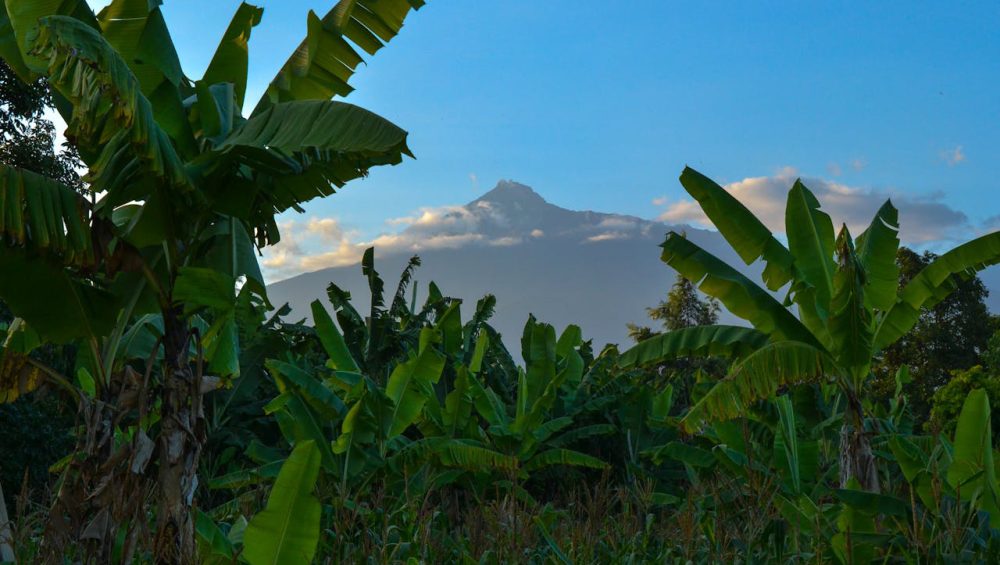
The Chagga are the indigenous people of Mount Kilimanjaro and have lived on its slopes for hundreds of years. Their villages stretch across the mountain’s lower elevations, where fertile volcanic soil and reliable water sources support farming and daily life.
Because of this close relationship with the mountain, the Chagga developed extensive knowledge of Kilimanjaro’s climate, forests, trails, and natural resources. Many of the guides and porters who assist climbers on Mount Kilimanjaro come from Chagga communities. Visitors who explore the mountain often encounter Chagga culture through village tours, coffee farms, traditional foods, and historical sites such as the famous Chagga caves.
Today, Mount Kilimanjaro and the Chagga people remain deeply connected, and the Chagga community plays an important role in the mountain’s cultural heritage.
Quick Facts About the Chagga People
Population
The Chagga are one of the largest ethnic groups in Tanzania, with an estimated population of over one million people. Most Chagga people live in northern Tanzania, especially around Mount Kilimanjaro.
Location
The Chagga live on the southern and eastern slopes of Mount Kilimanjaro. Their communities stretch across the Kilimanjaro Region, with major populations in towns like Moshi and surrounding rural villages.
Language
The Chagga speak Kichagga, which includes several related dialects. Most Chagga people also speak Swahili, and many use English for education, business, and tourism.
Religion
Most Chagga people follow Christianity today, mainly Catholic and Protestant denominations. A smaller number follow Islam or continue to practice traditional beliefs alongside modern religions.
Traditional Occupation
The Chagga traditionally practice farming. They build their livelihoods around agriculture, irrigation systems, and small-scale livestock keeping.
Main Crops
The Chagga grow bananas as their staple food crop and coffee as their main cash crop. They also cultivate maize, beans, cassava, sweet potatoes, and a variety of fruits and vegetables due to the fertile volcanic soil of Mount Kilimanjaro.
Where Do the Chagga People Live?
The Chagga people live in northern Tanzania on the fertile slopes of Mount Kilimanjaro. Most Chagga communities are found on the southern, eastern, and northern lower mountain regions where the land is rich, well-watered, and suitable for farming. Their settlements also extend into nearby towns such as Moshi and Arusha, where many Chagga people now live for work, education, and business. Despite urban migration, the majority of Chagga families still maintain strong roots in their ancestral villages on Mount Kilimanjaro.
Which Regions of Tanzania Are Home to the Chagga?
The Chagga mainly live in the Kilimanjaro Region of Tanzania. Their communities are spread across districts such as Moshi Rural, Moshi Urban, Hai, Siha, and Rombo. These areas lie directly on or around the slopes of Mount Kilimanjaro. The region offers fertile volcanic soil and reliable rainfall, which makes it one of the most productive agricultural zones in the country. Some Chagga also live in nearby Arusha Region, especially in Arusha city, where they participate in tourism, trade, and professional jobs.
Why Did the Chagga Settle on Mount Kilimanjaro?
The Chagga settled on Mount Kilimanjaro because the mountain provided the best conditions for survival and farming. The volcanic soil is extremely fertile and supports crops like bananas, coffee, maize, and beans. The mountain also receives regular rainfall and has many natural springs and rivers that supply water throughout the year. The cooler highland climate reduces disease compared to lowland areas. Over time, the Chagga developed advanced irrigation systems and terraced farming techniques to maximize food production on the steep slopes.
Do Chagga People Still Live on Kilimanjaro Today?
Yes, the Chagga people still live on Mount Kilimanjaro today, and they remain the dominant ethnic group in the region. Most Chagga families continue to live in rural villages where they grow bananas and coffee and maintain traditional homesteads. At the same time, many Chagga have moved to towns like Moshi, Arusha, and Dar es Salaam for education, employment, and business opportunities. Even those living outside Kilimanjaro often keep strong cultural, family, and economic ties to their home villages, and many return regularly for farming, ceremonies, and community events.
What Is the History of the Chagga People?
The history of the Chagga people connects deeply with Mount Kilimanjaro, where they built organized societies, developed advanced farming systems, and formed powerful local kingdoms. Over time, they adapted to environmental changes, external influences, and colonial contact while maintaining strong cultural identity and traditions.
When Did the Chagga Arrive on Kilimanjaro?
Historians believe the Chagga began settling on the slopes of Mount Kilimanjaro between the 15th and 16th centuries. They moved into the region because it offered fertile volcanic soil, steady rainfall, and reliable water sources from mountain streams. As a result, they quickly established permanent settlements and developed intensive farming systems.
In addition, the Chagga built terraced fields and irrigation channels to maximize food production on the steep mountain slopes. Over time, these innovations allowed them to support large populations in a relatively small geographic area.
The Rise of the Chagga Kingdoms
Before colonial rule, the Chagga did not form a single unified kingdom. Instead, they organized themselves into several independent chiefdoms, each ruled by a local leader known as a “mangi.”
Moreover, these chiefdoms often competed for land, water, and trade control. Because of this competition, the Chagga developed strong defensive systems, including underground tunnels and fortified villages.
However, despite internal conflicts, trade and cooperation also existed between neighboring communities. This balance of competition and collaboration helped shape a complex and highly organized society on Mount Kilimanjaro.
European Missionaries and Colonial Influence
European missionaries arrived in the 19th century and introduced Christianity, formal education, and new administrative systems. For example, missionaries translated religious texts into local languages and established schools in Chagga areas.
As a result, many Chagga people gained early access to education compared to other regions in East Africa. In addition, colonial administrators introduced cash crops like coffee, which transformed the local economy.
Nevertheless, these external influences also changed traditional leadership structures and cultural practices. Despite this, the Chagga adapted quickly and used education and trade opportunities to strengthen their position in the region.
How Chagga Society Changed Over Time
Over time, Chagga society evolved from small independent chiefdoms into a more connected and economically active community. Today, many Chagga people live in both rural villages and urban centers such as Moshi and Arusha.
Furthermore, education, entrepreneurship, and tourism have become important parts of modern Chagga life. While many families still practice traditional farming, others now work in business, government, and the tourism industry.
However, the Chagga continue to maintain strong cultural ties to their ancestral land on Mount Kilimanjaro. For this reason, traditions, language, and community identity remain important in both rural and urban settings.
What Are the Chagga People Known For?
The Chagga people are known for their strong agricultural systems, economic creativity, and high level of education compared to many other communities in Tanzania. Over time, they have developed a reputation for turning the fertile slopes of Mount Kilimanjaro into one of the most productive farming regions in East Africa. In addition, they have built a strong culture of trade, business, and education that continues to shape their success today.
Coffee Farming
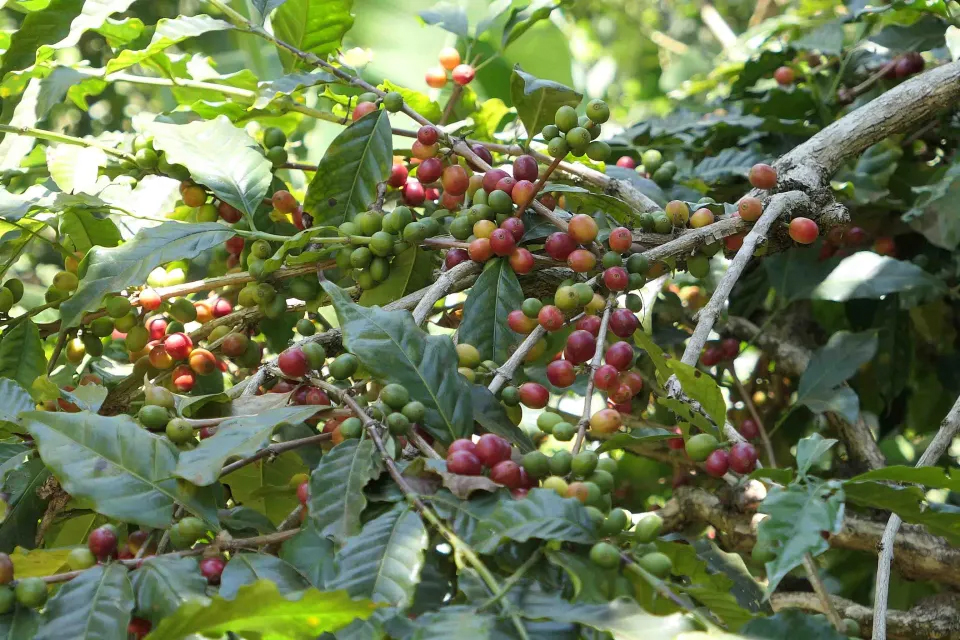
The Chagga people are widely known for coffee farming, especially Arabica coffee grown on the slopes of Mount Kilimanjaro. They grow coffee in small family-owned farms where they carefully manage each stage of production, from planting to harvesting and drying.
Moreover, the region’s volcanic soil and cool climate create ideal conditions for high-quality coffee beans. As a result, Kilimanjaro coffee has gained international recognition for its rich flavor and smooth taste. Many Chagga farmers also work through cooperatives, which help them sell their coffee in local and global markets.
Banana Cultivation
Banana farming plays a central role in Chagga daily life. The Chagga people grow many varieties of bananas, and they use them as a staple food in most meals. They prepare bananas in different ways, including boiling, frying, and fermenting them for traditional drinks.
In addition, banana plantations often grow alongside coffee plants in a mixed farming system. This system improves soil fertility and maximizes land use on the mountain slopes. Therefore, bananas remain both a food source and a cultural symbol for the Chagga community.
Advanced Irrigation Systems
The Chagga people are also known for their advanced irrigation systems, which they developed to support farming on the steep slopes of Mount Kilimanjaro. They built channels that carry water from mountain streams directly into their farms.
Furthermore, these irrigation networks allowed them to grow crops throughout the year, even during dry seasons. Because of this innovation, the Chagga achieved high agricultural productivity in a challenging mountain environment. Today, many of these traditional irrigation systems still operate in rural villages.
Education and Entrepreneurship
Education and entrepreneurship also define modern Chagga society. The Chagga people value education highly, and many families invest heavily in schooling for their children. As a result, a large number of Chagga individuals work in professional fields such as teaching, tourism, government, and business.
Moreover, the Chagga have a strong tradition of entrepreneurship. They run small businesses, coffee cooperatives, transport services, and tourism-related ventures around Mount Kilimanjaro. This business mindset has helped them build economic stability and expand opportunities beyond agriculture.
What Language Do the Chagga Speak?
The Chagga people speak Kichagga, a group of closely related Bantu languages spoken on the slopes of Mount Kilimanjaro. In addition, most Chagga people also speak Swahili, which serves as Tanzania’s national language, and many use English for education, tourism, and business. As a result, most Chagga communities communicate in more than one language in daily life.
The Kichagga Language
The Chagga people speak Kichagga as their native language at home and within their communities. Kichagga belongs to the Bantu language family and reflects the long history of the Chagga people on Mount Kilimanjaro.
Moreover, Kichagga plays an important role in preserving cultural identity, traditional stories, and local knowledge. However, because education and media mainly use Swahili and English, younger generations often mix Kichagga with these languages in everyday communication.
Chagga Dialects
Kichagga does not exist as a single uniform language. Instead, it includes several dialects that vary from one area of Mount Kilimanjaro to another. For example, communities in Moshi, Hai, and Rombo may speak slightly different versions of Kichagga.
In addition, these dialects remain mutually understandable in most cases, although pronunciation and vocabulary can differ. Despite these variations, the Chagga people still share a strong cultural identity through their language.
Do Chagga People Speak Swahili and English?
Yes, most Chagga people speak Swahili fluently because it serves as Tanzania’s national language and is used in schools, government, and daily communication. Therefore, Swahili acts as a common language between different ethnic groups in the country.
Furthermore, many Chagga people also speak English, especially those involved in tourism, business, and higher education. As a result, the Chagga community often communicates in three languages: Kichagga at home, Swahili in public life, and English in professional or international settings.
What Is Traditional Chagga Culture Like?
Traditional Chagga culture reflects a strong connection to family, farming, and community life on the slopes of Mount Kilimanjaro. The Chagga people built a society based on cooperation, hard work, and respect for elders. In addition, their cultural identity continues to evolve as modern influences mix with long-standing traditions.
Family and Community Life
Family plays a central role in Chagga society. Traditionally, extended families lived close to one another and worked together on farms, sharing responsibilities and resources. Men usually handled farming and livestock, while women managed household duties, food preparation, and trade in local markets.
Moreover, community cooperation remains important today. Neighbors often support each other during farming seasons, weddings, and other social events. As a result, Chagga society maintains strong social bonds that connect individuals to their families and villages.
Traditional Beliefs and Rituals
Before the spread of Christianity and Islam, the Chagga practiced traditional beliefs centered on a creator spirit known as Ruwa. These beliefs guided their understanding of nature, life, and ancestral connections.
However, over time, most Chagga people adopted Christianity, especially Catholicism and Protestantism. Despite this shift, some traditional practices and rituals still exist, particularly in rural areas. For example, people may still use symbolic plants or rituals to promote healing, protection, or reconciliation within families and communities.
Music and Dance
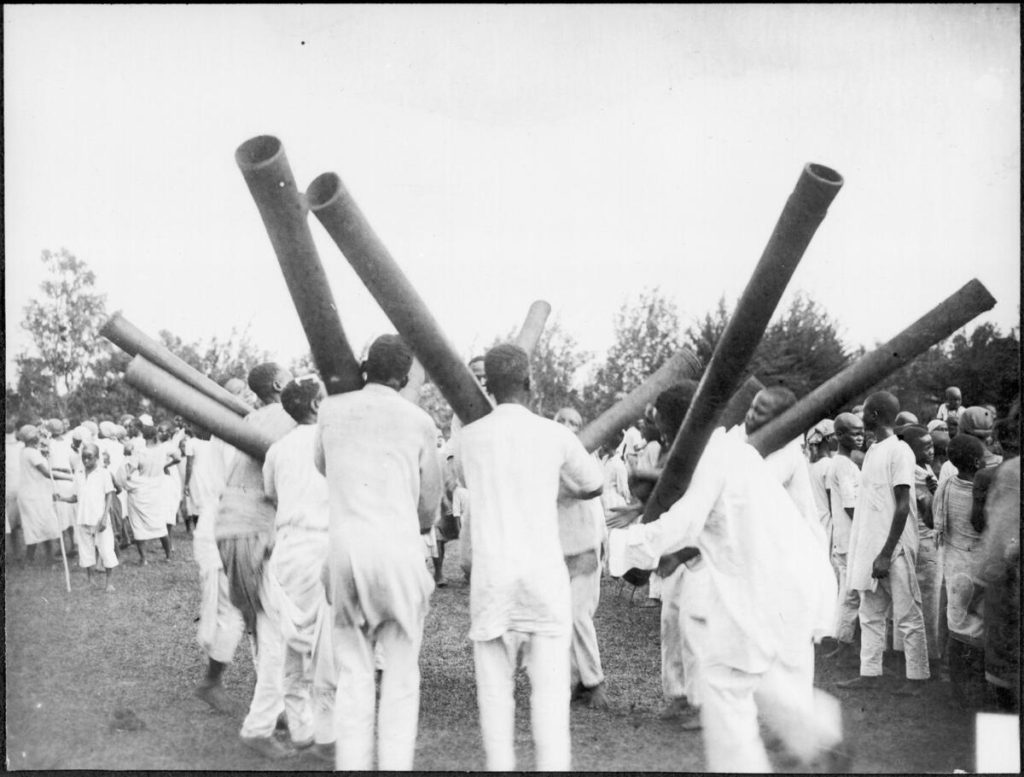
Music and dance play an important role in Chagga celebrations and cultural expression. Traditionally, people used drums, bells, and flutes to accompany dances during ceremonies such as weddings, harvests, and community gatherings.
Furthermore, music often tells stories about daily life, farming, love, and history. Today, while modern instruments are more common, traditional songs and dances still appear during cultural festivals and tourist performances, helping preserve Chagga heritage.
Traditional Crafts
The Chagga people are also known for their traditional crafts, which include basket weaving, wood carving, pottery, and tool making. These crafts supported daily life by producing household items, farming tools, and ceremonial objects.
In addition, skilled artisans created decorative items such as beadwork and woven mats. Over time, many of these crafts became part of cultural tourism, allowing visitors to learn about Chagga traditions while supporting local artisans economically.
What Do Traditional Chagga Houses Look Like?
Traditional Chagga houses reflect the practical needs of life on the slopes of Mount Kilimanjaro. These homes were designed to provide warmth, protection, and close family living in a cool and often rainy mountain environment. Over time, house designs changed, but many cultural elements still influence modern Chagga housing today.
The Beehive-Shaped House
Traditional Chagga houses often had a beehive shape with a low structure and a single entrance. Builders used natural materials such as grass, banana leaves, branches, mud, and sometimes cow dung to construct the walls and roof.
Moreover, these houses did not have windows, which helped keep the interior warm during cold nights on the mountain. The roof and walls often formed a continuous structure, which protected the home from heavy rain and strong winds. As a result, these houses created a simple but effective living space adapted to the local climate.
Why Did Families Live with Livestock?
In traditional Chagga households, families often lived together with their livestock inside the same structure. This practice helped protect animals from predators and theft, especially during the night.
In addition, livestock such as goats and cattle provided warmth in the house, which was important in the cold mountain climate. Animal manure also supported farming activities, as families used it as fertilizer for their banana and coffee gardens. Therefore, living closely with livestock supported both survival and agriculture.
Modern Chagga Homes Today
Today, most Chagga families live in modern houses made from bricks, cement, and iron sheets. These homes often include separate rooms, windows, and improved ventilation compared to traditional structures.
However, many cultural practices still remain. For example, families continue to rely on agriculture, and some households still use traditional cooking methods over open fires. Furthermore, many Chagga homes still stand near banana and coffee farms, maintaining a strong connection to their ancestral way of life on Mount Kilimanjaro.
What Food Do the Chagga Eat?
The Chagga people eat a diet that strongly depends on what they grow on the fertile slopes of Mount Kilimanjaro. Their meals mainly include bananas, vegetables, grains, and meat, which they prepare using traditional cooking methods passed down through generations. In addition, food plays an important role in cultural ceremonies, family gatherings, and community celebrations.
Mtori
Mtori is one of the most famous traditional Chagga dishes. People prepare it as a thick stew made from bananas and meat, usually beef or goat. The dish has a soft texture and rich flavor, making it a common meal for families, especially during important occasions.
Moreover, Mtori is often served to guests as a sign of respect and hospitality. It provides both nutrition and warmth, which is important in the cooler climate of Mount Kilimanjaro.
Ugali
Ugali is a staple food in Chagga households, as well as in many parts of Tanzania. People prepare it by cooking maize flour with water until it forms a thick dough-like consistency. They then eat it with vegetables, meat, or beans.
In addition, ugali provides energy for daily farming activities. As a result, it remains one of the most important foods in the Chagga diet and is eaten almost every day in many homes.
Bananas in Chagga Cuisine
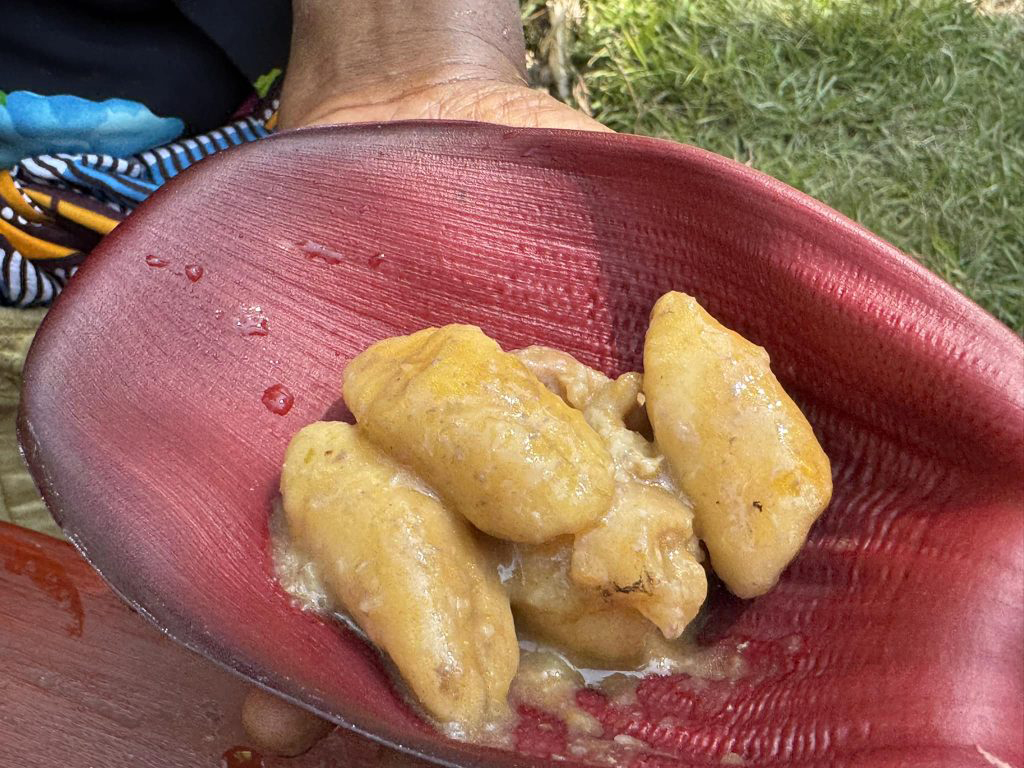
Bananas play a central role in Chagga food culture. The Chagga people grow many types of bananas, and they use them in both sweet and savory dishes. They boil, fry, roast, or ferment bananas depending on the meal.
Furthermore, bananas also serve as a staple food, replacing grains in some households. Because of this, banana farming shapes both the economy and daily diet of the Chagga community.
Mbege (Traditional Banana Beer)
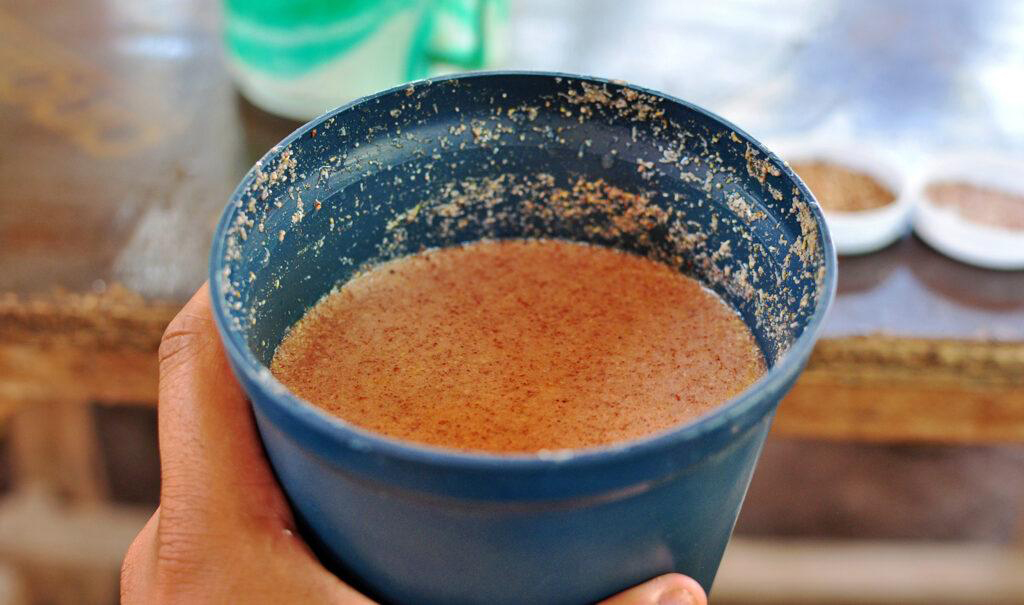
Mbege is a traditional fermented drink made from bananas and millet flour. The Chagga people prepare it during ceremonies, weddings, and social gatherings. It holds cultural importance and often symbolizes celebration and unity.
In addition, elders and community members often share mbege during discussions and rituals. Although modern beverages are now common, mbege still plays an important role in preserving Chagga cultural identity.
What Are the Famous Chagga Caves?
The famous Chagga caves are underground tunnels and shelters that the Chagga people built on the slopes of Mount Kilimanjaro. These caves played an important role in protecting communities during periods of conflict. Today, they remain important historical sites that help visitors understand how the Chagga people survived and organized their society in the past.
Why Were the Caves Built?
The Chagga people built caves mainly for protection and survival. During historical conflicts between different Chagga chiefdoms, as well as attacks from outside groups such as the Maasai, communities needed safe places to hide.
In addition, the caves helped families protect their food supplies, livestock, and valuable items during raids. Because of this, the underground shelters became an important part of community defense systems on Mount Kilimanjaro.
The History of the Chagga Underground Tunnels
The Chagga underground tunnel system developed over many years as different chiefdoms competed for land and resources. Each community expanded its own network of tunnels, which connected hiding places, storage areas, and escape routes.
Moreover, these tunnels reflect the organized and strategic nature of Chagga society before colonial rule. Some historical accounts suggest that the tunnels extended over long distances, allowing people to move safely during conflicts. As a result, the cave systems became a symbol of resilience and survival.
Can Visitors Explore the Caves Today?
Yes, visitors can explore some of the Chagga caves today, especially those preserved as cultural heritage sites near Moshi and other parts of Kilimanjaro. Local guides often lead tours that explain the history, structure, and purpose of the tunnels.
Furthermore, these visits give tourists a chance to learn about Chagga life beyond farming and culture. As a result, the caves have become an important attraction for cultural tourism, connecting visitors directly with the history of Mount Kilimanjaro’s indigenous people.
Chagga People vs Maasai People: What Is the Difference?
The Chagga people and the Maasai people are two well-known ethnic groups in Tanzania, but they live very different lifestyles and have distinct cultures. The Chagga live mainly on the fertile slopes of Mount Kilimanjaro and focus on farming, while the Maasai live in open savannah areas and mainly practice pastoralism. In addition, both groups have unique traditions, social systems, and ways of interacting with the land and economy.
Lifestyle
The Chagga people live a settled, agricultural lifestyle on the slopes of Mount Kilimanjaro. They build permanent homes, cultivate land, and manage irrigation systems to support year-round farming. As a result, their daily life focuses on farming activities, education, and community cooperation.
In contrast, the Maasai people traditionally live a semi-nomadic lifestyle. They move with their cattle in search of pasture and water. Therefore, their daily life centers around livestock management rather than permanent farming settlements.
Culture
Chagga culture strongly reflects farming traditions, family cooperation, and education. They value community support, trade, and entrepreneurship. Moreover, they have developed complex social systems tied to land ownership and agriculture.
On the other hand, Maasai culture emphasizes cattle herding, age-set systems, and warrior traditions. Their identity is closely connected to cattle, which represent wealth and social status. As a result, their cultural practices differ significantly from the Chagga way of life.
Traditional Livelihood
The Chagga people traditionally depend on agriculture. They grow bananas, coffee, maize, beans, and other crops using advanced irrigation systems on the mountain slopes. In addition, many Chagga families now engage in business, tourism, and professional jobs.
Meanwhile, the Maasai people traditionally depend on livestock such as cattle, goats, and sheep. They use livestock for milk, meat, and trade. Therefore, their economy is based on animal husbandry rather than crop farming.
Location
The Chagga people mainly live on the southern and eastern slopes of Mount Kilimanjaro in northern Tanzania. Their settlements include areas around Moshi, Hai, Siha, and Rombo.
In contrast, the Maasai people live in northern Tanzania and southern Kenya, especially in the Serengeti, Ngorongoro, and Maasai Mara regions. As a result, both groups occupy different ecological zones that shape their way of life.
How Can Tourists Experience Chagga Culture?
Tourists can experience Chagga culture in many authentic ways around Mount Kilimanjaro, especially near Moshi and the surrounding villages. These experiences allow visitors to learn directly from local communities, explore traditional lifestyles, and understand how the Chagga people live, farm, and preserve their heritage. In addition, these activities often combine culture, history, and nature, making them a valuable part of any Kilimanjaro trip.
Visit a Traditional Chagga Village
Tourists can visit traditional Chagga villages to see how local families live on the slopes of Mount Kilimanjaro. During these visits, guides explain daily life, farming practices, and family structures.
Moreover, visitors can walk through banana and coffee farms, observe irrigation channels, and learn how communities have adapted to mountain life for generations. As a result, this experience offers a direct connection to Chagga history and rural culture.
Take a Coffee Tour
Coffee tours are one of the most popular ways to experience Chagga culture. Tourists visit small family farms where they see how coffee is planted, harvested, dried, and processed.
In addition, visitors often participate in coffee roasting and tasting sessions. This hands-on experience helps tourists understand why Kilimanjaro coffee is highly valued. Therefore, coffee tours combine cultural learning with a memorable tasting experience.
Explore Chagga Caves
Tourists can also explore the famous Chagga caves with local guides who explain their historical purpose and construction. These underground tunnels show how the Chagga people protected themselves during conflicts in the past.
Furthermore, walking through the caves gives visitors a deeper understanding of Chagga resilience and survival strategies. As a result, this activity adds historical depth to cultural tourism on Mount Kilimanjaro.
Taste Traditional Chagga Food
Trying traditional Chagga food is another important cultural experience. Tourists can taste dishes such as mtori (banana and meat stew), ugali, and mbege, a traditional banana beer used in ceremonies.
In addition, many local families and cultural centers offer home-cooked meals for visitors. Therefore, food experiences allow tourists to connect with Chagga culture through taste, hospitality, and tradition.
10 Interesting Facts About the Chagga People
The Chagga people have a rich history and a unique way of life on the slopes of Mount Kilimanjaro. These interesting facts highlight their culture, agriculture, innovation, and daily life. In addition, they help visitors quickly understand why the Chagga community is one of the most important ethnic groups in Tanzania.
1. They Live on Africa’s Highest Mountain Slopes
The Chagga people live on the fertile southern and eastern slopes of Mount Kilimanjaro, which is the highest mountain in Africa. As a result, they enjoy rich volcanic soil and reliable rainfall for farming.
2. They Are Famous Coffee Farmers
The Chagga are well known for growing high-quality Arabica coffee. Moreover, Kilimanjaro coffee is one of Tanzania’s most respected export crops due to its rich flavor.
3. Bananas Are Their Main Staple Food
Bananas play a central role in Chagga daily life. In addition, they use bananas in meals, drinks, and traditional ceremonies.
4. They Built Advanced Irrigation Systems
The Chagga developed complex irrigation channels to bring water from mountain streams to their farms. Therefore, they can farm successfully throughout the year.
5. They Speak Multiple Languages
Most Chagga people speak Kichagga at home, Swahili in daily life, and English for education and tourism. As a result, they are often multilingual.
6. They Once Lived in Independent Chiefdoms
Historically, the Chagga did not form one kingdom. Instead, they lived in many small chiefdoms led by local leaders called “mangi.”
7. They Are Strong in Business and Education
The Chagga community places high value on education and entrepreneurship. Consequently, many Chagga people work in business, tourism, and professional careers.
8. They Built Underground Caves for Protection
The Chagga constructed caves and tunnels to protect themselves during past conflicts. In addition, these caves are now cultural heritage sites.
9. Coffee Cooperatives Started on Kilimanjaro
One of the earliest coffee cooperatives in Tanzania developed among the Chagga. Therefore, they played an important role in shaping the country’s coffee economy.
10. They Remain Closely Connected to Their Land
Even today, many Chagga families maintain strong ties to their ancestral villages on Mount Kilimanjaro. As a result, cultural traditions and farming practices continue across generations.
Frequently Asked Questions About the Chagga People
This section answers the most common questions travelers and readers ask about the Chagga people of Mount Kilimanjaro. These quick answers help you understand their culture, location, language, and daily life in a simple and clear way.
The Chagga people live on the slopes of Mount Kilimanjaro in northern Tanzania. They are the main indigenous community in this region and have lived there for centuries. They are known for farming, especially coffee and bananas, and for building strong communities supported by advanced irrigation systems.
No, the Chagga people are not the largest ethnic group in Tanzania. However, they are among the most influential and economically active communities in the country. Other groups, such as the Sukuma, have larger populations.
The Chagga are especially known for their strong presence in education, agriculture, business, and tourism. In addition, their long history on the slopes of Mount Kilimanjaro has made them an important part of Tanzania’s cultural and economic development.
The Chagga people speak Kichagga, which includes several related dialects. In addition, most Chagga people speak Swahili, and many also use English in education, tourism, and business.
Most Chagga people follow Christianity, mainly Catholicism and Protestantism. However, some individuals also practice Islam or combine modern religion with traditional beliefs and customs.
Mbege is a traditional Chagga drink made from fermented bananas and millet flour. It is often prepared for ceremonies, celebrations, and community gatherings. In addition, it plays an important cultural role in social bonding and hospitality.
Yes, tourists can visit Chagga villages, especially around Moshi and Mount Kilimanjaro. Local guides often offer cultural tours that include farming visits, traditional food tasting, and historical explanations.
The Chagga people are known for coffee farming, banana cultivation, advanced irrigation systems, and strong business and education culture. As a result, they are one of the most economically active communities in Tanzania.
Today, the Chagga people live mainly on the southern and eastern slopes of Mount Kilimanjaro. In addition, many also live in nearby towns such as Moshi and Arusha, while still maintaining strong ties to their ancestral villages.
Final Thoughts: Why the Chagga People Remain an Important Part of Kilimanjaro’s Heritage
Read more about Chagga people
The Chagga people remain a vital part of Mount Kilimanjaro’s cultural and historical identity. They have lived on the mountain’s fertile slopes for centuries, and they continue to shape the region through agriculture, education, tourism, and entrepreneurship. Moreover, their long connection to the land has created a deep relationship between culture and environment that still exists today.
Over time, the Chagga have adapted to major changes, including colonial influence, modernization, and urban migration. However, they have maintained strong cultural roots in their language, traditions, food, and community life. As a result, they continue to preserve a unique identity while also participating actively in modern Tanzanian society.
Furthermore, visitors who travel to Kilimanjaro often experience Chagga culture through village tours, coffee farms, traditional foods, and historical sites such as caves and irrigation systems. These experiences not only support local communities but also help preserve cultural heritage for future generations.
In conclusion, the Chagga people play an essential role in telling the story of Mount Kilimanjaro. Their history, resilience, and way of life make them an inseparable part of the mountain’s heritage and an important attraction for cultural tourism in Tanzania.