Barranco Wall Kilimanjaro: Is It Dangerous, Difficult, and Worth the Climb?
Estimated reading time: 21 minutes
Kilimanjaro’s Barranco Wall is one of the most famous and visually striking sections on Mount Kilimanjaro, and many climbers feel both excited and nervous when they first see it from Barranco Camp. The wall looks steep and intimidating, which often raises concerns about safety and difficulty.
However, the climb becomes more manageable once trekkers start moving with experienced guides. The route does not require ropes or technical climbing skills. Instead, hikers use their hands for balance and follow a clear path through the rocky terrain.
In addition, Kilimanjaro’s Barranco Wall offers a rewarding experience that combines adventure, scenery, and achievement. As climbers ascend, they gain confidence and enjoy one of the most memorable highlights on the journey to Uhuru Peak.
Table of contents
- Barranco Wall Kilimanjaro: Is It Dangerous, Difficult, and Worth the Climb?
- What Is the Barranco Wall on Kilimanjaro?
- How High Is the Barranco Wall?
- Why Is the Barranco Wall Called the Breakfast Wall?
- Is the Barranco Wall Dangerous?
- How Difficult Is the Barranco Wall?
- What Does It Feel Like to Climb the Barranco Wall?
- The Famous Kissing Rock on the Barranco Wall
- Can Beginners Climb the Barranco Wall?
- How to Safely Climb the Barranco Wall
- How to Safely Climb the Barranco Wall
- Which Kilimanjaro Routes Include the Barranco Wall?
- Barranco Wall vs Other Kilimanjaro Challenges
- 10 Interesting Facts About the Barranco Wall
- Frequently Asked Questions About the Barranco Wall
- Final Thoughts: Why the Barranco Wall Is One of Kilimanjaro’s Most Memorable Experiences
- Read Also:
What Is the Barranco Wall on Kilimanjaro?
The Barranco Wall is one of the most iconic and misunderstood features on Mount Kilimanjaro. At first glance, it looks like a towering cliff that requires technical climbing skills, but that is not the case. In reality, it is a steep scramble that thousands of trekkers climb safely every year with the support of experienced guides. Although the ascent can feel challenging, most climbers find it much easier than they expected once they begin climbing.
Quick Answer for Climbers
The Barranco Wall is a rocky escarpment that rises above Barranco Camp on the southern side of Mount Kilimanjaro. Climbers typically tackle it in the morning as they travel toward Karanga Camp. Although the wall looks almost vertical from below, the actual route follows a natural path through the rocks. Therefore, most trekkers complete the ascent without special climbing equipment or previous mountaineering experience.
Where Is the Barranco Wall Located?
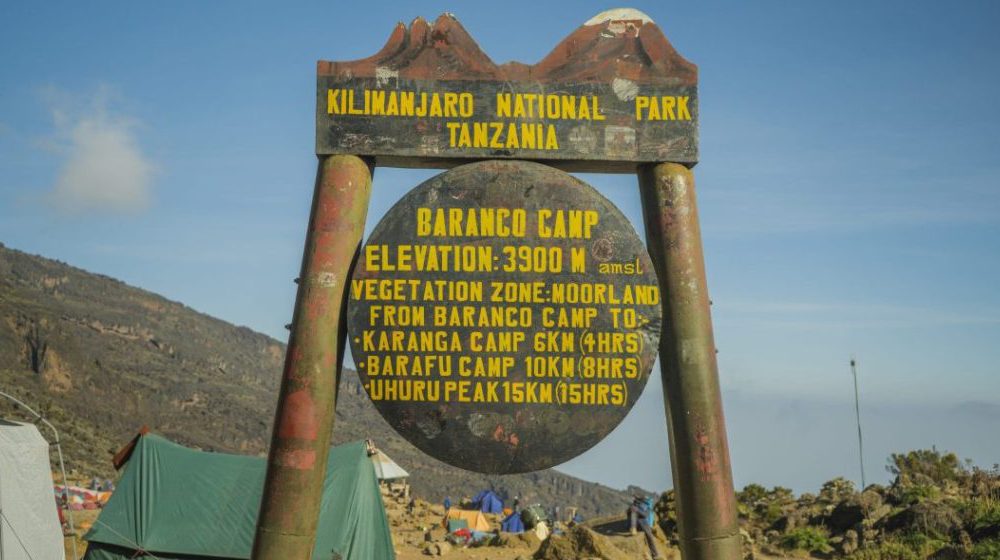
The Barranco Wall stands above Barranco Camp at an altitude of approximately 3,950 meters (12,960 feet) on Mount Kilimanjaro. Climbers encounter it after spending the night at Barranco Camp and before continuing to Karanga Camp. In addition, the wall forms part of the Southern Circuit, which many of Kilimanjaro’s most popular routes follow.
Trekkers on the Machame Route, Lemosho Route, and Umbwe Route all climb the Barranco Wall. Because of its location, the wall serves as an important connection between the western and southern sections of the mountain.
Why Is the Barranco Wall Famous?
The Barranco Wall is famous because it offers one of the most exciting and rewarding experiences on Mount Kilimanjaro. From Barranco Camp, the wall appears almost vertical, making many climbers feel nervous before the ascent. However, most trekkers quickly discover that it is a steep scramble rather than a technical rock climb, and they complete it safely with the guidance of experienced mountain guides.
The climb also rewards hikers with breathtaking views of the Barranco Valley, the Karanga Valley, glaciers, and Kilimanjaro’s southern slopes. Along the way, climbers pass the famous Kissing Rock, where they briefly move close to the rock face before continuing upward. Reaching the top of the wall gives many trekkers a strong sense of achievement, making it one of the most memorable highlights of the entire Kilimanjaro climb.
How High Is the Barranco Wall?
The Barranco Wall rises above Barranco Camp on the southern side of Mount Kilimanjaro and forms one of the most visible climbing sections on the route toward the summit. Although it looks extremely tall from below, the actual climb follows a natural path that reduces the steepness and makes the ascent more manageable for trekkers.
Barranco Wall Elevation
The Barranco Wall sits at an altitude of about 3,900 to 4,200 meters above sea level, depending on the exact route and GPS tracking. Climbers reach this elevation after sleeping at Barranco Camp, which already places them in a high-altitude environment. As a result, hikers often feel the thinner air before they even start the climb.
Height of the Climb
The visible vertical rise of the Barranco Wall measures roughly 257 meters (about 840 feet) from the base near Barranco Camp to the upper plateau. However, climbers do not scale this height in a straight vertical line. Instead, the trail zigzags through rock sections, which reduces the direct climbing intensity and makes the wall more of a scrambling route than a true rock climb.
How Long Is the Ascent?
Most climbers take between 1 and 2 hours to complete the Barranco Wall ascent, depending on group speed, weather conditions, and crowd levels on the trail. Slow and steady movement helps hikers maintain balance and adjust to altitude. In addition, guided groups often pause at narrow sections, including the famous Kissing Rock, which can slightly extend the total time.
Why Is the Barranco Wall Called the Breakfast Wall?
The Barranco Wall takes its name from the Barranco Valley and Barranco Camp, which lie directly below it. The word barranco is Spanish and means “ravine,” “gorge,” or “steep-sided valley.” Early explorers and mapmakers used the term to describe the deep valley carved into Kilimanjaro’s southern slopes, and the towering rock face above it naturally became known as the Barranco Wall.
The Origin of the Nickname
The nickname “Breakfast Wall” comes from climbers and guides who describe the routine on this section of Kilimanjaro. Hikers wake up at Barranco Camp, eat breakfast, and then immediately head toward the base of the wall. Therefore, the name connects directly to the daily trekking schedule rather than any official geographic label.
In addition, guides use the term to make the climb feel less intimidating. By turning a steep-looking section into something associated with a normal meal routine, they help climbers feel more relaxed before the ascent.
Why Climbers Tackle It in the Morning
Climbers usually tackle the Barranco Wall in the morning because weather conditions stay more stable at that time. Morning temperatures feel cooler, visibility stays clearer, and wind conditions remain calmer compared to later in the day.
Furthermore, trekking schedules on Kilimanjaro follow a structured plan. Groups leave camp after breakfast to maintain steady progress toward the next campsite. As a result, most climbers naturally reach the Barranco Wall during the morning hours.
What to Expect After Breakfast
After breakfast, climbers prepare for a steady uphill hike that leads directly into the base of the Barranco Wall. The journey begins with open trail walking before transitioning into steeper rock sections.
In addition, hikers often feel energized right after eating, but the altitude quickly becomes noticeable as they climb higher. Therefore, climbers must pace themselves, stay hydrated, and move slowly to conserve energy for the rest of the day’s trek toward Karanga Valley.
Is the Barranco Wall Dangerous?
The Barranco Wall on Mount Kilimanjaro looks intimidating at first glance, but most climbers complete it safely without technical climbing skills. The trail follows a clear path, and guides lead hikers step by step. Therefore, the section feels more challenging than dangerous for the majority of trekkers.
Why It Looks More Dangerous Than It Really Is
The Barranco Wall appears dangerous because it rises steeply above Barranco Camp and shows exposed rock faces from a distance. From below, climbers often assume they need ropes or climbing experience.
However, the reality feels different on the ground. The route follows natural ledges and zigzag paths that reduce steep exposure. In addition, climbers move slowly in guided groups, which increases safety and control throughout the ascent.
The Real Risks on the Barranco Wall
The main risks on the Barranco Wall do not come from the rock itself but from human factors. Climbers may slip if they rush, lose focus, or fail to follow instructions. Fatigue and altitude can also reduce balance and concentration.
In addition, crowding on narrow sections can slow movement, so climbers must stay patient. However, guides manage spacing and pace to keep the group safe. When hikers move carefully and follow instructions, the risk level stays low.
Has Anyone Died on the Barranco Wall?
No reliable records show deaths caused directly by the Barranco Wall section itself. Most serious incidents on Kilimanjaro relate to altitude sickness, especially on higher sections of the mountain, not on this wall.
Furthermore, guides closely supervise this part of the climb, and groups move one section at a time through narrow areas like the Kissing Rock. As a result, climbers complete the Barranco Wall safely every day when they follow proper trekking procedures.
How Difficult Is the Barranco Wall?
The Barranco Wall feels challenging for many climbers at first sight, but most trekkers complete it without technical climbing skills. The route demands balance, patience, and steady movement rather than strength or equipment. Therefore, the difficulty level stays moderate for most people attempting Kilimanjaro.
Difficulty Level for Beginners
Beginners can climb the Barranco Wall successfully when they follow guide instructions and move at a slow pace. The trail includes narrow sections and uneven rock surfaces, so hikers must watch every step carefully.
In addition, guides support climbers throughout the ascent and point out safe handholds and foot placements. Because of this guidance, even first-time trekkers on Kilimanjaro usually pass the Barranco Wall without major difficulty.
Physical Challenge vs Technical Challenge
The Barranco Wall creates more of a physical and mental challenge than a technical one. Climbers use their hands for balance, step over rocks, and maintain focus throughout the climb. However, the route does not require ropes, harnesses, or climbing experience.
Furthermore, altitude affects energy levels, so hikers may feel slower and more careful as they climb. The mental challenge often comes from the steep appearance of the wall rather than the actual difficulty of the terrain.
Is It Harder Than Summit Night?
The Barranco Wall is significantly easier than summit night on Kilimanjaro. Summit night involves extreme altitude, freezing temperatures, and long hours of continuous climbing, which creates a much tougher experience.
In contrast, the Barranco Wall takes only a short period to complete and focuses mainly on balance and steady movement. Therefore, most climbers describe it as an exciting mid-route challenge rather than one of the hardest sections of the mountain.
What Does It Feel Like to Climb the Barranco Wall?
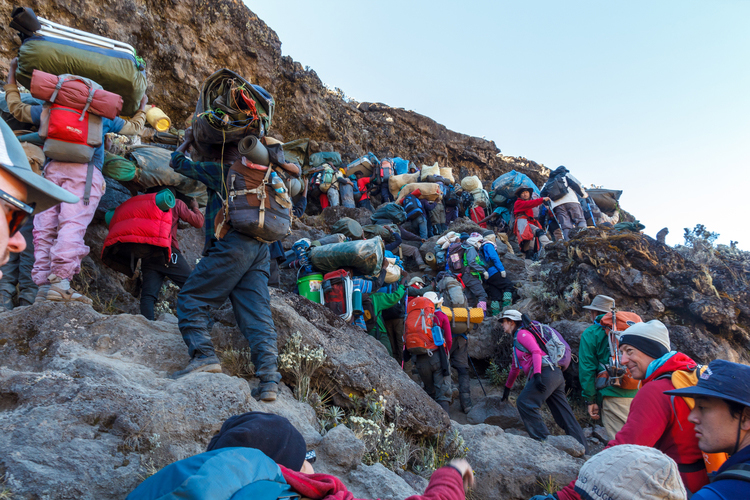
Climbing the Barranco Wall feels exciting, slightly intimidating at first, and highly rewarding once you reach the top. Many climbers describe it as one of the most memorable sections of Mount Kilimanjaro because it combines exposure, movement, and stunning scenery in a short but intense experience.
First Impressions from Barranco Camp
From Barranco Camp, the wall looks steep and almost vertical. As a result, many climbers feel nervous before they start the ascent. The size of the rock face creates a strong visual impression, especially in the early morning light.
However, guides quickly calm those fears by explaining the route and setting a slow, steady pace. In addition, seeing other climbers successfully moving upward builds confidence before the climb begins.
The Climb Step by Step
The ascent starts with a gradual walk that soon transitions into rocky terrain. Climbers use their hands for balance while stepping carefully on uneven surfaces. Because the path narrows in some areas, hikers move in a single line and follow their guide closely.
Furthermore, the famous Kissing Rock section adds a unique moment where climbers pass very close to the rock face. Although it looks tricky, the movement stays controlled and safe when climbers focus on each step and avoid rushing.
Reaching the Top of the Wall
Reaching the top of the Barranco Wall brings a strong sense of achievement. The trail opens up into wide views of valleys, glaciers, and the surrounding Kilimanjaro landscape.
In addition, many climbers pause here to rest, take photos, and reflect on the climb they just completed. The feeling shifts quickly from effort to excitement because this section marks a key milestone on the way toward Karanga Valley and ultimately Uhuru Peak.
The Famous Kissing Rock on the Barranco Wall
The Kissing Rock stands as one of the most talked-about spots on the Barranco Wall of Mount Kilimanjaro. Climbers reach this narrow section during the ascent from Barranco Camp to Karanga Valley. Although it looks unusual at first, the passage remains part of a safe and well-established hiking route.
What Is the Kissing Rock?
The Kissing Rock is a narrow rock formation where the trail runs very close to a large rock face. Climbers pass through this point by using their hands for balance while stepping carefully along a tight path.
In addition, the section does not require ropes or climbing gear. Instead, hikers rely on steady movement and guide support to pass safely through this short but memorable part of the Barranco Wall.
Why Is It Called the Kissing Rock?
The name comes from the way climbers move through the narrow section. As hikers press close to the rock for balance, their bodies often lean in and touch the surface. From a distance, this position looks like a kiss or a hug against the rock.
Furthermore, guides and trekkers started using the nickname to describe the visual experience in a simple and memorable way. Over time, the term became widely used among climbers on Kilimanjaro.
Is the Kissing Rock Safe?
The Kissing Rock is safe for most climbers when they follow guide instructions and move slowly. The trail remains stable, and there are no technical climbing requirements in this section.
However, climbers must stay focused because the path feels narrow and uneven. In addition, guides manage the pace and spacing to prevent crowding. As a result, thousands of trekkers pass this section every year without serious incidents.
Can Beginners Climb the Barranco Wall?
Beginners can climb the Barranco Wall successfully because it does not require technical mountaineering skills. The route looks intimidating from a distance, but the actual path follows a natural trail with steady footing and clear direction. With proper guidance and a slow pace, most first-time Kilimanjaro climbers complete this section safely.
Do You Need Climbing Experience?
You do not need any prior climbing experience to pass the Barranco Wall. The section does not use ropes, harnesses, or climbing equipment. Instead, climbers walk and scramble on rock while using their hands for balance.
In addition, the trail stays well-marked and guides lead every group step by step. Because of this support, even beginners with no hiking background can handle the ascent when they follow instructions and move carefully.
Can People with a Fear of Heights Do It?
People with a fear of heights can still climb the Barranco Wall, although they may feel nervous at first. The narrow sections and exposed views create a strong visual impact, especially before starting the climb.
However, the fear usually decreases once climbers begin moving. In addition, guides provide reassurance and control the pace, which helps reduce anxiety. When hikers focus on each step instead of looking down, they often complete the section without major difficulty.
How Guides Help Climbers
Professional guides play a key role in helping climbers cross the Barranco Wall safely. They lead the way, choose the safest steps, and keep the group moving at a controlled pace.
Furthermore, guides assist climbers in narrow areas by offering hand support or clear instructions on foot placement. They also manage spacing to avoid congestion on tight sections like the Kissing Rock. As a result, climbers feel more confident and stay safe throughout the ascent.
How to Safely Climb the Barranco Wall
Climbers can cross the Barranco Wall safely when they follow simple techniques and stay attentive throughout the ascent. Although the section looks steep from below, the route stays manageable when hikers move carefully and trust their guides.
Follow Your Guide’s Instructions
Guides lead every group through the Barranco Wall and choose the safest path on the rock. Therefore, climbers must listen closely and follow every instruction without hesitation.
In addition, guides know where to place hands and feet on difficult sections. When hikers trust their guidance, they reduce mistakes and move through narrow areas like the Kissing Rock more confidently.
Move Polepole (Slowly)
“Polepole” means slowly in Swahili, and it represents the most important rule on Kilimanjaro. Climbers must move at a controlled pace to maintain balance and conserve energy.
Furthermore, slow movement helps hikers adjust to altitude and reduces the risk of slipping. When climbers avoid rushing, they complete the Barranco Wall more safely and comfortably.
Use Proper Foot Placement
Proper foot placement plays a key role in crossing the Barranco Wall. Climbers should test each step before putting full weight on it and always look for stable rock surfaces.
In addition, using both hands for balance improves stability on uneven sections. When hikers focus on careful movement, they navigate narrow areas like the Kissing Rock with greater control.
Stay Calm and Focused
Climbers must stay calm and maintain focus throughout the ascent. Nervous movements or panic can lead to mistakes on narrow sections of the wall.
Moreover, taking deep breaths and concentrating on one step at a time helps reduce fear and improves coordination. As a result, calm and focused climbers complete the Barranco Wall more smoothly and enjoy the experience more fully.
How to Safely Climb the Barranco Wall
Climbing the Barranco Wall becomes safe and manageable when hikers use the right approach and stay alert. Although the wall looks steep from Barranco Camp, the trail follows a natural path that guides climbers upward step by step. Therefore, success depends more on behavior than physical strength.
Follow Your Guide’s Instructions
Guides lead the entire group and choose the safest route through rocky sections. For this reason, climbers must listen carefully and follow every instruction without rushing ahead.
In addition, guides know where the trail narrows and where extra caution is needed. When hikers trust their guidance, they move through difficult spots like the Kissing Rock with more confidence and fewer mistakes.
Move Polepole (Slowly)
“Polepole,” meaning slowly in Swahili, plays a key role in safe climbing on Kilimanjaro. Climbers must keep a steady, controlled pace to maintain balance and avoid fatigue.
Furthermore, slow movement allows the body to adjust to altitude and reduces slipping on uneven rock. As a result, hikers complete the Barranco Wall more safely and with less stress.
Use Proper Foot Placement
Careful foot placement helps climbers stay stable on rocky terrain. Hikers should test each step before committing weight and choose solid rock surfaces whenever possible.
In addition, using hands for balance improves control in narrow sections. When climbers focus on each movement, they pass tricky areas like the Kissing Rock more smoothly.
Stay Calm and Focused
Calm thinking improves safety throughout the Barranco Wall. Panic or rushed movements can increase the chance of mistakes on narrow paths.
Therefore, climbers should breathe steadily and focus on one step at a time. In addition, maintaining concentration helps hikers build confidence and enjoy the experience rather than fear it.
Which Kilimanjaro Routes Include the Barranco Wall?
Several popular Kilimanjaro routes include the Barranco Wall because they follow the southern circuit of the mountain. Climbers encounter this section after spending the night at Barranco Camp, before continuing toward Karanga Valley. As a result, the Barranco Wall becomes a shared experience for multiple trekking routes.
Machame Route
The Machame Route includes the Barranco Wall as part of its standard itinerary. Climbers reach Barranco Camp after several days of ascent, then tackle the wall the following morning.
In addition, this route offers a gradual acclimatization profile, which helps hikers feel more prepared for the climb. Therefore, most trekkers on the Machame Route handle the Barranco Wall with steady confidence and enjoy the experience as a highlight of the journey.
Lemosho Route
The Lemosho Route also passes through the Barranco Wall after joining the southern circuit. Climbers spend more days on the mountain before reaching this section, which improves acclimatization.
Furthermore, hikers on Lemosho often feel stronger and more adjusted to altitude by the time they reach Barranco Camp. As a result, many find the Barranco Wall more manageable and less intimidating compared to shorter routes.
Umbwe Route
The Umbwe Route reaches the Barranco Wall after a steeper and more direct ascent in the early days of the climb. Because of this fast elevation gain, climbers may feel more challenged when they arrive at Barranco Camp.
However, the wall itself follows the same safe trail used by other routes. In addition, guides provide full support, so climbers complete the section using the same steady, step-by-step approach regardless of the route they choose.
Barranco Wall vs Other Kilimanjaro Challenges
The Barranco Wall is one of the most memorable sections on Mount Kilimanjaro, but it is not the hardest part of the climb. When climbers compare it with other challenges like Lava Tower and summit night, clear differences appear in difficulty, altitude impact, and physical demand.
Barranco Wall vs Lava Tower
The Barranco Wall focuses on balance, movement, and short bursts of scrambling on rock. Climbers use their hands for support, but the section remains relatively short and controlled.
In contrast, Lava Tower presents a longer and more exhausting challenge at higher altitude. Hikers often feel the effects of thin air more strongly there. Therefore, while Barranco Wall feels more technical, Lava Tower feels more physically draining due to elevation.
Barranco Wall vs Summit Night
The Barranco Wall takes only a short time to complete and allows climbers to move during daylight with clear visibility. As a result, most hikers treat it as an exciting daytime challenge.
Summit night, however, creates a completely different experience. Climbers ascend for many hours in darkness, extreme cold, and very high altitude. In addition, fatigue builds over time, making summit night the toughest section of the entire Kilimanjaro climb.
Which Section Feels Harder?
Summit night feels significantly harder than the Barranco Wall for almost all climbers. The main reason comes from altitude, cold temperatures, and long continuous effort.
Meanwhile, the Barranco Wall feels more like a short adventure that requires focus and balance rather than endurance. Therefore, most trekkers describe it as one of the most enjoyable challenges, while summit night remains the most demanding part of the journey.
10 Interesting Facts About the Barranco Wall
The Barranco Wall on Mount Kilimanjaro surprises many climbers because it combines dramatic scenery, simple scrambling, and unique hiking culture. Although it looks intimidating from Barranco Camp, it holds many interesting details that make the climb more memorable.
Fast Facts Every Climber Should Know
The Barranco Wall rises about 257 meters above Barranco Camp, yet the trail avoids vertical climbing.
Climbers do not need ropes or technical equipment to cross the wall safely.
Most trekkers complete the section in 1 to 2 hours depending on pace and weather.
The wall forms part of the Southern Circuit, which many Kilimanjaro routes follow.
Machame, Lemosho, and Umbwe routes all include this famous section.
The Kissing Rock sits within the Barranco Wall and creates one of its most photographed moments.
Guides call this section safe when climbers follow instructions and move slowly.
The wall often feels harder from below than it actually is during the climb.
Climbers use both hands and feet for balance in several sections of the ascent.
The Barranco Wall offers some of the best views of Kilimanjaro’s valleys and volcanic landscape.
As a result, the Barranco Wall remains one of the most talked-about highlights of the entire Kilimanjaro trekking experience.
Frequently Asked Questions About the Barranco Wall
This section answers the most common questions climbers ask before they reach the Barranco Wall on Mount Kilimanjaro. These quick answers help hikers understand what to expect and how to prepare.
The Barranco Wall is not considered dangerous for most climbers. It looks steep from Barranco Camp, but the trail follows a safe and well-used route. In addition, guides lead every group carefully, which reduces risk and improves safety throughout the climb.
The Barranco Wall feels moderately difficult because it requires balance and focus rather than technical skills. Climbers use their hands for support in some sections, but the route does not need ropes or climbing experience.
Furthermore, most hikers find it easier than summit night, even though it looks more intimidating at first.
Yes, beginners can climb the Barranco Wall without prior experience. The path stays clear, and guides provide step-by-step instructions throughout the ascent.
In addition, the climb remains short and manageable, which helps first-time trekkers build confidence as they progress.
The Kissing Rock is a narrow section of the Barranco Wall where climbers pass very close to a rock face. Because hikers lean in for balance, it looks like they are “kissing” the rock.
As a result, this spot became one of the most famous and photographed moments on Kilimanjaro.
No, climbers do not need ropes or technical equipment to pass the Barranco Wall. The route follows a natural hiking path with stable rock sections.
However, climbers must use careful foot placement and follow guide instructions to move safely through narrow areas.
Most climbers take about 1 to 2 hours to complete the Barranco Wall. The exact time depends on group size, weather conditions, and individual pace.
In addition, slow movement helps improve safety and allows climbers to adjust to altitude.
The Barranco Wall appears on several popular Kilimanjaro routes, including the Machame Route, Lemosho Route, and Umbwe Route.
Therefore, many trekkers experience this section as part of their standard ascent to Uhuru Peak.
Yes, the Barranco Wall is worth it for most climbers. It offers exciting scrambling, stunning views, and a strong sense of achievement.
In addition, it adds variety to the Kilimanjaro climb, making the journey more memorable and rewarding overall.
Final Thoughts: Why the Barranco Wall Is One of Kilimanjaro’s Most Memorable Experiences
The Barranco Wall stands out as one of the most unforgettable parts of climbing Mount Kilimanjaro because it blends challenge, scenery, and emotion in a single section. Although it looks intimidating from Barranco Camp, climbers quickly realize that the route feels more like an adventure than a technical climb.
In addition, the wall creates a strong sense of achievement. Every step forward requires focus and balance, yet the path remains safe and well-guided. As climbers progress, they gain confidence and enjoy one of the most engaging sections on the entire mountain.
Furthermore, the Barranco Wall offers breathtaking views that stretch across valleys and volcanic landscapes. This combination of movement, scenery, and progress toward higher camps makes the experience truly special.
In conclusion, the Barranco Wall remains memorable because it transforms a simple hiking section into a rewarding milestone. Many climbers finish it feeling stronger, more confident, and more excited for the journey ahead to Uhuru Peak.
Read more Barranco Wall