Introduction: What It Feels Like to Stand on the Summit of Kilimanjaro
Estimated reading time: 14 minutes
Standing on the summit of Mount Kilimanjaro is one of the most powerful and emotional moments a climber can ever experience. It is not just about reaching the highest point in Africa it is about everything your body and mind go through to get there. At the very top, when you finally see the “Uhuru Peak” sign, many climbers feel a mix of exhaustion, relief, happiness, and even tears. It feels like time stops for a moment, and every step you took up the mountain suddenly becomes worth it.
But this feeling does not happen instantly. It is the result of a long and challenging journey that starts long before you reach the summit. First comes training, where you prepare your body for long walking days, steep paths, and changing weather conditions. Without proper preparation, the climb becomes much harder, especially when altitude starts to affect your energy.
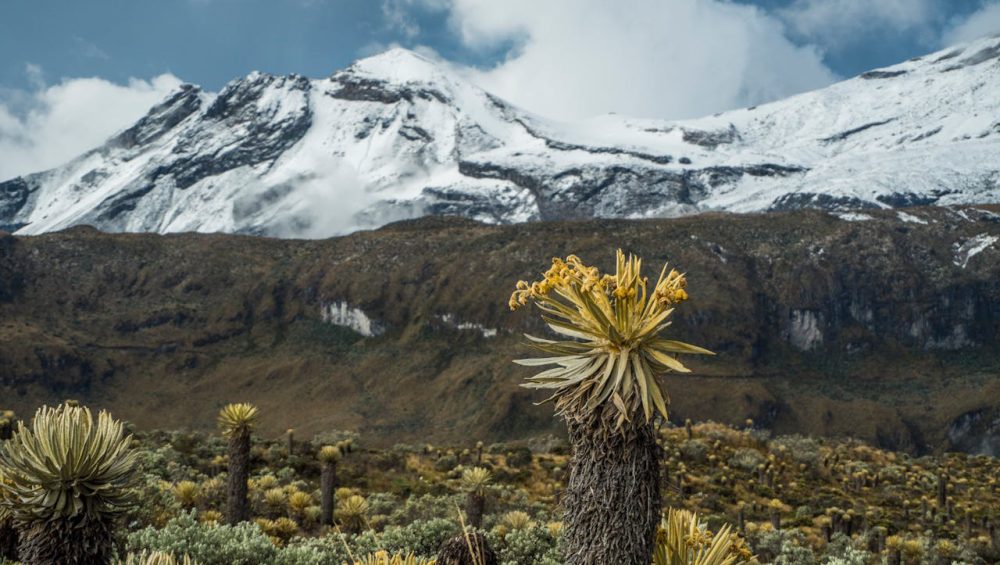
After training, the real adventure begins as you move through different trekking zones. You pass from rainforest to moorland, then to alpine desert, where the landscape becomes colder, drier, and more extreme. Each zone feels like a different world, slowly guiding you closer to the top of the mountain.
One of the most exciting and challenging parts of the climb is the Barranco Wall, a steep but rewarding section that tests your confidence and balance. It is not technical climbing, but it feels like a big achievement once you reach the top.
Finally comes the summitattempt, usually starting at night. In freezing temperatures and darkness, you take slow steps toward Uhuru Peak. This is where mental strength becomes more important than physical strength. And when you finally arrive at the summit, all the struggle turns into pure emotion and unforgettable achievement.
Table of contents
Training Before Climbing Kilimanjaro
Before climbing Mount Kilimanjaro, training is one of the most important steps that helps you prepare your body and mind for the journey ahead. The climb is not a technical mountaineering expedition, but it is still physically demanding because of long trekking days, changing weather, and high altitude. Good preparation makes the experience safer, more enjoyable, and increases your chances of reaching the summit successfully.
Physical preparation builds endurance
Physical training is all about building endurance so your body can handle several hours of walking each day. On Kilimanjaro, you may walk for 5 to 8 hours daily, sometimes even longer depending on the route. Because of this, your legs, lungs, and overall stamina need to be ready.
Endurance training does not require advanced fitness levels or professional athletic ability. Instead, it focuses on gradually improving your ability to walk longer distances without becoming too tired. The more consistent your preparation is, the more comfortable you will feel during the actual climb. This helps reduce fatigue and allows you to enjoy the journey instead of struggling with every step.
Walking, stairs, and stamina training
One of the simplest and most effective ways to prepare is regular walking. Long walks, especially on uneven paths or small hills, help your body get used to trekking conditions. Stair climbing is also very helpful because it strengthens your legs and simulates the uphill sections of the mountain.
Some climbers also include light jogging or hiking with a backpack to build strength and balance. Carrying a small weight while training helps simulate the real experience on the mountain, where you will carry a daypack. The goal is not to become extremely fit, but to build steady stamina so your body can adapt gradually to long days of movement.
Mental preparation is equally important
While physical training prepares your body, mental preparation prepares your mindset. Climbing Kilimanjaro is a journey of patience, especially when altitude makes you feel slower or more tired than usual. Understanding this in advance helps you stay calm during difficult moments.
A positive mindset is very important because the mountain challenges everyone differently. Some days may feel easy, while others may feel very demanding. Being mentally prepared helps you accept these changes without frustration. It also helps you trust your guides, follow the “pole pole” (slowly, slowly) pace, and stay focused on your goal.
Entering the High Altitude Zone (Alpine Desert Feel)
As climbers continue their journey up Mount Kilimanjaro, one of the most noticeable changes is entering the high altitude zone, often called the alpine desert. This stage of the mountain feels very different from the lower forests and green landscapes seen earlier in the climb. The environment becomes more extreme, the air feels lighter, and the body begins to react more strongly to the altitude. For many trekkers, this is the moment when they truly start to feel they are high above the ground.
Oxygen becomes thinner
As altitude increases, the amount of oxygen in the air gradually decreases. This is one of the most important changes climbers experience. Breathing may start to feel slightly harder, especially during uphill sections. Even simple walking can require more effort than before.
This does not mean something is wrong it is a natural response to high altitude. The body is simply adjusting to lower oxygen levels. That is why climbers are always encouraged to move slowly, take regular breaks, and drink enough water. When the body is given time to adapt, it becomes easier to continue the climb safely and steadily.
Landscape becomes dry and cold
In the alpine desert zone, the scenery changes dramatically. Trees become very rare, and the environment turns dry, rocky, and open. The air feels colder, especially in the mornings and evenings, even though the sun may still be strong during the day.
This unique landscape can feel both beautiful and challenging at the same time. There is less vegetation, fewer natural shelters, and stronger winds in some areas. Because of this, climbers need proper clothing to stay warm and comfortable throughout the day. The contrast between hot sunlight and cold wind makes this zone feel like a completely different world compared to the lower rainforest.
Body starts to slow down
At this stage of the climb, many trekkers notice that their body naturally slows down. Steps become more deliberate, breathing becomes deeper, and energy levels may drop more quickly. This is a normal part of high-altitude trekking and happens to almost everyone, even experienced climbers.
The key is not to fight this feeling but to accept it and adjust your pace. Walking slowly, resting when needed, and listening to your body are very important. This helps prevent exhaustion and supports better acclimatization.
Barranco Wall Challenge
One of the most memorable and exciting sections during the climb of Mount Kilimanjaro is the Barranco Wall. This famous part of the route is often called the “Breakfast Wall” because many climbers start tackling it soon after their morning meal. Even though it looks steep and intimidating from a distance, it is one of the most rewarding experiences on the mountain and a moment that many trekkers remember for a long time.
The famous “Breakfast Wall” climb
The Barranco Wall is well-known among climbers as a fun yet challenging section of the journey. From below, it appears like a huge rocky wall rising sharply into the sky. Many first-time climbers may feel nervous when they see it, but once they start climbing, they quickly realize that it is manageable with the right pace and guidance.
The climb involves moving slowly, carefully, and using both hands and feet at times. Guides often encourage climbers with positive support, helping everyone feel safe and confident. Despite its dramatic appearance, the wall is not about speed or strength-it is about steady movement and trust in the process.
Steep but safe scrambling section
Although the Barranco Wall looks very steep, it is considered a non-technical scrambling section, which means no ropes or special climbing equipment are required. Climbers simply use natural rock steps and handholds to move upward.
Safety is always a priority, and guides are experienced in helping climbers choose the best paths. The key is to move carefully, follow instructions, and take your time. Many trekkers are surprised at how enjoyable it becomes once they settle into a rhythm. The sense of achievement after reaching the top is very rewarding.
Confidence booster for climbers
The Barranco Wall is more than just a physical challenge-it is also a big confidence booster. After completing it, many climbers feel more capable and ready for the rest of the journey. It shows that they can handle difficult sections of the mountain with patience and focus.
For many, this moment builds trust in their ability to reach higher sections of Kilimanjaro. It becomes a turning point in the climb where fear turns into motivation, and hesitation turns into confidence.
Final Summit Attempt (Night Climb)
The final summit attempt on Mount Kilimanjaro is the most demanding and emotional part of the entire journey. This is the moment when climbers leave camp in the middle of the night and begin their slow, steady push toward Uhuru Peak. It is a section where physical strength, mental focus, and determination all come together. Even experienced climbers find this stage extremely challenging because of the cold, darkness, and high altitude conditions.
Start around midnight in cold darkness
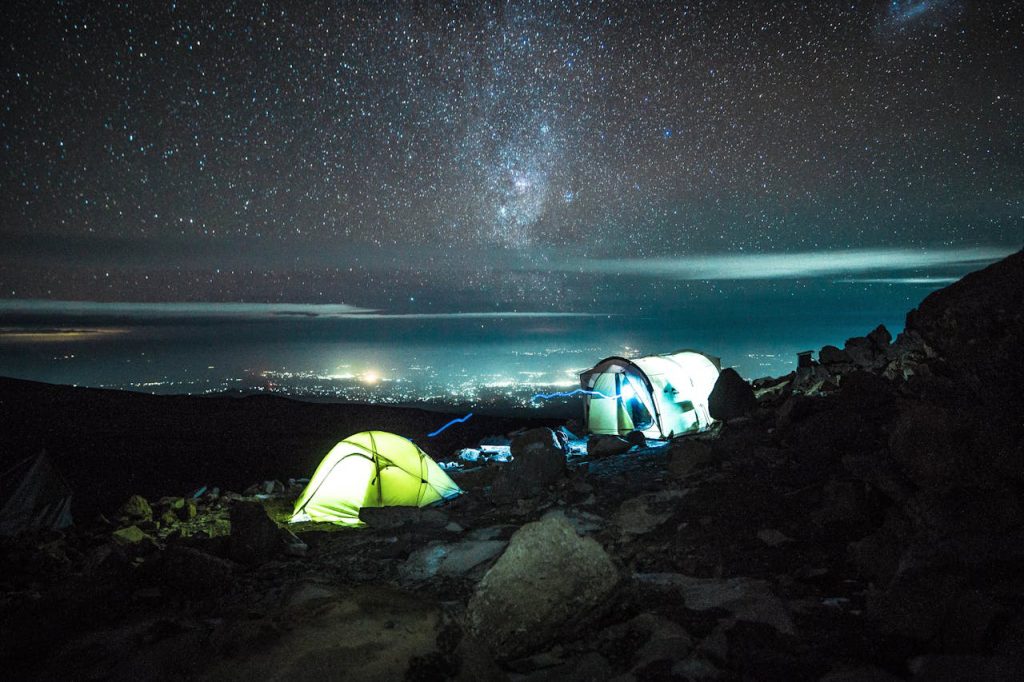
The summit attempt usually begins around midnight when the mountain is completely dark and temperatures are at their lowest. Climbers wake up, dress in multiple warm layers, and start walking under a sky full of stars. There is no sunlight, only headlamps lighting the narrow trail ahead.
This early start is carefully planned so that climbers can reach the summit around sunrise. Although the conditions feel harsh, the quiet and darkness also create a unique atmosphere. Each step feels slow and focused, and climbers often walk in silence, concentrating only on their breathing and movement.
Low oxygen and slow movement
As climbers go higher, oxygen levels become even lower, making this section physically demanding. Every step requires more effort, and breathing becomes deeper and more controlled. This is where the “pole pole” (slowly, slowly) approach becomes extremely important.
Walking slowly is not optional it is necessary for conserving energy and allowing the body to cope with altitude. Many climbers describe this part as feeling like a long, endless uphill walk, where progress is slow but steady. Rest breaks become more frequent, and hydration is essential to maintain strength.
Mental strength becomes everything
At this stage, mental strength becomes more important than physical ability. Fatigue, cold temperatures, and altitude can make climbers feel exhausted, but staying focused and determined helps them continue forward.
Positive thinking, trust in the guides, and motivation from the goal ahead all play a big role. Many climbers remind themselves why they started the journey in the first place. Step by step, they move closer to the summit, proving that patience and resilience are key to success.
Reaching Uhuru Peak (The Summit Moment)
Reaching Uhuru Peak on Mount Kilimanjaro is the moment every climber dreams of, but few fully understand until they experience it. After hours of slow, exhausting night climbing, the final steps suddenly feel different. The air is thin, the body is tired, and yet there is a powerful feeling of excitement growing inside. This is the summit moment where every challenge of the journey comes together into one unforgettable achievement.
Emotional achievement
When climbers finally see the “Uhuru Peak” sign, emotions often take over. Many feel a mix of joy, relief, pride, and disbelief. Some smile, some cry, and others simply stand in silence trying to absorb the moment. It is not just about reaching the top of Africa; it is about proving to yourself that you can overcome physical and mental limits. Every step taken during training, trekking, and summit night suddenly feels worth it.
Sunrise above the clouds
One of the most magical parts of reaching the summit is witnessing the sunrise above the clouds. As the first light of the day appears, the sky slowly changes colors, and the world below is covered in a sea of white clouds. Standing at this height feels like being above everything, as if the mountain has lifted you into another world.
This view is often described as one of the most beautiful sights in Africa. The cold air, golden light, and silence together create a peaceful and unforgettable atmosphere. It is a moment that stays in memory forever.
Realization of personal strength
At the summit, many climbers realize something very important they are stronger than they thought. The journey shows that patience, discipline, and determination can overcome even the hardest challenges. Reaching Uhuru Peak is not only a physical achievement but also a deep personal victory.
This realization often stays with climbers long after they leave the mountain. It becomes a reminder that with the right mindset, preparation, and support, difficult goals in life are always possible.
Why This Journey Changes Every Climber
Climbing Mount Kilimanjaro is not just a physical adventure it is a life experience that transforms every climber in a unique way. Whether it is your first time or a return journey, the mountain challenges your body, tests your mindset, and teaches important lessons about patience, endurance, and self-belief. After completing the climb, many people return home with a completely new perspective on what they are capable of achieving.
Physical mental transformation
The journey up Kilimanjaro affects both the body and the mind. Physically, climbers become stronger through long trekking days, high altitude walking, and challenging summit night conditions. The body learns to adapt to less oxygen and continues moving step by step even when tired.
Mentally, the transformation is even deeper. Climbers develop patience, discipline, and resilience. They learn to slow down, focus on the present moment, and trust the process instead of rushing. Challenges such as altitude, cold weather, and exhaustion teach important lessons about staying calm under pressure. This combination of physical effort and mental strength creates a powerful personal change that lasts long after the climb ends.
Memory that lasts forever
One of the most beautiful parts of the Kilimanjaro experience is that it creates memories that stay for a lifetime. From walking through different ecological zones to reaching the summit, every stage of the journey becomes a story worth remembering. The friendships formed with guides and fellow climbers, the quiet moments on the trail, and the emotional summit experience all become part of a personal achievement that cannot be forgotten.
Many climbers find themselves thinking back to the journey years later, remembering how they felt during difficult moments and how they overcame them step by step.
Respect for the mountain
After completing the climb, most people develop a deep respect for Mount Kilimanjaro. The mountain is not just a destination it is a powerful natural environment that demands preparation, humility, and awareness. Climbers realize that success is not only about reaching the top but also about respecting the conditions, listening to guides, and moving with patience.
This respect stays with climbers and often changes how they approach other challenges in life. Kilimanjaro becomes more than a mountain it becomes a lesson in discipline, endurance, and respect for nature.
FAQ – Climbing Mount Kilimanjaro
Climbing Mount Kilimanjaro is challenging but not technical. It does not require ropes or climbing experience, but it needs good fitness, mental strength, and proper acclimatization. The biggest difficulty is high altitude, not climbing skills.
No, you do not need mountaineering experience. Most climbers are beginners. However, basic fitness and preparation like walking, hiking, or stair training will make the journey much easier and more enjoyable.
The hardest part for most climbers is summit night. It involves climbing in cold temperatures, darkness, and low oxygen levels. This section requires strong mental focus, patience, and a slow pace.
Most routes take between 6 to 9 days depending on the itinerary. Longer routes give better acclimatization and higher summit success rates.
Popular and successful routes include Machame and Lemosho. These routes are preferred because they offer better acclimatization and scenic views, increasing the chances of reaching the summit safely.
Altitude affects oxygen levels. As you go higher, oxygen becomes lower, which can cause tiredness, headache, and slow movement. Proper acclimatization and a slow pace help the body adjust safely.
With WeWild Travel, climbers get experienced guides, proper safety support, and well-planned itineraries. This increases comfort, safety, and summit success rates while ensuring a well-organized trekking experience.
Final Thought
The journey up Mount Kilimanjaro is often more meaningful than the summit itself. While reaching Uhuru Peak is an incredible achievement, the real value of the experience comes from everything that happens along the way. Every step, every challenge, and every moment of doubt contributes to a deeper understanding of your own strength and resilience.
Each stage of the climb builds something important. Training prepares your body, trekking through different zones builds endurance, the Barranco Wall builds confidence, and the summit attempt builds mental strength. By the time you reach the top, you are not the same person who started the journey you are stronger, more patient, and more aware of what you are capable of achieving.
This is why climbing Kilimanjaro is not just about reaching a destination. It is about personal growth, discipline, and learning to move forward even when conditions are difficult. The mountain teaches you to slow down, stay focused, and trust the process step by step.
To every climber preparing for this adventure, the message is simple: believe in your journey, prepare well, and respect the mountain. With the right mindset and support, this experience can become one of the most life-changing moments of your life.