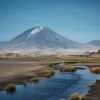
The Machame Route and Marangu Route are two of the most popular ways to climb Mount Kilimanjaro, but they offer very different experiences. If you are trying to choose between them, the main difference is simple: Machame is more scenic and has a higher success rate, while Marangu is shorter and offers hut accommodation instead of camping. This makes Machame a better choice for most climbers who want a higher chance of reaching the summit, while Marangu may appeal to those looking for more comfort.
The Machame Route, often called the “Whiskey Route,” is known for its beautiful landscapes and gradual acclimatization. It usually takes 6 to 7 days and follows a “climb high, sleep low” approach, which helps the body adjust to altitude. On the other hand, the Marangu Route, also known as the “Coca-Cola Route,” is the only route with hut accommodation. It is shorter, typically 5 to 6 days, but this shorter duration gives less time for acclimatization, which can make it more challenging in terms of altitude.
Choosing the right route is very important, especially for beginners, because it affects your comfort, safety, and chances of success. Some climbers prefer the adventure and scenery of Machame, while others prefer the simplicity and shelter provided by Marangu.
In this guide, you will learn the key differences between the Machame and Marangu routes, including difficulty level, success rates, cost, and overall experience. By the end, you will have a clear understanding of which route is best for your Kilimanjaro climb.
The Machame Route and Marangu Route are two well-known paths used to reach the summit of Mount Kilimanjaro. While both routes lead to the same peak, they offer different experiences in terms of scenery, comfort, and how your body adjusts to altitude. Understanding how each route works will help you choose the one that best fits your needs and expectations.
What Is the Machame Route?
The Machame Route is one of the most popular routes on Mount Kilimanjaro. It is often chosen by climbers who want a more scenic and adventurous experience. This route usually takes about 6 to 7 days to complete and follows a gradual path that helps the body adjust to high altitude more effectively.
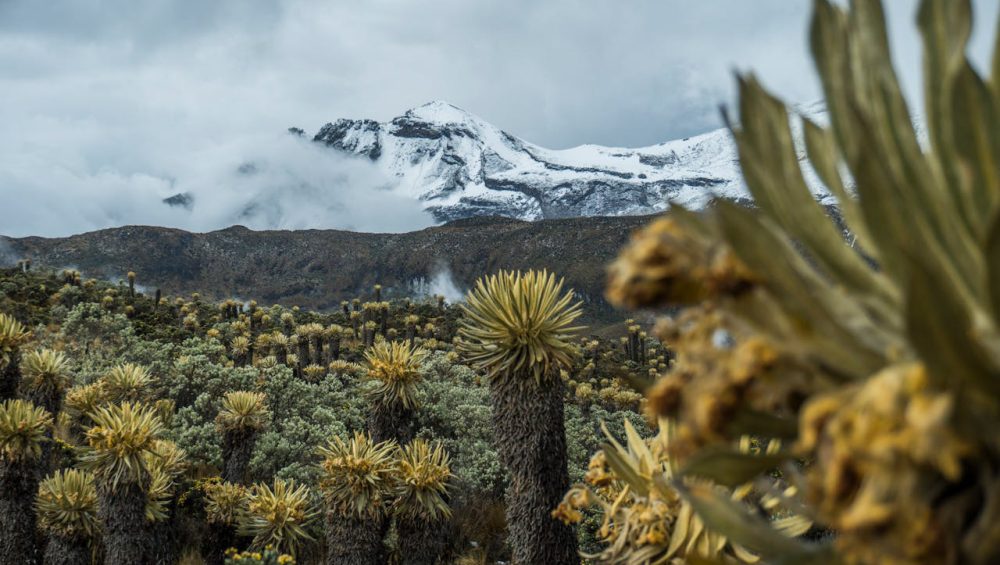
Along the Machame Route, you will pass through a variety of landscapes, starting from dense rainforest and moving into moorland, rocky terrain, and finally the alpine desert near the summit. The route is known for its “climb high, sleep low” approach, which means you hike to higher altitudes during the day and sleep at lower elevations. This method improves acclimatization and increases the chances of reaching the summit successfully.
However, the Machame Route involves camping throughout the trek, so climbers sleep in tents instead of huts. It is slightly more physically demanding, but it is often recommended because of its higher success rate and beautiful views.
What Is the Marangu Route?
The Marangu Route is one of the oldest and most established routes on Kilimanjaro. It is often considered the simplest route in terms of path structure, as it follows a direct trail to the summit. This route usually takes 5 to 6 days, making it shorter than Machame.
One of the main features of the Marangu Route is that it offers hut accommodation instead of camping. Climbers sleep in shared huts with basic facilities, which can be more comfortable, especially during cold or rainy conditions. Because of this, some beginners prefer Marangu for its convenience.
However, the shorter duration means there is less time for acclimatization. This can make it harder for the body to adjust to altitude, which may lower the chances of reaching the summit compared to longer routes. Despite this, it remains a popular choice for those who prefer a more direct and less physically demanding path.
Main Differences in Difficulty, Comfort, and Experience
The Machame Route and Marangu Route may both lead to the summit of Mount Kilimanjaro, but they are very different in terms of difficulty, scenery, accommodation, success rate, and duration. Understanding these differences helps climbers choose the route that best matches their fitness level, comfort preference, and climbing goals.
Difficulty Level
The Machame Route is generally more challenging because it involves longer walking days, steeper sections, and a more physically demanding trail. However, it is also better for acclimatization. The Marangu Route is often considered easier in terms of walking terrain because it is more direct, but it can actually feel harder for some climbers due to faster altitude gain and less time to adjust.
Scenery and Experience
Machame is known for its beautiful and diverse scenery. Climbers pass through rainforest, moorland, alpine desert, and glacier zones, making the journey very scenic and adventurous. Marangu also offers nice views, but the experience is more direct and less varied since it follows the same up-and-down trail.
Accommodation (Camping vs Huts)
One major difference is accommodation. The Machame Route uses camping, meaning climbers sleep in tents at designated campsites. The Marangu Route offers hut accommodation, which provides basic beds and shelter inside shared huts. This makes Marangu feel more comfortable, especially during cold or rainy conditions.
Success Rate
The Machame Route has a higher success rate because it allows better acclimatization due to its longer itinerary. The Marangu Route has a lower success rate for some climbers because the shorter schedule gives the body less time to adjust to high altitude.
Duration (Number of Days)
Machame usually takes 6 to 7 days to complete, while Marangu is shorter and typically takes 5 to 6 days. The extra days on Machame help climbers adjust gradually, which improves overall performance on the mountain.
Which Route Is Better for Beginners?
For beginners, the Machame Route is generally the better choice compared to the Marangu Route. The main reason is that Machame gives your body more time to adjust to high altitude, which is one of the most important factors for successfully reaching the summit of Mount Kilimanjaro. Although it is slightly more physically demanding, the gradual ascent and longer itinerary make it safer and more effective for first-time climbers.
The Machame Route follows a “climb high, sleep low” approach, which helps the body adapt slowly to changing oxygen levels. This reduces the risk of altitude sickness and increases the chances of reaching Uhuru Peak. It also offers a more scenic and varied experience, which makes the journey more enjoyable for many beginners who want adventure as well as success.
On the other hand, the Marangu Route may seem easier at first because it has hut accommodation and a more direct path. However, its shorter duration gives less time for acclimatization. This can make it more difficult for beginners to adjust to altitude, which may lower the success rate for some climbers.
In simple terms, if your goal is comfort and shelter, Marangu might feel more convenient. But if your goal is a higher chance of reaching the summit, Machame is usually the better option. Most guides recommend Machame for first-time climbers because it balances challenge, safety, and success more effectively.
Overall, beginners should focus not just on comfort, but also on how well their body can adapt to altitude. That is why Machame is often considered the smarter and more successful choice for first-time Kilimanjaro climbers.
Cost Comparison Between Machame and Marangu
When comparing the cost of the Machame Route and the Marangu Route, the main difference comes from how long the trek lasts and the type of accommodation used. Both routes go to the same summit of Mount Kilimanjaro, but the overall price is not the same because the experience and logistics are different.
The Marangu Route is usually more affordable because it takes fewer days to complete, typically 5 to 6 Days Marangu Route . A shorter trek means lower costs for park fees, food, and staff support. Another reason it is cheaper is because climbers sleep in huts instead of tents, which reduces the need for extra camping equipment. This makes Marangu a more budget-friendly option, especially for people looking for a simpler and faster climb.
The Machame Route, on the other hand, is usually a bit more expensive because it takes longer, around 6 to 7 days. More days on the mountain means higher costs for park entry, meals, and support staff like guides and porters. In addition, Machame uses camping throughout the journey, which requires more equipment and setup. However, this extra cost also comes with benefits such as better acclimatization, more time to adjust to altitude, and a higher chance of reaching the summit.
In simple terms, Marangu is the cheaper and more basic option, while Machame costs more but offers a richer and more rewarding trekking experience. Beginners who are very budget-focused may prefer Marangu, but those who want a safer and more successful climb often choose Machame even if it costs a little more.
Pros and Cons of Each Route
What are the advantages and disadvantages of the Machame and Marangu Routes on Mount Kilimanjaro? The answer is that both routes have clear strengths and weaknesses, and the best choice depends on what kind of experience you want more adventure and scenery, or more comfort and simplicity.
Machame Route Pros and Cons
The Machame Route is popular because it offers a more scenic and rewarding climbing experience. One of its biggest advantages is the variety of landscapes, from rainforest to alpine desert and glaciers. It also has a higher success rate because the route is longer, giving climbers more time to adjust to altitude. The “climb high, sleep low” approach helps the body adapt better, which is very helpful for beginners.
However, Machame also has some challenges. It is more physically demanding because of steeper trails and longer walking days. Climbers also sleep in tents, which may feel less comfortable compared to huts, especially in cold or rainy weather. Overall, it requires more effort but gives a better chance of reaching the summit.
Marangu Route Pros and Cons
The Marangu Route is often chosen for its simplicity and comfort. One major advantage is that it offers hut accommodation, so climbers sleep in shared wooden huts instead of tents. This can be more comfortable and convenient, especially during bad weather. It is also considered the shortest route, making it appealing for those with limited time.
However, Marangu has some disadvantages. The shorter duration means less time for acclimatization, which can lower the chances of reaching the summit. The scenery is also less varied because climbers use the same path for both ascent and descent. Because of this, the overall experience can feel less adventurous compared to Machame.
In summary, Machame is better for scenery and success rate, while Marangu is better for comfort and simplicity.
Which Route Should You Choose?
Choosing between the Machame Route and the Marangu Route depends on what kind of climbing experience you want, your fitness level, and how much time you have for the trek. Both routes lead to the summit of Mount Kilimanjaro, but they offer very different journeys.
If your main goal is to increase your chances of reaching the summit, the Machame Route is usually the better choice. It gives more days on the mountain, which helps your body adjust slowly to high altitude. This is very important because altitude is the main challenge on Kilimanjaro. Machame also offers more beautiful scenery, making the journey more enjoyable and adventurous. It is a good option for climbers who are ready for a bit more physical effort and want a richer trekking experience.
On the other hand, the Marangu Route may be better for climbers who prefer more comfort and a shorter itinerary. It is the only route with hut accommodation, which can feel more convenient than camping. It is also slightly faster, which can be helpful if you have limited time for your trip. However, the shorter duration means less time for your body to adapt, which can make the climb more challenging for some people.
In simple terms, choose Machame if you want a higher success rate and a more scenic adventure. Choose Marangu if you prefer comfort and a simpler, quicker route. Neither option is wrong it just depends on your personal goals and how you want to experience Kilimanjaro.
Overall, the best route is the one that matches your fitness, time, and expectations for the climb.
FAQ
Which is better for Kilimanjaro?
Machame is generally better for most climbers because it offers more time for acclimatization, which increases the chance of reaching the summit. Marangu is better for comfort since it has hut accommodation, but it has a shorter schedule.
Is Machame Route harder than Marangu Route?
Yes, Machame is slightly harder because it has longer walking days and steeper sections. However, it is also more rewarding and gives better acclimatization, which helps many climbers succeed.
Why is Marangu Route called the easiest route?
Marangu is called the easiest mainly because of its hut accommodation and direct path. However, it can still be challenging because the shorter duration gives less time to adjust to altitude.
Which route has a higher success rate?
The Machame Route usually has a higher success rate because climbers spend more days on the mountain, allowing the body to adjust gradually to altitude.
Can beginners climb the mountain using either route?
Yes, beginners can climb both routes. However, most guides recommend Machame for first-time climbers because it offers better acclimatization and a higher chance of reaching the summit.
Which route is more scenic?
Machame is more scenic because it passes through different landscapes like rainforest, moorland, and alpine desert. Marangu is less varied since it follows a more direct path.
Which route is cheaper?
Marangu is usually cheaper because it takes fewer days and uses hut accommodation instead of camping, which reduces overall costs.
Conclusion
Both the Machame Route and the Marangu Route offer unique ways to experience Mount Kilimanjaro, but they suit different types of climbers. The Machame Route is more scenic, longer, and gives better acclimatization, which increases the chances of reaching the summit. It is ideal for climbers who want a more adventurous journey and a higher success rate.
On the other hand, the Marangu Route is simpler, shorter, and more comfortable because it offers hut accommodation instead of camping. It is a good option for climbers who prefer a more direct path and less time on the mountain, although the shorter duration can make altitude adjustment more difficult.
In the end, the best choice depends on your personal goals, fitness level, budget, and available time. If you want a higher chance of success and a richer trekking experience, Machame is often the better option. If you value comfort and a quicker climb, Marangu may suit you more.
No matter which route you choose, proper preparation, the right mindset, and good guidance are the key factors that will help you successfully reach the summit of Mount Kilimanjaro.
Best Kilimanjaro Route for Beginners: A Complete Guide to Choosing Your First Climb
Estimated reading time: 1 minute
What is the best Kilimanjaro route for beginners? For most first-time climbers, the Lemosho Route is the best overall choice because it offers excellent acclimatization, breathtaking scenery, and one of the highest summit success rates on Mount Kilimanjaro. If you have more time, the Northern Circuit Route is another outstanding option thanks to its gradual ascent and exceptional success rate. While other routes, such as Machame, Rongai, and Marangu, each have their own advantages, choosing the right route depends on your fitness level, travel schedule, budget, and climbing goals.
One of the biggest misconceptions about climbing Mount Kilimanjaro is that the shortest route is the easiest. In reality, the opposite is often true. The greatest challenge on Kilimanjaro is high altitude, not technical climbing. Routes that allow more time for acclimatization give your body a better chance to adjust to lower oxygen levels, making the climb safer, more comfortable, and more likely to end with a successful summit at Uhuru Peak.
At WeWild Travel, we’ve guided first-time trekkers from around the world and have seen how choosing the right route can make all the difference. Beginners who select an itinerary with enough acclimatization time, follow a steady pace, and listen to their guides are far more likely to enjoy the journey and reach the summit safely.
This complete guide compares every major Kilimanjaro route, explains the differences in difficulty, acclimatization, scenery, and summit success, and helps you choose the route that best matches your experience and expectations. Whether you’re looking for the easiest route, the highest success rate, or the most scenic adventure, you’ll find everything you need to plan your first Kilimanjaro climb with confidence.
If you’re looking for the best Kilimanjaro route for your first climb, the short answer is Lemosho Route. It offers the best balance of acclimatization, beautiful scenery, manageable difficulty, and a high summit success rate. However, the ideal route also depends on your budget, available time, and personal preferences.
Here’s a quick overview to help you choose the route that best suits your adventure.
Best Overall Route
TheLemosho Route is widely regarded as the best route for first-time climbers. Its 7 to 8-day itinerary allows your body to acclimatize gradually, reducing the risk of altitude sickness while increasing your chances of reaching Uhuru Peak.
In addition to its excellent summit success rate, Lemosho offers some of Kilimanjaro’s most spectacular scenery. You’ll hike through lush rainforest, open moorland, alpine desert, and glaciers near the summit, making every day of the journey unique and rewarding.
Best for Highest Summit Success
If your main goal is reaching the summit, the Northern Circuit Routeis the best choice. As Kilimanjaro’s longest route, taking 8 to 9 days, it provides the most time for acclimatization.
The gradual ascent gives your body the best opportunity to adapt to high altitude, making it one of the routes with the highest summit success rates. It is also one of the quietest routes, offering a peaceful trekking experience away from the busiest trails.
Best for Comfort
If you prefer sleeping in huts instead of tents, the Marangu Routeis the only Kilimanjaro route that offers permanent mountain huts.
The route is often chosen by climbers who want a more comfortable overnight experience. However, because it is usually completed in 5 to 6 days, it provides less time for acclimatization than longer routes, resulting in a lower summit success rate.
Best for Budget Travelers
The Machame Routeis an excellent option for travelers seeking great value without compromising the experience. It combines stunning scenery, good acclimatization, and a high summit success rate at a competitive price.
Although the trail includes some steeper sections than Lemosho, most beginners with good preparation can complete it successfully. For many climbers, Machame offers the perfect balance between affordability, adventure, and the chance of reaching the summit.
Quick Route Comparison
Route
Best For
Duration
Difficulty
Summit Success
Lemosho Route
First-time climbers
7-8 days
Moderate
⭐⭐⭐⭐⭐
Northern Circuit Route
Highest summit success
8-9 days
Moderate
⭐⭐⭐⭐⭐
Machame Route
Budget and adventure
6-7 days
Moderate to Challenging
⭐⭐⭐⭐☆
Marangu Route
Hut accommodation
5-6 days
Moderate
⭐⭐⭐☆☆
If you’re climbing Mount Kilimanjaro for the first time, Lemosho Route is the route we recommend most often. It provides the ideal combination of acclimatization, breathtaking scenery, safety, and a strong chance of reaching Uhuru Peak, making it the best all-around choice for beginners.
Why Choosing the Right Route Matters
Many first-time climbers focus on getting fit before climbing Mount Kilimanjaro. While fitness is important, it is not the biggest factor that determines whether you’ll reach Uhuru Peak. In our experience, choosing the right route has a much greater impact on your safety, comfort, and summit success.
The main reason is simple: your body needs time to adapt to high altitude. A well-planned route gives you more time to acclimatize, reduces the risk of altitude sickness, and allows you to enjoy the journey instead of struggling through it.
Altitude Acclimatization
The greatest challenge on Mount Kilimanjaro is not steep trails or long hiking days it’s the decreasing oxygen levels as you climb higher. At the summit, there is almost 50% less oxygen than at sea level, making every step more demanding.
Routes that include 7 to 9 trekking days, such as the Lemosho Route and Northern Circuit Route, allow your body to adjust gradually. This process, known as acclimatization, significantly reduces the risk of altitude sickness and improves your chances of reaching the summit.
This is why experienced guides often say, “Climb slowly to climb successfully.” Taking an extra day on the mountain is often more valuable than months of extra gym training.
Summit Success Rate
Not all Kilimanjaro routes have the same summit success rate. The difference usually comes down to the amount of time available for acclimatization rather than the physical difficulty of the trail.
Longer routes consistently achieve higher success rates because climbers ascend more gradually. In contrast, shorter routes may save time and money, but they also increase the likelihood of altitude-related problems before reaching the summit.
For most beginners, choosing a route with a strong success rate is one of the smartest decisions you can make.
Physical Difficulty
Every Kilimanjaro route requires several hours of walking each day, but the level of physical challenge varies. Some routes include steeper climbs, while others follow a gentler and more gradual path.
The good news is that Mount Kilimanjaro is a trekking mountain, not a technical climb. You won’t need ropes, ice axes, or climbing experience. Most healthy people with good preparation can complete the trek by maintaining a steady pace and allowing enough time for acclimatization.
Comfort and Experience
Your route also shapes the overall experience on the mountain. Some routes are known for spectacular scenery, while others are quieter and less crowded. The Marangu Route offers mountain huts, whereas most other routes provide a camping experience that allows you to enjoy Kilimanjaro’s diverse landscapes more closely.
Choosing the route that matches your expectations will make your adventure far more enjoyable. Whether your priority is breathtaking views, fewer crowds, higher summit success, or sleeping in huts, selecting the right itinerary helps you get the most from your climb.
Ultimately, the best Kilimanjaro route isn’t simply the shortest or the cheapest it’s the one that gives you enough time to acclimatize, matches your goals, and offers the greatest chance of reaching Uhuru Peak safely. For most first-time climbers, route selection matters far more than being exceptionally fit.
Which Kilimanjaro Route Is Best for Beginners?
If you’re looking for the best Kilimanjaro route for your first climb, the short answer is Lemosho Route. It offers the best balance of acclimatization, beautiful scenery, manageable difficulty, and a high summit success rate. However, the ideal route also depends on your budget, available time, and personal preferences.
Here’s a quick overview to help you choose the route that best suits your adventure.
Best Overall Route
The Lemosho Route is widely regarded as the best route for first-time climbers. Its 7 to 8-day itinerary allows your body to acclimatize gradually, reducing the risk of altitude sickness while increasing your chances of reaching Uhuru Peak.
In addition to its excellent summit success rate, Lemosho offers some of Kilimanjaro’s most spectacular scenery. You’ll hike through lush rainforest, open moorland, alpine desert, and glaciers near the summit, making every day of the journey unique and rewarding.
Best for Highest Summit Success
If your main goal is reaching the summit, the Northern Circuit Route is the best choice. As Kilimanjaro’s longest route, taking 8 to 9 days, it provides the most time for acclimatization.
The gradual ascent gives your body the best opportunity to adapt to high altitude, making it one of the routes with the highest summit success rates. It is also one of the quietest routes, offering a peaceful trekking experience away from the busiest trails.
Best for Comfort
If you prefer sleeping in huts instead of tents, the Marangu Route is the only Kilimanjaro route that offers permanent mountain huts.
The route is often chosen by climbers who want a more comfortable overnight experience. However, because it is usually completed in 5 to 6 days, it provides less time for acclimatization than longer routes, resulting in a lower summit success rate.
Best for Budget Travelers
The Machame Route is an excellent option for travelers seeking great value without compromising the experience. It combines stunning scenery, good acclimatization, and a high summit success rate at a competitive price.
Although the trail includes some steeper sections than Lemosho, most beginners with good preparation can complete it successfully. For many climbers, Machame offers the perfect balance between affordability, adventure, and the chance of reaching the summit.
Quick Route Comparison
Route
Best For
Duration
Difficulty
Summit Success
Lemosho Route
First-time climbers
7-8 days
Moderate
⭐⭐⭐⭐⭐
Northern Circuit Route
Highest summit success
8-9 days
Moderate
⭐⭐⭐⭐⭐
Machame Route
Budget and adventure
6-7 days
Moderate to Challenging
⭐⭐⭐⭐☆
Marangu Route
Hut accommodation
5-6 days
Moderate
⭐⭐⭐☆☆
If you’re climbing Mount Kilimanjaro for the first time, Lemosho Route is the route we recommend most often. It provides the ideal combination of acclimatization, breathtaking scenery, safety, and a strong chance of reaching Uhuru Peak, making it the best all-around choice for beginners.
Which Route Do We Recommend?
After comparing all of Mount Kilimanjaro’s routes, you may still be wondering which one is right for you. The truth is that there isn’t a single route that’s perfect for everyone. The best choice depends on your goals, fitness level, budget, and the type of adventure you’re looking for.
At WeWild Travel, we help every climber choose a route that matches their experience and expectations. Based on our experience guiding trekkers, here are our recommendations for different types of travelers.
If Your Priority Is…
We Recommend
Why It’s the Best Choice
Highest summit success
Northern Circuit Route
The longest route, giving your body the most time to acclimatize and offering one of the highest summit success rates.
Best overall route for beginners
Lemosho Route
Combines excellent acclimatization, stunning scenery, and a high chance of reaching Uhuru Peak.
Beautiful scenery
Lemosho Route
Passes through rainforest, moorland, alpine desert, and glaciers, showcasing Kilimanjaro’s diverse landscapes.
Adventure and scenic climbing
Machame Route
A rewarding route with dramatic scenery and a more adventurous feel for active trekkers.
Sleeping in mountain huts
Marangu Route
The only Kilimanjaro route with permanent huts instead of tents.
Quiet trails
Rongai Route
Climbs the northern side of the mountain, where there are usually fewer climbers.
Best value for money
Machame Route
Offers excellent scenery, good acclimatization, and a competitive price.
Our Recommendation for First-Time Climbers
If this is your first time climbing Mount Kilimanjaro, we recommend the Lemosho Route. Its 7 or 8-day itinerary allows your body to adjust gradually to the altitude, making the trek safer and more enjoyable. It also offers some of the mountain’s most spectacular scenery and consistently delivers a high summit success rate.
If you have extra time and your main goal is maximizing your chances of reaching Uhuru Peak, the Northern Circuit Route is another outstanding choice. Its longer itinerary provides even more time for acclimatization while offering a quieter and less crowded trekking experience.
Ultimately, the best Kilimanjaro route is the one that matches your goals, not someone else’s. Choosing a route with enough time to acclimatize, preparing well before your trip, and climbing with an experienced team will give you the best chance of enjoying a safe and unforgettable adventure on Africa’s highest mountain.
Why Lemosho Is the Best Route for Most Beginners
If you’re climbing Mount Kilimanjaro for the first time and aren’t sure which route to choose, we recommend the Lemosho Route. It offers the ideal balance of acclimatization, breathtaking scenery, comfortable daily trekking, and a high summit success rate. While every climber has different goals, Lemosho consistently provides first-time trekkers with the best overall experience and the greatest chance of standing on Uhuru Peak.
High Summit Success Rate
One of the biggest reasons to choose the Lemosho Route is its excellent summit success rate. The route is usually completed over 7 or 8 days, giving your body enough time to adjust gradually to the increasing altitude.
Because acclimatization is better, many climbers experience fewer altitude-related problems and have a stronger chance of reaching the summit. In our experience, beginners who choose the 8-day Lemosho itinerary often feel more comfortable on summit night than those on shorter routes.
Spectacular Scenery from Start to Finish
Many experienced guides consider the Lemosho Route the most scenic way to climb Kilimanjaro. The adventure begins on the quiet western side of the mountain, where you’ll hike through lush rainforest before entering open moorland filled with giant lobelias and spectacular views.
As you climb higher, the landscape changes dramatically into alpine desert, with wide-open valleys, volcanic rock formations, and glaciers near the summit. Every day offers something different, making the journey just as memorable as reaching Uhuru Peak.
Comfortable Camps and Well-Planned Itinerary
The Lemosho Route uses established mountain camps that are carefully spaced to support gradual acclimatization. Daily hiking distances are balanced, allowing plenty of time to rest, enjoy the scenery, and recover before the next day’s trek.
Most afternoons are relaxed, giving you time to eat well, stay hydrated, and prepare for the following stage of the climb. This steady schedule makes the route especially suitable for first-time trekkers.
Excellent Acclimatization
Altitude is the biggest challenge on Mount Kilimanjaro, and this is where the Lemosho Route truly stands out. The itinerary follows the principle of “climb high, sleep low,” allowing your body to adapt naturally as you gain elevation.
The additional trekking days reduce the risk of altitude sickness and increase your chances of completing the climb safely. Rather than rushing to the summit, Lemosho gives you the time your body needs to adjust, which is one of the main reasons for its high success rate.
A Steady Pace for Beginners
The Lemosho Route is designed to be climbed slowly. Most trekking days involve 5 to 7 hours of hiking, giving beginners enough time to maintain a comfortable rhythm without feeling rushed.
Your guides will encourage the famous “pole pole” pace meaning “slowly, slowly.” Walking at this steady speed conserves energy, improves acclimatization, and makes the climb far more enjoyable. By the time summit night arrives, you’ll be physically and mentally prepared for the final push to Africa’s highest point.
For most first-time climbers, the Lemosho Route offers everything you could ask for: outstanding scenery, excellent acclimatization, well-planned camps, a comfortable daily pace, and one of the best chances of reaching Uhuru Peak. If your goal is a safe, rewarding, and unforgettable Kilimanjaro adventure, it’s the route we recommend most often.
Route Difficulty Comparison
The best Kilimanjaro route for beginners depends on your fitness level, available time, and climbing goals. Some routes have a gradual ascent that helps your body adjust to the altitude, while others include steeper trails or shorter itineraries that make the climb more challenging. Comparing the main routes side by side makes it easier to choose the right one for your first Kilimanjaro adventure.
Route
Difficulty
Walking Hours Per Day
Steep Sections
Beginner Rating
Lemosho Route
Moderate
5-8 hours
Few
⭐⭐⭐⭐⭐ Excellent
Machame Route
Moderate to Challenging
6-8 hours
Several
⭐⭐⭐⭐☆ Very Good
Rongai Route
Moderate
5-7 hours
Few
⭐⭐⭐⭐☆ Very Good
Marangu Route
Moderate
4-7 hours
Few
⭐⭐⭐☆☆ Good
Northern Circuit Route
Moderate
5-8 hours
Few
⭐⭐⭐⭐⭐ Excellent
Which Route Is Best for Most Beginners?
The Lemosho Route is the best choice for most beginners. It offers a gradual ascent, excellent acclimatization, and beautiful scenery from start to finish. Most itineraries last 7 or 8 days, giving your body enough time to adapt to the altitude and improving your chances of reaching Uhuru Peak.
If you have more time, the Northern Circuit Route is another excellent option. It follows a longer itinerary with outstanding acclimatization and quieter trails, making it one of the safest choices for first-time climbers.
The Machame Route suits beginners who have good fitness and enjoy a more active trek. Choosing the 7-day itinerary gives you more time to acclimatize than the shorter version.
The Rongai Route is ideal if you prefer fewer crowds and a quieter climbing experience. Its gradual ascent makes it suitable for many first-time trekkers.
The Marangu Route attracts climbers because it offers mountain huts instead of tents. However, its shorter itinerary gives your body less time to acclimatize, so it is generally not the first recommendation for beginners unless you choose the longer 6-day itinerary.
Which Route Has the Highest Summit Success Rate?
The Northern Circuit and Lemosho Route have the highest summit success rates because they give climbers more time to acclimatize. While fitness is important, it is not the main factor that determines whether you reach the summit. Most climbers turn back because of altitude sickness, not because they are too tired to continue.
As you climb higher, the amount of oxygen in the air decreases. Your body needs time to adjust to these conditions. Routes with 7 to 9-day itineraries allow gradual acclimatization, helping your body adapt before summit night. This lowers the risk of altitude sickness and increases your chances of reaching Uhuru Peak.
Shorter routes may look easier because they require fewer days of hiking, but they often give your body less time to adapt to the altitude. Even fit and experienced hikers can develop altitude sickness if they ascend too quickly. For this reason, many mountain guides recommend choosing a longer route instead of the shortest itinerary.
Why Do Longer Routes Have Higher Success Rates?
Longer routes improve summit success because they:
Give your body more time to acclimatize.
Reduce the risk of altitude sickness.
Allow a slower and more comfortable climbing pace.
Help you feel stronger on summit night.
Increase your overall chance of reaching Uhuru Peak.
Summit Success Rate Comparison
Route
Typical Duration
Acclimatization
Summit Success
Northern Circuit
8-9 Days
Excellent
Very High
Lemosho Route
7-8 Days
Excellent
Very High
Machame Route
7 Days
Very Good
High
Rongai Route
7 Days
Good
Good to High
Marangu Route
5-6 Days
Fair
Moderate
Expert Tip: If you are climbing Mount Kilimanjaro for the first time, choose a route that lasts at least seven days. The extra time helps your body adjust to the altitude and usually gives you a better chance of reaching the summit than simply relying on fitness alone.
How Many Days Should Beginners Spend on Kilimanjaro?
Beginners should spend at least 7 days on Mount Kilimanjaro. A longer itinerary gives your body more time to adjust to the altitude, reduces the risk of altitude sickness, and increases your chances of reaching Uhuru Peak. Although shorter climbs cost less, they often have lower summit success rates because climbers gain altitude too quickly.
5 Days
A 5-day itinerary is not recommended for beginners. Your body has very little time to acclimatize, which increases the risk of altitude sickness. Even strong and experienced hikers may struggle with the rapid ascent. If this is your first Kilimanjaro climb, choose a longer itinerary instead.
6 Days
A 6-day itinerary is better than five days, but it still provides limited time for acclimatization. Some beginners reach the summit successfully, especially on routes with a gradual ascent. However, your chances improve if you add an extra day.
7 Days
A 7-day itinerary is the best choice for most beginners. It gives your body enough time to adapt to the altitude while maintaining a comfortable pace. Many popular beginner routes, including Lemosho and Machame, offer 7-day options with high summit success rates.
8 Days
An 8-day itinerary provides even better acclimatization. The additional day allows your body to adjust more gradually, helping reduce fatigue and altitude-related problems. This option suits beginners who want the highest possible chance of reaching the summit safely.
9 Days
A 9-day itinerary offers the most time for acclimatization and a relaxed climbing schedule. It is ideal for beginners, older climbers, and anyone who prefers a slower pace. Although it requires more time and a larger budget, it gives many climbers the best opportunity for a safe and enjoyable summit.
Recommended Itinerary Comparison
Duration
Acclimatization
Altitude Risk
Beginner Recommendation
5 Days
Poor
Very High
❌ Not Recommended
6 Days
Fair
Moderate to High
👍 Acceptable
7 Days
Very Good
Moderate
⭐⭐⭐⭐⭐ Best Choice
8 Days
Excellent
Lower
⭐⭐⭐⭐⭐ Highly Recommended
9 Days
Excellent
Lowest
⭐⭐⭐⭐⭐ Ideal for Maximum Success
Expert Tip: The extra days do not make the climb easier because you become fitter. They make the climb safer because your body has more time to adjust to the altitude. For most beginners, choosing a 7-, 8-, or 9-day itinerary is one of the best decisions you can make before climbing Mount Kilimanjaro.
Common Mistakes When Choosing a Route
Choosing the wrong Kilimanjaro route can reduce your chances of reaching the summit. Many beginners focus only on price or the number of climbing days instead of considering acclimatization, route difficulty, and their own fitness level. Understanding these common mistakes will help you choose a route that matches your goals and gives you the best chance of a safe and successful climb.
Choosing the Cheapest Route
The cheapest route is not always the best value. Lower prices often come with shorter itineraries, which give your body less time to adjust to the altitude. Instead of comparing prices alone, consider the route’s acclimatization profile, safety record, and the experience of your trekking company. A slightly higher price can provide a much better climbing experience and improve your chances of reaching the summit.
Choosing the Shortest Route
Many beginners choose a 5-day or 6-day route because they want to save time. However, shorter routes increase the risk of altitude sickness because you gain elevation too quickly. A 7- or 8-day itinerary allows your body to acclimatize more gradually, making it a better choice for most first-time climbers.
Ignoring Altitude
Many people think fitness alone will get them to the summit, but altitude is the biggest challenge on Mount Kilimanjaro. Even experienced hikers and marathon runners can develop altitude sickness if they ascend too quickly. Choose a route with good acclimatization and always climb pole pole (slowly). Giving your body enough time to adjust is one of the most important factors for summit success.
Following Friends Without Research
A route that worked well for your friends may not be the best choice for you. Everyone has different fitness levels, travel budgets, and schedules. Before booking your climb, compare the available routes, understand their advantages and disadvantages, and choose the one that fits your experience and goals. Making your own informed decision will help you enjoy a safer and more rewarding adventure.
Common Route Selection Mistakes
Mistake
Why It Can Be a Problem
Better Choice
Choosing the cheapest route
May offer fewer acclimatization days and lower summit success.
Compare value, safety, and itinerary instead of price alone.
Choosing the shortest route
Less time to adjust to the altitude increases the risk of altitude sickness.
Choose a 7- or 8-day itinerary if possible.
Ignoring altitude
High altitude affects every climber, regardless of fitness.
Select a route with good acclimatization and climb slowly.
Following friends without research
Their route may not suit your fitness, budget, or goals.
Compare routes and choose the one that fits your needs.
Expert Tip: The best Kilimanjaro route is not the cheapest or the fastest. It is the route that gives you enough time to acclimatize, matches your fitness level, and helps you reach the summit safely.
How WeWild Travel Helps Beginners Reach the Summit
Climbing Mount Kilimanjaro for the first time can feel challenging, but you do not have to do it alone. At WeWild Travel, we help beginners prepare for the climb and support them throughout the journey. Our experienced mountain team focuses on safety, proper acclimatization, and personalized care, giving first-time climbers the confidence to enjoy the adventure and increase their chances of reaching Uhuru Peak.
Experienced Guides
Our experienced mountain guides know Mount Kilimanjaro inside and out. They set a steady pole pole (slowly) pace, monitor each climber’s progress, and share practical advice throughout the trek. Their knowledge helps beginners conserve energy and adjust to the altitude safely.
Health Checks
Our guides carry out regular health checks during the climb to monitor how each climber is adapting to the altitude. They ask about common symptoms such as headaches, nausea, dizziness, and fatigue. Early monitoring helps identify potential problems before they become more serious.
Pulse Oximeter
Our team uses a pulse oximeter to measure your blood oxygen level and heart rate during the trek. These readings provide useful information about how your body is responding to higher elevations. Combined with daily health assessments, they help guides make informed decisions throughout the climb.
Emergency Oxygen
Your safety always comes first. Our team carries emergency oxygen for high-altitude situations and follows established safety procedures if a climber develops severe altitude sickness. If necessary, our guides arrange an immediate descent because protecting your health is always the highest priority.
Small Groups
We keep our groups small so our guides can give every climber the attention they need. Smaller groups allow guides to monitor each person’s pace, answer questions, and provide individual support throughout the climb. This approach creates a safer, more enjoyable experience, especially for beginners.
Why Beginners Choose WeWild Travel
What We Provide
How It Helps Beginners
Experienced mountain guides
Lead the climb safely and provide expert support.
Daily health checks
Help identify altitude-related symptoms early.
Pulse oximeter monitoring
Tracks oxygen saturation and heart rate during the trek.
Emergency oxygen
Provides additional safety in high-altitude emergencies.
Small climbing groups
Allows more personal attention from guides.
Why it matters: Reaching the summit is not just about fitness. The right route, proper acclimatization, experienced guides, and strong safety practices all play an important role in a successful Kilimanjaro climb.
Frequently Asked Questions
Can Beginners Climb Kilimanjaro?
Yes. Beginners can climb Mount Kilimanjaro without previous climbing experience. You do not need technical mountaineering skills because the climb follows trekking trails. Good preparation, the right route, proper acclimatization, and experienced guides greatly improve your chances of reaching the summit.
Which Kilimanjaro Route Is Easiest?
The Rongai Route is often considered the easiest because it has a gradual ascent and fewer steep sections. However, the Lemosho Route is the best choice for most beginners because it combines excellent acclimatization, beautiful scenery, and a high summit success rate.
How Long Does It Take to Climb Mount Kilimanjaro?
Most climbers spend 6 to 9 days on Mount Kilimanjaro. Beginners should choose a 7- or 8-day itinerary because it gives the body more time to adjust to the altitude. Longer climbs usually offer higher summit success rates than shorter itineraries.
Which Kilimanjaro Route Has Mountain Huts?
The Marangu Route is the only Kilimanjaro route with mountain huts. All other routes use tents at designated camps. Climbers who choose Marangu sleep in shared huts with bunk beds instead of camping.
Which Kilimanjaro Route Has the Best Scenery?
Many climbers consider the Lemosho Route the most scenic. It passes through rainforest, moorland, alpine desert, and the Shira Plateau before reaching Uhuru Peak. The route also offers excellent panoramic views and diverse landscapes throughout the climb.
Can I Climb Mount Kilimanjaro Without Experience?
Yes. Many people climb Mount Kilimanjaro without previous trekking or climbing experience. You do not need ropes or technical climbing skills. Success depends on choosing the right route, training before your trip, climbing slowly, and following your guide’s advice.
What Is the Summit Success Rate on Kilimanjaro?
Summit success rates vary by route and itinerary. Routes that last 7 to 9 days, such as the Lemosho Route and the Northern Circuit Route, generally have the highest success rates because they give climbers more time to acclimatize. Shorter routes usually have lower success rates because the body has less time to adjust to the altitude.
Final Thoughts
Choosing the best Kilimanjaro route for beginners can make a big difference to your climbing experience. While every route leads to Uhuru Peak, not every route offers the same level of acclimatization, scenery, or summit success. For most first-time climbers, the Lemosho Route is the best overall choice because it combines a gradual ascent, stunning landscapes, and one of the highest summit success rates on Mount Kilimanjaro.
The Lemosho Route usually takes 7 or 8 days, giving your body enough time to adjust to the altitude. Better acclimatization reduces the risk of altitude sickness and improves your chances of reaching the summit safely. Along the way, you experience diverse landscapes, including rainforest, the Shira Plateau, alpine desert, and the famous Barranco Wall. The route also starts with fewer crowds, allowing you to enjoy a quieter trekking experience before joining other routes higher on the mountain.
If your goal is to complete your first Kilimanjaro climb with confidence, choose a longer itinerary, prepare well before your trip, and climb with experienced guides. These decisions often have a greater impact on summit success than fitness alone.
Ready to Climb Mount Kilimanjaro?
At WeWild Travel, we help first-time climbers choose the right route and prepare for a safe, enjoyable, and successful adventure. Our experienced mountain guides, small group sizes, and focus on climber safety give beginners the support they need from the first day of the trek to the summit of Uhuru Peak.
Contact WeWild Travel today to start planning your first Mount Kilimanjaro adventure and take the first step toward standing on theRoof of Africa.
Climbing Kilimanjaro is moderate to very challenging. It is a non-technical trek, so no climbing skills are needed, but the high altitude (5,895m), long hiking days, and cold summit conditions make it physically demanding. Success depends on good fitness, slow pacing, and proper acclimatization. Although the mountain does not require technical climbing skills, many people still wonder how difficult it is to reach the summit.
The difficulty of climbing Kilimanjaro mainly comes from the high altitude, long trekking days, and changing weather conditions. As climbers go higher on the mountain, the air becomes thinner and the amount of oxygen decreases. This can cause altitude sickness, which makes the climb more challenging even for experienced hikers. Because of this, climbers must move slowly and give their bodies time to adjust to the altitude.
Another challenge is the number of days spent trekking. Most routes on Kilimanjaro take between six and eight days to reach the summit and descend safely. During this time, climbers walk for several hours each day while passing through different ecological zones such as rainforest, moorland, alpine desert, and the cold arctic summit zone.
Weather conditions also play an important role in the difficulty of the climb. Temperatures at the summit can fall far below freezing, especially during the night summit attempt. Strong winds and sudden weather changes can make the final push to the top even more demanding.
Despite these challenges, many climbers successfully reach the summit every year. With proper preparation, good physical fitness, experienced guides, and the right equipment, climbing Kilimanjaro is achievable for most determined adventurers. The reward is an unforgettable experience and the chance to stand on Uhuru Peak, the highest point in Africa.
Climbing Kilimanjaro is difficult mainly because of the high altitude (5,895m), which reduces oxygen and causes fatigue and altitude sickness. The trek also involves long daily hikes, steep sections, and cold temperatures near the summit. Even fit climbers struggle if they do not acclimatize properly and maintain a slow, steady pace.
The first challenge is high altitude. As climbers go higher up the mountain, the air becomes thinner and the level of oxygen decreases. This can lead to altitude sickness, which may cause headaches, dizziness, nausea, and tiredness. Because of this, climbers must walk slowly and allow enough time for their bodies to adapt to the altitude.
Another factor that makes the climb difficult is the long trekking days. Depending on the route, climbers usually spend six to eight days on the mountain. During this time, they walk for many hours each day while carrying a daypack and adjusting to the increasing altitude. The long distance and continuous hiking can be physically demanding.
The weather conditions on Kilimanjaro also add to the challenge. The mountain has several ecological zones, starting with warm rainforest at the base and ending with the cold arctic zone near the summit. Temperatures at the top can drop far below freezing, especially during the night summit attempt to Uhuru Peak.
Another challenge is the mental effort required to reach the summit. On summit night, climbers usually wake up around midnight and hike for several hours in cold and windy conditions. This part of the climb requires strong determination and patience.
Despite these challenges, thousands of climbers successfully reach the summit every year. With good preparation, proper equipment, experienced guides, and a well-planned itinerary, climbing Kilimanjaro becomes an unforgettable adventure and a great personal achievement.
How to Prepare for Climbing Kilimanjaro
Preparing well is one of the most important steps before climbing Mount Kilimanjaro. Good preparation increases the chances of reaching the summit and helps climbers enjoy the journey safely and comfortably.
The first step in preparation is physical training. Climbers should start training several weeks or even months before the trip. Activities such as hiking, walking long distances, jogging, or climbing hills help improve strength and endurance. Since the trek involves walking for many hours each day, building strong legs and good cardiovascular fitness is very helpful.
Another important part of preparation is choosing the right gear. Climbers need warm clothing, waterproof jackets, strong hiking boots, gloves, hats, and sleeping gear suitable for cold temperatures. Because Kilimanjaro has different climate zones, climbers must pack clothes that can adapt to both warm and very cold conditions.
It is also important to choose the right route and itinerary. Some routes allow more time for acclimatization, which helps the body adjust to high altitude. Routes such as Lemosho Route or Machame Route are popular because they give climbers more time to adapt to the altitude and increase the chances of reaching the summit.
Climbers should also focus on mental preparation. The journey to the summit can be physically demanding and sometimes uncomfortable, especially during summit night. Staying positive, patient, and determined helps climbers overcome the challenges along the way.
Finally, it is important to climb with experienced guides and a professional team. Local guides, porters, and cooks help ensure safety, provide support, and make the climbing experience more enjoyable. With proper preparation and the right team, reaching Uhuru Peak becomes a realistic and rewarding goal for many adventurers.
Can Anyone Climb Mount Kilimanjaro?
Many people ask whether anyone can climb Mount Kilimanjaro. The good news is that Kilimanjaro is considered one of the most accessible high mountains in the world. Unlike many other mountains, it does not require technical climbing skills such as ropes, ice axes, or rock climbing experience. Most people reach the summit by walking and trekking with the support of guides.
However, this does not mean that the climb is easy. Climbers still need good physical fitness and determination. The journey to the summit takes several days, and trekkers must walk long distances while adjusting to high altitude. People who prepare well, train before the climb, and follow the guide’s advice usually have a better chance of success.
Age is usually not a major limitation. Climbers from different age groups have successfully reached the summit of Kilimanjaro. Some young teenagers and even older adventurers have managed to stand at Uhuru Peak, the highest point in Africa. What matters most is good health, proper preparation, and a slow climbing pace.
Climbers should also listen to their bodies during the trek. If symptoms of altitude sickness appear, it is important to inform the guides and take the necessary precautions. Safety is always the first priority during the climb.
In general, many people can climb Kilimanjaro if they are healthy, prepared, and determined. With the help of experienced guides and the right mindset, reaching the summit becomes an unforgettable achievement and a once-in-a-lifetime adventure.
How Many Days Does It Take to Reach the Summit?
Reaching the summit of Mount Kilimanjaro usually takes between five and nine days, depending on the route chosen and the itinerary planned by the tour operator. The number of days is very important because it affects how well climbers can adjust to the high altitude during the journey.
Most experienced guides recommend climbing the mountain slowly. Taking more days on the mountain helps the body acclimatize to the altitude and increases the chances of reaching the summit successfully. Shorter itineraries may seem cheaper and faster, but they often have lower success rates because climbers do not have enough time to adapt to the altitude.
Popular routes such as the Machame Route usually take about six or seven days to complete, while the Lemosho Route often takes seven or eight days. These longer routes are recommended because they provide better acclimatization and allow climbers to enjoy the beautiful scenery along the mountain.
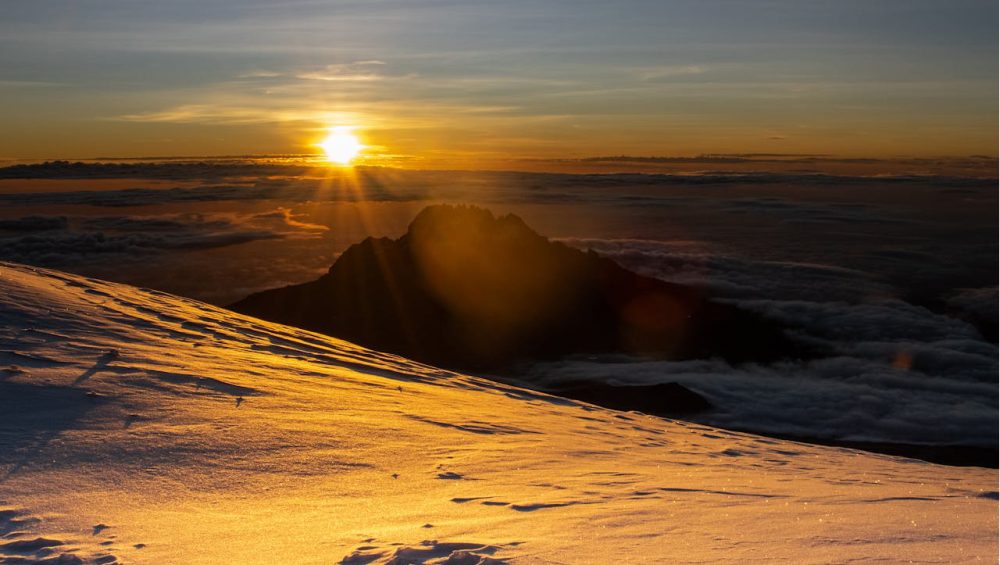
On the final day of the ascent, climbers begin the summit attempt around midnight. This long and challenging hike leads to Uhuru Peak, the highest point in Africa. Reaching the summit at sunrise is one of the most unforgettable moments of the entire adventure.
What Is the Kilimanjaro Average Success Rate?
The average success rate for climbing Mount Kilimanjaro is around 65% to 75%, depending on the route and the number of days spent on the mountain. Success rates are higher on longer routes because they give climbers more time to acclimatize to the altitude. For example, 7- and 8-day routes often achieve success rates above 80%, while shorter 5-day routes may have success rates below 30%. Most climbers who fail to reach the summit turn back because of altitude sickness rather than physical fitness. Choosing a longer route greatly improves the chances of reaching Uhuru Peak successfully.
However, the success rate can change depending on several important factors such as the route chosen, the number of days spent on the mountain, physical fitness, and acclimatization to high altitude.
Success Rate by Climbing Duration
The number of days spent climbing has a big effect on the success rate.
5-day routes: about 27% success rate
6-day routes: about 44% success rate
7-day routes: about 64% success rate
8-day routes: up to 85% success rate
Longer climbs allow the body to adjust slowly to altitude, which increases the chances of reaching the summit.
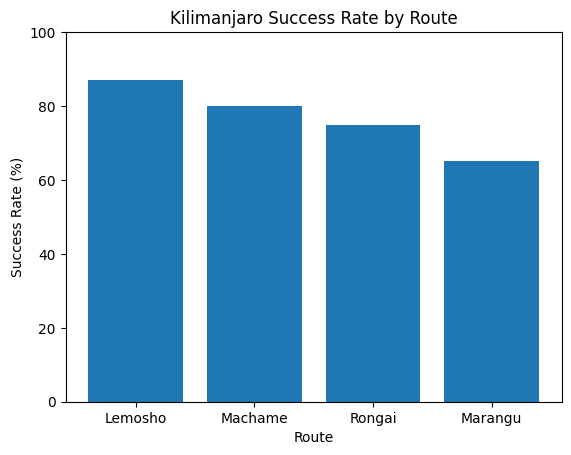
Success Rate by Route
Different routes on Kilimanjaro also have different success rates.
Routes that take 7-9 days usually have the highest success rates because they provide better acclimatization.
Why Some Climbers Do Not Reach the Summit
The most common reason climbers fail to reach the summit is altitude sickness. Other factors include poor physical preparation, choosing a short itinerary, bad weather, or climbing too fast.
Conclusion
Although climbing Kilimanjaro is challenging, the success rate is relatively high compared to many other mountains. With proper preparation, the right route, and experienced guides, many climbers successfully reach Uhuru Peak, the highest point in Africa.
Mount Kilimanjaro Climbing Route Difficulty Levels
Climbing Mount Kilimanjaro can be done through several different routes. Each route has its own level of difficulty depending on the length of the trek, altitude gain, and terrain. Choosing the right route is very important because it affects how comfortable the climb will be and the chances of reaching the summit at Uhuru Peak.
Easy to Moderate Routes
Some routes on Kilimanjaro are considered easier because they have a gradual ascent and better acclimatization.
The Marangu Route is often called the “Coca-Cola Route.” It is one of the oldest and most popular routes on the mountain. Climbers sleep in mountain huts instead of tents, which makes the trek more comfortable. However, because it is usually completed in fewer days, it sometimes has a lower summit success rate.
The Rongai Route approaches the mountain from the northern side near the Kenyan border. It is considered one of the easier routes because the trail is less steep and the climb is more gradual.
Moderate to Challenging Routes
Some routes are more physically demanding but offer better acclimatization and beautiful scenery.
The Machame Route, also known as the “Whiskey Route,” is one of the most popular routes for climbers. It is more challenging than Marangu because of steeper sections and longer trekking days, but it also provides better acclimatization and higher success rates.
The Lemosho Route is considered one of the best routes on the mountain. It is longer, usually taking seven or eight days, which allows climbers to acclimatize properly. Because of this, it has one of the highest summit success rates.
More Challenging Routes
Some routes are considered more difficult because of their steep terrain or shorter acclimatization time.
The Umbwe Route is the steepest and most direct route to the summit. It is recommended mainly for experienced climbers because it offers less time for acclimatization.
Summary
Each Kilimanjaro route has its own difficulty level and unique experience. Some routes are shorter and more direct, while others are longer but provide better chances of reaching the summit. Choosing the right route based on fitness level, experience, and available time is one of the most important decisions when planning a Kilimanjaro climb.
How Hard Is the Last Stage of Climbing Mount Kilimanjaro?
The last stage of climbing Mount Kilimanjaro is the most difficult part of the entire trek. Known as the summit push, this section usually begins around midnight and takes climbers from high camp to Uhuru Peak (5,895m). Even hikers who find the previous days manageable often consider summit night the greatest challenge of the climb.
The difficulty comes from a combination of high altitude, freezing temperatures, steep terrain, and physical exhaustion. By summit night, climbers have already spent several days hiking and sleeping at high elevations. Energy levels are often low, and the thin air contains much less oxygen than at sea level. As a result, every step requires more effort, and progress becomes much slower than on lower sections of the mountain.
Temperatures during the summit push can drop well below freezing, especially before sunrise. Strong winds and cold conditions add another layer of difficulty. Climbers must wear multiple layers of clothing and continue moving steadily to stay warm throughout the ascent.
Mental strength becomes just as important as physical fitness during this stage. The climb takes place in darkness, and the summit can seem far away for many hours. Successful climbers focus on maintaining a slow, steady pace rather than rushing. On Kilimanjaro, guides often use the phrase “pole pole” (slowly, slowly) because conserving energy is essential at high altitude.
Many climbers experience symptoms of altitude, such as headaches, fatigue, or shortness of breath during the final ascent. This is why proper acclimatization and choosing a longer route can significantly improve summit success rates.
Although summit night is challenging, reaching Uhuru Peak is also the most rewarding moment of the journey. Watching the sunrise above the clouds from Africa’s highest point makes the effort worthwhile for thousands of climbers every year.
In short: The last stage of climbing Kilimanjaro is the hardest part of the trek because it combines extreme altitude, cold temperatures, physical fatigue, and mental challenges. However, with proper preparation, acclimatization, and determination, most climbers can successfully reach the summit.
Kilimanjaro Skill Level: How Easy Is It Compared to the Seven Summits?
Mount Kilimanjaro is one of the most famous mountains in the world and it is also part of the Seven Summits challenge. The Seven Summits represent the highest mountain on each of the seven continents. Compared to the other peaks in this challenge, Kilimanjaro is generally considered the easiest to climb.
One important reason is that climbing Kilimanjaro does not require advanced mountaineering skills. Most routes to the summit are trekking routes, which means climbers walk to the top without using ropes, ice axes, or technical climbing equipment. Because of this, many beginners attempt Kilimanjaro as their first high mountain.
However, even though Kilimanjaro is considered the easiest of the Seven Summits, it is still a serious high-altitude climb. The biggest challenge is not technical climbing but the altitude. At Uhuru Peak, the summit reaches 5,895 meters above sea level, where the oxygen level is much lower than at sea level. This makes breathing harder and can cause altitude sickness if climbers do not acclimatize properly.
To understand Kilimanjaro’s difficulty, it helps to compare it with the other mountains in the Seven Summits challenge.
Comparison with Other Seven Summits
Mountains like Mount Everest, Denali, and Mount Vinson require advanced mountaineering skills, special equipment, and experience with snow and ice climbing. Climbers must use ropes, crampons, and ice axes, and they must deal with extreme weather conditions.
Aconcagua, the highest mountain in South America, is also technically easier than Everest but still more physically demanding than Kilimanjaro because of its higher altitude and harsher weather.
Other Seven Summits such as Mount Elbrus, Puncak Jaya, and Mount Kosciuszko have their own challenges, including glacier travel, rock climbing, or remote expedition conditions.
Overall Difficulty
Among the Seven Summits, Mount Kilimanjaro is usually ranked as the easiest mountain to climb in terms of technical skill. Most healthy people with good preparation, fitness, and proper acclimatization can attempt the climb successfully. However, the high altitude and long trekking days still make it a challenging adventure.
Physical Fitness Requirements for Climbing Mount Kilimanjaro
Trekkers spend several days hiking at increasing altitudes, often walking 5 to 8 hours per day. The summit push is the most demanding section, requiring up to 12-15 hours of trekking in cold temperatures and low-oxygen conditions.
The most important fitness requirements are cardiovascular endurance, leg strength, and mental determination. Activities such as hiking, running, cycling, and stair climbing can help prepare the body for the challenge. While athletes may have an advantage, many people with average fitness successfully reach the summit through proper training and acclimatization.
Ultimately, success on Kilimanjaro depends more on preparation, pacing, and altitude adaptation than on athletic ability alone. fitness. The trek involves several days of walking at high altitude, often for 6 to 8 hours per day. Because of this, climbers need strength, endurance, and mental determination to reach Uhuru Peak, the highest point in Africa.
Endurance and Stamina
The most important fitness requirement for Kilimanjaro is endurance. Climbers must be able to walk long distances for many days in a row. The body needs enough stamina to hike slowly but continuously on mountain trails. Training with long walks, hiking, or cardio exercises such as running, cycling, or swimming can help build endurance before the climb.
Leg Strength
Strong legs are very important during the climb. The trail often includes steep slopes, rocky paths, and loose volcanic gravel. Climbers must walk uphill for several hours each day, especially when approaching camps like Barafu Camp before the final summit push. Exercises such as stair climbing, squats, and hill walking help build the leg muscles needed for the trek.
Cardiovascular Fitness
Because Kilimanjaro is a high-altitude mountain, the air contains less oxygen. Good cardiovascular fitness helps the body use oxygen more efficiently while trekking. Activities like jogging, cycling, or hiking regularly can improve heart and lung strength, which is very helpful during the climb.
Mental Strength
Physical fitness alone is not enough. Climbers must also have strong mental determination. The summit night can be very cold, windy, and exhausting. Staying positive and focused helps climbers continue moving slowly toward the summit.
Overall Fitness Level
Many people of different ages successfully climb Kilimanjaro every year. You do not need to be an athlete, but you should be in good health and able to hike for many hours without serious difficulty. With proper training, preparation, and the guidance of experienced mountain guides, reaching the summit of Mount Kilimanjaro becomes an achievable goal.
Altitude Acclimatization on Mount Kilimanjaro
ltitude acclimatization is one of the most important factors for successfully climbing Mount Kilimanjaro. As climbers ascend the mountain, the air becomes thinner and contains less oxygen. If the body does not have enough time to adjust, climbers may experience Altitude sickness, which can make the climb much more difficult.
Why Acclimatization Is Important
The summit of Kilimanjaro, Uhuru Peak, stands at 5,895 meters above sea level. At this altitude, oxygen levels are significantly lower than at sea level. Because of this, climbers must allow their bodies time to adapt gradually to the high altitude.
Without proper acclimatization, climbers may feel symptoms such as headaches, dizziness, nausea, loss of appetite, or extreme fatigue. These symptoms can make it impossible to continue the climb if they become severe.
How Climbers Acclimatize on Kilimanjaro
Acclimatization is the process that helps the body adjust to the lower oxygen levels found at high altitude. It is one of the most important factors for reaching the summit of Mount Kilimanjaro successfully. As climbers ascend higher, the air becomes thinner, making it harder for the body to get the oxygen it needs. Without proper acclimatization, the risk of altitude sickness increases significantly.
Climbers acclimatize on Kilimanjaro by ascending slowly and giving their bodies time to adapt. This is why longer routes such as Lemosho, Machame 7-Day, and Northern Circuit generally have higher summit success rates than shorter routes. Extra days on the mountain allow the body to gradually adjust to altitude changes.
Guides also follow the principle of “climb high, sleep low.” During some trekking days, climbers hike to a higher elevation before descending slightly to sleep at a lower camp. This method helps the body adapt more effectively to the reduced oxygen levels.
Staying hydrated is another important part of acclimatization. Most climbers drink several liters of water each day to help their bodies function properly at altitude. Eating regular meals and maintaining energy levels also supports the acclimatization process.
Guides closely monitor climbers for symptoms such as headaches, dizziness, nausea, or unusual fatigue. If symptoms become severe, descending to a lower altitude is the safest solution.
In simple terms, successful acclimatization on Kilimanjaro comes from climbing slowly, choosing a longer route, drinking plenty of water, and listening to your guide. These steps give the body the best chance to adjust to altitude and safely reach Uhuru Peak.
Tips for Better Acclimatization
One of the best ways to acclimatize is to climb slowly. Guides on Kilimanjaro often remind climbers to walk “pole pole,” a Swahili phrase meaning slowly. Moving slowly allows the body to adapt to the changing altitude.
Drinking plenty of water is also important because dehydration can make altitude sickness worse. Climbers should also eat well, rest when needed, and follow the guidance of experienced mountain guides.
Choosing the Right Route
Routes that take more days generally give climbers better chances of acclimatizing successfully. Longer routes such as the Lemosho Route and Northern Circuit Route are often recommended because they provide more time for the body to adjust to high altitude.
Signs and Symptoms of Altitude Sickness on Mount Kilimanjaro
The most common signs of altitude sickness on Mount Kilimanjaro include headache, dizziness, fatigue, nausea, loss of appetite, and difficulty sleeping. These symptoms occur when the body struggles to adapt to lower oxygen levels at higher elevations. Some climbers may also experience shortness of breath, weakness, or reduced energy while hiking. Symptoms usually begin above 2,500 meters and can become more severe as altitude increases. Climbers should report any symptoms to their guide immediately. Early recognition, proper hydration, slow ascent, and good acclimatization help reduce the risk of serious altitude-related problems.
Mild Symptoms
The early stage of altitude sickness is often called Acute Mountain Sickness (AMS). These symptoms are common when climbers reach higher camps on Kilimanjaro.
Common mild symptoms include headache, dizziness, loss of appetite, nausea, fatigue, and difficulty sleeping. Many climbers also feel shortness of breath when walking or resting. These symptoms usually appear several hours after reaching a higher altitude.
If these symptoms are mild, they can sometimes improve with rest, hydration, and slower climbing.
Moderate Symptoms
If altitude sickness becomes worse, the symptoms may become more serious. Climbers may experience severe headaches, vomiting, strong dizziness, extreme tiredness, and difficulty walking in a straight line. Some people may also feel confusion or weakness.
At this stage, climbers are usually advised to stop ascending and rest or descend to a lower altitude.
Severe Symptoms
Severe altitude sickness can become life-threatening if it is not treated quickly. Two dangerous conditions can develop: High Altitude Pulmonary Edema and High Altitude Cerebral Edema.
Symptoms of these conditions include severe shortness of breath, chest tightness, persistent coughing, loss of coordination, confusion, and difficulty staying awake. In such cases, immediate descent to a lower altitude and medical assistance are necessary.
Why Monitoring Symptoms Is Important
Guides on Mount Kilimanjaro closely monitor climbers for symptoms of altitude sickness during the trek. They often check oxygen levels and ask climbers about headaches, nausea, or fatigue.
Acute Mountain Sickness (AMS)
Acute Mountain Sickness (AMS) is the most common type of Altitude sickness that affects climbers at high elevations. It often occurs when people travel quickly to high altitudes without giving their bodies enough time to adjust to the lower oxygen levels.
When climbing Mount Kilimanjaro, many trekkers experience mild symptoms of AMS, especially as they climb above 2,500 meters. Because the summit at Uhuru Peak reaches 5,895 meters, proper acclimatization is very important.
Causes of Acute Mountain Sickness
AMS occurs because the air pressure and oxygen levels decrease as altitude increases. At higher elevations, the body receives less oxygen, which can affect the brain and other organs. If climbers ascend too quickly, the body may not have enough time to adapt to these conditions.
Common Symptoms of AMS
The symptoms of Acute Mountain Sickness usually appear within a few hours after reaching a higher altitude. The most common symptoms include headache, dizziness, nausea, fatigue, loss of appetite, and difficulty sleeping. Some climbers may also experience shortness of breath or a feeling of weakness when walking.
These symptoms can range from mild to uncomfortable, but they usually improve if the climber rests and allows the body time to adjust.
Prevention of AMS
Preventing AMS is very important during a Kilimanjaro trek. The best method is to climb slowly and allow the body to acclimatize. Guides often encourage climbers to walk “pole pole,” which means slowly in Swahili. Drinking plenty of water, eating well, and resting properly can also help reduce the risk.
Choosing longer routes such as the Lemosho Route or the Machame Route can also improve acclimatization because they provide more time for the body to adapt.
Treatment
If symptoms become stronger, the best treatment is to stop ascending and rest. In some cases, climbers may need to descend to a lower altitude. Once the body receives more oxygen at a lower elevation, the symptoms usually improve quickly.
High Altitude Serious Illnesses
Climbing high mountains such as Mount Kilimanjaro exposes climbers to very high altitudes where oxygen levels are much lower than at sea level. While many climbers only experience mild symptoms like Acute Mountain Sickness (AMS), in some cases altitude sickness can become more serious and dangerous.
These severe conditions are rare but require immediate attention and quick action.
High Altitude Pulmonary Edema (HAPE)
One of the most serious altitude illnesses is High Altitude Pulmonary Edema. This condition occurs when fluid builds up in the lungs due to the low oxygen levels at high altitude.
People suffering from HAPE may experience extreme shortness of breath, even when resting. Other symptoms include a persistent cough, chest tightness, weakness, and difficulty walking. In severe cases, a person may cough up pink or frothy sputum.
HAPE can become life-threatening if not treated quickly. The most important treatment is immediate descent to a lower altitude and medical care.
High Altitude Cerebral Edema (HACE)
Another very dangerous condition is High Altitude Cerebral Edema, which occurs when the brain begins to swell because of low oxygen at high altitude.
Symptoms of HACE include severe headache, confusion, loss of coordination, difficulty walking, unusual behavior, and extreme fatigue. In advanced stages, the person may lose consciousness.
HACE is a medical emergency and requires immediate descent and urgent medical treatment.
Preventing Serious Altitude Illness
The best way to prevent serious altitude illness when climbing Mount Kilimanjaro is proper acclimatization. Climbers should ascend slowly, drink enough water, eat well, and follow the guidance of experienced mountain guides.
Routes that allow more days on the mountain, such as the Lemosho Route or the Northern Circuit Route, help climbers adjust gradually to the altitude and reduce the risk of severe illness.
Help and Support on the Trek
During the trek on Mount Kilimanjaro, climbers are never alone. A professional team that includes guides, porters, and sometimes mountain rescue staff is always ready to help if a climber faces difficulties on the mountain.
Support from Guides
Experienced mountain guides play a very important role during the climb. They monitor the health of climbers, check for symptoms of altitude sickness, and ensure everyone follows a safe pace. Guides also make important decisions about when to continue, rest, or descend if someone is not feeling well.
Because they are trained in high-altitude safety, guides know how to respond quickly if a climber develops serious symptoms while trekking toward the summit at Uhuru Peak.
Help from Porters
Porters are an essential part of the Kilimanjaro trekking team. They carry most of the equipment, including tents, food, cooking supplies, and other gear. This support allows climbers to walk with lighter backpacks and conserve energy during the long trek.
In difficult situations, porters may also assist climbers by helping carry additional gear or supporting them while walking.
Mountain Rescue Assistance
If a climber becomes seriously ill or injured, mountain rescue services can be called. Rescue teams on Kilimanjaro are trained to evacuate climbers safely from high altitudes. In some cases, climbers may be assisted down the mountain using stretchers or special rescue equipment.
Quick response from guides and rescue teams helps ensure that climbers receive the care they need as soon as possible.
Teamwork on the Mountain
Climbing Mount Kilimanjaro is not just an individual challenge; it is a team effort. Guides, porters, and climbers work together throughout the journey. Their support and experience play a major role in helping many people safely reach the summit and return from the mountain successfully.
What Is the Minimum Age to Climb Mount Kilimanjaro?
The official minimum age to climb Mount Kilimanjaro is 10 years old. This rule is set by the Tanzania National Parks Authority, which manages the national park where the mountain is located.
Why There Is an Age Limit
Climbing Kilimanjaro is a demanding trek that involves several days of hiking at high altitude. The summit, Uhuru Peak, reaches 5,895 meters above sea level. At this elevation, oxygen levels are much lower, and climbers may experience altitude sickness.
Because of these challenges, young children may not be physically or mentally prepared to handle the conditions of the climb. The age limit helps ensure the safety of younger climbers.
Can Young Climbers Reach the Summit?
Yes, some young climbers have successfully reached the summit of Kilimanjaro. However, they must be well prepared, physically fit, and accompanied by experienced guides and responsible adults.
Many tour operators recommend that young climbers choose longer routes such as the Lemosho Route or Machame Route. These routes provide more time for acclimatization, which increases the chances of reaching the summit safely.
Age Is Not the Only Factor
While the minimum age is 10 years, successful climbers come from many age groups. People in their 50s, 60s, and even 70s have also climbed Mount Kilimanjaro. The most important factors are good physical fitness, proper preparation, and the ability to adapt to high altitude.
Summit Night Challenge on Mount Kilimanjaro
The most difficult and demanding part of climbing Mount Kilimanjaro is the summit night. This is the final push to reach the highest point of the mountain, Uhuru Peak, which stands at 5,895 meters above sea level.
Starting the Climb at Midnight
Summit night usually begins around midnight. Climbers wake up at high camps such as Barafu Camp or Kibo Hut and start hiking in the dark using headlamps. The goal is to reach the summit at sunrise.
Walking at night can be challenging because climbers are already tired after several days of trekking. The cold temperatures and darkness make the journey even more demanding.
Extreme Cold and Harsh Conditions
During summit night, temperatures can drop far below freezing. Strong winds and thin air make the climb more difficult. Climbers must wear warm clothing and protect themselves from the cold while continuing to move slowly toward the summit.
Thin Air and Altitude
Another major challenge during summit night is the high altitude. At this elevation, the oxygen level is much lower, which makes breathing harder. Climbers often feel exhausted and may need to stop frequently to rest.
Guides encourage climbers to walk slowly using the Kilimanjaro pace known as “pole pole,” meaning slowly in Swahili.
The Final Push to the Summit
After several hours of climbing, trekkers usually reach Stella Point on the crater rim. From there, it takes about another hour to walk along the rim to reach Uhuru Peak.
Conclusion: Is Climbing Mount Kilimanjaro Really Difficult?
Climbing Mount Kilimanjaro is a challenging but achievable adventure for many people around the world. Although it is considered the easiest mountain among the Seven Summits, it still requires proper preparation, physical fitness, and determination.
Throughout the trek, climbers must face several challenges such as long hiking days, cold temperatures, and the effects of high altitude. Proper acclimatization is very important to reduce the risk of Altitude sickness. The most demanding part of the climb is usually the summit night when climbers make the final push toward Uhuru Peak, the highest point in Africa.
However, with the support of experienced guides and porters, many climbers successfully reach the summit each year. Moving slowly, staying hydrated, and following the advice of the mountain team can greatly improve the chances of success.
In the end, climbing Mount Kilimanjaro is not only about reaching the summit. It is also about the journey through different landscapes, the teamwork with guides and porters, and the unforgettable experience of standing on the roof of Africa. For those who prepare well and stay determined, the climb can be one of the most rewarding adventures of a lifetime.
We are a team of seasoned African travel experts with over a decade of combined experience in the safari industry designing the best affordable safari adventures in Tanzania, without compromising on quality.