Kilimanjaro vs Everest Base Camp
Kilimanjaro vs Everest Base Camp: Which Trek Is Harder and Which Should You Choose? (2026-2027 Guide)
Estimated reading time: 1 minute
Kilimanjaro vs Everest Base Camp: Which Trek Is Harder and Which Should You Choose? is one of the most common questions among adventure travelers planning a high-altitude journey. Kilimanjaro vs Everest Base Camp trekking both offer incredible mountain experiences, but they differ greatly in difficulty, altitude, duration, and overall challenge.
While both are world-famous high-altitude adventures, they offer very different experiences. For most people, Kilimanjaro is the harder trek because it reaches a higher altitude in fewer days, giving your body less time to acclimatize. In contrast, the Everest Base Camp trek is longer and covers more distance, but its gradual ascent helps many trekkers adjust to the altitude more comfortably.
The right choice depends on more than difficulty alone. Some travelers dream of standing on the highest point in Africa, while others want to walk through traditional mountain villages in the Himalayas beneath the world’s tallest peaks. Your fitness level, available time, travel budget, and personal goals all play an important role in deciding which adventure is best for you.
In this complete guide, you’ll compare Kilimanjaro and Everest Base Camp side by side, including altitude, trekking distance, duration, physical difficulty, acclimatization, scenery, costs, accommodation, success rates, and overall experience. By the end, you’ll know which trek matches your travel style and feel confident choosing the adventure that’s right for you.
Table of contents
- Kilimanjaro vs Everest Base Camp: Which Trek Is Harder and Which Should You Choose? (2026-2027 Guide)
- Is Kilimanjaro Harder Than Everest Base Camp?
- Kilimanjaro vs Everest Base Camp Comparison
- Which Trek Is Physically Harder?
- Altitude Comparison
- Which Trek Has Better Scenery?
- Cultural Experience
- Wildlife Comparison
- Accommodation Comparison
- Cost Comparison
- Which Trek Is Better for Beginners?
- Training Comparison
- Packing Comparison
- Success Rates
- Which Trek Is Safer?
- Who Should Choose Kilimanjaro?
- Who Should Choose Everest Base Camp?
- Which Trek Would We Recommend?
- Why Choose a Local Kilimanjaro Operator?
- Frequently Asked Questions
- Final Thoughts
- Read Also:
Is Kilimanjaro Harder Than Everest Base Camp?
Yes, Mount Kilimanjaro is generally harder than Everest Base Camp for most trekkers. Although the Everest Base Camp trek covers a longer distance and takes more days to complete, Kilimanjaro reaches a higher altitude of 5,895 meters (19,341 feet) in a much shorter time. This rapid ascent gives your body less time to acclimatize, making altitude sickness the biggest challenge. Everest Base Camp reaches 5,364 meters (17,598 feet) and follows a more gradual itinerary, allowing trekkers to adapt more effectively. If your goal is to stand on a mountain summit, Kilimanjaro is the tougher adventure, while Everest Base Camp offers a longer trekking journey with a lower overall altitude.
Kilimanjaro vs Everest Base Camp at a Glance
| Feature | Kilimanjaro | Everest Base Camp |
|---|---|---|
| Country | Tanzania | Nepal |
| Highest Point | Uhuru Peak (5,895 m / 19,341 ft) | Everest Base Camp (5,364 m / 17,598 ft) |
| Trek Duration | 5-9 days | 12–14 days |
| Total Trekking Distance | 35-70 km (22-43 miles), depending on the route | Approximately 130 km (80 miles) round trip |
| Technical Climbing Required | No | No |
| Highest Sleeping Altitude | Around 4,700-5,700 m, depending on the route | Around 5,140 m at Gorak Shep |
| Main Challenge | Rapid altitude gain and summit day | Long trekking distance and multiple hiking days |
| Accommodation | Mountain huts (Marangu Route) or camping | Tea houses and mountain lodges |
| Best For | Travelers seeking a summit challenge | Trekkers who want Himalayan scenery and Sherpa culture |
| Can Beginners Do It? | Yes, with proper preparation and a longer route | Yes, with good fitness and adequate preparation |
Kilimanjaro vs Everest Base Camp Comparison
Before deciding which trek is harder, it’s important to understand how Mount Kilimanjaro and Everest Base Camp differ. Although both adventures take you to high altitudes and offer unforgettable mountain scenery, they challenge trekkers in different ways.
Kilimanjaro is a mountain climb that ends at the summit of Africa’s highest peak, while Everest Base Camp is a long-distance trek to the foot of the world’s tallest mountain. They differ in elevation, distance, trekking duration, daily hiking time, and overall experience. Comparing these factors will help you choose the adventure that best matches your fitness level, travel goals, and expectations.
Comparison Table
| Feature | Kilimanjaro | Everest Base Camp |
|---|---|---|
| Height | 5,895 m (19,341 ft) | 5,364 m (17,598 ft) |
| Trek Distance | 35-70 km (22–43 miles), depending on the route | About 130 km (80 miles) round trip |
| Trek Duration | 5-9 days | 12-14 days |
| Maximum Altitude | Uhuru Peak – 5,895 m | Everest Base Camp -5,364 m |
| Daily Hiking Hours | 4-8 hours (up to 12-15 hours on summit day) | 5-8 hours |
| Technical Climbing | No technical climbing required | No technical climbing required |
Height
Kilimanjaro is significantly higher than Everest Base Camp. The summit of Kilimanjaro, Uhuru Peak, stands at 5,895 meters (19,341 feet) above sea level, making it the highest mountain in Africa and one of the Seven Summits. In comparison, Everest Base Camp sits at 5,364 meters (17,598 feet) on the southern side of Mount Everest
Although the difference is just over 500 meters (1,700 feet), that additional elevation on Kilimanjaro means thinner air and lower oxygen levels, making the climb more physically demanding for many trekkers.
Distance
Everest Base Camp requires a much longer trek than Kilimanjaro. Most trekkers cover approximately 130 kilometers (80 miles) on the round trip, walking through mountain villages, forests, suspension bridges, and alpine landscapes over nearly two weeks.
By comparison, Kilimanjaro routes range from 35 to 70 kilometers (22 to 43 miles) depending on the route you choose. While the overall distance is shorter, the steep elevation gain makes each day more physically demanding.
Trek Duration
Most Kilimanjaro climbs take 5 to 9 days, depending on the route. Longer itineraries, such as the Lemosho Route and Northern Circuit, provide more time for acclimatization and usually have higher summit success rates.
The Everest Base Camp trek typically takes 12 to 14 days, including scheduled acclimatization days in villages such as Namche Bazaar and Dingboche. The extra time allows trekkers to adjust gradually to the altitude.
Maximum Altitude
Altitude is one of the biggest differences between these two adventures. Kilimanjaro reaches 5,895 meters, while Everest Base Camp reaches 5,364 meters.
Although Everest itself rises to 8,849 meters (29,032 feet), trekkers on the standard Everest Base Camp route do not climb the mountain. Instead, they hike to the famous base camp, making Kilimanjaro the higher trekking destination.
Daily Hiking Hours
On Kilimanjaro, most trekking days involve 4 to 8 hours of hiking. However, summit day is much longer and often requires 12 to 15 hours of continuous hiking, including the ascent to Uhuru Peak and part of the descent.
Everest Base Camp usually involves 5 to 8 hours of walking each day. The pace is generally slower, allowing trekkers to enjoy the scenery and acclimatize naturally along the route.
Technical Difficulty
Neither Kilimanjaro nor Everest Base Camp requires technical climbing skills. You do not need ropes, crampons, ice axes, or previous mountaineering experience to complete either trek.
The main challenge on both adventures is the altitude. Kilimanjaro demands a rapid ascent to a much higher elevation, while Everest Base Camp tests your endurance through longer trekking days and greater overall distance. With proper preparation, good fitness, and experienced guides, beginners can successfully complete either adventure.
Which Trek Is Physically Harder?
When comparing physical difficulty, Mount Kilimanjaro is generally harder than Everest Base Camp. Although the Everest Base Camp trek covers a longer distance and requires more trekking days, Kilimanjaro demands a much faster ascent to a higher altitude. This combination places greater stress on the body and makes the climb more challenging for many trekkers.
Physical difficulty is not determined by altitude alone. The steepness of the trails, daily elevation gain, summit day, and recovery time between hiking days all affect how difficult each adventure feels. Understanding these factors will help you choose the trek that matches your fitness level and travel goals.
Altitude
Altitude is the biggest reason Kilimanjaro is considered the more difficult trek. The summit reaches 5,895 meters (19,341 feet), where oxygen levels are nearly half of those at sea level. Because climbers gain altitude quickly, the body has less time to adjust, increasing the risk of altitude sickness.
Everest Base Camp reaches 5,364 meters (17,598 feet), but the itinerary includes several acclimatization days. This slower ascent allows most trekkers to adapt more gradually, making the altitude easier to manage.
Steepness
Kilimanjaro includes several steep sections, especially near Barranco Wall and during the final ascent to Uhuru Peak. Many routes involve continuous uphill climbing, requiring strong leg muscles and steady endurance.
The Everest Base Camp trail also has uphill and downhill sections, but the climbs are generally less steep. Instead of one major ascent, trekkers face a series of gradual climbs and descents throughout the journey.
Trail Conditions
Trail conditions differ significantly between the two adventures. Kilimanjaro features volcanic rock, loose scree, dusty paths, alpine terrain, and rocky summit slopes. Some sections become slippery after rain, while others require careful footing on uneven ground.
The Everest Base Camp trail is more established, passing through mountain villages, suspension bridges, stone staircases, and well-maintained trekking paths. Although the route is longer, the terrain is often easier to follow.
Summit Push
Summit day is where Kilimanjaro becomes especially demanding. Most climbers begin the final ascent around midnight and spend 12 to 15 hours hiking to Uhuru Peak before descending to a lower camp. Cold temperatures, darkness, fatigue, and high altitude combine to create the toughest day of the entire trek.
Everest Base Camp does not include a summit climb. The final walk to base camp usually takes place during daylight hours at a steady pace, making the last day physically easier than Kilimanjaro’s summit push.
Recovery
Recovery is another important difference. On Kilimanjaro, climbers often hike for several days with limited recovery before facing the demanding summit ascent. The rapid climb and descent can leave muscles feeling sore and fatigued.
Everest Base Camp offers more opportunities to recover. Scheduled acclimatization days and shorter daily elevation gains allow trekkers to rest, explore local villages, and prepare for the next stage of the journey.
Why Kilimanjaro Feels Harder
Many trekkers consider Kilimanjaro the tougher adventure because it combines higher altitude, steeper climbs, and a demanding summit day into a relatively short itinerary. The body must adapt quickly to thinner air while handling long hiking days and significant elevation gain. Even experienced hikers often say the altitude, rather than the distance, is the greatest challenge.
Why Everest Base Camp Feels Longer
Everest Base Camp feels longer because the journey covers nearly two weeks of trekking and approximately 130 kilometers (80 miles). Daily hiking, repeated ascents and descents, and the cumulative effect of many days on the trail test your endurance. While the trek may not be as intense as Kilimanjaro’s summit climb, it requires consistent energy and determination from beginning to end.
Physical Difficulty Comparison
| Factor | Kilimanjaro | Everest Base Camp |
|---|---|---|
| Overall Physical Difficulty | High | Moderate to High |
| Altitude Challenge | Very High | High |
| Steep Climbs | More Frequent | Moderate |
| Trail Difficulty | Rocky and volcanic terrain | Well-established mountain trails |
| Longest Hiking Day | 12–15 hours (summit day) | 7-8 hours |
| Recovery Time | Limited | Better due to acclimatization days |
Overall, Kilimanjaro is physically harder for most people because of its higher altitude, rapid ascent, steeper terrain, and demanding summit day. Everest Base Camp requires greater endurance over a longer period, making it the better choice for travelers who prefer a gradual trekking experience rather than a single, intense mountain climb.
Altitude Comparison
Altitude is the single biggest factor that separates Mount Kilimanjaro from Everest Base Camp. While both treks take you well above 5,000 meters, the way you reach those elevations is very different. Kilimanjaro gains altitude much faster, giving your body less time to adapt to thinner air. In contrast, the Everest Base Camp trek follows a slower, more gradual ascent with scheduled acclimatization days.
Understanding how altitude affects your body is essential when choosing between these two adventures. Success depends not only on your fitness but also on how well your body adjusts to reduced oxygen levels.
Oxygen Levels at High Altitude
As you climb higher, air pressure decreases, meaning every breath contains less oxygen than it does at sea level. Your muscles and brain receive less oxygen, making everyday activities feel much more demanding.
At Uhuru Peak (5,895 meters), oxygen levels are roughly half of those at sea level. This is why even experienced hikers often find themselves walking slowly and taking frequent breaks near the summit. At Everest Base Camp (5,364 meters), oxygen levels are also significantly lower than normal, but the gradual ascent gives the body more time to adapt.
Acute Mountain Sickness (AMS)
The biggest health challenge on both treks is Acute Mountain Sickness (AMS). AMS can affect anyone regardless of age, fitness level, or hiking experience.
Common symptoms include:
- Headache
- Nausea
- Loss of appetite
- Dizziness
- Fatigue
- Difficulty sleeping
Most cases are mild and improve with rest or by avoiding further ascent. However, severe altitude illness requires immediate descent and medical attention. This is why experienced guides monitor trekkers closely throughout the journey.
Acclimatization
Acclimatization is the process of allowing your body to adjust to lower oxygen levels at higher elevations. During this time, your body gradually becomes more efficient at using oxygen, reducing the risk of altitude sickness.
Kilimanjaro’s shorter itineraries leave less time for acclimatization, which is why longer routes such as the Lemosho Route and Northern Circuit generally achieve much higher summit success rates. The Everest Base Camp trek naturally provides more acclimatization because the journey lasts nearly two weeks and includes planned rest days.
Sleep High
Both adventures require you to sleep at progressively higher elevations as you move up the mountain. Each night spent at a higher camp allows your body to continue adapting to the altitude before climbing higher the following day.
On Kilimanjaro, camps gain elevation quickly, making proper pacing and hydration especially important. During the Everest Base Camp trek, overnight stops in villages such as Namche Bazaar and Dingboche provide valuable time for your body to adjust before continuing.
Climb High, Sleep Low
One of the most effective acclimatization strategies is “climb high, sleep low.” This means hiking to a higher elevation during the day before descending to sleep at a lower altitude.
Several Kilimanjaro routes use this strategy, particularly on the day hikers climb to Lava Tower before descending to Barranco Camp. This helps the body adapt more effectively to high altitude.
The Everest Base Camp itinerary also follows this principle through acclimatization hikes from villages such as Namche Bazaar and Dingboche, where trekkers spend time at higher elevations before returning to sleep at lower camps.
Altitude Comparison Table
| Feature | Kilimanjaro | Everest Base Camp |
|---|---|---|
| Highest Elevation | 5,895 m (19,341 ft) | 5,364 m (17,598 ft) |
| Oxygen Availability | About 50% of sea-level oxygen at the summit | Higher than Kilimanjaro but still significantly reduced |
| Ascent Speed | Rapid | Gradual |
| Acclimatization Days | Depends on the route (more days recommended) | Built into most itineraries |
| Climb High, Sleep Low | Yes, on several routes | Yes, during acclimatization hikes |
| Risk of AMS | Higher due to faster altitude gain | Moderate due to slower ascent |
| Biggest Altitude Challenge | Rapid climb to a higher summit | Long exposure to high altitude |
Which Trek Has the Greater Altitude Challenge?
Although both adventures require careful acclimatization, Kilimanjaro presents the greater altitude challenge. Climbers ascend to a higher elevation in fewer days, increasing the likelihood of altitude-related symptoms. The Everest Base Camp trek still demands respect for high altitude, but its slower pace and scheduled acclimatization days make it easier for many trekkers to adapt.
Regardless of which adventure you choose, selecting a well-planned itinerary, staying hydrated, walking at a steady pace, and listening to your guides are the most effective ways to reduce the risk of altitude sickness and enjoy a safer trekking experience.
Which Trek Has Better Scenery?
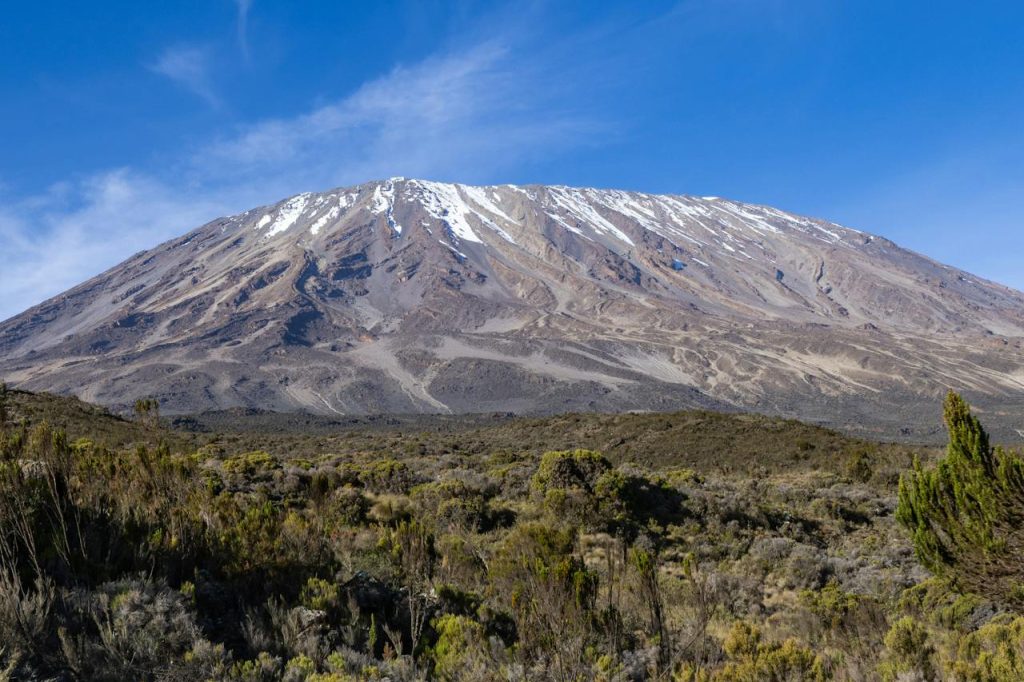
Scenery is one of the biggest reasons travelers choose either Mount Kilimanjaro or Everest Base Camp. Both adventures offer unforgettable mountain landscapes, but the experience is completely different. Kilimanjaro takes you through five distinct climate zones, where the scenery changes dramatically each day. The Everest Base Camp trek, on the other hand, takes you through the Himalayan region with towering snow-covered peaks, traditional mountain villages, glaciers, and centuries-old monasteries.
The better scenery depends on what inspires you most. If you enjoy constantly changing landscapes and diverse ecosystems, Kilimanjaro offers a unique trekking experience. If your dream is to walk beneath the world’s highest mountains while exploring local culture, Everest Base Camp may be the better choice.
Kilimanjaro Landscapes
One of Kilimanjaro’s greatest attractions is the incredible variety of landscapes you experience during a single climb. As you gain elevation, each day introduces a completely different environment.
Rainforest
The adventure begins in a lush rainforest filled with towering trees, giant ferns, colorful wildflowers, and rich biodiversity. This lower section of the mountain is home to wildlife such as blue monkeys, black-and-white colobus monkeys, and a variety of native bird species. The cool shade and fresh mountain air create an exciting start to the journey.
Moorland
Above the rainforest, the landscape changes into open moorland with rolling hills, giant groundsels, lobelias, and expansive views across the mountain. The vegetation becomes more unique, and the cooler temperatures make hiking comfortable while revealing some of Kilimanjaro’s most distinctive scenery.
Alpine Desert
Higher on the mountain, vegetation becomes scarce as you enter the alpine desert. Volcanic rock, dusty trails, and wide-open landscapes dominate this zone. The dry conditions and dramatic terrain create a striking contrast with the lush rainforest below.
Arctic Summit
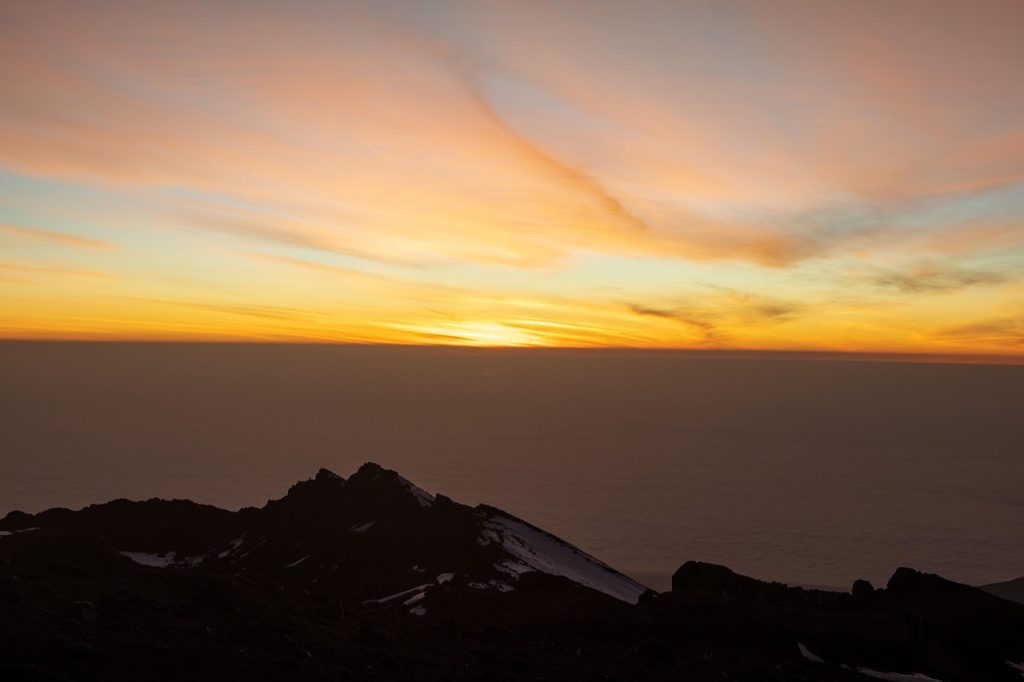
The final section of Kilimanjaro leads into an arctic environment near Uhuru Peak. Here you’ll find freezing temperatures, glaciers, ice fields, and panoramic views stretching across Tanzania. Watching the sunrise above the clouds from Africa’s highest point is one of the most memorable moments of the entire climb.
Everest Base Camp Landscapes
The Everest Base Camp trek offers a different kind of beauty, combining spectacular Himalayan scenery with rich local culture and history.
Mountain Villages Along the Everest Base Camp Trail
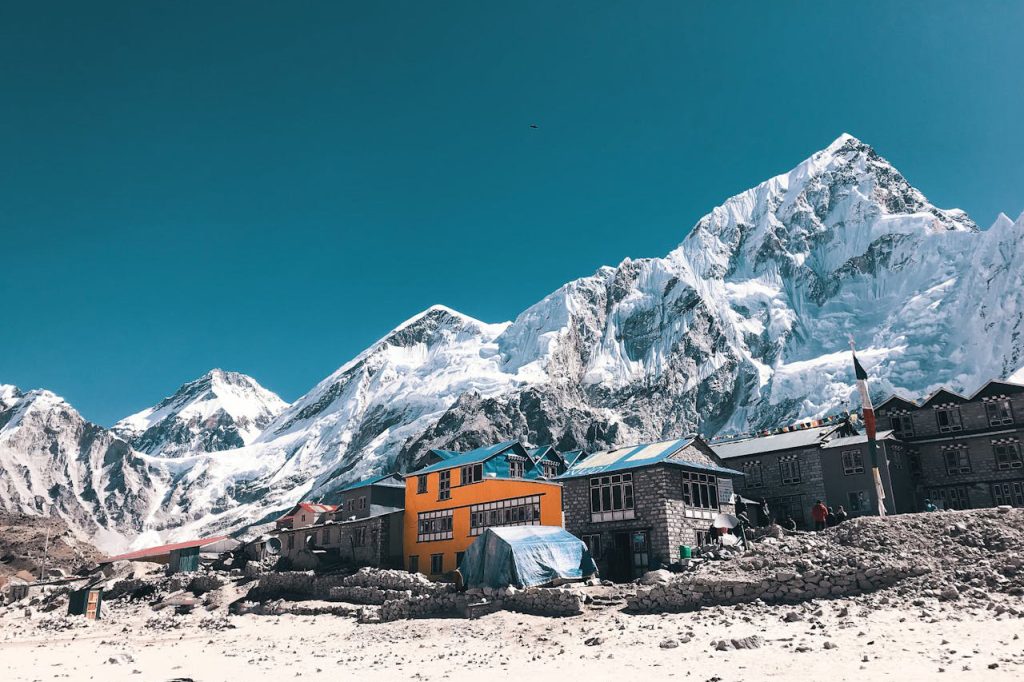
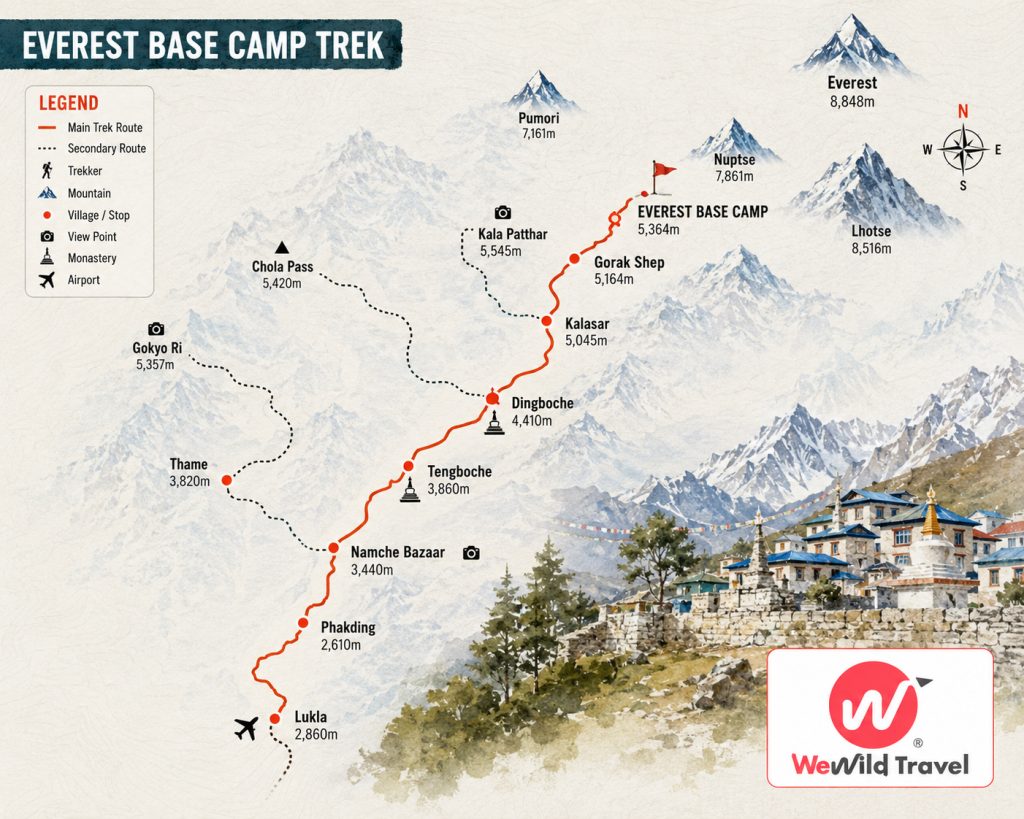
The trail passes through famous mountain villages such as Namche Bazaar, Tengboche, Dingboche, and Lobuche. These villages offer a chance to experience local culture, stay in traditional tea houses, visit markets and monasteries, and enjoy spectacular views of the Himalayan peaks
Glaciers
As you approach Everest Base Camp, you’ll walk alongside impressive glaciers, including the massive Khumbu Glacier. Ice formations, rocky moraines, and frozen rivers create dramatic mountain scenery unlike anywhere else in the world.
Everest Views
Throughout the trek, you’ll enjoy breathtaking views of some of the world’s highest mountains, including Mount Everest, Lhotse, Ama Dablam, and Nuptse. Reaching viewpoints such as Kala Patthar rewards trekkers with unforgettable panoramic views of Everest.
Buddhist Monasteries
One of the highlights of the Everest Base Camp trek is visiting ancient Buddhist monasteries, especially Tengboche Monastery. These peaceful spiritual sites, surrounded by snow-covered peaks, add a unique cultural dimension that cannot be found on Kilimanjaro.
Who Wins?
There is no universal winner because both destinations offer extraordinary scenery, but they appeal to different types of travelers.
Choose Kilimanjaro if you want:
- Five unique climate zones in one trek.
- Constantly changing landscapes.
- A true summit experience on Africa’s highest mountain.
- The opportunity to combine your climb with a Tanzania safari or a Zanzibar beach holiday.
Choose Everest Base Camp if you want:
- Classic Himalayan mountain scenery.
- Close-up views of Mount Everest.
- Traditional Himalayan villages and local culture
- Ancient monasteries and glacier landscapes.
Overall, Kilimanjaro offers greater landscape diversity, while Everest Base Camp provides more dramatic mountain views and cultural experiences. If your priority is experiencing several ecosystems in one adventure, Kilimanjaro stands out. If you dream of trekking through the Himalayas beneath the world’s tallest peaks, Everest Base Camp is difficult to beat.
Cultural Experience
One of the biggest differences between Mount Kilimanjaro and Everest Base Camp is the cultural experience. While both treks allow you to meet local people, the type of interaction is very different. On Kilimanjaro, your journey revolves around the experienced guides, porters, and cooks who support you throughout the climb.On the Everest Base Camp trek, you’ll spend nearly two weeks walking through traditional Himalayan villages, visiting Buddhist monasteries, and experiencing daily life in the Himalayas.
If cultural immersion is an important part of your adventure, understanding these differences will help you choose the trek that best matches your interests.
Local Guides
Professional guides play a vital role on both treks, but their responsibilities go far beyond leading the way.
On Kilimanjaro, certified Tanzanian mountain guides monitor your health, set a comfortable pace, explain the mountain’s ecosystems, and help you acclimatize safely. Many guides have years of experience leading climbers to Uhuru Peak, and their encouragement often becomes one of the most memorable parts of the journey.
At Everest Base Camp, experienced local mountain guides share their deep knowledge of the Himalayas, mountain history, Buddhist traditions, and local customs while leading trekkers through remote valleys and villages.
Porters and Sherpas
One of the most rewarding parts of climbing Kilimanjaro is getting to know the hardworking porters who carry camping equipment, food, and supplies up the mountain. Their dedication allows trekkers to focus on the climb while supporting thousands of local families through tourism.
During the Everest Base Camp trek, many travelers meet local people from the Himalayan mountain communities, who are well known for their mountaineering skills and generations of experience living at high altitude. Sherpas have played a major role in Himalayan expeditions and continue to support climbers from around the world.
Local Villages
The village experience differs greatly between the two adventures.
Kilimanjaro routes pass mainly through protected national park areas, so there are no villages once the climb begins. Instead, your experience focuses on nature and life at mountain camps.
The Everest Base Camp trek takes you through well-known Himalayan villages such as Namche Bazaar, Tengboche, Dingboche, and Lobuche. These mountain communities offer opportunities to meet local families, visit small shops, relax in tea houses, and experience everyday life in the Himalayas.
History and Traditions
Kilimanjaro is deeply connected to Tanzania’s natural heritage and has long been an important landmark for local communities. Today, it is one of Africa’s most famous adventure destinations and a symbol of achievement for climbers worldwide.
The Everest region has a rich mountaineering history dating back to the earliest expeditions attempting to climb Mount Everest. Along the trail, you’ll discover stories of legendary climbers, historic expeditions, and the lasting contributions of local Himalayan communities to the history of mountaineering.
Local Food
Food also forms part of the cultural experience.
On Kilimanjaro, trekking companies prepare freshly cooked meals at camp to provide the energy needed for climbing. Depending on your operator, you may also have opportunities to enjoy Tanzanian dishes before or after your trek, including grilled meats, rice, fresh tropical fruit, and local specialties.
During the Everest Base Camp trek, tea houses serve traditional Nepalese meals alongside international favorites. Many trekkers try dishes such as Dal Bhat, Tibetan bread, momos, soups, and hot tea after long hiking days.
Religion and Spiritual Heritage
Religion shapes much of the Everest Base Camp experience. Prayer flags, mani stones, chortens, and ancient Buddhist monasteries line the trail, reflecting the deep spiritual traditions of the Himalayan people. Visiting Tengboche Monastery is often one of the cultural highlights of the trek.
Kilimanjaro offers a different perspective. While the climb itself focuses on the mountain’s natural beauty, visitors can experience Tanzania’s rich cultural diversity before or after their trek by visiting nearby communities and learning about local traditions.
Festivals and Local Celebrations
Travelers visiting Nepal during major festivals may witness celebrations such as Dashain or Tihar, when villages come alive with music, decorations, family gatherings, and religious ceremonies.
In Tanzania, visitors may experience local cultural performances, traditional music, dance, and community events depending on the time of year and destination. Many climbers also extend their trip to visit cultural tourism programs near Kilimanjaro before continuing on safari or to Zanzibar.
Which Trek Offers the Better Cultural Experience?
If your priority is immersing yourself in local villages, Buddhist traditions, Himalayan history, and the culture of the Himalayan mountain communities, the Everest Base Camp trek provides a richer cultural journey.
If you prefer building close relationships with your mountain guides and porters while focusing on reaching a world-famous summit, Kilimanjaro delivers a different but equally meaningful experience. Many climbers say the teamwork, encouragement, and friendships formed with their Tanzanian mountain crew become one of the most unforgettable parts of the adventure.
Wildlife Comparison
Wildlife is another area where Mount Kilimanjaro and Everest Base Camp offer completely different experiences. Although neither trek is a traditional wildlife safari, both provide opportunities to see native animals in their natural habitats. Kilimanjaro stands out for its rainforest wildlife and the chance to combine your climb with a world-class safari, while the Everest Base Camp trek introduces visitors to unique Himalayan animals that have adapted to life at high altitude.
If wildlife is an important part of your adventure, Kilimanjaro offers greater diversity, whereas Everest Base Camp provides a rare glimpse into the unique ecosystem of the Himalayas.
Wildlife on Kilimanjaro
The lower slopes of Kilimanjaro are covered by a lush montane rainforest that supports a wide variety of wildlife. Although animals become less common at higher elevations, the forest section of the climb offers exciting wildlife encounters.
Blue Monkeys
One of the animals you may spot is the Blue monkey. These agile primates live in the mountain forest and are often seen moving through the trees or feeding on fruits and leaves near the trail.
Black-and-White Colobus Monkeys
The striking Black-and-white colobus is another highlight of Kilimanjaro’s rainforest. Its long white tail and black fur make it one of the mountain’s most recognizable animals. These monkeys usually travel in groups high in the forest canopy.
Birdlife
Kilimanjaro is home to hundreds of bird species, making it an excellent destination for birdwatchers. Depending on the route and season, you may see colorful sunbirds, hornbills, turacos, and several species found only in East Africa. The variety of habitats, from rainforest to alpine moorland, supports an impressive range of birdlife.
Extend Your Adventure with a Tanzania Safari
One of Kilimanjaro’s greatest advantages is its location near some of Africa’s most famous safari destinations. After reaching Uhuru Peak, many travelers continue their journey to experience Tanzania’s incredible wildlife.
Popular safari destinations include Serengeti National Park, Ngorongoro Conservation Area, Tarangire National Park, and Lake Manyara National Park. Here, you can see elephants, lions, leopards, cheetahs, giraffes, zebras, wildebeest, buffalo, and many other iconic African animals. Combining a Kilimanjaro climb with a safari creates one of the world’s most complete adventure holidays.
Wildlife Around Everest Base Camp
Wildlife along the Everest Base Camp trail is less abundant than on Kilimanjaro, but the Himalayan region is home to several remarkable high-altitude species.
Yaks
The Yak is the animal most trekkers encounter. Yaks transport food, luggage, and supplies between mountain villages and are perfectly adapted to the cold, thin air of the Himalayas. Seeing long yak caravans along the trail is a memorable part of the Everest Base Camp experience.
Himalayan Wildlife
The surrounding mountains support wildlife such as the Himalayan tahr, Musk deer, Himalayan monals, snow pigeons, and several birds of prey. While sightings are never guaranteed, these animals highlight the rich biodiversity of the Everest region.
Snow Leopard (Rare)
The legendary Snow leopard inhabits remote parts of the Himalayas. However, it is extremely elusive, and trekkers almost never see one during the standard Everest Base Camp trek. Even so, knowing that this remarkable predator lives in the surrounding mountains adds to the sense of wilderness.
Wildlife Comparison Table
| Feature | Kilimanjaro | Everest Base Camp |
|---|---|---|
| Main Wildlife | Blue monkeys, colobus monkeys, birds | Yaks, Himalayan tahr, musk deer, mountain birds |
| Best Wildlife Zone | Rainforest | Alpine valleys and mountain slopes |
| Birdwatching | Excellent | Good |
| Large Mammals | Limited on the mountain | Limited along the trekking route |
| Rare Wildlife | Forest mammals and endemic birds | Snow leopard (very rare) |
| Safari Opportunities | Excellent after the climb | Not available |
Which Trek Is Better for Wildlife?
If wildlife is one of your top priorities, Kilimanjaro is the clear winner. The mountain’s rainforest provides opportunities to see monkeys and colorful birdlife, and its location near Tanzania’s world-famous national parks makes it easy to add a safari after your climb.
The Everest Base Camp trek offers a different experience, focusing on hardy Himalayan wildlife and the iconic yak rather than large numbers of animals. For travelers who want to combine mountain trekking with unforgettable wildlife viewing, Kilimanjaro followed by a Tanzanian safari offers one of the best adventure combinations in the world.
Accommodation Comparison
One of the biggest differences between climbing Mount Kilimanjaro and trekking to Everest Base Camp is where you’ll sleep each night. Kilimanjaro is a fully supported camping expedition, while the Everest Base Camp Trek follows a network of mountain tea houses that provide indoor accommodation. Your preference for comfort, privacy, and facilities can have a significant impact on which trek you’ll enjoy most.
Camping on Mount Kilimanjaro
On Mount Kilimanjaro, all overnight stays take place in tents (except on the Marangu Route, which uses mountain huts). Your trekking crew sets up camp each afternoon, including your sleeping tent, dining tent, and cooking area. After a full day of hiking, you’ll enjoy freshly prepared meals before resting for the next day’s climb.
Camping gives you a true wilderness experience. You’ll fall asleep beneath a sky full of stars and wake up surrounded by some of Africa’s most spectacular landscapes. However, it also means adapting to more basic facilities and colder nights, especially as you gain altitude.
Tea Houses on the Everest Base Camp Trek
The Everest Base Camp Trek offers a very different experience. Instead of camping, you’ll stay in locally owned tea houses found in villages along the trail. Most rooms are simple but comfortable, usually with two single beds, mattresses, pillows, and blankets. Tea houses also provide warm dining rooms where trekkers gather to eat, relax, and share stories after each day’s hike.
Staying in tea houses allows you to experience warm Himalayan hospitality and local culture throughout the trek, making the journey feel less remote than camping on Kilimanjaro.
Comfort and Facilities Compared
Although both adventures take place in remote mountain environments, the level of comfort differs considerably. Everest Base Camp generally provides more everyday conveniences, while Kilimanjaro focuses on the adventure of living outdoors.
| Feature | Mount Kilimanjaro | Everest Base Camp |
|---|---|---|
| Accommodation | Camping (most routes) | Tea houses (lodges) |
| Sleeping | Private mountain tents | Shared tea house rooms |
| Comfort Level | Basic but fully supported | More comfortable with indoor lodging |
| Showers | Rare and usually unavailable | Available at many tea houses (extra fee) |
| Electricity | Limited; portable batteries or solar charging | Available at most tea houses (paid charging) |
| Bathrooms | Campsite toilets or portable toilets on premium climbs | Shared toilets in tea houses |
| Internet | Very limited or unavailable on most routes | Wi-Fi available in many villages (paid service) |
| Food | Fresh meals prepared by your mountain chef | Meals ordered from tea house menus |
| Overall Experience | Immersive wilderness camping | Comfortable cultural trekking experience |
Which Trek Offers Better Accommodation?
If you enjoy sleeping under the stars and don’t mind sacrificing modern comforts for a true mountain expedition, Mount Kilimanjaro delivers an unforgettable camping experience. The support of professional guides, porters, and cooks ensures you can focus on the climb while your camp is prepared each day.
If you prefer a hot meal inside a warm dining room, a proper bed, and the option to take a shower or connect to Wi-Fi during your trek, Everest Base Camp is the more comfortable choice. While the facilities become simpler at higher elevations, tea houses generally offer greater convenience than camping.
Ultimately, neither option is better for everyone. Kilimanjaro rewards trekkers seeking a classic wilderness adventure, while Everest Base Camp appeals to those who value cultural experiences and more comfortable overnight accommodation. Understanding these differences will help you choose the trek that best matches your travel style and expectations.
Cost Comparison
The cost of climbing Mount Kilimanjaro and trekking to Everest Base Camp depends on several factors, including your travel style, the trekking company you choose, the season, and whether you rent or buy equipment. While both adventures require a significant investment, the overall expenses are structured differently.
For Mount Kilimanjaro, the largest costs are national park fees, guide services, porters, and camping logistics, all of which are included in most trekking packages. In contrast, the Everest Base Camp Trek often has a lower tour price but additional expenses such as domestic flights within Nepal, accommodation, meals, and optional services can increase the final cost.
Before choosing either trek, it’s important to understand where your money goes so you can plan a realistic budget and avoid unexpected expenses.
| Expense | Mount Kilimanjaro (Tanzania) | Everest Base Camp (Nepal) |
|---|---|---|
| Trek Permit & Park Fees | High (included in most packages) | Moderate (Sagarmatha National Park & local permits) |
| International Flights | Flight to Tanzania | Flight to Nepal |
| Domestic Flights | Usually not required | Lukla flight required (or alternative transport) |
| Guide & Porter | Mandatory and included | Guide recommended; porter optional but common |
| Accommodation | Camping included | Tea houses (usually paid separately or included, depending on package) |
| Food During Trek | Included in most packages | Often paid separately unless included |
| Travel Insurance | Required (high-altitude coverage recommended) | Required (must cover high altitude and emergency evacuation) |
| Equipment & Clothing | Purchase or rental required | Purchase or rental required |
| Tips for Crew | Expected for guides, porters, and cooks | Expected for guides and porters |
| Estimated Total Cost* | US$2,000-US$5,000+ | US$1,500-US$4,000+ |
*Estimated costs vary depending on the trekking company, route, travel season, group size, equipment rental, and personal travel preferences.
Which Trek Offers Better Value?
Mount Kilimanjaro often appears more expensive at first because park fees and mandatory support services make up a large part of the package price. However, most Kilimanjaro packages are comprehensive and include guides, porters, meals, camping equipment, and park fees, making it easier to budget before your trip.
The Everest Base Camp Trek may have a lower initial package price, but additional costs such as domestic flights, tea house accommodation, meals, charging electronic devices, Wi-Fi, hot showers, and snacks can add up during the journey. As a result, the final cost is sometimes closer to that of a Kilimanjaro climb than many travelers expect.
Rather than choosing based on price alone, consider the overall experience each trek offers. Kilimanjaro provides an all-inclusive mountain expedition with full camping support, while Everest Base Camp combines spectacular Himalayan scenery, rich local culture, and the comfort of staying in traditional mountain tea houses. Understanding these cost differences will help you choose the adventure that best fits your budget and travel goals.
Which Trek Is Better for Beginners?
If you’re new to high-altitude trekking, both Mount Kilimanjaro and the Everest Base Camp Trek are achievable with the right preparation. However, they challenge trekkers in different ways. Mount Kilimanjaro demands more physical endurance because of its steep ascent and rapid gain in altitude, while the Everest Base Camp Trek is longer but allows your body more time to acclimatize. The better choice depends on your fitness level, trekking experience, available training time, and personal goals.
Fitness Requirements
Both adventures require a reasonable level of fitness, but the type of fitness differs.
Climbing Mount Kilimanjaro involves hiking for five to nine days, often on steep and uneven trails. Summit night is the most demanding part of the journey, requiring several hours of hiking in freezing temperatures at very high altitude. Building cardiovascular endurance through hiking, running, cycling, or stair climbing before your trip will greatly improve your chances of reaching Uhuru Peak.
The Everest Base Camp Trek is less physically intense on any single day, but the trek usually lasts 12 to 14 days. You’ll spend many consecutive days walking through the Himalayas, making stamina and recovery just as important as strength.
Previous Trekking Experience
Neither trek requires technical climbing or mountaineering skills, making both suitable for first-time adventurers.
Mount Kilimanjaro is guided from start to finish by a professional mountain crew, including guides, cooks, and porters. This full support allows beginners to focus on walking and acclimatizing without worrying about navigation or campsite logistics.
Similarly, the Everest Base Camp trek follows well-established trails through traditional Himalayan villages. While previous hiking experience is helpful, many first-time trekkers successfully complete the journey with a knowledgeable guide and proper preparation.
Training Before Your Adventure
Preparing for either trek should begin several months before departure.
Regular hiking is one of the best ways to prepare because it strengthens your legs and helps your body adapt to spending long hours on the trail. Adding activities such as cycling, swimming, jogging, or stair climbing will improve cardiovascular fitness, while strength training helps protect your knees and lower back during long descents.
Just as important is training with the backpack and hiking boots you plan to use on the trek. This helps prevent blisters, improves comfort, and builds confidence before your adventure begins.
Age Considerations
Age alone should never determine which trek you choose. Every year, teenagers, families, and older adventurers successfully complete both Mount Kilimanjaro and the Everest Base Camp Trek.
What matters most is your overall health, preparation, and ability to walk comfortably for several hours each day. If you have any existing medical conditions, consult your doctor before planning a high-altitude adventure. With realistic expectations and proper preparation, both treks are achievable for a wide range of age groups.
The Mental Challenge
Many trekkers discover that the biggest obstacle isn’t physical it’s mental.
On Mount Kilimanjaro, summit night tests your determination as you climb in darkness through cold temperatures and thin air. Staying positive and maintaining a steady “pole pole” (slowly, slowly) pace are often the keys to success.
The Everest Base Camp Trek presents a different mental challenge. Walking for nearly two weeks requires patience, consistency, and resilience. Long days on the trail, changing weather, and high altitude can be tiring, but each step brings you closer to one of the most iconic destinations in the Himalayas.
Which Trek Is Best for Beginners?
If you’re looking for a shorter but more physically demanding challenge, Mount Kilimanjaro is an excellent choice. If you prefer a longer journey with more gradual altitude gain, comfortable tea house accommodation, and rich cultural experiences, the Everest Base Camp Trek may be the better fit.
Ultimately, beginners can succeed on either trek with proper training, realistic expectations, and the support of experienced guides. The best adventure is the one that matches your fitness level, travel style, and personal goals.
Training Comparison
Proper training is one of the biggest factors that determines whether you’ll enjoy your trek and reach your goal. While both Mount Kilimanjaro and the Everest Base Camp Trek require good physical fitness, they place different demands on your body. Kilimanjaro requires you to prepare for a steep climb to high altitude over a shorter period, whereas Everest Base Camp requires the endurance to walk for nearly two weeks. Understanding these differences will help you train more effectively and arrive with confidence.
How to Train for Mount Kilimanjaro
Training for Mount Kilimanjaro should focus on building cardiovascular fitness, leg strength, and endurance. Although the trek does not require technical climbing skills, you’ll spend several consecutive days hiking uphill before tackling the demanding summit night.
Aim to begin training at least 8 to 12 weeks before your climb. Include long walks or hikes every week, gradually increasing both distance and elevation gain. Add stair climbing, jogging, cycling, or swimming to improve your heart and lung capacity. Strength exercises such as squats, lunges, step-ups, and core workouts will prepare your body for carrying a daypack over uneven terrain.
If possible, complete several practice hikes while wearing the backpack and hiking boots you plan to use on the mountain. This helps build confidence, improves balance, and reduces the risk of blisters during your trek.
How to Train for the Everest Base Camp Trek
Training for the Everest Base Camp Trek should focus on endurance and recovery. Unlike Kilimanjaro, the challenge comes from walking for 12 to 14 days at moderate altitude while covering long distances day after day.
Start training 8 to 12 weeks before departure by increasing the length of your weekly hikes. Practice walking for several consecutive days instead of only one long hike each week. This helps your body adapt to repeated effort and prepares you for the demands of the trek.
Add cardio exercises such as brisk walking, cycling, or jogging to improve stamina, and include strength training for your legs and core. Since you’ll spend many hours on the trail, comfortable walking and efficient recovery are just as important as physical strength.
Key Training Differences
Although both adventures require preparation, your training priorities should match the demands of each trek.
| Training Area | Mount Kilimanjaro | Everest Base Camp |
|---|---|---|
| Main Focus | Strength, endurance, and altitude preparation | Endurance and recovery over many days |
| Hiking Duration | 5-9 days | 12-14 days |
| Steep Climbs | Frequent, especially on summit day | More gradual overall |
| Summit Challenge | One long, demanding summit push | No summit climb; steady daily trekking |
| Best Cardio Training | Hiking, stair climbing, running, cycling | Hiking, walking, cycling, jogging |
| Strength Training | High priority for legs and core | Moderate priority for endurance |
| Practice Hikes | Include elevation gain and longer climbs | Include consecutive long walking days |
Which Trek Requires More Training?
Both treks deserve serious preparation, but they test your fitness in different ways. Mount Kilimanjaro requires stronger physical conditioning because of its rapid ascent and challenging summit night. The Everest Base Camp Trek rewards consistent endurance and the ability to recover well after long days on the trail.
If you prepare specifically for the demands of your chosen adventure, you’ll not only increase your chances of success but also enjoy the journey far more. A well-trained trekker walks with greater confidence, recovers faster, and can focus on the incredible scenery instead of physical discomfort.
Packing Comparison
Packing the right gear can make the difference between an enjoyable adventure and an uncomfortable one. Although Mount Kilimanjaro and the Everest Base Camp Trek require many of the same essentials, each trek has unique equipment needs because of differences in accommodation, weather, and trekking style. Understanding what to pack and why will help you prepare with confidence and avoid carrying unnecessary weight.
Packing for Mount Kilimanjaro
Climbing Mount Kilimanjaro requires equipment that can handle changing temperatures, rain, strong winds, and freezing conditions near the summit. Since you’ll sleep in tents on most routes, you’ll also need a high-quality sleeping bag rated for sub-zero temperatures. Your main duffel bag is carried by porters, while you carry only a daypack with water, snacks, extra clothing, and personal items.
Layering is essential because you’ll experience five climate zones during the climb, from warm rainforest to Arctic conditions at Uhuru Peak.
Packing for the Everest Base Camp Trek
The Everest Base Camp Trek also requires warm clothing and reliable hiking gear, but you won’t need camping equipment because you’ll stay in mountain tea houses. Instead, you’ll focus on comfortable clothing for long trekking days, cold evenings, and changing mountain weather.
Because electricity is limited at higher elevations, carrying a large power bank becomes especially important for charging your phone, camera, GPS watch, or headlamp. Many trekkers also bring water purification tablets or a purification bottle to reduce the cost of buying bottled water and minimize plastic waste.
Essential Gear Comparison
| Equipment | Mount Kilimanjaro | Everest Base Camp |
|---|---|---|
| Hiking Boots | Waterproof, well broken-in boots are essential | Waterproof trekking boots recommended |
| Sleeping Bag | Required (rated to at least -10°C to -20°C) | Optional but recommended for extra warmth in tea houses |
| Down Jacket | Essential for summit night | Essential for high-altitude mornings and evenings |
| Duffel Bag | Required (carried by porters) | Useful if hiring a porter; otherwise use a trekking backpack |
| Daypack | Required (20-35L) | Required (20-35L) |
| Trekking Poles | Highly recommended for steep ascent and descent | Highly recommended for long daily walks |
| Water Purification | Optional; many climbers use treated water provided by guides | Highly recommended (tablets, filter, or purification bottle) |
| Power Bank | Recommended for multi-day camping | Essential due to limited and paid charging facilities |
| Headlamp | Essential for summit night | Essential for early morning starts and power outages |
| Gaiters | Optional, depending on season | Optional during snowy or muddy conditions |
Which Trek Requires More Equipment?
Mount Kilimanjaro generally requires more specialized equipment because you’re camping on the mountain and climbing to nearly 6,000 meters. A cold-weather sleeping bag, duffel bag, and additional camping gear make your packing list slightly longer.
The Everest Base Camp Trek has a simpler equipment list since you’ll sleep indoors, but you’ll rely more on personal items such as a power bank, water purification system, and extra layers to stay comfortable throughout the journey.
Before choosing either adventure, check your trekking company’s equipment list. Many operators offer rental gear, allowing you to rent high-quality boots, sleeping bags, trekking poles, and down jackets instead of buying everything. Renting can reduce costs while ensuring you have equipment suitable for high-altitude trekking.
Success Rates
Many people assume that success depends only on fitness, but that’s only part of the story. Your choice of route, trekking company, guide experience, acclimatization schedule, and even the weather can have a greater impact on whether you complete your adventure. Understanding these factors will help you make smarter decisions and significantly improve your chances of success.
Success Rates on Mount Kilimanjaro
Mount Kilimanjaro has a summit, which means success is measured by reaching Uhuru Peak (5,895 m / 19,341 ft). While many people attempt the climb each year, not everyone reaches the top. The biggest reason is altitude sickness, not a lack of strength.
One of the most common mistakes is choosing a short itinerary. Routes lasting 5 or 6 days allow less time for your body to adjust to the altitude, increasing the risk of acute mountain sickness and reducing summit success. In contrast, 7- to 9-day routes provide better acclimatization and consistently achieve much higher success rates.
Success Rates on the Everest Base Camp Trek
The Everest Base Camp Trek does not involve climbing a summit, so success simply means completing the trek and reaching Everest Base Camp safely. Most trekkers who prepare properly complete the journey successfully because the itinerary includes scheduled acclimatization days that allow the body to adjust gradually to the increasing altitude.
Although altitude sickness can still affect trekkers, the slower ascent and lower maximum elevation compared with Kilimanjaro’s summit make the trek more forgiving for many beginners.
Short Routes vs Long Routes
The length of your itinerary is one of the biggest factors affecting your chances of success.
For Mount Kilimanjaro, longer routes such as Lemosho, Northern Circuit, and Machame (7 days) provide more time to acclimatize, leading to significantly higher summit success than shorter itineraries like the 5-day Marangu or 6-day Umbwe routes.
On the Everest Base Camp Trek, choosing an itinerary with proper acclimatization days is far more important than trying to finish quickly. Rushing to Base Camp greatly increases the risk of altitude sickness and can force trekkers to turn back before reaching their goal.
Why Your Choice of Trekking Company Matters
Not all trekking companies provide the same level of safety or support.
A reputable operator plans realistic daily distances, follows established acclimatization practices, monitors trekkers for symptoms of altitude sickness, and employs experienced guides who know when to encourage a climber and when to recommend descending.
Choosing a company based only on the lowest price may save money initially, but it can reduce your chances of a safe and successful trek.
The Importance of Experienced Guides
Experienced guides play a critical role on both adventures.
On Mount Kilimanjaro, guides conduct regular health checks, monitor oxygen saturation, adjust the pace, and recognize early signs of altitude sickness before they become serious.
On the Everest Base Camp Trek, experienced guides help manage the trekking pace, schedule acclimatization days effectively, monitor weather conditions, and make informed decisions if a trekker becomes unwell.
Their knowledge and judgment often make the difference between completing the trek safely and turning back early.
Weather Can Change Everything
Mountain weather is unpredictable.
Heavy rain on Kilimanjaro can create slippery trails and colder conditions, while snow or strong winds near the summit make the final ascent more demanding.
In the Everest region, poor weather can delay flights to or from Lukla, while snow, freezing temperatures, or reduced visibility can affect trekking conditions. Building flexibility into your travel schedule helps you handle these unexpected delays without unnecessary stress.
Fitness Still Matters
Although route choice, acclimatization, and guide experience have a huge impact on success, good physical fitness remains essential.
Trekkers who arrive well prepared recover faster, maintain a steady pace, and cope better with long days on the trail. Regular hiking, cardiovascular training, and strength exercises completed several weeks before departure will improve both your confidence and your overall trekking experience.
Which Trek Has the Higher Success Rate?
For most well-prepared travelers, the Everest Base Camp Trek has a higher completion rate because the ascent is more gradual and the itinerary includes planned acclimatization days. On Mount Kilimanjaro, summit success depends heavily on choosing a longer route, allowing your body time to adapt, and climbing with an experienced operator.
Whichever adventure you choose, the formula for success is the same: select a reputable trekking company, train consistently, choose an itinerary that prioritizes acclimatization over speed, and listen carefully to your guides. These decisions will have a far greater impact on your success than natural fitness alone.
Which Trek Is Safer?
Both Mount Kilimanjaro and the Everest Base Camp Trek are considered safe for healthy travelers who prepare properly and trek with experienced guides. However, neither adventure is risk-free. The biggest hazards on both treks are altitude sickness, rapidly changing weather, and poor decision-making. Understanding how each destination manages these risks will help you choose the trek that best matches your comfort level.
Emergency Rescue
Emergency response differs significantly between the two destinations.
On Mount Kilimanjaro, rescue teams use specialized mountain stretchers and rescue vehicles where terrain allows. If a trekker develops severe altitude sickness or another medical emergency, guides immediately begin descending to a lower altitude, which is often the fastest and most effective treatment.
On the Everest Base Camp Trek, helicopters can often evacuate trekkers from many locations when weather conditions allow. Helicopter rescue provides faster access to advanced medical care, but poor visibility, heavy snow, or strong winds can delay flights. Comprehensive travel insurance that covers high-altitude helicopter evacuation is essential before trekking in Nepal.
Medical Care
Neither trek offers hospital-level medical facilities on the mountain, so prevention and early action are critical.
On Kilimanjaro, experienced guides regularly monitor trekkers for symptoms of altitude sickness, checking oxygen saturation and overall health throughout the climb. If symptoms worsen, the safest decision is always to descend.
Along the Everest Base Camp Trek, you’ll pass through villages with basic medical clinics, and larger settlements such as Namche Bazaar provide limited healthcare services. Serious medical emergencies still require evacuation to Kathmandu for advanced treatment.
Helicopter Evacuation
One of the biggest safety differences is access to helicopters.
On the Everest Base Camp Trek, helicopter evacuation is a common emergency option and can transport seriously ill or injured trekkers to medical facilities much faster than a ground rescue.
On Mount Kilimanjaro, helicopters have limited access because of the mountain’s terrain and weather conditions. Most evacuations rely on trained rescue teams and a rapid descent, making early recognition of altitude sickness especially important.
Altitude Risks
Altitude sickness is the greatest safety concern on both adventures, but the risk develops differently.
Mount Kilimanjaro presents a higher altitude challenge because climbers gain elevation quickly, especially on shorter routes. This rapid ascent gives the body less time to acclimatize and increases the risk of acute mountain sickness if trekkers climb too fast.
The Everest Base Camp Trek follows a slower itinerary with scheduled acclimatization days, allowing many trekkers to adapt more gradually. However, altitude sickness can still affect anyone, regardless of age, fitness, or previous hiking experience. The only reliable treatment for severe altitude illness is to descend immediately.
Weather Conditions
Mountain weather changes quickly in both Tanzania and Nepal.
On Kilimanjaro, trekkers may experience warm sunshine in the rainforest, freezing temperatures near the summit, strong winds, heavy rain, or snow all within a single expedition. Wearing proper layered clothing helps you adapt to these changing conditions.
In the Everest region, weather can also shift rapidly. Snowstorms, freezing temperatures, and poor visibility may affect trekking conditions and delay flights to or from Lukla. Building extra days into your itinerary helps reduce stress if weather causes travel disruptions.
The Importance of Experienced Guides
Choosing an experienced trekking company is one of the most important safety decisions you’ll make.
Professional guides monitor your health, control the trekking pace, recognize early warning signs of altitude sickness, and know how to respond during emergencies. They also make critical decisions about weather, route conditions, and when it is safest to continue or descend.
A reputable operator will always prioritize your safety over reaching the summit or completing the itinerary.
Which Trek Is Safer?
For most travelers, both Mount Kilimanjaro and the Everest Base Camp Trek are safe adventures when planned responsibly. The Everest Base Camp Trek offers the advantage of helicopter evacuation and a more gradual ascent, while Mount Kilimanjaro benefits from structured guiding teams and well-established safety procedures.
Ultimately, your safety depends less on the mountain you choose and more on the decisions you make. Select a reputable trekking company, train before your trip, choose an itinerary that allows proper acclimatization, purchase comprehensive travel insurance, and listen carefully to your guides throughout the journey. These steps will do far more to protect you than choosing one destination over the other.
Who Should Choose Kilimanjaro?
If your goal is to stand on the highest point in Africa, experience a true mountain expedition, and achieve one of the world’s greatest trekking milestones, Mount Kilimanjaro is the better choice. While both adventures offer unforgettable scenery and personal achievement, Kilimanjaro appeals to travelers seeking a summit experience within a relatively short timeframe.
Bucket List Travelers
If you’ve always dreamed of completing a once-in-a-lifetime adventure, Mount Kilimanjaro deserves a place at the top of your bucket list. Reaching Uhuru Peak (5,895 m / 19,341 ft) is more than just finishing a hike it’s a personal achievement that many people spend years planning. Standing above the clouds on Africa’s highest mountain creates memories that last a lifetime.
Seven Summits Aspirants
Mount Kilimanjaro is one of the Seven Summits, the highest mountain on each continent. For climbers working toward this prestigious mountaineering goal, Kilimanjaro is often one of the first summits they complete because it requires no technical climbing while still offering the challenge of high altitude.
Even if you don’t plan to climb all Seven Summits, reaching one of them is an accomplishment few travelers ever experience.
Safari Lovers
One of Kilimanjaro’s greatest advantages is its location in northern Tanzania, home to some of Africa’s most famous wildlife destinations. After your climb, you can easily continue your journey with a safari in the Serengeti National Park, explore the breathtaking Ngorongoro Crater, or visit Tarangire National Park to see elephants, lions, giraffes, zebras, and countless other wildlife species.
This unique combination of mountain adventure and world-class safari makes Tanzania one of the best destinations for travelers who want two unforgettable experiences in a single trip.
Travelers with Limited Holiday Time
Not everyone can spend several weeks trekking in the mountains.
Most Mount Kilimanjaro climbs take 6 to 9 days, making it an excellent choice for travelers with limited annual leave. When combined with arrival and departure days, many visitors complete their entire adventure in about 8 to 12 days, leaving enough time to add a short safari or relax on the beaches of Zanzibar before returning home.
First-Time Summit Seekers
If you’ve never climbed a major mountain before, Kilimanjaro offers one of the most rewarding introductions to high-altitude trekking. You don’t need ropes, ice axes, or technical climbing experience. Instead, you’ll rely on steady preparation, determination, and the support of experienced mountain guides.
For many adventurers, Kilimanjaro becomes the first major summit that inspires them to take on even bigger challenges in the future.
Adventure Seekers Looking for a Real Challenge
Mount Kilimanjaro is ideal for travelers who want more than a scenic hike. The changing landscapes, high altitude, summit night, and sense of accomplishment create an expedition that tests both your body and your mindset.
Every day brings a new environment, from lush rainforest and giant heather to alpine desert and glaciers near the summit. By the time you reach Uhuru Peak, you’ll have crossed five distinct climate zones and completed one of the world’s most iconic trekking adventures.
Is Kilimanjaro the Right Choice for You?
Choose Mount Kilimanjaro if you want to:
- Reach the highest mountain in Africa.
- Complete one of the legendary Seven Summits.
- Experience a true summit rather than a trek to a destination.
- Combine your adventure with an unforgettable African safari.
- Fit a world-class trekking experience into a shorter holiday.
- Challenge yourself physically and mentally without needing technical climbing skills.
If these goals match the adventure you’re looking for, Mount Kilimanjaro is likely the better choice. However, if your dream is to walk through traditional Himalayan villages, immerse yourself in local mountain culture, and stand beneath the world’s highest mountain, then the Everest Base Camp trek may be the better choice a journey we’ll explore in the next section.
Who Should Choose Everest Base Camp?
If your dream is to trek through the heart of the Himalayas, experience the rich culture of local mountain communities, and stand in the shadow of the world’s highest mountain, the Everest Base Camp trek is the better choice. Rather than focusing on reaching a summit, this journey combines spectacular mountain scenery with cultural experiences, making it one of the world’s most rewarding long-distance treks.
Culture Lovers
The Everest Base Camp Trek offers far more than breathtaking mountain views. As you hike through the Khumbu region, you’ll visit traditional Himalayan villages, ancient Buddhist monasteries, prayer wheels, and colorful prayer flags that reflect the area’s deep spiritual heritage.
Travelers Who Enjoy Longer Trekking Holidays
If you prefer slow travel and enjoy spending more time in nature, the Everest Base Camp Trek is an excellent choice. Most itineraries last 12 to 14 days, allowing you to fully appreciate the changing landscapes, adapt gradually to the altitude, and enjoy each stage of the journey without rushing.
For many trekkers, the longer itinerary becomes part of the experience, creating a deeper connection with both the mountains and the local communities.
Photography Enthusiasts
Few trekking destinations offer as many photographic opportunities as the Everest region. Every day presents dramatic mountain panoramas, suspension bridges crossing deep valleys, glacial rivers, colorful monasteries, and traditional stone villages.
Highlights include sunrise over snow-covered peaks, the spectacular viewpoint at Kala Patthar, and unforgettable views of Mount Everest, Lhotse, Ama Dablam, and other towering Himalayan giants. Whether you’re using a professional camera or a smartphone, you’ll return home with incredible photographs.
Travelers Who Dream of the Himalayas
For many adventurers, simply walking among the Himalayas is a lifelong dream. The Everest Base Camp Trek places you in the heart of the world’s highest mountain range, surrounded by legendary peaks that have inspired explorers and mountaineers for generations.
Although you won’t climb Mount Everest itself, reaching Everest Base Camp allows you to experience the atmosphere of the world’s most famous mountain and witness the route used by climbers preparing for their summit attempts.
Travelers Looking for an Authentic Village Experience
Unlike Mount Kilimanjaro, where you’ll spend most nights camping, the Everest Base Camp Trek takes you through a series of welcoming mountain villages. Each evening, you’ll stay in a traditional tea house, enjoy freshly prepared meals, and meet fellow trekkers from around the world.
This village-to-village trekking experience adds a cultural dimension that makes every day unique. Instead of simply passing through the mountains, you become part of the rhythm of life in the Khumbu region, creating meaningful memories beyond the trekking itself.
Is Everest Base Camp the Right Choice for You?
Choose the Everest Base Camp Trek if you want to:
- Trek through the breathtaking Himalayan mountain range.
- Enjoy a longer adventure with gradual acclimatization.
- Capture some of the world’s most spectacular mountain photography.Stay in traditional tea houses instead of camping.
- Visit the legendary base camp of the world’s highest mountain.
If these experiences match your travel goals, the Everest Base Camp Trek is likely the better choice. However, if your dream is to stand on the summit of Africa’s highest mountain and complete one of the world’s greatest bucket-list achievements, Mount Kilimanjaro may be the adventure that’s right for you.
Which Trek Would We Recommend?
After comparing every major aspect of both adventures from difficulty and costs to accommodation, training, safety, and overall experience the truth is that there isn’t one trek that’s better for everyone. The right choice depends on what you want to achieve and the type of adventure you want to remember for the rest of your life.
Here’s our recommendation based on different travel goals.
Choose Mount Kilimanjaro If…
Mount Kilimanjaro is the better choice if your dream is to stand on the summit of Africa’s highest mountain and experience the incredible feeling of reaching a true mountain peak.
We recommend Kilimanjaro if you want to:
- Reach one of the legendary Seven Summits.
- Complete a challenging but achievable summit expedition.
- Experience five unique climate zones in a single trek.
- Combine your climb with an unforgettable African safari.
- Fit an extraordinary adventure into a shorter holiday.
- Celebrate a personal milestone or lifelong bucket-list goal.
For many trekkers, watching the sunrise from Uhuru Peak becomes one of the most unforgettable moments of their lives.
Choose Everest Base Camp If…
The Everest Base Camp Trek is the better choice if your dream is to experience the Himalayas rather than stand on a summit.
We recommend Everest Base Camp if you want to:
- Experience Himalayan culture and Buddhist heritage.
- Stay in mountain tea houses each night.
- Enjoy a longer trekking holiday with gradual acclimatization.
- Photograph some of the world’s most iconic mountain scenery.
- Stand at the foot of Mount Everest and witness the world’s highest peak up close.
For many travelers, the journey through the Khumbu Valley is just as rewarding as reaching Everest Base Camp itself.
Still Can’t Decide?
Ask yourself one simple question:
What story do you want to tell when you return home?
If your answer is, “I stood on the highest mountain in Africa,” choose Mount Kilimanjaro.
Our Final Recommendation
At WeWild Travel, we don’t believe there’s a universal winner because both adventures are world-class trekking experiences. Instead, we help travelers choose the journey that best matches their fitness, travel style, available time, and personal ambitions.
If you’re seeking the unforgettable achievement of reaching a summit, Mount Kilimanjaro is our recommendation.
If you’re looking for an immersive cultural journey through the world’s most famous mountain range, Everest Base Camp is the perfect choice.
Whichever adventure you choose, prepare well, trek with experienced guides, and take the time to enjoy every step. The memories you create in the mountains will stay with you long after the trek is over.
Why Choose a Local Kilimanjaro Operator?
Choosing the right trekking company can have a greater impact on your experience than choosing the route itself. Whether you decide to climb Mount Kilimanjaro or trek to Everest Base Camp, the quality of your guides, safety standards, itinerary, and equipment all play an important role in your success and enjoyment.
Many travelers focus only on price, but the cheapest option is not always the best value. A reputable local operator provides experienced guides, proper safety procedures, reliable equipment, and personalized support before and during your adventure. These factors can make your trek safer, more comfortable, and more enjoyable from start to finish.
Local Knowledge and Experience
Local operators know the mountain better than anyone else. Their guides understand changing weather conditions, trail conditions, acclimatization strategies, and how to respond if a trekker develops altitude-related symptoms.
They also share insights about local culture, wildlife, history, and the mountain environment, giving you a deeper appreciation of the journey beyond simply reaching your destination.
Safety Comes First
Safety should always be your top priority when trekking at high altitude. A professional operator follows established safety procedures, monitors trekkers throughout the climb, performs regular health checks, and carries essential emergency equipment.
Experienced mountain guides can recognize the early signs of altitude sickness and make informed decisions that help keep every member of the group safe.
Certified and Experienced Guides
Qualified guides are one of the biggest advantages of booking with a reputable local company. They receive professional mountain training, understand emergency procedures, and know how to pace climbers to improve acclimatization and summit success.
Beyond their technical skills, great guides provide motivation, encouragement, and local knowledge that make the adventure more rewarding.
Better Acclimatization Planning
Altitude is the biggest challenge on Kilimanjaro, so choosing an itinerary with enough acclimatization time is essential. Longer routes such as Lemosho and the Northern Circuit generally provide a higher chance of reaching Uhuru Peak because they allow your body to adjust gradually to the altitude.
A knowledgeable operator can recommend the most suitable route based on your fitness level, hiking experience, and available travel time instead of simply offering the shortest itinerary.
Quality Equipment and Comfortable Camps
Reliable equipment improves both safety and comfort on the mountain. High-quality tents, warm sleeping arrangements, nutritious meals, clean dining facilities, and well-maintained camping gear help you recover after each day’s hike and prepare for the next stage of the climb.
Good equipment becomes especially important during cold nights and on summit day when weather conditions can change quickly.
Combine Your Climb with a Tanzania Safari
One of the advantages of climbing Kilimanjaro is the opportunity to continue your adventure with a safari or beach holiday. Many travelers spend several days exploring Serengeti National Park, Ngorongoro Conservation Area, or relaxing on the beaches of Zanzibar after reaching the summit.
Booking everything through one experienced local operator makes planning easier and ensures your itinerary runs smoothly from arrival to departure.
Airport Transfers and Travel Support
Planning an international trekking holiday involves much more than booking the climb itself. Airport transfers, hotel reservations, pre-climb briefings, equipment checks, and post-trek accommodation all contribute to a stress-free experience.
Working with a local company means you have one dedicated team to assist you throughout your journey, from the moment you arrive in Tanzania until your departure.
How WeWild Travel Can Help
At WeWild Travel, we believe a successful trek starts with careful planning and honest advice. Our experienced local team helps travelers choose the right Kilimanjaro route based on their fitness level, travel goals, and available time rather than recommending the same itinerary for everyone.
From certified mountain guides and quality camping equipment to airport transfers, hotel arrangements, and optional Tanzania safari packages, we aim to make every stage of your adventure straightforward and enjoyable. Whether your dream is standing on the Roof of Africa or combining your climb with an unforgettable safari, we’re here to help you plan a journey that fits your needs and gives you the best possible experience.
Frequently Asked Questions
Yes. Most trekkers consider Kilimanjaro harder because it reaches a higher altitude of 5,895 meters (19,341 feet) in fewer days. The rapid ascent gives your body less time to acclimatize, making altitude sickness the biggest challenge. Everest Base Camp is longer, but its gradual itinerary helps many trekkers adjust more comfortably.
Yes. Beginners can successfully complete both Kilimanjaro and Everest Base Camp with proper preparation. Good fitness, a realistic training plan, and choosing a reputable trekking company are more important than previous climbing experience.
Everest Base Camp offers continuous views of the Himalayan giants, including Mount Everest, Lhotse, and Ama Dablam. Kilimanjaro features changing landscapes, glaciers, and panoramic views from Africa’s highest summit. The better choice depends on whether you prefer dramatic mountain scenery or diverse ecosystems.
Everest Base Camp generally costs more because it requires international flights to Nepal, domestic flights to Lukla, a longer itinerary, and more nights of accommodation. Kilimanjaro is often more affordable, although the final cost depends on the route, operator, and services included.
Both destinations have two main trekking seasons with stable weather. Kilimanjaro is usually best from January to March and June to October, while Everest Base Camp is most popular during March to May and October to November.
Kilimanjaro has a higher risk because climbers gain altitude much faster. Everest Base Camp includes acclimatization days that help reduce the risk, although altitude sickness remains possible on both treks.
Yes. Many travelers extend their Kilimanjaro climb with a safari in Serengeti National Park, the Ngorongoro Conservation Area, Tarangire National Park, or Lake Manyara National Park. This combination creates one of Africa’s most popular adventure holidays.
Both treks are busy during peak seasons. Everest Base Camp often feels busier because all trekkers follow the same main trail. Kilimanjaro has several routes, allowing climbers to spread out, although popular routes such as Machame can still become crowded.
Temperatures on Kilimanjaro’s summit can fall below -20°C (-4°F) with wind chill. At Everest Base Camp, nighttime temperatures frequently drop below freezing, especially during spring and autumn trekking seasons.
Everest Base Camp takes longer. Most itineraries last 12 to 14 days, while Kilimanjaro climbs usually take 5 to 9 days, depending on the route.
Success depends largely on the itinerary and the trekking company. Longer Kilimanjaro routes generally have much higher summit success rates because they provide better acclimatization. Most trekkers who follow a standard Everest Base Camp itinerary successfully reach base camp.
No. Neither Kilimanjaro nor Everest Base Camp requires technical climbing experience. Both are trekking adventures that rely on fitness, preparation, and experienced guides rather than mountaineering skills.
Most healthy adults can complete either trek. Kilimanjaro National Park generally allows children aged 10 and older, while there is no official age limit for Everest Base Camp. Physical fitness and overall health are more important than age.
Most trekkers do not need supplemental oxygen. Professional guides carry emergency oxygen for safety, but proper acclimatization remains the most effective way to reduce altitude-related problems.
Focus on cardiovascular fitness, hiking with a backpack, leg strength, and endurance. Training consistently for 8 to 12 weeks before your trip can significantly improve your trekking experience.
Essential items include waterproof hiking boots, layered clothing, a warm down jacket, gloves, a hat, sunglasses, a headlamp, trekking poles, a quality sleeping bag, and a reusable water bottle or hydration system.
Booking 6 to 12 months in advance is recommended, especially if you plan to travel during the busiest trekking seasons. Early booking provides more route options, better flight availability, and a wider choice of trekking dates.
A reputable local operator provides experienced guides, quality equipment, reliable safety procedures, and valuable local knowledge. Local companies also contribute directly to nearby communities while offering personalized support throughout your adventure.
Final Thoughts
Choosing between Mount Kilimanjaro and Everest Base Camp comes down to the type of adventure you’re looking for. If your dream is to stand on the highest point in Africa, challenge yourself with a high-altitude summit, and combine your trek with an unforgettable Tanzania safari, Kilimanjaro is an outstanding choice.
Neither trek is better than the other they simply provide different adventures. Kilimanjaro tests your ability to adapt quickly to high altitude and rewards you with the achievement of reaching Uhuru Peak. Everest Base Camp focuses on endurance, culture, and the unforgettable experience of trekking beneath the world’s highest mountains.
Whichever adventure you choose, careful preparation, proper training, and selecting an experienced trekking operator will greatly improve your chances of having a safe and enjoyable journey.
If you’re planning to climb Kilimanjaro, the local team at WeWild Travel is here to help. We can assist you with choosing the right route, preparing for altitude, arranging airport transfers, organizing comfortable accommodation, and creating a personalized itinerary that can also include a Tanzania safari or a relaxing beach holiday in Zanzibar. Our goal is to help you enjoy a well-planned adventure and create memories that will last a lifetime.
Start planning today, and take the first step toward your next great mountain adventure.