Which Is the Best Route to Climb Kilimanjaro
Which Is the Best Route to Climb Kilimanjaro? A Complete Guide to Choosing the Right Route
Estimated reading time: 20 minutes
The best route to climb Mount Kilimanjaro depends on your experience, fitness level, budget, and personal goals. For most first-time climbers, the 8-Day Lemosho Route is the best overall choice because it offers excellent acclimatization, diverse scenery, and one of the highest summit success rates. If reaching Uhuru Peak is your main priority, the Northern Circuit provides the highest success rate thanks to its longer itinerary. Travelers on a tighter budget often choose the Marangu Route, while experienced hikers looking for a greater challenge may prefer the Umbwe Route. This guide compares every Kilimanjaro route to help you choose the one that best matches your adventure.
Climbers who want the highest chance of reaching Uhuru Peak often select the Northern Circuit because its longer itinerary allows more time to adjust to the altitude. In this guide, we compare all Kilimanjaro routes based on difficulty, scenery, cost, crowds, and success rates to help you choose the route that matches your goals.
Table of contents
- Which Is the Best Route to Climb Kilimanjaro? A Complete Guide to Choosing the Right Route
- Why Trust This Guide?
- How to Choose the Best Kilimanjaro Route
- The Best Overall Route for Most Climbers
- Which Route Is Best for Beginners?
- Why Are Kilimanjaro Routes So Different?
- Which Route Has the Highest Success Rate?
- Common Mistakes That Prevent Climbers From Reaching Uhuru Peak
- Why Climb Kilimanjaro With WeWild Travel?
- Frequently Asked Questions
- Conclusion: Which Is the Best Route to Climb Kilimanjaro?
- Read Also:
Quick Answer
| If You Want… | Best Route | Why? |
|---|---|---|
| The highest summit success rate | Northern Circuit | The longer itinerary gives climbers more time to acclimatize. |
| The best route for beginners | 8-Day Lemosho Route | It combines gradual acclimatization, beautiful scenery, and high success rates. |
| The most scenic experience | Lemosho Route | It crosses diverse landscapes, from rainforest to alpine desert. |
| The cheapest option | Marangu Route | It usually costs less and includes hut accommodation instead of camping. |
| A quieter climb | Rongai Route | Fewer climbers use this remote northern approach. |
| The biggest challenge | Umbwe Route | This steep and demanding route suits experienced trekkers. |
The 8-Day Lemosho Route is the best route to climb Kilimanjaro for most people because it offers excellent scenery, strong acclimatization, and a high summit success rate. However, climbers who prioritize reaching Uhuru Peak may prefer the Northern Circuit, while budget travelers often choose the Marangu Route.
Kilimanjaro Route Comparison Table
| Route | Typical Duration | Difficulty | Summit Success Rate* | Scenery | Best For |
|---|---|---|---|---|---|
| Lemosho Route | 7-8 Days | Moderate | 90-95% (8 days) | Excellent | First-time climbers and photographers |
| Machame Route | 6-7 Days | Moderate to Challenging | 85-90% (7 days) | Excellent | Adventure seekers and fit hikers |
| Northern Circuit | 8-9 Days | Moderate | 95-98% | Excellent | Climbers seeking the highest success rate |
| Rongai Route | 6-7 Days | Moderate | 80-85% | Good | Travelers looking for a quieter route |
| Marangu Route | 5-6 Days | Moderate | 70-80% | Fair | Budget-conscious climbers and hut lovers |
| Umbwe Route | 5-6 Days | Difficult | 60-70% | Very Good | Experienced trekkers seeking a challenge |
The best route to climb Kilimanjaro depends on your priorities. The Northern Circuit offers the highest summit success rate because it gives climbers more time to acclimatize. The Lemosho Route provides the best balance between scenery, acclimatization, and success rates, making it the top choice for most first-time climbers. Meanwhile, the Marangu Route attracts budget travelers with its hut accommodation, while the Rongai Route appeals to those who prefer a quieter and less crowded experience.
Why Trust This Guide?
Choosing the right Kilimanjaro route is one of the most important decisions you’ll make before your climb. This guide is based on practical knowledge from our mountain team, current Kilimanjaro trekking practices, and information from official sources. We regularly review and update our recommendations to reflect changes in route conditions, park regulations, and climbing trends. Rather than promoting a single route, our goal is to explain the strengths and limitations of each option so you can choose the route that best matches your fitness, budget, experience, and travel goals.
How to Choose the Best Kilimanjaro Route
Choosing the best route to climb Kilimanjaro depends on your experience, budget, fitness level, and travel goals. Some routes offer better acclimatization and higher summit success rates, while others focus on affordability, solitude, or dramatic scenery. Before booking your climb, consider the following factors.
Based on Your Experience
Your trekking experience plays a major role in choosing the right route. First-time climbers usually perform better on longer routes that allow gradual acclimatization. The 8-Day Lemosho Route and Northern Circuit Route give beginners the best chance of reaching Uhuru Peak because they provide more time to adjust to the altitude.
Experienced hikers who want a more demanding adventure may prefer the Machame or Umbwe routes. These routes include steeper sections and shorter acclimatization periods, making them more challenging.
Based on Your Budget
Your budget can also influence your decision. The Marangu Route usually costs less than other routes because it uses mountain huts instead of camping equipment and requires fewer trekking days. This route attracts many budget-conscious travelers.
However, spending slightly more on a longer itinerary such as Lemosho or the Northern Circuit often increases your summit chances and may provide better value in the long run.
Based on Summit Success Rate
If reaching Uhuru Peak is your main goal, choose a route with excellent acclimatization. The Northern Circuit has the highest summit success rate on Kilimanjaro because climbers spend more time on the mountain. The 8-Day Lemosho Route also performs exceptionally well and remains one of the most recommended routes for first-time climbers.
Shorter itineraries, especially the 5-Day Marangu and Umbwe routes, generally record lower success rates because climbers gain altitude too quickly.
Based on Scenic Beauty
Every Kilimanjaro route offers unique landscapes, but some routes provide more variety than others. The Lemosho Route stands out for its exceptional scenery. Climbers pass through lush rainforest, heath and moorland, the Shira Plateau, Barranco Valley, and alpine desert before reaching the summit.
The Machame Route also offers stunning scenery and dramatic views, while the Rongai Route provides a quieter and drier experience on the northern side of the mountain.
Based on Route Length
Longer routes generally provide better acclimatization and higher success rates. Climbers who have enough time should consider spending at least seven or eight days on the mountain.
- 5-6 days: Suitable for experienced trekkers with limited time.
- 7-8 days: Best balance between acclimatization and cost.
- 8-9 days: Highest success rates and a more relaxed pace.
For most climbers, the 8-Day Lemosho Route offers the best combination of scenery, acclimatization, comfort, and summit success, making it the best overall route to climb Kilimanjaro.
The Best Overall Route for Most Climbers
Lemosho Route
Many climbers consider the Lemosho Route the best route to climb Kilimanjaro because it offers the perfect balance of scenery, acclimatization, and summit success. The route starts on the quiet western side of the mountain and crosses some of Kilimanjaro’s most spectacular landscapes, including lush rainforest, the Shira Plateau, Barranco Valley, and alpine desert.
One of the biggest advantages of the Lemosho Route is its longer itinerary. Most climbers spend seven or eight days on the mountain, giving their bodies more time to adapt to the altitude. This gradual ascent leads to higher summit success rates than shorter routes.
The route also attracts fewer crowds during the first few days, creating a more peaceful trekking experience before joining the southern routes near Barranco Camp.
Why Choose the Lemosho Route?
- Excellent acclimatization profile
- One of the highest summit success rates on Kilimanjaro
- Diverse and stunning scenery
- Less crowded during the early stages of the trek
- Suitable for both private and group climbs
Best For
The Lemosho Route suits first-time climbers, photographers, and travelers who want the best overall Kilimanjaro experience. If you have enough time and want to maximize your chances of reaching Uhuru Peak, the 8-Day Lemosho Route remains one of the strongest choices on the mountain.
Northern Circuit Route – The Highest Success Rate on Kilimanjaro
The Northern Circuit Route offers the highest summit success rate of all Kilimanjaro routes. This route circles the quieter northern slopes of the mountain and usually takes eight or nine days to complete. The longer itinerary gives climbers more time to acclimatize, which greatly reduces the risk of altitude sickness and increases the chances of reaching Uhuru Peak.
Unlike the more popular southern routes, the Northern Circuit receives fewer visitors. Climbers enjoy a more peaceful trekking experience and stunning panoramic views throughout the journey. The route also passes through diverse landscapes, including rainforest, moorland, alpine desert, and remote northern valleys that many climbers never see.
The main disadvantage of the Northern Circuit is the longer duration and higher cost. However, many travelers consider the extra days worthwhile because they significantly improve summit success and provide a less crowded experience.
Why Choose the Northern Circuit Route?
- Highest summit success rate on Kilimanjaro
- Excellent acclimatization profile
- Fewer crowds and quieter trails
- Diverse scenery and panoramic views
- More gradual ascent compared with shorter routes
Best For
The Northern Circuit Route suits travelers who prioritize reaching Uhuru Peak and prefer a slower, less crowded adventure. It is an excellent choice for first-time climbers, older trekkers, and anyone who wants the highest possible chance of standing on the Roof of Africa.
Marangu Route – The Best Budget-Friendly Route
The Marangu Route is the most affordable and traditional route on Mount Kilimanjaro. Many climbers know it as the “Coca-Cola Route” because it was one of the first established trekking routes and remains one of the most popular choices for budget travelers.
Unlike other Kilimanjaro routes, the Marangu Route uses mountain huts instead of tents. Climbers sleep in shared dormitory-style huts at Mandara, Horombo, and Kibo camps, making this route attractive to travelers who prefer more basic shelter and do not want to camp.
The route usually takes five or six days to complete. While the shorter itinerary reduces costs, it also gives climbers less time to acclimatize. As a result, the Marangu Route records lower summit success rates than longer routes such as Lemosho or the Northern Circuit.
The scenery on Marangu is beautiful, especially in the rainforest and moorland zones, but the route follows the same trail for both ascent and descent, offering less variety than other routes.
Why Choose the Marangu Route?
- Lower overall cost
- Comfortable hut accommodation
- Simple and straightforward itinerary
- Suitable for travelers with limited time
- Popular choice for budget-conscious climbers
Best For
The Marangu Route suits travelers looking for a lower-cost Kilimanjaro climb and those who prefer sleeping in huts instead of tents. Climbers who choose this route should strongly consider the 6-Day itinerary, as the extra acclimatization day significantly improves their chances of reaching Uhuru Peak.
Rongai Route – Best for a Quiet and Remote Experience
The Rongai Route offers one of the most peaceful climbing experiences on Mount Kilimanjaro. This route approaches the mountain from the northern side near the Kenyan border and attracts far fewer climbers than the popular southern routes. Travelers who want to avoid crowds and enjoy a more remote atmosphere often choose Rongai.
The northern side of Kilimanjaro receives less rainfall than the southern slopes, making the Rongai Route a good option during the rainy seasons. The drier conditions can create more comfortable trekking conditions, especially from March to May and November.
The route provides a gradual ascent and decent acclimatization, particularly on the 7-Day itinerary. Although the scenery is less dramatic than the Lemosho or Machame routes, climbers still enjoy beautiful views of the Kenyan plains, alpine landscapes, and a quieter side of the mountain that many visitors never experience.
The Rongai Route descends via the Marangu Route, allowing climbers to experience different landscapes during the trek.
Why Choose the Rongai Route?
- Fewer crowds and quieter trails
- Drier conditions on the northern side of Kilimanjaro
- Good option during the rainy season
- Gradual ascent with reasonable acclimatization
- Unique views of the Kenyan countryside
Best For
The Rongai Route suits travelers who value solitude, prefer quieter trails, or plan to climb during wetter months. It is also a good choice for climbers looking for a less crowded alternative while still maintaining a good chance of reaching Uhuru Peak.
Umbwe Route – The Most Challenging Route on Kilimanjaro
The Umbwe Route is the steepest and most demanding route on Mount Kilimanjaro. It attracts experienced trekkers who want a physically challenging adventure and do not mind a more difficult ascent. The route climbs quickly through dense rainforest before reaching the southern slopes of the mountain, creating a dramatic and adventurous trekking experience.
However, the rapid ascent leaves little time for acclimatization. Climbers gain altitude quickly, which increases the risk of altitude sickness and results in lower summit success rates compared with longer routes such as Lemosho or the Northern Circuit.
Despite its challenges, the Umbwe Route rewards trekkers with beautiful scenery, quiet trails, and a true sense of wilderness during the first few days. The route eventually joins the Machame Route near Barranco Camp before continuing toward the summit.
Why Choose the Umbwe Route?
- One of the steepest and most adventurous routes on Kilimanjaro
- Fewer crowds during the early stages of the trek
- Beautiful rainforest and southern mountain scenery
- Ideal for climbers seeking a physical challenge
- Provides a more remote and rugged experience
Best For
The Umbwe Route suits experienced hikers with previous high-altitude trekking experience and excellent fitness levels. Beginners and climbers with limited altitude experience should consider longer routes with better acclimatization profiles. If your main goal is reaching Uhuru Peak, the Lemosho Route or Northern Circuit usually provides a much better chance of success.
Which Route Is Best for Beginners?
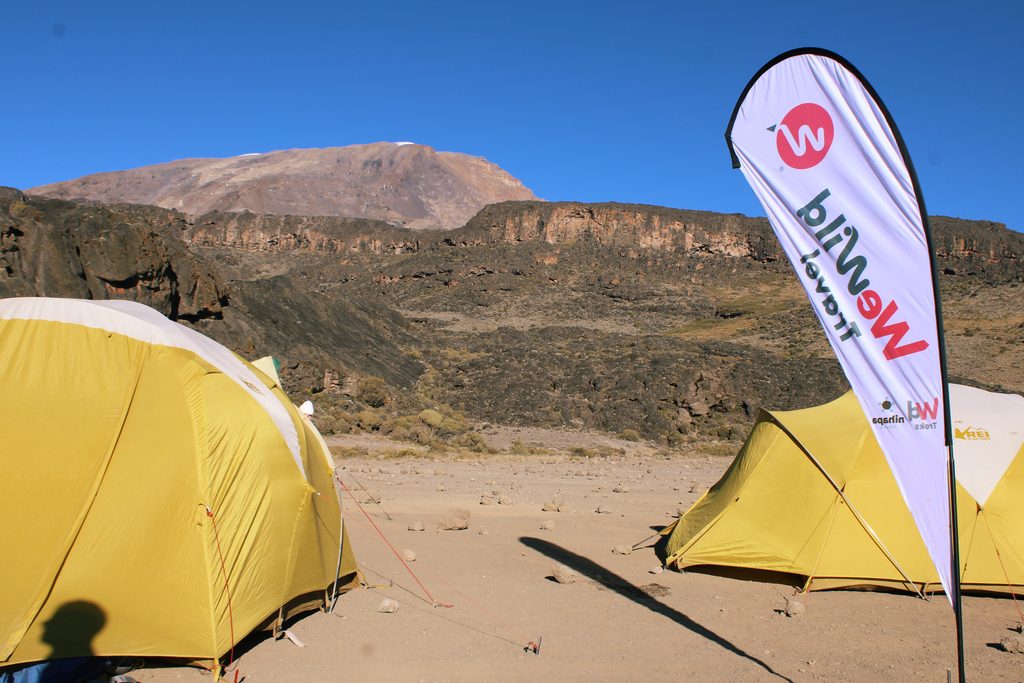
For most beginners, the 8-Day Lemosho Route is the best route to climb Kilimanjaro. It offers an excellent balance of scenery, acclimatization, and summit success, making it an ideal choice for first-time climbers.
One of the biggest challenges on Kilimanjaro is altitude, not technical climbing. The longer itinerary on the Lemosho Route allows climbers to gain elevation gradually and gives their bodies more time to adjust to the thinner air. This approach significantly improves the chances of reaching Uhuru Peak and reduces the risk of altitude sickness.
The route also passes through some of Kilimanjaro’s most spectacular landscapes, including rainforest, heath, the Shira Plateau, Barranco Valley, and alpine desert. In addition, the first few days are usually less crowded than other popular routes, creating a more enjoyable trekking experience.
Although the Northern Circuit offers an even higher summit success rate, its longer duration and higher cost may not suit every traveler. For most first-time climbers, the 8-Day Lemosho Route provides the best combination of comfort, acclimatization, scenery, and value.
Best Routes for Beginners
| Route | Why It Suits Beginners |
|---|---|
| Lemosho Route (8 Days) | Best overall balance of scenery, acclimatization, and success rate |
| Northern Circuit (9 Days) | Highest summit success rate and gradual ascent |
| Machame Route (7 Days) | Good scenery and strong success rate for fit beginners |
If you are climbing Kilimanjaro for the first time and want the highest chance of standing on the Roof of Africa, the 8-Day Lemosho Route remains one of the safest and most recommended choices.
Why Are Kilimanjaro Routes So Different?
Although every route leads to Uhuru Peak, no two Kilimanjaro routes offer the same climbing experience. The biggest differences are not the summit itself but how you reach it. Each route varies in altitude gain, hiking distance, terrain, weather conditions, accommodation, crowd levels, and the amount of time your body has to acclimatize. These factors affect how difficult the climb feels, your chances of reaching the summit, and the overall experience on the mountain.
For example, the Lemosho Route follows a longer and more gradual path, giving climbers extra time to adjust to the altitude while passing through rainforest, moorland, alpine desert, and dramatic volcanic landscapes. In contrast, the Umbwe Route climbs much more steeply, gaining elevation quickly with fewer acclimatization opportunities. Although both routes finish at the same summit, they provide very different journeys.
Accommodation also changes from one route to another. Most routes use mountain tents, while the Marangu Route is the only route that offers hut accommodation throughout the climb. Crowd levels vary as well. Popular routes such as Machame often feel busier during the peak season, whereas the Rongai Route, which approaches Kilimanjaro from the northern side, usually provides a quieter trekking experience.
Weather is another important difference. The southern slopes receive more rainfall because they face moisture carried from the Indian Ocean, while the northern side is generally drier. These conditions can influence trail conditions, scenery, and the best time to climb a particular route.
After helping travelers choose Kilimanjaro routes, one lesson becomes clear: the best route is not always the shortest, the cheapest, or the most popular. The best route is the one that matches your fitness level, available time, budget, and personal goals while giving you enough time to acclimatize safely. Understanding these differences before booking will help you choose a route that offers both an enjoyable experience and the best possible chance of reaching the Roof of Africa.
Which Route Has the Highest Success Rate?
The Northern Circuit has the highest summit success rate on Mount Kilimanjaro. Most climbers who choose this route spend eight or nine days on the mountain, giving their bodies more time to acclimatize and adapt to the altitude. This gradual ascent significantly increases the chances of reaching Uhuru Peak.
In general, longer routes achieve higher success rates because they reduce the risk of altitude sickness. Shorter routes such as Marangu and Umbwe record lower success rates because climbers gain elevation too quickly.
Kilimanjaro Route Success Rates
| Route | Approximate Success Rate |
|---|---|
| Northern Circuit (8-9 Days) | 95-98% |
| Lemosho Route (8 Days) | 90-95% |
| Machame Route (7 Days) | 85-90% |
| Rongai Route (7 Days) | 80-85% |
| Marangu Route (6 Days) | 70-80% |
| Umbwe Route (5–6 Days) | 60-70% |
It is important to remember that success rates can vary depending on itinerary length, guide experience, pace, weather conditions, and individual fitness. However, acclimatization remains the most important factor. Routes that allow climbers to ascend slowly and spend more time at high altitude consistently produce better summit outcomes.
For travelers who prioritize reaching the summit above everything else, the Northern Circuit offers the best option. However, many climbers choose the 8-Day Lemosho Route because it combines excellent success rates with outstanding scenery and a slightly shorter itinerary.
Our Recommendation
- Highest chance of reaching Uhuru Peak: Northern Circuit Route
- Best balance of success and scenery: 8-Day Lemosho Route
- Best value for fit trekkers: 7-Day Machame Route
If your main goal is standing on the Roof of Africa, choosing a longer route and allowing enough time for acclimatization will greatly improve your chances of success.
Common Mistakes That Prevent Climbers From Reaching Uhuru Peak
Many climbers believe that reaching the summit of Mount Kilimanjaro depends mainly on physical fitness. In reality, the biggest mistakes are often made before the climb even begins. Choosing the wrong route, underestimating the effects of high altitude, wearing unsuitable hiking boots, or arriving without proper preparation can greatly reduce your chances of reaching Uhuru Peak. Understanding these common mistakes before booking your climb will help you choose the right itinerary, prepare effectively, and improve both your safety and your summit success.
Choosing the Cheapest Route Instead of the Right Route
Many first-time climbers choose the shortest or least expensive itinerary without considering how it affects acclimatization. While shorter routes may cost less, they give your body less time to adjust to the altitude, increasing the risk of altitude sickness. For most travelers, investing in a 7- or 8-day itinerary provides a much better balance between cost, comfort, and summit success.
Underestimating the Effects of Altitude
The greatest challenge on Kilimanjaro is not steep trails or technical climbing it is the lack of oxygen at higher elevations. Even healthy and physically fit hikers can develop altitude sickness if they ascend too quickly. Choosing a route with good acclimatization and maintaining a slow, steady pace are two of the most effective ways to reduce this risk.
Wearing New or Poorly Fitted Hiking Boots
Foot problems are one of the most common reasons climbers struggle during a trek. Boots that have not been broken in can cause painful blisters, while footwear with poor ankle support makes uneven trails more difficult. Well-fitted hiking boots tested on training hikes are essential for a comfortable climb.
Arriving Without Training
You do not need to be an athlete to climb Kilimanjaro, but you should prepare your body for several consecutive days of hiking. Regular walking, hill training, stair climbing, and endurance exercises in the weeks before your trip will make the trek more enjoyable and help you recover more quickly each day.
Packing Too Much
Many climbers bring unnecessary equipment, making their daypacks heavier than needed. Carrying extra weight at high altitude requires more energy and can increase fatigue. Packing only essential clothing and gear helps you conserve energy throughout the climb.
Hiking Too Fast
One of the most valuable lessons our mountain guides share with every group is “Pole Pole,” which means “slowly, slowly” in Swahili. Many climbers feel strong during the first days and try to walk faster than the recommended pace. However, a slow and steady pace allows your body to acclimatize more effectively, conserves energy, and significantly improves your chances of reaching the summit.
Why Climb Kilimanjaro With WeWild Travel?
Choosing the right route is important, but choosing the right operator can make an even bigger difference to your Kilimanjaro experience. At WeWild Travel, we focus on safety, personalized service, and creating unforgettable adventures on Africa’s highest mountain.
Experienced Mountain Guides
Our professional mountain guides have extensive experience leading climbers on Kilimanjaro’s different routes. They monitor your health, manage the pace of the trek, and provide support throughout the journey to increase your chances of reaching Uhuru Peak safely.
Small Group Sizes
We keep our groups small to provide a more personal experience. Smaller groups allow our guides to give each climber more attention, maintain a comfortable pace, and respond quickly to individual needs.
Quality Camping Equipment
A comfortable camp can make a significant difference during a multi-day trek. We provide high-quality mountain tents, sleeping equipment, and nutritious meals to help you rest and recover each day.
Safety-Focused Itineraries
Safety remains our top priority. We recommend longer itineraries such as the 8-Day Lemosho Route and Northern Circuit because they provide better acclimatization and improve summit success rates. Our team also conducts regular health checks and follows responsible altitude management practices.
High Summit Success Rates
Our carefully designed itineraries, experienced guides, and focus on acclimatization help many of our climbers successfully reach Uhuru Peak. We encourage climbers to choose routes that maximize their chances of success rather than simply selecting the shortest itinerary.
Personalized Support Before and During Your Climb
From your first inquiry to your summit attempt, our team provides personalized assistance every step of the way. We help you choose the right route, prepare your packing list, answer your questions, and support you throughout your Kilimanjaro adventure.
Why Travelers Choose WeWild Travel
- Experienced and professional mountain team
- Small groups and personalized service
- Quality camping equipment and nutritious meals
- Safety-first approach and responsible acclimatization
- Strong summit success rates
- Support before, during, and after your climb
Frequently Asked Questions
No route on Kilimanjaro is truly easy because every climber must deal with high altitude. However, many travelers consider the Northern Circuit and the 8-Day Lemosho Route the easiest options in terms of acclimatization. Their longer itineraries allow climbers to ascend gradually, making the trek more manageable and increasing summit success rates.
The Lemosho Route offers the most diverse and spectacular scenery on Kilimanjaro. Climbers pass through lush rainforest, the Shira Plateau, Barranco Valley, alpine desert, and enjoy stunning views from several sides of the mountain. Many trekkers consider it the most beautiful route on Kilimanjaro.
The Marangu Route usually costs less than other routes because it uses hut accommodation instead of camping equipment and often takes fewer days to complete. However, climbers should remember that shorter and cheaper routes generally record lower summit success rates.
The Northern Circuit has the highest summit success rate, with many operators reporting success rates of approximately 95–98%. The route’s longer duration allows better acclimatization and significantly improves the chances of reaching Uhuru Peak.
For most first-time climbers, the 8-Day Lemosho Route is the best choice. It combines excellent scenery, gradual acclimatization, and high summit success rates, making it one of the most recommended routes for beginners.
Most climbers should spend at least seven or eight days on the mountain. Longer itineraries provide more time for acclimatization and greatly improve summit success rates. If your schedule allows, an 8-Day Lemosho Route or a 9-Day Northern Circuit usually offers the best overall experience and the highest chance of reaching the summit.
Conclusion: Which Is the Best Route to Climb Kilimanjaro?
The best route to climb Kilimanjaro depends on your goals, budget, and trekking experience. While no single route suits everyone, the 8-Day Lemosho Route stands out as the best overall choice for most climbers because it combines outstanding scenery, excellent acclimatization, and a high summit success rate.
Travelers who prioritize reaching Uhuru Peak may prefer the Northern Circuit, which offers the highest success rates on the mountain. Budget-conscious climbers often choose the Marangu Route, while those seeking a quieter experience may enjoy the Rongai Route. Experienced trekkers looking for a greater challenge may find the Umbwe Route more rewarding.
When choosing your route, remember that altitude not technical difficulty creates the biggest challenge on Kilimanjaro. Selecting a longer itinerary and climbing at a gradual pace can significantly improve your chances of success.
No matter which route you choose, proper preparation and an experienced mountain team can make all the difference. At WeWild Travel, we help climbers select the route that best matches their goals and provide professional support from the first inquiry to the summit of Uhuru Peak.
Ready to climb Mount Kilimanjaro? Contact WeWild Travel today and let our experienced team help you plan the adventure of a lifetime.