Kilimanjaro Summit Night Guide: What to Expect and How to Prepare
Estimated reading time: 17 minutes
Kilimanjaro Summit Night is the most demanding part of the climb. Most climbers begin their summit attempt around midnight after resting at the high camp. You walk through the darkness, cold, and thin air as you gradually gain altitude toward the crater rim. The goal is to reach Uhuru Peak, the highest point of Mount Kilimanjaro, at 5,895 meters.
The summit night requires more than physical strength. You need warm clothing, enough water, suitable snacks, a reliable headlamp, and the right mindset. Your guide also plays an important role by controlling the pace, monitoring your condition, and helping you respond to altitude symptoms.
This Kilimanjaro Summit Night Guide explains what happens before the climb, what the hike feels like, what to wear and carry, how long the summit attempt can take, and what happens after reaching Uhuru Peak. You will also learn how to prepare properly and avoid common mistakes on the mountain.
Table of contents
- Kilimanjaro Summit Night Guide: What to Expect and How to Prepare
- What Is Kilimanjaro Summit Night
- Why Do You Climb Kilimanjaro at Night?
- Where Does Summit Night Start?
- What Time Does Kilimanjaro Summit Night Start?
- Kilimanjaro Summit Night Timeline
- How to Prepare for Kilimanjaro Summit Night
- What to Carry During Summit Night
- What Is Kilimanjaro Summit Night Really Like?
- How Cold Is Kilimanjaro During Summit Night?
- How Long Does Summit Night Take?
- What Happens at Stella Point?
- What Happens at Uhuru Peak?
- Food and Water During Summit Night
- Altitude and Safety During Summit Night
- Summit Night on Different Kilimanjaro Routes
- What Happens After Reaching Uhuru Peak?
- Common Summit Night Mistakes to Avoid
- Plan Your Kilimanjaro Summit With WeWild Travel
- Frequently Asked Questions About Kilimanjaro Summit Night
- Conclusion
What Is Kilimanjaro Summit Night
Kilimanjaro Summit Night is the final overnight climb to Uhuru Peak, the highest point of Mount Kilimanjaro at 5,895 meters. Climbers usually start around midnight from a high camp such as Barafu, Kosovo, or Kibo Hut, depending on the route.
You hike through darkness and cold air while slowly gaining altitude toward the summit. Your guide sets a steady pace, checks your condition, and helps you manage the demanding climb. Most climbers reach the summit around sunrise, then begin the long descent to a lower camp.
Summit night combines the toughest climb, the coldest conditions, and the highest altitude of your Kilimanjaro trek. Good preparation, proper clothing, hydration, food, and a steady pace help you handle the challenge.
Why Do You Climb Kilimanjaro at Night?
You climb Kilimanjaro at night to reach Uhuru Peak around sunrise. Starting in darkness gives climbers enough time to climb slowly and reach the summit before the morning weather changes.
The night climb also offers a clear view of the stars and sunrise above the African plains. After reaching the summit, you can descend while there is still plenty of daylight.
Where Does Summit Night Start?
Summit night starts from a high-altitude camp near the summit. The starting camp depends on the route you choose.
On the Machame, Lemosho, Umbwe, and Northern Circuit routes, the summit climb usually starts from Barafu Camp. Some groups may start from Kosovo Camp because it sits higher.
On the Marangu Route, the summit attempt starts from Kibo Hut. Rongai climbers also reach Kibo Hut before beginning the final climb.
From these camps, you start the steep overnight climb toward Stella Point and then continue to Uhuru Peak at 5,895 meters.
What Time Does Kilimanjaro Summit Night Start?
Kilimanjaro summit night usually starts around midnight, between 11:00 PM and 1:00 AM. Your exact start time depends on the route, weather, and your guide’s plan.
Starting at night gives you enough time to climb toward Uhuru Peak and reach the summit around sunrise. Before leaving camp, you eat, drink, dress in warm layers, check your equipment, and prepare your daypack.
Kilimanjaro Summit Night Timeline
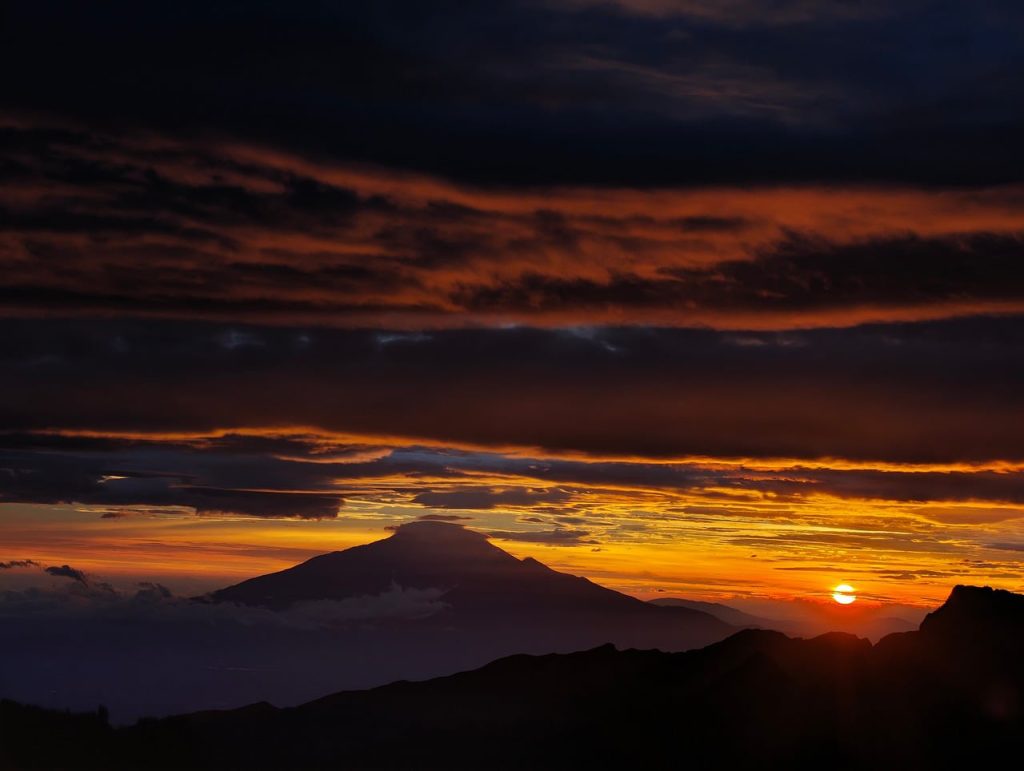
11:00 PM-12:00 AM: Wake up, dress warmly, eat a light meal, drink water, and prepare your daypack.
Around midnight-1:00 AM: Start the summit climb with your guide. You hike slowly through the darkness toward the crater rim.
Early morning: Continue climbing through the cold and thin air. Your guide controls the pace and checks how you feel.
Around sunrise: Reach Stella Point or continue to Uhuru Peak, depending on your route and progress.
At Uhuru Peak: Spend a short time at the summit, take photos, and enjoy the views before beginning your descent.
Morning to afternoon: Descend toward a lower camp. You rest, eat, drink, and recover after the summit attempt.
How to Prepare for Kilimanjaro Summit Night
Prepare for Kilimanjaro summit night by resting well, eating enough, staying hydrated, wearing warm layers, and carrying the right equipment. Mental preparation also helps you stay focused during the long climb.
Rest Before the Climb
Get as much rest as possible before summit night. Spend the afternoon relaxing at camp and avoid unnecessary walking. A rested body has more energy for the demanding climb ahead.
Eat Properly
Eat a nutritious dinner before starting the summit climb. Choose foods that provide steady energy, such as rice, pasta, potatoes, vegetables, or chicken. Keep a few easy-to-eat snacks in your daypack for the climb.
Stay Hydrated
Drink water regularly before and during the climb. Carry enough water for the summit attempt and take small, regular sips while walking. Avoid drinking too much at once because it can make you uncomfortable.
Prepare Your Clothing
Wear several warm layers that you can adjust as temperatures change. Bring a warm jacket, thermal layers, gloves, a warm hat, and good hiking trousers. Protect your hands, feet, and face from the cold.
Prepare Your Daypack
Pack only the essentials for summit night. Carry water, snacks, extra gloves, warm layers, personal medication, tissues, and any other items your guide recommends.
Check Your Headlamp
Check your headlamp before leaving camp and carry spare batteries. You will hike for several hours in complete darkness, so reliable light is essential for seeing the trail and following your guide safely.
Prepare Mentally
Prepare yourself for a slow, cold, and physically demanding climb. The altitude can make the final ascent difficult. Stay focused, follow your guide’s pace, and take the climb one step at a time.
What to Carry During Summit Night
Carry only the essentials you need for the long overnight climb. Your summit-night daypack should include:
Water
Carry enough water for the summit attempt and drink regularly throughout the climb.
Snacks
Pack easy-to-eat, high-energy snacks such as chocolate, energy bars, nuts, or dried fruit.
Warm Layers
Carry an extra warm layer, gloves, a hat, and other clothing you may need as the temperature changes.
Headlamp
Bring a reliable headlamp with spare batteries. You will need it throughout the night.
Personal Items
Carry your personal medication, tissues, lip balm, sunscreen, and any other essential personal items.
Trekking Poles
Trekking poles can help with balance and reduce pressure on your legs during the steep ascent and descent.
What Is Kilimanjaro Summit Night Really Like?
Kilimanjaro summit night feels cold, dark, steep, and physically demanding. You start hiking while most people at the camp are asleep and continue climbing for several hours toward the summit.
At first, the trail may feel manageable. As you gain altitude, the air becomes thinner and the temperature drops. Your guide keeps a slow, steady pace so you can conserve energy and adjust to the altitude.
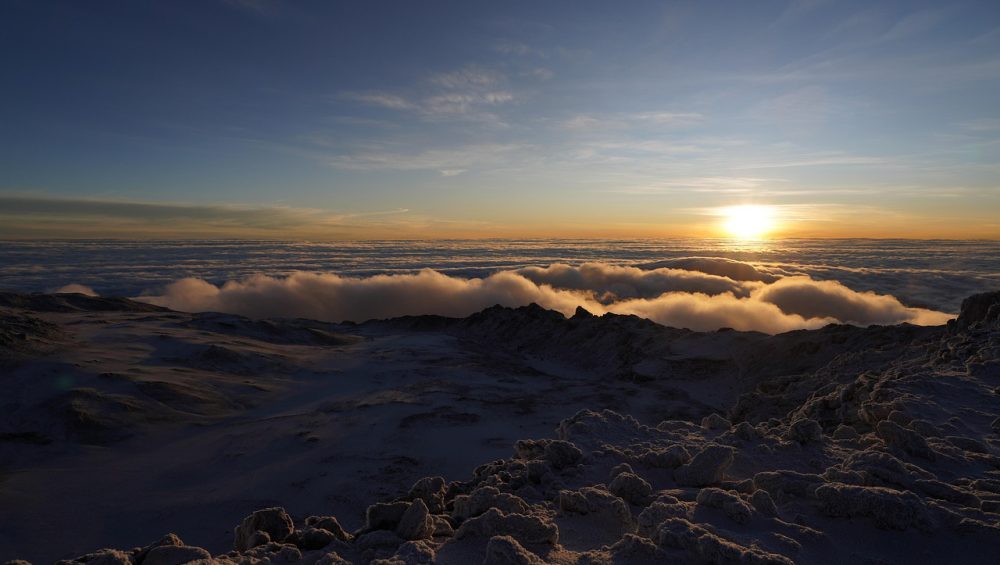
You normally hike in darkness until the sky begins to brighten. As you approach the crater rim, you may see the first light of sunrise. From Stella Point, you continue toward Uhuru Peak, where you can enjoy the summit before beginning the long descent.
The experience challenges both your body and mind, but steady pacing, proper preparation, and support from your guide can make the climb more manageable.
How Cold Is Kilimanjaro During Summit Night?
Kilimanjaro summit night can become extremely cold, especially near the crater rim and Uhuru Peak. Temperatures often fall below freezing, and strong winds can make the conditions feel even colder.
The exact temperature changes with altitude, weather, and wind. Therefore, wear several warm layers and protect your hands, feet, head, and face throughout the climb.
How Long Does Summit Night Take?
Kilimanjaro summit night usually takes several hours from the high camp to Uhuru Peak. Most climbers start around midnight and reach the summit around sunrise.
After reaching Uhuru Peak, you begin the descent to a lower camp. The complete summit day can take around 12 to 18 hours, depending on your route, pace, weather, and time spent at the summit.
What Happens at Stella Point?
Stella Point marks the crater rim of Mount Kilimanjaro at about 5,739 meters. Reaching Stella Point means you have completed the steepest part of the summit climb and reached the edge of the crater.
After several hours of climbing in darkness, you may arrive at Stella Point around sunrise. This is often an emotional moment because you can finally see the crater, surrounding landscape, and early morning light.
From Stella Point, the trail follows the crater rim toward Uhuru Peak. The final section takes about 45 to 60 minutes for many climbers, although your pace and conditions can change the time.
The altitude remains very high, so continue slowly and conserve your energy. Take short breaks when needed, drink small amounts of water, and follow your guide’s instructions.
Stella Point is also an important checkpoint for your guide. Your condition, energy level, and altitude symptoms help determine how you should continue toward Uhuru Peak.
What Happens at Uhuru Peak?
Uhuru Peak is the highest point on Mount Kilimanjaro, standing at 5,895 meters above sea level. Reaching this point means you have completed the summit climb and reached the highest point in Africa.
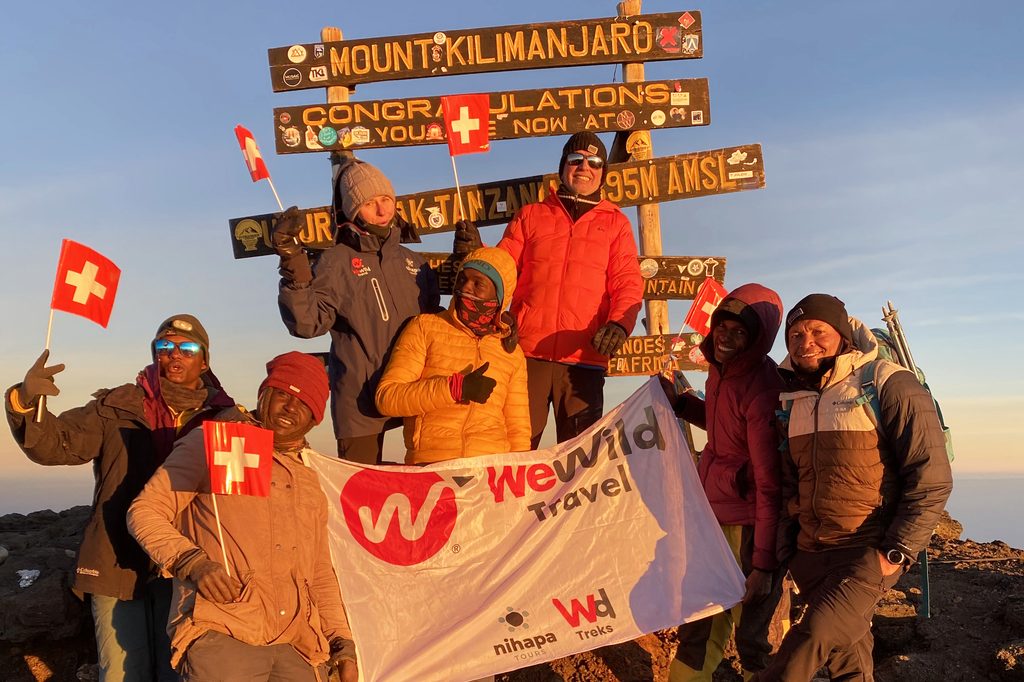
When you reach Uhuru Peak, your guide will help you safely reach the summit sign and choose a suitable place for photos. You can celebrate your achievement, take pictures, and enjoy the views of the surrounding mountain landscape.
Do not stay at the summit for too long. The altitude is extremely high, and the cold can become uncomfortable. After a short celebration, you begin your descent with your guide.
The descent usually takes you back toward Barafu Camp or another lower camp, depending on your route. You will stop for food, water, and rest before continuing down the mountain.
Reaching Uhuru Peak feels different for every climber. Some people feel excited and emotional, while others simply feel relieved after the demanding ascent. The important thing is to enjoy the moment safely before starting the long descent.
Food and Water During Summit Night
Food and water give you the energy and hydration you need during the long summit attempt. Eat a proper meal before leaving camp, then carry easy-to-eat snacks and enough water for the climb.
What Should You Eat Before Summit Night?
Eat dinner at camp before you start the climb. A good meal can include rice, pasta, potatoes, vegetables, soup, or chicken. Choose familiar foods that feel comfortable for your stomach.
Do not eat too much immediately before starting. A heavy meal can make you feel uncomfortable while climbing at high altitude.
What Snacks Should You Carry?
Carry small snacks that you can eat while walking. Energy bars, chocolate, nuts, dried fruit, biscuits, and sweets can provide quick energy during the climb.
Take small amounts regularly rather than waiting until you feel completely exhausted.
How Much Water Should You Carry?
Carry enough water for the summit attempt and drink regularly throughout the climb. Small, frequent sips can help you stay comfortable without filling your stomach too quickly.
Your guide can advise you about the amount of water to carry based on your route, weather, and planned trekking time.
What About Hot Drinks?
A warm drink before departure can help you feel comfortable in the cold. Tea, coffee, hot chocolate, or warm water can also provide fluids before you begin walking.
Your crew may also provide hot drinks during the night, depending on the camp and climbing plan.
Altitude and Safety During Summit Night
Altitude makes summit night difficult because the air contains less oxygen as you climb higher. At 5,895 meters, your body works harder even when you walk slowly. Pay attention to how you feel and tell your guide about any unusual symptoms.
Why Is Altitude a Challenge?
Your breathing becomes harder as you gain elevation, and you may feel tired, dizzy, or develop a headache. The cold, darkness, steep terrain, and long hours can make these effects feel stronger.
That is why a slow pace and proper acclimatization matter before summit night. Longer routes generally give your body more time to adjust to altitude.
How Does Your Guide Monitor You?
Your guide watches your pace, breathing, coordination, energy, and general condition throughout the climb. Tell your guide immediately if you feel unwell instead of trying to hide your symptoms.
WeWild Travel can also monitor oxygen saturation and heart rate during the trek when appropriate. These checks can help the crew assess your condition alongside your symptoms and overall behavior.
What Are the Warning Signs?
Common altitude symptoms can include headache, nausea, dizziness, unusual tiredness, loss of appetite, and difficulty sleeping. More serious symptoms can include confusion, severe breathing problems, difficulty walking normally, or a worsening condition despite rest.
Never ignore serious symptoms. Your guide should assess your condition and decide whether you need to stop climbing and descend.
What Should You Do If You Feel Unwell?
Stop and tell your guide as soon as you notice concerning symptoms. Do not try to push through serious altitude problems to reach Uhuru Peak.
Descent remains the most important response to serious altitude illness. Your guide can help you leave the high altitude safely and arrange further assistance when necessary.
How Can You Stay Safe During Summit Night?
Follow your guide’s pace, stay with your group, drink regularly, eat when needed, and keep yourself warm. Use trekking poles carefully on steep sections and make sure your headlamp works before leaving camp.
Most importantly, listen to your body. Reaching Uhuru Peak matters, but returning safely matters more.
Summit Night on Different Kilimanjaro Routes
Summit night follows the same basic goal on every Kilimanjaro route, but the starting camp and approach can differ.
Lemosho Route
Lemosho climbers usually begin the summit attempt from Barafu Camp or a higher camp such as Kosovo. The route joins the southern summit trail before the final climb toward Stella Point and Uhuru Peak.
Read More : Lemosho Route Itinerary
Machame Route
Machame climbers normally start summit night from Barafu Camp. You climb through the night toward Stella Point before continuing along the crater rim to Uhuru Peak.
Read More : Machame Route 7 Day Itinerary
Umbwe Route
Umbwe climbers also use the southern summit approach and usually start the final ascent from Barafu Camp. The route gives you less time to acclimatize on the lower mountain, making proper preparation important.
Read more : Umbwe Route 6 Day Itinerary
Rongai Route
Rongai climbers eventually reach Kibo Hut before starting the summit attempt. From Kibo Hut, you climb through the night toward Gilman’s Point and then continue along the crater rim toward Uhuru Peak.
Read More : Rongai Route 7 Day Itinerary
Marangu Route
Marangu climbers start summit night from Kibo Hut at about 4,703 meters. The climb follows the steep trail toward Gilman’s Point, then continues along the crater rim to Stella Point and Uhuru Peak.
Read More : Marangu Route 5 Day Itinerary
Northern Circuit Route
Northern Circuit climbers approach the summit from the eastern side before joining the final southern ascent. The summit attempt usually starts from School Hut or another high camp, depending on the itinerary.
The starting point, climbing time, and trail conditions can vary between itineraries. Your guide will confirm the final summit-night plan before you leave camp.
Read More : Northern Circuit Route 10 Day Itinerary
What Happens After Reaching Uhuru Peak?
After reaching Uhuru Peak, you spend a short time celebrating, taking photos, and enjoying the summit views before starting your descent. Staying too long at 5,895 meters can increase fatigue and exposure to the cold.
Take Photos and Celebrate
Your guide can help you take photos at the Uhuru Peak summit sign. Take a moment to celebrate your achievement, enjoy the scenery, and appreciate the climb you have completed.
Start the Descent
After your summit celebration, you begin descending with your guide. The descent can feel easier because you are losing altitude, but it still requires energy and careful footing.
Return to Your High Camp
Depending on your route, you descend toward Barafu Camp, Kosovo Camp, Kibo Hut, or another planned camp. You normally stop there for food, water, and a short rest.
Continue to a Lower Camp
After resting, you may continue descending to a lower camp later that day. Your exact destination depends on your route and itinerary.
Recover After the Summit
Once you reach the next camp, focus on drinking water, eating, resting, and keeping warm. Your body has just completed a long climb at high altitude, so recovery becomes the priority.
The summit does not mark the end of the trek. You still need to complete the descent safely with your guide before leaving the mountain.
Common Summit Night Mistakes to Avoid
Avoiding common mistakes can make your summit night safer and more manageable. Small preparation errors can become bigger problems during a long climb in cold, dark, and high-altitude conditions.
Starting Without Enough Rest
Do not spend the afternoon walking around camp or using too much energy before the summit attempt. Rest as much as possible so your body can save energy for the climb.
Eating Too Much or Too Little
Do not start the climb on an empty stomach. Eat a proper meal before leaving camp and carry simple snacks for energy during the ascent. Avoid foods that normally upset your stomach.
Drinking Too Little Water
Dehydration can make the climb harder. Drink regularly before and during the summit attempt, but avoid forcing large amounts of water at once.
Wearing the Wrong Clothing
Do not underestimate the cold near the summit. Wear warm layers and protect your hands, feet, head, and face. Carry an extra layer in case conditions become colder.
Forgetting Your Headlamp
A reliable headlamp is essential because you will climb through darkness. Check it before leaving camp and carry spare batteries.
Walking Too Fast
Do not try to match a faster climber’s pace. A steady pace helps you conserve energy and manage the altitude. Follow your guide’s rhythm and walk pole pole.
Ignoring Altitude Symptoms
Never hide a headache, dizziness, nausea, unusual weakness, confusion, or breathing difficulty from your guide. Tell your guide immediately so they can assess your condition.
Staying Too Long at the Summit
After reaching Uhuru Peak, celebrate and take your photos, but do not stay at the summit longer than necessary. The altitude, cold, and wind can quickly drain your energy.
Trying to Reach the Summit at Any Cost
Uhuru Peak is the goal, but safety comes first. If your guide determines that continuing could put you at serious risk, follow their advice and descend.
Plan Your Kilimanjaro Summit With WeWild Travel
WeWild Travel helps you prepare for a safe and well-organized Kilimanjaro summit. Our local team in Tanzania handles the practical details while you focus on your climb.
We organize private and group Kilimanjaro climbs with experienced local guides who stay with you throughout the trek. Our team helps with airport transfers, accommodation before and after the climb, quality camping equipment, meals, and mountain logistics.
During the trek, our guides monitor your condition and can check oxygen saturation and heart rate when appropriate. We also carry emergency oxygen for situations that require an immediate response.
Before your climb, we explain what to pack, how to prepare, what to expect during summit night, and how your chosen route works. We keep groups small where possible so our guides can provide more personal attention.
Ready to plan your climb? Request a free quote from WeWild Travel and talk to a local Kilimanjaro expert about your summit plans.
Frequently Asked Questions About Kilimanjaro Summit Night
Most summit attempts start around midnight. Your exact start time depends on your route, weather, and guide’s plan.
Summit night can become extremely cold, especially near the crater rim and Uhuru Peak. Warm layers, gloves, a hat, and a good jacket are essential.
The summit climb usually takes several hours. The complete summit day, including descent, can take around 12 to 18 hours depending on your route and conditions.
Eat a light, nutritious dinner with familiar foods such as rice, pasta, potatoes, vegetables, or chicken. Avoid eating too much before departure.
Carry water, energy snacks, warm layers, a headlamp with spare batteries, personal medication, tissues, and trekking poles.
Starting at night gives you enough time to climb slowly and reach Uhuru Peak around sunrise. It also allows you to descend while there is still daylight.
Tell your guide immediately if you feel unwell. Serious altitude symptoms require prompt assessment and may require stopping the climb and descending.
Your route determines the summit approach. On the southern routes, climbers usually reach Stella Point before continuing along the crater rim toward Uhuru Peak.
Keep your summit celebration short. The altitude and cold can quickly increase fatigue, so take photos, enjoy the moment, and begin your descent safely.
Yes. Summit night combines high altitude, cold temperatures, darkness, steep terrain, and a long descent. Good preparation and a steady pace make the experience more manageable.
Conclusion
Kilimanjaro Summit Night is a challenging but unforgettable part of climbing Mount Kilimanjaro. The cold, darkness, steep trail, and high altitude require proper preparation and a steady mindset.
Rest well before the climb, dress warmly, carry enough water and snacks, and follow your guide’s pace. Most importantly, listen to your body and report any concerning symptoms immediately.
With good preparation and experienced local guides, you can approach summit night with greater confidence and focus on reaching Uhuru Peak safely. The goal is not only to reach the summit, but also to return from the mountain safely and enjoy the experience.