Kilimanjaro Full Moon Climb
Kilimanjaro Full Moon Climb: Best Dates, Routes, Pros, Cons & Tips
Estimated reading time: 23 minutes
The best time for a Kilimanjaro full moon climb is when your summit night falls on or very close to the full moon. The bright moonlight can illuminate the trail, Kibo’s slopes, glaciers, and the landscape below as you make your way toward Uhuru Peak. It can turn the challenging night ascent into a beautiful and memorable part of your Kilimanjaro adventure.
However, choosing the right date requires more than checking when the full moon appears. Most climbers begin their summit attempt around midnight after spending several days on the mountain. This means you need to plan your summit night, not simply your arrival day in Tanzania or the day you start your trek.
Your route and number of trekking days determine when you should begin your climb. For example, an 8-day Lemosho trek needs a different starting date from a 6-day Rongai or 7-day Machame trek if you want to reach Uhuru Peak under the full moon. Planning this carefully helps you get the moonlit summit experience while still choosing a route and schedule that suit your fitness, budget, and acclimatization needs.
Table of contents
- Kilimanjaro Full Moon Climb: Best Dates, Routes, Pros, Cons & Tips
- What Is a Full Moon Kilimanjaro Climb?
- When Is the Best Time for a Full Moon Summit?
- Kilimanjaro Full Moon Dates
- How to Plan Your Trek Around the Full Moon
- Which Kilimanjaro Route Is Best for a Full Moon?
- What Does Kilimanjaro Look Like Under a Full Moon?
- Advantages of Climbing Kilimanjaro During a Full Moon
- Disadvantages of a Full Moon Climb
- Do You Still Need a Headlamp During a Full Moon?
- Is a Full Moon Better Than a New Moon for Kilimanjaro?
- Full Moon vs New Moon: Which Should You Choose?
- Does a Full Moon Affect Kilimanjaro Weather?
- What to Pack for a Full Moon Summit
- Best Routes and Days for a Full Moon Summit
- Why Climb Kilimanjaro With WeWild Travel?
- Frequently Asked Questions
- Conclusion
What Is a Full Moon Kilimanjaro Climb?
A full moon Kilimanjaro climb is a trek planned so that your summit night happens during a full moon or close to it. Instead of relying only on your headlamp, you may have bright natural moonlight around you as you climb toward Uhuru Peak, the highest point of Mount Kilimanjaro.
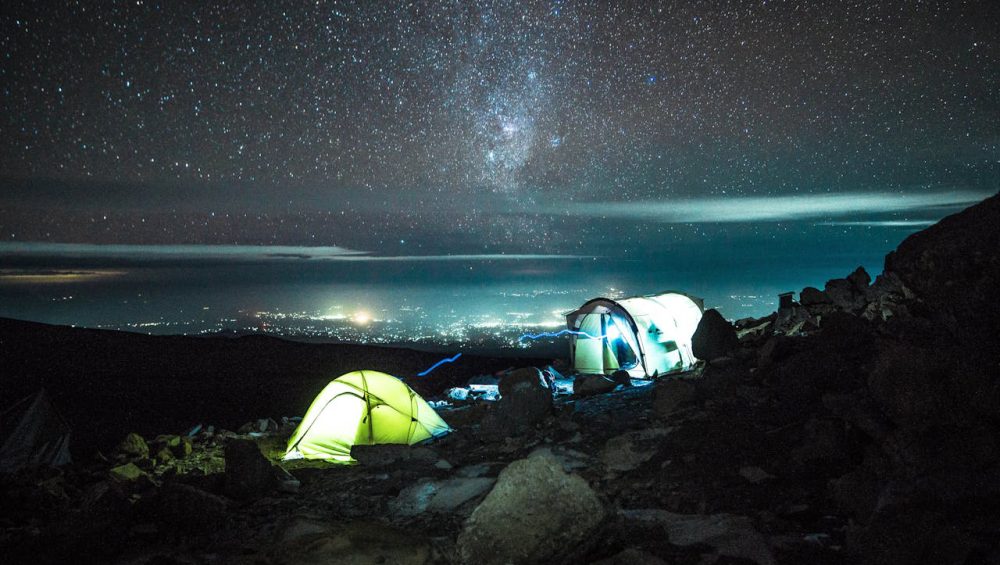
The full moon can make the summit trail feel completely different. Moonlight can brighten the rocky slopes of Kibo, reveal glaciers and surrounding peaks, and create beautiful views across the landscape when the sky stays clear. You can also see the moon from higher camps during your trek, making evenings on the mountain especially memorable.
The timing matters because a Kilimanjaro summit attempt normally starts around midnight. You climb through the night and aim to reach Uhuru Peak around sunrise. Therefore, the date of your summit night matters more than the date you begin your trek.
For example, if the full moon occurs on a particular night, you need to choose your route and starting date so that your summit attempt reaches Uhuru Peak around that time. A seven-day trek and an eight-day trek will require different starting dates to achieve the same moonlit summit.
A full moon does not mean you can leave your headlamp at home. Clouds, terrain, and changing weather can reduce moonlight, so a reliable headlamp remains essential for every night-time summit attempt.
When Is the Best Time for a Full Moon Summit?
The best time for a full moon summit is the night of the full moon or the night immediately before it. This timing gives you the brightest natural moonlight during the midnight climb toward Uhuru Peak. If you want this experience, plan your trekking dates around your summit night, rather than simply choosing a trip that starts on the full moon date.
Full moon timing matters
The full moon reaches its fullest point on a specific date, but you can still enjoy strong moonlight on the nights around it. For a Kilimanjaro climb, the exact timing matters because your summit attempt usually starts around midnight and continues into the early morning.
For example, if the full moon occurs on 10 August, you should aim to reach Uhuru Peak during the night of 9–10 August or close to that date. Your trekking route and number of days determine when you need to start.
Why your summit night matters
Many climbers look at a full moon calendar and choose the full moon date as their trek start date. That can lead to the wrong timing. You might spend your first day on the mountain while the full moon shines, then reach the summit several days later when the moon has already moved into another phase.
Instead, work backwards from your planned summit night. First choose the night you want to reach Uhuru Peak, then count the trekking days for your chosen route to find your ideal starting date.
How many days before the full moon should you start?
Your start date depends on your route and itinerary. As a general planning guide:
| Trek | Approximate start before summit night |
|---|---|
| 5-day Umbwe | 4 days |
| 6-day Rongai | 5 days |
| 6-day Marangu | 5 days |
| 7-day Machame | 6 days |
| 7-day Lemosho | 6 days |
| 8-day Lemosho | 7 days |
| 9-day Northern Circuit | 8 days |
| 10-day Northern Circuit | 9 days |
These numbers count the days from the first trekking day to the summit night. Your operator should confirm the exact schedule because route itineraries can vary.
For the best experience, aim to place your summit attempt on the full moon night or within a day of it. Keep your headlamp ready, though, because clouds, terrain, and changing weather can quickly reduce the amount of moonlight on the mountain.
Kilimanjaro Full Moon Dates
If you want to climb Kilimanjaro during a full moon, plan your trek so your summit night falls on or close to one of the full moon dates below. The dates mark when the Moon reaches its full phase in Tanzania. Your actual trek start date will depend on the number of days in your chosen route.
Kilimanjaro Full Moon Dates 2026
| Month | Full Moon Date | Best summit window |
|---|---|---|
| January | January 3, 2026 | January 2-3 |
| February | February 2, 2026 | February 1-2 |
| March | March 3, 2026 | March 2-3 |
| April | April 2, 2026 | April 1-2 |
| May | May 1, 2026 | April 30-May 1 |
| May | May 31, 2026 | May 30-31 |
| June | June 30, 2026 | June 29-30 |
| July | July 29, 2026 | July 28-29 |
| August | August 28, 2026 | August 27-28 |
| September | September 26, 2026 | September 25-26 |
| October | October 26, 2026 | October 25-26 |
| November | November 24, 2026 | November 23-24 |
| December | December 24, 2026 | December 23-24 |
Tanzania has 13 full moons in 2026 because May has two full moons. The full moon dates above follow the local lunar calendar for Tanzania.
Kilimanjaro Full Moon Dates 2027
| Month | Full Moon Date | Best summit window |
|---|---|---|
| January | January 22, 2027 | January 21-22 |
| February | February 21, 2027 | February 20-21 |
| March | March 22, 2027 | March 21-22 |
| April | April 21, 2027 | April 20-21 |
| May | May 20, 2027 | May 19-20 |
| June | June 19, 2027 | June 18-19 |
| July | July 18, 2027 | July 17-18 |
| August | August 17, 2027 | August 16-17 |
| September | September 16, 2027 | September 15-16 |
| October | October 15, 2027 | October 14-15 |
| November | November 14, 2027 | November 13-14 |
| December | December 13, 2027 | December 12-13 |
The 2027 dates follow Tanzania’s local time. Some international calendars show a date one day earlier because they use a different time zone, so checking the lunar calendar for Tanzania gives a more useful reference for Kilimanjaro planning.
How to use the full moon calendar
Do not book your trek on the full moon date simply because the calendar shows a full moon. Instead, choose your desired summit night first and then count backwards according to your route.
For example, if you want to summit around the September 26, 2026 full moon, a seven-day trek would normally start several days before September 26, while an eight-day trek would start earlier. Your exact itinerary should determine the final departure date.
The full moon gives you a target for your summit night, while your route determines when you need to start climbing. Weather can also change the experience, so the full moon does not guarantee clear skies or perfect visibility.
How to Plan Your Trek Around the Full Moon
To plan a Kilimanjaro trek around the full moon, choose your summit night first, then work backward to find your trekking start date. The number of days on your route determines when you should begin. This approach helps you reach Uhuru Peak when the moon is brightest instead of starting your trek on the full moon by mistake.
5-Day Trek
For a 5-day trek, plan to start about 4 days before your planned summit night. This short itinerary gives you little flexibility, so your dates need to match the full moon closely.
A 5-day route can work for an experienced climber, but it provides less time for acclimatization than longer itineraries. If your main goal is the full moon experience, check the entire schedule before confirming your dates.
6-Day Trek
For a 6-day trek, start about 5 days before your planned summit night. This gives you one additional day on the mountain compared with a 5-day itinerary.
When choosing your dates, focus on the night you expect to climb from high camp toward Uhuru Peak. That is the night you want to place close to the full moon.
7-Day Trek
A 7-day trek usually needs a start date around 6 days before your planned summit night. This option gives you more time on the mountain and works well for climbers who want to combine a strong itinerary with a moonlit summit.
Before booking, confirm the exact daily schedule with your operator because different routes can use different camp arrangements.
8-Day Trek
For an 8-day trek, plan to begin about 7 days before your planned summit night. The extra day gives you more time for acclimatization and allows a more gradual approach to the summit.
This makes an 8-day itinerary a strong choice if you want to enjoy the full moon without choosing an unnecessarily short climb.
9-Day Trek
For a 9-day trek, start about 8 days before your planned summit night. Longer routes give your body more time to adjust to altitude while also giving you more opportunities to enjoy the mountain before summit night.
The Northern Circuit is one example of a longer Kilimanjaro itinerary where careful date planning can place your summit attempt close to the full moon.
10-Day Trek
For a 10-day trek, plan to begin about 9 days before your planned summit night. Because this itinerary spends more time on the mountain, you need to calculate your dates carefully rather than simply booking the full moon date as your arrival or starting day.
A longer itinerary can provide a more gradual climbing experience, but your exact summit date still depends on the route schedule.
The Simple Rule
Full moon date to choose your summit night to count backward based on your route to choose your start date.
Your operator should confirm the final dates before you book flights and accommodation because trekking itineraries can vary. Also remember that the full moon does not guarantee clear skies. Clouds and mountain weather can still limit visibility, so carry a reliable headlamp even during a full moon climb.
Which Kilimanjaro Route Is Best for a Full Moon?
Lemosho is one of the best routes for a full moon Kilimanjaro climb, especially on a 7- or 8-day itinerary. The Northern Circuit also offers an excellent option because of its longer itinerary and gradual acclimatization. However, the best route depends on more than moonlight. Your fitness, preferred scenery, number of days, acclimatization needs, and the exact summit date all matter.
Lemosho Route
Best for: scenery, acclimatization, and a longer full-moon experience.
Lemosho works very well for a full moon climb because you can choose a 7- or 8- or -9day itinerary and carefully position your summit night around the full moon. The route approaches Kilimanjaro from the west and crosses the Shira Plateau before joining the southern circuit.
The longer schedule gives you more time to adjust to altitude and enjoy the changing landscapes before summit night. For many climbers, 8-day Lemosho offers the best balance between a moonlit summit, acclimatization, scenery, and overall experience.
Read More : 9 Day Lemosho Route Itinerary
Machame Route
Best for: scenery and a popular 7-day itinerary.
Machame is another strong choice for a full moon climb. The 7-day itinerary gives you enough time to plan your summit night close to the full moon while experiencing some of Kilimanjaro’s most varied landscapes.
The route becomes busier during popular periods, so a full moon climb on Machame may combine bright moonlight with more climbers on the trail. If you prefer a quieter experience, consider a longer or less crowded route.
Read More : 7 Day Machame Route Itinerary
Northern Circuit
Best for: maximum acclimatization and a longer mountain experience.
The Northern Circuit offers one of the longest approaches to Uhuru Peak. Its longer itinerary gives you plenty of time to plan a full-moon summit while allowing a gradual climb through different parts of Kilimanjaro.
It also spends more time on the quieter northern side of the mountain. Choose this route if you value acclimatization, scenery, and a longer adventure more than keeping the trip short.
Read more : 10 Day Northern Circuit Itinerary
Rongai Route
Best for: a quieter approach and a different side of Kilimanjaro.
Rongai approaches Kilimanjaro from the northern side and can provide a different experience from the busier southern routes. A 7-day itinerary can work well if you want your summit night close to the full moon.
Rongai generally offers less rainforest scenery than Lemosho or Machame, but its quieter character makes it attractive for climbers who prefer a less crowded approach.
Read More : 7 Day Rongai Route Itinerary
Marangu Route
Best for: shorter trekking and hut accommodation.
Marangu can work for a full moon climb if your dates match the summit night. Its 6-day itinerary makes date planning relatively simple, and climbers sleep in mountain huts rather than tents.
However, the shorter itinerary gives you less time for acclimatization than longer options. Choose Marangu because its route style and accommodation suit you, not simply because it can reach the summit during a full moon.
Read More : 5 Day Marangu Route Itinerary
Umbwe Route
Best for: experienced trekkers seeking a steep and challenging route.
Umbwe offers a direct and steep approach toward the southern side of Kilimanjaro. A 5-day itinerary can place your summit night close to the full moon, but the short schedule and rapid elevation gain make it a demanding choice.
The full moon does not make Umbwe easier. Choose this route for its challenging character and direct approach rather than for the moonlight alone.
Read More : Day 6 Umbwe Route Itinerary
Quick Comparison
| Route | Main Advantage | Main Consideration |
|---|---|---|
| Lemosho | Scenery and acclimatization | Longer trip |
| Northern Circuit | Gradual acclimatization and quieter trails | Longest itinerary |
| Machame | Great scenery and 7-day option | Can be busy |
| Rongai | Quieter northern approach | Less rainforest scenery |
| Marangu | Hut accommodation | Shorter acclimatization |
| Umbwe | Direct, challenging route | Steep and demanding |
So, Which Route Should You Choose?
If your priority is the best overall full moon experience, consider 8-day Lemosho or the Northern Circuit. They give you more time to acclimatize and enjoy Kilimanjaro before your moonlit summit attempt.
If you want a popular 7-day option, Machame or Lemosho can work well. Choose Rongai if you prefer a quieter northern approach, Marangu if you want huts, and Umbwe if you are looking for a more demanding climb.
Most importantly, choose the route first and then calculate the start date so your summit night to not your first trekking day to falls close to the full moon.
What Does Kilimanjaro Look Like Under a Full Moon?
Under a full moon, Kilimanjaro looks different from a normal night climb. Moonlight can illuminate Kibo, glaciers, the scree slopes, clouds, and the surrounding landscape, giving you enough natural light to see parts of the mountain beyond your headlamp. As the night ends, the moonlit landscape gradually changes into the first light of sunrise.
Kibo
Kibo’s upper slopes can appear clearly under strong moonlight, especially when the sky stays clear. The broad volcanic cone becomes easier to see as you climb higher toward the summit.
Glaciers
The remaining glaciers and ice around Kibo can stand out in the moonlight. Their pale surfaces can reflect the available light, creating a noticeable contrast against the dark volcanic rock.
Scree
The summit trail contains loose volcanic scree, which can look grey or silver under a bright moon. You can often see the slope ahead more clearly, although your headlamp remains important for identifying the safest path.
Clouds
Clouds can completely change the view. When they stay below you, moonlight may illuminate the cloud layer and create a wide, bright landscape. When clouds move across the summit area, visibility can drop quickly and the moon may disappear.
Surrounding Landscape
From higher elevations, clear conditions can reveal large areas of Tanzania below the mountain. During a full moon, the landscape appears darker and less detailed than during daylight, but lights from lower areas and the moonlit horizon can add depth to the view.
From Moonlight to Sunrise
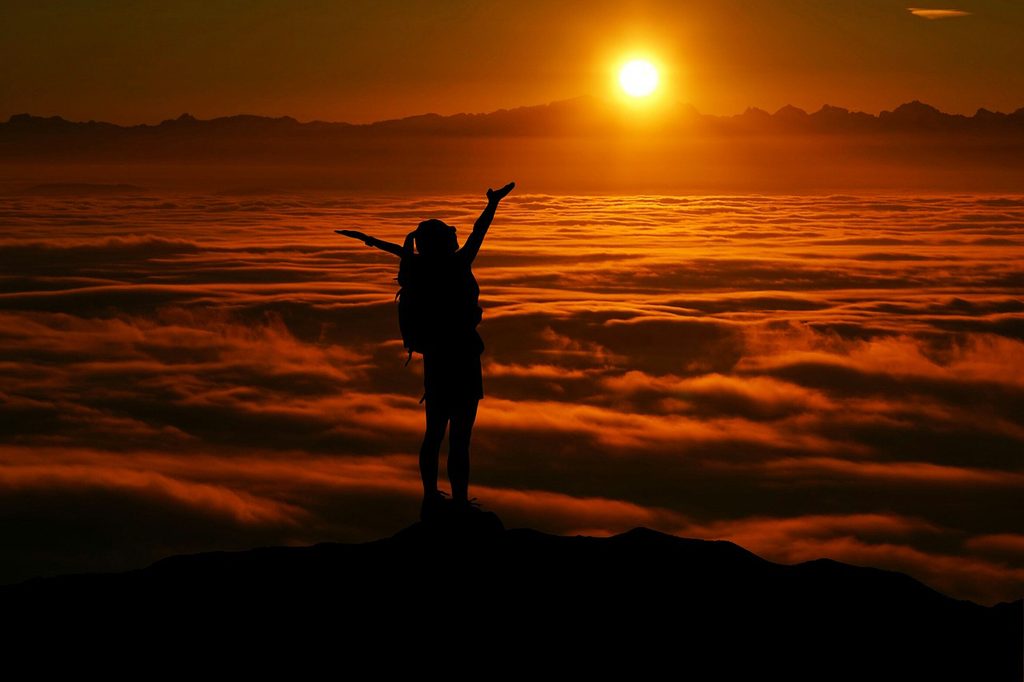
The most dramatic change comes near sunrise. The dark blue night gradually becomes lighter, the surrounding landscape becomes more visible, and the first sunlight reaches Kibo. You move from a moonlit summit climb to a sunrise view at Uhuru Peak within a short period.
A full moon does not guarantee these views. Clouds, visibility, weather, and the position of the moon can change what you see on summit night.
Advantages of Climbing Kilimanjaro During a Full Moon
A full moon can make your Kilimanjaro summit night more enjoyable, especially when the sky stays clear. The main advantage is the extra natural light, but the experience also offers several visual benefits.
Better Visibility on the Summit Trail
Bright moonlight can illuminate the rocky slopes and scree around Kibo. You may see more of the surrounding terrain instead of relying entirely on your headlamp.
Beautiful Views at Night
The full moon can reveal Kibo, glaciers, clouds, and the landscape below in a way that you cannot experience during a darker night. The scenery changes again as sunrise approaches.
A Memorable Summit Experience
Walking toward Uhuru Peak under a bright moon creates a different atmosphere from a normal night climb. For many climbers, combining moonlight with the sunrise at the summit makes the final ascent especially memorable.
Less Dependence on Artificial Light
Moonlight can provide useful additional illumination, particularly on exposed sections of the trail. However, you should still use your headlamp throughout the summit attempt.
Disadvantages of a Full Moon Climb
A full moon also comes with some disadvantages. The biggest issue for some climbers is that popular full-moon dates can attract more people, while the moon itself does not improve the physical difficulty or safety of the climb.
More Popular Dates
Full moon periods are popular among climbers who want to experience the mountain under bright moonlight. This can make those dates more sought after, so availability may become limited.
Potentially More Climbers
More people may choose to summit around the same full moon period. On busy routes, this can mean more climbers on the trail during the night and more activity around high camps.
Moonlight Does Not Guarantee Clear Weather
A full moon only provides light when you can see it. Clouds, mist, rain, or poor visibility can block the moon and limit your views. Mountain weather can change quickly, so you should never book a full moon climb expecting guaranteed clear skies.
You Still Need a Headlamp
Moonlight does not replace a headlamp. The summit trail contains loose scree, rocks, and uneven ground, and clouds can reduce natural light without warning. Carry a reliable headlamp with spare batteries.
A Full Moon Does Not Prevent Altitude Sickness
The moon has no protective effect against altitude sickness. Your risk still depends on factors such as how quickly you gain elevation, your individual response to altitude, hydration, rest, and acclimatization. A longer itinerary with a suitable pace remains important, regardless of the moon phase.
Do You Still Need a Headlamp During a Full Moon?
Yes, you still need a headlamp during a full moon climb on Kilimanjaro. A full moon can provide useful natural light, but it cannot reliably replace a headlamp during the night ascent.
Your summit climb takes place in darkness, often starting around midnight. The trail toward Uhuru Peak includes loose scree, rocks, uneven ground, and steep sections where you need to see your footing clearly.
Clouds can also cover the moon without warning. When that happens, natural light can drop quickly, leaving the trail much darker.
Use your headlamp as your main source of light and let the moon provide additional illumination when conditions allow. Carry spare batteries or a fully charged backup, especially for the long summit night.
Full moon extra natural light, not a replacement for your headlamp.
Is a Full Moon Better Than a New Moon for Kilimanjaro?
For most climbers, a full moon offers a better night-time experience than a new moon because it provides natural light during the summit climb. However, a new moon can offer darker skies, fewer moon-related distractions, and better conditions for seeing stars. Neither moon phase makes the climb easier or guarantees good weather.
Full Moon
A full moon can brighten the summit trail and make Kibo, glaciers, scree, and the surrounding landscape easier to see at night. It also creates a dramatic setting for the climb toward Uhuru Peak.
The main disadvantage is popularity. Many climbers deliberately plan their summit night around the full moon, which can make these dates busier on popular routes.
New Moon
A new moon produces very little natural moonlight, so the summit trail will appear much darker. You will depend more heavily on your headlamp throughout the night.
The advantage is the darker sky. When clouds stay away, a new-moon summit can provide excellent conditions for seeing stars and the night sky above Kilimanjaro. New-moon dates may also attract fewer climbers than popular full-moon periods, although crowd levels depend mainly on the season, route, and overall demand.
Full Moon vs New Moon
| Factor | Full Moon | New Moon |
|---|---|---|
| Night-time light | Much brighter | Very dark |
| Headlamp | Still required | Essential |
| Moonlit scenery | Excellent | Minimal |
| Stargazing | Less ideal | Better |
| Popularity | Often higher | Often lower |
| Summit experience | Moonlight to sunrise | Dark sky to sunrise |
Which Should You Choose?
Choose a full moon climb if you want natural light, moonlit mountain scenery, and the experience of walking toward Uhuru Peak under a bright moon.
Choose a new moon climb if you prefer darker skies, stronger stargazing opportunities, and potentially quieter dates.
Whichever phase you choose, your route, acclimatization, weather, and preparation matter much more than the moon phase itself.
Full Moon vs New Moon: Which Should You Choose?
Choose a full moon if you want a brighter summit night and moonlit views of Kibo. Choose a new moon if you prefer darker skies, stronger stargazing, and potentially quieter trekking dates.
| Full Moon | New Moon |
|---|---|
| Brighter summit night | Darker summit night |
| Better natural visibility | More dependent on your headlamp |
| Excellent for night photography | Better for seeing stars |
| More popular dates | Often quieter |
| Moonlit Kibo views | Darker mountain silhouettes |
The full moon suits climbers who want to see more of the mountain at night and experience Kibo under natural moonlight. The new moon suits climbers who prefer a darker sky and better stargazing conditions.
Neither option guarantees clear skies or a successful summit. Weather, altitude, acclimatization, fitness, and route choice remain more important factors in your climb.
Does a Full Moon Affect Kilimanjaro Weather?
No. A full moon does not control or improve Kilimanjaro’s weather. Moon phase and mountain weather are different things.
A full moon changes how much natural light reaches the mountain at night. It does not guarantee clear skies, less wind, warmer temperatures, or better visibility.
You can have a bright full moon and still experience clouds, strong wind, rain, mist, or poor visibility during your summit attempt. The moon may also disappear behind clouds for part of the night.
Weather conditions depend on factors such as altitude, season, temperature, wind, cloud formation, and local mountain conditions. Check the weather forecast before your climb, but also prepare for conditions to change quickly at high altitude.
The right expectation is simple: a full moon can improve night-time light, but it cannot guarantee good mountain weather.
What to Pack for a Full Moon Summit
A full moon does not require a completely different packing list. You need the same essential summit equipment as any night climb, with a few items that help you enjoy and photograph the moonlit scenery.
- Headlamp: Your main source of light during the summit climb.
- Spare batteries: Cold temperatures can reduce battery performance, so carry a backup.
- Warm layers: Bring an insulated jacket and suitable layers for the cold summit conditions.
- Gloves: Use warm gloves to protect your hands from cold and wind.
- Sunglasses: Essential after sunrise when bright sunlight reflects from snow, ice, and rocky surfaces.
- Camera or phone: Useful for capturing Kibo, the moonlit landscape, and sunrise at Uhuru Peak.
- Power bank: Helps keep your phone or camera charged during the trek.
- Water: Carry enough water for the summit section and protect it from freezing in very cold conditions.
- Lip balm and sunscreen: Useful protection against cold, dry air and strong sunlight after sunrise.
- Small backpack: Keep your summit essentials accessible during the night ascent.
Do not pack less simply because you are climbing under a full moon. The summit remains cold, high, and physically demanding, and you should prepare for darkness, changing weather, and a long night on the mountain.
Best Routes and Days for a Full Moon Summit
The best route and number of days for a full moon summit depend on your priorities. For most climbers, a 7- or 8-day Lemosho trek offers a strong balance of acclimatization, scenery, and full-moon timing. The 9- or 10-day Northern Circuit suits climbers who want more time on the mountain, while shorter routes work for travelers who need a shorter itinerary.
| Route | Typical Days | Best For | Full Moon Choice |
|---|---|---|---|
| Lemosho | 7-8 days | Scenery and acclimatization | Best overall |
| Northern Circuit | 9-10 days | Longer, gradual trek | Excellent |
| Machame | 7 days | Scenery and a popular route | Very good |
| Rongai | 6 days | Quieter northern approach | Good |
| Marangu | 6 days | Hut accommodation | Good |
| Umbwe | 5 days | Experienced trekkers | Challenging |
The important point is that the summit night should match the full moon, not the first day of your trek. Once you choose your preferred route and number of days, count backward from your target summit night to find the appropriate starting date.
If you want more time to acclimatize, consider 8-day Lemosho or a 9- or 10-day Northern Circuit. If you want a shorter trip, 6-day Rongai or Marangu can work, while 5-day Umbwe requires a much more demanding approach.
Your final dates should also account for your flight schedule, accommodation before and after the climb, and any safari or Zanzibar plans you have after Kilimanjaro.
Why Climb Kilimanjaro With WeWild Travel?
A full moon climb needs more than simply choosing a date from a moon calendar. WeWild Travel helps you match your preferred route and trekking days with the summit date you want, then organizes the climb around that schedule.
We focus on Kilimanjaro trekking and mountain climbing, so the planning stays centered on the mountain experience. We can help you choose a suitable route, understand the daily itinerary, prepare for the summit night, and arrange the climb around your travel dates.
Before you start, we explain what to expect on the mountain, including altitude, weather, accommodation, meals, equipment, and the physical demands of summit night.
During the trek, our mountain team supports you throughout the route and helps you stay focused on a safe and well-planned climb.
If a full moon is important to you, tell us your preferred travel month, number of trekking days, and route preference. We can then work backward from the full moon to plan the summit night and recommend the right starting date.
The goal is simple: choose the right route, plan the dates carefully, and enjoy your Kilimanjaro summit under the moon and sunrise.
Frequently Asked Questions
Yes. A full moon provides extra natural light during the night summit and can make Kibo, the scree slopes, glaciers, and surrounding landscape easier to see.
Lemosho is one of the best choices, especially on a 7- or 8-day itinerary. The Northern Circuit also works well for climbers who prefer a longer and more gradual trek.
No. Your summit night should fall on or close to the full moon. You normally need to start several days earlier, depending on your route and itinerary length.
Yes. Moonlight does not provide consistent lighting, especially when clouds cover the moon. A reliable headlamp and spare batteries remain essential.
No. The moon can improve night-time visibility, but it does not reduce altitude, cold, steep terrain, or physical effort. Proper acclimatization remains important.
No. Moon phase and mountain weather are separate. Clouds, wind, rain, and poor visibility can still occur during a full moon.
It depends on your preference. A full moon offers brighter conditions and moonlit views, while a new moon provides darker skies that can be better for stargazing.
They can be. Full moon dates attract climbers who specifically want the moonlit summit experience, so popular routes may have more people during these periods.
Pack your normal summit equipment, including a headlamp, spare batteries, warm layers, gloves, sunglasses, water, and a camera or phone. The full moon does not remove the need for proper cold-weather gear.
Conclusion
A Kilimanjaro full moon climb can make your summit night special, with natural moonlight illuminating Kibo, the trail, and the landscape before sunrise. But the moon should be only one part of your planning.
Choose your route and trekking days based on your fitness, acclimatization needs, scenery, and preferred experience. Then work backward from the full moon to select the right starting date. Remember, your summit night matters more than the day you begin your trek.
A full moon does not guarantee clear weather, prevent altitude sickness, or replace your headlamp. Good preparation, the right itinerary, and a responsible mountain team remain essential.
If you want to plan your climb around a specific full moon, WeWild Travel can help you choose the route, calculate the trekking dates, and prepare for your Kilimanjaro summit.