Climbing Mount Kilimanjaro: The Complete Guide for First-Time Trekkers
Estimated reading time: 1 minute
Climbing Mount Kilimanjaro is one of the world’s most rewarding trekking adventures. Standing at 5,895 meters (19,341 feet), it is Africa’s highest mountain and the tallest free-standing mountain on Earth. Every year, thousands of trekkers from around the world travel to Tanzania to reach Uhuru Peak, attracted by the mountain’s breathtaking landscapes, unique ecosystems, and the achievement of standing on the Roof of Africa.
Unlike many of the world’s highest peaks, climbing Mount Kilimanjaro does not require technical mountaineering skills or previous climbing experience. With the right route, proper preparation, a qualified guide, and enough time to acclimatize, many first-time trekkers successfully reach the summit. However, success depends on more than determination. Understanding the mountain, preparing for high altitude, choosing the best route, and packing the right equipment all play an important role in creating a safe and enjoyable climb.
This complete guide covers everything you need to know before climbing Mount Kilimanjaro. You’ll learn how difficult the climb is, the best time to visit, how to choose the right route, what to pack, how much the trek costs, how to train, and practical tips that can improve your chances of reaching the summit. Whether your goal is a once-in-a-lifetime adventure or checking one of the Seven Summits off your bucket list, this guide will help you plan your Kilimanjaro climb with confidence.
These effects can vary from person to person. Some climbers feel only mild symptoms, while others may feel stronger changes in their body. The key is not to panic, but to move slowly and listen to your body throughout the climb.
Table of contents
- Climbing Mount Kilimanjaro: The Complete Guide for First-Time Trekkers
- Can Anyone Climb Mount Kilimanjaro?
- Why Climb Mount Kilimanjaro?
- Where Is Mount Kilimanjaro?
- How Difficult Is Climbing Mount Kilimanjaro?
- Best Time to Climb Mount Kilimanjaro
- How Long Does It Take to Climb Kilimanjaro?
- Kilimanjaro Routes Compared
- How Much Does It Cost to Climb Mount Kilimanjaro?
- What to Pack for Climbing Mount Kilimanjaro
- How to Train for Climbing Mount Kilimanjaro
- Altitude Sickness on Mount Kilimanjaro
- Safety on Mount Kilimanjaro
- Why Choose a Local Kilimanjaro Operator?
- Frequently Asked Questions
- Final Thoughts
- Read Also:
Can Anyone Climb Mount Kilimanjaro?
Yes, most healthy adults can climb Mount Kilimanjaro with the right preparation, even if they have never climbed a mountain before. Kilimanjaro is a trekking peak, which means you do not need technical mountaineering skills, ropes, or rock-climbing experience to reach the summit. However, the climb is still physically demanding because of its high altitude, long hiking days, and changing weather conditions.
Success on Kilimanjaro depends less on age or climbing experience and more on choosing the right route, preparing your body, allowing enough time to acclimatize, and trekking with experienced guides. Many first-time trekkers reach Uhuru Peak every year by maintaining a steady pace, staying hydrated, and following their guide’s instructions throughout the climb.
If you are considering climbing Mount Kilimanjaro for the first time, understanding what the trek involves will help you prepare better and increase your chances of reaching the summit safely.
Do You Need Climbing Experience?
No, you do not need previous climbing or mountaineering experience to climb Mount Kilimanjaro. Unlike mountains that require technical skills, Kilimanjaro follows well-established trekking routes that experienced mountain guides lead from the starting gate to the summit.
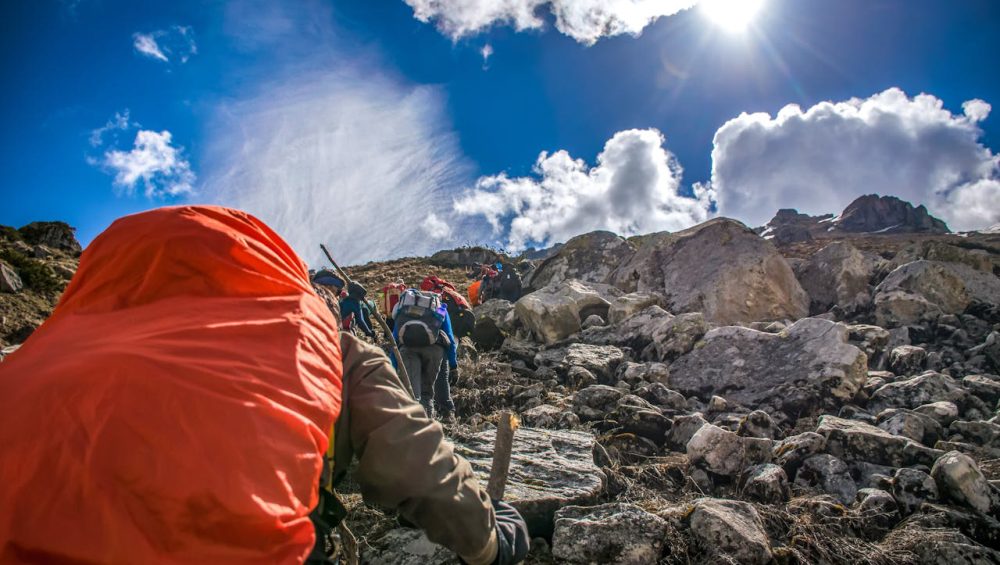
Although technical climbing skills are unnecessary, you should prepare for several days of hiking on different types of terrain. During the climb, you will walk through rainforest, moorland, alpine desert, and arctic conditions near the summit. Each day involves several hours of walking, so good physical fitness and mental determination are more important than climbing experience.
Many successful climbers are first-time trekkers who prepare in advance by hiking regularly, improving their cardiovascular fitness, and choosing a route with enough time for altitude acclimatization.
Is Kilimanjaro Suitable for Beginners?
Yes, Kilimanjaro is one of the best high-altitude mountains in the world for beginners. Thousands of people with little or no trekking experience successfully reach the summit every year. The key is to prepare properly, choose a route that matches your fitness level, and allow enough days on the mountain to adjust to the altitude.
Beginners often achieve higher success rates on longer routes because they provide more time for acclimatization. Popular options such as the Lemosho Route and the Machame Route give trekkers a better opportunity to adapt to the altitude before summit day.
If this is your first mountain adventure, booking with an experienced local operator can make a significant difference. Professional guides monitor your health, set a comfortable trekking pace, provide safety support, and help you enjoy every stage of the climb. With the right preparation, guidance, and mindset, climbing Mount Kilimanjaro can become an achievable and unforgettable adventure.
Why Climb Mount Kilimanjaro?
Climbing Mount Kilimanjaro offers far more than reaching Africa’s highest summit. It is an adventure that combines breathtaking scenery, diverse ecosystems, rich wildlife, and a personal challenge unlike any other. Every year, thousands of trekkers from around the world choose Kilimanjaro because it provides the opportunity to stand on one of the world’s most famous mountains without requiring technical climbing skills.
From the moment you begin your trek, the mountain takes you through landscapes that change dramatically with elevation. You’ll experience lush rainforests, open moorlands, alpine deserts, and icy glaciers before reaching Uhuru Peak at 5,895 meters (19,341 feet). Few destinations in the world offer such a remarkable journey in a single climb.
For many people, climbing Kilimanjaro is more than a vacation. It is a personal goal, a bucket-list adventure, or a lifelong dream. Whether you want to challenge yourself, enjoy Tanzania’s natural beauty, or complete one of the world’s greatest trekking experiences, Kilimanjaro delivers memories that last a lifetime.
Africa’s Highest Mountain
Mount Kilimanjaro is the highest mountain in Africa, rising 5,895 meters (19,341 feet) above sea level. Located in northeastern Tanzania, the mountain dominates the surrounding plains and attracts climbers from every continent.
Reaching the summit is a remarkable achievement because it means standing on the highest point in Africa. Unlike many other famous mountains, Kilimanjaro welcomes trekkers with different fitness levels, provided they prepare well and choose a suitable route.
One of the Seven Summits
Kilimanjaro is one of the Seven Summits, a collection of the highest mountains on each continent. Climbers from around the world include Kilimanjaro in their adventure goals because it offers an excellent introduction to high-altitude trekking.
Unlike some of the other Seven Summits that require advanced mountaineering skills and technical equipment, Kilimanjaro is a non-technical trekking peak. This makes it one of the most accessible mountains in the challenge while still providing an unforgettable sense of accomplishment.
Wildlife and Changing Landscapes
One of the most unique features of climbing Kilimanjaro is the incredible variety of landscapes you experience during the trek. The journey begins in a tropical rainforest filled with towering trees, colorful birds, and curious monkeys. As you climb higher, the scenery changes to moorlands with giant groundsels and lobelias, followed by rocky alpine deserts and finally snow and glaciers near the summit.
Because Kilimanjaro lies close to several of Tanzania’s famous national parks, many trekkers combine their climb with a safari. Visiting destinations such as Serengeti National Park or Ngorongoro Conservation Area after the trek allows travelers to experience both Africa’s highest mountain and its world-famous wildlife in one unforgettable holiday.
Personal Achievement
For many climbers, the greatest reward is not the summit itself but the journey to reach it. Climbing Kilimanjaro requires determination, patience, and resilience, making every step toward Uhuru Peak meaningful.
Watching the sunrise from the Roof of Africa is a moment many trekkers never forget. It represents months of preparation, days of effort, and the satisfaction of achieving a goal that once seemed impossible.
Whether you are celebrating a milestone, raising money for charity, seeking adventure, or fulfilling a lifelong dream, climbing Mount Kilimanjaro offers an experience that challenges both your body and your mind while rewarding you with memories that last forever.
Where Is Mount Kilimanjaro?
Mount Kilimanjaro is located in northeastern Tanzania, close to the border with Kenya. The mountain stands within Kilimanjaro National Park, a protected UNESCO World Heritage Site that attracts thousands of trekkers every year. Rising to 5,895 meters (19,341 feet) above sea level, Kilimanjaro is Africa’s highest mountain and the world’s tallest free-standing mountain.
Its location makes it one of the most accessible high-altitude trekking destinations in the world. Unlike many famous mountains that require long expeditions to remote regions, Kilimanjaro is easy to reach through Tanzania’s international airports and a short road transfer to the park gates. Most climbers spend one night in a nearby town before starting their trek, giving them time to rest, check their equipment, and meet their mountain guides.
Whether you are traveling from Europe, North America, Asia, Australia, or elsewhere in Africa, reaching Mount Kilimanjaro is straightforward with proper planning. Understanding where the mountain is located and how to get there will help you organize your trip more efficiently.
Location
Mount Kilimanjaro lies in the Kilimanjaro Region of northern Tanzania, approximately 330 kilometers (205 miles) south of the Equator. The mountain features three volcanic cones: Kibo, Mawenzi, and Shira. Kibo is the highest and home to Uhuru Peak, the summit that trekkers aim to reach.
The mountain rises above the surrounding plains, creating one of Africa’s most recognizable landscapes. Its unique geography allows climbers to walk through five distinct climate zones, from tropical rainforest at the base to arctic conditions near the summit.
How to Get There
Most international visitors begin their journey by flying to Tanzania before traveling to the mountain. After arriving, climbers usually transfer by road to either Moshi or Arusha, the two main towns that serve as bases for Kilimanjaro expeditions.
From these towns, your tour operator arranges transportation to the appropriate park gate for your chosen route, such as the Machame Gate, Lemosho Gate, Marangu Gate, or Rongai Gate. The drive from Moshi to most park gates typically takes between one and two hours, depending on the route you choose.
Booking with a local Kilimanjaro operator simplifies the journey because transportation, hotel accommodation, park entry, guides, porters, and meals are usually organized as part of the climbing package.
Nearest Airport
The nearest airport to Mount Kilimanjaro is Kilimanjaro International Airport, located between Moshi and Arusha. It is the main gateway for international trekkers and offers convenient access to the mountain.
Many travelers fly directly into Kilimanjaro International Airport or connect through Julius Nyerere International Airport or Abeid Amani Karume International Airport before continuing to northern Tanzania.
After landing at Kilimanjaro International Airport, most climbers reach their hotel in Moshi or Arusha within one to two hours. Spending a night before the trek gives you time to recover from your flight, attend a pre-climb briefing, and complete a final equipment check before beginning your Mount Kilimanjaro adventure.
How Difficult Is Climbing Mount Kilimanjaro?
Climbing Mount Kilimanjaro is challenging, but many first-time trekkers successfully reach the summit every year. The mountain does not require technical climbing skills, ropes, or ice axes, making it accessible to beginners. However, that does not mean the trek is easy. The biggest challenges come from the high altitude, long hiking days, changing weather conditions, and the physical and mental effort required to reach Uhuru Peak.
Many people believe fitness alone guarantees success, but altitude plays a much bigger role. Even experienced hikers and athletes can struggle if they ascend too quickly or fail to acclimatize properly. Choosing a longer route, maintaining a slow and steady pace, staying hydrated, and listening to your guide can significantly improve your chances of reaching the summit.
Understanding the challenges before your climb allows you to prepare effectively and enjoy a safer, more rewarding Kilimanjaro experience.
Altitude
Altitude is the biggest challenge on Mount Kilimanjaro. As you climb higher, the amount of oxygen in the air decreases, making every step feel more demanding. Most trekkers begin to notice the effects of altitude above 3,000 meters (9,842 feet), and the symptoms often become stronger as they approach the summit.
Some climbers experience mild altitude sickness, including headaches, fatigue, nausea, or difficulty sleeping. These symptoms are common, but they should never be ignored. The best way to reduce the risk is to choose a route that allows more time for acclimatization, walk slowly, drink plenty of water, eat well, and follow your guide’s advice throughout the trek.
Professional Kilimanjaro guides monitor trekkers every day and check for signs of altitude sickness to help ensure everyone climbs safely.
Fitness
Although technical climbing skills are unnecessary, good physical fitness makes the climb more comfortable and enjoyable. Trekkers usually spend five to nine days on the mountain, walking several hours each day over uneven trails and steep sections.
Preparing your body before the climb can increase your endurance and confidence. Activities such as hiking, running, cycling, swimming, and stair climbing help improve cardiovascular fitness, while strength training builds the muscles needed for long days on the trail.
You do not need to be an elite athlete to climb Kilimanjaro. Consistent training over several weeks or months is usually enough for healthy adults who want to prepare for the challenge.
Mental Preparation
A positive mindset is just as important as physical fitness. Some days on the mountain are long and tiring, and weather conditions can change quickly. Staying patient, following your guide’s pace, and focusing on one step at a time can help you overcome difficult moments.
Many successful trekkers say mental determination carried them through the final stages of the climb. Instead of thinking only about the summit, focus on reaching each campsite and enjoying the journey through Kilimanjaro’s changing landscapes.
Preparing mentally before your trip also helps you stay calm, confident, and motivated throughout the adventure.
Summit Night
Summit night is the most demanding part of climbing Mount Kilimanjaro. Trekkers usually begin the final ascent around midnight so they can reach Uhuru Peak at sunrise. The trail is steep, temperatures often drop well below freezing, and the high altitude makes every step feel more challenging.
Success on summit night depends on proper preparation during the previous days of the climb. Walking slowly, wearing warm clothing, eating enough food, staying hydrated, and following your guide’s instructions all improve your chances of reaching the summit safely.
Although summit night tests both your body and your determination, watching the sunrise from the Roof of Africa is one of the most unforgettable moments of the entire adventure. For many climbers, every challenging step becomes worthwhile when they stand at the highest point on the African continent.
Best Time to Climb Mount Kilimanjaro
The best time to climb Mount Kilimanjaro depends on the weather, trail conditions, and the type of trekking experience you want. Although Kilimanjaro remains open throughout the year, some months offer better climbing conditions than others. Most trekkers prefer the dry seasons because they bring clearer skies, better trail conditions, and excellent summit views.
The two most popular climbing seasons are January to March and June to October. During these months, the mountain usually experiences less rainfall, making the trails easier to hike and improving visibility. However, these periods also attract more climbers, especially on popular routes such as Machame and Lemosho.
If you prefer quieter trails, other months may still provide a rewarding experience, although weather conditions can be less predictable. Understanding the advantages and challenges of each season will help you choose the best time for your Kilimanjaro adventure.
January-March
January through March is one of the best times to climb Mount Kilimanjaro. The weather is generally stable, with mild daytime temperatures and colder nights as you gain elevation. Higher sections of the mountain may have snow, creating spectacular scenery near the summit.
This season usually attracts fewer trekkers than the middle of the year, making the trails less crowded while still offering good climbing conditions. The clear skies also provide excellent views of Tanzania’s landscapes and unforgettable sunrises from Uhuru Peak.
January to March is an excellent choice for first-time trekkers who want a balance between favorable weather and a quieter mountain.
June-October
June to October is the most popular climbing season on Mount Kilimanjaro. These months fall within Tanzania’s long dry season, bringing clear weather, lower rainfall, and excellent trekking conditions.
The dry trails make hiking more comfortable, while the clear skies offer outstanding views throughout the climb. Because of these advantages, this period attracts climbers from around the world, so popular routes and accommodations may book up well in advance.
If you plan to climb during this season, booking your trek several months ahead gives you more route options and increases your chances of securing your preferred travel dates.
November
November marks the short rainy season on Mount Kilimanjaro. Rain showers become more common, especially in the rainforest zone, making some trails muddy and slippery. Weather conditions can also change quickly, so trekkers should prepare with waterproof clothing and appropriate hiking gear.
Despite the increased chance of rain, November has its advantages. The mountain is usually much quieter, allowing climbers to enjoy a more peaceful trekking experience. For travelers who do not mind occasional rainfall and prefer fewer crowds, November can still be a good time to climb with proper preparation and guidance from experienced mountain guides.
Weather Table
| Month | Weather Conditions | Crowds | Recommended for Climbing |
|---|---|---|---|
| January to March | Mostly dry, clear skies, cooler temperatures near the summit | Moderate | Excellent |
| April to May | Long rainy season with wet and muddy trails | Low | Limited |
| June to October | Dry weather, sunny days, excellent visibility | High | Excellent |
| November | Short rainy season with occasional showers | Low | Good |
| December | Improving weather with a mix of sunshine and occasional rain | Moderate | Very Good |
No matter when you choose to climb, proper preparation, the right equipment, and an experienced guide are essential for a safe and enjoyable trek. If you also plan to explore Tanzania after your climb, many travelers combine their Kilimanjaro adventure with a wildlife safari or a relaxing beach holiday in Zanzibar, creating an unforgettable East African experience.
How Long Does It Take to Climb Kilimanjaro?
Climbing Mount Kilimanjaro typically takes 5 to 9 days, depending on the route you choose. While shorter routes allow you to reach the summit more quickly, they provide less time for your body to adjust to the altitude. Longer routes include additional acclimatization days, which often improve summit success rates and make the climb more enjoyable.
Choosing the right itinerary is one of the most important decisions when planning your Kilimanjaro adventure. Your fitness level, previous hiking experience, available travel time, and budget all play a role. However, many experienced guides recommend selecting a longer route because altitude, rather than physical fitness, is the main reason climbers fail to reach the summit.
If your goal is to maximize your chances of standing on Uhuru Peak, consider a route that gives your body enough time to adapt to the changing elevation.
Route Comparison Table
| Route | Typical Duration | Difficulty | Acclimatization | Best For |
|---|---|---|---|---|
| Lemosho Route | 7-8 days | Moderate | Excellent | First-time trekkers and high summit success |
| Machame Route | 6-7 days | Moderate to Challenging | Very Good | Experienced hikers and adventurous trekkers |
| Marangu Route | 5-6 days | Moderate | Fair | Trekkers with limited time |
| Rongai Route | 6-7 days | Moderate | Good | Quieter trails and dry conditions |
| Northern Circuit | 8-9 days | Moderate | Excellent | Highest summit success and scenic experience |
| Umbwe Route | 5-6 days | Challenging | Limited | Experienced trekkers only |
Why Longer Routes Increase Success
Many first-time climbers believe a shorter trek is easier because it takes fewer days. In reality, the opposite is often true. The biggest challenge on Mount Kilimanjaro is altitude, not the distance you walk each day.
Longer routes allow your body to acclimatize gradually as you gain elevation. This extra time helps reduce the risk of altitude sickness and gives your body a better chance to adjust to lower oxygen levels. As a result, trekkers on longer itineraries often feel stronger on summit day and have a higher chance of reaching Uhuru Peak.
Routes such as the Lemosho Route and the Northern Circuit are popular because they combine beautiful scenery with excellent acclimatization. Although they require more days on the mountain, many climbers consider them the best choice for a safer and more enjoyable experience.
If your schedule allows, choosing a 7- or 8-day itinerary is one of the best investments you can make in your Kilimanjaro adventure. The additional time not only increases your summit success but also gives you more opportunities to enjoy the mountain’s changing landscapes, take photographs, and appreciate the journey instead of rushing to the top.
Kilimanjaro Routes Compared
Choosing the right route is one of the most important decisions you’ll make when planning to climb Mount Kilimanjaro. Each route offers a different experience, including unique scenery, varying levels of difficulty, different acclimatization profiles, and different summit success rates. While all official routes lead to Uhuru Peak, the journey can vary significantly depending on the path you choose.
Some routes are ideal for beginners who want more time to acclimatize, while others suit experienced trekkers looking for a greater challenge. Before booking your climb, compare each route carefully and choose one that matches your fitness level, travel schedule, and adventure goals.
Machame Route
The Machame Route, often called the “Whiskey Route,” is one of the most popular ways to climb Kilimanjaro. Most itineraries take 6 to 7 days, giving trekkers enough time to acclimatize while enjoying spectacular scenery.
The route passes through rainforest, moorland, alpine desert, and glaciers before reaching the summit. Although some sections are steeper than other routes, its “climb high, sleep low” profile helps many trekkers adjust to the altitude. Machame is an excellent choice for adventurous hikers who have a reasonable level of fitness and want a scenic climb with a good summit success rate.
Lemosho Route
The Lemosho Route is widely considered one of the best routes for first-time trekkers. Most climbs last 7 to 8 days, providing excellent acclimatization and one of the highest summit success rates on the mountain.
Starting on Kilimanjaro’s western side, the route offers beautiful forests, dramatic mountain views, and quieter trails during the first few days. It later joins the Machame Route before continuing to the summit. Many guides recommend Lemosho because it combines breathtaking scenery, manageable trekking days, and a gradual ascent that helps climbers adapt to the altitude.
Marangu Route
The Marangu Route, also known as the “Coca-Cola Route,” is the only Kilimanjaro route that uses mountain huts instead of tents. Climbs usually take 5 to 6 days, making it one of the shortest options available.
The comfortable hut accommodation appeals to trekkers who prefer not to camp. However, the shorter itinerary allows less time for acclimatization, which can reduce summit success compared to longer routes. Travelers with limited time often choose Marangu, but adding an extra acclimatization day can improve the overall experience.
Rongai Route
The Rongai Route approaches Kilimanjaro from the northern side near the Kenyan border. Most itineraries take 6 to 7 days, and the route is known for its quieter trails and relatively gentle ascent.
Because the northern side of the mountain receives less rainfall, Rongai is a good option during months when other routes may be wetter. The peaceful environment, beautiful wilderness, and gradual climb make it an attractive choice for trekkers seeking fewer crowds.
Northern Circuit
The Northern Circuit is the longest and one of the most scenic Kilimanjaro routes. Most expeditions take 8 to 9 days, allowing excellent acclimatization and giving climbers one of the highest chances of reaching Uhuru Peak.
This route circles much of the mountain before the summit attempt, providing spectacular views and a quieter trekking experience than most other routes. Although it requires more time, many experienced guides consider the Northern Circuit the best choice for trekkers who want to maximize both safety and summit success.
Which Route Is Best?
There is no single “best” route for everyone because the right choice depends on your experience, fitness level, available time, and personal preferences. However, some routes consistently stand out for different types of climbers.
- Choose the Lemosho Route if you are a first-time trekker looking for excellent acclimatization, beautiful scenery, and a high summit success rate.
- Choose the Machame Route if you want a scenic and adventurous climb with a balanced level of challenge.
- Choose the Marangu Route if you prefer sleeping in mountain huts and have a shorter schedule.
- Choose the Rongai Route if you want quieter trails and a gradual ascent.
- Choose the Northern Circuit if your priority is the highest possible summit success and you have enough time for a longer expedition.
If you’re unsure which route is right for you, speaking with an experienced local Kilimanjaro operator can help. At WeWild Travel, we help trekkers compare routes based on their fitness, trekking experience, travel dates, and goals, ensuring they choose the itinerary that offers the safest, most enjoyable, and most rewarding climb.
How Much Does It Cost to Climb Mount Kilimanjaro?
The cost to climb Mount Kilimanjaro typically ranges from $2,000 to $6,000 or more per person, depending on the route, number of trekking days, group size, accommodation, and the tour operator you choose. While it may be tempting to book the cheapest package, price should never be the only factor when planning your climb. A well-organized trek with experienced guides, quality equipment, and proper safety measures offers better value and increases your chances of reaching the summit.
Several factors influence the total cost, including Kilimanjaro National Park fees, guide and porter wages, camping or hut accommodation, meals, transportation, and safety equipment. Understanding what your package includes helps you compare operators and avoid unexpected expenses.
Choosing a reputable local operator often provides the best balance between quality, safety, and value. Local companies understand the mountain, employ experienced guides, and contribute directly to Tanzania’s tourism industry and local communities.
Average Prices
The table below shows the average cost of climbing Mount Kilimanjaro based on the type of trekking package.
| Trek Type | Average Price (USD) |
|---|---|
| Budget Group Climb | $2,000-$2,500 |
| Standard Group Climb | $2,500-$3,500 |
| Private Climb | $3,500-$5,000 |
| Luxury Kilimanjaro Trek | $5,000-$6,000+ |
Prices vary depending on the route, itinerary length, level of service, and travel season. Longer routes usually cost more because they require additional park fees, accommodation, meals, and staff support. However, they often provide better acclimatization and higher summit success rates, making them a worthwhile investment for many trekkers.
What Is Included
Most Kilimanjaro climbing packages include the essential services needed for a safe and successful trek, such as:
- Kilimanjaro National Park entry and conservation fees.
- Professional mountain guides, assistant guides, cooks, and porters.
- Camping equipment or mountain hut accommodation, depending on the route.
- All meals during the climb.
- Transportation between your hotel and the park gates.
- Safety equipment, including first-aid supplies and emergency oxygen.
- Daily health monitoring and summit support.
- Government taxes and required rescue fees.
Some operators also include hotel accommodation before and after the climb, airport transfers, and welcome briefings.
What Is Not Included
Although climbing packages cover many essential services, some expenses usually remain the traveler’s responsibility. These commonly include:
- International and domestic flights.
- Tanzania visa fees, where applicable.
- Travel insurance that covers high-altitude trekking.
- Personal trekking gear and clothing.
- Tips for guides, porters, and cooks.
- Snacks, drinks, and personal expenses.
- Hotel stays beyond those included in your itinerary.
- Optional safari or Zanzibar extensions after the climb.
Before booking, review the itinerary carefully so you understand exactly what is included in the quoted price.
Tips
Choosing the cheapest Kilimanjaro package can lead to poor service, inadequate safety standards, or unfair treatment of mountain staff. Instead of comparing prices alone, look for operators with experienced guides, strong safety records, fair porter treatment, and positive customer reviews.
Booking your climb several months in advance often gives you a wider choice of departure dates and routes. If you plan to visit Tanzania from abroad, consider combining your Kilimanjaro trek with a wildlife safari or a Zanzibar beach holiday to make the most of your trip.
At WeWild Travel, we offer professionally guided Kilimanjaro climbs with transparent pricing, experienced mountain crews, and customizable itineraries. Whether you are looking for a group departure or a private expedition, our team can help you choose the right package for your budget, fitness level, and travel goals.
What to Pack for Climbing Mount Kilimanjaro
Packing the right equipment is one of the most important parts of preparing for Mount Kilimanjaro. During the trek, you’ll pass through five different climate zones, starting in a warm tropical rainforest and finishing in freezing conditions near the summit. Temperatures can change dramatically throughout the day, so your gear needs to keep you comfortable, dry, and protected in every environment.
A good packing list focuses on safety as well as comfort. Lightweight, high-quality gear helps you hike more efficiently, while proper clothing and equipment reduce the risk of cold-related problems and make long trekking days more enjoyable. Although porters carry most of your duffel bag, you should keep essential items such as water, snacks, warm layers, and personal belongings in your daypack.
Before leaving for Tanzania, check your equipment carefully and make sure everything fits well. Testing your gear before the climb can prevent unnecessary problems on the mountain.
Clothing
Layering is the best way to stay comfortable on Kilimanjaro. Weather conditions change as you gain altitude, so wearing several lightweight layers allows you to adjust your clothing throughout the day.
Your clothing should include:
- Moisture-wicking base layers.
- Fleece or insulated mid-layers.
- A waterproof and windproof jacket.
- Waterproof trekking trousers.
- Thermal underwear for cold nights.
- Warm hat, sun hat, and neck gaiter.
- Insulated gloves and lightweight liner gloves.
- Several pairs of moisture-wicking hiking socks.
Avoid cotton clothing because it absorbs moisture and dries slowly, making you feel cold at higher elevations.
Boots
Your hiking boots are one of the most important pieces of equipment. Choose waterproof trekking boots that provide good ankle support and have sturdy soles with excellent grip.
Break your boots in before your trip by wearing them on training hikes. New boots can cause painful blisters, while well-fitted boots improve comfort and confidence throughout the climb.
Bring comfortable camp shoes or sandals as well. They allow your feet to rest after each day’s trek.
Sleeping Gear
Good sleep helps your body recover during the climb. Although many operators provide quality sleeping tents, you should bring a sleeping bag designed for sub-zero temperatures because summit night can be extremely cold.
Other useful sleeping items include:
- Sleeping bag liner for additional warmth.
- Inflatable or compressible travel pillow.
- Earplugs for light sleepers.
- Comfortable sleepwear.
- Eye mask for brighter campsites.
A warm and comfortable night’s sleep can make a noticeable difference to your energy levels during the trek.
Electronics
Electronic devices help you capture memories and stay prepared throughout the climb. Cold temperatures drain batteries quickly, so carry spare batteries or power banks and keep them inside your jacket to stay warm.
Useful electronics include:
- Mobile phone.
- Camera with extra memory cards.
- Power bank.
- Charging cables.
- Headlamp with spare batteries.
- Smartwatch or GPS watch (optional).
- Universal travel adapter.
A reliable headlamp is especially important because you’ll use it during the midnight summit ascent.
Essential Checklist
Before traveling to Tanzania, make sure you have packed the following essentials:
| Item | Recommended |
|---|---|
| Passport and travel documents | ✓ |
| Waterproof hiking boots | ✓ |
| Layered clothing | ✓ |
| Warm jacket | ✓ |
| Sleeping bag | ✓ |
| Trekking poles | ✓ |
| Daypack | ✓ |
| Water bottles or hydration system | ✓ |
| Headlamp | ✓ |
| Sunglasses with UV protection | ✓ |
| Sunscreen and lip balm | ✓ |
| Personal medications | ✓ |
| Power bank | ✓ |
| Snacks for the trail | ✓ |
If you don’t own all the necessary equipment, there’s no need to purchase everything before your trip. Many reputable Kilimanjaro operators, including WeWild Travel, offer high-quality gear rentals such as sleeping bags, trekking poles, insulated jackets, and other essential equipment. Renting gear can reduce travel costs while ensuring you have suitable equipment for a safe and comfortable climb.
How to Train for Climbing Mount Kilimanjaro
Training before climbing Mount Kilimanjaro can significantly improve your confidence, endurance, and overall trekking experience. Although Kilimanjaro does not require technical climbing skills, you will spend several days hiking over uneven terrain while gaining thousands of meters in elevation. Preparing your body in advance makes long trekking days more comfortable and helps you recover faster between camps.
Most trekkers should begin training at least 8 to 12 weeks before their climb. A balanced training plan should include cardiovascular exercise, hiking, strength training, and, when possible, preparation for high-altitude conditions. You do not need to become an elite athlete, but consistent training will help you enjoy the journey and improve your chances of reaching Uhuru Peak.
Remember that physical fitness alone cannot prevent altitude sickness. The best preparation combines regular exercise with a longer Kilimanjaro itinerary that allows enough time for acclimatization.
Cardio
Cardiovascular fitness is one of the most important parts of Kilimanjaro training. During the trek, your heart and lungs work harder because the oxygen level decreases as you climb higher.
Focus on exercises that improve endurance, such as:
- Brisk walking.
- Running or jogging.
- Cycling.
- Swimming.
- Stair climbing.
- Hiking on hills.
Aim for 30 to 60 minutes of cardio training, three to five times each week. Gradually increase the duration and intensity of your workouts as your fitness improves.
Hiking
The best way to prepare for Kilimanjaro is by hiking regularly. Walking on natural trails helps your body adapt to uneven ground, changing terrain, and long hours on your feet.
Whenever possible, practice hiking with the backpack you plan to carry during the climb. Start with shorter hikes and gradually increase both the distance and elevation gain. If you live in a flat area, walking up stairs or using an inclined treadmill can help simulate uphill trekking.
Regular hiking also allows you to test your boots, clothing, and other equipment before arriving in Tanzania.
Strength
Strong leg and core muscles make climbing easier and help reduce fatigue on steep trails. Strength training also improves balance and stability, lowering the risk of injury during the trek.
Include exercises such as:
- Squats.
- Lunges.
- Step-ups.
- Planks.
- Deadlifts.
- Calf raises.
Complete two or three strength-training sessions each week while allowing enough time for recovery. Combining strength exercises with cardio and hiking creates a well-rounded training program.
Altitude Preparation
Altitude is the biggest challenge on Mount Kilimanjaro, but there is no guaranteed way to prepare for thin air if you live at sea level. The most effective strategy is to choose a route that allows enough time for acclimatization and to follow your guide’s recommended pace.
During the climb, experienced guides encourage trekkers to walk slowly, stay hydrated, eat regular meals, and get enough rest. These simple habits help your body adjust to higher elevations more effectively.
If you have access to higher mountains before your trip, spending time hiking at altitude can be beneficial. However, many successful Kilimanjaro climbers have never trained at high altitude before arriving in Tanzania. With consistent physical training, a positive mindset, and a well-planned itinerary, first-time trekkers can prepare themselves for one of the world’s most rewarding mountain adventures.
Altitude Sickness on Mount Kilimanjaro
Altitude sickness is the biggest challenge climbers face on Mount Kilimanjaro. As you ascend, the air becomes thinner and contains less oxygen, making it harder for your body to function normally. Unlike physical fitness, which varies from person to person, altitude can affect almost anyone. Even experienced hikers and professional athletes may develop symptoms if they climb too quickly.
The good news is that most cases of altitude sickness on Kilimanjaro are mild and improve with proper acclimatization, hydration, and guidance from experienced mountain guides. Choosing a longer route, maintaining a slow pace, and listening to your guide can greatly reduce the risk of serious altitude-related problems.
Understanding the symptoms, knowing how to prevent them, and preparing for summit day will help you climb more safely and increase your chances of reaching Uhuru Peak.
Symptoms
Most trekkers begin to notice the effects of altitude above 3,000 meters (9,842 feet), although everyone responds differently. The most common symptoms include:
- Headache.
- Fatigue or unusual tiredness.
- Shortness of breath.
- Dizziness or light-headedness.
- Loss of appetite.
- Nausea or vomiting.
- Difficulty sleeping.
Mild symptoms are common and do not always prevent you from continuing the climb. However, symptoms that become more severe or worsen despite rest require immediate attention. Your guides will monitor your condition throughout the trek and decide whether it is safe to continue.
Prevention
While there is no guaranteed way to avoid altitude sickness, several proven strategies can lower your risk.
The most effective ways to prevent altitude sickness include:
- Choose a 7- or 8-day itinerary to allow better acclimatization.
- Walk slowly and maintain a steady pace.
- Drink plenty of water throughout the climb.
- Eat regular, energy-rich meals.
- Get enough rest each night.
- Avoid alcohol before and during the trek.
- Follow your guide’s instructions at all times.
- Inform your guide immediately if you develop symptoms.
Many climbers also speak with their doctor before traveling to discuss whether preventive medication is appropriate for them.
What Happens on Summit Day
Summit day is when altitude has the greatest impact. Most climbers begin the final ascent around midnight, giving them enough time to reach Uhuru Peak shortly after sunrise. At this stage, the air contains much less oxygen than at sea level, so even a slow walking pace can feel physically demanding.
Your guides will encourage you to climb slowly, take regular breaks, stay hydrated, and monitor how you feel throughout the ascent. They may also perform routine health checks to ensure it is safe for you to continue.
Although summit night is the most challenging part of the expedition, careful preparation during the previous days makes a significant difference. Climbers who choose longer routes, acclimatize properly, and follow their guides’ advice often enjoy a safer and more successful summit experience.
Remember that reaching the summit is never more important than your health. If your guide recommends descending because of altitude-related symptoms, following that advice is the safest decision. Kilimanjaro will always be there for another attempt, but your well-being should remain the top priority.
Safety on Mount Kilimanjaro
Safety should be your highest priority when climbing Mount Kilimanjaro. Although Kilimanjaro is a non-technical mountain, it still presents challenges such as high altitude, changing weather, and long trekking days. The good news is that thousands of climbers reach Uhuru Peak safely every year by choosing experienced guides, following proper acclimatization practices, and trekking with a reputable operator.
Tanzania requires all climbers to enter Kilimanjaro National Park with a licensed guide. This regulation helps protect visitors and ensures they receive professional support throughout the expedition. From monitoring your health to responding to emergencies, your mountain crew plays a vital role in keeping you safe from the first day of the trek until you return to the park gate.
Before booking your climb, take time to learn about the operator’s safety standards, guide experience, emergency procedures, and commitment to responsible trekking. Choosing the right team can make a significant difference to both your safety and your overall experience.
Guides
Professional mountain guides are responsible for leading your expedition and monitoring your well-being throughout the climb. They know the routes, understand how altitude affects the body, and can recognize the early signs of altitude sickness before they become serious.
Experienced guides also help you maintain a steady pace, encourage proper hydration and nutrition, perform regular health checks, and make important decisions if weather or medical conditions change. Their knowledge and leadership are essential for a safe and successful climb.
When comparing Kilimanjaro operators, choose a company that employs licensed, experienced guides and follows internationally recognized safety practices.
Porters
Porters are an essential part of every Kilimanjaro expedition. They carry camping equipment, food, cooking supplies, and most of your personal gear, allowing you to hike with only a lightweight daypack.
Beyond carrying equipment, porters help set up camp, prepare meals, provide clean drinking water, and support the team throughout the trek. Their hard work allows climbers to focus on the journey while ensuring each campsite is ready when they arrive.
Responsible tour operators treat porters fairly by providing proper wages, suitable equipment, nutritious meals, and safe working conditions. Choosing an operator that follows ethical porter practices supports the local community and promotes sustainable tourism on Kilimanjaro.
Rescue Procedures
Every Kilimanjaro expedition should have a clear emergency response plan. Guides carry communication equipment, first-aid supplies, and emergency oxygen to respond quickly if a climber develops altitude-related symptoms or another medical issue.
If a trekker cannot continue safely, the guide will arrange the most appropriate response based on the situation. This may include descending to a lower altitude, where many altitude-related symptoms improve, or coordinating additional assistance when necessary. Throughout the climb, guides make decisions based on the safety and health of every member of the group.
Before booking your adventure, ask your tour operator about their emergency procedures, guide training, safety equipment, and rescue protocols. A well-prepared team provides peace of mind and helps ensure that your Kilimanjaro experience is both safe and memorable.
At WeWild Travel, climber safety comes first. Our experienced mountain guides, dedicated support team, and comprehensive safety procedures help trekkers enjoy their adventure with confidence while receiving professional care every step of the way.
Why Choose a Local Kilimanjaro Operator?
Choosing the right tour operator is one of the most important decisions you’ll make when planning to climb Mount Kilimanjaro. While many international travel agencies sell Kilimanjaro tours, local operators organize the climb on the ground and manage every part of the expedition. Working directly with a reputable local company gives you access to experienced mountain guides, personalized service, transparent communication, and in-depth knowledge of the mountain.
A local operator also understands Kilimanjaro’s routes, weather patterns, park regulations, and trekking conditions throughout the year. This experience helps create a safer, smoother, and more enjoyable adventure from the moment you arrive in Tanzania until you celebrate your successful summit.
Beyond the climb itself, choosing a local company allows you to experience authentic Tanzanian hospitality while supporting the communities that make Kilimanjaro tourism possible.
Local Knowledge
Local operators live and work near Mount Kilimanjaro, giving them first-hand knowledge of the mountain’s conditions. They understand the differences between each route, the best seasons for climbing, and how to adapt trekking plans when weather conditions change.
Their experienced guides know how to manage altitude, maintain a comfortable pace, and support trekkers with different fitness levels. This local expertise helps improve both safety and the overall climbing experience.
Better Value
Booking directly with a local Kilimanjaro operator often provides better value because there are fewer intermediaries involved. Instead of paying additional commissions to overseas travel agencies, more of your investment goes toward experienced guides, quality equipment, reliable transportation, and professional support on the mountain.
Many local companies also offer flexible itineraries, private climbs, group departures, equipment rental, and customized travel packages that fit different budgets and travel goals.
Safety
A reputable local operator places safety at the center of every expedition. Professional guides monitor climbers for signs of altitude sickness, carry emergency equipment, conduct regular health checks, and follow established safety procedures throughout the trek.
Experienced mountain crews also understand when to slow the pace, adjust plans, or begin a descent if a climber’s health requires it. Choosing an operator with strong safety standards can make a significant difference to your Kilimanjaro experience.
Responsible Tourism
Responsible tourism helps protect Mount Kilimanjaro while creating positive benefits for local communities. Ethical operators provide fair wages, proper equipment, nutritious meals, and safe working conditions for guides, porters, and cooks.
Many responsible companies also reduce environmental impacts by following Leave No Trace principles, managing waste responsibly, and encouraging sustainable travel practices. By choosing an operator that values responsible tourism, you help preserve Kilimanjaro for future generations while supporting the people who work on the mountain every day.
Supporting the Local Economy
Tourism plays an important role in the communities surrounding Mount Kilimanjaro. When you book with a local operator, your trip supports Tanzanian guides, porters, cooks, drivers, hotel staff, and many other small businesses that contribute to your adventure.
Your travel investment helps create jobs, supports local families, and contributes to the long-term development of the region. It also encourages sustainable tourism that benefits both visitors and local communities.
Why Climb Kilimanjaro with WeWild Travel?
At WeWild Travel, we believe every Kilimanjaro climb should be safe, well organized, and unforgettable. As a local Tanzanian tour operator, we combine experienced mountain guides, carefully planned itineraries, quality equipment, and personalized service to help trekkers achieve their summit goals.
Whether you are planning your first mountain adventure or returning for another challenge, our team will help you choose the best route, prepare for the climb, arrange airport transfers and accommodation, and provide professional support throughout your journey. If you want to explore more of Tanzania after your trek, we can also organize wildlife safaris, Zanzibar beach holidays, and tailor-made travel experiences, allowing you to enjoy the very best of East Africa in one unforgettable trip.
Frequently Asked Questions
Yes. Most healthy beginners can climb Mount Kilimanjaro without previous climbing experience. Kilimanjaro is a trekking mountain, not a technical climb. Proper training, a suitable route, and enough time to acclimatize are the keys to a successful summit.
Kilimanjaro is generally safe when you climb with a licensed and experienced operator. The main challenge is altitude rather than technical climbing. Choosing a longer route, following your guide’s instructions, and allowing enough time for acclimatization help reduce the risks.
Most climbers do not need supplemental oxygen. Your body gradually adjusts to the altitude during the trek. Professional guides carry emergency oxygen for safety, but climbers normally rely on proper acclimatization to reach the summit.
The summit success rate depends on the route and the number of trekking days. Longer routes, such as the Lemosho Route and the Northern Circuit, generally have higher success rates because they provide more time for acclimatization.
Temperatures near Uhuru Peak often range between -20°C and -10°C (-4°F to 14°F) during summit night. Wearing proper layered clothing, insulated gloves, and a warm jacket helps you stay comfortable in these conditions.
Yes, but Kilimanjaro National Park has a minimum climbing age of 10 years. Parents should consider a child’s fitness, maturity, and ability to handle high-altitude conditions before planning the trek.
The total trekking distance depends on the route you choose. Most Kilimanjaro routes cover about 62 to 70 kilometers (37 to 43 miles) from the starting gate to the summit and back.
Summit day is usually the most difficult part of the expedition. Climbers begin hiking around midnight, face freezing temperatures, and walk at very high altitude before reaching Uhuru Peak shortly after sunrise.
Tipping is a well-established custom on Kilimanjaro and an important part of the mountain crew’s income. Most climbers tip guides, assistant guides, cooks, and porters at the end of the trek. Your tour operator can provide recommended tipping guidelines.
Yes. Comprehensive travel insurance that covers high-altitude trekking, medical emergencies, trip cancellations, and evacuation is strongly recommended before climbing Kilimanjaro.
Many experienced guides recommend the Lemosho Route because it offers excellent acclimatization, beautiful scenery, and one of the highest summit success rates for first-time trekkers.
You do not need to be an elite athlete, but you should have a good level of physical fitness. Regular hiking, cardio exercise, and strength training before your trip will help prepare you for the demands of the climb.
No. Tanzanian regulations require all climbers to enter Kilimanjaro National Park with a licensed guide. Independent climbing is not allowed.
Most guides recommend drinking 3 to 4 liters of water each day to stay hydrated. Proper hydration supports acclimatization and helps reduce the risk of altitude-related symptoms.
Yes. Many Kilimanjaro operators, including WeWild Travel, offer equipment rentals such as sleeping bags, trekking poles, insulated jackets, gaiters, and other essential gear for climbers who prefer not to bring everything from home.
Many travelers extend their trip after climbing Kilimanjaro by visiting Tanzania’s famous wildlife destinations or relaxing on Zanzibar’s beaches. Combining a trek with a safari allows you to experience two of Tanzania’s most iconic adventures in a single vacation.
Booking three to six months in advance gives you more route choices, better hotel availability, and enough time to prepare physically and arrange travel documents. If you plan to climb during the peak seasons, booking even earlier is recommended.
Most climbers arrive at least one day before their trek begins. This gives you time to rest after your flight, meet your guides, attend the pre-climb briefing, and complete a final equipment check.
A reputable local operator provides experienced guides, personalized support, strong safety standards, and valuable local knowledge. Booking with a Tanzanian company also supports local communities while giving you direct access to the team organizing your climb from start to finish.
Final Thoughts
Climbing Mount Kilimanjaro is more than reaching Africa’s highest summit it’s an unforgettable journey that challenges your body, builds your confidence, and rewards you with breathtaking views and lifelong memories. While the trek requires preparation, the right training, route, equipment, and experienced guides can make the adventure achievable for many first-time trekkers.
Whether you’re choosing the best route, planning your budget, preparing for altitude, or deciding when to climb, taking the time to plan carefully will greatly improve your experience. Every successful Kilimanjaro climb starts with good preparation and a trusted team that puts your safety and success first.
At WeWild Travel, we’re passionate about helping travelers experience Mount Kilimanjaro with confidence. Our experienced local guides, carefully designed itineraries, quality equipment, and commitment to safety ensure you receive professional support from the day you arrive in Tanzania until you celebrate your achievement at Uhuru Peak.
If you’ve been dreaming of climbing Mount Kilimanjaro, now is the perfect time to start planning. Contact WeWild Travel to choose the best route, receive expert advice, and book a Kilimanjaro adventure tailored to your fitness level, schedule, and travel goals. We look forward to helping you stand on the Roof of Africa and create memories that will last a lifetime.