Best Time to Climb Kilimanjaro: Complete Month-by-Month Guide
Estimated reading time: 37 minutes
Planning to climb Mount Kilimanjaro? The best time to climb Kilimanjaro is during the dry seasons from January to March and June to October, when weather conditions are more stable and summit success rates are higher.
Mount Kilimanjaro attracts thousands of climbers every year who want to reach Uhuru Peak, the highest point in Africa. Choosing the right season is very important because weather, visibility, and trail conditions change throughout the year.
In this guide, you will learn the best months to climb Kilimanjaro, seasonal weather patterns, crowd levels, and expert tips to help you choose the perfect time for your adventure.
Table of contents
- Best Time to Climb Kilimanjaro: Complete Month-by-Month Guide
- When Is the Best Time to Climb Kilimanjaro?
- Why Timing Matters on Kilimanjaro
- Understanding Kilimanjaro’s Weather and Climbing Seasons
- Best Time to Climb Kilimanjaro by Month
- Best Season to Climb Kilimanjaro
- Kilimanjaro Climbing Seasons at a Glance
- Kilimanjaro Weather by Elevation
- Best Time to Climb Kilimanjaro for Different Goals
- Best Time for Snow on Kilimanjaro
- Best Time for Photography
- Best Time to Avoid Crowds
- Best Time for First-Time Climbers
- Best Time to Climb Kilimanjaro for Wildlife Lovers
- Best Kilimanjaro Routes by Season
- Local Guide Insights: What Experienced Kilimanjaro Guides Recommend
- Advantages and Disadvantages of Each Season
- Essential Tips for Choosing Your Climbing Date
- Frequently Asked Questions About the Best Time to Climb Kilimanjaro
- Final Thoughts
- Plan Your Kilimanjaro Climb With WeWild Travel
- Read Also:
When Is the Best Time to Climb Kilimanjaro?
The best time to climb Kilimanjaro is during the dry seasons from January to March and June to October. These months typically offer the most favorable weather conditions, including clearer skies, less rainfall, better trail conditions, and excellent visibility.
For many climbers, January and February provide a great balance of good weather and fewer crowds compared to the peak climbing season. Meanwhile, July, August, and September are among the driest months of the year and are popular for their clear summit views and stable conditions.
Although Mount Kilimanjaro can be climbed year-round, the long rainy season from March to May and the short rainy season in November often bring muddy trails, increased cloud cover, and more challenging trekking conditions.
If your goal is the highest chance of reaching the summit while enjoying the best weather, plan your Kilimanjaro climb between January and March or June and October.
Why Timing Matters on Kilimanjaro
Choosing the right time to climb Kilimanjaro can significantly influence your overall experience, comfort, and chances of reaching Uhuru Peak. Although Mount Kilimanjaro stands close to the equator, weather conditions on the mountain change throughout the year due to seasonal rainfall patterns, temperature variations, and shifting crowd levels. A climb during the dry season often feels very different from a climb during the rainy season, even on the same route.
The month you choose affects everything from trail conditions and visibility to summit success rates and the number of people you encounter on the mountain. Some months offer clear skies and stable weather, while others bring heavy rainfall, muddy trails, and reduced visibility. Understanding these seasonal differences helps climbers select the best time based on their personal goals, fitness level, and preferred trekking experience.
Weather Conditions
Weather plays one of the most important roles in any Kilimanjaro climb. Although the mountain remains accessible throughout the year, conditions can vary significantly between the dry and rainy seasons. During the dry months, climbers often enjoy clear skies, excellent visibility, and more predictable weather patterns. These conditions create a more comfortable trekking experience and allow hikers to enjoy spectacular views of glaciers, valleys, and surrounding landscapes.
During the rainy seasons, frequent showers can make trekking more challenging. Rain often affects the lower rainforest zone, where trails become wet and slippery. Clouds may also reduce visibility, preventing climbers from fully appreciating the scenery. Strong winds and colder temperatures near the summit can add another layer of difficulty during unstable weather periods.
Weather also influences photography opportunities. Clear mornings and evenings often provide the best mountain views, while cloudy conditions can hide important landmarks and scenic viewpoints. Climbers who prioritize panoramic views and memorable photographs usually prefer the dry seasons because they offer more reliable visibility throughout the trek.
By choosing a favorable climbing season, trekkers can increase their comfort, enjoy better scenery, and reduce weather-related challenges during their Kilimanjaro adventure.
Trail Conditions
Trail conditions change considerably throughout the year and directly affect the difficulty of a Kilimanjaro climb. Dry-season trails generally provide better footing, making hiking safer and more comfortable. Climbers can move more efficiently on dry ground, conserve energy, and maintain a steady pace during long trekking days.
During the rainy seasons, many sections of the mountain become muddy and slippery, particularly within the rainforest zone. Wet roots, loose soil, and muddy paths can slow progress and increase the risk of slips and falls. Climbers often need to spend more energy navigating difficult terrain, which can contribute to fatigue later in the trek.
Trail conditions become especially important on steep routes such as Umbwe and Machame. Even experienced hikers may find these routes more demanding when rain creates unstable footing. On the other hand, dry conditions help trekkers move more confidently through challenging sections and focus their energy on altitude adaptation rather than difficult terrain.
Better trail conditions not only improve comfort but also contribute to a more enjoyable climbing experience from the first day to the summit push.
Summit Success Rates
The time of year can influence summit success rates because weather and trail conditions affect how climbers perform on the mountain. During the dry seasons, stable weather allows trekkers to follow their schedules more comfortably and conserve energy throughout the climb. Better conditions often support a smoother acclimatization process and reduce physical stress caused by constant rain, cold, and difficult terrain.
Clear weather also creates a more positive psychological experience. Climbers who enjoy good visibility and comfortable trekking conditions often maintain stronger motivation throughout the journey. Positive morale becomes especially valuable during summit night, when hikers face freezing temperatures, darkness, and the physical demands of high altitude.
Although fitness, acclimatization, route selection, and guide support remain the most important factors for summit success, favorable weather conditions can make the journey significantly easier. Many climbers therefore schedule their expeditions during the dry seasons to maximize their chances of reaching Uhuru Peak.
Choosing the right month cannot guarantee success, but it can create conditions that support a safer and more enjoyable ascent.
Crowd Levels
Crowd levels vary greatly throughout the year and can shape the overall atmosphere of a Kilimanjaro climb. Popular dry-season months such as July, August, and September attract large numbers of climbers from around the world. During these periods, busy routes like Machame and Lemosho often see many trekking groups on the trail and at campsites.
Some climbers enjoy the social atmosphere that comes with peak season. Meeting people from different countries and sharing the summit journey can add excitement to the experience. However, others prefer quieter trails where they can enjoy nature with fewer distractions.
January and February often provide a good balance between favorable weather and moderate crowd levels. Climbers can enjoy excellent conditions while avoiding some of the congestion that appears during the busiest months. Those seeking maximum solitude may even consider shoulder-season periods, provided they understand the potential weather challenges.
Understanding crowd patterns helps trekkers choose a climbing date that matches their personal preferences. Whether you prefer lively campsites or peaceful mountain trails, selecting the right season can make your Kilimanjaro experience more enjoyable and memorable.
Understanding Kilimanjaro’s Weather and Climbing Seasons
Weather plays a major role in determining the success and enjoyment of a Kilimanjaro climb Mount Kilimanjaro. Although is located near the equator, its high elevation creates a wide range of climate zones, from tropical rainforest at the base to arctic conditions near the summit. Understanding the mountain’s weather patterns can help you choose the best time to climb and prepare for changing conditions throughout your trek.
The Rainy Seasons
Kilimanjaro experiences two rainy seasons each year. The long rainy season usually occurs from March to May, while the short rainy season typically falls during November.
Heavy rainfall during the long rains can create muddy trails, slippery paths, and reduced visibility. As a result, these months are generally considered the most challenging times to climb. However, hikers who choose this period often encounter fewer crowds and may benefit from lower travel costs.
The short rainy season in November usually brings less rainfall than the long rains but can still affect trail conditions and mountain views. December often marks the transition back to drier weather and remains a popular climbing month during the holiday season..
The Dry Seasons
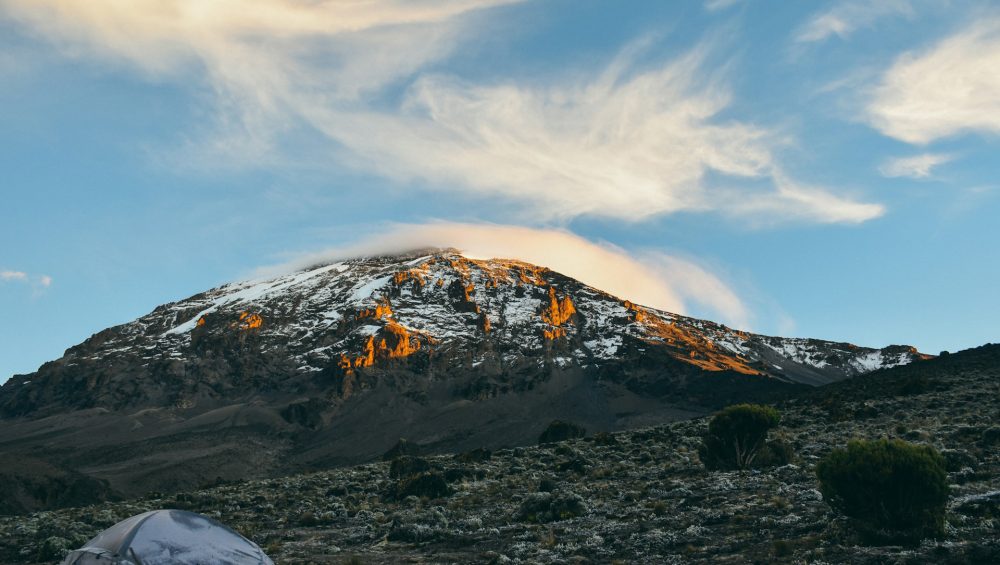
The dry seasons are widely considered the best times to climb Kilimanjaro. These periods generally offer lower rainfall, clearer skies, and better trail conditions.
The first dry season occurs from January to March. During these months, climbers often enjoy relatively stable weather, fewer crowds, and good visibility. January and February are particularly popular because they combine favorable conditions with a quieter atmosphere compared to the peak climbing season.
The second dry season runs from June to October. This is the most popular time to climb Kilimanjaro due to its dry weather and excellent summit views. July, August, and September typically attract the highest number of climbers, as trail conditions are often at their best.
How Weather Affects Your Climb
Weather conditions influence nearly every aspect of a Kilimanjaro trek, including trail quality, visibility, comfort, and summit success rates. Dry weather generally makes hiking easier by reducing mud and improving visibility across the mountain’s stunning landscapes.
Rainy conditions can make trails slippery and increase the physical demands of the climb. Cloud cover may also limit panoramic views and photography opportunities. In contrast, clear skies during the dry season often provide spectacular sunrise and sunset views, particularly near the summit.
Regardless of the season, temperatures decrease significantly as you gain altitude. Climbers may experience warm temperatures in the rainforest zone and freezing conditions near Uhuru Peak within the same trek. Proper clothing, careful preparation, and choosing the right season can greatly improve your overall Kilimanjaro experience.
Temperature by Altitude
One of the most important things to understand about Kilimanjaro is that temperature changes dramatically as altitude increases. A climber may begin the trek in warm tropical conditions and reach freezing temperatures only a few days later.
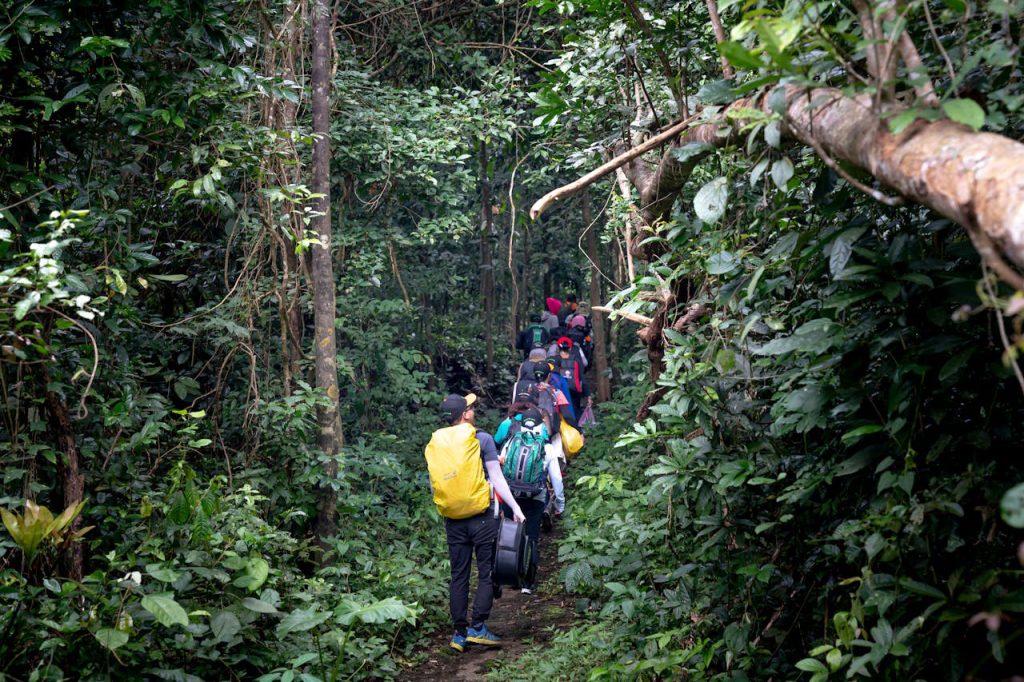
At the base of the mountain, temperatures often range between 20°C and 30°C (68°F to 86°F), especially in the rainforest zone. These warm conditions support dense vegetation, high humidity, and abundant wildlife.
As climbers move into the heath and moorland zones, temperatures gradually become cooler. Daytime conditions usually remain comfortable, but nights can become cold, particularly at higher camps. In the alpine desert zone, temperatures drop further due to the thinner atmosphere and higher elevation.
Near the summit, conditions become much harsher. Temperatures frequently fall below freezing, especially during summit night when climbers begin their ascent before dawn. Strong winds can make the air feel even colder, requiring proper clothing and layering systems to maintain comfort and safety.
Because of these dramatic temperature changes, climbers must pack for a wide range of weather conditions during a single expedition.
Summit Weather
The summit of Kilimanjaro presents the most extreme weather conditions on the mountain. Uhuru Peak sits at 5,895 meters above sea level, where the air contains significantly less oxygen and temperatures often fall well below freezing.
Most climbers begin their summit attempt around midnight to reach the peak near sunrise. During these early morning hours, temperatures commonly range between -10°C and -20°C (14°F to -4°F), depending on the season and weather patterns. Strong winds can create even colder conditions, making proper cold-weather gear essential for a successful summit push.
Weather near the summit can change quickly. Clear skies may provide breathtaking sunrise views above the clouds, while wind, snow, or cloud cover can reduce visibility and increase the difficulty of the climb. Even during the dry season, climbers should prepare for freezing temperatures and unpredictable mountain conditions.
Understanding summit weather helps trekkers select appropriate clothing, manage expectations, and prepare mentally for the most demanding section of the Kilimanjaro climb. Proper preparation greatly improves comfort and confidence during the final ascent to Africa’s highest point.
Best Time to Climb Kilimanjaro by Month
The best months to climb Kilimanjaro are generally January, February, July, August, September, and October. These months fall within the mountain’s main dry seasons and usually offer the most favorable combination of weather, trail conditions, visibility, and summit opportunities. Most climbers who reach Uhuru Peak choose to trek during these periods because they provide a more comfortable and enjoyable experience on the mountain.
Among all months, January and February often stand out as the best overall time to climb Kilimanjaro. During these months, the mountain typically experiences warm daytime temperatures, clear skies, and lower crowd levels than the busy summer season. Climbers can enjoy excellent views, beautiful photography conditions, and a quieter trekking experience while still benefiting from stable weather. Many experienced guides consider February one of the finest months of the year for a Kilimanjaro expedition.
The second excellent climbing period runs from July through October. These months bring dry conditions and some of the most reliable weather patterns of the year. Trails remain relatively dry, summit nights often experience stable conditions, and visibility is usually excellent. July, August, and September attract the highest number of climbers because many travelers schedule their holidays during this period. Although popular routes can become busy, these months consistently deliver strong climbing conditions and high satisfaction among trekkers.
Climbers can also achieve successful summits during March and December, but weather becomes slightly less predictable as seasonal transitions occur. These months often provide a balance between moderate crowds and reasonable weather conditions.
The most challenging months are typically April, May, and November because rainfall increases significantly during these periods. Heavy rain can create muddy trails, reduce visibility, and make trekking more demanding. While experienced hikers still climb during these months, most first-time trekkers prefer the dry seasons for a safer and more comfortable journey.
Ultimately, the best month depends on your priorities. If you want the best overall combination of weather, scenery, and crowd levels, February often earns the title of the best month to climb Kilimanjaro, closely followed by January, September, and October. These months consistently provide the conditions that most climbers seek when planning their journey to Africa’s highest peak.
Climbing Kilimanjaro in January
January is one of the best months to climb Kilimanjaro. The mountain is usually experiencing the short dry season, bringing relatively stable weather, good visibility, and comfortable trekking conditions. Trails are generally less crowded than during the peak months of July and August, making January an excellent choice for climbers seeking a quieter experience.
Temperatures are moderate, and hikers often enjoy clear views of the surrounding landscapes. January is particularly popular among travelers looking to combine a Kilimanjaro climb with a Tanzania safari.
Pros:
- Good weather and clear skies
- Moderate crowd levels
- Excellent visibility for photography
Cons:
Occasional rain showers may still occur
Climbing Kilimanjaro in February
February is widely considered one of the best months to climb Kilimanjaro. Weather conditions are typically dry, warm, and stable, providing excellent hiking conditions across most routes. Many experienced guides consider February one of the most reliable months for summit attempts.
The mountain often offers outstanding visibility, making it a favorite month for photographers. Although visitor numbers increase compared to January, crowds remain manageable on most routes.
Pros:
- Excellent weather conditions
- High summit success potential
- Beautiful views and photography opportunities
Cons:
- Slightly busier than January
Climbing Kilimanjaro in March
March marks the transition into the long rainy season. Early March can still provide good climbing conditions, particularly during the first half of the month. However, rainfall generally becomes more frequent as the month progresses.
Climbers choosing March may encounter changing weather patterns, including occasional rain and cloud cover. Despite these conditions, fewer visitors on the mountain can create a more peaceful trekking experience.
Pros:
- Fewer climbers on the trails
- Early March may still offer favorable weather
- Potentially lower travel costs
Cons:
- Increasing rainfall later in the month
- Reduced visibility compared to January and February
Climbing Kilimanjaro in April
April is usually the wettest month on Kilimanjaro and falls within the long rainy season. Heavy rainfall can make trails muddy, slippery, and more physically demanding. Cloud cover is common, which may limit visibility and scenic views.
Although climbing is still possible, April is generally not recommended for first-time climbers. However, experienced hikers who do not mind wet conditions may appreciate the quieter trails and lower visitor numbers.
Pros:
- Very few crowds
- Lush mountain scenery
- Possible discounts on some tours
Cons:
Limited mountain views
Heavy rainfall
Muddy and challenging trail conditions
Climbing Kilimanjaro in May
May falls within the long rainy season and is generally considered one of the most challenging months to climb Kilimanjaro. Rainfall remains frequent across much of the mountain, creating muddy trails, slippery conditions, and reduced visibility. As a result, May sees some of the lowest numbers of climbers throughout the year.
Despite the wet weather, climbing Kilimanjaro in May does have certain advantages. The mountain is much quieter, allowing hikers to enjoy a more peaceful trekking experience. The landscapes are also incredibly green and vibrant due to the rainfall, creating beautiful scenery along the lower slopes.
For experienced hikers who prefer solitude and do not mind occasional rain, May can still be a rewarding time to climb. Routes such as Rongai, located on the mountain’s northern side, often receive less rainfall and may offer better conditions than other routes.
Pros:
- Very few crowds on the mountain
- Lush green scenery and vibrant vegetation
- Greater availability of camps and accommodations
- Potentially lower travel costs
Cons:
- Frequent rainfall and muddy trails
- Reduced visibility and fewer summit views
- More challenging hiking conditions
- Less suitable for first-time climbers
Overall, May is not the best time to climb Kilimanjaro for those seeking clear skies and dry trails. However, adventurous hikers looking for a quieter and more secluded experience may find the month appealing despite the wetter conditions.
Climbing Kilimanjaro in June
June marks the beginning of the main dry season on Mount Kilimanjaro and is considered one of the best times to climb. As the long rains come to an end, trail conditions improve significantly, with drier paths, clearer skies, and better visibility across the mountain.
The first half of June may still experience occasional showers, but conditions generally become more stable as the month progresses. Because the peak climbing season has not yet fully arrived, June often offers a good balance between favorable weather and moderate crowd levels.
Many climbers choose June because it provides excellent trekking conditions without the large crowds commonly seen in July and August. The mountain’s landscapes remain green from the recent rains, creating beautiful scenery along the lower slopes and rainforest zones.
Pros:
- Start of the dry season
- Improved trail conditions
- Clearer skies and better visibility
- Fewer crowds than July and August
- Lush scenery from the recent rainy season
Cons:
- Occasional rain may occur early in the month
- Temperatures can be colder at higher elevations
For many hikers, June offers one of the best combinations of good weather, scenic landscapes, and manageable crowd levels. It is an excellent choice for climbers seeking a successful summit experience before the busiest months of the year begin.
Climbing Kilimanjaro in July
July is one of the most popular months to climb Kilimanjaro and marks the heart of the dry season. The mountain typically experiences stable weather, minimal rainfall, and excellent visibility, making it an ideal time for trekking and summit attempts.
The dry conditions help keep trails in good shape, allowing climbers to enjoy more comfortable hiking throughout the journey. Clear skies often provide spectacular views of Kilimanjaro’s diverse landscapes, from the rainforest zone to the glaciers near Uhuru Peak.
Because July coincides with summer holidays in many countries, the mountain attracts a large number of visitors. Popular routes such as Machame and Lemosho can become busy, so booking well in advance is highly recommended.
Pros:
- Dry and stable weather
- Excellent visibility and photography opportunities
- Good trail conditions
- High summit success potential
- Ideal for combining a Kilimanjaro climb with a Tanzania safari
Cons:
- One of the busiest months of the year
- Higher demand for permits, guides, and accommodations
- Advance booking is often necessary
Overall, July is considered one of the best months to climb Kilimanjaro. Climbers benefit from favorable weather conditions, stunning mountain views, and a strong chance of reaching the summit, making it a top choice for many trekkers.
Climbing Kilimanjaro in August
August is widely regarded as one of the best months to climb Kilimanjaro. The mountain remains in the middle of the dry season, bringing clear skies, low rainfall, and excellent trekking conditions. These favorable conditions make August one of the busiest months for climbers from around the world.
Visibility is often outstanding, allowing hikers to enjoy panoramic views of the surrounding plains, volcanic landscapes, and the mountain’s iconic glaciers. The dry trails also make hiking more comfortable and help reduce weather-related challenges during the ascent.
Due to its popularity, August can be crowded on major routes such as Machame, Lemosho, and Marangu. Travelers planning to climb during this period should book their trek several months in advance to secure their preferred dates and route.
Pros:
- Excellent weather and dry trail conditions
- Clear summit views and great photography opportunities
- Low chance of rainfall
- High summit success rates
- Ideal for combining a Kilimanjaro climb with a safari
Cons:
- Very busy trails and campsites
- Higher demand for guides and accommodations
- Early booking is strongly recommended
For climbers seeking reliable weather, breathtaking views, and some of the best trekking conditions of the year, August is an excellent time to climb Kilimanjaro. While crowds can be significant, many hikers consider the outstanding conditions well worth it.
Climbing Kilimanjaro in September
September is one of the best months to climb Kilimanjaro, offering excellent weather conditions and a high likelihood of clear summit views. The dry season continues throughout the month, bringing minimal rainfall, stable conditions, and comfortable trekking temperatures across most of the mountain.
Many climbers choose September because it combines the advantages of the peak climbing season with slightly fewer crowds than July and August. Trails remain dry, visibility is often exceptional, and hikers can enjoy spectacular views of Kilimanjaro’s diverse landscapes.
September is also an excellent month for travelers planning to combine a Kilimanjaro climb with a safari in northern Tanzania. Wildlife viewing in parks such as the Serengeti and Ngorongoro Conservation Area is often outstanding during this time of year.
Pros:
- Dry and stable weather
- Excellent visibility and summit views
- Good trail conditions
- High summit success potential
- Great time to combine climbing with a safari
Cons:
- Popular routes can still be busy
- Advance booking is recommended
Overall, September is considered one of the top months for climbing Kilimanjaro. With favorable weather, beautiful scenery, and slightly fewer crowds than the busiest summer months, it offers an excellent balance for hikers seeking a memorable summit experience.
Climbing Kilimanjaro in October
October is one of the last months of the long dry season and remains an excellent time to climb Kilimanjaro. Weather conditions are generally stable, with relatively low rainfall, clear skies, and good visibility across the mountain. Many climbers choose October because it offers favorable trekking conditions while often being less crowded than the peak months of July and August.
The trails are typically dry and easier to navigate, making the climb more comfortable and enjoyable. Clear mornings and evenings often provide spectacular views of the surrounding landscapes and unforgettable summit sunrises.
As October progresses, occasional showers may begin to appear, signaling the approach of the short rainy season. However, these usually have a limited impact on climbing conditions, especially during the first half of the month.
Pros:
- Generally dry and stable weather
- Good trail conditions
- Excellent visibility and photography opportunities
- Fewer crowds than peak season
- Strong summit success potential
Cons:
- Weather can become slightly less predictable toward the end of the month
- Some routes may still be moderately busy
For many hikers, October offers an excellent balance between good weather and lower crowd levels. It is a great choice for climbers who want dry-season conditions without the peak-season congestion often experienced during July and August.
Climbing Kilimanjaro in November
November falls within Kilimanjaro’s short rainy season and is generally one of the quieter months on the mountain. While rainfall is usually less intense than during the long rains of April and May, climbers should still expect occasional showers, cloudy conditions, and muddy trails, particularly in the rainforest zone.
Despite the wetter weather, November can be an appealing option for hikers who prefer fewer crowds and a more peaceful trekking experience. The mountain is often much quieter than during the peak climbing season, allowing climbers to enjoy a greater sense of solitude on the trails.
The northern side of Kilimanjaro, including the Rongai Route, typically receives less rainfall than southern routes and is often recommended for November climbs. Visibility may vary depending on weather conditions, but hikers can still enjoy beautiful scenery between rain showers.
Pros:
- Fewer climbers on the mountain
- Quieter campsites and trails
- Lush green landscapes
- Greater availability of routes and accommodations
Cons:
- Increased chance of rain
- Muddy and slippery trail conditions
- Reduced visibility on some days
- Less predictable weather
Although November is not considered one of the peak climbing months, it can still provide a rewarding Kilimanjaro experience for travelers who are flexible and prepared for changing weather conditions. Choosing the right route and packing proper rain gear can help ensure a successful trek.
Climbing Kilimanjaro in December
December marks the transition from the short rainy season back to drier conditions on Mount Kilimanjaro. Weather patterns can vary throughout the month, with occasional rain showers possible in early December, while conditions often improve significantly as the month progresses.
The holiday season makes December one of the busier times of the year, especially during the Christmas and New Year period. Many climbers choose this month to celebrate the festive season with a Kilimanjaro adventure, creating a lively atmosphere on popular routes.
As the weather becomes more stable, hikers can enjoy improving visibility, beautiful mountain scenery, and comfortable trekking conditions. Clear days often provide excellent views of the surrounding landscapes and memorable summit experiences.
Pros:
- Improving weather conditions
- Beautiful green scenery after the rains
- Good visibility during much of the month
- Popular time for holiday climbs
- Excellent opportunity to combine trekking with a safari
Cons:
- Crowds increase during Christmas and New Year
- Early December may still experience some rainfall
- Higher demand for guides and accommodations during the holidays
Overall, December is a good time to climb Kilimanjaro, particularly during the second half of the month. Climbers benefit from improving weather, scenic landscapes, and the excitement of reaching Africa’s highest peak during the festive season. For those planning a holiday adventure, December offers an excellent balance of favorable conditions and unforgettable mountain experiences.
summary table Best Time to Climb Kilimanjaro by Month
| Month | Weather | Crowds | Recommendation |
|---|---|---|---|
| January | Very Good | Moderate | Excellent |
| February | Excellent | Moderate | Excellent |
| March | Mixed | Low | Good |
| April | Rainy | Very Low | Not Ideal |
| May | Rainy | Very Low | Not Ideal |
| June | Good | Moderate | Very Good |
| July | Excellent | High | Excellent |
| August | Excellent | High | Excellent |
| September | Excellent | Moderate-High | Excellent |
| October | Very Good | Moderate | Very Good |
| November | Mixed | Low | Fair |
| December | Good | Moderate-High | Very Good |
Best Season to Climb Kilimanjaro
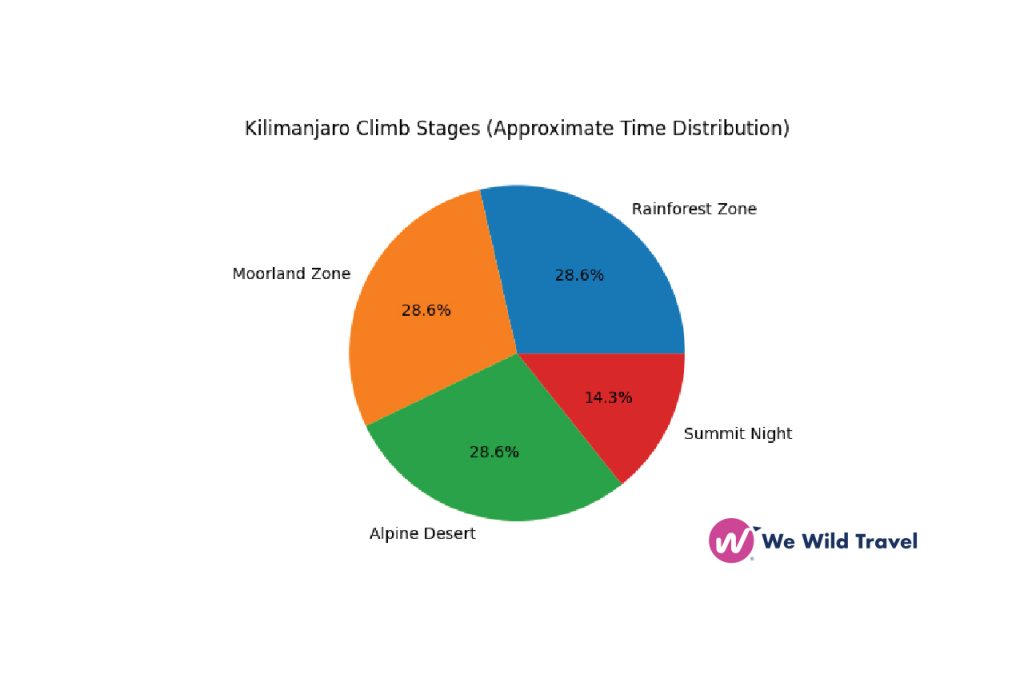
Kilimanjaro Climbing Seasons at a Glance
Choosing the right time to climb Kilimanjaro can significantly impact your experience on the mountain. Weather conditions, crowd levels, and summit success rates vary throughout the year. The following comparisons provide a quick overview of what climbers can expect during each month.
Monthly Weather Comparison Table
| Month | Weather Conditions | Rainfall | Overall Rating |
|---|---|---|---|
| January | Warm and mostly dry | Low | Excellent |
| February | Dry and stable | Low | Excellent |
| March | Mixed conditions | Moderate | Good |
| April | Wet and cloudy | High | Poor |
| May | Wet and muddy | High | Poor |
| June | Improving conditions | Low to Moderate | Very Good |
| July | Dry and clear | Low | Excellent |
| August | Dry and stable | Low | Excellent |
| September | Dry and pleasant | Low | Excellent |
| October | Mostly dry | Low | Very Good |
| November | Short rainy season | Moderate | Fair |
| December | Improving weather | Low to Moderate | Very Good |
Monthly Crowd Levels
Crowd levels vary depending on weather conditions and international holiday periods. The busiest months often provide the best weather, while quieter months may appeal to climbers seeking more solitude.
| Month | Crowd Level |
|---|---|
| January | Moderate |
| February | Moderate |
| March | Low |
| April | Very Low |
| May | Very Low |
| June | Moderate |
| July | High |
| August | Very High |
| September | High |
| October | Moderate |
| November | Low |
| December | Moderate to High |
July, August, and September are typically the busiest months due to excellent weather conditions. December also attracts many climbers during the Christmas and New Year holidays.
Monthly Summit Success Expectations
While summit success depends on factors such as route choice, acclimatization, fitness level, and weather, some months generally provide better conditions than others.
| Month | Summit Success Expectation |
|---|---|
| January | High |
| February | Very High |
| March | Moderate to High |
| April | Lower |
| May | Lower |
| June | High |
| July | Very High |
| August | Very High |
| September | Very High |
| October | High |
| November | Moderate |
| December | High |
The highest summit success rates are often recorded during February, July, August, and September, when weather conditions are most stable. Climbers who choose these months usually benefit from drier trails, clearer skies, and more comfortable trekking conditions throughout their journey.
Kilimanjaro Weather by Elevation
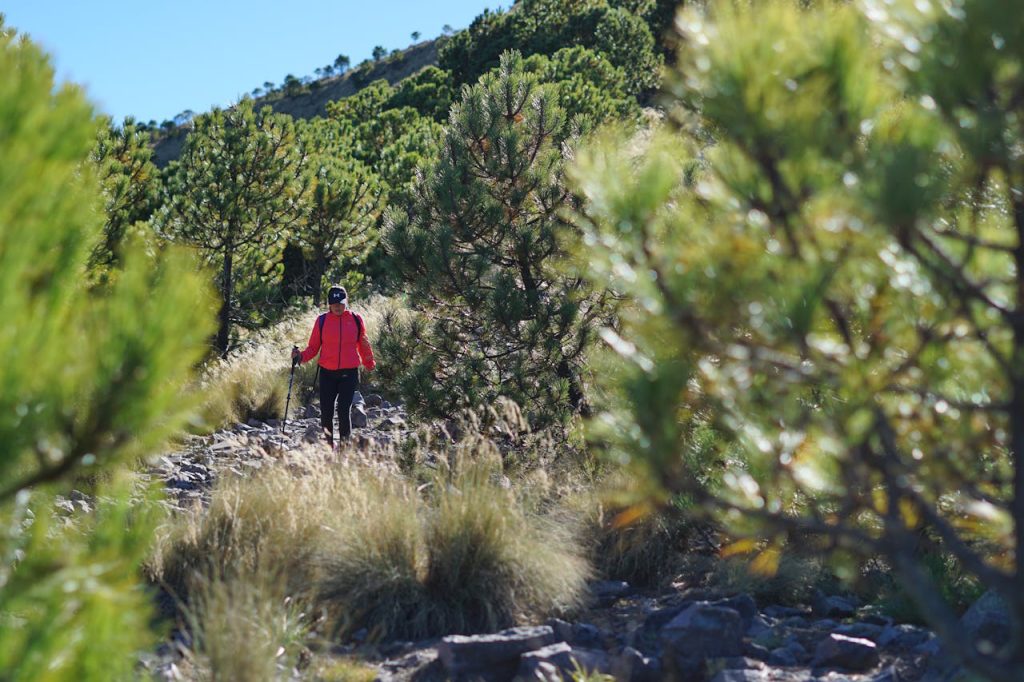
Mount Kilimanjaro has a unique climate system because it rises from tropical plains to an arctic summit. As you climb higher, the temperature drops significantly and weather conditions change across distinct ecological zones. Understanding these zones helps climbers prepare properly for each stage of the trek.
Rainforest Zone
The rainforest zone is found at the base of Kilimanjaro, typically between 800m and 1,800m. This area is warm, humid, and receives frequent rainfall throughout the year. Dense vegetation, tall trees, and rich biodiversity dominate the landscape.
Climbers often experience muddy and slippery trails in this zone, especially during the rainy seasons. Waterproof gear is essential here, as rain showers can occur at any time of year.
Moorland Zone
The moorland zone lies between approximately 1,800m and 3,000m. The climate becomes cooler and drier compared to the rainforest, with open landscapes, shrubs, and unique plants such as giant groundsels and lobelias.
Rainfall is less frequent, but mist and cloud cover are common. Temperatures begin to drop, especially at night, making layered clothing important.
Alpine Desert Zone
The alpine desert zone stretches from about 3,000m to 4,800m. This region is dry, cold, and exposed, with very little vegetation due to harsh conditions.
Temperature changes between day and night can be extreme. During the day, strong sunlight and thin air create intense conditions, while nights can be freezing. Wind protection and proper insulation are essential for climbers in this zone.
Arctic Summit Zone
The arctic summit zone begins around 4,800m and extends to the peak at 5,895m (Uhuru Peak). This is the coldest part of Kilimanjaro, with freezing temperatures, strong winds, and possible snow or ice.
Oxygen levels are very low at this altitude, making the climb physically demanding. Climbers must be fully prepared for extreme cold conditions, especially during summit night, when temperatures can drop well below freezing.
Despite the harsh environment, this zone offers breathtaking views and the ultimate reward of reaching the highest point in Africa.
Best Time to Climb Kilimanjaro for Different Goals
The best time to climb Kilimanjaro depends on your personal goals and preferences. While the dry seasons generally offer the most favorable conditions, certain months are better suited for specific experiences, whether you’re a first-time climber, photographer, wildlife enthusiast, or someone looking to avoid crowds.
Best Time for Snow on Kilimanjaro
Although Kilimanjaro’s glaciers have been shrinking over time, snow can still be seen near the summit throughout much of the year. Climbers hoping to experience snowy conditions often choose January, February, or the months following the rainy seasons, when fresh snowfall is more likely at higher elevations.
Weather patterns vary from year to year, so snow conditions can never be guaranteed. However, the summit area often appears most impressive after periods of precipitation.
Best Time for Photography
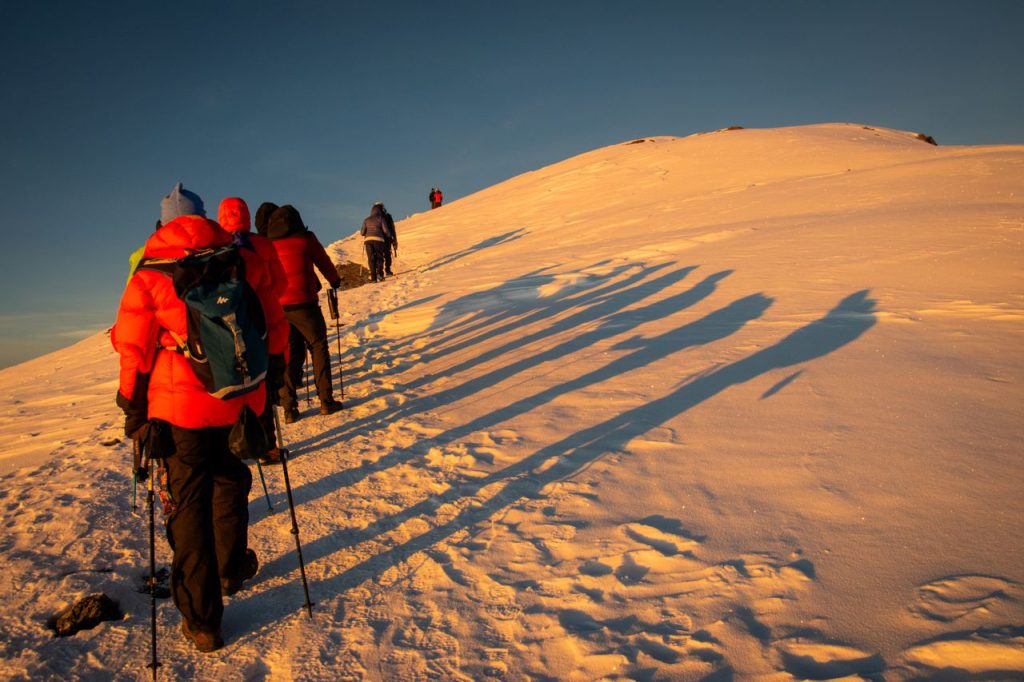
For photographers, January, February, July, August, September, and October offer the best opportunities. These months often feature clear skies, stunning sunrise and sunset views, and excellent visibility from the mountain’s higher elevations.
The dry season also provides better chances of capturing iconic views of Kilimanjaro’s glaciers, dramatic landscapes, and panoramic vistas stretching across northern Tanzania and southern Kenya.
Best Time to Avoid Crowds
Climbers looking for a quieter experience should consider January, March, June, November, or early December. These months generally see fewer visitors compared to the peak climbing season.
April and May are the least crowded months on Kilimanjaro, but heavy rainfall makes trekking more challenging. For a balance between fewer crowds and reasonable weather, January and June are often better options.
Best Time for First-Time Climbers
First-time climbers should consider trekking during January, February, July, August, September, or October. These months typically provide stable weather, dry trails, and excellent visibility, making the climb more comfortable and increasing the likelihood of a successful summit.
February is often regarded as one of the best months for beginners due to its combination of reliable weather and manageable crowd levels. September and October are also excellent choices for those seeking favorable conditions without the peak-season crowds of July and August.
Best Time for a Kilimanjaro and Safari Combination
Travelers planning to combine a Kilimanjaro climb with a Tanzania safari should consider January, February, July, August, or September.
The months of July through September coincide with excellent wildlife viewing in northern Tanzania, including the famous wildebeest migration in the Serengeti. January and February also offer outstanding safari opportunities, particularly during the wildebeest calving season in the southern Serengeti.
For many visitors, combining a Kilimanjaro climb with a safari during these months creates the ultimate Tanzania adventure, offering both world-class trekking and unforgettable wildlife experiences.
Best Time to Climb Kilimanjaro for Wildlife Lovers
The best time to climb Mount Kilimanjaro for wildlife lovers is during the dry seasons, especially from January to March and June to October. These months offer the clearest visibility in the lower rainforest zone and increase the chances of spotting animals along the trail. While Kilimanjaro is not a traditional safari mountain, its lower slopes are rich in wildlife, and timing your climb can greatly improve your experience.
During the dry seasons, the rainforest trails are easier to walk through, which allows climbers to move more quietly and comfortably. This improves the chances of seeing animals such as colobus monkeys, blue monkeys, and various bird species that live in the forest. Wildlife tends to be more active and visible when conditions are dry, as heavy rain and thick mist often reduce movement and visibility.
January and February are especially good months for wildlife observation. The forest is still lush from previous rains, providing plenty of food and activity for animals. At the same time, clearer skies and better trail conditions make it easier to spot movement in the trees and hear animal sounds along the route. Early morning hikes are particularly rewarding for wildlife sightings.
From June to October, wildlife viewing remains strong because of the dry conditions. Animals often gather near water sources, making them easier to spot in certain areas of the forest zone. The reduced rainfall also means fewer disruptions during trekking, allowing climbers more time to observe nature along the trail. Although vegetation becomes slightly less dense than earlier in the year, visibility improves significantly.
In contrast, the rainy seasons April to May and November make wildlife spotting more difficult. Heavy rainfall, thick fog, and slippery trails reduce visibility and limit animal activity along the lower slopes. While the forest remains beautiful and green during this time, sightings are less frequent.
Overall, the best time for wildlife lovers to climb Kilimanjaro is during the dry seasons, with February, July, August, and September offering the best balance of clear trails, active wildlife, and excellent viewing conditions.
Best Kilimanjaro Routes by Season
Choosing the right route on Mount Kilimanjaro can improve your comfort, safety, and chances of reaching Uhuru Peak. While weather conditions influence every climb, some routes perform better depending on the season and your experience level.
Best Routes During the Dry Season
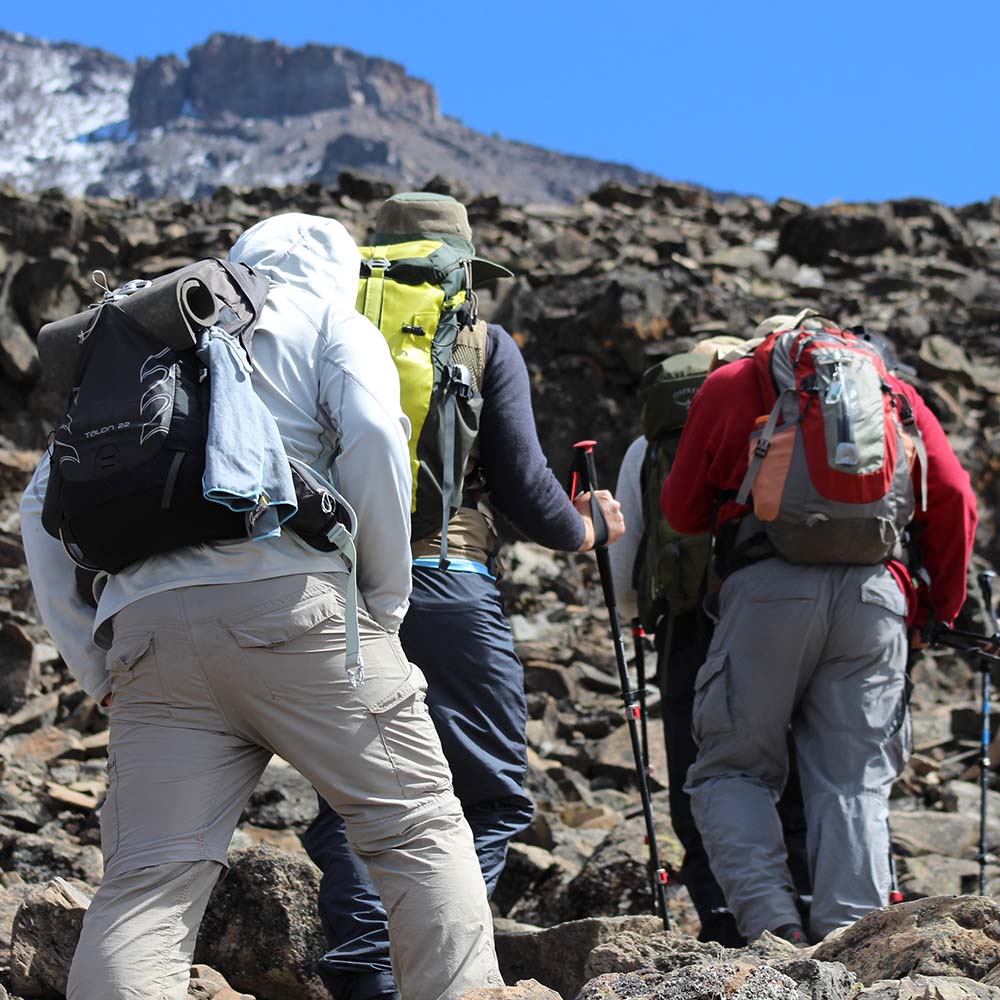
During the dry seasons from January to March and June to October, most routes are in excellent condition because trails are firm, skies are clearer, and rainfall is minimal.
The Machame Route is one of the most popular choices during this time due to its scenic views and strong summit success rate. The Lemosho Route is also highly recommended because it offers a gradual ascent and excellent acclimatization opportunities. For experienced trekkers seeking a longer and quieter journey, the Northern Circuit Route provides the best overall success rate and outstanding scenery.
These routes are more enjoyable in dry conditions because visibility is better and hiking trails are less slippery.
Best Routes During the Rainy Season
During the rainy seasons from March to May and in November, mountain trails can become muddy and more difficult to navigate. However, some routes are better suited for these conditions.
The Rongai Route is the best option during wet months because it lies on the northern side of the mountain, which receives less rainfall. The Marangu Route is another practical choice since it offers hut accommodation, giving climbers shelter from heavy rain compared to camping routes.
These routes help reduce exposure to harsh weather and make climbing more manageable during the rainy season.
Best Route for Beginners
For first-time climbers, the best routes are those that allow gradual altitude gain and better acclimatization. The Lemosho Route is widely considered the best option for beginners because it is scenic, less crowded, and has a high success rate. The Machame Route (7 days) is another strong choice, offering a good balance between challenge and acclimatization. The Marangu Route is physically easier due to hut accommodation, but it has a lower success rate compared to longer routes.
Best Route for Acclimatization
Proper acclimatization is one of the most important factors for reaching the summit successfully. The Northern Circuit Route offers the best acclimatization experience due to its longer duration and gradual ascent. The Lemosho Route also performs very well, giving climbers enough time to adapt to altitude changes. The Machame Route is effective as well because it follows a “climb high, sleep low” profile that helps the body adjust gradually.
Longer routes consistently increase summit success rates and reduce the risk of altitude sickness, making them the preferred choice for serious climbers aiming for Uhuru Peak.
Local Guide Insights: What Experienced Kilimanjaro Guides Recommend
Experienced Kilimanjaro guides spend hundreds of days on the mountain each year, so their advice is based on real climbing conditions rather than theory. Their recommendations are especially valuable when choosing the best time to climb and preparing for changing weather at different altitudes.
Most Popular Climbing Months
According to local guides, the most popular months on Kilimanjaro are January, February, July, August, and September. These months attract the highest number of climbers because they offer the most stable weather conditions, with lower rainfall and clearer skies.
July to September is considered the peak season, when international visitors arrive in large numbers. January and February are also highly recommended because they combine good weather with slightly fewer crowds compared to the mid-year peak.
Months with the Best Trail Conditions
Guides consistently report that the best trail conditions occur during the dry seasons from January to March and June to October. During these periods, paths are firmer, less muddy, and easier to navigate, especially on steep sections of the mountain.
They often highlight that dry trails improve both safety and comfort, particularly on routes such as Machame and Lemosho, where steep ascents and descents can become challenging in wet conditions. Clear weather also improves visibility, making navigation and acclimatization easier for climbers.
Common Mistakes Climbers Make
Kilimanjaro guides frequently point out several mistakes that can reduce summit success rates. One of the most common is choosing a climb date based only on price rather than weather conditions. Climbers who choose rainy months often struggle with muddy trails and reduced visibility.
Another common mistake is selecting shorter itineraries, which reduce acclimatization time and increase the risk of altitude sickness. Guides strongly recommend longer routes such as Lemosho or Northern Circuit for better adaptation.
Many climbers also underestimate the importance of proper gear. Inadequate clothing for cold summit conditions is a frequent issue, especially during night ascents when temperatures can drop significantly below freezing.
Overall, local guides emphasize that success on Kilimanjaro depends not only on fitness, but also on timing, preparation, and choosing the right route for the season.
Advantages and Disadvantages of Each Season
Climbing Mount Kilimanjaro at different times of the year affects weather conditions, trail quality, crowd levels, and overall summit success. Understanding the advantages and disadvantages of each season helps you choose the best time based on your goals and experience level.
January to March
January to March is one of the best periods to climb Kilimanjaro because it falls within the short dry season. Weather is generally stable, skies are clearer, and trail conditions are good compared to rainy months. This period is also less crowded than the peak mid-year season, giving climbers a more peaceful experience. However, temperatures at higher elevations can be very cold, especially during summit night, and early March may still experience occasional rain.
June to October
June to October is the main dry season and the most popular time for climbing Kilimanjaro. Conditions are usually excellent with minimal rainfall, dry trails, and very good visibility. These months offer some of the highest summit success rates because weather conditions are more predictable. The main disadvantage is crowding, especially in July, August, and September, when many climbers are on the mountain. Early booking is often necessary during this period.
Rainy Season Climbs
The rainy seasons occur from March to May and again in November. These months bring more challenging climbing conditions due to frequent rainfall, muddy trails, and reduced visibility, especially in the rainforest zone. Despite this, some climbers choose this time for lower costs and fewer crowds. The mountain is quieter and the scenery is very green, but overall trekking is more difficult and summit success rates are generally lower.
Essential Tips for Choosing Your Climbing Date
Choosing the right date to climb Mount Kilimanjaro is not only about weather. It also depends on your fitness level, crowd preferences, and whether you plan to combine your trek with a safari in Tanzania. Making the right decision can improve your comfort, safety, and overall summit success.
Consider Your Fitness Level
Your fitness level plays an important role in selecting the best time to climb. If you are a first-time climber or have limited high-altitude experience, it is better to choose stable dry months such as January to March or June to October. These periods offer more predictable weather and safer trail conditions, making the climb less physically demanding. Stronger and more experienced hikers may be comfortable attempting the mountain even during shoulder or rainy seasons.
Consider Crowds and Availability
Crowd levels vary significantly throughout the year on Kilimanjaro. July, August, and September are the busiest months due to excellent weather, which means campsites and popular routes can be crowded. If you prefer a quieter experience, consider climbing in January, early March, or June, when there are fewer trekkers. Booking early is important for peak season climbs to secure guides, permits, and preferred routes.
Plan Around Your Safari
Many climbers combine their Kilimanjaro trek with a safari in northern Tanzania, especially in Serengeti and Ngorongoro. If this is your plan, timing becomes even more important. July to October is ideal for wildlife viewing during the Great Migration in the Serengeti, while January and February also offer excellent safari conditions in the southern Serengeti. Aligning your climbing date with safari seasons can make your overall Tanzania adventure more rewarding.
Frequently Asked Questions About the Best Time to Climb Kilimanjaro
The best months to climb Kilimanjaro are generally February, July, August, and September. These months offer the most stable weather, dry trails, and excellent visibility, which increase comfort and summit success rates.
Yes, it is possible to climb during the rainy seasons in March to May and November, but conditions are more challenging. Expect muddy trails, reduced visibility, and more rain, especially in the rainforest zone.
Summit success rates are generally highest in February, July, August, and September because these months have the most stable weather and the best trekking conditions.
Kilimanjaro is least crowded in April, May, and November due to heavy or short rains. March and early December can also be quieter compared to peak season months.
Both months are good, but they offer different experiences. January is quieter with fewer crowds, while August has the most stable dry conditions but is much busier. The choice depends on whether you prefer solitude or peak weather conditions.
Yes, snow can be seen near the summit throughout the year, but it is not guaranteed. Snowfall is more likely after rainy periods or during colder months, although climate change has reduced permanent snow cover over time.
The Rongai Route is the best option during rainy months because it lies on the northern side of the mountain, which receives less rainfall. The Marangu Route is also suitable due to hut accommodation.
The coldest conditions are usually experienced during the dry season nights in July, August, and September, especially at higher elevations near the summit where temperatures can drop well below freezing.
Beginners should aim for January to March or June to October, when weather is more stable and trail conditions are safer and easier to manage. Longer routes like Lemosho are also recommended for better acclimatization
Yes, many travelers combine both experiences. The best time for a safari is July to October for the Great Migration, or January and February for excellent wildlife viewing in southern Serengeti. These periods also align well with the best climbing seasons.
Final Thoughts
The best time to climb Kilimanjaro depends on what you want from your adventure, but most climbers achieve the best experience during the dry seasons from January to March and June to October. These months offer clearer skies, safer trails, and higher chances of reaching the summit successfully.
If you prefer quieter routes and fewer crowds, the early part of the year or shoulder months like January, early March, or June can be a great choice. For the most stable weather and iconic summit views, July to September remains the most popular period, although it is also the busiest.
Rainy seasons such as April to May and November can still offer a unique experience with lush scenery and fewer climbers, but they come with more challenging conditions and lower visibility.
Ultimately, choosing the right time comes down to balancing weather, crowd levels, and your personal climbing goals. With proper preparation, the right route, and good timing, Kilimanjaro offers a life-changing adventure in every season.
Plan Your Kilimanjaro Climb With WeWild Travel
Planning your Kilimanjaro adventure becomes much easier when you choose the right support team. With WeWild Travel, climbers get professional guidance, well-planned itineraries, and experienced mountain crews who understand every route on Mount Kilimanjaro. This helps you focus on the experience while the logistics, safety, and organization are fully handled.
WeWild Travel designs climbs that match different experience levels, from first-time trekkers to advanced climbers. Whether you choose popular routes like Machame and Lemosho or more challenging options like Umbwe, each itinerary is carefully planned to improve acclimatization, safety, and summit success chances. The team also helps you choose the best season based on your goals, fitness, and budget.
Every climb includes trained guides, porters, and support staff who ensure a safe and well-supported journey from the rainforest base to Uhuru Peak at 5,895 meters. Clear briefing, daily guidance, and strong safety procedures help climbers stay confident throughout the trek, even in challenging high-altitude conditions.
WeWild Travel also focuses on comfort and preparation. From airport transfers in Tanzania to campsite arrangements on the mountain, every detail is organized to reduce stress and improve your trekking experience. Climbers receive support on packing lists, gear selection, and route planning before the journey begins.
Most importantly, WeWild Travel aims to create meaningful and successful Kilimanjaro experiences. The goal is not only to reach the summit but also to enjoy the journey, landscapes, and adventure along the way. With the right planning and expert support, climbing Kilimanjaro becomes a safe, memorable, and life-changing achievement.
If you are ready to take on Africa’s highest mountain, planning your climb with WeWild Travel gives you the confidence and structure needed for a successful summit.