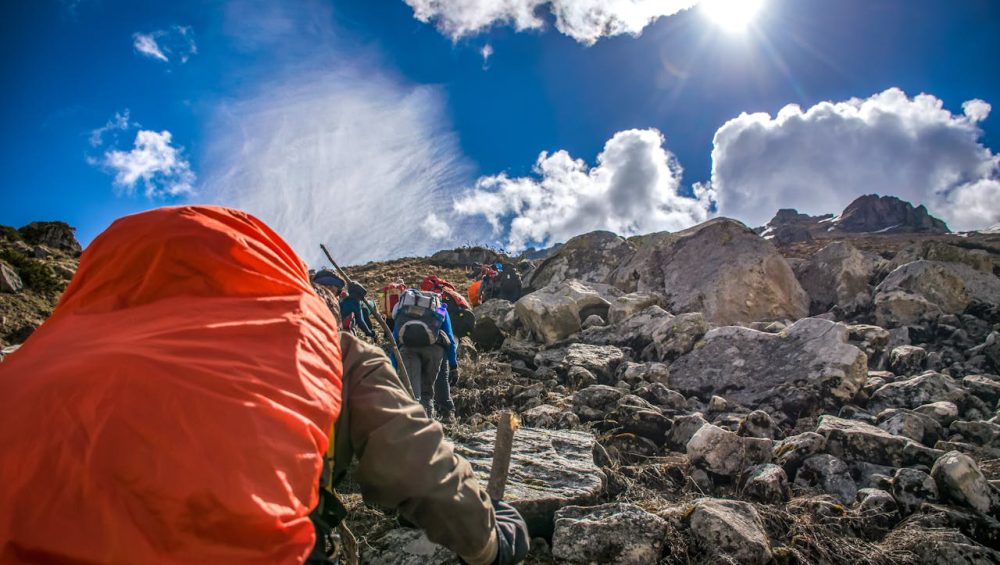
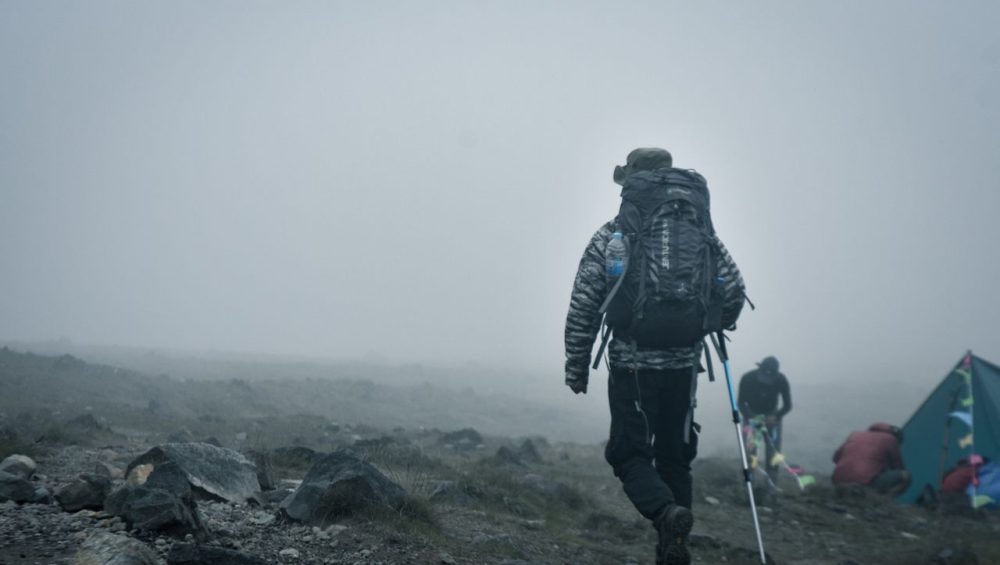
Cheapest Way to Climb Kilimanjaro
Cheapest Way to Climb Kilimanjaro: Complete Budget Guide & Cost Breakdown (2026)
Estimated reading time: 24 minutes
The cheapest way to climb Kilimanjaro is to choose a well-planned budget-friendly package with a reliable local operator, select a suitable route, and avoid unnecessary expenses while still maintaining safety standards. Yes, it is possible to climb Mount Kilimanjaro on a budget, but the lowest price is not always the best option. A responsible budget climb should include experienced guides, proper equipment, park fees, meals, and fair support for the mountain crew.
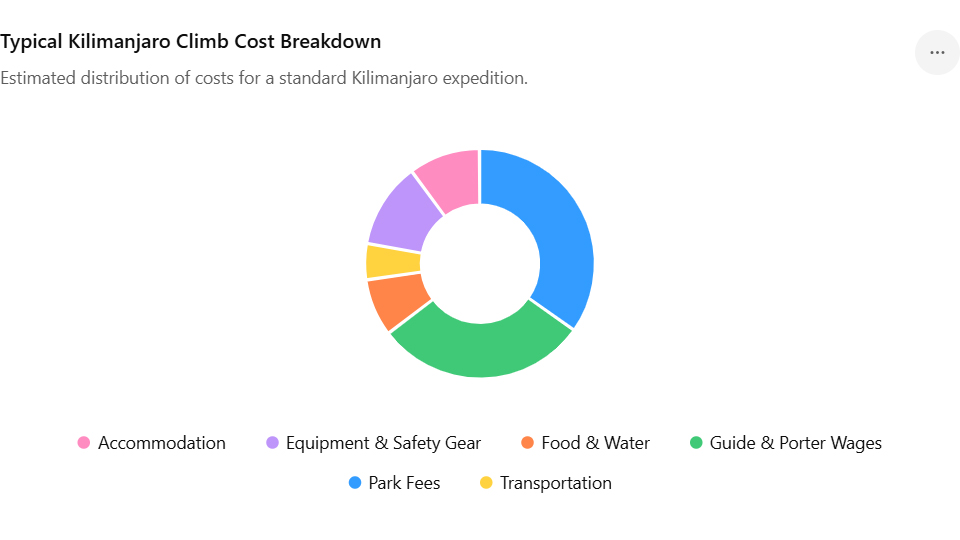
Many travelers search for cheap Kilimanjaro climbs because the total cost can seem high compared with other trekking destinations. However, Kilimanjaro expenses come from important services required for every expedition, including national park fees, rescue services, guides, porters, cooks, camping equipment, transportation, and logistics. Understanding these costs helps you find better value instead of simply choosing the cheapest offer.
When looking for an affordable Kilimanjaro climb, travelers should avoid extremely low prices that seem unrealistic. Very cheap packages may exclude important services, use poor-quality equipment, provide limited support, or fail to meet responsible trekking standards. A lower price should never mean reducing safety or the quality of care on the mountain.
Climbers can save money safely by choosing the right route, joining a small group departure, traveling during less crowded seasons, renting equipment instead of buying everything, and booking directly with a trusted local Tanzanian operator. Longer routes may cost more, but they often provide better acclimatization time and a more comfortable experience.
This guide explains the real cost of climbing Kilimanjaro, the most affordable route options, ways to reduce expenses, and how to choose a budget climb that balances affordability, safety, and a memorable mountain adventure.
Table of contents
- Cheapest Way to Climb Kilimanjaro: Complete Budget Guide & Cost Breakdown (2026)
- What is the cheapest way to climb Kilimanjaro?
- How Much Does It Cost to Climb Kilimanjaro on a Budget?
- What Is Included in a Budget Kilimanjaro Climb?
- Cheapest Kilimanjaro Routes
- Cheapest Kilimanjaro Routes
- Cheapest Kilimanjaro Routes
- How to Climb Kilimanjaro Cheaper Without Sacrificing Safety
- Cheapest Kilimanjaro Climb vs Unsafe Cheap Climb
- Why Kilimanjaro Is Expensive
- Can You Climb Kilimanjaro for Less Than $1,500?
- Budget Kilimanjaro Packages With WeWild Travel
- Cheapest Time to Climb Kilimanjaro
- Cheapest Kilimanjaro Route for Beginners
- Frequently Asked Questions About Cheapest Way to Climb Kilimanjaro
- Final Thoughts
- Read Also:
What is the cheapest way to climb Kilimanjaro?
The cheapest way to climb Kilimanjaro is to choose an affordable route, join a small group climb, travel during less busy seasons, and book with a reliable local operator. A budget climb should still include licensed guides, park fees, proper meals, safety support, and quality equipment. Saving money is possible, but choosing the lowest price without checking services can affect your comfort and safety on the mountain.
How Much Does It Cost to Climb Kilimanjaro on a Budget?
The cost of a budget Kilimanjaro climb usually ranges from $1,500 to $2,500 per person, depending on the route, number of days, group size, and services included in the package. While it is possible to reduce costs, a safe and responsible climb still requires important expenses such as Kilimanjaro National Park fees, licensed guides, porters, meals, camping equipment, and rescue support.
A very low-priced package may look attractive, but travelers should carefully check what is included before booking. A reliable budget climb focuses on good value rather than simply choosing the lowest price.
Average Budget Range for Kilimanjaro
Most budget-friendly Kilimanjaro climbs fall within these general ranges:
- Shorter routes (5-6 days): Usually lower cost because they require fewer days on the mountain.
- 7-day climbs: A popular balance between affordability, comfort, and acclimatization.
- 8-9 day climbs: Higher cost because they include more park fees, meals, crew support, and camping nights.
The final price depends on the package details and the operator you choose.
What Affects the Price of a Kilimanjaro Climb?
Several factors influence the total cost of your trek:
Route:
Different routes have different costs. Longer routes such as Northern Circuit and Lemosho usually cost more because they require additional days and services.
Number of Days:
Each extra day adds costs for park fees, food, crew support, and accommodation. However, longer itineraries often provide a more comfortable pace.
Group Size:
Joining a group climb can reduce the cost because some expenses are shared. Private climbs usually cost more because you receive dedicated support.
Park Fees:
Kilimanjaro National Park fees make up a large part of the total cost and apply to every climber regardless of the operator.
Crew and Equipment:
Guides, porters, cooks, tents, meals, and mountain supplies all contribute to the final price.
Season:
Prices may vary depending on demand, availability, and the time of year you choose to climb.
Why Are Kilimanjaro Prices Different Between Operators?
Kilimanjaro operators offer different prices because packages do not always include the same level of service. Some companies may reduce costs by offering fewer services, smaller support teams, or lower-quality equipment.
When comparing operators, look beyond the price. Check whether the package includes licensed guides, proper safety procedures, quality camping equipment, fair crew treatment, park fees, and clear communication.
The best budget climb is not always the cheapest option. It is the one that provides a safe, comfortable, and well-organized Kilimanjaro experience at a fair price.
What Is Included in a Budget Kilimanjaro Climb?
A budget Kilimanjaro climb should include the essential services required for a safe and organized mountain experience. Although prices vary between operators, a responsible budget package should cover the main trekking costs, including park fees, professional mountain support, meals, and camping arrangements.
Before booking, always check the inclusions and exclusions carefully. A cheaper package may appear attractive but could leave out important services that you need to pay for separately.
| Included in a Budget Kilimanjaro Climb | Usually Not Included |
|---|---|
| Kilimanjaro National Park fees | International flights to Tanzania |
| Licensed mountain guide and support crew | Tanzania visa fees |
| Porters and cooks | Personal trekking equipment such as boots and clothing |
| Camping equipment (tents, dining setup, and basic mountain supplies) | Tips for guides, porters, and cooks |
| Meals during the trek | Travel insurance |
| Rescue fees required for the climb | Extra hotel nights before or after the package |
| Drinking water during the trek (depending on operator) | Personal expenses and souvenirs |
| Airport transfers (depending on package) | Additional activities outside the itinerary |
Important Services Every Budget Climb Should Include
Even when choosing an affordable Kilimanjaro package, certain services should never be removed. Licensed guides, park fees, rescue support, proper meals, and suitable camping equipment are essential parts of every responsible climb.
A budget climb does not mean choosing poor service. It means finding a balance between cost and quality. A reliable operator should provide clear information about what you receive before, during, and after your trek.
Check Before You Book
Before confirming your Kilimanjaro climb, ask the operator:
- Are all park fees included?
- How many guides and porters will join?
- What camping equipment is provided?
- Are airport transfers included?
- What happens if I need assistance during the climb?
Understanding your package details helps you avoid unexpected costs and choose an affordable Kilimanjaro experience that still provides safety, comfort, and professional support.
Cheapest Kilimanjaro Routes
Choosing the right route is one of the best ways to manage your Kilimanjaro budget. The total cost depends on the number of days, park fees, camping requirements, crew support, and the services included in your package.
While shorter routes usually have lower prices, the cheapest option is not always the best value. Longer routes often provide more time for acclimatization, a more comfortable pace, and a better overall trekking experience. When planning a budget Kilimanjaro climb, consider both the cost and the quality of the journey.
| Route | Days | Cost Level | Notes |
|---|---|---|---|
| Marangu Route | 5-6 Days | Lower | Shorter route with hut accommodation and fewer camping costs |
| Machame Route | 6-7 Days | Moderate | Popular route with scenic landscapes and good value |
| Rongai Route | 6-7 Days | Moderate | Quieter northern approach with fewer crowds |
| Lemosho Route | 7-8 Days | Higher | Longer route with better acclimatization and beautiful scenery |
| Northern Circuit Route | 8-9 Days | Highest | Longest route with more time for altitude adjustment |
Marangu Route: The Lowest-Cost Option
The Marangu Route is often considered the cheapest Kilimanjaro route because it uses mountain huts instead of camping tents. It also has a shorter itinerary, which reduces costs for meals, crew support, and accommodation.
However, the shorter schedule gives climbers less time to adjust to altitude compared with longer routes.
Machame Route: Best Budget Value
The Machame Route offers a balance between price and experience. It is one of the most popular routes because it provides beautiful scenery, a challenging adventure, and good acclimatization compared with shorter climbs.
For many budget travelers, Machame provides excellent value.
Rongai Route: Affordable and Less Crowded
The Rongai Route approaches Kilimanjaro from the northern side and offers a quieter trekking experience. It is a good option for travelers who want fewer crowds while keeping costs reasonable.
Lemosho and Northern Circuit: Higher Cost, More Comfort
Lemosho and Northern Circuit cost more because they include more trekking days, additional park fees, meals, and crew support. However, these routes provide more gradual altitude adjustment and a more relaxed mountain experience.
Which Is the Cheapest Kilimanjaro Route?
If your main goal is the lowest possible cost, Marangu Route is usually the cheapest option. However, travelers looking for the best balance between affordability, scenery, and acclimatization often choose Machame or Rongai Route.
The cheapest climb should not only focus on price. Choosing a route that matches your goals and gives your body enough time to adjust can make your Kilimanjaro adventure safer and more enjoyable.
Cheapest Kilimanjaro Routes
Choosing the right route is one of the best ways to manage your Kilimanjaro budget. The total cost depends on the number of days, park fees, camping requirements, crew support, and the services included in your package.
While shorter routes usually have lower prices, the cheapest option is not always the best value. Longer routes often provide more time for acclimatization, a more comfortable pace, and a better overall trekking experience. When planning a budget Kilimanjaro climb, consider both the cost and the quality of the journey.
| Route | Days | Cost Level | Notes |
|---|---|---|---|
| Marangu Route | 5-6 Days | Lower | Shorter route with hut accommodation and fewer camping costs |
| Machame Route | 6-7 Days | Moderate | Popular route with scenic landscapes and good value |
| Rongai Route | 6-7 Days | Moderate | Quieter northern approach with fewer crowds |
| Lemosho Route | 7-8 Days | Higher | Longer route with better acclimatization and beautiful scenery |
| Northern Circuit Route | 8-9 Days | Highest | Longest route with more time for altitude adjustment |
Marangu Route: The Lowest-Cost Option
The Marangu Route is often considered the cheapest Kilimanjaro route because it uses mountain huts instead of camping tents. It also has a shorter itinerary, which reduces costs for meals, crew support, and accommodation.
However, the shorter schedule gives climbers less time to adjust to altitude compared with longer routes.
Machame Route: Best Budget Value
The Machame Route offers a balance between price and experience. It is one of the most popular routes because it provides beautiful scenery, a challenging adventure, and good acclimatization compared with shorter climbs.
For many budget travelers, Machame provides excellent value.
Rongai Route: Affordable and Less Crowded
The Rongai Route approaches Kilimanjaro from the northern side and offers a quieter trekking experience. It is a good option for travelers who want fewer crowds while keeping costs reasonable.
Lemosho and Northern Circuit: Higher Cost, More Comfort
Lemosho and Northern Circuit cost more because they include more trekking days, additional park fees, meals, and crew support. However, these routes provide more gradual altitude adjustment and a more relaxed mountain experience.
Which Is the Cheapest Kilimanjaro Route?
If your main goal is the lowest possible cost, Marangu Route is usually the cheapest option. However, travelers looking for the best balance between affordability, scenery, and acclimatization often choose Machame or Rongai Route.
The cheapest climb should not only focus on price. Choosing a route that matches your goals and gives your body enough time to adjust can make your Kilimanjaro adventure safer and more enjoyable.
Cheapest Kilimanjaro Routes
Choosing the right route is one of the best ways to manage your Kilimanjaro budget. The total cost depends on the number of days, park fees, camping requirements, crew support, and the services included in your package.
While shorter routes usually have lower prices, the cheapest option is not always the best value. Longer routes often provide more time for acclimatization, a more comfortable pace, and a better overall trekking experience. When planning a budget Kilimanjaro climb, consider both the cost and the quality of the journey.
| Route | Days | Cost Level | Notes |
|---|---|---|---|
| Marangu Route | 5-6 Days | Lower | Shorter route with hut accommodation and fewer camping costs |
| Machame Route | 6-7 Days | Moderate | Popular route with scenic landscapes and good value |
| Rongai Route | 6-7 Days | Moderate | Quieter northern approach with fewer crowds |
| Lemosho Route | 7-8 Days | Higher | Longer route with better acclimatization and beautiful scenery |
| Northern Circuit Route | 8-9 Days | Highest | Longest route with more time for altitude adjustment |
Marangu Route: The Lowest-Cost Option
The Marangu Route is often considered the cheapest Kilimanjaro route because it uses mountain huts instead of camping tents. It also has a shorter itinerary, which reduces costs for meals, crew support, and accommodation.
However, the shorter schedule gives climbers less time to adjust to altitude compared with longer routes.
Machame Route: Best Budget Value
The Machame Route offers a balance between price and experience. It is one of the most popular routes because it provides beautiful scenery, a challenging adventure, and good acclimatization compared with shorter climbs.
For many budget travelers, Machame provides excellent value.
Rongai Route: Affordable and Less Crowded
The Rongai Route approaches Kilimanjaro from the northern side and offers a quieter trekking experience. It is a good option for travelers who want fewer crowds while keeping costs reasonable.
Lemosho and Northern Circuit: Higher Cost, More Comfort
Lemosho and Northern Circuit cost more because they include more trekking days, additional park fees, meals, and crew support. However, these routes provide more gradual altitude adjustment and a more relaxed mountain experience.
Which Is the Cheapest Kilimanjaro Route?
If your main goal is the lowest possible cost, Marangu Route is usually the cheapest option. However, travelers looking for the best balance between affordability, scenery, and acclimatization often choose Machame or Rongai Route.
The cheapest climb should not only focus on price. Choosing a route that matches your goals and gives your body enough time to adjust can make your Kilimanjaro adventure safer and more enjoyable.
How to Climb Kilimanjaro Cheaper Without Sacrificing Safety
Climbing Kilimanjaro on a budget does not mean choosing the lowest-priced package available. The smartest way to reduce costs is to make careful decisions that lower expenses while keeping important safety standards. A good budget climb should still include experienced guides, proper equipment, park fees, and reliable mountain support.
Choose the Right Route
The route you choose has a major impact on your total Kilimanjaro cost. Shorter routes usually cost less because they require fewer days of park fees, meals, and crew support.
However, choosing the cheapest route is not always the best decision. A route with more days can provide better acclimatization and a more comfortable experience. Many budget travelers choose Machame or Rongai because they offer a good balance between cost, scenery, and trekking experience.
Travel During Shoulder Seasons
Climbing during less busy periods can help you manage your travel budget. Shoulder seasons often have fewer crowds and may offer more availability for flights, hotels, and trekking packages.
Months such as March, November, and parts of the rainy seasons can sometimes provide more affordable options. However, travelers should understand the weather conditions before choosing their dates.
Join a Small Group
Joining a small group climb is one of the best ways to reduce Kilimanjaro costs. Shared expenses such as transportation, crew support, and logistics make group departures more affordable than private climbs.
A small group also allows you to meet other travelers while still enjoying professional mountain support from experienced guides.
Book Directly With a Local Operator
Booking directly with a local Tanzanian operator can help reduce unnecessary costs because you communicate with the company that organizes your climb on the ground.
A local operator manages guides, porters, equipment, permits, and logistics directly. This can provide better value while supporting the local tourism industry.
When comparing companies, do not focus only on price. Check their safety standards, guide experience, equipment quality, and what the package includes.
Rent Equipment Instead of Buying Everything
Kilimanjaro requires specialized gear, including warm clothing, sleeping bags, trekking poles, and waterproof equipment. Buying everything can increase your total trip cost, especially if you do not plan to use the equipment regularly.
Many travelers save money by renting quality trekking equipment from their operator in Tanzania. This allows you to prepare properly without spending a large amount on items you may rarely use.
By making smart choices, you can enjoy an affordable Kilimanjaro climb without reducing the safety, comfort, and quality of your mountain experience.
Cheapest Kilimanjaro Climb vs Unsafe Cheap Climb
Finding an affordable Kilimanjaro climb is possible, but travelers should understand the difference between a budget-friendly climb and an unsafe cheap climb. The lowest price does not always provide the best value. A responsible budget climb should reduce unnecessary costs while maintaining important safety standards, quality support, and proper treatment of the mountain crew.
Some extremely cheap Kilimanjaro packages may reduce costs by removing essential services or lowering the quality of the experience. Before booking, travelers should carefully check what is included and ask questions about safety, equipment, and crew support.
A very low price can sometimes mean:
Poor Equipment
Quality camping equipment is important for comfort and protection on Kilimanjaro. Extremely cheap operators may provide old or unsuitable gear, which can affect your experience during cold nights and changing mountain conditions.
Inexperienced Guides
Experienced guides play an important role during a Kilimanjaro climb. They understand the routes, monitor climbers, provide altitude advice, and help manage challenges on the mountain. Choosing an operator with qualified guides is essential.
Unfair Porter Treatment
Porters are a key part of every Kilimanjaro expedition. Responsible operators follow fair treatment practices by providing proper equipment, suitable working conditions, and appropriate support for their mountain teams.
Missing Safety Support
A reliable climb should include clear safety procedures, emergency planning, and proper communication systems. Very cheap packages may not provide the same level of preparation and support.
Hidden Charges
Some low-priced packages may exclude important costs that appear later, such as park fees, transfers, equipment, or additional services. Always request a clear breakdown of what your package includes.
What Should a Responsible Budget Climb Include?
A good budget Kilimanjaro climb should include:
- Licensed mountain guides with route knowledge and experience
- Emergency procedures and proper mountain safety planning
- Nutritious meals throughout the trek
- Quality camping equipment suitable for Kilimanjaro conditions
- Fair treatment of guides, porters, and cooks
The goal of a budget climb should not be finding the cheapest possible price. It should be finding the best balance between affordability, safety, comfort, and responsible tourism. A reliable operator helps you save money without reducing the quality of your Kilimanjaro experience.
Why Kilimanjaro Is Expensive
Many travelers are surprised by the cost of climbing Mount Kilimanjaro compared with other trekking destinations. However, the price reflects the many services, permits, and logistics required to organize a safe and successful expedition. Unlike a normal hiking trip, every Kilimanjaro climb requires a professional mountain team, national park payments, food supplies, camping equipment, and careful planning.
Understanding these costs helps travelers see why a responsible Kilimanjaro climb cannot be offered at an unrealistically low price.
National Park Fees
Kilimanjaro National Park fees make up a large part of the total climbing cost. Every climber must pay official fees that support conservation, park management, rescue services, and the protection of the mountain environment.
These fees apply to all climbers, regardless of the tour operator or route chosen. Longer routes usually cost more because they require additional days inside the national park.
Mountain Crew Salaries
A Kilimanjaro expedition depends on a skilled mountain crew, including guides, assistant guides, porters, and cooks. These team members provide essential support throughout the climb.
Guides lead the route, monitor climbers, and provide safety advice. Porters carry equipment and supplies, while cooks prepare meals during the trek. Fair payment and proper support for the crew are important parts of responsible tourism.
Food and Supplies
Climbers need nutritious meals throughout the journey because trekking at high altitude requires energy and proper preparation. Operators must transport food, cooking supplies, drinking water, and other essentials to mountain camps.
The cost increases with longer routes because the team needs more meals and supplies for additional days on the mountain.
Camping Equipment
Most Kilimanjaro routes use mountain camps, which require specialized equipment. Operators provide tents, dining shelters, sleeping arrangements, cooking equipment, and other supplies needed for a comfortable expedition.
High-quality equipment helps protect climbers from changing weather conditions and provides a better experience after long trekking days.
Transportation and Logistics
Organizing a Kilimanjaro climb requires detailed planning before the trek begins. Transportation costs include airport transfers, hotel arrangements, transport to the mountain gate, and moving equipment and supplies.
Behind every successful climb is a team managing permits, crew arrangements, food preparation, equipment, and daily logistics. These services contribute to the overall cost of climbing Kilimanjaro.
Although Kilimanjaro may seem expensive, the cost reflects the professional support, safety systems, and preparation required to help travelers experience Africa’s highest mountain responsibly.
Can You Climb Kilimanjaro for Less Than $1,500?
Climbing Kilimanjaro for less than $1,500 is possible in some cases, but travelers should be very careful when considering extremely low-priced packages. The total cost of a Kilimanjaro climb includes unavoidable expenses such as national park fees, mountain crew support, food, equipment, transportation, and safety services. A price that seems far below the normal range may mean important services are missing.
Why Very Low Prices Can Be Risky
Some cheap Kilimanjaro packages reduce costs by cutting essential services. This can affect the quality and safety of your experience on the mountain.
Very low prices may indicate:
- Limited or poor-quality camping equipment
- Inexperienced or insufficient mountain crew
- Missing safety support and emergency planning
- Unclear package inclusions
- Additional hidden costs after booking
Choosing the lowest price without checking the details can create problems during a challenging high-altitude trek.
What Realistic Kilimanjaro Costs Include
A responsible Kilimanjaro package should cover the main services required for the climb, including:
- Kilimanjaro National Park fees
- Licensed mountain guides
- Porters and cooks
- Meals during the trek
- Camping equipment
- Rescue fees
- Transportation and logistics
The final cost depends on the route, number of days, group size, and level of service. Longer routes usually cost more but provide more time for acclimatization and a more comfortable trekking experience.
Why Quality Matters on Kilimanjaro
Kilimanjaro is not just a regular hiking trip. The mountain reaches 5,895 meters (19,341 feet), and proper preparation, experienced guides, and reliable equipment play an important role in your safety and comfort.
Instead of searching only for the cheapest possible climb, focus on finding good value. A quality budget climb should offer a fair price while maintaining safety, professional support, and responsible treatment of the mountain crew.
The smartest way to save money is to choose an affordable package from a trusted operator, not simply the lowest price available.
Budget Kilimanjaro Packages With WeWild Travel
Planning an affordable Kilimanjaro climb does not mean choosing the lowest price. At WeWild Travel, we help travelers find a balance between affordability, safety, and a quality Kilimanjaro experience.
As a local Tanzanian Kilimanjaro operator, we organize climbs directly from Tanzania with a team that understands the mountain, routes, and logistics required for a successful expedition. Our local knowledge helps travelers choose the right route, prepare properly, and enjoy a well-organized journey from arrival to the summit.
We provide transparent pricing so climbers understand what their package includes before booking. Our Kilimanjaro packages include clear information about services such as park fees, mountain crew, meals, camping arrangements, and transportation, helping travelers plan their budget with confidence.
Our experienced mountain guides support climbers throughout the trek by providing route guidance, safety awareness, pacing advice, and assistance during the journey. A professional mountain team helps create a more comfortable and organized climbing experience.
For travelers looking to reduce costs, our group joining Kilimanjaro climbs provide an affordable option by sharing some expedition expenses with other climbers. We also organize private Kilimanjaro climbs for travelers who prefer flexible dates, personalized itineraries, and dedicated support.
Before you arrive in Tanzania, our team helps you prepare for your adventure with information about route selection, packing requirements, travel planning, and climb preparation. During your trek, our guides and support crew handle the mountain logistics so you can focus on enjoying the experience.
A budget Kilimanjaro climb should provide good value, not simply a low price. With WeWild Travel, you can plan your adventure with a local team that focuses on safety, clear communication, and a memorable Mount Kilimanjaro experience.
Cheapest Time to Climb Kilimanjaro
The cheapest time to climb Kilimanjaro is usually during the shoulder seasons, especially March and November. These months often have lower demand than the peak climbing seasons, which means you may find better availability on group departures, hotels, and some trekking packages. While the weather can be less predictable, many climbers still reach the summit successfully with proper preparation.
March
March falls at the beginning of the long rainy season. Rain showers are more common, particularly in the rainforest zone, but they do not last all day. The mountain is generally quieter, giving climbers a more peaceful trekking experience. If you do not mind occasional rain, March can offer good value.
November
November is part of the short rainy season. Rain is usually lighter and shorter than during the long rains, and trails often have fewer climbers. Travelers who want a quieter mountain and flexible travel dates may find November an attractive option.
Shoulder Seasons
The shoulder seasons, including March and November, sit between the busiest climbing periods. Because fewer people visit during these months, flights, accommodation, and some group climbs may be easier to book. Although weather conditions can change quickly, many travelers enjoy the quieter trails and relaxed atmosphere.
Weather Differences
Compared with the dry seasons, shoulder seasons bring a higher chance of rain, especially at lower elevations. However, weather on Kilimanjaro varies by altitude, and sunny conditions are still possible during the trek. Waterproof clothing and proper gear are essential.
Fewer Crowds
One of the biggest advantages of climbing during the shoulder seasons is the smaller number of climbers. Campsites and trails are generally less crowded, allowing for a quieter and more enjoyable mountain experience.
Better Availability
With fewer visitors, you may have more flexibility when choosing travel dates, hotels, and group departures. Booking in the shoulder seasons can also make planning your Kilimanjaro adventure easier, especially if your schedule is flexible.
Cheapest Kilimanjaro Route for Beginners
The Marangu Route is generally the cheapest Kilimanjaro route for beginners because it is shorter and uses mountain huts instead of camping. However, the cheapest route is not always the best choice. Many first-time climbers choose Machame or Lemosho because the extra days provide better acclimatization, which can improve comfort and increase the chances of reaching the summit.
Marangu Route: The Lowest-Cost Choice
The Marangu Route usually costs less than other routes because most itineraries last 5-6 days and climbers sleep in huts instead of tents. The shorter schedule reduces park fees, crew costs, and camping expenses.
For travelers with a limited budget, Marangu can be an attractive option. However, the shorter itinerary gives your body less time to adjust to the altitude, which may make the climb more challenging for some beginners.
Machame and Lemosho: Better Value for First-Time Climbers
Although Machame and Lemosho usually cost more than Marangu, many experienced operators recommend them for beginners. These routes typically last 6–8 days, giving climbers more time to acclimatize as they gain altitude.
Machame is known for its beautiful scenery and good balance between cost and acclimatization. Lemosho offers a quieter start, spectacular landscapes, and a gradual ascent that many climbers find more comfortable.
Why the Cheapest Route Is Not Always the Best
Saving money is important, but choosing the shortest or least expensive route may not provide the best overall experience. A route with more acclimatization time can reduce the effects of altitude, make the trek more enjoyable, and improve your chances of reaching Uhuru Peak.
For many beginners, paying a little more for Machame or Lemosho offers better value than choosing the cheapest option. The best Kilimanjaro route is the one that matches your budget, fitness level, available time, and climbing goals while giving you the best opportunity for a safe and memorable adventure.
Frequently Asked Questions About Cheapest Way to Climb Kilimanjaro
Join a group climb, choose an affordable route, travel during the shoulder seasons, and book with a trusted local operator.
Most budget climbs cost between $1,500 and $2,500 per person, depending on the route, trip length, and included services.
Yes. You can reduce costs without sacrificing safety by choosing a well-planned budget package.
The Marangu Route is generally the cheapest because it is shorter and uses mountain huts.
Yes. Marangu usually has the lowest overall cost, but it is not always the best option for acclimatization.
Not always. Compare safety standards, guide experience, equipment, and package inclusions before booking.
The price includes park fees, licensed guides, porters, meals, camping equipment, rescue fees, and logistics.
Join a group climb, rent equipment, travel during the shoulder seasons, and book directly with a local operator.
Yes. Group climbs share some costs, making them more affordable than private expeditions.
Most packages include park fees, rescue fees, guides, porters, meals, and camping equipment.
Usually not. Tips for guides, porters, and cooks are normally paid separately.
Yes. Renting equipment in Tanzania can cost less than buying gear for a single trip.
March and November often offer better value because they are quieter shoulder-season months.
Yes. Lemosho provides excellent scenery, more acclimatization time, and a high-quality trekking experience.
Choose your route, compare operators, request a detailed quote, confirm what is included, and book with a trusted local company.
Final Thoughts
Finding the cheapest way to climb Kilimanjaro does not mean choosing the lowest price. The best budget climb balances affordability, safety, experienced guides, quality equipment, and responsible support for the mountain crew. By comparing routes, understanding what is included, joining a group climb, and booking with a trusted local operator, you can reduce costs without compromising your experience.
Before booking, take time to compare itineraries, ask questions about safety, and review the full package rather than focusing only on the price. A well-planned budget climb can provide excellent value and help you enjoy a safe, comfortable, and memorable journey to Uhuru Peak.
At WeWild Travel, we help travelers find a balance between affordability, safety, and a quality Kilimanjaro experience. Whether you are looking for a group departure or a private climb, our local Tanzanian team can help you choose the right route, understand the costs, and prepare for your adventure. Contact us today to request a free quote and start planning your Kilimanjaro climb with confidence.