Tallest Mountains in Canada: Top 20 Highest Peaks Ranked
Estimated reading time: 1 minute
Tallest Mountains in Canada attract climbers, adventurers, and nature lovers from around the world. From the towering summit of Mount Logan to the rugged peaks of the Saint Elias Mountains, Canada is home to some of North America’s most spectacular alpine landscapes. This guide ranks the top 20 highest mountains in Canada, covering their heights, locations, climbing difficulty, and fascinating facts to help you learn more about these remarkable peaks.
The tallest mountains in Canada are known for their massive glaciers, extreme weather, remote wilderness, and breathtaking scenery. Most of the country’s highest peaks are concentrated in the Yukon Territory near the Alaska border, where some of North America’s most challenging mountaineering expeditions take place.
In this guide, you’ll discover the tallest mountains in Canada ranked by elevation, learn where they are located, explore their unique characteristics, and find fascinating facts about the country’s most impressive summits.
Table of contents
- Tallest Mountains in Canada: Top 20 Highest Peaks Ranked
- What Is the Tallest Mountain in Canada?
- Tallest Mountains in Canada at a Glance
- Where Are the Highest Mountains in Canada?
- Top 20 Tallest Mountains in Canada
- How Tall Is Mount Logan?
- Which Canadian Mountains Can You Climb?
- How Do Canada’s Tallest Mountains Compare to Other Continents?
- Interesting Facts About Canada’s Highest Mountains
- Best Time to Climb Canada’s Highest Mountains
- Frequently Asked Questions
- Final Thoughts
- Read Also:
What Is the Tallest Mountain in Canada?
The tallest mountain in Canada is Mount Logan, which rises to an elevation of 5,959 meters (19,551 feet) above sea level. Located within Kluane National Park and Reserve, Mount Logan is not only Canada’s highest peak but also the second-highest mountain in North America after Denali. Known for its enormous size, extensive glacier system, and harsh weather conditions, Mount Logan is considered one of the world’s greatest mountaineering challenges.
Mount Logan at a Glance
Mount Logan dominates the landscape of southwestern Yukon and forms part of the Saint Elias Mountains, one of North America’s most spectacular mountain ranges. First climbed in 1925, the mountain is famous for its massive base circumference, making it one of the largest mountain massifs on Earth.
Unlike many of the world’s tallest peaks, Mount Logan remains extremely remote and receives relatively few climbing attempts each year. Its location deep within the Canadian wilderness adds to both its beauty and its challenge.
Key Facts About Canada’s Highest Peak
| Feature | Details |
|---|---|
| Mountain Name | Mount Logan |
| Elevation | 5,959 m (19,551 ft) |
| Location | Yukon Territory, Canada |
| Mountain Range | Saint Elias Mountains |
| National Park | Kluane National Park and Reserve |
| First Ascent | 1925 |
| Rank in Canada | 1st Highest |
| Rank in North America | 2nd Highest |
| Prominence | 5,249 m (17,221 ft) |
| Notable Feature | Largest mountain massif in Canada |
Mount Logan stands as the undisputed king of Canadian mountains, towering above every other peak in the country and offering one of the most remote and awe-inspiring alpine environments in the world.
Tallest Mountains in Canada at a Glance
Canada’s tallest mountains are concentrated primarily in the Saint Elias Mountains of Yukon, with several peaks exceeding 5,000 meters (16,404 feet). These mountains rank among the highest in North America and are known for their glaciers, rugged terrain, and extreme weather conditions.
Top 20 Highest Mountains Table
| Rank | Mountain | Height (m) | Height (ft) | Province/Territory |
|---|---|---|---|---|
| 1 | Mount Logan | 5,959 | 19,551 | Yukon |
| 2 | Mount Saint Elias | 5,489 | 18,008 | Yukon/Alaska Border |
| 3 | Mount Lucania | 5,226 | 17,146 | Yukon |
| 4 | King Peak | 5,173 | 16,972 | Yukon |
| 5 | Mount Steele | 5,073 | 16,644 | Yukon |
| 6 | Mount Wood | 4,842 | 15,886 | Yukon |
| 7 | Mount Vancouver | 4,812 | 15,787 | Yukon/Alaska Border |
| 8 | Mount Slaggard | 4,742 | 15,558 | Yukon |
| 9 | Mount Fairweather | 4,671 | 15,325 | British Columbia/Alaska Border |
| 10 | Mount Hubbard | 4,557 | 14,951 | Yukon/Alaska Border |
| 11 | Mount Alverstone | 4,420 | 14,501 | Yukon |
| 12 | Mount Macdonald | 4,421 | 14,505 | Yukon |
| 13 | Mount Walsh | 4,505 | 14,780 | Yukon |
| 14 | Mount Augusta | 4,287 | 14,065 | Yukon/Alaska Border |
| 15 | Mount Queen Mary | 3,928 | 12,887 | Yukon |
| 16 | Mount Kennedy | 4,238 | 13,904 | Yukon |
| 17 | Mount Bona | 5,005* | Border Region | |
| 18 | Mount Natazhat | 4,095 | 13,435 | Yukon |
| 19 | Mount Tom White | 3,950 | 12,959 | Yukon |
| 20 | Mount Baird | 3,860 | 12,664 | Yukon |
Some border peaks are shared between Canada and the United States and may appear in different rankings depending on classification methods.
Height Comparison Chart
To put Canada’s tallest mountains into perspective, here is how the five highest peaks compare in elevation:
| Mountain | Height (m) | Height (ft) |
|---|---|---|
| Mount Logan | 5,959 | 19,551 |
| Mount Saint Elias | 5,489 | 18,008 |
| Mount Lucania | 5,226 | 17,146 |
| King Peak | 5,173 | 16,972 |
| Mount Steele | 5,073 | 16,644 |
Mount Logan stands nearly 470 meters (1,543 feet) taller than Mount Saint Elias, highlighting its dominance as Canada’s highest mountain. Together, these peaks form part of the Saint Elias Mountains, a region that contains nearly all of Canada’s highest summits and some of the most dramatic alpine landscapes in North America.
Where Are the Highest Mountains in Canada?
Canada’s highest mountains are found primarily in the western part of the country, particularly in the Yukon Territory near the border with Alaska. Most of these towering peaks belong to the Saint Elias Mountains, a rugged mountain range known for its massive glaciers, remote wilderness, and some of the highest elevations in North America.
Unlike the Canadian Rockies, which stretch across Alberta and British Columbia, Canada’s tallest mountains are concentrated in a relatively small region of southwestern Yukon. This area contains nearly all of the country’s peaks exceeding 5,000 meters (16,404 feet).
The Saint Elias Mountains
The Saint Elias Mountains are home to Canada’s highest and most dramatic peaks. This mountain range extends across southwestern Yukon, southeastern Alaska, and a small portion of British Columbia.
Several of Canada’s tallest mountains, including Mount Logan, Mount Saint Elias, Mount Lucania, King Peak, and Mount Steele, are located within this range. The region is famous for its vast ice fields, deep valleys, and some of the largest non-polar glaciers in the world.
Because of its rugged terrain and extreme weather, the Saint Elias Mountains remain one of the most remote mountain regions in North America. Many areas can only be reached by bush plane or multi-day expeditions.
Yukon Territory
The Yukon Territory contains the majority of Canada’s highest mountains. Located in northwestern Canada, Yukon is known for its vast wilderness, low population density, and spectacular mountain landscapes.
All five of Canada’s highest peaks are found in Yukon, including Mount Logan, the tallest mountain in the country. Much of this mountainous terrain lies within protected areas such as Kluane National Park and Reserve, a UNESCO World Heritage Site renowned for its glaciers, wildlife, and stunning alpine scenery.
The combination of high elevations, untouched landscapes, and protected wilderness makes Yukon one of the premier destinations for mountaineering and adventure travel in Canada.
Mountains on the Alaska Border
Several of Canada’s tallest mountains sit directly on the international border between Canada and the United States. These border peaks are shared between Yukon and Alaska and form part of the Saint Elias mountain system.
Notable examples include Mount Saint Elias, Mount Vancouver, Mount Hubbard, and Mount Fairweather. These mountains rise dramatically from glaciers and coastal landscapes, creating some of the most spectacular scenery in North America.
Their location along the border contributes to their rugged character and isolation. Many of these peaks are accessible only through remote wilderness routes and are considered among the most challenging mountains to climb on the continent.
Top 20 Tallest Mountains in Canada
Canada is home to some of North America’s highest and most spectacular mountains. The country’s tallest peaks are concentrated in the Saint Elias Mountains of Yukon, where massive glaciers, rugged landscapes, and extreme elevations create a world-class mountaineering environment. These mountains range from the towering summit of Mount Logan to numerous other peaks that exceed 4,000 meters (13,123 feet).
The following ranking highlights the 20 tallest mountains in Canada based on elevation. Each mountain has its own unique geography, climbing history, and natural beauty. While some are famous among mountaineers worldwide, others remain remote and rarely visited due to their challenging terrain and isolated locations.
From Canada’s highest peak, Mount Logan, to lesser-known giants hidden within the Yukon wilderness, these mountains showcase the incredible scale and diversity of Canada’s alpine landscapes.
1. Mount Logan
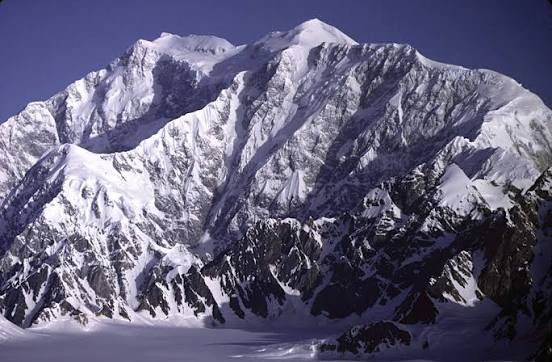
Mount Logan is the tallest mountain in Canada and the second-highest peak in North America after Denali. Rising to an elevation of 5,959 meters (19,551 feet), this massive mountain dominates the Saint Elias Mountains of southwestern Yukon.
Located within Kluane National Park and Reserve, Mount Logan is renowned for its enormous size, extensive glacier systems, and harsh weather conditions. In fact, it has the largest base circumference of any non-volcanic mountain on Earth, making it one of the most massive mountain massifs in the world.
The mountain was named after Sir William Edmond Logan, a Canadian geologist and founder of the Geological Survey of Canada. It was first successfully climbed in 1925 by an international expedition that spent weeks navigating glaciers and difficult terrain to reach the summit.
Today, Mount Logan remains one of the most challenging mountaineering objectives in North America. Climbers must contend with extreme cold, unpredictable weather, crevassed glaciers, and its remote wilderness location. As a result, only experienced mountaineers attempt the ascent each year.
Mount Logan at a Glance
| Feature | Details |
|---|---|
| Height | 5,959 m (19,551 ft) |
| Location | Yukon Territory, Canada |
| Mountain Range | Saint Elias Mountains |
| National Park | Kluane National Park and Reserve |
| First Ascent | 1925 |
| Rank in Canada | 1st Highest |
| Rank in North America | 2nd Highest |
| Difficulty | Extremely Challenging |
Despite its remote location, Mount Logan is widely regarded as one of the world’s great mountain peaks. Its immense size, pristine wilderness, and rugged beauty make it the undisputed king of Canada’s mountains.
2. Mount Saint Elias
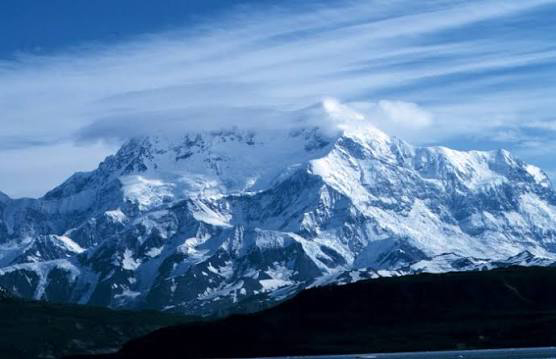
Mount Saint Elias is the second-tallest mountain in Canada and the fourth-highest peak in North America. Rising to an elevation of 5,489 meters (18,008 feet), it stands on the international border between Yukon, Canada, and Alaska, United States, within the rugged Saint Elias Mountains.
The mountain is famous for its dramatic rise from the Gulf of Alaska to its snow-covered summit, creating one of the greatest elevation gains of any mountain in the world. Massive glaciers surround Mount Saint Elias, and its steep slopes receive heavy snowfall from Pacific storms, making the landscape both spectacular and extremely challenging.
The first successful ascent took place in 1897, led by Prince Luigi Amedeo, Duke of the Abruzzi, and his international climbing team. Their expedition marked one of the most significant achievements in early North American mountaineering.
Today, Mount Saint Elias remains one of Canada’s most demanding climbing objectives. Climbers face severe weather, crevassed glaciers, avalanche hazards, and technical ice routes. Only experienced mountaineers with advanced alpine and glacier travel skills should attempt the ascent.
Mount Saint Elias at a Glance
| Feature | Details |
|---|---|
| Height | 5,489 m (18,008 ft) |
| Location | Yukon, Canada / Alaska, USA |
| Mountain Range | Saint Elias Mountains |
| National Park | Kluane National Park and Reserve / Wrangell–St. Elias National Park |
| First Ascent | 1897 |
| Rank in Canada | 2nd Highest |
| Rank in North America | 4th Highest |
| Difficulty | Extremely Challenging |
Mount Saint Elias combines exceptional height, massive glaciers, and unpredictable weather, making it one of the most impressive mountains in Canada. Its remote location, technical climbing routes, and breathtaking scenery continue to attract experienced mountaineers from around the world.
3. Mount Lucania
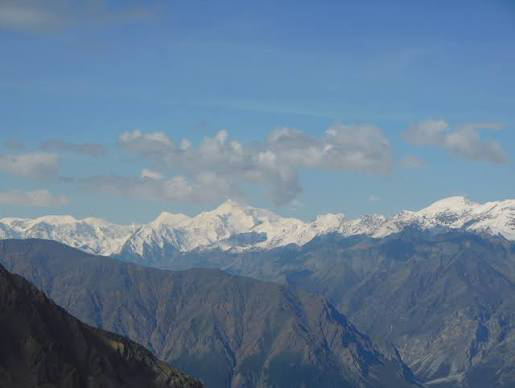
Mount Lucania is the third-tallest mountain in Canada, reaching an elevation of 5,226 meters (17,146 feet). Located in Yukon Territory within the Saint Elias Mountains, it is one of Canada’s most remote and challenging peaks. The mountain is surrounded by vast glaciers, rugged icefields, and untouched wilderness, making it a true expedition destination.
Mount Lucania is renowned for its enormous glacier systems and isolated location. Unlike more accessible mountains, reaching the base of the mountain often requires a ski-equipped aircraft or a long approach across glaciers. The combination of high altitude, severe weather, and difficult terrain makes every expedition a serious undertaking.
The mountain was first successfully climbed in 1937 by Bradford Washburn and Robert Bates. After reaching the summit, the team completed an epic journey by trekking more than 150 kilometers (93 miles) across glaciers and wilderness to reach safety. Their expedition remains one of the greatest survival stories in North American mountaineering.
Today, Mount Lucania attracts only a small number of experienced climbers each year. Climbers must prepare for crevassed glaciers, extreme cold, rapidly changing weather, and complete self-sufficiency in one of Canada’s wildest mountain environments.
Mount Lucania at a Glance
| Feature | Details |
|---|---|
| Height | 5,226 m (17,146 ft) |
| Location | Yukon Territory, Canada |
| Mountain Range | Saint Elias Mountains |
| National Park | Kluane National Park and Reserve |
| First Ascent | 1937 |
| Rank in Canada | 3rd Highest |
| Rank in North America | 8th Highest |
| Difficulty | Extremely Challenging |
Mount Lucania stands among Canada’s greatest alpine peaks because of its impressive elevation, remote location, and demanding climbing conditions. Its vast glaciers, dramatic landscapes, and rich mountaineering history make it one of the country’s most respected expedition mountains.
4. King Peak
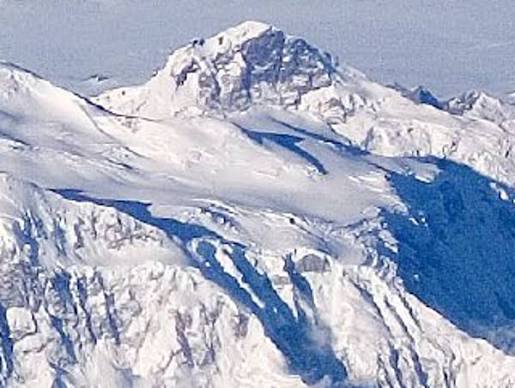
King Peak is the fourth-tallest mountain in Canada, rising to an elevation of 5,173 meters (16,972 feet). It is located in Yukon Territory within the rugged Saint Elias Mountains, just a short distance from Mount Logan. Surrounded by vast glaciers and snow-covered peaks, King Peak forms part of one of the largest ice-covered mountain regions in North America.
The mountain is known for its remote location, heavily glaciated terrain, and harsh alpine environment. Most expeditions reach the area by ski-equipped aircraft before traveling across glaciers to establish base camps. Climbers must navigate crevasses, steep snow slopes, and rapidly changing weather throughout the ascent.
The first successful ascent of King Peak took place in 1952 during an expedition exploring the Saint Elias Mountains. Although it is lower than Mount Logan, King Peak remains a serious mountaineering objective because of its isolation, difficult glacier travel, and extreme weather conditions.
Today, only experienced climbers attempt King Peak. Successful expeditions require excellent physical fitness, glacier travel experience, and careful planning for travel in remote wilderness.
King Peak at a Glance
| Feature | Details |
|---|---|
| Height | 5,173 m (16,972 ft) |
| Location | Yukon Territory, Canada |
| Mountain Range | Saint Elias Mountains |
| National Park | Kluane National Park and Reserve |
| First Ascent | 1952 |
| Rank in Canada | 4th Highest |
| Rank in North America | Among the Highest Peaks |
| Difficulty | Extremely Challenging |
King Peak is one of Canada’s great expedition mountains. Its towering glaciers, remote setting, and demanding climbing conditions attract skilled mountaineers seeking a true wilderness adventure in the heart of the Saint Elias Mountains.
5. Mount Steele
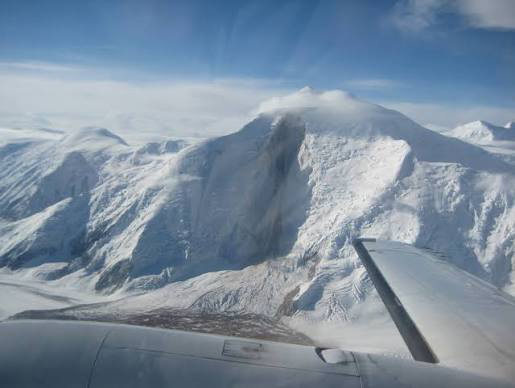
Mount Steele is the fifth-tallest mountain in Canada, standing at an elevation of 5,073 meters (16,644 feet). Located in Yukon Territory within the spectacular Saint Elias Mountains, it lies inside Kluane National Park and Reserve. Before Mount Logan was accurately surveyed, many people believed Mount Steele was Canada’s highest mountain.
The mountain is famous for its broad summit, extensive glacier systems, and rugged alpine landscape. Massive icefields surround the peak, creating a remote wilderness that attracts experienced mountaineers from around the world. Climbers usually reach the mountain by ski-equipped aircraft before crossing glaciers to establish base camp.
Mount Steele was first successfully climbed in 1935 by an expedition led by Walter A. Wood. Since then, it has become one of Canada’s classic expedition peaks, offering a demanding climb through glaciated terrain and high-altitude conditions.
Today, Mount Steele remains a challenging objective for experienced climbers. The route involves glacier travel, crevasse crossings, steep snow slopes, and unpredictable weather. Careful planning, proper equipment, and strong mountaineering skills are essential for a safe ascent.
Mount Steele at a Glance
| Feature | Details |
|---|---|
| Height | 5,073 m (16,644 ft) |
| Location | Yukon Territory, Canada |
| Mountain Range | Saint Elias Mountains |
| National Park | Kluane National Park and Reserve |
| First Ascent | 1935 |
| Rank in Canada | 5th Highest |
| Rank in North America | Among the Highest Peaks |
| Difficulty | Extremely Challenging |
Mount Steele is one of Canada’s most iconic mountains, combining impressive elevation, vast glaciers, and a rich climbing history. Its remote location and demanding conditions continue to make it a respected goal for experienced mountaineers seeking a true alpine expedition.
6. Mount Wood
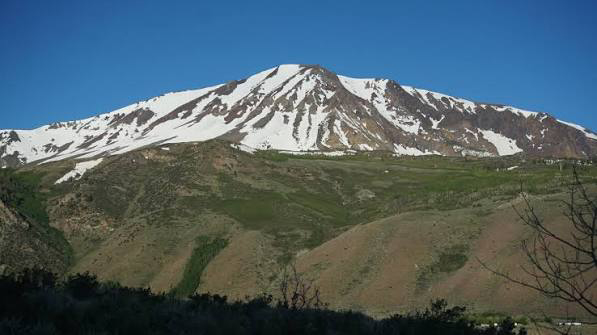
Mount Wood is the sixth-tallest mountain in Canada, reaching an elevation of 4,842 meters (15,886 feet). It is located in Yukon Territory within the Saint Elias Mountains, where it stands among Canada’s highest glaciated peaks. Surrounded by vast icefields and rugged alpine terrain, Mount Wood forms part of the spectacular mountain landscape of Kluane National Park and Reserve.
The mountain is known for its remote location, broad snow-covered slopes, and challenging glacier routes. Like many peaks in the Saint Elias Mountains, access usually requires a ski-equipped aircraft followed by glacier travel to base camp. Climbers must prepare for extreme weather, deep snow, and large crevasses throughout the expedition.
Mount Wood was first successfully climbed in 1948 during an expedition exploring the Saint Elias Mountains. Although it receives fewer climbing attempts than Mount Logan or Mount Steele, it remains a respected objective for experienced mountaineers seeking a remote alpine adventure.
Today, Mount Wood attracts climbers with strong glacier travel and high-altitude mountaineering skills. Its isolation, unpredictable weather, and demanding terrain require careful planning, excellent fitness, and the ability to travel safely in one of Canada’s wildest mountain regions.
Mount Wood at a Glance
| Feature | Details |
|---|---|
| Height | 4,842 m (15,886 ft) |
| Location | Yukon Territory, Canada |
| Mountain Range | Saint Elias Mountains |
| National Park | Kluane National Park and Reserve |
| First Ascent | 1948 |
| Rank in Canada | 6th Highest |
| Rank in North America | Among the Highest Peaks |
| Difficulty | Extremely Challenging |
Mount Wood may receive fewer visitors than some of Canada’s better-known peaks, but its impressive elevation, remote glaciers, and untouched wilderness make it an outstanding destination for experienced climbers looking for a true expedition in the Saint Elias Mountains.
7. Mount Vancouver
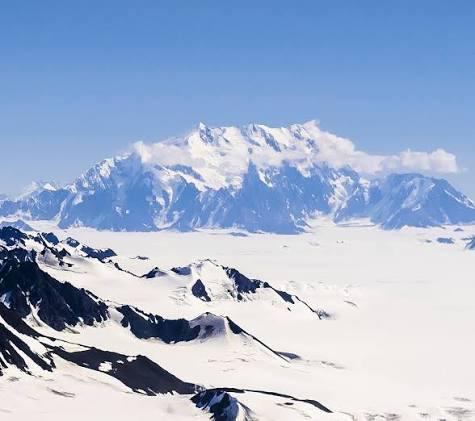
Mount Vancouver is the seventh-tallest mountain in Canada, rising to an elevation of 4,812 meters (15,787 feet). It stands on the border between Yukon, Canada, and Alaska, United States, within the rugged Saint Elias Mountains. The mountain is surrounded by vast glaciers and snow-covered peaks, making it one of the most spectacular alpine landscapes in North America.
Mount Vancouver is famous for its massive icefields, remote wilderness, and challenging climbing conditions. Most expeditions begin with a flight on a ski-equipped aircraft to a glacier landing site before continuing across glaciated terrain to establish base camp. Climbers must navigate crevasses, steep snow slopes, and rapidly changing weather throughout the ascent.
The mountain was first successfully climbed in 1949 by an expedition led by William H. Long, Alan Bruce-Robertson, and Norman Hardie. Since then, it has remained a respected objective for experienced mountaineers seeking a demanding expedition in Canada’s far north.
Today, Mount Vancouver receives relatively few climbing attempts because of its remote location and difficult access. Successful climbers need excellent glacier travel skills, strong physical fitness, and the ability to adapt to severe mountain weather.
Mount Vancouver at a Glance
| Feature | Details |
|---|---|
| Height | 4,812 m (15,787 ft) |
| Location | Yukon, Canada / Alaska, USA |
| Mountain Range | Saint Elias Mountains |
| National Park | Kluane National Park and Reserve |
| First Ascent | 1949 |
| Rank in Canada | 7th Highest |
| Rank in North America | Among the Highest Peaks |
| Difficulty | Extremely Challenging |
Mount Vancouver is one of Canada’s finest expedition mountains. Its impressive elevation, expansive glaciers, and isolated setting offer experienced climbers an unforgettable adventure in the heart of the Saint Elias Mountains.
8. Mount Slaggard
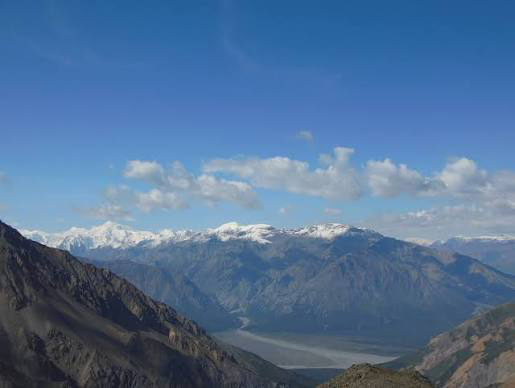
Mount Slaggard is the eighth-tallest mountain in Canada, with an elevation of 4,742 meters (15,558 feet). It is located on the border between Yukon, Canada, and Alaska, United States, in the rugged Saint Elias Mountains. The peak rises above vast glaciers and snowfields, forming part of one of the largest ice-covered mountain regions in North America.
Mount Slaggard is known for its remote location, heavily glaciated slopes, and severe alpine weather. Reaching the mountain usually requires a ski-equipped aircraft followed by glacier travel across challenging terrain. Climbers must be prepared for crevasses, steep snow and ice slopes, and rapidly changing weather conditions.
The first successful ascent of Mount Slaggard took place in 1939 during an expedition exploring the Saint Elias Mountains. Although it is less well known than Mount Logan or Mount Saint Elias, the mountain offers a serious climbing challenge and remains a rewarding objective for experienced mountaineers.
Today, only skilled climbers with glacier travel and high-altitude expedition experience attempt Mount Slaggard. Its isolation, harsh environment, and technical terrain require careful planning, specialized equipment, and excellent mountaineering skills.
Mount Slaggard at a Glance
| Feature | Details |
|---|---|
| Height | 4,742 m (15,558 ft) |
| Location | Yukon, Canada / Alaska, USA |
| Mountain Range | Saint Elias Mountains |
| National Park | Kluane National Park and Reserve |
| First Ascent | 1939 |
| Rank in Canada | 8th Highest |
| Rank in North America | Among the Highest Peaks |
| Difficulty | Extremely Challenging |
Mount Slaggard combines impressive elevation, expansive glaciers, and true wilderness, making it one of Canada’s most remote and demanding mountains. For experienced climbers, it offers an unforgettable expedition in the spectacular Saint Elias Mountains.
9. Mount Fairweather
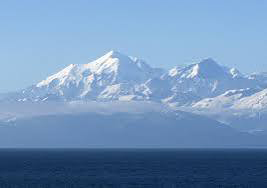
Mount Fairweather is the ninth-tallest mountain in Canada, reaching an elevation of 4,671 meters (15,325 feet). It stands on the border between British Columbia, Canada, and Alaska, United States, within the magnificent Saint Elias Mountains. Despite its name, the mountain is famous for its powerful storms, heavy snowfall, and rapidly changing weather.
Mount Fairweather rises dramatically from the Pacific coastline, creating one of the steepest elevation gains of any coastal mountain in the world. The combination of glaciers, rugged cliffs, and snow-covered ridges makes it one of the most striking peaks in North America. Its remote location and unpredictable weather create challenging conditions throughout the year.
The mountain was first successfully climbed in 1931 by Allen Carpé, Terris Moore, and Andrew C. Taylor. Since then, it has become a respected objective for experienced alpinists seeking a demanding expedition in one of the continent’s wildest mountain regions.
Today, Mount Fairweather attracts only a small number of skilled climbers each year. The climb requires advanced glacier travel, technical mountaineering experience, and careful planning to deal with severe weather and difficult terrain.
Mount Fairweather at a Glance
| Feature | Details |
|---|---|
| Height | 4,671 m (15,325 ft) |
| Location | British Columbia, Canada / Alaska, USA |
| Mountain Range | Saint Elias Mountains |
| National Park | Glacier Bay National Park and Preserve / Tatshenshini-Alsek Provincial Park |
| First Ascent | 1931 |
| Rank in Canada | 9th Highest |
| Rank in North America | Among the Highest Peaks |
| Difficulty | Extremely Challenging |
Mount Fairweather is one of Canada’s most spectacular mountains, combining towering glaciers, dramatic coastal scenery, and challenging climbing routes. Its breathtaking beauty and demanding conditions make it a prized destination for experienced mountaineers from around the world.
10. Mount Hubbard
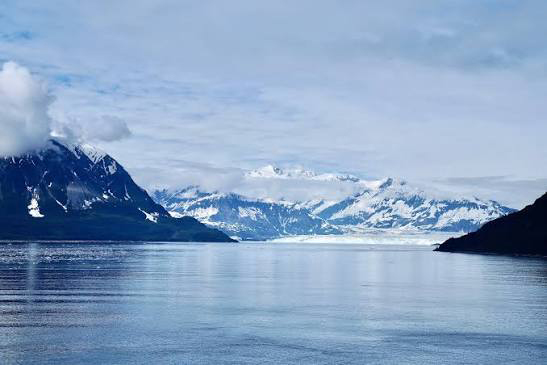
Mount Hubbard is the tenth-tallest mountain in Canada, standing at an elevation of 4,557 meters (14,951 feet). It lies on the international border between Yukon, Canada, and Alaska, United States, within the rugged Saint Elias Mountains. Surrounded by vast glaciers and snow-covered peaks, Mount Hubbard forms part of one of North America’s largest icefields.
The mountain is known for its impressive glaciers, remote wilderness, and challenging alpine terrain. Its slopes feed several major glacier systems, including the Hubbard Glacier, one of the longest tidewater glaciers in North America. The combination of steep snow slopes, crevasses, and severe weather makes climbing Mount Hubbard a demanding expedition.
Mount Hubbard was first successfully climbed in 1951 by Walter A. Wood, William R. MacCarthy, Wayne Merry, Allen Steck, and Carl Wiegand during an expedition to the Saint Elias Mountains. Their successful ascent added another major peak to Canada’s mountaineering history.
Today, Mount Hubbard attracts only a few experienced climbers each year because of its isolated location and difficult access. Successful expeditions require advanced glacier travel skills, excellent physical fitness, and careful preparation for rapidly changing mountain weather.
Mount Hubbard at a Glance
| Feature | Details |
|---|---|
| Height | 4,557 m (14,951 ft) |
| Location | Yukon, Canada / Alaska, USA |
| Mountain Range | Saint Elias Mountains |
| National Park | Kluane National Park and Reserve |
| First Ascent | 1951 |
| Rank in Canada | 10th Highest |
| Rank in North America | Among the Highest Peaks |
| Difficulty | Extremely Challenging |
Mount Hubbard completes the list of Canada’s ten tallest mountains with its remarkable elevation, extensive glaciers, and rugged alpine landscape. Its remote setting and demanding climbing conditions make it a rewarding challenge for experienced mountaineers seeking an unforgettable expedition in the Saint Elias Mountains.
11-20. Other Major Peaks
Beyond the top 10, Canada contains several other massive mountains that still rank among the highest in North America. Most of these peaks lie in the Saint Elias Mountains of Yukon and British Columbia, where extreme weather, heavy glaciation, and remote wilderness conditions dominate the landscape.
These mountains may not receive as much attention as Mount Logan or Mount Saint Elias, but they remain significant in terms of elevation, climbing difficulty, and geographic importance. Many of them require advanced expedition skills and are rarely climbed.
Below is a list of mountains ranked 11-20 in Canada:
| Rank | Mountain | Height |
|---|---|---|
| 11 | Mount Alverstone | 4,420 m (14,501 ft) |
| 12 | Mount Kennedy | 4,258 m (13,970 ft) |
| 13 | Mount Walsh | 4,191 m (13,750 ft) |
| 14 | Mount Deception | 4,168 m (13,675 ft) |
| 15 | Mount Hubbard West | 4,125 m (13,533 ft) |
| 16 | Mount King George | 4,137 m (13,566 ft) |
| 17 | Mount Queen Mary | 4,230 m (13,878 ft) |
| 18 | Mount Augusta | 4,289 m (14,072 ft) |
| 19 | Mount Saint Elias South Peak | 4,000+ m (approx.) |
| 20 | Various unnamed subpeaks in the Saint Elias range | 4,000 m+ |
Most of these peaks share similar characteristics: massive glaciers, steep ice walls, and extremely remote locations. Climbers often access them only during large-scale expeditions, and weather windows remain short and unpredictable.
Together, these mountains highlight the true scale of the Canadian Cordillera, showing that even outside the top 10, Canada contains some of the most dramatic alpine environments in the world.
How Tall Is Mount Logan?
Mount Logan stands as the tallest mountain in Canada and the second-highest peak in North America. Its immense height and massive base make it one of the most dominant mountains on the continent. Located in Yukon Territory within Kluane National Park and Reserve, Mount Logan rises far above surrounding glaciers and icefields.
Height in Meters and Feet
Mount Logan reaches an elevation of 5,959 meters (19,551 feet) above sea level. This makes it the highest point in Canada and one of the highest non-volcanic mountains in the world.
However, what makes Mount Logan even more impressive is its massive base. The mountain spreads across a wide area of ice and rock, creating one of the largest mountain massifs on Earth.
Mount Logan vs Denali
Mount Logan and Denali are two of the most powerful peaks in North America, but they differ in both height and conditions.
- Mount Logan: 5,959 m (19,551 ft), located in Canada
- Denali: 6,190 m (20,310 ft), located in Alaska, USA
Denali is higher in elevation, but Mount Logan has a larger base and more ice coverage. Logan also experiences extremely low temperatures, with some of the coldest recorded weather conditions in North America.
Both mountains demand advanced expedition skills, glacier travel experience, and strong physical endurance. However, Denali often sees more climbing traffic due to more established expedition routes.
Mount Logan vs Kilimanjaro
Mount Logan and Mount Kilimanjaro are both iconic peaks, but they offer very different climbing environments.
- Mount Logan: 5,959 m (19,551 ft), located in Canada, requires technical glacier travel
- Mount Kilimanjaro: 5,895 m (19,341 ft), located in Tanzania, non-technical trekking peak
Although Kilimanjaro is slightly lower, it remains more accessible to non-technical climbers. Mount Logan, on the other hand, requires advanced mountaineering skills, crevasse navigation, and expedition-level preparation.
In summary, Kilimanjaro offers a trekking experience, while Mount Logan demands full alpine expedition capability, making it significantly more challenging despite the similar elevation.
Which Canadian Mountains Can You Climb?
Canada offers some of the most dramatic and challenging climbing experiences in the world. However, not all of its highest mountains are easily accessible. Most of the tallest peaks lie in remote areas of the Saint Elias Mountains, where climbers face glaciers, extreme cold, and unpredictable weather.
Only a small number of mountains in Canada are regularly climbed. Some require advanced expedition skills, while others are suitable only for highly experienced alpinists with technical glacier and ice climbing experience.
Best Mountains for Experienced Climbers
Experienced mountaineers with strong glacier travel skills can attempt several well-known Canadian peaks. These mountains require planning, fitness, and alpine experience but remain achievable under good conditions.
Some of the most climbed expedition peaks include:
- Mount Logan (5,959 m) – Requires full expedition logistics and glacier navigation
- Mount Steele (5,073 m) – Challenging but more frequently attempted than other high peaks
- Mount Lucania (5,226 m) – Remote, often requiring air access
- Mount Fairweather (4,671 m) – Technical coastal weather challenges
- Mount Vancouver (4,812 m) – Glacier-heavy border peak
These mountains demand strong endurance, rope skills, crevasse rescue knowledge, and the ability to operate in isolated environments.
Most Challenging Expeditions
Some Canadian peaks rank among the hardest climbs in North America due to their isolation and weather conditions rather than just elevation.
The most difficult expeditions include:
- Mount Logan: Extreme cold, massive glacier systems, and unpredictable storms
- Mount Saint Elias: Very steep rise from sea level and severe coastal weather
- Mount Lucania: Remote access and long glacier approaches
- King Peak: Technical glacier travel and isolated terrain
Climbers often spend weeks in the field, and rescue options remain extremely limited. Weather windows can close quickly, forcing teams to wait or retreat.
Permit and Safety Requirements
Climbing Canada’s highest mountains requires careful planning and official permissions.
Key requirements include:
- Park permits for areas such as Kluane National Park and Reserve
- Expedition planning approval in some protected regions
- Experienced guides or expedition teams for most commercial climbs
- Glacier travel training and crevasse rescue skills
- Emergency communication devices (satellite phones or GPS trackers)
- Cold-weather survival equipment
Safety plays a major role in every expedition. Climbers must prepare for isolation, extreme cold, and limited rescue support. Weather conditions change quickly, so strong decision-making and experience are essential for survival and success.
In summary, Canada’s highest mountains are not casual trekking destinations. They require serious preparation, technical skills, and respect for some of the harshest environments on Earth.
How Do Canada’s Tallest Mountains Compare to Other Continents?
Canada’s highest mountains rank among the most massive and remote in the world, but they differ greatly from peaks in other continents. The comparison depends on elevation, climbing difficulty, and accessibility. While some mountains in other regions reach higher altitudes, Canada’s peaks stand out for their extreme weather and isolation.
Canada vs United States
Canada and the United States both share parts of the Saint Elias Mountains, which contain some of North America’s tallest peaks.
- Canada’s highest peak: Mount Logan (5,959 m)
- USA’s highest peak: Denali (6,190 m)
Denali is higher in elevation, but Mount Logan has a larger ice-covered base and experiences some of the coldest temperatures in North America. Both mountains require advanced expedition skills, glacier travel, and strong endurance.
In terms of climbing traffic, Denali receives more attempts due to better-established routes, while Mount Logan remains more remote and less frequently climbed.
Canada vs Africa
Africa’s highest peak, Mount Kilimanjaro (5,895 m), stands slightly lower than Mount Logan in elevation, but the climbing experience differs significantly.
- Mount Logan: Technical glacier climbing, extreme cold, remote wilderness
- Mount Kilimanjaro: Non-technical trekking route, high altitude, variable weather
Kilimanjaro attracts thousands of trekkers each year because it does not require technical climbing skills. In contrast, Canada’s highest peaks demand glacier travel, rope systems, and expedition-level preparation.
Canada vs Europe
Europe’s highest peak, Mount Elbrus (5,642 m), is lower than both Mount Logan and Mount Kilimanjaro.
- Mount Logan: 5,959 m, highly remote and technical
- Mount Elbrus: 5,642 m, more accessible but still high altitude
Elbrus is often considered a “Seven Summits” trekking peak with basic mountaineering sections. Canada’s highest mountains, however, involve more complex glacier systems and significantly harsher weather conditions.
Comparison Table
| Continent | Highest Peak | Height | Difficulty | Climbing Style |
|---|---|---|---|---|
| North America (Canada/USA) | Denali | 6,190 m | Extremely challenging | Expedition, technical glacier |
| Canada | Mount Logan | 5,959 m | Extremely challenging | Expedition, glacier travel |
| Africa | Mount Kilimanjaro | 5,895 m | Moderate | Trekking (non-technical) |
| Europe | Mount Elbrus | 5,642 m | Moderate to challenging | Trekking with basic alpine skills |
Overall, Canada’s tallest mountains stand out not only for their height but also for their remoteness, glacier coverage, and severe weather. These factors make them some of the most demanding expedition peaks on Earth.
Interesting Facts About Canada’s Highest Mountains
Canada’s highest mountains stand out not only for their height but also for their geography, climate, and climbing history. These peaks belong mainly to the Saint Elias Mountains, a region known for extreme conditions and massive ice systems.
Largest Mountain Massif
Mount Logan forms part of one of the largest mountain massifs in the world. Unlike a single sharp peak, it spreads across a wide area of ice and rock. Its base covers an enormous surface, making it one of the most massive non-volcanic mountain structures on Earth. This wide formation creates multiple summits and extensive glacier systems that dominate the landscape of Yukon.
Historic First Ascents
Many of Canada’s highest mountains were first climbed during the early to mid-20th century, when exploration teams pushed into remote wilderness areas.
- Mount Logan was first climbed in 1925
- Mount Saint Elias was first climbed in 1897
- Mount Lucania was first climbed in 1937
- Mount Fairweather was first climbed in 1931
These early expeditions required long journeys across glaciers, limited equipment, and strong survival skills. Many of these climbs remain important milestones in North American mountaineering history.
Extreme Weather Conditions
Canada’s tallest mountains experience some of the harshest weather conditions on the continent. Storm systems from the Pacific Ocean collide with the Saint Elias range, creating:
- Heavy snowfall
- Strong winds
- Rapid temperature drops
- Whiteout conditions
Temperatures can fall far below freezing even in summer, and storms can last for days. These conditions make climbing unpredictable and highly dangerous.
Massive Glaciers
Glaciers dominate the landscape of Canada’s highest peaks. Some of the most significant include the Kaskawulsh Glacier, Hubbard Glacier, and Logan Glacier system.
These glaciers continuously reshape the mountains through slow movement, carving valleys and feeding rivers. Many climbing routes also depend on glacier travel, which requires careful navigation of crevasses and unstable snow bridges.
Together, these features make Canada’s highest mountains some of the most dramatic and challenging environments in the world.
Best Time to Climb Canada’s Highest Mountains
The best time to climb Canada’s highest mountains is late May to early July. This short window gives climbers the most stable weather, safer glacier conditions, and longer daylight hours, which are all essential for high-altitude expeditions in the Saint Elias Mountains.
Weather Conditions
Late spring and early summer bring the most manageable weather conditions in Canada’s northern mountain regions. Temperatures stay cold, but storms become less frequent compared to winter. Winds can still be strong, and snowfall can occur at any time, but visibility improves during this period.
Glacier conditions also become more predictable. Snow bridges remain stronger in early summer, and colder overnight temperatures help stabilize the snowpack. This improves safety when crossing crevasses and traveling across icefields.
Climbing Season
Most expeditions on peaks like Mount Logan, Mount Saint Elias, and Mount Lucania take place between late May and early July. This period offers the best balance between access and safety.
During this season:
- Helicopter or ski-aircraft access to base camps becomes easier
- Daylight lasts much longer, allowing extended climbing hours
- Weather windows appear more frequently for summit attempts
- Snow conditions remain suitable for glacier travel
Because of these advantages, most successful summit attempts happen within this short seasonal window.
Seasonal Challenges
Even during the best season, climbing remains extremely challenging.
- Early season (late May): Deep snow and cold temperatures slow progress
- Mid-season (June): Best overall conditions but still prone to storms
- Late season (early July): Warmer weather increases glacier melting and crevasse danger
Outside this window, conditions become far more extreme. Winter brings severe cold and heavy snowfall, while late summer increases avalanche risk and glacier instability.
In summary, late May to early July offers the safest and most practical time for climbing Canada’s highest mountains, but all expeditions still require strong experience and careful planning.
Frequently Asked Questions
The tallest mountain in Canada is Mount Logan. It rises to 5,959 meters (19,551 feet) and sits in the Saint Elias Mountains within Kluane National Park and Reserve in Yukon. It also ranks as the second-highest peak in North America after Denali.
Canada has only a small number of peaks above 5,000 meters, mainly located in the Saint Elias Mountains. These include Mount Logan, Mount Saint Elias, Mount Lucania, King Peak, and Mount Steele. In total, fewer than ten major peaks exceed 5,000 meters.
Yes, Mount Logan is much harder than Kilimanjaro. Kilimanjaro is a trekking mountain that does not require technical climbing skills, while Mount Logan demands glacier travel, crevasse navigation, and full expedition experience. Logan also has extreme cold and severe weather conditions, making it significantly more challenging.
No, beginners cannot safely climb Mount Logan. The mountain requires advanced mountaineering skills, including glacier travel, rope systems, and cold-weather expedition experience. Most climbers attempt it only after years of high-altitude and technical climbing training.
Yukon Territory contains most of Canada’s highest peaks, including Mount Logan, Mount Saint Elias, Mount Lucania, and King Peak. British Columbia also has very high mountains, especially in the Saint Elias and Coast Ranges.
Most of Canada’s tallest mountains are located in the Saint Elias Mountains, which stretch across Yukon, British Columbia, and Alaska. This range contains the majority of Canada’s 5,000-meter peaks and some of the most remote and heavily glaciated terrain in North America.
Read more about Canada’s tallest mountains
Final Thoughts
Canada’s tallest mountains stand out for more than just their height. They combine extreme elevation, vast glacier systems, and some of the harshest weather conditions in North America. Peaks like Mount Logan and Mount Saint Elias do not only test physical strength but also demand serious expedition experience and careful planning.
These mountains sit in remote wilderness areas, mainly in the Saint Elias range, where access remains difficult and weather conditions change quickly. Unlike many famous peaks around the world, Canada’s highest mountains see far fewer climbers each year, which helps preserve their untouched and wild character.
For climbers and mountain enthusiasts, these peaks represent true expedition challenges rather than simple trekking goals. For readers and travelers, they offer a deeper appreciation of Canada’s natural scale, beauty, and rugged geography.
In the end, Canada’s highest mountains remind us that some of the most powerful landscapes on Earth still remain wild, remote, and largely untouched.