How do you get to Kilimanjaro?
How to Get to Kilimanjaro: Flights, Airports, Transfers & Travel Guide
Estimated reading time: 47 minutes
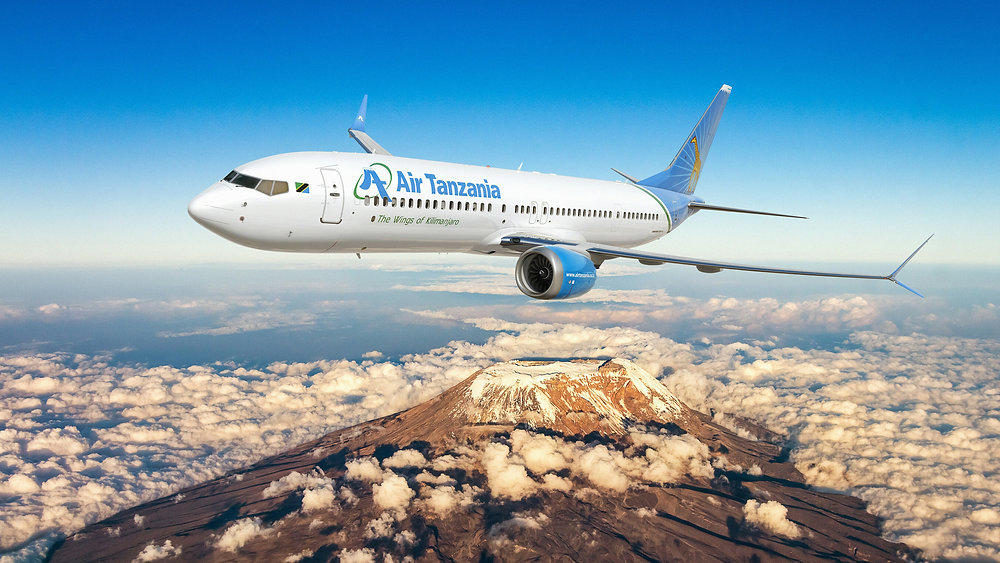
Getting to Mount Kilimanjaro is easier when you know which airport to choose, how to reach your hotel, and what to expect before your climb. For most international travellers, the best option is to fly into Kilimanjaro International Airport (JRO) in northern Tanzania. From there, you can travel by road to Moshi or Arusha, the two main towns used as bases for Kilimanjaro adventures.
However, your journey to Kilimanjaro does not begin when you reach the mountain gate. It starts with choosing the right flight and planning how you will get from your home country to Tanzania, from the airport to your accommodation, and finally from your hotel to the starting point of your chosen Kilimanjaro route.
Depending on where you are travelling from, you may fly directly or connect through an international hub such as Amsterdam, Doha, Istanbul, Addis Ababa, or Nairobi. Another option is to fly into Dar es Salaam or Nairobi and take a connecting flight to Kilimanjaro. Your best choice depends on your departure city, travel dates, flight schedules, budget, and how much time you want to spend travelling.
Once you arrive at JRO, the next stage is straightforward. A pre-arranged airport transfer can take you to Moshi or Arusha, where you can rest, meet your trekking team, attend your climb briefing, and prepare your equipment before heading to Kilimanjaro National Park.
In this complete guide, WeWild Travel explains how to get to Kilimanjaro step by step, including the best airport to use, flights to Kilimanjaro, alternative arrival routes, airport transfers, Moshi versus Arusha, travel preparation, and what happens after you land in Tanzania. Whether you are travelling from the UK, USA, Canada, Australia, Europe, or elsewhere, you will find the practical information you need to plan your journey with confidence.
Table of contents
- How to Get to Kilimanjaro: Flights, Airports, Transfers & Travel Guide
- Kilimanjaro International Airport (JRO)
- Arusha Airport (ARK)
- Julius Nyerere International Airport (DAR)
- Nairobi Airport (NBO)
- Flights to Kilimanjaro International Airport
- Flights to Kilimanjaro from Europe
- Can You Fly to Kilimanjaro Through Nairobi?
- Can You Fly to Kilimanjaro Through Dar es Salaam?
- How Far Is Kilimanjaro International Airport From Moshi and Arusha?
- How Do You Get From Kilimanjaro Airport to Moshi?
- Should You Stay in Moshi or Arusha Before Climbing Kilimanjaro?
- How to Get From Moshi to Kilimanjaro National Park
- What Is the Best Way to Get to Kilimanjaro?
- When Should You Arrive Before Your Kilimanjaro Climb?
- What Happens When You Arrive at Kilimanjaro Airport?
- Kilimanjaro Airport Arrival Tips
- How to Choose the Best Flight to Kilimanjaro
- How Much Does It Cost to Fly to Kilimanjaro?
- How to Get to Kilimanjaro From Different Countries
- Frequently Asked Questions About Getting to Kilimanjaro
- Conclusion: Plan Your Journey to Kilimanjaro With Confidence
- Read Also :
Quick Answer
The easiest way to get to Kilimanjaro is to fly into Kilimanjaro International Airport (JRO) in northern Tanzania. From JRO, travel to Moshi or Arusha, where most climbers spend a night before their trek. Your Kilimanjaro operator can arrange an airport pickup and transfer you to your hotel, then take you to the correct mountain gate on your starting day. From there, your chosen route takes you toward the summit.
Getting to Kilimanjaro at a glance
| Step | What you need to do |
|---|---|
| 1 | Book your international flight to Tanzania |
| 2 | Fly into Kilimanjaro International Airport (JRO) |
| 3 | Meet your pre-arranged airport transfer |
| 4 | Travel to Moshi or Arusha |
| 5 | Check into your hotel and prepare for the trek |
| 6 | Travel to your route’s starting gate and begin your Kilimanjaro climb |
Which Airport Should You Fly Into for Kilimanjaro?
If you are travelling to Tanzania specifically to climb Mount Kilimanjaro, Kilimanjaro International Airport (JRO) is usually the most convenient airport to choose. JRO serves northern Tanzania and gives you straightforward road access to both Moshi and Arusha, the main towns where climbers stay before their trek.
However, JRO is not your only option. Depending on your international flight, you may find it more convenient to travel through Nairobi, Dar es Salaam, or another Tanzanian airport before continuing to the Kilimanjaro area.
Your best choice depends on where you start your journey, available flight connections, arrival time, and whether you plan to visit other parts of Tanzania before or after your climb.
Kilimanjaro International Airport (JRO)
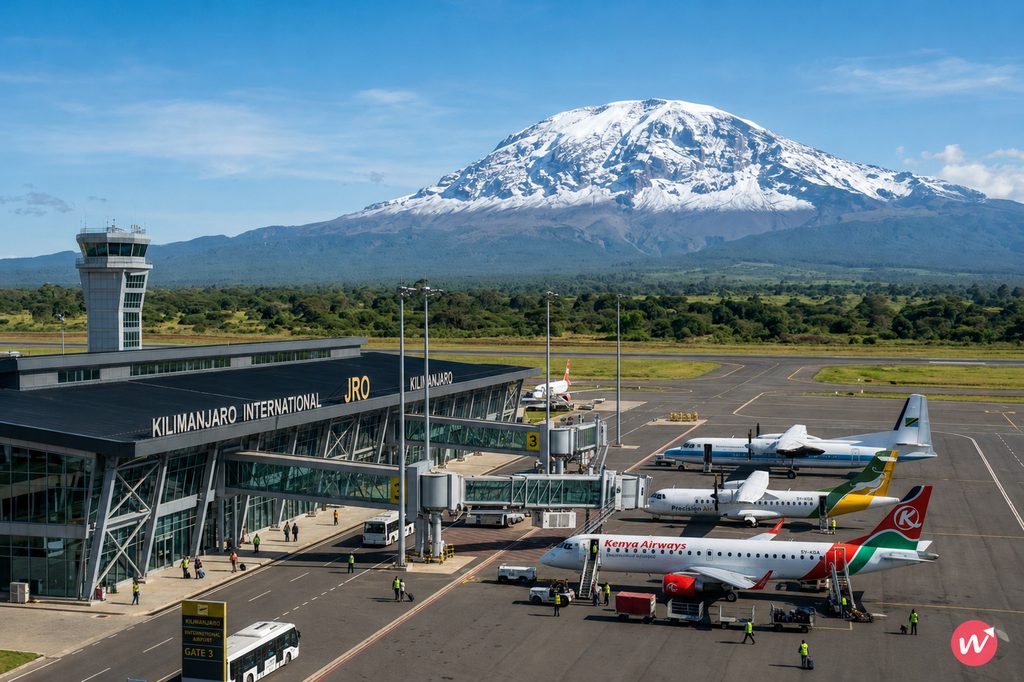
Kilimanjaro International Airport is the best airport for most international travellers climbing Mount Kilimanjaro. The airport sits between Moshi and Arusha, making it easy to continue your journey by road after landing.
JRO receives international and regional flights, so many climbers can reach northern Tanzania without first travelling through Dar es Salaam. The airport also connects with several major international hubs, giving travellers from Europe, North America, Asia, Australia, and other regions different ways to reach Tanzania.
After clearing immigration and collecting your luggage, you can meet your pre-arranged driver and travel directly to your accommodation in Moshi or Arusha. If you book your climb with a local operator, you can arrange this transfer before your arrival and avoid searching for transportation after a long international journey.
For most Kilimanjaro climbers, the simplest journey looks like this:
International flight → JRO → airport transfer → Moshi or Arusha → Kilimanjaro climb
If your main goal is climbing Kilimanjaro, JRO should usually be your first airport to check when comparing flights.
Arusha Airport (ARK)
Arusha Airport (ARK) serves the Arusha area and mainly handles domestic and regional flights. It differs from Kilimanjaro International Airport, so travellers should check their ticket carefully before booking.
ARK can work well if you are already travelling within Tanzania or combining your Kilimanjaro climb with other destinations. For example, you might reach Arusha on a domestic flight and then arrange road transportation to your hotel or the mountain.
However, international travellers should not automatically choose ARK simply because the airport name contains “Arusha.” JRO generally offers the more practical arrival point for an international Kilimanjaro trek.
If you find a domestic connection to ARK that fits your itinerary, compare the total travel time, baggage allowance, transfer arrangements, and cost before making your decision.
Julius Nyerere International Airport (DAR)
Julius Nyerere International Airport (DAR) in Dar es Salaam can be another option when international flights to Dar es Salaam offer a better connection or fare.
A typical journey would look like:
International flight → Dar es Salaam (DAR) → domestic flight → JRO → Moshi or Arusha
This route can make sense if you plan to spend time in Dar es Salaam or if your international itinerary connects there more conveniently than through another hub.
However, flying into Dar es Salaam adds another stage to your journey. You need to consider the domestic flight schedule, baggage arrangements, connection time, and the possibility of delays before choosing this option.
If your only purpose is to climb Kilimanjaro, compare a DAR itinerary carefully against a flight that takes you directly to JRO. A cheaper international ticket does not always produce the easiest overall journey.
Nairobi Airport (NBO)
Jomo Kenyatta International Airport (NBO) in Nairobi, Kenya, provides another useful gateway for travellers heading to Kilimanjaro. Nairobi has a large international flight network, so some travellers may find better connections into Kenya than directly into Tanzania.
From Nairobi, you can continue to Kilimanjaro by air:
International flight → Nairobi (NBO) → JRO → Moshi or Arusha
This option can work particularly well if you want to combine your trip with time in Kenya or find a convenient international flight into Nairobi.
Before choosing this route, remember that Nairobi and Kilimanjaro are in different countries. Your itinerary therefore needs to account for the international border crossing and the relevant entry requirements if you travel overland between Kenya and Tanzania.
For a dedicated Kilimanjaro trip, compare the complete journey with a flight directly to JRO. The shortest-looking airfare is not necessarily the easiest option once you include additional flights, transfers, border procedures, and travel time.
Which airport is best for your Kilimanjaro climb?
| Airport | Best for | Recommendation for climbers |
|---|---|---|
| JRO | International and regional arrivals for northern Tanzania | Best choice for most climbers |
| ARK | Domestic and regional travel | Useful in selected itineraries |
| DAR | International arrivals through Dar es Salaam | Good alternative when connections work well |
| NBO | International arrivals through Nairobi | Useful alternative, especially for combined Kenya Tanzania trips |
Flights to Kilimanjaro International Airport
Flying to Kilimanjaro International Airport (JRO) is the most straightforward option for travellers coming to Tanzania for a Mount Kilimanjaro climb. The airport has international connections from Europe, the Middle East, and several regional African hubs. Current schedules show direct European services from Amsterdam, Istanbul, Milan, Paris, Brussels, and Zürich, although several European routes operate seasonally. (FlightConnections)
If your city does not have a direct flight to JRO, you can usually reach Kilimanjaro through a major international hub and continue on a connecting flight. When comparing flights, look beyond the ticket price. Consider the total journey time, number of connections, baggage allowance, arrival time in Tanzania, and how easily you can connect with your airport transfer.
Flights to Kilimanjaro from Europe
Europe provides some of the most convenient international connections to Kilimanjaro. Several European cities have direct or seasonal services to JRO, while travellers from other European countries can connect through these hubs.
Amsterdam to Kilimanjaro
Amsterdam (AMS) is one of the main European gateways to Kilimanjaro. KLM operates direct services between Amsterdam and JRO, giving travellers from the Netherlands and nearby European countries a convenient option. Current schedules show the Amsterdam Kilimanjaro route as a seasonal service, so always check your exact travel dates before booking.
Istanbul to Kilimanjaro
Istanbul (IST) provides an important year-round connection between Europe and Tanzania. Turkish Airlines currently operates direct flights between Istanbul and Kilimanjaro, making Istanbul a useful connecting point for travellers from Turkey and other European and international markets. Current schedules show regular service on this route.
Milan to Kilimanjaro
Travellers from Italy can check Milan Malpensa (MXP) for direct flights to Kilimanjaro. Neos currently operates the Milan–JRO route on a seasonal basis. This connection can be particularly useful for travellers from Italy who want to avoid an additional European connection.
Zürich to Kilimanjaro
Zürich (ZRH) also has direct seasonal connections to Kilimanjaro through Edelweiss Air. Travellers from Switzerland and nearby European countries can therefore check JRO when comparing their flight options.
Paris to Kilimanjaro
Travellers from France can look for flights from Paris Charles de Gaulle (CDG) to JRO. Air France currently operates the route on a seasonal basis, making Paris another useful European gateway for reaching northern Tanzania.
Brussels to Kilimanjaro
Brussels (BRU) provides another direct European connection to Kilimanjaro. Brussels Airlines currently operates seasonal service between Brussels and JRO. This can be convenient for travellers from Belgium and surrounding European countries.
Frankfurt and Other European Cities
Frankfurt is an important international aviation hub, but travellers should distinguish between having a connection through Frankfurt and having a current nonstop Frankfurt–JRO service. Flight schedules change, and airlines may operate routes seasonally or through partner carriers. For this reason, travellers from Germany and other European countries should compare the complete itinerary rather than assuming that every major European airport has a nonstop Kilimanjaro flight. Current airline schedules also show services involving Frankfurt and Kilimanjaro. (Lufthansa)
European Flights to Kilimanjaro at a Glance
| European gateway | Airport | Direct JRO service | Main airline |
|---|---|---|---|
| Amsterdam, Netherlands | AMS | Seasonal | KLM |
| Istanbul, Türkiye | IST | Regular | Turkish Airlines |
| Milan, Italy | MXP | Seasonal | Neos |
| Zürich, Switzerland | ZRH | Seasonal | Edelweiss Air |
| Paris, France | CDG | Seasonal | Air France |
| Brussels, Belgium | BRU | Seasonal | Brussels Airlines |
| Frankfurt, Germany | FRA | Check current schedule | Varies |
Flight schedules can change between seasons, so check your exact travel dates before booking rather than assuming that a route operates every day. Current route data identifies Europe as one of the main regions with intercontinental flights to Kilimanjaro, alongside the Middle East.
What if there is no direct flight from your city?
You do not need to live in a city with a direct JRO flight to reach Kilimanjaro easily. Travellers from other European cities can connect through a major hub such as Amsterdam, Istanbul, Paris, Brussels, Zürich, or another airport with a suitable connection to Tanzania.
For example:
London → Amsterdam → JRO → Moshi
or
Madrid → Istanbul → JRO → Moshi
The important thing is to compare the whole journey, not just the first flight. A route with one well-timed connection can sometimes make your arrival much easier than choosing a cheaper itinerary with several separate flights.
For WeWild Travel climbers, we recommend planning your arrival so that you reach Tanzania with enough time to transfer to your hotel, rest, attend your pre-climb briefing, and prepare for your Kilimanjaro route before the trek begins.
Flights to Kilimanjaro from the United Kingdom
For travellers from the United Kingdom, the easiest way to reach Mount Kilimanjaro is usually to book a flight from a UK airport to Kilimanjaro International Airport (JRO) with a connection along the way. Depending on your departure city and travel dates, you may connect through a major European, Middle Eastern, or African hub before continuing to northern Tanzania.
A typical journey looks like this:
UK → connecting airport → Kilimanjaro International Airport (JRO) → Moshi or Arusha
London usually offers the widest choice of international connections, but travellers from Manchester, Birmingham, Edinburgh, Glasgow, and other UK airports can also plan their journey to JRO by connecting through another airport.
The important point is to look at the complete journey, not just the first available flight. A cheaper ticket with two or three connections may take considerably longer and leave you more tired before your climb. For a Kilimanjaro trek, a well-timed itinerary with fewer connections can make your arrival much easier.
Common connection options from the UK
Travellers can often find routes through major hubs such as:
- Amsterdam – useful for connecting onward to JRO
- Istanbul – an important Europe–Tanzania connection
- Doha – a major Middle Eastern hub for Tanzania
- Addis Ababa – another important African connection
- Nairobi – useful for travellers combining Kenya and Tanzania
Flight schedules change throughout the year, so check your exact travel dates before choosing a route. You should also check whether your itinerary uses a single ticket or separate bookings, as this can affect baggage handling and connection arrangements.
What happens after you land in Tanzania?
Once you arrive at JRO, your journey to the mountain is not quite finished. After immigration and baggage collection, you can meet your pre-arranged driver and continue by road to Moshi or Arusha.
For most climbers, the journey follows this simple pattern:
UK → JRO → airport pickup → Moshi/Arusha → hotel → mountain gate → Kilimanjaro trek
WeWild Travel can arrange the airport transfer as part of your Kilimanjaro trip, allowing you to move from the airport to your accommodation without having to organize transportation after a long international journey.
When should UK travellers arrive before climbing?
Avoid planning your international flight so that you land at JRO immediately before your trek starts. Giving yourself at least one night in northern Tanzania before the climb provides time to recover from the journey, settle into your accommodation, meet your trekking team, and prepare your equipment.
If your flight arrives late, has several connections, or involves a tight schedule, an additional night can give you more flexibility.
The best flight to Kilimanjaro is not necessarily the cheapest one. For a mountain journey that can last several days, consider the arrival time, number of connections, baggage allowance, total travel time, and how easily you can connect with your airport transfer before you make your final booking.
Flights to Kilimanjaro from the United States
Travellers from the United States will usually reach Mount Kilimanjaro through an international connection rather than flying nonstop from a US airport to Kilimanjaro International Airport (JRO). Your best route depends on your departure city, travel dates, and the connections available when you book.
A typical journey looks like:
USA → international hub → JRO → Moshi or Arusha
Depending on your starting point, you may connect through a major hub such as Amsterdam, Doha, Istanbul, or Addis Ababa before continuing to Tanzania. Some itineraries may use another African or Middle Eastern hub, so you do not need to limit your search to one route.
When comparing flights, pay attention to the total travel time and number of connections. A flight with a slightly higher fare may be a better choice if it reduces your connections and gets you to Tanzania at a convenient time.
After landing at JRO, you can continue by road to Moshi or Arusha, where you can spend the night and prepare for your Kilimanjaro trek.
For a smoother trip, arrange your airport transfer before leaving the United States and give yourself enough time in Tanzania before your climb begins.
Flights to Kilimanjaro from Canada
Travelling from Canada to Kilimanjaro normally involves one or more international connections before you reach Tanzania. There is no need to focus on finding a flight from Canada directly to JRO; instead, look for a practical connection through a major international hub.
Your journey may look like:
Canada → international hub → JRO → Moshi or Arusha
Travellers can compare connections through Europe, the Middle East, or Africa, depending on their departure airport and the flights available on their travel dates.
For example, a traveller leaving Toronto, Vancouver, Montréal, Calgary, or another Canadian city may first travel to a larger international hub before continuing to Kilimanjaro.
When choosing your ticket, compare more than the advertised price. Check the number of stops, connection times, baggage allowance, arrival time, and total journey duration. These details matter when you are travelling with trekking equipment and preparing for a multi-day mountain climb.
Once you arrive at Kilimanjaro International Airport, a pre-arranged transfer can take you directly to your accommodation in Moshi or Arusha. From there, you can rest and prepare for your climb before travelling to your route’s starting point.
Flights to Kilimanjaro from Australia
For travellers coming from Australia, getting to Kilimanjaro usually requires one or more connections. Because the journey covers a long distance, choosing the right itinerary can make a significant difference to your arrival experience.
The basic journey is:
Australia → international hub → JRO → Moshi or Arusha
Depending on your departure city and travel dates, you may connect through an airport in Asia, the Middle East, Europe, or Africa before continuing to Kilimanjaro.
Travellers from Sydney, Melbourne, Brisbane, Perth, Adelaide, and other Australian cities should compare several routing options rather than assuming there is one standard way to reach Tanzania.
Because the journey can take considerable time, look closely at the number of connections and length of each stopover. A very long itinerary may save money but leave you tired when you arrive. A better-timed itinerary can give you more time to recover before beginning your climb.
After reaching JRO, your final airport journey is straightforward: meet your pre-arranged driver and travel to Moshi or Arusha. Spending at least one night there gives you time to rest, organize your trekking equipment, attend your briefing, and prepare for the mountain.
Can You Fly to Kilimanjaro Through Nairobi?
Yes, you can travel to Mount Kilimanjaro through Nairobi, Kenya. Nairobi can be a useful gateway because it has a large international flight network and connections to northern Tanzania. However, travelling through Nairobi adds another part to your journey, so you should compare the entire itinerary before choosing this option.
For most travellers, there are two main ways to continue from Nairobi: take a connecting flight to Kilimanjaro International Airport (JRO) or travel overland to Moshi or Arusha.
Option 1: Nairobi to Kilimanjaro International Airport
The simplest Nairobi connection for a Kilimanjaro climb is to fly from Jomo Kenyatta International Airport (NBO) to Kilimanjaro International Airport (JRO).
Your journey would look like:
International flight → Nairobi (NBO) → JRO → Moshi or Arusha
This option works well if your international flight gives you a convenient connection in Nairobi. After arriving at JRO, you can arrange an airport transfer to your accommodation in Moshi or Arusha and prepare for your climb.
Before booking, check the connection time carefully. You need enough time to complete the required airport procedures, collect or transfer your luggage where necessary, and catch your onward flight.
Option 2: Nairobi to Moshi or Arusha by Road
You can also continue from Nairobi to northern Tanzania by road. This route can take you toward Arusha or Moshi, depending on your travel plans.
The journey involves crossing the Kenya to Tanzania border, so you need to allow time for border procedures and make sure you have the correct travel documents and entry requirements for both countries.
The basic journey looks like:
International flight → Nairobi → Kenya–Tanzania border → Arusha/Moshi → Kilimanjaro
Overland travel can be useful if you want to combine your Kilimanjaro adventure with time in Kenya. It may also fit your plans if you are already visiting destinations such as Nairobi or travelling through East Africa.
However, don’t assume that travelling by road will automatically cost less or take less time. Compare the international airfare, onward flight or road transfer, border procedures, travel time, luggage arrangements, and overall convenience before making your decision.
Is Nairobi a good gateway for Kilimanjaro?
It can be, but JRO is usually the simpler arrival point if Kilimanjaro is your main goal.
If you find a good international connection to Nairobi, flying onward to JRO can work very well. If you want to combine Kenya and Tanzania, travelling overland may also make sense.
For a dedicated Kilimanjaro trip, however, compare your Nairobi itinerary with a flight directly to JRO. The cheapest international ticket is not always the easiest or most economical journey once you add the extra flight, transfer, border crossing, and travel time.
Can You Fly to Kilimanjaro Through Dar es Salaam?
Yes, you can travel to Mount Kilimanjaro through Dar es Salaam, especially if you find a convenient international flight into Julius Nyerere International Airport (DAR). From Dar es Salaam, you can take a domestic flight to Kilimanjaro International Airport (JRO) and then continue by road to Moshi or Arusha.
The journey typically looks like this:
International destination → Dar es Salaam (DAR) → Kilimanjaro (JRO) → Moshi or Arusha
Option 1: Dar es Salaam to Kilimanjaro by Flight
For travellers who arrive in Dar es Salaam, taking a domestic flight to JRO is usually the most straightforward way to continue toward the mountain.
After landing at JRO, you can meet your airport transfer and travel to your accommodation in Moshi or Arusha. This makes the final part of the journey relatively simple.
Scheduled flights operate between Dar es Salaam and Kilimanjaro, although timetables and flight frequencies can change, so check the current schedule for your travel dates before booking.
When Does Flying Through Dar es Salaam Make Sense?
Dar es Salaam can be a useful choice when your international flight offers a better connection, suitable arrival time, or competitive fare compared with flying directly to JRO.
It can also work well if you want to spend some time on Tanzania’s coast before heading north for your Kilimanjaro climb.
For example:
London → DAR → JRO → Moshi
or
International destination → DAR → JRO → Arusha
However, don’t choose DAR simply because the international ticket looks cheaper. You should compare the complete journey, including the domestic flight, baggage arrangements, connection time, airport transfer, and additional travel time.
DAR or JRO: Which Should You Choose?
If you can find a suitable international flight directly to Kilimanjaro International Airport, JRO will usually be the more convenient choice for a dedicated Kilimanjaro trip. You arrive in northern Tanzania without adding another domestic flight to your itinerary.
Flying through Dar es Salaam can still make sense when the international connection works better for your dates or when you plan to visit Dar es Salaam or another destination in Tanzania first.
The best route is the one that gives you a reliable and manageable journey from your home country all the way to your Kilimanjaro hotelnot simply the flight with the lowest advertised price.
How Far Is Kilimanjaro International Airport From Moshi and Arusha?
Kilimanjaro International Airport (JRO) sits between Moshi and Arusha, making both towns convenient bases for travellers preparing to climb Mount Kilimanjaro. After landing, most climbers continue by road to their accommodation before travelling to their route’s starting point.
The journey does not always take exactly the same amount of time. Traffic, weather, road conditions, and your hotel’s location can affect the actual travel time, so treat the figures below as practical estimates rather than guaranteed journey times.
| Journey | Approximate road travel time |
|---|---|
| JRO → Moshi | About 1 hour |
| JRO → Arusha | About 1-1.5 hours |
| Moshi → Kilimanjaro gate | Depends on your route and starting gate |
| Arusha → Kilimanjaro gate | Depends on your route and starting gate |
JRO to Moshi
Moshi is the closest major town to Kilimanjaro International Airport. The drive from JRO to central Moshi generally takes around an hour under normal conditions.
For climbers, Moshi is a popular place to stay before a Kilimanjaro trek because several mountain routes begin on the southern and western sides of the mountain. Your exact transfer time will depend on where your hotel is located and the traffic on the day.
JRO to Arusha
The drive from JRO to Arusha usually takes longer than the journey to Moshi, with a typical road journey taking around 1 to 1.5 hours. Arusha is a major tourism centre in northern Tanzania and works particularly well for travellers who plan to combine their Kilimanjaro climb with a safari.
If you are choosing between Moshi and Arusha, consider your complete itinerary rather than looking only at airport distance.
From Moshi or Arusha to the Kilimanjaro Gate
Your final transfer depends on the Kilimanjaro route you choose. Machame, Marangu, Lemosho, Rongai, Umbwe, and Northern Circuit treks use different starting areas, so there is no single travel time from Moshi or Arusha to “the Kilimanjaro gate.”
Your trekking operator should confirm the correct meeting time and starting point before your climb.
Why does the distance matter?
Knowing these distances helps you plan your first and last days in Tanzania. If you arrive at JRO, you can travel directly to your hotel, rest after your flight, and prepare for your trek. On your departure day, your operator can also arrange transportation back to the airport based on your flight time.
For most climbers, JRO to Moshi to mountain gate is the simplest sequence. However, Arusha can be a convenient base if your wider Tanzania itinerary includes a safari or other northern Tanzania destinations.
This section should answer the practical question first and then compare the options honestly. I’d keep WeWild Travel as a natural solution rather than turning the section into an advertisement.
How Do You Get From Kilimanjaro Airport to Moshi?
Getting from Kilimanjaro International Airport (JRO) to Moshi is straightforward. The town sits roughly an hour away by road, although the actual journey can vary with traffic, weather, road conditions, and your accommodation’s location.
For most Kilimanjaro climbers, a pre-arranged airport transfer is the easiest choice. It means you can leave the airport without searching for transport after a long international flight and continue directly to your hotel in Moshi.
You have several options depending on your budget, comfort, and travel plans.
Private Airport Transfer
A private transfer gives you a vehicle and driver for your journey from JRO to Moshi. For climbers carrying backpacks, trekking equipment, and checked luggage, this is often the most convenient option.
Your driver can meet you after you complete the airport arrival procedures, help you with your luggage, and take you directly to your accommodation.
A private transfer also gives you more flexibility if your flight arrives late or your plans change. You do not have to wait for other passengers before leaving the airport.
Shared Transfer
A shared transfer allows several travellers heading in the same general direction to use the same vehicle. This can reduce the cost compared with a private transfer.
The trade-off is flexibility. You may need to wait for other passengers, and the vehicle may make additional stops before reaching your accommodation.
For travellers who want to keep transportation costs lower and do not mind a longer journey, a shared transfer can be a practical alternative.
Taxi From Kilimanjaro Airport to Moshi
Taxis are another way to travel from JRO to Moshi. They can be useful if you need transportation at short notice, but it is still worth arranging your journey carefully before leaving the airport.
If you choose a taxi, confirm the destination and fare before starting the journey. For a first-time visitor arriving after a long international flight, having a confirmed transfer waiting at the airport can make the arrival considerably less stressful.
Airport Pickup With Your Kilimanjaro Tour Operator
If your Kilimanjaro climb includes airport transfers, arranging the pickup with your trekking company can simplify the entire arrival process.
With WeWild Travel, you can arrange your airport transfer before travelling. Your driver can meet you at JRO and take you directly to your accommodation in Moshi or Arusha, depending on your itinerary.
This also keeps your arrival connected to the rest of your climb. Instead of arranging separate transportation after landing, you already know how you will get from the airport to your hotel and, later, from the hotel to your Kilimanjaro route.
Which option is best for Kilimanjaro climbers?
| Private transfer | Climbers who want comfort and flexibility | |
| Shared transfer | Travellers looking to reduce transport costs | |
| Taxi | Travellers arranging transport independently | |
| Tour operator pickup | Climbers who want their arrival connected to their trek |
For most climbers, arranging your JRO Moshi transfer before you arrive is the simplest approach. You can then focus on resting, checking your trekking equipment, and preparing for the mountain instead of organizing transportation after your flight.
Should You Stay in Moshi or Arusha Before Climbing Kilimanjaro?
Both Moshi and Arusha work well as bases before a Mount Kilimanjaro climb, but they suit slightly different travel plans. Moshi lies closer to the mountain and has a strong connection with Kilimanjaro trekking, while Arusha works especially well for travellers who want to combine their climb with a safari or other northern Tanzania experiences.
Your choice can also depend on your airport transfer, hotel, trekking route, and what you plan to do before or after the climb.
| Moshi | Arusha |
|---|---|
| Closer to Mount Kilimanjaro | Larger tourism centre |
| Popular with Kilimanjaro climbers | Popular with safari travellers |
| Convenient access to many mountain routes | Convenient for combining climbing and safari |
| Wide choice of trekking-focused accommodation | Wide choice of hotels, restaurants, and travel services |
| Good choice for a dedicated climbing trip | Good choice for a wider northern Tanzania itinerary |
Why Stay in Moshi Before Climbing Kilimanjaro?
Moshi is the natural choice for many travellers whose main purpose is climbing Kilimanjaro. Its location makes the transfer to several mountain starting points relatively convenient, and the town has a long-established connection with trekking.
Staying in Moshi also gives you a quieter transition from your international journey to your mountain adventure. You can check your equipment, meet your guide, attend your pre-climb briefing, and rest before travelling to the starting point of your route.
For a trip focused almost entirely on Kilimanjaro, Moshi usually makes the most practical base.
Why Stay in Arusha Before Climbing Kilimanjaro?
Arusha is a particularly useful choice if Kilimanjaro is only one part of your Tanzania itinerary. The city serves as a major base for northern Tanzania tourism and is commonly used by travellers visiting destinations such as the Serengeti, Ngorongoro, and Tarangire.
For example, you might stay in Arusha before your climb, trek Kilimanjaro, and then continue with a safari. Alternatively, you might complete your safari first and travel toward the mountain afterward.
Arusha also offers a wide selection of accommodation and places to eat, making it a convenient option for travellers who want more than a mountain-focused stay.
Which Is Better for Kilimanjaro Climbers?
If you are coming to Tanzania mainly to climb Mount Kilimanjaro, Moshi is generally the more convenient base. You are closer to the mountain, and the town caters strongly to climbers preparing for their treks.
Choose Arusha if you are combining Kilimanjaro with a safari or a broader northern Tanzania itinerary. The extra road distance does not necessarily make Arusha a poor choice; it simply makes more sense when your trip includes other destinations.
So rather than asking “Moshi or Arusha-which is better?”, ask:
That is the better way to choose your base before climbing Kilimanjaro.
How to Get From Moshi to Kilimanjaro National Park
Reaching Moshi is only the beginning of your Kilimanjaro adventure. You do not simply leave your hotel, arrive at the mountain, and start hiking. Before your trek begins, your trekking team needs to transport you to the correct starting point, complete the park entry procedures, and register your climb.
For most organized Kilimanjaro climbs, the morning follows a simple sequence:
Hotel in Moshi → Mountain transfer → Route starting gate → Registration → Trek begins
Your exact departure time depends on your route, the location of your hotel, road conditions, and the distance to the starting point.
Machame Gate
Machame Gate serves as the starting point for the Machame Route. The drive from Moshi takes you toward the southern side of Mount Kilimanjaro.
After reaching the gate, your trekking team completes the required registration and entry procedures while the crew prepares the equipment. Once everything is ready, you begin walking through the forest toward your first campsite.
Marangu Gate
Marangu Gate is the starting point for the Marangu Route. It provides access from the southeastern side of the mountain.
Your team normally handles the park registration and preparations at the gate before you begin your first hiking day through the lower forest zone.
Lemosho Starting Point
The Lemosho Route begins farther west on Kilimanjaro. Unlike routes that use a single well-known gate close to the main road, Lemosho itineraries can use different access points depending on the specific itinerary and current park arrangements.
This makes transportation arrangements particularly important. Your trekking operator should confirm the exact meeting point and starting location before your climb.
Rongai Gate
The Rongai Route approaches Kilimanjaro from the northern side of the mountain near the Kenya border. Climbers normally travel from Moshi toward the northern access area before beginning the trek.
Because Rongai starts on a different side of the mountain, the transfer from Moshi can take longer than some of the southern routes.
Umbwe Gate
Umbwe Gate provides access to the Umbwe Route on the southern side of Kilimanjaro. The route is known for its steep early stages, so the transfer and preparation at the starting point form an important part of the first trekking day.
Your guide and support team handle the park entry process before you start the hike.
Northern Circuit Starting Area
The Northern Circuit Route uses the western side of Kilimanjaro before travelling around the quieter northern slopes of the mountain.
The exact starting location can vary according to the itinerary and park arrangements. Your operator should therefore confirm the pickup time, starting point, and route plan before departure.
Who Arranges the Transfer From Moshi?
If you book an organized Kilimanjaro trek, your tour operator normally coordinates the transportation from your hotel to the appropriate mountain starting point.
At WeWild Travel, the process is designed to keep your morning simple:
Your hotel → WeWild Travel vehicle → Kilimanjaro starting point → park registration → trek
You do not need to work out which road to take or arrange separate transportation to the mountain gate yourself. Your guide and driver know where your route starts and coordinate the transfer with the trekking team.
What Is the Best Way to Get to Kilimanjaro?
For most international travellers coming to Tanzania specifically to climb Mount Kilimanjaro, the simplest option is to fly into Kilimanjaro International Airport (JRO) and arrange a private transfer to Moshi or Arusha. This route reduces unnecessary connections and puts you closer to the mountain from the moment you land.
However, JRO is not the only way to reach Kilimanjaro. Your ideal route depends on where you are travelling from, your flight schedule, and whether you plan to visit other destinations in East Africa.
Best for Most International Climbers: Fly to JRO
The most straightforward journey is:
International flight → Kilimanjaro International Airport (JRO) → private transfer → Moshi → overnight stay → mountain gate
This option works particularly well when Kilimanjaro is the main purpose of your Tanzania trip. After landing at JRO, your driver can take you directly to your hotel in Moshi, where you can rest and prepare for your climb.
You avoid adding another domestic flight after your international journey, which can make your travel day simpler.
Best Alternative: Fly Through Nairobi
If you find a convenient international flight to Nairobi, Kenya, you can continue by air to Kilimanjaro:
International flight → Nairobi (NBO) → JRO → Moshi or Arusha
Nairobi can be a useful gateway because of its extensive international connections. It can also make sense if you plan to combine your Kilimanjaro climb with a Kenya trip.
However, compare the entire itinerary before booking. An additional flight and border considerations can make the journey longer than flying directly to JRO.
Another Option: Fly Through Dar es Salaam
You can also reach Kilimanjaro through Tanzania’s largest city:
International flight → Dar es Salaam (DAR) → JRO → Moshi or Arusha
This option can work well if you find a suitable international fare to Dar es Salaam or want to spend time elsewhere in Tanzania before heading north.
If Kilimanjaro is your only destination, compare this route carefully with a direct flight to JRO. Adding a domestic flight can mean more travel time, another airport connection, and additional baggage considerations.
If You Are Already Travelling in Tanzania
If you are already in Tanzania, you do not need to return to an international airport to reach Kilimanjaro. Depending on your location and available schedules, you can take a domestic flight to JRO or travel by another suitable regional connection before continuing to Moshi or Arusha.
For example:
Zanzibar → JRO → Moshi
or
Dar es Salaam → JRO → Moshi
This can fit well into a longer Tanzania itinerary that combines Kilimanjaro with a beach holiday, safari, or other destinations.
So, Which Route Should You Choose?
| Your situation | Recommended route |
|---|---|
| Kilimanjaro is your main trip | Fly to JRO to Moshi to climb |
| You find a good international connection to Nairobi | Nairobi to JRO to Moshi/Arusha |
| Your international flight works better through Dar es Salaam | DAR to JRO to Moshi/Arusha |
| You are already travelling in Tanzania | Domestic flight to JRO to Moshi/Arusha |
| You want to combine Kenya and Tanzania | Nairobi to JRO or overland to northern Tanzania |
For most first-time international climbers, our recommendation is simple: fly to JRO, arrange your airport transfer in advance, stay in Moshi or Arusha before your trek, and let your trekking operator coordinate the transfer to your route’s starting point.
The best journey is not always the one with the lowest airfare. Look at the complete trip from your home airport to your Kilimanjaro hotel, including connections, travel time, baggage, airport transfers, and how much rest you will have before the climb.
When Should You Arrive Before Your Kilimanjaro Climb?
Plan to arrive in northern Tanzania at least one day before your Kilimanjaro trek begins. This gives you a buffer between your international journey and your first hiking day, so you can reach your hotel, rest, meet your trekking team, and prepare without rushing.
Trying to land at Kilimanjaro International Airport on the same day your trek starts can create unnecessary pressure. A delayed flight, missed connection, baggage problem, or longer-than-expected airport transfer could affect your entire itinerary.
Why Arrive One Day Before Your Trek?
A night in Moshi or Arusha gives you time to:
- Recover from your flight – International journeys can leave you tired, especially after several connections.
- Meet your guide and trekking team – You can go through the plan for your route and ask any final questions.
- Complete your pre-climb briefing – Your operator can explain the hiking schedule, safety procedures, and what to expect on the mountain.
- Check your trekking equipment – Make sure you have everything you need before leaving for the mountain.
- Organize your luggage – Separate the items you need on the mountain from anything you will leave at your hotel.
- Handle unexpected delays – An extra night gives you some breathing room if your flight or luggage arrives later than planned.
Is One Night Enough?
For many travellers, one night before the climb works well when the international journey goes according to plan. However, arriving earlier can give you greater flexibility.
Consider arriving two or more nights before your trek if you have a long journey, several flight connections, a tight travel schedule, or simply want more time to settle into Tanzania before starting the climb.
An extra day can also give you an opportunity to explore Moshi or Arusha rather than moving straight from the airport to the mountain.
What If My Flight Arrives on the Same Day as My Climb?
It is better to avoid this whenever possible.
If your flight lands only a few hours before your scheduled mountain transfer, even a small delay could cause problems. You also need time for immigration, baggage collection, the drive to your accommodation, and final preparations.
At WeWild Travel, we recommend giving yourself enough time between your international arrival and your climb so that you can begin your Kilimanjaro adventure rested and prepared not rushing from the airport straight to the mountain.
A simple plan is:
Day 1: Arrive in Tanzania → JRO → Moshi/Arusha → rest
Day 2: Briefing and mountain transfer → Kilimanjaro trek begins
If your schedule allows, adding another night gives you an even larger buffer and a more relaxed start.
What Happens When You Arrive at Kilimanjaro Airport?
Arriving at Kilimanjaro International Airport (JRO) is the first stage of your journey to Mount Kilimanjaro. If you have arranged your airport transfer in advance, the process is straightforward: complete the arrival formalities, collect your luggage, meet your driver, and continue to your accommodation in Moshi or Arusha.
Here is what you can expect after your flight lands.
1. Land at Kilimanjaro International Airport
Your journey begins when your flight arrives at JRO, the main international gateway for travellers visiting Mount Kilimanjaro.
Follow the airport signs for arrivals and immigration. Keep your passport and other important travel documents accessible so you can move through the arrival process without unnecessary delays.
2. Complete Immigration Procedures
After leaving the aircraft, proceed to the immigration area and complete the required entry procedures for Tanzania.
Make sure you have checked the current Tanzanian entry and visa requirements before travelling. Requirements can depend on your nationality and travel circumstances.
Once immigration clears you, continue to baggage collection.
3. Collect Your Luggage
Head to the baggage area and collect your checked bags. If you are carrying trekking equipment, take a moment to make sure all your luggage has arrived before leaving the airport.
Keep your important documents, medication if applicable, valuables, and essential travel items with you rather than placing everything in checked luggage.
If your baggage does not arrive, report the issue at the airport before continuing to your transfer.
4. Meet Your Driver
If you arranged an airport pickup, your driver will meet you at the agreed arrival point.
Confirm the pickup details before your journey to Tanzania, including who will meet you, where you will meet them, and how you will identify the vehicle or driver.
This is particularly helpful after a long international flight because you do not have to search for transportation after landing.
5. Transfer to Moshi or Arusha
Once you meet your driver, you can begin the road journey from JRO to your accommodation.
Most Kilimanjaro climbers continue to Moshi or Arusha, depending on their itinerary and accommodation.
Moshi is generally the more convenient base for travellers focused specifically on climbing Kilimanjaro, while Arusha can work particularly well for travellers combining their climb with a safari or other northern Tanzania activities.
6. Check Into Your Hotel
After arriving in Moshi or Arusha, check into your accommodation and take some time to rest.
If you have travelled a long distance, don’t underestimate the value of a quiet evening. Drink water, have a meal, and give yourself time to recover from the journey.
You can also organize your belongings and separate the equipment you will take onto the mountain from items you will leave at the hotel.
7. Meet Your Trekking Team
Before your climb begins, you will normally meet your guide or trekking team for a pre-climb briefing.
This is your opportunity to review the route, daily hiking plan, meeting time, equipment, safety procedures, and other important details.
Use this time to ask questions. If something about the itinerary or equipment is unclear, it is much easier to resolve it before you leave for the mountain.
8. Prepare for the Climb
Once your arrival is complete, your focus shifts from travelling to preparing for Kilimanjaro.
Check your daypack, organize your clothing and personal items, confirm your departure time, and make sure you know which mountain gate your route uses.
Your next journey will typically follow:
Hotel → mountain transfer → route starting point → park registration → Kilimanjaro trek
With WeWild Travel, we coordinate the important arrival and pre-climb arrangements so you can concentrate on preparing for the adventure ahead.
The goal is simple: arrive in Tanzania, settle in, rest properly, and start your Kilimanjaro climb prepared rather than rushed.
Kilimanjaro Airport Arrival Tips
Arriving at Kilimanjaro International Airport (JRO) should be the easy part of your journey, but a little preparation can prevent common problems. Keep your travel documents organized, know how you will reach your hotel, and give yourself enough time between arriving in Tanzania and starting your climb.
1. Keep Your Passport Accessible
Keep your passport, visa or entry documents, and other essential travel papers somewhere you can reach easily during your journey. You may need them several times before you leave the airport.
Avoid putting your passport inside checked luggage.
2. Check Your Baggage Before Leaving the Airport
Before meeting your driver, make sure your checked bags have arrived.
If a bag is missing or damaged, report it to the appropriate airline or airport desk before leaving the airport. This becomes much harder to sort out once you have already travelled to Moshi or Arusha.
3. Save Your Accommodation Details
Keep your hotel’s name, address, phone number, and booking information available on your phone. It is also sensible to keep an offline copy in case you have limited internet access after landing.
Knowing exactly where you are going makes it easier to communicate with your driver or arrange alternative transportation if your plans change.
4. Confirm Your Airport Transfer Before Travelling
Don’t wait until you land in Tanzania to figure out how you will reach Moshi or Arusha.
Confirm your transfer before your journey, including your arrival date, flight number, pickup location, driver contact details, and destination hotel.
If your flight changes, tell your transfer provider as soon as possible.
5. Leave Enough Time Between Connecting Flights
If you reach Tanzania through another airport, allow enough time for your connections. Avoid choosing an itinerary with an extremely short connection simply because it costs less.
A missed connection can affect your arrival in Tanzania and, in turn, your plans for reaching your hotel and starting your Kilimanjaro trek.
6. Don’t Rush Straight From the Airport to the Mountain
Avoid scheduling your mountain departure immediately after a long international journey.
Give yourself time to reach Moshi or Arusha, rest, organize your trekking equipment, and attend your pre-climb briefing. Arriving at least one day before your trek also gives you some protection against flight delays or baggage problems.
7. Check Tanzania’s Current Entry Requirements
Entry and visa requirements can vary according to your nationality and can change over time. Check the current official Tanzanian immigration requirements before your trip rather than relying on information from an old travel article.
Make sure your passport meets the applicable requirements and that you have any necessary visa or supporting documents ready.
8. Keep Your Trekking Documents Accessible
Keep important trekking information together, including your hotel confirmation, transfer details, travel insurance information, emergency contacts, flight information, and Kilimanjaro booking details.
You may not need everything at the airport, but having these details readily available makes your arrival and pre-climb preparation much easier.
A Simple Arrival Checklist
Before leaving JRO, make sure you have:
- Passport and entry documents
- All your luggage
- Hotel details
- Airport transfer confirmed
- Driver contact information
- Flight and trekking information
- Essential personal items
How to Choose the Best Flight to Kilimanjaro
The best flight to Kilimanjaro is not always the cheapest flight. When you are travelling for a multi-day mountain climb, your flight affects how rested you feel, when you reach your hotel, and how much time you have to deal with unexpected delays.
Instead of comparing ticket prices alone, look at the whole journey from your departure airport to your accommodation in northern Tanzania.
1. Compare the Total Travel Time
Check how long the complete journey takes from your home airport to Kilimanjaro International Airport (JRO).
A cheaper ticket may involve a very long layover or several connections. Paying slightly more for a shorter itinerary can sometimes give you a much easier arrival before your climb.
2. Look at the Number of Connections
Every additional connection creates another opportunity for a delay, missed flight, or baggage problem.
Whenever possible, compare itineraries with fewer well-timed connections. You do not necessarily need the shortest possible route, but avoid adding unnecessary stops just to save a small amount of money.
3. Check Your Baggage Allowance
Your Kilimanjaro trip involves more than normal holiday luggage. You may travel with hiking boots, clothing, trekking equipment, and other essential items.
Before booking, check:
- Checked baggage allowance
- Cabin baggage allowance
- Sports or trekking equipment rules
- Additional baggage fees
- Whether baggage transfers automatically between connecting flights
A flight that looks cheaper at first can become more expensive after adding baggage charges.
4. Check Your Arrival Time in Tanzania
Your arrival time matters because you still need to complete airport procedures, collect your luggage, meet your driver, and travel to Moshi or Arusha.
A flight arriving at a convenient time can make your first day much easier than one that lands very late at night.
If you plan to climb the following day, make sure you have enough time to reach your hotel and prepare without rushing.
5. Consider Connection Risk
A short connection may look attractive because it reduces your total travel time, but it can leave little room for delays.
When comparing flights, ask yourself:
What happens if my first flight arrives late?
A reasonable connection time can give you more breathing room, particularly when you have another international or domestic flight to catch.
6. Think About Your Airport Transfer
Your flight and airport transfer should work together.
If your driver expects you at JRO at a particular time, make sure they have your correct flight number and arrival information. If the airline changes your schedule, inform your transfer provider as soon as possible.
For travellers flying through Nairobi or Dar es Salaam, also consider how the connecting flight affects your final arrival at JRO.
7. Compare the Complete Cost
Don’t compare only the headline airfare.
Consider:
Flight price + baggage fees + domestic flights + airport transfers + additional accommodation + other connection costs
A flight that costs less initially may become more expensive once you add another flight, extra luggage, or an additional hotel night.
A Simple Example
Imagine you have two choices:
Flight A: Lower price, several connections, long layover, and an additional domestic flight before reaching JRO.
Flight B: Slightly higher price, fewer connections, and direct arrival at JRO.
For a Kilimanjaro trek, Flight B may offer better overall value because you spend less time travelling and reduce the number of connections before reaching your hotel.
The cheapest ticket is not automatically the best ticket.
Our Advice for Kilimanjaro Travellers
Before booking your flight, compare these six things:
| What to compare | Why it matters |
|---|---|
| Total travel time | Helps you arrive with more energy |
| Number of connections | Fewer connections can reduce travel complications |
| Baggage allowance | Important when travelling with trekking equipment |
| Arrival time | Gives you enough time to reach your hotel |
| Connection time | Reduces the risk of missing your onward flight |
| Airport transfer | Makes your arrival in Tanzania easier |
For most climbers, a well-timed flight into JRO with a reliable airport transfer is worth considering even when it costs a little more. Your goal is not simply to find the cheapest way to Tanzania; it is to arrive in northern Tanzania safely, comfortably, and with enough time to prepare for your Kilimanjaro climb.
How Much Does It Cost to Fly to Kilimanjaro?
The cost of a flight to Kilimanjaro depends on where you are travelling from, when you travel, and which flight itinerary you choose. There is no single airfare that applies to everyone, and prices can change frequently as airlines adjust availability and demand.
For that reason, it is better to compare flights for your exact travel dates rather than rely on a fixed price published in a travel guide.
What Affects the Cost of a Flight to Kilimanjaro?
Several factors can change the price of your journey to Kilimanjaro International Airport (JRO).
Departure Country
Your starting point has a major influence on airfare. A traveller flying from the United Kingdom may find completely different prices from someone travelling from the United States, Canada, Australia, or another part of Europe.
The number of available routes from your departure airport also affects the options you can compare.
Travel Dates
Flight prices can change significantly between different dates. Even moving your departure or return by a few days can produce a different fare.
If your Kilimanjaro dates are flexible, compare several possible travel dates before purchasing your ticket.
Season
Demand for Kilimanjaro travel can influence both flight availability and prices. Peak travel periods may have fewer affordable seats, while quieter periods can sometimes provide more choices.
Remember that airfare seasonality and the best season for climbing Kilimanjaro are not necessarily the same thing, so consider both when planning your trip.
Airline and Route
Different airlines offer different fares, schedules, baggage allowances, and connection options.
A direct or well-connected journey to JRO may cost more than an itinerary involving additional flights. However, the cheaper option may require considerably more travel time.
Number of Connections
Additional connections can affect the overall cost of your journey. You may also need to account for domestic flights if your international ticket takes you first to Dar es Salaam or another regional airport.
Always compare the complete itinerary rather than looking only at the first flight price you see.
Baggage
Check how much luggage your fare includes before booking. Kilimanjaro climbers often travel with trekking clothing and equipment, so baggage allowance can make a meaningful difference to the final cost.
A lower-priced ticket may become less attractive after you add checked baggage or other luggage fees.
How Early You Book
Booking earlier can give you more flight choices and different fare options, particularly when your travel dates are fixed.
However, there is no guarantee that booking a certain number of weeks or months ahead will produce the lowest price. Compare available fares and choose an itinerary that works well for your complete Kilimanjaro trip.
Don’t Compare Flight Prices Alone
When planning your journey, look at the total cost of getting from your home airport to your Kilimanjaro hotel.
For example:
International airfare + connecting flight + baggage + airport transfer + additional accommodation
A flight with a higher ticket price may actually provide better value if it takes you directly to JRO and avoids an additional domestic flight or unnecessary overnight stay.
What About the Cost of the Kilimanjaro Climb?
Your flight is only one part of your overall Tanzania travel budget. You should also plan for your Kilimanjaro climbing package, accommodation, transfers, park fees, meals, tips, travel insurance, and personal expenses.
For a complete breakdown of the costs involved in climbing Mount Kilimanjaro, see our Kilimanjaro climbing cost guide.
The best approach is to build your budget around the complete journey, not just the advertised airfare. This helps you choose a flight that fits both your budget and your Kilimanjaro itinerary.
Yes. This section can capture a lot of long-tail searches, but I would make it more useful than simply repeating the same “country → hub → JRO” formula. The table should give a quick answer, followed by practical guidance.
How to Get to Kilimanjaro From Different Countries
There is no single flight route that works for every traveller heading to Mount Kilimanjaro. Your best journey depends on your departure airport, available connections, travel dates, and whether you plan to visit another country or destination before your climb.
For most international travellers, the final international destination is Kilimanjaro International Airport (JRO). After landing, you can continue by road to Moshi or Arusha and prepare for your trek.
| Starting point | Typical journey to Kilimanjaro |
|---|---|
| United Kingdom | UK to international hub to JRO to Moshi/Arusha |
| United States | USA to international hub to JRO to Moshi/Arusha |
| Canada | Canada to international hub to JRO to Moshi/Arusha |
| Australia | Australia to international hub to JRO to Moshi/Arusha |
| Europe | European city to direct/connecting hub to JRO to Moshi/Arusha |
| Kenya | Nairobi to JRO to Moshi/Arusha |
| Tanzania | DAR/ZNZ/other Tanzanian airport to JRO to Moshi/Arusha |
From the United Kingdom
Travellers from the UK can reach Kilimanjaro through major European, Middle Eastern, or African hubs. Depending on your departure airport and travel dates, you may connect before continuing to JRO.
UK to connecting hub to JRO to Moshi/Arusha
London generally offers the widest range of international connections, but travellers from other UK cities can also connect through a larger European or international airport.
From the United States
Travellers from the USA normally need an international connection before reaching JRO.
USA → international hub → JRO → Moshi/Arusha
The best connection depends on your departure city and travel dates. When comparing itineraries, pay attention to the total journey time rather than choosing solely on ticket price.
From Canada
Canadian travellers can normally reach Kilimanjaro by connecting through a major international hub.
Canada → international hub → JRO → Moshi/Arusha
Your options will vary depending on whether you start in Toronto, Montréal, Vancouver, Calgary, or another Canadian city.
From Australia
Getting to Kilimanjaro from Australia usually involves one or more connections because of the distance between Australia and East Africa.
Australia → international hub → JRO → Moshi/Arusha
When planning such a long journey, consider connection times carefully. A slightly longer flight with comfortable connections can be preferable to an itinerary that leaves you rushing between airports.
From Europe
European travellers have several ways to reach Kilimanjaro. Some cities have direct or seasonal services to JRO, while others require a connection through another European, Middle Eastern, or African hub.
European city → direct/connecting route → JRO → Moshi/Arusha
Travellers should check the current schedule for their exact dates because direct services can vary by season.
From Kenya
If you are already in Kenya, Nairobi provides a practical gateway to northern Tanzania.
Nairobi → JRO → Moshi/Arusha
You can also consider travelling overland between Kenya and Tanzania if your wider itinerary includes both countries. However, this involves an international border crossing, so allow additional time for the journey and entry procedures.
From Within Tanzania
Travellers already in Tanzania can reach Kilimanjaro from other parts of the country by domestic flight or road, depending on their location.
For example:
Zanzibar (ZNZ) → JRO → Moshi
or
Dar es Salaam (DAR) → JRO → Moshi
If you are already travelling around Tanzania, compare the available domestic flights and road options with your overall itinerary. You may find it easier to arrange your Kilimanjaro transfer as part of your existing travel plans.
What Happens After You Reach JRO?
Regardless of where your journey begins, the final part is usually straightforward:
JRO → airport transfer → Moshi or Arusha → hotel → mountain starting point → Kilimanjaro trek
If you are climbing with WeWild Travel, you can arrange your airport transfer before travelling. This means you can focus on reaching your accommodation, resting after your journey, and preparing for your climb rather than organizing transportation after landing.
The key is to plan the entire journey, not just the flight to Tanzania. Check your connections, baggage allowance, arrival time, airport transfer, and time available before your Kilimanjaro trek.
Frequently Asked Questions About Getting to Kilimanjaro
For most international climbers, Kilimanjaro International Airport (JRO) is the most convenient airport because it provides easy road access to Moshi and Arusha.
You can travel from JRO to Moshi by private transfer, shared transfer, or taxi. A pre-arranged transfer is usually the easiest option for climbers with trekking luggage.
Yes. You can fly from Nairobi to JRO and then continue by road to Moshi or Arusha. You can also travel overland across the Kenya–Tanzania border.
Yes. You can fly into Dar es Salaam and take a domestic flight to JRO before continuing to Moshi or Arusha.
JRO is roughly an hour from Moshi by road, although traffic and road conditions can affect the journey.
The journey from JRO to Arusha usually takes around 1-1.5 hours by road, depending on traffic and your destination.
Moshi is generally more convenient for a dedicated Kilimanjaro climb. Arusha works particularly well if you plan to combine Kilimanjaro with a safari.
Arrive at least one day before your trek. This gives you time to rest, prepare your equipment, attend your briefing, and handle unexpected travel delays.
Airfare varies according to your departure country, travel dates, airline, season, connections, and baggage. Compare the complete journey rather than relying on a fixed price.
Conclusion: Plan Your Journey to Kilimanjaro With Confidence
Getting to Mount Kilimanjaro does not have to be complicated. For most international travellers, the simplest option is to fly into Kilimanjaro International Airport (JRO), arrange a transfer to Moshi or Arusha, spend at least one night preparing for the trek, and then travel with your trekking team to the starting point of your chosen route.
If JRO does not fit your flight plans, you can also reach Kilimanjaro through Nairobi or Dar es Salaam and continue to northern Tanzania by air or road. The right choice depends on your departure country, flight connections, budget, travel dates, and wider Tanzania itinerary.
Before booking your ticket, look beyond the airfare. Compare the total journey time, number of connections, baggage allowance, arrival time, and airport transfer arrangements. A slightly more expensive flight can sometimes give you a much easier start to your Kilimanjaro adventure.
Once your flight is booked, the next step is preparing for the mountain itself. At WeWild Travel, we help climbers organize the journey from arrival in Tanzania to the mountain, with route planning, accommodation, transfers, experienced local guides, and support throughout the trek.
Your Kilimanjaro adventure starts long before you reach the summit. Plan the journey well, arrive prepared, and give yourself the time to enjoy the experience from the moment you land in Tanzania.