introduction Is it really worth it?
Estimated reading time: 1 minute
Yes, climbing Mount Kilimanjaro is absolutely worth it for many trekkers because the experience is far more than simply reaching a mountain summit. Kilimanjaro is one of the famous Seven Summits, the highest mountains on each continent, making it a dream destination for hikers and adventure travelers from around the world. Standing on Uhuru Peak, the highest point in Africa, is a life goal for many people because it combines physical challenge, natural beauty, and personal achievement in one unforgettable journey.
Many trekkers wonder whether the cost, training, altitude, and physical effort are really worth it before booking the climb. A Kilimanjaro expedition requires preparation, several trekking days, and the ability to handle changing weather and high altitude conditions. Summit night can be cold, mentally exhausting, and physically demanding, especially for first-time climbers. Because of this, some people question whether the experience truly matches the time, money, and energy required to reach the top.
What makes Kilimanjaro special is that the reward is not only the summit itself. During the climb, trekkers pass through multiple climate zones, from rainforest trails to alpine desert and icy summit landscapes. The mountain teaches patience, endurance, and mental strength while creating memories that stay with climbers for the rest of their lives. Many people finish the climb with greater confidence and a stronger sense of personal accomplishment than they expected before starting the journey.
Another reason people dream about climbing Kilimanjaro is that it is one of the few Seven Summits that does not require technical climbing skills. Ordinary people, including beginners, can successfully reach the summit with proper preparation, good acclimatization, and experienced guides. This makes the mountain accessible to travelers who want a serious adventure without needing mountaineering experience.
In this guide, you will learn what truly makes Kilimanjaro worth climbing, including the personal rewards, challenges, costs, scenery, emotional experience, and important things many trekkers wish they knew before starting the expedition.
Table of contents
- introduction Is it really worth it?
- What Makes Kilimanjaro So Special?
- Is Climbing Kilimanjaro Really Worth the Money?
- The Personal Achievement of Reaching the Summit
- The Scenery and Nature Are Unlike Anywhere Else
- Challenges That Make Kilimanjaro Worth It
- Is Kilimanjaro Worth It for Beginners?
- The Emotional Side of Climbing Kilimanjaro
- Common Reasons Some People Regret the Climb
- Why Responsible Climbing Makes the Experience Better
- FAQ – Is Climbing Kilimanjaro Worth It?
- Final Thought
- Read Also:
What Makes Kilimanjaro So Special?
Mount Kilimanjaro is one of the most famous mountains in the world because it offers much more than a normal trekking experience. The mountain combines adventure, natural beauty, personal achievement, and global recognition in a way that few destinations can match. Every year, thousands of trekkers travel from different countries to experience the challenge of standing on the highest point in Africa.
Unlike many other major mountains, Kilimanjaro is accessible to beginners while still feeling like a major accomplishment. The journey takes climbers through changing climate zones, unique landscapes, and high-altitude environments that create a memorable experience from the first day to the final summit push.
Kilimanjaro is one of the Seven Summits
One of the biggest reasons Mount Kilimanjaro is so special is because it is part of the famous Seven Summits challenge. The Seven Summits are the highest mountains on each continent, and many climbers dream of reaching all seven as a major life achievement.
The Seven Summits include:
- Mount Everest in Asia
- Aconcagua in South America
- Denali in North America
- Kilimanjaro in Africa
- Mount Elbrus in Europe
- Vinson Massif in Antarctica
- Carstensz Pyramid or Mount Kosciuszko in Oceania
Kilimanjaro represents Africa in this challenge and stands at 5,895 meters (19,341 feet) above sea level. For many trekkers, climbing Kilimanjaro becomes their first experience with a Seven Summits mountain because it does not require technical mountaineering skills like ropes or ice climbing.
Even climbers who never plan to complete all Seven Summits still feel inspired by the idea of standing on the highest point in Africa. Reaching Uhuru Peak gives many trekkers a strong sense of pride and accomplishment because they are completing one of the world’s most famous mountain challenges.
Africa’s highest mountain attracts climbers worldwide
As the tallest mountain in Africa, Mount Kilimanjaro attracts climbers from all over the world every year. People travel to Tanzania from different countries, cultures, and backgrounds with the shared goal of reaching the summit.
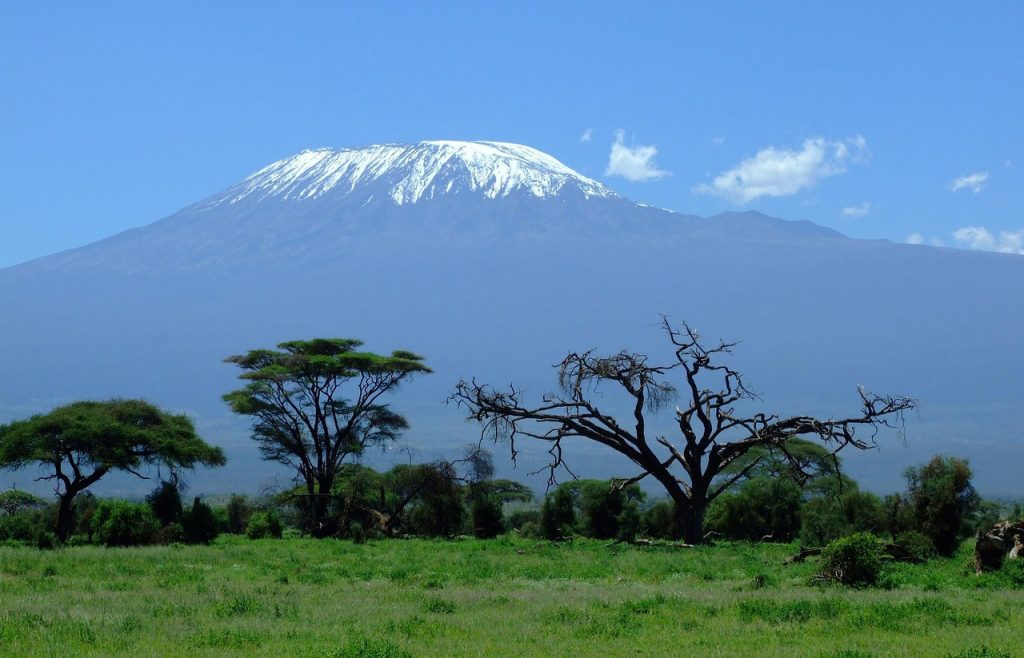
Part of Kilimanjaro’s attraction comes from its unique location near the equator while still having snow and glaciers near the summit. This creates a rare environment where trekkers can experience warm rainforest conditions and freezing alpine temperatures within the same expedition.
The mountain also offers incredible scenery throughout the climb. Trekkers move through rainforest, moorland, alpine desert, and icy summit zones, making the experience visually different every day. Combined with sunrise views above the clouds and wide African landscapes, the climb feels unlike almost any other trekking destination in the world.
No technical climbing skills are required
Another reason Mount Kilimanjaro is so popular is that no technical mountaineering skills are required to reach the summit. Unlike mountains that require ropes, ice climbing, or advanced alpine training, Kilimanjaro is primarily a trekking mountain.
This means beginners can successfully climb it with proper preparation, physical training, and acclimatization. Climbers do not need previous mountaineering experience, which makes the mountain accessible to a much larger number of people.
However, even though technical climbing skills are not needed, the trek is still physically and mentally demanding because of altitude and long trekking days. Success depends more on pacing, endurance, hydration, and determination than technical ability. This balance between accessibility and challenge is one of the main reasons Kilimanjaro continues to attract so many trekkers worldwide.
Is Climbing Kilimanjaro Really Worth the Money?
Many people planning to climb Mount Kilimanjaro ask whether the experience is truly worth the cost. Compared to regular vacations, a Kilimanjaro expedition can seem expensive because it includes park fees, guides, porters, accommodation, food, transportation, and safety support. At first, some trekkers focus mainly on the price, but after completing the climb, many realize the experience offers much more value than they expected.
Climbing Kilimanjaro is not simply paying for a mountain hike. The journey combines physical challenge, natural beauty, cultural interaction, and personal achievement into one life-changing experience. For many climbers, the memories and emotional rewards last much longer than the cost of the trip itself.
The experience is more valuable than the cost
For many trekkers, climbing Mount Kilimanjaro becomes one of the most meaningful experiences of their lives. Reaching Uhuru Peak after several days of trekking creates a strong sense of accomplishment that is difficult to compare with ordinary travel experiences.
The value of the climb comes from more than just the summit photo. Trekkers experience changing landscapes, high-altitude trekking, mountain camps, sunrise views, and the emotional journey of pushing beyond personal limits. Many climbers return home feeling more confident, motivated, and mentally stronger after the expedition.
People often spend money on temporary experiences, but Kilimanjaro creates memories and personal stories that remain meaningful for years. This is one reason many trekkers later say the climb was worth every dollar they spent.
What is included in a Kilimanjaro climb
A guided climb on Mount Kilimanjaro usually includes much more than many first-time trekkers expect. Most trekking packages cover park entry fees, professional guides, porter support, meals on the mountain, camping equipment, transportation, and accommodation before and after the trek.
The expedition also includes a full mountain crew that helps ensure safety and comfort during the climb. Porters carry equipment, cooks prepare meals, and guides monitor trekkers for altitude sickness while helping maintain a safe trekking pace.
When climbers understand how many services and people are involved in the expedition, the cost becomes easier to understand. A successful Kilimanjaro climb depends on a large support system working together behind the scenes.
Why cheap climbs can reduce the experience
Choosing the cheapest option for climbing Mount Kilimanjaro can sometimes reduce the overall quality and safety of the experience. Extremely low prices may mean lower-quality food, poor equipment, inexperienced guides, or unfair treatment of porters.
Cheap operators may also cut important services related to safety and acclimatization. This can increase discomfort during the climb and reduce summit success rates. In some cases, very low-cost companies overload porters or fail to provide proper gear and support for staff.
A well-organized expedition usually costs more because it includes experienced guides, ethical porter treatment, better meals, quality camping equipment, and safer trekking conditions. Many trekkers later realize that paying for a responsible operator improves both the climbing experience and overall peace of mind.

The Personal Achievement of Reaching the Summit
One of the biggest reasons people believe climbing Mount Kilimanjaro is worth it is the personal achievement that comes with reaching the summit. The journey is not only about hiking up a mountain it is about overcoming physical exhaustion, mental doubt, changing weather, and high altitude conditions over several days of trekking.
For many climbers, the experience becomes deeply emotional because the mountain pushes them outside their normal comfort zone. Every difficult step, cold night, and slow uphill section makes the final summit moment feel more meaningful. Reaching the top becomes proof that patience, preparation, and determination can lead to something extraordinary.
Standing on Uhuru Peak feels unforgettable
Reaching Uhuru Peak on Mount Kilimanjaro is one of the most unforgettable moments many trekkers ever experience. After days of climbing and a long summit night, standing at the highest point in Africa creates a powerful mix of relief, pride, excitement, and emotion.
Many climbers describe the summit as more emotional than expected. Some feel overwhelmed when they see the sunrise above the clouds, while others feel proud simply because they refused to give up during difficult moments on the mountain.
The atmosphere at the summit is unique because every person there has worked hard to reach the top. Whether someone is an experienced hiker or a beginner, arriving at Uhuru Peak feels like a major personal victory that stays in memory for years.
Mental and physical growth during the climb
Climbing Mount Kilimanjaro changes many people mentally and physically. The trek requires endurance, patience, and consistency over several days of walking at high altitude. Trekkers learn how to keep moving even when they feel tired, cold, or uncomfortable.
Physically, the climb improves stamina and teaches the body how to handle challenging environments. Mentally, the mountain teaches resilience and discipline because success often depends more on mindset than speed or strength.
Many trekkers return home with greater confidence after completing the climb. They realize they are capable of handling more challenges than they originally believed. This personal growth becomes one of the most valuable parts of the entire experience.
Completing a Seven Summit challenge milestone
For many climbers, reaching the summit of Mount Kilimanjaro feels even more meaningful because the mountain is part of the famous Seven Summits challenge. The Seven Summits are the highest mountains on each continent, and climbing one of them is considered a major achievement in the adventure world.
Kilimanjaro is often the first Seven Summit mountain people attempt because it does not require technical climbing skills. Even so, standing on the highest point in Africa still feels like completing something globally recognized and respected.
Some climbers continue toward other Seven Summits after Kilimanjaro, while others simply enjoy knowing they successfully climbed one of the world’s most famous mountains. Either way, reaching Uhuru Peak becomes a milestone that many people remember with pride for the rest of their lives.
The Scenery and Nature Are Unlike Anywhere Else
Yes, one of the biggest reasons climbing Mount Kilimanjaro is truly worth it is because the scenery and natural environments are unlike almost anywhere else in the world. Many trekkers expect the challenge of reaching the summit, but they are often surprised by how beautiful and diverse the mountain becomes throughout the journey. Every day on Kilimanjaro feels different because the landscapes, temperatures, vegetation, and views constantly change as you gain altitude.
Unlike many trekking destinations where the scenery remains mostly similar from start to finish, Kilimanjaro offers completely different environments within the same expedition. Trekkers can walk through humid rainforest, open moorland, rocky alpine desert, and icy summit landscapes in only a few days. This variety makes the climb feel much more exciting and rewarding because the environment never stays the same for long.
Nature is also one of the reasons many climbers describe Kilimanjaro as a life-changing experience. The peaceful mountain atmosphere, sunrise views, huge open landscapes, and quiet nights above the clouds create moments that feel very different from everyday life. For many people, these experiences become just as meaningful as reaching the summit itself.
Five climate zones in one mountain
One of the most fascinating things about Mount Kilimanjaro is that trekkers pass through five major climate zones during the climb. Very few mountains in the world offer such dramatic environmental changes over such a short distance.
The adventure usually starts in the rainforest zone near the lower slopes of the mountain. This area is warm, humid, and filled with thick vegetation, tall trees, birds, and sometimes monkeys. The trails can be muddy, especially during the rainy season, and many trekkers are surprised by how tropical the beginning of the climb feels.
As climbers move higher, the rainforest slowly changes into moorland. This zone has cooler temperatures, open landscapes, and unusual plants such as giant groundsels and lobelias. The scenery becomes wider and more dramatic, with clearer views of the mountain and surrounding plains.
Higher on the mountain, trekkers enter the alpine desert zone. This environment feels dry, rocky, and harsh compared to the lower sections. Vegetation becomes very limited, temperatures drop significantly, and the landscape begins to feel more remote and extreme.
Near the summit, climbers reach the arctic zone where conditions become cold, windy, and icy. Snow and glaciers can still be seen near Uhuru Peak despite Kilimanjaro being located close to the equator. Experiencing all these climate zones during one expedition is one of the main reasons the mountain feels so unique and unforgettable.
Sunrise views above the clouds
The sunrise during summit morning on Mount Kilimanjaro is one of the strongest reasons many people believe the climb is worth every challenge. Most climbers begin the summit push around midnight, hiking slowly in darkness for several hours through cold and thin air.
Although summit night is physically demanding, the reward often comes just before reaching the top. As the sky begins to brighten, climbers can watch the sunrise appear above endless clouds stretching across the African landscape below. The colors slowly change from deep blue to orange and gold, creating a view that many trekkers describe as magical.
At such high altitude, the scenery feels completely different from normal mountain views. The silence, freezing air, glaciers, and early morning light create an atmosphere that is difficult to explain until experienced in person.
For many trekkers, this moment becomes emotional because it represents the reward after days of effort, exhaustion, and determination. Watching the sunrise near the summit reminds climbers why they started the journey in the first place. Even people who struggle during summit night often say the sunrise alone made the climb worthwhile.
Unique landscapes from rainforest to glacier
Another reason Mount Kilimanjaro feels so special is the incredible variety of landscapes found across the mountain. Few places in the world allow trekkers to move from tropical rainforest conditions to icy glaciers within the same expedition.
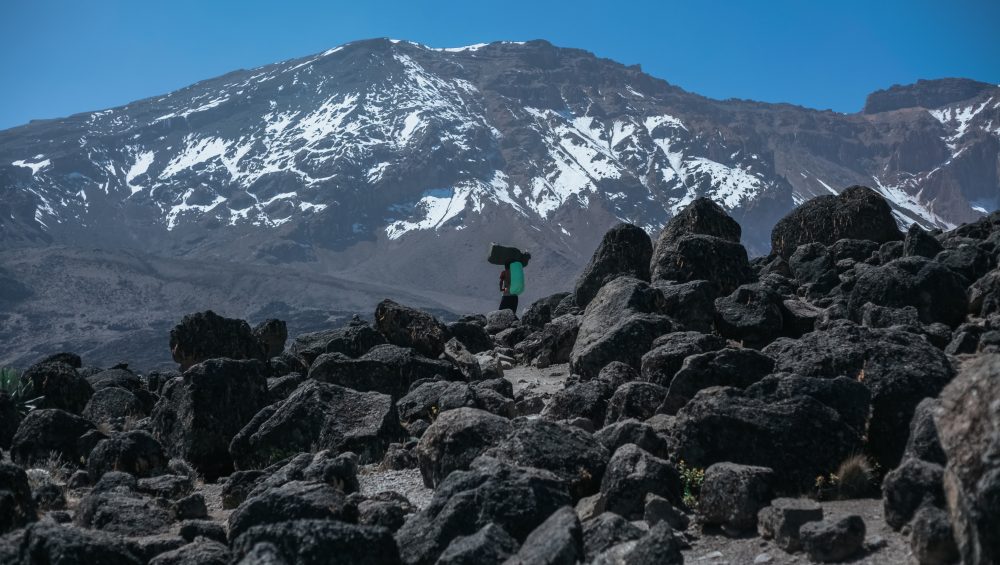
The lower slopes are filled with green forests, flowing water, and thick vegetation, while higher sections become rocky, dry, and almost moon-like in appearance. Some areas feel ancient and untouched, especially in the alpine desert where large volcanic rock formations dominate the landscape.
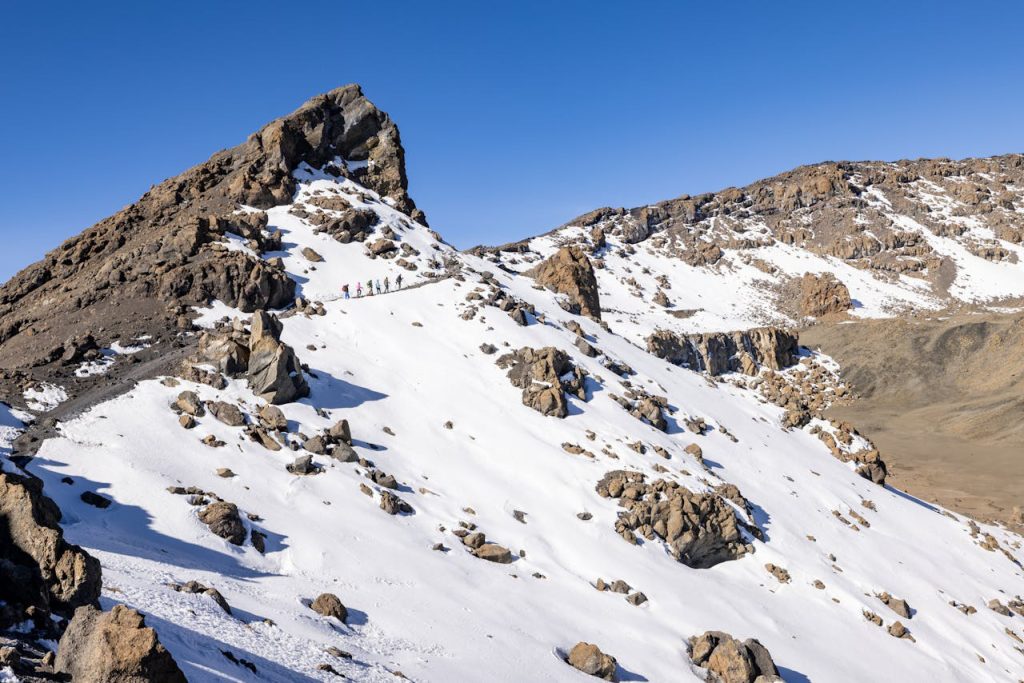
As climbers approach the summit area, the scenery changes once again into snow-covered sections with glaciers and freezing winds. Seeing ice and snow so close to the equator surprises many first-time visitors and makes the mountain feel even more extraordinary.
The constantly changing environment helps keep the trek interesting every single day. Instead of feeling repetitive, the climb feels like traveling through multiple worlds within one journey. This natural diversity is one of the biggest reasons so many trekkers consider Kilimanjaro one of the most rewarding mountains in the world.
Challenges That Make Kilimanjaro Worth It
Many people ask if climbing Mount Kilimanjaro is really worth it, and the answer often comes from the challenges themselves. The mountain is not just about beautiful views or reaching the summit it is about overcoming difficulty step by step. The physical and mental challenges are exactly what make the experience so meaningful and unforgettable.
What surprises many trekkers is that the hardest parts of the climb are not always about strength. Instead, they are about altitude, patience, mindset, and how well you adapt to changing conditions over several days.
Altitude makes the climb demanding
One of the biggest challenges on Mount Kilimanjaro is altitude. As you climb higher, the air becomes thinner and oxygen levels decrease. This makes your body work harder even when walking slowly or carrying a light daypack.
Many trekkers experience symptoms such as headache, tiredness, or shortness of breath, especially if they ascend too quickly. This is why acclimatization is very important on Kilimanjaro. The body needs time to adjust to the higher elevation in order to function properly.
Even physically fit people can struggle with altitude because fitness alone does not protect against it. This is why Kilimanjaro is often described as a “slow and steady” mountain where pacing and hydration are more important than speed or strength.
Summit night tests mental strength
Summit night on Mount Kilimanjaro is one of the most mentally challenging parts of the entire journey. Climbers usually start walking around midnight in darkness, cold temperatures, and strong winds. The goal is to reach Uhuru Peak before sunrise.
The climb during this time is slow and exhausting. The combination of altitude, cold weather, and fatigue can make the journey feel much longer than expected. Many trekkers describe it as a mental battle more than a physical one.
What helps most during summit night is focus and determination. Step by step progress, encouragement from guides, and the thought of reaching the top help climbers continue even when they feel tired. For many, this is the moment where they realize how strong they can be mentally.
Slow trekking teaches patience and endurance
Another important challenge on Mount Kilimanjaro is the slow trekking pace. Climbers are often surprised at how slowly they must walk, especially on steep sections. This pace is not accidental it is designed to help the body adjust to altitude and increase the chance of reaching the summit safely.
At first, many trekkers find slow walking frustrating because it feels too easy or too slow. However, over time, they learn that patience is a key part of success on the mountain. Moving slowly allows the body to conserve energy and reduces the risk of altitude sickness.
This slow rhythm also teaches mental endurance. Climbers learn to accept discomfort, stay calm, and focus on small steps instead of rushing. By the end of the journey, many trekkers realize that patience was one of the most important lessons they learned on Kilimanjaro.
Is Kilimanjaro Worth It for Beginners?
Many people wonder if climbing Mount Kilimanjaro is suitable for beginners, especially those who have never done a high-altitude trek before. The good news is that Kilimanjaro is one of the few major mountains in the world that can be successfully climbed without technical mountaineering experience. This makes it a popular choice for first-time trekkers who want a serious adventure challenge.
However, being a beginner-friendly mountain does not mean it is easy. Success depends on preparation, pacing, and choosing the right route. With the right mindset and support, many beginners reach the summit every year and describe it as one of the most rewarding experiences of their lives.
Many first-time trekkers reach the summit
A large number of people who climb Mount Kilimanjaro each year are first-time high-altitude trekkers. This shows that prior mountaineering experience is not required to reach Uhuru Peak.
What matters most is following a slow pace, staying hydrated, and listening to guides. Many beginners successfully reach the summit because the trekking routes are designed to support acclimatization and gradual ascent. This allows the body time to adjust to changing altitude conditions.
Even though it is physically and mentally challenging, Kilimanjaro remains achievable for beginners who are determined and well-prepared.
Preparation matters more than experience
On Mount Kilimanjaro, preparation is far more important than experience. A person who trains properly and understands altitude challenges often performs better than someone who is naturally fit but unprepared.
Good preparation includes endurance training, long hikes, stair climbing, and learning how to walk at a steady pace for many hours. Mental preparation is also important because climbers must stay positive during cold nights, slow trekking days, and altitude discomfort.
Beginners who prepare well often feel more confident and enjoy the journey more, which increases their chances of reaching the summit successfully.
Choosing the right route improves success
The choice of route on Mount Kilimanjaro plays a major role in whether beginners succeed. Longer routes such as Machame route or Lemosho route are often recommended because they provide better acclimatization time.
These routes allow climbers to ascend slowly, giving the body more time to adjust to high altitude. This reduces the risk of altitude sickness and improves summit success rates. Shorter routes may seem easier or cheaper, but they often feel rushed and can be more difficult for beginners.
Selecting the right route with an experienced operator greatly increases comfort, safety, and the overall enjoyment of the climb.
The Emotional Side of Climbing Kilimanjaro
One of the most powerful reasons climbing Mount Kilimanjaro is considered worth it is not just the physical challenge, but the emotional journey it creates. Many trekkers arrive expecting a tough hike, but they leave with something much deeper personal transformation, strong memories, and emotional growth that stays with them long after the climb ends.
The experience is filled with moments of struggle, joy, fatigue, and achievement. These emotions build up over several days and make reaching the summit feel far more meaningful than a normal travel experience. For many climbers, Kilimanjaro becomes a life story rather than just a trip.
Confidence after completing the climb
After successfully climbing Mount Kilimanjaro, many trekkers experience a strong boost in confidence. Reaching Uhuru Peak shows them that they are capable of handling difficult physical and mental challenges.
The climb requires persistence through altitude, cold temperatures, and long trekking days. Completing it gives climbers a sense of achievement that often changes how they view future challenges in life. Many return home feeling stronger, more focused, and more confident in their abilities.
This confidence is one of the biggest emotional rewards of the journey and is often mentioned as a reason why Kilimanjaro is “worth it.”
The bond created with guides and porters
Climbing Mount Kilimanjaro also creates a strong human connection between climbers, guides, and porters. These mountain crews support trekkers every step of the way, carrying equipment, preparing meals, and ensuring safety on the route.
Spending several days together in challenging conditions builds trust, teamwork, and friendship. Many climbers form deep respect for the porters and guides who make the journey possible, often describing them as the heart of the expedition.
This bond adds emotional value to the climb because it turns the experience into a shared journey rather than an individual achievement.
Memories that last a lifetime
The emotional memories created on Mount Kilimanjaro stay with climbers long after they return home. From early morning starts and difficult summit pushes to sunrise views above the clouds, each moment becomes part of a powerful life story.
Many trekkers remember not just the summit, but also the laughter in camps, the support from guides, and the feeling of pushing through personal limits. These memories often become highlights of their lives and are shared for years afterward.
This lasting emotional impact is one of the strongest reasons people say Kilimanjaro is truly worth climbing.
Common Reasons Some People Regret the Climb
Even though climbing Mount Kilimanjaro is one of the most rewarding adventures in the world, some trekkers still say they regret it afterward. However, in most cases, the regret does not come from the mountain itself it comes from poor planning, wrong expectations, or lack of understanding before the climb. When people are well-prepared, Kilimanjaro is usually an unforgettable and positive experience.
Below are the most common reasons why some climbers feel disappointed and how these problems can be avoided.
Poor preparation before the trek
The biggest reason people regret climbing Mount Kilimanjaro is simple: they were not properly prepared. Many trekkers think it is just a long hike, but in reality it is a high-altitude expedition that lasts several days. Without preparation, even basic trekking becomes very difficult.
Some climbers arrive without enough physical training, so long walking days feel exhausting. Others do not prepare mentally for slow pacing, cold nights, or simple mountain living conditions like limited showers and basic camps. This can lead to frustration and discomfort during the climb.
Altitude is also part of preparation. If climbers do not understand how altitude affects the body, they may feel surprised by headaches, fatigue, or loss of appetite. Proper preparation does not need to be extreme, but it should include hiking practice, endurance training, and learning about altitude before arriving in Tanzania.
Choosing low-quality operators
Another major reason for regret on Mount Kilimanjaro is booking with low-quality or irresponsible trekking companies. Some operators offer very cheap prices, but they reduce costs in ways that affect the whole experience.
This can include poor-quality food, old or unsafe camping equipment, inexperienced guides, or unfair treatment of porters. When the support team is not well organized, the entire climb becomes stressful and less enjoyable.
A good operator plays a huge role in your success on the mountain. Professional guides help with pacing, altitude monitoring, and safety decisions. Ethical companies also ensure that porters are treated fairly and that the expedition runs smoothly from start to finish. Choosing the wrong operator can turn an amazing adventure into a difficult and frustrating experience.
Underestimating altitude and weather
Many trekkers also regret their climb on Mount Kilimanjaro because they underestimate how extreme the altitude and weather can be. The mountain is close to the equator, but conditions change dramatically as you go higher.
At lower levels, it can feel warm or rainy, especially in the rainforest zone. However, as climbers ascend, temperatures drop quickly, and near the summit it can become extremely cold with strong winds and even snow. This surprise in weather conditions often makes climbers feel unprepared.
Altitude is even more challenging than weather. The air becomes thinner as you climb, meaning your body receives less oxygen. This can lead to tiredness, slower movement, and altitude-related symptoms. Even very fit people can struggle if they ignore acclimatization rules.
When climbers understand altitude and weather before starting the journey, they are much better prepared mentally and physically, which greatly reduces the chance of regret.
Why Responsible Climbing Makes the Experience Better
Climbing Mount Kilimanjaro becomes far more meaningful when it is done responsibly. Responsible climbing is not only about reaching the summit it is about how the journey affects the people who make the expedition possible and the environment around the mountain. When trekkers choose ethical operators and behave responsibly, the entire experience becomes safer, smoother, and more rewarding.
Many climbers realize after the trip that the quality of their experience depends heavily on responsibility, not just price or equipment. Ethical tourism creates a positive impact for everyone involved.
Ethical treatment of porters matters
One of the most important parts of responsible trekking on Mount Kilimanjaro is the fair treatment of porters. Porters are the backbone of every expedition because they carry equipment, set up camps, and support climbers throughout the journey.
When porters are treated ethically, they receive fair pay, safe working conditions, proper food, and reasonable weight limits. This improves their health, motivation, and overall performance on the mountain. In return, climbers benefit from better support, smoother logistics, and a more professional trekking experience.
Ignoring porter welfare can lead to overworked staff and unsafe conditions, which negatively affects the entire expedition.
Responsible tourism supports local communities
Responsible tourism on Mount Kilimanjaro plays a major role in supporting local communities. Thousands of people in Tanzania depend on trekking tourism for their income, including guides, porters, cooks, drivers, and hotel workers.
When climbers choose ethical companies, they help ensure that money from tourism is distributed fairly. This supports families, improves living standards, and creates stable jobs in nearby towns like Moshi and Arusha.
Responsible tourism also encourages long-term development. Instead of short-term profit, it focuses on sustainability, ensuring that future generations can continue benefiting from Kilimanjaro tourism.
Good operators improve safety and comfort
Choosing a good trekking company on Mount Kilimanjaro greatly improves both safety and comfort during the climb. Experienced operators provide trained guides who understand altitude, weather changes, and emergency situations.
They also ensure that climbers have proper meals, clean water, quality camping equipment, and well-organized logistics throughout the expedition. This reduces stress and allows trekkers to focus on enjoying the journey instead of worrying about basic needs.
Good operators also follow proper acclimatization schedules, which increases summit success rates and reduces the risk of altitude sickness. In the end, responsible operators make the entire Kilimanjaro experience safer, more comfortable, and more enjoyable from start to finish.
FAQ – Is Climbing Kilimanjaro Worth It?
Many people considering climbing Mount Kilimanjaro have similar questions before booking their trip. These FAQs help you understand the real challenge, cost, and success chances so you can decide if the experience is right for you.
Yes, for many trekkers climbing Mount Kilimanjaro is harder than they expect, not because of technical difficulty, but because of altitude. The slow pace, long trekking days, cold nights, and summit night challenge many people mentally and physically.
Yes, Mount Kilimanjaro is one of the best high-altitude mountains in the world for beginners. No technical climbing skills are required, so first-time trekkers can reach the summit with proper training and preparation.
The cost of climbing Mount Kilimanjaro varies depending on the route, number of days, and quality of the tour operator. On average, a safe and ethical climb typically costs between $1,800 and $4,000.
This price usually includes park fees, guides, porters, food, camping equipment, and transport. Very cheap packages may cut important services, which can affect safety and porter welfare. Paying a fair price usually means a better and safer experience.
The hardest part of climbing Mount Kilimanjaro is usually summit night. Climbers start walking around midnight in cold, dark, and low-oxygen conditions, aiming to reach Uhuru Peak before sunrise.
On Mount Kilimanjaro, summit success rates vary depending on the route and number of days. On average, around 60% to 85% of climbers reach Uhuru Peak.
Longer routes with better acclimatization have higher success rates, while shorter routes are more challenging. Success depends heavily on pacing, hydration, preparation, and choosing a good operator rather than just fitness level
Final Thought
Yes, climbing Mount Kilimanjaro is truly worth it for most trekkers because it is much more than just reaching a mountain summit. It is a full journey that combines physical challenge, mental strength, and emotional growth in a way that very few adventures in the world can offer.
For many people, the experience becomes a personal transformation. You learn patience during slow trekking, resilience during altitude challenges, and confidence when pushing through summit night. Reaching Uhuru Peak is not just about standing on the highest point in Africa it is about proving to yourself that you can overcome limits you once thought were impossible.
Kilimanjaro is also part of the famous Seven Summits challenge, which makes the achievement even more meaningful on a global scale. Even if you are not planning to climb all seven mountains, standing on one of them still feels like a major life milestone.
Most importantly, the experience creates unforgettable memories. From sunrise views above the clouds to the bond formed with guides and porters, every moment becomes part of a story that lasts a lifetime.
If you are planning your adventure, choosing a responsible and experienced operator like WeWild Travel can make your journey safer, more organized, and even more rewarding.