Things to Do After Climbing Kilimanjaro
Things to Do After Climbing Kilimanjaro: Best Activities, Places and Travel Ideas
Estimated reading time: 21 minutes
After climbing Kilimanjaro, the best next step is to rest, recover, celebrate your achievement, and explore more of Tanzania. You can spend a quiet day in Arusha or Moshi, visit Materuni Waterfalls and a coffee farm, enjoy a cultural experience, or take a Tanzania safari through destinations such as Serengeti and Ngorongoro. If you want more relaxation, continue to Zanzibar for beautiful beaches, warm weather, and a slower pace. Your post-Kilimanjaro trip can match your energy, available time, and travel interests.
The mountain does not have to mark the end of your Tanzania adventure. After reaching Uhuru Peak, you can turn your climbing trip into a wider Tanzania experience by combining recovery, nature, wildlife, culture, and the coast. Whether you have one extra day or a full week, you have plenty of rewarding options after the climb.
In this guide, WeWild Travel explains the best things to do after climbing Kilimanjaro, where to go, how much time to allow for recovery, and how to combine Kilimanjaro with a safari, local experiences, or Zanzibar.
Table of contents
- Things to Do After Climbing Kilimanjaro: Best Activities, Places and Travel Ideas
- What to Do After Climbing Kilimanjaro
- Best Things to Do After Kilimanjaro
- Where to Go After Climbing Kilimanjaro
- Kilimanjaro Climb Recovery and Activities
- Should You Go on Safari or Zanzibar After Kilimanjaro?
- Best Places to Visit After Kilimanjaro
- How Many Days Should You Spend After Climbing Kilimanjaro?
- Sample Post-Kilimanjaro Itineraries
- Practical Tips for Planning Your Trip After Kilimanjaro
- Frequently Asked Questions About Things to Do After Climbing Kilimanjaro
- Conclusion: Make the Most of Your Tanzania Adventure
- Read Also:
What to Do After Climbing Kilimanjaro
After climbing Kilimanjaro, rest first, then choose gentle activities that help you enjoy your achievement without rushing your body. Most climbers feel tired after the summit and descent, so your first day should focus on sleep, good meals, hydration, and a relaxed celebration. Once you feel ready, you can explore Arusha or Moshi, visit a nearby attraction, or begin a safari.
Rest and Recover After the Climb
Give yourself time to recover before starting a busy schedule. A full night’s sleep, a comfortable hotel, regular meals, and plenty of fluids can help you feel refreshed after several demanding days on the mountain.
Keep your first activities simple. You can relax at your hotel, enjoy a meal, take a gentle walk, or spend time with your climbing team. If you plan a safari or another major activity, leave enough time between the mountain and your next adventure so you do not feel rushed.
Celebrate Reaching Uhuru Peak
Reaching Uhuru Peak, the highest point in Africa, deserves a proper celebration. Take time to look back at the climb, share your summit photographs, and celebrate with the guides and porters who supported you throughout the journey.
Many climbers also receive a Kilimanjaro summit certificate after completing their trek. A relaxed dinner or small celebration in Arusha or Moshi gives you a chance to enjoy the achievement before moving on to your next Tanzania experience.
Enjoy Your First Day After the Mountain
Make your first day after Kilimanjaro easy and flexible. You can sleep longer, enjoy a relaxed breakfast, explore your hotel, or take a short and comfortable outing.
If you have enough energy, consider a coffee tour, Materuni Waterfalls, or a relaxed visit around Arusha or Moshi. If you still feel tired, simply rest and enjoy a quiet day.
The key is simple: do not try to fit everything into your first day after the climb. Give yourself time to recover, then enjoy the rest of your Tanzania adventure at a comfortable pace.
Best Things to Do After Kilimanjaro
After completing your Kilimanjaro climb, you can choose from several rewarding experiences across northern Tanzania. The best option depends on how much time you have, how much energy you have left, and what you want to experience next. You can see wildlife on safari, explore waterfalls and coffee farms, discover local culture, or enjoy a relaxed day in Moshi.
Go on a Tanzania Safari
A Tanzania safari makes one of the best ways to continue your trip after Kilimanjaro. You can leave the mountain behind and spend the next few days watching elephants, lions, giraffes, zebras, and other wildlife in their natural surroundings.
You can choose a short safari in Tarangire National Park or Arusha National Park, or allow more time for Ngorongoro and Serengeti. A safari also gives you a completely different experience after several days of hiking through mountain landscapes.
Visit Materuni Waterfalls
Materuni Waterfalls offers a refreshing day trip after your Kilimanjaro climb. The waterfall sits near Materuni Village, close to Moshi, and the surrounding area combines green landscapes, village life, and local traditions.
You can walk through the village and coffee-growing areas before reaching the waterfall. The experience works especially well if you want a peaceful outdoor activity without committing to another multi-day adventure.
Take a Tanzanian Coffee Tour
Tanzania has a strong coffee-growing tradition, and a coffee tour gives you an opportunity to experience it directly. Around the Kilimanjaro area, local farms grow coffee on the fertile slopes of the mountain.
During a tour, you can learn how local farmers grow, harvest, process, and prepare coffee. You can also meet members of the local community and enjoy a freshly prepared cup. It offers a slower and more cultural experience after your climb.
Experience Local Tanzanian Culture
Use your extra time after Kilimanjaro to discover more about Tanzanian culture. You can visit local communities, explore markets, taste traditional foods, learn about local crafts, or join a guided cultural experience.
These activities allow you to see a different side of Tanzania beyond the mountain. Choose experiences that work respectfully with local communities and give you genuine opportunities to interact with local people.
Explore Arusha National Park
Arusha National Park provides an excellent option if you want wildlife and nature without committing to a long safari. The park sits near Arusha and offers views of Mount Meru, forests, open landscapes, and diverse wildlife.
You may see giraffes, zebras, buffaloes, monkeys, and many bird species during your visit. Depending on your plan, you can explore the park on a game drive or take part in other guided nature experiences.
Discover Moshi Town
Spend a relaxed day exploring Moshi after your Kilimanjaro climb. The town gives you an easy way to experience everyday life around Mount Kilimanjaro without taking another demanding trek.
Visit local cafés, restaurants, markets, and shops, or simply enjoy a slow day before continuing your journey. Moshi also works well as a starting point for nearby experiences such as coffee tours and Materuni Waterfalls.
Where to Go After Climbing Kilimanjaro
After climbing Kilimanjaro, the best place to go depends on how much time you have and what you want to experience next. Arusha and Moshi work well for rest and local activities, northern Tanzania offers outstanding wildlife experiences, and Zanzibar provides a relaxing beach escape. You can choose one destination or combine several for a complete Tanzania holiday.
Stay in Arusha
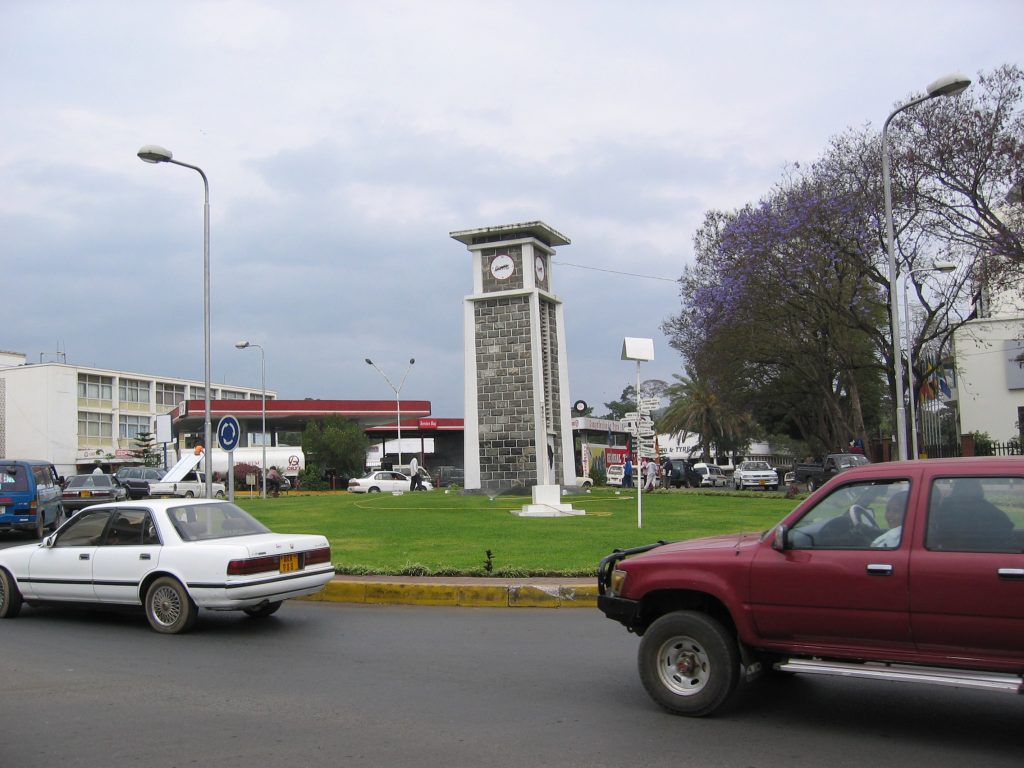
Arusha makes a convenient place to rest after your Kilimanjaro climb. You can enjoy a comfortable hotel, visit restaurants and cafés, explore local attractions, or simply take a quiet day before your next activity.
Arusha also gives you easy access to several safari destinations. If you want to continue with wildlife, you can use the city as a base before heading toward Tarangire, Ngorongoro, or Serengeti.
Explore Moshi
Moshi sits close to Mount Kilimanjaro and offers a relaxed atmosphere after the climb. Spend time at local cafés, restaurants, markets, and shops, or enjoy views of the mountain when the weather allows.
Moshi also works well for short experiences around Kilimanjaro. You can visit a coffee farm, explore Materuni Village, or simply enjoy a slower day before your next journey.
Visit Materuni Village
Materuni Village offers a great choice for travelers who want nature and culture without another long trek. The village lies near Moshi and provides access to Materuni Waterfalls and coffee-growing areas.
You can walk through the village, learn about local coffee production, meet community members, and visit the waterfall. This combination makes Materuni a rewarding half-day or full-day experience after Kilimanjaro.
Explore Arusha National Park
Arusha National Park gives you an opportunity to enjoy wildlife and beautiful landscapes close to Arusha. The park includes forests, open grasslands, lakes, and views of Mount Meru.
You can enjoy a game drive or choose another guided park experience depending on your energy and schedule. The park works especially well for travelers who want a short wildlife experience before a longer safari.
Visit Tarangire National Park
Tarangire National Park offers excellent wildlife viewing and makes a strong choice for a short safari after Kilimanjaro. The park is famous for its large elephant populations, ancient baobab trees, and varied wildlife.
A one- or two-day visit can give you a taste of Tanzania’s safari experience without requiring a long itinerary. It also fits well into a northern Tanzania travel plan.
Explore the Ngorongoro Conservation Area
The Ngorongoro Conservation Area offers dramatic landscapes and some of Tanzania’s most memorable wildlife experiences. The Ngorongoro Crater provides a spectacular setting for seeing animals in a relatively compact area.
You can combine Ngorongoro with other northern Tanzania destinations if you have several days available. The area also adds a completely different experience after the mountain’s high-altitude landscapes.
Continue to Serengeti National Park
Serengeti National Park makes an excellent choice if you have more time after Kilimanjaro. The park covers a vast landscape and supports large populations of lions, elephants, giraffes, zebras, wildebeest, and other wildlife.
A Serengeti safari works best as part of a multi-day itinerary. You can combine it with Ngorongoro or other northern Tanzania parks before continuing to your next destination.
Relax in Zanzibar
If you want to slow down after your climb, Zanzibar offers a completely different atmosphere. You can spend your days relaxing on the beach, exploring Stone Town, enjoying local food, or taking part in suitable marine and cultural activities.
A few days in Zanzibar can give you plenty of time to relax after Kilimanjaro. It also creates a natural ending to a Tanzania adventure that combines mountains, wildlife, culture, and the coast.
Kilimanjaro Climb Recovery and Activities
After climbing Kilimanjaro, give your body time to recover before filling your schedule with activities. The summit push and descent can leave you tired, so your first priority should remain rest, sleep, food, and hydration. Once you feel comfortable, you can gradually return to sightseeing, safari activities, and other experiences.
How Long Should You Rest After Kilimanjaro?
Most travelers should plan at least one relaxed day after the climb before starting a busy itinerary. Your body has just spent several days walking at high altitude, so rushing straight into a packed schedule can make your trip less enjoyable.
Use your first day to sleep, eat well, drink enough fluids, and relax at your hotel. If you still feel very tired, give yourself another easy day. You do not need to follow a strict timetable let your energy level guide your plans.
If you experience unusual or concerning symptoms after the climb, speak with a qualified medical professional rather than trying to push through them.
What Should You Eat and Drink After the Climb?
Choose regular, balanced meals and plenty of fluids after Kilimanjaro. Your body needs food and water after several days of hiking, so focus on meals that provide carbohydrates, protein, healthy fats, fruits, and vegetables.
You can enjoy Tanzanian dishes such as rice, beans, vegetables, chicken, fish, fresh fruit, and other foods that you normally tolerate well. Keep drinking water throughout the day, especially if you plan to spend time outdoors.
There is no need for an unusual recovery diet. Eat well, drink regularly, and listen to your body’s needs.
When Can You Start Activities After Kilimanjaro?
You can start gentle activities when you feel rested and comfortable. A relaxed walk around Arusha or Moshi, a coffee tour, or a quiet cultural experience can work well during your first days after the climb.
Save more demanding activities for when you feel ready. A multi-day safari involves long drives and early mornings, while other excursions may require additional walking.
A simple approach works best: rest first, start gently, and increase your activities as your energy returns. This allows you to enjoy the rest of your Tanzania adventure without turning your recovery into another challenge.
Should You Go on Safari or Zanzibar After Kilimanjaro?
After climbing Kilimanjaro, choose a safari if you want wildlife and adventure, choose Zanzibar if you want beach relaxation, or combine both if you have enough time. Your choice depends on your interests, energy, budget, and how many days you can add to your Tanzania trip.
Choose a Safari for Wildlife and Adventure
A Tanzania safari is an excellent choice after Kilimanjaro if you want to see the country’s wildlife. Instead of hiking, you can spend your days exploring national parks by vehicle and watching animals in their natural habitats.
You can choose a short safari to Tarangire or Arusha National Park, or plan a longer journey through Ngorongoro and Serengeti. A safari also gives you a strong contrast to your mountain experience: after days of walking, you can sit back, enjoy the scenery, and look for elephants, lions, giraffes, zebras, and other wildlife.
A safari suits travelers who want to continue exploring Tanzania rather than end their trip after the mountain.
Choose Zanzibar for Beach Relaxation
Choose Zanzibar if your main goal after Kilimanjaro is to slow down and relax. The island offers a very different experience from the mountain, with beaches, warm coastal weather, historic Stone Town, and opportunities to enjoy local food and culture.
You can spend your days relaxing by the beach, exploring Stone Town, or choosing suitable cultural and marine activities. Zanzibar works particularly well when you want several quiet days after a demanding climb.
For many travelers, the combination of mountain adventure followed by a peaceful beach stay creates a satisfying way to finish a Tanzania holiday.
Combine Kilimanjaro, Safari and Zanzibar
If you have enough time, you do not have to choose between a safari and Zanzibar. You can combine Kilimanjaro, a northern Tanzania safari, and Zanzibar in one trip.
A typical journey could start with the Kilimanjaro climb, followed by a recovery day in Arusha. You could then spend two or more days on safari before flying to Zanzibar for several days of relaxation.
This option gives you three completely different Tanzania experiences: climbing Kilimanjaro, seeing African wildlife, and relaxing on the Indian Ocean coast. Allow enough time between each part of the trip so you can enjoy the journey without rushing from one activity to another.
Best Places to Visit After Kilimanjaro
The best places to visit after Kilimanjaro depend on how you want to spend the rest of your Tanzania trip. Arusha and Moshi suit travelers who want rest and local experiences, northern Tanzania offers outstanding wildlife, and Zanzibar provides a relaxing coastal escape. You can choose one destination for a short extension or combine several if you have more time.
Arusha and Moshi
Arusha and Moshi make convenient places to spend your first day after the mountain. Both towns offer hotels, restaurants, cafés, shops, and easy access to nearby attractions.
Choose Arusha if you plan to continue with a safari or want a wider selection of activities. Choose Moshi if you prefer to stay closer to Kilimanjaro and enjoy the relaxed atmosphere around the mountain.
Materuni Waterfalls
Materuni Waterfalls offers a refreshing nature experience near Moshi. The journey takes you through green landscapes and coffee-growing areas before you reach the waterfall.
You can combine the visit with a coffee experience and time in Materuni Village. The activity works well after Kilimanjaro because you can enjoy the scenery and local culture without committing to another multi-day trek.
Arusha National Park
Arusha National Park gives you a chance to enjoy wildlife and nature without traveling far from Arusha. The park features forests, lakes, open landscapes, and views of Mount Meru.
You may see giraffes, zebras, buffaloes, monkeys, and many bird species. A visit can fit comfortably into a one-day plan, making it a practical option after a Kilimanjaro climb.
Tarangire National Park
Tarangire National Park is a strong choice for travelers who want a short safari after Kilimanjaro. The park is well known for its elephants, baobab trees, and diverse wildlife.
You can spend a full day exploring the park and return to your accommodation, or include Tarangire as part of a longer northern Tanzania safari. It offers a good introduction to Tanzania’s wildlife without requiring a long stay.
Ngorongoro
Ngorongoro Conservation Area offers dramatic scenery and excellent opportunities to see wildlife. The famous Ngorongoro Crater provides a unique setting where visitors can see many animals within a relatively compact area.
You can combine Ngorongoro with Tarangire or Serengeti when you have several days available. The landscapes also provide a striking contrast to the high-altitude environment you experienced on Kilimanjaro.
Serengeti
Serengeti National Park suits travelers who want a longer and deeper safari experience after Kilimanjaro. Its vast plains support large populations of wildlife, including lions, elephants, giraffes, zebras, and wildebeest.
Allow at least a few days if you want to explore the Serengeti properly. You can combine the park with Ngorongoro and other northern Tanzania destinations before continuing your journey.
Zanzibar
Zanzibar offers the perfect change of pace after a demanding mountain climb. You can relax on the beach, explore historic Stone Town, enjoy local cuisine, or take part in suitable cultural and marine activities.
Spend several days on the island if you want a relaxed finish to your Tanzania adventure. The combination of Kilimanjaro, safari, and Zanzibar lets you experience Tanzania’s mountains, wildlife, and coast in one memorable journey.
How Many Days Should You Spend After Climbing Kilimanjaro?
Plan at least 1-2 extra days after climbing Kilimanjaro, especially if you want time to rest before traveling again. If you have more time, you can use 3–4 days for a short safari or local experiences, 5-7 days for a safari and relaxation, or more than a week to combine Kilimanjaro with a longer Tanzania itinerary and Zanzibar.
1-2 Days After the Climb
Choose 1-2 days if you have a tight travel schedule. Use the first day to rest, enjoy a good meal, sleep well, and celebrate reaching Uhuru Peak.
On the following day, you can enjoy a gentle activity such as exploring Moshi or Arusha, taking a coffee tour, or visiting Materuni Waterfalls. Keep your schedule flexible and avoid packing too many activities into a short period.
3-4 Days After the Climb
With 3-4 extra days, you have enough time to recover and add a short Tanzania experience. You could spend one day relaxing and then choose a day trip or short safari.
For example, you could visit Arusha National Park or Tarangire National Park. You can also combine a coffee tour or Materuni Waterfalls with your free time in Moshi.
This option works well for travelers who want more than a mountain climb but still need to fit their trip into a limited schedule.
5-7 Days After the Climb
A 5-7 day extension gives you much more flexibility. You can allow a proper recovery day, enjoy local experiences, and take a multi-day safari.
A possible plan could include time in Arusha, followed by Tarangire, Ngorongoro, or Serengeti. If you prefer relaxation instead of a longer safari, you can use some of these days for a beach escape.
This length works especially well for travelers who want to experience more of Tanzania without rushing between destinations.
More Than 7 Days After the Climb
If you have more than seven days, you can create a complete Tanzania holiday after your Kilimanjaro climb. You could combine a northern Tanzania safari with several days in Zanzibar.
For example, you might rest in Arusha, explore Tarangire and Ngorongoro, continue to Serengeti, and then fly to Zanzibar for a few days by the coast.
Having extra time lets you travel at a comfortable pace and enjoy each destination instead of trying to see everything in a few days.
Sample Post-Kilimanjaro Itineraries
Your ideal post-Kilimanjaro itinerary depends on your available time and energy. A 3-day plan works well for a short recovery and local experience, 5 days gives you room for a safari, while 7 days allows you to combine wildlife, culture, and relaxation. These sample plans give you a simple starting point that you can adjust to your travel schedule.
3-Day Post-Kilimanjaro Itinerary
Day 1: Rest and Recover in Arusha or Moshi
Take a slow morning after your climb. Enjoy a good meal, sleep, relax at your hotel, and celebrate reaching Uhuru Peak.
Day 2: Materuni Waterfalls and Coffee Experience
Visit Materuni Village, explore the surrounding coffee-growing area, and enjoy the waterfall. Keep the day relaxed so you can enjoy the experience without tiring yourself out.
Day 3: Explore Arusha or Moshi
Spend your final day visiting local cafés, markets, shops, or cultural attractions. If you have a later departure, enjoy a relaxed meal before continuing your journey.
5-Day Post-Kilimanjaro Itinerary
Day 1: Recovery Day
Rest after the climb and give yourself time to recover before starting a busy schedule.
Day 2: Arusha or Moshi Experience
Explore the town, visit a coffee farm, or enjoy a cultural experience.
Day 3: Tarangire National Park
Start your safari and spend the day looking for elephants, giraffes, zebras, and other wildlife among Tarangire’s baobab landscapes.
Day 4: Ngorongoro Conservation Area
Continue your safari toward Ngorongoro and explore the crater area with its dramatic scenery and diverse wildlife.
Day 5: Departure or Continue Your Journey
Return to Arusha for your departure, or continue to another destination such as Zanzibar if your schedule allows.
7-Day Post-Kilimanjaro Itinerary
Day 1: Rest and Recovery
Spend the day relaxing after your Kilimanjaro climb. Keep your schedule light and focus on sleep, meals, and hydration.
Day 2: Materuni Village and Coffee Tour
Enjoy a relaxed cultural and nature experience near Moshi.
Day 3: Tarangire National Park
Begin your safari with a full day exploring Tarangire’s wildlife and landscapes.
Day 4: Ngorongoro Conservation Area
Explore the Ngorongoro area and enjoy its unique scenery and wildlife.
Day 5: Serengeti National Park
Continue into the Serengeti and spend the day exploring its vast plains and searching for wildlife.
Day 6: Serengeti or Travel Toward Zanzibar
Enjoy another safari experience or begin your journey toward the coast, depending on your flight schedule.
Day 7: Zanzibar Relaxation
If your travel schedule allows, spend the day relaxing in Zanzibar, exploring the coast, or enjoying Stone Town.
These itineraries are examples rather than fixed schedules. You can shorten, extend, or rearrange the activities based on your recovery, interests, budget, and departure time.
Practical Tips for Planning Your Trip After Kilimanjaro
Planning what comes next after Kilimanjaro can make your Tanzania trip more comfortable and enjoyable. Give yourself enough recovery time, match activities to your energy, arrange your accommodation and transfers early, and avoid booking a flight too close to your mountain finish. A little extra planning helps you enjoy your post-Kilimanjaro experiences without unnecessary pressure.
Allow Enough Time to Recover
Do not treat the day after your climb like a normal travel day. Give yourself time to sleep, eat well, hydrate, and relax after several days on the mountain.
If your schedule allows, keep your first day flexible. You can always add a gentle activity later if you feel ready, but a tight schedule leaves little room to slow down when you need it.
Choose Activities Based on Your Energy
Your energy level should guide your first activities after Kilimanjaro. If you feel tired, choose relaxed options such as a coffee tour, a cultural experience, or time at your hotel.
If you feel refreshed, you can consider a day trip or begin a safari. Avoid trying to fit several demanding activities into one day simply because you have limited time.
Book Accommodation and Transfers Early
Arrange your hotel, airport transfers, safari, and other major activities before your Kilimanjaro climb whenever possible. Early planning helps you avoid last-minute stress and gives you a clear plan for getting from the mountain to your next destination.
Leave some flexibility in your schedule as well. Your mountain itinerary can sometimes take longer than expected, so avoid creating a post-climb plan that leaves no room for changes.
Leave Enough Time Before Your Flight
Do not schedule an important international flight immediately after finishing your Kilimanjaro climb. Give yourself enough time to descend, travel to your hotel, rest, and handle any unexpected changes to your itinerary.
An extra day can make your journey much easier. It gives you time to recover and reduces the pressure of watching the clock after completing your climb.
The best post-Kilimanjaro plan gives you freedom to enjoy Tanzania rather than forcing you to rush from the mountain to your next destination.
Frequently Asked Questions About Things to Do After Climbing Kilimanjaro
After climbing Kilimanjaro, rest and recover first, then explore Tanzania at a comfortable pace. You can spend time in Arusha or Moshi, visit Materuni Waterfalls, take a coffee tour, go on safari, or continue to Zanzibar.
The best options include going on a Tanzania safari, visiting Materuni Waterfalls, taking a coffee tour, experiencing local culture, exploring Arusha National Park, and relaxing in Zanzibar. Choose activities that match your available time and energy.
Arusha and Moshi make good places to start because they offer comfortable accommodation and easy access to local attractions. If you want wildlife, consider Tarangire, Ngorongoro, or Serengeti. If you want beach relaxation, continue to Zanzibar.
Yes, you can go on safari after climbing Kilimanjaro. Allow yourself time to rest before starting, then choose a safari that matches your schedule and energy. Tarangire works well for a shorter safari, while Ngorongoro and Serengeti suit longer trips.
Yes. Zanzibar provides a relaxing change of pace after a demanding mountain climb. You can spend several days enjoying the beaches, exploring Stone Town, tasting local food, and experiencing the island’s culture.
Yes. You can combine all three into one Tanzania holiday. A practical plan starts with Kilimanjaro, followed by recovery time, a northern Tanzania safari, and several days in Zanzibar. Give yourself enough time between each part of the trip so you can enjoy the journey without rushing.
Conclusion: Make the Most of Your Tanzania Adventure
Climbing Kilimanjaro does not have to be the end of your Tanzania adventure. After reaching Uhuru Peak, rest first, celebrate your achievement, and then choose an experience that matches your time and energy. You can explore Arusha or Moshi, visit Materuni Waterfalls, discover local coffee and culture, or continue your journey into Tanzania’s famous national parks.
If you have several extra days, combine your mountain experience with a Tanzania safari in places such as Tarangire, Ngorongoro, or Serengeti. If you prefer a slower finish, head to Zanzibar and enjoy the beaches, culture, and coastal atmosphere.
The best Things to Do After Climbing Kilimanjaro depend on what you want from the rest of your trip. Whether you have one extra day or more than a week, Tanzania gives you plenty of ways to turn your Kilimanjaro climb into a complete and memorable adventure.