Kilimanjaro Crater Camp Guide: Routes, Itinerary, Cost and Altitude
Kilimanjaro Crater Camp Guide: Routes, Itinerary, Cost, Altitude & What to Expect (2026)
Estimated reading time: 55 minutes
Kilimanjaro Crater Camp is the highest overnight campsite on Mount Kilimanjaro, sitting at approximately 5,730 meters (18,799 feet) inside Kibo Crater, just below Uhuru Peak. Unlike standard summit climbs that descend immediately after reaching the top, a Crater Camp expedition allows you to spend a night inside the volcano, explore the famous Ash Pit, walk beside ancient glaciers, and experience one of the rarest adventures available on Africa’s highest mountain. Although the altitude makes Crater Camp suitable only for well-acclimatized climbers, many experienced trekkers consider it the most unforgettable experience on Kilimanjaro.
Most climbers know Kilimanjaro for its summit at Uhuru Peak, but few realize they can actually sleep inside the mountain’s volcanic crater. As darkness falls, the crowds disappear, the sky fills with thousands of stars, and the silence of Kibo Crater creates an atmosphere unlike anywhere else on Earth. The following morning, you can watch the sunrise over Africa’s glaciers without rushing to the summit from Barafu or Kosovo Camp.
This complete Kilimanjaro Crater Camp Guide explains everything you need to know before planning your adventure. You’ll learn where Crater Camp is located, how high it sits, which routes visit it, what the itinerary looks like, how much the climb costs, what temperatures to expect, and whether the experience is worth the extra challenge. You’ll also discover the history of Kibo Crater Camp, explore nearby attractions such as the Reusch Crater, Ash Pit, and Furtwängler Glacier, understand the risks of spending a night at extreme altitude, and find expert packing tips from experienced local Kilimanjaro guides.
If you’re searching for the ultimate high-altitude adventure on Mount Kilimanjaro, this guide will help you decide whether sleeping at Crater Camp is the right choice for your climb.
Table of contents
- Kilimanjaro Crater Camp Guide: Routes, Itinerary, Cost, Altitude & What to Expect (2026)
- What Is Kilimanjaro Crater Camp?
- Where Is Crater Camp on Mount Kilimanjaro?
- Why Is Crater Camp Famous?
- History of Kilimanjaro Crater Camp
- How High Is Crater Camp?
- What Is It Like Sleeping at Crater Camp?
- What Can You See Around Crater Camp?
- How Cold Is Crater Camp?
- Is Crater Camp Dangerous?
- Can Anyone Stay at Crater Camp?
- Best Routes That Visit Crater Camp
- Kilimanjaro Crater Camp Itinerary
- Crater Camp vs Barafu Camp
- What to Pack for Crater Camp
- Photography at Crater Camp
- How Much Does a Crater Camp Climb Cost?
- Is Crater Camp Worth It?
- Fascinating Facts About Crater Camp
- Frequently Asked Questions About Kilimanjaro Crater Camp
- Conclusion: Is Kilimanjaro Crater Camp Worth the Adventure?
- Read Also:
What Is Kilimanjaro Crater Camp?
Kilimanjaro Crater Camp is the highest overnight camp on Mount Kilimanjaro, located at approximately 5,730 meters (18,799 feet) inside Kibo Crater, just below Uhuru Peak. Unlike standard summit itineraries, which descend after reaching the summit, Crater Camp allows climbers to spend a night on the crater floor and explore some of Kilimanjaro’s most extraordinary geological features, including the Reusch Crater, the Ash Pit, and the mountain’s remaining glaciers. Only selected expeditions include Crater Camp because the extreme altitude requires excellent acclimatization, experienced guides, and favorable weather conditions. For many trekkers, it is the most exclusive and unforgettable experience on Africa’s highest mountain.
Where Is Crater Camp?
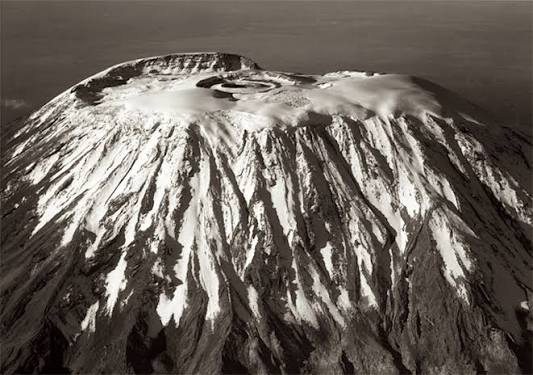
Crater Camp sits inside Kibo Crater, the summit crater of Mount Kilimanjaro’s highest volcanic cone. The campsite lies only a short walk from Uhuru Peak (5,895 m / 19,341 ft) and provides easy access to several of the mountain’s most famous attractions.
From Crater Camp, climbers can visit:
- Reusch Crater, the smaller crater located within Kibo.
- The Ash Pit, where you can observe the volcano’s volcanic history.
- The Furtwängler Glacier and nearby ice fields.
- Spectacular viewpoints overlooking Tanzania and Kenya.
Because the camp is already near the summit, climbers enjoy a relaxed sunrise visit to Uhuru Peak without making the usual midnight summit push from lower camps.
How High Is Crater Camp?
Crater Camp stands at approximately 5,730 meters (18,799 feet) above sea level, making it the highest overnight campsite on Mount Kilimanjaro and one of the highest camps used on any trekking mountain in the world.
At this altitude:
- Oxygen levels are roughly half those at sea level.
- Air pressure is significantly lower.
- Night temperatures often fall below -10°C (14°F).
- Even simple activities such as walking or dressing require more effort.
Because of these conditions, climbers should spend several days acclimatizing before attempting an overnight stay at Crater Camp.
Is Crater Camp Worth It?
For many experienced climbers, yes. Crater Camp offers an experience that very few people ever have on Mount Kilimanjaro.
Instead of reaching Uhuru Peak and immediately descending, you have time to explore the summit area in depth. You can walk beside ancient glaciers, visit the Ash Pit, photograph sunrise and sunset from inside the crater, and enjoy one of the quietest places on the mountain after most summit climbers have already descended.
However, the experience comes with additional challenges. The higher altitude, colder temperatures, and longer itinerary make Crater Camp more demanding than a standard Kilimanjaro climb. If your goal is simply to reach Uhuru Peak, a traditional summit itinerary may be sufficient. If you want a once-in-a-lifetime expedition and have the fitness and acclimatization to support it, Crater Camp is one of Kilimanjaro’s most rewarding adventures.
Who Should Stay at Crater Camp?
Crater Camp is best suited for climbers who:
- Have excellent acclimatization after several days on the mountain.
- Choose longer routes such as the Lemosho or Northern Circuit.
- Want to explore Kilimanjaro beyond Uhuru Peak.
- Enjoy photography, geology, glaciers, and volcanic landscapes.
- Are comfortable spending a night at extreme altitude.
It is generally not recommended for climbers on short itineraries or those who are struggling with altitude sickness. Your guide will assess your health, oxygen levels, and overall condition before deciding whether it is safe to continue to Crater Camp.
For climbers who meet these requirements, Kilimanjaro Crater Camp offers a rare opportunity to sleep inside Africa’s highest volcano and experience a side of Mount Kilimanjaro that most visitors never see.
Where Is Crater Camp on Mount Kilimanjaro?
Crater Camp lies inside Kibo Crater, the broad summit crater of Mount Kilimanjaro’s highest volcanic cone. At approximately 5,730 meters (18,799 feet) above sea level, it is the highest place where climbers can spend the night on the mountain. Unlike Barafu Camp, Kosovo Camp, or School Hut, which sit below the summit, Crater Camp places you directly within the volcanic landscape, surrounded by lava fields, glaciers, and ancient geological features.
Its unique location allows climbers to explore areas that most trekkers never visit. Instead of descending immediately after reaching Uhuru Peak, you can walk through the crater, visit the Ash Pit, photograph the remaining glaciers, and enjoy sunrise and sunset from one of Africa’s most spectacular high-altitude environments.
Location Inside Kibo Crater
Kibo is the youngest and highest of Mount Kilimanjaro’s three volcanic cones. Its summit contains a massive crater measuring about 2.4 kilometers (1.5 miles) across. Crater Camp sits on the relatively flat crater floor near the southern side, providing access to many of Kilimanjaro’s most famous volcanic landmarks.
The surrounding landscape consists of volcanic ash, lava rocks, ice fields, and patches of snow, creating a dramatic environment unlike any other campsite on the mountain. Because the camp is already inside the crater, climbers can explore these features without rushing back down after reaching the summit.
Distance from Uhuru Peak
Uhuru Peak (5,895 m / 19,341 ft) is the highest point in Africa and lies only a short distance from Crater Camp.
- Approximate distance: 1.5-2 kilometers (0.9-1.2 miles)
- Walking time: About 45-90 minutes, depending on weather and trail conditions.
- Elevation gain: Around 165 meters (541 feet).
Many climbers leave Crater Camp before sunrise, enjoy a relaxed walk to Uhuru Peak, and arrive without the long overnight ascent required from lower camps.
Distance from Reusch Crater
Near the center of Kibo lies Reusch Crater, a smaller crater formed during Kilimanjaro’s later volcanic activity. It remains one of the mountain’s most fascinating geological attractions.
- Approximate distance: 500-800 meters (0.3-0.5 miles)
- Walking time: Around 15-30 minutes.
The crater offers an excellent opportunity to learn about Kilimanjaro’s volcanic history while enjoying panoramic views across the summit plateau.
Distance from the Ash Pit
Inside Reusch Crater is the famous Ash Pit, a deep volcanic depression that marks one of the mountain’s most recent periods of volcanic activity. It is one of the few places where visitors can observe evidence of Kilimanjaro’s dormant volcanic system up close.
- Approximate distance: 700-1,000 meters (0.4-0.6 miles)
- Walking time: About 20-40 minutes.
Some expeditions include a guided visit to the Ash Pit, where climbers can see volcanic rocks, ash deposits, and, under suitable conditions, areas with geothermal warmth and faint sulfur odors produced by fumaroles.
Simple Location Map
                      UHURU PEAK
                  5,895 m (19,341 ft)
                         ▲
                         │
              45–90 min walk
                         │
                CRATER CAMP
             5,730 m (18,799 ft)
                 Inside Kibo Crater
                /                 \
               /                   \
   Furtwängler Glacier       Reusch Crater
                                     │
                                     │
                                 Ash Pit
Crater Camp’s location is what makes it so special. Nowhere else on Mount Kilimanjaro can you spend the night inside a dormant volcano while standing within walking distance of Uhuru Peak, the Reusch Crater, the Ash Pit, and the mountain’s remaining glaciers. This exclusive setting transforms a summit climb into a true volcanic expedition.
Why Is Crater Camp Famous?
Crater Camp is more than just another campsite on Mount Kilimanjaro it is one of the most extraordinary places to spend a night anywhere in the world. Located high inside Kibo Crater, it offers an experience that very few climbers ever enjoy. While most trekkers celebrate at Uhuru Peak and immediately descend, those staying at Crater Camp have time to explore Africa’s highest volcanic landscape, witness unforgettable sunrises and sunsets, and discover the mountain’s ancient glaciers and geological wonders.
Its rare location, extreme altitude, and breathtaking scenery have made Kilimanjaro Crater Camp one of the most sought-after experiences for experienced climbers.
Highest Campsite in Africa
At approximately 5,730 meters (18,799 feet) above sea level, Crater Camp is the highest overnight campsite in Africa. No other established trekking camp on the continent sits at a higher elevation.
Sleeping at this altitude is a major achievement. The air contains much less oxygen than at sea level, temperatures often fall well below freezing, and every movement requires more effort. Reaching Crater Camp demands excellent acclimatization, making it an adventure reserved for well-prepared climbers.
For many trekkers, spending a night at Africa’s highest campsite is just as memorable as standing on the summit itself.
Sleeping Inside a Volcano
Very few mountains in the world allow you to sleep inside the crater of a dormant volcano. Crater Camp offers that rare opportunity.
The camp sits within Kibo Crater, the summit crater of Mount Kilimanjaro’s highest volcanic cone. Surrounding you are lava formations, volcanic ash, ancient crater walls, and the famous Ash Pit, where evidence of Kilimanjaro’s volcanic past remains visible.
As darkness falls, the crater becomes incredibly quiet. With no towns, roads, or artificial lights nearby, climbers experience one of the darkest night skies in Africa. On clear nights, the Milky Way stretches across the sky while thousands of stars shine above the silent volcanic landscape.
Sunset Above the Clouds
One of the greatest rewards of staying at Crater Camp is watching the sun set from nearly 5,730 meters above sea level.
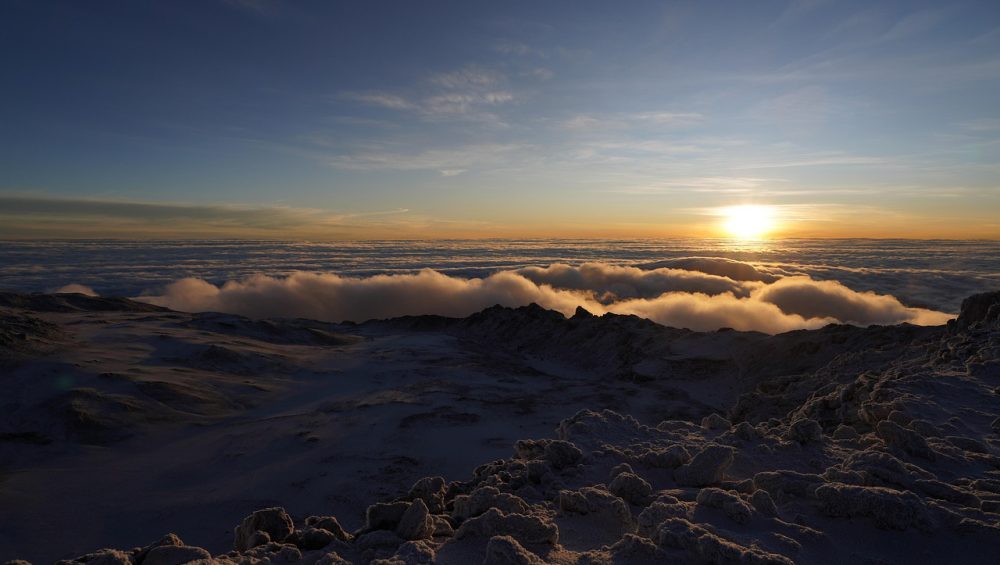
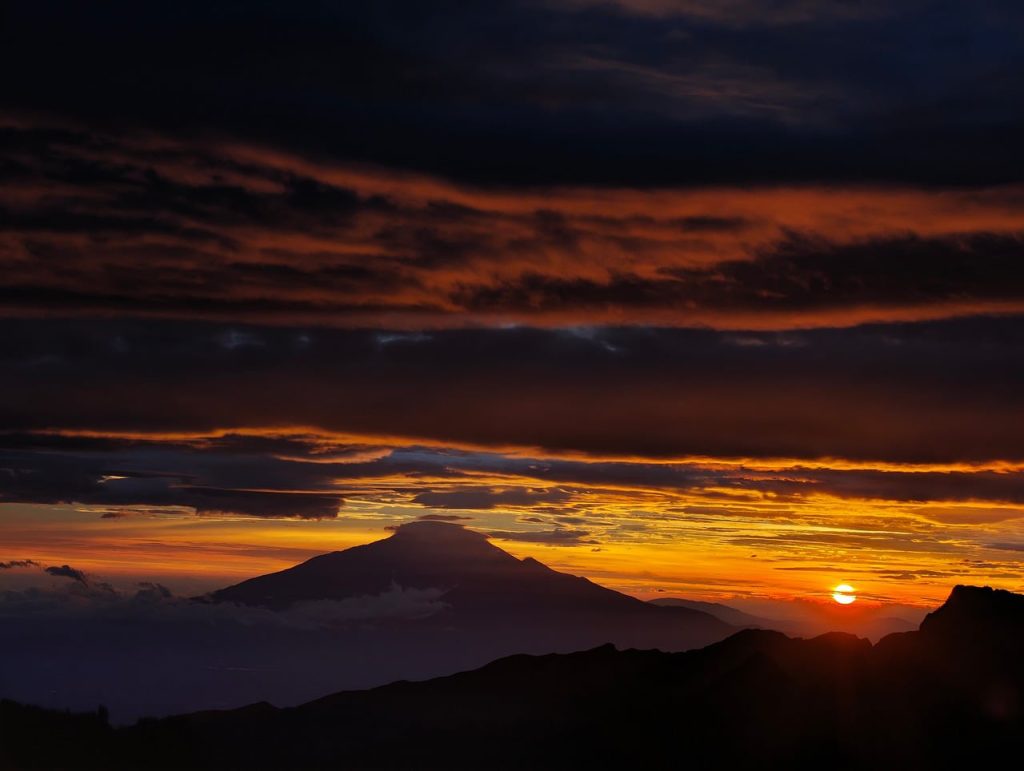
As evening approaches, the clouds often settle thousands of meters below the crater, creating the illusion that the mountain is floating above a white ocean. The sky changes from brilliant blue to shades of gold, orange, pink, and deep purple, while Kilimanjaro’s glaciers reflect the fading light.
Unlike climbers staying at lower camps, Crater Camp guests can enjoy this spectacular scene without worrying about preparing for a midnight summit push.
Sunrise from Uhuru Peak
Most climbers begin their summit ascent around midnight from Barafu Camp or Kosovo Camp, reaching Uhuru Peak at sunrise after six to eight exhausting hours of climbing.
From Crater Camp, the experience is completely different.
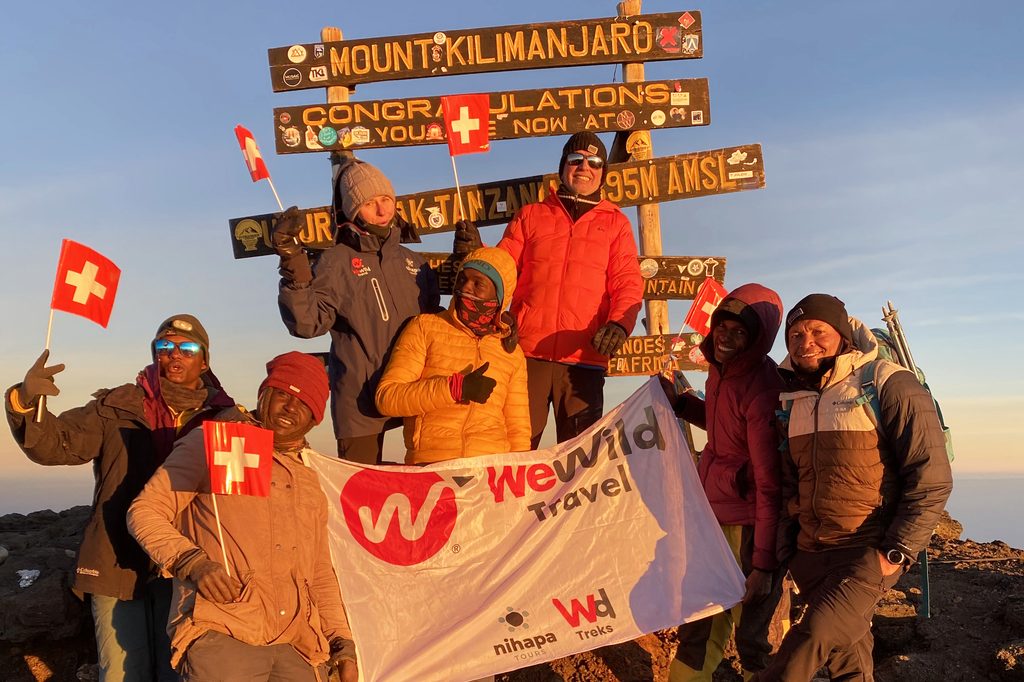
Because the camp lies just below the summit, the walk to Uhuru Peak is much shorter and less rushed. Many climbers leave before dawn, arrive in time for sunrise, and enjoy the views without large crowds.
Watching the first sunlight illuminate Africa’s highest mountain while glaciers glow in golden light is one of the most unforgettable moments of the entire expedition.
Glaciers Surrounding the Camp
Crater Camp also provides the best access to Kilimanjaro’s remaining glaciers and ice fields.
Within walking distance, climbers can see features such as the Furtwängler Glacier, sections of the Northern Ice Field, and other remaining ice formations that have survived for thousands of years. Towering blue ice walls, volcanic rock, and snow create a dramatic contrast found nowhere else on the mountain.
These glaciers offer an extraordinary opportunity to witness the final remnants of Kilimanjaro’s ancient ice cap while learning about the mountain’s volcanic history and changing climate.
For photographers, geologists, and nature enthusiasts, no other campsite on Mount Kilimanjaro offers such easy access to the summit’s unique geological and glacial landscapes.
History of Kilimanjaro Crater Camp
Although millions of people recognize Uhuru Peak as the goal of a Kilimanjaro climb, Crater Camp has a much quieter and more exclusive history. For decades, only a small number of climbers have chosen to spend the night inside Kibo Crater, making it one of the mountain’s least-visited yet most remarkable destinations.
The camp developed as experienced mountaineers sought more than a quick summit photo. They wanted time to explore Kilimanjaro’s volcanic landscape, study its glaciers, and experience sunrise and sunset from the roof of Africa without rushing back down the mountain.
When the Camp Was Established
There is no single official date marking the creation of Crater Camp. As climbing on Kilimanjaro became more organized during the second half of the 20th century, guides and expedition companies began setting up temporary camps inside Kibo Crater for scientific teams, photographers, and experienced trekkers.
Unlike permanent mountain huts, Crater Camp operates as a designated high-altitude campsite. Tents are pitched only when an expedition includes an overnight stay, helping reduce environmental impact on this fragile volcanic landscape.
Today, Kilimanjaro National Park allows Crater Camp only on approved itineraries led by licensed operators and certified mountain guides.
Early Expeditions
The first explorers who reached Kibo’s summit during the late 19th and early 20th centuries focused mainly on mapping the mountain, studying its geology, and documenting its glaciers.
As mountaineering equipment improved, some scientific expeditions began spending additional time inside the crater to examine volcanic rocks, ice fields, and the famous Reusch Crater and Ash Pit. These early visits revealed that Kibo was far more than a summit it was a fascinating volcanic environment shaped by thousands of years of geological activity.
Over time, experienced climbers realized that staying inside the crater offered a completely different perspective of Mount Kilimanjaro than the traditional summit-and-descend itinerary.
Why Few Climbers Stay There
Even today, only a small percentage of Kilimanjaro climbers spend the night at Crater Camp.
The main reason is extreme altitude. At approximately 5,730 meters (18,799 feet), oxygen levels are significantly lower than at lower camps, making sleep difficult and increasing the risk of altitude-related illness. Climbers must arrive well acclimatized and remain under close supervision from experienced guides.
Crater Camp also requires:
- A longer climbing itinerary.
- Additional park and camping fees.
- More logistical planning.
- Specialized cold-weather equipment.
- Favorable weather conditions.
Because most visitors aim simply to reach Uhuru Peak, standard itineraries descend immediately after the summit instead of remaining inside the crater.
Modern Expeditions
Today, Crater Camp has become a bucket-list experience for climbers seeking the ultimate Kilimanjaro adventure.
Modern expeditions combine safety, expert guiding, and careful acclimatization with the opportunity to explore areas that most visitors never see. Climbers can photograph glaciers at sunrise, visit the Ash Pit, walk across ancient lava fields, and experience the silence of Kibo Crater after the summit crowds have departed.
Advances in weather forecasting, mountain rescue procedures, communication systems, and altitude monitoring have made Crater Camp expeditions safer than in the past. Guides regularly check oxygen saturation, monitor symptoms of altitude sickness, and make conservative decisions about whether climbers are fit to remain at such extreme elevation.
Although Crater Camp remains one of the most challenging overnight experiences on Mount Kilimanjaro, it also offers one of the most rewarding. For well-prepared climbers, spending a night inside Africa’s highest volcano transforms a summit climb into an unforgettable exploration of Kilimanjaro’s geological history, glaciers, and volcanic heart.
How High Is Crater Camp?
Crater Camp sits at approximately 5,730 meters (18,799 feet) above sea level, making it the highest overnight campsite on Mount Kilimanjaro and one of the highest places in the world where trekkers can sleep. Located inside Kibo Crater, just below Uhuru Peak (5,895 meters / 19,341 feet), the camp offers a once-in-a-lifetime experience—but it also presents serious physiological challenges.
At this altitude, your body works much harder than it does at lower elevations. Every breath delivers less oxygen, the air pressure drops significantly, and even simple tasks such as walking to your tent or putting on extra clothing can leave you feeling short of breath. These conditions explain why Crater Camp is recommended only for climbers who have acclimatized well during a longer Kilimanjaro itinerary.
Oxygen Level at Crater Camp
One of the biggest challenges at Crater Camp is the low oxygen availability.
Although the atmosphere still contains about 21% oxygen, the air is much thinner because atmospheric pressure decreases with altitude. As a result, every breath contains fewer oxygen molecules than it does at sea level. At approximately 5,730 meters, your body receives only about half to a little over half of the usable oxygen available at sea level, forcing your heart and lungs to work much harder.
This reduced oxygen supply can cause:
- Shortness of breath, even while resting.
- Faster breathing and heart rate.
- Headaches.
- Difficulty sleeping.
- Fatigue with minimal physical effort.
Proper acclimatization helps your body adapt by increasing breathing rate and producing more red blood cells, but no one fully adapts to this altitude in just a few days.
Atmospheric Pressure
At Crater Camp, atmospheric pressure is roughly half of that at sea level. Lower air pressure reduces the amount of oxygen entering your bloodstream with each breath, which is why climbing becomes much more demanding as you approach the summit.
The thin atmosphere also contributes to:
- Faster heat loss.
- Stronger ultraviolet (UV) radiation.
- Quicker dehydration.
- Greater risk of altitude-related illnesses.
These factors make it essential to stay hydrated, eat regularly, dress in warm layers, and follow your guide’s pace.
Why Sleeping at Crater Camp Is Difficult
Many climbers expect the hardest part of Crater Camp to be the cold, but the altitude is usually the greater challenge.
At nearly 5,730 meters, your breathing becomes faster during sleep as your body tries to obtain enough oxygen. Many people wake repeatedly during the night or feel as though they are not sleeping deeply. Some climbers also experience vivid dreams, periodic breathing, or brief pauses in breathing, which are common responses to very high altitude.
Cold temperatures add another layer of difficulty. Nighttime temperatures often fall below -10°C (14°F), and strong winds can make it feel even colder. A high-quality sleeping bag, insulated sleeping pad, warm clothing, and proper nutrition all help improve comfort, but they cannot eliminate the effects of altitude.
For these reasons, guides continuously monitor climbers staying at Crater Camp. If someone develops symptoms of severe altitude sickness, the safest treatment is immediate descent to a lower elevation.
Elevation Comparison of Kilimanjaro Summit Camps
| Camp | Elevation |
|---|---|
| Barafu Camp | 4,673 m (15,331 ft) |
| Kosovo Camp | 4,870 m (15,978 ft) |
| School Hut | 4,750 m (15,584 ft) |
| Crater Camp | 5,730 m (18,799 ft) |
| Uhuru Peak | 5,895 m (19,341 ft) |
Crater Camp sits more than 1,000 meters (3,280 feet) higher than Barafu Camp and only 165 meters (541 feet) below Uhuru Peak. This exceptional elevation is what makes the camp both extraordinary and demanding. For climbers who arrive well acclimatized, however, spending a night inside Kibo Crater offers one of the most unique high-altitude experiences anywhere in the world.
What Is It Like Sleeping at Crater Camp?
Spending a night at Kilimanjaro Crater Camp is unlike any other experience on Africa’s highest mountain. Most climbers reach Uhuru Peak, celebrate for a few minutes, and begin the long descent before the sun fully rises. At Crater Camp, your journey slows down. Instead of rushing back to lower elevations, you remain inside Kibo Crater, surrounded by ancient volcanic rocks, glaciers, and complete silence.
As evening arrives, the last summit climbers disappear down the mountain. The wind softens, the temperature drops rapidly, and the crater becomes incredibly peaceful. Standing outside your tent, you realize that you are spending the night inside a dormant volcano nearly 5,730 meters (18,799 feet) above sea level. It is a moment that few Kilimanjaro climbers ever experience.
Very Thin Air
The first thing most climbers notice is the air.
Every breath feels lighter because the atmosphere is much thinner than at sea level. Walking only a few steps around camp may leave you breathing harder than expected. Your guide reminds everyone to move slowly, drink water, and avoid unnecessary effort.
As darkness falls, many climbers sit quietly outside their tents, conserving energy while taking in the incredible surroundings. Even simple tasks, such as tightening boot laces or organizing your backpack, require patience. At this altitude, your body constantly works to adapt to the reduced oxygen.
Extremely Cold Nights
After sunset, temperatures fall quickly.
The volcanic rocks release the day’s warmth, and icy air flows across the crater floor. On many nights, temperatures drop below -10°C (14°F), while the wind can make it feel even colder.
Inside your sleeping bag, every layer of clothing matters. A warm down jacket, insulated boots, thick gloves, and a quality sleeping bag become essential rather than optional. When you unzip your tent for a moment, the cold air reminds you that you are camping high above the clouds on one of the world’s tallest free-standing mountains.
Silence Inside the Crater
One of the most unforgettable parts of Crater Camp is the silence.
There are no forests rustling with wildlife, no villages, no traffic, and almost no sound beyond the occasional breeze brushing across the volcanic rocks. After the summit crowds descend, Kibo Crater feels vast and almost untouched.
The silence encourages you to slow down and appreciate your surroundings. Looking across the crater floor, you can see ancient lava formations, patches of ice, and the dark outline of the crater walls. It feels less like a campsite and more like another world.
Stars at Night
When the sky is clear, Crater Camp becomes one of the best places on Mount Kilimanjaro for stargazing.
With almost no light pollution, thousands of stars fill the sky from horizon to horizon. The Milky Way stretches overhead in remarkable detail, while familiar constellations appear brighter than many climbers have ever seen.
On moonless nights, the glaciers reflect faint starlight, creating a breathtaking contrast between white ice and black volcanic rock. Many photographers consider this the best opportunity on Kilimanjaro to capture the mountain’s night sky.
Watching Sunrise Without a Summit Rush
Perhaps the greatest reward of staying at Crater Camp comes the following morning.
Instead of waking at midnight for a six- to eight-hour summit push from Barafu Camp, you leave your tent shortly before dawn. The walk to Uhuru Peak is relatively short, allowing you to enjoy the journey without the exhaustion of an all-night climb.
As the eastern horizon begins to glow, the glaciers change from pale blue to brilliant shades of gold and orange. One by one, the first rays of sunlight spread across the crater, illuminating the volcanic landscape below.
Standing near the summit, you watch Africa wake beneath a sea of clouds. There is no need to hurry back down immediately. You have time to absorb the moment, take photographs, explore the crater, and appreciate the achievement of sleeping inside Mount Kilimanjaro’s volcanic heart.
For many climbers, reaching Uhuru Peak is the highlight of their expedition. For those who stay at Crater Camp, the night itself often becomes the memory they treasure most.
What Can You See Around Crater Camp?
One of the biggest advantages of staying at Kilimanjaro Crater Camp is the opportunity to explore the summit area at your own pace. Most climbers reach Uhuru Peak, take a few photographs, and begin descending almost immediately. In contrast, Crater Camp allows you to spend hours discovering the geological and glacial wonders inside Kibo Crater.
Within a short walk of your tent, you can visit ancient volcanic formations, towering glaciers, massive ice fields, and the famous Ash Pit that reveals Mount Kilimanjaro’s volcanic past. These remarkable features make Crater Camp one of the most fascinating destinations on the entire mountain.
Reusch Crater
Near the center of Kibo lies Reusch Crater, a smaller crater formed during one of Kilimanjaro’s later volcanic phases. It measures approximately 400 meters (1,312 feet) across and surrounds the famous Ash Pit.
Walking to Reusch Crater gives you a closer look at the mountain’s volcanic history. Its steep walls expose layers of lava and ash deposited during ancient eruptions, while the panoramic views stretch across Kibo’s broad crater floor and toward the glaciers.
For climbers interested in geology, Reusch Crater is one of the most impressive natural landmarks on Mount Kilimanjaro.
Ash Pit
Inside Reusch Crater sits the Ash Pit, one of Kilimanjaro’s most famous geological features.
This deep volcanic depression formed during the volcano’s most recent periods of activity and contains dark volcanic ash, lava fragments, and rock deposited thousands of years ago. Scientists believe it represents one of the youngest volcanic structures on the mountain.
On some days, visitors may notice a faint sulfur smell or feel slightly warmer ground near areas influenced by geothermal activity. These conditions remind climbers that Kibo is classified as a dormant volcano, not an extinct one.
Standing beside the Ash Pit offers a rare opportunity to look directly into the volcanic heart of Africa’s highest mountain.
Furtwängler Glacier
The Furtwängler Glacier is the best-known glacier on Mount Kilimanjaro and one of the easiest to visit from Crater Camp.
Named after German explorer Walter Furtwängler, who reached the summit in 1912, this glacier has become an important symbol of Kilimanjaro’s changing environment. Although it has shrunk considerably over the past century, its towering blue ice walls still create one of the mountain’s most spectacular sights.
Photographers often visit the glacier during sunrise and sunset, when the ice reflects golden light against the dark volcanic landscape.
Northern Ice Field
The Northern Ice Field is the largest remaining glacier system on Mount Kilimanjaro.
Located north of Kibo Crater, it consists of extensive ice sheets and towering ice cliffs that have survived for thousands of years despite the mountain’s equatorial location. From viewpoints near Crater Camp, climbers can appreciate the dramatic contrast between brilliant white ice and black volcanic rock.
Although access depends on route conditions and guide recommendations, seeing the Northern Ice Field is one of the highlights of a Crater Camp expedition.
Southern Ice Fields
The Southern Ice Fields occupy the southern side of Kibo’s summit plateau and include several well-known glaciers and isolated ice formations.
These glaciers display deep crevasses, sculpted ice walls, and seasonal snowfields that constantly change with weather conditions. Their proximity to Crater Camp allows climbers to observe these remarkable features much more closely than those following standard summit itineraries.
Together with the Northern Ice Field, they represent the final remnants of Kilimanjaro’s once-extensive ice cap.
Volcanic Rocks
Every step around Crater Camp reveals evidence of Mount Kilimanjaro’s volcanic origin.
The crater floor is covered with hardened lava flows, volcanic ash, pumice, basalt, and other rocks formed during millions of years of eruptions. Different colors and textures reflect changes in lava composition and cooling history, creating a landscape that resembles the surface of another planet.
These ancient rocks tell the story of how Kibo grew into Africa’s highest peak through repeated volcanic activity along the East African Rift.
Steam Vents (Fumaroles)
Although Mount Kilimanjaro has not erupted in historical times, signs of geothermal activity still exist inside Kibo Crater.
In some areas near the Ash Pit, climbers may detect fumaroles small openings where warm gases and steam escape from underground. These vents can release water vapor along with gases that produce a noticeable sulfur odor.
The fumaroles provide evidence that heat remains beneath Kibo, which is why volcanologists classify it as a dormant volcano rather than an extinct one. However, there is no scientific evidence that an eruption is imminent, and the summit remains safe for trekking under normal park regulations.
Exploring these natural features transforms a Crater Camp overnight into far more than a summit climb. It becomes a journey through the volcanic history of Mount Kilimanjaro, where glaciers, lava, ice, and geothermal activity exist side by side at the roof of Africa.
How Cold Is Crater Camp?
Crater Camp is one of the coldest places on Mount Kilimanjaro. At an elevation of approximately 5,730 meters (18,799 feet), temperatures often remain below freezing, especially after sunset. Although Kilimanjaro sits close to the Equator, the extreme altitude creates an alpine environment where snow, ice, and frost are common throughout the year.
The actual temperature you feel depends on the season, cloud cover, wind speed, and whether the sun is shining. During the day, direct equatorial sunlight can make conditions feel surprisingly comfortable. Once the sun sets, however, the temperature drops rapidly, and strong winds can make the cold feel much more intense.
Day Temperatures
During daylight hours, temperatures at Crater Camp usually range between -2°C and 8°C (28°F to 46°F).
When the sky is clear, the strong equatorial sun warms dark volcanic rocks, making short periods outside your tent relatively comfortable. However, the air remains thin, and the weather can change quickly. Clouds, wind, or snowfall can lower the temperature within minutes.
Because ultraviolet (UV) radiation is very strong at this altitude, climbers should wear sunscreen, sunglasses, and protective clothing even on cold days.
Night Temperatures
After sunset, Crater Camp becomes extremely cold.
Nighttime temperatures commonly fall to -10°C to -20°C (14°F to -4°F), while exceptionally cold nights during the dry season may drop even lower.
These freezing conditions make a high-quality sleeping bag, insulated sleeping pad, down jacket, warm gloves, thermal clothing, and winter hat essential for a comfortable and safe overnight stay.
Wind Chill
The air temperature tells only part of the story.
Strong winds crossing Kibo Crater remove body heat much faster than calm air, creating a wind chill effect. For example, an air temperature of -10°C (14°F) can feel closer to -18°C (0°F) or even colder when strong winds blow across the crater.
To reduce heat loss, climbers should:
- Dress in several insulating layers.
- Wear a windproof and waterproof outer shell.
- Protect the face with a balaclava or neck gaiter.
- Keep hands and feet dry and well insulated.
- Avoid standing still for long periods in strong winds.
Frost
Frost is a normal part of life at Crater Camp.
As temperatures fall below freezing overnight, moisture in the air settles onto tents, backpacks, trekking poles, and volcanic rocks before freezing into thin layers of ice. By sunrise, tents often sparkle with frost crystals while nearby glaciers reflect the first golden light of the morning.
Although the frost creates beautiful scenery, it can also make rocks, tent entrances, and walking paths slippery. Climbers should move carefully around camp, especially before sunrise.
Average Crater Camp Temperatures by Month
| Month | Day Temperature | Night Temperature |
|---|---|---|
| January | 2°C to 8°C (36–46°F) | -10°C to -15°C (14–5°F) |
| February | 2°C to 8°C (36–46°F) | -10°C to -15°C (14–5°F) |
| March | 1°C to 7°C (34–45°F) | -11°C to -16°C (12–3°F) |
| April | 0°C to 6°C (32–43°F) | -12°C to -18°C (10–0°F) |
| May | 0°C to 5°C (32–41°F) | -12°C to -18°C (10–0°F) |
| June | -1°C to 5°C (30–41°F) | -15°C to -20°C (5 to -4°F) |
| July | -2°C to 4°C (28–39°F) | -15°C to -20°C (5 to -4°F) |
| August | -2°C to 4°C (28–39°F) | -15°C to -20°C (5 to -4°F) |
| September | -1°C to 5°C (30–41°F) | -14°C to -19°C (7 to -2°F) |
| October | 0°C to 6°C (32–43°F) | -12°C to -18°C (10–0°F) |
| November | 1°C to 7°C (34–45°F) | -11°C to -16°C (12–3°F) |
| December | 2°C to 8°C (36–46°F) | -10°C to -15°C (14–5°F) |
Note: These temperatures are approximate averages. Wind speed, cloud cover, humidity, and seasonal weather patterns can make conditions feel significantly colder than the recorded air temperature.
Despite the freezing conditions, thousands of climbers successfully reach Crater Camp each year by wearing the correct clothing, following their guide’s advice, and preparing for high-altitude weather. With the right equipment and proper acclimatization, you can safely enjoy one of the most extraordinary overnight experiences on Mount Kilimanjaro.
Is Crater Camp Dangerous?
Crater Camp is safe for well-prepared climbers who have acclimatized properly and climb with experienced guides, but it is also the most demanding overnight location on Mount Kilimanjaro. At 5,730 meters (18,799 feet), the combination of extreme altitude, low oxygen, freezing temperatures, and changing weather places significant stress on the human body.
The greatest danger is not the volcano itself. Kibo is a dormant volcano, and there is no evidence that an eruption is imminent. Instead, the primary risks come from altitude-related illnesses, cold exposure, dehydration, and poor decision-making.
Professional guides carefully monitor climbers throughout the expedition, checking symptoms, oxygen saturation, heart rate, and overall condition. If a climber shows signs of serious altitude illness, the safest treatment is always immediate descent.
Altitude Sickness
Altitude sickness occurs because the body cannot adapt quickly enough to the lower oxygen available at high elevations. Almost every climber notices some effects of altitude above 3,000 meters, but severe illness becomes much more likely above 5,500 meters, making Crater Camp one of the highest-risk locations on Kilimanjaro.
Acute Mountain Sickness (AMS)
Acute Mountain Sickness (AMS) is the most common altitude-related illness.
Typical symptoms include:
- Headache
- Nausea or vomiting
- Loss of appetite
- Dizziness
- Fatigue
- Difficulty sleeping
- Shortness of breath during activity
Mild AMS often improves with rest, hydration, and avoiding further ascent. However, symptoms should never be ignored because AMS can progress into life-threatening conditions.
High-Altitude Cerebral Edema (HACE)
High-Altitude Cerebral Edema (HACE) is a severe form of altitude illness caused by swelling of the brain due to low oxygen.
Warning signs include:
- Severe headache
- Confusion
- Difficulty walking in a straight line (ataxia)
- Slurred speech
- Extreme drowsiness
- Loss of coordination
- Hallucinations
- Loss of consciousness
HACE is a medical emergency.
Treatment includes:
- Immediate descent
- Supplemental oxygen if available
- Dexamethasone when administered by trained medical personnel or according to expedition medical protocols
- Urgent evacuation to a medical facility
Without rapid treatment, HACE can become fatal.
High-Altitude Pulmonary Edema (HAPE)
High-Altitude Pulmonary Edema (HAPE) is often considered the most dangerous altitude illness because fluid leaks into the lungs, making it increasingly difficult to breathe.
Common symptoms include:
- Shortness of breath while resting
- Persistent cough
- Chest tightness
- Crackling or bubbling sounds in the lungs
- Extreme weakness
- Blue or gray lips or fingernails due to low oxygen
HAPE requires immediate descent and supplemental oxygen whenever available. The climber must receive urgent medical care as soon as possible.
Unlike ordinary chest congestion, HAPE cannot be treated by simply resting at the same altitude. Continuing to climb or delaying descent can quickly become life-threatening.
Hypothermia
Hypothermia develops when the body loses heat faster than it can produce it.
At Crater Camp, freezing temperatures, strong winds, wet clothing, and exhaustion all increase the risk.
Early symptoms include:
- Intense shivering
- Cold, pale skin
- Numb fingers and toes
- Poor coordination
- Slowed thinking
As hypothermia worsens, shivering may stop, confusion increases, and the person can become unconscious.
Prevention includes:
- Wearing proper layered clothing
- Staying dry
- Eating enough calories
- Drinking warm fluids
- Changing wet clothing immediately
Low Oxygen
Although oxygen still makes up about 21% of the atmosphere, the lower air pressure at 5,730 meters means every breath contains far fewer usable oxygen molecules than at sea level.
This causes:
- Rapid breathing
- Faster heart rate
- Fatigue
- Reduced physical performance
- Difficulty sleeping
Guides often use a pulse oximeter to monitor oxygen saturation during high-altitude expeditions. While oxygen levels naturally decrease at altitude, symptoms are always more important than the number shown on the device.
Extreme Cold
Nighttime temperatures at Crater Camp commonly fall below -10°C (14°F) and may reach -20°C (-4°F) during colder months.
Combined with strong winds, these temperatures increase the risk of:
- Frostnip
- Frostbite
- Hypothermia
- Dehydration
Proper equipment is essential, including:
- A high-quality expedition sleeping bag
- Thermal base layers
- Insulated down jacket
- Waterproof shell
- Warm gloves or mittens
- Insulated boots
- Balaclava and warm hat
Even experienced mountaineers respect the cold at Crater Camp because weather conditions can change rapidly.
Who Should Avoid Crater Camp?
Crater Camp is not suitable for every climber.
You should avoid an overnight stay if you:
- Have poor acclimatization or choose a short itinerary.
- Are experiencing moderate or severe AMS symptoms.
- Have previously developed HACE or HAPE unless cleared by a qualified healthcare professional and expedition leader.
- Have significant heart or lung conditions that make extreme altitude unsafe.
- Cannot tolerate prolonged exposure to freezing temperatures.
- Are advised by your guide that continuing would increase your risk.
The best Crater Camp expeditions begin long before reaching the summit. Choosing a longer route, climbing slowly, staying hydrated, eating well, and listening carefully to your guide greatly improve your chances of enjoying this remarkable experience safely.
The mountain will always be there. If your guide recommends descending, that decision protects your health and gives you the opportunity to return another day.
Can Anyone Stay at Crater Camp?
No. Crater Camp is not suitable for every Kilimanjaro climber. At 5,730 meters (18,799 feet), it is the highest overnight campsite on Mount Kilimanjaro, where low oxygen, freezing temperatures, and extreme altitude create a much more demanding environment than standard summit itineraries. While many healthy climbers can safely stay there, they must have good physical fitness, proper acclimatization, and approval from their mountain guide.
Choosing Crater Camp should never depend on determination alone. Your health, altitude adaptation, and overall condition are far more important than your hiking experience.
Experience Needed
You do not need to be a professional mountaineer to stay at Crater Camp, but you should have a good level of fitness and be comfortable hiking for several consecutive days at high altitude.
Climbers who usually enjoy Crater Camp are those who:
- Have completed multi-day mountain treks.
- Understand how their body responds to altitude.
- Can hike for 6-8 hours per day.
- Follow a slow, steady pace (“pole pole”).
- Remain calm and positive during physically demanding conditions.
First-time Kilimanjaro climbers can also stay at Crater Camp if they choose a longer route, acclimatize properly, and remain healthy throughout the expedition.
Medical Fitness
Good medical fitness is essential before attempting an overnight stay at Crater Camp.
Most reputable operators recommend that climbers:
- Be in good overall health.
- Have no uncontrolled heart or lung disease.
- Recover fully from recent illness before the climb.
- Discuss any chronic medical conditions with their healthcare provider before traveling.
During the expedition, guides monitor each climber for signs of altitude sickness, dehydration, exhaustion, and other health concerns. If your condition deteriorates, your guide may recommend descending instead of continuing to Crater Camp.
Recommended Acclimatization
Acclimatization is the single most important factor for a successful Crater Camp experience.
Your body needs time to adapt to lower oxygen levels by increasing breathing efficiency and making other physiological adjustments. The more time you spend gradually gaining altitude, the better your chances of sleeping safely at 5,730 meters.
To improve acclimatization:
- Choose a longer itinerary.
- Climb slowly each day.
- Drink plenty of water.
- Eat regular meals.
- Follow the “climb high, sleep low” principle whenever possible.
- Report any symptoms of altitude sickness to your guide immediately.
Never ignore headaches, nausea, dizziness, or unusual fatigue. Early communication helps guides make safe decisions before symptoms become severe.
Minimum Route Length
Short Kilimanjaro routes are not recommended for Crater Camp.
Most experienced operators suggest at least:
- 8-day Lemosho Route
- 9-day Northern Circuit Route
- 8-day Machame Route (for well-acclimatized climbers)
These longer itineraries provide additional days for acclimatization before reaching the crater.
Attempting Crater Camp after only five or six days on the mountain significantly increases the risk of altitude-related illness and reduces the likelihood of a safe and enjoyable experience.
Guide Recommendation
Your guide has the final responsibility for your safety.
Before allowing you to continue to Crater Camp, your guide will consider several factors, including:
- Your energy level.
- Symptoms of altitude sickness.
- Oxygen saturation readings, if monitored.
- Walking pace and recovery.
- Weather conditions.
- Overall health throughout the expedition.
Even if you planned to stay at Crater Camp, your guide may decide that descending is the safer option if conditions or your health change.
The best climbers understand that reaching the summit is never more important than returning home safely. Trusting your guide’s judgment is one of the smartest decisions you can make on Mount Kilimanjaro.
For climbers who arrive well acclimatized, remain healthy, and follow their guide’s advice, Crater Camp offers one of the most extraordinary overnight experiences anywhere in the world.
Best Routes That Visit Crater Camp
Not every Kilimanjaro route offers a Crater Camp overnight. Because the camp sits at 5,730 meters (18,799 feet) inside Kibo Crater, climbers must arrive well acclimatized before spending the night there. For this reason, Crater Camp is usually added only to longer itineraries that allow the body enough time to adjust to the altitude.
If your goal is more than simply reaching Uhuru Peak, choosing the right route is one of the most important decisions you will make. The routes below provide the best opportunities for a safe and successful Crater Camp experience.
Lemosho Route
The Lemosho Route is widely considered the best route for a Crater Camp expedition.
Starting on Kilimanjaro’s quiet western slopes, Lemosho gradually crosses rainforest, moorland, alpine desert, and finally the summit zone. Its longer itinerary provides excellent acclimatization, making it an ideal choice for spending a night inside Kibo Crater.
Many operators offer 8- or 9-day Lemosho itineraries that include Crater Camp before descending via the Mweka Route.
Advantages
- Excellent acclimatization profile.
- High summit success rate.
- Beautiful scenery across all ecological zones.
- Ideal for Crater Camp.
- Suitable for first-time Kilimanjaro climbers with good fitness.
Northern Circuit
The Northern Circuit Route offers the highest chance of successfully staying at Crater Camp because it is the longest standard route on Mount Kilimanjaro.
Usually completed over 9 or 10 days, it circles the quieter northern side of the mountain before reaching Kibo. The additional acclimatization days greatly reduce altitude-related risks and allow climbers to arrive at Crater Camp in better condition.
It is also the least crowded route, giving climbers a more remote wilderness experience.
Advantages
- Outstanding acclimatization.
- Highest summit success rates.
- Fewer crowds.
- Excellent choice for Crater Camp.
- Spectacular panoramic views.
Machame Route
The Machame Route, also known as the Whiskey Route, can also include Crater Camp when completed over 7 or 8 days.
Machame follows the famous “climb high, sleep low” acclimatization strategy by passing through Lava Tower before reaching Barafu Camp. Well-acclimatized climbers can continue from Barafu to Crater Camp after visiting Uhuru Peak.
Although Machame is more physically demanding than Lemosho, it remains a popular option for experienced hikers seeking a Crater Camp adventure.
Advantages
- Strong acclimatization profile.
- Excellent scenery.
- Popular and well-established route.
- Suitable for experienced trekkers.
Umbwe Route
The Umbwe Route is the steepest and most challenging route on Mount Kilimanjaro.
Its rapid ascent leaves little time for acclimatization, making it unsuitable for many climbers attempting Crater Camp. However, experienced mountaineers occasionally combine an extended Umbwe itinerary with an overnight stay inside Kibo Crater.
Because of its demanding nature, Umbwe is recommended only for climbers with previous high-altitude trekking experience.
Advantages
- Fastest approach to the summit.
- Very quiet trail.
- Challenging adventure.
- Best suited to experienced climbers.
Which Route Is Best for a Crater Camp Overnight?
| Route | Typical Duration | Acclimatization | Crater Camp Suitability |
|---|---|---|---|
| Lemosho Route | 8-9 Days | Excellent | Best Overall Choice |
| Northern Circuit | 9-10 Days | Excellent | Best for Highest Success |
| Machame Route | 7-8 Days | Very Good | Very Good |
| Umbwe Route | 6-7 Days (longer if including Crater Camp) | Limited | Suitable for Experienced Climbers |
Which Route Do We Recommend?
For most climbers, the Lemosho Route offers the best balance of scenery, acclimatization, and overall experience, making it the top choice for a Kilimanjaro Crater Camp expedition.
If your priority is maximizing acclimatization and summit success, the Northern Circuit Route is an outstanding option thanks to its longer itinerary and gradual ascent.
Regardless of the route you choose, spending a night at Crater Camp should always be part of a carefully planned expedition led by experienced local guides. The extra acclimatization and expert support can make the difference between simply reaching the summit and safely enjoying one of the most exclusive experiences on Mount Kilimanjaro.
Kilimanjaro Crater Camp Itinerary
A 9-day Kilimanjaro Crater Camp itinerary gives your body enough time to acclimatize before spending a night at 5,730 meters (18,799 feet) inside Kibo Crater. Unlike a standard summit climb, this itinerary allows you to explore the crater, visit the glaciers and Ash Pit, and enjoy a relaxed sunrise at Uhuru Peak before descending.
Below is a typical Lemosho Route Crater Camp itinerary, one of the safest and most popular options for reaching Crater Camp.
Day 1: Arrival in Tanzania
Arrive at Kilimanjaro International Airport (JRO), where your guide welcomes you and transfers you to your hotel in Moshi or Arusha.
During the afternoon or evening, your mountain guide conducts a detailed briefing covering:
- Route overview
- Safety procedures
- Altitude awareness
- Equipment inspection
- Weather expectations
Spend the night resting, hydrating, and preparing for the adventure ahead.
Accommodation: Hotel
Elevation: 800-1,400 m (2,625-4,593 ft
Day 2: Lemosho Gate to Mti Mkubwa Camp
Your climb begins at Lemosho Gate on Kilimanjaro’s western slopes.
The trail passes through lush rainforest filled with giant trees, mosses, birds, and black-and-white colobus monkeys. This first day is relatively gentle and helps your body begin adjusting to higher elevations.
Distance: 6 km (3.7 miles)
Hiking Time: 3-4 hours
Camp: Mti Mkubwa Camp (2,650 m / 8,694 ft)
Day 3: Mti Mkubwa Camp to Shira Camp
Leave the rainforest behind and enter the Heather and Moorland Zone.
The landscape opens dramatically as giant groundsels, giant lobelias, and volcanic formations replace dense forest. Beautiful views of Kibo begin to appear.
Distance: 8 km (5 miles)
Hiking Time: 5-6 hours
Camp: Shira Camp (3,610 m / 11,844 ft)
Day 4: Shira Camp to Lava Tower, Then Karanga Camp
This is one of the most important acclimatization days.
Climb gradually to Lava Tower (4,630 m / 15,190 ft) before descending to Karanga Camp. The “climb high, sleep low” strategy helps your body adapt to reduced oxygen while lowering the risk of altitude sickness.
Expect spectacular volcanic scenery and expansive views across the mountain.
Distance: 10-11 km (6-7 miles)
Hiking Time: 6-8 hours
Camp: Karanga Camp (3,995 m / 13,107 ft)
Day 5: Karanga Camp to Barafu Camp
Today’s hike is shorter but steeper as you enter Kilimanjaro’s Alpine Desert Zone.
Barafu Camp sits beneath Kibo’s summit and serves as the traditional launching point for the summit push. After lunch, rest, organize your equipment, and enjoy an early dinner while your guide explains the plan for reaching Crater Camp.
Distance: 4 km (2.5 miles)
Hiking Time: 3-4 hours
Camp: Barafu Camp (4,673 m / 15,331 ft)
Day 6: Barafu Camp to Crater Camp
This is the highlight of the expedition.
Leave Barafu before dawn and climb slowly toward Stella Point before continuing to Uhuru Peak (5,895 m / 19,341 ft). After celebrating on Africa’s highest summit, most climbers descend immediately. Instead, your journey continues into Kibo Crater.
Walk across the summit plateau to Crater Camp (5,730 m / 18,799 ft), where you spend the night surrounded by glaciers, volcanic rocks, and breathtaking views.
If time and weather allow, you may also visit the Furtwängler Glacier before returning to camp.
Distance: Approximately 10-12 km (6-7.5 miles)
Hiking Time: 8-10 hours
Camp: Crater Camp (5,730 m / 18,799 ft)
Day 7: Explore Kibo Crater, Uhuru Peak, and Descend to Mweka Camp
Wake before sunrise and enjoy one of Kilimanjaro’s most unforgettable mornings.
Take a relaxed walk to Uhuru Peak to watch the sunrise without the crowds. After breakfast, explore remarkable geological features such as:
- Reusch Crater
- Ash Pit
- Furtwängler Glacier
- Volcanic lava formations
Later, begin the long descent via Barafu Camp for a short rest before continuing through the Alpine Desert and Heather Zone to Mweka Camp.
Distance: 16-18 km (10-11 miles)
Hiking Time: 8-10 hours
Camp: Mweka Camp (3,100 m / 10,171 ft)
Day 8: Mweka Camp to Mweka Gate
Enjoy your final morning on the mountain as the trail descends through lush rainforest.
At Mweka Gate, you receive your summit certificate before returning to your hotel for a hot shower and a well-earned celebration.
Distance: 10 km (6.2 miles)
Hiking Time: 3-4 hours
Day 9: Departure
After breakfast, transfer to Kilimanjaro International Airport for your flight home or continue your Tanzanian adventure with a safari or a relaxing beach holiday in Zanzibar.
Itinerary at a Glance
| Day | Route | Overnight Camp |
|---|---|---|
| 1 | Arrival in Tanzania | Hotel |
| 2 | Lemosho Gate – Mti Mkubwa | Mti Mkubwa Camp |
| 3 | Mti Mkubwa – Shira | Shira Camp |
| 4 | Shira – Lava Tower – Karanga | Karanga Camp |
| 5 | Karanga – Barafu | Barafu Camp |
| 6 | Barafu – Uhuru Peak – Crater Camp | Crater Camp |
| 7 | Crater Exploration – Uhuru Peak – Mweka | Mweka Camp |
| 8 | Mweka Camp – Mweka Gate | Hotel |
| 9 | Departure | – |
This itinerary provides excellent acclimatization, maximizes your time at the summit, and allows you to experience the unique landscapes of Kibo Crater, making it one of the most memorable Kilimanjaro adventures available.
Crater Camp vs Barafu Camp
Both Crater Camp and Barafu Camp are located high on Mount Kilimanjaro, but they offer completely different experiences. Barafu Camp is the traditional base camp for the final summit push, where most climbers spend only a few hours before beginning their midnight ascent. Crater Camp, on the other hand, is an exclusive overnight camp inside Kibo Crater that allows climbers to explore glaciers, volcanic features, and the summit without rushing.
If your goal is simply to reach Uhuru Peak, Barafu Camp is an excellent choice. If you want a deeper, more immersive experience and have acclimatized well, Crater Camp offers one of the most extraordinary overnight adventures in Africa.
Crater Camp vs Barafu Camp Comparison
| Feature | Crater Camp | Barafu Camp |
|---|---|---|
| Altitude | 5,730 m (18,799 ft) | 4,673 m (15,331 ft) |
| Comfort | More challenging due to extreme altitude and thinner air | More comfortable because of the lower elevation |
| Views | Glaciers, Kibo Crater, Ash Pit, Reusch Crater, sunrise and sunset above the clouds | Excellent summit views, alpine desert, and Mawenzi Peak |
| Cold | Much colder, often -10°C to -20°C (14°F to -4°F) at night | Cold, typically -5°C to -10°C (23°F to 14°F) |
| Summit Timing | Short 45-90 minute walk to Uhuru Peak after an overnight stay | Midnight departure followed by a 6-8 hour summit climb |
| Difficulty | Very high due to altitude and reduced oxygen | High, but less demanding than Crater Camp |
| Photography | Outstanding opportunities for glaciers, volcanic landscapes, stars, and quiet sunrise | Excellent sunrise and summit photos, but less time to explore |
| Crowds | Very few climbers; peaceful and exclusive | Usually busy during peak climbing seasons |
| Overall Experience | A unique volcanic expedition inside Kibo Crater with time to explore | Classic Kilimanjaro summit experience focused on reaching Uhuru Peak |
Which Camp Is Better?
The answer depends on your goals.
If you want the classic Kilimanjaro experience, Barafu Camp is the best choice. It is included on many popular routes, offers a straightforward summit strategy, and suits most climbers attempting Uhuru Peak.
If you want an unforgettable high-altitude adventure, Crater Camp stands out. Spending the night inside a dormant volcano, walking among Kilimanjaro’s glaciers, visiting the Ash Pit, and watching sunrise without the pressure of a long overnight climb creates an experience that very few people ever have.
Who Should Choose Barafu Camp?
Barafu Camp is ideal if you:
- Are climbing Kilimanjaro for the first time.
- Prefer a standard summit itinerary.
- Want to minimize time spent above 5,500 meters.
- Have limited time for a longer expedition.
- Prefer a lower-altitude overnight camp.
Who Should Choose Crater Camp?
Crater Camp is best for climbers who:
- Want to explore Kibo Crater beyond the summit.
- Have completed a longer acclimatization itinerary.
- Enjoy photography and geology.
- Want to visit glaciers, the Ash Pit, and Reusch Crater.
- Are seeking one of the most exclusive Kilimanjaro experiences.
Our Recommendation
For most climbers, Barafu Camp is the practical and reliable choice for reaching Uhuru Peak. However, if you choose an 8- or 9-day itinerary, acclimatize well, and your guide confirms you are fit to continue, Crater Camp offers a once-in-a-lifetime opportunity that few visitors to Mount Kilimanjaro ever experience.
Instead of simply reaching the summit, you’ll have time to discover the volcanic heart of Africa’s highest mountain, making your expedition far more memorable than a standard summit climb.
What to Pack for Crater Camp
Packing for Kilimanjaro Crater Camp requires more preparation than a standard summit climb. At 5,730 meters (18,799 feet), you will spend the night in freezing temperatures with very low oxygen levels. Having the right equipment is essential for staying warm, comfortable, and safe.
Your clothing and gear should protect you from extreme cold, strong winds, and changing weather while allowing you to move efficiently at high altitude. High-quality equipment can make the difference between an enjoyable Crater Camp experience and an uncomfortable one.
Crater Camp Packing Checklist
| Item | Why You Need It |
|---|---|
| Four-season sleeping bag (-20°C to -30°C / -4°F to -22°F comfort rating) | Keeps you warm during freezing nights at Crater Camp. |
| Down jacket | Provides essential insulation while resting and exploring the crater. |
| Summit boots (insulated waterproof hiking boots) | Protect your feet from snow, frost, and cold volcanic terrain. |
| Insulated mittens or warm gloves | Prevent numb fingers and reduce the risk of cold-related injuries. Mittens are usually warmer than gloves. |
| Balaclava or neck gaiter | Protects your face, ears, and neck from cold winds and wind chill. |
| Headlamp with spare batteries | Essential for moving safely around camp before sunrise or after sunset. Cold temperatures drain batteries quickly, so always carry extras. |
| Insulated thermos (1 litre recommended) | Keeps drinking water or tea warm and prevents water bottles from freezing overnight. |
| Hand warmers | Help keep your hands comfortable during very cold conditions and can also warm gloves or sleeping bags. |
| Spare camera batteries | Batteries lose power much faster in freezing temperatures. Store extras inside your jacket to keep them warm. |
| Pulse oximeter (optional) | Measures blood oxygen saturation and heart rate. Guides often carry one, but some climbers like having their own for personal monitoring. It should never replace your guide’s assessment or medical advice. |
Additional Recommended Gear
To improve your comfort and safety, consider packing:
- Thermal base layers (top and bottom)
- Fleece or insulated mid-layer
- Waterproof and windproof shell jacket
- Waterproof over-trousers
- Thick hiking socks and spare dry socks
- Trekking poles
- UV-protection sunglasses
- High-SPF sunscreen
- Lip balm with SPF
- Energy snacks or electrolyte tablets
- Personal medications
- Small power bank (kept warm inside your jacket)
Packing Tips from Local Kilimanjaro Guides
Experienced local guides recommend following these simple tips before reaching Crater Camp:
- Keep spare batteries, electronics, and your phone inside your sleeping bag or jacket overnight to protect them from freezing.
- Fill your thermos with hot water before bedtime so you have warm water available in the morning.
- Lay out your clothing before sleeping to make dressing easier in the cold.
- Use waterproof stuff sacks to keep clothing and electronics dry.
- Avoid overpacking your daypack-carry only what you need for the summit and crater exploration.
- Test your headlamp before leaving Barafu Camp and carry spare batteries in an inner pocket where they stay warm.
With the right equipment and proper preparation, you’ll be ready to enjoy one of the highest and most unforgettable overnight experiences in Africa while staying safe and comfortable inside Kibo Crater.
Photography at Crater Camp
Kilimanjaro Crater Camp is one of the best photography locations in Africa. At 5,730 meters (18,799 feet), you’ll have rare access to glaciers, volcanic landscapes, dramatic sunrises, and some of the darkest skies on the continent. While most climbers descend shortly after reaching Uhuru Peak, an overnight stay at Crater Camp gives photographers extra time to capture scenes that very few visitors ever see.
Whether you’re using a professional DSLR, a mirrorless camera, or a modern smartphone, Crater Camp offers unforgettable opportunities to photograph the roof of Africa from every angle.
Milky Way
With virtually no light pollution, Crater Camp is an outstanding place to photograph the Milky Way.
On clear, moonless nights, millions of stars fill the sky, and the Milky Way stretches above Kibo Crater in stunning detail. The contrast between the brilliant stars and the dark volcanic landscape creates breathtaking images.
Photography Tips
- Shoot during a new moon for the darkest skies.
- Use a sturdy tripod.
- Set a wide aperture (f/2.8 or wider if possible).
- Use a high ISO (1600-6400).
- Keep spare batteries warm inside your jacket.
Sunrise
Sunrise at Crater Camp is one of the highlights of any Kilimanjaro expedition.
As the first rays of sunlight appear above the horizon, they illuminate the glaciers, volcanic rocks, and clouds far below. The sky changes from deep blue to shades of purple, pink, orange, and gold within minutes.
Unlike climbers starting from Barafu Camp, you can photograph sunrise without rushing through a long summit climb.
Best Time: 20-30 minutes before sunrise until about 30 minutes afterward.
Glaciers
Crater Camp provides the closest access to Kilimanjaro’s remaining glaciers, including the famous Furtwängler Glacier and sections of the Northern Ice Field.
The blue ice contrasts beautifully with the dark volcanic rock, especially during the golden hours after sunrise and before sunset.
Wide-angle lenses work well for capturing the scale of the glaciers, while telephoto lenses reveal fascinating textures, cracks, and ice formations.
Ash Pit
The Ash Pit is one of the most unique geological features on Mount Kilimanjaro.
Located inside Reusch Crater, it showcases Kilimanjaro’s volcanic history with layers of ash, lava, and volcanic rock. The circular shape of the crater makes an impressive composition, particularly when photographed from slightly higher ground.
Morning light often provides the best contrast and detail.
Uhuru Peak
Because Crater Camp lies only a short distance below the summit, you can visit Uhuru Peak during the quietest hours of the morning.
Without the large crowds common during the traditional summit rush, you’ll have more opportunities to capture:
- The iconic Uhuru Peak sign.
- Wide summit panoramas.
- Glaciers in early morning light.
- Portraits with fewer people in the background.
The softer morning light also produces more natural colors than the harsh midday sun.
Night Sky
The night sky above Crater Camp is unforgettable.
With almost no artificial light anywhere on the mountain, countless stars become visible to the naked eye. On clear nights, you may also see satellites passing overhead, bright planets, and occasional meteors.
The combination of volcanic terrain, glaciers, and a brilliant star-filled sky creates images found in very few places on Earth.
Photography Tips for Crater Camp
- Visit during the dry seasons (January to March or June to October) for the clearest skies.
- Carry at least one spare battery, as cold temperatures drain batteries quickly.
- Keep batteries and your phone inside your jacket or sleeping bag overnight.
- Protect your camera from dust, frost, and sudden temperature changes.
- Use a lens cloth to remove condensation before sunrise.
- Respect park regulations and stay on designated paths while photographing.
For many climbers, the photographs taken at Kilimanjaro Crater Camp become the most treasured memories of their expedition. From glowing glaciers and volcanic craters to brilliant sunrises and the Milky Way above Africa’s highest mountain, few places offer such an extraordinary combination of landscapes in a single location.
How Much Does a Crater Camp Climb Cost?
A Kilimanjaro Crater Camp climb typically costs between USD $3,200 and $5,500 per person, depending on the route, group size, itinerary length, operator, and services included. This is generally $500 to $1,500 more than a standard Kilimanjaro summit climb because spending a night inside Kibo Crater requires additional logistics, staff, equipment, and park fees.
Although the price is higher, many climbers consider Crater Camp one of the most rewarding experiences on Mount Kilimanjaro. Instead of rushing down after reaching Uhuru Peak, you spend a night exploring glaciers, volcanic landscapes, and the famous Ash Pit.
Why Does a Crater Camp Climb Cost More?
Several factors increase the cost of a Crater Camp expedition compared with a standard summit itinerary.
Extra Guide Time
A Crater Camp expedition requires your mountain team to spend an additional day at extreme altitude.
Guides remain responsible for:
- Monitoring climbers for altitude sickness.
- Leading crater exploration.
- Managing safety throughout the overnight stay.
- Assisting with the descent the following day.
Working at nearly 5,730 meters (18,799 feet) is physically demanding, requiring experienced and well-trained mountain guides.
Additional Meals
Because you spend an extra night on the mountain, the kitchen team prepares additional food and hot drinks.
These usually include:
- Extra dinner at Crater Camp.
- Breakfast before exploring the crater.
- Hot tea, coffee, or soup.
- Additional snacks and energy foods.
Proper nutrition becomes even more important at high altitude, where appetite often decreases but energy demands remain high.
More Equipment
Camping inside Kibo Crater requires extra mountain equipment.
Your support team carries items such as:
- Additional tents.
- High-altitude sleeping equipment.
- Cooking fuel.
- Kitchen supplies.
- Extra drinking water.
- Emergency oxygen and first-aid equipment.
Porters transport this equipment safely to one of the highest camps in Africa, increasing the logistical complexity of the expedition.
Longer Itinerary
Most Crater Camp climbs follow 8- to 10-day itineraries to allow proper acclimatization.
The additional day on the mountain means:
- More accommodation.
- More meals.
- More guide and porter wages.
- Additional logistics.
- Increased transportation and operational costs.
Longer itineraries also improve summit success rates and reduce the risk of altitude sickness.
Higher Park Fees
Spending an extra night on Mount Kilimanjaro means paying additional Kilimanjaro National Park camping and conservation fees.
These fees help support:
- Trail maintenance.
- Park rangers.
- Environmental conservation.
- Rescue services.
- Wildlife and ecosystem protection.
Because Crater Camp is an additional overnight stop, operators must include these extra park costs in the total expedition price.
Typical Cost Breakdown
| Expense | Why It Increases the Cost |
|---|---|
| Professional guides | Additional high-altitude guiding day |
| Porters | Carry extra camping and safety equipment |
| Meals | Extra dinner, breakfast, and mountain food |
| Camping equipment | Additional tents, fuel, and kitchen supplies |
| Longer itinerary | More accommodation and staff wages |
| National Park fees | Extra camping and conservation charges |
| Safety equipment | Emergency oxygen, medical kits, and monitoring devices |
Is Crater Camp Worth the Extra Cost?
For many climbers, the answer is yes.
A standard Kilimanjaro climb gives you only a short time at the summit before descending. A Crater Camp expedition allows you to:
- Sleep inside Kibo Crater.
- Watch both sunset and sunrise above the clouds.
- Explore the Ash Pit and Reusch Crater.
- Walk beside Kilimanjaro’s remaining glaciers.
- Photograph the Milky Way from one of Africa’s highest camps.
- Reach Uhuru Peak without the usual summit rush.
These experiences are unavailable on most standard Kilimanjaro itineraries, making Crater Camp one of the most exclusive adventures on Africa’s highest mountain.
WeWild Travel Tip: Choose a reputable local operator that includes experienced guides, quality camping equipment, emergency oxygen, fair porter treatment, and transparent pricing. A lower price should never come at the expense of safety, equipment quality, or responsible mountain practices.
Is Crater Camp Worth It?
For many climbers, the answer is yes. If you want more than simply standing on Uhuru Peak, staying at Crater Camp offers one of the most extraordinary experiences on Mount Kilimanjaro. Instead of rushing back down after reaching the summit, you spend a night inside Kibo Crater, surrounded by glaciers, volcanic landscapes, and breathtaking views.
However, Crater Camp is not the right choice for everyone. The higher altitude, colder temperatures, additional cost, and longer itinerary make it a more demanding adventure than a standard Kilimanjaro climb.
Pros of Staying at Crater Camp
Unique Experience
Very few climbers spend the night inside Kibo Crater, making Crater Camp one of the most exclusive experiences on Mount Kilimanjaro.
You’ll sleep at 5,730 meters (18,799 feet) inside a dormant volcano, surrounded by glaciers and ancient lava formations. It is an experience that very few mountains in the world can offer.
Explore Kibo Crater
Unlike standard summit itineraries, Crater Camp gives you time to explore the volcanic heart of Kilimanjaro.
You can visit:
- Reusch Crater
- The Ash Pit
- Furtwängler Glacier
- Northern Ice Field
- Southern Ice Fields
- Volcanic lava formations
Instead of only seeing the summit sign, you discover the mountain’s fascinating geological history.
Incredible Photography
Crater Camp is one of the best photography locations in Africa.
The overnight stay allows you to capture:
- The Milky Way above the crater
- Sunrise over East Africa
- Kilimanjaro’s glaciers
- Volcanic landscapes
- Star-filled skies
- Quiet summit views with fewer people
Many photographers consider Crater Camp the ultimate location for Kilimanjaro photography.
Fewer Crowds
Most climbers reach Uhuru Peak shortly after sunrise before beginning their descent.
Crater Camp visitors remain inside the crater, giving them a much quieter experience. You’ll enjoy peaceful trails, uncrowded viewpoints, and more time to appreciate the mountain.
Sunrise Without Rushing
One of the greatest advantages of Crater Camp is waking up already near the summit.
Instead of hiking for six to eight hours through the night, you take a short walk to Uhuru Peak before sunrise. This allows you to enjoy the scenery, take photographs, and celebrate your achievement without feeling pressured to descend immediately.
Cons of Staying at Crater Camp
Higher Altitude
At 5,730 meters, Crater Camp is the highest overnight campsite on Kilimanjaro.
The thin air increases the risk of altitude sickness, making proper acclimatization essential. Climbers must listen carefully to their guides and descend immediately if serious symptoms develop.
Colder Conditions
Crater Camp is significantly colder than lower camps.
Nighttime temperatures often fall below -10°C (14°F), while wind chill can make conditions feel even colder. A high-quality sleeping bag and proper cold-weather clothing are essential.
More Expensive
A Crater Camp expedition usually costs more than a standard Kilimanjaro climb because it includes:
- An additional day on the mountain
- Extra park fees
- More guide and porter support
- Additional meals
- Extra camping equipment
For many climbers, the unique experience justifies the higher cost.
Longer Climb
Most Crater Camp itineraries require 8 to 10 days on the mountain.
If you have limited vacation time or prefer a shorter trek, a standard summit itinerary may be a better choice.
Not Suitable for Everyone
Crater Camp is best suited to climbers who:
- Are physically fit
- Have acclimatized well
- Choose a longer itinerary
- Can tolerate extreme cold
- Follow their guide’s advice
It is not recommended for climbers experiencing altitude sickness or those attempting very short Kilimanjaro routes.
Crater Camp: Pros vs. Cons
| Pros | Cons |
|---|---|
| Sleep inside Kibo Crater | Higher risk of altitude sickness |
| Explore glaciers, the Ash Pit, and volcanic landscapes | Much colder than standard camps |
| Outstanding sunrise and night-sky photography | Higher expedition cost |
| Fewer crowds and a more exclusive experience | Requires an 8-10 day itinerary |
| Relaxed sunrise at Uhuru Peak without a midnight summit rush | Not suitable for every climber |
Our Verdict
If your goal is simply to reach Uhuru Peak, a standard Kilimanjaro itinerary is an excellent choice.
But if you want to experience Mount Kilimanjaro beyond the summit, Crater Camp is difficult to match. Sleeping inside a dormant volcano, walking among ancient glaciers, watching the Milky Way from nearly 5,730 meters, and exploring the Ash Pit at sunrise create memories that last a lifetime.
For well-acclimatized climbers with enough time and the right preparation, Crater Camp is absolutely worth it. It transforms a successful summit into a truly unforgettable expedition at the roof of Africa.
Fascinating Facts About Crater Camp
Kilimanjaro Crater Camp is one of the most unique overnight experiences in Africa. Located inside Kibo Crater at nearly 5,730 meters (18,799 feet) above sea level, this high-altitude campsite combines volcanic history, glaciers, extreme landscapes, and incredible views that few climbers ever experience.
Unlike the busy summit routes where climbers spend only a short time near Uhuru Peak, Crater Camp allows you to slow down and discover the hidden world inside Mount Kilimanjaro’s volcanic summit.
Highest Overnight Campsite in Africa
At approximately 5,730 meters (18,799 feet), Crater Camp is considered the highest overnight campsite in Africa.
Sleeping at this elevation is a rare adventure because very few places on the continent allow visitors to spend the night above 5,500 meters. The extreme altitude creates a unique environment where the air is thin, temperatures are freezing, and the surrounding landscape feels completely different from the lower slopes.
Located Inside a Dormant Volcano
Crater Camp sits inside Kibo, the largest and highest of Kilimanjaro’s three volcanic cones.
Kibo is classified as a dormant volcano because geothermal activity still exists beneath the crater, although there is no evidence of an upcoming eruption. Spending a night inside Kibo Crater gives climbers a rare opportunity to sleep within the volcanic structure that created Africa’s highest mountain.
About 5,730 Meters Above Sea Level
The altitude of Crater Camp makes it one of the most demanding camps on Kilimanjaro.
At this elevation:
- Oxygen levels are much lower than at sea level.
- Breathing becomes more difficult.
- Physical activity requires more effort.
- Proper acclimatization becomes essential.
This is why Crater Camp is recommended mainly for climbers following longer itineraries with enough time for altitude adjustment.
Less Crowded Than Barafu Camp
While Barafu Camp can become busy during peak climbing seasons because many climbers begin their midnight summit push from there, Crater Camp offers a much quieter atmosphere.
Most climbers descend immediately after reaching Uhuru Peak, leaving the crater peaceful and uncrowded. Visitors can enjoy the landscape, take photographs, and experience the silence of Kibo without large groups around them.
Near the Famous Ash Pit
One of Crater Camp’s greatest attractions is its proximity to the Ash Pit, located inside Reusch Crater.
This volcanic depression provides a fascinating look into Kilimanjaro’s geological history. The area contains volcanic ash, lava fragments, and rocks formed during ancient volcanic activity.
Visitors may also notice signs of geothermal activity, including fumaroles that release warm gases from beneath the mountain.
One of the Best Places on Kilimanjaro for Stargazing
Crater Camp offers some of the clearest night skies on Mount Kilimanjaro.
With almost no light pollution, climbers can see thousands of stars, the Milky Way, and brilliant constellations above the volcanic landscape.
The combination of:
- Dark skies
- Glaciers
- Volcanic rocks
- High altitude
Creates one of the most spectacular stargazing environments in Africa.
Close to the Furtwängler Glacier
The famous Furtwängler Glacier lies near Crater Camp and provides one of the most dramatic views on Kilimanjaro.
This remaining glacier represents the mountain’s changing climate and offers incredible photography opportunities. The contrast between bright ice and dark volcanic rock creates a landscape unlike anywhere else in Africa.
Temperatures Often Fall Below -10°C (14°F) at Night
Despite being near the Equator, Crater Camp experiences true alpine conditions.
Night temperatures commonly fall below -10°C (14°F) and can become even colder with strong winds. Frost often covers tents and equipment by morning, reminding climbers that altitude has a greater influence on climate than latitude.
Proper cold-weather equipment, including an insulated sleeping bag, down jacket, warm gloves, and thermal layers, is essential.
More Amazing Crater Camp Facts
| Fact | Details |
|---|---|
| Location | Inside Kibo Crater, Mount Kilimanjaro |
| Elevation | 5,730 m (18,799 ft) |
| Volcano | Kibo, dormant volcanic cone |
| Nearby attractions | Ash Pit, Reusch Crater, Furtwängler Glacier |
| Best feature | Sleeping inside a volcanic crater |
| Best experience | Sunrise at Uhuru Peak without summit rush |
| Main challenge | Extreme altitude and cold temperatures |
For climbers seeking a deeper connection with Mount Kilimanjaro, Crater Camp offers far more than a place to sleep. It provides a rare chance to experience the mountain’s volcanic heart, ancient glaciers, and breathtaking night skies from one of the highest campsites in Africa.
Frequently Asked Questions About Kilimanjaro Crater Camp
Kilimanjaro Crater Camp is a high-altitude campsite located inside Kibo Crater at approximately 5,730 meters (18,799 feet) above sea level. It is the highest overnight campsite on Mount Kilimanjaro.
Yes. Crater Camp is much higher than Barafu Camp, which sits at about 4,673 meters (15,331 feet). The higher altitude makes Crater Camp colder and more challenging.
No. Climbers need good acclimatization, physical fitness, and approval from their guide. Longer routes such as Lemosho and Northern Circuit are usually recommended.
Crater Camp is not dangerous for properly prepared climbers, but the altitude creates risks such as Acute Mountain Sickness (AMS), HACE, and HAPE. Guides monitor climbers and may recommend descent if symptoms appear.
Temperatures often drop below -10°C (14°F) and can become colder with wind chill. Warm sleeping bags, down jackets, and insulated clothing are essential.
Climbers can explore Reusch Crater, the Ash Pit, Furtwängler Glacier, Northern Ice Field, volcanic rocks, and fumaroles inside Kibo Crater.
For many climbers, yes. It offers a unique experience, fewer crowds, incredible photography, and a sunrise summit experience without the usual midnight rush.
The Lemosho Route and Northern Circuit Route are the most recommended because they provide better acclimatization before reaching the crater.
Most climbers spend one night at Crater Camp before visiting Uhuru Peak and beginning the descent.
Yes. Crater Camp requires an experienced Kilimanjaro guide who can monitor safety, manage altitude risks, and make decisions based on weather and health conditions.
Conclusion: Is Kilimanjaro Crater Camp Worth the Adventure?
Kilimanjaro Crater Camp is one of the most extraordinary experiences available on Mount Kilimanjaro. Unlike a standard summit climb where most hikers reach Uhuru Peak and descend quickly, Crater Camp allows you to slow down and discover the hidden world inside Kibo Crater.
Sleeping at 5,730 meters (18,799 feet) inside a dormant volcano, surrounded by glaciers, volcanic rocks, and endless views above the clouds, creates a memory that few climbers ever experience. From exploring the Ash Pit and Reusch Crater to photographing the Furtwängler Glacier and watching the stars above Africa’s highest mountain, every moment feels unique.
However, Crater Camp is not simply an extension of a normal Kilimanjaro climb. The extreme altitude, freezing temperatures, and thin air require excellent preparation, proper acclimatization, and guidance from experienced local professionals. Choosing a longer route such as the Lemosho Route or Northern Circuit Route greatly improves your chance of enjoying this adventure safely.
For climbers who want the classic Kilimanjaro achievement, reaching Uhuru Peak remains the main goal. But for those who want to experience the mountain’s volcanic history, glaciers, silence, and incredible landscapes at a deeper level, Crater Camp offers something truly special.
The summit of Kilimanjaro is not only about standing at the highest point in Africa. It is about the journey, the environment, and the unforgettable moments along the way. A night inside Kibo Crater transforms a successful climb into a once-in-a-lifetime expedition at the Roof of Africa.