Barafu Camp Kilimanjaro: Everything You Need to Know
Estimated reading time: 1 minute
Barafu Camp Kilimanjaro is the final high-altitude campsite where climbers rest before making their summit attempt to Uhuru Peak, the highest point on Mount Kilimanjaro. Located at 4,673 meters (15,330 feet) above sea level, Barafu Camp sits on the southern side of the mountain and provides the last preparation point before the challenging summit climb.
Many trekkers reach Barafu Camp through the Machame, Lemosho, and Umbwe routes before starting the midnight journey toward the summit. The camp offers a unique alpine desert experience with cold temperatures, rocky landscapes, and incredible views. In this guide, you will learn everything about Barafu Camp Kilimanjaro, including its location, altitude, routes, weather, preparation tips, and what to expect before summit day.
Table of contents
- Barafu Camp Kilimanjaro: Everything You Need to Know
- What Is Barafu Camp on Mount Kilimanjaro?
- Where Is Barafu Camp Located?
- Quick Facts About Barafu Camp
- Which Kilimanjaro Routes Reach Barafu Camp?
- What Is It Like Staying at Barafu Camp?
- Why Do Climbers Stay at Barafu Camp Before Summit Day?
- How Hard Is the Summit From Barafu Camp?
- Barafu Camp Weather and Temperature
- What Should You Pack for Barafu Camp?
- How Barafu Camp Helps With Summit Success
- Is Barafu Camp Safe?
- Barafu Camp vs Kibo Hut
- Best Time to Visit Barafu Camp
- Final Thoughts on Barafu Camp Kilimanjaro
- Read Also:
What Is Barafu Camp on Mount Kilimanjaro?
Barafu Camp is a high-altitude campsite on Mount Kilimanjaro where climbers rest before the final climb to Uhuru Peak. It sits at 4,673 meters (15,330 feet) above sea level on the southern side of the mountain. The camp is one of the most important stopping points because it prepares climbers for summit day, which is the hardest part of the Kilimanjaro climb.
Barafu Camp does not offer a traditional mountain lodge. Climbers stay in tents surrounded by a rocky alpine desert landscape with cold temperatures and strong winds. Despite the harsh conditions, the camp provides a special experience because it marks the final stage before reaching the highest point in Africa.
Meaning of Barafu Camp
The name Barafu means “ice” in Swahili. The name reflects the cold conditions found at high elevations on Mount Kilimanjaro. Long ago, glaciers covered a larger area of the mountain, and climbers noticed the icy environment near the upper slopes. Today, the area around Barafu Camp remains cold because of its high altitude and exposure to mountain weather.
Barafu Camp sits above the vegetation zones where trees and large plants can no longer survive. The landscape changes into a dry and rocky environment with volcanic stones and open views. The meaning of Barafu matches the challenging conditions climbers experience while staying at this important campsite before the summit attempt.
Why Barafu Camp Is Important
Barafu Camp is important because it is the main preparation point before the summit climb on several Kilimanjaro routes. Climbers use this camp to rest, eat, check their equipment, and prepare mentally for the final push to Uhuru Peak. The summit hike starts around midnight from Barafu Camp, allowing climbers to reach the top around sunrise.
The camp also plays a role in acclimatization because climbers spend time at a high altitude before going higher. At 4,673 meters, the body experiences lower oxygen levels, which helps prepare climbers for the conditions near the summit. Proper rest and preparation at Barafu Camp can make a big difference during the final climb.
Barafu Camp as the Final Base Before Summit Day
Barafu Camp is the final base before summit day for climbers using routes such as Machame, Lemosho, and Umbwe. After reaching the camp, trekkers usually rest during the afternoon and prepare their gear for the early morning summit departure. The next climb from Barafu Camp to Uhuru Peak is challenging because it involves steep terrain, cold temperatures, and high altitude.
From Barafu Camp, climbers begin their journey through the volcanic landscape toward Stella Point and then continue to Uhuru Peak, the highest point on Mount Kilimanjaro. Reaching the summit requires physical strength, patience, and good preparation. For many climbers, staying at Barafu Camp becomes one of the most memorable moments of the entire Kilimanjaro adventure.
Where Is Barafu Camp Located?
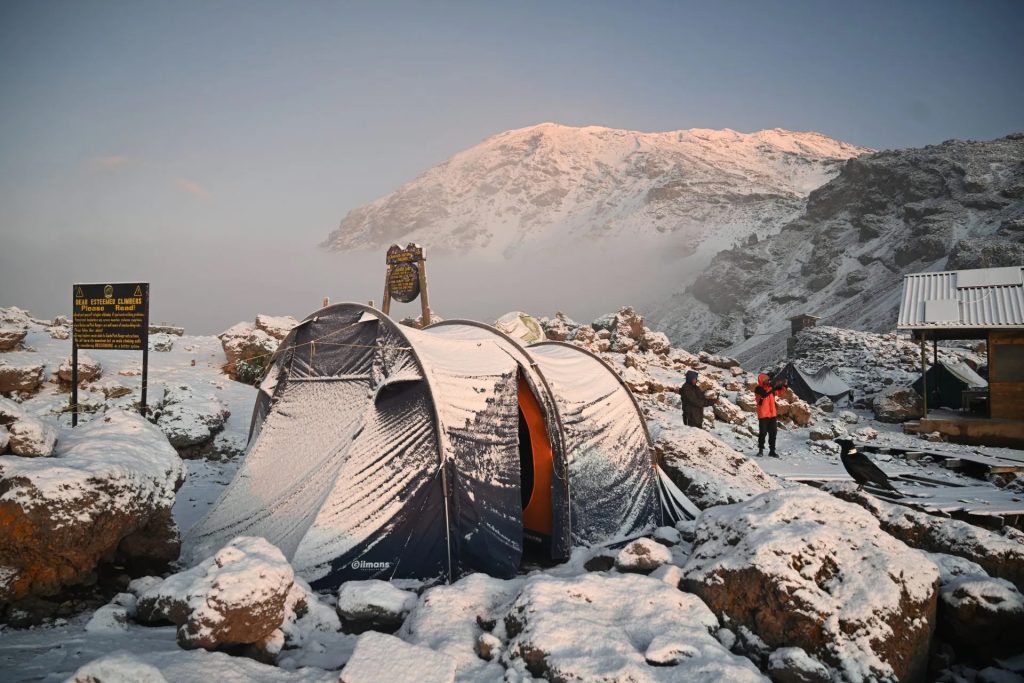
Barafu Camp is located on the southern slope of Mount Kilimanjaro, near the southeastern base of the Kibo volcanic cone. The camp sits in the alpine desert zone, where the landscape becomes dry, rocky, and exposed. It is one of the highest camps on Kilimanjaro and serves as the main resting point before climbers attempt the final summit push to Uhuru Peak.
The camp location makes it ideal for summit preparation because it is close to the top of the mountain. Climbers using popular routes such as Machame, Lemosho, and Umbwe pass through Barafu Camp before beginning their midnight summit climb. The area offers wide views of the mountain surroundings, but the high altitude creates cold temperatures and challenging conditions.
Barafu Camp Location on Kilimanjaro
Barafu Camp is located on the southern side of Mount Kilimanjaro at approximately 4,673 meters (15,330 feet) above sea level. The camp sits on a rocky ridge between the Kibo and Mawenzi volcanic peaks, giving climbers views of the mountain’s dramatic landscape.
The word “Barafu” means ice in Swahili, which reflects the cold environment found at this altitude. The camp is above the forest and moorland zones, so there are almost no trees or large plants around the area. Instead, climbers find volcanic rocks, dust, and open alpine desert scenery.
Its location makes Barafu Camp a key stop because it provides the best position for climbers to rest before the final ascent. From here, trekkers prepare for the long summit night journey toward Stella Point and Uhuru Peak.
Barafu Camp Elevation and Distance from the Summit
Barafu Camp sits at an elevation of 4,673 meters (15,330 feet) above sea level. From the camp, climbers continue upward to Uhuru Peak, which stands at 5,895 meters (19,341 feet), the highest point in Africa.
The distance from Barafu Camp to Uhuru Peak is about 5 kilometers (3.1 miles), but the climb is difficult because of the steep terrain and high altitude. Most climbers leave the camp around midnight and spend about 6 to 7 hours reaching the summit.
The elevation difference between Barafu Camp and Uhuru Peak is more than 1,200 meters, so climbers need good pacing and preparation. The thin air, cold weather, and long uphill climb make this section the hardest part of the Kilimanjaro journey.
Barafu Camp Map Overview
A map of Barafu Camp shows its position on the southern route of Mount Kilimanjaro and its connection with major trekking routes. The camp appears after Karanga Camp for climbers following the Machame, Lemosho, and Umbwe routes.
The map helps trekkers understand the final stages of the climb, including the path from Barafu Camp to Stella Point and then Uhuru Peak. It also shows the location between Kilimanjaro’s two main volcanic peaks, Kibo and Mawenzi.
Understanding the Barafu Camp location on the map helps climbers plan their route, estimate distances, and prepare for the summit attempt. It gives a clear picture of how close they are to reaching the top of Mount Kilimanjaro.
Quick Facts About Barafu Camp
Barafu Camp is one of the most important camps on Mount Kilimanjaro because it is the final resting point before the summit attempt. Located at a high altitude on the southern side of the mountain, the camp prepares climbers for the final challenge to Uhuru Peak. The area has cold weather, rocky terrain, and a unique alpine desert environment. Many climbers pass through Barafu Camp on their way to Africa’s highest point, making it one of the most famous camps on Kilimanjaro.
Elevation
Barafu Camp sits at an elevation of 4,673 meters (15,330 feet) above sea level. This high altitude means the air contains less oxygen compared to lower areas of the mountain. Climbers often feel the effects of altitude here, which makes proper rest, hydration, and preparation very important before summit day.
At this elevation, the landscape changes completely. The forest disappears, and the area becomes a dry alpine desert filled with volcanic rocks and open mountain views. The cold temperatures and thin air make Barafu Camp a challenging but memorable place to stay.
Kilimanjaro Zone
Barafu Camp is located in the Alpine Desert Zone of Mount Kilimanjaro. This is one of the highest ecological zones on the mountain, found above the moorland area and below the summit zone. The environment here is harsh, with strong winds, low temperatures, and very little vegetation.
Because of the extreme conditions, only a few plants can survive around Barafu Camp. The area mainly contains rocks, volcanic soil, and a wide open landscape. This unique environment gives climbers a feeling of being close to the summit and shows the dramatic changes that happen while climbing Kilimanjaro.
Distance to Uhuru Peak
The distance from Barafu Camp to Uhuru Peak is about 5 kilometers (3.1 miles). Although the distance may seem short, it is the most challenging part of the climb because of the steep ascent and high altitude.
Most climbers leave Barafu Camp around midnight and climb through the darkness toward Stella Point before continuing to Uhuru Peak. The journey usually takes around 6 to 7 hours, depending on fitness level, weather, and climbing pace. Reaching the summit requires patience, energy, and good preparation.
Routes That Use Barafu Camp
Barafu Camp is used by three main Kilimanjaro routes: Machame Route, Lemosho Route, and Umbwe Route. These routes approach the summit from the southern side of the mountain and use Barafu Camp as the final overnight stop before summit day.
The Machame Route is one of the most popular routes because of its scenery and good acclimatization profile. The Lemosho Route is known for its gradual climb and high summit success rate. The Umbwe Route is steeper and more challenging but also reaches Barafu Camp before the summit attempt. Each route gives climbers a different experience before reaching Africa’s highest peak.
Which Kilimanjaro Routes Reach Barafu Camp?
Three main Kilimanjaro routes reach Barafu Camp before the final summit attempt: Machame Route, Lemosho Route, and Umbwe Route. These routes approach Mount Kilimanjaro from the southern side and use Barafu Camp as the last overnight resting point before climbers begin the journey to Uhuru Peak.
Each route offers a different trekking experience. Machame is popular because of its beautiful scenery and balanced acclimatization. Lemosho is known for its gradual climb and high success rate. Umbwe is a shorter and steeper route that suits experienced climbers. Although all three routes meet at Barafu Camp, the journey to reach the camp is different depending on the chosen route.
Machame Route
Machame Route is one of the most popular routes that reaches Barafu Camp. Many climbers choose this route because it offers beautiful scenery and a good acclimatization profile. The route starts in the rainforest zone and passes through different landscapes, including the Shira Plateau, Barranco Wall, and Karanga Camp before reaching Barafu Camp.
After arriving at Barafu Camp, climbers rest and prepare for the summit attempt. The next stage begins around midnight when they start climbing toward Stella Point and Uhuru Peak. The Machame Route usually takes 6 to 7 days, giving climbers enough time to adjust to the altitude. Its combination of scenery, challenge, and success rate makes it one of the best choices for many trekkers.
Lemosho Route
Lemosho Route is another popular route that reaches Barafu Camp and is considered one of the best options for Kilimanjaro climbing. It starts on the western side of the mountain and provides a gradual ascent through rainforest, moorland, and alpine desert areas.
The route joins other southern routes before reaching Barafu Camp through Karanga Camp. Lemosho is famous for its excellent acclimatization because it allows more time for the body to adjust to altitude. This makes it a great choice for beginners and climbers looking for a higher chance of reaching Uhuru Peak.
Before reaching Barafu Camp, trekkers enjoy some of Kilimanjaro’s best scenery, including views of the Shira Plateau and the southern slopes of the mountain. Most Lemosho climbs take 7 to 8 days, making it a longer but safer option.
Umbwe Route
Umbwe Route is one of the shortest and steepest routes that reaches Barafu Camp. It approaches Kilimanjaro from the southern side and is known for its direct and challenging climb. Unlike Lemosho and Machame, Umbwe gains altitude quickly, making it more demanding.
The route joins the Machame and Lemosho paths near Barranco Camp before continuing toward Karanga Camp and finally Barafu Camp. Because of its steep nature and faster altitude gain, Umbwe is better suited for experienced trekkers who are comfortable with difficult climbs.
Although it is challenging, Umbwe offers quiet trails, dramatic landscapes, and a more adventurous experience. Climbers who choose this route still enjoy the same final approach from Barafu Camp to Uhuru Peak.
Route Comparison Table
| Route | Starting Side | Days | Difficulty | Main Advantage |
|---|---|---|---|---|
| Machame Route | Southern side | 6-7 days | Moderate | Scenic and popular route |
| Lemosho Route | Western side | 7-8 days | Moderate | Best acclimatization and high success rate |
| Umbwe Route | Southern side | 6-7 days | Difficult | Direct and less crowded adventure |
What Is It Like Staying at Barafu Camp?
Staying at Barafu Camp is a unique experience because it is the last resting point before climbing to Uhuru Peak. The camp sits at 4,673 meters, where the environment becomes cold, dry, and completely different from the lower parts of Mount Kilimanjaro. Climbers do not stay here for comfort; they stay here to prepare for one of the toughest parts of the journey.
The atmosphere at Barafu Camp is full of excitement because everyone knows the summit attempt is close. Climbers spend the afternoon resting, eating, organizing their equipment, and preparing mentally for the midnight departure. Although the conditions are challenging, the feeling of being close to Africa’s highest point makes Barafu Camp one of the most memorable stops on Kilimanjaro.
Camping Conditions
Barafu Camp has basic camping conditions because there are no permanent accommodation buildings for climbers. Most trekkers sleep in tents set up by the support crew. The ground is rocky and uneven because the camp sits in the alpine desert zone, so the area feels very different from the forest camps below.
The camp can become busy, especially during the high climbing seasons, because many routes use Barafu Camp before summit day. Climbers should expect cold temperatures, strong winds, and limited facilities. There are basic toilet facilities, but the environment remains simple and close to nature.
A warm sleeping bag, good clothing layers, and proper equipment are important for staying comfortable at Barafu Camp. The cold conditions can make resting difficult, so preparation plays a big role in helping climbers recover before the summit push.
Landscape and Views
The landscape around Barafu Camp is rocky, open, and dramatic. The camp sits above the vegetation zones, so there are no forests or large plants nearby. Instead, climbers see volcanic rocks, dry ground, and wide views of the mountain.
On clear days, trekkers can enjoy views of Kibo Peak and the surrounding areas of Mount Kilimanjaro. The sunrise and sunset views from this high-altitude camp can be unforgettable. The quiet environment and huge mountain scenery create a special feeling that many climbers remember long after finishing the trek.
The harsh landscape also shows how the environment changes as climbers move higher on Kilimanjaro. Barafu Camp represents the final stage before entering the summit zone, where conditions become colder and more challenging.
Food, Rest, and Preparation Before Summit
Food and rest are very important at Barafu Camp because climbers need energy for the final summit climb. After arriving at the camp, trekkers usually eat a meal, rest for several hours, and prepare their gear before the midnight departure.
The support team prepares meals to help climbers maintain energy at high altitude. Drinking enough water and eating properly helps the body handle the physical demands of summit night. Climbers also organize warm clothes, headlamps, gloves, and other equipment before going to sleep.
Most climbers leave Barafu Camp around midnight to begin the climb toward Stella Point and Uhuru Peak. The short rest before this climb is important because the summit day requires strength, focus, and determination. Good preparation at Barafu Camp can make the final climb more comfortable and successful.
Why Do Climbers Stay at Barafu Camp Before Summit Day?
Climbers stay at Barafu Camp because it is the final preparation point before the summit attempt on Mount Kilimanjaro. Located at 4,673 meters (15,330 feet), the camp places trekkers close to Uhuru Peak and allows them to prepare for the hardest part of the climb. From Barafu Camp, climbers begin the final ascent during the night when temperatures are colder and the trail becomes more challenging.
The camp gives climbers time to recover, organize their equipment, and adjust to the high altitude before pushing toward the summit. Although the conditions are basic and cold, staying at Barafu Camp increases the chance of a successful summit because climbers start the final stage from a strategic location.
Final Acclimatization Point
Barafu Camp works as a final acclimatization point because it exposes climbers to very high altitude before they reach the summit. At 4,673 meters, the air has less oxygen compared to lower areas of Kilimanjaro. Spending time at this elevation helps the body continue adapting before climbing higher to Uhuru Peak.
Proper acclimatization is important because the summit is almost 1,200 meters higher than Barafu Camp. Climbers need to manage their energy and allow their bodies to adjust to the changing conditions. Routes like Machame, Lemosho, and Umbwe use Barafu Camp because it provides a good position before the final climb.
Rest Before the Summit Attempt
Rest at Barafu Camp is important because summit day is the most demanding part of the Kilimanjaro climb. After several days of trekking, climbers arrive at the camp tired and need time to recover before the final push. Most climbers eat an early meal, drink water, check their equipment, and try to sleep before leaving at night.
The rest period helps save energy for the long climb ahead. The journey from Barafu Camp to Uhuru Peak requires physical effort, mental focus, and patience. Good preparation at the camp can help climbers handle the cold temperatures, steep sections, and high altitude during the summit attempt.
Starting Point for Midnight Summit Climb
Barafu Camp is the main starting point for the midnight summit climb on several Kilimanjaro routes. Climbers usually leave the camp around midnight because this timing gives them the best chance to reach Uhuru Peak around sunrise. The night climb also helps avoid some daytime heat and allows climbers to experience the famous sunrise from the summit.
From Barafu Camp, the trail goes upward through rocky terrain toward Stella Point on the crater rim. After reaching Stella Point, climbers continue along the crater edge to Uhuru Peak, the highest point in Africa. Starting from Barafu Camp makes the summit journey possible because it places climbers close enough to complete this challenging final stage.
How Hard Is the Summit From Barafu Camp?
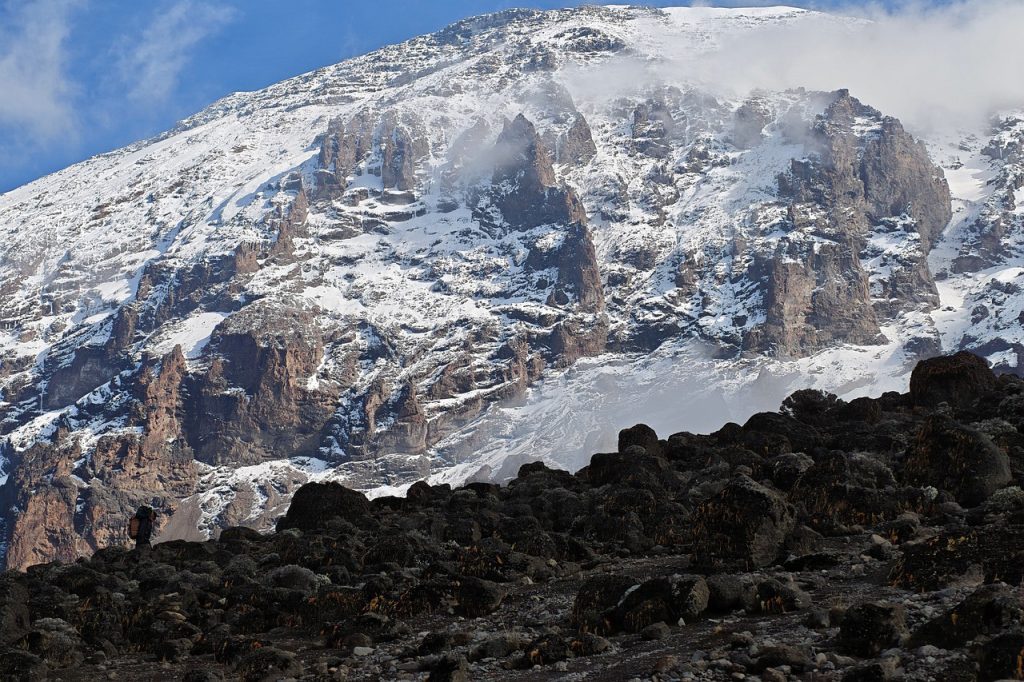
The summit climb from Barafu Camp to Uhuru Peak is the hardest and most challenging part of the Mount Kilimanjaro journey. Although the distance is not very long, the high altitude, steep trail, cold temperatures, and limited oxygen make this section difficult. Climbers start this final ascent during the night when their bodies are already tired from several days of trekking.
The challenge is not only physical but also mental. Climbers need patience, proper pacing, and determination to continue through the rocky terrain toward the highest point in Africa. With good preparation, proper acclimatization, and support from experienced guides, many climbers successfully complete this final stage.
Distance from Barafu Camp to Uhuru Peak
The distance from Barafu Camp to Uhuru Peak is approximately 5 kilometers (3.1 miles). While this may seem like a short distance, the climb is difficult because it involves a steep uphill ascent of more than 1,200 meters in elevation.
The trail begins with a steep climb through loose volcanic rocks and continues toward Stella Point on the crater rim. After reaching Stella Point, climbers follow the crater edge to Uhuru Peak. The slow pace required at this altitude makes the short distance feel much longer.
The final climb from Barafu Camp is considered one of the most demanding mountain sections because every step requires more effort in the thin air.
Time Needed to Reach the Summit
Most climbers need around 6 to 7 hours to reach Uhuru Peak from Barafu Camp. The climb usually starts around midnight, allowing trekkers to arrive at the summit in time for sunrise.
The pace is intentionally slow because the altitude makes breathing harder and energy levels decrease faster. Climbers usually take short breaks along the way to drink water, eat snacks, and recover before continuing upward.
After reaching Uhuru Peak, climbers do not finish the day immediately. They descend back down the mountain, usually returning to Barafu Camp for a short rest before continuing to a lower camp. Summit day can become one of the longest and most exhausting days of the entire Kilimanjaro adventure.
Stella Point and Uhuru Peak Challenge
Reaching Stella Point is one of the biggest challenges during the summit climb. Located at 5,739 meters (18,831 feet), Stella Point sits on the edge of the Kilimanjaro crater. Many climbers feel extremely tired when they arrive because they have already completed the steepest part of the climb.
From Stella Point, the trail continues along the crater rim to Uhuru Peak. This final section is less steep but still challenging because of the altitude and cold conditions. Climbers need to continue slowly while protecting their energy.
Uhuru Peak stands at 5,895 meters (19,341 feet) and represents the final goal of the Kilimanjaro climb. Standing at the summit after the difficult journey from Barafu Camp is a rewarding experience and one of the greatest achievements for many trekkers.
Barafu Camp Weather and Temperature
The weather at Barafu Camp is cold and unpredictable because of its high elevation on Mount Kilimanjaro. Located at 4,673 meters (15,330 feet), the camp experiences alpine desert conditions with strong winds, low temperatures, and very little vegetation. Climbers need to prepare for freezing conditions, especially before the summit attempt.
The temperature at Barafu Camp can change quickly during the day and night. Even when the weather looks calm, the high altitude can make the environment feel much colder. Proper clothing and equipment are essential to stay warm, rest well, and prepare for the final climb to Uhuru Peak.
Daytime Weather Conditions
During the day, Barafu Camp usually has cold but manageable weather conditions. Temperatures can range around 0°C to 10°C depending on the season and weather conditions. The sun can feel strong at this altitude because there is less atmosphere protecting climbers from direct sunlight.
The area is mostly dry with rocky ground and strong winds. Rain is less common compared to lower sections of Kilimanjaro, but weather can change quickly. Climbers often experience sunshine, clouds, and wind within a short period.
Although daytime temperatures may not feel extremely cold, the wind and high altitude can make the conditions feel much colder. Wearing layers allows climbers to adjust easily while resting or moving around the camp.
Night Temperature Before Summit
Night temperatures at Barafu Camp are much colder, especially before the summit climb begins. Temperatures can drop between -5°C and -15°C, and sometimes feel colder because of strong winds. This is why climbers need warm sleeping bags and proper cold-weather gear.
Most climbers leave Barafu Camp around midnight when temperatures are at their lowest. The first hours of the summit climb are usually the coldest part of the entire Kilimanjaro trek. Warm gloves, insulated jackets, and good layering become very important during this stage.
The cold combined with high altitude makes summit night challenging. Staying warm at Barafu Camp helps climbers save energy and focus on reaching Stella Point and Uhuru Peak.
What Clothes Do You Need for Barafu Camp?
Climbers need warm and comfortable clothing to stay safe and prepared at Barafu Camp. The most important items include a warm jacket, thermal layers, gloves, a hat, and a good sleeping bag designed for freezing temperatures.
A layering system works best because conditions can change throughout the day. Climbers can remove layers when walking and add more warmth when resting at camp. Recommended clothing includes:
- Thermal base layers to keep body heat
- Fleece or warm mid-layers
- Insulated down or synthetic jacket
- Waterproof and windproof outer jacket
- Warm gloves and beanie
- Thick hiking socks
- Headlamp for the midnight summit climb
Good clothing preparation helps climbers stay comfortable at Barafu Camp and improves their ability to handle the final challenge toward Uhuru Peak.
What Should You Pack for Barafu Camp?
Packing the right equipment for Barafu Camp is important because the camp is located at a high altitude with cold temperatures and challenging conditions. Since Barafu Camp is the final stop before the summit attempt, climbers need to carry items that help them stay warm, comfortable, and prepared for the midnight climb to Uhuru Peak.
Unlike lower camps on Mount Kilimanjaro, Barafu Camp has a cold alpine desert environment with limited facilities. A good packing list helps climbers rest properly, maintain energy, and handle the difficult summit conditions. Every item should have a purpose, especially clothing, sleeping gear, and summit equipment.
Warm Clothing and Sleeping Gear
Warm clothing and sleeping gear are some of the most important items for staying at Barafu Camp. Temperatures can drop below freezing at night, so climbers need proper protection from the cold. A quality sleeping bag rated for cold conditions helps the body recover before the summit attempt.
Important warm items include:
- Thermal base layers
- Fleece jacket or warm mid-layer
- Insulated down or synthetic jacket
- Waterproof and windproof jacket
- Warm gloves
- Wool or thermal socks
- Warm hat or beanie
A comfortable sleeping setup is essential because climbers usually get only a few hours of rest before starting the summit climb. A good sleeping bag, warm clothes, and dry layers help save energy for the final ascent.
Headlamp and Summit Equipment
A headlamp is one of the most important pieces of equipment for Barafu Camp because the summit climb starts around midnight. Climbers leave the camp in darkness and need reliable light to follow the rocky trail toward Stella Point and Uhuru Peak.
Before leaving the camp, climbers should prepare their summit equipment, including:
- Headlamp with extra batteries
- Trekking poles for balance
- Sunglasses for strong sunlight
- Small backpack for personal items
- Camera or phone for photos
- Waterproof cover for electronics
The summit trail is challenging because of darkness, cold, and high altitude. Having the correct equipment makes the climb safer and more comfortable.
Water, Snacks, and Personal Items
Staying hydrated and maintaining energy are very important at Barafu Camp. At high altitude, the body uses more energy, and dehydration can make climbing more difficult. Climbers should carry enough water and use a bottle or hydration system that can handle cold temperatures.
Useful items include:
- Water bottles or hydration pack
- Energy snacks such as chocolate, nuts, or energy bars
- Personal medication
- Sunscreen and lip balm
- Small toiletries
- Hand sanitizer
- Extra batteries or power bank
Small personal items can make a big difference during the final stage of the climb. Proper preparation at Barafu Camp allows climbers to focus on reaching Uhuru Peak and enjoying one of Africa’s greatest mountain adventures.
How Barafu Camp Helps With Summit Success
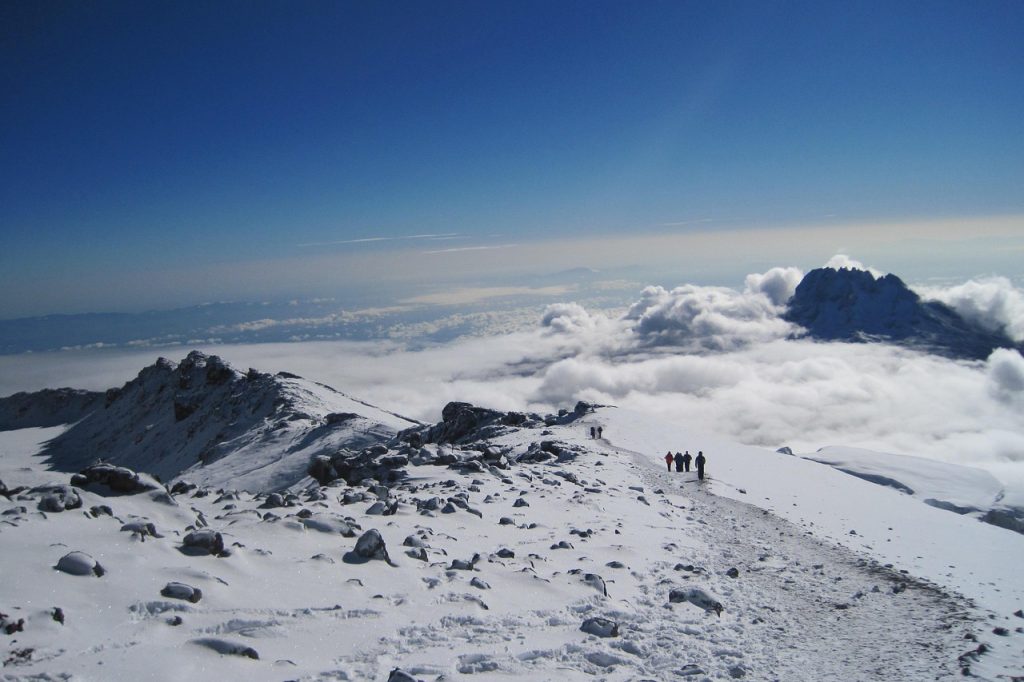
Barafu Camp plays an important role in summit success because it prepares climbers for the final challenge of reaching Uhuru Peak. Located at 4,673 meters (15,330 feet), the camp gives trekkers experience at high altitude before they climb to the highest point of Mount Kilimanjaro. The time spent at Barafu Camp allows climbers to rest, organize their equipment, and prepare mentally for summit day.
Reaching the summit is not only about physical strength. Proper acclimatization, good preparation, enough rest, and a steady pace all influence the chance of success. Barafu Camp provides the right location for climbers to recover before starting the demanding night climb toward Stella Point and Uhuru Peak.
High Altitude Experience
Barafu Camp gives climbers valuable experience at high altitude before the summit attempt. At 4,673 meters, the air contains less oxygen than at lower elevations, so the body must work harder. Spending time at this elevation helps climbers understand how their bodies respond before going even higher.
Many climbers notice changes such as slower movement, deeper breathing, or lower energy levels at this altitude. This experience helps them adjust their pace and prepare for the conditions they will face during the summit climb.
The high-altitude environment at Barafu Camp also teaches climbers the importance of hydration, rest, and listening to their bodies. These factors become very important during the final ascent to Uhuru Peak.
Importance of Proper Rest
Proper rest at Barafu Camp is one of the biggest factors that helps climbers prepare for summit day. After several days of trekking, the body needs time to recover before the hardest climb begins.
Most climbers arrive at Barafu Camp in the afternoon, eat a meal, organize their gear, and rest before the midnight departure. Although sleeping can be difficult because of the cold and altitude, even a few hours of rest helps save energy for the long summit climb.
A tired climber may struggle more with the steep trail, cold temperatures, and thin air. Good rest allows climbers to start the summit attempt with more energy, better focus, and stronger motivation.
Acclimatization and Summit Preparation
Barafu Camp supports acclimatization and final summit preparation by placing climbers close to the top while still allowing time to adjust. The camp is part of longer routes like Machame and Lemosho, which already include gradual altitude gains before reaching this point.
Before leaving Barafu Camp, climbers prepare their warm clothing, headlamps, water, and snacks for the summit night. Guides also check that everyone is ready and understands the pace needed for the climb.
The combination of altitude experience, proper rest, and careful preparation increases the chance of reaching Uhuru Peak successfully. Barafu Camp is more than just a campsite; it is the final stage where climbers prepare both physically and mentally for the biggest moment of their Kilimanjaro adventure.
Is Barafu Camp Safe?
Yes, Barafu Camp is generally safe for climbers when they prepare properly and climb with an experienced team. The camp is used by thousands of trekkers every year as the final resting point before the summit attempt on Mount Kilimanjaro. However, its high altitude, cold temperatures, and difficult conditions mean climbers need to take safety seriously.
Barafu Camp does not have the comfort of lower mountain camps, and the environment can feel challenging. Climbers must follow their guide’s advice, stay hydrated, rest properly, and prepare well for the summit climb. Good preparation and a professional support team help reduce risks and make the experience safer.
Altitude Challenges
The biggest challenge at Barafu Camp is the high altitude. Sitting at 4,673 meters (15,330 feet), the camp has much less oxygen compared to lower areas of Mount Kilimanjaro. Some climbers may experience altitude-related symptoms such as headaches, tiredness, shortness of breath, or difficulty sleeping.
The best way to handle altitude challenges is through proper acclimatization and a slow climbing pace. Routes that spend more days on the mountain give the body more time to adjust before reaching Barafu Camp.
Climbers should also listen to their bodies and inform their guides if they feel unwell. Ignoring altitude problems can make the summit attempt more difficult. Good preparation, hydration, and rest help climbers manage the conditions at this high-altitude camp.
Importance of Experienced Guides
Experienced guides play an important role in keeping climbers safe at Barafu Camp and during the summit climb. They understand the mountain conditions, weather changes, and signs of altitude problems. Their knowledge helps climbers make better decisions throughout the journey.
Guides control the pace of the climb, encourage proper hydration, and check how climbers are feeling before the summit attempt. During the midnight climb, they guide trekkers through the dark and challenging terrain toward Stella Point and Uhuru Peak.
Choosing a reliable climbing company with trained guides improves the overall experience. A good guide provides support, motivation, and safety from the moment climbers arrive at Barafu Camp until they complete their summit journey.
Emergency Support and Safety Preparation
Safety preparation is important because Barafu Camp is located in a remote high-altitude environment. Professional climbing teams carry essential safety equipment and have plans for handling emergencies during the trek.
Important safety preparation includes:
- First aid equipment
- Communication devices
- Emergency evacuation plans
- Trained mountain guides
- Proper health checks during the climb
Climbers should also prepare personally by carrying suitable clothing, travel insurance, necessary medication, and the right equipment. The combination of good preparation and professional support helps climbers stay safe while experiencing one of the world’s most famous mountain adventures.
Barafu Camp vs Kibo Hut
Barafu Camp and Kibo Hut are the two main high-altitude camps used before the final summit attempt on Mount Kilimanjaro. Both camps serve the same purpose: giving climbers a place to rest before reaching Uhuru Peak. However, they are located on different sides of the mountain and are used by different Kilimanjaro routes.
Barafu Camp is mainly used by southern routes, while Kibo Hut serves climbers coming from the northern and eastern sides. The choice between these camps depends on the route selected, acclimatization plan, and the overall trekking experience a climber wants.
Main Differences
The biggest difference between Barafu Camp and Kibo Hut is their location and the routes that use them. Barafu Camp sits on the southern side of Kilimanjaro at 4,673 meters (15,330 feet), while Kibo Hut sits higher at about 4,703 meters (15,430 feet) on the eastern side of the Kibo cone.
Barafu Camp is a tented campsite located in the alpine desert zone. Climbers stay in tents with basic facilities and prepare for the summit climb in a rugged environment. Kibo Hut is a permanent-style hut camp where climbers usually sleep in shared rooms.
Another difference is the summit approach. From Barafu Camp, climbers climb through the southern route toward Stella Point before reaching Uhuru Peak. From Kibo Hut, climbers follow a more direct route across the Kibo saddle toward the crater rim.
Which Camp Is Better for Summit Preparation?
Both Barafu Camp and Kibo Hut can prepare climbers for summit day, but the better option depends on the route and climbing style. Barafu Camp is often preferred because routes like Lemosho and Machame provide better acclimatization before reaching the camp.
The longer approach through routes using Barafu Camp allows the body more time to adjust to altitude. This gradual climb can improve comfort and increase the chance of reaching the summit successfully.
Kibo Hut also provides a good starting point because it is close to the summit. However, some routes reaching Kibo Hut have fewer acclimatization opportunities, which can make the altitude feel more challenging.
For many climbers, Barafu Camp offers a stronger preparation experience because of the longer routes and better acclimatization profile.
Routes Using Each Camp
| Camp | Kilimanjaro Route | Route Experience |
|---|---|---|
| Barafu Camp | Machame Route | One of the most popular routes with scenic landscapes, good acclimatization, and a southern approach to the summit. |
| Barafu Camp | Lemosho Route | A longer route with gradual altitude gain, excellent acclimatization, and beautiful views before reaching the summit. |
| Barafu Camp | Umbwe Route | A steep and challenging route for experienced climbers that joins the southern circuit before Barafu Camp. |
| Kibo Hut | Marangu Route | The only Kilimanjaro route with hut accommodation, offering a more direct summit approach. |
| Kibo Hut | Rongai Route | A quieter northern route that crosses toward the Kibo side before the summit climb. |
| Kibo Hut | Northern Circuit Route | A longer route with excellent acclimatization that approaches the summit through the Kibo area. |
Summary:
Both Barafu Camp and Kibo Hut serve as important starting points for the final summit attempt. The best choice depends on your route, acclimatization needs, and the type of Kilimanjaro experience you want.
Best Time to Visit Barafu Camp
The best time to visit Barafu Camp depends on weather conditions, trail conditions, and your climbing goals. Since Barafu Camp sits at 4,673 meters (15,330 feet) on Mount Kilimanjaro, the weather can change quickly and temperatures remain cold throughout the year. Choosing the right season can make the climb more comfortable and improve your overall summit experience.
The main climbing seasons are usually January to March and June to October. These periods offer better weather conditions, clearer views, and more stable trekking conditions. The rainy seasons can still be possible for experienced climbers, but they bring more challenges such as wet trails, clouds, and lower visibility.
January to March
January to March is one of the best times to visit Barafu Camp because the weather is generally stable and the mountain is less crowded compared to the peak season. During this period, climbers can enjoy clearer views of Kilimanjaro and a quieter trekking experience.
Temperatures at Barafu Camp remain cold, especially at night, but the conditions are usually manageable with proper clothing and equipment. The trails are often drier, making the journey toward the summit more comfortable.
This season is a good choice for climbers who want a balance between good weather and fewer people on the mountain. The clear skies also provide excellent opportunities to see the surrounding landscape and enjoy sunrise views from the summit.
June to October
June to October is the most popular climbing season on Mount Kilimanjaro, and many climbers choose this period to visit Barafu Camp. The weather is usually dry, with good visibility and more predictable conditions.
The colder temperatures during these months make proper warm clothing important, especially when staying at Barafu Camp before the midnight summit climb. However, the dry weather creates better trail conditions and reduces the chance of rain affecting the climb.
Because this is the busiest season, camps and routes can become crowded. Climbers who prefer a quieter experience may choose longer routes or travel during less busy months. Despite the crowds, June to October remains a favorite time because of the excellent climbing conditions.
Rainy Seasons
The rainy seasons on Kilimanjaro usually happen from March to May and around November. During these months, visiting Barafu Camp is still possible, but climbers should expect more difficult conditions.
Rain can make lower sections of the mountain muddy and slippery, while clouds may reduce visibility around the higher camps. At Barafu Camp, temperatures can feel colder because of wind, moisture, and changing weather.
The advantage of climbing during rainy seasons is fewer crowds and a quieter mountain experience. Experienced climbers who prepare well may still enjoy the trek, but beginners often prefer the drier months for a more comfortable and predictable climb.
No matter the season, proper preparation, good equipment, and choosing the right route are important for a successful Barafu Camp experience.
Barafu Camp is one of the most important camps on Mount Kilimanjaro, and many climbers have questions before reaching this high-altitude resting point. Understanding the camp’s altitude, conditions, and summit connection helps trekkers prepare better for their Kilimanjaro adventure.
Barafu Camp is located at an elevation of 4,673 meters (15,330 feet) above sea level. It sits on the southern side of Mount Kilimanjaro in the alpine desert zone, making it one of the highest camps used before the summit attempt.
Yes, beginners can stay at Barafu Camp if they choose a suitable route and prepare properly. Many first-time climbers reach Barafu Camp through routes like the Lemosho Route and Machame Route because these routes allow more time for acclimatization.
Barafu Camp itself is not the biggest challenge; the difficult part is the summit climb that starts from the camp. Beginners need good physical preparation, proper equipment, and support from experienced guides to handle the cold temperatures and high altitude.
Barafu Camp can become very cold, especially at night before the summit climb. Temperatures can drop to around -5°C to -15°C depending on the season and weather conditions. Strong winds can make it feel even colder.
Because climbers leave Barafu Camp around midnight, they need warm clothing such as thermal layers, insulated jackets, gloves, and a good sleeping bag. Staying warm during the night helps save energy for the final climb toward Uhuru Peak.
It usually takes around 6 to 7 hours to climb from Barafu Camp to Uhuru Peak. Climbers normally start around midnight and aim to reach the summit around sunrise.
The distance is approximately 5 kilometers (3.1 miles), but the climb feels challenging because of the steep trail, cold weather, and high altitude. The route passes through Stella Point on the crater rim before continuing to Uhuru Peak.
After reaching the summit, climbers begin their descent back down the mountain. The summit day is long and demanding, but reaching Uhuru Peak after starting from Barafu Camp becomes one of the most rewarding moments of the Kilimanjaro climb.
Final Thoughts on Barafu Camp Kilimanjaro
Barafu Camp Kilimanjaro is more than just a place to sleep before reaching the summit. It is the final preparation point where climbers rest, recover, and get ready for the biggest challenge of their Mount Kilimanjaro journey. Located at 4,673 meters (15,330 feet), the camp places trekkers close to Uhuru Peak and marks the beginning of the unforgettable summit attempt.
Although the conditions at Barafu Camp are cold, rocky, and basic, the experience makes it one of the most memorable stops on the mountain. The views, the high-altitude environment, and the feeling of being close to Africa’s highest point create a special atmosphere that many climbers never forget.
Choosing the right route, preparing with proper equipment, allowing enough time for acclimatization, and following experienced guides can greatly improve your chances of reaching the summit. Whether you climb through the Machame, Lemosho, or Umbwe Route, Barafu Camp will always remain an important part of the Kilimanjaro adventure.
For many trekkers, standing at Barafu Camp before summit night represents the moment when a dream becomes real. From this camp, the final steps toward Uhuru Peak begin, leading to one of the greatest mountain achievements in the world.