Mount Kilimanjaro Facts
Mount Kilimanjaro is one of the world’s most fascinating mountains. In this guide, you will learn Interesting Facts About Mt. Kilimanjaro, including its geography, wildlife, glaciers, history, and climbing records. It is the highest mountain in Africa, a free-standing volcano, and one of the Seven Summits. This article explains everything in a simple and clear way.
- Kilimanjaro is one of the world’s most fascinating mountains because it is the highest in Africa and the tallest free-standing mountain on Earth.
- In this article, you will learn quick facts, geography details, climbing challenges, wildlife, glaciers, history, records, and surprising truths about Mount Kilimanjaro.
Table of contents
- Mount Kilimanjaro Facts
- Quick Facts About Mount Kilimanjaro
- Interesting Geography Facts About Mount Kilimanjaro
- Interesting Climbing Facts About Mount Kilimanjaro
- Interesting Wildlife and Nature Facts
- Interesting Glacier and Climate Facts
- Interesting History Facts About Mount Kilimanjaro
- Fun and Surprising Facts About Mount Kilimanjaro
- Records and Achievements on Kilimanjaro
- Final Thoughts on Interesting Facts About Mt. Kilimanjaro
- Read Also:
Quick Facts About Mount Kilimanjaro
Mount Kilimanjaro stands as one of the most important natural landmarks in the world. This section gives you a clear overview of its main facts, including its location, height, structure, and why it is globally recognized. These quick facts help readers understand the mountain before going deeper into detailed topics like geography, climbing, and history.
Mount Kilimanjaro at a Glance
Mount Kilimanjaro is a dormant volcano in northeastern Tanzania near the Kenyan border. It rises to 5,895 meters (19,341 feet), making it the highest mountain in Africa. The mountain stands alone above the surrounding plains, which makes it the tallest free-standing mountain in the world. It has three volcanic cones: Kibo, Mawenzi, and Shira, with Uhuru Peak on Kibo as the highest point. Many climbers visit Kilimanjaro because it allows trekking to a very high altitude without technical climbing skills.
Quick Facts Table
| Fact | Detail |
|---|---|
| Location | Tanzania, East Africa |
| Height | 5,895 meters (19,341 feet) |
| Highest Point | Uhuru Peak |
| Mountain Type | Dormant stratovolcano |
| Volcanic Cones | Kibo, Mawenzi, Shira |
| Status | Free-standing mountain |
| National Park | Kilimanjaro National Park |
| UNESCO Site | Yes |
| Climbing Type | Trekking (non-technical) |
Why Kilimanjaro Is World Famous
Mount Kilimanjaro is world famous because it combines height, beauty, and accessibility in one destination. It is the highest mountain in Africa and part of the Seven Summits challenge, which attracts climbers from around the world. It also allows non-technical trekking, so people do not need ropes or climbing equipment to reach the summit.
Another reason for its fame is its unique environment. Climbers pass through five different ecological zones, starting from rainforest at the base and ending in icy conditions at the summit. This rare combination of accessibility, diversity, and global recognition makes Kilimanjaro one of the most famous mountains on Earth.
Interesting Geography Facts About Mount Kilimanjaro
Mount Kilimanjaro has unique geographical features that make it one of the most remarkable mountains in the world. It rises independently from the surrounding plains, reaches extreme height, and contains different volcanic structures and ecological zones. These geography facts help explain why Kilimanjaro looks so different from other mountains and why it attracts global attention.
Kilimanjaro Is the Highest Mountain in Africa
Mount Kilimanjaro is the highest mountain in Africa with an elevation of 5,895 meters (19,341 feet) above sea level. It dominates the landscape of northern Tanzania and can be seen from far distances on clear days. This height makes it a major landmark on the continent and a top destination for climbers who want to reach Africa’s highest point.
It Is the World’s Tallest Free-Standing Mountain
Kilimanjaro is the tallest free-standing mountain in the world because it does not belong to a mountain range. It rises directly from the flat plains of Tanzania without connecting peaks around it. This isolated structure makes it visually dramatic and scientifically interesting because it stands alone with no surrounding highland support.
Kilimanjaro Has Three Volcanic Cones
Mount Kilimanjaro consists of three volcanic cones: Kibo, Mawenzi, and Shira. Kibo is the highest cone and contains Uhuru Peak, the summit of the mountain. Mawenzi has sharp rugged peaks, while Shira is an older cone that has mostly collapsed over time. These cones show that Kilimanjaro formed through volcanic activity over thousands of years.
It Contains Five Major Ecological Zones
Mount Kilimanjaro has five major ecological zones: cultivated zone, rainforest, heath and moorland, alpine desert, and arctic summit. Each zone has different climate conditions, plants, and animals. As climbers move higher, they experience a full environmental transition from warm tropical conditions to freezing arctic conditions. This makes Kilimanjaro one of the few places in the world with such rapid ecological change in a single climb.
Interesting Climbing Facts About Mount Kilimanjaro
Mount Kilimanjaro is one of the few high mountains in the world that people can climb without technical mountaineering skills. This makes it very popular, but it still presents serious challenges such as altitude, weather changes, and endurance demands. These climbing facts show what makes the journey to the summit both possible and difficult at the same time.
No Technical Climbing Skills Are Required
Climbers do not need ropes, ice axes, or advanced climbing training to reach the summit of Mount Kilimanjaro. Most routes involve hiking on established trails rather than technical rock or ice climbing. This allows beginners with good fitness levels to attempt the climb. However, climbers still need proper preparation, mental strength, and endurance because the altitude makes the journey more demanding as they go higher.
Thousands of People Climb Kilimanjaro Every Year
Every year, thousands of people from different countries travel to Tanzania to climb Mount Kilimanjaro. It is one of the most popular trekking mountains in the world because it offers a chance to reach a very high summit without technical skills. Tour companies organize guided climbs throughout the year, and the mountain supports a large climbing industry that helps local communities.
Altitude Is the Biggest Challenge
Altitude is the main difficulty on Mount Kilimanjaro, not technical climbing. As climbers go higher, oxygen levels decrease, and the body becomes weaker. This can lead to altitude sickness, which affects people regardless of their fitness level. Symptoms can include headache, fatigue, and nausea. Proper acclimatization and slow ascent are important for increasing the chances of reaching the summit safely.
Summit Success Depends on Route Length
The success of reaching Uhuru Peak depends heavily on the route and the number of days spent on the mountain. Longer routes give climbers more time to adjust to altitude changes, which improves success rates. Shorter routes are more physically demanding and increase the risk of turning back before the summit. Choosing the right route is one of the most important decisions for climbers.
Interesting Wildlife and Nature Facts
Mount Kilimanjaro is not only a climbing destination but also a rich natural habitat with diverse wildlife and plant life. The mountain supports different ecosystems that change with altitude, creating environments for both large animals and unique plant species. These nature facts show how life adapts to the mountain’s changing conditions.
Kilimanjaro Is Home to Elephants and Buffalo
The lower slopes of Mount Kilimanjaro support large African wildlife such as elephants and buffalo. These animals move through forested areas where food and water are available. The mountain’s base is part of a wider ecosystem that connects with surrounding national parks and conservation areas. This makes Kilimanjaro an important habitat for wildlife movement and survival.
Giant Groundsels Grow on the Mountain
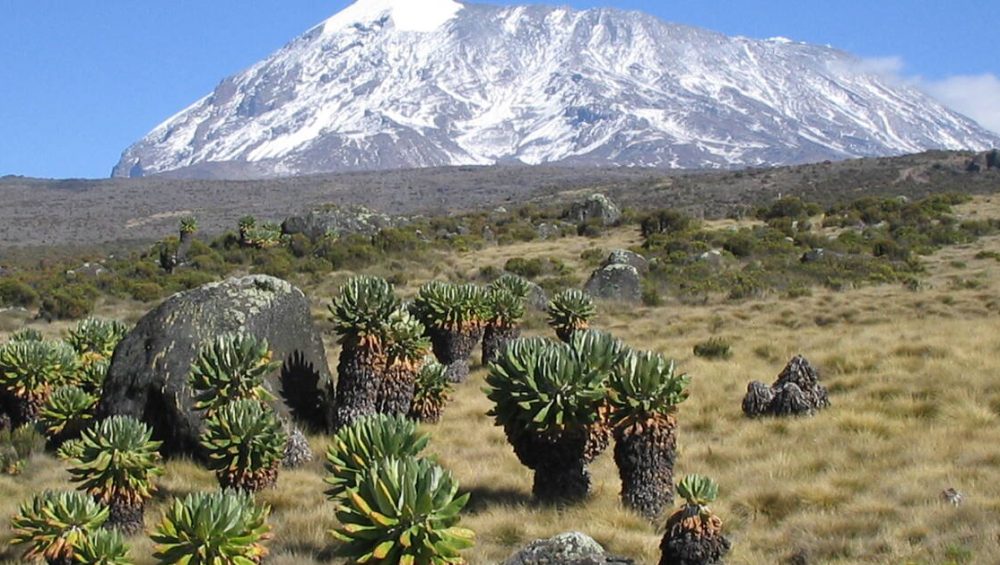
Giant groundsels are unusual plants that grow in the higher zones of Mount Kilimanjaro. These plants have thick stems and large leaves that help them survive cold temperatures at high altitude. Their strange appearance makes them one of the most interesting botanical features on the mountain. They are often found in the moorland zone, where conditions are harsh but still support specialized plant life.
The Mountain Supports Diverse Ecosystems
Mount Kilimanjaro supports multiple ecosystems that change dramatically with elevation. These include rainforest at the base, heath and moorland in the middle zones, and alpine desert near the upper regions. Each ecosystem has its own climate, rainfall patterns, and living organisms. This vertical diversity makes Kilimanjaro one of the most ecologically rich mountains in the world.
Unique Plants Survive Extreme Conditions
Many plants on Mount Kilimanjaro have adapted to survive extreme conditions such as cold temperatures, strong winds, and low oxygen levels. Some plants grow close to the ground to avoid wind damage, while others store water to survive dry conditions. These adaptations allow life to exist even in areas that appear too harsh for vegetation.
Interesting Glacier and Climate Facts
Mount Kilimanjaro has one of the most unusual climates in the world because it sits near the equator but still supports ice, snow, and glaciers at its highest peaks. The climate changes dramatically with altitude, creating extreme contrasts from warm base conditions to freezing summit environments. These facts show how unique Kilimanjaro’s weather and glaciers really are.
Kilimanjaro Has Glaciers Near the Equator
Mount Kilimanjaro is one of the few places in the world where glaciers exist near the equator. Even though it is located in a tropical region, its high elevation allows ice to form and remain at the summit area. These glaciers sit on the upper slopes of Kibo, creating a rare combination of tropical location and polar-like conditions.
The Ice Fields Are Shrinking
The ice fields on Mount Kilimanjaro have been shrinking over time due to changing climate conditions. Scientists have observed a significant reduction in glacier size compared to the past. This makes Kilimanjaro an important natural site for studying climate change and its long-term effects on high-altitude environments.
Snow Can Fall on Kilimanjaro
Snow can fall on Mount Kilimanjaro, especially near the summit area. Even though the mountain is close to the equator, its high altitude creates temperatures cold enough for snowfall. This snow adds to the mountain’s iconic appearance, especially when seen on the summit during clear weather conditions.
Temperatures Change Dramatically With Altitude
Temperature on Mount Kilimanjaro changes rapidly as altitude increases. The base of the mountain has warm tropical weather, while the summit experiences freezing conditions. This sharp temperature shift happens because the air becomes thinner and colder at higher elevations. Climbers experience multiple climate zones in a single ascent, from hot forests to icy summit conditions.
Interesting History Facts About Mount Kilimanjaro
Mount Kilimanjaro has a rich history shaped by exploration, local culture, and global mountaineering achievements. Its past includes early summit attempts, naming history, and its symbolic connection to Tanzania’s independence. These history facts show how Kilimanjaro became one of the most famous mountains in the world.
The First Recorded Summit
The first recorded successful ascent of Mount Kilimanjaro happened in 1889 when German geographer Hans Meyer and Austrian mountaineer Ludwig Purtscheller reached the summit of Kibo. Their climb marked a major milestone in African exploration. Before this success, many attempts failed due to harsh weather, altitude challenges, and lack of proper equipment. This achievement opened the way for future climbers to explore the mountain.
How Uhuru Peak Got Its Name
Uhuru Peak, the highest point of Mount Kilimanjaro, got its name after Tanzania’s independence. “Uhuru” means “freedom” in Swahili. The name reflects the country’s liberation from colonial rule in 1961. Renaming the summit symbolized national pride and independence, turning the mountain into an important cultural and historical landmark for Tanzania.
Kilimanjaro and Tanzania’s Independence
Mount Kilimanjaro holds strong symbolic value in Tanzania’s independence history. After independence, the mountain became a national symbol representing freedom, unity, and identity. Its image appears in national symbols and tourism branding. Kilimanjaro is not just a natural wonder but also a proud representation of Tanzania’s independence journey.
Kilimanjaro’s Place Among the Seven Summits
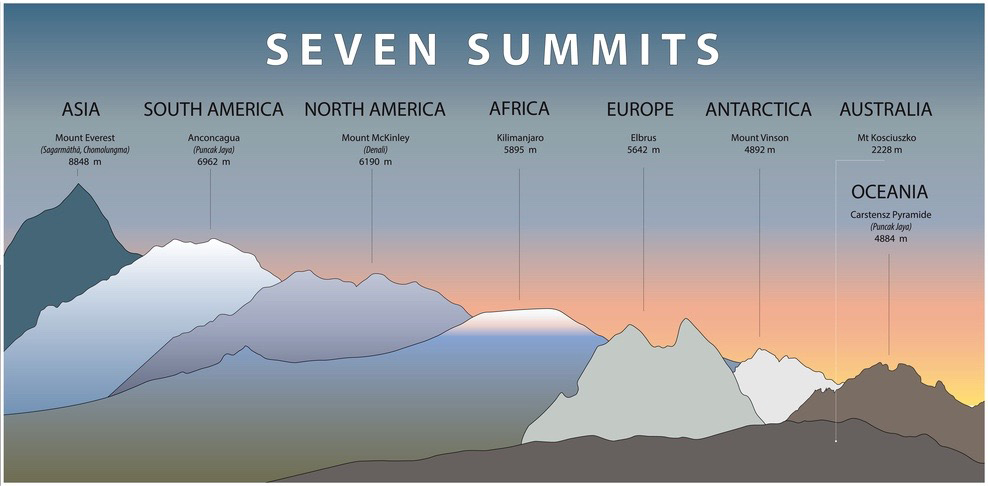
Mount Kilimanjaro is one of the Seven Summits, which are the highest mountains on each continent. This global list attracts climbers who aim to complete all seven peaks. Kilimanjaro is considered the most accessible of the Seven Summits because it does not require technical climbing skills. This makes it an important starting point for many mountaineers pursuing the challenge.
Fun and Surprising Facts About Mount Kilimanjaro
Mount Kilimanjaro is full of surprising features that make it different from most mountains in the world. It combines multiple climate zones, cultural importance, and global recognition in one place. These fun facts show why Kilimanjaro continues to amaze travelers, scientists, and climbers.
You Can Walk From Rainforest to Arctic Conditions
One of the most surprising facts about Mount Kilimanjaro is that climbers move from a tropical rainforest at the base to arctic-like conditions near the summit. This happens because altitude changes create different climate zones. In just a few days of hiking, a person experiences environments similar to traveling from the equator to the polar regions, making the climb extremely unique.
The Summit Is Higher Than Most Clouds
The summit of Mount Kilimanjaro rises above most cloud layers. When climbers reach the top, they often stand above a sea of clouds covering the lower landscape. This creates a powerful visual experience where the sky appears below the summit. This high elevation is one reason Kilimanjaro is known for its breathtaking sunrise views.
Kilimanjaro Appears on Tanzania’s National Symbols
Mount Kilimanjaro is featured on several of Tanzania’s national symbols, including currency and official emblems. It represents strength, natural beauty, and national pride. Its image is widely used in tourism branding, making it one of the most recognizable symbols of the country both locally and internationally.
The Mountain Inspired Books and Films
Mount Kilimanjaro has inspired many writers, filmmakers, and artists over the years. Its dramatic landscape and legendary status have appeared in literature and documentaries. The mountain’s beauty and challenge continue to attract creative storytelling that highlights adventure, nature, and human endurance.
Records and Achievements on Kilimanjaro
Mount Kilimanjaro has become a stage for remarkable human achievements. People from different ages, backgrounds, and fitness levels have attempted to reach its summit, and many have set impressive records along the way. These records show how the mountain continues to challenge endurance, speed, and determination.
Fastest Known Ascents
Fastest known ascents of Mount Kilimanjaro involve climbers reaching the summit in extremely short times compared to normal multi-day treks. These record attempts require excellent physical fitness, altitude adaptation, and strong mental focus. While most climbers take several days to reach Uhuru Peak, speed climbers push the limits by ascending and descending in a very short period, often within a single day or just a few days depending on the route and conditions.
Youngest Climbers
Mount Kilimanjaro has been climbed by young adventurers who show that age does not always limit achievement. The youngest climbers typically follow strict safety rules, guided support, and gradual acclimatization plans. These achievements highlight how determination and proper preparation can allow younger individuals to reach one of the highest points in Africa.
Oldest Climbers
Older climbers have also successfully reached the summit of Mount Kilimanjaro, proving that age is not a barrier when preparation and health are carefully managed. Many older adventurers take longer routes to allow better acclimatization. These achievements show that with proper guidance, fitness, and pacing, even senior climbers can reach Uhuru Peak.
Most Climbed Route
The Marangu Route is often recognized as one of the most commonly used and most climbed routes on Mount Kilimanjaro. It is popular because it offers hut accommodations and a more direct path to the summit. However, its shorter duration can reduce acclimatization time, making proper preparation important for success. Other routes are also popular, but Marangu remains widely used by many climbers each year.
Mount Kilimanjaro raises many common questions because it is both unique and widely visited. These FAQs help clarify the most important facts about the mountain, including its geography, fame, volcanic nature, and snow conditions.
The most interesting fact about Mount Kilimanjaro is that it is the highest free-standing mountain in the world and allows climbers to reach 5,895 meters without technical climbing skills. This combination of extreme height and accessibility makes it one of the most unique mountains on Earth.
Mount Kilimanjaro is famous because it is the highest mountain in Africa and one of the Seven Summits. It is also well known because climbers can reach the summit without ropes or advanced climbing equipment. Its variety of ecosystems, from rainforest to ice summit, also adds to its global recognition.
Yes, Mount Kilimanjaro is a dormant volcano. It consists of three volcanic cones: Kibo, Mawenzi, and Shira. Kibo is the highest cone and contains Uhuru Peak. Although it is not currently active, its structure clearly shows its volcanic origin.
Yes, Mount Kilimanjaro has snow and glaciers on its highest peak throughout the year. However, the amount of snow has decreased over time due to climate change. Despite being located near the equator, its extreme altitude allows ice and snow to exist at the summit.
Final Thoughts on Interesting Facts About Mt. Kilimanjaro
Mount Kilimanjaro is more than just the highest mountain in Africa. It is a powerful symbol of natural beauty, adventure, and global significance. From its volcanic origin and changing ecological zones to its glaciers near the equator, Kilimanjaro offers a rare combination of geography, climate, wildlife, and human achievement in one place. These facts show why the mountain continues to attract travelers, climbers, and researchers from all over the world.
What makes Kilimanjaro truly special is how it connects nature and people. Climbers experience multiple climates in a single journey, local communities depend on its environment, and Tanzania proudly presents it as part of its national identity. Every fact about the mountain adds to its reputation as one of the most iconic natural landmarks on Earth.
For more official information and national updates about Tanzania, you can visit Tanzania’s official government platform.
Read more Tanzania Huru.