Who Was the First Person to Climb Mount Kilimanjaro?
Estimated reading time: 1 minute
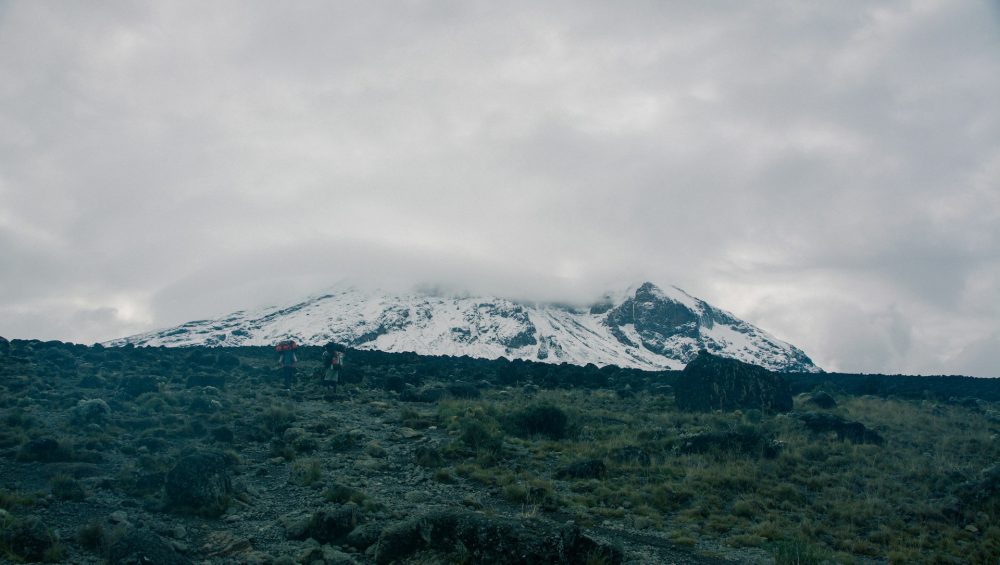
The first person to climb Mount Kilimanjaro was not just one individual but a team of explorers led by Hans Meyer and Ludwig Purtscheller, who reached the summit on October 6, 1889. This historic achievement marked the first recorded ascent of Africa’s highest mountain and changed the history of mountaineering forever. At that time, Kilimanjaro was one of the most mysterious and difficult peaks in the world, with no modern equipment, no established routes, and very limited knowledge about high-altitude climbing. Their successful summit opened the way for future explorers and made Mount Kilimanjaro one of the most famous mountains on Earth.
Their achievement marked a major milestone in the exploration of Africa. At the time, very few people understood the challenges of high-altitude climbing, and explorers had limited equipment, maps, and knowledge of the mountain. Kilimanjaro’s glaciers, steep slopes, and harsh weather created obstacles that made the journey far more difficult than it is today.
The successful expedition came after several failed attempts to reach the summit. Meyer refused to give up and returned to the mountain with better planning, stronger support, and valuable experience from earlier expeditions. His determination, combined with Purtscheller’s climbing skills and the assistance of local porters and guides, helped make the historic ascent possible.
This article explores the story of the first climb of Mount Kilimanjaro, the people behind the achievement, the challenges they faced, and the lasting impact of their journey on the history of Africa’s highest mountain.
Table of contents
- Who Was the First Person to Climb Mount Kilimanjaro?
- Who First Climbed Mount Kilimanjaro?
- Why Climbing Kilimanjaro Was a Major Achievement in 1889
- The First Successful Ascent of Mount Kilimanjaro
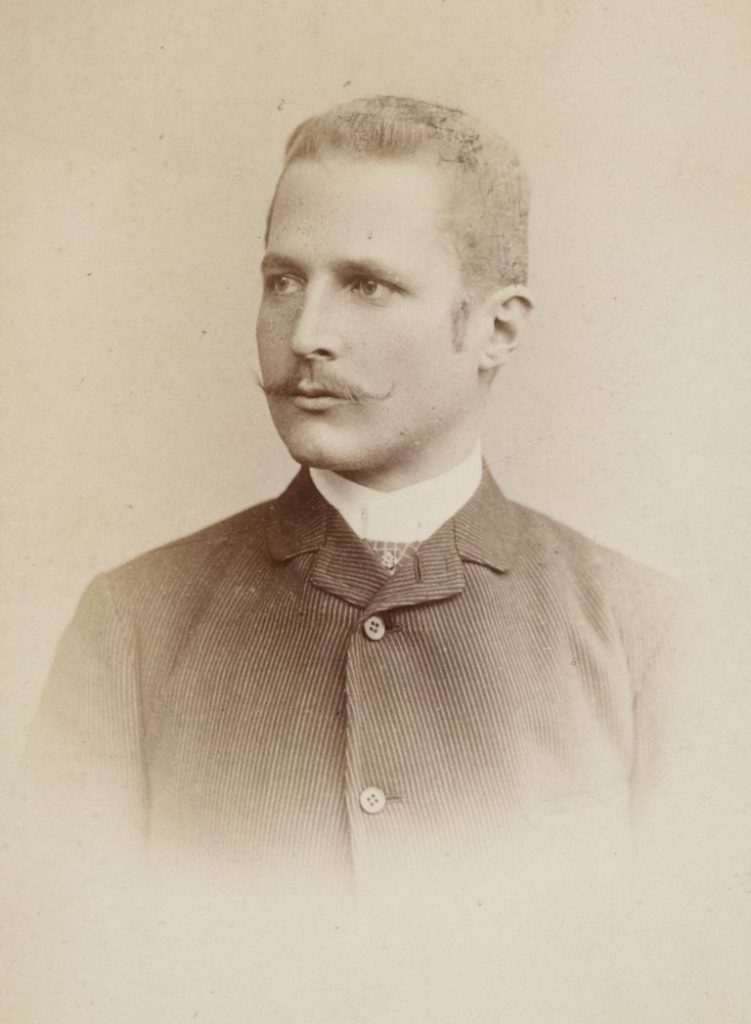
- Who Were Hans Meyer and Ludwig Purtscheller?
- Earlier Attempts to Climb Mount Kilimanjaro
- The Important Role of Local Guides and Porters
- Yohani Kinyala Lauwo and the Debate Around the First Climb
- What Did Mount Kilimanjaro Look Like in 1889?
- Timeline of the First Ascent of Kilimanjaro
- Can You Follow the First Climbers’ Route Today?
- Interesting Facts About the First Climb of Kilimanjaro
- Frequently Asked Questions
- Conclusion
- Read Also:
Who First Climbed Mount Kilimanjaro?
If you are looking for a quick answer, Hans Meyer of Germany and Ludwig Purtscheller of Austria completed the first recorded ascent of Mount Kilimanjaro on October 6, 1889. Their successful expedition reached the summit of Kibo, the highest of Kilimanjaro’s three volcanic cones and the location of today’s Uhuru Peak.
First Ascent of Mount Kilimanjaro at a Glance
| Fact | Details |
|---|---|
| First Recorded Climbers | Hans Meyer and Ludwig Purtscheller |
| Date of First Ascent | October 6, 1889 |
| Summit Reached | Kibo (present-day Uhuru Peak area) |
| Mountain | Mount Kilimanjaro |
| Location | Tanzania, East Africa |
| Elevation | 5,895 meters (19,341 feet) |
| Number of Attempts by Meyer | Three |
| Historical Significance | First recorded ascent of Africa’s highest mountain |
Their achievement opened a new chapter in African exploration and mountaineering history. More than a century later, thousands of climbers follow in their footsteps each year as they attempt to reach the Roof of Africa.
Why Climbing Kilimanjaro Was a Major Achievement in 1889
Today, thousands of people climb Mount Kilimanjaro every year with the support of experienced guides, established routes, weather forecasts, and modern equipment. In 1889, however, reaching the summit was a far greater challenge. Hans Meyer and Ludwig Purtscheller faced obstacles that modern climbers rarely encounter, making their success one of the most remarkable achievements in the history of African exploration.
No Modern Climbing Equipment
Modern climbers benefit from lightweight clothing, waterproof boots, insulated sleeping bags, GPS devices, and advanced mountaineering gear. Meyer and Purtscheller had none of these advantages. Their equipment was heavy, basic, and often uncomfortable for long days on the mountain.
The expedition also lacked detailed route information. The team had to navigate unfamiliar terrain while carrying supplies through dense forests, rocky slopes, and icy sections near the summit. Every stage of the journey required careful planning and determination.
Limited Knowledge of Altitude
In the late nineteenth century, scientists and explorers knew very little about how high altitude affects the human body. Today, climbers understand the importance of acclimatization and recognize the symptoms of altitude sickness. In 1889, many of these dangers remained poorly understood.
Previous expeditions had already failed because climbers struggled with the effects of thin air. Meyer learned valuable lessons from his earlier attempts and adjusted his strategy for the third expedition. Even so, he and his team faced uncertainty as they climbed higher into an environment that few people had ever experienced.
Harsh Conditions Near the Summit
Kilimanjaro’s summit region presented a harsh and unforgiving environment. Temperatures dropped well below freezing, strong winds swept across the mountain, and large glaciers covered parts of the upper slopes. Snow and ice created additional challenges for climbers attempting to reach the highest point.
As Meyer and Purtscheller approached the summit, they encountered steep icy terrain and deep crevasses that slowed their progress. Without modern weather forecasts or specialized climbing equipment, they relied on skill, experience, and perseverance to continue. Their ability to overcome these conditions helped secure the first recorded ascent of Africa’s highest mountain and cemented their place in history.
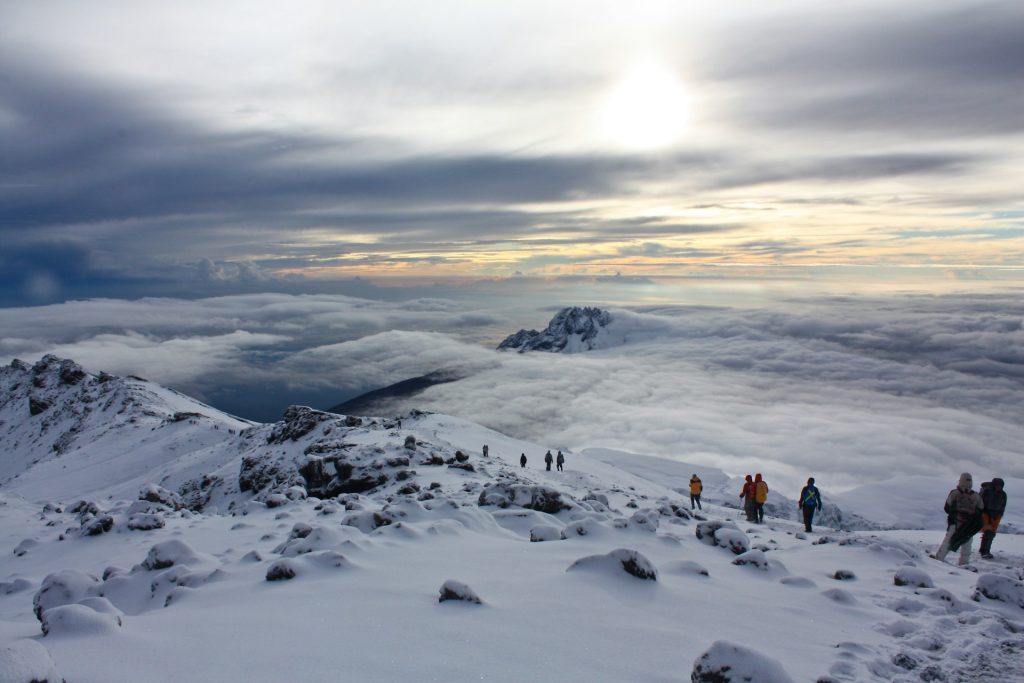
The First Successful Ascent of Mount Kilimanjaro
After two unsuccessful attempts, Hans Meyer returned to Mount Kilimanjaro in 1889 with a clear goal: reach the highest point in Africa. This time, he arrived better prepared and partnered with Austrian mountaineer Ludwig Purtscheller, whose climbing experience proved invaluable during the expedition. Their determination, careful planning, and support team helped them achieve what no recorded expedition had accomplished before.
Planning the Expedition
Meyer learned important lessons from his earlier attempts on Kilimanjaro. He understood that reaching the summit required more than courage. The expedition needed reliable supplies, proper organization, and carefully chosen camps. To improve their chances of success, Meyer assembled a large support team of local porters and guides who helped transport food, equipment, and other necessities up the mountain.
He also studied the terrain and planned the route in greater detail than before. This preparation allowed the team to move more efficiently and conserve energy for the final push to the summit.
Journey to the Mountain
The expedition traveled across what is now northern Tanzania before reaching the slopes of Mount Kilimanjaro. At the time, no established trekking routes existed. The team crossed forests, grasslands, and rugged terrain while carrying large amounts of equipment and supplies.
Support from local communities, especially the Chagga people who lived on the mountain’s lower slopes, played an important role in the expedition’s progress. Their knowledge of the region helped the climbers navigate the area and organize their journey.
Establishing Camps
One of Meyer’s smartest decisions involved creating a series of camps at different elevations. Instead of returning to the base of the mountain after every attempt, the team stored supplies higher on the mountain and used these camps as staging points.
This strategy saved time and energy while allowing the climbers to rest before continuing upward. Porters regularly carried food and equipment to the camps, ensuring that Meyer and Purtscheller could focus on the challenging ascent ahead.
Reaching the Summit
In early October 1889, Meyer and Purtscheller made their final push toward the summit. They climbed through cold temperatures, icy slopes, and glacier-covered terrain. Progress slowed as they encountered steep sections of ice and difficult conditions near the crater rim.
On October 6, 1889, the two explorers successfully reached the highest point of Kibo. Their achievement marked the first recorded ascent of Mount Kilimanjaro and the first documented climb to the highest point in Africa. After spending a short time at the summit, they began their descent back down the mountain.
Naming the Peak
Following the successful ascent, Hans Meyer named the summit “Kaiser Wilhelm Peak” in honor of the German emperor. At the time, the region formed part of German East Africa, and the name reflected Germany’s colonial presence in the area.
After Tanganyika gained independence, the summit received a new name. In 1962, authorities renamed it Uhuru Peak. The word “Uhuru” means “freedom” in Swahili and symbolizes the country’s independence and national pride. Today, Uhuru Peak stands as the highest point on Mount Kilimanjaro and remains a dream destination for climbers from around the world.
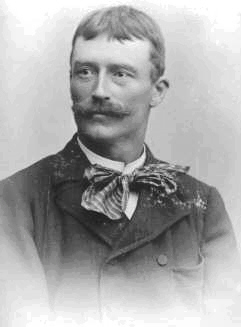
Who Were Hans Meyer and Ludwig Purtscheller?
The names Hans Meyer and Ludwig Purtscheller remain closely linked to Mount Kilimanjaro because they completed the first recorded ascent of Africa’s highest mountain on October 6, 1889. Their successful expedition secured their place in mountaineering history and transformed Kilimanjaro from a largely unexplored peak into a mountain known around the world.
Hans Meyer
Hans Meyer was a German geographer, explorer, and publisher born in 1858 in Germany. From a young age, he developed a strong interest in geography, travel, and scientific exploration. His passion for discovering remote places eventually led him to East Africa and the towering slopes of Mount Kilimanjaro.
Meyer first attempted to climb Kilimanjaro in 1887 but failed to reach the summit. He returned in 1888 with renewed determination, yet circumstances once again prevented success. Rather than abandoning his goal, Meyer carefully studied his previous mistakes and prepared for a third expedition.
His persistence paid off in 1889 when he finally reached the summit alongside Ludwig Purtscheller. The achievement brought Meyer international recognition and established him as the first recorded person to stand on the highest point in Africa. After the climb, he continued researching Kilimanjaro’s glaciers, volcanic features, and geography, contributing valuable knowledge about the mountain for future generations.
Ludwig Purtscheller
Ludwig Purtscheller was an Austrian mountaineer and educator known as one of the most skilled climbers of his time. Born in 1849 in Tyrol, Austria, he spent much of his life exploring and climbing mountains throughout Europe. His extensive experience in high-altitude environments made him the ideal partner for Meyer’s ambitious Kilimanjaro expedition.
Unlike many explorers of the nineteenth century, Purtscheller already possessed advanced mountaineering skills and a deep understanding of difficult mountain terrain. His knowledge helped the expedition overcome the challenges of ice, steep slopes, and harsh conditions near Kilimanjaro’s summit.
On October 6, 1889, which happened to be his 40th birthday, Purtscheller reached the summit of Kilimanjaro with Meyer. The historic ascent became one of the greatest achievements of his mountaineering career. Today, historians and climbers remember him not only as a pioneer of alpine climbing but also as one of the first people to reach the highest point in Africa.
Why They Became Part of Kilimanjaro History
Hans Meyer and Ludwig Purtscheller earned their place in Kilimanjaro history because they accomplished what many explorers before them could not. Their successful ascent demonstrated that the summit of Africa’s tallest mountain could be reached through careful planning, determination, and skilled climbing.
More than a century later, their names continue to appear in books, museums, and historical accounts of Mount Kilimanjaro. Every climber who stands on Uhuru Peak today follows a path first opened by these pioneering explorers in 1889.
Earlier Attempts to Climb Mount Kilimanjaro
Before Hans Meyer and Ludwig Purtscheller reached the summit in 1889, several explorers attempted to unlock the secrets of Mount Kilimanjaro. Their journeys helped reveal important information about the mountain and laid the foundation for the first successful ascent. Although none of them reached the summit, their efforts contributed to one of the greatest achievements in African exploration.
Johannes Rebmann
Johannes Rebmann, a German missionary and explorer, played an important role in the early history of Mount Kilimanjaro. In 1848, while traveling through East Africa, he became one of the first Europeans to report seeing the snow-capped mountain.
Many geographers in Europe doubted his claims. They found it difficult to believe that snow and ice could exist near the equator. Despite the skepticism, Rebmann’s reports introduced Kilimanjaro to the wider world and sparked interest among explorers, scientists, and adventurers.
Although he never reached the summit, Rebmann helped place Mount Kilimanjaro on the map and inspired future expeditions to investigate the mountain further.
Count Samuel Teleki
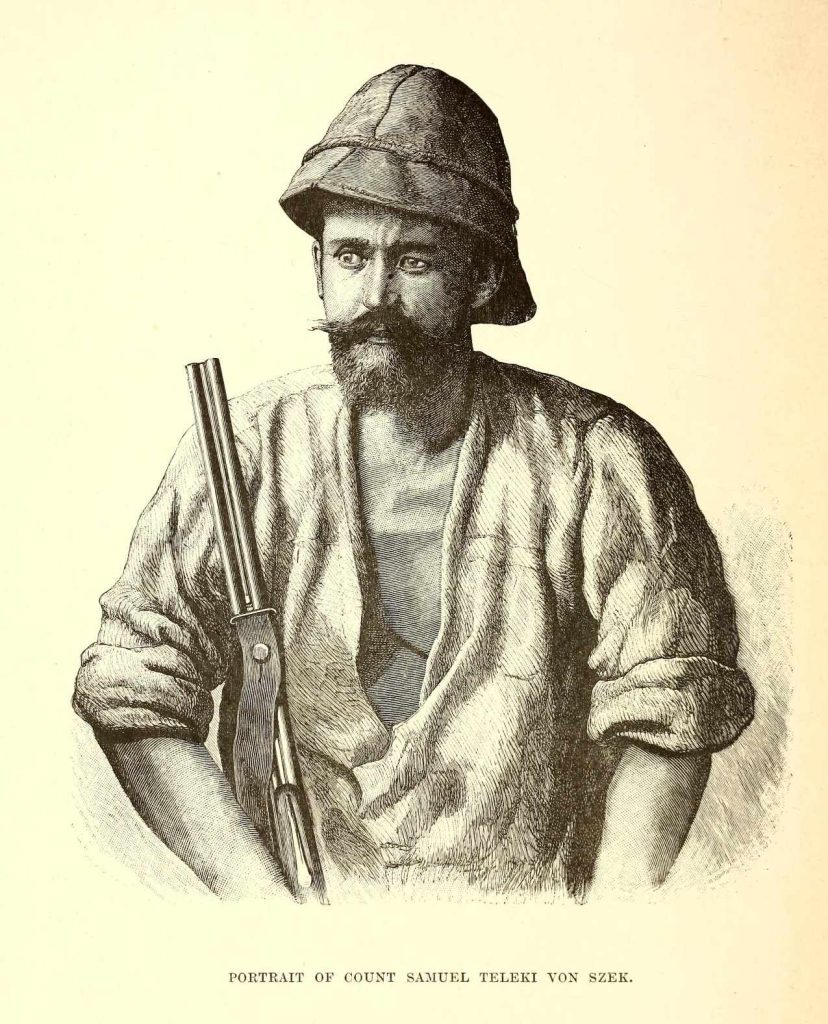
Nearly four decades later, Hungarian explorer Count Samuel Teleki made one of the first serious attempts to climb Kilimanjaro. During an expedition to East Africa in the 1880s, he traveled to the mountain and pushed higher than many previous visitors.
Teleki reached the upper slopes but failed to reach the summit. Difficult conditions, limited equipment, and physical challenges forced him to turn back before completing the climb. Even so, his expedition provided valuable observations about the mountain and demonstrated that determined climbers could reach higher elevations than previously thought.
His efforts encouraged later explorers to continue pursuing the summit.
Dr. Abbott
American naturalist Dr. William L. Abbott also attempted to climb Mount Kilimanjaro during the late nineteenth century. Unlike many explorers who focused mainly on reaching the summit, Abbott showed great interest in studying the mountain’s plants, animals, and natural environment.
As he climbed higher, he encountered serious physical difficulties that prevented him from continuing. Many historians believe altitude-related illness may have contributed to the failure of his expedition. Although he never reached the summit, Abbott collected valuable scientific information and expanded knowledge of Kilimanjaro’s unique ecosystems.
His experience also highlighted the dangers that climbers faced at high altitude.
Hans Meyer’s Failed Attempts
Hans Meyer did not reach the summit on his first visit to Kilimanjaro. In 1887, he climbed higher than many explorers before him but failed to reach the mountain’s highest point. Harsh conditions and limited resources forced him to abandon the attempt.
Undeterred, Meyer returned in 1888 for a second expedition. Unfortunately, political unrest in the region disrupted his plans and prevented further progress. Once again, he left the mountain without achieving his goal.
Rather than giving up, Meyer carefully analyzed the challenges that had stopped him. He improved his planning, organized better logistical support, and gained valuable experience from both failed expeditions. These lessons proved crucial during his third attempt in 1889, when he finally reached the summit alongside Ludwig Purtscheller.
How Earlier Attempts Contributed to the First Successful Ascent
Every failed expedition added new knowledge about Mount Kilimanjaro. Explorers identified routes, studied weather conditions, recorded observations, and revealed the difficulties that future climbers would face. Without the efforts of Rebmann, Teleki, Abbott, and Meyer’s earlier expeditions, the historic ascent of October 6, 1889, might have taken much longer to achieve.
Their determination helped transform Kilimanjaro from a mysterious mountain into one of the world’s most famous climbing destinations.
| Explorer | Year | Highest Achievement |
|---|---|---|
| Johannes Rebmann | 1848 | Reported Kilimanjaro to Europe |
| Samuel Teleki | 1880s | Reached high elevations |
| Dr. Abbott | 1888 | Conducted scientific exploration |
| Hans Meyer | 1887-1888 | Two failed summit attempts |
| Meyer & Purtscheller | 1889 | First recorded summit ascent |
The Important Role of Local Guides and Porters
The story of the first successful ascent of Mount Kilimanjaro would be incomplete without recognizing the contribution of local guides, porters, and members of the Chagga community. While Hans Meyer and Ludwig Purtscheller reached the summit in 1889, they depended heavily on the support of local people throughout the expedition. Their knowledge, hard work, and resilience played a vital role in the success of the historic climb.
Chagga Support
The Chagga people have lived on the slopes of Mount Kilimanjaro for centuries. Long before European explorers arrived, they understood the mountain’s environment, weather patterns, and terrain. During Meyer’s expedition, local Chagga leaders and communities provided valuable assistance that helped the climbers organize their journey.
Support from the Chagga people allowed the expedition to move more efficiently through the region. Their cooperation helped the team secure supplies, establish contacts, and navigate areas unfamiliar to foreign explorers.
Transporting Supplies
One of the greatest challenges of climbing Kilimanjaro in the nineteenth century involved moving food, equipment, and camping gear up the mountain. Without roads, vehicles, or modern infrastructure, the expedition relied entirely on local porters.
Porters carried heavy loads through dense rainforest, rocky slopes, and harsh alpine landscapes. They transported food, water, clothing, and scientific equipment to higher camps, allowing Meyer and Purtscheller to focus on the climb itself. Without this logistical support, reaching the summit would have been extremely difficult.
Mountain Knowledge
Local guides and porters brought valuable knowledge about the mountain and its surroundings. They understood the lower slopes, water sources, weather conditions, and natural features that could affect the expedition.
Although many sections of Kilimanjaro remained unexplored at higher elevations, local experience helped the expedition travel more safely and efficiently. This knowledge reduced risks and increased the chances of success during a time when accurate maps and route information were limited.
Challenges Faced by Local Teams
The local support team faced many of the same hardships as the climbers. They carried heavy loads over long distances while dealing with cold temperatures, difficult terrain, and the effects of increasing altitude.
Many porters lacked specialized clothing and equipment for the freezing conditions found near the summit. As the expedition climbed higher, the cold, thin air, and physical demands became increasingly difficult. Despite these challenges, local guides and porters continued supporting the expedition and played a crucial role in one of the most important events in Kilimanjaro’s history.
A Legacy Often Overlooked
Today, guides and porters remain an essential part of every Kilimanjaro expedition. Thousands of climbers reach the summit each year with the help of local mountain crews who continue a tradition that dates back to the earliest explorations of the mountain. Their contribution to the first successful ascent in 1889 deserves recognition alongside the achievements of Hans Meyer and Ludwig Purtscheller.
Yohani Kinyala Lauwo and the Debate Around the First Climb
The story of the first ascent of Mount Kilimanjaro does not end with Hans Meyer and Ludwig Purtscheller. Over the years, historians, researchers, and local communities have discussed another important question: who was the African guide associated with the historic 1889 expedition? This debate often centers on Yohani Kinyala Lauwo, a well-known figure in Kilimanjaro history, and Muini Amani, a porter who accompanied the expedition.
Who Was Lauwo?
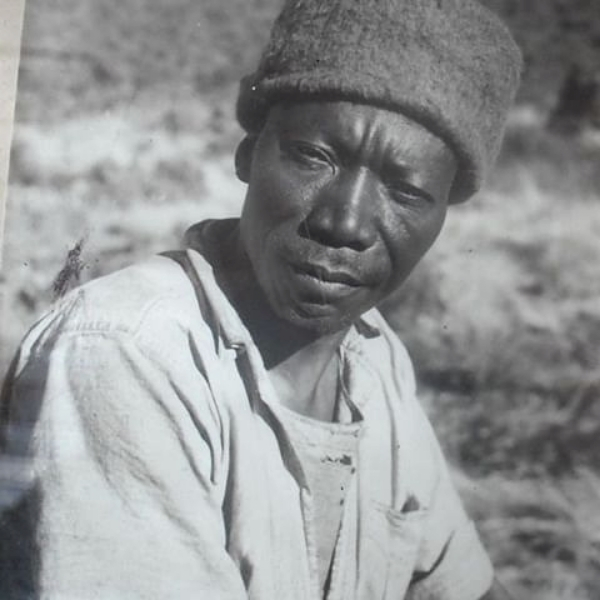
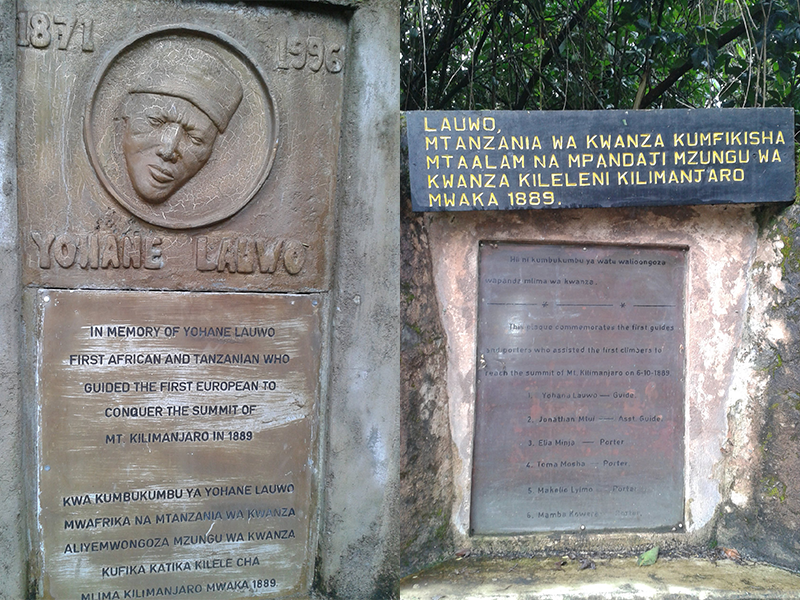
Yohani Kinyala Lauwo is one of the most famous names associated with Mount Kilimanjaro. Many Tanzanians know him as a legendary mountain guide who spent much of his life working on Kilimanjaro. According to popular stories, Lauwo accompanied Hans Meyer and Ludwig Purtscheller during their successful ascent in 1889 and became one of the first Africans connected to the climb.
Because of this belief, many articles, documentaries, and tourism publications have described Lauwo as the local guide who joined the first successful expedition. His story became widely known both in Tanzania and internationally, making him an important figure in the mountain’s history.
Why Historians Debate His Role
Although Lauwo’s name remains closely linked to the first ascent, some historians question whether he actually participated in the 1889 expedition. The debate mainly focuses on dates and historical records.
Several accounts suggest that Lauwo was born around the early 1870s. If these dates are correct, questions arise about his age during the first ascent and whether he could have played the role later attributed to him. Researchers who examined Hans Meyer’s writings and expedition records found little direct evidence connecting Lauwo to the summit expedition.
As a result, historians continue to discuss the accuracy of the popular story. While many people honor Lauwo as a pioneer of guiding on Kilimanjaro, scholars often distinguish between local tradition and documented historical evidence.
Muini Amani’s Contribution
Historical records from the 1889 expedition more clearly identify a man named Muini Amani as one of the Africans who accompanied Meyer and Purtscheller higher on the mountain than most members of the support team.
Muini Amani worked as a porter and assisted the expedition by carrying equipment and supplies to high-altitude camps. Historical accounts indicate that he reached elevations far above those attained by many other members of the caravan. However, available evidence suggests that he did not continue all the way to the summit itself.
Even though Muini Amani never reached the highest point of Kilimanjaro, his contribution remains significant. Without the support of porters and guides like him, the expedition would have faced far greater challenges. His role highlights the importance of local participation in the historic climb.
Understanding the Debate Today
Modern historians generally agree on one point: Hans Meyer and Ludwig Purtscheller completed the first recorded ascent of Mount Kilimanjaro on October 6, 1889. However, discussion continues about the local people who supported the expedition and how their contributions should be remembered.
Whether the focus falls on Yohani Kinyala Lauwo, Muini Amani, or the many unnamed porters who helped carry supplies up the mountain, their stories form an important part of Kilimanjaro’s history. Today, they represent the generations of Tanzanian guides and porters who continue to help climbers reach the Roof of Africa.
What Did Mount Kilimanjaro Look Like in 1889?
When Hans Meyer and Ludwig Purtscheller climbed Mount Kilimanjaro in 1889, they encountered a mountain that looked very different from the one visitors see today. More than a century of environmental change, scientific exploration, and tourism development has transformed the climbing experience. Understanding what Kilimanjaro looked like during the first successful ascent helps us appreciate the challenges faced by early explorers.
Larger Glaciers
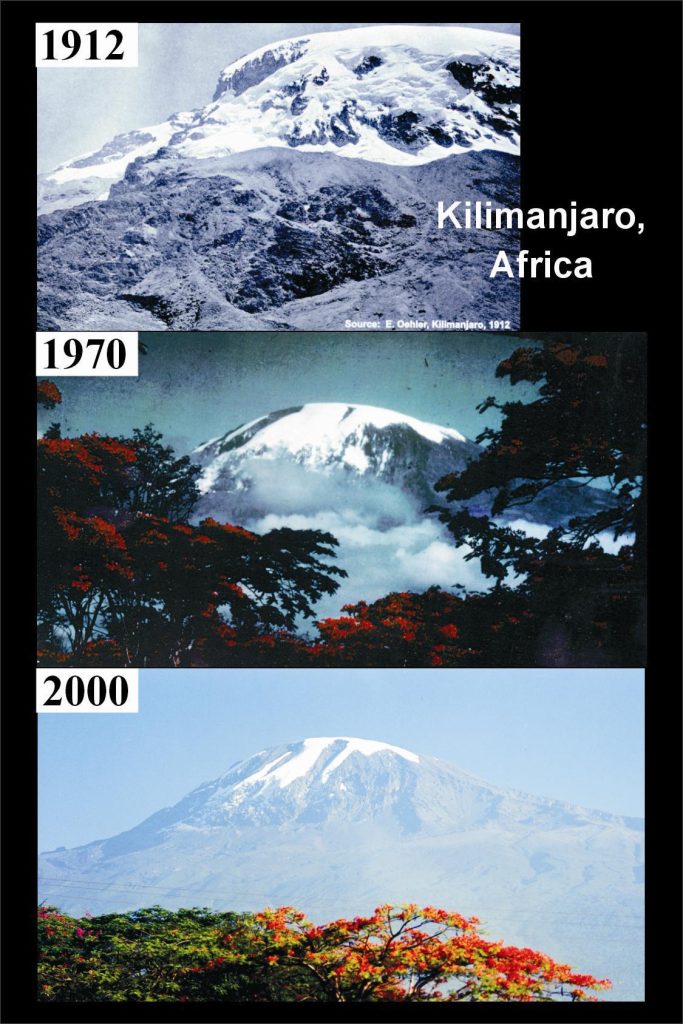
One of the most striking differences was the size of Kilimanjaro’s glaciers. In 1889, extensive ice fields covered large areas of the summit region. Massive glaciers stretched across the crater rim and upper slopes, creating a dramatic landscape of snow and ice.
Today, many of these glaciers have shrunk significantly. Scientists have documented a major reduction in ice cover over the past century, making the summit area look very different from what Meyer and Purtscheller experienced during their historic climb.
No Tourist Routes
Modern climbers can choose from several well-established routes, including the Machame, Marangu, Lemosho, Rongai, Northern Circuit, and Umbwe routes. In 1889, none of these trekking routes existed.
The first climbers had to explore unfamiliar terrain and determine the safest way upward. They could not rely on detailed trail maps, route descriptions, or previous trekking reports. Every section of the mountain presented uncertainty and required careful decision-making.
No Summit Sign
Today, thousands of climbers celebrate their achievement by taking photos at the famous Uhuru Peak sign. This sign has become one of the most recognizable landmarks on Mount Kilimanjaro.
In 1889, no such sign existed. The summit area remained completely natural, with no markers, information boards, or facilities. When Meyer and Purtscheller reached the highest point, they stood on a remote volcanic summit far removed from the modern tourism infrastructure seen today.
No Mountain Huts
Climbers on some modern Kilimanjaro routes can stay in mountain huts or sleep in well-organized campsites with designated facilities. During the first ascent, no permanent mountain accommodations existed anywhere on the mountain.
The expedition relied entirely on temporary camps and tents. Porters carried supplies, food, and equipment to higher elevations, allowing the climbers to establish camps as they progressed. This approach required significant effort and careful logistical planning.
Fewer People Visiting
Today, Mount Kilimanjaro attracts tens of thousands of climbers from around the world every year. In contrast, very few outsiders visited the mountain during the nineteenth century.
Kilimanjaro remained a mysterious and largely unexplored landmark. Most information about the mountain came from local communities and a small number of explorers, missionaries, and scientists. As a result, Meyer and Purtscheller entered a landscape that felt far more remote and unknown than it does today.
A Mountain Transformed by Time
Although Mount Kilimanjaro remains Africa’s highest mountain, the experience of climbing it has changed dramatically since 1889. Larger glaciers, untouched summit landscapes, and the absence of modern infrastructure made the first ascent far more challenging. Yet despite these changes, the mountain continues to inspire adventurers from across the globe, just as it did more than a century ago.
Timeline of the First Ascent of Kilimanjaro
The journey to the first successful ascent of Mount Kilimanjaro did not happen overnight. Decades of exploration, failed attempts, and growing knowledge about the mountain paved the way for the historic summit climb in 1889. The timeline below highlights some of the most important milestones in the history of Kilimanjaro exploration.
1848 – Johannes Rebmann Reports Mount Kilimanjaro
German missionary Johannes Rebmann became one of the first Europeans to report seeing Mount Kilimanjaro. His descriptions of a snow-capped mountain near the equator surprised many people in Europe, and some scientists initially doubted his claims. Nevertheless, his observations introduced Kilimanjaro to the wider world and sparked interest in exploring the mountain.
1887 – Hans Meyer’s First Attempt
German explorer Hans Meyer made his first attempt to reach the summit of Mount Kilimanjaro. He climbed higher than many previous explorers but failed to reach the mountain’s highest point. Despite the setback, the expedition provided valuable information about the terrain and challenges of the climb.
1888 – Meyer’s Second Expedition
Meyer returned to Kilimanjaro hoping to complete the ascent. However, political unrest in East Africa disrupted his plans and prevented him from reaching the summit. Although the expedition ended unsuccessfully, Meyer gained additional experience and developed a better understanding of what would be required for a future attempt.
October 6, 1889 – The First Successful Ascent
After careful preparation and lessons learned from earlier failures, Hans Meyer partnered with Austrian mountaineer Ludwig Purtscheller for a third expedition. On October 6, 1889, the two explorers successfully reached the summit of Kibo, becoming the first recorded people to climb Mount Kilimanjaro. Their achievement marked a historic moment in African exploration and mountaineering history.
1962 – Kaiser Wilhelm Peak Becomes Uhuru Peak
Following Tanganyika’s independence, the summit received a new name. In 1962, authorities renamed Kaiser Wilhelm Peak as Uhuru Peak. The word “Uhuru” means “freedom” in Swahili and celebrates the nation’s independence. Today, Uhuru Peak remains the highest point on Mount Kilimanjaro and one of the most famous mountain summits in the world.
Key Dates at a Glance
| Year | Event |
|---|---|
| 1848 | Johannes Rebmann reports seeing Mount Kilimanjaro |
| 1887 | Hans Meyer makes his first summit attempt |
| 1888 | Meyer’s second expedition ends unsuccessfully |
| October 6, 1889 | Hans Meyer and Ludwig Purtscheller complete the first recorded ascent |
| 1962 | The summit receives the name Uhuru Peak |
This timeline shows how decades of exploration and perseverance eventually led to one of the greatest achievements in the history of Mount Kilimanjaro.
Can You Follow the First Climbers’ Route Today?
Many travelers who learn about the first ascent of Mount Kilimanjaro often wonder whether they can follow the same path taken by Hans Meyer and Ludwig Purtscheller in 1889. While some parts of their journey crossed areas that modern climbers still visit, today’s trekking experience differs significantly from the expedition that reached the summit more than a century ago.
Modern Routes
Today, climbers can choose from several established routes, including the Marangu, Machame, Lemosho, Rongai, Umbwe, Shira, and Northern Circuit routes. Each route offers a different experience, scenery, and acclimatization profile.
Unlike the first climbers, modern trekkers follow well-maintained trails with designated camps or huts. Professional guides lead every expedition, and national park regulations help ensure safety and environmental protection. These routes make Kilimanjaro far more accessible than it was in the nineteenth century.
Current Climbing Conditions
Although Mount Kilimanjaro remains a challenging high-altitude trek, climbers today benefit from significant advantages. Modern equipment, accurate weather forecasts, improved communication systems, and experienced mountain crews greatly increase the chances of a successful summit attempt.
Guides monitor climbers for altitude sickness, provide safety briefings, and help manage the pace of the trek. Organized support teams carry equipment and supplies, allowing visitors to focus on the climb itself. As a result, today’s climbers face fewer uncertainties than the explorers who first attempted the mountain.
Differences from 1889
The Kilimanjaro that visitors see today differs in several ways from the mountain Hans Meyer and Ludwig Purtscheller climbed in 1889. One of the most noticeable changes involves the glaciers near the summit. Large ice fields once covered much of the upper mountain, but many have shrunk significantly over the past century.
Modern infrastructure also transforms the climbing experience. Climbers now find established routes, campsites, rescue services, park regulations, and the famous Uhuru Peak sign at the summit. None of these existed during the first ascent.
Another major difference is the number of visitors. In 1889, only a handful of explorers attempted to reach the summit. Today, thousands of people from around the world travel to Tanzania each year to experience Africa’s highest mountain.
Walking in the Footsteps of the First Climbers
Although no modern route perfectly follows the exact path used in 1889, every climber who reaches Uhuru Peak shares the same ultimate goal achieved by Hans Meyer and Ludwig Purtscheller. Standing on the summit allows visitors to connect with a remarkable chapter in Kilimanjaro’s history while experiencing one of the world’s most iconic mountain adventures.
For many trekkers, learning about the first ascent adds an extra layer of meaning to their journey. It reminds them how much determination, courage, and preparation were required to conquer Africa’s highest peak for the very first time.
Interesting Facts About the First Climb of Kilimanjaro
The first successful ascent of Mount Kilimanjaro is full of fascinating details that many travelers and history enthusiasts do not know. Beyond the achievement itself, several remarkable facts make the 1889 expedition one of the most important milestones in the history of African exploration.
The Third Attempt Finally Succeeded
Hans Meyer did not reach the summit on his first try. He made his first attempt in 1887 and returned again in 1888, but both expeditions ended without success. Rather than giving up, Meyer learned from each setback and improved his strategy.
His determination paid off during his third expedition in 1889 when he partnered with Austrian mountaineer Ludwig Purtscheller. Their persistence ultimately led to the first recorded ascent of Mount Kilimanjaro, proving that preparation and experience can make the difference between failure and success.
The Summit Once Had a Different Name
Today, climbers celebrate their achievement at Uhuru Peak, the highest point on Mount Kilimanjaro. However, the summit did not always carry this name.
After reaching the top in 1889, Hans Meyer named the summit “Kaiser Wilhelm Peak” in honor of the German emperor. Following Tanganyika’s independence, authorities renamed the summit Uhuru Peak in 1962. The word “Uhuru” means “freedom” in Swahili and symbolizes national independence and pride.
Larger Glaciers Covered the Mountain
When Meyer and Purtscheller climbed Kilimanjaro, they encountered a summit landscape dominated by much larger glaciers and ice fields than visitors see today. Vast stretches of ice covered sections of the crater rim and upper slopes, creating a dramatic alpine environment near the equator.
Over the decades, many of these glaciers have shrunk significantly. As a result, modern climbers experience a mountain that looks noticeably different from the one explored during the first ascent.
Few People Repeated the Climb for Years
Today, thousands of people attempt to climb Mount Kilimanjaro every year. In contrast, very few people followed Meyer and Purtscheller to the summit during the years after their historic achievement.
The mountain remained remote, challenging, and difficult to access. Travel across East Africa required significant time, resources, and planning. As a result, the first ascent remained an extraordinary accomplishment for many years before climbing Kilimanjaro became a more common goal for adventurers and explorers.
A Historic Achievement That Still Inspires Climbers
More than a century later, the story of the first ascent continues to inspire people from around the world. Every climber who stands on Uhuru Peak becomes part of a tradition that began on October 6, 1889, when two determined explorers reached the highest point in Africa and made history.
Frequently Asked Questions
This section answers the most common questions about the first ascent of Mount Kilimanjaro and helps clarify important historical details about the expedition.
The first recorded people to climb Mount Kilimanjaro were Hans Meyer (Germany) and Ludwig Purtscheller (Austria). They successfully reached the summit of Kibo, now known as Uhuru Peak, on October 6, 1889.
Mount Kilimanjaro was first successfully climbed on October 6, 1889, after several earlier failed attempts by Hans Meyer and other explorers. This date marks the first recorded ascent to the highest point in Africa.
The expedition was supported by local porters and guides from the Chagga community, who helped transport supplies and navigate the lower slopes of the mountain. Historical records also mention Muini Amani, a porter who accompanied the expedition to higher altitudes, although he did not reach the summit.
Before independence, Uhuru Peak was known as Kaiser Wilhelm Peak, named by Hans Meyer in honor of the German emperor during the colonial period. In 1962, after Tanganyika gained independence, the summit was renamed Uhuru Peak, meaning “freedom” in Swahili.
Hans Meyer made three attempts to climb Mount Kilimanjaro. His first attempt in 1887 and second attempt in 1888 were unsuccessful. He finally reached the summit on his third attempt in 1889 with Ludwig Purtscheller.
Yes, beginners can climb Mount Kilimanjaro today with proper preparation, training, and support from licensed guides. Modern trekking routes, established camps, and safety systems make the climb achievable for many first-time high-altitude hikers, although it still requires good fitness and acclimatization.
Yohani Kinyala Lauwo was a famous Tanzanian Kilimanjaro guide who lived a very long life and became widely known in local mountain history. He is often associated with early Kilimanjaro expeditions, although historians debate whether he was part of the 1889 first ascent. Many records instead suggest that Muini Amani played a more documented role as a porter during the expedition.
Conclusion
The first successful ascent of Mount Kilimanjaro in 1889 remains one of the most important milestones in the history of African exploration. Hans Meyer and Ludwig Purtscheller achieved what earlier explorers could not, reaching the summit of Kibo on October 6, 1889 after careful planning, repeated attempts, and strong determination.
Their achievement marked the beginning of a new era in mountaineering and opened Mount Kilimanjaro to scientific study and global attention. It also highlighted the vital contribution of local guides and porters, whose support made the expedition possible under extremely difficult conditions.
Today, the legacy of the first ascent continues to inspire thousands of climbers who travel to Tanzania each year to reach Uhuru Peak. While modern routes, equipment, and support systems make the climb more accessible, the challenge and sense of achievement remain deeply connected to the historic journey of 1889. Every climber who stands on the Roof of Africa becomes part of the same story that began with Meyer and Purtscheller over a century ago.