Uhuru Peak Kilimanjaro: Height, Meaning, Routes, and Complete Summit Guide
Estimated reading time: 23 minutes
Uhuru Peak Kilimanjaro is the highest point on Mount Kilimanjaro and the tallest mountain summit in Africa. Standing at 5,895 meters (19,341 feet) above sea level, it attracts thousands of climbers every year who dream of reaching the famous Roof of Africa. As the ultimate destination on Africa’s highest mountain, Uhuru Peak represents one of the world’s greatest trekking achievements.
However, reaching Uhuru Peak involves much more than simply hiking to a summit. Climbers must navigate high altitude, changing weather conditions, and long trekking days. Fortunately, Mount Kilimanjaro does not require technical climbing skills, which makes the mountain accessible to both experienced trekkers and determined beginners. Therefore, many first-time mountaineers choose Kilimanjaro as their introduction to high-altitude adventure.
In addition, Uhuru Peak holds deep historical and cultural significance for Tanzania. The word “Uhuru” means “freedom” in Swahili and celebrates the country’s independence and national identity. As a result, the summit stands not only as a geographical landmark but also as a symbol of pride and achievement.
Moreover, the journey to Uhuru Peak takes climbers through several distinct ecological zones, including rainforest, heath, alpine desert, and arctic summit terrain. Consequently, trekkers experience an incredible variety of landscapes within a single expedition. Along the way, they encounter breathtaking scenery, dramatic sunrises, and unforgettable views across East Africa.
This complete guide explains everything you need to know about Uhuru Peak Kilimanjaro, including its height, meaning, history, climbing routes, difficulty, weather, summit experience, and practical tips for reaching Africa’s highest point successfully.
Table of contents
- What Is Uhuru Peak?
- How High Is Uhuru Peak?
- What Does Uhuru Peak Mean?
- The History of Uhuru Peak
- What Is It Like to Reach Uhuru Peak?
- How Difficult Is Uhuru Peak?
- Stella Point vs Uhuru Peak
- Which Routes Reach Uhuru Peak?
- How Long Does It Take to Reach Uhuru Peak?
- Weather and Temperature at Uhuru Peak
- Tips for Reaching Uhuru Peak Successfully
- 10 Interesting Facts About Uhuru Peak
- Frequently Asked Questions About Uhuru Peak
- Final Thoughts: Why Reaching Uhuru Peak Is a Life-Changing Experience
- Read Also:
What Is Uhuru Peak?
Uhuru Peak is the highest point on Mount Kilimanjaro and the tallest mountain summit in Africa. It stands at 5,895 meters (19,341 feet) above sea level on Kibo, the highest of Kilimanjaro’s three volcanic cones. For most climbers, reaching Uhuru Peak marks the ultimate goal of the Kilimanjaro trek and represents a remarkable personal achievement.
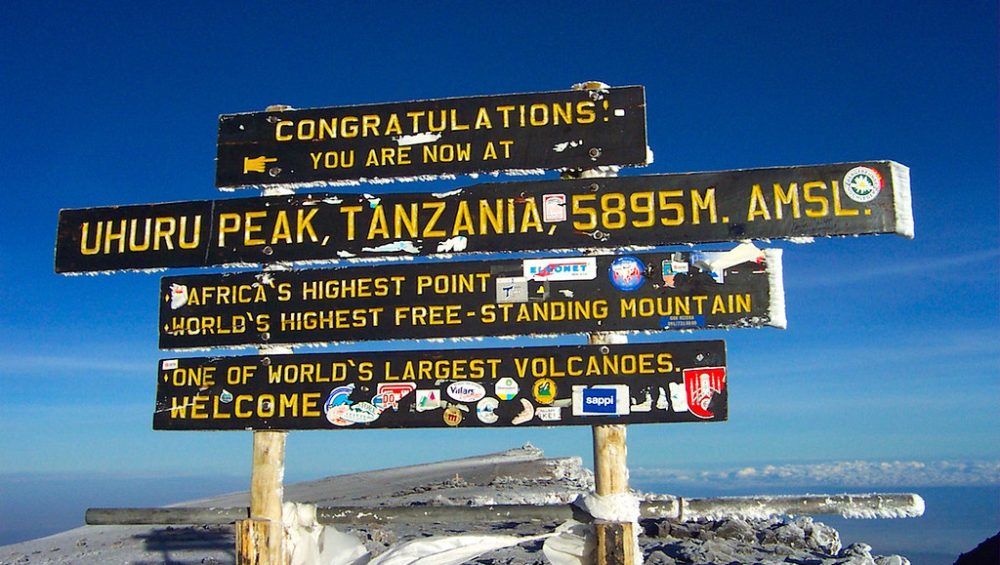
In addition, Uhuru Peak serves as the official summit of Mount Kilimanjaro and one of the world’s most famous trekking destinations. Every year, thousands of adventurers travel to Tanzania to stand beside the iconic summit sign and celebrate reaching the Roof of Africa.
Where Is Uhuru Peak Located?
Uhuru Peak lies within Mount Kilimanjaro National Park in northeastern Tanzania, near the border with Kenya. More specifically, the summit sits on Kibo, the central and highest volcanic cone of Mount Kilimanjaro. The other two cones, Mawenzi and Shira, rise prominently beside Kibo but do not reach the same elevation.
Most climbers begin their journey from one of Kilimanjaro’s established routes, such as Machame, Lemosho, Marangu, Rongai, Umbwe, or the Northern Circuit. From there, they gradually ascend through several ecological zones before reaching the summit area. Eventually, hikers arrive at Stella Point or Gilman’s Point before completing the final stretch to Uhuru Peak.
Furthermore, the summit overlooks glaciers, volcanic landscapes, and vast plains that extend across Tanzania and Kenya. On clear mornings, climbers enjoy some of the most spectacular mountain views in Africa.
Why Is Uhuru Peak Famous?
Uhuru Peak is famous because it represents the highest point in Africa and the ultimate destination on Mount Kilimanjaro. As a result, many travelers include it on their bucket-list adventures and dream of standing at the summit at least once in their lifetime.
Moreover, Uhuru Peak attracts climbers because it does not require technical mountaineering skills. Unlike many of the world’s highest mountains, Kilimanjaro allows determined hikers to reach an extreme altitude through trekking rather than rock climbing. Therefore, both experienced trekkers and motivated beginners can attempt the summit with proper preparation.
Another reason for its popularity is the unforgettable summit experience. Most climbers reach Uhuru Peak shortly after sunrise, when golden light illuminates the glaciers, volcanic crater, and surrounding landscapes. Consequently, many people describe the moment as one of the most emotional and rewarding experiences of their lives.
Finally, Uhuru Peak carries strong cultural significance. The word “Uhuru” means “freedom” in Swahili, symbolizing Tanzania’s independence and national pride. Because of this meaning, the summit stands as both a natural wonder and a powerful national symbol.
How High Is Uhuru Peak?
Uhuru Peak stands at 5,895 meters (19,341 feet) above sea level, making it the highest point on Mount Kilimanjaro and the tallest mountain summit in Africa. Located on Kibo, Kilimanjaro’s highest volcanic cone, Uhuru Peak rises far above the surrounding plains of northern Tanzania. As a result, climbers who reach the summit stand at the highest elevation on the African continent and achieve one of the world’s most celebrated trekking accomplishments.
Uhuru Peak Elevation in Meters and Feet
Uhuru Peak reaches an elevation of 5,895 meters (19,341 feet) above sea level. This remarkable height places it among the world’s most famous mountain summits and makes it the centerpiece of Mount Kilimanjaro National Park.
Because of its elevation, oxygen levels near the summit are significantly lower than at sea level. Consequently, climbers must move slowly and allow their bodies time to acclimatize. In addition, temperatures can drop well below freezing, especially during summit night.
Is Uhuru Peak the Highest Point in Africa?
Yes, Uhuru Peak is the highest point in Africa. No other mountain on the continent reaches a greater elevation. Therefore, climbers who stand at Uhuru Peak can proudly say they have reached the Roof of Africa.
Furthermore, Uhuru Peak forms part of the famous Seven Summits challenge, which includes the highest mountain on each continent. Although Kilimanjaro does not require technical climbing skills, reaching Africa’s highest point remains a major achievement for hikers from around the world.
How It Compares to Other African Peaks
Uhuru Peak stands significantly higher than every other mountain in Africa. While Mount Kenya and the Rwenzori Mountains feature impressive summits, they do not match Kilimanjaro’s elevation.
| Mountain | Country | Elevation |
|---|---|---|
| Uhuru Peak (Mount Kilimanjaro) | Tanzania | 5,895 m (19,341 ft) |
| Mount Kenya (Batian Peak) | Kenya | 5,199 m (17,057 ft) |
| Mount Stanley (Margherita Peak) | Uganda/DR Congo | 5,109 m (16,762 ft) |
| Mount Speke | Uganda | 4,890 m (16,043 ft) |
| Mount Meru | Tanzania | 4,562 m (14,968 ft) |
As the highest mountain summit in Africa, Uhuru Peak rises nearly 700 meters above Mount Kenya, the continent’s second-highest peak. Consequently, Kilimanjaro remains Africa’s most iconic mountain and one of the world’s most popular trekking destinations.
What Does Uhuru Peak Mean?
Uhuru Peak means “Freedom Peak” in Swahili. The word uhuru translates to “freedom” or “independence,” making the summit much more than just the highest point on Mount Kilimanjaro. Today, the name symbolizes Tanzania’s national identity, independence, and aspirations. As a result, reaching Uhuru Peak represents not only a physical achievement but also a connection to an important chapter in the country’s history.
Meaning of “Uhuru”
The word uhuru comes from the Swahili language and means “freedom,” “liberty,” or “independence.” Swahili serves as Tanzania’s national language and plays a central role in the country’s culture and identity.
Because of its powerful meaning, the word appears in many important places, events, and national symbols throughout Tanzania and East Africa. In the case of Mount Kilimanjaro, the name Uhuru Peak reflects the values of freedom, unity, and national pride.
Furthermore, many climbers find the name especially meaningful after completing the challenging journey to the summit. Standing at Africa’s highest point often creates a sense of accomplishment, perseverance, and personal freedom.
Connection to Tanzania’s Independence
The name Uhuru Peak has a direct connection to Tanzania’s independence. On December 9, 1961, Tanganyika gained independence from British colonial rule. This historic event marked the beginning of self-governance and national freedom for the country.
At the same time, leaders wanted Mount Kilimanjaro to serve as a symbol of the new nation’s hopes and achievements. Therefore, they chose the name “Uhuru,” which perfectly captured the spirit of independence and optimism that swept across the country.
In addition, Tanzania’s first president, Julius Nyerere, viewed Kilimanjaro as a powerful national symbol. He famously spoke about bringing a torch to the summit to shine beyond the borders of Tanzania and symbolize friendship, dignity, and freedom.
Why the Summit Was Given This Name
The summit received the name Uhuru Peak to celebrate freedom and honor Tanzania’s independence. Before independence, the highest point on Kilimanjaro carried a different name during the colonial period. However, after Tanganyika became independent, the government renamed the summit to reflect the country’s new identity.
Consequently, Uhuru Peak became a symbol of national pride and achievement. The name transformed Africa’s highest summit into more than a geographical landmark. Instead, it became a place that represents freedom, determination, and the ability to overcome challenges.
Today, thousands of climbers from around the world stand beside the famous Uhuru Peak sign every year. While many come for the adventure, they also experience a location that carries deep historical and cultural significance for Tanzania.
The History of Uhuru Peak
Uhuru Peak has a fascinating history that combines exploration, national identity, and mountaineering achievement. Long before thousands of trekkers began climbing Mount Kilimanjaro each year, the mountain attracted explorers, scientists, and adventurers eager to reach Africa’s highest point. Today, Uhuru Peak stands not only as the summit of Kilimanjaro but also as a symbol of Tanzania’s independence and a major milestone in the global climbing community.
First Successful Ascent
The first recorded successful ascent of Mount Kilimanjaro took place on October 6, 1889. German geographer Hans Meyer and Austrian mountaineer Ludwig Purtscheller reached the highest point of Kibo after several challenging attempts.
At that time, the climb presented many difficulties. The explorers had limited equipment, little knowledge of high-altitude trekking, and few reliable maps. Nevertheless, they persevered and successfully reached the summit, proving that Africa’s highest mountain could be climbed.
Their achievement marked an important moment in mountaineering history. As a result, Mount Kilimanjaro gained international attention and gradually became one of the world’s most sought-after climbing destinations.
The Renaming of the Summit
The summit did not always carry the name Uhuru Peak. During the colonial era, the highest point on Kilimanjaro was known as Kaiser Wilhelm Peak, named after the German emperor.
However, everything changed when Tanganyika gained independence on December 9, 1961. To celebrate freedom and national self-determination, the government renamed the summit Uhuru Peak. The word uhuru means “freedom” in Swahili, making it a powerful symbol of the country’s new future.
Consequently, the new name transformed the summit into more than just a geographical landmark. It became a lasting reminder of Tanzania’s independence, unity, and national pride. Even today, climbers from around the world learn about this history as they stand beside the famous summit sign.
Kilimanjaro’s Place Among the Seven Summits
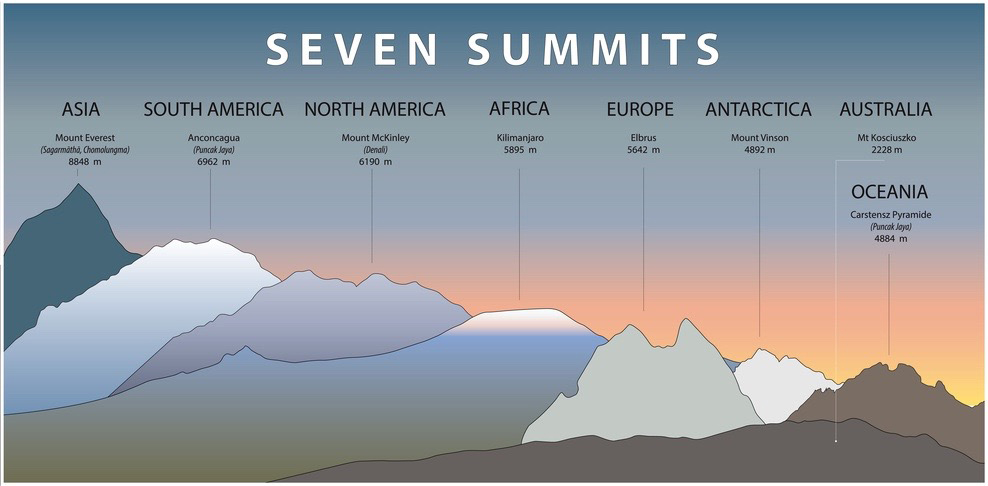
Mount Kilimanjaro holds a special position in the mountaineering world because it forms part of the Seven Summits challenge. This challenge involves climbing the highest mountain on each continent, making it one of the most prestigious goals for adventure seekers.
As Africa’s highest mountain, Kilimanjaro represents the African continent on this famous list. Unlike some of the other Seven Summits, Kilimanjaro does not require advanced technical climbing skills. Therefore, many climbers consider it the most accessible of the Seven Summits and often choose it as their first major high-altitude mountain.
Furthermore, Kilimanjaro’s combination of altitude, scenic beauty, and relative accessibility attracts tens of thousands of climbers every year. Reaching Uhuru Peak allows trekkers to join a select group of people who have stood on the highest point in Africa and completed one of the world’s most iconic mountain adventures.
What Is It Like to Reach Uhuru Peak?
Reaching Uhuru Peak is one of the most rewarding moments on Mount Kilimanjaro. After days of trekking through different climate zones, climbers make a final overnight push to the summit. The experience is physically demanding, but standing at the highest point in Africa makes the effort worthwhile. From the darkness of summit night to the first rays of sunrise and the iconic summit sign, reaching Uhuru Peak is an unforgettable achievement.
Summit Night Experience
Summit night is often considered the toughest part of the Kilimanjaro climb. Most climbers wake up around midnight and begin hiking in darkness under the light of headlamps. Temperatures are extremely cold, and the high altitude makes every step feel more difficult.
The climb is slow and steady as trekkers make their way up steep volcanic slopes toward the crater rim. Guides encourage climbers to follow the “polepole” principle, meaning “slowly, slowly” in Swahili. Although summit night can be physically and mentally challenging, determination and patience help many climbers reach the top.
Sunrise at Uhuru Peak
One of the most memorable moments of the climb is watching the sunrise near or at Uhuru Peak. As darkness fades, the sky begins to glow with shades of orange, pink, and gold. The views stretch across the clouds, glaciers, and vast plains below.
For many climbers, the sunrise is an emotional reward after hours of climbing through the cold night. It creates a sense of accomplishment and offers some of the most spectacular scenery found anywhere in Africa.
The Famous Summit Sign
The Uhuru Peak sign is one of the most photographed landmarks on Mount Kilimanjaro. Located at 5,895 meters (19,341 feet), the sign marks the highest point in Africa and serves as proof of reaching the summit.
Most climbers celebrate by taking photos beside the sign, waving national flags, or sharing the moment with fellow trekkers and guides. Standing next to the sign represents the successful completion of a journey that requires preparation, determination, and perseverance.
How Difficult Is Uhuru Peak?
Reaching Uhuru Peak is challenging, but it does not require technical climbing skills. Most healthy people with proper preparation can reach the summit. The main difficulties come from the long hiking days, cold temperatures, and high altitude rather than steep rock climbing or mountaineering techniques.
Physical Challenge
The climb to Uhuru Peak requires endurance rather than technical ability. Trekkers spend several days walking long distances on mountain trails while gaining elevation. Summit day is especially demanding because climbers may hike for 10 to 15 hours between the ascent and descent.
Good fitness can make the climb more comfortable, but determination and pacing are often more important than athletic ability.
Altitude Challenge
Altitude is the biggest obstacle for most climbers. At nearly 6,000 meters above sea level, oxygen levels are much lower than at sea level. As a result, many people experience symptoms such as headaches, fatigue, shortness of breath, or nausea.
Proper acclimatization is essential because it allows the body to adjust gradually to the reduced oxygen levels.
Why Most Climbers Struggle Near the Summit
Most climbers struggle near the summit because this is where the altitude is highest and oxygen is at its lowest. The combination of exhaustion, freezing temperatures, and thin air can make even simple movements feel difficult.
This is why experienced guides recommend choosing longer routes that provide more acclimatization time. Climbers who move slowly, stay hydrated, and follow their guide’s advice generally have a better chance of reaching Uhuru Peak successfully.
Stella Point vs Uhuru Peak
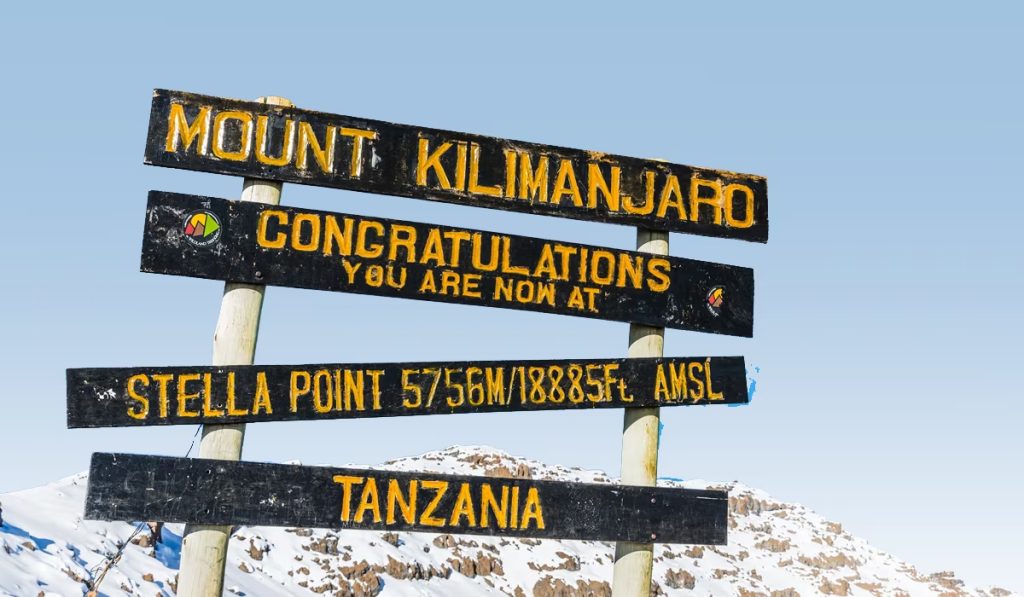
Many Kilimanjaro climbers reach Stella Point before continuing to Uhuru Peak, which often creates confusion about the mountain’s true summit. While both locations are important milestones on the climb, they are not the same. Understanding the differences helps climbers know exactly what to expect on summit day.
Key Differences
Stella Point is located on the crater rim of Mount Kilimanjaro at an elevation of approximately 5,756 meters (18,885 feet). It serves as a major checkpoint for climbers ascending from the southern routes.
Uhuru Peak, on the other hand, stands at 5,895 meters (19,341 feet) and is the highest point on Mount Kilimanjaro and in Africa. Reaching Stella Point is a significant achievement, but climbers must continue farther along the crater rim to officially reach Uhuru Peak.
Distance Between Stella Point and Uhuru Peak
The distance between Stella Point and Uhuru Peak is approximately 1 kilometer (0.6 miles). Although the distance may seem short, the high altitude makes this section feel more challenging than expected.
Most climbers take between 45 minutes and 1 hour to walk from Stella Point to Uhuru Peak, depending on their pace, weather conditions, and physical condition. The trail follows the crater rim and offers impressive views of glaciers and the surrounding landscape.
Which One Counts as the Summit?
Uhuru Peak is the official summit of Mount Kilimanjaro. Climbers who reach Uhuru Peak have reached the highest point on the mountain and the highest point in Africa.
Stella Point is considered an important milestone but not the final summit. While reaching Stella Point is a major accomplishment, most climbers continue to Uhuru Peak to complete their Kilimanjaro journey and stand at the true Roof of Africa.
Which Routes Reach Uhuru Peak?
All official Kilimanjaro climbing routes lead to Uhuru Peak, but each route offers a different experience in terms of scenery, duration, acclimatization, and difficulty. Choosing the right route can have a significant impact on comfort and summit success.
Machame Route
The Machame Route is one of the most popular routes on Kilimanjaro. Known for its beautiful scenery and excellent acclimatization profile, it approaches the summit from the south and reaches Uhuru Peak via Stella Point. Most climbers complete this route in six to seven days.
Lemosho Route
The Lemosho Route is widely regarded as one of the best routes for reaching Uhuru Peak. It offers stunning landscapes, fewer crowds during the early stages, and excellent acclimatization opportunities. The route usually takes seven to eight days, giving climbers a strong chance of reaching the summit successfully.
Marangu Route
The Marangu Route is often called the “Coca-Cola Route” and is unique because climbers sleep in mountain huts rather than tents. It is one of the oldest routes on Kilimanjaro and reaches Uhuru Peak via Gilman’s Point and the crater rim.
Rongai Route
The Rongai Route approaches Kilimanjaro from the northern side near the Kenyan border. It receives less rainfall than the southern routes, making it a good option during wetter months. The route offers a quieter trekking experience and eventually joins the summit path leading to Uhuru Peak.
Northern Circuit Route
The Northern Circuit Route is the longest route on Kilimanjaro and offers some of the highest summit success rates. Its extended itinerary allows excellent acclimatization while providing access to remote areas of the mountain before reaching Uhuru Peak.
Umbwe Route
The Umbwe Route is the steepest and most challenging route on Kilimanjaro. It is best suited for experienced hikers due to its rapid ascent and limited acclimatization opportunities. Despite its difficulty, the route ultimately leads climbers to Uhuru Peak through the southern approach.
How Long Does It Take to Reach Uhuru Peak?
The time required to reach Uhuru Peak depends on the route you choose, your pace, weather conditions, and how well your body adapts to high altitude. Most climbers spend between five and nine days on Mount Kilimanjaro before reaching the summit. Longer itineraries generally provide better acclimatization and increase the chances of a successful summit.
Summit Day Timeline
Summit day usually begins around midnight from the final high-altitude camp. Climbers leave camp in darkness and slowly make their way toward the crater rim. Depending on the route, reaching Stella Point or Gilman’s Point typically takes between five and eight hours.
After reaching the crater rim, climbers continue to Uhuru Peak, which often takes an additional 45 minutes to 2 hours. Following time at the summit, trekkers descend back to a lower camp for rest. In total, summit day can last between 10 and 15 hours, making it the longest and most demanding day of the climb.
Average Hiking Times
The total time needed to reach Uhuru Peak varies by route:
- Marangu Route: Usually 5-6 days
- Machame Route: Usually 6-7 days
- Rongai Route: Usually 6-7 days
- Lemosho Route: Usually 7-8 days
- Northern Circuit Route: Usually 8-9 days
- Umbwe Route: Usually 5-6 days
While shorter routes may seem appealing, they provide less time for acclimatization and often have lower summit success rates.
Factors That Affect Success
Several factors influence how long it takes to reach Uhuru Peak and whether a climber successfully reaches the summit. The most important factor is acclimatization. Climbers who spend more days on the mountain generally adapt better to altitude and have a higher chance of success.
Physical fitness also plays a role, although endurance and determination are often more important than speed. Weather conditions, route selection, hydration, and following the guide’s pace can all affect progress on the mountain.
Many experienced guides recommend choosing a longer route and maintaining a slow, steady pace. This approach gives the body more time to adjust to altitude and greatly improves the chances of standing on Uhuru Peak.
Weather and Temperature at Uhuru Peak
Weather at Uhuru Peak is very different from the conditions experienced at the base of Mount Kilimanjaro. As climbers gain elevation, temperatures drop significantly and weather becomes more extreme. The summit sits in an arctic zone where freezing temperatures, strong winds, and low oxygen levels are common throughout the year.
How Cold Does It Get?
Uhuru Peak is one of the coldest places in Africa due to its high elevation of 5,895 meters (19,341 feet). During summit night, temperatures typically range between -7°C and -20°C (19°F to -4°F), depending on the season and weather conditions.
Strong winds can make the temperature feel even colder. Most climbers begin their summit attempt around midnight, which means they experience the coldest part of the day. Proper clothing and layering are essential to stay warm and comfortable during the final ascent.
Best Time to Climb
The best time to climb Uhuru Peak is during Kilimanjaro’s dry seasons, which occur from January to March and June to October. These months generally offer clearer skies, lower rainfall, and better trail conditions.
Many climbers prefer January, February, July, August, and September because weather conditions are more stable and visibility is often excellent. Although it is possible to reach Uhuru Peak during the rainy seasons, wet trails, clouds, and changing weather can make the climb more challenging.
What to Wear at the Summit
Dressing properly for summit day is essential because temperatures can be well below freezing. Climbers should wear several layers to stay warm while allowing flexibility as conditions change.
A typical summit clothing system includes a moisture-wicking base layer, an insulating fleece or down jacket, and a waterproof outer shell. Warm gloves, thermal socks, insulated trousers, and a winter hat are also highly recommended.
Many climbers also use a neck gaiter or balaclava to protect their face from cold winds. Wearing the right clothing can make the difference between an enjoyable summit experience and a very uncomfortable one.
Tips for Reaching Uhuru Peak Successfully
Reaching Uhuru Peak is achievable for many climbers, but success depends on proper preparation and smart decisions on the mountain. While fitness is important, factors such as acclimatization, pacing, and hydration often play a bigger role in determining whether you reach the summit. The following tips can significantly improve your chances of standing on the highest point in Africa.
Choose a Longer Route
One of the best ways to increase your summit success rate is to choose a longer route. Routes such as the Lemosho Route and Northern Circuit Route give climbers more time to adjust to the altitude. Extra days on the mountain allow the body to acclimatize gradually, reducing the risk of altitude sickness and improving the likelihood of reaching Uhuru Peak.
Although longer routes require more time and a larger budget, they generally offer higher success rates than shorter itineraries.
Acclimatize Properly
Acclimatization is the process of allowing your body to adapt to lower oxygen levels at higher elevations. Poor acclimatization is one of the main reasons climbers fail to reach the summit.
Choosing a route with enough acclimatization days, ascending gradually, and listening to your guide’s advice can help your body adjust effectively. If symptoms of altitude sickness become severe, descending is often the safest option.
Follow the Polepole Principle
“Polepole” is a Swahili word that means “slowly, slowly.” It is one of the most important principles on Mount Kilimanjaro and is frequently repeated by local guides.
Many climbers make the mistake of walking too fast during the early days of the trek. Moving at a slow and steady pace helps conserve energy, improves acclimatization, and reduces stress on the body. Climbers who follow the polepole approach often feel stronger during summit day and have a better chance of reaching Uhuru Peak.
Stay Hydrated
Staying hydrated is essential when climbing at high altitude. The body loses fluids more quickly due to increased breathing, physical exertion, and dry mountain air. Dehydration can worsen the symptoms of altitude sickness and reduce overall performance.
Most guides recommend drinking several liters of water each day throughout the climb. Regular hydration helps maintain energy levels, supports acclimatization, and improves overall comfort on the mountain. Combined with proper nutrition and rest, it is an important part of a successful Kilimanjaro summit attempt.
10 Interesting Facts About Uhuru Peak
1. Uhuru Peak Is the Highest Point in Africa
Uhuru Peak stands at 5,895 meters (19,341 feet) above sea level, making it the highest point on the African continent. It is located on Mount Kilimanjaro in Tanzania and attracts climbers from around the world.
2. The Name “Uhuru” Means Freedom
The word “Uhuru” means “freedom” in Swahili. The summit was named to celebrate Tanzania’s independence and remains a powerful national symbol.
3. It Is One of the World’s Most Famous Trekking Summits
Unlike many high mountains that require technical climbing skills, Uhuru Peak can be reached by trekking. This makes it one of the most accessible high-altitude summits in the world.
4. No Technical Climbing Skills Are Required
Climbers do not need ropes, ice axes, or mountaineering experience to reach Uhuru Peak. Success depends more on fitness, determination, and proper acclimatization.
5. Mount Kilimanjaro Is Part of the Seven Summits
Mount Kilimanjaro is Africa’s representative in the Seven Summits challenge, which involves climbing the highest mountain on each continent. Reaching Uhuru Peak completes the African portion of this challenge.
6. Uhuru Peak Sits on Kibo Volcano
The summit is located on Kibo, the highest of Kilimanjaro’s three volcanic cones. The other two cones are Mawenzi and Shira.
7. Most Climbers Reach the Summit at Sunrise
Many summit attempts begin around midnight so climbers can reach Uhuru Peak shortly after sunrise. The views at dawn are often considered the highlight of the entire climb.
8. Temperatures Can Drop Well Below Freezing
Despite being close to the equator, Uhuru Peak experiences extremely cold temperatures. During summit night, temperatures can fall below -10°C (14°F), especially when strong winds are present.
9. The Summit Sign Is a World-Famous Landmark
The Uhuru Peak sign marks the highest point in Africa and is one of the most photographed locations on Mount Kilimanjaro. Reaching the sign is a memorable achievement for every climber.
10. The Summit Offers Incredible Views
On clear days, climbers can enjoy panoramic views of glaciers, volcanic landscapes, and the vast plains surrounding Kilimanjaro. The scenery from Uhuru Peak is one of the reasons the mountain is famous worldwide.
Frequently Asked Questions About Uhuru Peak
Uhuru Peak is the highest point on Mount Kilimanjaro and the highest point in Africa. Located on the Kibo volcanic cone, it stands at an elevation of 5,895 meters (19,341 feet) above sea level. Reaching Uhuru Peak is the main goal for most Kilimanjaro climbers.
Uhuru Peak rises to 5,895 meters (19,341 feet) above sea level. This elevation makes it not only the highest point in Tanzania but also the highest mountain summit on the African continent.
Yes, beginners can reach Uhuru Peak if they prepare properly and choose an appropriate route. No technical climbing skills are required, but climbers should have a reasonable level of fitness and allow enough time for acclimatization. Longer routes such as Lemosho and Northern Circuit are often recommended for first-time climbers.
Temperatures at Uhuru Peak are typically below freezing, especially during summit night. Conditions often range between -7°C and -20°C (19°F to -4°F), depending on the season and weather. Wind chill can make it feel even colder.
The success rate for reaching Uhuru Peak varies depending on the route and number of climbing days. Longer routes generally have higher success rates because they provide better acclimatization. Climbers who choose routes lasting seven days or more often have a significantly better chance of reaching the summit.
Yes. Uhuru Peak on Mount Kilimanjaro is the highest mountain summit in Africa and is included in the Seven Summits challenge. This challenge involves climbing the highest peak on each continent.
Stella Point is located approximately 1 kilometer (0.6 miles) from Uhuru Peak along the crater rim. Most climbers take between 45 minutes and 1 hour to walk from Stella Point to the true summit, depending on weather conditions and their physical condition.
Final Thoughts: Why Reaching Uhuru Peak Is a Life-Changing Experience
Reaching Uhuru Peak is much more than standing on the highest point in Africa. It is a journey that tests determination, patience, and perseverance while rewarding climbers with unforgettable views and a deep sense of achievement. From the challenging summit night to the breathtaking sunrise above the clouds, every step toward the peak becomes part of a remarkable adventure.
What makes Uhuru Peak truly special is that it is accessible to people from many backgrounds and experience levels. With proper preparation, the right route, and enough time to acclimatize, thousands of climbers successfully reach the summit each year. The experience proves that extraordinary goals can be achieved through steady progress and determination.
Whether you are planning your first Kilimanjaro trek or simply dreaming about the adventure, standing beside the famous Uhuru Peak sign is a moment that stays with you for a lifetime. It represents the culmination of days of effort and the satisfaction of reaching the Roof of Africa. For many climbers, reaching Uhuru Peak is not just a mountain summit-it is a personal milestone and one of the most memorable experiences of their lives.