Mount Kenya vs Kilimanjaro: What’s the Difference?
Estimated reading time: 32 minutes
Mount Kenya vs Kilimanjaro is a common comparison for trekkers choosing between two of Africa’s most famous mountains. While Mount Kenya offers a more technical climbing experience with rugged peaks, Kilimanjaro is Africa’s highest mountain and a more accessible trekking destination. Both mountains provide unforgettable adventures, but they appeal to different types of hikers based on experience, fitness, and climbing goals. This guide explains the main differences between Mount Kenya and Kilimanjaro, including height, difficulty, routes, scenery, and which mountain is better for your adventure. The main difference between Mount Kenya and Kilimanjaro is that Kilimanjaro is a higher, non-technical trekking mountain, while Mount Kenya offers a more technical climbing experience on its highest peaks. At 5,895 meters (19,341 feet), Kilimanjaro is Africa’s tallest mountain and one of the Seven Summits, whereas Mount Kenya reaches 5,199 meters (17,057 feet) at Batian Peak. Kilimanjaro is better suited for first-time high-altitude trekkers, while Mount Kenya appeals to climbers seeking a quieter and more challenging adventure.
Table of contents
- Mount Kenya vs Kilimanjaro: What’s the Difference?
- Mount Kenya vs Kilimanjaro: Quick Comparison
- What Is the Main Difference Between Mount Kenya and Kilimanjaro?
- Where Are Mount Kenya and Kilimanjaro Located?
- Height and Summit Comparison
- Kilimanjaro’s Volcanic Peaks: Kibo, Mawenzi, and Shira
- Which Mountain Is Harder to Climb?
- Climbing Routes Comparison
- Altitude and Acclimatization Comparison
- Scenery Comparison
- Wildlife Comparison
- Success Rates Comparison
- Best Time to Climb Mount Kenya vs Kilimanjaro
- Best Months for Clear Views
- Cost Comparison
- Accommodation Comparison
- Crowds and Trail Experience
- Mount Kenya or Kilimanjaro: Which Should You Choose?
- Why Many Climbers Choose Kilimanjaro
- FAQ
- Final Thoughts: Mount Kenya vs Kilimanjaro
- Read Also:
Mount Kenya vs Kilimanjaro: Quick Comparison
If you want to stand on Africa’s highest mountain, choose Kilimanjaro. If you prefer a less crowded adventure with more technical climbing opportunities, choose Mount Kenya. Kilimanjaro rises to 5,895 meters (19,341 feet), making it the tallest mountain in Africa and one of the Seven Summits. Mount Kenya reaches 5,199 meters (17,057 feet) and offers rugged landscapes, dramatic peaks, and a quieter trekking experience.
Key Differences at a Glance
The biggest difference between Mount Kenya and Kilimanjaro lies in the climbing experience. Kilimanjaro is a non-technical trek that allows hikers to reach the summit without climbing equipment. Mount Kenya’s highest peaks, Batian and Nelion, require technical rock climbing skills, while Point Lenana remains accessible to trekkers. Kilimanjaro attracts more climbers, offers more route options, and provides the achievement of reaching Africa’s highest point.
Mount Kenya vs Kilimanjaro Comparison Table
| Feature | Mount Kenya | Kilimanjaro |
| Country | Kenya | Tanzania |
| Highest Point | Batian (5,199m) | Uhuru Peak (5,895m) |
| Mountain Type | Extinct Stratovolcano | Dormant Volcano |
| Technical Climbing | Yes (Batian & Nelion) | No |
| Trek Duration | 4-6 Days | 5-9 Days |
| Difficulty | Technical Climbing | High Altitude Trekking |
| Cost | Lower | Higher |
| Popularity | Moderate | Very High |
| UNESCO Status | Yes | Yes |
| Seven Summits | No | Yes |
Which Mountain Is Right for You?
Choose Kilimanjaro if you want to climb Africa’s highest mountain, complete a Seven Summits challenge, or experience a high-altitude trek without technical climbing. Choose Mount Kenya if you enjoy quieter trails, diverse landscapes, and the option of tackling technical peaks. For most first-time mountain trekkers, Kilimanjaro offers the more accessible and rewarding summit experience.
What Is the Main Difference Between Mount Kenya and Kilimanjaro?
The main difference between Mount Kenya and Kilimanjaro lies in their height, climbing style, and overall trekking experience. Kilimanjaro stands as Africa’s highest mountain at 5,895 meters (19,341 feet) and allows trekkers to reach the summit without technical climbing skills. Mount Kenya, Africa’s second-highest mountain, rises to 5,199 meters (17,057 feet) and features rugged peaks that require technical climbing to reach the highest summits. While Kilimanjaro attracts climbers seeking the challenge of standing on Africa’s highest point, Mount Kenya appeals to adventurers looking for quieter trails and more diverse mountain terrain.
Mount Kenya Overview
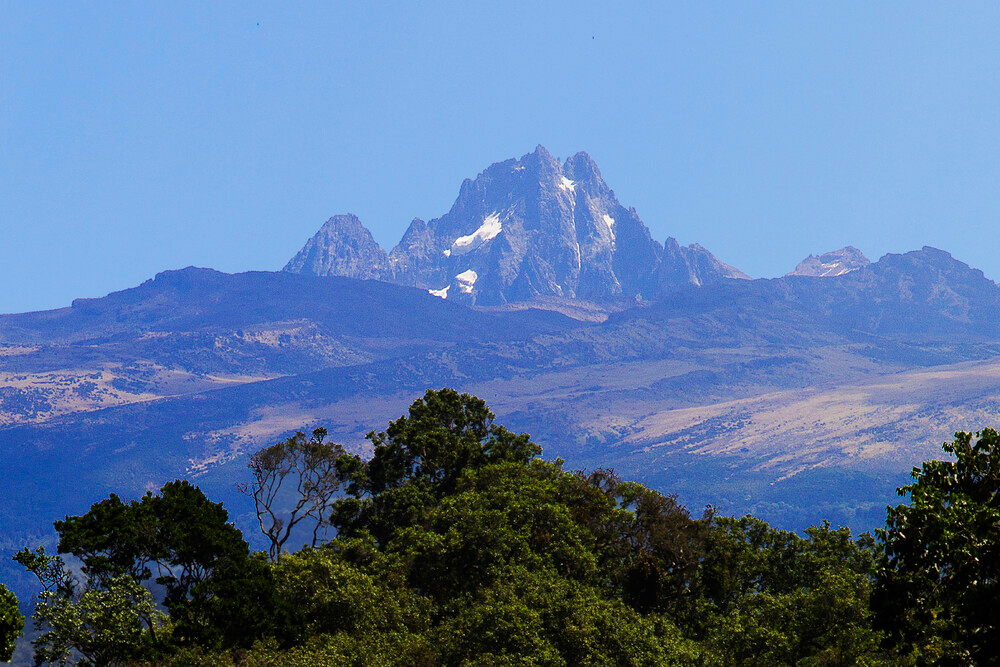
Mount Kenya sits in central Kenya, about 150 kilometers (93 miles) northeast of Nairobi. This extinct stratovolcano features several peaks, with Batian and Nelion forming the highest and most challenging summits. Most trekkers aim for Point Lenana, a non-technical peak that reaches 4,985 meters (16,355 feet). The mountain offers dramatic landscapes, alpine lakes, deep valleys, and abundant wildlife, making it one of East Africa’s most scenic trekking destinations.
Kilimanjaro Overview
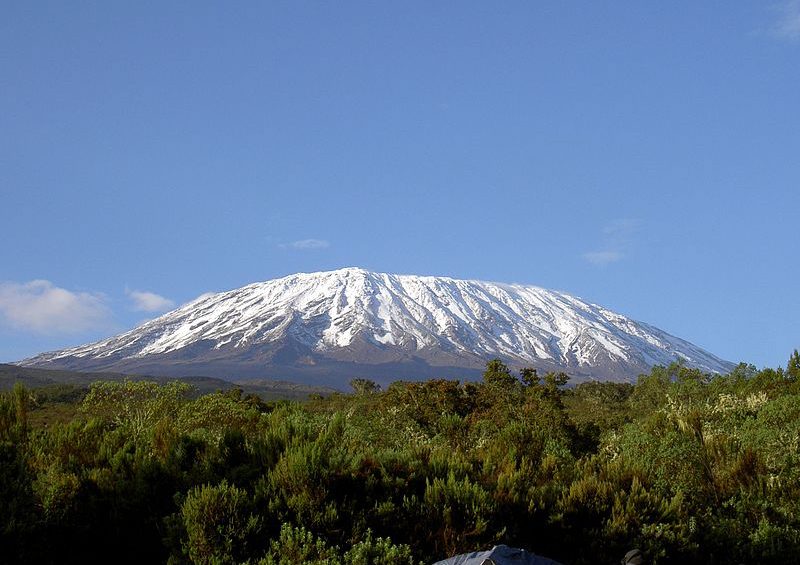
Mount Kilimanjaro rises in northern Tanzania near the Kenyan border and dominates the surrounding plains as the world’s tallest free-standing mountain. Its highest point, Uhuru Peak, sits on Kibo, the largest of Kilimanjaro’s three volcanic cones. Unlike Mount Kenya, Kilimanjaro does not require technical climbing skills, allowing thousands of trekkers to reach the summit each year. Climbers pass through five distinct climate zones, from rainforest to arctic conditions, during the ascent.
The Biggest Differences Explained
Several key differences separate Mount Kenya from Kilimanjaro. Kilimanjaro stands nearly 700 meters (2,300 feet) higher, making altitude the biggest challenge for climbers. Mount Kenya offers a more technical and rugged mountain environment, especially for those attempting Batian or Nelion. Kilimanjaro attracts significantly more visitors because it forms part of the Seven Summits challenge and does not require mountaineering experience. Mount Kenya, meanwhile, provides a quieter and less crowded adventure with excellent opportunities for wildlife viewing and technical climbing. For most first-time trekkers, Kilimanjaro offers the more accessible summit experience, while Mount Kenya rewards climbers seeking greater variety and solitude.
Where Are Mount Kenya and Kilimanjaro Located?
Mount Kenya and Mount Kilimanjaro stand in East Africa, but they lie in different countries. Both mountains attract climbers from around the world and offer unique trekking experiences. Understanding their locations helps travelers plan their adventures and appreciate the landscapes that surround these famous peaks.
Location of Mount Kenya
Mount Kenya rises in central Kenya, about 150 kilometers (93 miles) northeast of Nairobi. The mountain sits inside Mount Kenya National Park, a UNESCO World Heritage Site known for its forests, wildlife, and stunning alpine scenery.
As Kenya’s highest mountain, Mount Kenya dominates the surrounding landscape. Several towns, including Nanyuki and Chogoria, serve as popular starting points for climbing expeditions. The mountain lies almost directly on the Equator, which creates unique weather patterns and ecosystems at different elevations.
Location of Mount Kilimanjaro
Mount Kilimanjaro stands in northeastern Tanzania near the border with Kenya. The mountain lies within Kilimanjaro National Park and rises above the plains surrounding the city of Moshi.
Kilimanjaro is Africa’s highest mountain and the world’s tallest free-standing mountain. Like Mount Kenya, it sits close to the Equator. Despite its tropical location, snow and ice often cover parts of the summit. Most climbers begin their journey from Moshi or Arusha before heading to one of Kilimanjaro’s trekking routes.
Distance Between Mount Kenya and Kilimanjaro
Mount Kenya and Kilimanjaro sit approximately 320 kilometers (200 miles) apart in a straight line. The driving distance is longer and depends on the route and border crossing used during the journey.
Because the mountains are relatively close, many travelers combine both climbs into a single East African adventure. This combination allows trekkers to experience two of Africa’s most famous peaks in one trip.
Can You See Kilimanjaro From Mount Kenya?
On exceptionally clear days, some people report seeing Mount Kilimanjaro from the higher slopes of Mount Kenya. However, the long distance, weather conditions, and surrounding terrain often limit visibility.
Most visitors should not expect to see Kilimanjaro from Mount Kenya during their climb. If conditions are perfect, distant views may be possible from high elevations, but they remain rare. The best way to enjoy each mountain is to visit and experience its unique landscapes firsthand.
Height and Summit Comparison
One of the biggest differences between Mount Kenya and Kilimanjaro is their height. Both mountains rank among Africa’s most famous peaks, but Kilimanjaro rises significantly higher. They also differ in the number and type of summits they offer. Understanding these differences can help climbers choose the mountain that best matches their goals and experience level.
How High Is Mount Kenya?
Mount Kenya reaches an elevation of 5,199 meters (17,057 feet) above sea level. It is the second-highest mountain in Africa after Kilimanjaro.
The mountain features several peaks, with Batian standing as the highest point. Many trekkers aim for Point Lenana, which reaches 4,985 meters (16,355 feet). Point Lenana does not require technical climbing skills, making it the most popular summit for hikers.
How High Is Kilimanjaro?
Mount Kilimanjaro rises to 5,895 meters (19,341 feet) above sea level at Uhuru Peak. This makes it the highest mountain in Africa and the tallest free-standing mountain in the world.
Unlike Mount Kenya, Kilimanjaro allows climbers to reach its highest summit through trekking rather than technical rock climbing. Thousands of people successfully reach Uhuru Peak every year using one of the mountain’s established routes.
Mount Kenya’s Main Peaks: Batian, Nelion, and Point Lenana
Mount Kenya has three well-known peaks, each offering a different climbing experience.
Batian (5,199 meters / 17,057 feet) is the highest peak on the mountain. Reaching Batian requires technical rock climbing skills and experience.
Nelion (5,188 meters / 17,021 feet) is the second-highest peak. Climbers also need technical climbing equipment and advanced mountaineering knowledge to reach this summit.
Point Lenana (4,985 meters / 16,355 feet) is the most accessible peak. Trekkers can reach it without technical climbing, making it the preferred choice for most visitors.
Kilimanjaro’s Volcanic Peaks: Kibo, Mawenzi, and Shira
Mount Kilimanjaro consists of three volcanic cones that formed over thousands of years.
Kibo is the highest and youngest cone. It contains Uhuru Peak, the highest point in Africa at 5,895 meters (19,341 feet).
Mawenzi rises to 5,149 meters (16,893 feet). Its rugged terrain and steep rock formations make it difficult to climb, and only experienced mountaineers attempt its summit.
Shira is the oldest cone and has largely collapsed over time. Today, it forms the Shira Plateau, a beautiful high-altitude area crossed by several Kilimanjaro routes.
Which Mountain Is Higher?
Kilimanjaro is significantly higher than Mount Kenya. At 5,895 meters (19,341 feet), Kilimanjaro stands about 696 meters (2,284 feet) taller than Mount Kenya’s highest peak, Batian.
This extra elevation makes Kilimanjaro a greater altitude challenge. Climbers often face stronger effects of altitude sickness as they approach the summit. However, Kilimanjaro’s highest point remains accessible through trekking, while Mount Kenya’s highest peaks require technical climbing skills.
For climbers who want to stand on Africa’s highest mountain, Kilimanjaro is the clear winner. For those seeking a mix of trekking and mountaineering challenges, Mount Kenya offers a unique and rewarding experience.
Which Mountain Is Harder to Climb?
Many climbers ask whether Mount Kenya or Kilimanjaro is harder to climb. The answer depends on what type of challenge you consider most difficult. Mount Kenya demands more technical climbing skills on its highest peaks, while Kilimanjaro presents a greater altitude challenge. Comparing both mountains can help you understand which climb best matches your experience and fitness level.
Technical Difficulty Comparison
Mount Kenya is more technically challenging than Kilimanjaro. Reaching its highest peaks, Batian and Nelion, requires rock-climbing skills, specialized equipment, and mountaineering experience. Climbers must navigate steep rock faces and exposed sections that demand confidence and technical ability.
Kilimanjaro does not require technical climbing on any of its standard routes. Climbers walk to the summit using well-established trails. Because of this, many first-time trekkers choose Kilimanjaro as their introduction to high-altitude mountain climbing.
Altitude Challenge Comparison
Kilimanjaro presents a greater altitude challenge because it rises much higher than Mount Kenya. At 5,895 meters (19,341 feet), Kilimanjaro exposes climbers to thinner air and lower oxygen levels.
Many trekkers find the final summit push physically demanding due to the altitude. Even fit climbers can experience symptoms of altitude sickness if they do not acclimatize properly.
Mount Kenya also reaches a significant elevation, especially at Point Lenana and the higher technical peaks. However, its lower altitude generally reduces the risk of severe altitude-related problems compared to Kilimanjaro.
Physical Fitness Requirements
Both mountains require good physical fitness, but the demands differ.
Kilimanjaro requires endurance for long trekking days and the ability to handle high altitude. Climbers often spend several consecutive days hiking uphill before reaching the summit.
Mount Kenya requires strong fitness as well, especially for technical climbers aiming for Batian or Nelion. Trekkers heading to Point Lenana need stamina for steep trails, but they do not face the same altitude challenge as those climbing Kilimanjaro.
In either case, regular hiking, cardio training, and strength exercises can improve your chances of a successful climb.
Which Mountain Is More Difficult Overall?
For most trekkers, Kilimanjaro feels more difficult because of its extreme altitude. Reaching nearly 6,000 meters challenges even experienced hikers and makes acclimatization a critical part of success.
However, for experienced mountaineers, Mount Kenya’s highest peaks present a greater technical challenge. Batian and Nelion require climbing skills that Kilimanjaro’s trekking routes do not.
If you compare the most popular trekking summits Point Lenana on Mount Kenya and Uhuru Peak on Kilimanjaro Kilimanjaro is generally the harder climb due to its higher elevation and increased risk of altitude sickness. If you compare the highest peaks on both mountains, Mount Kenya offers the more technical and demanding mountaineering experience.
Climbing Routes Comparison
The routes you choose can greatly affect your climbing experience. Mount Kenya and Kilimanjaro both offer several routes, but they differ in scenery, difficulty, and overall trekking style. Understanding the available options can help you select the mountain that best suits your goals and experience level.
Popular Mount Kenya Routes
Mount Kenya has several well-established routes that lead to Point Lenana and the mountain’s higher peaks.
Sirimon Route is the most popular route. It offers gradual elevation gain, beautiful scenery, and excellent opportunities for acclimatization. Many climbers choose this route for both ascent and descent.
Chogoria Route is often considered the most scenic. It passes stunning features such as lakes, waterfalls, and dramatic valleys. Many trekkers use this route for descent after ascending via Sirimon.
Naro Moru Route provides the shortest and fastest path to Point Lenana. However, it is steeper and offers less time for acclimatization, making it more challenging for some climbers.
Popular Kilimanjaro Routes
Kilimanjaro offers several trekking routes, each with its own advantages.
Machame Route is one of the most popular choices. It provides excellent scenery, good acclimatization opportunities, and a high summit success rate.
Lemosho Route offers a longer trek with beautiful landscapes and fewer crowds during the early stages. Many guides consider it one of the best routes for acclimatization.
Marangu Route is famous for its mountain huts and shorter itinerary. Because of its direct approach, it often has lower summit success rates than longer routes.
Rongai Route approaches the mountain from the northern side near the Kenyan border. It usually sees fewer climbers and offers a quieter trekking experience.
Route Difficulty Comparison
Mount Kenya routes vary in difficulty, but most trekkers can reach Point Lenana without technical climbing. The main challenges include steep trails, changing weather, and moderate altitude.
Kilimanjaro routes do not require technical climbing, but they involve more days at high altitude. Climbers must manage longer trekking distances and a greater risk of altitude sickness.
In general, Kilimanjaro routes challenge trekkers more with elevation, while Mount Kenya routes challenge them more with terrain and steep sections.
Which Mountain Offers Better Route Options?
Both mountains offer excellent route choices, but Kilimanjaro provides more variety for most trekkers. Climbers can choose from several routes that differ in length, scenery, crowd levels, and acclimatization profiles.
Mount Kenya offers fewer trekking routes, but many hikers appreciate its quieter trails and diverse landscapes. The combination of trekking routes and technical climbing options also appeals to experienced mountaineers.
If you want a wider selection of trekking routes and a better chance to customize your climb, Kilimanjaro offers more options. If you prefer fewer crowds and a more rugged mountain experience, Mount Kenya may be the better choice.
Altitude and Acclimatization Comparison
Altitude plays a major role in the difficulty of any mountain climb. As you gain elevation, the air contains less oxygen, making it harder for your body to perform. Both Mount Kenya and Kilimanjaro reach heights where altitude sickness can occur, but the risk and acclimatization requirements differ significantly between the two mountains.
Altitude Profile of Mount Kenya
Mount Kenya rises to 5,199 meters (17,057 feet), with most trekkers aiming for Point Lenana at 4,985 meters (16,355 feet). Climbers usually spend several days ascending through different vegetation zones, from forest and moorland to alpine terrain.
The mountain’s routes allow for gradual altitude gain, which helps many trekkers adjust to the thinner air. While altitude can still affect climbers, the lower trekking summit compared to Kilimanjaro generally reduces the overall challenge.
Altitude Profile of Kilimanjaro
Mount Kilimanjaro reaches 5,895 meters (19,341 feet) at Uhuru Peak, making it nearly 700 meters higher than Mount Kenya’s highest peak. Climbers pass through several ecological zones, including rainforest, moorland, alpine desert, and the arctic summit zone.
Because Kilimanjaro rises so high, trekkers spend more time at extreme elevations. The final summit push often takes place above 5,000 meters, where oxygen levels are significantly lower than at sea level.
Risk of Altitude Sickness
Altitude sickness can affect climbers on both mountains, regardless of age or fitness level. Common symptoms include headaches, nausea, dizziness, fatigue, and shortness of breath.
The risk is generally higher on Kilimanjaro because of its greater elevation. Many climbers begin to feel the effects of altitude as they approach the summit. Longer routes with more acclimatization days often improve summit success rates and reduce the likelihood of serious altitude-related problems.
Mount Kenya also presents an altitude challenge, especially near Point Lenana and the higher technical peaks. However, most trekkers face a lower risk compared to those climbing Kilimanjaro.
Which Mountain Requires Better Acclimatization?
Kilimanjaro requires more careful acclimatization than Mount Kenya. Its higher elevation places greater stress on the body and increases the chance of altitude sickness.
Climbers on Kilimanjaro benefit from choosing longer routes such as Lemosho or the Northern Circuit, which provide additional days for adjustment. Following the principle of “climb high, sleep low” also helps the body adapt more effectively.
Mount Kenya still requires proper acclimatization, but its lower trekking altitude makes the process slightly easier for most hikers. For this reason, Kilimanjaro demands a stronger focus on acclimatization and altitude management to achieve a successful summit.
Scenery Comparison
Both Mount Kenya and Kilimanjaro offer breathtaking scenery, but the landscapes differ in several ways. From lush rainforests and giant plants to rocky peaks and glaciers, each mountain provides a unique visual experience. The best choice depends on the type of scenery you enjoy most.
Rainforest and Lower Slopes
The lower slopes of both mountains feature rich forests filled with wildlife and diverse plant species.
Mount Kenya’s forests contain bamboo zones, giant trees, waterfalls, and a variety of wildlife, including monkeys, buffaloes, and elephants. The landscape feels wild and untouched, giving trekkers a strong sense of adventure.
Kilimanjaro’s rainforest is also impressive. Climbers often spot blue monkeys, colobus monkeys, and colorful birds along the trail. Dense vegetation covers the lower slopes, creating a dramatic contrast with the barren summit far above.
Moorlands and Alpine Zones
As climbers gain altitude, both mountains reveal some of East Africa’s most remarkable alpine scenery.
Mount Kenya is famous for its beautiful valleys, alpine lakes, rocky ridges, and unique plants such as giant lobelias and giant groundsels. The landscape feels diverse and changes constantly throughout the climb.
Kilimanjaro’s moorland zone features giant groundsels, heather, and wide-open views. Higher up, the terrain changes into a vast alpine desert with volcanic rocks and dramatic mountain vistas. The scenery becomes more rugged as climbers approach the summit.
Glaciers and Summit Landscapes
The summit areas of the two mountains look very different.
Mount Kenya’s highest peaks feature sharp rocky spires, steep cliffs, and dramatic mountain scenery. The remaining glaciers have shrunk significantly over the years, but the rugged summit still attracts climbers seeking a true alpine environment.
Kilimanjaro offers a completely different experience. Near Uhuru Peak, climbers encounter massive ice fields, glaciers, and a striking arctic landscape. Standing above the clouds beside ancient glaciers creates one of the most memorable summit experiences in the world.
Which Mountain Has Better Views?
Choosing a winner depends on personal preference.
Mount Kenya offers more varied scenery, including lakes, valleys, forests, rocky peaks, and unique alpine vegetation. Many hikers appreciate the constant changes in landscape throughout the trek.
Kilimanjaro delivers bigger and more dramatic views. Its immense height provides sweeping panoramas across the plains of Tanzania, while the glaciers near the summit create a truly iconic setting.
If you prefer diverse mountain scenery and rugged alpine landscapes, Mount Kenya may have the better views. If you dream of standing above the clouds on Africa’s highest mountain surrounded by glaciers, Kilimanjaro is hard to beat.
Wildlife Comparison
Both Mount Kenya and Kilimanjaro support a variety of wildlife, especially in their lower forests and moorland zones. However, the wildlife experience differs between the two mountains. While climbers should not expect a traditional safari on either peak, they can still encounter fascinating animals and birds during their trek.
Wildlife on Mount Kenya
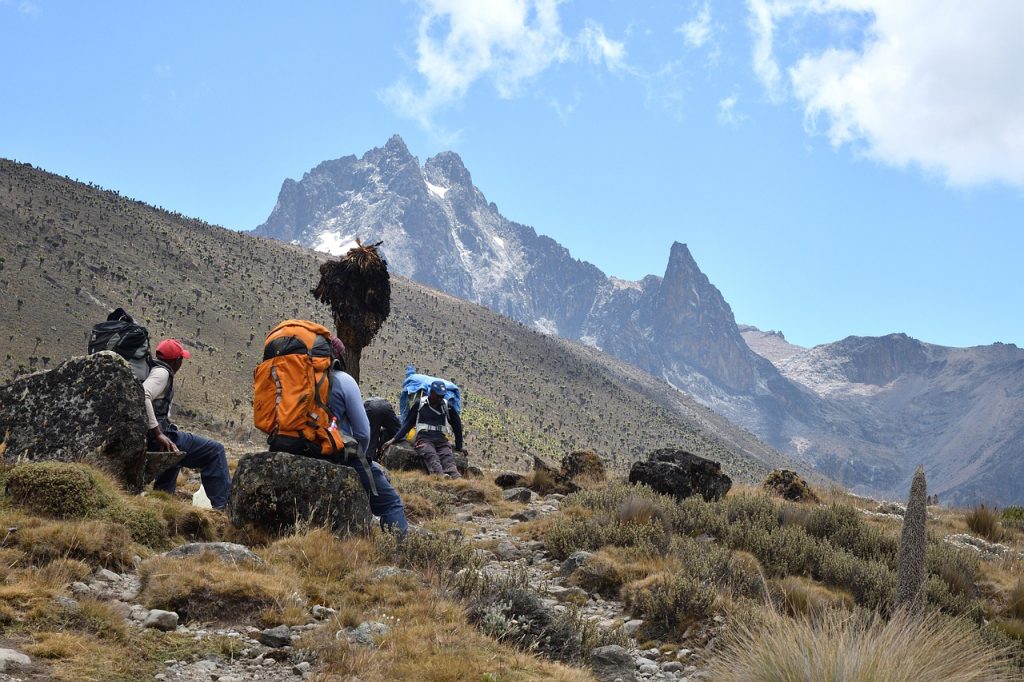
Mount Kenya is one of the best mountains in Africa for wildlife viewing. Its forests provide habitat for a wide range of animals, including elephants, buffaloes, bushbucks, giant forest hogs, and several monkey species.
Birdwatchers also enjoy Mount Kenya because the mountain supports hundreds of bird species. Colorful sunbirds, eagles, and other highland birds often appear along the trails.
Many climbers spot wildlife while hiking through the lower slopes and forest zones. Because Mount Kenya National Park protects a large area of natural habitat, animals thrive throughout the region.
Wildlife on Kilimanjaro
Kilimanjaro also supports diverse wildlife, particularly in its rainforest zone. Climbers often see blue monkeys, black-and-white colobus monkeys, and a variety of bird species during the first days of their trek.
Larger animals such as elephants, buffaloes, and leopards live on the mountain, but visitors rarely encounter them because they tend to stay away from busy trekking routes.
As climbers move into the higher moorland, alpine desert, and summit zones, wildlife becomes less common due to the harsh conditions and limited vegetation.
Best Mountain for Wildlife Encounters
Mount Kenya generally offers better wildlife viewing opportunities than Kilimanjaro. Its extensive forests, lower visitor numbers, and rich ecosystems support a greater variety of visible animals and birds.
Kilimanjaro provides some wildlife encounters, especially in the rainforest, but most climbers focus on reaching the summit rather than observing animals.
If wildlife is a major part of your adventure, Mount Kenya is the stronger choice. If your main goal is to climb Africa’s highest mountain, Kilimanjaro remains the more iconic trekking destination. Many travelers combine a Kilimanjaro climb with a Tanzanian safari to enjoy both world-class trekking and exceptional wildlife viewing.
Success Rates Comparison
Reaching the summit is the main goal for most climbers, but success depends on several factors, including fitness, altitude adaptation, route choice, and weather conditions. Mount Kenya and Kilimanjaro have different success rates because they present different challenges.
Mount Kenya Summit Success Rates
For trekkers aiming for Point Lenana, Mount Kenya offers a relatively high summit success rate. Many hikers who prepare properly and follow a suitable itinerary reach the summit without major difficulties.
At 4,985 meters (16,355 feet), Point Lenana sits lower than Kilimanjaro’s Uhuru Peak, which reduces the risk of severe altitude sickness. A gradual ascent on popular routes also gives climbers more time to acclimatize, improving their chances of success.
In contrast, Batian and Nelion have much lower success rates because they require technical climbing skills, mountaineering experience, and suitable weather conditions. These challenging peaks attract experienced climbers rather than regular trekkers.
Kilimanjaro Summit Success Rates
Kilimanjaro’s summit success rate varies significantly depending on the route and the number of days spent on the mountain.
Shorter routes often produce lower success rates because climbers have less time to acclimatize. Longer routes such as Lemosho and the Northern Circuit usually achieve much higher success rates because they give the body more time to adjust to the altitude.
Many climbers reach Uhuru Peak each year, but altitude sickness remains the biggest obstacle to a successful summit.
Factors That Affect Summit Success
Several factors influence summit success on both mountains:
- Proper acclimatization
- Good physical fitness
- Choosing an appropriate route
- Adequate hydration
- Positive mental attitude
- Experienced guides and support teams
- Favorable weather conditions
Climbers who prepare well and allow enough time for acclimatization usually enjoy much better success rates than those who rush their ascent.
Which Mountain Has a Higher Success Rate?
For non-technical trekking summits, Mount Kenya often has a slightly higher success rate because trekkers usually face less extreme altitude. Many hikers successfully reach Point Lenana without major difficulties.
Kilimanjaro’s higher elevation creates a greater challenge, especially on shorter routes. However, climbers who choose longer itineraries and follow proper acclimatization practices can achieve excellent summit success rates.
Overall, Mount Kenya may offer a higher chance of reaching its most popular trekking summit, while Kilimanjaro demands more preparation due to its altitude. Despite the challenge, thousands of climbers successfully stand on Uhuru Peak every year, making it one of the world’s most rewarding trekking achievements.
Best Time to Climb Mount Kenya vs Kilimanjaro
Choosing the right time to climb can make a huge difference to your experience. Weather affects trail conditions, visibility, wildlife sightings, and summit success rates. Fortunately, both Mount Kenya and Kilimanjaro offer excellent climbing opportunities during much of the year, especially during the dry seasons.
Dry Season Climbing
The dry seasons provide the best conditions for climbing both mountains. Trails remain less muddy, skies stay clearer, and climers enjoy better views throughout the trek.
For Mount Kenya, the main dry seasons run from January to March and June to October. These months often bring sunny days and stable weather.
For Kilimanjaro, the most popular climbing periods are also January to March and June to October. During these months, trekkers usually experience drier trails and better summit conditions.
Because of the favorable weather, the dry season attracts the largest number of climbers on both mountains.
Rainy Season Considerations
Both mountains experience rainy seasons that can make climbing more challenging.
Mount Kenya typically receives heavier rainfall from March to May and again during November. Wet trails, cloudy conditions, and reduced visibility can affect the trekking experience.
Kilimanjaro experiences similar rainy periods. Rain can make lower trails slippery, while clouds may limit mountain views. However, some climbers prefer these quieter months because they encounter fewer people on the routes.
Climbing during the rainy season remains possible, but trekkers should prepare for wetter conditions and changing weather.
Best Months for Clear Views
If spectacular scenery and photography are your priorities, clear skies are essential.
For Mount Kenya, January, February, September, and October often provide some of the clearest mountain views. During these months, trekkers can enjoy excellent visibility of the peaks, valleys, and surrounding landscapes.
For Kilimanjaro, January, February, August, September, and October frequently offer outstanding visibility. Climbers often enjoy breathtaking sunrise views and panoramic vistas from the upper slopes.
These months give visitors the best chance to experience the dramatic scenery that makes both mountains famous.
Best Months for Summit Success
The best summit success rates usually occur during the dry seasons when weather conditions remain more predictable.
On Mount Kenya, January to March and June to October generally provide the best opportunities for a successful ascent.
On Kilimanjaro, January, February, July, August, September, and October often produce the highest summit success rates. Climbers benefit from drier conditions, better visibility, and more stable weather.
No matter when you climb, proper preparation, fitness, and acclimatization remain the most important factors for reaching the summit. Choosing a favorable season simply improves your chances of enjoying a safer and more comfortable adventure.
Cost Comparison
Cost is often a major factor when choosing between Mount Kenya and Kilimanjaro. While both mountains require guides, permits, and logistical support, Kilimanjaro usually costs more due to higher park fees, longer itineraries, and larger support crews. Understanding the typical expenses can help you plan your adventure and choose the option that fits your budget.
Mount Kenya Climbing Costs
Mount Kenya is generally the more affordable mountain to climb. Most treks last between three and six days, which helps keep overall costs lower.
Budget-conscious travelers can often find reasonably priced guided treks that include park fees, accommodation, meals, and guide services. Climbers who choose Point Lenana usually spend less than those attempting the technical peaks of Batian or Nelion, which require specialized guides and equipment.
Because of its lower costs, Mount Kenya appeals to travelers looking for a rewarding mountain experience without a large financial commitment.
Kilimanjaro Climbing Costs
Kilimanjaro typically costs more than Mount Kenya. Most climbs last between five and nine days, and all climbers must join a licensed operator that provides guides, porters, and support staff.
A significant portion of the cost comes from national park fees, camping fees, rescue fees, and crew expenses. Longer routes such as Lemosho and the Northern Circuit often cost more, but they also provide better acclimatization and higher summit success rates.
Although Kilimanjaro requires a larger budget, many climbers consider the experience worth the investment because it offers the chance to stand on Africa’s highest peak.
What Is Included in the Price?
The exact inclusions vary by operator, but most climbing packages provide:
- National park entry fees
- Professional guides
- Porters and support staff
- Accommodation on the mountain
- Meals during the trek
- Camping equipment or mountain huts where applicable
- Safety equipment and basic first aid support
Travelers should also budget for international flights, visas, travel insurance, tips for the mountain crew, personal gear, and accommodation before and after the climb.
Which Mountain Offers Better Value for Money?
The answer depends on your goals.
Mount Kenya offers excellent value for travelers seeking beautiful scenery, wildlife, and a challenging trekking experience at a lower cost. It delivers a memorable mountain adventure without the higher expenses associated with Kilimanjaro.
Kilimanjaro offers outstanding value for climbers who dream of reaching Africa’s highest mountain and completing one of the world’s most famous treks. While the cost is higher, the achievement of standing on Uhuru Peak makes the investment worthwhile for many adventurers.
If your priority is affordability, Mount Kenya usually provides better value. If your goal is a bucket-list summit and a world-famous trekking experience, Kilimanjaro offers a unique return on your investment.
Accommodation Comparison
Accommodation plays an important role in shaping the climbing experience on both Mount Kenya and Kilimanjaro. Each mountain uses a different system. Mount Kenya offers mountain huts on some routes, while Kilimanjaro mainly uses camping. These differences affect comfort, convenience, and overall trekking style.
Mountain Huts on Mount Kenya
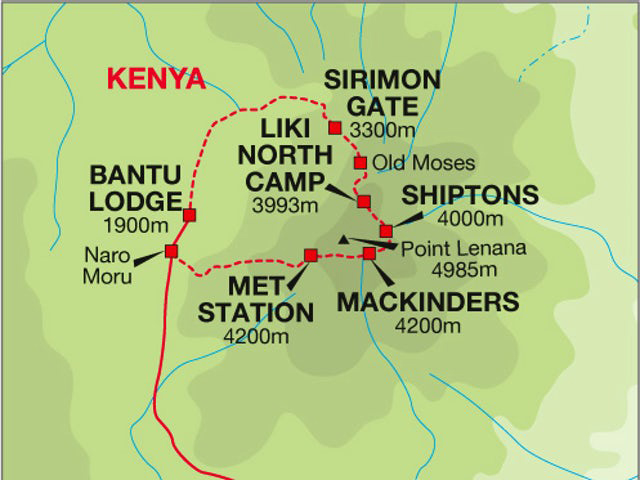
Mount Kenya provides hut accommodation on some of its popular routes, especially the Sirimon and Chogoria routes. These huts offer basic shelter for climbers during the trek.
Most huts include bunk beds, simple mattresses, and shared dining areas. They provide protection from cold weather, wind, and rain, especially at higher altitudes. However, facilities remain basic, and climbers should not expect luxury services.
Some routes also allow camping for those who prefer tents instead of huts. This flexibility gives trekkers more options depending on their comfort level and budget.
Camping on Kilimanjaro
Kilimanjaro uses a full camping system on all trekking routes. Climbers sleep in tents set up by porters at designated campsites along the mountain.
Each campsite provides basic toilet facilities and shared dining tents for meals. The experience feels more adventurous because climbers stay close to nature throughout the journey.
Camping conditions vary depending on altitude. Lower camps feel warmer and more comfortable, while higher camps near the summit become colder and more challenging due to strong winds and low temperatures.
Comfort and Facilities Comparison
Mount Kenya generally offers slightly more comfort on hut-based routes because climbers sleep indoors and stay protected from harsh weather. Huts reduce exposure to wind and cold, which can improve rest and recovery.
Kilimanjaro provides a more adventurous experience through camping. While tents offer less comfort than huts, they allow greater flexibility and a stronger sense of wilderness.
Both mountains provide basic facilities rather than luxury accommodation. Climbers should prepare for simple living conditions, cold nights, and limited amenities.
In summary, Mount Kenya offers more comfort through hut options, while Kilimanjaro delivers a more immersive camping experience in the heart of the mountain environment.
Crowds and Trail Experience
The level of crowds on a mountain can strongly affect your overall experience. Some climbers enjoy busy trails with social interaction, while others prefer quiet routes and solitude in nature. Mount Kenya and Kilimanjaro differ a lot in how crowded their trails feel.
How Busy Is Kilimanjaro?
Kilimanjaro attracts thousands of climbers every year from all over the world. Popular routes like Machame and Marangu often feel busy, especially during peak seasons.
On these routes, you may see other trekking groups at campsites and along the trail. The mountain has a well-organized infrastructure, so many groups follow similar schedules and stay in designated camps.
Some quieter routes, like Rongai or parts of the Northern Circuit, offer fewer crowds, but Kilimanjaro still remains one of Africa’s most popular trekking destinations.
How Busy Is Mount Kenya?
Mount Kenya feels much quieter than Kilimanjaro. Fewer climbers visit the mountain, and the trails often feel more remote and peaceful.
Even on popular routes like Sirimon and Chogoria, you may hike long sections without seeing other groups. This creates a strong sense of wilderness and solitude.
Because Mount Kenya receives fewer visitors, it offers a more intimate mountain experience with nature, wildlife, and open landscapes.
Which Mountain Offers More Solitude?
Mount Kenya clearly offers more solitude than Kilimanjaro. The lower number of climbers and quieter routes create a peaceful trekking experience where you can enjoy nature without large crowds.
Kilimanjaro offers more social interaction and shared experiences with other climbers, especially on busy routes. This can feel motivating for some trekkers, but less appealing for those who want isolation.
If you want a quiet and remote mountain adventure, Mount Kenya is the better choice. If you prefer a well-supported climb with more people on the trail, Kilimanjaro offers a more social trekking environment.
Mount Kenya or Kilimanjaro: Which Should You Choose?
Choosing between Mount Kenya and Kilimanjaro depends on your experience level, budget, and what kind of adventure you want. Both mountains offer unforgettable experiences, but each one suits a different type of traveler.
Best for First-Time Trekkers
Kilimanjaro is the better choice for first-time trekkers who want to reach a high summit without technical climbing. Its routes are well-established, and professional guides support climbers throughout the journey.
Mount Kenya also works for beginners if they aim for Point Lenana. However, the terrain can feel steeper and more rugged in some sections compared to Kilimanjaro’s main trekking routes.
Best for Experienced Climbers
Experienced climbers often prefer Mount Kenya because it offers technical routes to peaks like Batian and Nelion. These climbs require rope skills, rock climbing experience, and proper mountaineering knowledge.
Kilimanjaro suits experienced trekkers who want a high-altitude trekking challenge without technical climbing. It focuses more on endurance and altitude than technical skill.
Best for Budget Travelers
Mount Kenya usually costs less to climb. Shorter itineraries and lower park fees make it more affordable for budget travelers.
Kilimanjaro costs more due to longer routes, higher park fees, and larger support teams. However, many travelers still choose it for the iconic experience of reaching Africa’s highest point.
Best for Wildlife Lovers
Mount Kenya is the stronger choice for wildlife encounters. Its forests support elephants, buffaloes, monkeys, and many bird species, especially on the lower slopes.
Kilimanjaro also has wildlife in its rainforest zone, but sightings are less frequent and the main focus of the climb is the summit.
Best for Scenic Landscapes
Both mountains offer stunning scenery, but in different ways.
Mount Kenya provides varied landscapes, including forests, alpine lakes, valleys, and rocky peaks. The scenery changes frequently during the climb.
Kilimanjaro offers dramatic, large-scale landscapes, from tropical forests to an icy summit above the clouds. Its views feel more expansive and iconic.
In summary, Mount Kenya suits climbers who want variety, wildlife, and a quieter adventure, while Kilimanjaro suits those who want a world-famous summit experience and a non-technical high-altitude challenge.
Why Many Climbers Choose Kilimanjaro
Kilimanjaro attracts climbers from all over the world. Many people choose it not only because of its height, but also because of its reputation as one of the most iconic trekking destinations on Earth. The mountain offers a unique combination of challenge, accessibility, and achievement that few other peaks can match.
Africa’s Highest Mountain
Kilimanjaro stands as the highest mountain in Africa, reaching 5,895 meters (19,341 feet) above sea level. This fact alone draws thousands of climbers each year who want to stand on the highest point of the continent.
The mountain rises dramatically from the surrounding plains of Tanzania, making it visible from far away. Its size and presence create a powerful sense of achievement for anyone who reaches the summit.
One of the Seven Summits
Kilimanjaro is also part of the famous Seven Summits challenge, which includes the highest mountain on each continent. This global recognition makes it a top goal for many adventure seekers and mountaineers.
Climbers who complete Kilimanjaro feel a strong sense of accomplishment because they have conquered one of the most recognized peaks in the world. This status adds to its popularity among international trekkers.
A Non-Technical Summit Trek
One of Kilimanjaro’s biggest advantages is that it does not require technical climbing skills. Climbers do not need ropes, ice axes, or advanced mountaineering training on standard routes.
Instead, trekkers follow established paths with the support of professional guides and porters. This makes Kilimanjaro accessible to people with good fitness levels but limited climbing experience.
Reaching Uhuru Peak
The final goal of every Kilimanjaro climb is Uhuru Peak, the highest point on the mountain. Reaching this summit feels like a major personal achievement for most climbers.
The final ascent often begins at night, and climbers reach the top at sunrise. Standing at Uhuru Peak above the clouds creates an unforgettable moment that many describe as life-changing.
This powerful combination of accessibility, global recognition, and emotional reward explains why Kilimanjaro remains one of the most popular trekking mountains in the world.
FAQ
This section answers the most common questions travelers ask when comparing Mount Kenya and Kilimanjaro. The answers help you understand the key differences in difficulty, cost, and overall experience.
Mount Kenya is harder in terms of technical climbing. Peaks like Batian and Nelion require rock climbing skills and equipment. Kilimanjaro is harder in terms of altitude because it reaches a much higher elevation, which increases the risk of altitude sickness.
Kilimanjaro is higher. It reaches 5,895 meters (19,341 feet), while Mount Kenya reaches 5,199 meters (17,057 feet) at its highest point.
Yes, beginners can climb Mount Kenya if they aim for Point Lenana. This peak does not require technical skills, but climbers still need good fitness and basic trekking experience.
Mount Kenya is usually cheaper. It has shorter routes and lower overall park and logistics costs compared to Kilimanjaro.
Mount Kenya usually takes 3 to 6 days depending on the route. Kilimanjaro takes longer, usually 5 to 9 days, depending on the chosen route and acclimatization plan.
Mount Kenya has better wildlife viewing. Its forests support elephants, buffaloes, monkeys, and many bird species. Kilimanjaro has wildlife too, but sightings are less frequent.
Sometimes, but only on very clear days. The distance and weather conditions usually make it difficult to see Kilimanjaro from Mount Kenya.
No, Mount Kenya is not part of the Seven Summits. Kilimanjaro is part of the Seven Summits because it is the highest mountain in Africa.
Final Thoughts: Mount Kenya vs Kilimanjaro
Mount Kenya and Kilimanjaro both offer unforgettable mountain experiences in East Africa. Each mountain gives climbers something different, from technical challenges and wildlife encounters to high-altitude trekking and iconic summit views. The best choice depends on your goals, fitness level, and the type of adventure you want.
Which Mountain Is Best for You?
Mount Kenya is best for climbers who want a quieter, more rugged experience. It suits travelers who enjoy wildlife, varied landscapes, and less crowded trails. It also fits experienced climbers who want to attempt technical peaks like Batian and Nelion.
Kilimanjaro is best for trekkers who want to reach the highest point in Africa without technical climbing. It suits first-time high-altitude climbers who want a well-supported trek and a world-famous summit experience.
Our Recommendation
If you want a challenging but accessible trek with a high chance of reaching the summit, Kilimanjaro is the stronger choice. It offers a clear path to Uhuru Peak, professional support teams, and a globally recognized achievement.
If you want a more adventurous, less crowded mountain with rich wildlife and varied terrain, Mount Kenya offers a more natural and rugged experience.
For many travelers, the ideal option is to climb both mountains at different times to experience the full beauty of East Africa’s highlands.
Why Kilimanjaro Remains Africa’s Most Popular Trekking Destination
Kilimanjaro remains the most popular trekking mountain in Africa because it combines height, accessibility, and global fame. As the highest mountain on the continent, it attracts climbers from all over the world who want to stand on its summit.
The mountain also offers non-technical routes, which allow people without mountaineering experience to attempt the climb. Its well-organized trekking system, multiple route options, and strong support teams make the journey achievable for many hikers.
Reaching Uhuru Peak creates a powerful emotional reward. Standing above the clouds at sunrise gives climbers a sense of achievement that lasts a lifetime. This combination of challenge and accessibility keeps Kilimanjaro at the top of many adventure bucket lists worldwide.