Mawenzi Peak Kilimanjaro – Complete Guide to Africa’s Most Rugged Summit
Estimated reading time: 19 minutes
Mawenzi Peak stands as one of the most dramatic and rugged peaks on Mount Kilimanjaro. It rises sharply beside Kibo and forms part of the famous Kilimanjaro volcanic massif in Tanzania. Many travelers see it during their Kilimanjaro climb, but few understand its true nature, history, and difficulty.
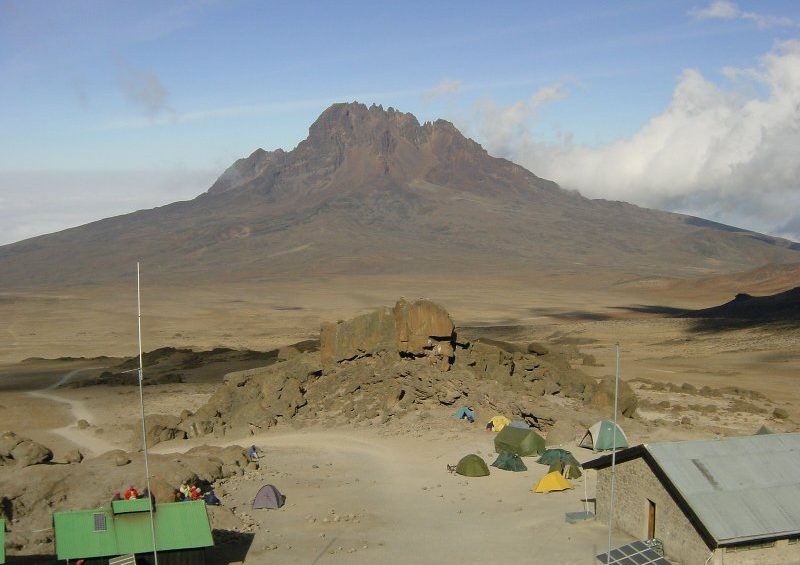
Mawenzi reaches an elevation of 5,149 meters and ranks as the third-highest peak in Africa after Kibo on Kilimanjaro and Mount Kenya. Unlike the smooth dome of Kibo, Mawenzi shows sharp ridges, jagged rocks, and steep walls that look wild and untouched. This appearance comes from ancient volcanic activity followed by strong erosion over time.
Most climbers do not attempt to reach Mawenzi’s summit because it demands technical mountaineering skills. The mountain does not offer simple trekking routes like Uhuru Peak on Kibo. Instead, it challenges climbers with loose rock, steep couloirs, and unpredictable weather conditions.
Mawenzi also holds strong historical value. Early explorers tried to climb it during the early expeditions on Kilimanjaro, but its difficult terrain stopped many attempts. Today, only experienced climbers with proper equipment and permits can approach its higher sections.
Travelers who trek Kilimanjaro often view Mawenzi from a distance, especially from the Rongai and Marangu routes. Its sharp silhouette creates one of the most striking views on the mountain and gives Kilimanjaro its unique three-peak structure.
Mawenzi Peak offers more than a destination. It represents the raw and untamed side of Kilimanjaro, where nature shows its power through rock, height, and isolation.
Table of contents
- Mawenzi Peak Kilimanjaro – Complete Guide to Africa’s Most Rugged Summit
- What Is Mawenzi Peak on Mount Kilimanjaro?
- Where Is Mawenzi Peak Located?
- How High Is Mawenzi Peak?
- What Makes Mawenzi Peak So Unique?
- Can You Climb Mawenzi Peak?
- How Difficult Is Mawenzi Peak to Climb?
- Routes to Mawenzi Peak
- Best Time to Visit Mawenzi Peak
- Wildlife Around Mawenzi Peak
- History of Mawenzi Peak
- Mawenzi Tarn and Surrounding Features
- Mawenzi Peak vs Kibo Peak
- Safety and Dangers of Mawenzi Peak
- Frequently Asked Questions
- Final Thoughts on Mawenzi Peak Kilimanjaro
- Read Also:
What Is Mawenzi Peak on Mount Kilimanjaro?
Mawenzi Peak is one of the three volcanic cones of Mount Kilimanjaro and the second-highest peak on the mountain at 5,149 meters. It stands out because it has sharp rock towers, steep ridges, and a very rugged shape compared to the smooth dome of Kibo. Most climbers do not reach Mawenzi because it requires technical climbing skills, so it is mainly seen during Kilimanjaro trekking routes rather than climbed.
Mawenzi Peak Overview
Mawenzi Peak formed through volcanic activity millions of years ago. Over time, erosion shaped it into a jagged and dramatic peak. Today, it looks more like a rocky mountain wall than a typical trekking summit. Climbers and hikers on Kilimanjaro often see Mawenzi from a distance, especially on the eastern side of the mountain.
Why Mawenzi Is Part of Kilimanjaro Massif
Mawenzi is part of the Kilimanjaro massif because it formed from the same volcanic system as Kibo and Shira. These three peaks developed from ancient volcanic eruptions in the same region. Even though Mawenzi looks separate today, it still connects geologically to Kilimanjaro. This shared origin makes it one of the key volcanic cones of the mountain.
Mawenzi vs Kibo vs Shira
Mawenzi, Kibo, and Shira are the three main volcanic cones of Mount Kilimanjaro, but they differ in height, shape, and climbing access. Kibo is the highest peak and home to Uhuru Peak, which most climbers aim to reach. Mawenzi is lower but much more rugged and difficult, so only experienced climbers attempt it. Shira is the oldest cone and has collapsed into a plateau due to erosion. Together, they form the complete volcanic structure of Kilimanjaro.
Where Is Mawenzi Peak Located?
Mawenzi Peak is located in northern Tanzania inside Kilimanjaro National Park. It forms part of the Mount Kilimanjaro volcanic massif and sits to the east of Kibo Peak. The mountain rises in the same protected area where most Kilimanjaro trekking routes pass, so climbers often see Mawenzi during their ascent even if they do not climb it directly.
Location in Kilimanjaro National Park
Mawenzi Peak sits within Kilimanjaro National Park, which protects the entire mountain and its surrounding ecosystem. It lies on the eastern side of Mount Kilimanjaro, near the border area between Tanzania and Kenya. Most trekkers see Mawenzi from routes like Marangu and Rongai, which pass through the eastern slopes of the mountain.
Distance from Kibo Peak
Mawenzi lies close to Kibo Peak, but a deep saddle called the “Saddle Plateau” separates them. This plateau stretches between the two volcanic cones and forms a high-altitude desert zone. The distance between Mawenzi and Kibo looks short on a map, but the rough terrain and elevation make movement between them difficult without proper mountaineering skills.
How Mawenzi Appears on the Kilimanjaro Map
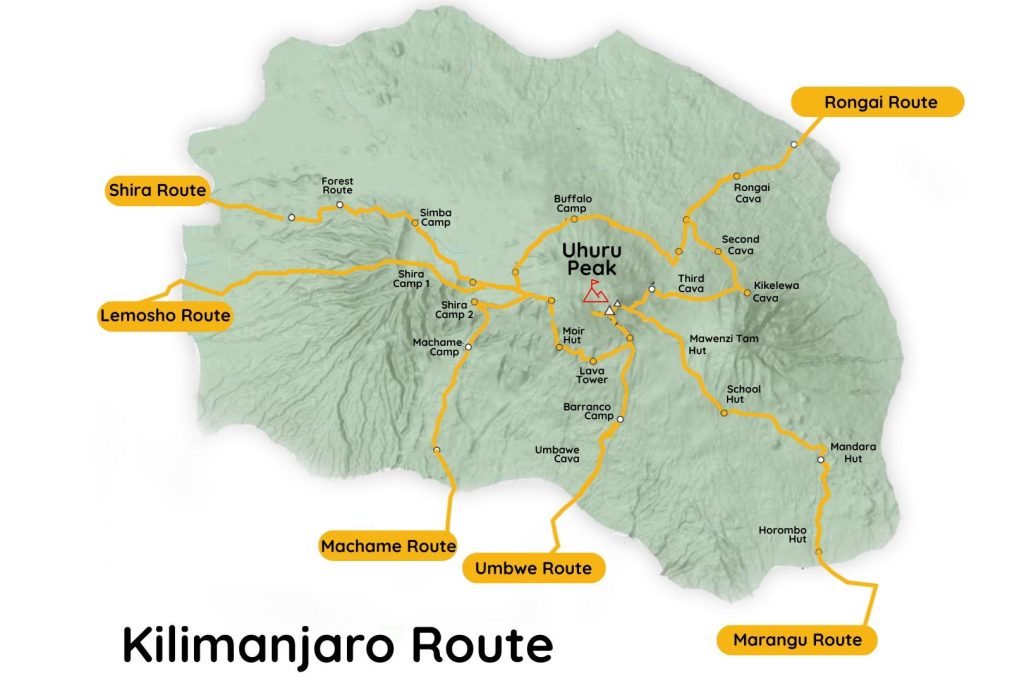
On a Kilimanjaro map, Mawenzi appears as a sharp, jagged peak to the east of the central Kibo cone. It stands out clearly because of its irregular shape compared to the smooth circular outline of Kibo. Maps often show Mawenzi connected to Kibo through the Saddle Plateau, which highlights its role as part of the same volcanic system rather than a separate mountain.
How High Is Mawenzi Peak?
Mawenzi Peak rises to 5,149 meters above sea level, making it the second-highest peak on Mount Kilimanjaro and the third-highest peak in Africa. Its height makes it a major volcanic summit, but its rugged terrain prevents normal trekking access. Unlike Kibo, Mawenzi does not offer a simple walking route to the top, so only experienced climbers attempt technical ascents.
Mawenzi Peak Height (5,149m)
Mawenzi reaches an elevation of 5,149 meters (16,893 feet). This height places it just below Kibo Peak, which forms the highest point of Kilimanjaro. Even though Mawenzi is lower than Kibo, it still rises high above the surrounding landscape and creates a dramatic skyline when viewed from the eastern side of the mountain.
Hans Meyer Peak – The Highest Point
Hans Meyer Peak marks the highest point of Mawenzi. It sits at 5,149 meters and gets its name from Hans Meyer, one of the early explorers of Kilimanjaro. This point represents the true summit of Mawenzi, but reaching it requires technical climbing skills because of steep rock faces and exposed ridges.
Comparison with Kibo and Mount Kenya
Kibo Peak stands as the highest point of Mount Kilimanjaro at 5,895 meters, making it the highest mountain summit in Africa. Mawenzi comes next within the Kilimanjaro massif at 5,149 meters. Mount Kenya stands slightly higher than Mawenzi at 5,199 meters, which places Mawenzi just below it in Africa’s mountain ranking. Even so, Mawenzi remains one of the most rugged and visually striking peaks on the continent.
What Makes Mawenzi Peak So Unique?
Mawenzi Peak stands out on Mount Kilimanjaro because it does not look like a normal trekking mountain. It has sharp rock towers, deep ridges, and broken cliffs that create a wild and dramatic landscape. This rugged appearance makes Mawenzi one of the most visually striking parts of Kilimanjaro and one of the most difficult peaks to climb in East Africa.
Sharp Volcanic Rock Formations
Mawenzi shows sharp volcanic formations that rise like stone spikes into the sky. These formations formed from ancient lava that cooled and cracked over time. Erosion then shaped the mountain into steep ridges and unstable rock walls. Climbers see very little flat ground here, which makes movement extremely difficult and dangerous.
Old Eroded Volcano Structure
Mawenzi is an old volcanic cone that has gone through millions of years of erosion. Wind, rain, and temperature changes slowly broke down its original shape. Unlike younger volcanic peaks, Mawenzi no longer has a smooth cone structure. Instead, it shows exposed rock layers and deep gullies that reveal its long geological history.
Why Mawenzi Looks Different from Kibo
Mawenzi looks very different from Kibo because both peaks formed under different geological conditions. Kibo still keeps a smooth, dome-like shape because it is younger and less eroded. Mawenzi, on the other hand, is older and heavily damaged by erosion. This difference creates a strong contrast on Kilimanjaro, where Kibo looks calm and rounded while Mawenzi looks sharp and rugged.
Can You Climb Mawenzi Peak?
Mawenzi Peak is not a normal trekking summit like Uhuru Peak on Kibo. You can climb it, but only under strict conditions and with advanced mountaineering skills. Most visitors to Mount Kilimanjaro cannot access Mawenzi because the routes do not support regular tourist hiking. The peak remains one of the most technical and dangerous climbing areas in Tanzania.
Is Mawenzi Open for Climbers?
Mawenzi is technically open, but only for experienced mountaineers. Kilimanjaro National Park allows limited access to its higher sections, but it does not promote it as a trekking destination. Most climbers view Mawenzi from a distance during standard Kilimanjaro routes such as Marangu and Rongai. Very few climbers actually attempt the summit each year.
Why Mawenzi Is Restricted and Dangerous
Mawenzi is restricted because of its extreme terrain and high risk level. The peak has steep rock walls, loose volcanic stones, and exposed ridges that increase the chance of accidents. Weather conditions also change quickly, which adds more danger. These factors make Mawenzi unsuitable for beginners or standard trekking groups, so authorities control access to protect climbers.
Permit and Guide Requirements
Climbing Mawenzi requires special permission from Kilimanjaro National Park. Climbers must apply in advance and show proof of technical mountaineering experience. A licensed guide must also accompany every expedition. In addition, climbers must carry proper equipment such as ropes, helmets, harnesses, and safety gear. Without these requirements, access to Mawenzi remains prohibited.
How Difficult Is Mawenzi Peak to Climb?
Mawenzi Peak is one of the most difficult peaks on Mount Kilimanjaro. It does not allow normal trekking like Kibo. The mountain has steep rock walls, loose volcanic stones, and exposed ridges that make every step risky. Climbers need strong experience, physical strength, and full mountaineering skills to handle the terrain safely.
Technical Climbing Skills Needed
Climbing Mawenzi requires advanced technical skills. Climbers must know how to use ropes, harnesses, helmets, and protection gear on steep rock faces. The route includes scrambling and vertical sections where balance and climbing technique matter more than walking ability. Without proper mountaineering training, reaching the summit becomes extremely dangerous.
Rockfall and Weather Challenges
Mawenzi faces constant rockfall risk because its volcanic structure is broken and unstable. Small stones can fall without warning, especially on steep slopes. Weather also changes quickly at high altitude. Strong winds, cold temperatures, and sudden clouds reduce visibility and increase danger during the climb. These conditions make timing and experience very important.
Who Can Attempt Mawenzi Climb
Only experienced climbers can attempt Mawenzi Peak. A person must have prior mountaineering experience in high-altitude rock climbing. Beginners and regular Kilimanjaro trekkers should not attempt it. Climbers also need permission from Kilimanjaro National Park and must go with a licensed guide. Most visitors to Kilimanjaro only view Mawenzi from a distance instead of climbing it.
Routes to Mawenzi Peak
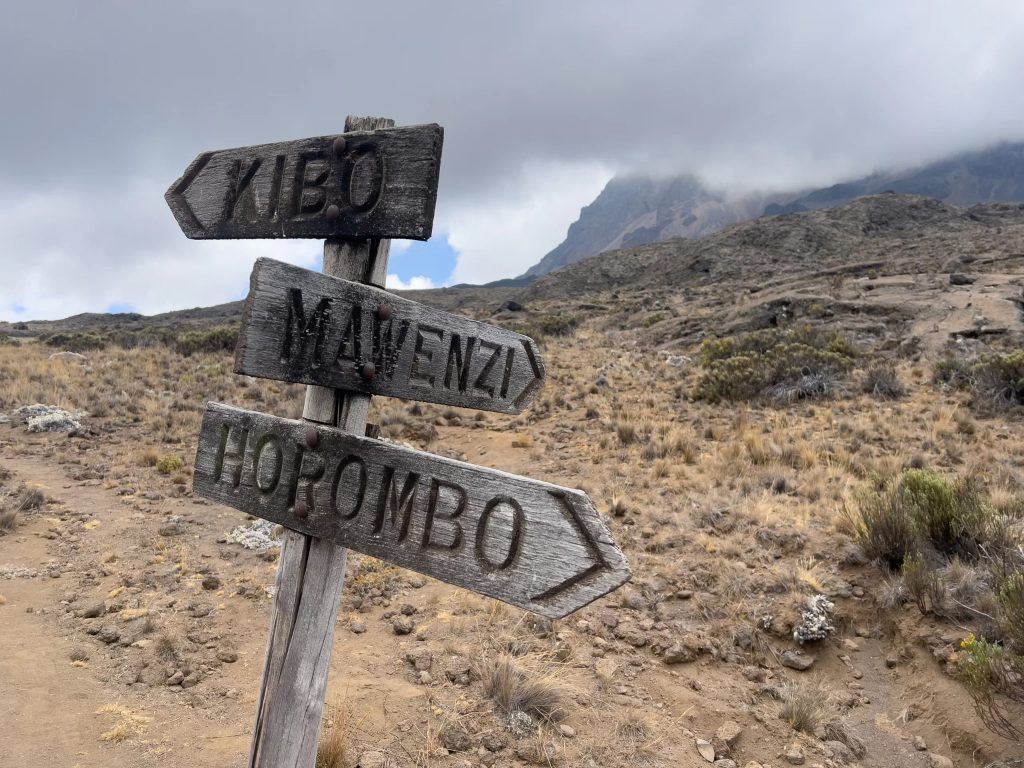
Mawenzi Peak does not have normal trekking routes like Kibo. Climbers reach its lower sections through Kilimanjaro routes that pass near or around the mountain. The most common access comes from Rongai and Marangu routes, which allow trekkers to view or approach Mawenzi from the eastern side of Kilimanjaro. Technical climbers use these approaches to reach Mawenzi Tarn and attempt advanced ascents.
Rongai Route Approach
The Rongai Route approaches Kilimanjaro from the northern side and gives some of the best views of Mawenzi Peak. As climbers move along this route, they see Mawenzi rising sharply across the Saddle Plateau. This route does not lead directly to the summit of Mawenzi, but it provides access to nearby high camps and offers a clear approach for experienced climbers who want to explore the area.
Marangu Route Approach
The Marangu Route approaches Kilimanjaro from the southeast and also offers strong views of Mawenzi. Climbers pass through huts like Mandara and Horombo before reaching higher altitude zones near the Saddle. From Horombo Hut, Mawenzi appears very close and dramatic. This route gives the easiest visual access to Mawenzi, but it still does not provide a standard trekking path to its summit.
Mawenzi Tarn and Base Camp Access
Mawenzi Tarn sits on the northern side of Mawenzi at about 4,330 meters and acts as the main base area for technical attempts. From here, experienced climbers plan routes toward the steep rock faces of Mawenzi Peak. The terrain becomes very rugged beyond this point, and only mountaineers with proper equipment continue higher. Mawenzi Tarn also serves as a key resting and acclimatization point for expeditions in this remote part of Kilimanjaro.
Best Time to Visit Mawenzi Peak
The best time to visit Mawenzi Peak depends on weather conditions on Mount Kilimanjaro. Clear skies and stable weather make climbing safer and improve visibility of the rugged summit. Climbers usually choose dry months because Mawenzi becomes very dangerous during heavy rain and snow conditions.
Dry Season (Best Months)
The best time to visit Mawenzi Peak is during the dry seasons from January to March and June to October. During these months, the weather stays more stable, and the rocks remain drier and safer for movement. Visibility improves, so climbers and trekkers can clearly see Mawenzi’s sharp ridges and volcanic formations. These months also offer better conditions for acclimatization on Kilimanjaro.
Rainy Season Risks
The rainy seasons run from March to May and again from November to early December. During these periods, Mawenzi becomes very dangerous due to slippery rocks, heavy clouds, and low visibility. Rain increases the risk of rockfall and makes climbing routes unstable. Most expeditions avoid this time because conditions reduce safety and make progress extremely difficult.
Weather Conditions on Mawenzi
Mawenzi experiences cold and harsh weather throughout the year because of its high altitude. Temperatures drop below freezing at night, and strong winds often hit the upper slopes. Weather changes quickly, so climbers must prepare for sun, fog, wind, and cold conditions in a single day. This unpredictable weather makes Mawenzi one of the most challenging environments on Kilimanjaro.
Wildlife Around Mawenzi Peak
Mawenzi Peak supports a unique mountain ecosystem even though its upper slopes look harsh and rocky. Wildlife does not live on the summit area because of the extreme cold and lack of vegetation. Instead, animals and birds concentrate on the lower slopes and surrounding Kilimanjaro forest zones where food and shelter exist.
Bearded Vultures and Mountain Birds
Bearded vultures dominate the skies around Mawenzi. These large birds fly over the cliffs searching for bones and carcasses, using strong winds to glide across the mountain. Other mountain birds also live in the rocky areas, including alpine species adapted to cold and thin air. These birds use Mawenzi’s cliffs for nesting because the steep rock faces protect them from predators.
Animals on Lower Kilimanjaro Slopes
The lower slopes of Kilimanjaro around Mawenzi support much richer wildlife. Forest zones below the peak host animals such as elephants, buffalo, colobus monkeys, and antelopes. These animals move through the forested areas where water, grass, and trees are available. As elevation increases, wildlife gradually decreases because conditions become colder and more difficult for survival.
Ecosystem of Mawenzi Region
The Mawenzi region forms part of Kilimanjaro’s wider ecosystem, which changes with altitude. The base areas include rainforest, followed by heath and moorland, and finally alpine desert near the summit. Each zone supports different plant and animal life adapted to its environment. Mawenzi itself sits in the alpine zone, where only specialized species survive harsh wind, cold temperatures, and rocky terrain.
History of Mawenzi Peak
Mawenzi Peak has a long exploration history connected to early Kilimanjaro expeditions. Unlike Kibo, which attracted most climbers, Mawenzi challenged explorers with its steep rock walls and dangerous terrain. Over time, it became known as one of the most difficult volcanic peaks in East Africa.
First Ascent in 1912
The first successful ascent of Mawenzi Peak happened in 1912. German climbers Fritz Klute and Eduard Oehler reached the summit after earlier attempts failed due to the extreme difficulty of the terrain. Their climb proved that Mawenzi could be summited, but only with advanced technical skill and careful planning. This ascent marked an important moment in Kilimanjaro exploration history.
Hans Meyer and Early Expeditions
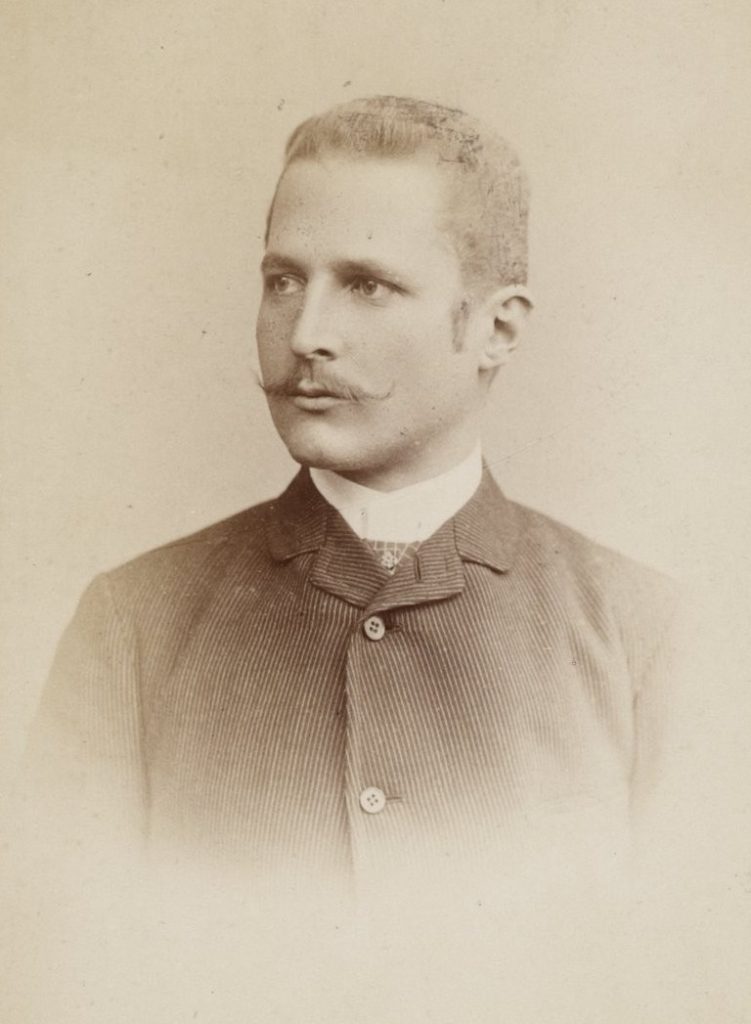
Hans Meyer played a major role in the early exploration of Kilimanjaro. He became the first recorded person to reach the summit of Kibo in 1889, but he did not succeed in climbing Mawenzi during his attempts. Early expeditions faced harsh conditions, limited equipment, and little knowledge of the mountain. These challenges made Mawenzi one of the least explored parts of Kilimanjaro during that time.
Notable Historical Events (Plane Crash & Exploration)
Mawenzi also has a record of notable historical events beyond climbing. One of the most known incidents involved a plane crash in the 1950s when an aircraft collided with the mountain during poor weather conditions. The rugged cliffs and unpredictable clouds around Mawenzi made navigation extremely difficult. Over the years, explorers and researchers have continued to study its geology and unique volcanic structure, adding to its historical importance within Kilimanjaro National Park.
Mawenzi Tarn and Surrounding Features
Mawenzi Tarn and its surrounding area form one of the most important high-altitude zones on Mount Kilimanjaro. This region sits between Mawenzi and Kibo and acts as a key acclimatization and resting area for climbers moving through the eastern side of the mountain. The landscape looks harsh and rocky, but it also holds unique geological and ecological features.
Mawenzi Tarn Lake
Mawenzi Tarn Lake sits at about 4,330 meters on the northern side of Mawenzi Peak. The lake collects water in a natural basin surrounded by steep rock walls. It has no major outflow, so it depends mainly on rainfall and melting ice. Climbers often use this area for rest and acclimatization because it offers a quiet environment with clear views of Mawenzi’s jagged summit.
Mawenzi Hut Camp
Mawenzi Hut Camp lies higher on the mountain at about 4,600 meters. It serves as a shelter point for climbers and expedition teams exploring the Mawenzi region. The camp provides basic protection from cold weather and strong winds, but conditions remain very harsh due to the high altitude. Most trekkers only pass through or use it for short stays during acclimatization.
Geological Features of the Area
The Mawenzi region shows some of the most dramatic volcanic geology on Mount Kilimanjaro. The area contains steep ridges, exposed lava formations, and deep gullies shaped by erosion over millions of years. These features reveal the mountain’s ancient volcanic history and explain why Mawenzi looks so rugged today. The combination of rock formations and high-altitude desert creates a unique landscape that differs strongly from the smoother slopes of Kibo.
Mawenzi Peak vs Kibo Peak
Mawenzi and Kibo form the two most important volcanic peaks of Mount Kilimanjaro, but they offer very different experiences. Kibo serves as the main summit for climbers, while Mawenzi stands as a rugged, technical peak that few people attempt. Comparing them helps you understand the real structure and challenge of Kilimanjaro.
Height Comparison
Kibo Peak reaches 5,895 meters at Uhuru Peak, making it the highest point in Africa. Mawenzi reaches 5,149 meters, which makes it the second-highest peak on Kilimanjaro. Even though Mawenzi stands tall, it remains almost 700 meters lower than Kibo. This height difference also changes climate conditions, snow coverage, and climbing accessibility between the two peaks.
Difficulty Comparison
Kibo offers a trekking route to the summit, so most climbers can reach Uhuru Peak without technical climbing skills. Mawenzi demands advanced mountaineering experience because of its steep rock faces, loose stones, and exposed ridges. Climbers need ropes, helmets, and technical gear to attempt Mawenzi, while Kibo mainly requires endurance and altitude adaptation. This makes Mawenzi far more technically difficult than Kibo.
Which Peak Is More Important for Climbers?
Kibo holds more importance for most climbers because it contains Uhuru Peak, the main goal of Kilimanjaro expeditions. It attracts thousands of trekkers every year who want to reach the highest point in Africa. Mawenzi holds importance for experienced mountaineers who want technical challenges and unique climbing routes. For general tourism, Kibo dominates, but for technical adventure, Mawenzi offers a more extreme experience.
Safety and Dangers of Mawenzi Peak
Mawenzi Peak is one of the most dangerous sections of Mount Kilimanjaro because of its steep terrain, unstable rock structure, and extreme weather conditions. Unlike Kibo, which allows trekking routes, Mawenzi requires technical climbing skills and strict safety preparation. Most climbers avoid the summit because the risks increase quickly as altitude and exposure rise.
Rockfall Risks
Mawenzi has a very unstable volcanic structure, which creates constant rockfall danger. Loose stones sit on steep slopes and can move without warning, especially when temperatures change. Even small vibrations or climber movement can trigger falling rocks. This makes climbing extremely risky and forces climbers to use helmets, ropes, and careful route planning at all times.
Extreme Weather Conditions
Weather on Mawenzi changes quickly and becomes harsh at high altitude. Strong winds, freezing temperatures, and sudden cloud cover reduce visibility and increase danger on exposed ridges. Rain and frost also make rock surfaces slippery, which raises the risk of slipping or losing grip. These conditions make timing and preparation very important for any attempt.
Why Most Climbers Avoid the Summit
Most climbers avoid Mawenzi because it requires technical mountaineering experience and advanced equipment. The combination of rockfall, steep walls, and unpredictable weather makes it unsuitable for regular trekking tourists. In addition, Kilimanjaro routes focus mainly on Kibo and Uhuru Peak, so Mawenzi receives very few climbing attempts each year. Only experienced alpinists with permits and guides consider summiting it.
Frequently Asked Questions
No, Mawenzi Peak is not higher than Mount Kenya. Mawenzi reaches 5,149 meters, while Mount Kenya reaches 5,199 meters. Mount Kenya stands slightly higher, even though both mountains rank among the tallest in Africa.
No, beginners cannot climb Mawenzi Peak. The mountain requires technical climbing skills, rope use, and experience on steep rock terrain. Beginners can only view Mawenzi from other Kilimanjaro routes but cannot safely attempt the summit.
Yes, tourists visit the Mawenzi area, but they do not usually climb it. Most tourists see Mawenzi during Kilimanjaro treks on routes like Marangu and Rongai. Only a very small number of expert climbers attempt the summit itself.
No, Mawenzi is not part of the Seven Summits. The Seven Summits list includes the highest peak on each continent, and Kilimanjaro’s highest point (Uhuru Peak on Kibo) represents Africa, not Mawenzi.
Mawenzi is dangerous because of its steep cliffs, loose volcanic rock, and unpredictable weather. The terrain is unstable, and rockfall can happen at any time. High altitude also makes climbing harder and increases risk, which is why only experienced mountaineers attempt it.
Final Thoughts on Mawenzi Peak Kilimanjaro
Mawenzi Peak stands as one of the most dramatic and rugged parts of Mount Kilimanjaro. It does not offer an easy trekking summit, but it delivers powerful scenery, deep geological history, and a true sense of wilderness. Many climbers remember Mawenzi as the most striking visual feature they see during their Kilimanjaro journey.
Why Mawenzi Is One of Africa’s Most Dramatic Peaks
Mawenzi looks dramatic because of its sharp volcanic spires, deep ridges, and steep rock walls. Time and erosion shaped it into a wild and broken peak that looks very different from the smooth dome of Kibo. This unique structure makes it one of the most visually impressive mountains in Africa, especially when seen at sunrise or sunset.
Should You Visit or Attempt the Climb?
You should visit Mawenzi for its scenery and experience, not for a normal trekking summit. Most travelers can safely view it during Kilimanjaro climbs without attempting the technical ascent. Only experienced mountaineers with proper equipment and permits should consider climbing it. For most people, enjoying the view from nearby routes offers the best and safest experience.
Travel Recommendation for Kilimanjaro Climbers
If you plan to climb Kilimanjaro, include Mawenzi in your journey as a highlight rather than a target summit. Choose routes like Rongai or Marangu if you want the best views of the peak. Focus your main summit goal on Kibo and Uhuru Peak, but take time to appreciate Mawenzi’s dramatic landscape, which adds depth and beauty to the entire Kilimanjaro experience.