Kilimanjaro vs Annapurna: Which Trek Is Right for You?
Estimated reading time: 1 minute
Kilimanjaro vs Annapurna compares two very different mountain trekking experiences. Kilimanjaro suits travelers who want a shorter, summit-focused adventure to Uhuru Peak at 5,895 metres, while Annapurna appeals to trekkers who want a longer Himalayan journey through mountain villages, valleys and changing landscapes. Both treks offer incredible scenery and physical challenges, but the right choice depends on your available time, fitness, altitude experience and trekking goals.
Difficulty also depends on the individual traveler. Someone comfortable with long-distance hiking may enjoy Annapurna but find Kilimanjaro’s summit push demanding. Another traveler may prefer Kilimanjaro because the trek has one clear objective: reaching Uhuru Peak.
Kilimanjaro takes you through rainforest, moorland, alpine desert and the summit zone. Annapurna offers Himalayan valleys, forests, villages, farmland and dramatic mountain scenery.
Choose Kilimanjaro for a focused African summit adventure. Choose Annapurna for a longer Himalayan trekking journey. Your available time, fitness, altitude experience and preferred trekking style should guide your decision.
Table of contents
- Kilimanjaro vs Annapurna: Which Trek Is Right for You?
- Kilimanjaro vs Annapurna at a Glance
- Two Very Different Mountain Adventures
- How Difficult Is Kilimanjaro?
- How Difficult Is Annapurna?
- Kilimanjaro vs Annapurna: Which Is Harder?
- Kilimanjaro vs Annapurna: Altitude Comparison
- Kilimanjaro vs Annapurna: Trekking Distance and Duration
- Kilimanjaro vs Annapurna: Landscape and Scenery
- Kilimanjaro vs Annapurna: Wildlife and Nature
- Kilimanjaro vs Annapurna: Accommodation
- Kilimanjaro vs Annapurna: Cost
- Kilimanjaro vs Annapurna: Fitness Requirements
- Kilimanjaro vs Annapurna: Which Is Better for Beginners?
- Kilimanjaro vs Annapurna: Best Time to Go
- Kilimanjaro vs Annapurna: Which Experience Is More Rewarding?
- Kilimanjaro vs Annapurna: Which One Should You Choose?
- Why Choose Kilimanjaro with WeWild Travel?
- Frequently Asked Questions About Kilimanjaro vs Annapurna
- Final Verdict: Kilimanjaro or Annapurna?
- Read Also:
Kilimanjaro vs Annapurna at a Glance
Before choosing between these two famous trekking destinations, it helps to understand what each journey actually involves. Kilimanjaro gives you a concentrated climb toward one major summit, while Annapurna gives you a longer Himalayan journey through changing landscapes and mountain communities.
| What you want to know | Kilimanjaro | Annapurna |
|---|---|---|
| Where is it? | Northern Tanzania, Africa | Central Nepal, Himalayas |
| Highest point reached | Uhuru Peak – 5,895 m | Thorong La – about 5,416 m on the Circuit |
| Time needed | Usually 6-9 trekking days, depending on route | Often around 12-21 days, depending on itinerary |
| What are you trying to achieve? | Stand on the summit of Africa’s highest mountain | Complete a Himalayan circuit and cross a high mountain pass |
| What does the trail feel like? | A progressive climb through several climate zones | A long journey through valleys, villages, forests and high mountain terrain |
| Where do you sleep? | Mostly mountain camps; Marangu uses mountain huts | Mostly local teahouses and lodges |
| Biggest physical challenge | High altitude and the demanding summit day | Several consecutive days of walking with repeated climbs and descents |
| What fitness helps most? | Strong walking endurance and preparation for sustained uphill effort | Good stamina for long-distance trekking over many days |
| What will you see? | Rainforest, Shira Plateau, volcanic slopes, alpine desert and the summit | Himalayan peaks, deep valleys, forests, villages, farmland and high passes |
| Cultural experience | Local Tanzanian communities and experienced mountain crews | Himalayan villages with rich Buddhist and Hindu traditions |
| Who will enjoy it most? | Travelers who want a defined summit goal and a shorter expedition | Travelers who enjoy slow travel, long-distance trekking and cultural discovery |
Two Very Different Mountain Adventures
Although Kilimanjaro and Annapurna both attract trekkers who want a major mountain adventure, they offer very different experiences. Kilimanjaro centers on reaching a single high summit, while Annapurna focuses more on the journey through the Himalayas. The length of each trek, terrain, altitude profile, accommodation and cultural experience also create different challenges.
What Makes Kilimanjaro Different?
Kilimanjaro is a volcanic mountain in northern Tanzania and rises to 5,895 metres at Uhuru Peak, the highest point in Africa. The mountain’s distinctive volcanic shape creates a remarkable journey through several ecological zones.
A Kilimanjaro trek can take you from lush rainforest to open moorland, the Shira Plateau, alpine desert and the cold summit zone. Each zone changes the scenery, vegetation and trekking conditions as you climb higher.
The main goal remains clear: reach Uhuru Peak. You spend several days gaining elevation before tackling the demanding summit section. This gives Kilimanjaro a focused character that appeals to travelers who want to achieve a major summit within a relatively short expedition.
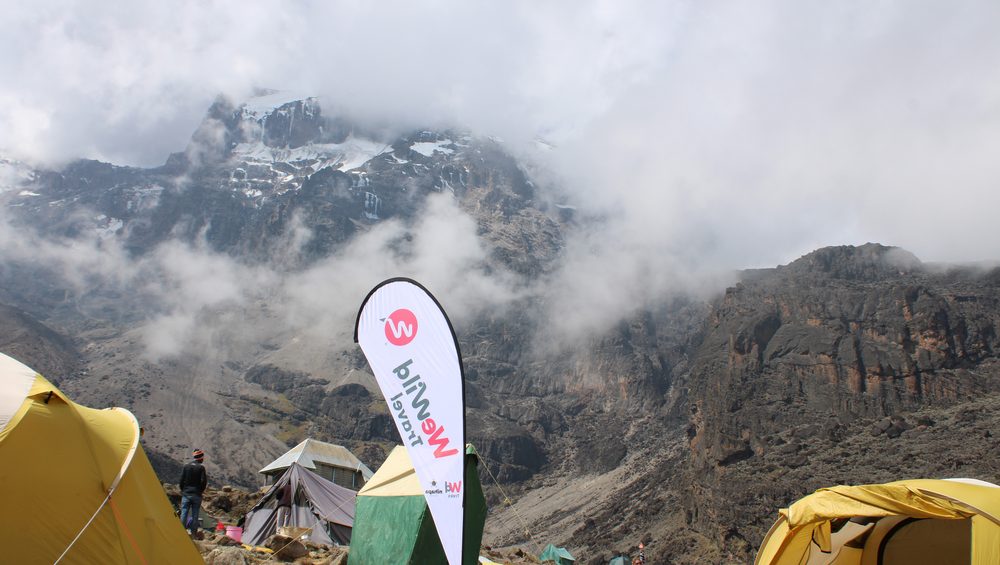
Most routes use mountain camps, which add a genuine wilderness feeling to the experience. You spend nights away from roads and towns while your mountain crew prepares meals and organizes camp.
What Makes Annapurna Different?
Annapurna offers a long-distance Himalayan trekking experience rather than a single summit-focused climb. Depending on the route, you can spend many days walking through deep valleys, forests, farmland and traditional mountain villages.
The landscape changes dramatically as you travel through the region. You can encounter lush lower valleys, terraced fields, pine forests, dry mountain terrain and towering Himalayan peaks. The journey itself becomes the main attraction.
Annapurna also offers a different accommodation experience. Trekkers commonly stay in local teahouses and lodges, allowing them to spend more time around mountain communities and experience local culture.
In simple terms, Kilimanjaro is about climbing toward one extraordinary summit, while Annapurna is about experiencing a longer Himalayan journey. Neither approach makes one automatically easier; they simply test trekkers in different ways.
How Difficult Is Kilimanjaro?
Kilimanjaro presents a serious but achievable trekking challenge for well-prepared travelers. You do not need technical climbing skills for the standard routes, but you do need good walking endurance, proper preparation and enough time for your body to adjust to altitude. The mountain becomes more demanding as you climb, especially during the final ascent to Uhuru Peak.
The Challenge of Kilimanjaro’s Altitude
Uhuru Peak stands at 5,895 metres, so altitude becomes one of the biggest challenges on the mountain. At this elevation, the air contains less available oxygen than at sea level. Your body needs time to adjust as you move higher.
You may experience symptoms such as headache, tiredness, reduced appetite or shortness of breath. Your guide should monitor how you feel throughout the trek and adjust the pace when necessary.
This explains why more days can make a Kilimanjaro climb more manageable. Longer itineraries give your body additional time to adapt before the summit attempt.
The Long Summit Day
Summit day creates the biggest physical challenge of the climb. You normally start during the night and walk for several hours toward the crater rim before continuing to Uhuru Peak.
The combination of cold temperatures, steep terrain, high altitude, darkness and a long walking day requires patience and mental strength. After reaching the summit, you still need to descend a considerable distance to your overnight camp.
Your goal should not be speed. A slow, controlled pace helps you conserve energy and gives your guide more opportunity to monitor your condition.
How Terrain Changes on Kilimanjaro
One of Kilimanjaro’s unique features is the rapid change in environment as you gain elevation.
- Rainforest: The lower slopes feature dense vegetation, tall trees, moss and birdlife.
- Moorland: Higher up, the forest gives way to open landscapes with heather, grasses and unusual mountain plants.
- Alpine desert: Around the higher camps, vegetation becomes sparse and rocky volcanic terrain dominates the landscape.
- Summit zone: Near Uhuru Peak, the environment becomes extremely cold, dry and exposed, with rocky ground and limited vegetation.
This constant change makes Kilimanjaro more than a simple uphill walk. You experience several environments during one climb while gradually moving toward one of Africa’s greatest natural summits.
How Difficult Is Annapurna?
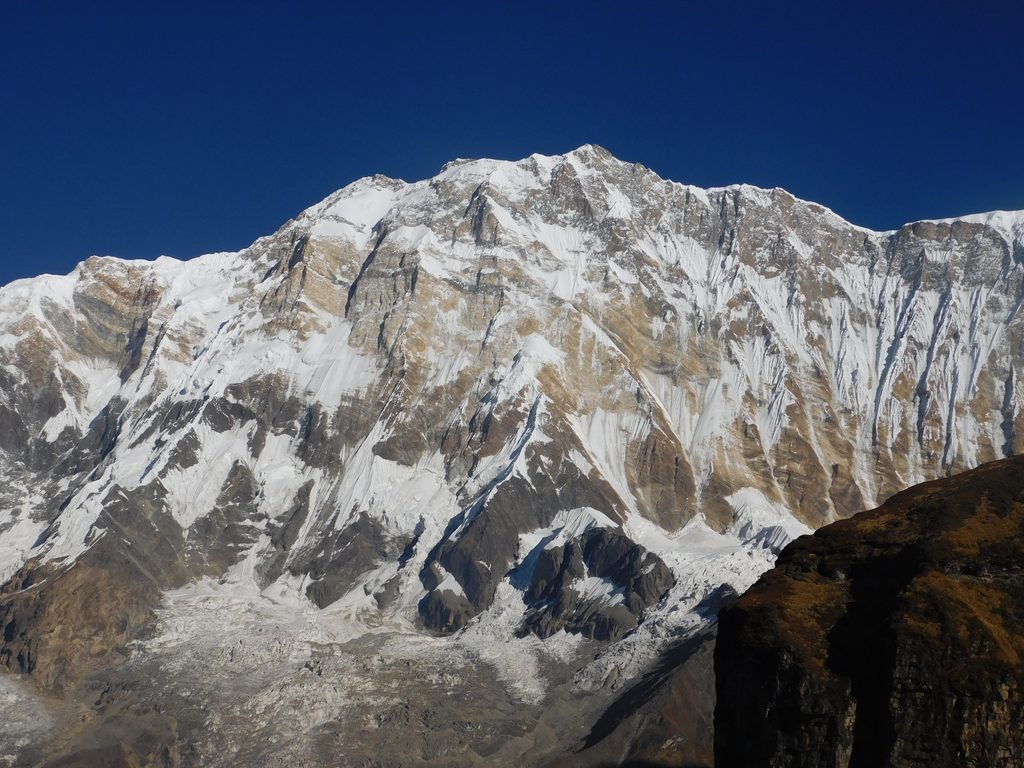
The difficulty of Annapurna trekking depends on the route you choose, but the Annapurna Circuit generally demands strong endurance because you spend many consecutive days walking through changing terrain and elevations. Unlike Kilimanjaro, where the main objective centers on one summit, Annapurna tests your ability to keep moving day after day.
Long Days on the Trail
The biggest challenge comes from accumulated effort. You may feel comfortable during the first few days, but several hours of walking each day can gradually tire your legs. Long distances, uneven paths and repeated trekking days require good stamina.
This makes preparation important. Regular walking, hill training and longer hikes before your trip can help your body handle the sustained workload.
Ascents and Descents
Annapurna does not simply take you uphill. The trail repeatedly climbs and descends through valleys and mountain settlements. A downhill section can feel easy at first, but repeated descents can place significant stress on your legs, particularly after several days on the trail.
You also need to manage your pace carefully. Walking too quickly on an early section can leave you tired when the trail becomes steeper later in the journey.
Crossing High Mountain Terrain
Higher sections introduce another level of difficulty. As you approach Thorong La Pass at about 5,416 metres, the air becomes thinner and temperatures can drop significantly. Weather can also change quickly in the mountains.
The trail may include rocky paths, exposed sections and steep climbs. Snow can affect higher areas during certain seasons, while strong winds and cold conditions can make the crossing more demanding.
For this reason, Annapurna requires more than basic fitness. Good endurance, sensible pacing, appropriate clothing and preparation for altitude can make a major difference.
Overall, Annapurna’s challenge comes from the combination of distance, repeated elevation changes, high-altitude terrain and many consecutive days of trekking, rather than from one single summit day.
Kilimanjaro vs Annapurna: Which Is Harder?
Kilimanjaro generally presents the greater altitude challenge, while Annapurna can demand more long-distance endurance. So, neither trek feels harder for every traveler. Your fitness, altitude experience, pace and preferred style of adventure all affect how difficult the journey feels.
If Altitude Is Your Biggest Concern
Kilimanjaro may feel harder. Uhuru Peak reaches 5,895 metres, and the final ascent takes you into an environment with much less available oxygen. The summit push also combines cold temperatures, steep terrain and a long day of hiking.
Annapurna also reaches high elevations, particularly around Thorong La Pass at about 5,416 metres, but the longer trekking format can give travelers more time to adjust as they move through the region.
If Endurance Is Your Biggest Concern
Annapurna may feel harder. The longer journey requires you to walk for many consecutive days. Repeated climbs and descents can gradually build fatigue, even when individual hiking days feel manageable.
Kilimanjaro also demands strong endurance, especially during summit day, but the overall expedition usually takes fewer days.
If You Prefer a Shorter Trek
Kilimanjaro has the advantage. Depending on your chosen route, you can complete a Kilimanjaro climb in roughly 6-9 days. This makes it attractive if you have limited vacation time but still want a major mountain achievement.
However, a shorter itinerary does not mean an easier climb. Less time on the mountain can also mean less time for acclimatization.
If You Prefer a Long Trekking Journey
Annapurna may suit you better. The longer itinerary lets you experience more villages, valleys, landscapes and cultural environments. You spend more time walking through the Himalayas rather than focusing on one final summit.
The simple answer: choose Kilimanjaro for a concentrated, high-altitude summit challenge and Annapurna for a longer endurance-focused Himalayan journey. The harder trek depends on which type of challenge your body and mind handle best.
Kilimanjaro vs Annapurna: Altitude Comparison
Altitude creates one of the biggest differences between Kilimanjaro and Annapurna. Kilimanjaro reaches a higher elevation, but elevation alone does not determine how difficult a trek feels. The pace of ascent, sleeping altitude, acclimatization, terrain and your body’s individual response all matter.
| Altitude Factor | Kilimanjaro | Annapurna Circuit |
|---|---|---|
| Highest point | Uhuru Peak – 5,895 m | Thorong La Pass – about 5,416 m |
| Main altitude objective | Reach the summit of Kilimanjaro | Cross the high mountain pass |
| Altitude challenge | Very high during the summit ascent | High around the upper sections and pass |
| Acclimatization | Depends strongly on route and number of trekking days | Longer itineraries allow gradual altitude gain |
| Sleeping altitude | Increases as you climb toward higher camps | Changes throughout the journey |
| Main concern | Rapid altitude gain and summit elevation | High-pass crossing and accumulated altitude exposure |
Kilimanjaro’s Highest Point
Uhuru Peak stands at 5,895 metres, making Kilimanjaro higher than the highest point reached on the Annapurna Circuit. The final section takes you into a very high-altitude environment where the air contains considerably less oxygen than at sea level.
The summit attempt also combines altitude with cold temperatures, darkness, steep terrain and a long hiking day. These factors make the final ascent particularly demanding.
Annapurna’s High Point
On the Annapurna Circuit, trekkers reach Thorong La Pass at approximately 5,416 metres. The pass represents the highest point of the classic circuit and brings its own altitude and weather challenges.
Unlike a Kilimanjaro summit attempt, the pass forms part of a much longer journey through the Himalayas. Your body experiences several stages of elevation as you travel through valleys and mountain settlements.
Why Maximum Altitude Is Not Everything
A higher mountain does not automatically create a harder trek.
How quickly you gain elevation matters. Moving upward too quickly gives your body less time to adjust. Your sleeping altitude also matters because your body spends many hours adapting while you rest.
The number of acclimatization opportunities can make a major difference. Longer itineraries often give trekkers more time to adjust before reaching higher elevations.
Terrain also affects difficulty. Steep climbs, rocky trails, cold temperatures and long walking days can increase physical stress even at lower elevations.
Finally, every person’s response to altitude differs. Two trekkers can follow the same itinerary and experience altitude very differently. That is why sensible pacing, proper acclimatization and listening to your guide matter more than simply comparing the highest numbers.
Kilimanjaro vs Annapurna: Trekking Distance and Duration
The two treks differ greatly in both time and distance. Kilimanjaro offers a shorter, focused mountain expedition, while Annapurna gives you a much longer journey through the Himalayas. Your available vacation time can therefore play a major role in deciding between them.
How Long Does Kilimanjaro Take?
A Kilimanjaro climb usually takes 6 to 9 days, depending on the route and itinerary you choose. For example, the 6-Day Lemosho Route provides a faster ascent, while 7-, 8- and 9-day itineraries allow more time on the mountain.
The total distance also changes from one route to another. You should not choose a route only because it saves a day. More time on the mountain can give you a better opportunity to manage the altitude and maintain a comfortable pace.
How Long Does Annapurna Take?
Annapurna takes considerably longer when you complete a substantial section of the Annapurna Circuit. Many itineraries take roughly 12 to 21 days, although the exact duration depends on your starting point, finishing point, walking schedule and road transport.
Modern roads allow trekkers to shorten some sections, so two travelers can complete very different versions of the Annapurna experience.
Which Gives You More Time in the Mountains?
Annapurna gives you more time in the mountains. Its longer format allows you to spend more days walking through Himalayan valleys, villages and changing landscapes.
Kilimanjaro suits travelers with less time who want a concentrated summit adventure. You can spend fewer days trekking while still pursuing the major goal of reaching Uhuru Peak at 5,895 metres.
In short: choose Kilimanjaro for a shorter, summit-focused adventure; choose Annapurna for a longer Himalayan trekking journey.
Kilimanjaro vs Annapurna: Landscape and Scenery
Kilimanjaro and Annapurna offer completely different types of scenery. Kilimanjaro gives you dramatic ecological changes as you climb one volcanic mountain, while Annapurna takes you across a wider Himalayan landscape with valleys, villages, forests and high mountain passes.
Kilimanjaro’s Changing Ecosystems
One of Kilimanjaro’s biggest attractions is how quickly the environment changes with elevation.
- Rainforest: The trek begins in lush forest, where tall trees, moss, ferns and birdlife create a cool, green atmosphere.
- Moorland: Higher up, the dense forest opens into moorland. Heather, grasses and unusual high-altitude plants replace much of the thick vegetation.
- Shira Plateau: The landscape becomes wider and more dramatic as you reach the Shira Plateau. Rocky ground, volcanic formations and views toward Kibo create an unforgettable mountain setting.
- Alpine desert: Near the higher camps, vegetation becomes scarce. You walk across rocky volcanic terrain with huge views of Kibo and the surrounding slopes.
- Summit zone: Near Uhuru Peak, the landscape becomes cold, dry and exposed. Dark volcanic rock, snow and glacial features can create a striking contrast against the sky when conditions allow.
Annapurna’s Himalayan Landscapes
Annapurna offers a broader journey through the Himalayas, with scenery changing throughout the trek.
- Valleys: Deep mountain valleys create dramatic views as the trail moves between different elevations.
- Forests: Lower sections feature forests with varied vegetation and a greener atmosphere.
- Villages: Traditional mountain settlements appear along the route, giving trekkers opportunities to experience everyday Himalayan life.
- Terraced farmland: Carefully cultivated hillsides add another layer to the landscape, especially around lower mountain communities.
- High mountain scenery: As you climb higher, forests give way to rugged terrain and wide views across the surrounding mountains.
- Himalayan peaks: The Annapurna region offers spectacular views of towering Himalayan summits, creating a very different visual experience from Kilimanjaro’s volcanic landscape.
Which Scenery Will You Prefer?
Choose Kilimanjaro if you want dramatic ecological changes within one mountain climb, from tropical rainforest to an exposed summit environment.
Choose Annapurna if you prefer a longer journey through valleys, villages, forests and towering Himalayan landscapes.
Neither destination offers universally better scenery. Kilimanjaro suits travelers who want variety within a focused summit climb, while Annapurna suits travelers who want scenery to unfold throughout a longer Himalayan journey.
Kilimanjaro vs Annapurna: Wildlife and Nature
Wildlife adds another interesting difference between Kilimanjaro and Annapurna. Kilimanjaro takes you through tropical African ecosystems, while Annapurna moves through Himalayan forests, valleys and high-altitude environments. Neither trek guarantees wildlife sightings, but each offers a different connection with nature.
Wildlife Around Kilimanjaro
Kilimanjaro’s lower slopes support a rich rainforest ecosystem. As you hike through the forest zone, you may hear birds calling from the canopy and, depending on the route and conditions, spot blue monkeys, black-and-white colobus monkeys and other forest species.
The rainforest gradually changes as you climb higher. Moorland vegetation replaces dense forest, followed by the sparse alpine desert environment. Wildlife becomes less common as the elevation increases because the conditions become colder and harsher.
This dramatic change makes Kilimanjaro special. You can begin your trek surrounded by lush African forest and finish the journey in a cold, rocky summit environment within the same mountain adventure.
Wildlife Around Annapurna
Annapurna offers a different wildlife experience because the trail crosses Himalayan forests, valleys and high mountain environments. Lower elevations support a wider variety of birds and forest animals, while higher areas provide habitat for species adapted to colder conditions.
Depending on your route, season and location, you may encounter Himalayan birds, monkeys and other mountain wildlife. The Annapurna Conservation Area also protects important habitats across a large range of elevations.
As you climb higher, wildlife becomes harder to spot. The landscape changes from forests and cultivated valleys to rocky, exposed mountain terrain where fewer species can survive.
Which Offers the Better Nature Experience?
Choose Kilimanjaro if you want to experience a dramatic transition from African rainforest to an alpine summit. Choose Annapurna if you want a longer Himalayan journey through forests, valleys, villages and high mountain habitats.
If wildlife matters most, remember that neither trek works like a safari. Wildlife sightings depend on season, location, weather and simple luck. The landscapes and ecosystems themselves remain a major part of both adventures.
Kilimanjaro vs Annapurna: Accommodation
Accommodation creates another clear difference between Kilimanjaro and Annapurna. Kilimanjaro gives you a wilderness camping experience on the mountain, while Annapurna usually offers village-based lodging along the trail. Your preferred level of comfort can therefore influence which trek suits you better.
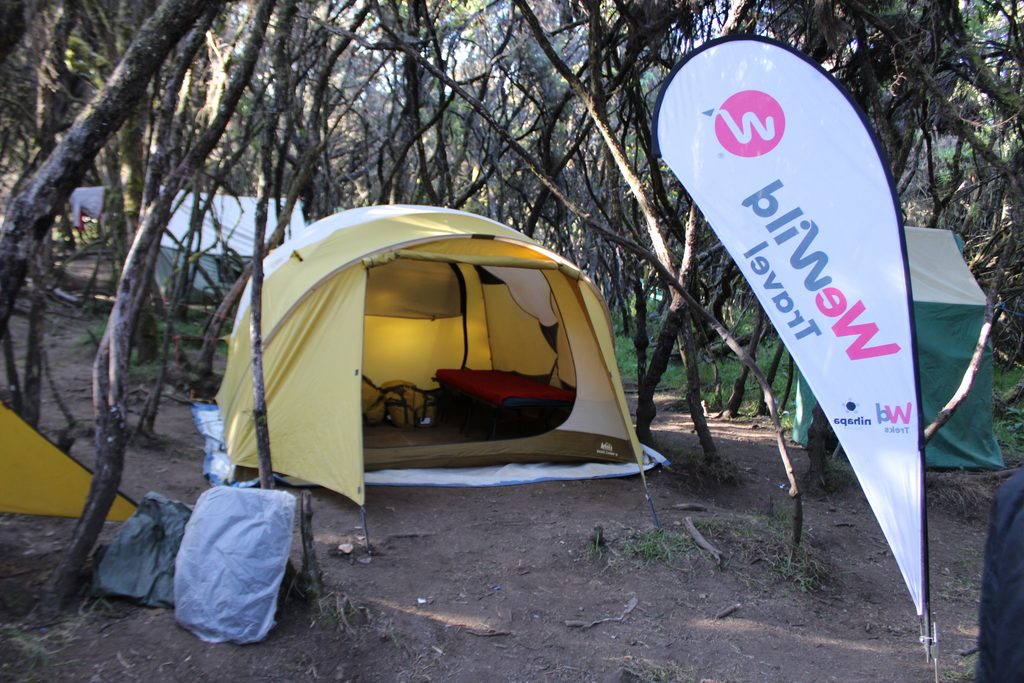
Where Do You Sleep on Kilimanjaro?
On most Kilimanjaro routes, you sleep in mountain camps. Your trekking crew carries and sets up the camping equipment, prepares meals and helps organize the campsite.
After a day of hiking, you return to your tent, eat dinner and rest before the next day’s trek. The experience feels more remote because you spend the night away from towns and normal hotel facilities.
The Marangu Route provides a different experience because it uses mountain huts instead of tents. However, routes such as Lemosho, Machame, Rongai and Northern Circuit mainly use campsites.
Camping also gives you a closer connection with the mountain. You wake up surrounded by volcanic landscapes, high-altitude scenery and, on clear mornings, impressive views of Kibo.
Where Do You Sleep on Annapurna?
Annapurna offers a more traditional teahouse trekking experience. Small lodges and guesthouses along the route provide trekkers with a bed, meals and a place to relax after hiking.
Many teahouses have shared dining areas where trekkers meet, eat and exchange stories about their journeys. This creates a social atmosphere that differs from the quieter camping experience on Kilimanjaro.
Facilities vary between villages and become simpler as you travel into more remote and higher areas. You should not expect hotel-style comfort throughout the trek.
Which Trek Offers More Comfort?
Annapurna generally offers more everyday accommodation comfort, especially if you prefer sleeping indoors rather than in a tent. Teahouses give you a bed and access to basic indoor facilities.
Kilimanjaro offers a more adventurous camping experience. You sacrifice some everyday comfort, but you gain the feeling of sleeping directly on the mountain.
So, choose Annapurna if accommodation comfort and village lodges matter most. Choose Kilimanjaro if you enjoy camping, wilderness and a more immersive mountain experience.
Kilimanjaro vs Annapurna: Cost
Kilimanjaro usually requires a larger upfront trekking budget than Annapurna, but price alone does not tell you which trek offers better value. Each destination includes different services, permits, accommodation styles and support systems. Your final cost also depends on the route, number of trekking days, group size, travel season and what your operator includes.
What Can Increase the Cost of Kilimanjaro?
Several expenses contribute to the price of a Kilimanjaro climb:
- Park fees: Kilimanjaro National Park charges entrance, conservation and other applicable fees.
- Guides: Professional mountain guides lead the climb and monitor your progress.
- Mountain crew: Porters and cooks support the expedition and help transport equipment and prepare meals.
- Camping: Most routes require tents, camping equipment and campsite arrangements.
- Meals: Trek packages normally include meals throughout the mountain journey.
- Transfers: Airport, hotel and mountain transfers can add to the total cost.
- Pre- and post-trek accommodation: Many climbers spend nights in Arusha or Moshi before and after the climb.
A reputable Kilimanjaro operator should clearly explain what your package includes and excludes before you pay.
What Can Increase the Cost of Annapurna?
Annapurna gives you more flexibility because you can choose different itineraries and accommodation levels. Your expenses can include:
- Guide: A professional guide can help with navigation, safety and route planning.
- Porter: You can hire a porter to carry your main luggage.
- Accommodation: Teahouse prices vary between villages and elevations.
- Meals: You normally purchase meals during the trek.
- Permits: Required trekking permits add to your trip expenses.
- Transportation: Road transfers can change your total cost depending on where you start and finish.
- Itinerary length: More trekking days mean additional accommodation, food and transport expenses.
Which Trek Offers Better Value?
The better value depends on the experience you want.
Kilimanjaro can offer strong value if you want a fully organized summit expedition with professional mountain support, meals, camping and park services included in one package.
Annapurna may offer better value if you prefer a longer trekking journey with village accommodation, flexible itineraries and more control over daily spending.
Don’t compare prices by looking only at the advertised starting figure. Compare exactly what each operator includes. A cheaper Kilimanjaro package may exclude important services, while a higher-priced package may include transfers, accommodation, meals and comprehensive mountain support.
For WeWild Travel, transparent pricing should always show what you pay for and what you receive, so you can compare your Kilimanjaro adventure with Annapurna fairly.
Kilimanjaro vs Annapurna: Fitness Requirements
You do not need to be an elite athlete to trek Kilimanjaro or Annapurna, but you do need good endurance and proper preparation. The two treks place different demands on your body. Kilimanjaro focuses more on sustained uphill walking and a demanding summit day, while Annapurna tests your endurance over many consecutive days.
Fitness for Kilimanjaro
Kilimanjaro requires steady walking endurance because you spend several hours on the trail each day. You should feel comfortable walking for long periods without exhausting yourself too quickly.
Long hiking days: Build your stamina with regular walks and gradually increase the distance.
Uphill preparation: Include hills, stairs or inclined walking in your training. Your legs need to handle continuous climbing.
Summit-day preparation: The summit attempt creates the biggest physical demand. You start early, walk for many hours and climb to 5,895 metres before descending again.
Your training should therefore combine walking distance, uphill effort and recovery rather than focusing only on speed.
Fitness for Annapurna
Annapurna places greater emphasis on long-distance endurance. You may walk for many consecutive days, with repeated climbs and descents along the route.
Long-distance endurance: Regular longer walks can help your body adapt to spending several hours on your feet.
Repeated ascents and descents: Train both uphill and downhill muscles because the trail does not simply climb continuously.
Several consecutive trekking days: Practice back-to-back walking days so your body learns to perform while carrying some fatigue from the previous day.
Do You Need Previous Mountaineering Experience?
No. Standard trekking routes on Kilimanjaro and Annapurna do not normally require previous technical mountaineering experience. You do not need to know how to climb technical rock or ice routes for these standard trekking experiences.
However, you should take preparation seriously. Build your walking endurance, strengthen your legs, practice hiking on uneven terrain and prepare for altitude.
The goal is not to become an expert climber. The goal is to arrive fit enough to enjoy the journey and handle each day’s demands safely.
Kilimanjaro vs Annapurna: Which Is Better for Beginners?
Both Kilimanjaro and Annapurna can suit beginners, but they suit different types of first-time trekkers. You do not need previous mountaineering experience for either standard trek. However, you should prepare properly because altitude, long walking days and changing terrain can challenge anyone.
The better choice depends on how much time you have, what kind of scenery you want and whether you prefer a summit goal or a longer trekking journey.
Choose Kilimanjaro If You Want…
A defined summit goal: Kilimanjaro gives you one clear objective: reach Uhuru Peak at 5,895 metres, the highest point in Africa.
A shorter mountain expedition: You can choose a route lasting several days rather than committing to a long Himalayan journey. If you have limited vacation time, Kilimanjaro can fit more easily into your schedule.
Africa’s highest point: If standing on the roof of Africa motivates you, Kilimanjaro offers a memorable goal for your first major high-altitude trek.
Multiple ecological zones: You can walk from rainforest through moorland and alpine desert before reaching the summit zone. The changing environments make the climb feel like several landscapes within one adventure.
For a beginner choosing Kilimanjaro, a longer itinerary can offer a more comfortable approach to altitude. More days give you additional time to adjust before the summit.
Choose Annapurna If You Want…
A longer trekking journey: Annapurna suits beginners who enjoy spending many days on the trail and prefer a journey that unfolds gradually.
Himalayan villages: The route connects mountain communities, giving you opportunities to see local homes, farms and everyday life.
Cultural experiences: You can experience the traditions and lifestyles of Himalayan communities alongside the mountain scenery.
Extended time on the trail: If you enjoy walking through changing valleys, forests and high mountain landscapes rather than focusing on one summit, Annapurna offers that style of adventure.
In simple terms: choose Kilimanjaro for a focused first summit adventure and Annapurna for a longer cultural and trekking journey. Your fitness, available time and personal goal should make the final decision.
Kilimanjaro vs Annapurna: Best Time to Go
The best time for Kilimanjaro usually falls during Tanzania’s drier months, while Annapurna generally offers its best trekking conditions during the spring and autumn seasons. Choosing the right month can improve trail conditions, mountain views and overall comfort.
Best Months for Kilimanjaro
For Kilimanjaro, the most popular trekking periods include January to early March and June to October. These periods generally bring better trekking conditions, although mountain weather can change quickly at any time of year.
January and February often provide warm conditions on the lower slopes and good opportunities for clear mountain views.
June to October offers another popular window, with relatively dry conditions and good trekking opportunities.
September and October can work especially well for travelers who want to avoid some of the busiest periods while still enjoying favorable conditions.
You can climb Kilimanjaro outside these periods, but rain, cloud and colder conditions can make the experience more challenging.
Best Months for Annapurna
For the Annapurna region, spring and autumn usually provide the most favorable trekking conditions.
March to May brings warmer temperatures, blooming vegetation and generally good visibility. Spring can also add colorful rhododendron forests to the lower sections of the trek.
October to November often provides clear skies, stable weather and excellent mountain views after the main monsoon period.
Winter can bring snow and colder conditions at higher elevations, while the summer monsoon can bring rain, clouds and slippery trails to many parts of the region.
Why Weather Matters
Weather affects much more than temperature.
- Visibility: Clouds can hide major mountain views, including Kilimanjaro’s summit and the Himalayan peaks around Annapurna.
- Trail conditions: Heavy rain can create muddy or slippery paths, while snow can make higher sections more difficult.
- Comfort: Cold, wind, rain and strong sun can make long trekking days considerably harder.
- Travel plans: Poor weather can also affect road journeys and transfers, particularly on longer Himalayan itineraries.
If you want the best balance of trekking conditions and scenery, choose a traditionally dry period for Kilimanjaro or a favorable spring/autumn window for Annapurna. Always check current conditions before departure because mountain weather can change quickly.
Kilimanjaro vs Annapurna: Which Experience Is More Rewarding?
The more rewarding trek depends on what you want to remember after the journey. Kilimanjaro gives you the powerful feeling of standing on Africa’s highest point, while Annapurna gives you a longer journey filled with villages, valleys, mountain scenery and daily discoveries.
The Achievement of Reaching Uhuru Peak
Kilimanjaro creates a strong sense of achievement because the trek builds toward one clear goal: Uhuru Peak at 5,895 metres.
You spend several days walking through different environments before reaching the high-altitude summit zone. The final ascent demands patience, determination and careful pacing. When you finally reach the summit, you can look across the vast African landscape and recognize how far you have climbed.
For many travelers, that clear objective makes Kilimanjaro especially rewarding. You do not simply visit the mountain; you work toward standing on its highest point.
The Journey Through Annapurna’s Villages and Valleys
Annapurna offers a different kind of reward. Instead of focusing on one summit, you experience the journey itself.
You can walk through forests, mountain valleys, terraced farmland and traditional villages while the landscape changes around you. Each day brings new views and different communities, making the trek feel like a continuous exploration of the Himalayas.
The reward comes from spending more time immersed in the mountain environment and seeing how people live in remote Himalayan communities.
Which Adventure Matches Your Travel Goals?
Choose Kilimanjaro if you want:
- A major summit achievement
- Africa’s highest point
- A focused mountain challenge
- Dramatic ecological changes
- A shorter trekking adventure
Choose Annapurna if you want:
- A longer mountain journey
- Himalayan villages and culture
- More days on the trail
- Changing valleys and landscapes
- A journey where the route itself becomes the main experience
Kilimanjaro rewards you with the achievement of reaching a summit. Annapurna rewards you with the experience of discovering a Himalayan world. Your personal travel goal should decide which adventure feels more meaningful.
Kilimanjaro vs Annapurna: Which One Should You Choose?
There is no single winner between Kilimanjaro and Annapurna. The better choice depends on the type of adventure you want, how much time you have and what you hope to experience. Use this simple guide to make your decision.
| If you want… | Better choice |
|---|---|
| Africa’s highest summit | Kilimanjaro |
| A Himalayan trekking experience | Annapurna |
| A shorter mountain expedition | Kilimanjaro |
| A longer trekking journey | Annapurna |
| Volcanic mountain landscapes | Kilimanjaro |
| Himalayan villages and valleys | Annapurna |
| A camping-based mountain adventure | Kilimanjaro |
| Traditional teahouse trekking | Annapurna |
| One clear summit objective | Kilimanjaro |
| Extended cultural trekking | Annapurna |
Choose Kilimanjaro If Your Goal Is the Summit
Kilimanjaro makes sense if you want to reach 5,895 metres and stand on Uhuru Peak. You can complete the climb within a relatively short expedition while moving through several ecological zones.
It also suits travelers who enjoy camping and want a clear beginning, progression and summit goal.
Choose Annapurna If You Want the Journey
Annapurna suits travelers who want to spend more time exploring the Himalayas. The route takes you through mountain communities, valleys, forests and high-altitude landscapes.
It works especially well if you enjoy cultural experiences and prefer a longer trekking adventure rather than one focused mainly on reaching a single summit.
Still Not Sure?
Ask yourself one question:
“Would I rather celebrate reaching a famous summit or spend more days discovering a mountain region?”
If your answer is the summit, choose Kilimanjaro.
If your answer is the journey, choose Annapurna.
For travelers choosing Kilimanjaro, the next decision involves selecting the right route and number of days. A carefully planned itinerary can make a major difference to your overall experience.
Why Choose Kilimanjaro with WeWild Travel?
If you decide that Kilimanjaro matches your travel goals, the next step is choosing an operator that can organize the climb properly from arrival to summit. At WeWild Travel, we focus on Kilimanjaro trekking and build each trip around practical preparation, experienced local support and a clear understanding of what you need on the mountain.
Experienced Local Tanzanian Guides
Our local guides know Kilimanjaro’s routes, camps and changing mountain conditions. They lead the trek at a steady pace, explain the trail and monitor how you are handling the altitude.
You also get the benefit of working with a team that understands the mountain from direct experience rather than simply arranging your trip from a distance.
Responsible Mountain Trekking
A good Kilimanjaro experience should also respect the people and environment that make the climb possible. We support responsible trekking practices and treat the mountain crew as an important part of your expedition.
This approach helps create a better experience for you, your guides, porters and the mountain environment.
Personalized Route Planning
Not every traveler needs the same itinerary. We can help you choose a route and duration that match your available time, trekking experience and goals.
If you are comparing a 6-day Lemosho Route with a longer Lemosho itinerary, for example, we can explain the practical differences instead of simply recommending the cheapest option.
Quality Meals and Mountain Support
Long trekking days require reliable support. Our mountain team prepares meals to help keep you fueled throughout the climb and manages essential camp logistics.
You can then focus more on walking, resting, enjoying the scenery and preparing for the next day.
Clear Pricing and Trip Preparation
We believe you should understand your trip before you make a booking. We provide clear information about the itinerary, inclusions, accommodation, transfers and other important arrangements.
Before your climb, we can also help you understand what to pack, how to prepare physically and what to expect on the route.
If Kilimanjaro is your choice, WeWild Travel can help turn that goal into a well-planned mountain adventure. Explore our Kilimanjaro routes or contact us to discuss an itinerary that fits your travel plans.
Frequently Asked Questions About Kilimanjaro vs Annapurna
Kilimanjaro can feel harder because of its higher summit, altitude exposure and demanding summit day. Annapurna can feel harder because of its longer duration and repeated climbs and descents. Your fitness, pacing and altitude response matter.
Not necessarily. Annapurna tests long-distance endurance over many trekking days, while Kilimanjaro concentrates its biggest challenge around the high-altitude summit push. The harder trek depends on your strengths and experience.
Kilimanjaro is higher. Uhuru Peak reaches 5,895 metres, while Thorong La Pass on the Annapurna Circuit reaches approximately 5,416 metres.
Higher does not automatically mean harder. The speed of ascent, sleeping altitude, acclimatization, terrain, weather and your individual response to altitude all affect difficulty.
Annapurna usually takes longer. Many Annapurna Circuit itineraries last around 12-21 days, while Kilimanjaro climbs commonly take about 6-9 trekking days, depending on the route.
Both can suit beginners who prepare properly. Kilimanjaro suits beginners who want a defined summit goal, while Annapurna suits those who prefer a longer trekking journey through Himalayan villages and landscapes.
There is no universal winner. Kilimanjaro offers dramatic ecological changes, from rainforest to alpine desert. Annapurna offers Himalayan peaks, valleys, villages, forests and farmland. Your preferred landscape should guide your choice.
Kilimanjaro generally costs more as an organized trekking expedition because the price includes park fees, mountain crew, camping, meals and other expedition services. Annapurna offers more flexibility with accommodation and daily spending.
Final Verdict: Kilimanjaro or Annapurna?
Kilimanjaro and Annapurna offer two very different mountain experiences, so neither trek wins for everyone. Kilimanjaro suits travelers who want a focused summit adventure, while Annapurna appeals to those who want a longer Himalayan journey filled with changing landscapes, mountain villages and cultural experiences.
Choose Kilimanjaro if your main goal is to stand on Uhuru Peak at 5,895 metres, Africa’s highest point. The trek gives you a clear objective and takes you through remarkable ecological zones, from rainforest to alpine desert and the high summit environment.
Choose Annapurna if you prefer to spend more time exploring the mountains. The journey takes you through valleys, forests, farmland and Himalayan communities, with repeated climbs and descents adding to the physical challenge.