Climbing Kilimanjaro from Singapore: What You Need to Know
Estimated reading time: 1 minute
Climbing Kilimanjaro from Singapore is an achievable adventure for travelers who prepare properly and choose the right itinerary. Your journey starts with a flight from Singapore to Tanzania, followed by arrival at Kilimanjaro International Airport and a transfer to Arusha. From there, you prepare for your trek to Uhuru Peak, the highest point in Africa at 5,895 metres.
This journey involves more than booking a flight and joining a mountain trek. You need to choose a suitable route, allow enough days for altitude adjustment, prepare for changing temperatures, arrange accommodation and budget for the complete trip. Your fitness, travel dates and available vacation time also influence which Kilimanjaro itinerary suits you best.
For most travelers from Singapore, 7 to 9 trekking days can provide a more comfortable experience than choosing the shortest possible route. Longer itineraries allow more time on the mountain and can make the ascent feel less rushed.
In this guide, you will learn how to travel from Singapore to Kilimanjaro, how much to budget, which routes to consider, when to climb, what to pack, how to prepare and how WeWild Travel can organize your adventure from arrival in Tanzania to your return flight.
This places your exact keyphrase in the first sentence, which should directly address the Yoast warning.
Table of contents
- Climbing Kilimanjaro from Singapore: What You Need to Know
- Why Climb Kilimanjaro from Singapore?
- How to Travel from Singapore to Kilimanjaro
- Do Singapore Citizens Need a Visa for Tanzania?
- How Much Does It Cost to Climb Kilimanjaro from Singapore?
- How Many Days Do You Need for Kilimanjaro?
- Which Kilimanjaro Route Is Best for Singapore Travelers?
- Best Time to Climb Kilimanjaro from Singapore
- How Difficult Is Kilimanjaro for Singapore Travelers?
- What Should You Pack from Singapore?
- What Is the Food Like on Kilimanjaro?
- Where Do You Stay Before and After Kilimanjaro?
- How Long Should You Stay in Tanzania?
- Is Kilimanjaro Safe for Singapore Travelers?
- Singapore vs Tanzania: What Should You Expect?
- Common Mistakes Singapore Travelers Should Avoid
- Kilimanjaro from Singapore: Sample 10-Day Travel Plan
- Frequently Asked Questions About Climbing Kilimanjaro from Singapore
- Conclusion: Climbing Kilimanjaro from Singapore
- Read Also:
Why Climb Kilimanjaro from Singapore?
Traveling from Singapore to Tanzania for Kilimanjaro gives you more than a mountain trek. You get the chance to cross continents, experience East African landscapes and work toward one of the world’s most recognizable mountain summits. Kilimanjaro offers a clear goal, changing environments and a rewarding challenge without requiring technical mountaineering skills on standard routes.
Stand on Africa’s Highest Point
At 5,895 metres, Uhuru Peak marks the highest point in Africa. Reaching the summit gives you a powerful sense of achievement after several days of hiking through changing mountain environments.
For Singapore travelers, the experience offers something completely different from everyday city life. You leave Southeast Asia and travel to the slopes of Africa’s highest mountain with one clear objective: reach the Roof of Africa.
Experience Five Ecological Zones
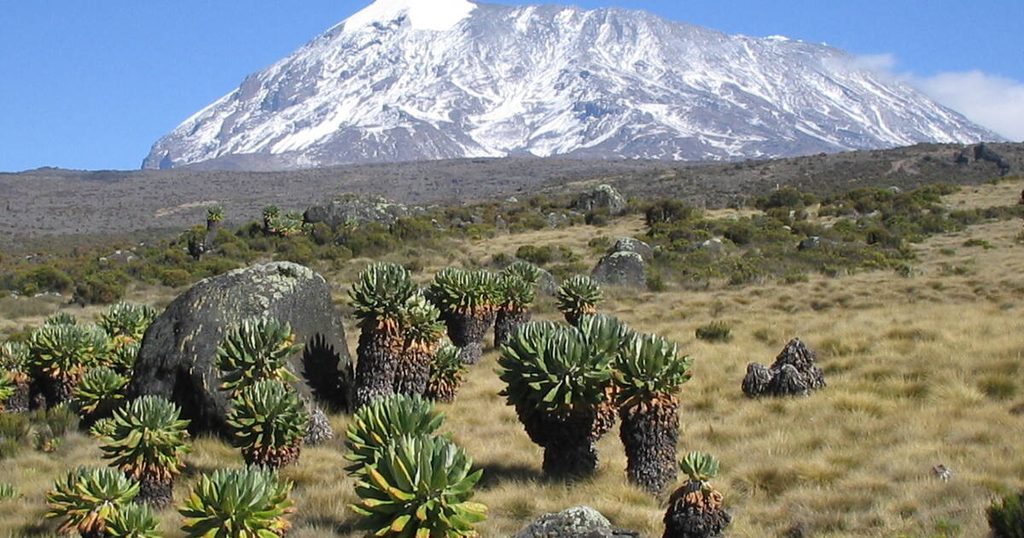
Kilimanjaro takes you through five distinct ecological zones as you gain altitude:
- Cultivation zone – farmland and local communities around the lower slopes.
- Rainforest – dense vegetation, tall trees and birdlife.
- Moorland – open landscapes with heather and high-altitude plants.
- Alpine desert – rocky volcanic terrain with very little vegetation.
- Arctic zone – the cold, exposed summit environment around Uhuru Peak.
The scenery changes dramatically as you climb, making each trekking day feel different.
Take on a Once-in-a-Lifetime Challenge
Kilimanjaro does not require technical climbing skills on its standard trekking routes, but it still demands endurance, preparation and determination. Long hiking days, altitude and the final summit push test both your physical fitness and mental strength.
For a traveler coming from Singapore, completing the climb can become a memorable personal achievement that goes far beyond an ordinary holiday.
Explore Tanzania Beyond the Mountain
Your Kilimanjaro trip can also give you time to experience northern Tanzania’s landscapes and local culture. Staying in Arusha before or after your trek lets you slow down, recover from the climb and experience a different side of Tanzania.
You can also spend time exploring local markets, meeting Tanzanian people and enjoying the atmosphere of northern Tanzania before returning to Singapore.
Kilimanjaro gives you the summit, the changing ecosystems and the challenge. Tanzania gives you the wider travel experience around it.
How to Travel from Singapore to Kilimanjaro
For a traveler from Singapore, reaching Kilimanjaro requires international air travel followed by a short ground transfer. Your easiest arrival point for a Kilimanjaro climb is Kilimanjaro International Airport (JRO) in northern Tanzania. From there, you can continue to Arusha, rest before your trek and prepare for the mountain.
Singapore to Tanzania Flight Options
Your journey starts at Singapore Changi Airport (SIN). You will normally need at least one connection before reaching Tanzania because nonstop Singapore–Kilimanjaro flights are not generally available.
When searching for flights, use Singapore (SIN) to Kilimanjaro (JRO) as your route. Depending on your travel dates, airlines and flight schedules, your connection may take you through a major international airport before you continue to Tanzania.
Try to avoid choosing a flight that lands shortly before your planned mountain departure. A comfortable arrival gives you time to recover from the long journey, organize your equipment and prepare for the trek.
Which Tanzanian Airport Should You Use?
If Kilimanjaro is your main reason for visiting Tanzania, choose Kilimanjaro International Airport (JRO) whenever your flight schedule and price make it practical.
JRO sits between Arusha and Moshi, two important towns for Kilimanjaro travelers. Arriving there saves you from adding another long journey after your international flight.
You can also enter Tanzania through Dar es Salaam, but that option usually creates additional travel before you reach northern Tanzania. For a dedicated Kilimanjaro trip, JRO offers the more convenient starting point.
Kilimanjaro International Airport (JRO)
After landing at JRO, you will complete the airport arrival process, collect your luggage and meet your arranged driver or WeWild Travel representative.
Your transfer can take you directly to Arusha, where you can check into your hotel and recover from your journey.
This arrival day matters. Instead of rushing straight onto the mountain, you can use the time to rest, check your trekking equipment and prepare for the days ahead.
How Do You Get from JRO to Arusha?
A private vehicle transfer provides the easiest option for most Kilimanjaro travelers. The journey from JRO to Arusha usually takes around one to one-and-a-half hours, depending on traffic and your exact hotel location.
With WeWild Travel, you can arrange your airport pickup before leaving Singapore. Your driver can meet you at the airport and take you directly to your accommodation in Arusha.
That means you do not need to figure out local transportation immediately after a long international journey.
Do Singapore Citizens Need a Visa for Tanzania?
Singapore passport holders should check Tanzania’s current entry rules before booking their trip, because immigration requirements can change.
Tanzania’s official immigration system provides the latest information about visa requirements and online applications. If the current rules require you to obtain a visa, you can follow the official application process before your journey.
Before flying from Singapore, make sure you:
- Check your passport validity.
- Confirm the latest Tanzania visa requirements.
- Review the current entry conditions.
- Keep your flight and accommodation details available.
- Confirm your airport transfer before departure.
- Check the requirements again shortly before your trip.
Do not rely on an old blog for immigration rules. Always confirm the latest requirements through Tanzania’s official immigration authorities before you travel.
A Simple Journey from Singapore to the Mountain
Singapore → connecting airport → Kilimanjaro International Airport → Arusha → Kilimanjaro National Park → Uhuru Peak
With the right preparation, the long journey from Singapore becomes the first part of your Kilimanjaro adventure. WeWild Travel can coordinate your airport transfer, Arusha accommodation, mountain itinerary and trekking support, allowing you to concentrate on preparing for the climb.
How Much Does It Cost to Climb Kilimanjaro from Singapore?
The total cost of climbing Kilimanjaro from Singapore depends on two separate budgets: your international travel costs and your Kilimanjaro trekking costs. Your route, number of trekking days, travel dates, group size and package inclusions can all change the final amount.
For a Singapore traveler, it helps to separate the costs before booking. That way, you can compare trekking packages properly instead of choosing one based only on its advertised starting price.
| Expense | What to Budget For |
|---|---|
| International flights | Singapore → Tanzania → Singapore |
| Kilimanjaro trek | Park fees, guide, mountain crew, meals and camping |
| Hotel | Accommodation before and after the climb |
| Airport transfers | JRO to Arusha |
| Visa | Tanzania entry requirements, if applicable |
| Travel insurance | Trekking, medical and emergency coverage |
| Personal expenses | Tips, souvenirs and other purchases |
Kilimanjaro park charges form an important part of your trekking cost. TANAPA publishes official park tariffs, including fees for Kilimanjaro National Park, so a professional operator should account for the applicable charges when preparing your quotation. (Tanzania Parks)
What Is Included in a Kilimanjaro Trek Package?
A properly organized Kilimanjaro package normally covers the main services you need on the mountain. Depending on the operator and itinerary, this can include:
- Kilimanjaro National Park fees
- Professional mountain guides
- Porters and mountain crew
- Cook and trekking meals
- Tents and camping arrangements
- Drinking water during the trek
- Mountain transfers
- Airport pickup and drop-off
- Pre- and post-climb hotel nights
Always ask for a detailed quotation because different operators include different services.
At WeWild Travel, we can explain your package before you confirm the booking, so you know what your trekking price covers.
Read More : Kilimanjaro National Park fees
What Is Not Usually Included?
Your international travel costs normally sit outside the Kilimanjaro package. You may need to budget separately for:
- Flights from Singapore to Tanzania
- Visa or entry-related costs, where applicable
- Travel insurance
- Personal trekking equipment
- Tips for the mountain crew
- Extra hotel nights
- Personal snacks and drinks
- Laundry and other personal services
- Optional activities outside your trek
This distinction matters because a US$2,000 trekking package does not mean your entire Singapore-to-Tanzania holiday will cost US$2,000.
How Can You Avoid Unexpected Costs?
The easiest way to control your budget is to request a complete quotation before booking. Ask your operator to list every included and excluded service.
Check these points carefully:
- Know your route and number of days. A longer climb usually increases accommodation, food, crew and park-related costs.
- Ask whether airport transfers are included.
- Confirm your pre- and post-trek accommodation.
- Check whether the quotation includes mountain crew costs.
- Ask about tipping expectations before you travel.
- Budget separately for flights and insurance.
- Avoid comparing operators using price alone.
A transparent Kilimanjaro quotation should let you understand exactly where your money goes. That makes it much easier for a traveler from Singapore to plan the complete journey without unpleasant surprises.
How Many Days Do You Need for Kilimanjaro?
Most travelers should allow 7 to 9 trekking days for Kilimanjaro, although shorter itineraries exist. The right duration depends on your available vacation time, fitness, route and, most importantly, how much time you want to give your body to adjust to altitude.
For travelers coming from Singapore, I would not choose a route based only on the shortest possible itinerary. More days can give you a more gradual ascent, better time to adapt and a less rushed mountain experience.
6-Day Lemosho Route
The 6-Day Lemosho Route gives you a relatively short way to climb Kilimanjaro. It follows a scenic route through rainforest, moorland and high-altitude terrain before the summit.
However, the shorter schedule leaves less time for acclimatization. It suits trekkers who have limited vacation time and understand the demands of a faster ascent.
7-Day Machame Route
The 7-Day Machame Route gives you a popular balance between trekking time and overall trip length. You experience changing landscapes and use the route’s climb-high, sleep-lower pattern in parts of the itinerary to help your body adjust.
It works well for travelers who want a classic Kilimanjaro adventure without committing to a nine-day climb.
8-Day Lemosho Route
The 8-Day Lemosho Route gives you more time on the mountain and a more gradual progression toward the summit. You can enjoy the scenery without rushing through the lower and middle sections.
For many first-time climbers, this provides a strong balance between acclimatization, comfort, scenery and time commitment.
9-Day Lemosho Route
The 9-Day Lemosho Route gives you an even longer schedule for adapting to altitude. The extra day can make the overall journey feel less rushed and gives you more time to settle into the rhythm of mountain life.
If you have enough vacation time, this longer approach can make sense for travelers who prioritize a gradual climb over saving one day.
9-Day Northern Circuit
The 9-Day Northern Circuit takes you around the quieter northern side of Kilimanjaro before joining the summit route. Its longer itinerary gives you plenty of time to experience the mountain while gradually gaining elevation.
It suits travelers who want a longer adventure, varied scenery and more time for altitude adjustment.
Why Does the Number of Days Matter?
Altitude makes Kilimanjaro different from an ordinary hiking trip. You cannot train your body to eliminate altitude sickness simply by becoming fitter. Your body needs time to respond to thinner air as you climb higher.
A longer itinerary gives you more opportunities to walk at a controlled pace, rest, sleep at different elevations and allow your body to adapt.
For a traveler flying from Singapore, I would recommend looking beyond the shortest itinerary. If your schedule allows it, an 8- or 9-day climb can give you a more comfortable and gradual Kilimanjaro experience.
Which Kilimanjaro Route Is Best for Singapore Travelers?
Lemosho and Northern Circuit are strong choices for Singapore travelers who can spend more time in Tanzania, especially if gradual acclimatization matters to you. However, the best route depends on your vacation length, trekking style, budget and personal goals.
| Route | Duration | Best For |
|---|---|---|
| Machame | 6-7 days | Scenic trekking and a classic Kilimanjaro experience |
| Lemosho | 7-9 days | Gradual ascent, scenery and more acclimatization time |
| Marangu | 5-6 days | Travelers who prefer mountain huts |
| Rongai | 6-7 days | Quieter trails and the northern approach |
| Northern Circuit | 8-9 days | More acclimatization and a longer mountain adventure |
Best Route for First-Time Climbers from Singapore
Lemosho is an excellent option for first-time climbers who have enough vacation time. The route approaches Kilimanjaro from the west and gives you several days to gain elevation before the summit attempt.
The 8-day or 9-day Lemosho itinerary can work particularly well if you want a less rushed experience.
Best Route for Higher Summit Success
If your priority is giving yourself more time to adapt to altitude, consider a longer itinerary such as the 8- or 9-day Lemosho or 9-day Northern Circuit.
Remember that no route can guarantee that you will reach Uhuru Peak. Your response to altitude, weather, health and pacing all influence your climb.
Best Route for Limited Vacation Time
If your schedule from Singapore is tight, 6- or 7-day Machame or 6-day Lemosho can reduce your time on the mountain.
However, don’t choose a shorter route simply because it saves one or two days. You also need to account for international flights, arrival recovery, hotel nights and your return journey.
Best Route for Travelers Who Prefer Mountain Huts
Marangu stands apart because it uses mountain huts rather than camping tents. This option may appeal if sleeping in a hut sounds more comfortable than camping.
Best Route for a Quieter Experience
Rongai approaches Kilimanjaro from the northern side and can provide a different atmosphere from the more popular southern routes.
Best Route for a Long Adventure
If you have plenty of time and want to experience more of Kilimanjaro, the 9-day Northern Circuit offers an extended route around the mountain before the summit push.
Best Time to Climb Kilimanjaro from Singapore
The best time to climb Kilimanjaro from Singapore is usually January to early March or June to October. These periods generally bring better weather for trekking, clearer views and more comfortable trail conditions. If you are traveling a long distance from Singapore, choosing a favorable season can make your mountain experience much more enjoyable.
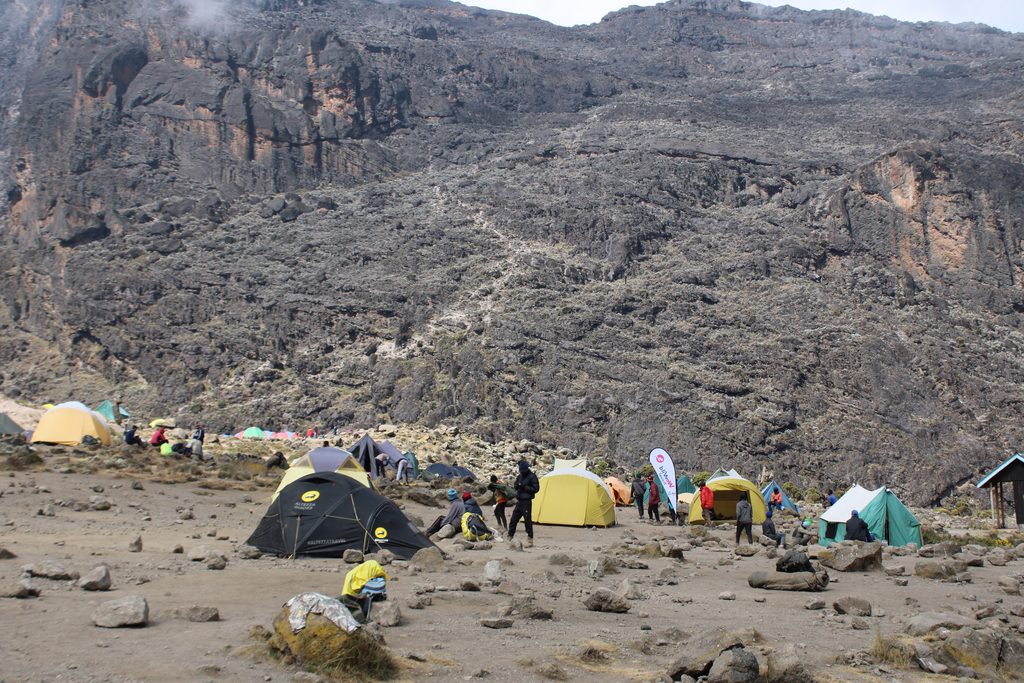
January to March
January and February are excellent months for climbing Kilimanjaro. The weather usually stays relatively dry, giving you good conditions for long hiking days and mountain views.
The lower slopes can feel warm, while temperatures drop as you gain altitude. You should prepare for different conditions rather than expecting one type of weather throughout the trek.
March can also work, especially early in the month. However, rainfall usually becomes more likely later in March.
June to October
June to October is another popular climbing period. The mountain usually experiences drier weather, which can make trails easier to manage and improve your chances of enjoying clear views.
July, August and September attract many international climbers, so popular routes may feel busier. If you want a quieter experience, June or October may offer a better balance.
What About November and December?
You can climb Kilimanjaro in November and December, but the weather becomes less predictable.
November often brings short rains. Rain can make sections of the trail wet and slippery, while clouds may hide some mountain views.
December can offer better conditions, particularly as you move toward the end of the month. However, weather can still change quickly on the mountain.
If these months fit your schedule, you do not have to cancel your climb. Choose good equipment, allow enough trekking days and work with an experienced local guide.
Which Months Offer the Best Summit Conditions?
If your priority is drier trails, better visibility and a more comfortable summit attempt, consider:
- January-February: Excellent overall choice
- June-September: Excellent dry-season window
- October: Good option with generally favorable conditions
- Early March: Possible, although rain becomes more likely later
For most travelers from Singapore, January to February or June to September offers the best combination of weather and trekking conditions.
Remember that Kilimanjaro creates its own mountain weather. No month guarantees sunshine at the summit, so proper clothing, preparation and a sensible itinerary remain important.
Read more : Best time to climb Kilimanjaro
How Difficult Is Kilimanjaro for Singapore Travelers?
Kilimanjaro is challenging but achievable for a reasonably fit traveler who prepares properly. The biggest difference for someone from Singapore is not simply the hiking itself. Kilimanjaro takes you from tropical lower slopes to 5,895 metres, where the air contains much less oxygen than at sea level.
Singapore offers plenty of opportunities to build fitness, but you may not find long natural climbs that perfectly reproduce Kilimanjaro. Focus on building walking endurance, leg strength and the ability to stay active for several hours.
Fitness You Should Build Before the Trip
You do not need to become an elite athlete. Instead, build a fitness base that helps you walk for several consecutive days.
Focus on:
- Brisk walking
- Stair climbing
- Hiking
- Leg and core exercises
- Longer weekend walks
- Gradually increasing your walking distance
Consistency matters more than trying to complete one extremely difficult workout.
How to Train in Singapore
Singapore’s parks, stairways and walking paths can become useful training grounds.
Try combining long walks with stair sessions during the week. You can also use a treadmill with an incline if you have access to a gym.
As your trip gets closer, increase the length of your weekend walks and carry a backpack similar to what you expect to use on Kilimanjaro.
Prepare for Uphill Hiking
Kilimanjaro involves plenty of uphill walking, especially as you move toward higher camps.
Use stairs or an inclined treadmill to train your legs. Focus on maintaining a steady pace rather than rushing uphill. Your goal is to become comfortable walking uphill for extended periods.
Prepare for Long Walking Days
A Kilimanjaro trekking day can last several hours, and summit day requires considerably more endurance.
Start with shorter walks and gradually increase your time on your feet. This prepares your legs and feet for repeated trekking days.
Good walking shoes also matter. Break them in before flying to Tanzania rather than wearing completely new footwear on the mountain.
Understanding Kilimanjaro Altitude
Altitude creates the biggest challenge for many Kilimanjaro climbers. Uhuru Peak stands at 5,895 metres, far above Singapore’s sea-level environment.
Fitness cannot guarantee that you will avoid altitude problems. Your body needs time to adjust as you climb higher.
That makes route duration important. An 8- or 9-day itinerary gives you more time to gain elevation gradually than a very short climb.
Your guide will also monitor your condition throughout the trek. If you develop concerning altitude symptoms, tell your guide immediately rather than trying to hide them or push through.
The goal is not to climb Kilimanjaro as fast as possible. The goal is to climb steadily, adapt to the altitude and arrive at the summit safely.
What Should You Pack from Singapore?
Pack for two completely different environments: warm conditions on the lower mountain and cold, windy conditions near the summit. You do not need to bring your entire home with you, but you should prepare carefully because Kilimanjaro’s weather changes dramatically as you gain altitude.
Essential Trekking Clothing
Layering works best on Kilimanjaro. Instead of carrying one very heavy jacket, bring several layers that you can add or remove as temperatures change.
Your clothing should include:
- Moisture-wicking T-shirts
- Long-sleeve trekking shirts
- Fleece or warm mid-layer
- Waterproof and windproof jacket
- Trekking trousers
- Warm trousers for higher camps
- Thermal base layers
- Warm hat and gloves
- Sun hat or cap
- Sunglasses
- Lightweight rain protection
Do not pack only tropical clothing because you are starting your journey in Singapore. The summit environment can become extremely cold.
Hiking Boots and Socks
Choose comfortable, supportive hiking boots with good grip. Wear them during training before your trip so your feet become familiar with them.
Bring several pairs of trekking socks, including warm socks for the summit night. Avoid relying on brand-new boots or socks during the climb.
Sleeping Equipment
If your chosen route uses camping, your operator normally provides the main camping equipment. Confirm what your package includes before deciding what to bring.
Personal items can include:
- Sleeping bag suitable for cold mountain temperatures
- Sleeping bag liner
- Small pillow or inflatable pillow
- Headlamp with spare batteries
- Earplugs
If you plan to hire some equipment in Tanzania, ask your operator about availability and sizes before your arrival.
Personal Medication and First-Aid Items
Bring any regular medication that you personally need, together with enough supply for the entire trip.
A small personal kit can include:
- Blister protection
- Plasters
- Personal hygiene items
- Lip balm
- Sunscreen
- Insect repellent
- Hand sanitizer
Tell your guide about any important medical needs before starting the trek.
Electronics and Travel Essentials
You do not need to carry every electronic device you own. Keep your packing practical.
Consider bringing:
- Phone
- Camera
- Power bank
- Charging cables
- Universal travel adapter
- Small waterproof bag
- Passport and travel documents
- Travel insurance details
- Small amount of Tanzanian currency
A power bank can prove particularly useful because access to electricity becomes limited on the mountain.
What You Can Hire in Tanzania
You do not necessarily need to buy every piece of mountain equipment in Singapore. Depending on availability, some trekking operators can arrange equipment hire in Tanzania.
Items may include:
- Sleeping bags
- Trekking poles
- Extra warm clothing
- Waterproof gear
- Other selected trekking equipment
Ask WeWild Travel about available rental equipment before your flight from Singapore. This allows you to confirm availability, sizes and prices in advance.
The best packing strategy is simple: bring what you genuinely need, prepare for cold summit conditions and confirm your equipment list with your Kilimanjaro operator before leaving Singapore.
What Is the Food Like on Kilimanjaro?
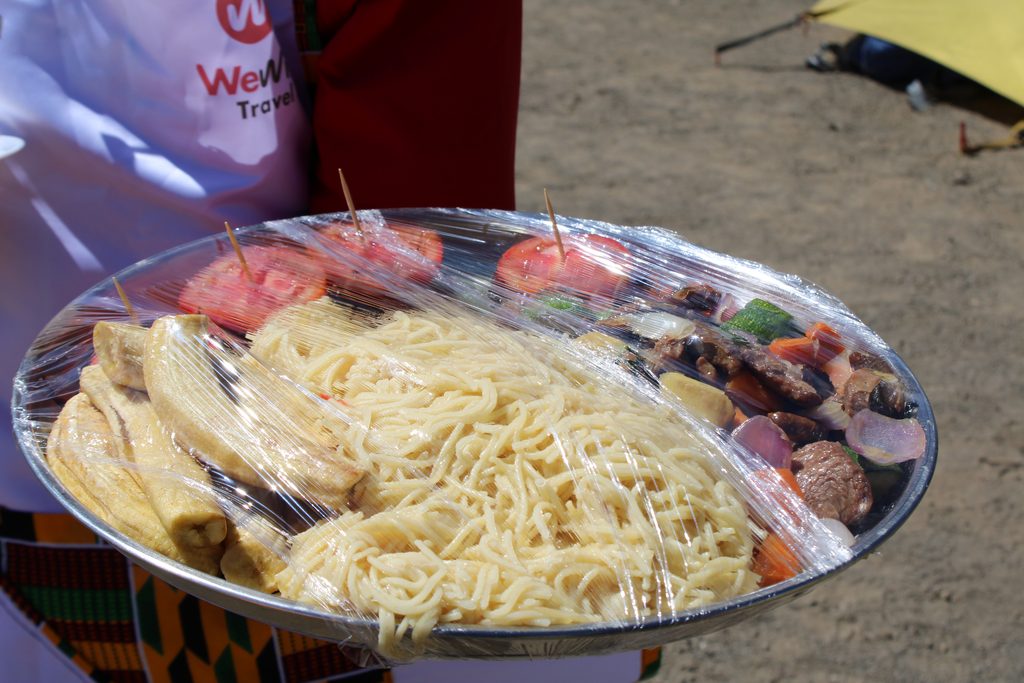
Food on Kilimanjaro focuses on keeping you energized throughout long trekking days. Your mountain cook prepares meals at camp, so you do not need to carry several days of food in your backpack. The menu usually combines familiar foods with simple Tanzanian-style meals that provide carbohydrates, protein and enough energy for hiking.
Meals During the Trek
You can expect three main meals each day, although the exact menu depends on your trekking team and route.
Breakfast can include items such as porridge, eggs, bread, fruit and hot drinks. Lunch may come as a packed meal or a prepared camp meal, depending on the day’s itinerary. Dinner usually provides a more substantial meal after several hours of hiking.
Common foods can include:
- Rice
- Pasta
- Potatoes
- Vegetables
- Chicken or other protein
- Soup
- Fresh fruit
- Bread
- Eggs
- Porridge
Your appetite can change at altitude, so simple, familiar foods can make eating easier when you feel tired.
Staying Hydrated at High Altitude
Drink regularly throughout the day rather than waiting until you feel thirsty. Your guide will advise you on your water needs based on the day’s conditions and altitude.
Carry a reusable water bottle or hydration system that you can access easily while walking. You may also want to bring water-treatment supplies if your operator recommends them.
Avoid relying only on coffee or other drinks. Water should remain your main source of hydration during the trek.
Food Preparation by the Mountain Crew
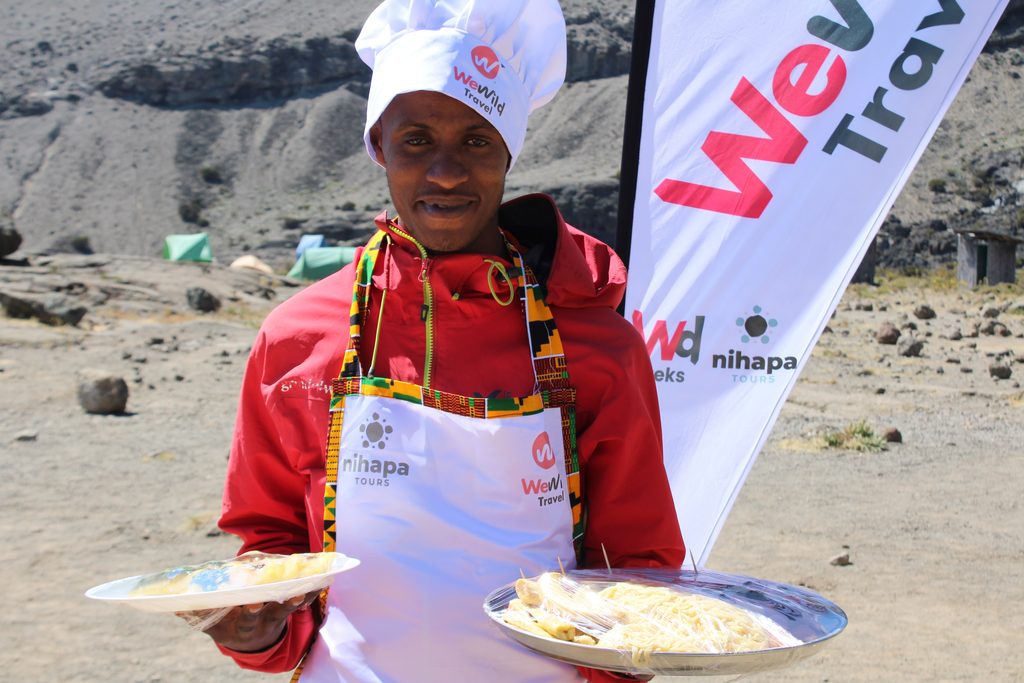
Your mountain cook plays an important role in the expedition. The team carries food and cooking supplies to the camps and prepares meals in the mountain environment.
At WeWild Travel, we understand that good food can make a major difference during a demanding trek. Our mountain team focuses on serving warm, practical meals that help you recover after each day’s hike.
If you have allergies, dietary restrictions or specific food requirements, tell us before your climb. Early notice gives the team time to plan suitable meals.
The aim is simple: eat well, drink regularly and give your body the fuel it needs for the next day’s adventure.
Where Do You Stay Before and After Kilimanjaro?
You can choose your accommodation in Arusha based on your budget, comfort level and travel style. Luxury travelers can enjoy a high-end hotel with extra facilities, while budget-conscious climbers can choose a comfortable, affordable lodge. The important thing is to stay somewhere convenient before and after your mountain trek.
Accommodation in Arusha
Arusha gives you plenty of accommodation choices before starting Kilimanjaro. You can choose a luxury hotel if you want more comfort after your long journey from Singapore, or select a mid-range hotel or lodge if you want to keep your overall trip cost lower.
For example:
- Luxury: Mount Meru Hotel, Gran Melia Arusha
- Mid-range: Arusha Planet Lodge, Kibo Palace Apartments
- Budget: Outpost Lodge or other comfortable local lodges
Your choice can depend on your budget and how much comfort you want before the climb.
At WeWild Travel, we can help arrange your accommodation in Arusha as part of your trekking plans, so you do not have to organize everything yourself after arriving in Tanzania.
Accommodation After the Trek
After several days on Kilimanjaro, a comfortable hotel can make your recovery much easier. You may want a private room, a hot shower, a good meal and a quiet place to rest.
You can return to a luxury hotel if you want to relax in comfort, or choose a mid-range or budget lodge if you prefer to spend more of your budget on the mountain experience.
If your flight leaves Tanzania the following day, staying in Arusha also makes your departure easier because your transfer team can arrange transportation according to your flight schedule.
Why Staying One Night Before the Climb Helps
A night in Arusha before your trek gives you time to recover from your journey from Singapore. Instead of arriving at JRO and immediately heading toward the mountain, you can sleep properly, eat well and prepare your equipment.
You can also use this time to:
- Meet your Kilimanjaro guide
- Attend your trek briefing
- Check your equipment
- Organize your bags
- Confirm your pickup time
- Recover from your international flight
After the climb, another hotel night gives you time to shower, rest, eat properly and recover before traveling home.
Whether you prefer a luxury hotel or a budget-friendly lodge, choosing the right accommodation helps make your Kilimanjaro trip from Singapore smoother from arrival to departure.
How Long Should You Stay in Tanzania?
For travelers climbing Kilimanjaro from Singapore, plan around 9–12 days in Tanzania if you want a relaxed trip. Your total stay should include your arrival, hotel preparation, Kilimanjaro trek, recovery time and your return journey. A longer stay gives you more flexibility and reduces the pressure of fitting everything into a tight schedule.
Arrival Day
Give yourself at least one day in Tanzania before starting the climb. After a long journey from Singapore, you can travel to Arusha, check into your hotel and rest.
Use the day to organize your trekking equipment, meet your guide and attend your pre-climb briefing. A relaxed arrival also gives you a buffer if your flight experiences a delay.
Kilimanjaro Trek
Your time on Kilimanjaro depends on your chosen route.
A shorter climb may take 6 days, while longer options such as the 8-day Lemosho, 9-day Lemosho or 9-day Northern Circuit give you more time on the mountain.
For travelers who have traveled all the way from Singapore, adding extra trekking days can make the experience less rushed and provide more time for altitude adjustment.
Recovery Day
Give yourself at least one recovery night after the mountain.
After the summit and descent, you will probably appreciate a comfortable bed, a hot shower and a proper meal. You can spend the day relaxing in Arusha before your flight home.
This also gives you some protection against unexpected delays on the final trekking day.
Optional Tanzania Extension
If your schedule allows, you can extend your Tanzania trip beyond Kilimanjaro. You might spend additional time experiencing Arusha, local culture, nature or other attractions in northern Tanzania.
You do not need to turn your trip into a long holiday. Even an extra two or three days can give you more time to enjoy Tanzania instead of immediately returning to Singapore after the climb.
A Practical Trip Length
For example, an 8-day Lemosho climb could fit into a roughly 11-12-day Tanzania trip:
- Day 1: Arrive in Tanzania
- Day 2: Preparation in Arusha
- Days 3-10: Kilimanjaro trek
- Day 11: Recovery
- Day 12: Depart Tanzania
Your exact schedule will depend on your international flights and trekking route.
The key is not to count only the days you spend walking. Plan the entire journey from Singapore to Tanzania and back so you have enough time to rest, prepare and enjoy the experience.
Is Kilimanjaro Safe for Singapore Travelers?
Yes, Singapore travelers can climb Kilimanjaro safely when they prepare properly and trek with an experienced mountain team. Kilimanjaro does not require technical climbing on its standard routes, but altitude, weather, fatigue and long trekking days create real challenges. Good planning, a sensible itinerary and responsible guides can help reduce unnecessary risks.
Experienced Mountain Guides
An experienced guide does much more than show you the trail. Your guide controls the pace, explains the route, watches the weather and pays attention to how you are coping with the climb.
At WeWild Travel, our local Tanzanian guides know the mountain environment and understand how conditions can change as you move toward higher camps.
A good guide also encourages a steady pace. On Kilimanjaro, slow and consistent usually works better than trying to walk fast and finish early.
Altitude Monitoring
Altitude presents one of the biggest challenges on Kilimanjaro. As you climb higher, the air contains less available oxygen, and your body needs time to adjust.
Your guide should check how you feel throughout the trek and ask about symptoms such as headache, unusual tiredness, dizziness or nausea.
Never hide symptoms because you want to reach the summit. Tell your guide as soon as something feels wrong. The team can then assess the situation and decide what action makes sense.
Choosing a longer itinerary can also give your body more time to adjust to increasing altitude.
Emergency Procedures
Kilimanjaro remains a remote mountain environment, so your operator should have a clear plan for handling emergencies.
Your mountain team should know how to respond if a climber becomes seriously unwell, suffers an injury or cannot continue. Depending on the situation, the guide may arrange assistance and descent to a lower elevation or coordinate further emergency support.
Before booking, ask your operator what emergency procedures they follow and what support they provide during the trek.
Why Travel Insurance Matters
Travel insurance is an important part of your Kilimanjaro preparation. Choose a policy that specifically covers trekking at the altitude you will reach, along with medical treatment and emergency evacuation where applicable.
Do not assume that a normal holiday insurance policy automatically covers a climb to 5,895 metres.
Before leaving Singapore, check the policy carefully and confirm:
- Kilimanjaro trekking coverage
- Maximum covered altitude
- Emergency medical treatment
- Evacuation or rescue coverage
- Trip cancellation or interruption
- Coverage for your entire Tanzania stay
A safe Kilimanjaro climb starts before you leave Singapore. Choose a suitable route, prepare your body, listen to your guide and make sure your insurance matches the adventure you are undertaking.
Singapore vs Tanzania: What Should You Expect?
For travelers coming from Singapore, Tanzania will feel different from home in several everyday ways. The climate, food, currency, internet access and local customs can all affect your trip. Knowing these differences before you arrive makes your Kilimanjaro adventure easier and more comfortable.
Weather Differences
Singapore has a hot and humid tropical climate throughout the year. Tanzania also has warm areas, but Kilimanjaro creates several different climate zones as you gain altitude.
You can start your journey in warm conditions around Arusha and then experience cold temperatures on the mountain. Near Uhuru Peak, conditions can become very cold and windy, especially during the summit attempt.
Pack for both warm lowland weather and cold mountain conditions.
Food Differences
Tanzania offers a mixture of local East African dishes and international foods. You may find rice, potatoes, vegetables, beans, meat, fruit and other familiar ingredients.
During your Kilimanjaro trek, your mountain cook prepares practical meals designed to provide energy for long hiking days.
If you have dietary requirements, tell WeWild Travel before your climb so the team can plan your meals.
Currency and Payments
Tanzania uses the Tanzanian shilling (TZS), although some tourism businesses also quote prices in US dollars.
Cards may work at larger hotels and established businesses, but you should not depend entirely on electronic payments, especially when traveling outside major urban areas.
Keep some local currency available for small purchases and personal expenses.
Internet and Mobile Connectivity
You can find mobile networks and Wi-Fi in Arusha and other populated areas. However, connectivity becomes less reliable as you climb Kilimanjaro.
Do not expect the same level of constant internet access that you may enjoy in Singapore.
Download important travel information before leaving your hotel and let family or friends know that you may have limited connectivity during the trek.
Time Difference
Tanzania operates on East Africa Time (EAT), UTC+3, while Singapore uses Singapore Standard Time (SGT), UTC+8.
That means Tanzania is normally five hours behind Singapore.
For example, when it is 6:00 PM in Singapore, it is 1:00 PM in Tanzania.
Your body may need some time to adjust after the long journey, which gives you another good reason to arrive in Tanzania before starting your climb.
Local Culture and Etiquette
Tanzania has its own customs and social traditions. A friendly greeting, patience and respectful behavior go a long way.
Swahili is widely spoken, while English is common in tourism and many professional settings.
Simple greetings such as “Jambo” or “Habari” can be a friendly way to connect with local people. Dress respectfully when visiting communities or religious and cultural places, and always ask before photographing people.
Most importantly, approach Tanzania with curiosity rather than expecting everything to work exactly as it does in Singapore.
The differences are part of the adventure. Once you understand what to expect, you can enjoy the journey from Singapore to Tanzania with greater confidence.
Common Mistakes Singapore Travelers Should Avoid
A successful Kilimanjaro trip starts with good decisions before you leave Singapore. Many problems come from rushing the planning process, choosing a trek based only on price or assuming that good fitness alone will solve the altitude challenge. Avoiding a few common mistakes can make your climb more comfortable and better organized.
Choosing the Cheapest Trek Package
The cheapest Kilimanjaro package does not always offer the best value. A very low price may leave out services that you later need to pay for separately.
Before booking, check whether the price covers park fees, guides, porters, meals, camping equipment, transfers and accommodation.
Ask for a clear list of included and excluded services rather than comparing the headline price alone.
Choosing Too Few Days
A shorter itinerary may look attractive when you have limited vacation time, but it gives your body less time to adjust to increasing altitude.
If your schedule allows, consider a 7-, 8- or 9-day route rather than automatically choosing the shortest option.
For many first-time climbers from Singapore, extra days can make the experience feel less rushed.
Underestimating Altitude
Kilimanjaro’s 5,895-metre summit creates a serious altitude challenge. You can have excellent fitness and still struggle with high altitude.
Do not treat Kilimanjaro like a normal hike. Walk at a controlled pace, follow your guide’s instructions and tell your guide if you feel unwell.
Arriving Without Proper Training
Singapore has excellent walking facilities, but Kilimanjaro demands more than ordinary daily activity.
Start preparing before your trip with:
- Long walks
- Stair climbing
- Incline training
- Weekend hikes
- Leg-strength exercises
- Consecutive days of walking
Build your training gradually instead of trying to become fit a few days before your flight.
Packing Only for Warm Weather
You may leave hot and humid Singapore wearing light clothing, but Kilimanjaro can become extremely cold near the summit.
Pack suitable layers, warm clothing, gloves, a hat, waterproof protection and comfortable hiking footwear.
Your packing list should prepare you for both the warm lower slopes and the cold upper mountain.
Ignoring Travel Insurance
Do not assume ordinary holiday insurance automatically covers a Kilimanjaro climb.
Before leaving Singapore, check that your policy covers high-altitude trekking, medical treatment and emergency evacuation where applicable.
Also check the maximum altitude allowed under the policy. Kilimanjaro reaches 5,895 metres, so this detail matters.
Good preparation costs less than fixing poor planning later. Choose your route carefully, allow enough time for altitude adjustment, train properly and confirm your insurance before starting your journey from Singapore.
Kilimanjaro from Singapore: Sample 10-Day Travel Plan
A 10-day trip can work for Singapore travelers who choose a shorter Kilimanjaro itinerary and coordinate their flights carefully. However, your exact schedule depends on your flight connections, arrival time and chosen route. For a more relaxed experience, consider adding extra days.
Day 1: Singapore to Tanzania
Begin your journey from Singapore Changi Airport and fly toward Tanzania. Your itinerary will normally include a connection before you reach Kilimanjaro International Airport.
Because the journey can take many hours, plan to rest during the flight and stay hydrated.
Day 2: Arrival and Hotel
Arrive at Kilimanjaro International Airport (JRO) and meet your arranged transfer to Arusha.
Check into your hotel, rest after your journey and prepare your trekking equipment. If your schedule allows, meet your guide for a briefing and final equipment check.
Day 3: Begin Kilimanjaro
After breakfast, your mountain adventure begins.
Your exact starting point depends on the route you choose. You will travel to the appropriate park gate, complete the entry procedures and begin hiking with your mountain crew.
From this point, your days will focus on steady walking, rest, hydration and gradual altitude gain.
Days 4 to 9: Trek and Summit
Continue through Kilimanjaro’s changing landscapes as you gain elevation. Depending on your route, you may walk through rainforest, moorland, alpine desert and the high summit zone.
Your summit attempt will become the main objective of the trek. After reaching Uhuru Peak, you will descend to a lower camp for further rest before continuing toward the mountain gate.
Important: A full 8- or 9-day Kilimanjaro route cannot realistically fit into the exact six trekking days shown in this sample. If you choose an 8-day or 9-day route, extend your Tanzania stay accordingly rather than rushing the itinerary.
Day 10: Departure
After completing your climb and recovering from the trek, travel from Arusha to Kilimanjaro International Airport for your flight home.
If your international flight leaves late, you can enjoy a relaxed morning before heading to the airport.
Can You Extend Your Trip?
Yes. Your itinerary should match your chosen Kilimanjaro route and international flight schedule.
For example, you could add:
- An extra night in Arusha before climbing
- An extra recovery night after the trek
- An additional trekking day for acclimatization
- More time to explore northern Tanzania
For Singapore travelers, adding one or two extra days can make the journey much less rushed.
WeWild Travel can help coordinate your mountain itinerary, accommodation and airport transfers around your international flight schedule, so your trip works as one complete journey rather than a collection of separate bookings.
Frequently Asked Questions About Climbing Kilimanjaro from Singapore
Yes. Singapore travelers can climb Kilimanjaro by flying to Tanzania and joining a guided trek.
Fly from Singapore Changi Airport to Kilimanjaro International Airport (JRO), usually with a connection. From JRO, travel to Arusha by road.
Plan around 9-12 days for a comfortable trip, depending on your route and flights.
Lemosho works well for travelers who want scenic trekking and more time for altitude adjustment. The 8-day or 9-day option gives you a gradual experience.
Your total budget includes flights, trekking fees, accommodation, transfers, insurance, visa costs where applicable and personal expenses. The trek itself varies by route and duration.
January to February and June to September generally offer favorable trekking conditions.
No. Standard Kilimanjaro routes do not normally require technical climbing experience. Good fitness and preparation matter more.
Yes, the climb can be demanding because of long hiking days and altitude. Proper training and a suitable itinerary can help.
Bring layered clothing, hiking boots, warm summit clothing, rain protection, personal medication, toiletries, electronics and important travel documents.
Yes. Choose insurance that covers high-altitude trekking, medical treatment and emergency evacuation where applicable.
Yes. WeWild Travel can help organize your Kilimanjaro trek, accommodation, airport transfers and mountain crew, giving you one coordinated plan from arrival to departure.
Conclusion: Climbing Kilimanjaro from Singapore
Climbing Kilimanjaro from Singapore is a challenging but achievable adventure with the right preparation. From the long journey to Tanzania to standing at 5,895 metres on Uhuru Peak, every stage requires thoughtful planning.
Choose your route based on your time, fitness, budget and altitude goals. If you can spend more time on the mountain, an 8-day or 9-day Lemosho or Northern Circuit itinerary can give you a more gradual experience. Train before leaving Singapore, pack for changing temperatures and arrange suitable travel insurance.
Your journey should also include time to rest before and after the climb. Staying in Arusha gives you a comfortable base for preparation and recovery.
At WeWild Travel, we help Singapore travelers organize the important details of their Kilimanjaro adventure, including route planning, accommodation, airport transfers, experienced local guides and mountain support.
Your journey from Singapore to the Roof of Africa starts with good preparation. Choose your route, plan your time wisely and let WeWild Travel help you turn your Kilimanjaro goal into a real adventure.