Where Is Mount Kilimanjaro Located? Complete Guide to Africa’s Highest Mountain
Estimated reading time: 22 minutes
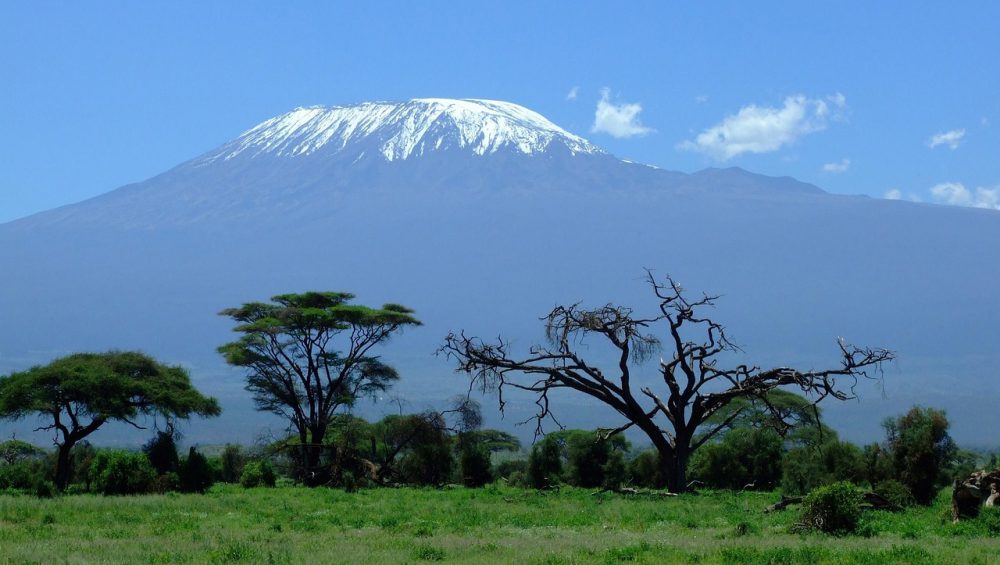
Mount Kilimanjaro is located in northeastern Tanzania, East Africa, close to the border with Kenya. It rises from the plains of the Kilimanjaro Region and dominates the landscape as Africa’s highest mountain at 5,895 meters (19,341 feet). Although many travelers first see stunning photos of its snow-capped summit from Kenya’s Amboseli region, the entire mountain sits within Tanzania and forms part of Kilimanjaro National Park.
This location makes Kilimanjaro one of the most iconic landmarks in Africa. Its position near the equator creates a unique environment where tropical rainforest, alpine desert, and glacial summit exist on a single mountain. For climbers and travelers, understanding where Kilimanjaro is located helps with planning the journey, choosing the best routes, and preparing for changes in climate and altitude as they ascend.
The mountain lies near key travel hubs such as Moshi and Arusha, which serve as the main gateway towns for climbers. Kilimanjaro International Airport also provides direct access for visitors arriving from around the world. Because of this strategic location, the mountain attracts both adventure travelers and safari visitors who combine climbing with wildlife experiences in nearby national parks.
In this guide, you will learn exactly where Mount Kilimanjaro is located on the map of Africa, which country and region it belongs to, how close it is to Kenya, and how travelers reach the mountain. You will also explore nearby cities, transport routes, and key geographical facts that make Kilimanjaro one of the most famous trekking destinations in the world.
Table of contents
- Where Is Mount Kilimanjaro Located? Complete Guide to Africa’s Highest Mountain
- Where Is Mount Kilimanjaro Located?
- Mount Kilimanjaro on the Map of Africa
- Why Is Mount Kilimanjaro Famous?
- Understanding Kilimanjaro’s Geography
- Which Mountains Surround Mount Kilimanjaro?
- How to Get to Mount Kilimanjaro
- What Is the Nearest City to Mount Kilimanjaro?
- Mount Kilimanjaro and Kilimanjaro National Park
- Best Time to Visit Mount Kilimanjaro
- Interesting Facts About Mount Kilimanjaro’s Location
- Frequently Asked Questions About Mount Kilimanjaro Location
- Final Thoughts: Where Is Mount Kilimanjaro Located?
- Read Also:
Where Is Mount Kilimanjaro Located?
Mount Kilimanjaro is located in northeastern Tanzania, East Africa, very close to the border with Kenya. It rises dramatically from the surrounding plains of the Kilimanjaro Region and stands as Africa’s highest mountain at 5,895 meters (19,341 feet). Its position makes it one of the most famous landmarks on the African continent and a major destination for climbers and adventure travelers.
The Exact Location of Mount Kilimanjaro
Mount Kilimanjaro is located in northeastern Tanzania at approximately 3.067°S latitude and 37.355°E longitude. It sits within Kilimanjaro National Park, which protects the mountain’s forests, wildlife, and summit zones. The mountain lies very close to the Kenya-Tanzania border, which creates a unique situation where visitors in Kenya, especially from Amboseli National Park, often see clear views of Kilimanjaro’s snow-capped peak.
However, Mount Kilimanjaro belongs entirely to Tanzania. All climbing routes, including Machame, Marangu, Lemosho, Rongai, and Umbwe, start from the Tanzanian side. The mountain does not extend into Kenya, even though it dominates the skyline across the border. This exact location makes Kilimanjaro one of the most accessible high mountains in the world, as travelers can reach it through Kilimanjaro International Airport and nearby towns like Moshi and Arusha.
Which Country Is Mount Kilimanjaro In?
Mount Kilimanjaro is located entirely in Tanzania. It does not sit on a shared border mountain range but instead stands independently within Tanzanian territory. Many people confuse its location because of its visibility from Kenya, especially in clear weather conditions when the summit appears above the clouds from Amboseli National Park.
Tanzania manages the mountain through Kilimanjaro National Park, which controls all trekking activity, conservation efforts, and tourism operations. Every climber who ascends Kilimanjaro must enter through Tanzanian park gates, making Tanzania the only official country associated with the mountain. This clear national ownership helps protect the mountain’s ecosystems and regulate tourism sustainably.
Which Region of Tanzania Is Mount Kilimanjaro In?
Mount Kilimanjaro is located in the Kilimanjaro region of Northern Tanzania This region plays a major role in Tanzania’s tourism industry because it connects mountain climbing, cultural experiences, and wildlife safaris. The nearby town of Moshi serves as the main base for climbers, offering hotels, guides, and transport services to the park gates.
Arusha, another important city in northern Tanzania, also supports Kilimanjaro tourism and serves as a gateway for safari trips to Serengeti, Ngorongoro, and Tarangire. The region’s location makes it easy for travelers to combine a Kilimanjaro climb with a safari adventure, creating one of the most popular travel combinations in Africa.
Quick Facts About Mount Kilimanjaro
| Fact | Details |
|---|---|
| Country | Tanzania |
| Region | Kilimanjaro Region |
| Nearest Town | Moshi |
| Nearest City | Arusha |
| Elevation | 5,895 m (19,341 ft) |
| Continent | Africa |
| National Park | Kilimanjaro National Park |
Mount Kilimanjaro on the Map of Africa
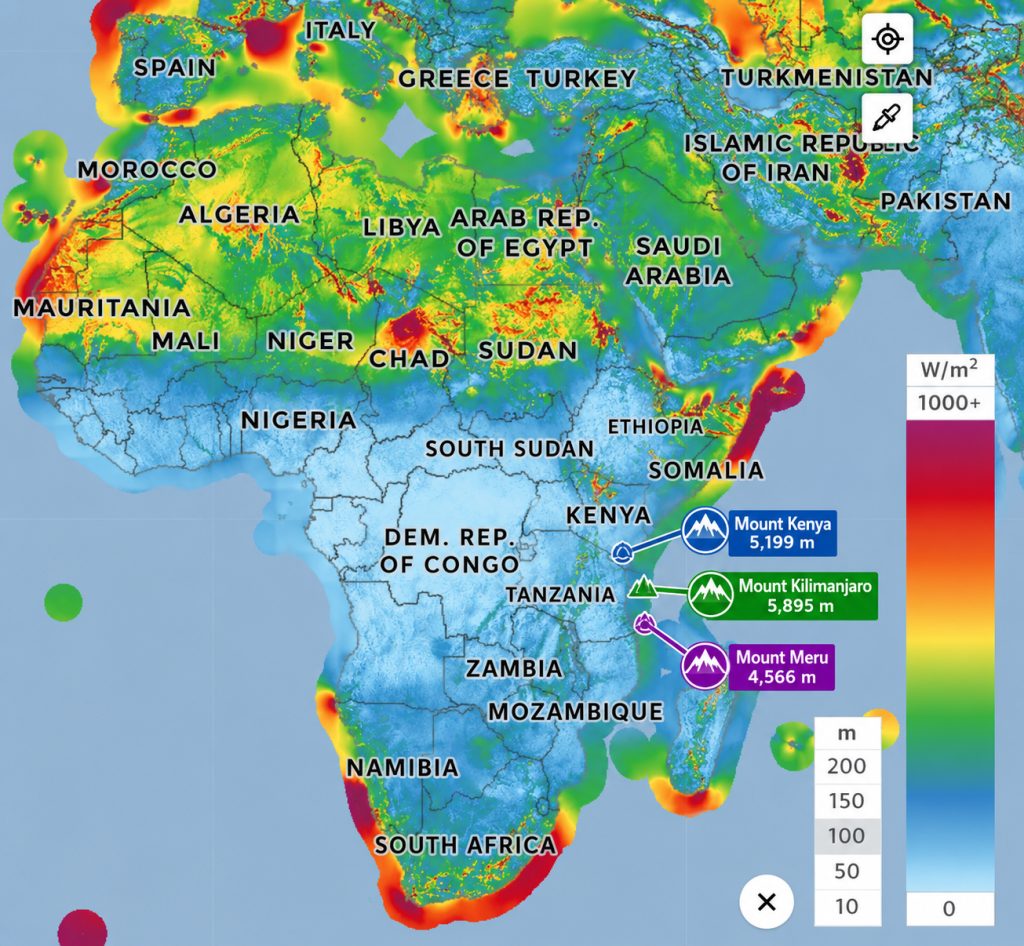
Mount Kilimanjaro stands in East Africa and rises from the northern part of Tanzania. On the map of Africa, it appears near the border between Tanzania and Kenya, making it one of the most strategically visible mountains on the continent. Its isolated position on the African plains allows it to rise dramatically above the surrounding landscape, making it visible from long distances on clear days.
Where Is Kilimanjaro in East Africa?
Mount Kilimanjaro is located in northeastern Tanzania in East Africa, close to the equator. It sits in a unique geographic position where tropical climates meet high-altitude mountain environments. This East African location places Kilimanjaro within a major travel and safari corridor that connects Tanzania and Kenya, two of Africa’s most popular tourism destinations.
Geographically, Kilimanjaro rises from the savannah plains and dominates the surrounding landscape with its snow-capped summit. Its position near major wildlife regions and national parks makes it part of one of the most famous adventure travel zones in Africa. This location also creates its famous climate zones, ranging from rainforest at the base to glaciers at the summit.
How Close Is Kilimanjaro to Kenya?
Mount Kilimanjaro sits very close to the Kenya–Tanzania border, with only a short distance separating the mountain from Kenya’s Amboseli region. The border lies roughly 20–30 kilometers from the mountain’s northern slopes, depending on the exact point of reference.
This close proximity explains why Kilimanjaro appears so prominent in Kenya’s landscape. The mountain rises directly behind the Amboseli plains, creating one of the most iconic safari views in Africa. Although many visitors assume Kilimanjaro belongs to Kenya due to these views, the entire mountain lies within Tanzania. This border location also makes the mountain easily accessible from both countries for tourism and photography.
Can You See Mount Kilimanjaro From Kenya?
Yes, visitors can clearly see Mount Kilimanjaro from southern Kenya, especially from Amboseli National Park. On clear mornings and evenings, the mountain often appears above the clouds, creating dramatic views that attract photographers and safari travelers from around the world.
Amboseli offers some of the best photography opportunities of Kilimanjaro because the flat savannah foreground contrasts with the towering snow-capped peak in the background. Many of the world-famous images of Kilimanjaro with elephants or acacia trees in the foreground come from this Kenyan viewpoint. However, despite these views, the mountain itself remains fully inside Tanzania, and all climbing routes begin on the Tanzanian side.
Why Is Mount Kilimanjaro Famous?
Mount Kilimanjaro is famous because it stands as one of the most iconic mountains in the world and attracts thousands of climbers and travelers every year. Its unique height, location, and natural features make it a global landmark and a symbol of African adventure tourism. Unlike many other high peaks, Kilimanjaro rises directly from the plains, creating a dramatic and visible presence that draws attention from across East Africa.
Africa’s Highest Mountain
Mount Kilimanjaro is famous because it is the highest mountain in Africa, reaching an elevation of 5,895 meters (19,341 feet). This makes it the highest free-standing mountain on the African continent. Climbers from all over the world travel to Tanzania specifically to reach its summit, Uhuru Peak. Its status as Africa’s tallest mountain makes it one of the most important natural landmarks in global geography and adventure travel.
The World’s Tallest Free-Standing Mountain
Mount Kilimanjaro is also famous because it is the tallest free-standing mountain in the world. Unlike mountain ranges such as the Himalayas or the Andes, Kilimanjaro does not form part of a larger range. It rises alone from the surrounding plains, which makes its shape and presence even more dramatic. This unique geological feature makes it stand out among the world’s great peaks and increases its popularity among climbers seeking a non-technical high-altitude challenge.
One of the Seven Summits
Mount Kilimanjaro is part of the Seven Summits, a list of the highest mountains on each continent. This global challenge attracts climbers who aim to reach the highest peak in every part of the world. Kilimanjaro is considered one of the most accessible of the Seven Summits because it does not require technical climbing skills. Instead, trekkers can reach the summit through endurance hiking, which makes it especially popular among first-time high-altitude climbers.
UNESCO World Heritage Status
Mount Kilimanjaro is also famous because UNESCO recognized it as a World Heritage Site in 1987. This status highlights its ecological, geological, and cultural importance. The mountain supports diverse ecosystems, including rainforest, moorland, alpine desert, and glaciers, all within a relatively small area. UNESCO protection helps preserve its unique environment and ensures that future generations can continue to experience its natural beauty and biodiversity.
Understanding Kilimanjaro’s Geography
Mount Kilimanjaro has a unique geographic structure that makes it different from most mountains in the world. It does not form part of a long mountain range. Instead, it rises as a standalone volcanic massif from the plains of northeastern Tanzania. This isolated structure creates dramatic changes in climate, vegetation, and altitude as climbers move from the base to the summit. Understanding Kilimanjaro’s geography helps visitors appreciate why the mountain feels like several different environments stacked on top of each other.
The Three Volcanic Cones
Mount Kilimanjaro consists of three main volcanic cones: Kibo, Mawenzi, and Shira. These cones formed during different stages of volcanic activity and together create the mountain’s massive structure.
Kibo stands at the highest point of Kilimanjaro and contains the famous Uhuru Peak, the highest point in Africa. Kibo remains dormant, but it still shows signs of volcanic activity such as gas emissions near the crater. This central cone forms the main summit area that climbers aim to reach.
Mawenzi sits to the east of Kibo and rises as a jagged, rugged peak. It appears more eroded and dramatic compared to the smoother slopes of Kibo. Mawenzi is not climbable for most trekkers due to its steep and technical terrain, but it plays an important role in the mountain’s overall shape.
Shira represents the oldest of the three cones. It collapsed long ago and now forms a broad plateau on the western side of Kilimanjaro. Today, trekkers often cross the Shira Plateau on routes like Lemosho, where they experience wide open landscapes and early mountain views.
How Mount Kilimanjaro Formed
Mount Kilimanjaro formed through volcanic activity millions of years ago along the East African Rift system. Magma rose through cracks in the Earth’s crust and built up layers of lava and ash over time. This repeated volcanic activity created the massive mountain structure we see today.
Over time, erosion and glacial activity shaped Kilimanjaro’s current form. The once-active volcanoes gradually became dormant, and glaciers formed near the summit during colder climatic periods. Even today, scientists continue to study Kilimanjaro’s geology to understand how volcanic mountains evolve in tropical regions. Its formation process makes it one of the most fascinating geological landmarks in Africa.
Kilimanjaro’s Unique Ecosystems
Mount Kilimanjaro contains several distinct ecosystems that change with altitude, creating one of the most diverse ecological zones in the world. As climbers ascend the mountain, they move through different climate zones that support unique plants and animals.
The lower slopes feature fertile farmland and human settlements. Above this, the rainforest zone supports dense vegetation and rich wildlife, including monkeys and birds. Higher up, the heath and moorland zone contains giant heathers and shrubs adapted to cooler temperatures. Beyond that, the alpine desert zone becomes dry and rocky with extreme temperature changes between day and night. At the top, the arctic zone features ice, snow, and volcanic rock with very limited life.
These ecosystems make Kilimanjaro a natural laboratory for studying altitude-based biodiversity. They also create a visually changing landscape that makes every stage of the climb feel different and memorable.
Which Mountains Surround Mount Kilimanjaro?
Mount Kilimanjaro does not sit inside a long mountain range. Instead, it rises alone from the plains of northeastern Tanzania. However, several important mountains in East Africa surround it at a regional scale. These nearby peaks include Mount Meru in Tanzania, Mount Kenya in Kenya, and smaller volcanic formations along the Eastern Rift Valley. Together, they form part of the dramatic highland landscape of East Africa and help define the region’s geography and tourism routes.
Mount Meru
Mount Meru lies about 70 kilometers west of Mount Kilimanjaro inside Arusha National Park. It stands as Tanzania’s second-highest mountain at 4,566 meters. Although it does not reach Kilimanjaro’s height, Mount Meru offers a challenging climb and provides excellent views of Kilimanjaro on clear days. Many climbers use Meru as an acclimatization trek before attempting Kilimanjaro because its altitude gain helps the body adjust to high elevation conditions.
Mount Kenya
Mount Kenya stands in neighboring Kenya and ranks as the second-highest mountain in Africa after Kilimanjaro. It rises to 5,199 meters and sits about 300 kilometers north of Kilimanjaro. Like Kilimanjaro, Mount Kenya is a volcanic mountain with glaciers near its summit, although these glaciers continue to shrink due to climate change. The two mountains often get compared because they both represent iconic climbing destinations in East Africa and offer similar high-altitude trekking experiences.
The Eastern Rift Valley Mountains
The Eastern Rift Valley contains several volcanic mountains, hills, and highland areas that stretch across Tanzania and Kenya. These formations developed through tectonic activity along the Great Rift Valley system, which continues to shape East Africa today. While none of these mountains match Kilimanjaro’s height, they create a dramatic landscape of elevated terrain, savannah plains, and volcanic features that define the region’s geography. Kilimanjaro stands as the tallest and most prominent peak within this broader geological system.
Comparison of Major East African Mountains
| Mountain | Country | Height |
|---|---|---|
| Kilimanjaro | Tanzania | 5,895 m |
| Mount Kenya | Kenya | 5,199 m |
| Mount Meru | Tanzania | 4,566 m |
How to Get to Mount Kilimanjaro
Travelers can reach Mount Kilimanjaro easily through northern Tanzania, with well-developed transport routes connecting international flights, major cities, and national park gates. Most climbers plan their journey through Kilimanjaro International Airport and nearby towns such as Moshi and Arusha before starting the climb.
Flying to Kilimanjaro International Airport
Most international visitors arrive at Kilimanjaro International Airport (JRO), which sits between Moshi and Arusha in northern Tanzania. The airport connects the region with major hubs in Europe, the Middle East, and Africa. From the airport, travelers can reach their hotels or trekking companies within 45 minutes to 1.5 hours depending on traffic and destination. This airport provides the fastest and most convenient access to Mount Kilimanjaro and serves as the main entry point for climbers.
Reaching Moshi
Moshi is the closest town to Mount Kilimanjaro and serves as the main base for most trekking expeditions. Climbers usually stay in Moshi before starting their ascent because it offers hotels, gear shops, tour operators, and guide services. The town sits at the foothills of the mountain, giving travelers their first close view of Kilimanjaro on clear days. Most routes begin with a transfer from Moshi to the national park gates.
Traveling From Arusha
Arusha is another important gateway city located about 1.5 to 2 hours from Kilimanjaro. Many travelers choose Arusha because it also connects easily to safari destinations such as Serengeti, Ngorongoro Crater, and Tarangire National Park. Tour operators often organize combined itineraries that include both a Kilimanjaro climb and a wildlife safari starting from Arusha, making it a key tourism hub in northern Tanzania.
Getting to Kilimanjaro National Park Gates
All climbing routes begin at official Kilimanjaro National Park gates, which sit at different points around the mountain depending on the chosen route. Popular gates include Machame Gate, Marangu Gate, Londorossi Gate, and Rongai Gate. Tour operators arrange transport from Moshi or Arusha directly to these gates. From there, climbers register, meet their guides and porters, and officially begin their journey to the summit of Africa’s highest mountain.
What Is the Nearest City to Mount Kilimanjaro?
Several cities and towns sit near Mount Kilimanjaro, but Moshi and Arusha serve as the two main urban centers for climbers and travelers. These cities provide accommodation, transport, tour operators, and essential services for anyone planning to climb Africa’s highest mountain. Understanding the difference between them helps travelers choose the best base for their Kilimanjaro adventure.
Moshi
Moshi stands as the closest town to Mount Kilimanjaro and serves as the primary base for most climbing expeditions. It sits directly at the foothills of the mountain, giving visitors clear views of Kilimanjaro on cloud-free days. Most trekking companies operate from Moshi, and climbers usually stay here for at least one night before starting their ascent.
Moshi offers a calm and relaxed atmosphere compared to larger cities. Travelers find hotels, guesthouses, equipment rental shops, and local markets within easy reach. The short distance to Kilimanjaro National Park gates makes Moshi the most convenient starting point for routes such as Machame, Marangu, and Umbwe.
Arusha
Arusha is a larger and busier city located about 1.5 to 2 hours from Mount Kilimanjaro. It acts as a major tourism hub in northern Tanzania and connects travelers to both Kilimanjaro and famous safari destinations such as Serengeti National Park, Ngorongoro Crater, and Tarangire National Park.
Many international visitors arrive in Arusha first before transferring to Moshi or directly to Kilimanjaro. The city offers a wide range of hotels, restaurants, and tour operators, making it a convenient base for travelers combining mountain climbing with safari experiences.
Which City Is Better for Climbers?
Moshi is generally the better choice for climbers because it sits closer to Mount Kilimanjaro and reduces travel time to the park gates. Most trekking companies prefer Moshi as their main operations base, which makes logistics easier and more efficient.
However, Arusha works better for travelers who plan to combine a Kilimanjaro climb with a safari. It offers more flight connections, more luxury accommodation options, and easier access to Tanzania’s northern safari circuit.
In summary, Moshi suits climbers focused purely on Kilimanjaro, while Arusha fits travelers who want a broader East African adventure.
Mount Kilimanjaro and Kilimanjaro National Park
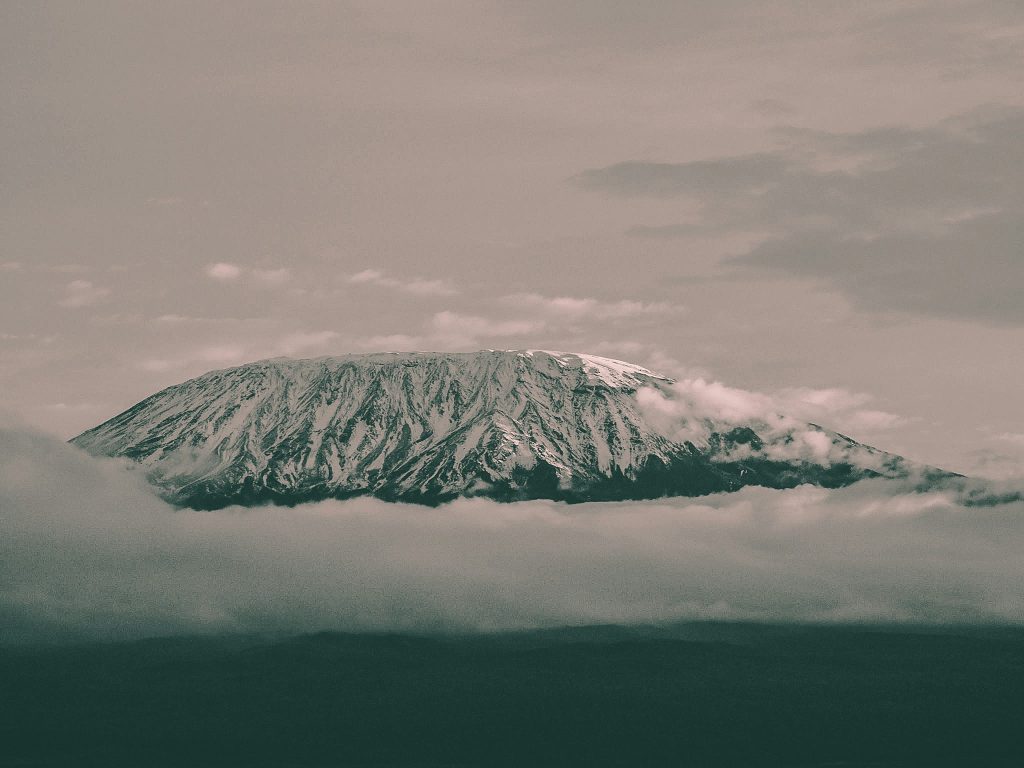
Mount Kilimanjaro sits inside Kilimanjaro National Park in northern Tanzania, and the park protects the entire mountain from its forest base to the summit. The park manages all trekking routes, wildlife, and ecosystems, making it the official authority for every Kilimanjaro climb.
Where Does the National Park Begin?
Kilimanjaro National Park begins at the forest reserve boundary on the lower slopes of the mountain in Tanzania. From this point upward, the park controls all land, meaning every climber enters through an official gate such as Machame Gate, Marangu Gate, Lemosho Gate, or Rongai Gate. As soon as climbers pass the gate, they enter protected park land and must follow national park rules for trekking, camping, and wildlife protection. This system ensures that all climbing activities stay organized and environmentally controlled from the very start of the journey.
Protected Wildlife and Forests
Kilimanjaro National Park protects the mountain’s forests and wildlife, especially in the lower rainforest zone where most animals live. Climbers often see blue monkeys, black-and-white colobus monkeys, olive baboons, bushbucks, duikers, and many bird species in this protected environment. As the trail rises, the park continues to protect different ecological zones, including heath, moorland, alpine desert, and the icy summit zone. These protections help preserve both wildlife habitats and unique plant life across the mountain’s altitude range.
Why the National Park Matters
Kilimanjaro National Park matters because it protects one of Africa’s most important natural landmarks. It preserves the mountain’s ecosystems, controls tourism, and ensures sustainable climbing practices. The park also supports conservation efforts that protect wildlife and reduce environmental damage caused by increasing visitor numbers. Without this protection, the mountain’s forests, glaciers, and biodiversity would face serious long-term risks. The park also helps generate income for Tanzania through tourism, which supports local communities, guides, porters, and conservation programs.
Best Time to Visit Mount Kilimanjaro
Read more about The best time to visit Mount Kilimanjaro
The best time to visit Mount Kilimanjarois during the dry seasons, when trails are clearer, weather conditions are more stable, and visibility is higher. These periods give climbers the safest and most comfortable trekking experience, especially on higher slopes where weather changes quickly.
January to March
January to March is one of the best times to climb Mount Kilimanjaro because the weather is generally clear and temperatures are slightly warmer at lower elevations. During this season, climbers experience fewer crowds compared to mid-year months, which creates a more peaceful trekking environment.
This period also offers good chances for clear summit views, although higher slopes can still be cold and windy. Occasional light rain may occur, but it does not usually disrupt climbing routes. Many trekkers prefer this season for photography because the mountain often appears sharp against blue skies.
June to October
June to October is the most popular and most recommended time to climb Mount Kilimanjaro. This long dry season provides stable weather conditions, minimal rainfall, and excellent trail visibility. Most successful summit attempts happen during this period because climbers face fewer weather-related challenges.
However, this is also the busiest season on the mountain. Popular routes such as Machame and Marangu can become crowded, especially in July and August. Despite the higher number of climbers, the conditions remain ideal for reaching the summit safely.
Rainy Seasons
Mount Kilimanjaro has two main rainy seasons: March to May (long rains) and November to December (short rains). During these months, trails become muddy and slippery, especially in the rainforest zone. Heavy clouds often reduce visibility, and climbing conditions become more challenging.
However, some experienced trekkers still choose these months because the mountain is quieter and prices may be lower. Wildlife in the lower forest zone also becomes more active during rainy periods, although summit success rates tend to be lower compared to dry seasons.
Monthly Overview Table
| Month | Conditions | Recommendation |
|---|---|---|
| Jan | Warm, dry, clear | Excellent |
| Feb | Warm, dry, clear | Excellent |
| Mar | Start of rains | Moderate |
| Apry | Heavy rains | Not ideal |
| May | Heavy rains | Not ideal |
| Jun | Dry, clear | Excellent |
| Jul | Peak season | Excellent |
| Aug | Dry, busy | Excellent |
| Sep | Stable weather | Excellent |
| Oct | End of dry season | Very good |
| Nov | Short rains | Moderate |
| Dec | Mixed weather | Good |
Interesting Facts About Mount Kilimanjaro’s Location
Mount Kilimanjaro’s location makes it one of the most unique mountains in the world. It stands near the equator in East Africa, yet it supports glaciers, extreme climate zones, and diverse ecosystems within a single mountain. These geographic features make Kilimanjaro not only a climbing destination but also a natural wonder that attracts scientists, travelers, and photographers from around the world.
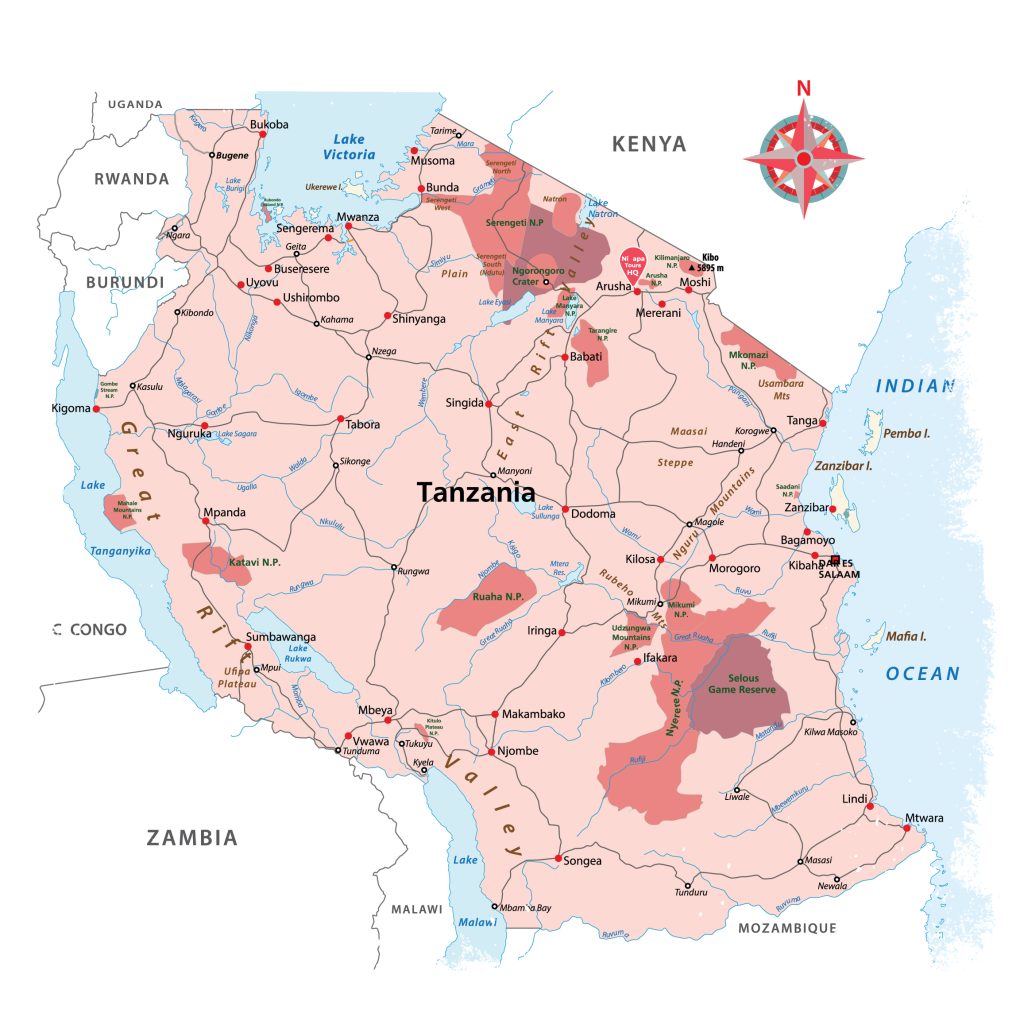
Mount Kilimanjaro on the Map of Tanzania
In this section, you can place a map of Tanzania highlighting the location of Mount Kilimanjaro in the country’s northern region near the border with Kenya. This visual helps readers understand exactly where Kilimanjaro sits within Tanzania and its relationship to nearby landmarks such as Mount Meru and the city of Arusha.
Near the Equator Yet Snow-Capped
Mount Kilimanjaro sits just a few degrees south of the equator in northeastern Tanzania. Despite this tropical location, the mountain still supports snow and ice at its summit. This happens because of its extreme height, which creates very low temperatures at higher elevations. As climbers ascend, they move from warm tropical rainforest to freezing alpine conditions in just a few days. This rare combination of equatorial location and glacial summit makes Kilimanjaro one of the most unusual mountains on Earth.
Visible From Space
Mount Kilimanjaro is so large and prominent that it is visible from space on clear days. Its massive volcanic structure rises sharply from the surrounding plains, making it stand out even in satellite images. The snow-capped summit and distinct shape help astronauts and satellites identify it easily. This visibility highlights the mountain’s size and its dominance over the East African landscape.
Rising Above the African Plains
Kilimanjaro rises dramatically from the flat savannahs of northern Tanzania. Unlike mountain ranges that connect to other peaks, Kilimanjaro stands alone, creating a powerful visual contrast between the mountain and the surrounding plains. This isolated structure allows travelers to see the mountain from long distances, especially when approaching from Arusha or even southern Kenya. Its position also creates clear ecological transitions from farmland to rainforest and then to alpine desert.
One Mountain, Five Climate Zones
Mount Kilimanjaro contains five distinct climate zones, all stacked vertically due to its elevation. These include cultivated farmland, rainforest, heath and moorland, alpine desert, and the arctic summit zone. Each zone has its own temperature, vegetation, and wildlife. This rare geographic structure allows climbers to experience multiple ecosystems in a single journey, making Kilimanjaro one of the most ecologically diverse mountains in the world.
Frequently Asked Questions About Mount Kilimanjaro Location
Mount Kilimanjaro is located in northeastern Tanzania in East Africa, near the border with Kenya. It sits within Kilimanjaro National Park and rises from the plains of the Kilimanjaro Region.
Mount Kilimanjaro is located entirely in Tanzania. Although many people see the mountain from Kenya and assume it belongs to both countries, all official climbing routes and the entire mountain fall within Tanzanian territory.
Moshi is the closest town to Mount Kilimanjaro and serves as the main base for climbers. It sits directly at the foothills of the mountain and provides easy access to all major trekking routes. Arusha is another nearby city, located about 1.5 to 2 hours away, and also supports tourism in the region.
Mount Kilimanjaro is famous because it is the highest mountain in Africa, the tallest free-standing mountain in the world, and one of the Seven Summits. It is also a UNESCO World Heritage Site and offers climbers a unique journey through multiple climate zones from rainforest to glacier.
No, Mount Kilimanjaro is not part of a mountain range. It is a free-standing volcanic mountain that rises alone from the surrounding plains. It consists of three volcanic cones: Kibo, Mawenzi, and Shira, which formed through volcanic activity along the East African Rift system.
Mount Kilimanjaro is approximately 80 to 100 kilometers from Arusha, depending on the route and specific location. The drive usually takes around 1.5 to 2 hours. Arusha serves as a major gateway for both Kilimanjaro climbs and northern Tanzania safari tours.
Final Thoughts: Where Is Mount Kilimanjaro Located?
Mount Kilimanjaro is located in northeastern Tanzania, East Africa, near the border with Kenya. It rises from the Kilimanjaro Region and sits fully within Kilimanjaro National Park. Its position close to major travel hubs like Moshi, Arusha, and Kilimanjaro International Airport makes it one of the most accessible high mountains in the world.
Kilimanjaro stands out because it combines location, height, and geography in a unique way. It rises alone from the African plains instead of forming part of a mountain range, and it creates a dramatic landscape where rainforest, moorland, alpine desert, and glaciers all exist on a single mountain. This rare structure makes it one of the most visually and ecologically diverse mountains on Earth.
As Africa’s highest mountain and the world’s tallest free-standing peak, Kilimanjaro attracts climbers and travelers from every continent. Its global fame comes not only from its height but also from its easy accessibility compared to other major peaks. Today, it remains one of the world’s most famous trekking destinations and a symbol of adventure in Africa.