Kilimanjaro Weather: Temperature, Seasons and Best Time to Climb
Estimated reading time: 25 minutes
Kilimanjaro weather is highly variable, extreme, and directly shaped by altitude rather than a single consistent climate pattern. In simple terms, there is no “one” weather condition on Mount Kilimanjaro. Instead, climbers experience a full range of climates from hot, humid rainforest conditions at the base to freezing, icy, and oxygen-poor conditions near the summit at 5,895 meters. This makes Kilimanjaro one of the few mountains in the world where weather changes completely within just a few days of trekking.
What makes Kilimanjaro weather unique is its vertical climate system. As climbers ascend, temperature, humidity, wind speed, and oxygen levels all change rapidly. At lower elevations, temperatures can feel warm and tropical, often ranging between 20°C and 25°C, with frequent rainfall in the rainforest zone. As you move higher, the environment quickly shifts into cooler moorland conditions, followed by a dry alpine desert where daytime sun can be intense but nights become extremely cold.
Near the summit, weather becomes harsh and unpredictable, with temperatures commonly dropping between -5°C and -20°C, strong winds, and occasional snowfall. This sharp transition is one of the most important challenges for trekkers because the human body must constantly adapt to completely different conditions in a short time.
Weather on Kilimanjaro is not only about comfort but also about survival and summit success. Sudden drops in temperature, heavy rain in lower zones, and freezing summit winds can significantly affect energy levels, hydration, and acclimatization. Many climbers underestimate how quickly conditions change, especially during summit night when extreme cold combines with low oxygen levels.
Table of contents
- Kilimanjaro Climate Zones
- Kilimanjaro Weather by Altitude
- Kilimanjaro Temperature at Summit
- Best Time to Climb Kilimanjaro
- Rainy Seasons on Kilimanjaro
- How Weather Affects Climbing Kilimanjaro
- What to Pack for Kilimanjaro Weather
- Safety Tips for Weather Conditions on Kilimanjaro
- FAQ – Kilimanjaro Weather
- Final Thoughts: Kilimanjaro Weather Guide
- Read Also:
Kilimanjaro Climate Zones
Kilimanjaro weather is not a single predictable condition. It is a vertical climate system that changes with altitude. This system is best understood through its distinct climate zones across the mountain.
As climbers move from the base to the summit, they pass through major environmental shifts. Conditions change from tropical warmth to Arctic-level cold in just a few days of trekking. This rapid transformation is one of the main reasons Kilimanjaro is unique among the world’s trekking mountains.
These climate zones control temperature, humidity, wind exposure, and oxygen levels. They also affect how difficult the climb feels at each stage of the ascent. Weather changes on Kilimanjaro are driven more by altitude than by seasonal variation, which makes the mountain highly unpredictable for first-time climbers.
Understanding these zones is very important for safety and success. Most weather challenges on Kilimanjaro come from altitude, not just rain or seasonal patterns. Each zone places different physical stress on the body, including changes in breathing, energy use, and hydration needs. Climbers who cannot adjust quickly to these rapid transitions may face fatigue, dehydration, cold stress, or altitude sickness.
From a practical trekking perspective, this means preparation must focus on adaptability rather than expecting stable conditions. A climber may start the day in warm, humid forest and end it in freezing alpine wind. Because of this, proper layering, steady pacing, and awareness of changing weather conditions are essential throughout the entire climb.
Rainforest Zone (warm, humid, and rain-exposed)
The Rainforest Zone begins on the lower slopes of Mount Kilimanjaro. It usually starts around 800 meters and rises to about 2,800 meters. This is the first environment climbers experience when starting the trek.
This zone has warm temperatures, usually between 20°C and 25°C. However, high humidity makes the air feel heavier and more tiring than expected. The combination of heat and moisture can quickly drain energy.
Rainfall is frequent throughout the year. This creates muddy and slippery trails that require slow and careful walking. Dense vegetation and thick forest canopy trap moisture and reduce airflow. As a result, conditions feel more tropical than mountainous.
From a trekking perspective, this zone is often underestimated. It may feel easy at first, but it plays a major role in early energy control. Climbers who move too fast here often struggle later at higher altitude. This zone is important for setting a steady pace, building hydration habits, and starting proper acclimatization.
Moorland Zone (cooler air, wind exposure, and early altitude effects)
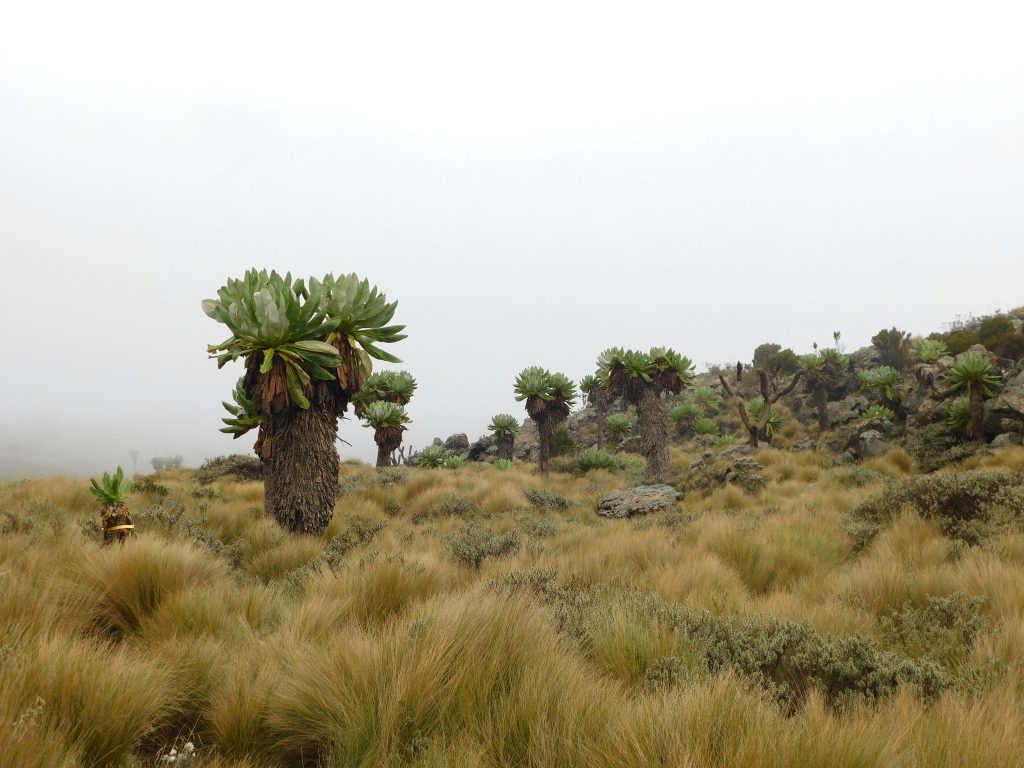
The Moorland Zone begins roughly between 2,800 meters and 4,000 meters, where the landscape changes dramatically from dense forest to open terrain filled with giant heathers and volcanic rock formations. Weather conditions become noticeably cooler, with daytime temperatures often ranging from 10°C to 20°C, while wind exposure increases significantly due to the lack of forest cover.
This is also the stage where altitude begins to affect climbers more noticeably, as oxygen levels decrease and breathing becomes slightly more demanding. Unlike the rainforest, moisture is lower here, but wind chill often makes the environment feel colder than the actual temperature suggests. Many climbers experience a clear shift in energy levels in this zone, as the body begins adapting to thinner air. From a guiding perspective, this is where pacing becomes critical because pushing too fast can lead to early exhaustion that affects later summit performance.
Alpine Desert Zone (dry air, intense sun, and freezing nights)
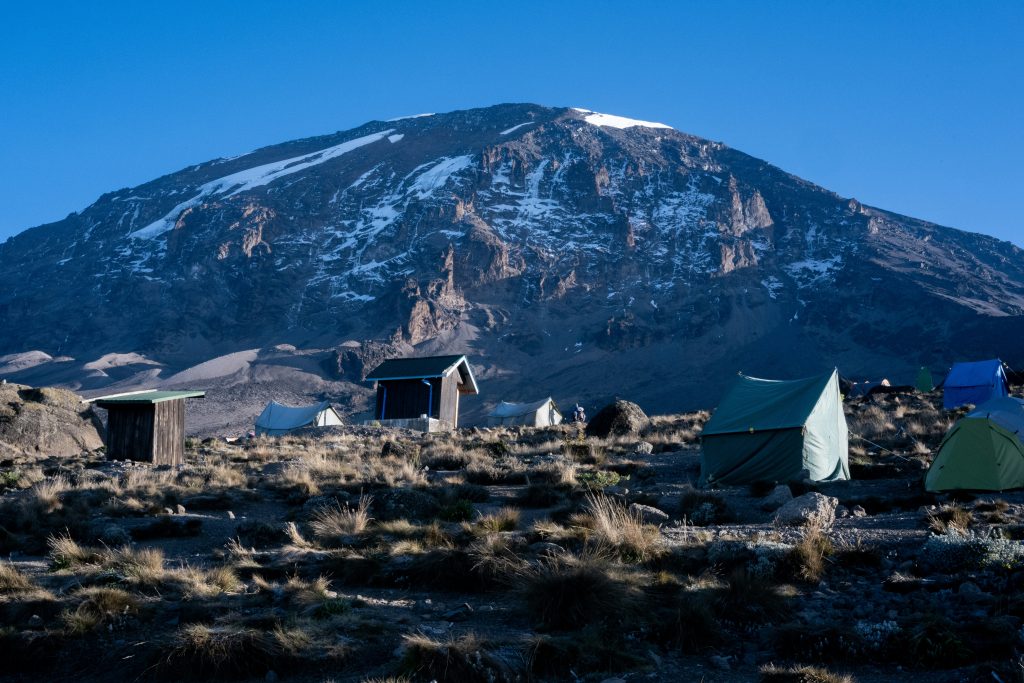
The Alpine Desert Zone stretches from about 4,000 meters to 5,000 meters. It is one of the most physically demanding sections of Kilimanjaro. This is due to extreme changes in temperature and environment.
During the day, strong sunlight reflects off the barren volcanic ground. This can create intense heat, even at high altitude. However, once the sun sets, temperatures drop quickly and can fall below freezing.
The air in this zone is very dry. This increases the risk of dehydration, even when climbers do not feel thirsty. Water loss happens faster than expected at this altitude.
Vegetation is almost nonexistent here. The terrain is rocky, exposed, and harsh. There is very little natural protection from wind or sudden weather changes.
This mix of heat, cold, and dryness makes the Alpine Desert Zone mentally and physically challenging. The body is constantly forced to adjust to changing conditions. From real trekking experience, many climbers find this section one of the most exhausting parts of the climb. It is not because of steep paths, but because of continuous environmental stress.
Arctic Summit Zone (freezing temperatures, wind, and low oxygen)
Above 5,000 meters, Kilimanjaro enters the Arctic Summit Zone, which represents the most extreme weather conditions on the entire mountain. Temperatures commonly drop between -5°C and -20°C, and wind speeds can increase significantly, especially during summit night when climbers attempt the final push to Uhuru Peak. Oxygen levels are at their lowest in this zone, making every step physically demanding and slow.
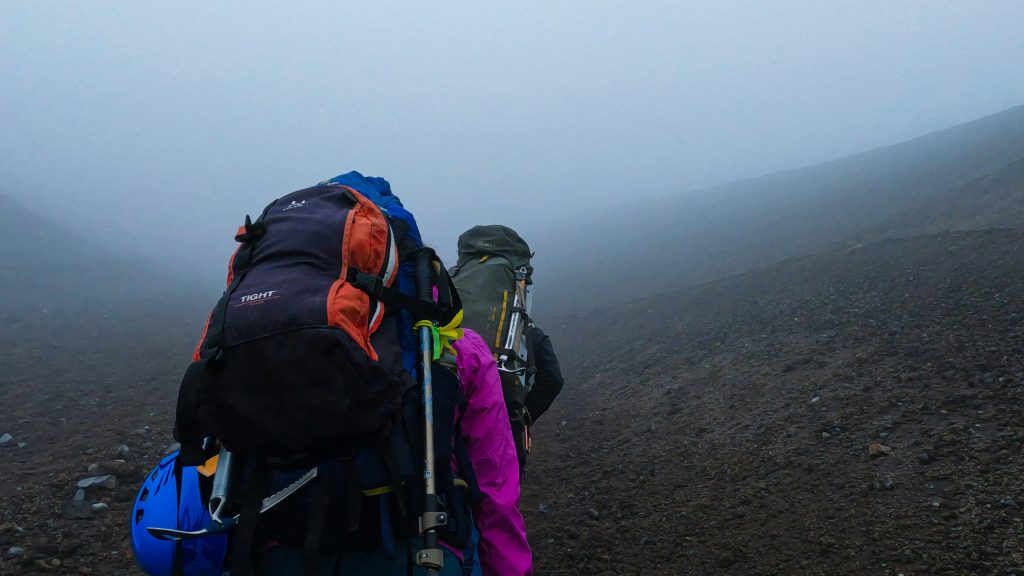
Snow and ice are common, even during dry seasons, and visibility can change quickly depending on cloud movement and wind conditions. This is the final barrier before reaching the summit, and weather becomes a deciding factor in success or failure. From practical guiding experience, this zone is where mental strength becomes just as important as physical ability, because climbers must continue moving steadily despite cold, fatigue, and low oxygen. Proper clothing layers, hydration, and pacing are essential here, as even small mistakes can lead to serious risk.
Kilimanjaro Weather by Altitude
Kilimanjaro weather is primarily determined by altitude rather than season, meaning that temperature, rainfall, and wind conditions change sharply as climbers move higher on the mountain. Unlike most travel destinations where weather remains relatively consistent within one region, Kilimanjaro creates a vertical climate system where each elevation band behaves like a completely different environment.
This is one of the most important reasons climbers must prepare for multiple weather conditions within a single expedition. From an operational trekking perspective, guides often observe that climbers are most surprised not by distance or terrain, but by how quickly weather changes within just a few hours of ascent.
Low Altitude (Warm, humid rainforest conditions)
At low altitude, typically between 800 and 2,800 meters, Kilimanjaro weather is warm, humid, and heavily influenced by the rainforest ecosystem. Temperatures usually range between 20°C and 25°C during the day, but high humidity makes the air feel heavier and more tiring than expected. Frequent rainfall is common, especially during wet seasons, which creates muddy trails and slippery footing.
This zone is often the starting point for most routes, and many climbers initially underestimate it because it feels tropical and comfortable. However, from a guiding experience, this stage is crucial because it sets the pace for acclimatization. Climbers who move too fast here often struggle later when altitude increases, as the body has not yet adapted to long-distance trekking combined with humidity and elevation gain.
Mid Altitude (Cold air with rain and wind exposure)
Between roughly 2,800 and 4,000 meters, Kilimanjaro weather becomes significantly cooler and more unpredictable. This mid-altitude range introduces a combination of cold air, increasing wind exposure, and occasional rainfall depending on the season. Temperatures typically drop to between 10°C and 18°C, but wind chill often makes it feel colder. The landscape transitions from dense forest to open moorland, meaning there is less natural protection from weather changes.
This is also the stage where altitude effects begin to become noticeable, including reduced oxygen levels and slower physical performance. Many climbers experience a clear shift in breathing effort and energy levels here. In practice, guides emphasize steady pacing in this zone because weather stress combined with altitude adaptation becomes a key factor in preventing fatigue and early symptoms of altitude sickness.
High Altitude (Freezing temperatures and strong winds)
Above 4,000 meters, Kilimanjaro enters its high-altitude zone, where weather becomes harsh, dry, and significantly colder. Temperatures often fall below freezing at night, while daytime conditions remain cold despite strong sunlight. One of the most challenging aspects of this zone is the combination of thin air and freezing wind exposure, especially as climbers approach 5,000 meters and above.
The terrain becomes rocky and exposed, offering no shelter from wind or temperature drops. From real trekking experience, this is the point where weather becomes a direct performance factor rather than just an environmental condition. Climbers often feel rapid energy loss due to cold stress and dehydration caused by dry air. This is also where summit preparation begins, and proper clothing layering becomes essential because conditions can shift quickly from tolerable to extreme, especially during summit night when wind and temperature reach their most severe levels.
Kilimanjaro Temperature at Summit
Kilimanjaro summit temperature is extremely cold and represents one of the most challenging environmental conditions climbers face on their way to Uhuru Peak at 5,895 meters. In simple terms, the summit is cold during the day and becomes freezing at night, with temperatures typically ranging from around 0°C in milder daytime conditions to between -5°C and -20°C during summit night.
However, what makes the summit conditions truly difficult is not only the temperature itself but also the combination of strong winds, low oxygen levels, and wind chill, which makes the cold feel significantly more intense than the actual measured temperature.
Daytime Summit Conditions (Cold but survivable with proper gear)
During the day, Kilimanjaro’s summit zone remains cold even under direct sunlight. Temperatures usually stay just above or around freezing, especially when skies are clear and winds are calm. The sun can provide temporary warmth, but because of the extreme altitude, heat is not retained in the environment.
Climbers often feel alternating warmth from sunlight and sudden cold bursts when clouds pass or wind increases. From a trekking perspective, daytime at the summit is still physically demanding because the body is already under stress from low oxygen levels, which makes temperature regulation more difficult. Even in daylight, proper layering is essential because exposure can quickly lead to energy loss and discomfort.
Nighttime and Summit Push Conditions (Freezing and extreme cold stress)
At night, especially during the final summit push, Kilimanjaro becomes significantly more extreme. Temperatures commonly drop between -5°C and -20°C, and in combination with strong winds, the perceived temperature can feel even lower. Most summit attempts begin around midnight, meaning climbers face the coldest part of the mountain during the most physically demanding section of the trek.
The lack of sunlight removes any natural warmth, and body heat loss becomes rapid due to wind exposure and slow movement. From real guiding experience, this is the stage where mental endurance becomes just as important as physical strength, because fatigue, darkness, and freezing air work together to slow progress and test determination.
Wind Chill Factor and Real Feel Temperature (Why it feels colder than it is)
Wind chill is one of the most important but underestimated elements of Kilimanjaro summit weather. Even when the recorded temperature is around -10°C, strong winds on exposed ridges can make it feel significantly colder, sometimes closer to -20°C or below in terms of perceived temperature.
This happens because wind continuously removes body heat faster than the body can replace it, increasing the risk of hypothermia and reducing physical efficiency. Climbers often report that the summit feels harsher than expected not because of temperature alone, but because of constant wind exposure combined with low oxygen levels. Proper windproof clothing, insulated gloves, face protection, and layered systems are essential to manage these conditions safely.
Best Time to Climb Kilimanjaro
The best time to climb Kilimanjaro is during the dry seasons, when weather conditions are more stable, trails are less slippery, and summit visibility is significantly better. In practical trekking terms, the two most reliable climbing windows are JanuarytoMarch and JunetoOctober, while the rainy seasons are generally avoided due to heavy rainfall, muddy trails, and reduced visibility. Choosing the right time is one of the most important decisions for climbers because weather directly affects safety, comfort, acclimatization, and summit success rates.
January to March (Clear skies, colder and quieter conditions)
From January to March, Kilimanjaro experiences relatively dry weather with clearer skies and fewer crowds compared to the peak season. Temperatures during this period are generally colder, especially at higher altitudes, which means climbers must be well prepared for freezing summit conditions. However, the advantage of this season is better visibility, stunning sunrise views, and a more peaceful trekking experience with fewer groups on the mountain. From an operational perspective, this period is often preferred by climbers who want a quieter ascent and better photographic conditions, although the colder temperatures can make summit night more physically demanding.
June to October (Best overall climbing season)
The period from June to October is widely considered the best time to climb Kilimanjaro because it offers the most stable weather conditions throughout the year. During these months, rainfall is minimal, skies are clearer, and trekking routes are generally drier and safer. This is also the most popular climbing season, meaning trails and camps are busier, but the trade-off is better weather predictability and higher summit success rates. From real trekking experience, guides often report that climbers perform better during this season because stable weather reduces the physical stress caused by cold rain and slippery terrain, especially in the rainforest and moorland zones.
Rainy seasons (March May and November December) generally avoided
The rainy seasons on Kilimanjaro bring heavy rainfall, muddy trails, and low visibility, making climbing significantly more challenging and less comfortable. The long rains from March to May are particularly intense, often affecting lower and mid-altitude zones with slippery paths and wet gear conditions. The short rains in November and December are less severe but still create unpredictable weather patterns. While climbing is still possible during these months, most operators recommend avoiding them unless climbers specifically want fewer crowds and lower prices. From a safety and comfort perspective, wet conditions increase fatigue, slow movement, and reduce overall summit success rates.
In conclusion, the best time to climb Kilimanjaro depends on balancing weather stability, crowd levels, and personal preference, but the most consistently recommended periods remain January to March and especially June to October due to their favorable climbing conditions.
Rainy Seasons on Kilimanjaro
Rainy seasons on Kilimanjaro bring the most challenging weather conditions for climbers, with heavy rainfall, slippery trails, reduced visibility, and higher physical fatigue levels across all trekking routes. In simple terms, the rainy periods make the mountain wetter, slower to climb, and more physically demanding, especially in the rainforest and moorland zones where trails can turn into deep mud. While climbing is still possible during these months, most experienced operators consider them the least favorable time due to safety, comfort, and lower summit success rates. Weather conditions during rainy seasons do not just affect convenience they directly influence pacing, energy use, and overall trekking experience.
Long Rains (March to May)
The long rains period from March to May is the wettest and most difficult season to climb Kilimanjaro. During this time, persistent rainfall affects especially the lower and mid-altitude zones, where thick rainforest trails become extremely muddy and slippery. Climbers often have to walk through wet ground, wet vegetation, and constant moisture in the air, which increases fatigue and slows down progress significantly. Temperatures remain relatively stable, but the combination of rain and humidity creates a heavier physical burden on the body. From real trekking experience, this is the season where waterproof gear becomes essential, as even short hikes between camps can result in fully soaked clothing and equipment. Visibility is often reduced due to cloud cover and rain, limiting scenic views and making the trekking experience more physically focused than visual.
Short Rains (November to December)
The short rains occur between November and December and are generally lighter and less consistent compared to the long rains, but they still have a noticeable impact on climbing conditions. Rainfall is often intermittent rather than continuous, meaning climbers may experience alternating periods of wet and dry weather within the same day. Trails can still become slippery, particularly in forested areas, but conditions are usually more manageable than during the long rainy season.
However, cloud cover is more frequent, which reduces visibility of surrounding landscapes and mountain views. From an operational standpoint, this season is sometimes chosen by climbers who prefer fewer crowds, but it requires flexibility and proper preparation for changing weather conditions throughout the trek.
Effect on Trails and Visibility (How rain changes the climb)
Rainy seasons significantly affect both trail conditions and visibility on Kilimanjaro, making the climb more physically demanding and less visually rewarding. Trails become muddy, especially in the rainforest zone, where water accumulates quickly and footing becomes unstable. This increases the risk of slipping and slows down overall trekking pace, requiring more energy for each step. In higher zones, rain often turns into mist or cloud cover, which reduces visibility and makes the landscape appear more closed and less defined.
From guiding experience, reduced visibility can also affect morale, as climbers have fewer scenic views to break up long trekking days. However, one advantage of rainy seasons is that the mountain is quieter, with fewer climbers on routes, creating a more isolated and peaceful trekking environment for those who are well-prepared for wet conditions.
Read more about the best time to climb mount kilimanjaro
How Weather Affects Climbing Kilimanjaro
Weather on Kilimanjaro is not just a background condition it is one of the main factors that determines trekking speed, safety, and summit success. Because the mountain contains multiple climate zones stacked vertically, climbers constantly move through changing temperatures, wind conditions, and humidity levels. These shifts directly influence how the body performs at altitude. In practical terms, weather affects everything from daily walking pace to the risk of altitude-related illness and the difficulty of summit night. Many climbers underestimate this impact, but experienced guides consistently identify weather as one of the strongest predictors of whether a climber reaches Uhuru Peak successfully.
Slower Trekking Needed (Pacing becomes essential for survival)
Weather conditions on Kilimanjaro naturally force climbers to move more slowly, especially as altitude increases and temperatures drop. Cold air in higher zones reduces muscle efficiency, while heat and humidity in lower zones can cause early fatigue and dehydration. Because of this combination, trekking must follow a controlled “pole pole” (slowly) pace throughout the climb. From real mountain experience, guides often adjust speed not based on fitness level but on weather changes such as wind exposure or sudden temperature drops. Slow trekking is not optional it is a critical adaptation strategy that allows the body to conserve energy and adjust to decreasing oxygen levels.
Risk of Hypothermia (Cold exposure becomes a real threat)
As climbers ascend above 4,000 meters, weather conditions become cold enough for hypothermia to become a serious risk, especially when combined with wind, rain, or exhaustion. Temperatures can drop below freezing at night, and wet clothing from lower zones can significantly increase heat loss. The danger is not only extreme cold at the summit but also prolonged exposure during rest breaks or slow movement in windy sections. From guiding experience, early signs such as shivering, confusion, or fatigue are taken seriously because body temperature can drop faster than expected in alpine conditions. Proper layering, dry clothing management, and windproof protection are essential to prevent weather-related health risks.
Summit Night Difficulty (Weather becomes the main challenge)
Summit night is when Kilimanjaro weather becomes most extreme and directly determines success or failure. Climbers begin their final ascent in darkness, often in temperatures ranging from -5°C to -20°C, with strong winds increasing the wind chill effect. At this stage, oxygen levels are already low, and the combination of cold, wind, and fatigue makes each step significantly harder. Weather slows movement, reduces mental focus, and increases energy consumption. From real expedition experience, even well-prepared climbers struggle not because of steep terrain, but because weather conditions amplify exhaustion and altitude stress simultaneously during the final push to Uhuru Peak.
Gear Importance (Weather determines survival and success)
Proper gear is one of the most important defenses against Kilimanjaro’s unpredictable weather. Without the right clothing system, climbers quickly lose body heat or become overwhelmed by rain, wind, or temperature shifts between zones. Layering is essential because conditions change multiple times a day from warm rainforest humidity to freezing alpine winds. Waterproof outer layers, insulated jackets, thermal gloves, and face protection become critical above 4,000 meters. From practical guiding experience, climbers who are properly equipped not only stay safer but also conserve energy more efficiently, allowing them to maintain steady progress despite harsh weather conditions. Gear is not just comfort on Kilimanjaro it is a survival system shaped directly by weather demands.
What to Pack for Kilimanjaro Weather
Packing correctly for Kilimanjaro weather is one of the most important factors that determines comfort, safety, and summit success, because the mountain exposes climbers to completely different climate conditions within a single trek. In simple terms, you must be prepared for everything from hot and humid rainforest conditions at the base to freezing, windy, and oxygen-thin environments near the summit. The key to successful packing is not heavy gear, but a smart layering system that allows you to adapt quickly as weather conditions change across altitude zones. From real trekking experience, climbers who underestimate weather variation often struggle with cold, wet clothing or overheating during daytime climbs, which directly affects energy levels and summit performance.
Thermal Layers (Core insulation for changing temperatures)
Thermal layers are the foundation of Kilimanjaro clothing because they regulate body temperature across all altitude zones. As you ascend, temperatures drop significantly, especially at night and during summit attempts, so a good base layer helps retain body heat while still allowing moisture to escape. In lower zones, thermal layers also help manage sweat and humidity, preventing the body from cooling too quickly during breaks. From a guiding perspective, climbers who use proper moisture-wicking thermal clothing perform better because they stay dry, warm, and energy-efficient throughout the trek. Without thermal layers, even mild wind exposure can feel extremely cold at higher altitudes.
Waterproof Jacket (Protection against rain and wind)
A waterproof and windproof jacket is essential because Kilimanjaro weather often includes sudden rain, mist, and strong winds, especially in rainforest and moorland zones. This layer protects the body from external moisture while also blocking wind chill, which becomes increasingly important above 3,000 meters. Rain on Kilimanjaro is not just occasional it can be continuous in certain seasons, soaking clothing quickly and increasing the risk of hypothermia if not properly protected. From real expedition experience, a high-quality shell jacket significantly improves comfort and safety by keeping internal layers dry and maintaining stable body temperature during long trekking hours.
Gloves and Hat (Critical protection for heat loss areas)
Gloves and hats are often underestimated but are essential because a large amount of body heat is lost through the head and hands, especially in cold and windy conditions. As climbers approach higher altitudes, temperatures drop rapidly, and wind exposure increases, making extremities particularly vulnerable to cold injuries and discomfort. A warm hat helps retain core body heat, while insulated gloves protect against freezing wind during summit night. From practical guiding experience, climbers without proper gloves often struggle with reduced hand function in extreme cold, which can affect walking poles, hydration, and overall progress.
Trekking Boots (Stability and weather protection on all terrain)
Trekking boots are one of the most important gear items for Kilimanjaro because they provide stability, grip, and protection across all weather conditions and terrain types. The mountain includes muddy rainforest trails, rocky alpine sections, and icy summit paths, all of which require strong ankle support and waterproof protection. Good boots prevent slipping in wet conditions and reduce fatigue by supporting the feet during long daily hikes. From real trekking operations, poorly fitted or non-waterproof boots are one of the most common causes of discomfort and slow progress on the mountain, especially during rainy seasons when trails become extremely slippery and heavy.
Safety Tips for Weather Conditions on Kilimanjaro
Safety on Kilimanjaro is strongly influenced by weather conditions because the mountain changes climate zones rapidly, exposing climbers to heat, rain, cold, wind, and low oxygen within a single journey. In simple terms, the main safety goal is to keep your body dry, warm, and stable while adjusting to constant weather changes. Most weather-related problems on Kilimanjaro are not caused by extreme storms alone but by gradual exposure getting wet in the rainforest, cooling down in windy zones, or overheating during climbs and then becoming cold during rest. From real trekking experience, climbers who manage weather properly rarely face serious issues, while those who ignore basic precautions often struggle with fatigue, cold stress, or altitude-related complications.
Dress in Layers (Adapt quickly to changing conditions)
Layering is the most important safety strategy because Kilimanjaro weather changes every few hours as you move between climate zones. A proper layering system allows you to add or remove clothing depending on temperature, wind, and activity level. In lower zones, you may feel warm and humid, but as you climb higher, temperatures drop sharply and wind exposure increases. From guiding experience, climbers who rely on a single thick jacket often overheat during the day and freeze at night, while layered clothing helps maintain a stable body temperature. Base layers manage sweat, mid-layers provide insulation, and outer layers protect against wind and rain, making layering essential for safety across all weather conditions.
Stay Dry (Moisture is one of the biggest risks)
Staying dry is critical because wet clothing significantly increases the risk of hypothermia, especially in cold and windy zones above 3,000 meters. Rainfall in the rainforest zone and mist in higher altitudes can quickly soak clothes if proper waterproof gear is not used. Once clothing becomes wet, body heat is lost much faster, even if temperatures are not extremely low. From real expedition experience, many weather-related difficulties begin with damp socks, wet jackets, or sweat buildup from poor ventilation. Keeping inner layers dry, using waterproof outer shells, and changing wet clothing when possible are key strategies to maintain safety and energy throughout the climb.
Follow Guide Instructions (Local weather knowledge is essential)
Following guide instructions is one of the most important safety rules because guides have real-time experience interpreting Kilimanjaro weather conditions. Weather on the mountain can change quickly, and guides understand when to slow down, rest, or adjust clothing based on wind, temperature drops, or approaching rain. They also monitor how weather affects altitude response, which is crucial for preventing exhaustion or altitude sickness. From practical trekking operations, climbers who listen carefully to guides adapt more safely to sudden weather changes and are far less likely to experience weather-related emergencies. Guides are trained to read mountain conditions that are not always predictable from forecasts alone.
Avoid Rushing (Speed increases weather-related risk)
Rushing on Kilimanjaro increases exposure to weather risks because fast movement leads to overheating in warm zones and exhaustion in cold zones. When climbers move too quickly, they sweat more, which later becomes dangerous when temperatures drop and the body cools down rapidly. Rapid ascent also reduces acclimatization time, making the body more sensitive to cold, wind, and low oxygen. From guiding experience, the safest climbers are those who maintain a steady “pole pole” pace, allowing the body to adjust naturally to changing weather conditions. Slow and steady movement is not only a safety rule but also a key success factor for reaching the summit safely.
FAQ – Kilimanjaro Weather
At the summit of Mount Kilimanjaro (Uhuru Peak, 5,895m), temperatures are extremely cold and can range from around 0°C during warmer daytime moments to between -5°C and -20°C during summit night.
Yes, Kilimanjaro can have snow or ice near the summit throughout the year, but it is not always consistent or heavy. The famous glaciers on the mountain have been shrinking for decades, so snow cover varies depending on recent weather patterns.
The best months for Kilimanjaro weather are generally January to March and June to October. These periods fall within the dry seasons, meaning less rain, clearer skies, and better trail conditions. June to October is considered the most stable and popular climbing season, while January to March is slightly quieter and colder but offers excellent visibility.
No, it does not rain every day on Kilimanjaro. However, rainfall depends heavily on altitude and season. The lower rainforest zone receives more frequent rain, especially during the long rainy season (March to May), while higher zones are generally drier but colder. Even during dry seasons, climbers may still experience occasional rain or mist, particularly in the forest section. Above the cloud line, precipitation is less common, but conditions can still change quickly with fog, wind, or light snow near the summit.
Final Thoughts: Kilimanjaro Weather Guide
Kilimanjaro weather is one of the most important factors that determines how safe, difficult, and successful your climb will be. In simple terms, the mountain is not just one climate it is a full journey through four different weather worlds, from hot rainforest at the base to freezing Arctic conditions at the summit. Because of this extreme variation, climbers must be prepared for rapid changes in temperature, wind, and moisture within the same day. Weather is not a small detail on Kilimanjaro; it directly affects energy levels, altitude adaptation, comfort, and ultimately summit success.
The key takeaway is that there is no single “perfect” weather condition on Kilimanjaro, but there are clearly better seasons. The dry months especially June to October and January to March offer more stable conditions, clearer views, and safer trails. In contrast, rainy seasons bring heavier mud, reduced visibility, and slower trekking speeds, which increase physical strain. However, even in the best season, summit night will always be extremely cold, windy, and challenging. This is why preparation matters more than timing alone.
From real trekking experience, climbers who succeed are not just the fittest, but the most prepared for weather changes. Proper layering, waterproof protection, and slow acclimatization are what allow the body to handle shifting conditions across altitude zones. Weather cannot be controlled on Kilimanjaro, but it can be managed through smart planning and discipline.
In the end, Kilimanjaro is not a technical climb it is a weather and endurance challenge. Those who respect the mountain’s climate, prepare properly, and follow guide instructions have a very high chance of reaching Uhuru Peak safely.