
Understanding the Real Risks of Climbing Kilimanjaro
Estimated reading time: 31 minutes
Mount Kilimanjaro deaths are a topic that concerns many climbers planning to trek Africa’s highest mountain. While thousands of people successfully reach the summit every year, questions about death statistics, climbing dangers, and safety risks remain common. Understanding the real risks helps climbers prepare properly and make informed decisions before attempting the climb.
One of the most common questions people ask is whether anyone dies on Kilimanjaro. The answer is yes. Although fatalities are relatively rare, they do occur each year. Most reported deaths are linked to altitude-related illnesses rather than accidents or falls. This is why proper preparation, acclimatization, and choosing the right route are so important.
The good news is that Kilimanjaro remains one of the safest high-altitude mountains in the world. Tens of thousands of climbers successfully reach the summit every year, and the overall mortality rate is very low compared to many other major mountains. Understanding the risks does not make the climb more frightening it helps you make informed decisions and greatly improves your chances of having a safe and successful adventure.
In this guide, we explore Kilimanjaro death statistics, the main causes of fatalities, the dangers climbers may face, and the practical steps you can take to stay safe while climbing Africa’s highest mountain.
Table of contents
- Understanding the Real Risks of Climbing Kilimanjaro
- How Many People Die on Mount Kilimanjaro Each Year?
- Is Mount Kilimanjaro Dangerous?
- What Causes Most Deaths on Kilimanjaro?
- Does Kilimanjaro Have a Death Zone?
- Notable Death Cases on Mount Kilimanjaro
- Who Is Most at Risk on Kilimanjaro?
- How to Stay Safe on Mount Kilimanjaro
- How Tour Operators Improve Climber Safety
- Safest Routes for Climbing Kilimanjaro
- Fitness Requirements
- Final Verdict: Is Climbing Kilimanjaro Worth the Risk?
- Read Also:
How Many People Die on Mount Kilimanjaro Each Year?
Mount Kilimanjaro is one of the most climbed mountains in the world, attracting adventurers from across the globe. Although the mountain is considered relatively safe compared to many other high-altitude peaks, a small number of fatalities occur each year.
Annual Death Statistics
Available reports and estimates suggest that between 3 and 10 climbers die on Mount Kilimanjaro annually. Most of these deaths result from severe altitude-related illnesses rather than climbing accidents. Because Tanzania does not publish comprehensive official mortality reports for the mountain, the exact number may vary from year to year.
Despite these cases, the vast majority of climbers complete their expeditions safely and return home with unforgettable memories of reaching Africa’s highest summit.
Kilimanjaro Mortality Rate
The mortality rate on Kilimanjaro remains extremely low. With tens of thousands of people attempting the climb every year, the estimated death rate is approximately 0.02%, or about 1 death for every 4,500 to 5,000 climbers.
This figure makes Kilimanjaro significantly safer than many famous mountaineering destinations, including Mount Everest and several technical peaks in the Himalayas.
How Many People Climb Kilimanjaro Every Year?
In recent years, Mount Kilimanjaro has welcomed approximately 50,000 to 70,000 climbers annually. These visitors come from all over the world to experience the challenge of trekking to Uhuru Peak at 5,895 meters (19,341 feet).
The mountain’s popularity comes from the fact that climbers can reach the summit without technical climbing equipment. However, the high altitude still demands proper preparation, gradual acclimatization, and professional guidance to maximize safety and summit success.
When the annual number of climbers is compared to the relatively small number of fatalities, it becomes clear that Kilimanjaro offers a high level of safety for those who follow recommended climbing practices and choose experienced operators.
Is Mount Kilimanjaro Dangerous?
Mount Kilimanjaro is not considered one of the world’s most dangerous mountains, but it is not risk-free. Every year, thousands of climbers successfully reach the summit, yet the mountain’s high altitude, changing weather conditions, and physical demands can create serious challenges for those who arrive unprepared.
The good news is that most risks on Kilimanjaro can be managed through proper acclimatization, a suitable route, experienced guides, and careful attention to your health throughout the climb.
Why Kilimanjaro Is Considered Challenging
The biggest challenge on Kilimanjaro is altitude. As climbers ascend higher, the amount of available oxygen decreases significantly. This can lead to altitude sickness, which affects many trekkers to varying degrees.
In addition to altitude, climbers face several other challenges:
- Long hiking days over multiple consecutive days
- Cold temperatures near the summit
- Rapid weather changes
- Physical and mental fatigue
- Limited comfort at high-altitude camps
Unlike technical mountains, Kilimanjaro does not require ropes, ice axes, or advanced climbing skills on the standard routes. However, reaching 5,895 meters (19,341 feet) remains a serious physical achievement that requires preparation and determination.
Comparing Kilimanjaro to Other Major Mountains
When compared to many famous mountains around the world, Kilimanjaro ranks among the more accessible high-altitude climbs.
For example, mountains such as Everest, K2, Annapurna, and Denali require advanced mountaineering skills, specialized equipment, and extensive climbing experience. Climbers on these peaks often face extreme weather, glaciers, crevasses, avalanches, and technical rock or ice climbing.
Kilimanjaro differs because trekkers can reach the summit by walking. This makes it achievable for beginners and first-time high-altitude climbers who prepare properly and choose an appropriate itinerary.
Is Kilimanjaro More Dangerous Than Everest?
No. Mount Everest is significantly more dangerous than Mount Kilimanjaro.
Everest stands at 8,849 meters (29,032 feet), nearly 3,000 meters higher than Kilimanjaro. Climbers on Everest face extreme altitude, severe weather, avalanches, icefalls, and the infamous “Death Zone” above 8,000 meters, where the human body cannot survive for extended periods without supplemental oxygen.
Kilimanjaro has no Death Zone and does not require technical climbing skills. Its mortality rate is estimated at around 0.02%, while Everest’s mortality rate is considerably higher.
Although Kilimanjaro is much safer than Everest, climbers should never underestimate the mountain. Proper acclimatization, hydration, and professional guidance remain essential for a safe and successful summit attempt.
What Causes Most Deaths on Kilimanjaro?
Yes – most deaths on Mount Kilimanjaro occur because of altitude-related illnesses rather than accidents. Although Kilimanjaro does not require technical climbing skills, climbers ascend to 5,895 meters (19,341 feet), where oxygen levels are significantly lower than at sea level. As the body struggles to adapt to the reduced oxygen, some climbers develop serious medical conditions that can become life-threatening if they are not recognized and treated quickly. Other contributing factors include dehydration, hypothermia, pre-existing health conditions, and, in rare cases, accidents caused by falling rocks or slips on steep terrain.
Acute Mountain Sickness (AMS)
Acute Mountain Sickness (AMS) is the most common health problem experienced by climbers on Kilimanjaro. AMS develops when the body ascends faster than it can acclimatize to high altitude. Symptoms often begin above 2,500 meters and may include headaches, nausea, dizziness, fatigue, and difficulty sleeping. While mild AMS is common and usually manageable, ignoring symptoms and continuing to climb can allow the condition to progress into far more dangerous forms of altitude illness. This is why experienced guides closely monitor climbers throughout the expedition and encourage a slow climbing pace to support proper acclimatization.
High Altitude Pulmonary Edema (HAPE)
High Altitude Pulmonary Edema (HAPE) is considered one of the leading causes of death on Mount Kilimanjaro. This condition occurs when fluid accumulates in the lungs due to the body’s response to low oxygen levels at high altitude. As the lungs fill with fluid, breathing becomes increasingly difficult, even while resting. Climbers may experience severe shortness of breath, persistent coughing, chest tightness, and extreme weakness. Without immediate descent and medical attention, HAPE can rapidly become fatal. Research on altitude-related fatalities consistently identifies pulmonary edema as one of the most serious threats facing climbers on high mountains around the world.
High Altitude Cerebral Edema (HACE)
High Altitude Cerebral Edema (HACE) is another severe form of altitude sickness and represents a medical emergency. HACE develops when swelling occurs in the brain due to inadequate oxygen supply at high altitude. Although less common than HAPE, it is extremely dangerous and can progress quickly. Climbers suffering from HACE may become confused, lose coordination, struggle to walk normally, or display unusual behavior. As the condition worsens, it can lead to unconsciousness and death. Immediate evacuation to lower altitude is the only effective treatment, making early recognition essential for survival.
Hypothermia
Many climbers underestimate how cold Kilimanjaro can become, particularly during summit night. Temperatures near the summit frequently drop below freezing, and strong winds can make conditions feel even colder. Climbers who wear inadequate clothing or become wet from rain, snow, or sweat may lose body heat rapidly. This can result in hypothermia, a dangerous condition in which the body’s core temperature falls below normal levels. Severe hypothermia affects physical coordination, decision-making ability, and overall survival. Proper layering systems and high-quality cold-weather gear play a critical role in preventing this risk.
Dehydration
Dehydration contributes to many altitude-related problems on Kilimanjaro and can worsen symptoms of AMS. The mountain’s dry air, physical exertion, and increased breathing rate cause climbers to lose significant amounts of fluid throughout the trek. Because cooler temperatures often reduce feelings of thirst, some climbers fail to drink enough water. Even mild dehydration can lead to headaches, fatigue, dizziness, and reduced physical performance. Most professional guides encourage climbers to drink several liters of water each day to maintain hydration and improve acclimatization.
Pre-Existing Medical Conditions
Certain underlying medical conditions can increase the risks associated with climbing Kilimanjaro. Heart disease, respiratory illnesses, high blood pressure, diabetes, and other chronic health conditions may become more difficult to manage at high altitude. While many people with these conditions successfully summit Kilimanjaro, they should seek medical advice before booking a climb and follow any recommendations provided by their healthcare professionals. Understanding personal health limitations is an important part of preparing for a safe expedition.
Accidents and Falling Rocks
Although altitude illness causes most fatalities on Kilimanjaro, accidents occasionally occur. Slips, falls, and injuries can happen on steep sections of trail, especially during descent when climbers are tired and less focused. Certain parts of the mountain have also experienced rockfall incidents, particularly in areas with unstable volcanic terrain. However, these events remain relatively uncommon compared to altitude-related medical emergencies. Modern route management, professional guiding standards, and improved safety procedures help reduce the likelihood of serious accidents on the mountain.
Overall, altitude sickness remains by far the greatest danger on Mount Kilimanjaro. The majority of serious medical emergencies and fatalities occur when climbers ascend too quickly or ignore warning signs that their bodies are struggling to adapt to high altitude. Choosing a longer route, maintaining proper hydration, and climbing with experienced guides are among the most effective ways to reduce risk and improve safety on Africa’s highest mountain.
At What Altitude Do Most Problems Occur?
Yes most serious health problems on Mount Kilimanjaro occur above 3,500 meters (11,483 feet), where the effects of high altitude become much more noticeable. As climbers gain elevation, the amount of oxygen available in the air decreases significantly. Although the percentage of oxygen remains the same, the lower air pressure means that the body receives less oxygen with each breath. This forces the body to work harder to perform even simple activities such as walking, eating, and sleeping.
Many climbers begin to notice mild altitude-related symptoms between 2,500 and 3,500 meters. However, the risk of developing more serious conditions increases substantially above 4,000 meters (13,123 feet). This is why Kilimanjaro itineraries include gradual ascents and acclimatization hikes designed to help the body adjust to changing altitude conditions. Climbers who ascend too quickly often experience more severe symptoms and face a higher risk of altitude sickness.
Understanding High Altitude Risks
High altitude presents the greatest challenge on Mount Kilimanjaro because the human body requires time to adapt to reduced oxygen levels. As altitude increases, the body responds by increasing breathing and heart rate in an effort to deliver more oxygen to vital organs and muscles. During this adjustment period, many climbers experience headaches, fatigue, shortness of breath, dizziness, and difficulty sleeping.
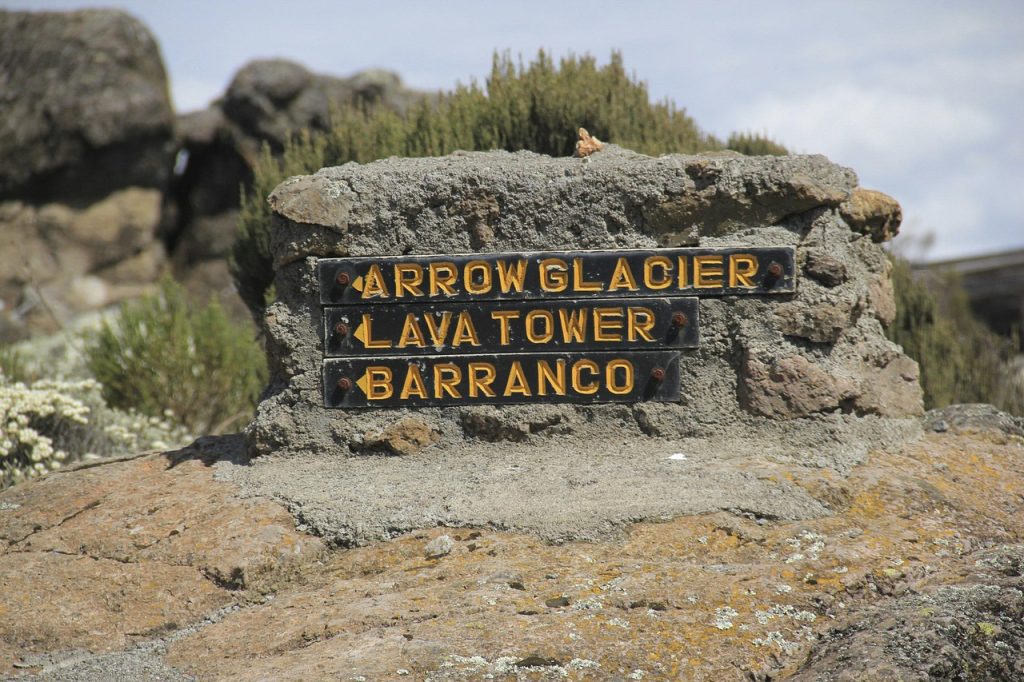
The risk becomes more serious above 4,500 meters (14,764 feet), where some climbers may develop severe forms of altitude sickness such as High Altitude Pulmonary Edema (HAPE) or High Altitude Cerebral Edema (HACE). Medical studies conducted on Kilimanjaro have shown that many severe altitude-related cases occur between approximately 4,500 and 5,500 meters. This altitude range includes key locations such as Lava Tower, Barafu Camp, Kosovo Camp, School Hut, and the upper sections of the mountain leading toward the summit.
One important fact that many climbers do not realize is that physical fitness alone cannot prevent altitude sickness. Even experienced athletes can develop serious altitude-related complications if their bodies fail to acclimatize properly. This is why experienced guides place such a strong emphasis on climbing slowly, staying hydrated, and monitoring symptoms throughout the expedition.
Why Summit Night Is the Most Difficult Part
Summit night is widely considered the most challenging and demanding stage of the entire Kilimanjaro climb. Most climbers begin their summit attempt around midnight and spend several hours trekking in darkness while temperatures often fall well below freezing. At the same time, they are approaching the highest altitude of the expedition, where oxygen levels are at their lowest.
The combination of extreme altitude, cold temperatures, physical exhaustion, and lack of sleep creates conditions that place significant stress on the body. By summit night, climbers have already spent several days hiking and sleeping at high altitude. Fatigue accumulates, appetite often decreases, and many people struggle to get adequate rest before the final ascent.
Most altitude-related emergencies occur during or shortly after summit night because climbers are operating in the most demanding environment of the entire trek. The section between Barafu Camp and Uhuru Peak is particularly challenging, as trekkers gain substantial elevation while their bodies receive significantly less oxygen than at lower camps. Symptoms that seemed mild at lower altitudes can become much more severe during this stage.
Despite these challenges, thousands of climbers successfully reach Uhuru Peak every year. Proper acclimatization, a well-planned itinerary, experienced guides, and a slow climbing pace greatly improve the chances of a safe and successful summit. For most climbers, summit night represents the toughest part of the journey, but it is also the moment when months of preparation and determination come together on the roof of Africa.
Does Kilimanjaro Have a Death Zone?
No Mount Kilimanjaro does not have a Death Zone. Although Kilimanjaro reaches an impressive height of 5,895 meters (19,341 feet), it remains far below the altitude where mountaineers use the term “Death Zone.” This is one of the reasons why Kilimanjaro is considered significantly safer than many of the world’s highest mountains.
However, the absence of a Death Zone does not mean that Kilimanjaro is free from danger. Climbers still face serious challenges related to altitude, cold temperatures, and physical exhaustion, particularly near the summit. Understanding the difference between high altitude and the Death Zone helps climbers better appreciate both the risks and the relative safety of climbing Africa’s highest mountain.
What Is a Death Zone?
The Death Zone refers to altitudes above 8,000 meters (26,247 feet) above sea level. At this elevation, the air contains so little available oxygen that the human body can no longer acclimatize effectively. Even healthy and experienced climbers begin to deteriorate physically if they remain in the Death Zone for extended periods.
Above 8,000 meters, the body struggles to obtain enough oxygen to support normal functions. Climbers may experience severe fatigue, impaired judgment, loss of coordination, and an increased risk of life-threatening altitude illnesses. Recovery becomes difficult because the body consumes energy faster than it can replace it. For this reason, mountaineers aim to spend as little time as possible in the Death Zone before descending to safer altitudes.
Several famous mountains contain Death Zone elevations, including Everest, K2, Kangchenjunga, Annapurna, and other peaks that exceed 8,000 meters. These mountains present extreme physiological challenges that do not exist on Kilimanjaro.
Why Kilimanjaro Is Different From Everest
The most obvious difference between Kilimanjaro and Everest is altitude. Mount Everest rises to 8,849 meters (29,032 feet), placing a significant portion of the mountain inside the Death Zone. In contrast, Kilimanjaro’s summit stands at 5,895 meters (19,341 feet), nearly 3,000 meters lower than Everest’s peak.
Because Kilimanjaro remains below the Death Zone threshold, climbers do not face the same extreme oxygen deprivation experienced on Everest. They also do not require supplemental oxygen under normal circumstances. While oxygen levels on Kilimanjaro are much lower than at sea level, the body can still acclimatize when given enough time through a gradual ascent.
Another major difference is the nature of the climb itself. Everest requires technical mountaineering skills, specialized equipment, fixed ropes, ice climbing techniques, and extensive high-altitude experience. Climbers must navigate dangerous hazards such as crevasses, avalanches, icefalls, and severe storms. Kilimanjaro, on the other hand, is primarily a trekking mountain. Most climbers reach the summit by walking rather than technical climbing.
Although Kilimanjaro does not have a Death Zone, climbers should never underestimate the effects of altitude. The summit still reaches an extreme elevation where oxygen levels are significantly lower than at sea level. This is why altitude sickness remains the leading health risk on the mountain. Proper acclimatization, adequate hydration, and a carefully planned itinerary remain essential for a safe and successful climb.
In simple terms, Kilimanjaro does not have a Death Zone like Everest, but it still demands respect. The mountain’s altitude presents real challenges, yet with proper preparation and guidance, most climbers can safely experience the unforgettable achievement of standing on the highest point in Africa.
Notable Death Cases on Mount Kilimanjaro
Although Mount Kilimanjaro has a relatively low mortality rate compared to many famous mountains around the world, several tragic incidents over the years have attracted international attention. These cases highlight the different risks that climbers can face, ranging from altitude sickness and extreme weather to falling rocks and unexpected accidents.
It is important to remember that these incidents are rare when compared to the tens of thousands of people who successfully climb Kilimanjaro each year. However, they provide valuable lessons about the importance of preparation, safety procedures, and respecting the mountain’s unique challenges.
Famous Incidents and Accidents
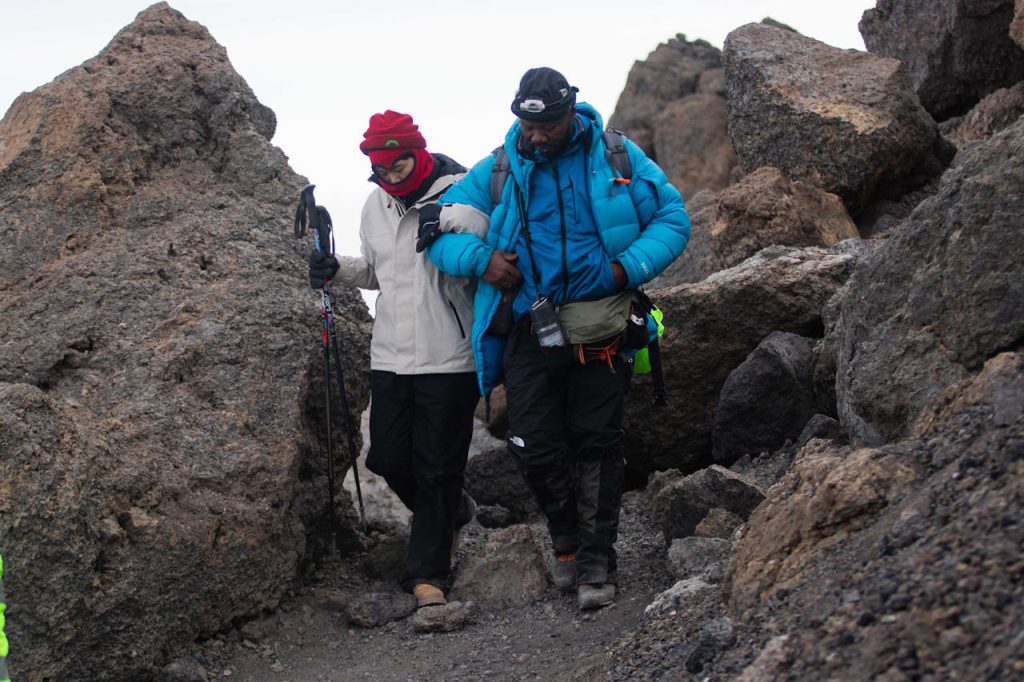
One of the most widely reported fatalities involved Scott Dinsmore, an American entrepreneur, motivational speaker, and founder of Live Your Legend. In 2015, Dinsmore was climbing Kilimanjaro as part of a global journey with his wife when a falling rock struck him near the summit. Despite being close to reaching Uhuru Peak, he died from his injuries. His death demonstrated that, although uncommon, natural hazards such as rockfall can occur even on non-technical trekking routes.
Another well-known case involved Ian McKeever, an experienced Irish mountaineer and adventure leader who had successfully guided numerous Kilimanjaro expeditions. In 2013, McKeever died after a lightning strike near Lava Tower during adverse weather conditions. The incident shocked the climbing community because it involved a highly experienced mountain professional rather than an inexperienced trekker.
Several climbers have also died from altitude-related illnesses despite reaching or approaching the summit. In recent years, news reports have documented cases involving trekkers who developed severe altitude sickness, including High Altitude Pulmonary Edema (HAPE) and High Altitude Cerebral Edema (HACE). These cases reinforce the fact that altitude remains the mountain’s most significant health risk.
One of the most tragic events in Kilimanjaro’s history occurred in 2006 at Arrow Glacier Camp near the Western Breach route. During the night, a rockfall struck the campsite and killed several climbers. Following the accident, authorities temporarily closed the route while safety assessments were conducted. Although the Western Breach later reopened under specific conditions, the event remains one of the most significant accidents ever recorded on the mountain.
Kilimanjaro’s history also includes several aviation accidents involving aircraft that crashed on or near the mountain. While these incidents did not involve climbers, they contributed to the mountain’s broader history of fatalities and demonstrate how rapidly changing weather and challenging terrain can affect activities around Kilimanjaro.
What Climbers Can Learn From These Cases
The most important lesson from notable Kilimanjaro fatalities is that preparation and decision-making matter. Many serious incidents occur when climbers underestimate the effects of altitude, ignore symptoms of illness, or push beyond their physical limits in an effort to reach the summit.
These cases also show the importance of choosing a reputable operator with experienced guides who conduct regular health checks and follow strict safety procedures. Professional guides play a critical role in identifying early signs of altitude sickness and making difficult decisions when a climber needs to descend.
Another key lesson is that success on Kilimanjaro should never come before safety. Reaching Uhuru Peak is an incredible achievement, but no summit is worth risking your life. Climbers who listen to their guides, follow acclimatization schedules, stay hydrated, and respect changing mountain conditions significantly improve their chances of having a safe and successful expedition.
While stories of fatalities can sound alarming, they represent a very small fraction of all Kilimanjaro climbs. Every year, thousands of trekkers safely reach the summit and return home with life-changing memories. By learning from past incidents and following established safety practices, climbers can greatly reduce risks and enjoy one of the world’s most rewarding trekking experiences.
Who Is Most at Risk on Kilimanjaro?
Mount Kilimanjaro welcomes a very wide range of climbers, from first-time trekkers to experienced hikers in their 60s and beyond. While most people complete the climb safely, certain groups face a higher risk of developing altitude-related illnesses or experiencing difficulties during the ascent. The key risk factor is not age or fitness alone, but how the body responds to high altitude and how quickly the climb is undertaken.
Older Climbers
Older climbers can successfully reach the summit of Kilimanjaro, and many do every year. However, age can sometimes increase vulnerability to altitude-related conditions, especially if there are underlying health issues such as heart or lung conditions. As the body ages, it may take longer to adapt to reduced oxygen levels, and recovery from physical exertion can also be slower.
That said, age itself is not a barrier. Many older trekkers perform extremely well on Kilimanjaro when they choose longer routes, climb at a steady pace, and receive proper medical clearance before the expedition. Experience, discipline, and careful pacing often matter more than age alone.
Fast Ascenders
Fast ascenders represent one of the highest-risk groups on Kilimanjaro. The mountain requires gradual acclimatization, but some itineraries attempt to reach high altitudes too quickly. When climbers ascend faster than their bodies can adjust, the risk of Acute Mountain Sickness (AMS) and more severe conditions such as HAPE or HACE increases significantly.
Climbers who rush the ascent often experience stronger symptoms, especially above 3,000–4,000 meters. Short itineraries of five or six days are particularly associated with higher altitude illness rates. In contrast, longer routes that allow gradual elevation gain give the body more time to adapt and greatly improve safety.
Climbers With Medical Conditions
People with pre-existing medical conditions can climb Kilimanjaro, but they must take extra precautions. Conditions such as heart disease, high blood pressure, asthma, or chronic lung issues may become more challenging at high altitude due to reduced oxygen levels and increased physical stress.
In many cases, climbers with stable conditions successfully complete the trek after receiving medical advice and choosing appropriate routes. However, ignoring medical risks or failing to seek professional clearance can increase the likelihood of complications on the mountain. Proper planning and honest health assessment are essential before attempting the climb.
Inexperienced Trekkers
Inexperienced trekkers are not automatically at high risk, but lack of mountain experience can make the climb more challenging. Many first-time climbers are unfamiliar with how altitude affects the body, how to pace themselves, or how to recognize early symptoms of altitude sickness.
Without this awareness, some trekkers may push too hard, ignore warning signs, or underestimate the importance of hydration and rest. However, Kilimanjaro remains a trekking mountain, and most beginners successfully reach the summit when guided by experienced professionals and supported by a well-structured itinerary.
Good guides play a crucial role in supporting inexperienced climbers by setting a safe pace, monitoring health, and making decisions that prioritize safety over speed.
The Most Important Factor: How You Climb
While certain groups may have higher risk levels, the most important factor on Kilimanjaro is not who you are, but how you climb. A slow, well-planned ascent, proper hydration, good nutrition, and attentive guiding reduce risk significantly for all climbers.
In many cases, a fit and young climber who ascends too quickly is at higher risk than an older but well-prepared climber on a longer route. This is why Kilimanjaro success depends less on background and more on preparation, pacing, and respect for altitude.
How to Stay Safe on Mount Kilimanjaro
Climbing Mount Kilimanjaro is a rewarding experience, but safety depends heavily on how well climbers prepare and how they behave during the trek. Most risks on the mountain are preventable when climbers follow proper acclimatization practices, stay hydrated, and respect the advice of professional guides. Safety is not about fitness alone—it is about pacing, awareness, and making the right decisions throughout the journey.
Choose a Longer Route
One of the most effective ways to stay safe on Kilimanjaro is to choose a longer itinerary. Routes that take seven to nine days give the body more time to adjust to increasing altitude, which significantly reduces the risk of altitude sickness. Shorter climbs may seem appealing, but they force the body to ascend too quickly, increasing the likelihood of AMS, HAPE, and HACE. Longer routes may require more time and budget, but they greatly improve both safety and summit success rates.
Climb Pole Pole (Slowly)
The Swahili phrase “pole pole,” meaning “slowly, slowly,” is one of the most important rules on Kilimanjaro. Walking at a slow, steady pace allows the body to conserve energy and adapt gradually to lower oxygen levels. Climbers who rush often become exhausted faster and are more likely to develop altitude symptoms. A controlled pace is not a sign of weakness it is a proven strategy used by experienced guides to help climbers reach the summit safely.
Drink Enough Water
Hydration plays a major role in preventing altitude-related problems. At high elevation, the body loses water faster due to increased breathing rate and dry mountain air. Many climbers underestimate how much they need to drink because cold temperatures reduce the feeling of thirst. However, dehydration can worsen symptoms of altitude sickness and reduce physical performance. Drinking regularly throughout the day helps the body function properly and supports acclimatization.
Eat Properly During the Trek
Proper nutrition is essential for maintaining energy during the climb. As altitude increases, appetite often decreases, but the body still requires fuel to function effectively. Eating balanced meals provided by the trekking team helps maintain strength and endurance. Skipping meals or eating too little can lead to fatigue, weakness, and reduced ability to cope with altitude stress. Even when appetite is low, small consistent meals are important for safety and performance.
Dress for Extreme Temperature Changes
Kilimanjaro has multiple climate zones, ranging from warm rainforest to freezing summit conditions. Temperatures can change dramatically within a single day, especially during summit night. Wearing proper layered clothing helps climbers adjust to these changes and prevents hypothermia or overheating. A good clothing system typically includes base layers, insulating layers, and a waterproof outer shell. Proper gear ensures the body remains warm and dry in all conditions.
Listen to Your Guides
Experienced guides are one of the most important safety factors on Kilimanjaro. They monitor climbers daily, check for symptoms of altitude sickness, and make critical decisions about pace, rest, or descent. Many serious problems on the mountain can be prevented when climbers follow guide instructions without hesitation. Ignoring symptoms or pushing beyond recommended limits can quickly turn mild altitude issues into dangerous situations. Trusting and communicating with guides is essential for a safe and successful climb.
Overall, staying safe on Kilimanjaro comes down to preparation, patience, and discipline. Climbers who follow these basic principles significantly increase their chances of reaching Uhuru Peak safely while enjoying the journey to the roof of Africa.
How Tour Operators Improve Climber Safety
Tour operators play a central role in keeping climbers safe on Mount Kilimanjaro. While the mountain itself presents natural risks such as altitude sickness and harsh weather, most serious emergencies are managed or prevented entirely by professional guiding teams. A well-organized operator does far more than lead the route; they actively monitor health, respond to symptoms early, and coordinate emergency procedures when needed.
Medical Checks on the Mountain
Reputable Kilimanjaro tour operators carry out regular medical checks throughout the climb. Guides typically monitor climbers at least once or twice a day, especially during higher altitude stages where risks increase. These checks focus on key indicators such as heart rate, oxygen saturation levels, fatigue, headache severity, and general physical condition.
By tracking these signs daily, guides can detect early symptoms of altitude sickness before they become serious. This early intervention is one of the most important factors in preventing emergencies, because altitude-related conditions often worsen quickly if ignored. Regular monitoring ensures that climbers receive advice early, whether that means slowing down, resting longer, or descending to a lower camp.
Emergency Oxygen
Many professional operators carry emergency oxygen systems as part of their safety equipment. Oxygen is not used as a standard climbing aid on Kilimanjaro, but it becomes extremely important in emergency situations where a climber shows signs of severe altitude sickness or sudden health deterioration.
Emergency oxygen can help stabilize a climber temporarily while evacuation is being arranged. It does not replace descent, but it can reduce symptoms and improve survival chances during critical moments. Having oxygen available on the mountain provides an additional layer of safety, especially in remote high-altitude sections where immediate medical facilities are not accessible.
Wilderness First Aid Training
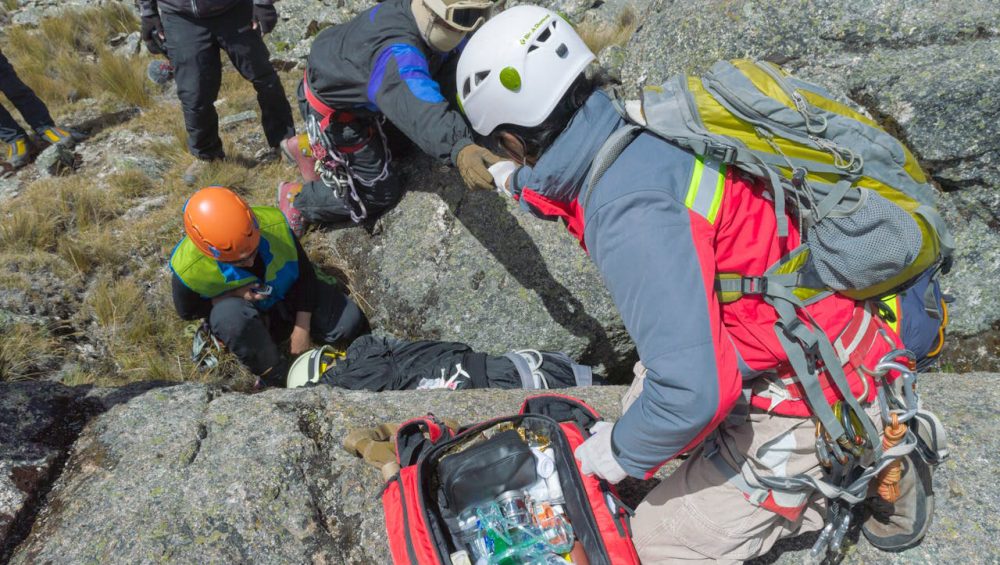
Experienced Kilimanjaro guides are trained in wilderness first aid, which prepares them to respond effectively in remote environments where hospitals are far away. This training includes recognizing altitude-related illnesses, treating injuries, managing hypothermia, and stabilizing patients until evacuation is possible.
Because Kilimanjaro has limited infrastructure beyond designated camps, this type of training is essential. Guides must often make fast decisions in challenging conditions, and their ability to correctly assess symptoms can significantly influence outcomes. Well-trained guides are often the difference between a manageable situation and a medical emergency.
Emergency Evacuation Procedures
Evacuation systems are a critical part of safety management on Kilimanjaro. When a climber becomes seriously ill or injured, tour operators coordinate immediate descent to a lower altitude, where oxygen levels are higher and symptoms often improve. In severe cases, stretcher evacuation may be used to transport climbers down the mountain safely.
Some operators also coordinate helicopter evacuations when conditions require faster medical access. These procedures depend on weather, location, and severity of the condition, but the goal is always the same: move the climber to a safer environment as quickly as possible.
Efficient evacuation planning is one of the strongest safety advantages of climbing with a professional operator. Without proper support, it would be extremely difficult to manage emergencies in Kilimanjaro’s remote high-altitude terrain.
Why Professional Support Matters Most
Although Kilimanjaro is a non-technical trekking mountain, altitude makes it unpredictable. Even strong and healthy climbers can develop sudden symptoms. For this reason, tour operators act as both guides and safety managers throughout the expedition.
A well-organized team significantly reduces risk through monitoring, early intervention, medical preparedness, and structured evacuation systems. In most cases, climbers who follow their guides closely and climb with reputable operators have a much higher chance of both reaching the summit and returning safely.
Safest Routes for Climbing Kilimanjaro
All standard routes on Mount Kilimanjaro are considered safe when climbers follow proper acclimatization rules and climb with experienced guides. However, some routes provide better safety conditions than others because they allow slower ascents, longer itineraries, and more gradual altitude gain. In general, the safest routes are those that give the body more time to adapt to high altitude, which reduces the risk of altitude sickness.
Lemosho Route
The Lemosho Route is widely regarded as one of the safest and most scenic routes on Kilimanjaro. It begins on the western side of the mountain and offers a longer, more gradual ascent compared to shorter routes. This slow progression allows climbers more time to acclimatize, which significantly lowers the risk of altitude-related illness.
Lemosho also benefits from lower traffic in the early days, which creates a more relaxed hiking experience. Climbers gradually join the Machame route later in the trek, but by that stage, their bodies are already better adjusted to altitude changes. Because of its combination of safety, scenery, and success rate, Lemosho is often recommended for first-time climbers.
Northern Circuit Route
The Northern Circuit Route is considered the safest route on Kilimanjaro due to its long duration and excellent acclimatization profile. It is the longest standard route on the mountain, typically taking 8 to 9 days to complete. This extended itinerary gives climbers the best possible chance for gradual altitude adjustment.
The route circles around the quieter northern slopes of Kilimanjaro, offering a steady and controlled ascent profile. Because climbers spend more time at moderate altitudes before pushing higher, the risk of Acute Mountain Sickness is significantly reduced. The Northern Circuit also has one of the highest summit success rates, making it ideal for climbers who prioritize safety and performance over speed.
Machame Route
The Machame Route is one of the most popular routes on Kilimanjaro and is often called the “Whiskey Route” due to its challenging but rewarding profile. While it is slightly steeper than Lemosho or the Northern Circuit, it remains safe when done over 6 to 7 days with proper acclimatization.
Machame includes important acclimatization features such as the “climb high, sleep low” strategy, which helps the body adjust more effectively to altitude changes. However, because it is more physically demanding and attracts a large number of climbers, proper pacing is essential. When rushed, this route can increase the risk of altitude sickness.
Rongai Route
The Rongai Route approaches Kilimanjaro from the northern side, near the Kenya border. It is considered one of the drier and more stable routes in terms of weather conditions, which can improve safety during certain seasons. Rongai also tends to be less crowded, creating a quieter and more controlled trekking environment.
Although the ascent is slightly faster in some sections, the route is still considered relatively safe, especially when combined with a 6 to 7-day itinerary. It is often recommended during the rainy season because the northern slopes receive less precipitation, reducing risks related to slippery trails and poor visibility.
Which Route Is the Safest?
Among all routes, the Northern Circuit is generally considered the safest due to its long duration and excellent acclimatization profile. However, Lemosho is a close second and is often preferred for its balance of scenery, comfort, and safety.
Ultimately, safety on Kilimanjaro depends less on the route alone and more on how the climb is managed. A slower pace, proper hydration, good nutrition, and experienced guiding make any route significantly safer and increase the chances of reaching Uhuru Peak successfully.
Can Beginners Climb Kilimanjaro Safely?
Yes – beginners can safely climb Mount Kilimanjaro, and many successful summits each year are achieved by first-time high-altitude trekkers. Unlike technical peaks that require ropes or climbing experience, Kilimanjaro is primarily a trekking mountain. This means that with the right preparation, guidance, and pacing, most healthy beginners can reach the summit without needing prior mountaineering skills.
However, safety for beginners depends less on experience and more on preparation, physical readiness, and respect for altitude. The mountain is physically demanding and exposes climbers to high elevation conditions that the body must gradually adapt to. For this reason, beginners who follow proper guidelines often perform better than experienced hikers who underestimate altitude.
Fitness Requirements
Climbing Kilimanjaro does not require elite athletic fitness, but a basic level of cardiovascular endurance and stamina is important. Beginners should be able to walk for several hours a day on uneven terrain while carrying a light daypack. Activities such as hiking, jogging, cycling, or long-distance walking in the weeks leading up to the climb can significantly improve comfort and performance on the mountain.
It is important to understand that Kilimanjaro is not a race. Even physically strong individuals can struggle if they climb too fast or ignore rest periods. A steady pace, combined with endurance fitness, is more valuable than intense training or peak athletic ability. Many beginners successfully reach the summit because they follow a slow and controlled approach rather than relying purely on strength.
Mental Preparation
Mental preparation plays a major role in a beginner’s success on Kilimanjaro. The climb is long, repetitive, and sometimes uncomfortable due to cold temperatures, altitude effects, and limited sleep. Beginners often underestimate the psychological challenge of waking up early, hiking for many hours, and continuing even when tired or cold.
A strong mindset helps climbers stay consistent during difficult moments, especially on summit night when fatigue and altitude effects are strongest. Understanding that discomfort is normal and temporary helps beginners stay focused and motivated. Many climbers find that mental resilience becomes just as important as physical fitness during the final stages of the ascent.
Importance of Acclimatization
Acclimatization is the most important factor for beginner safety on Kilimanjaro. The human body needs time to adjust to reduced oxygen levels at higher altitudes, and this process cannot be rushed. Beginners who choose longer routes with gradual elevation gain significantly reduce their risk of altitude sickness.
Proper acclimatization allows the body to adapt by producing more red blood cells and improving oxygen efficiency. Without this adjustment period, climbers are more likely to develop symptoms such as headaches, nausea, and fatigue, which can escalate into serious conditions if ignored.
Experienced guides manage acclimatization by controlling ascent speed, encouraging hydration, and monitoring health throughout the trek. This support system is especially important for beginners, as it ensures early detection of altitude-related issues and safe decision-making during the climb.
Overall, beginners can climb Kilimanjaro safely when they prepare properly, choose the right route, and follow professional guidance. With patience and respect for altitude, even first-time climbers have a strong chance of reaching Uhuru Peak successfully.
Final Verdict: Is Climbing Kilimanjaro Worth the Risk?
Climbing Mount Kilimanjaro is often described as a once-in-a-lifetime adventure, but like any high-altitude expedition, it comes with real risks. The key question most people ask is whether those risks are worth it. When you look at the data, safety systems, and success rates, the answer becomes clearer: Kilimanjaro is challenging, but it is also one of the safest high mountains in the world when climbed correctly.
Balanced Conclusion
Kilimanjaro does involve risks, mainly from altitude-related illnesses such as AMS, HAPE, and HACE. However, the mountain does not require technical climbing skills, and most of the dangers are manageable with proper preparation and guidance. Thousands of climbers reach the summit every year, and the vast majority return safely. The difference between a difficult experience and a dangerous one usually comes down to pacing, acclimatization, and the quality of the guiding team.
In simple terms, Kilimanjaro is not a “dangerous climbing mountain” in the traditional sense. Instead, it is a high-altitude endurance challenge where the body must adapt gradually. When climbers respect the mountain, the risk remains low and manageable.
Statistics in Context
Available reports and field observations suggest that roughly 50,000 to 75,000 people attempt Kilimanjaro each year. Estimates of fatalities vary, but most sources place the number between 3 and 10 climbers per year, with additional cases sometimes unreported or evacuated.
This means the mortality rate is extremely low compared to many other high-altitude mountains. In context, more climbers successfully summit Kilimanjaro in a single week than serious incidents reported in an entire year. While every fatality is tragic, the overall probability of a life-threatening event remains very small when proper procedures are followed.
It is also important to understand that most emergencies are preventable. The majority of serious cases are linked to fast ascents, poor acclimatization, dehydration, or ignoring early warning signs of altitude sickness.
Safety Recommendations
Climbers significantly reduce risk by following a few key principles. Choosing a longer route (such as 7-9 days) allows the body to adapt gradually to altitude. Maintaining a slow pace, often described as “pole pole,” helps prevent unnecessary physical stress. Drinking enough water, eating regularly, and wearing proper cold-weather gear also play an essential role in maintaining health on the mountain.
Equally important is selecting a reputable and licensed tour operator. Professional guides monitor climbers daily, recognize early symptoms of altitude sickness, and make critical decisions about rest or descent. Their role is often the most important safety factor on the entire expedition.
Reassurance for Climbers
Despite the risks, Kilimanjaro remains one of the most achievable high-altitude summits in the world. It offers a rare combination of accessibility, natural beauty, and personal challenge without requiring technical climbing experience. For many people, reaching Uhuru Peak is not only a physical achievement but also a deeply personal milestone.
With proper preparation, realistic expectations, and a responsible guiding team, the climb is safe for most healthy individuals. The risks exist, but they are well understood and manageable. For the vast majority of climbers, Kilimanjaro is not just worth the risk it is one of the most rewarding journeys they will ever undertake.


2 Comments
Well written article, good job 👏👏
[…] mortality rate is estimated at around 0.02% (WeWild Travel (adventure safety resource)). The trade-off: Kilimanjaro is statistically very safe, but the individual consequences of failure […]