Helicopter Evacuations on Mount Kilimanjaro
Estimated reading time: 19 minutes
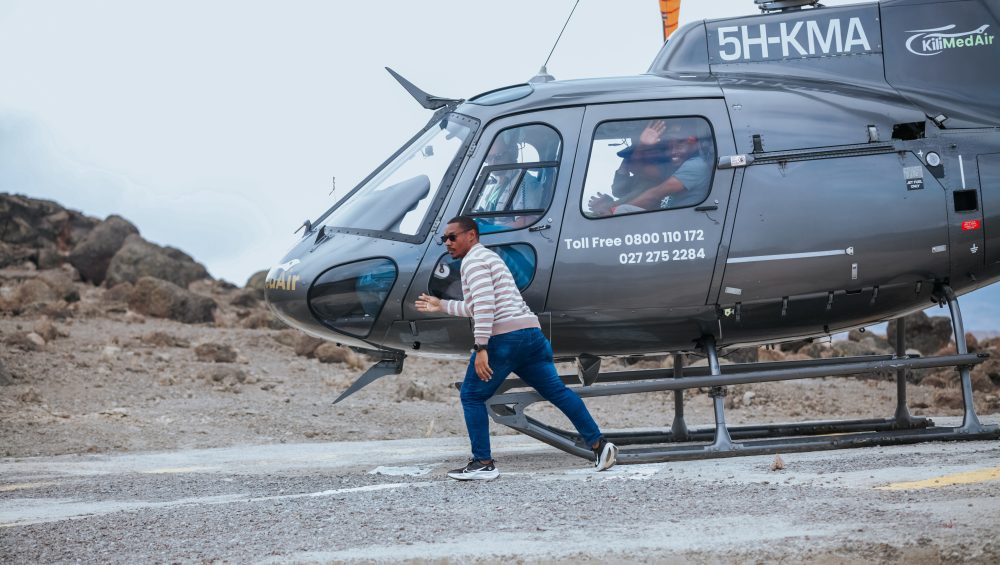
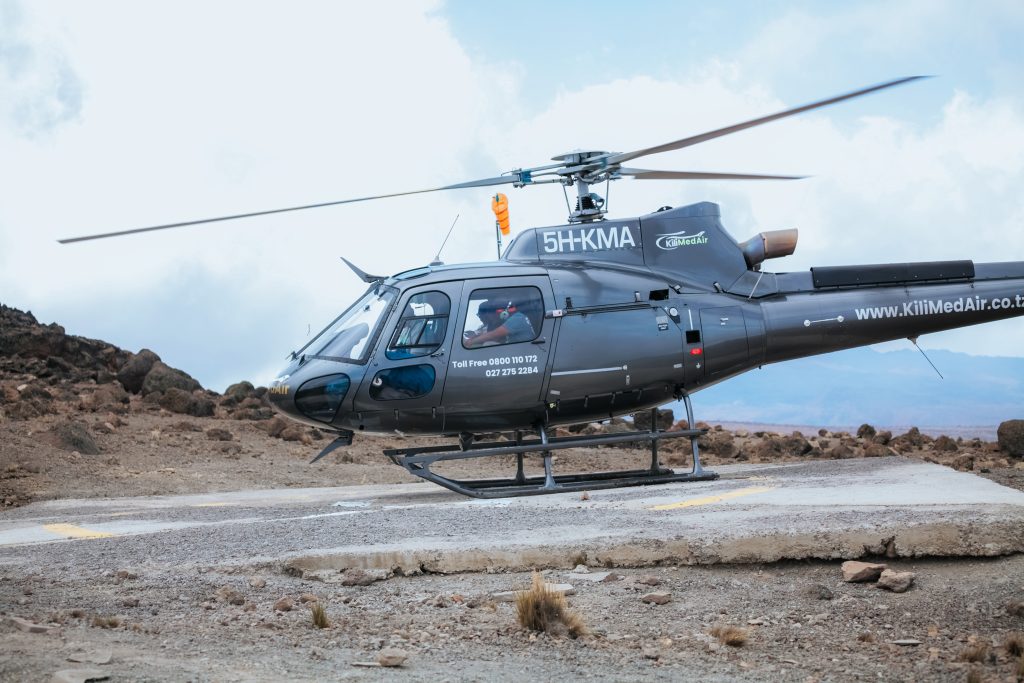
Helicopter evacuations on Mount Kilimanjaro are an important safety option for trekkers facing serious medical emergencies, although most climbers complete the climb without needing rescue. Kilimanjaro is a non-technical mountain, but the high altitude, changing weather, and physical demands can sometimes create situations where evacuation becomes necessary.
This guide explains when helicopter evacuation is needed, how the rescue process works, possible costs, insurance requirements, and what trekkers should prepare before climbing Mount Kilimanjaro. Understanding these safety options helps climbers feel more confident and ready for their adventure.
Table of contents
- Helicopter Evacuations on Mount Kilimanjaro
- Are Helicopter Evacuations Available on Mount Kilimanjaro?
- Why Helicopter Evacuations Happen on Kilimanjaro
- How Do Helicopter Evacuations Work on Kilimanjaro?
- Signs Trekkers Should Never Ignore
- How to Reduce the Risk of Needing Evacuation
- Is Helicopter Rescue Common on Kilimanjaro?
- Why Do Climbers Need Helicopter Evacuations on Kilimanjaro?
- Why Route Choice Can Reduce Emergency Risk
- How Much Does a Kilimanjaro Helicopter Evacuation Cost?
- The Role of Guides and Support Teams
- Responsible Trekking Means Preparing Properly
- Does Travel Insurance Cover Kilimanjaro Helicopter Rescue?
- What Happens If Helicopter Rescue Is Not Possible?
- Frequently Asked Questions
- Final Thoughts
- Read Also:
Are Helicopter Evacuations Available on Mount Kilimanjaro?
Yes, helicopter evacuations are available on Mount Kilimanjaro for serious medical emergencies, but they are not a standard part of every trek. Most climbers complete the climb without needing rescue, but evacuation may be required because of severe altitude-related problems, injuries, or unexpected health issues. Before climbing Kilimanjaro, trekkers should have travel insurance that includes high-altitude rescue and medical evacuation coverage to protect themselves during the adventure.
Why Helicopter Evacuations Happen on Kilimanjaro
Helicopter evacuations on Mount Kilimanjaro are emergency procedures used when a climber’s health becomes too serious to continue trekking safely. While most climbers complete the journey without needing evacuation, some situations require fast medical response to protect life and prevent complications. These emergencies are mainly related to altitude, injuries, or sudden health problems that occur during the climb.
Altitude sickness is the main reason
Altitude sickness is the leading cause of helicopter evacuation on Kilimanjaro. As climbers go higher, oxygen levels in the air become lower, making it harder for the body to function normally. This condition is known as Acute Mountain Sickness (AMS), and if it becomes severe, it can develop into more dangerous conditions like High Altitude Pulmonary Edema (HAPE) .
Read more about High Altitude Cerebral Edema (HACE).
AMS often starts with mild symptoms such as headache, dizziness, nausea, tiredness, and loss of appetite. If a climber ignores these signs and continues ascending, the condition can worsen quickly. HAPE affects the lungs and causes breathing difficulties, while HACE affects the brain and can lead to confusion, loss of coordination, and dangerous changes in behavior. When these symptoms become severe, immediate descent or evacuation is necessary to prevent life-threatening situations.
Injuries and medical emergencies
Not all evacuations are related to altitude sickness. Injuries are another important reason for emergency evacuation on Kilimanjaro. The mountain has rocky paths, steep slopes, and loose gravel, which can sometimes lead to slips, falls, or ankle and knee injuries. When a climber cannot walk safely, continuing the trek becomes impossible without assistance.
Other medical emergencies may include severe dehydration, exhaustion from long trekking days, asthma attacks, chest pain, or unexpected illness that becomes worse at high altitude. In these cases, the body cannot recover properly on the mountain, and descending quickly becomes the safest option. Helicopter evacuation helps move the patient to medical facilities faster than walking down.
Fast evacuation can save lives
Quick decision-making is one of the most important parts of mountain safety. Guides on Kilimanjaro are trained to monitor climbers throughout the trek and identify early warning signs of altitude sickness or physical distress. They check symptoms regularly and encourage climbers to move slowly, rest properly, and communicate any discomfort.
Early action is extremely important because altitude-related conditions can worsen within hours. If a guide notices that a climber’s condition is becoming serious, they will make the decision to stop ascent and arrange descent or evacuation. Helicopter evacuation, when available, provides a fast way to reach lower altitude where oxygen levels are higher and medical treatment is more effective.
How Do Helicopter Evacuations Work on Kilimanjaro?
A helicopter evacuation on Kilimanjaro follows a safety process that starts with identifying a serious problem on the mountain. The goal is to move a trekker who needs urgent medical attention from a high-altitude environment to proper care as quickly and safely as possible. The process usually involves your guide, rescue support, and medical teams working together.
Recognizing When Evacuation Is Needed
Evacuation may be considered when a trekker has a serious medical condition and cannot safely continue the climb or descend by normal means. Common reasons include severe altitude sickness, serious injuries, extreme weakness, or other health emergencies. Guides monitor climbers throughout the trek and look for signs that require immediate action.
Assessment by Your Guide and Medical Team
Your guide is usually the first person to assess your condition. Experienced Kilimanjaro guides check symptoms, monitor your ability to continue, and decide the safest next step. If the situation requires more help, rescue teams or medical professionals may be contacted to arrange evacuation.
Transport From the Mountain
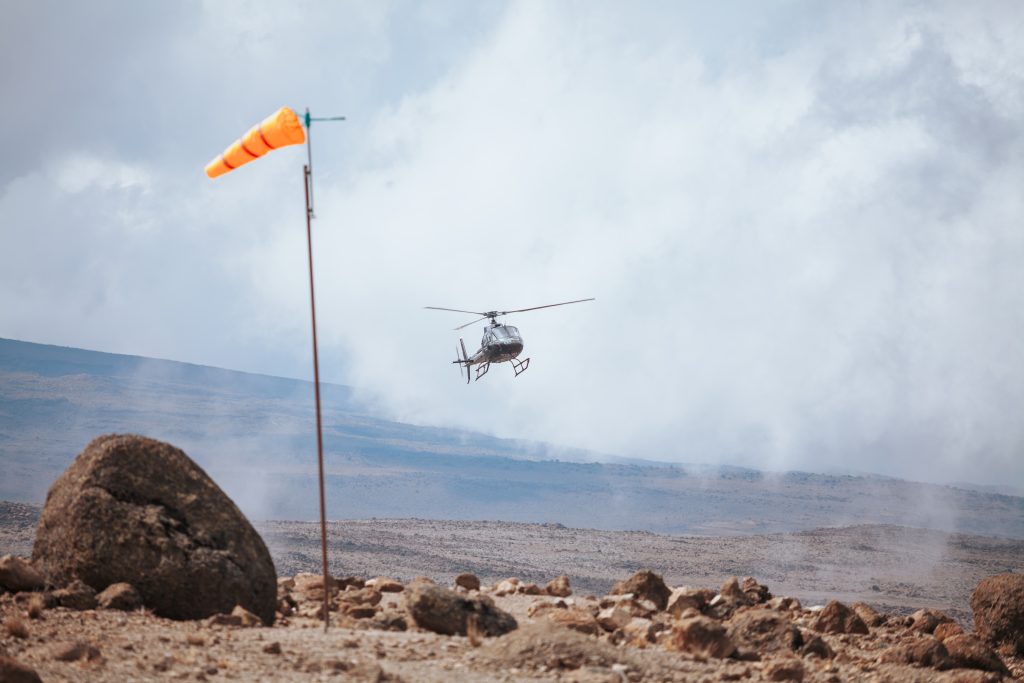
When a helicopter rescue is approved, the evacuation team coordinates the safest location for pickup based on weather conditions, altitude, and accessibility. The trekker is moved from the mountain area and transported to receive medical support. Weather can affect helicopter operations, so rescue decisions depend on safety conditions at the time.
Transfer to Hospital or Medical Facility
After leaving the mountain, the trekker is usually taken to a medical facility for further assessment and treatment if needed. Having travel insurance that covers helicopter rescue and medical evacuation is important because these services can be expensive without proper coverage.
Signs Trekkers Should Never Ignore
When climbing Mount Kilimanjaro, understanding early warning signs of altitude sickness is very important for safety. Many serious mountain emergencies can be prevented if trekkers recognize symptoms early and respond quickly. Ignoring these signs can make the condition worse and may lead to emergency evacuation. This is why climbers are strongly advised to stay honest with their guides and communicate any health changes immediately.
Severe headaches and confusion
One of the first and most common warning signs of altitude sickness is a severe headache that does not improve with rest or hydration. At high altitude, headaches can become stronger as oxygen levels drop. If a headache is combined with confusion, slow thinking, or unusual behavior, it becomes a serious concern.
Confusion is especially dangerous because it shows that the brain is not getting enough oxygen. This condition may be linked to High Altitude Cerebral Edema (HACE), which requires immediate attention. Trekkers should never ignore persistent headaches or mental changes, as early action can prevent serious complications.
Difficulty breathing at rest
Breathing should feel harder during physical activity at high altitude, but difficulty breathing even while resting is a warning sign that something is wrong. This may indicate conditions such as High Altitude Pulmonary Edema (HAPE), where fluid begins to build up in the lungs.
Climbers may feel shortness of breath, chest tightness, or an inability to take deep breaths. If breathing becomes difficult even without movement, it is important to stop climbing immediately and inform the guide. This symptom should never be ignored, as it can quickly become life-threatening if left untreated.
Loss of balance or extreme weakness
Another serious warning sign is loss of balance, dizziness, or extreme weakness that makes walking difficult. At high altitude, fatigue is normal, but when weakness becomes severe or coordination is affected, it may indicate the body is struggling to adapt.
Trekkers may feel unsteady, stumble while walking, or experience sudden exhaustion that does not improve with rest. These symptoms can be early signs of dangerous altitude-related conditions. In such situations, continuing to climb increases risk, and descending becomes the safest option.
Recognizing these symptoms early, staying honest with guides, and acting quickly are the most important steps in preventing serious altitude emergencies and ensuring a safe trekking experience on Kilimanjaro.
How to Reduce the Risk of Needing Evacuation
Although helicopter evacuation is available for serious emergencies, the best approach is to reduce the chances of needing rescue in the first place. Good preparation, smart decisions, and listening to experienced guides can help you handle the challenges of climbing Mount Kilimanjaro safely.
Choose a Longer Route
Choosing the right Kilimanjaro route is one of the most important factors for a successful climb. Longer routes give your body more time to adjust to the altitude, which can reduce the risk of altitude-related problems.
Routes such as the Lemosho Route and Northern Circuit Route are popular choices because they provide better acclimatization compared with shorter itineraries. Taking extra days on the mountain allows your body to adapt gradually.
Follow the Pole Pole Pace
Pole pole, meaning “slowly, slowly” in Swahili, is the best strategy for climbing Kilimanjaro. Walking too fast can use too much energy and make it harder for your body to adjust to the altitude.
A steady pace helps you conserve energy, breathe comfortably, and improve your chances of reaching the summit safely. On Kilimanjaro, patience is often more important than speed.
Stay Hydrated
Drinking enough water is essential when climbing at high altitude. Dehydration can make you feel more tired and may increase the effects of altitude discomfort.
Carry enough water each day and drink regularly, even when you do not feel thirsty. Staying hydrated supports your body as it adapts to the mountain environment.
Listen to Your Guides
Your Kilimanjaro guides have experience recognizing problems before they become serious. They monitor your condition, recommend the right pace, and advise when rest or adjustment is needed.
Always communicate how you feel and follow their instructions. Ignoring symptoms or pushing beyond your limits can increase the risk of serious problems.
Prepare Properly
Proper preparation starts before you arrive in Tanzania. Train your endurance, choose suitable gear, understand the route, and make sure you have travel insurance that covers high-altitude rescue.
A well-prepared trekker is more likely to enjoy the climb, manage challenges confidently, and complete the journey safely without needing evacuation.
Is Helicopter Rescue Common on Kilimanjaro?
No, helicopter rescue is not common on Kilimanjaro. The majority of climbers complete their trek successfully without needing evacuation. While the mountain presents challenges such as high altitude, changing weather, and long trekking days, most problems can be managed with proper preparation and support from experienced guides.
The best ways to reduce the risk of needing a helicopter rescue are choosing a route with enough acclimatization time, maintaining a slow pole pole pace, staying hydrated, and following your guide’s instructions throughout the climb. Longer routes such as Lemosho and the Northern Circuit give your body more time to adjust to the altitude, which can improve your overall trekking experience.
Helicopter evacuation is an important safety option, but it is not something most trekkers should expect to use. With the right preparation, suitable gear, and a responsible approach, climbing Kilimanjaro remains a safe and rewarding adventure for many people.
Why Do Climbers Need Helicopter Evacuations on Kilimanjaro?
Most climbers reach the summit of Mount Kilimanjaro without needing a helicopter rescue. However, the mountain’s high altitude, unpredictable conditions, and physical demands can sometimes create situations where evacuation becomes the safest option. Understanding the common reasons for helicopter evacuations helps trekkers prepare better and recognize when professional help is needed.
Altitude Sickness
Altitude sickness is one of the main reasons climbers may need evacuation on Kilimanjaro. As you climb higher, the amount of oxygen in the air decreases, and some people struggle to adjust. Severe altitude-related conditions can become dangerous if symptoms continue to worsen.
Common warning signs include severe headaches, confusion, extreme weakness, breathing difficulties, or inability to continue safely. This is why proper acclimatization, a slower pace, and choosing a longer route are important for reducing altitude risks.
Injuries and Accidents
Although Kilimanjaro is not a technical mountain climb, injuries can still happen during the trek. Uneven trails, steep sections, slippery paths, and fatigue can increase the chance of falls or other accidents.
Minor issues are often managed by guides and the support team, but serious injuries may require evacuation to ensure the climber receives proper medical care quickly.
Severe Weather Conditions
Weather on Kilimanjaro can change quickly, especially at higher elevations. Heavy rain, strong winds, freezing temperatures, or poor visibility can make continuing the climb unsafe in certain situations.
In rare cases, severe weather may contribute to a rescue decision, especially when combined with health problems or injuries. Experienced guides monitor conditions and help make safe decisions throughout the trek.
Existing Health Problems
Some climbers may have health conditions that become more difficult to manage at high altitude. Even if someone feels healthy before the climb, the physical stress of trekking, cold temperatures, and reduced oxygen levels can affect the body differently.
Trekkers should discuss any medical concerns with a doctor before climbing Kilimanjaro and always carry suitable travel insurance that includes medical evacuation coverage.
Why Route Choice Can Reduce Emergency Risk
Choosing the right route on Mount Kilimanjaro is one of the most important decisions for safety and summit success. Different routes offer different levels of acclimatization time, difficulty, and exposure to altitude. A good route choice can significantly reduce the risk of altitude sickness and emergency situations, including helicopter evacuation.
Longer routes allow better acclimatization
Longer trekking routes give the body more time to adjust to high altitude gradually. This slow ascent helps climbers adapt to lower oxygen levels step by step, which reduces the chance of developing severe altitude sickness.
Routes like the Machame Route and Lemosho Route are well known for their longer itineraries and better acclimatization profiles. These routes include gradual elevation gain and additional camping nights, which give the body more time to recover and adapt. As a result, climbers on longer routes often have higher summit success rates and fewer medical emergencies.
Short climbs increase altitude stress
Shorter Kilimanjaro routes may seem attractive because they take fewer days, but they increase the risk of altitude-related problems. Rapid ascent does not give the body enough time to adjust to oxygen changes, which can lead to faster onset of altitude sickness.
When climbers ascend too quickly, symptoms such as headache, nausea, and fatigue can develop earlier and become more severe. This increases the likelihood of turning back or requiring emergency support. In some cases, it may also increase the need for evacuation if symptoms become dangerous.
Experienced guides improve decision-making
Experienced mountain guides play a key role in reducing risk during the climb. They monitor climbers daily, check for early signs of altitude sickness, and make important safety decisions when needed. Their experience helps identify when a climber should slow down, rest, or descend.
Good guides also understand weather conditions, route challenges, and group pacing, which helps the entire team stay safe. With proper guidance, climbers are more likely to make it safely to the summit without serious health issues.
How Much Does a Kilimanjaro Helicopter Evacuation Cost?
The cost of a helicopter evacuation on Mount Kilimanjaro depends on the situation, rescue provider, weather conditions, and the level of medical support required. There is no fixed price because every emergency is different. A helicopter rescue can be expensive, which is why having travel insurance with high-altitude rescue and medical evacuation coverage is strongly recommended before starting your climb.
Many climbers focus on the cost of the trek itself but forget to consider emergency protection. A suitable insurance policy can help cover unexpected rescue expenses and give you peace of mind while climbing.
| Service | Possible Cost |
|---|---|
| Helicopter rescue | Varies depending on the rescue provider and situation |
| Mountain evacuation | Depends on the type of assistance required |
| Hospital treatment | Depends on the medical care needed |
The best way to avoid unexpected problems is to prepare properly before your climb. Choose a reputable tour operator, follow your guide’s advice, allow enough time for acclimatization, and make sure your insurance covers Kilimanjaro and high-altitude evacuation.
The Role of Guides and Support Teams
Guides and support teams play a very important role during climbs on Mount Kilimanjaro. They are responsible not only for leading the route but also for ensuring the safety, health, and overall well-being of every trekker on the mountain. In many cases, their decisions can prevent serious altitude problems and reduce the need for emergency helicopter evacuation.
Daily health monitoring on the mountain
Every day on Kilimanjaro, guides closely monitor the health condition of each climber. They check for early signs of altitude sickness such as headache, fatigue, dizziness, nausea, or unusual behavior. These daily checks help identify problems before they become serious.
Guides also observe how each trekker is walking, breathing, and responding to altitude changes. If someone is struggling, they can adjust the pace, recommend rest, or make changes to the climbing plan. This constant monitoring is one of the most important safety systems on the mountain.
Oxygen checks and safety procedures
In some cases, especially at higher camps, guides may use safety tools such as pulse oximeters to measure oxygen levels in the blood. These checks help determine how well a climber is adapting to the altitude.
Safety procedures are followed carefully throughout the expedition. This includes controlling ascent speed, ensuring proper hydration, and maintaining communication within the team. Guides are trained to recognize when a climber’s condition is becoming risky and when extra precautions are needed.
Quick decisions during emergencies
When a serious health issue occurs, guides must make fast and confident decisions. This may include stopping the climb, organizing a safe descent, or calling for emergency assistance if necessary.
Quick decision-making is critical because altitude-related conditions can worsen rapidly. Experienced guides know when a situation is becoming dangerous and act immediately to protect the climber’s life. Their training and experience are key factors in preventing serious complications and ensuring safety on the mountain.
Responsible Trekking Means Preparing Properly
Responsible trekking on Mount Kilimanjaro is not only about reaching the summit, but also about preparing correctly before and during the climb. Proper preparation reduces risks, improves safety, and lowers the chances of serious altitude problems that could lead to emergency evacuation. Every climber has a responsibility to take the journey seriously and follow expert guidance from the beginning to the end of the expedition.
Physical preparation before the climb
Good physical preparation helps the body handle long trekking days and changing altitude conditions. Climbers should train their stamina before arriving on Kilimanjaro by walking regularly, climbing stairs, or doing hiking exercises. This helps build endurance and prepares the legs and lungs for continuous movement on steep and uneven terrain.
However, fitness alone is not enough. Even strong and experienced hikers can be affected by altitude sickness, so physical preparation should be combined with proper knowledge of mountain conditions. Being physically ready makes the journey easier, reduces fatigue, and helps climbers recover better after each trekking day.
Travel insurance and emergency coverage
Travel insurance is an important part of responsible trekking. Because Kilimanjaro is a high-altitude mountain, there is always a small risk of injury or altitude-related illness. Good insurance should include emergency medical coverage and evacuation support, including helicopter rescue if needed.
Having insurance gives climbers peace of mind and ensures that they can receive proper medical care in case of emergencies. It is a key safety step that should never be ignored when planning a Kilimanjaro expedition.
Listening to guides during the expedition
One of the most important rules on Kilimanjaro is to always listen to your guides. They have experience in managing altitude, weather changes, and group safety. Ignoring their instructions can increase risks and lead to serious health problems.
Guides make decisions based on safety, not speed. If they advise resting, slowing down, or descending, it is important to follow their guidance immediately. Trusting the guide team helps ensure a safer and more successful climb, and greatly reduces the chance of needing emergency evacuation.
Does Travel Insurance Cover Kilimanjaro Helicopter Rescue?
Yes, some travel insurance policies can cover helicopter rescue on Mount Kilimanjaro, but not every policy includes high-altitude activities. Before your climb, it is important to check that your insurance specifically covers trekking at Kilimanjaro’s elevation, emergency rescue, and medical evacuation.
Many standard travel insurance plans may not cover mountain activities above certain heights, so choosing the right policy can prevent unexpected expenses during an emergency.
What Coverage Should You Look For?
When choosing travel insurance for Kilimanjaro, look for a policy that includes:
- High-altitude trekking coverage
- Emergency helicopter rescue
- Medical evacuation
- Hospital treatment
- Trip cancellation or interruption protection
Always read the policy details carefully and confirm that Mount Kilimanjaro is included before purchasing insurance.
High-Altitude Rescue Coverage
High-altitude rescue coverage is important because Kilimanjaro reaches 5,895 meters (19,341 feet) above sea level. A suitable policy should cover emergency assistance related to altitude problems, injuries, or other situations that prevent you from continuing the climb safely.
Make sure the altitude limit in your insurance policy is high enough for Kilimanjaro and that trekking is included as an approved activity.
Medical Evacuation Coverage
Medical evacuation coverage helps pay for transportation from the mountain to a medical facility when urgent care is needed. This may include helicopter evacuation or other emergency transport depending on the situation.
Having this coverage allows you to focus on your safety instead of worrying about the financial side of an emergency. Always confirm your insurance details before traveling to Tanzania for your Kilimanjaro adventure.
What Happens If Helicopter Rescue Is Not Possible?
Although helicopter evacuation is an important safety option on Kilimanjaro, it may not always be available. Weather conditions, visibility, helicopter access, or the location of the climber can affect rescue operations. When a helicopter cannot reach the mountain, other rescue methods are used to help the trekker safely leave the mountain and receive medical care.
Mountain Rescue Support
If a helicopter rescue is not possible, the mountain support team and guides help manage the situation. Experienced Kilimanjaro guides assess the trekker’s condition, provide basic support, and organize the safest way to continue or descend.
Guides play an important role because they understand the mountain environment and know how to respond during emergencies. Their experience helps ensure that decisions are made based on safety rather than pressure to continue.
Descending With Assistance
In many situations, the safest option is a controlled descent with help from guides and the support team. Moving to a lower altitude often helps improve altitude-related symptoms because oxygen levels increase as you go down.
The trekker may descend slowly with assistance, using a safer pace and route depending on their condition. The priority is always reaching a lower elevation safely.
Emergency Transportation
After leaving the mountain, emergency transportation can be arranged if further medical attention is needed. Depending on the situation, this may involve transport to a medical facility in the nearby area for evaluation and treatment.
This is why having travel insurance that covers emergency evacuation and medical support is important before climbing Kilimanjaro. Proper coverage helps you access the assistance you need without facing unexpected costs during an emergency.
Frequently Asked Questions
Yes, helicopter rescue is available on Kilimanjaro for serious emergencies when a trekker cannot safely continue or descend. However, it is not needed for most climbers. The decision for evacuation depends on the person’s condition, weather, and rescue availability.
The cost of a Kilimanjaro rescue depends on the type of assistance required, the rescue provider, and the situation. Helicopter evacuation, mountain support, and medical treatment can all have different costs. Having travel insurance that covers high-altitude rescue can help protect you from unexpected expenses.
There is no exact altitude where evacuation automatically becomes necessary. A trekker may need evacuation at any elevation if their health condition becomes serious. On Kilimanjaro, altitude-related problems are the most common concern, especially as climbers approach higher camps and the summit area.
Some travel insurance policies cover Kilimanjaro rescue, but coverage depends on the policy. Trekkers should choose insurance that specifically includes high-altitude trekking, helicopter rescue, and medical evacuation before starting their climb.
If you become sick on Kilimanjaro, your guide will assess your condition and recommend the safest option. Depending on the situation, you may rest, descend to a lower altitude, receive medical support, or require evacuation. The main priority is always your safety rather than reaching the summit.
Final Thoughts
Helicopter evacuations on Mount Kilimanjaro are an important safety option, but they are not something most trekkers will need. The majority of climbers complete their journey successfully by preparing properly, choosing the right route, allowing enough time for acclimatization, and following their guides’ advice.
Understanding how Kilimanjaro rescue works, what situations may require evacuation, and why travel insurance matters helps you climb with more confidence. Good preparation before your trek can reduce risks and allow you to focus on enjoying the incredible experience of reaching Uhuru Peak.
Kilimanjaro is a challenging adventure, but with the right planning, support team, and responsible approach, it can be a safe and unforgettable journey.