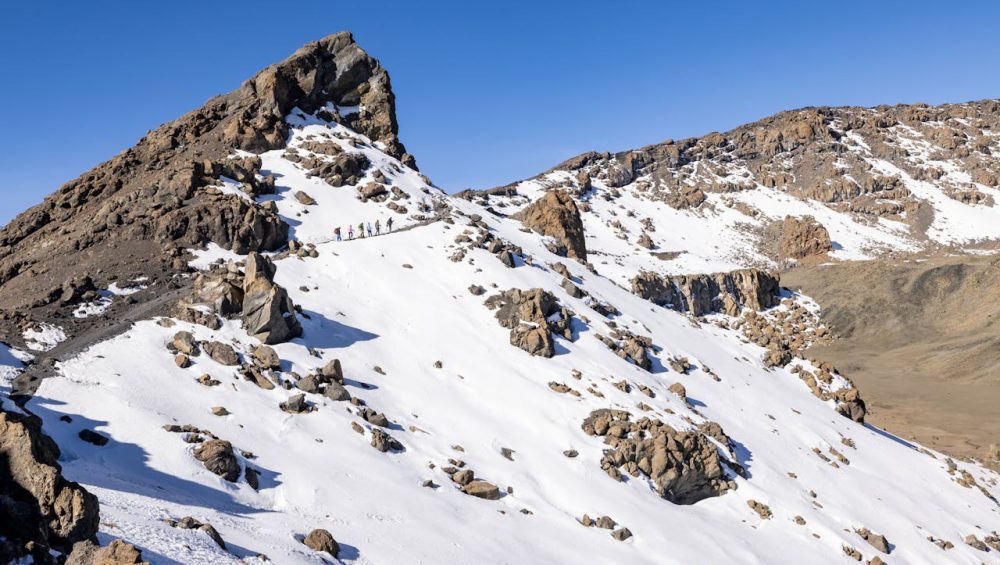
Kilimanjaro Bucket List

why-climbing-mount-kilimanjaro-should-be-on-your-bucket-list

Introduction

The kilimanjaro bucket list includes one of the most iconic adventures in the world. Climbing Mount Kilimanjaro is a dream experience for many travelers seeking challenge, nature, and unforgettable views. Why is Mount Kilimanjaro considered one of the world’s greatest dream destinations for travelers and adventurers? The answer is that it offers a rare combination of natural beauty, challenge, and achievement that very few places on Earth can match. Standing as Africa’s highest mountain at 5,895 meters, Kilimanjaro attracts thousands of people each year who want to experience the feeling of reaching the “Roof of Africa.”

What makes Kilimanjaro truly special is that it is not only about climbing a mountain it is about going through different worlds in a single journey. As you ascend, you move through lush rainforest, open moorlands, rocky desert landscapes, and finally the icy glaciers near the summit. This changing environment makes the climb feel like a full adventure rather than just a hike.

Another reason Kilimanjaro is a dream destination is that it does not require technical climbing skills. Unlike many high mountains, you do not need ropes or advanced mountaineering experience. With proper preparation, guidance, and determination, even first-time climbers can attempt the summit. This makes it one of the most accessible high-altitude adventures in the world.

In this guide, you will learn why Mount Kilimanjaro deserves a place on your travel bucket list. You will discover what makes it so unique, what the experience feels like, who can climb it, and why it continues to inspire travelers from all over the world. Whether you are planning your first big adventure or simply exploring travel ideas, this article will help you understand why Kilimanjaro is more than just a mountain it is a life-changing experience.

What Makes Mount Kilimanjaro Special?

What makes Mount Kilimanjaro so special compared to other mountains in the world? The answer is that it offers a rare mix of natural beauty, diversity, and accessibility. It is not just a tall mountain it is a place where climbers experience different environments, cultures, and challenges within a single journey. This combination is what makes Kilimanjaro one of the most unique trekking destinations on Earth.

Africa’s Highest Free-Standing Mountain

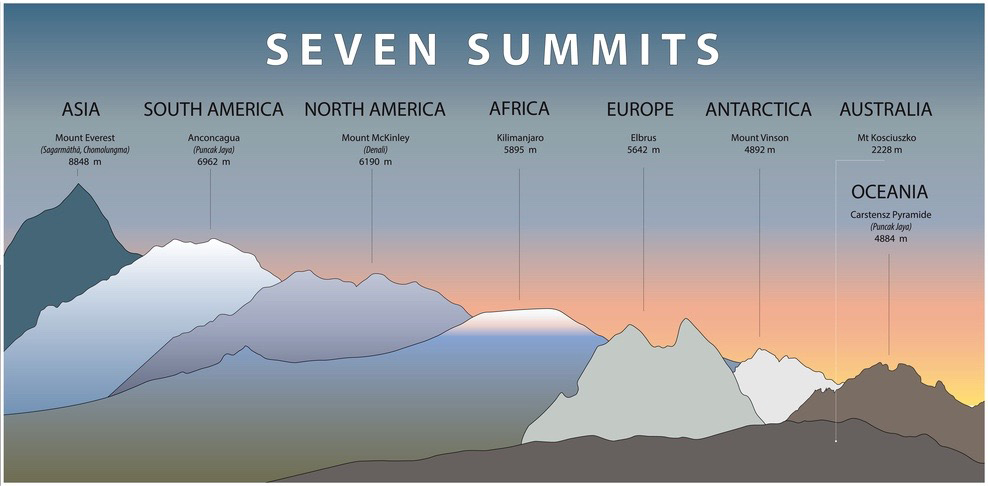
Mount Kilimanjaro is famous because it is the highest free-standing mountain in Africa, rising to about 5,895 meters above sea level. Unlike mountain ranges that are connected to others, Kilimanjaro stands alone, which makes it look very dramatic and powerful. From the surrounding plains, its snow-capped peak rises clearly, creating an unforgettable view and a strong sense of achievement for climbers who reach the top.

Five Unique Climate Zones

Another special feature of Kilimanjaro is that climbers pass through five different climate zones during the ascent. These include farmland, rainforest, heath, alpine desert, and arctic summit conditions. Each zone has different weather, plants, and landscapes. This makes the journey feel like traveling through several environments in one climb, which adds excitement and variety to the experience.

No Technical Climbing Required

One of the biggest reasons Kilimanjaro is so popular is that it does not require technical climbing skills. There is no need for ropes or advanced mountaineering equipment on most routes. Instead, it is a trekking mountain, which means people with basic fitness and good preparation can attempt it. This makes it one of the few high mountains in the world that beginners can realistically aim to summit.

In simple terms, Mount Kilimanjaro is special because it combines height, natural variety, and accessibility into one unforgettable adventure.

The Experience of Reaching the Summit

What is it really like to reach the summit of Mount Kilimanjaro? The answer is that it is one of the most challenging and emotional experiences a climber can ever have. The journey to the top is not only physical but also mental, as climbers push through fatigue, cold weather, and high altitude. However, the reward at the summit makes every difficult step worth it.

The Challenge of High Altitude

As climbers get closer to the summit, the air becomes thinner and oxygen levels drop significantly. This makes walking slower and more tiring, even for strong and experienced hikers. Simple tasks can feel harder, and rest breaks become more frequent. The high altitude is the biggest challenge on Kilimanjaro, and it tests both patience and determination.

Sunrise at Uhuru Peak

One of the most unforgettable moments is reaching Uhuru Peak at sunrise. As the first light of day appears over the horizon, the sky changes colors and reveals breathtaking views above the clouds. Seeing the sunrise from the highest point in Africa creates a powerful and peaceful moment that many climbers remember for the rest of their lives.

Emotional Reward at the Top

Standing at the summit brings a strong feeling of achievement and pride. After days of effort and endurance, reaching the top feels like a personal victory. Many climbers experience joy, relief, and even tears because the journey is so demanding. This emotional reward is what makes the climb truly special and life-changing.

In simple terms, reaching the summit of Kilimanjaro is not just about standing on a mountain it is about overcoming challenges and experiencing one of the most rewarding moments in the world.

Why This Trek Should Be on Every Travel

Why should climbing be on every traveler’s bucket list? The answer is that it offers a rare combination of adventure, achievement, and natural beauty that very few destinations in the world can match. It is not just a trip it is a personal challenge that creates lifelong memories and a deep sense of accomplishment.

A Once-in-a-Lifetime Adventure

Climbing Kilimanjaro is a unique experience that many people only do once in their lifetime. The journey takes you through different landscapes, from forests to glaciers, creating a feeling of exploring multiple worlds in one trek. Every step brings new scenery, making it more than just a hike it becomes a real adventure that stays in your memory forever.

Perfect for First-Time Climbers

One of the reasons Kilimanjaro is so popular is that it is suitable for beginners. You do not need technical climbing skills or mountaineering experience. With good preparation, a steady pace, and the support of professional guides, first-time climbers can successfully reach the summit. This makes it an ideal goal for people who want their first big mountain experience.

Global Recognition and Popularity

Mount Kilimanjaro is known all around the world as one of the most famous trekking mountains. Thousands of people from different countries travel to Tanzania every year to attempt the climb. Its global reputation makes it a symbol of adventure and achievement, and reaching the summit is something many travelers proudly add to their life goals.

Who Can Climb Mount Kilimanjaro?

Who can actually climb Mount Kilimanjaro, and is it only for experienced hikers or athletes? The answer is that Kilimanjaro is one of the most accessible high mountains in the world, and many different types of people successfully reach the summit every year. You do not need technical climbing skills, but you do need preparation, patience, and a positive mindset. With the right guidance and gradual pace, beginners and experienced hikers can both attempt this adventure safely.

Fitness Level Requirements for a Successful Kilimanjaro Climb

You do not need extreme fitness to climb Mount Kilimanjaro, but you should have a basic level of physical endurance. The climb involves walking for several hours each day over different terrain, including forest paths, rocky trails, and steep sections. The biggest challenge is not speed, but stamina and consistency over multiple days. Preparing with regular walking, hiking, or light exercise like jogging and stair climbing can help your body adjust before the trip. Strong legs and good breathing control are more important than being fast or very strong. Mental strength is also very important because slow and steady progress is the key to reaching the summit successfully.

Beginner-Friendly Routes with Full Guided Support

Mount Kilimanjaro is suitable for beginners because there are several routes designed to help climbers adjust gradually to high altitude. Routes such as Machame, Lemosho, and Marangu are popular because they offer different difficulty levels and longer trekking schedules. These routes allow the body more time to adapt to thinner air, which increases the chances of reaching the summit safely. Every climber is supported by professional guides and porters who assist with navigation, safety, food, and camp setup. Beginners benefit greatly from this support system because it removes technical challenges and allows them to focus on walking, resting, and adjusting to altitude step by step.

Age and Experience Considerations for Climbing Kilimanjaro

There is no strict age limit or experience requirement to climb Mount Kilimanjaro, which makes it unique compared to many other high mountains. People from different age groups, including young adults, middle-aged travelers, and even older climbers, have successfully reached the summit. What matters most is good health, proper preparation, and the ability to walk long distances slowly over several days. Previous hiking experience can be helpful but is not required. First-time climbers can still succeed if they follow instructions, pace themselves carefully, and take altitude seriously. With the right mindset and preparation, Kilimanjaro becomes achievable for many people around the world.

Best Time to Visit Kilimanjaro

When is the best time to climb Mount Kilimanjaro? The answer depends on weather conditions, trail safety, and personal preference. In general, the best time is during the dry seasons when the paths are clearer, visibility is better, and climbing conditions are more stable. Choosing the right time can make your experience safer, more comfortable, and more enjoyable.

Dry Season Advantages for a Safer Climb Experience

The dry season is considered the best time to climb because there is less rain and clearer skies. Trails are less slippery, making walking easier and safer, especially on steep sections. Climbers also enjoy better views of the mountain and surrounding landscapes. During this time, the weather is more predictable, which helps in planning each stage of the trek. Although nights can still be cold, the overall conditions are more stable compared to rainy months.

Weather Conditions by Month Across the Year

Kilimanjaro’s weather changes throughout the year. The main dry months are usually from January to March and June to October. These periods offer the most favorable climbing conditions with less rain and clearer visibility. April, May, and November are wetter months, with more rain and cloud cover, which can make trails muddy and reduce visibility. Understanding these monthly changes helps climbers choose a time that matches their comfort level and experience.

Crowd Levels and Pricing Differences During Seasons

The time of year also affects how busy the mountain is and how much the trip costs. Peak seasons, especially January to March and June to October, attract more climbers, so routes can feel busier and prices may be slightly higher. In contrast, the rainy seasons have fewer visitors, which can mean lower prices and quieter trails, but with more challenging weather conditions. Choosing between these options depends on whether you prefer comfort and clear weather or lower costs and fewer crowds.

Tips for First-Time Climbers

What should first-time climbers do to increase their chances of successfully reaching the summit of Mount Kilimanjaro? The answer is that success depends on simple but very important habits such as pacing, preparation, and listening to your body. Many beginners think speed or strength is important, but in reality, patience and smart planning make the biggest difference during the climb.

Slow Walking Strategy for Better Energy Control

One of the most important tips for first-time climbers is to walk slowly and steadily throughout the entire journey. This is often called the “pole pole” strategy, meaning “slowly slowly” in Swahili. Walking too fast can make you tired quickly and increase the effects of altitude. By keeping a slow and consistent pace, your body saves energy and adjusts better to changing altitude levels. This simple approach greatly increases your chances of reaching the summit successfully.

Proper Gear Preparation for Comfort and Safety

Having the right gear is essential for a safe and comfortable climb. First-time climbers should prepare clothing for different weather conditions, including warm layers, waterproof jackets, and comfortable hiking boots. Temperatures change quickly on the mountain, so proper gear helps protect you from cold, rain, and wind. Good equipment also reduces fatigue and prevents injuries, making the entire trekking experience easier and more enjoyable.

Importance of Acclimatization for High Altitude Success

Acclimatization is the process of allowing your body to adjust to lower oxygen levels as you climb higher. This is one of the most important factors for first-time climbers. Taking longer routes and following a gradual ascent helps reduce the risk of altitude sickness. Resting properly, drinking enough water, and listening to your guide also support acclimatization. When your body adapts slowly, you feel stronger and more prepared to continue toward the summit safely.

Frequently Asked Questions (FAQ)

Who can climb Mount Kilimanjaro?

Most healthy people can climb Mount Kilimanjaro if they are willing to prepare properly and take the trek seriously. You do not need technical climbing skills or previous mountain experience. What matters most is basic fitness, endurance, and the ability to walk for several hours each day at a slow and steady pace. With good preparation, proper guidance, and mental determination, many beginners successfully reach the summit.

Do I need climbing experience to reach the summit?

No, you do not need any climbing or mountaineering experience to reach the summit of Kilimanjaro. The mountain is a trekking peak, which means it is mainly walking rather than technical climbing. However, preparation is very important. Training before the trip, such as hiking or regular walking, helps your body adjust and improves your chances of success. Guides also support you throughout the journey, making it safer for first-time climbers.

What is the biggest challenge on Kilimanjaro?

The biggest challenge on Kilimanjaro is the high altitude. As you go higher, the oxygen level becomes lower, which makes breathing and walking more difficult. Even strong hikers can feel tired or slow due to altitude changes. This is why climbers are advised to walk slowly, rest often, and allow their body time to adjust. Proper pacing is more important than speed on this mountain.

How many days does it take to climb Mount Kilimanjaro?

The climb usually takes between 5 to 9 days depending on the route chosen. Shorter routes are faster but more difficult because your body has less time to adjust to altitude. Longer routes give better acclimatization, which increases the chance of reaching the summit safely. Many climbers prefer longer routes because they are more comfortable and improve overall success rates.

What should I pack for the climb?

You should pack warm clothing, waterproof jackets, comfortable hiking boots, gloves, hats, and layered clothing for changing weather conditions. A good backpack, headlamp, sunscreen, and reusable water bottles are also important. Since temperatures change quickly from rainforest to freezing summit conditions, proper gear helps protect you and keeps you comfortable during the entire trek.

How do I avoid altitude sickness?

To reduce the risk of altitude sickness, you should climb slowly, drink enough water, and rest whenever needed. Choosing a longer route is also very helpful because it allows your body more time to adapt. Listening to your guide is very important because they monitor your condition and can help if symptoms appear early.

What is the best route for beginners?

The best routes for beginners are usually Machame and Lemosho. These routes offer gradual ascent, which helps with acclimatization. They also provide beautiful scenery and higher success rates compared to shorter routes. Beginners often prefer these options because they balance challenge, safety, and experience.

Is it very cold at the summit?

Yes, it can be extremely cold at the summit of Mount Kilimanjaro, especially during early morning hours. Temperatures can drop below freezing, and strong winds may also be present. Proper warm clothing is very important to protect against cold conditions and make the final push to the summit more comfortable and safe.

Conclusion

Climbing Mount Kilimanjaro is more than just a physical challenge it is a life-changing journey that combines adventure, nature, and personal achievement. From the rainforest at the base to the icy summit of Uhuru Peak, every step offers a unique experience that stays in your memory forever.

What makes Kilimanjaro truly special is that it is achievable for many people, including beginners, as long as they prepare properly and follow the right guidance. With good fitness, the right gear, and a slow steady pace, the dream of reaching the highest point in Africa becomes realistic and safe.

In the end, Kilimanjaro is not only about reaching the top, but about the journey itself the effort, the scenery, the challenges, and the feeling of standing above the clouds. For many travelers, it is one of the most rewarding adventures they will ever experience and truly deserves a place on every bucket list.

People asking common questions before climbing Mount Kilimanjaro adventure preparation guide

Top Questions People Ask Before Climbing Kilimanjaro: Complete Guide

Top Questions People Ask Before Climbing Kilimanjaro

Introduction

Top Questions People Ask Before Climbing Kilimanjaro are very important for anyone planning a high-altitude adventure like this. Mount Kilimanjaro is one of the most famous trekking destinations in the world and the highest free-standing mountain in Africa. Standing at 5,895 meters (19,341 feet) above sea level, it attracts thousands of travelers every year who dream of reaching the snowy summit at Uhuru Peak.

Before starting this journey, many travelers search for Top Questions People Ask Before Climbing Kilimanjaro because these concerns help them understand what to expect. This is not a normal hike. The route passes through different climate zones, starting from rainforest, moving through alpine desert, and ending in cold icy conditions near the summit. Because of this, people naturally want clear answers about difficulty, preparation, and readiness.

Many concerns appear during planning. Some travelers worry about fitness level and whether their body can handle long walking days at high altitude. Others focus on altitude sickness caused by lower oxygen levels as elevation increases. Safety is also a major concern, especially for first-time trekkers who have never experienced extreme mountain environments. Many also look for information about success rates and whether beginners can actually reach the summit.

This guide answers Top Questions People Ask Before Climbing Kilimanjaro in a simple and clear way. It explains fitness needs, difficulty level, altitude effects, safety, guide support, and summit success using easy explanations. By the end, you will have a realistic understanding of the journey, helping you feel more confident, better prepared, and ready for this unforgettable adventure.

Where Is Mount Kilimanjaro and Why Is It Famous?

Mount Kilimanjaro is one of the most famous mountains in the world and one of Africa’s greatest natural landmarks. Thousands of travelers visit every year because of its incredible height, beautiful landscapes, and the opportunity to climb a major mountain without technical climbing experience. It is known not only for being the tallest mountain in Africa, but also for offering a unique trekking experience through several climate zones in a single journey.

Location in Tanzania and East Africa

Mount Kilimanjaro is located in northern Tanzania, close to the border with Kenya. The mountain stands inside Kilimanjaro National Park and rises above the surrounding plains, making it visible from many kilometers away. Its location near the equator makes it even more unique because climbers can experience snow and glaciers while being close to a tropical region.

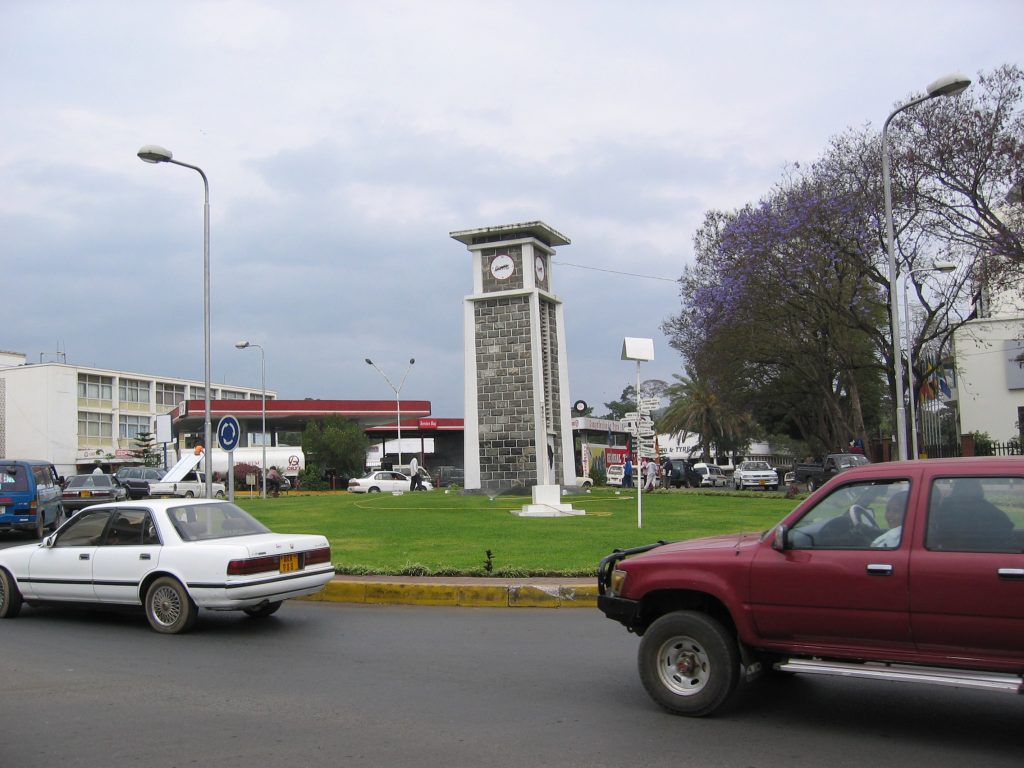
The nearest towns for climbers are Moshi and Arusha, which serve as starting points for most trekking expeditions. Many travelers arrive through Kilimanjaro International Airport before beginning their journey to the mountain.

Why It Is the Highest Free-Standing Mountain

Mount Kilimanjaro is called the highest free-standing mountain in the world because it rises independently from the surrounding land instead of being part of a mountain range. Its summit reaches 5,895 meters (19,341 feet) above sea level, making it the highest point in Africa.

Unlike mountains connected to long chains such as the Himalayas, Kilimanjaro stands alone, creating a dramatic and impressive appearance. This makes the mountain visible from great distances and gives climbers a feeling of standing on an isolated giant rising from the African plains.

Global Popularity Among Trekkers

Kilimanjaro attracts climbers from all over the world because it offers a rare combination of challenge and accessibility. People are drawn to the idea of reaching the highest point in Africa without needing advanced mountaineering skills. Many first-time high-altitude trekkers choose Kilimanjaro because it is achievable with preparation, determination, and proper acclimatization.

Another reason for its popularity is the changing scenery during the climb. Trekkers pass through rainforest, moorland, alpine desert, and icy summit zones in only a few days. This variety creates a memorable adventure that feels very different from ordinary hiking experiences.

In simple terms, Mount Kilimanjaro is famous because of its height, unique location, and the unforgettable experience it offers to climbers from around the world.

How Hard Is It to Climb Mount Kilimanjaro?

Climbing Mount Kilimanjaro is moderately to highly challenging, but still achievable for many people with the right preparation. It is not a technical mountain, meaning there is no rock climbing or ice climbing required. The difficulty comes mainly from long walking days, changing weather, and especially high altitude. In simple terms, it is a test of endurance, patience, and mental strength rather than technical skill.

Fitness level required for climbers and what your body needs to handle

To climb Kilimanjaro successfully, you need a reasonable level of fitness, but you do not need to be a professional athlete. The most important requirement is endurance, meaning the ability to walk for long hours over several days without becoming exhausted. Most climbers spend between 4 to 8 hours walking each day, and summit night can be much longer and more tiring.

Before the climb, simple training such as hiking, walking uphill, jogging, cycling, or stair climbing can make a big difference. Your legs and lungs need to be prepared for continuous movement at different speeds. Strength in your legs, good stamina, and the ability to keep going even when tired are more important than speed or gym-level fitness. Mental preparation also plays a big role because the climb can feel long and slow at times.

Altitude and oxygen challenges explained in simple and clear detail

One of the main difficulties on Kilimanjaro is the altitude. As you climb higher, the air becomes thinner, which means there is less oxygen available for your body. At the summit, the height reaches 5,895 meters (19,341 feet), where oxygen levels are much lower than at sea level.

Because of this, your body may struggle to adjust, especially if you climb too quickly. Some people experience altitude sickness, which can include headaches, tiredness, dizziness, loss of appetite, or nausea. This is not the same for everyone, but it is common at high elevation. The best way to reduce this risk is to climb slowly, drink plenty of water, and allow extra days for your body to adjust. This process is called acclimatization, and it is very important for safety and success.

Can beginners reach the summit successfully and what affects their chances

Yes, beginners can reach the summit of Kilimanjaro successfully, and many do it every year for the first time in their lives. Success does not depend on previous mountain experience but on preparation, pacing, and choosing the right route. Longer routes are usually better for beginners because they give the body more time to adjust to altitude.

Climbing slowly is one of the most important rules on the mountain. Guides often say “pole pole,” which means “slowly slowly,” to help climbers conserve energy and adapt safely. Mental strength is also very important because the journey can feel tough, especially during cold nights and the final push to the summit. With proper preparation, good guidance, and patience, beginners have a real and achievable chance of standing on the highest point in Africa.

Guide Experience and Safety Questions

One of the most important parts of climbing Mount Kilimanjaro is the support provided by mountain guides. Many climbers, especially beginners, worry about safety, navigation, weather conditions, and altitude sickness before starting the journey. Experienced guides help make the climb more organized, safer, and easier to manage. They are trained to lead climbers through different climate zones and respond to challenges that may happen on the mountain.

How experienced are Kilimanjaro guides?

Most Kilimanjaro guides are highly experienced because many of them climb the mountain regularly throughout the year. Some guides have reached the summit hundreds of times and know the routes, camps, weather patterns, and altitude conditions extremely well. Their experience allows them to recognize problems early and help climbers adjust safely during the trek.

Many professional guides begin their mountain careers as porters before becoming assistant guides and eventually licensed lead guides. This means they spend years learning about mountain safety, climber support, and emergency response before leading groups independently. Their practical experience is one of the main reasons many trekkers feel confident climbing Kilimanjaro.

What is the average age of mountain guides?

The average age of mountain guides on Kilimanjaro is usually between 25 and 45 years old. However, age is less important than physical fitness, experience, and training. Younger guides may have strong physical energy, while older guides often bring many years of mountain knowledge and leadership experience.

Most guides maintain excellent physical condition because climbing the mountain regularly requires stamina and endurance. Many continue working on the mountain for many years because guiding is an important profession in local communities around Kilimanjaro.

Why guides are important for safety

Guides play a major role in keeping climbers safe throughout the journey. One of their most important responsibilities is monitoring climbers for signs of altitude sickness. They regularly check how people are feeling and make decisions about pacing, rest, or descent if necessary.

Guides also help with navigation, weather awareness, campsite organization, and emergency situations. Since weather on Kilimanjaro can change quickly, their knowledge of the mountain is very valuable. They encourage climbers to walk slowly, drink enough water, and conserve energy, which increases summit success and reduces health risks.

Summit Success and First-Time Climbers

Many people dream of standing on the summit of Mount Kilimanjaro, but they often wonder if they are truly capable of reaching the top. Questions about experience, fitness, and success rates are very common before the climb. The good news is that Kilimanjaro is one of the few high mountains in the world where beginners have a realistic chance of reaching the summit if they prepare properly and follow guide instructions carefully.

Can beginners make it to Uhuru Peak?

Yes, beginners can successfully reach Uhuru Peak, which is the highest point on Mount Kilimanjaro at 5,895 meters (19,341 feet) above sea level. Every year, many people with no previous mountain climbing experience complete the journey successfully. Kilimanjaro is different from technical mountains because climbers do not need ropes, ice axes, or advanced climbing skills. The mountain is climbed mainly by walking, although the long distance and high altitude still make it physically demanding.

Success for beginners depends more on preparation and pacing than experience. People who climb slowly, stay hydrated, and choose routes with enough acclimatization time usually have better results. Mental determination is also important because the final summit night can feel difficult due to cold temperatures, darkness, and reduced oxygen levels.

What increases summit success rates?

Several important factors can increase summit success rates on Kilimanjaro. One of the biggest factors is choosing a longer route. Routes with more days allow the body to adapt better to high altitude, reducing the risk of altitude sickness. Climbers who rush the climb often struggle more because their bodies do not have enough time to adjust.

Walking slowly is another major reason for success. Guides on Kilimanjaro often use the phrase “pole pole,” which means “slowly slowly” in Swahili. This slow pace helps conserve energy and improves acclimatization. Proper hydration, eating enough food, and getting enough rest also help the body perform better at high altitude.

Experienced guides and support teams also play a major role in helping climbers reach the summit safely. They monitor health conditions, encourage climbers during difficult moments, and help maintain a steady pace throughout the journey.

Best preparation tips for first-timers

First-time climbers should begin preparing several weeks or months before the expedition. Regular walking, hiking, jogging, cycling, or stair climbing can help improve endurance and strengthen the body for long trekking days. Climbers do not need extreme athletic ability, but they should feel comfortable walking for many hours over several days.

Proper gear preparation is also very important. Warm clothing, waterproof layers, strong hiking boots, gloves, and sleeping equipment help protect climbers from changing weather conditions. Temperatures can vary greatly, from warm rainforest conditions to freezing temperatures near the summit.

Mental preparation is equally important. The climb can be tiring, especially near the top, but staying positive and patient helps many climbers continue moving forward. With good preparation, proper acclimatization, and guide support, first-time trekkers have a strong chance of successfully reaching Uhuru Peak.

Health and Altitude Sickness Concerns

Health and altitude sickness are some of the biggest concerns for people planning to climb Mount Kilimanjaro. Because the mountain reaches very high elevation, the body must adjust to lower oxygen levels as climbers move higher. Many first-time trekkers worry about getting sick during the climb, but understanding the symptoms and following proper safety practices can greatly improve the experience and reduce risks.

Do many climbers get sick on the mountain?

Some climbers experience mild altitude sickness while climbing Kilimanjaro, especially at higher elevations near the summit. This happens because the air becomes thinner as altitude increases, meaning there is less oxygen available for the body. However, not everyone becomes seriously ill, and many climbers only experience mild symptoms that improve with rest, hydration, and slower walking.

The risk usually increases when climbers ascend too quickly or choose shorter routes with less acclimatization time. Longer routes generally provide better adjustment to altitude and improve comfort during the trek. Guides carefully monitor climbers throughout the journey to check for signs of sickness and help manage symptoms early.

Common symptoms of altitude sickness

Altitude sickness can affect people differently, but there are several common symptoms that climbers should know before starting the journey. Mild symptoms often include headache, tiredness, dizziness, difficulty sleeping, nausea, or loss of appetite. Some climbers may also feel short of breath more easily while walking uphill.

These symptoms are common at high altitude because the body is working harder to get enough oxygen. In most cases, mild symptoms improve when climbers rest, drink water, eat properly, and continue moving slowly. However, severe symptoms should never be ignored. Guides are trained to recognize dangerous signs and make decisions that protect climber safety.

How to reduce risk and stay safe

The best way to reduce altitude sickness risk is to climb slowly and give the body enough time to adjust. This is why experienced guides encourage climbers to follow a slow pace during the trek. The famous phrase “pole pole,” meaning “slowly slowly,” is commonly used on Kilimanjaro because pacing is extremely important for acclimatization.

Drinking enough water is another important safety step because dehydration can worsen altitude symptoms. Eating regular meals, sleeping properly, and avoiding overexertion also help the body perform better at high elevation. Choosing a longer route with extra acclimatization days can greatly improve summit success and reduce health risks.

Most importantly, climbers should always listen to their guides. Professional guides monitor oxygen levels, observe symptoms, and know when extra rest or descent is necessary. With proper preparation, slow pacing, and experienced support, many people safely climb Kilimanjaro and successfully reach the summit.

How Long Does the Climb Take?

The time needed to climb Mount Kilimanjaro depends on the route chosen and how well the body adapts to high altitude. On average, the journey takes between 5 to 9 days, although some longer itineraries may take more time. The duration is not just about reaching the summit quickly but about allowing the body enough time to adjust safely to lower oxygen levels as altitude increases.

Short vs long route differences explained clearly

Short routes usually take around 5 to 6 days and are more intense because the ascent is faster. While these routes may appeal to people with limited time, they can be more physically demanding since the body has less time to adjust to changing altitude. This can make the climb feel tougher, especially in the later stages.

Longer routes take around 7 to 9 days or more and are generally considered safer and more comfortable. The extra days allow a gradual climb, giving the body time to adapt step by step. This slower approach reduces stress on the body and improves comfort during the journey, making the experience more enjoyable and increasing the chance of reaching the summit.

Why extra days improve acclimatization and success

Extra days are very important because they help the body adjust to high altitude conditions. As climbers ascend, oxygen levels decrease, and the body needs time to adapt naturally. This process is called acclimatization, and it plays a major role in climbing success.

When climbers move too quickly, the risk of altitude sickness becomes higher. Adding extra days allows the body to slowly adapt, reducing symptoms like headaches, dizziness, and fatigue. This is why longer routes usually have higher summit success rates and are recommended for most climbers.

Daily trekking hours explained in a simple way

Each day on Kilimanjaro involves several hours of walking, depending on the route and altitude. On average, climbers walk between 4 to 8 hours per day. Early stages of the climb may feel easier with shorter distances, while higher stages become more demanding due to altitude and terrain.

The walking pace is slow and steady because conserving energy is very important. Guides encourage climbers to move step by step, take regular breaks, and avoid rushing. The final summit push is the longest section and can take many hours, often starting at night so climbers reach the peak at sunrise.

Best Time to Climb Mount Kilimanjaro

The best time to climb Mount Kilimanjaro depends mainly on weather conditions, visibility, and how comfortable you want your trekking experience to be. Although the mountain can be climbed all year round, some months offer clearer skies, safer trails, and a more enjoyable journey. Choosing the right time can make a big difference in your overall success and comfort during the climb.

Dry season advantages and why it is preferred

The dry season is considered the best time for climbing Kilimanjaro because the weather is more stable and predictable. During this period, there is less rain, which means trails are less slippery and camping conditions are more comfortable. Clear skies also improve visibility, allowing climbers to enjoy beautiful views throughout the journey.

Dry seasons are generally divided into two main periods: from January to March and from June to October. These months offer better trekking conditions, making it easier to walk long distances without dealing with heavy rain or muddy paths. Because of these advantages, most climbers prefer these seasons for a safer and more enjoyable experience.

Weather changes at different heights on the mountain

Weather on Kilimanjaro changes significantly as altitude increases. At the base of the mountain, conditions are warm and tropical, with forest environments and occasional rainfall. As climbers move higher, temperatures gradually drop, and the environment becomes cooler and drier.

In the upper zones, especially near the summit, temperatures can fall below freezing. Strong winds and cold nights are common at higher camps. This means climbers must be prepared for multiple weather conditions within a single journey, ranging from hot and humid forests to icy alpine environments.

Crowd levels and pricing differences throughout the year

Crowd levels on Kilimanjaro vary depending on the season. The dry months are more popular, which means more climbers are on the mountain, especially on well-known routes. This creates a more social atmosphere at camps but can also make some routes feel busier.

During the rainy seasons, fewer people attempt the climb, so the trails are quieter and more peaceful. However, conditions can be more challenging due to rain and muddy paths. Pricing may also vary slightly depending on demand, with peak seasons sometimes being more expensive due to higher booking rates.

In summary, the best time to climb depends on your preference between comfort, crowd levels, and weather conditions, but dry seasons remain the most recommended for a successful and enjoyable experience.

Cost and Budget Questions

Climbing Mount Kilimanjaro is a major adventure, and understanding the cost is very important before booking. The total price depends on the route, number of days, and level of service included in your package. Most tours cover permits, guides, porters, meals, camping equipment, and park services. Knowing how each cost is calculated helps travelers plan properly and avoid hidden expenses.

What permits and fees include

Permit and park fees are one of the largest fixed costs of the climb because the mountain is protected as a national park. These fees include entry into Kilimanjaro National Park, camping or hut accommodation fees depending on the route, rescue services in case of emergency, and conservation charges that help maintain the environment.

On average, permit-related costs range from about $700 to $1,200 per climber. The final amount depends on how many days you spend on the mountain since park fees are charged daily. Longer routes naturally cost more, but they also provide better acclimatization and higher success rates.

Guide and support team costs explained clearly

A professional support team is required for every climber. This includes guides, assistant guides, porters, and cooks. Guides lead the climb, monitor safety, and help with altitude-related decisions. Porters carry tents, food, and equipment, while cooks prepare meals throughout the journey.

Support team costs are usually included in the overall package price and can range from about $1,000 to $2,000 depending on the route and group size. The larger the team, the better the support, especially for beginners. This system ensures climbers can focus on walking while the team manages logistics and safety.

Total budget overview for travelers

The total cost of climbing Kilimanjaro usually falls between $2,000 and $5,000 per person. The price varies based on the quality of the tour operator, route length, and services included. Budget packages are cheaper but may offer basic facilities, while mid-range and premium packages include better equipment, experienced guides, and more comfort.

In addition to the main package, travelers should also consider extra expenses such as tips for the crew, gear rental, travel insurance, flights, and personal items. Planning a complete budget in advance ensures a smoother and more comfortable climbing experience with fewer surprises.

What Should You Know Before Booking?

Before planning your climb to Mount Kilimanjaro, it is important to understand a few key things that can make your journey safer, easier, and more successful. Many first-time climbers focus only on the summit, but good preparation before booking is what really improves the overall experience. Choosing the right gear, operator, and safety plan will help you avoid problems during the climb and increase your chances of reaching the top.

Essential packing tips

Packing correctly is very important because the mountain has different climate zones, from warm forest areas to freezing summit conditions. You need layered clothing so you can adjust to temperature changes easily. Warm jackets, waterproof gear, hiking boots, gloves, and thermal clothing are essential. A good sleeping bag and backpack are also important for comfort during long trekking days.

It is also smart to pack light but smart. Carry only what is necessary because porters will handle most of your main equipment. Personal items like snacks, sunscreen, a headlamp, and basic medicine should always be included to make your climb more comfortable and safe.

Choosing the right tour operator

Selecting the right tour company is one of the most important decisions before booking your climb. A good operator ensures safety, proper equipment, experienced guides, and fair treatment of the support crew. Always choose a company with strong reviews, proper licensing, and experienced mountain staff.

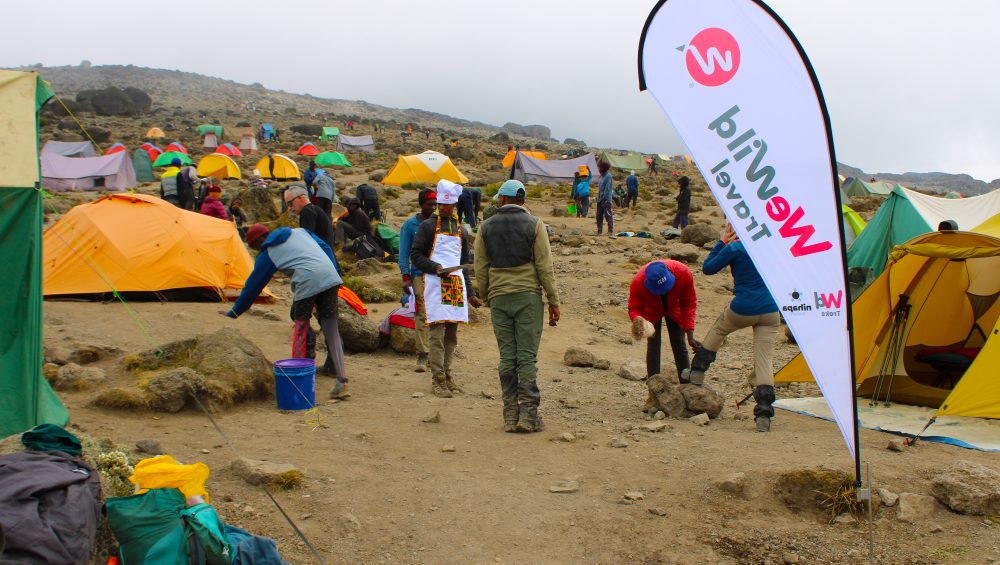
For example, companies like WildTravel focus on providing structured itineraries, professional guides, and safe climbing experiences. A reliable operator will also explain the route clearly, prepare you for altitude challenges, and ensure you are supported throughout the entire journey. Avoid very cheap offers because they may reduce safety standards or limit proper support on the mountain.

Importance of insurance and preparation

Travel insurance is very important when climbing Kilimanjaro because it covers emergencies such as altitude sickness evacuation or unexpected injuries. Make sure your insurance specifically includes high-altitude trekking coverage. This gives you peace of mind during the climb.

Physical and mental preparation is also necessary before booking. Regular walking, light hiking, or stair training can help build endurance. Understanding altitude effects, preparing mentally for long trekking days, and following guide instructions all contribute to a safer and more successful climb. Good preparation reduces stress and increases your chances of reaching the summit comfortably.

Conclusion

Climbing Mount Kilimanjaro raises many important questions before the journey begins. Most travelers want to know about difficulty, fitness, altitude sickness, cost, safety, and the best time to climb. These questions are normal because the mountain is a major adventure that requires both physical effort and mental preparation.

Preparation plays a very important role in the success of the climb. Choosing the right route, packing proper gear, understanding altitude challenges, and selecting a reliable operator such as WildTravel can make a big difference. Good preparation helps reduce risks, improves comfort, and increases the chances of reaching the summit safely.

In the end, Kilimanjaro is not just about reaching the top it is about the journey, the experience, and the personal achievement along the way. With the right mindset, proper planning, and steady determination, many climbers including beginners successfully reach Uhuru Peak every year. If you prepare well and take it step by step, this incredible adventure can become one of the most unforgettable experiences of your life.

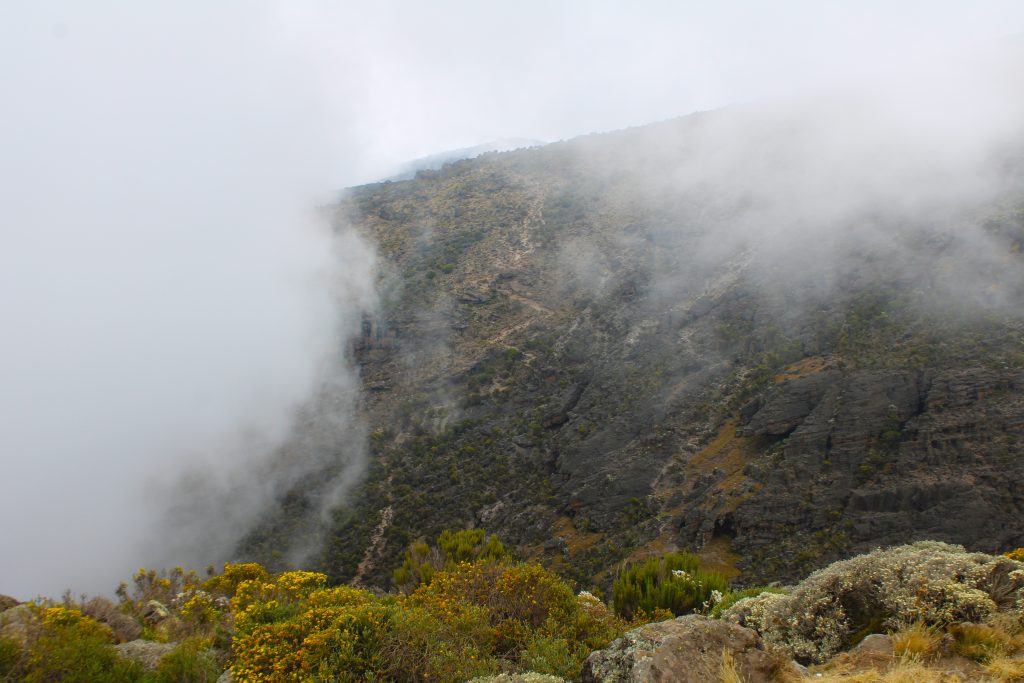
Climbers on Mount Kilimanjaro experiencing high altitude conditions and symptoms of altitude sickness

Mount Kilimanjaro Altitude Sickness

Mount Kilimanjaro Altitude Sickness: Symptoms, Prevention and Tips

 Introduction

What is altitude sickness, and why do so many climbers talk about it when planning to climb Mount Kilimanjaro? The answer is that altitude sickness is a common condition that can affect people when they move quickly to high elevations where the air has less oxygen. On Mount Kilimanjaro, this becomes an important topic because the mountain rises to 5,895 meters above sea level, making it one of the highest free-standing mountains in the world.

Altitude sickness happens because your body needs time to adjust to lower oxygen levels as you climb higher. At lower altitudes, breathing feels normal because there is enough oxygen in the air. However, as you go higher on Kilimanjaro, the air becomes thinner, and your body must work harder to get the oxygen it needs. This change can cause symptoms like headache, tiredness, dizziness, or nausea, especially if you ascend too quickly without proper acclimatization.

Kilimanjaro is unique because climbers start in warm rainforest zones and move through different environments up to freezing conditions near the summit. This fast change in altitude makes the body adjustment even more challenging, especially for beginners who may not have experience with high-altitude trekking.

Understanding altitude sickness is very important for first-time climbers because it helps you prepare mentally and physically before the journey. Many people assume that fitness alone is enough, but in reality, altitude is the main challenge on Kilimanjaro. Knowing how your body reacts to height can help you make better decisions during the climb, such as walking slowly, drinking enough water, and choosing the right route.

In simple terms, altitude sickness is not something to fear, but something to understand. With the right knowledge and preparation, beginners can reduce the risks and enjoy a safer and more successful journey to the Roof of Africa.

What Is Altitude Sickness on Mount Kilimanjaro?

What exactly is altitude sickness on Mount Kilimanjaro? The answer is that it is a condition that can happen when your body struggles to adjust to the lower oxygen levels found at high elevations. As you climb higher on Kilimanjaro, your body receives less oxygen with every breath, and this change can affect how you feel physically and mentally.

Altitude sickness is not a disease, but a natural reaction of the body to fast changes in height. Many climbers experience it when they move too quickly from low altitude areas to higher camps without giving their body enough time to adapt. On Mount Kilimanjaro, this is especially important because climbers ascend from warm, lowland areas into very high, cold environments within a few days.

The main reason altitude sickness happens is the decrease in oxygen pressure as you go higher. Even though the air still contains oxygen, the amount your body can absorb becomes lower at higher altitudes. This means your lungs and blood must work harder to deliver oxygen to your brain and muscles. If your body does not adjust properly, you may start feeling symptoms such as headache, tiredness, or dizziness.

On Kilimanjaro, the altitude increases very quickly compared to normal hiking conditions. This rapid change is what makes altitude sickness more common for climbers, especially beginners who are not used to high elevations. That is why guides always recommend walking slowly and allowing the body enough time to adapt during the climb.

In simple terms, altitude sickness on Mount Kilimanjaro is your body’s response to less oxygen in the air. Understanding this helps climbers prepare better, move at the right pace, and increase their chances of reaching the summit safely.

Symptoms of Altitude Sickness

What are the symptoms of altitude sickness on Mount Kilimanjaro? The answer is that symptoms can appear in different stages, from mild signs that are common and manageable, to severe symptoms that require immediate attention. Recognizing these signs early is very important for a safe and successful climb because it helps climbers react before the condition becomes worse.

Altitude sickness affects people differently, but most climbers will notice changes as they go higher on Kilimanjaro. These symptoms usually happen because the body is getting less oxygen and is trying to adjust to the new environment. Understanding both mild and severe symptoms helps beginners stay alert and prepared during the trek.

Mild Symptoms

Mild symptoms are the first signs that your body is adjusting to high altitude. These symptoms are common and do not always mean you must stop climbing, but they should not be ignored.

  • Headache is one of the most common early signs and may feel like a constant pressure in the head.
  • Tiredness can appear even after a short walk, as your body uses more energy to get oxygen.
  • Dizziness may occur when standing or walking slowly, especially at higher camps.

These mild symptoms often improve when climbers rest, drink enough water, and move at a slower pace.

Severe Symptoms

Severe symptoms are more serious and require immediate action. If they appear, climbers should not continue ascending.

  • Vomiting can happen when the body is struggling to adjust to low oxygen levels.
  • Difficulty breathing may feel like shortness of breath even when resting.
  • Confusion can affect thinking clearly and may cause difficulty following instructions.

These symptoms are warning signs that the body is not coping well with altitude and should be taken very seriously. On Kilimanjaro, guides are trained to monitor these signs and take action to keep climbers safe.

In simple terms, knowing the symptoms of altitude sickness helps climbers react early, stay safe, and improve their chances of reaching the summit successfully.

How to Prevent Altitude Sickness on Kilimanjaro

How can you prevent altitude sickness on Mount Kilimanjaro? The answer is that you cannot fully remove the risk, but you can greatly reduce it by following the right climbing habits. Prevention is very important because it helps your body adjust slowly to high altitude and lowers the chances of getting sick during the trek. Most successful climbers reach the summit not because they are the fittest, but because they climb smartly and take care of their body along the way.

Climb Slowly (important)

One of the most effective ways to prevent altitude sickness is to climb slowly. On Kilimanjaro, guides often use the phrase “pole pole,” which means “slowly slowly.” Walking at a steady, slow pace allows your body to adjust to decreasing oxygen levels. Rushing increases the risk of fatigue and altitude symptoms, while a slow pace improves your chances of reaching the summit safely.

Stay Hydrated

Drinking enough water is very important during the climb. At high altitude, your body loses more water through breathing and sweating, even if you do not feel thirsty. Staying hydrated helps your body function properly and can reduce headaches and tiredness. Climbers are usually advised to drink small amounts of water regularly throughout the day.

Choose Longer Routes

Choosing a longer route is one of the best ways to prevent altitude sickness. Routes that take more days give your body extra time to adjust to higher elevations. This gradual ascent reduces stress on the body and increases your chances of a successful summit. Short routes may be cheaper, but they give less time for acclimatization.

Proper Acclimatization

Proper acclimatization means allowing your body enough time to adapt to altitude changes. This includes spending extra days on the mountain, sleeping at different elevations, and following the “climb high, sleep low” approach when possible. Good acclimatization is one of the key reasons experienced climbers reach the summit successfully.

In simple terms, preventing altitude sickness on Kilimanjaro is about patience, hydration, and choosing the right route. With these habits, climbers can greatly improve their safety and overall experience on the mountain.

Tips to Handle Altitude on the Mountain

How should you handle altitude while climbing Mount Kilimanjaro? The answer is that you need to support your body with good habits during the climb. Even if you feel strong at the beginning, altitude becomes more challenging as you go higher. The key is to stay calm, follow guidance, and take care of your energy every day on the mountain.

Listen to Your Guide

Your mountain guide is your most important support during the climb. Guides are trained to recognize early signs of altitude sickness and understand how the body reacts at different heights. Listening carefully to their instructions can help you stay safe and make the right decisions at the right time. If a guide tells you to slow down or rest, it is important to follow their advice immediately.

Rest When Needed

Rest is very important at high altitude. Your body uses more energy than usual, even when walking slowly. Taking short breaks during the hike and getting enough sleep at camp helps your body recover and adjust. Ignoring tiredness can increase the risk of altitude sickness, so it is better to rest early instead of pushing too hard.

Eat Enough Food

Eating well gives your body the energy it needs to cope with low oxygen levels. Even if you do not feel very hungry, it is important to eat all meals provided during the climb. Carbohydrates and warm meals help maintain energy and keep your body strong throughout the trek.

Don’t Rush to the Summit

One of the biggest mistakes climbers make is moving too fast on summit day. Rushing can quickly exhaust your body and make altitude symptoms worse. A slow and steady pace is the safest way to reach the top. Remember that reaching the summit is not a race, but a journey that requires patience.

In simple terms, handling altitude on Kilimanjaro is about listening, resting, eating well, and moving slowly. These simple habits can make a big difference in your safety and success on the mountain.

Is Altitude Sickness Dangerous?

Is altitude sickness on Mount Kilimanjaro dangerous? The answer is that it can become serious if it is ignored, but it is usually manageable when climbers act early and follow proper guidance. In most cases, altitude sickness starts with mild symptoms, but if a person continues to climb without rest or treatment, it can develop into a more severe condition that affects breathing, balance, and clear thinking.

The main risk of altitude sickness is that it reduces the body’s ability to function normally at high elevation. When oxygen levels are too low for the body to adapt, symptoms can get worse quickly. This is why climbers are always advised not to ignore early warning signs such as headache, dizziness, or unusual tiredness. Acting early is the safest way to prevent the condition from becoming dangerous.

On Mount Kilimanjaro, guides play a very important role in keeping climbers safe. Professional guides are trained to monitor each climber’s health throughout the journey. They regularly check how you are feeling, how you are walking, and whether you show any signs of altitude problems. If needed, they can make decisions such as slowing the pace, giving extra rest, or stopping the climb to protect your health.

Early signs of altitude sickness are extremely important because they are your body’s warning system. Recognizing these signs early allows climbers to take action before the situation becomes worse. Simple steps like resting, drinking water, or descending slightly can make a big difference in recovery.

In simple terms, altitude sickness can be dangerous if ignored, but it is usually safe when managed properly. With the help of experienced guides and careful attention to early symptoms, climbers can reduce the risks and continue their journey safely toward the summit of Kilimanjaro.

FAQ Section

Who gets altitude sickness?

Altitude sickness can affect anyone, even very fit people. It does not depend only on age or fitness level. What matters most is how your body adjusts to lower oxygen as you climb higher on Mount Kilimanjaro. Some people feel symptoms quickly, while others adjust more easily, but no one is completely immune.

Can beginners avoid altitude sickness?

Beginners cannot fully avoid altitude sickness, but they can greatly reduce the risk. The key is to climb slowly, stay hydrated, choose longer routes, and listen to your guide. Proper preparation and good pacing make a big difference in how your body reacts to altitude.

Which route is safest for altitude sickness?

Longer routes are generally safer because they give your body more time to adjust. Routes like Lemosho and Northern Circuit are considered best for acclimatization, while Machame (7 days) is also a good balance of safety and popularity.

How long does it take for the body to adjust to altitude?

Most climbers need a few days to start adjusting. This is why longer Kilimanjaro routes (6–8 days or more) are recommended. The slower the ascent, the better your body adapts to reduced oxygen levels.

When should you stop climbing?

You should stop climbing if symptoms become severe, such as strong headache, vomiting, confusion, or difficulty breathing. In such cases, guides usually recommend resting or descending immediately for safety.

Does fitness prevent altitude sickness?

Good fitness helps you climb easier, but it does not fully prevent altitude sickness. Even strong athletes can feel symptoms at high altitude because the main challenge is oxygen, not strength.

What is the best way to prepare before climbing Kilimanjaro?

The best preparation includes regular walking or hiking, cardio exercise, staying hydrated, and mentally preparing for slow trekking. Understanding altitude sickness before the climb also helps you react better on the mountain.

Conclusion

Altitude sickness is one of the most important challenges to understand before climbing Mount Kilimanjaro. While it can affect any climber, it is not something to fear if you are well prepared and aware of how your body reacts at high altitude. The key is to recognize that the mountain becomes harder not because of distance or fitness, but because of the decreasing oxygen as you go higher.

The good news is that altitude sickness can be managed and reduced with the right approach. Climbing slowly, staying hydrated, choosing longer routes, and following your guide’s instructions all play a major role in keeping you safe. Most climbers who take their time and listen to their bodies are able to adjust well and continue their journey toward the summit.

For beginners, the most important lesson is patience. Kilimanjaro is not a race. It is a step-by-step journey where your body needs time to adapt. When you understand altitude sickness and prepare properly, you increase your chances of reaching Uhuru Peak safely and enjoying the experience.

In simple terms, with the right knowledge, good preparation, and smart decisions on the mountain, altitude sickness becomes manageable and your dream of climbing Kilimanjaro becomes achievable.

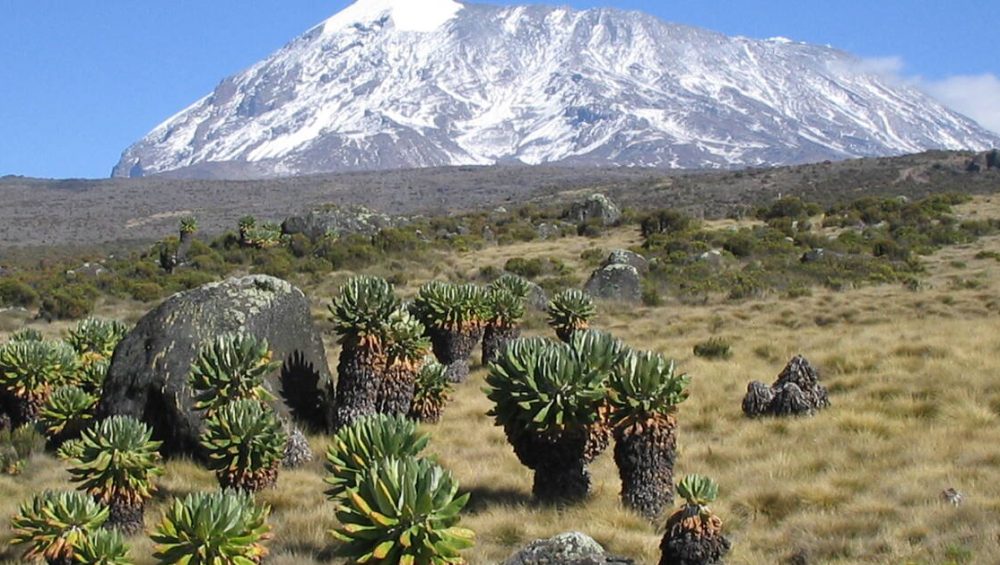
Moerland and short grass landscape on Mount Kilimanjaro showing the best time to climb Mount Kilimanjaro with natural vegetation zone

The Best Time to Climb Mount Kilimanjaro

The best time to climb Mount Kilimanjaro is during the dry seasons, because the weather is more stable, the skies are clearer, and the trekking conditions are safer and more comfortable for climbers. While it is possible to climb the mountain throughout the year, not all months offer the same experience. Some seasons bring heavy rain, muddy trails, and limited visibility, which can make the journey more difficult, especially for beginners.

In general, the dry months give climbers a better chance of enjoying the full experience of the mountain. Trails are easier to walk on, views of the landscapes are clearer, and the chances of reaching the summit successfully are higher. This is important because Kilimanjaro is not only about reaching the top but also about enjoying the journey through its different ecological zones, from rainforest at the base to the icy summit at Uhuru Peak.

The two main periods considered best for climbing are from January to March and from June to October. During these months, rainfall is low, and weather conditions are more predictable. This allows trekkers to focus on walking and acclimatization instead of dealing with slippery paths or heavy rain. The temperature is also more stable, although it still becomes very cold at higher elevations.

Choosing the right time is important because weather directly affects comfort, safety, and overall success on the mountain. Good conditions make it easier for the body to adapt to altitude and reduce unnecessary stress during the climb. Even though Kilimanjaro can be climbed in other months, the experience is usually more challenging due to rain and cloud cover.

In summary, the best time to climb Mount Kilimanjaro is during the dry seasons when conditions are clearer, safer, and more enjoyable, giving climbers a stronger chance to reach the summit successfully.

Best Overall Months to Climb Kilimanjaro

The best months to climb Mount Kilimanjaro are generally divided into two main dry seasons: from January to mid-March and from June to October. These periods are considered the most reliable times for trekking because they offer better weather conditions, clearer skies, and safer trails. Most climbers choose these months because they provide a more comfortable experience and increase the chances of reaching the summit successfully compared to the rainy seasons.

January to mid-March

This period is one of the most favorable times to climb Kilimanjaro because the weather is usually stable, warm, and relatively clear. The mountain is less crowded compared to the peak tourist season, which allows for a quieter and more peaceful trekking experience. Visibility is often good, giving climbers beautiful views of the landscapes, from the lower rainforest zones to the high alpine desert.

However, even during this season, conditions change as you go higher. While lower slopes may feel warm during the day, temperatures drop significantly at night, especially in the upper camps and near the summit. Climbers should still prepare for cold weather and be ready for altitude-related challenges despite the generally good conditions.

June to October

This is the most popular and busiest climbing season on Kilimanjaro because it falls within the long dry period. During these months, rainfall is minimal, making the trails drier, firmer, and easier to walk on. The skies are often clear, offering stunning panoramic views throughout the climb.

Because of the excellent weather conditions, this period also records the highest number of successful summit attempts. Many climbers prefer this season because the combination of good visibility, stable weather, and safer trekking conditions improves both comfort and confidence on the mountain. However, since it is peak season, the routes can be busier with more trekking groups along the trails.

Months You Should Be Careful With

Even though climbing Mount Kilimanjaro is possible throughout the year, there are certain months that are more challenging due to weather conditions. During these periods, the mountain becomes wetter, cloudier, and more difficult to navigate, which can affect both comfort and safety. Climbers who choose these months should be well prepared for slippery trails, reduced visibility, and changing temperatures.

April to May (Heavy Rain Season)

This is the main rainy season on Kilimanjaro, and it is generally considered the most difficult time to climb. During these months, the mountain receives heavy and continuous rainfall, especially on the lower slopes and rainforest zone. As a result, the trails often become muddy, wet, and slippery, making trekking more physically demanding and slower than usual.

Cloud cover is also very common during this period, which reduces visibility and limits the chance to enjoy clear mountain views. The combination of rain and mist can make the landscape feel cold and damp, even at lower elevations. Because of these conditions, hiking becomes more tiring, and climbers may find it harder to maintain energy and motivation during long trekking days.

November (Short Rain Season)

November marks the short rainy season on Kilimanjaro. While the rainfall is usually lighter compared to April and May, the weather is still unpredictable. Climbers may experience a mix of sunshine, rain, and cloud cover within the same day, making it difficult to plan comfortable trekking conditions.

Trails can still be wet and slippery in some areas, especially after rain showers. However, one advantage of this period is that there are fewer climbers on the mountain, which means a quieter and more peaceful trekking experience. Despite this, proper preparation for changing weather conditions is still very important to ensure safety and comfort throughout the climb.

Why Timing Matters for Your Climb

Choosing the right time to climb Mount Kilimanjaro is very important because weather conditions directly affect your safety, comfort, and overall success on the mountain. Even though the mountain can be climbed all year, the experience changes a lot depending on whether the season is dry or rainy. Good timing helps you enjoy the journey more, reduces unnecessary challenges, and increases your chances of reaching the summit.

Better weather – higher success

When the weather is good, the entire climbing experience becomes smoother and more enjoyable. Clear and stable conditions make it easier to focus on walking and adjusting to altitude instead of struggling with harsh weather.

Good weather improves several important areas:

Visibility on the trail becomes much clearer, allowing you to enjoy beautiful views of the mountain landscapes and follow the path more easily without confusion.
Comfort during trekking increases because you are not constantly dealing with heavy rain, strong winds, or muddy and slippery trails that slow you down and drain your energy.
Safety on steep or rocky sections is also improved because dry ground provides better grip, reducing the risk of slipping or injuries during the climb.

Easier acclimatization experience

Good timing also plays a big role in how well your body adjusts to altitude on Mount Kilimanjaro. When the weather is stable, your body can focus more on adapting to thinner air instead of coping with harsh environmental stress.

Stable conditions help climbers maintain a steady pace, rest properly, and follow a gradual ascent schedule, which is essential for acclimatization. This reduces the chances of altitude sickness and allows your body to adjust step by step over several days. As a result, the climb feels more manageable, and your chances of reaching the summit successfully become much higher.

Frequently Asked Questions (FAQs)

1.How difficult is the climb?

The optimal is during the dry seasons, which occur from January to March and June to October. These months usually offer the most stable weather conditions, clearer skies, and drier trails, making the trekking experience safer and more enjoyable. January and February are especially good for climbers who prefer fewer crowds and beautiful summit views, while the period from June to October is the most popular because of its cooler temperatures and excellent climbing conditions. Choosing one of these dry months increases your chances of a successful summit and allows you to fully enjoy the stunning landscapes of Africa’s highest mountain.

2. What is the difficulty level of the climb?

Climbing Mount Kilimanjaro is considered moderately difficult, but it does not require technical climbing skills such as ropes or specialized mountaineering equipment. The main challenge comes from the high altitude, long trekking days, and changing weather conditions. Climbers usually hike for several hours each day, often for 6 to 8 days, gradually ascending through different climate zones before attempting the final summit push.

The biggest difficulty many trekkers face is altitude sickness, which occurs as the body struggles to adapt to the thinner air at higher elevations. This is why choosing a longer route with proper acclimatization is important for increasing the chances of reaching the summit successfully. Physical fitness, mental determination, and proper preparation all play a key role in completing the climb.

Overall, while Kilimanjaro is a challenging trek, many people with good fitness levels, proper guidance, and the support of experienced guides and porters are able to reach the summit. With the right preparation and pace, climbing the highest mountain in Africa can be an achievable and rewarding adventure.

3. What is the summit success rate for Mount Kilimanjaro?

The summit success rate for Mount Kilimanjaro varies depending on the route, the number of days spent on the mountain, and the climber’s preparation. On average, about 65% to 75% of climbers successfully reach the summit, known as Uhuru Peak, the highest point in Africa.

However, the success rate can change significantly depending on the length of the climb and the route chosen. Shorter routes, such as 5-day climbs, often have much lower success rates because climbers do not have enough time to acclimatize to the high altitude. In contrast, longer routes allow the body more time to adjust, which greatly increases the chances of reaching the summit.

For example, some routes have higher success rates than others:

  • Northern Circuit Route: about 90 to 95% success rate
  • Lemosho Route: about 85 to 90% success rate
  • Machame Route: about 75 to 85% success rate
  • Rongai Route: about 70 to 80% success rate
  • Marangu Route: about 60 to 70% success rate

The most common reason climbers fail to reach the summit is altitude sickness, not technical difficulty. Choosing a longer itinerary, maintaining a slow climbing pace, staying hydrated, and trekking with experienced guides can greatly improve your chances of success.

In summary, while Kilimanjaro is a challenging mountain, many climbers successfully reach the summit each year. With proper preparation, good fitness, and the right route, your chances of standing on the Roof of Africa can be very high.

4.How many days does a take to Climb kilimanjaro?

Climbing Mount Kilimanjaro typically takes 5 to 9 days, depending on the route chosen and the itinerary designed for proper altitude acclimatization. Most climbers spend about 6 to 7 days on the mountain, which provides a better balance between trekking distance and allowing the body to adjust to the high altitude.

Shorter routes, such as 5 day itineraries, are available but are generally not recommended because they do not provide enough time for acclimatization, which lowers the chances of reaching the summit successfully. Longer routes, such as 7 or  8 day treks, are considered the best option because they allow climbers to ascend more slowly, reduce the risk of altitude sickness, and improve summit success rates.

During the climb, trekkers hike for several hours each day while passing through different ecological zones, including rainforest, moorland, alpine desert, and the arctic summit zone. The final summit attempt usually begins around midnight, allowing climbers to reach Uhuru Peak, the highest point in Africa, at sunrise.

Overall, allowing enough time on the mountain is one of the most important factors for a safe, enjoyable, and successful Kilimanjaro climbing experience.

5. Are any special abilities or technical skills needed to reach the Mount Kilimanjaro summit?

Climbing Mount Kilimanjaro does not require special technical climbing skills or mountaineering experience. Unlike many high mountains, Kilimanjaro is considered a non-technical trek, which means climbers do not need ropes, ice axes, or advanced rock-climbing abilities to reach the summit.

However, reaching the summit still requires good physical fitness, mental determination, and proper preparation. Climbers must be able to hike for several hours each day over different types of terrain, including forest trails, rocky paths, and steep slopes. The biggest challenge on Kilimanjaro is usually high altitude, as the air becomes thinner the higher you climb, which can cause altitude sickness if the body does not acclimatize properly.

To successfully reach the summit, climbers should prepare with cardiovascular training such as hiking, walking, running, or cycling before the trip. Having the right gear, maintaining a slow climbing pace, staying hydrated, and following the guidance of experienced mountain guides are also very important.

In summary, while no technical climbing skills are required, good fitness, preparation, and determination are essential for reaching the summit of Africa’s highest mountain successfully.

6.What Preparation and Training Should You Undertake Before Climbing Mount Kilimanjaro?

Preparing properly before climbing Mount Kilimanjaro is very important for improving your chances of reaching the summit safely and enjoying the experience. Although the climb does not require technical mountaineering skills, it does demand good physical fitness, endurance, and mental preparation because of the long trekking days and high altitude.

The most important preparation is cardiovascular training. Activities such as hiking, walking long distances, running, cycling, or swimming help strengthen your heart and lungs. These exercises improve stamina and make it easier to handle several hours of trekking each day. Training should ideally start at least 2 to 3 months before the climb so that your body gradually builds endurance.

Another important preparation is hiking practice. If possible, practice walking on hills or uneven terrain while carrying a small backpack. This helps your body get used to the type of movement you will experience on Kilimanjaro. Building strong leg muscles through activities like stair climbing, trekking, and strength exercises can also help reduce fatigue during the climb.

In addition to physical training, you should prepare with the right gear and equipment. Essential items include good hiking boots, warm clothing for cold summit nights, waterproof jackets, gloves, and proper trekking gear. Testing your equipment during training hikes helps ensure comfort and reliability during the climb.

Mental preparation is also important. Kilimanjaro requires patience and determination, especially during the challenging summit night, when climbers begin the final ascent around midnight. Staying positive, pacing yourself, and following your guide’s instructions will greatly improve your chances of success.

Overall, combining regular fitness training, hiking practice, proper gear, and mental readiness will prepare you well for the adventure of climbing the highest mountain in Africa.

7. What are altitude sickness symptoms and how can I mitigate them during my climb?

Altitude sickness is one of the most common challenges climbers face when ascending Mount Kilimanjaro. It occurs because the air becomes thinner at higher elevations, meaning there is less oxygen available for the body. As climbers move above 2,500 meters (8,200 feet), some people may begin to experience symptoms as their bodies try to adjust to the high altitude.

Common symptoms of altitude sickness include headache, dizziness, fatigue, nausea, loss of appetite, shortness of breath, and difficulty sleeping. These symptoms can vary from mild to severe depending on how quickly a person ascends and how well their body adapts to the altitude. In most cases, the symptoms are mild and improve as the body acclimatizes, but they should always be taken seriously.

There are several ways to reduce the risk of altitude sickness during your Kilimanjaro climb. The most important strategy is ascending slowly, which allows the body enough time to adjust to the decreasing oxygen levels. Choosing a longer route, such as a 7 or 8 day itinerary, can significantly improve acclimatization and increase the chances of reaching the summit. Staying well hydrated, eating regular meals, and maintaining a slow, steady trekking pace also help the body cope with altitude changes.

Climbers should also listen carefully to their guides, who are trained to monitor altitude sickness symptoms and ensure the safety of the group. If symptoms become severe, the best treatment is to descend to a lower altitude immediately. With proper pacing, hydration, and guidance from experienced mountain staff, most climbers can safely manage altitude challenges and continue their journey toward the summit of Africa’s highest mountain.

8. Which route should I choose to ascend Mount Kilimanjaro?

Choosing the right route for climbing Mount Kilimanjaro can greatly influence your experience, the scenery you’ll see, and your chances of reaching the summit. There is no single “best” route for everyone  the ideal choice depends on your fitness level, time availability, desire for scenic diversity, and preference for solitude or social trekking. Below are the most popular routes and what makes each one unique:

Machame Route


This is one of the most popular choices because it offers excellent scenery and a good acclimatization profile. It usually takes 6 to 7 days and crosses varied landscapes, from rainforest to alpine desert. The Machame route is sometimes called the “Whiskey Route” and is a great balance of challenge and beauty.

Lemosho Route


Considered one of the most scenic and gradual routes, Lemosho starts on the western side of the mountain and joins the Machame route later. It typically takes 7 to 8 days, giving climbers better acclimatization and higher summit success rates. This route is perfect for those who want both spectacular views and a slightly easier acclimatization process.

Northern Circuit Route


This is the longest and least crowded route, usually lasting 9 days. It provides fantastic panoramic views and excellent acclimatization, making it a great choice for climbers aiming for the highest success rate. If you enjoy solitude, extended trekking, and diverse scenery, the Northern Circuit is a top option.

Rongai Route


Coming from the northern side near the Kenyan border, Rongai is one of the easier approaches with fewer steep sections. It usually takes 6 to 7 days and is less crowded than southern routes. Rongai is a good choice for those who prefer a quieter trail and a more gradual ascent.

Marangu Route


Known as the “Coca‑Cola Route,” Marangu is one of the oldest and most traditional paths. It offers hut accommodation instead of camping and usually takes 5 to 6 days. Because of the shorter itinerary and faster ascent, it has a lower summit success rate compared to longer routes, but it can be suitable for climbers with limited time.

Summary:

  • Best for acclimatization & success: Lemosho (7 to 8 days), Northern Circuit (9 days)
  • Best for scenery & popularity: Machame (6 to 7 days)
  • Best for quieter trekking: Rongai (6 to 7 days)
  • Best for shorter time: Marangu (5 to 6 days)

Your choice should reflect your schedule, physical preparedness, and what you want to experience. For most climbers, routes that allow slower ascent and good acclimatization (longer itineraries) are recommended to improve summit success and safety.

9. What gear and clothing are necessary for climbing Mount Kilimanjaro?

Climbing Mount Kilimanjaro requires careful preparation and the right gear because the mountain has multiple climate zones, from tropical rainforest at the base to arctic conditions near the summit. Proper clothing and equipment are essential for comfort, safety, and a successful summit.

Clothing Essentials:

  • Base layers: Moisture-wicking thermal tops and bottoms to keep you dry and warm.
  • Insulating layers: Fleece jackets or down jackets for warmth during cold summit nights.
  • Outer layer: Waterproof and windproof jackets and pants to protect against rain, wind, and snow.
  • Trekking pants and shirts: Lightweight, quick-drying, and breathable for daytime hikes.
  • Hat and gloves: Warm hats for summit nights and lightweight sun hats for lower zones; insulated gloves for high-altitude cold.
  • Socks: Moisture-wicking hiking socks and warmer socks for summit nights.
  • Gaiters: To prevent dirt, snow, or rain from entering your boots.

Footwear:

  • Hiking boots: Sturdy, waterproof, and well-broken-in boots with good ankle support.
  • Camp shoes or sandals: Comfortable footwear for evenings at the campsites.

Gear Essentials:

  • Backpack: 30 to 40 liters for personal gear and a daypack for essentials during trekking.
  • Sleeping bag: Rated for at least 10°C to 15°C (14°F to 5°F) for summit nights.
  • Trekking poles: Helpful for balance and reducing strain on knees during steep climbs.
  • Headlamp: Essential for summit night, with extra batteries.
  • Water bottles or hydration system: To stay hydrated at high altitudes.
  • Sunglasses and sunscreen: High UV exposure at altitude requires protection.
  • Personal items: First-aid kit, snacks, toiletries, and camera.

Optional but recommended:

  • Hot water bottle or hand warmers for summit night
  • Lightweight crampons if there is icy terrain near the summit

Having the right gear and clothing is crucial because temperatures can vary from warm tropical conditions at the base to freezing cold at the summit. Proper preparation ensures comfort, prevents injuries, and significantly improves your chances of successfully reaching Uhuru Peak, the highest point in Africa.

10. Is a guide needed for climbing Mount Kilimanjaro?

Yes, a guide is required for climbing Mount Kilimanjaro. The Tanzanian government mandates that all trekkers use licensed guides, along with support staff such as porters and cooks. This requirement ensures climbers’ safety, proper acclimatization, and compliance with park regulations.

A professional guide is essential for several reasons:

  1. Navigation and Safety: Kilimanjaro has multiple routes and challenging terrain. Guides know the trails, weather patterns, and safe paths to reduce risks and help you reach the summit safely.
  2. Altitude Acclimatization: Guides monitor climbers for signs of altitude sickness and adjust the trekking pace accordingly. They can make critical decisions, including when to descend, if someone is experiencing severe symptoms.
  3. Support and Logistics: Guides organize campsite setup, meals, and equipment handling, allowing climbers to focus on trekking. Porters carry tents, food, and heavy gear, which makes the climb more manageable.
  4. Local Knowledge: Guides provide valuable insights about Kilimanjaro’s geography, wildlife, cultural history, and unique ecological zones, enriching the trekking experience.

In summary, climbing with a licensed guide is mandatory, safe, and highly recommended. Even experienced hikers benefit from their expertise, especially during the challenging summit night. Choosing a reputable trekking company ensures your climb is well-organized, safe, and enjoyable while adhering to Tanzanian park regulations.

11. What is the total cost of climbing Mount Kilimanjaro?

The total cost of climbing Mount Kilimanjaro generally ranges from $2,000 to $4,000 per person, depending on factors such as the route chosen, the duration of the trek, the level of service, and the trekking company. This price typically includes park fees, VAT, accommodation during the trek, guide and porter services, meals, and sometimes airport transfers.

Breakdown of costs:

  • Park fees and conservation fees: These are set by the Tanzanian government and vary depending on the route and number of trekking days. They are included in most climbing packages.
  • Guide and porter services: Experienced guides and porters are required by law and are usually included in the package.
  • Accommodation and meals: Most packages provide camping equipment, tents, sleeping arrangements, and three meals per day while on the mountain.
  • Transportation and logistics: Many trekking operators include transfers from hotels or the airport to the trailhead.

The cost can vary depending on the quality of services. Luxury or private treks with smaller groups, extra support staff, or special amenities can exceed $4,000, while budget treks with larger groups may fall closer to $2,000.

In summary, climbers should expect to spend between $2,000 and $4,000 per person for a standard Kilimanjaro trek, fully inclusive of park fees, VAT, guides, porters, and essential services. This investment ensures a safe, comfortable, and well-supported experience on Africa’s highest mountain.

12. How do I select a reputable tour operator

Choosing the right tour operator or guide is one of the most important decisions for a safe and successful climb of Mount Kilimanjaro. A reputable operator ensures proper planning, experienced staff, reliable logistics, and compliance with Tanzanian park regulations. Here are key points to consider:

1. Licensing and Certification:

Make sure the company is officially licensed by the Tanzanian government to operate Kilimanjaro treks. Guides should be trained and certified, and porters should be employed under fair working conditions.

2. Reviews and Reputation:

Check online reviews, testimonials, and social media feedback from previous climbers. Reputable operators usually have consistent positive reviews for safety, professionalism, and support.

3. Experience and Expertise:

Look for companies with years of experience organizing Kilimanjaro treks and guides who know the mountain’s routes, weather patterns, and safety protocols. Experienced guides can help prevent altitude sickness and handle emergencies.

4. Group Size and Support Staff:

A good operator provides adequate guide to climber ratios and sufficient porters for carrying luggage. Smaller groups often receive more personalized attention and better safety monitoring.

5. Transparent Pricing:

Choose operators with clear pricing that includes park fees, VAT, guides, porters, accommodation, and meals. Avoid hidden costs or operators offering extremely low prices, as quality and safety may be compromised.

6. Safety and Emergency Preparedness:

Reputable operators have first aid kits, oxygen supplies, communication devices, and emergency evacuation plans. They also monitor climbers for altitude sickness and can adjust the trek as needed.

7. Ethical and Sustainable Practices:

Look for companies that follow eco friendly practices, support local communities, and treat porters fairly. This ensures a responsible trekking experience that benefits both climbers and locals.

Summary: Selecting a reliable and experienced tour operator or guide is essential for safety, summit success, and an enjoyable Kilimanjaro adventure. Research thoroughly, read reviews, and choose companies with transparent pricing, trained guides, and a strong reputation for professionalism.

13. Are vaccination and health requirements necessary for climbing Mount Kilimanjaro?

Yes, vaccination and health preparations are strongly recommended before climbing Mount Kilimanjaro to ensure a safe and healthy trek. While Kilimanjaro itself does not pose infectious disease risks at high altitudes, travelers are exposed to tropical environments at the base of the mountain and in Tanzania in general.

Vaccinations:

  • The Yellow Fever vaccination is required if you are arriving from a country with risk of Yellow Fever transmission.
  • Other recommended vaccinations include Tetanus, Hepatitis A and B, Typhoid, and routine immunizations like measles or influenza.
  • Always consult a travel clinic or your doctor at least 4 to 6 weeks before your trip to receive the proper vaccines.

Health Preparations:

  • Medical check up: High altitude trekking can be strenuous, so a check-up is recommended for cardiovascular, respiratory, or other health concerns.
  • Medications: Bring altitude sickness medication if prescribed (e.g., acetazolamide), pain relievers, anti diarrheal drugs, and any personal medications.
  • Travel insurance: Ensure your policy covers high-altitude trekking and emergency evacuation.

Other precautions:

  • Drink plenty of water to prevent dehydration.
  • Protect yourself from sun exposure with sunscreen, sunglasses, and hats.
  • Follow hygiene and food safety measures to avoid stomach illnesses.

Summary: Proper vaccinations, a medical check-up, and health preparations are essential for a safe climb. Taking these precautions ensures you stay healthy while trekking through Tanzania’s varying climates and reaching the summit of Africa’s highest peak safely.

14. Is travel insurance mandatory for climbing Mount Kilimanjaro?

While travel insurance is not legally mandatory to climb Mount Kilimanjaro, it is strongly recommended for every climber. Trekking to Africa’s highest peak involves long days at high altitude, unpredictable weather, and physical challenges, so having comprehensive insurance protects you in case of accidents, illness, or emergency evacuation.

What to look for in travel insurance:

  • High-altitude coverage: Ensure the policy covers trekking up to at least 6,000 meters (19,700 feet), since Kilimanjaro’s summit reaches 5,895 meters.
  • Emergency evacuation: The ability to be safely evacuated in case of severe altitude sickness or injury is crucial.
  • Medical expenses: Coverage for hospitalization, medication, and treatment in Tanzania.
  • Trip cancellation/interruption: Protection in case unforeseen events prevent you from starting or completing the trek.

Many reputable tour operators require climbers to have travel insurance before joining their treks, as it ensures safety and financial protection for both the climber and the company.

Summary: Travel insurance is highly recommended for Kilimanjaro climbs. It provides peace of mind, safeguards against emergencies, and ensures you can focus on reaching the summit safely without worrying about unforeseen risks.

Final Advice for Choosing Your Time

The best time to climb Mount Kilimanjaro depends on your personal goal, experience level, and what kind of trekking experience you want. Some climbers prioritize perfect weather and the highest chance of reaching the summit, while others prefer fewer crowds and a quieter journey on the mountain. Understanding your goal helps you choose the right season and plan your climb more effectively.

If your priority is best weather and the highest summit success rate, then the ideal time is June to October. During this period, the weather is generally dry, the skies are clearer, and the trekking conditions are more stable. These factors make the climb more comfortable and increase the chances of reaching the summit successfully.

If you prefer fewer crowds and still good trekking conditions, then January to March is a great option. The weather is still relatively stable, and the mountain is less busy compared to the peak season. This allows for a more peaceful experience with more space on the trails and camps.

However, no matter which season you choose, success on Kilimanjaro is not determined by timing alone. Proper preparation, a steady pace, and strong support from your trekking team are even more important factors. Many climbers succeed because they respect the “pole pole” approach, stay consistent, and follow guidance from experienced guides.

Trekkers climbing Mount Kilimanjaro through scenic mountain route

How to Choose the Best Route to Climb Mount Kilimanjaro

Choosing the best Kilimanjaro route involves balancing your physical fitness, experience ,time, and budget, with 7 to 9 day routes like Lemosho or the Northern Circuit offering the highest success rates. lemosho and machame are top choices for scenery and acclimatization, while Marangu is best for budget/hut accommodation. Prioritize routes that allow for better acclimatization.

Climbing Mount Kilimanjaro is a once-in-a-lifetime adventure and the highest trekking experience in Africa. Standing at 5,895 meters above sea level, this iconic mountain offers several different routes to the summit, each with its own scenery, difficulty level, and success rate. Choosing the right route is one of the most important decisions you will make for a successful and enjoyable climb.

In this guide, we explain how to choose the best Kilimanjaro route based on your experience, fitness level, budget, acclimatization needs, and overall expectations. Whether you are a beginner or an experienced hiker, selecting the right path will greatly increase your chances of reaching Uhuru Peak safely and confidently.

Understand the Different Kilimanjaro Routes

Before choosing the best route, it is important to understand that Mount Kilimanjaro has several official trekking routes, and each one offers a different experience. The routes vary in duration, difficulty level, scenery, crowd levels, and summit success rates. Selecting the right one depends on your fitness, budget, and how much time you have for the climb.

The Lemosho Route

is widely considered one of the best options because it provides excellent scenery and proper acclimatization. It usually takes seven to eight days, which increases the chances of reaching the summit successfully. This route starts on the western side of the mountain and crosses beautiful rainforest, moorland, and alpine desert landscapes.

Starting Point and First Days

The Lemosho Route begins at Londorossi Gate on the western side of the mountain. The first days take climbers through a lush rainforest zone where you may see black-and-white colobus monkeys and various bird species. The forest section is peaceful and less crowded, giving climbers a calm and enjoyable beginning to their adventure.

As the climb continues, the trail opens onto the Shira Plateau, one of the most scenic areas on Kilimanjaro, with wide panoramic views.

Landscapes and Scenic Beauty

One of the biggest advantages of the Lemosho Route is the diversity of landscapes. Climbers pass through rainforest, moorland, alpine desert, and finally the arctic summit zone. This gradual environmental change makes the journey visually impressive and exciting.

The route also includes famous landmarks such as Lava Tower and Barranco Wall. Although Barranco Wall looks steep, it is safe and manageable with the assistance of experienced guides.

Acclimatization and Success Rate

Lemosho is usually completed in seven or eight days, with the eight-day option being highly recommended. The longer duration allows better acclimatization, which significantly increases the chance of reaching the summit successfully.

The route follows the important principle of climbing high and sleeping low, especially around Lava Tower. This strategy helps the body adjust to altitude more effectively than shorter routes.

Because of this, Lemosho has one of the highest summit success rates on Kilimanjaro.

Difficulty Level

The Lemosho Route is considered moderate in difficulty. It is not a technical climb, meaning no ropes or special climbing equipment are required. However, climbers must be physically prepared for long trekking days, cold temperatures, and high altitude conditions.

Proper preparation, fitness training, and guidance from professional local operators are essential for success.

Cost and Value

The Lemosho Route is slightly more expensive than shorter routes because it takes more days. Additional days mean higher park fees, more crew support, and increased logistical costs. However, the improved acclimatization and higher summit success rate make it a valuable investment for many climbers.

Who Should Choose the Lemosho Route

The Lemosho Route is ideal for first-time climbers who want the highest chance of success. It is also perfect for travelers who enjoy diverse landscapes and prefer a gradual and well-paced ascent. Photographers and nature lovers particularly appreciate this route because of its scenic beauty.

The Machame Route

is another popular choice. It is slightly steeper than Lemosho but still offers very scenic views. Many climbers choose Machame because it balances cost, challenge, and success rate. It typically takes six to seven days to complete.

Starting Point and First Day

The Machame Route begins at Machame Gate on the southern side of Kilimanjaro. On the first day, climbers hike through a dense rainforest zone. The trail can be muddy, especially during the rainy season, but it is rich in vegetation and wildlife.

The first day usually takes about five to seven hours of trekking before reaching Machame Camp. This stage helps the body begin adjusting to altitude while enjoying the beauty of the forest environment.

Landscape and Scenic Beauty

Machame is considered one of the most scenic routes on Kilimanjaro. After leaving the rainforest, the trail enters the moorland zone with stunning views of Shira Plateau and Kibo Peak. As climbers move higher, the landscape changes into alpine desert with dramatic rock formations.

One of the highlights of the Machame Route is the Barranco Wall, a steep but manageable section that offers incredible panoramic views. The variety of landscapes makes this route visually rewarding from start to summit.

Acclimatization and Success Rate

Machame typically takes six to seven days to complete. The route follows the “climb high, sleep low” principle, especially during the trek to Lava Tower before descending to Barranco Camp. This strategy helps improve acclimatization.

The seven-day itinerary has a higher success rate compared to the six-day option. Climbers who choose seven days have better chances of reaching Uhuru Peak because their bodies have more time to adapt to altitude.

Difficulty Level

The Machame Route is considered moderate to challenging. The daily trekking distances can be long, and some sections are steep. However, it is not a technical climb and does not require mountaineering equipment.

Good physical fitness, mental strength, and proper preparation are important for success. Summit night is demanding due to cold temperatures and high altitude, but with determination and professional guidance, many climbers successfully reach the top.

Cost and Value

Machame is generally more affordable than longer routes like Lemosho or the Northern Circuit because it usually takes fewer days. Lower duration means slightly lower park fees and operational costs.

Despite being shorter, Machame still offers excellent acclimatization and beautiful scenery, making it one of the best value-for-money routes on Kilimanjaro.

How to Choose the Machame Route

The Machame Route is ideal for climbers who are physically fit and looking for a scenic and slightly challenging adventure. It is suitable for both beginners with good fitness levels and experienced hikers.

If you want a balance between cost, adventure, and high summit success rate, the seven-day Machame itinerary is a strong choice. However, if you prefer a quieter and longer acclimatization route, you may consider alternatives such as Lemosho.

Choosing Machame means selecting a route that combines challenge, beauty, and strong success potential, making it one of the most popular paths to the roof of Africa.

The Marangu Route

is known as the “Coca-Cola Route” and is the only route that offers hut accommodation instead of camping. Although it is considered moderate in difficulty, its shorter duration can reduce acclimatization time, which may lower summit success rates.

Starting Point and First Day

The Marangu Route begins at Marangu Gate on the southeastern side of Kilimanjaro. On the first day, climbers hike through a beautiful rainforest zone filled with tall trees, moss, and unique wildlife.

The trek usually takes four to six hours before reaching Mandara Hut. Since accommodation is in wooden huts with shared facilities, climbers do not need tents on this route.

Landscape and Scenic Beauty

Marangu offers scenic rainforest views at lower elevations and transitions into moorland as you climb higher. However, compared to routes like Machame or Lemosho, Marangu is less diverse in landscapes because it follows the same path for both ascent and descent.

While the scenery is still beautiful, it does not provide as much variety as other routes that circle around the mountain.

Acclimatization and Success Rate

Marangu is typically completed in five or six days. The shorter five-day itinerary is not recommended because it provides limited time for acclimatization.

The six-day option adds an extra acclimatization day at Horombo Hut, which improves the chances of reaching Uhuru Peak. However, overall success rates on Marangu are generally lower than longer routes because acclimatization time is shorter.

Choosing the six-day itinerary significantly increases summit success compared to the five-day option.

Difficulty Level

The Marangu Route is considered moderate in difficulty. The trails are well-defined and gradual in many sections, making it physically manageable for most climbers.

However, altitude remains the biggest challenge. Even though the trail may feel easier, the shorter acclimatization period can make summit night more difficult for some climbers.

Cost and Value

Marangu is often one of the more affordable routes because it takes fewer days. The shorter itinerary reduces park fees and crew costs.

The hut accommodation also provides added comfort, especially during rainy seasons. For climbers who prefer not to camp, this route offers good value.

How to Choose the Marangu Route

The Marangu Route is ideal for climbers who prefer hut accommodation instead of tents and those looking for a shorter trekking schedule. It can be suitable for beginners if they choose the six-day option to allow better acclimatization.

However, climbers who want higher summit success rates and more scenic diversity may prefer longer routes such as Machame or Lemosho.

Marangu is a good option for comfort-focused trekkers, but proper preparation and choosing the longer itinerary are essential for reaching the summit successfully.

The Rongai Route

approaches the mountain from the northern side near the Kenyan border. It is quieter and drier compared to other routes, making it a good option during the rainy season.

Starting Point and First Day

The Rongai Route begins at Nalemuru Gate on the northern side of the mountain. The first day involves a gentle trek through farmland and pine forest before reaching the first camp.

Compared to other routes, the trail on the first day is less steep and generally drier, especially during the rainy season. This makes Rongai a good choice when southern routes become muddy.

Landscape and Scenic Beauty

Rongai offers a different perspective of Kilimanjaro because it approaches from the north. The lower slopes are dry and less forested compared to Machame or Lemosho. As climbers gain altitude, the landscape changes into moorland and alpine desert.

Although Rongai is scenic, it is considered slightly less dramatic than Machame or Lemosho in terms of varied landscapes. However, the views of Mawenzi Peak from this route are spectacular and unique.

The descent is usually done via the Marangu Route, allowing climbers to experience two different sides of the mountain.

Acclimatization and Success Rate

Rongai is typically completed in six or seven days. The seven-day option is strongly recommended because it improves acclimatization and increases summit success rates.

The route provides a steady and gradual ascent, which helps the body adjust to altitude more comfortably. While success rates are good, they are generally slightly lower than longer routes like Lemosho or the Northern Circuit.

Choosing the longer itinerary significantly improves the chances of reaching Uhuru Peak.

Difficulty Level

The Rongai Route is considered moderate in difficulty. The trail is less steep in the early days, making it physically manageable for many climbers.

However, like all Kilimanjaro routes, summit night remains challenging due to altitude and cold temperatures. Proper fitness preparation and professional guiding support are essential for success.

Cost and Value

Rongai is moderately priced, similar to Machame. The cost depends on the number of days chosen. The seven-day itinerary offers better value because it increases success rates without adding too much additional cost.

For climbers who prefer less crowded trails and a quieter environment, Rongai provides excellent value.

How to Choose the Rongai Route

The Rongai Route is ideal for climbers who want a quieter and less crowded experience. It is also a good choice during the rainy season because the northern side of Kilimanjaro receives less rainfall.

This route suits beginners who prefer a gradual ascent and climbers who want to see the mountain from a unique northern perspective. However, those seeking the most dramatic scenery may prefer Machame or Lemosho.

Rongai offers a peaceful and steady journey to the roof of Africa, making it a strong option for many trekkers.

 The Northern Circuit Route

is the longest route and offers the highest success rate due to its extended acclimatization period and less crowded trails.

Starting Point and First Days

The Northern Circuit starts at Londorossi Gate on the western side of Kilimanjaro. The first days follow the same trail as the Lemosho Route through lush rainforest and across the beautiful Shira Plateau.

After reaching the Lava Tower area, the route turns north and becomes much quieter. Climbers spend several days trekking across remote northern slopes with fewer groups on the trail.

Landscape and Scenic Beauty

The Northern Circuit offers some of the most diverse and expansive scenery on Kilimanjaro. Climbers experience rainforest, moorland, alpine desert, and high arctic summit zones.

Because the route circles around the mountain, it provides wide panoramic views rarely seen on other routes. The northern side is dry and open, offering peaceful trekking with dramatic landscapes and clear views of Mawenzi Peak.

This route is ideal for travelers who want maximum scenic variety and fewer crowds.

Acclimatization and Success Rate

The Northern Circuit typically takes eight to nine days, making it the longest standard route on Kilimanjaro. The extended duration allows excellent acclimatization, which greatly improves summit success rates.

Due to the gradual ascent and additional acclimatization days, the Northern Circuit has one of the highest success rates of all Kilimanjaro routes. Climbers have more time to adapt to altitude, reducing the risk of altitude sickness.

For those who want the best chance of reaching Uhuru Peak, this route is often considered the top choice.

Difficulty Level

The Northern Circuit is considered moderate in difficulty. Although it is long, the daily trekking distances are well paced. The gradual ascent makes it physically manageable for most well-prepared climbers.

Like all routes, summit night remains challenging due to high altitude and cold temperatures. However, the extra acclimatization days make the final push more achievable compared to shorter routes.

Cost and Value

The Northern Circuit is usually the most expensive route because it takes the most days. More days mean higher park fees, additional crew support, and increased logistics.

However, the higher cost reflects the better acclimatization, higher success rate, and less crowded experience. For many climbers, the improved comfort and increased summit chances make it worth the investment.

How to Choose the Northern Circuit Route

The Northern Circuit is ideal for climbers who want the highest success rate and a quieter trekking experience. It is perfect for those who have enough time and budget to choose a longer itinerary.

This route suits beginners who want the safest acclimatization profile, as well as experienced trekkers looking for a comprehensive and scenic Kilimanjaro adventure.

For travelers who prioritize success, scenery, and comfort over speed, the Northern Circuit is often the best overall choice.

Consider Your Experience and Fitness Level

Choosing the best route to climb Mount Kilimanjaro depends greatly on your experience and physical fitness. While Kilimanjaro is a non-technical mountain, meaning no ropes or special climbing equipment are required, it is still a high-altitude trek that demands good preparation and endurance.

If you are a beginner with no previous high-altitude experience, it is important to choose a longer route that allows proper acclimatization. Routes that take seven days or more give your body enough time to adjust to the reduced oxygen levels at higher elevations. Better acclimatization significantly increases your chances of reaching Uhuru Peak safely.

Climbers who are physically fit but new to mountain trekking should focus on building stamina before the climb. Regular hiking, cardio training, and strength exercises help prepare the body for long walking hours and steep sections of the trail. Mental strength is also important, especially during summit night when temperatures are cold and the climb becomes more challenging.

Experienced hikers who have trekked at high altitudes before may choose routes that are slightly shorter or more demanding. However, even experienced climbers should respect the effects of altitude and avoid rushing the ascent.

Ultimately, selecting a route that matches your fitness level and experience will not only increase your summit success rate but also make your Kilimanjaro adventure safer and more enjoyable.

Consider Your Budget and Time Available

Choosing the best route to climb Mount Kilimanjaro also depends on your budget and how much time you have for the adventure. Different routes vary in duration, and the number of days on the mountain directly affects the total cost of your climb.

Longer routes such as the Northern Circuit and Lemosho usually cost more because they require additional park fees, more crew support, extra food supplies, and extended logistical planning. However, these routes offer better acclimatization and higher summit success rates, making them a valuable investment for many climbers.

Shorter routes such as Marangu or the six-day Machame itinerary are generally more affordable. They require fewer days on the mountain, which reduces overall expenses. However, shorter climbs may provide less time for acclimatization, which can affect summit success rates.

Time availability is also an important factor. If you have limited vacation days, you may need to choose a six- or seven-day itinerary. If you have more flexibility, selecting an eight- or nine-day route will increase your comfort and chances of reaching Uhuru Peak successfully.

When planning your Kilimanjaro climb, it is important to balance cost, time, and success rate. Investing in an extra day on the mountain can significantly improve your overall experience and reduce altitude-related risks.

Consider Success Rates and Safety

When choosing the best route to climb Mount Kilimanjaro, success rate and safety should be among your top priorities. Reaching Uhuru Peak is not only about physical strength, but also about proper acclimatization, experienced guides, and smart route selection.

Routes that take seven days or more generally have higher summit success rates because they allow the body enough time to adjust to altitude. Altitude sickness is the main reason climbers fail to reach the summit, so choosing a route with good acclimatization is essential. Longer routes such as the Northern Circuit and Lemosho are known for offering some of the highest success percentages.

Safety also depends on the quality of the trekking company you choose. Professional operators provide experienced mountain guides, proper safety equipment, regular health checks, and emergency oxygen. A responsible team will monitor your condition daily and make safe decisions if altitude symptoms appear.

It is important to remember that climbing Kilimanjaro is not a race. Walking slowly, staying hydrated, eating properly, and listening to your guide greatly improve both safety and success chances. Summit night is the most challenging part of the climb, but with proper preparation and guidance, it is achievable for many climbers.

By selecting a route with strong acclimatization and climbing with a reputable operator, you significantly increase your chances of safely standing on the highest point in Africa.

How to Choose Between a Longer Route and a Shorter Route

is one of the most important decisions for any trekker because it directly affects safety, comfort, and success rate. The main difference in How to Choose Between a Longer Route and a Shorter Route is the amount of time given for acclimatization.

Longer Routes

Longer routes usually take seven to nine days. Examples include the Lemosho Route and the Northern Circuit Route. These routes allow your body more time to adjust to high altitude. Because of this gradual ascent, the success rate is higher compared to shorter routes.

Climbers who choose longer routes often experience fewer altitude problems and have a more comfortable summit night. Although these routes cost more due to additional park fees and crew support, they provide better overall safety and a higher chance of reaching Uhuru Peak.

Longer routes are recommended for first-time climbers, people who are unsure about how their body reacts to altitude, and those who want the highest possible success rate.

Shorter Routes

Shorter routes usually take five to six days. An example is the five-day option of the Marangu Route or the six-day option of the Machame Route. These routes are more affordable and require fewer days on the mountain.

However, shorter routes give the body less time to acclimatize. This can lower summit success rates, especially for beginners. While many climbers still succeed on shorter routes, the risk of altitude sickness is higher compared to longer itineraries.

Shorter routes are suitable for climbers who have limited time, strong fitness levels, or previous high-altitude experience.

Which One Should You Choose?

If your main goal is reaching the summit safely with the highest success rate, choosing a longer route is the best decision. If your schedule or budget is limited, a shorter route can still work, but selecting the longest possible itinerary within your time frame is strongly recommended.

In most cases, adding just one extra day on the mountain can significantly improve your chances of success.

Final Conclusion

Choosing the best route to climb Mount Kilimanjaro is one of the most important decisions you will make for your adventure. Each route offers a unique experience, different scenery, and varying success rates. The key is to select a route that matches your fitness level, budget, time availability, and personal goals. While shorter routes may seem attractive due to lower cost and fewer days, longer routes provide better acclimatization and significantly increase your chances of standing on Uhuru Peak. Ultimately, climbing Kilimanjaro is not about rushing to the top, but about preparing properly, choosing wisely, and enjoying the journey safely. With the right route and a professional guiding team, reaching the roof of Africa becomes an achievable and unforgettable experience.

Climbing Kilimanjaro Difficulty

Climbing Kilimanjaro is moderate to very challenging. It is a non-technical trek, so no climbing skills are needed, but the high altitude (5,895m), long hiking days, and cold summit conditions make it physically demanding. Success depends on good fitness, slow pacing, and proper acclimatization. Although the mountain does not require technical climbing skills, many people still wonder how difficult it is to reach the summit.

The difficulty of climbing Kilimanjaro mainly comes from the high altitude, long trekking days, and changing weather conditions. As climbers go higher on the mountain, the air becomes thinner and the amount of oxygen decreases. This can cause altitude sickness, which makes the climb more challenging even for experienced hikers. Because of this, climbers must move slowly and give their bodies time to adjust to the altitude.

Another challenge is the number of days spent trekking. Most routes on Kilimanjaro take between six and eight days to reach the summit and descend safely. During this time, climbers walk for several hours each day while passing through different ecological zones such as rainforest, moorland, alpine desert, and the cold arctic summit zone.

Weather conditions also play an important role in the difficulty of the climb. Temperatures at the summit can fall far below freezing, especially during the night summit attempt. Strong winds and sudden weather changes can make the final push to the top even more demanding.

Despite these challenges, many climbers successfully reach the summit every year. With proper preparation, good physical fitness, experienced guides, and the right equipment, climbing Kilimanjaro is achievable for most determined adventurers. The reward is an unforgettable experience and the chance to stand on Uhuru Peak, the highest point in Africa.

Why Climbing Kilimanjaro Is Difficult

Climbing Kilimanjaro is difficult mainly because of the high altitude (5,895m), which reduces oxygen and causes fatigue and altitude sickness. The trek also involves long daily hikes, steep sections, and cold temperatures near the summit. Even fit climbers struggle if they do not acclimatize properly and maintain a slow, steady pace.

The first challenge is high altitude. As climbers go higher up the mountain, the air becomes thinner and the level of oxygen decreases. This can lead to altitude sickness, which may cause headaches, dizziness, nausea, and tiredness. Because of this, climbers must walk slowly and allow enough time for their bodies to adapt to the altitude.

Another factor that makes the climb difficult is the long trekking days. Depending on the route, climbers usually spend six to eight days on the mountain. During this time, they walk for many hours each day while carrying a daypack and adjusting to the increasing altitude. The long distance and continuous hiking can be physically demanding.

The weather conditions on Kilimanjaro also add to the challenge. The mountain has several ecological zones, starting with warm rainforest at the base and ending with the cold arctic zone near the summit. Temperatures at the top can drop far below freezing, especially during the night summit attempt to Uhuru Peak.

Another challenge is the mental effort required to reach the summit. On summit night, climbers usually wake up around midnight and hike for several hours in cold and windy conditions. This part of the climb requires strong determination and patience.

Despite these challenges, thousands of climbers successfully reach the summit every year. With good preparation, proper equipment, experienced guides, and a well-planned itinerary, climbing Kilimanjaro becomes an unforgettable adventure and a great personal achievement.

How to Prepare for Climbing Kilimanjaro

Preparing well is one of the most important steps before climbing Mount Kilimanjaro. Good preparation increases the chances of reaching the summit and helps climbers enjoy the journey safely and comfortably.

The first step in preparation is physical training. Climbers should start training several weeks or even months before the trip. Activities such as hiking, walking long distances, jogging, or climbing hills help improve strength and endurance. Since the trek involves walking for many hours each day, building strong legs and good cardiovascular fitness is very helpful.

Another important part of preparation is choosing the right gear. Climbers need warm clothing, waterproof jackets, strong hiking boots, gloves, hats, and sleeping gear suitable for cold temperatures. Because Kilimanjaro has different climate zones, climbers must pack clothes that can adapt to both warm and very cold conditions.

It is also important to choose the right route and itinerary. Some routes allow more time for acclimatization, which helps the body adjust to high altitude. Routes such as Lemosho Route or Machame Route are popular because they give climbers more time to adapt to the altitude and increase the chances of reaching the summit.

Climbers should also focus on mental preparation. The journey to the summit can be physically demanding and sometimes uncomfortable, especially during summit night. Staying positive, patient, and determined helps climbers overcome the challenges along the way.

Finally, it is important to climb with experienced guides and a professional team. Local guides, porters, and cooks help ensure safety, provide support, and make the climbing experience more enjoyable. With proper preparation and the right team, reaching Uhuru Peak becomes a realistic and rewarding goal for many adventurers.

Can Anyone Climb Mount Kilimanjaro?

Many people ask whether anyone can climb Mount Kilimanjaro. The good news is that Kilimanjaro is considered one of the most accessible high mountains in the world. Unlike many other mountains, it does not require technical climbing skills such as ropes, ice axes, or rock climbing experience. Most people reach the summit by walking and trekking with the support of guides.

However, this does not mean that the climb is easy. Climbers still need good physical fitness and determination. The journey to the summit takes several days, and trekkers must walk long distances while adjusting to high altitude. People who prepare well, train before the climb, and follow the guide’s advice usually have a better chance of success.

Age is usually not a major limitation. Climbers from different age groups have successfully reached the summit of Kilimanjaro. Some young teenagers and even older adventurers have managed to stand at Uhuru Peak, the highest point in Africa. What matters most is good health, proper preparation, and a slow climbing pace.

Climbers should also listen to their bodies during the trek. If symptoms of altitude sickness appear, it is important to inform the guides and take the necessary precautions. Safety is always the first priority during the climb.

In general, many people can climb Kilimanjaro if they are healthy, prepared, and determined. With the help of experienced guides and the right mindset, reaching the summit becomes an unforgettable achievement and a once-in-a-lifetime adventure.

How Many Days Does It Take to Reach the Summit?

Reaching the summit of Mount Kilimanjaro usually takes between five and nine days, depending on the route chosen and the itinerary planned by the tour operator. The number of days is very important because it affects how well climbers can adjust to the high altitude during the journey.

Most experienced guides recommend climbing the mountain slowly. Taking more days on the mountain helps the body acclimatize to the altitude and increases the chances of reaching the summit successfully. Shorter itineraries may seem cheaper and faster, but they often have lower success rates because climbers do not have enough time to adapt to the altitude.

Popular routes such as the Machame Route usually take about six or seven days to complete, while the Lemosho Route often takes seven or eight days. These longer routes are recommended because they provide better acclimatization and allow climbers to enjoy the beautiful scenery along the mountain.

On the final day of the ascent, climbers begin the summit attempt around midnight. This long and challenging hike leads to Uhuru Peak, the highest point in Africa. Reaching the summit at sunrise is one of the most unforgettable moments of the entire adventure.

What Is the Kilimanjaro Average Success Rate?

The average success rate for reaching the summit of Mount Kilimanjaro is generally estimated to be around 65% to 80% of climbers. This means that most people who attempt the climb are able to reach the summit if they prepare well and follow a good itinerary.

However, the success rate can change depending on several important factors such as the route chosen, the number of days spent on the mountain, physical fitness, and acclimatization to high altitude.

Success Rate by Climbing Duration

The number of days spent climbing has a big effect on the success rate.

  • 5-day routes: about 27% success rate
  • 6-day routes: about 44% success rate
  • 7-day routes: about 64% success rate
  • 8-day routes: up to 85% success rate

Longer climbs allow the body to adjust slowly to altitude, which increases the chances of reaching the summit.

Success Rate by Route

Different routes on Kilimanjaro also have different success rates.

  • Lemosho Route – about 85-90% success
  • Machame Route – about 75-85% success
  • Rongai Route – about 70-80% success
  • Marangu Route – about 60-70% success

Routes that take 7-9 days usually have the highest success rates because they provide better acclimatization.

Why Some Climbers Do Not Reach the Summit

The most common reason climbers fail to reach the summit is altitude sickness. Other factors include poor physical preparation, choosing a short itinerary, bad weather, or climbing too fast.

Conclusion

Although climbing Kilimanjaro is challenging, the success rate is relatively high compared to many other mountains. With proper preparation, the right route, and experienced guides, many climbers successfully reach Uhuru Peak, the highest point in Africa.

Mount Kilimanjaro Climbing Route Difficulty Levels

Climbing Mount Kilimanjaro can be done through several different routes. Each route has its own level of difficulty depending on the length of the trek, altitude gain, and terrain. Choosing the right route is very important because it affects how comfortable the climb will be and the chances of reaching the summit at Uhuru Peak.

Easy to Moderate Routes

Some routes on Kilimanjaro are considered easier because they have a gradual ascent and better acclimatization.

The Marangu Route is often called the “Coca-Cola Route.” It is one of the oldest and most popular routes on the mountain. Climbers sleep in mountain huts instead of tents, which makes the trek more comfortable. However, because it is usually completed in fewer days, it sometimes has a lower summit success rate.

The Rongai Route approaches the mountain from the northern side near the Kenyan border. It is considered one of the easier routes because the trail is less steep and the climb is more gradual.

Moderate to Challenging Routes

Some routes are more physically demanding but offer better acclimatization and beautiful scenery.

The Machame Route, also known as the “Whiskey Route,” is one of the most popular routes for climbers. It is more challenging than Marangu because of steeper sections and longer trekking days, but it also provides better acclimatization and higher success rates.

The Lemosho Route is considered one of the best routes on the mountain. It is longer, usually taking seven or eight days, which allows climbers to acclimatize properly. Because of this, it has one of the highest summit success rates.

More Challenging Routes

Some routes are considered more difficult because of their steep terrain or shorter acclimatization time.

The Umbwe Route is the steepest and most direct route to the summit. It is recommended mainly for experienced climbers because it offers less time for acclimatization.

Summary

Each Kilimanjaro route has its own difficulty level and unique experience. Some routes are shorter and more direct, while others are longer but provide better chances of reaching the summit. Choosing the right route based on fitness level, experience, and available time is one of the most important decisions when planning a Kilimanjaro climb.

How Hard Is the Last Stage of Climbing Mount Kilimanjaro?

The final stage of climbing Mount Kilimanjaro is widely considered the hardest part of the entire trek. This stage usually begins around midnight when climbers leave the high camp and start the slow journey toward the summit. Most climbers begin from camps such as Barafu Camp, Kibo Hut, or Kosovo Camp depending on the route.

During this stage, climbers walk in darkness using headlamps while temperatures can drop far below freezing. The air is very thin because the altitude is above 5,000 meters, making every step feel slow and exhausting. Even experienced hikers find this section physically and mentally demanding.

Another reason the last stage is difficult is altitude. Many climbers begin to feel symptoms of altitude sickness such as headaches, dizziness, fatigue, and shortness of breath. Because of this, guides encourage climbers to move slowly using the famous Kilimanjaro pace known as “pole pole,” which means slowly in Swahili.

The trail to the top is steep and covered with loose volcanic gravel. Each step can slide slightly backward, making progress feel slow. Climbers must stay focused and continue walking steadily for several hours before reaching Stella Point, one of the points on the crater rim.

From Stella Point, climbers continue along the crater rim for about another hour until they finally reach Uhuru Peak, the highest point in Africa at 5,895 meters above sea level. Reaching the summit is an emotional and unforgettable moment after the long and difficult climb.

Although the final stage is the hardest part of the trek, many climbers succeed with proper preparation, determination, and the support of experienced guides and porters. The feeling of standing on the roof of Africa makes every difficult step worthwhile.

Kilimanjaro Skill Level: How Easy Is It Compared to the Seven Summits?

Mount Kilimanjaro is one of the most famous mountains in the world and it is also part of the Seven Summits challenge. The Seven Summits represent the highest mountain on each of the seven continents. Compared to the other peaks in this challenge, Kilimanjaro is generally considered the easiest to climb.

One important reason is that climbing Kilimanjaro does not require advanced mountaineering skills. Most routes to the summit are trekking routes, which means climbers walk to the top without using ropes, ice axes, or technical climbing equipment. Because of this, many beginners attempt Kilimanjaro as their first high mountain.

However, even though Kilimanjaro is considered the easiest of the Seven Summits, it is still a serious high-altitude climb. The biggest challenge is not technical climbing but the altitude. At Uhuru Peak, the summit reaches 5,895 meters above sea level, where the oxygen level is much lower than at sea level. This makes breathing harder and can cause altitude sickness if climbers do not acclimatize properly.

To understand Kilimanjaro’s difficulty, it helps to compare it with the other mountains in the Seven Summits challenge.

Comparison with Other Seven Summits

Mountains like Mount Everest, Denali, and Mount Vinson require advanced mountaineering skills, special equipment, and experience with snow and ice climbing. Climbers must use ropes, crampons, and ice axes, and they must deal with extreme weather conditions.

Aconcagua, the highest mountain in South America, is also technically easier than Everest but still more physically demanding than Kilimanjaro because of its higher altitude and harsher weather.

Other Seven Summits such as Mount Elbrus, Puncak Jaya, and Mount Kosciuszko have their own challenges, including glacier travel, rock climbing, or remote expedition conditions.

Overall Difficulty

Among the Seven Summits, Mount Kilimanjaro is usually ranked as the easiest mountain to climb in terms of technical skill. Most healthy people with good preparation, fitness, and proper acclimatization can attempt the climb successfully. However, the high altitude and long trekking days still make it a challenging adventure.

Physical Fitness Requirements for Climbing Mount Kilimanjaro

Climbing Mount Kilimanjaro does not require technical climbing skills, but it does require good physical fitness. The trek involves several days of walking at high altitude, often for 6 to 8 hours per day. Because of this, climbers need strength, endurance, and mental determination to reach Uhuru Peak, the highest point in Africa.

Endurance and Stamina

The most important fitness requirement for Kilimanjaro is endurance. Climbers must be able to walk long distances for many days in a row. The body needs enough stamina to hike slowly but continuously on mountain trails. Training with long walks, hiking, or cardio exercises such as running, cycling, or swimming can help build endurance before the climb.

Leg Strength

Strong legs are very important during the climb. The trail often includes steep slopes, rocky paths, and loose volcanic gravel. Climbers must walk uphill for several hours each day, especially when approaching camps like Barafu Camp before the final summit push. Exercises such as stair climbing, squats, and hill walking help build the leg muscles needed for the trek.

Cardiovascular Fitness

Because Kilimanjaro is a high-altitude mountain, the air contains less oxygen. Good cardiovascular fitness helps the body use oxygen more efficiently while trekking. Activities like jogging, cycling, or hiking regularly can improve heart and lung strength, which is very helpful during the climb.

Mental Strength

Physical fitness alone is not enough. Climbers must also have strong mental determination. The summit night can be very cold, windy, and exhausting. Staying positive and focused helps climbers continue moving slowly toward the summit.

Overall Fitness Level

Many people of different ages successfully climb Kilimanjaro every year. You do not need to be an athlete, but you should be in good health and able to hike for many hours without serious difficulty. With proper training, preparation, and the guidance of experienced mountain guides, reaching the summit of Mount Kilimanjaro becomes an achievable goal.

Altitude Acclimatization on Mount Kilimanjaro

ltitude acclimatization is one of the most important factors for successfully climbing Mount Kilimanjaro. As climbers ascend the mountain, the air becomes thinner and contains less oxygen. If the body does not have enough time to adjust, climbers may experience Altitude sickness, which can make the climb much more difficult.

Why Acclimatization Is Important

The summit of Kilimanjaro, Uhuru Peak, stands at 5,895 meters above sea level. At this altitude, oxygen levels are significantly lower than at sea level. Because of this, climbers must allow their bodies time to adapt gradually to the high altitude.

Without proper acclimatization, climbers may feel symptoms such as headaches, dizziness, nausea, loss of appetite, or extreme fatigue. These symptoms can make it impossible to continue the climb if they become severe.

How Climbers Acclimatize on Kilimanjaro

Most Kilimanjaro routes are designed to help climbers acclimatize slowly. The key principle used during the climb is “climb high and sleep low.” This means climbers hike to a higher altitude during the day and then return to a lower camp to sleep.

For example, climbers may hike from Barranco Camp to a higher point before descending slightly to rest. This method helps the body gradually adjust to the altitude and improves the chances of reaching the summit.

Tips for Better Acclimatization

One of the best ways to acclimatize is to climb slowly. Guides on Kilimanjaro often remind climbers to walk “pole pole,” a Swahili phrase meaning slowly. Moving slowly allows the body to adapt to the changing altitude.

Drinking plenty of water is also important because dehydration can make altitude sickness worse. Climbers should also eat well, rest when needed, and follow the guidance of experienced mountain guides.

Choosing the Right Route

Routes that take more days generally give climbers better chances of acclimatizing successfully. Longer routes such as the Lemosho Route and Northern Circuit Route are often recommended because they provide more time for the body to adjust to high altitude.

Signs and Symptoms of Altitude Sickness on Mount Kilimanjaro

Climbing Mount Kilimanjaro means traveling to very high altitudes where the air contains less oxygen. Because of this, some climbers may experience Altitude sickness. This condition can affect anyone, even experienced hikers, especially as they approach the summit at Uhuru Peak.

Recognizing the signs and symptoms early is very important for safety during the climb.

Mild Symptoms

The early stage of altitude sickness is often called Acute Mountain Sickness (AMS). These symptoms are common when climbers reach higher camps on Kilimanjaro.

Common mild symptoms include headache, dizziness, loss of appetite, nausea, fatigue, and difficulty sleeping. Many climbers also feel shortness of breath when walking or resting. These symptoms usually appear several hours after reaching a higher altitude.

If these symptoms are mild, they can sometimes improve with rest, hydration, and slower climbing.

Moderate Symptoms

If altitude sickness becomes worse, the symptoms may become more serious. Climbers may experience severe headaches, vomiting, strong dizziness, extreme tiredness, and difficulty walking in a straight line. Some people may also feel confusion or weakness.

At this stage, climbers are usually advised to stop ascending and rest or descend to a lower altitude.

Severe Symptoms

Severe altitude sickness can become life-threatening if it is not treated quickly. Two dangerous conditions can develop: High Altitude Pulmonary Edema and High Altitude Cerebral Edema.

Symptoms of these conditions include severe shortness of breath, chest tightness, persistent coughing, loss of coordination, confusion, and difficulty staying awake. In such cases, immediate descent to a lower altitude and medical assistance are necessary.

Why Monitoring Symptoms Is Important

Guides on Mount Kilimanjaro closely monitor climbers for symptoms of altitude sickness during the trek. They often check oxygen levels and ask climbers about headaches, nausea, or fatigue.

Acute Mountain Sickness (AMS)

Acute Mountain Sickness (AMS) is the most common type of Altitude sickness that affects climbers at high elevations. It often occurs when people travel quickly to high altitudes without giving their bodies enough time to adjust to the lower oxygen levels.

When climbing Mount Kilimanjaro, many trekkers experience mild symptoms of AMS, especially as they climb above 2,500 meters. Because the summit at Uhuru Peak reaches 5,895 meters, proper acclimatization is very important.

Causes of Acute Mountain Sickness

AMS occurs because the air pressure and oxygen levels decrease as altitude increases. At higher elevations, the body receives less oxygen, which can affect the brain and other organs. If climbers ascend too quickly, the body may not have enough time to adapt to these conditions.

Common Symptoms of AMS

The symptoms of Acute Mountain Sickness usually appear within a few hours after reaching a higher altitude. The most common symptoms include headache, dizziness, nausea, fatigue, loss of appetite, and difficulty sleeping. Some climbers may also experience shortness of breath or a feeling of weakness when walking.

These symptoms can range from mild to uncomfortable, but they usually improve if the climber rests and allows the body time to adjust.

Prevention of AMS

Preventing AMS is very important during a Kilimanjaro trek. The best method is to climb slowly and allow the body to acclimatize. Guides often encourage climbers to walk “pole pole,” which means slowly in Swahili. Drinking plenty of water, eating well, and resting properly can also help reduce the risk.

Choosing longer routes such as the Lemosho Route or the Machame Route can also improve acclimatization because they provide more time for the body to adapt.

Treatment

If symptoms become stronger, the best treatment is to stop ascending and rest. In some cases, climbers may need to descend to a lower altitude. Once the body receives more oxygen at a lower elevation, the symptoms usually improve quickly.

High Altitude Serious Illnesses

Climbing high mountains such as Mount Kilimanjaro exposes climbers to very high altitudes where oxygen levels are much lower than at sea level. While many climbers only experience mild symptoms like Acute Mountain Sickness (AMS), in some cases altitude sickness can become more serious and dangerous.

These severe conditions are rare but require immediate attention and quick action.

High Altitude Pulmonary Edema (HAPE)

One of the most serious altitude illnesses is High Altitude Pulmonary Edema. This condition occurs when fluid builds up in the lungs due to the low oxygen levels at high altitude.

People suffering from HAPE may experience extreme shortness of breath, even when resting. Other symptoms include a persistent cough, chest tightness, weakness, and difficulty walking. In severe cases, a person may cough up pink or frothy sputum.

HAPE can become life-threatening if not treated quickly. The most important treatment is immediate descent to a lower altitude and medical care.

High Altitude Cerebral Edema (HACE)

Another very dangerous condition is High Altitude Cerebral Edema, which occurs when the brain begins to swell because of low oxygen at high altitude.

Symptoms of HACE include severe headache, confusion, loss of coordination, difficulty walking, unusual behavior, and extreme fatigue. In advanced stages, the person may lose consciousness.

HACE is a medical emergency and requires immediate descent and urgent medical treatment.

Preventing Serious Altitude Illness

The best way to prevent serious altitude illness when climbing Mount Kilimanjaro is proper acclimatization. Climbers should ascend slowly, drink enough water, eat well, and follow the guidance of experienced mountain guides.

Routes that allow more days on the mountain, such as the Lemosho Route or the Northern Circuit Route, help climbers adjust gradually to the altitude and reduce the risk of severe illness.

Help and Support on the Trek

During the trek on Mount Kilimanjaro, climbers are never alone. A professional team that includes guides, porters, and sometimes mountain rescue staff is always ready to help if a climber faces difficulties on the mountain.

Support from Guides

Experienced mountain guides play a very important role during the climb. They monitor the health of climbers, check for symptoms of altitude sickness, and ensure everyone follows a safe pace. Guides also make important decisions about when to continue, rest, or descend if someone is not feeling well.

Because they are trained in high-altitude safety, guides know how to respond quickly if a climber develops serious symptoms while trekking toward the summit at Uhuru Peak.

Help from Porters

Porters are an essential part of the Kilimanjaro trekking team. They carry most of the equipment, including tents, food, cooking supplies, and other gear. This support allows climbers to walk with lighter backpacks and conserve energy during the long trek.

In difficult situations, porters may also assist climbers by helping carry additional gear or supporting them while walking.

Mountain Rescue Assistance

If a climber becomes seriously ill or injured, mountain rescue services can be called. Rescue teams on Kilimanjaro are trained to evacuate climbers safely from high altitudes. In some cases, climbers may be assisted down the mountain using stretchers or special rescue equipment.

Quick response from guides and rescue teams helps ensure that climbers receive the care they need as soon as possible.

Teamwork on the Mountain

Climbing Mount Kilimanjaro is not just an individual challenge; it is a team effort. Guides, porters, and climbers work together throughout the journey. Their support and experience play a major role in helping many people safely reach the summit and return from the mountain successfully.

What Is the Minimum Age to Climb Mount Kilimanjaro?

The official minimum age to climb Mount Kilimanjaro is 10 years old. This rule is set by the Tanzania National Parks Authority, which manages the national park where the mountain is located.

Why There Is an Age Limit

Climbing Kilimanjaro is a demanding trek that involves several days of hiking at high altitude. The summit, Uhuru Peak, reaches 5,895 meters above sea level. At this elevation, oxygen levels are much lower, and climbers may experience altitude sickness.

Because of these challenges, young children may not be physically or mentally prepared to handle the conditions of the climb. The age limit helps ensure the safety of younger climbers.

Can Young Climbers Reach the Summit?

Yes, some young climbers have successfully reached the summit of Kilimanjaro. However, they must be well prepared, physically fit, and accompanied by experienced guides and responsible adults.

Many tour operators recommend that young climbers choose longer routes such as the Lemosho Route or Machame Route. These routes provide more time for acclimatization, which increases the chances of reaching the summit safely.

Age Is Not the Only Factor

While the minimum age is 10 years, successful climbers come from many age groups. People in their 50s, 60s, and even 70s have also climbed Mount Kilimanjaro. The most important factors are good physical fitness, proper preparation, and the ability to adapt to high altitude.

Summit Night Challenge on Mount Kilimanjaro

The most difficult and demanding part of climbing Mount Kilimanjaro is the summit night. This is the final push to reach the highest point of the mountain, Uhuru Peak, which stands at 5,895 meters above sea level.

Starting the Climb at Midnight

Summit night usually begins around midnight. Climbers wake up at high camps such as Barafu Camp or Kibo Hut and start hiking in the dark using headlamps. The goal is to reach the summit at sunrise.

Walking at night can be challenging because climbers are already tired after several days of trekking. The cold temperatures and darkness make the journey even more demanding.

Extreme Cold and Harsh Conditions

During summit night, temperatures can drop far below freezing. Strong winds and thin air make the climb more difficult. Climbers must wear warm clothing and protect themselves from the cold while continuing to move slowly toward the summit.

Thin Air and Altitude

Another major challenge during summit night is the high altitude. At this elevation, the oxygen level is much lower, which makes breathing harder. Climbers often feel exhausted and may need to stop frequently to rest.

Guides encourage climbers to walk slowly using the Kilimanjaro pace known as “pole pole,” meaning slowly in Swahili.

The Final Push to the Summit

After several hours of climbing, trekkers usually reach Stella Point on the crater rim. From there, it takes about another hour to walk along the rim to reach Uhuru Peak.

Conclusion: Is Climbing Mount Kilimanjaro Really Difficult?

Climbing Mount Kilimanjaro is a challenging but achievable adventure for many people around the world. Although it is considered the easiest mountain among the Seven Summits, it still requires proper preparation, physical fitness, and determination.

Throughout the trek, climbers must face several challenges such as long hiking days, cold temperatures, and the effects of high altitude. Proper acclimatization is very important to reduce the risk of Altitude sickness. The most demanding part of the climb is usually the summit night when climbers make the final push toward Uhuru Peak, the highest point in Africa.

However, with the support of experienced guides and porters, many climbers successfully reach the summit each year. Moving slowly, staying hydrated, and following the advice of the mountain team can greatly improve the chances of success.

In the end, climbing Mount Kilimanjaro is not only about reaching the summit. It is also about the journey through different landscapes, the teamwork with guides and porters, and the unforgettable experience of standing on the roof of Africa. For those who prepare well and stay determined, the climb can be one of the most rewarding adventures of a lifetime.