Kilimanjaro Packing List
Estimated reading time: 1 minute
The Ultimate Kilimanjaro Packing List helps trekkers prepare for one of Africa’s most incredible mountain adventures. Packing the right gear can make the difference between a comfortable Kilimanjaro climb and a difficult one. Mount Kilimanjaro takes you through several climate zones, from warm rainforest to freezing temperatures near Uhuru Peak, so having the right clothing and equipment is essential.
Many first-time climbers are unsure what to pack for Kilimanjaro and often bring too much or forget important items. A well-planned checklist helps you stay warm, dry, safe, and comfortable without carrying unnecessary weight.
This guide includes a complete Kilimanjaro packing checklist covering clothing, hiking gear, personal items, travel documents, seasonal advice, and practical packing tips to help you prepare for a successful climb.
Table of contents
- Kilimanjaro Packing List
- Kilimanjaro Packing List at a Glance
- Why Packing Properly for Kilimanjaro Matters
- Complete Kilimanjaro Packing List
- Best Footwear for Kilimanjaro
- Headgear for Kilimanjaro
- What Clothes Should You Pack for Kilimanjaro?
- Sleeping Gear and Bags
- Essential Gear for Climbing Kilimanjaro
- What Not to Pack for Kilimanjaro?
- Toiletries and Personal Hygiene
- Packing Tips for Different Kilimanjaro Routes
- Medications and Health Items
- Electronics and Photography Gear
- Documents and Travel Essentials
- Can You Rent Kilimanjaro Gear?
- Packing Tips for First-Time Trekkers
- Can You Rent Kilimanjaro Gear?
- Frequently Asked Questions
- Final Thoughts
- Read Also:
Kilimanjaro Packing List at a Glance
The table below highlights the essential items every trekker should pack for Mount Kilimanjaro. Use it as a quick checklist before your trip, then read the detailed sections later in this guide for packing tips and recommendations.
| Category | Essential Items | Why You Need Them |
|---|---|---|
| Clothing | Base layers, fleece jacket, insulated down jacket, waterproof rain jacket | Keeps you warm, dry, and comfortable in Kilimanjaro’s changing weather. |
| Footwear | Hiking boots, camp shoes, hiking socks | Protects your feet, prevents blisters, and provides support on uneven trails. |
| Equipment | Trekking poles, headlamp, sleeping bag, daypack | Helps you hike safely, especially during summit night and long trekking days. |
| Personal Items | Sunscreen, lip balm, toiletries, wet wipes | Protects your skin and helps you stay clean and comfortable on the mountain. |
| Documents | Passport, travel insurance, flight details, permits | Required for travel, park entry, and emergency situations. |
Why Packing Properly for Kilimanjaro Matters
Packing properly for Mount Kilimanjaro is extremely important because the mountain presents changing weather conditions, physical challenges, and high-altitude environments that require the right equipment. In simple terms, proper packing helps trekkers stay warm, dry, healthy, and comfortable throughout the climb. It also increases safety and improves the chances of reaching the summit successfully.
Many first-time climbers underestimate how demanding Kilimanjaro can be. Even though the mountain does not require technical climbing skills, poor preparation and incorrect gear can make the journey much harder. A well-planned Kilimanjaro packing list helps trekkers manage cold temperatures, rain, strong wind, and long trekking days more effectively.
Weather changes by altitude
One of the biggest reasons packing matters on Kilimanjaro is the dramatic change in weather conditions as climbers move higher. The trek usually begins in warm rainforest areas where temperatures can feel humid and tropical. As altitude increases, the environment becomes colder, drier, and windier.
Near the summit, temperatures often drop below freezing, especially during summit night. Trekkers may experience rain, strong sunlight, cold winds, and icy conditions all within the same expedition. Because of this, climbers need layered clothing that can adapt to changing temperatures and weather conditions throughout the climb.
Safety and comfort during trekking
Proper gear also plays a major role in safety and comfort during trekking. Good hiking boots help prevent blisters and ankle injuries on rocky trails. Waterproof jackets and pants protect trekkers from rain and cold wind, while warm sleeping bags help the body recover during cold nights at high altitude.
Without proper equipment, climbers may become too cold, wet, or exhausted, which can reduce energy levels and make trekking more difficult. Comfortable gear allows trekkers to focus on the experience instead of struggling with preventable problems caused by poor packing choices.
Packing affects summit success
Many successful summit attempts depend partly on having the correct gear. Warm clothing, proper hydration equipment, and reliable trekking essentials help climbers conserve energy and stay physically prepared during difficult sections of the mountain.
Summit night is especially challenging because trekkers climb in freezing temperatures and thin air for several hours in darkness. Without proper layers, gloves, or head protection, climbers may struggle to continue safely. Good preparation and smart packing increase confidence, improve comfort, and greatly support summit success on Kilimanjaro.
Complete Kilimanjaro Packing List
Packing for Kilimanjaro is easier when you organize your gear by category. The mountain’s changing weather and multi-day trek require clothing, equipment, and personal items that keep you safe, comfortable, and prepared. Use the checklist below to make sure you have everything you need before your adventure.
Essential Clothing
Clothing is one of the most important parts of your Kilimanjaro packing list. Temperatures can range from hot and humid in the rainforest to well below freezing on summit night. Pack moisture-wicking base layers, a fleece jacket, an insulated down jacket, a waterproof shell, hiking pants, thermal underwear, warm gloves, a beanie, a sun hat, and several pairs of hiking socks. Dressing in layers allows you to adjust to changing conditions throughout the climb.
Hiking Footwear
Your feet carry you to Uhuru Peak, so choosing the right footwear is essential. Bring waterproof hiking boots with good ankle support that you have already broken in before your trip. Pack comfortable camp shoes or sandals for the evenings, along with quality hiking socks and liner socks to reduce the risk of blisters.
Backpack and Duffel Bag
Most trekkers carry a small daypack while porters transport the main duffel bag. A daypack of 30 to 35 liters is ideal for carrying water, snacks, extra clothing, rain gear, and personal items. Your duffel bag should be durable, waterproof, or protected with a rain cover to keep your gear dry during the trek.
Sleeping Gear
A good night’s rest helps your body recover after long days on the trail. Bring a four-season sleeping bag rated for sub-zero temperatures, a sleeping bag liner for extra warmth, and a small travel pillow if desired. Although many operators provide sleeping mats, confirm this before your trip.
Trekking Equipment
The right equipment makes climbing Kilimanjaro safer and more comfortable. Essential trekking gear includes trekking poles, a headlamp with spare batteries, reusable water bottles or a hydration bladder, sunglasses with UV protection, a rain cover for your backpack, and gaiters if you expect wet or muddy conditions.
Personal Toiletries
Keeping clean on the mountain helps you stay comfortable throughout the trek. Pack a toothbrush, toothpaste, biodegradable soap, wet wipes, hand sanitizer, toilet paper, lip balm, sunscreen with a high SPF, moisturizer, and a quick-drying towel. Travel-size toiletries save space and reduce pack weight.
First Aid and Medications
Carry a small personal first aid kit with blister treatment, adhesive bandages, antiseptic wipes, pain relievers, and any prescription medications you need. Many climbers also bring altitude medication after consulting their doctor. Keep all medications in their original packaging and carry them in your daypack.
Electronics
Cold temperatures can drain batteries quickly, so pack electronics carefully. Bring a headlamp, phone, camera, power bank, charging cables, and extra batteries if needed. Store batteries in a warm pocket or sleeping bag overnight to help them last longer.
Snacks
Although your trekking team provides meals, extra snacks can boost your energy between breaks. Pack lightweight options such as energy bars, trail mix, nuts, dried fruit, chocolate, or electrolyte tablets. Choose foods that are easy to carry and simple to eat while hiking.
Travel Documents
Keep all important documents together in a waterproof pouch. Bring your passport, travel insurance details, flight itinerary, visa documents if required, emergency contact information, and copies of your booking confirmation. Having these documents organized makes your trip smoother from arrival in Tanzania to your climb on Mount Kilimanjaro.
Best Footwear for Kilimanjaro
Choosing the right footwear is extremely important when climbing Mount Kilimanjaro because trekkers spend many hours walking on different types of terrain every day. The mountain includes muddy rainforest trails, rocky paths, loose volcanic gravel, and cold summit conditions, so proper footwear helps improve comfort, safety, and overall trekking performance.
Poor footwear can cause blisters, foot pain, wet feet, and even injuries that may affect summit success. A good Kilimanjaro packing list should always include strong hiking boots, comfortable camp shoes, and proper trekking socks designed for long-distance hiking.
Hiking boots
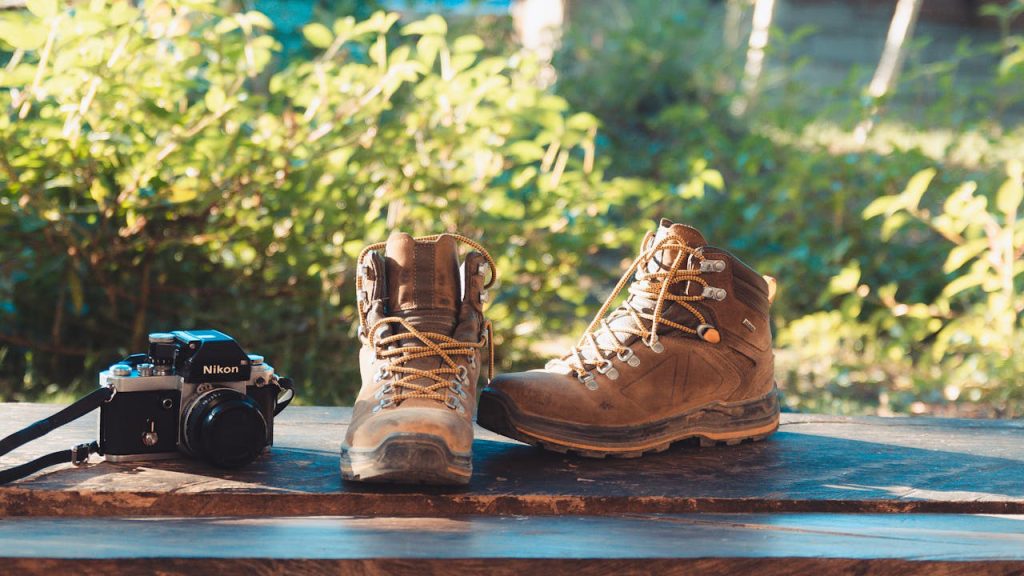
Hiking boots are one of the most important items for climbing Kilimanjaro. Trekkers need boots that provide strong ankle support, good grip, waterproof protection, and comfort for long trekking days. Since the mountain includes uneven and slippery sections, proper boots help improve stability and reduce the risk of slipping or ankle injuries.
Waterproof hiking boots are especially important during rainy conditions and in wet forest zones where trails can become muddy. Trekkers should also make sure their boots are already broken in before the climb. New boots that have not been tested can cause painful blisters and discomfort during the expedition.
Camp shoes
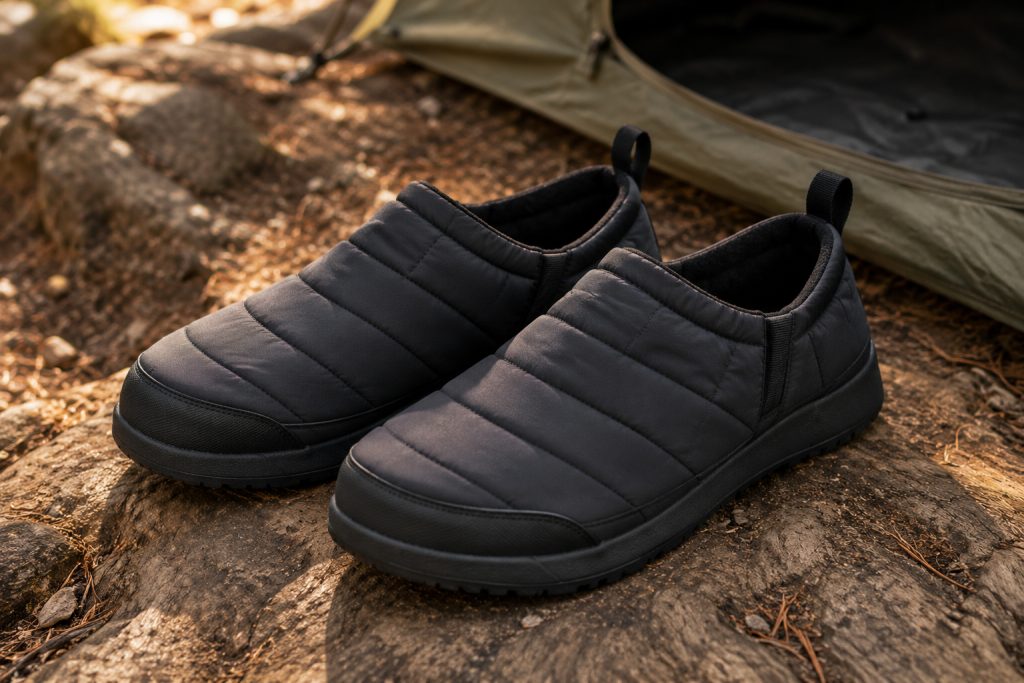
Camp shoes are lightweight shoes or sandals worn after reaching camp each day. After many hours of trekking, climbers often want to remove their heavy hiking boots and allow their feet to rest and recover.
Comfortable camp shoes help improve relaxation at camp and give feet time to dry and breathe. They are especially useful during evenings, meal times, and short walks around camp areas. Many trekkers choose lightweight sandals or soft outdoor shoes because they are easy to pack and comfortable to wear after long hiking days.
Socks and blister prevention
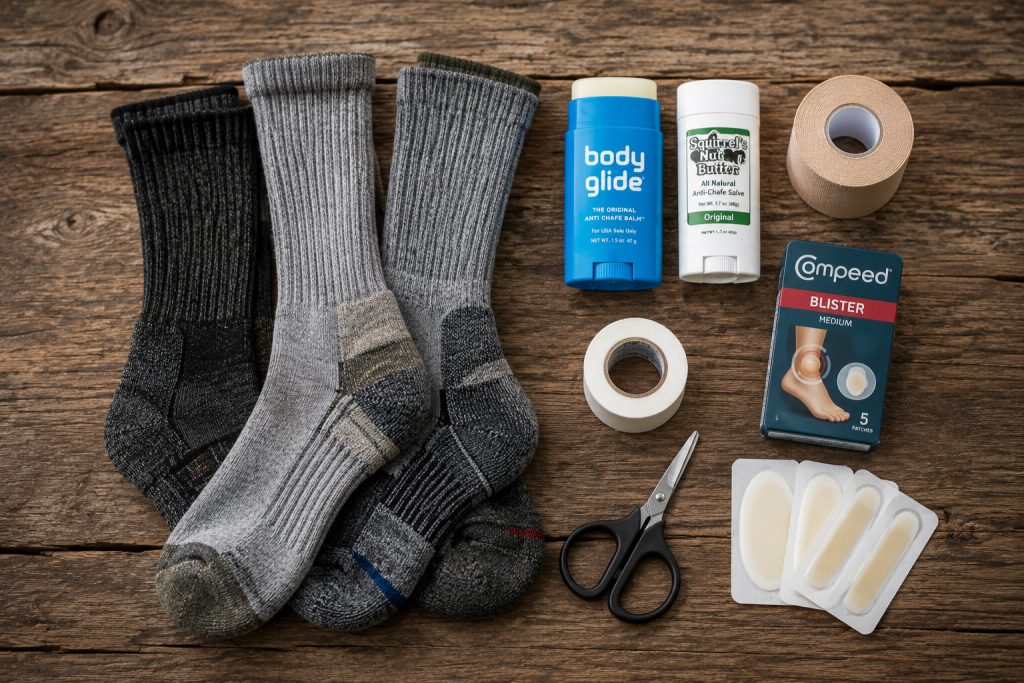
Good trekking socks are just as important as hiking boots on Kilimanjaro. High-quality hiking socks help reduce friction, manage moisture, and keep feet warm in cold conditions. Wearing the wrong socks can quickly lead to blisters and discomfort during long treks.
Many experienced climbers use moisture-wicking socks and sometimes wear liner socks underneath for extra blister protection. Keeping feet dry is also important because wet feet increase friction and discomfort. Trekkers should pack several pairs of clean hiking socks to change regularly throughout the climb.
Blister prevention is very important because even small foot problems can become serious during multi-day trekking. Proper boots, quality socks, and good foot care greatly improve comfort and help trekkers stay strong during the journey to the summit.
Headgear for Kilimanjaro
Headgear is one of the most important parts of your Kilimanjaro packing list because your head is directly exposed to both extreme sun and freezing temperatures on Mount Kilimanjaro. During the climb, you will experience completely different weather conditions depending on altitude hot sunlight at lower levels and icy wind near the summit. That is why choosing the right headgear is not optional; it is essential for both comfort and safety.
Sun Hat (Essential)
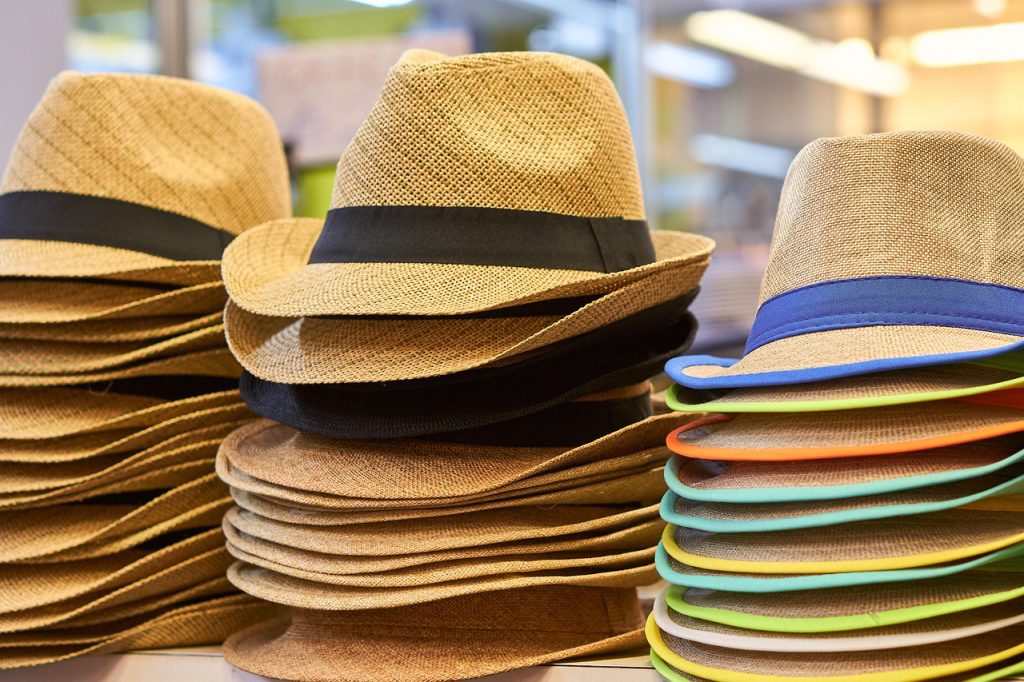
A sun hat is one of the most important items for daytime trekking on Kilimanjaro. At lower and mid-altitudes, the sun can be very strong, and because you are closer to the equator, UV radiation is much more intense than many trekkers expect. A good sun hat protects your face, ears, and neck from sunburn and overheating. Many high-quality trekking sun hats also come with a neck flap, which gives extra protection for the back of your neck where sunburn often happens without notice. During long hiking days, especially in open areas with little shade, a sun hat helps regulate your body temperature by reducing direct heat from the sun and making walking more comfortable.
Beanie (Warm Hat)
A beanie is a warm hat designed for cold conditions and is absolutely necessary for summit night on Kilimanjaro. As you move higher up the mountain, temperatures drop significantly, and at night it can become freezing cold with strong winds. A beanie helps trap heat around your head and ears, preventing heat loss from one of the most exposed parts of the body. Without proper head protection, climbers can lose warmth very quickly and feel uncomfortable during long trekking hours. On summit night, a good insulated beanie becomes essential because it allows you to stay warm and focused while climbing in extreme cold conditions.
Balaclava (Optional but Highly Useful)
A balaclava is a full-face covering that protects your head, neck, nose, and cheeks from extreme cold and wind. It is especially useful during summit night when temperatures drop below freezing and wind chill makes conditions even harsher. What makes the balaclava special is that it covers areas that normal hats cannot protect. Your nose and cheeks are very sensitive to cold air, and without protection, they can quickly become painful or numb. Although it is optional, many experienced trekkers strongly recommend it because it improves comfort and makes breathing in cold wind easier during the final push to the summit.
Neck Warmer (Optional)
A neck warmer is a simple but very effective piece of gear that helps protect your neck from cold wind and heat loss. Even though it looks small, it plays an important role in maintaining body warmth during cold sections of the climb. The neck is one of the areas where warm air can escape quickly, especially in windy conditions. A neck warmer acts as a barrier that keeps warmth inside while blocking cold air from entering. It is also very flexible you can easily pull it up over your mouth or nose when conditions become colder, or lower it when you feel warm, making it very practical for changing mountain weather.
Sunglasses (Very Important Safety Gear)
Sunglasses are not just for comfort on Kilimanjaro-they are an important safety item. At high altitude, UV radiation becomes much stronger because the air is thinner and offers less protection from the sun. Near the summit, sunlight reflects strongly off rocks and clouds, creating intense brightness that can strain your eyes. Without proper protection, climbers can experience snow blindness, which causes pain and temporary vision loss. That is why high-quality UV-protection sunglasses are essential. Even on cloudy days, sunglasses should still be worn at high altitude because UV rays remain strong and can still damage your eyes.
Headlamp (Essential for Summit Night)
A headlamp is one of the most important tools for climbing Kilimanjaro. It is used during both campsite movement and summit night ascent, making it a must-have item for every trekker. At camp, a headlamp helps you move safely at night, find your tent, and navigate around ropes and uneven ground. During summit night, climbers usually start walking in complete darkness, and the headlamp allows you to see the trail clearly while keeping your hands free for balance and trekking poles. When choosing a headlamp, brightness and battery life are very important because cold temperatures can reduce battery performance quickly, so spare batteries are always recommended.
What Clothes Should You Pack for Kilimanjaro?
The right clothing helps you stay comfortable from the first day of the trek to the final push to Uhuru Peak. Because Mount Kilimanjaro passes through several climate zones, you need clothing that can handle warm afternoons, cool evenings, rain, wind, and freezing summit temperatures. The best approach is to dress in layers so you can easily adjust to changing weather conditions.
Base Layers
Base layers sit next to your skin and help regulate your body temperature by moving sweat away from your body. Choose moisture-wicking tops and thermal leggings made from merino wool or synthetic fabrics. Avoid cotton because it absorbs moisture, dries slowly, and can make you feel cold at higher elevations.
Mid Layers
Mid layers provide insulation by trapping body heat. A fleece jacket or lightweight insulated top works well for most trekking days. You can add or remove this layer depending on the weather, making it one of the most versatile pieces of clothing in your Kilimanjaro packing list.
Insulated Jacket
An insulated down or synthetic jacket is essential for cold mornings, evenings, and summit night. Temperatures near Uhuru Peak often fall below freezing, so your jacket should provide warmth without adding too much weight. Choose a compressible jacket that fits comfortably over your base and mid layers.
Waterproof Jacket and Pants
Weather on Kilimanjaro can change quickly, especially in the rainforest and during the rainy seasons. A waterproof, breathable jacket and rain pants protect you from rain, wind, and cold conditions while allowing excess heat to escape. Look for lightweight gear with sealed seams and a hood for maximum protection.
Gloves, Hat, and Neck Gaiter
Small accessories make a big difference on the mountain. Bring insulated gloves to keep your hands warm during summit night, a warm beanie for cold temperatures, and a sun hat for lower elevations. A neck gaiter or buff helps protect your face and neck from wind, dust, and cold air while adding extra warmth when needed.
Sleeping Gear and Bags
Proper sleeping gear is very important during a climb on Mount Kilimanjaro because trekkers spend several nights camping at high altitude where temperatures can become extremely cold. Good sleeping equipment helps the body rest, recover energy, and stay warm after long trekking days. Without proper sleeping gear, climbers may struggle to sleep comfortably, which can affect energy levels and overall performance during the expedition.
In addition to sleeping comfort, the right bags are also important for protecting gear from dust, rain, and rough mountain conditions. A well-prepared sleeping and luggage system makes the entire Kilimanjaro experience safer, more organized, and more comfortable.
Sleeping bag temperature ratings
A sleeping bag is one of the most important items for a Kilimanjaro expedition because temperatures at higher camps can drop well below freezing, especially during summit night. The main purpose of a sleeping bag is to keep the body warm during cold mountain nights so trekkers can rest properly and recover energy for the next day.
When choosing a sleeping bag, temperature rating is extremely important. For Kilimanjaro, trekkers usually need a sleeping bag rated for at least -10°C to -15°C because temperatures at high altitude become very cold. A warmer sleeping bag provides better insulation and helps prevent discomfort during freezing nights.
Sleeping bags designed for cold-weather trekking usually contain down or synthetic insulation. Down sleeping bags are lighter and warmer, while synthetic sleeping bags perform better in wet conditions. Choosing the right sleeping bag can make a huge difference in comfort and sleep quality during the climb.
Sleeping pads
A sleeping pad is placed underneath the sleeping bag to provide insulation and cushioning between the body and the cold ground. Many first-time trekkers underestimate how important this item is, but sleeping directly on cold ground can quickly reduce body warmth even with a good sleeping bag.
Sleeping pads help trap heat and improve overall sleeping comfort during the expedition. They also reduce pressure on the body, making it easier to rest after long trekking days.
There are different types of sleeping pads, including foam pads and inflatable sleeping mats. Both options help improve warmth and comfort, especially at high-altitude camps where ground temperatures become very cold during the night.
Duffel bags
A duffel bag is the main bag used to carry most of your equipment during the Kilimanjaro climb. Unlike a backpack that you carry yourself during trekking, the duffel bag is usually carried by porters throughout the expedition.
Duffel bags should be strong, spacious, and resistant to water because mountain conditions can include rain, dust, and rough handling during transportation. Most trekkers choose soft waterproof duffel bags because they are flexible and easier for porters to carry.
Your sleeping bag, extra clothing, and most personal gear are usually packed inside the duffel bag, while you carry only essential daily items in your daypack. A well-organized duffel bag helps keep equipment dry, protected, and easy to access during the journey.
Essential Gear for Climbing Kilimanjaro
The right gear can make your Kilimanjaro climb safer, more comfortable, and more enjoyable. While clothing keeps you protected from changing weather, quality equipment helps you manage long trekking days, conserve energy, and prepare for summit night. The following items should be on every Kilimanjaro packing list.
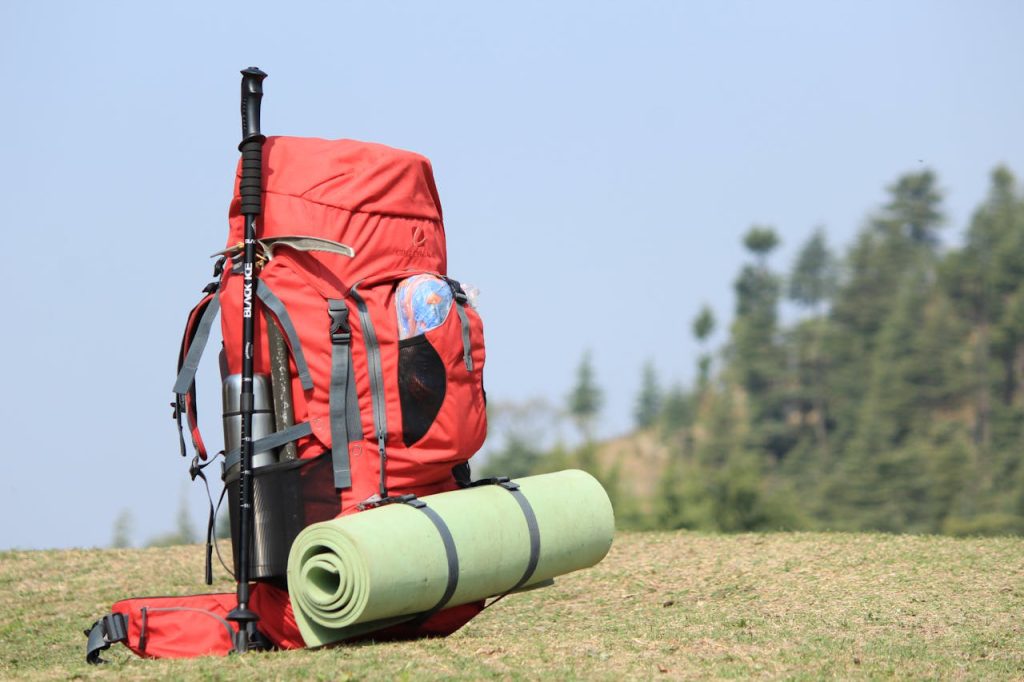
Trekking Poles
Trekking poles reduce the impact on your knees and improve balance on steep, rocky, and uneven trails. They are especially helpful during the long descent, which many climbers find harder on their joints than the ascent. Adjustable, lightweight poles with comfortable grips provide the best support throughout the trek.
Headlamp
A reliable headlamp is essential because the final summit ascent begins around midnight. Choose a bright LED headlamp with fresh batteries and carry an extra set of batteries or a rechargeable backup. A hands-free light makes it easier to hike safely in the dark while keeping your hands available for trekking poles.
Sleeping Bag
A warm sleeping bag is one of the most important pieces of gear for Kilimanjaro. Nighttime temperatures at higher camps often fall below freezing, so choose a four-season sleeping bag rated for at least -10°C to -20°C (14°F to -4°F). A sleeping bag liner adds extra warmth and helps keep your bag clean during the trek.
Water Bottles or Hydration Bladder
Staying hydrated is essential for acclimatization and overall performance on the mountain. Carry reusable water bottles, a hydration bladder, or both to hold at least 3 liters of water each day. Insulated bottle covers can help prevent water from freezing during summit night.
Daypack
Your daypack carries everything you need while hiking, including water, snacks, extra clothing, rain gear, sunscreen, medications, and personal items. A comfortable backpack with a capacity of 30 to 35 liters, padded shoulder straps, and a hip belt provides enough space without feeling bulky. Adding a waterproof rain cover helps protect your gear if the weather changes.
What Not to Pack for Kilimanjaro?
Knowing what not to pack is just as important as knowing what to bring. Every extra item adds unnecessary weight and can make your trek less comfortable. Focus on essential gear and avoid packing items that offer little value on the mountain.
Heavy Cotton Clothing
Leave heavy cotton clothing at home. Cotton absorbs sweat and rain, dries slowly, and can make you feel cold as temperatures drop. Instead, pack moisture-wicking base layers made from merino wool or synthetic materials that keep you warm and dry throughout the climb.
Too Many Clothes
Many first-time trekkers pack more clothing than they actually need. Since porters carry your main duffel bag, it may seem tempting to bring extra outfits, but unnecessary clothing only adds weight. Pack enough clean layers for the trek and choose versatile items that you can wear more than once.
Unnecessary Electronics
Kilimanjaro is not the place for multiple electronic devices. Large laptops, tablets, portable speakers, and other bulky gadgets increase your pack weight and are rarely useful on the mountain. Bring only the essentials, such as your phone, camera, headlamp, charging cables, and a reliable power bank.
Brand-New Hiking Boots
Never wear brand-new hiking boots for the first time on Kilimanjaro. New boots can cause painful blisters, discomfort, and foot fatigue during long trekking days. Break in your boots by wearing them on several hikes before your trip to ensure they fit properly and provide the support you need.
Toiletries and Personal Hygiene
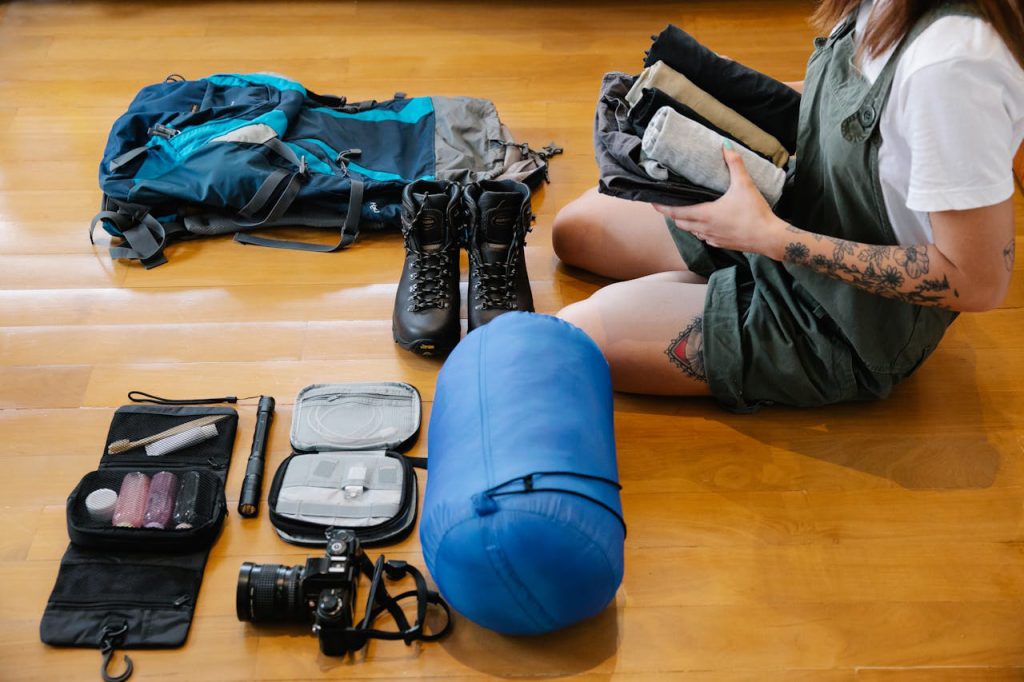
Personal hygiene is an important part of staying comfortable and healthy during a climb on Mount Kilimanjaro. Since trekkers spend several days camping on the mountain without normal hotel facilities, carrying basic toiletries helps maintain cleanliness and improve comfort throughout the expedition.
Cold temperatures, dust, sweat, and long trekking days can make climbers feel uncomfortable if hygiene items are not properly prepared. Simple personal care products help trekkers stay fresh, prevent irritation, and feel more relaxed during the climb. It is also important to keep toiletries lightweight and easy to organize inside waterproof bags or small packing pouches.
Wet wipes and sanitizer
Wet wipes are one of the most useful hygiene items on Kilimanjaro because access to showers is very limited during the climb. Trekkers often use wet wipes to clean their face, hands, and body after long hiking days when water is cold or unavailable.
They help remove sweat, dust, and dirt, making climbers feel more refreshed and comfortable before resting at camp. Many trekkers also use them during summit night and early mornings for quick cleaning.
Hand sanitizer is equally important because it helps maintain hygiene before eating and after using the toilet. Since climbers spend several days sharing campsites and trekking in outdoor conditions, keeping hands clean helps reduce the risk of stomach problems or illness during the expedition.
Toilet paper
Toilet paper is an essential personal item for any Kilimanjaro trek. Even though some camps may provide basic toilet facilities, trekkers are usually advised to carry their own supply because availability can be limited on the mountain.
It is best to pack toilet paper in waterproof bags or zip-lock pouches to protect it from moisture and rain. Keeping it easily accessible inside the daypack is also important because toilet stops can happen during long trekking days.
Many trekkers underestimate how important this item becomes during a multi-day camping expedition, so carrying extra rolls is always a good idea.
Toothbrush and soap
A toothbrush and toothpaste help trekkers maintain basic daily hygiene during the climb. Brushing your teeth after meals and before sleeping helps keep your mouth fresh and comfortable throughout the expedition.
Soap is also useful for cleaning hands, face, and small personal items at camp. Many climbers prefer biodegradable soap because it is better for the mountain environment and responsible tourism practices.
Even though Kilimanjaro is a challenging trek, maintaining small daily hygiene routines helps trekkers feel cleaner, more comfortable, and mentally refreshed during long days on the mountain.
Packing Tips for Different Kilimanjaro Routes
Although the basic packing list stays the same for every Kilimanjaro climb, your route can influence the gear and clothing you should prioritize. Differences in trek length, accommodation, weather exposure, and acclimatization schedules make it worth adjusting your packing plan for the route you choose.
Lemosho Route
The Lemosho Route usually takes 7 to 8 days, giving you more time on the mountain and a higher chance of encountering changing weather conditions. Pack enough base layers, hiking socks, and toiletries for the longer itinerary. Since this route offers excellent acclimatization, staying hydrated and carrying a comfortable daypack are especially important.
Machame Route
The Machame Route is known for its steep trails, scenic landscapes, and varied terrain. Lightweight trekking poles, waterproof hiking boots, and a reliable rain jacket are highly recommended because sections of the route can become muddy and slippery. Layered clothing also helps you adapt to changing temperatures throughout the climb.
Marangu Route
The Marangu Route is the only Kilimanjaro route that uses mountain huts instead of tents. While you do not need camping gear, you still need a warm sleeping bag because temperatures inside the huts can become very cold at higher elevations. Pack comfortable camp shoes for relaxing in the huts after each day’s trek.
Northern Circuit Route
The Northern Circuit Route is the longest route on Kilimanjaro, typically lasting 8 to 9 days. Bring enough clothing, personal toiletries, and medications for the extended trek. Because you spend more time on the mountain, keeping your gear organized and packing lightweight items will improve your comfort throughout the journey.
Rongai Route
The Rongai Route approaches Kilimanjaro from the northern side, which is generally drier than the southern routes. Even so, you should still pack waterproof clothing because mountain weather can change unexpectedly. Warm layers, sun protection, and trekking poles are useful throughout the climb, especially during the summit ascent.
Medications and Health Items
Health preparation is one of the most important parts of any successful climb on Mount Kilimanjaro. The mountain’s high altitude, cold temperatures, and physical demands can affect the body in different ways, so carrying the right medications and health supplies helps trekkers stay safe and comfortable during the expedition.
Although professional guides and support teams usually carry emergency medical equipment, every climber should still bring personal health items and basic medication. Small health problems can become more difficult at high altitude, so being properly prepared helps reduce stress and allows trekkers to focus on the climb.
Altitude sickness medication
Altitude sickness is one of the biggest challenges on Kilimanjaro because oxygen levels decrease as trekkers climb higher toward the summit. Some climbers use altitude sickness medication to help their bodies adjust more easily to high elevation.
These medications are commonly taken before or during the climb depending on medical advice and personal needs. Their purpose is to support acclimatization and help reduce symptoms such as headaches, nausea, dizziness, and fatigue that can happen at high altitude.
However, medication should never replace proper acclimatization, slow trekking pace, hydration, and listening to guides. Climbers should always consult a medical professional before using altitude medication to understand proper use and possible side effects.
First aid basics
A small personal first aid kit is very useful during a Kilimanjaro expedition because minor problems can happen during long trekking days. Simple items like blister plasters, pain relievers, bandages, lip balm, and antiseptic cream help manage small injuries and discomfort before they become more serious.
Blisters are especially common during multi-day hiking, so carrying blister treatment supplies is very important. Cold weather, dry air, and strong sun exposure can also cause dry lips, skin irritation, and headaches, making small medical items very helpful for daily comfort.
Even though guides usually carry larger emergency medical kits, having your own basic first aid items allows you to quickly manage personal needs during the climb.
Personal prescriptions
Trekkers who use prescription medication should pack enough supply for the entire Kilimanjaro expedition and keep it safely stored inside waterproof bags or containers. It is important to carry prescription medication inside the daypack rather than the main duffel bag so it is always easy to access during trekking.
Because mountain conditions can involve cold temperatures, rain, and dust, medications should be protected carefully to avoid damage. Trekkers are also encouraged to inform guides about important medical conditions or necessary medications before starting the climb.
Bringing extra medication is often recommended in case of delays, weather changes, or unexpected travel situations during the journey.
Electronics and Photography Gear
Electronics and photography gear help trekkers capture memories and stay connected during their climb on Mount Kilimanjaro. From taking summit photos to using phones for navigation, music, or communication, electronic devices are an important part of the modern trekking experience.
However, mountain conditions can be difficult for electronics because cold temperatures, dust, moisture, and long trekking days affect battery life and device performance. Proper preparation and protection help keep equipment working safely throughout the expedition.
Trekkers should focus on carrying only essential electronics to avoid unnecessary weight while still having enough power and storage for the entire journey.
Power banks
Power banks are one of the most important electronic items for a Kilimanjaro climb because there are usually no charging facilities available on the mountain camps. Since the trek lasts several days, climbers need a reliable backup power source to keep devices charged.
Most trekkers use power banks to recharge phones, headlamps, cameras, smart watches, and other small electronics during the expedition. High-capacity power banks are especially useful because cold weather can drain batteries much faster than normal.
It is also recommended to keep power banks inside insulated pouches or sleeping bags during cold nights because low temperatures reduce battery performance significantly at high altitude.
Cameras and phones
Cameras and phones are essential for capturing the unforgettable scenery of Kilimanjaro, including rainforest trails, high-altitude landscapes, campsites, sunrise views, and summit moments at Uhuru Peak.
Many trekkers use smartphones because they are lightweight and easy to carry, while others prefer cameras for higher-quality photography and better zoom capabilities. Regardless of the device used, it is important to protect electronics from dust, rain, and accidental drops during trekking.
Trekkers should also manage storage space carefully because long expeditions often involve taking many photos and videos. Carrying extra memory cards or clearing storage before the trip helps avoid running out of space during important moments.
Protecting batteries from cold
Cold weather is one of the biggest challenges for electronic devices on Mount Kilimanjaro because batteries lose power much faster in freezing temperatures. During summit night, phones, cameras, and headlamps may drain quickly even when fully charged.
To reduce this problem, trekkers often keep batteries and electronic devices close to the body inside jacket pockets where body heat helps maintain warmth. Spare batteries should also be stored in insulated pouches or sleeping bags during the night.
Turning off unnecessary applications, reducing screen brightness, and limiting device usage can also help preserve battery life throughout the climb. Proper battery protection is very important because electronics often become most needed during summit night and high-altitude conditions.
Documents and Travel Essentials
Travel documents and essential personal items are a very important part of preparing for a climb on Mount Kilimanjaro. Even with the best trekking gear, a trip can become stressful if important documents or financial preparations are forgotten. Proper organization before arrival helps make the entire expedition smoother, safer, and more comfortable.
Trekkers should keep all important documents protected inside waterproof pouches or travel organizers because mountain travel often involves dust, rain, and multiple transfers between airports, hotels, and trekking camps. It is also recommended to keep digital copies of important documents stored safely on a phone or email for backup.
Passport and insurance
A valid passport is essential for international travel to Tanzania and for participation in a Kilimanjaro expedition. Trekkers should make sure their passport remains valid for the required travel period and has enough empty pages for immigration stamps and visa processing.
Travel insurance is equally important because climbing Kilimanjaro involves high altitude, remote mountain conditions, and physical challenges. Good travel insurance should include high-altitude trekking coverage and emergency evacuation protection in case medical assistance becomes necessary during the climb.
Many trekking companies also recommend checking policy details carefully before traveling to ensure Kilimanjaro trekking is fully covered. Carrying both printed and digital copies of insurance documents is a smart safety precaution.
Cash and tipping
Cash is important during a Kilimanjaro trip because some services in Tanzania may not always accept cards, especially in smaller towns or during travel before and after the climb.
Trekkers also need cash for tipping mountain crews, including guides, porters, and cooks. Tipping is a common and important part of Kilimanjaro trekking culture because mountain crews work extremely hard to support climbers throughout the expedition.
It is usually recommended to carry clean and organized cash in small denominations for easier distribution and personal purchases. Keeping money inside waterproof bags or secure travel pouches helps protect it during the journey.
Park permits
Park permits are mandatory for every climber entering Kilimanjaro National Park. These permits are normally arranged by the trekking company before the expedition begins and include access to the mountain, camping fees, rescue services, and conservation charges.
Trekkers usually do not need to manage the permit process personally if they book with a licensed Kilimanjaro operator, but it is still important to confirm that all park fees and permits are included in the tour package before arrival.
Park permits are an important part of maintaining conservation efforts and supporting the management of Kilimanjaro National Park, helping protect the mountain environment for future climbers.
Can You Rent Kilimanjaro Gear?
Yes, trekkers can rent many types of climbing equipment for a trek on Mount Kilimanjaro. Gear rental is a popular option for climbers who do not already own mountain equipment or who want to avoid traveling with large amounts of luggage. Many Kilimanjaro operators provide rental services for essential cold-weather and trekking gear before the expedition begins.
Renting equipment can help reduce travel costs and make preparation easier, especially for first-time trekkers. However, it is still important to understand which items are safe to rent and which personal items are better brought from home.
Rental equipment availability
Most Kilimanjaro trekking companies offer rental equipment in towns such as Moshi and Arusha before the climb starts. Common rental items include sleeping bags, trekking poles, insulated jackets, waterproof pants, gaiters, duffel bags, and headlamps.
This service is especially useful for international travelers who may not want to purchase expensive gear for a single expedition. Renting also helps trekkers avoid carrying bulky equipment during flights and transfers.
Most operators organize gear checks before departure to ensure climbers have the necessary equipment for the mountain conditions.
Quality considerations
When renting Kilimanjaro gear, quality is very important because mountain weather can become extremely cold and unpredictable. Trekkers should always inspect rental equipment carefully before starting the expedition.
Items such as sleeping bags, waterproof jackets, gloves, and insulated clothing should be clean, warm, and in good condition. Poor-quality gear may not provide enough protection against rain, wind, or freezing temperatures during summit night.
It is also important to choose a trusted Kilimanjaro operator that maintains equipment properly and offers gear suitable for high-altitude trekking conditions.
What should be personal
Some trekking items are usually better as personal equipment rather than rentals. Clothing worn directly on the skin, such as underwear, thermal base layers, socks, and personal hygiene products, should normally be brought by the trekker for comfort and cleanliness.
Personal footwear is also very important because hiking boots need proper fit and comfort to prevent blisters and foot pain during long trekking days. Many experienced climbers recommend using boots that are already broken in before the expedition.
Small personal items such as sunglasses, medication, water bottles, and toiletries are also better carried individually because they relate directly to comfort, hygiene, and personal needs during the climb.
Packing Tips for First-Time Trekkers
Packing correctly for a climb on Mount Kilimanjaro can make a big difference in comfort, safety, and overall trekking experience. Many first-time trekkers either overpack or pack items in a disorganized way, which makes it harder to find important gear during the climb. Simple packing strategies can help you stay prepared and stress-free throughout the expedition.
Good packing is not about bringing more items. It is about bringing the right items in a smart and organized way. When everything is well arranged, it becomes easier to handle changing weather, long trekking days, and summit challenges.
Keep bags organized
Keeping your bags organized is very important during the Kilimanjaro climb. A well-organized bag helps you quickly find items like jackets, snacks, or rain gear when you need them.
Most trekkers use small packing cubes or separate bags inside their main duffel bag to divide clothing, electronics, and toiletries. This system saves time and reduces stress, especially during cold or rainy conditions when quick access is important.
A clean and structured packing system also helps you avoid forgetting important items at camp or mixing clean and used clothing.
Waterproof everything
Weather on Kilimanjaro can change quickly, especially in rainforest and high-altitude zones. That is why waterproof protection is essential for all gear.
Important items like clothes, electronics, and sleeping gear should be stored in waterproof bags or plastic dry sacks. Even if your main duffel bag is water-resistant, extra protection helps prevent damage from heavy rain or moisture.
Keeping everything dry is very important because wet gear becomes cold and uncomfortable, especially at higher altitude where temperatures are already low.
Test gear before climb
Testing your gear before the trek is very important, especially for first-time climbers. Hiking boots, backpacks, jackets, and headlamps should all be checked in advance to make sure they are comfortable and working properly.
Wearing new boots without testing them can cause blisters and discomfort during long trekking days. Similarly, unfamiliar gear can slow you down or create problems on the mountain.
By testing everything before the climb, you reduce risks and ensure that your equipment performs well in real mountain conditions.
Can You Rent Kilimanjaro Gear?
Yes, you can rent most essential climbing gear in Tanzania before your Kilimanjaro trek. Many tour operators and outdoor equipment shops offer high-quality rental gear, making it easier for international travelers who do not want to buy expensive equipment for a single trip. Renting can also help reduce baggage costs when flying.
Even though rental gear is widely available, reserve important items in advance, especially during the busy climbing seasons, to ensure you get the correct size and quality.
Equipment Available for Rent
Most climbers can rent nearly all of the major gear needed for the trek. Common rental items include:
- Four-season sleeping bags
- Trekking poles
- Insulated down jackets
- Waterproof jackets and rain pants
- Hiking boots
- Gaiters
- Duffel bags
- Headlamps
Many tour operators inspect and clean rental equipment after each use, but always check that every item fits properly and is in good condition before your climb begins.
Gear You Should Bring Yourself
Although renting is convenient, some personal items are better brought from home for comfort and hygiene. These include:
- Base layers and thermal underwear
- Hiking socks
- Gloves and hats
- Sunglasses
- Personal toiletries
- Prescription medications
- Water bottles or a hydration bladder
These items fit your personal preferences and are difficult to replace if they are uncomfortable or unavailable.
Average Rental Costs
Rental prices vary by operator and equipment quality, but the average daily rates are generally affordable.
| Item | Average Rental Cost (USD) |
|---|---|
| Sleeping Bag | $15-$25 per trip |
| Trekking Poles | $10-$20 per pair per trip |
| Down Jacket | $15-$20 per trip |
| Hiking Boots | $20-$30 per trip |
| Rain Jacket and Pants | $10-$20 per trip |
| Duffel Bag | $10-$15 per trip |
Renting high-quality gear can save money while ensuring you have the equipment needed for a safe and comfortable Kilimanjaro climb. If you are unsure what to rent, ask your tour operator for recommendations before you arrive in Tanzania.
Frequently Asked Questions
A good pair of hiking boots is one of the most important items for climbing Kilimanjaro. Your feet handle thousands of steps on different types of terrain, so comfortable, broken-in, waterproof boots can prevent pain and injuries. Other essential items include warm layers, a quality sleeping bag, and proper rain gear.
Most climbers should pack a layering system with three main parts: a moisture-wicking base layer, an insulating mid layer, and a waterproof outer layer. You may need extra warm layers, such as a down jacket and thermal clothing, for cold evenings and summit night when temperatures drop significantly.
Yes, you can rent many Kilimanjaro essentials in Tanzania, including sleeping bags, trekking poles, jackets, rain gear, and other equipment. Renting is a convenient option for travelers who do not want to buy expensive gear. However, personal items like hiking socks, base layers, and toiletries are better brought from home.
A daypack between 30 and 35 liters is usually ideal for Kilimanjaro. It should have enough space for daily essentials such as water, snacks, rain gear, extra layers, sunscreen, and personal items. Your larger duffel bag will usually be carried by porters.
On Kilimanjaro, porters are generally limited to carrying around 15 kilograms of a climber’s gear, plus their own personal items and equipment. This is why packing light and bringing only essential items is important. A well-organized bag makes the trek easier for both you and the support team.
Final Thoughts
Packing correctly is one of the most important steps before climbing Mount Kilimanjaro. The right clothing, footwear, equipment, and personal items can make your trek safer, more comfortable, and more enjoyable from the first day to the summit.
Before traveling to Tanzania, use this Kilimanjaro packing list as a final checklist to make sure you have all the essential gear you need. Focus on packing smart rather than packing more, and choose items that are practical, lightweight, and suitable for changing mountain conditions.
Remember that every Kilimanjaro route has slightly different conditions, but the basics remain the same: prepare for cold temperatures, protect yourself from rain, stay hydrated, and bring reliable gear. With proper preparation and the right equipment, you can focus less on what you forgot and more on enjoying the incredible journey to Uhuru Peak.