Best Mountains in Tanzania for Hiking and Exploration: Top Peaks for Every Adventure
Estimated reading time: 1 minute
Tanzania is home to some of the most spectacular mountains in Africa, making it a dream destination for hikers, trekkers, nature lovers, and adventure seekers. From the snow-capped summit of Mount Kilimanjaro to the lush rainforests of the Udzungwa Mountains, the country offers a wide variety of landscapes, hiking experiences, and breathtaking views.
The best mountains in Tanzania for hiking and exploration range from world-famous peaks to hidden gems that few international travelers discover. Some mountains challenge climbers with multi-day summit treks, while others reward visitors with scenic day hikes, waterfalls, wildlife encounters, and cultural experiences. Whether you are a beginner looking for an easy trail or an experienced hiker searching for your next adventure, Tanzania has a mountain that matches your goals.
In addition, Tanzania’s mountains showcase the country’s incredible natural diversity. Hikers can walk through tropical rainforests, alpine deserts, volcanic craters, grasslands, and cloud forests within a single journey. Many mountains also lie near national parks and conservation areas, creating opportunities to combine hiking with wildlife viewing and cultural tourism.
This guide explores the best mountains in Tanzania for hiking and exploration, including Mount Kilimanjaro, Mount Meru, Mount Hanang, the Usambara Mountains, the Udzungwa Mountains, and other remarkable peaks. You’ll discover what makes each destination unique, how difficult the hikes are, and which mountain best suits your travel style.
Whether you dream of standing on Africa’s highest summit, trekking through ancient forests, or exploring remote volcanic landscapes, Tanzania offers unforgettable mountain adventures for every type of traveler.
Table of contents
- Best Mountains in Tanzania for Hiking and Exploration: Top Peaks for Every Adventure
- Why Tanzania Is One of Africa’s Best Hiking Destinations
- Quick Comparison of the Best Mountains in Tanzania
- Mount Kilimanjaro – Africa’s Highest Mountain
- Mount Meru – Tanzania’s Best Alternative to Kilimanjaro
- Mount Meru vs Kilimanjaro
- Mount Hanang – Tanzania’s Hidden Hiking Gem
- Ol Doinyo Lengai – The Mountain of God
- Usambara Mountains – Scenic Trails and Cultural Experiences
- Udzungwa Mountains – Tanzania’s Rainforest Adventure
- Mahale Mountains – Hiking with Chimpanzees
- Other Mountains Worth Exploring in Tanzania
- Which Mountain in Tanzania Should You Choose?
- Best Time to Hike Mountains in Tanzania
- Essential Hiking Tips for Tanzania
- 10 Interesting Facts About Tanzania’s Mountains
- Faq
- Final Thoughts: Discovering Tanzania’s Most Incredible Mountain Adventures
- Read Also:
Why Tanzania Is One of Africa’s Best Hiking Destinations
Tanzania ranks among the best hiking destinations in Africa because it combines world-class mountains, diverse landscapes, rich wildlife, and unique cultural experiences. Few countries offer such a wide range of trekking opportunities, from climbing Africa’s highest mountain to exploring remote rainforests, volcanic peaks, and scenic highlands.
One of the biggest reasons hikers visit Tanzania is Mount Kilimanjaro, the tallest mountain in Africa. Every year, thousands of adventurers travel from around the world to reach Uhuru Peak at 5,895 meters (19,341 feet). Unlike many famous mountains, Kilimanjaro does not require technical climbing skills, making it accessible to a wide range of hikers.
However, Tanzania offers much more than Kilimanjaro. Mount Meru provides a challenging trek through wildlife-rich landscapes, while Mount Hanang attracts hikers looking for a quieter and less crowded experience. The Usambara and Udzungwa Mountains offer lush forests, waterfalls, and exceptional biodiversity, creating opportunities for both hiking and nature exploration.
Another advantage is the country’s remarkable variety of landscapes. Hikers can walk through tropical forests, volcanic craters, alpine deserts, rolling hills, and mountain grasslands within different regions of Tanzania. This diversity ensures that every mountain adventure feels unique.
In addition, many hiking destinations lie close to national parks and cultural attractions. Visitors can combine mountain trekking with wildlife safaris, coffee tours, village visits, and cultural experiences. For example, hikers on Mount Meru often see giraffes, buffaloes, and zebras, while visitors to the Usambara Mountains can explore local communities and traditional farming areas.
Tanzania also enjoys favorable hiking conditions throughout much of the year. The dry seasons from January to March and June to October provide excellent weather for mountain adventures, with clear skies and stunning views.
Quick Comparison of the Best Mountains in Tanzania
Tanzania offers a wide range of mountain adventures, from Africa’s highest peak to remote volcanic summits and lush rainforest trails. Some mountains challenge trekkers with multi-day climbs, while others provide easier hikes with spectacular scenery, wildlife, and cultural experiences. The comparison below helps you choose the mountain that best matches your interests, fitness level, and travel goals.
Mountain Comparison Table
| Mountain | Height | Difficulty | Typical Duration | Best For |
|---|---|---|---|---|
| Mount Kilimanjaro | 5,895 m | Moderate to Challenging | 5-9 Days | Summit seekers and bucket-list adventures |
| Mount Meru | 4,562 m | Moderate | 3-4 Days | Wildlife and acclimatization |
| Mount Hanang | 3,420 m | Moderate | 1-2 Days | Remote hiking experiences |
| Ol Doinyo Lengai | 2,962 m | Challenging | 1 Day | Volcano enthusiasts |
| Usambara Mountains | Up to 2,440 m | Easy to Moderate | 1-3 Days | Scenic hiking and culture |
| Udzungwa Mountains | Up to 2,576 m | Easy to Moderate | 1-3 Days | Rainforests and waterfalls |
| Mahale Mountains | Up to 2,520 m | Moderate | 1-3 Days | Chimpanzee trekking and nature |
Best Mountain for Beginners
The Usambara Mountains rank among the best mountains in Tanzania for beginner hikers. The trails are generally less demanding than high-altitude climbs and reward visitors with beautiful viewpoints, forests, farms, and local villages. Hikers can enjoy multi-hour walks or full-day treks without facing extreme altitude.
Mount Meru also suits active beginners who want a more challenging mountain experience. Although the trek involves several days of hiking, it offers excellent acclimatization and professional guide support throughout the journey.
Best Mountain for Experienced Hikers
Mount Kilimanjaro remains the ultimate challenge for most hikers visiting Tanzania. Standing at 5,895 meters above sea level, it requires physical endurance, mental determination, and proper acclimatization. Reaching Uhuru Peak delivers one of the most rewarding trekking achievements in the world.
Experienced hikers looking for something different may also enjoy Ol Doinyo Lengai. This active volcano features steep slopes and a demanding nighttime ascent, making it one of Tanzania’s most unique mountain adventures.
Best Mountain for Wildlife and Nature
Mount Meru provides one of the best combinations of hiking and wildlife viewing in Tanzania. Located within Arusha National Park, the mountain allows trekkers to see giraffes, buffaloes, zebras, antelopes, and many bird species during the ascent.
For nature lovers, the Udzungwa Mountains offer a completely different experience. Dense rainforests, rare wildlife, endemic plants, and spectacular waterfalls make this region one of East Africa’s biodiversity hotspots. Meanwhile, the Mahale Mountains combine forest hiking with the unforgettable opportunity to observe wild chimpanzees in their natural habitat.
Mount Kilimanjaro – Africa’s Highest Mountain
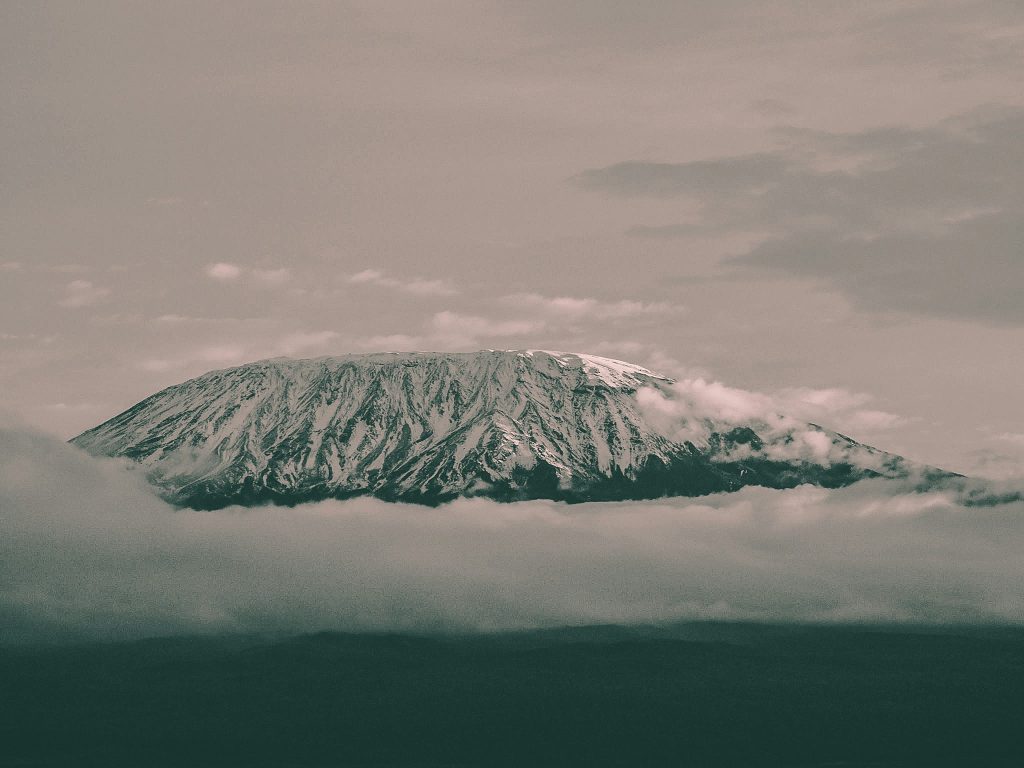
Standing at 5,895 meters (19,341 feet), Mount Kilimanjaro is the highest mountain in Africa and the tallest free-standing mountain in the world. Located in northern Tanzania, Kilimanjaro attracts thousands of hikers every year who dream of reaching its famous Uhuru Peak. Unlike many high mountains that require technical climbing skills, Kilimanjaro can be climbed by trekkers with good fitness and determination, making it one of the most accessible high-altitude adventures on Earth.
Why Hike Mount Kilimanjaro?
Mount Kilimanjaro offers a once-in-a-lifetime experience that combines adventure, natural beauty, and personal achievement. During the climb, hikers pass through several ecological zones, including lush rainforests, heath and moorland, alpine deserts, and the arctic summit zone. Few mountains in the world provide such dramatic changes in scenery within a single trek.
Reaching the summit is a major accomplishment for many travelers. Standing on Uhuru Peak at sunrise allows climbers to enjoy breathtaking views above the clouds while celebrating their achievement on Africa’s highest point. The mountain is also home to unique plants such as giant groundsels and giant lobelias, adding to the remarkable experience.
Popular Kilimanjaro Routes
Several routes lead to the summit of Mount Kilimanjaro, each offering different scenery, difficulty levels, and success rates.
- Machame Route: Known as the “Whiskey Route,” this is one of the most scenic and popular options. It offers excellent acclimatization and high summit success rates.
- Lemosho Route: Considered one of the best routes for acclimatization, beautiful landscapes, and a less crowded experience during the early days of the trek.
- Marangu Route: Often called the “Coca-Cola Route,” it is the only route with mountain huts instead of tents. It is popular among beginners but has lower summit success rates due to shorter acclimatization time.
- Rongai Route: Approaches the mountain from the northern side and is generally quieter than the southern routes.
- Northern Circuit Route: The longest route on Kilimanjaro and one of the most successful for reaching the summit because it allows ample time for acclimatization.
- Umbwe Route: A steep and challenging route recommended for experienced hikers seeking a more demanding climb.
Difficulty and Success Rates
Many people wonder whether Mount Kilimanjaro is difficult to climb. The answer depends largely on preparation, fitness, and route selection. While technical climbing skills are not required, the mountain’s high altitude presents the biggest challenge.
Altitude sickness affects many climbers, especially those who ascend too quickly. Choosing a longer route with better acclimatization significantly improves the chances of success. Routes lasting seven to nine days generally achieve much higher summit success rates than shorter itineraries.
Most healthy hikers who train properly, walk slowly, stay hydrated, and follow their guides’ instructions have a good chance of reaching the summit. The famous Kilimanjaro climbing motto, “Pole Pole” (slowly, slowly), plays an important role in successful ascents.
Best Time to Climb Kilimanjaro
The best time to climb Mount Kilimanjaro is during Tanzania’s dry seasons when weather conditions are more stable and trail conditions are better.
The most popular climbing seasons are:
- January to March: Cooler temperatures, fewer crowds, and occasional snow near the summit.
- June to October: Dry weather, clear skies, and excellent mountain views. This is the busiest climbing season.
The rainy seasons from April to May and November can make trails muddy and reduce visibility. However, some experienced hikers prefer these quieter periods for a more secluded experience.
For most travelers, January to March and June to October provide the best combination of favorable weather, beautiful scenery, and a higher likelihood of a successful summit.
Mount Meru – Tanzania’s Best Alternative to Kilimanjaro
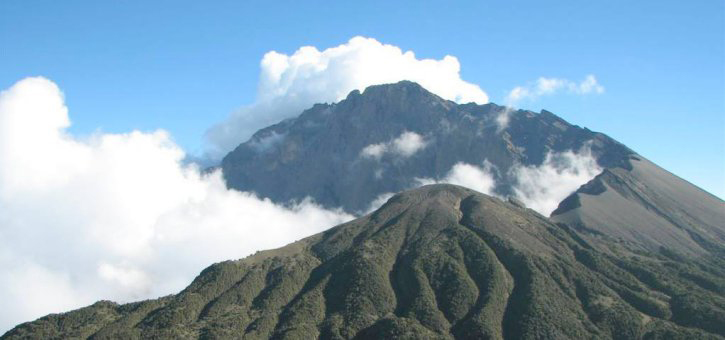
While Mount Kilimanjaro often receives most of the attention, Mount Meru is one of Tanzania’s most rewarding hiking destinations. Rising to 4,566 meters (14,980 feet), Mount Meru is the second-highest mountain in Tanzania and the fifth-highest mountain in Africa. Located within Arusha National Park, the mountain offers stunning scenery, diverse wildlife, and a challenging trekking experience.
Many hikers choose Mount Meru as a standalone adventure, while others use it as preparation for climbing Kilimanjaro. With fewer crowds, excellent wildlife viewing opportunities, and spectacular summit views, Mount Meru provides an unforgettable mountain experience for nature lovers and adventure seekers.
Why Mount Meru Is Special
Mount Meru stands out because it combines mountain trekking with wildlife encounters that are rarely found on other major hiking routes. The mountain is an active stratovolcano with a dramatic horseshoe-shaped crater formed by a massive volcanic eruption thousands of years ago.
The trek passes through several ecological zones, including grasslands, montane forests, heathlands, and alpine landscapes. As hikers gain elevation, they enjoy panoramic views of the surrounding countryside and, on clear days, breathtaking views of Mount Kilimanjaro in the distance.
One of the highlights of climbing Mount Meru is reaching Socialist Peak at sunrise. From the summit, hikers can witness spectacular views over the crater rim, volcanic ash cone, and surrounding plains. Many experienced trekkers consider the summit sunrise one of the most beautiful mountain views in Tanzania.
Wildlife Encounters on the Trek
Unlike most mountain climbs, Mount Meru begins with a walking safari through Arusha National Park. Armed park rangers accompany hikers because wildlife is commonly seen along the lower slopes.
Trekkers may encounter:
- Giraffes grazing in open grasslands
- Buffalo moving through the forest
- Zebras and warthogs near the trail
- Colobus monkeys and blue monkeys in the canopy
- Various bird species, including eagles and turacos
These wildlife encounters make the climb unique and provide excellent photography opportunities. Many hikers describe Mount Meru as a combination of a mountain trek and a safari experience, making it one of Tanzania’s most diverse outdoor adventures.
Mount Meru vs Kilimanjaro
Although they are located close to each other in northern Tanzania, Mount Meru and Mount Kilimanjaro provide very different trekking experiences.
At 5,895 meters (19,341 feet), Kilimanjaro is Africa’s highest mountain and one of the world’s most famous trekking destinations. Thousands of climbers travel to Tanzania each year to attempt its summit. Reaching the top typically requires more days on the mountain, and the extreme altitude presents a greater challenge for many hikers.
In contrast, Mount Meru offers a quieter and more intimate adventure. The trek is shorter, usually taking three to four days, and features exceptional wildlife viewing opportunities within Arusha National Park. Hikers often encounter giraffes, buffalo, zebras, and various monkey species along the route.
While Kilimanjaro is the ultimate goal for many trekkers, Meru appeals to travelers seeking fewer crowds, diverse landscapes, and a unique combination of hiking and safari experiences. Many climbers also choose to trek Mount Meru before Kilimanjaro to improve fitness and acclimatization.
Mount Hanang – Tanzania’s Hidden Hiking Gem
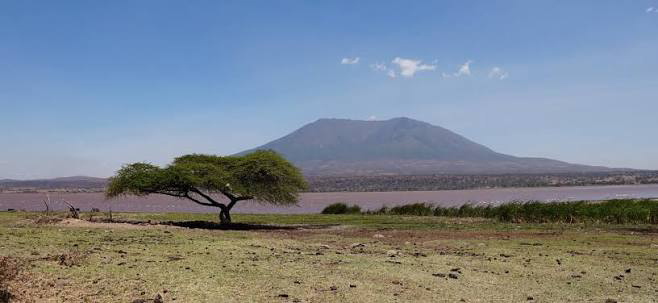
Mount Hanang is one of Tanzania’s most underrated mountains, offering an exciting hiking experience away from the crowds found on more famous peaks. Standing at approximately 3,420 meters (11,220 feet), it is Tanzania’s fourth-highest mountain and the highest peak in the Hanang District of northern Tanzania. Despite its impressive height and beautiful landscapes, Mount Hanang remains relatively unknown to international travelers, making it a perfect destination for hikers seeking a quieter and more authentic adventure.
The mountain features steep slopes, scenic forests, open grasslands, and spectacular viewpoints. Climbers who reach the summit are rewarded with panoramic views of the surrounding countryside, including Lake Balangida and the vast plains below.
Where Is Mount Hanang?
Mount Hanang is located in the Manyara Region of northern Tanzania, near the town of Katesh. The mountain lies approximately 250 kilometers southwest of Arusha and is often visited as part of a northern Tanzania travel itinerary.
Unlike Mount Kilimanjaro and Mount Meru, which are located within national parks, Mount Hanang is surrounded by local communities and agricultural landscapes. The area is home to the Barbaig and Iraqw people, providing visitors with opportunities to learn about local cultures and traditions.
Its location makes Mount Hanang a convenient option for travelers looking to explore lesser-known hiking destinations while still remaining within reach of Tanzania’s popular safari circuit.
What to Expect on the Hike
The hike to Mount Hanang is challenging but highly rewarding. Most climbers complete the trek in one long day, although some choose to camp overnight depending on their pace and itinerary.
The trail begins in farmland and gradually climbs through forests and heath vegetation before reaching the rocky upper slopes. As hikers gain altitude, they encounter increasingly dramatic views of the surrounding valleys and lakes.
Key highlights of the hike include:
- Stunning panoramic views from the summit
- Peaceful trails with few other hikers
- Diverse landscapes ranging from farmland to alpine vegetation
- Opportunities to observe local birdlife
- A sense of wilderness and solitude rarely found on more popular mountains
The final ascent can be steep and physically demanding, but the breathtaking scenery makes the effort worthwhile.
Who Should Climb Mount Hanang?
Mount Hanang is an excellent choice for adventurous travelers who want to explore beyond Tanzania’s most famous mountains. It is particularly suitable for hikers who enjoy challenging day hikes and prefer less crowded trails.
This mountain is ideal for:
- Experienced hikers looking for a new challenge
- Travelers seeking off-the-beaten-path destinations
- Nature enthusiasts who enjoy quiet mountain environments
- Photographers searching for unique landscapes
- Climbers preparing for higher-altitude mountains such as Kilimanjaro
While beginners with good fitness can successfully climb Mount Hanang, the steep sections and significant elevation gain make it better suited to hikers with some trekking experience.
For those willing to venture beyond Tanzania’s most famous peaks, Mount Hanang offers a rewarding combination of natural beauty, cultural encounters, and a genuine sense of adventure.
Ol Doinyo Lengai – The Mountain of God
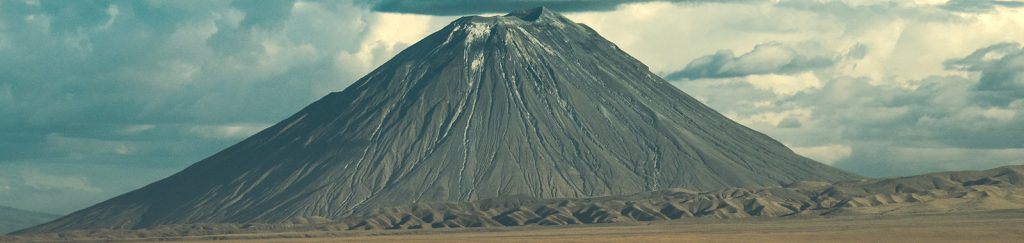
Rising dramatically above the eastern branch of the Great Rift Valley, Ol Doinyo Lengai is one of Tanzania’s most extraordinary mountains. Located near Lake Natron in northern Tanzania, the mountain reaches an elevation of approximately 2,962 meters (9,718 feet). Its name means “Mountain of God” in the Maasai language, reflecting its deep cultural and spiritual significance to the local Maasai people.
Unlike Tanzania’s other major peaks, Ol Doinyo Lengai is an active volcano that offers hikers a rare opportunity to climb one of the world’s most unique volcanic mountains. The combination of geological wonders, stunning landscapes, and cultural importance makes it one of the most fascinating hiking destinations in East Africa.
Why This Volcano Is Unique
Ol Doinyo Lengai is unlike any other volcano on Earth because it produces a rare type of lava known as carbonatite lava. This unusual lava is cooler and more fluid than the lava found in most volcanoes around the world. As it cools, the lava changes color from dark black to light gray or white, creating a distinctive appearance on the mountain’s slopes.
The volcano remains active and has experienced several eruptions throughout its history. Its volcanic activity continues to shape the surrounding landscape, making it a popular destination for geologists, photographers, and adventure travelers.
In addition to its geological significance, the mountain offers breathtaking views of Lake Natron, the Gregory Rift, and the distant volcanic highlands of northern Tanzania. On clear days, hikers can enjoy panoramic vistas that stretch across some of East Africa’s most dramatic scenery.
Climbing Experience and Difficulty
Climbing Ol Doinyo Lengai is considered one of the most challenging hiking adventures in Tanzania. Although the mountain is lower than Kilimanjaro and Mount Meru, its steep slopes and loose volcanic ash make the ascent physically demanding.
Most treks begin around midnight, allowing hikers to reach the summit before sunrise. Climbing during the cooler nighttime hours helps avoid the intense heat that can affect the lower slopes during the day.
The route is steep for much of the ascent and requires good physical fitness, endurance, and determination. Hikers should expect a strenuous climb that often takes between five and eight hours to reach the summit, followed by a careful descent.
Despite the challenge, the reward is unforgettable. Watching the sunrise over Lake Natron and the Great Rift Valley from the summit is one of the most spectacular mountain experiences in Tanzania.
Best Time to Visit
The best time to climb Ol Doinyo Lengai is during Tanzania’s dry seasons, when trail conditions are safer and visibility is generally better.
The recommended months are:
- June to October
- January to March
During these periods, hikers typically enjoy clear skies, comfortable climbing conditions, and excellent views from the summit.
The rainy seasons, especially April and May, can make the trail slippery and more difficult to navigate. Heavy rainfall may also reduce visibility and increase the risks associated with the steep volcanic terrain.
For the best overall experience, many travelers combine a climb of Ol Doinyo Lengai with a visit to Lake Natron, where they can explore waterfalls, observe flamingos, and experience the unique landscapes of northern Tanzania.
Usambara Mountains – Scenic Trails and Cultural Experiences
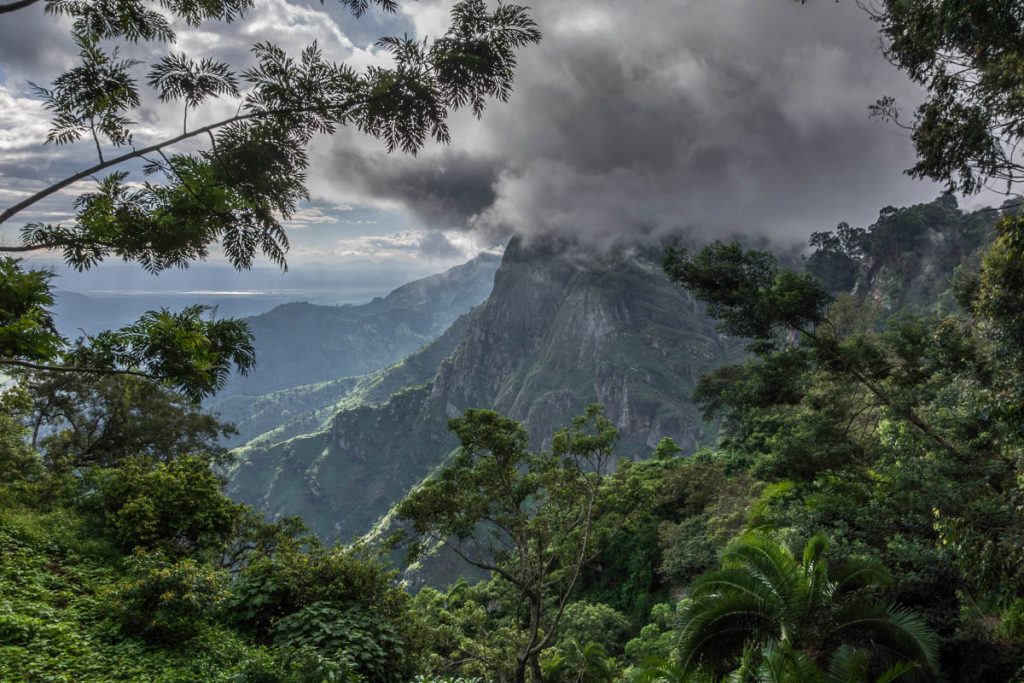
The Usambara Mountains are among Tanzania’s most beautiful and accessible hiking destinations. Located in the northeastern part of the country, these lush mountains are part of the ancient Eastern Arc Mountain range, a region known for its exceptional biodiversity and stunning scenery. Unlike Tanzania’s volcanic peaks, the Usambara Mountains offer gentle hiking trails, rolling hills, dense forests, and vibrant rural communities.
Travelers visit the Usambara Mountains not only for hiking but also for the opportunity to experience local culture, explore traditional villages, and enjoy some of the most breathtaking viewpoints in Tanzania. The region’s cool climate and peaceful atmosphere make it an excellent destination for nature lovers, photographers, and hikers of all skill levels.
Best Hiking Routes
The Usambara Mountains feature an extensive network of trails that connect villages, forests, farms, and scenic viewpoints. Many routes can be completed as day hikes, while longer treks allow visitors to spend several days exploring the region.
Some of the most popular hiking routes include:
- Lushoto to Irente Viewpoint: A relatively easy hike offering spectacular views over the Maasai Plains.
- Lushoto to Mtae Trek: A multi-day route that passes through villages, forests, and agricultural landscapes.
- Magamba Forest Trails: Ideal for nature enthusiasts interested in birdwatching and forest ecosystems.
- Mambo Village Routes: Scenic trails that provide opportunities to interact with local communities and enjoy panoramic mountain views.
Most trails are suitable for hikers with moderate fitness levels, making the Usambara Mountains one of Tanzania’s best destinations for beginner and intermediate trekkers.
Viewpoints and Landscapes
One of the biggest attractions of the Usambara Mountains is the incredible variety of landscapes. Hikers can enjoy green valleys, terraced farms, dense forests, rocky cliffs, and expansive mountain vistas throughout the region.
Irente Viewpoint is the most famous viewpoint in the mountains and offers dramatic views stretching across the plains below. On clear days, visitors can see vast areas of northeastern Tanzania from this spectacular location.
Other scenic highlights include:
- Rolling hills covered with farmland and forests
- Ancient cloud forests rich in biodiversity
- Rocky ridges overlooking deep valleys
- Colorful sunsets above the mountain landscape
- Panoramic views from Mtae and surrounding villages
The combination of natural beauty and peaceful surroundings makes the Usambara Mountains a favorite destination for landscape photographers and outdoor enthusiasts.
Local Culture and Villages
Beyond the hiking opportunities, the Usambara Mountains provide visitors with a chance to experience authentic Tanzanian culture. The region is home to several ethnic communities that have lived in the mountains for generations.
Many hiking routes pass through traditional villages where visitors can observe daily life, learn about local farming practices, and interact with residents. Local guides often share stories about the history, traditions, and customs of the area, adding cultural depth to the hiking experience.
Popular cultural experiences include:
- Visiting local markets
- Exploring traditional villages
- Learning about sustainable farming methods
- Sampling locally grown fruits and vegetables
- Participating in community-based tourism activities
These cultural encounters help make a visit to the Usambara Mountains more than just a hiking trip. The combination of scenic trails, welcoming communities, and spectacular landscapes creates a unique travel experience that differs greatly from Tanzania’s more famous mountain destinations.
For travelers seeking a blend of nature, culture, and relaxation, the Usambara Mountains offer one of the most rewarding hiking experiences in Tanzania.
Udzungwa Mountains – Tanzania’s Rainforest Adventure
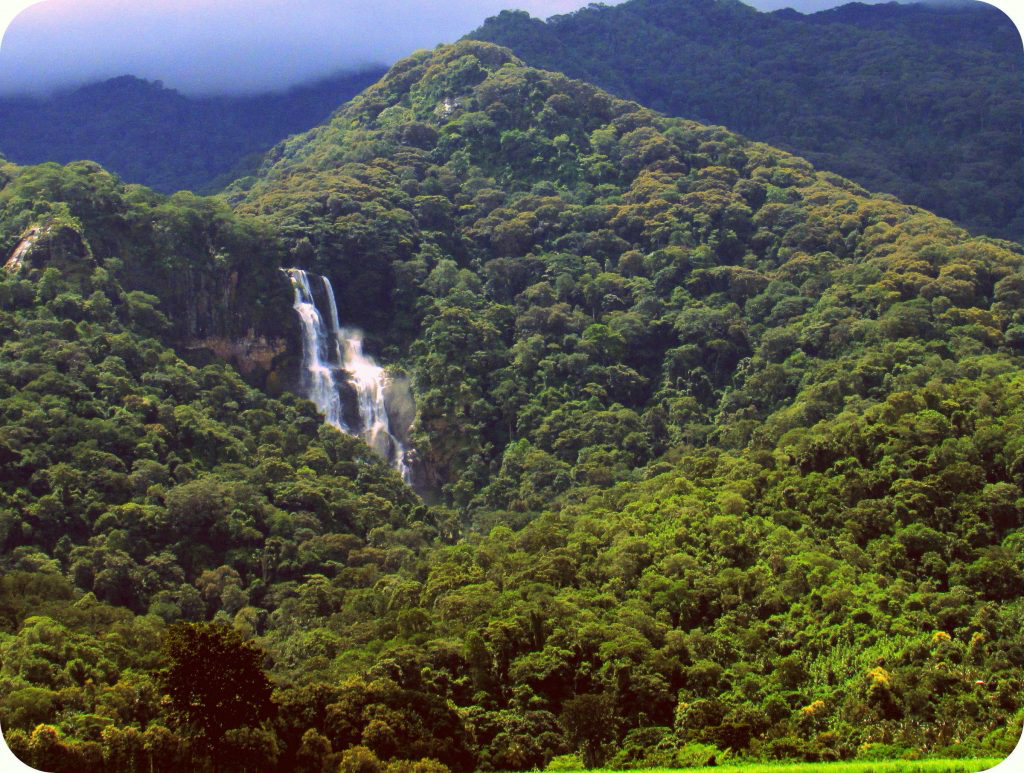
The Udzungwa Mountains are one of Tanzania’s most remarkable natural treasures and a paradise for hikers, wildlife enthusiasts, and nature lovers. Located in south-central Tanzania, the mountains form part of the ancient Eastern Arc Mountain range, which is internationally recognized for its exceptional biodiversity. Unlike Tanzania’s volcanic mountains, Udzungwa is known for its lush rainforests, waterfalls, and rare wildlife rather than high-altitude summits.
Often referred to as the “Galápagos of Africa,” the Udzungwa Mountains contain an extraordinary concentration of plant and animal species found nowhere else on Earth. Visitors can explore pristine forests, hike scenic trails, and discover one of the most biologically important ecosystems in Africa.
Wildlife and Biodiversity
The Udzungwa Mountains are among the most biodiverse areas in Tanzania. The forests provide a refuge for a wide variety of mammals, birds, reptiles, amphibians, and plant species, many of which are endemic to the region.
Wildlife enthusiasts may encounter:
- Endemic primates such as the Iringa red colobus monkey and Sanje mangabey
- Forest elephants that occasionally move through the ecosystem
- More than 400 bird species
- Numerous butterflies, reptiles, and amphibians
- Rare plant species found only within the Eastern Arc Mountains
Scientists consider the Udzungwa Mountains a global biodiversity hotspot because of the high number of unique species that have evolved in isolation over millions of years. This rich biodiversity makes the region one of the most important conservation areas in East Africa.
Sanje Waterfalls Hike
The Sanje Waterfalls Trail is the most popular hiking route in the Udzungwa Mountains and one of the finest day hikes in Tanzania. This scenic trail leads hikers through dense rainforest to the spectacular Sanje Waterfalls, which cascade approximately 170 meters (558 feet) down the mountainside.
Along the hike, visitors can enjoy:
- Beautiful rainforest scenery
- Opportunities to spot monkeys and birds
- Panoramic viewpoints overlooking the Kilombero Valley
- Natural pools near the waterfalls
- A refreshing escape from the heat of the surrounding lowlands
The hike is moderately challenging and suitable for most travelers with a reasonable level of fitness. Reaching the waterfall viewpoint rewards hikers with some of the most impressive natural scenery in Tanzania.
Why Nature Lovers Visit Udzungwa
Nature lovers are drawn to the Udzungwa Mountains because they offer a completely different experience from Tanzania’s famous safari parks and mountain peaks. Instead of focusing on summits, visitors immerse themselves in ancient rainforests filled with wildlife, waterfalls, and unique ecosystems.
Several factors make Udzungwa especially appealing:
- Exceptional biodiversity and endemic wildlife
- Well-maintained hiking trails through pristine forests
- Spectacular waterfalls and scenic viewpoints
- Excellent birdwatching opportunities
- Peaceful surroundings with relatively few visitors
The mountains provide an ideal destination for travelers seeking adventure, photography, wildlife observation, and nature-based tourism. Many visitors combine a trip to Udzungwa with nearby safari destinations, creating a diverse Tanzanian itinerary that includes both rainforest exploration and classic wildlife experiences.
For hikers who appreciate biodiversity, scenic landscapes, and unspoiled wilderness, the Udzungwa Mountains offer one of the most rewarding outdoor adventures in Tanzania.
Mahale Mountains – Hiking with Chimpanzees
The Mahale Mountains are one of Tanzania’s most remote and extraordinary hiking destinations. Located along the eastern shores of Lake Tanganyika in western Tanzania, the mountains are home to lush tropical forests, rugged peaks, and one of Africa’s largest protected populations of wild chimpanzees. The combination of mountain scenery, rich biodiversity, and unique wildlife encounters makes Mahale a truly unforgettable destination for adventurous travelers.
Unlike Tanzania’s more famous hiking destinations, the Mahale Mountains offer a rare opportunity to combine forest trekking with chimpanzee tracking. Visitors can explore pristine wilderness while observing some of humanity’s closest relatives in their natural habitat.
Unique Wildlife Experiences
The highlight of any visit to the Mahale Mountains is the chance to see wild chimpanzees. The region is internationally renowned for its long-term chimpanzee research and conservation efforts, making it one of the best places in Africa to observe these intelligent primates.
Guided treks take visitors deep into the forest in search of chimpanzee groups. Once located, travelers can watch the animals feeding, grooming, playing, and interacting with one another in the wild.
In addition to chimpanzees, the Mahale ecosystem supports a variety of wildlife, including:
- Red colobus monkeys
- Red-tailed monkeys
- Blue monkeys
- Bushbucks and other forest antelope
- Numerous bird species and butterflies
The opportunity to observe wildlife in such a remote and undisturbed environment creates a unique experience that differs greatly from traditional safari adventures.
Hiking Trails and Forests
The Mahale Mountains feature a network of forest trails that wind through dense vegetation, mountain slopes, and river valleys. Hiking conditions vary from relatively gentle walks near the lakeshore to more demanding treks into the higher elevations of the mountain range.
The forests are rich in plant life and provide a cool, shaded environment for hiking. As visitors move through the landscape, they encounter towering trees, crystal-clear streams, and diverse wildlife habitats.
Popular hiking activities include:
- Chimpanzee tracking excursions
- Forest nature walks
- Birdwatching hikes
- Trekking to scenic viewpoints overlooking Lake Tanganyika
- Exploring remote sections of the mountain range
The peaceful atmosphere and pristine surroundings make hiking in Mahale one of the most rewarding wilderness experiences in Tanzania.
How to Visit Mahale Mountains
Because of their remote location, the Mahale Mountains are more difficult to access than many other destinations in Tanzania. Most visitors reach Mahale Mountains National Park by scheduled charter flight followed by a boat transfer across Lake Tanganyika.
The dry season from June to October is generally considered the best time to visit. During this period, hiking conditions are favorable and chimpanzees are often easier to locate within the forest.
Visitors typically stay at safari camps or lodges situated along the shores of Lake Tanganyika. These accommodations provide access to guided chimpanzee treks, forest hikes, and other outdoor activities.
Although reaching Mahale requires more planning than visiting many of Tanzania’s other parks, the effort is well worth it. The combination of mountain landscapes, tropical forests, and close encounters with wild chimpanzees makes the Mahale Mountains one of the country’s most unique and rewarding travel destinations.
Other Mountains Worth Exploring in Tanzania
While Mount Kilimanjaro, Mount Meru, and the Mahale Mountains attract many visitors, Tanzania is home to several lesser-known mountain destinations that offer equally rewarding experiences. These mountains provide opportunities for hiking, cultural exploration, wildlife viewing, and breathtaking scenery away from the country’s busiest tourist routes.
For travelers seeking unique adventures and off-the-beaten-path destinations, the following mountains are well worth exploring.
Pare Mountains
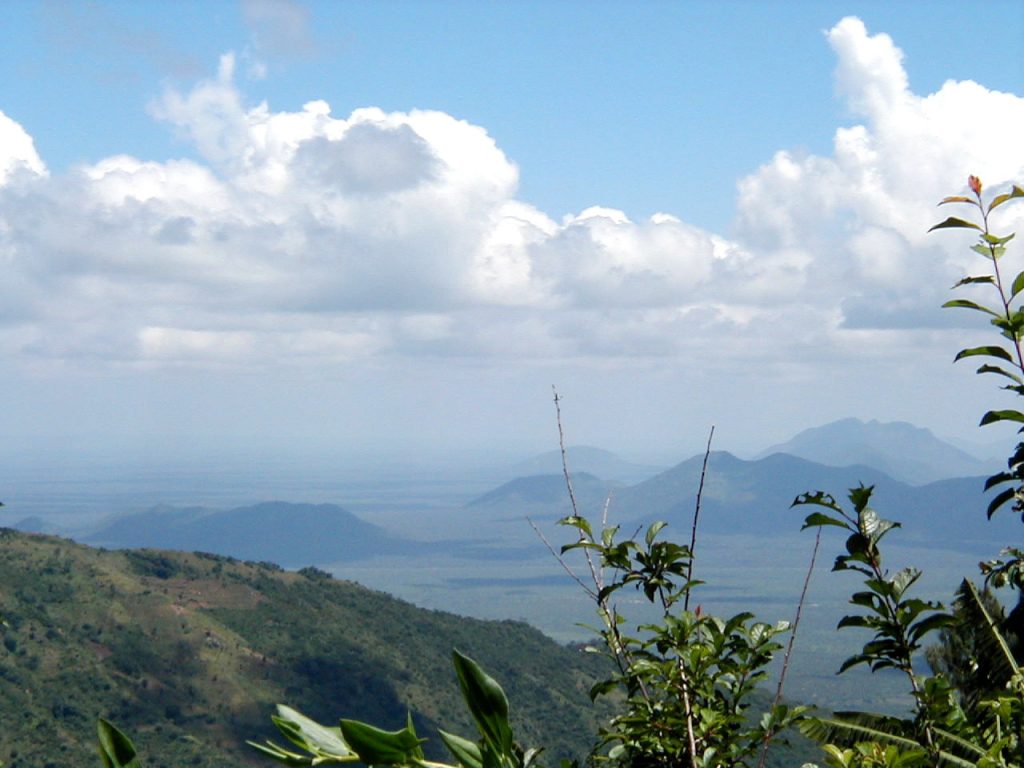
The Pare Mountains are located in northeastern Tanzania between Mount Kilimanjaro and the Usambara Mountains. This scenic mountain range is known for its rolling hills, fertile valleys, traditional villages, and rich cultural heritage.
Hiking trails pass through agricultural landscapes, forests, and local communities, allowing visitors to experience authentic rural life while enjoying beautiful mountain scenery. The region is also known for its historical sites, traditional irrigation systems, and welcoming local culture.
The Pare Mountains are ideal for travelers interested in cultural tourism, nature walks, and peaceful hiking experiences away from crowded trekking routes.
Ngorongoro Highlands
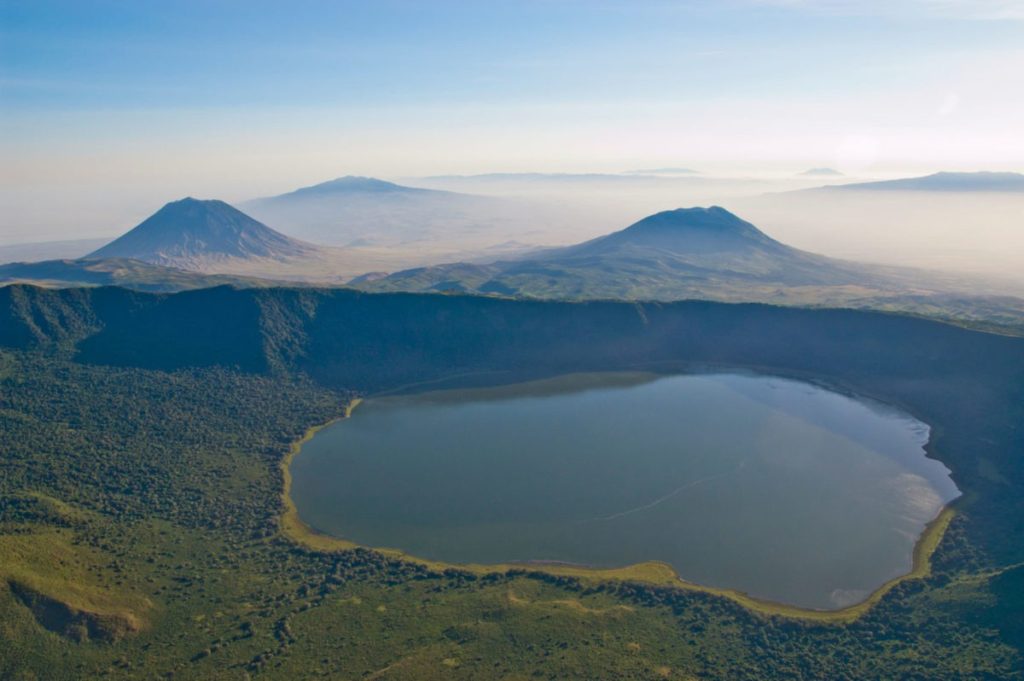
The Ngorongoro Highlands offer some of the most spectacular hiking landscapes in Tanzania. Situated around the famous Ngorongoro Conservation Area, the highlands feature volcanic peaks, crater lakes, grasslands, forests, and sweeping views across the Great Rift Valley.
Unlike many mountain destinations, hiking in the Ngorongoro Highlands often includes encounters with Maasai communities and wildlife such as zebras, wildebeest, and antelope. Popular trekking routes connect remote villages, volcanic craters, and scenic viewpoints throughout the conservation area.
The combination of dramatic landscapes, wildlife, and cultural experiences makes the Ngorongoro Highlands one of Tanzania’s most unique hiking destinations.
Rungwe Mountain
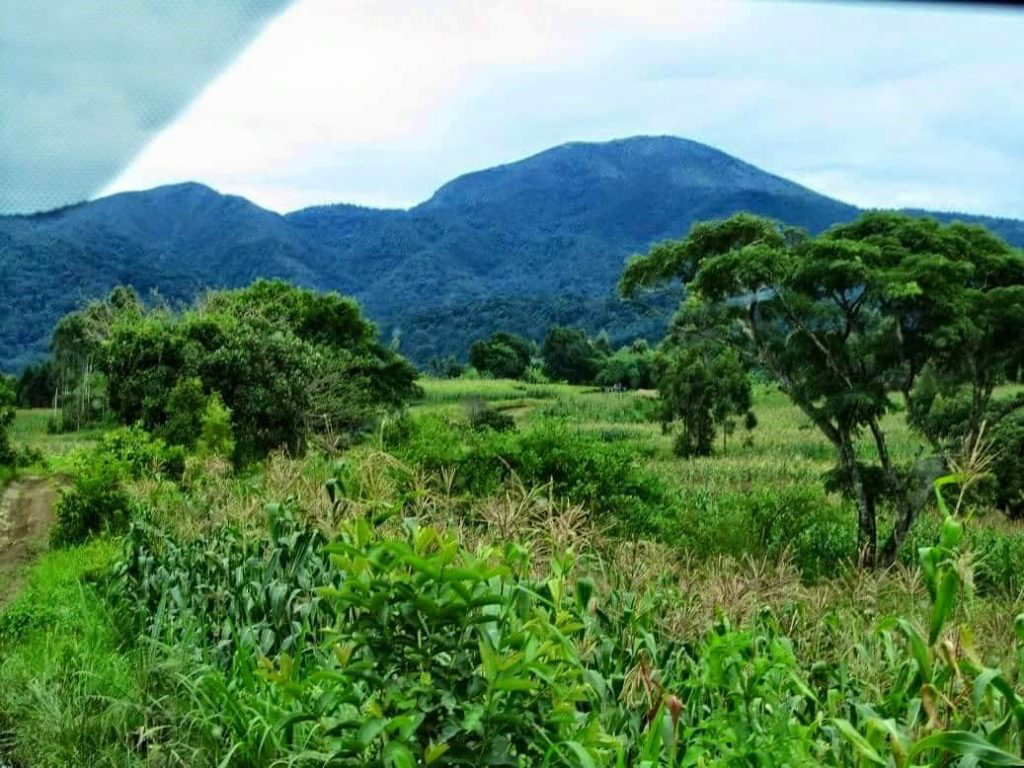
Rungwe Mountain is located in the Southern Highlands of Tanzania and forms part of a volcanic region known for its fertile soils and diverse ecosystems. Rising to approximately 2,981 meters (9,780 feet), the mountain is surrounded by forests, tea plantations, and rolling hills.
The area supports a variety of wildlife and bird species, making it a rewarding destination for nature enthusiasts and birdwatchers. Hiking trails lead through montane forests and offer beautiful views of the surrounding Southern Highlands.
Because relatively few international tourists visit the region, Rungwe Mountain provides a peaceful and authentic outdoor experience for adventurous travelers.
Longido Mountain
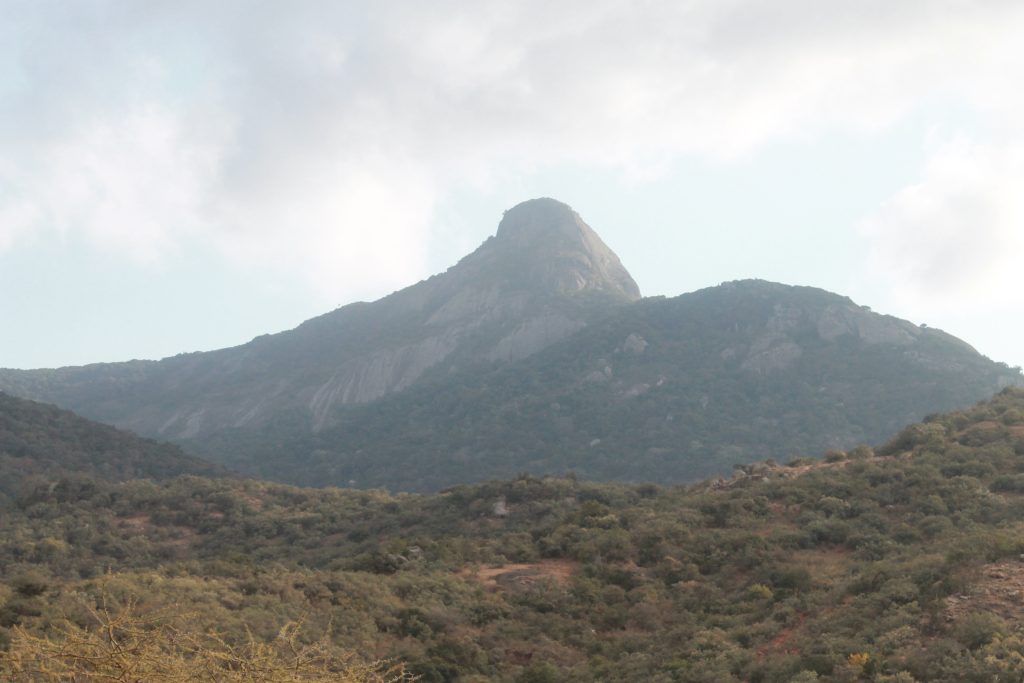
Located near the Tanzania-Kenya border, Longido Mountain is a hidden gem that offers excellent hiking opportunities and stunning views of the surrounding plains. The mountain rises above the semi-arid landscapes inhabited by Maasai communities and provides a completely different environment from Tanzania’s forested mountain regions.
The hike passes through woodland areas that support wildlife such as giraffes, zebras, antelope, and various bird species. Reaching the upper slopes rewards hikers with panoramic views of the surrounding countryside and, on clear days, distant views of Mount Kilimanjaro.
Longido Mountain is particularly appealing to travelers seeking a day hike that combines natural beauty, wildlife encounters, and cultural experiences with the Maasai people.
Together, these lesser-known mountains showcase the incredible diversity of Tanzania’s landscapes and hiking opportunities. Whether you are interested in culture, wildlife, volcanoes, or scenic trekking routes, these destinations offer memorable adventures beyond the country’s most famous peaks.
Which Mountain in Tanzania Should You Choose?
With so many incredible mountains to explore, choosing the right destination depends on your experience level, interests, fitness, and travel goals. Some mountains are ideal for beginners, while others offer challenging multi-day treks, exceptional wildlife encounters, or remote adventures far from the typical tourist trail.
The good news is that Tanzania has a mountain for every type of traveler. Whether you want to reach Africa’s highest summit, hike through rainforest, encounter chimpanzees, or enjoy scenic cultural walks, you can find an adventure that matches your interests.
Best for First-Time Hikers
The Usambara Mountains are often the best choice for first-time hikers. The region offers well-established trails, moderate terrain, and beautiful scenery without the physical demands of high-altitude trekking.
Many routes can be completed in a day, making the mountains accessible to travelers with limited hiking experience. Visitors also enjoy cultural interactions with local communities, adding another dimension to the experience.
Mount Meru can also be a good option for fit beginners seeking a greater challenge, although the higher altitude and steeper terrain require more preparation.
Best for Multi-Day Treks
Mount Kilimanjaro is Tanzania’s premier destination for multi-day trekking adventures. Depending on the route selected, climbers typically spend between five and nine days on the mountain while crossing diverse ecological zones and gradually acclimatizing to the altitude.
The journey to Uhuru Peak offers an unforgettable sense of achievement and some of the most spectacular mountain scenery in Africa. For hikers seeking a challenging expedition and a world-famous summit, Kilimanjaro remains the ultimate choice.
Mount Meru is another excellent option for multi-day trekking, especially for travelers who want a shorter but still demanding mountain experience.
Best for Wildlife Lovers
Mount Meru stands out as the best mountain for wildlife enthusiasts. Located within Arusha National Park, the trek begins with a walking safari where hikers may encounter giraffes, buffalo, zebras, warthogs, and various monkey species.
For travelers interested in primates, the Mahale Mountains provide an extraordinary opportunity to observe wild chimpanzees in their natural habitat. Meanwhile, the Udzungwa Mountains offer exceptional biodiversity, including rare monkeys, endemic birds, and unique rainforest ecosystems.
Each destination provides a different type of wildlife experience, but Mount Meru offers the best combination of mountain trekking and classic African wildlife viewing.
Best for Photography
Photographers are spoiled for choice when exploring Tanzania’s mountains. Mount Kilimanjaro offers dramatic landscapes, glaciers, alpine deserts, and unforgettable summit sunrises. The views from Uhuru Peak rank among the most iconic in Africa.
The Usambara Mountains provide rolling green hills, picturesque villages, and stunning viewpoints that are ideal for landscape photography. Meanwhile, Ol Doinyo Lengai rewards photographers with volcanic scenery, dramatic Rift Valley views, and spectacular sunrise opportunities.
For wildlife and nature photography, the Mahale Mountains and Udzungwa Mountains offer unique opportunities to capture rare animals within pristine forest environments.
Best Off-the-Beaten-Path Adventure
Travelers seeking a less crowded and more adventurous experience should consider Mount Hanang, Longido Mountain, or the Mahale Mountains.
Mount Hanang attracts relatively few visitors despite being one of Tanzania’s highest peaks, making it an excellent choice for hikers who value solitude and untouched landscapes. Longido Mountain offers a blend of cultural experiences, wildlife viewing, and scenic hiking away from the country’s major tourist routes.
For the ultimate remote adventure, the Mahale Mountains stand out. Their isolated location on the shores of Lake Tanganyika creates a true wilderness experience where visitors can combine forest trekking with unforgettable chimpanzee encounters.
Ultimately, the best mountain depends on the type of adventure you are seeking. From beginner-friendly trails to challenging summit climbs and wildlife-rich forests, Tanzania offers some of Africa’s most diverse and rewarding mountain experiences.
Best Time to Hike Mountains in Tanzania
The best time to hike mountains in Tanzania depends on weather conditions, trail accessibility, and the type of experience you are seeking. In general, the dry seasons provide the most favorable hiking conditions, with clear skies, better visibility, and less muddy trails.
The two main hiking seasons are:
- January to March: Warm temperatures, relatively stable weather, and fewer visitors on most trails.
- June to October: Cool, dry conditions and excellent visibility, making this the most popular hiking season in Tanzania.
These months are ideal for climbing Mount Kilimanjaro, Mount Meru, Ol Doinyo Lengai, and other major hiking destinations throughout the country.
The rainy seasons occur from March to May and during November. Heavy rainfall can make trails slippery and reduce visibility, particularly in forested areas such as the Udzungwa and Usambara Mountains. However, these months often bring lush green landscapes and fewer tourists.
For most hikers, June to October and January to March offer the best balance of good weather, scenic views, and comfortable trekking conditions.
Essential Hiking Tips for Tanzania
Proper preparation can make a significant difference in the success and enjoyment of your hiking adventure. Whether you plan to climb Kilimanjaro or explore Tanzania’s lesser-known mountains, the following tips will help you stay comfortable and safe on the trail.
Fitness Preparation
Many of Tanzania’s mountains require good physical fitness, especially those involving steep terrain or high altitudes. Preparing several weeks or months before your trip can improve endurance and increase your chances of completing the hike successfully.
Effective training may include:
- Regular walking, hiking, or trekking
- Cardiovascular exercises such as running, cycling, or swimming
- Strength training for legs and core muscles
- Practice hikes carrying a daypack
- Gradual endurance-building activities
Altitude can affect even experienced hikers, so physical fitness alone does not guarantee success. Taking time to acclimatize and maintaining a steady pace are equally important.
Packing Essentials
Weather conditions can change quickly in Tanzania’s mountains, particularly at higher elevations. Packing appropriate gear helps ensure comfort throughout the trek.
Essential hiking equipment includes:
- Comfortable hiking boots with good traction
- Lightweight moisture-wicking clothing
- Warm layers for cold mornings and evenings
- Waterproof jacket and rain protection
- Hat, sunglasses, and sunscreen
- Reusable water bottles or hydration system
- Headlamp or flashlight
- Basic first-aid supplies
- Trekking poles for steep trails
For high-altitude climbs such as Mount Kilimanjaro and Mount Meru, additional cold-weather clothing may be necessary due to freezing summit temperatures.
Safety and Guide Requirements
Safety should always be a priority when hiking in Tanzania. Conditions can vary significantly depending on the mountain, weather, and altitude.
Several mountains, including Mount Kilimanjaro and Mount Meru, require hikers to be accompanied by licensed guides. Guided treks not only ensure compliance with park regulations but also improve safety and provide valuable local knowledge.
To stay safe while hiking:
- Follow your guide’s instructions at all times
- Stay hydrated throughout the trek
- Ascend slowly to reduce the risk of altitude sickness
- Check weather conditions before departure
- Carry appropriate clothing and emergency supplies
- Avoid hiking alone in unfamiliar areas
Hiring experienced guides and choosing reputable tour operators can greatly enhance your overall experience while helping you navigate Tanzania’s diverse mountain environments safely and responsibly.
With proper preparation, suitable equipment, and realistic expectations, hikers of all experience levels can enjoy the incredible mountain adventures that Tanzania has to offer.
10 Interesting Facts About Tanzania’s Mountains
Tanzania is home to some of Africa’s most diverse and fascinating mountain landscapes. From snow-capped peaks and active volcanoes to ancient rainforests and wildlife-rich highlands, the country’s mountains offer far more than just hiking opportunities. Here are ten interesting facts that highlight the uniqueness of Tanzania’s mountains.
1. Tanzania Is Home to Africa’s Highest Mountain
Mount Kilimanjaro rises to 5,895 meters (19,341 feet) above sea level, making it the highest mountain in Africa and the tallest free-standing mountain in the world.
2. Mount Kilimanjaro Has Glaciers Near the Equator
Despite being located close to the equator, Mount Kilimanjaro’s summit features glaciers and permanent ice fields. These glaciers have been shrinking over the past century due to climate change.
3. Mount Meru Is an Active Volcano
Mount Meru, Tanzania’s second-highest mountain, is an active stratovolcano. Although it has not erupted in recent history, its dramatic crater was formed by powerful volcanic activity.
4. Ol Doinyo Lengai Produces a Rare Type of Lava
Ol Doinyo Lengai is the only active volcano in the world known to produce carbonatite lava. This unusual lava is cooler and more fluid than the lava found in most volcanoes.
5. The Mahale Mountains Are Famous for Chimpanzees
The Mahale Mountains contain one of Africa’s largest protected populations of wild chimpanzees. Visitors can hike through the forest and observe these remarkable primates in their natural habitat.
6. The Udzungwa Mountains Are Known as the “Galápagos of Africa”
Scientists consider the Udzungwa Mountains a biodiversity hotspot because they contain numerous plant and animal species found nowhere else on Earth.
7. Mount Hanang Is Tanzania’s Fourth-Highest Mountain
Although less famous than Kilimanjaro and Meru, Mount Hanang reaches approximately 3,420 meters (11,220 feet) and offers challenging hiking opportunities with far fewer crowds.
8. The Usambara Mountains Are Among Africa’s Oldest Mountain Ranges
The Usambara Mountains form part of the ancient Eastern Arc Mountains, which are believed to be millions of years old and support unique ecosystems and wildlife.
9. Some Tanzanian Mountains Combine Hiking and Wildlife Viewing
Unlike many mountain destinations around the world, places such as Mount Meru allow hikers to encounter wildlife including giraffes, zebras, buffalo, and monkeys during the trek.
10. Tanzania Offers Mountains for Every Skill Level
From gentle cultural walks in the Usambara Mountains to demanding summit climbs on Kilimanjaro and Ol Doinyo Lengai, Tanzania provides mountain adventures suitable for beginners, experienced hikers, and serious trekkers alike.
These fascinating facts demonstrate why Tanzania is one of Africa’s premier destinations for hiking, trekking, wildlife experiences, and mountain exploration. Whether you are seeking a challenging summit, a rainforest adventure, or a scenic cultural trek, Tanzania’s mountains offer unforgettable experiences for every type of traveler.
Faq
Mount Kilimanjaro is the highest mountain in Tanzania and the tallest mountain in Africa. Its highest point, Uhuru Peak, stands at 5,895 meters (19,341 feet) above sea level. The mountain attracts thousands of climbers every year who aim to reach the Roof of Africa.
The best mountain to hike in Tanzania depends on your interests and experience level. Mount Kilimanjaro is the most famous and offers the ultimate trekking achievement. Mount Meru is ideal for hikers seeking wildlife encounters and fewer crowds, while the Usambara Mountains are perfect for scenic trails and cultural experiences.
Mount Meru is generally considered less challenging than Kilimanjaro because it is lower in elevation. However, some sections of the Meru trek are steeper and more physically demanding. Kilimanjaro’s greater altitude presents a bigger challenge due to the increased risk of altitude sickness.
The best time for mountain hiking in Tanzania is during the dry seasons from January to March and June to October.
For some mountains, guides are mandatory. Climbers on Mount Kilimanjaro and Mount Meru must be accompanied by licensed guides according to park regulations. Even on mountains where guides are not required, hiring a local guide is highly recommended for safety, navigation, and cultural insights.
Yes, Tanzania is home to active volcanoes. The most famous is Ol Doinyo Lengai, located near Lake Natron. Known as the “Mountain of God” by the Maasai people, it is the only volcano in the world that produces rare carbonatite lava. Mount Meru is also classified as an active volcano, although it has not erupted in recent history.
Final Thoughts: Discovering Tanzania’s Most Incredible Mountain Adventures
Tanzania is one of Africa’s most diverse and rewarding destinations for hiking and mountain exploration. From the towering slopes of Mount Kilimanjaro and the wildlife-rich trails of Mount Meru to the rainforests of the Udzungwa Mountains and the remote wilderness of the Mahale Mountains, the country offers an incredible variety of landscapes and outdoor experiences.
Whether you are a first-time hiker, an experienced trekker, a wildlife enthusiast, or a photographer seeking spectacular scenery, Tanzania has a mountain adventure to match your interests. Some destinations provide challenging summit climbs, while others offer cultural encounters, rainforest exploration, volcanic landscapes, or unforgettable wildlife experiences.
What makes Tanzania truly special is the diversity found within its mountain regions. In a single country, travelers can stand on Africa’s highest peak, trek through ancient forests, observe wild chimpanzees, explore active volcanic landscapes, and hike alongside local communities that have lived in these mountains for generations.
No matter which mountain you choose, proper preparation, the right equipment, and a spirit of adventure will help you make the most of your journey. Each destination offers its own unique rewards, from breathtaking viewpoints and rare wildlife sightings to personal achievements and lifelong memories.
For travelers seeking some of Africa’s finest hiking experiences, Tanzania’s mountains deliver unforgettable adventures that extend far beyond the trail. Whether your goal is reaching the summit of Kilimanjaro or discovering hidden gems such as Mount Hanang, the Usambara Mountains, or the Mahale Mountains, Tanzania promises extraordinary experiences at every elevation.
Read more Mount Meru