Kissing Rock on Mount Kilimanjaro: Location, Meaning, Difficulty, and Safety Guide
Estimated reading time: 14 minutes
The Kissing Rock on Mount Kilimanjaro is a narrow and famous section on the Barranco Wall where climbers must move very close to a large rock face to pass safely. At this point, the trail becomes tight, so hikers often press their bodies against the rock for balance. Because of this movement, it looks like they are “kissing” or hugging the rock. As a result, this spot has become one of the most memorable moments on the Kilimanjaro climb.
In addition, the Kissing Rock sits on one of the most scenic and exciting parts of the mountain route. Most climbers reach it while moving from Barranco Camp toward Karanga Camp on popular routes such as Machame and Lemosho. Therefore, it forms an important highlight of the Barranco Wall experience.
Furthermore, although the section looks challenging at first sight, it is not dangerous for most climbers. With proper guidance, steady movement, and the famous Tanzanian trekking advice “polepole” (slowly, slowly), hikers pass it safely. Guides also assist climbers when needed, which makes the section manageable even for beginners.
In summary, the Kissing Rock is not just a physical passage on the mountain. Instead, it is a symbolic and exciting moment that combines adventure, scenery, and achievement during the climb to Africa’s highest peak.
Table of contents
- Kissing Rock on Mount Kilimanjaro: Location, Meaning, Difficulty, and Safety Guide
- What Is the Kissing Rock on Kilimanjaro?
- Where Is the Kissing Rock Located?
- Why Is It Called the Kissing Rock?
- Is the Kissing Rock Dangerous?
- How Hard Is the Barranco Wall and Kissing Rock Section?
- How to Safely Pass the Kissing Rock
- Which Kilimanjaro Routes Include the Kissing Rock?
- What Does It Feel Like to Cross the Kissing Rock?
- Frequently Asked Questions About the Kissing Rock
- Final Thoughts: Why the Kissing Rock Is a Highlight of the Kilimanjaro Climb
- Read Also:
What Is the Kissing Rock on Kilimanjaro?
The Kissing Rock on Kilimanjaro sits on the Barranco Wall, where the trail narrows and forces climbers to move very close to a large rock face. Hikers press their hands and bodies against the rock to keep balance while they step forward. Because of this movement, people describe the moment as “kissing” or hugging the rock.
Simple Explanation for Climbers
Climbers reach the Kissing Rock when they climb the steep Barranco Wall section on the way to Karanga Valley. The path becomes narrow, and the rock blocks part of the walking space. So, hikers use their hands on the rock and carefully step along the edge.
In addition, guides often walk beside climbers and point out safe foot placements. This support helps beginners feel more confident. Most people pass this section slowly and safely without any technical climbing skills.
Why It Is a Famous Spot on the Barranco Wall
The Kissing Rock stands out because it creates a unique climbing moment on Mount Kilimanjaro. Unlike other parts of the route, climbers must get very close to the rock surface. This creates a mix of excitement, focus, and fun.
Furthermore, many trekkers talk about this spot after their climb because it feels like a small adventure inside the bigger journey to the summit. Social media photos also make it more popular, as climbers often share their “Kissing Rock moment” with friends.
What Climbers Experience at the Kissing Rock
Climbers feel a mix of concentration and excitement when they reach the Kissing Rock. They slow down, watch every step, and use both hands for balance. The air feels thinner at this altitude, so they also control their breathing carefully.
After they pass the narrow section, many hikers feel a strong sense of achievement. They realize they handled one of the most iconic parts of the Barranco Wall. In addition, the surrounding views of Mount Kilimanjaro make the moment even more memorable and rewarding.
Where Is the Kissing Rock Located?
The Kissing Rock sits on the Barranco Wall on Mount Kilimanjaro. Climbers meet this section when they move from Barranco Camp toward Karanga Valley on the southern slopes of the mountain. The trail narrows here, so hikers pass very close to a rock face while climbing upward.
Location on the Barranco Wall
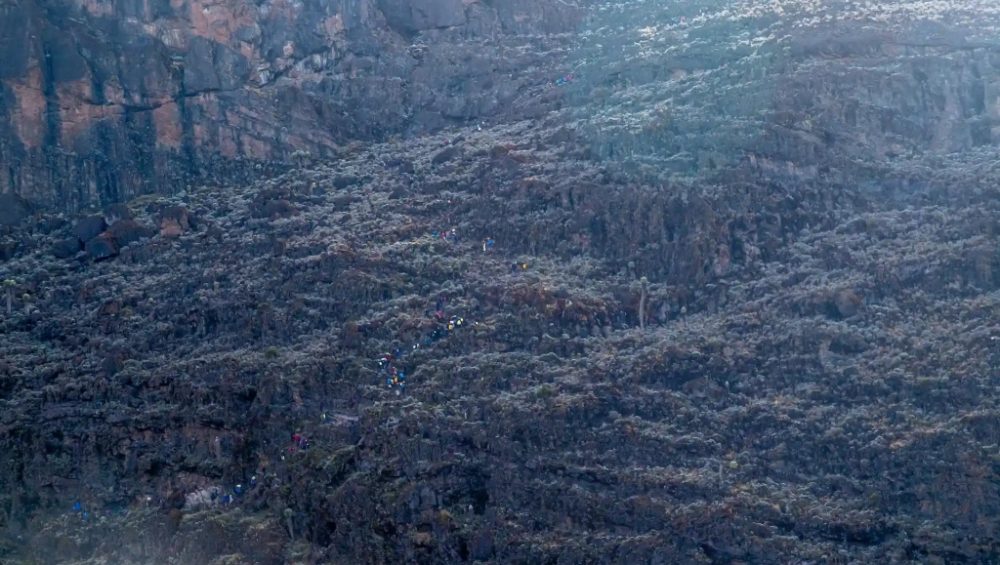
Climbers find the Kissing Rock along the Barranco Wall section, just after leaving Barranco Camp. The path climbs steeply on volcanic rock and follows a zigzag route. At one point, a large rock protrudes into the trail and reduces walking space. As a result, hikers move carefully along the edge while holding the rock for balance.
Elevation and Route Details (Machame, Lemosho, Umbwe)
The Kissing Rock lies at an altitude of about 3,900 to 4,000 meters above sea level, depending on the exact path taken. Climbers on the Machame Route, Lemosho Route, and Umbwe Route all pass through this section when they cross the Barranco Wall.
In addition, this part of the climb forms a key connection between Barranco Camp and Karanga Camp. Most trekkers reach it after a few hours of steady uphill hiking, so fatigue and altitude already play a role in the experience.
How It Fits into the Kilimanjaro Climb
The Kissing Rock forms part of the Barranco Wall ascent, which stands as one of the most important challenges on the way to Uhuru Peak. Climbers do not use ropes here, but they rely on hands, foot placement, and guide instructions to move safely.
Furthermore, this section tests balance and confidence rather than technical climbing skill. After passing it, climbers continue toward higher camps as they approach the summit phase of the Kilimanjaro trek.
Why Is It Called the Kissing Rock?
It is called the Kissing Rock because climbers must pass very close to a large rock on the Barranco Wall. The trail narrows at this point, so hikers lean in and sometimes press their bodies against the rock to move forward. From a distance, this position looks like they are kissing or hugging the rock.
The Meaning Behind the Name
The name comes from the visual shape of the movement, not from any cultural ritual. When climbers squeeze past the rock, they stay very close to it for balance. Because of this, observers started calling it the “Kissing Rock” as a descriptive nickname.
Why Climbers “Hug” or “Kiss” the Rock
Climbers hug the rock because the path becomes tight and uneven on this section of the Barranco Wall. They use their hands on the rock surface to stay stable and step carefully along the edge. Therefore, the movement looks like an embrace or a kiss.
Local Guides’ Explanation of the Name
Local guides explain that the name comes from how climbers position themselves while crossing the narrow section. They also point out that it is not an official geological name. Instead, it became popular because trekkers and guides use it to describe this unique and memorable moment on the climb.
Is the Kissing Rock Dangerous?
The Kissing Rock on Mount Kilimanjaro does not pose serious danger for most climbers. It sits on the Barranco Wall, where hikers move carefully along a narrow path and use their hands for balance. Although the section looks dramatic, it mainly requires focus and steady movement rather than technical climbing skills.
Safety Level on the Barranco Wall
The Barranco Wall, including the Kissing Rock, has a safe and well-defined trail. Climbers follow a clear path that guides them upward step by step. In addition, experienced guides lead the group and show where to place hands and feet.
Because of this support, most hikers cross the section without difficulty. However, climbers must move slowly and avoid rushing, especially at high altitude where fatigue can reduce balance.
Accident Facts and Real Risks on Kilimanjaro
Serious accidents at the Kissing Rock remain extremely rare. Most risks on Kilimanjaro come from altitude sickness, not from climbing sections like the Barranco Wall.
In general, climbers may face minor risks such as slipping if they rush or lose focus. Therefore, guides always encourage careful movement and proper pacing. The key risk factor comes from fatigue, not the rock itself.
Why It Is Considered a Safe Section
The Kissing Rock is considered safe because it does not require ropes, climbing gear, or technical experience. The path stays stable, and guides supervise every group closely.
Furthermore, climbers move one at a time through the narrow part, which reduces crowding and improves safety. As a result, most trekkers complete this section confidently and continue their climb toward Karanga Valley without issues.
How Hard Is the Barranco Wall and Kissing Rock Section?
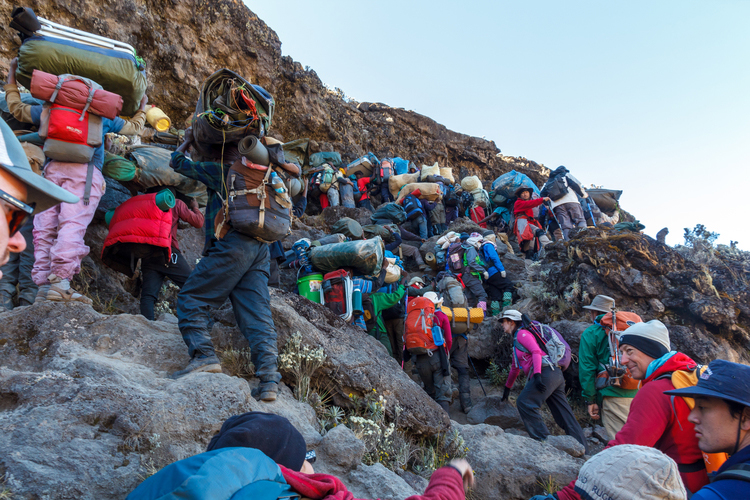
The Barranco Wall, including the Kissing Rock section, feels challenging at first sight, but most climbers complete it without technical climbing skills. The trail demands focus, balance, and slow movement rather than strength or equipment. As a result, many trekkers describe it as exciting rather than dangerous.
Difficulty Level for Beginners
Beginners can complete the Barranco Wall and Kissing Rock section successfully with proper guidance. The path stays clear, and climbers use their hands for balance while stepping carefully on stable rock surfaces.
In addition, guides support climbers throughout the section and show safe routes step by step. Because of this support, even first-time hikers on Kilimanjaro pass this area safely when they move slowly and follow instructions.
Comparison with Other Kilimanjaro Sections
Compared to other parts of Kilimanjaro, the Barranco Wall feels more technical but not the hardest. For example, summit night feels much more difficult because of extreme altitude, cold, and exhaustion.
Meanwhile, the Kissing Rock section focuses more on balance and confidence. Therefore, climbers often find it easier than long summit ascents, even though it looks intimidating from a distance.
Physical and Mental Challenge Explained
The main challenge at the Barranco Wall comes from body coordination and mental focus. Climbers must watch every step, use their hands for stability, and move slowly along narrow paths.
In addition, altitude affects energy levels, so hikers feel slower and more careful. Mentally, some climbers feel nervous at first, but confidence grows quickly as they progress. As a result, most people describe this section as a rewarding challenge rather than a difficult obstacle.
How to Safely Pass the Kissing Rock
Climbers pass the Kissing Rock on Kilimanjaro safely when they move carefully, follow instructions, and stay focused. This section does not require ropes or technical climbing skills. Instead, it depends on balance, patience, and good guidance from experienced mountain guides.
Step-by-Step Climbing Technique
Climbers start by approaching the narrow section slowly and observing the path ahead. They place one hand on the rock for support and test each step before moving forward.
In addition, hikers keep their body close to the rock surface to improve balance. They move one foot at a time and avoid rushing. As a result, they maintain stability even on the narrow edge of the Barranco Wall.
Role of Professional Guides
Professional guides play a key role in helping climbers pass the Kissing Rock safely. They walk close to the group, point out safe steps, and support climbers who feel unsure.
Furthermore, guides control the pace of the group and manage spacing so that each climber moves safely through the narrow section. Their experience reduces risk and builds confidence, especially for first-time trekkers.
Why You Must Move “Polepole”
“Polepole” means “slowly, slowly” in Swahili, and it represents the most important rule on Kilimanjaro. Climbers must move slowly to maintain balance, conserve energy, and adjust to high altitude.
In addition, slow movement reduces mistakes on uneven ground. When climbers rush, they increase the risk of slipping or losing focus. Therefore, moving polepole helps ensure both safety and success on the Barranco Wall and beyond.
Which Kilimanjaro Routes Include the Kissing Rock?
The Kissing Rock appears on routes that cross the Barranco Wall, one of the most famous sections of Mount Kilimanjaro. Climbers meet it during the ascent from Barranco Camp to Karanga Valley. Therefore, only routes that pass through this section include the Kissing Rock experience.
Machame Route Experience
The Machame Route includes the Kissing Rock because it climbs the Barranco Wall after Barranco Camp. Climbers start the day with a steady uphill trek, then reach the narrow wall section where they pass close to the rock face.
In addition, this route offers a popular and scenic climbing experience. Many hikers enjoy the challenge of the Barranco Wall because it adds excitement without requiring technical skills.
Lemosho Route Experience
The Lemosho Route also includes the Kissing Rock when it joins the southern circuit of Kilimanjaro. Climbers pass through the Barranco Wall after several days of gradual altitude gain.
Furthermore, hikers on this route often feel well-acclimatized by the time they reach the section. As a result, they usually handle the Kissing Rock more comfortably compared to shorter routes.
Umbwe Route Experience
The Umbwe Route reaches the Kissing Rock as it connects to the Barranco Wall on the southern slopes. This route feels steeper and more direct in earlier stages, so climbers may arrive at the wall feeling more challenged.
However, once they reach the Kissing Rock, they follow the same safe path as other routes. Guides still lead the way, and climbers pass the section using careful steps and steady movement.
What Does It Feel Like to Cross the Kissing Rock?
Crossing the Kissing Rock feels exciting, focused, and a little bit intense for most climbers. The trail narrows, so hikers slow down and concentrate on every step. At the same time, they use their hands to hold the rock and keep balance while moving forward. Because of this, the moment feels like a small challenge inside the bigger journey to the summit of Mount Kilimanjaro.
First-Time Climber Experience
First-time climbers often feel nervous when they see the narrow section ahead. The rock looks close, and the path seems tight at first sight. However, as they start moving, they realize the section is manageable and safe with proper guidance.
In addition, guides stay nearby and show exactly where to place hands and feet. This support helps beginners build confidence quickly. After a few steps, most climbers relax and focus on steady movement instead of fear.
Views from the Barranco Wall
The Kissing Rock sits on one of the most scenic parts of Kilimanjaro, so climbers enjoy wide mountain views while crossing it. The Barranco Wall rises above deep valleys, and the landscape opens up in every direction.
Furthermore, the volcanic cliffs and surrounding clouds create a dramatic atmosphere. As climbers move slowly along the wall, they often pause briefly to take in the scenery before continuing upward.
Why Climbers Remember This Moment
Climbers remember the Kissing Rock because it combines challenge, excitement, and achievement in one short section. The movement feels different from normal hiking, so it stands out in their memory.
In addition, many trekkers talk about this moment after the climb because it feels like a symbolic milestone. After passing it, they feel more confident about continuing toward higher camps and eventually reaching Uhuru Peak.
Frequently Asked Questions About the Kissing Rock
This section answers the most common questions climbers ask about the Kissing Rock on Mount Kilimanjaro. These quick answers help beginners understand what to expect before reaching the Barranco Wall.
The Kissing Rock is a narrow section on the Barranco Wall where climbers pass very close to a large rock face. They use their hands for balance and step carefully through a tight path. Because of this movement, people call it the “Kissing Rock.”
The Kissing Rock can look scary at first because the trail appears narrow and steep. However, most climbers find it manageable once they start moving. In addition, guides support every step, so confidence grows quickly during the climb.
No, the Kissing Rock itself does not have a record of fatalities. Most serious risks on Kilimanjaro come from altitude sickness, not from the Barranco Wall. Therefore, this section remains safe when climbers follow guide instructions and move carefully.
The Barranco Wall usually takes about 1 to 2 hours to complete, depending on the group’s pace and weather conditions. Climbers move slowly because the path narrows in some areas, including the Kissing Rock section.
No, climbers do not need ropes to pass the Kissing Rock or the Barranco Wall. The trail is a hiking route, not a technical climb. However, climbers must use their hands for balance and follow their guide’s instructions for safety.
Final Thoughts: Why the Kissing Rock Is a Highlight of the Kilimanjaro Climb
The Kissing Rock stands out as one of the most memorable moments on Mount Kilimanjaro because it combines challenge, scenery, and achievement in a short but exciting section of the Barranco Wall. Climbers do not need technical skills, yet they still feel a real sense of adventure while passing through the narrow rock face.
In addition, this section adds variety to the Kilimanjaro experience. Instead of only walking uphill, hikers interact closely with the mountain by using their hands, adjusting their steps, and focusing on balance. As a result, the moment feels more engaging and personal than many other parts of the climb.
Furthermore, the Kissing Rock gives climbers a confidence boost. After passing it safely, many hikers feel stronger and more prepared for the higher and more demanding sections ahead. Therefore, it becomes a small but important milestone on the journey to Uhuru Peak.
In conclusion, the Kissing Rock remains a highlight because it turns a simple section of trail into a memorable story that climbers often share long after they return home.