introduction Things to Do in Kilimanjaro National Park
Estimated reading time: 21 minutes
Kilimanjaro National Park is not only for climbing, it is a complete adventure destination that offers nature, culture, wildlife, and unforgettable travel experiences in Tanzania. Located in northern Tanzania, the park is home to Mount Kilimanjaro, the highest mountain in Africa, but its beauty goes far beyond the summit. Many travelers come expecting only a trekking experience, but they discover a rich combination of activities that make the journey more meaningful and diverse.
For adventure lovers, the most famous activity is climbing Mount Kilimanjaro. This experience takes trekkers through different ecological zones, from rainforest to alpine desert, and finally to the icy summit. However, even for those who do not plan to climb to the top, the park still offers many exciting options such as day hikes, nature walks, and scenic exploration of the lower slopes.
The surrounding areas of the park are filled with natural beauty. Visitors can explore peaceful rainforest trails, discover hidden waterfalls, and enjoy panoramic views of the mountain from different angles. These experiences are perfect for travelers who want to enjoy nature without doing a full summit climb.
Cultural experiences are also an important part of visiting Kilimanjaro National Park. Around the mountain, travelers can meet the Chagga people, learn about their traditional lifestyle, and explore local villages. Coffee tours are especially popular, where visitors can see how coffee is grown, harvested, and processed on the fertile slopes of the mountain.
Wildlife observation adds another layer to the experience. The lower forest zones are home to monkeys, birds, and other small animals, making it a great destination for nature lovers and photographers. The changing landscapes also create excellent opportunities for photography, especially during sunrise and sunset.
In this guide, we will explore the top things to do in Kilimanjaro National Park, including climbing adventures, day hikes, waterfalls, cultural tours, coffee experiences, wildlife viewing, and photography spots that make this destination truly unique.
Table of contents
- introduction Things to Do in Kilimanjaro National Park
- Climb Mount Kilimanjaro – The Ultimate Adventure
- Explore Scenic Day Hikes Around the Park
- Visit Beautiful Waterfalls Near Kilimanjaro
- Experience Chagga Culture and Local Villages
- Coffee Tours on the Slopes of Kilimanjaro
- Wildlife and Nature Observation
- Photography and Scenic Viewpoints
- Camping and Nature Experience
- Best Time to Visit Kilimanjaro National Park
- Responsible Tourism in Kilimanjaro National Park
- FAQ – Top Things to Do in Kilimanjaro National Park
- Final Thought
- Read Also:
Climb Mount Kilimanjaro – The Ultimate Adventure
Climbing Mount Kilimanjaro is the most famous and rewarding activity in Kilimanjaro National Park. It is a once-in-a-lifetime adventure that attracts trekkers from all over the world who want to stand on the highest point in Africa. The climb is not just about reaching the summit, but also about experiencing different landscapes, weather conditions, and natural beauty along the way.
Reach Africa’s highest peak
The main goal of the climb is to reach the summit of Mount Kilimanjaro, known as Uhuru Peak. At 5,895 meters above sea level, it is the highest point in Africa and one of the most iconic trekking destinations in the world. Standing at the summit gives climbers a powerful sense of achievement, as they complete a challenging journey that tests both physical strength and mental determination.
Different routes like Machame and Lemosho
There are several routes to climb Kilimanjaro, each offering a different experience. Popular options include the Machame Route and the Lemosho Route, both known for their beautiful scenery and higher success rates due to better acclimatization. These routes take trekkers through rainforests, moorlands, and alpine desert zones, giving a full experience of the mountain’s changing environment. Choosing the right route is important for both enjoyment and safety.
Experience altitude zones and summit night
One of the most unique parts of climbing Kilimanjaro is passing through different altitude zones. Trekkers move from lush rainforest to cold alpine desert and finally to icy summit conditions. As altitude increases, oxygen levels decrease, making the climb more challenging.
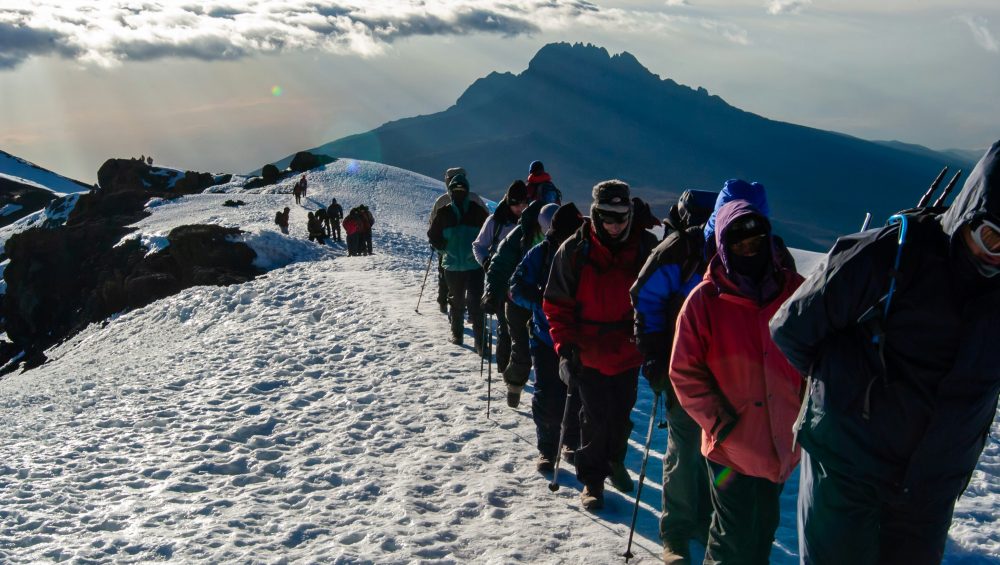
The final stage is summit night, which is the most difficult part of the journey. Climbers usually start walking around midnight in cold, dark conditions to reach the summit at sunrise. This moment is physically demanding but emotionally powerful, making the achievement of reaching Uhuru Peak unforgettable for every trekker.
Explore Scenic Day Hikes Around the Park
One of the most enjoyable and accessible activities in Kilimanjaro National Park is exploring scenic day hikes around the lower slopes of Mount Kilimanjaro. These hikes are perfect for travelers who want to experience the beauty of the mountain without committing to a full multi-day climb. They also give visitors a chance to see different landscapes, learn about the environment, and enjoy a real trekking experience in a shorter time.
Short hikes for beginners
Day hikes on Kilimanjaro are designed to be friendly for beginners, families, and travelers who may not have previous trekking experience. These routes are guided and usually last a few hours, making them suitable for people with limited time in Tanzania. Even though they are short, they still offer an authentic mountain experience with gradual elevation gain and beautiful natural surroundings.
During these hikes, trekkers walk through well-maintained forest trails while learning basic trekking rules such as pacing and hydration. Guides also explain the local environment and help visitors understand how the mountain changes with altitude. This makes the experience not only enjoyable but also educational for first-time visitors.
Rainforest trails with wildlife views
Many of the day hikes pass through the rich rainforest zone, which is one of the most beautiful parts of Kilimanjaro. This area is full of tall trees, thick vegetation, and a cool, misty atmosphere that feels very different from the lower towns. The rainforest is also home to a variety of wildlife, including monkeys, colorful birds, and unique plant species.
As trekkers move deeper into the forest, they experience peaceful surroundings and natural sounds that create a strong connection with nature. The combination of greenery, wildlife, and mountain views makes this section of the hike one of the most memorable experiences for visitors.
Perfect for acclimatization
Day hikes are also very useful for climbers who are planning to summit Mount Kilimanjaro. Walking at higher altitude for a few hours helps the body slowly adjust to lower oxygen levels. This process is called acclimatization, and it is very important for reducing the risk of altitude sickness during longer climbs.
Even a short hike can help the body understand how it reacts to altitude changes. Many experienced trekkers use these hikes as preparation before starting full routes like Machame or Lemosho. Better acclimatization increases comfort, improves endurance, and can significantly improve summit success rates.
Visit Beautiful Waterfalls Near Kilimanjaro
Visiting waterfalls is one of the most relaxing and refreshing activities in Kilimanjaro National Park and the surrounding areas of Mount Kilimanjaro. These waterfalls are formed by natural mountain streams that flow from the higher slopes down into the valleys, creating scenic spots filled with fresh air, green vegetation, and peaceful sounds of flowing water. Many travelers ask what they can do around Kilimanjaro besides climbing, and waterfall visits are one of the best answers because they combine nature, light adventure, and cultural experience in one activity.
Natural waterfalls in Moshi region
Most of the well-known Kilimanjaro waterfalls are located in the Moshi region, at the base of the mountain. These waterfalls are fed by clean mountain water coming from the forest zones above, making them active throughout the year. Some are large and powerful, while others are smaller and hidden inside green forest areas.
Visitors often take guided tours to explore these waterfalls safely, as local guides know the best routes and viewpoints. These tours are not only about seeing water falling from cliffs but also about enjoying the surrounding nature, including birds, butterflies, and tropical plants. The cool environment near the waterfalls is also a great escape from the warm lowland areas, making it a refreshing stop for travelers.
Easy cultural trekking routes
Waterfall tours around Kilimanjaro are usually combined with short cultural trekking routes. These paths are easy to walk and suitable for most travelers, even those without trekking experience. Along the way, visitors pass through local villages, banana plantations, and coffee farms, giving them a closer look at daily life in the Kilimanjaro region.
This combination of nature and culture makes the experience more meaningful. Travelers not only reach the waterfalls but also learn how local communities live, farm, and use natural water sources for agriculture and daily needs. Guides often explain traditions, farming methods, and the importance of the mountain ecosystem to the surrounding people.
Great photography spots
Kilimanjaro waterfalls are also excellent for photography because they offer a mix of water, forest, and mountain scenery. The natural lighting, especially in the morning and late afternoon, creates beautiful conditions for capturing landscapes and nature shots. The movement of water combined with green surroundings makes every photo visually powerful and attractive.
These locations are perfect for both professional photographers and casual travelers who want to capture memories of their trip. Whether taking wide landscape photos or close-up shots of flowing water, the waterfalls provide endless creative opportunities.
Overall, visiting waterfalls near Mount Kilimanjaro gives travelers a deeper understanding of the region’s natural beauty, cultural life, and peaceful environment, making it one of the most rewarding experiences in Kilimanjaro National Park.
Experience Chagga Culture and Local Villages
One of the most meaningful experiences around Mount Kilimanjaro is learning about the Chagga culture and visiting local villages at the foothills of the mountain. Many travelers focus only on climbing, but the cultural side of Kilimanjaro is just as important. The Chagga people have lived in this region for generations, and their traditions, farming systems, and daily lifestyle are deeply connected to the mountain environment.
This experience gives visitors a chance to understand how local communities live alongside one of Africa’s most famous natural landmarks. It also adds cultural value to the journey, making the trip more than just a physical adventure.
Traditional lifestyle at the foothills
The Chagga people Kilimanjaro region live mainly on the fertile slopes of the mountain, where the soil is rich and suitable for farming. Their traditional lifestyle is closely linked to agriculture, community cooperation, and respect for nature. Many homes are built within green landscapes filled with banana trees, coffee plants, and small gardens.
Visitors on cultural tours Moshi often get the opportunity to walk through these villages and observe how daily life is organized. Locals may demonstrate traditional cooking methods, farming techniques, and household activities that have been passed down through generations. This gives travelers a deeper understanding of how people adapt and thrive in a mountain environment.
Local food and farming culture
Food is an important part of Chagga culture. Families grow crops such as bananas, maize, beans, and coffee on the fertile volcanic soil of Kilimanjaro. These crops form the base of their daily meals and also support the local economy.
During cultural visits, travelers may taste traditional dishes made from fresh local ingredients. They can also learn about farming practices, including how coffee is grown, harvested, and processed by hand. This connection between farming and daily life shows how deeply the Chagga people are connected to the land and the mountain.
Cultural storytelling and history
Storytelling is an important tradition in Chagga culture. Elders often share stories about the history of the region, ancient beliefs, and the importance of Mount Kilimanjaro in their heritage. These stories help preserve cultural identity and pass knowledge from one generation to another.
On cultural tours, guides and local hosts often share these stories with visitors, explaining how the community has evolved over time. Travelers gain insight into both historical and modern life in the Kilimanjaro region, making the experience more educational and memorable.
Overall, experiencing Chagga culture adds depth to any visit to Kilimanjaro National Park, giving travelers a balanced mix of nature, adventure, and human connection.
Coffee Tours on the Slopes of Kilimanjaro
One of the most enjoyable cultural experiences around Mount Kilimanjaro is taking part in coffee tours on the fertile slopes of the mountain. This region is famous for producing high-quality Arabica coffee because of its rich volcanic soil, cool climate, and steady rainfall. Many travelers visiting Kilimanjaro National Park combine their adventure with a coffee experience to learn how local farmers produce one of Tanzania’s most important crops.
Coffee tours are not only about tasting coffee but also about understanding the full journey from farm to cup. Visitors get a chance to see how local communities grow, harvest, process, and prepare coffee using traditional methods that have been passed down for generations.
Learn coffee farming process
During coffee tours, travelers first learn how coffee is grown on the slopes of Kilimanjaro. The plants are usually cultivated in small farms under shade trees, which help protect them from strong sun and maintain soil moisture. Local farmers explain the planting process, seasonal care, and how coffee cherries develop over time.
Visitors can also walk through the farms and see the coffee plants up close. This hands-on experience helps travelers understand the amount of work and care needed before coffee reaches the market. It also highlights how important coffee farming is to the livelihoods of people living in the Kilimanjaro region.
From bean to cup experience
One of the most interesting parts of the tour is seeing the transformation of coffee cherries into roasted beans. Travelers learn how cherries are picked, dried, roasted, and ground using traditional techniques. In many villages, this process is done manually, making the experience authentic and educational.
Guides often demonstrate each step and allow visitors to try parts of the process themselves. This “bean to cup” journey helps travelers appreciate the effort behind every cup of coffee and understand why Kilimanjaro coffee is highly valued.
Local organic coffee tasting
At the end of the tour, visitors get to enjoy freshly brewed organic coffee made from beans grown right on the mountain slopes. The taste is often rich, smooth, and aromatic due to the natural growing conditions in the region.
Many travelers describe this as one of the highlights of their trip because it combines flavor, culture, and storytelling in one experience. Drinking coffee while overlooking the green landscapes of Kilimanjaro makes the moment even more special.
Overall, coffee tours offer a perfect blend of culture, education, and relaxation, making them a must-do activity when exploring Kilimanjaro National Park.
Wildlife and Nature Observation
Another amazing experience in Kilimanjaro National Park is wildlife and nature observation. While many travelers know Mount Kilimanjaro mainly for trekking, the mountain is also home to a rich and diverse ecosystem. The lower slopes and forest zones offer a peaceful natural environment where visitors can observe animals, birds, and unique plant life. This makes Kilimanjaro not only a trekking destination but also a great place for nature lovers and wildlife photography.
Forest animals in lower zones
The lower forest zones of Kilimanjaro are filled with life and natural activity. These areas are part of the tropical rainforest, where conditions are warm, humid, and ideal for different types of animals. Small forest mammals and other creatures live in this environment, relying on the thick vegetation for food and shelter.
Visitors walking through these zones often experience a quiet and untouched natural world. The dense forest, combined with misty weather, creates a magical atmosphere that feels very different from the higher alpine areas of the mountain. This part of Kilimanjaro is an important habitat that supports the overall ecosystem of the region.
Birds and monkeys in rainforest
The rainforest on Kilimanjaro is especially famous for birdlife and primates. Many species of birds can be seen or heard in the trees, making it a great destination for birdwatching. Their sounds create a natural soundtrack throughout the trekking routes.
Monkeys are also commonly seen in the forest, especially along hiking trails. They move through the trees and sometimes appear near trekking paths, giving visitors a chance to observe them in their natural habitat. These rainforest animals Tanzania experience adds excitement and variety to the trekking journey.
Unique mountain ecosystem
Kilimanjaro has a unique ecosystem because it includes multiple climate zones within one mountain. As altitude increases, the environment changes from rainforest to moorland, then alpine desert, and finally to arctic conditions near the summit. Each zone supports different types of plants and animals.
This natural transition makes Kilimanjaro one of the most interesting ecological systems in the world. It allows visitors to experience completely different environments in a single journey. The combination of Kilimanjaro wildlife, changing landscapes, and altitude zones makes the mountain a truly special destination for nature observation and environmental learning.
Photography and Scenic Viewpoints
Photography is one of the most rewarding experiences in Kilimanjaro National Park because every stage of the journey offers different and dramatic landscapes. From dense forests to open mountain views, Mount Kilimanjaro provides endless opportunities for travelers to capture unforgettable moments. Many visitors come not only for trekking or wildlife, but also to experience the natural beauty through photography and scenic viewpoints.
Sunrise views of Mount Kilimanjaro
One of the most iconic photography moments is sunrise over Mount Kilimanjaro. Early in the morning, the first light of the day slowly reveals the mountain peaks above the clouds. This creates a magical scene where golden sunlight touches the snow-capped summit while the lower valleys remain covered in mist.
For many travelers, capturing this sunrise is a highlight of their trip. The contrast between light, shadow, and clouds makes it one of the most beautiful natural scenes in Africa. It is also a powerful moment that represents the spirit of adventure and achievement.
Cloud forest photography
The cloud forest zone of Kilimanjaro is another excellent location for photography. This area is often covered in mist, creating a soft and dreamy atmosphere. Tall trees, hanging moss, and filtered sunlight make the forest look almost like a natural painting.
Photographers can capture unique shots of vegetation, light rays breaking through the fog, and wildlife hidden among the trees. The ever-changing weather conditions in this zone make each photo different and special. It is a perfect place for nature lovers who enjoy creative and atmospheric photography.
Best spots for travelers
There are many scenic viewpoints across Kilimanjaro where travelers can stop and take photos. These include forest clearings, mountain ridges, and viewpoints along trekking routes. Each location offers a different perspective of the mountain and surrounding landscapes.
Some spots provide wide panoramic views, while others are ideal for close-up nature shots. Guides often help trekkers find the best photography locations depending on weather and lighting conditions. This ensures visitors can capture the most memorable and high-quality images of their journey.
Overall, photography on Kilimanjaro is not just about taking pictures it is about preserving memories of one of the most beautiful natural environments in the world.
Camping and Nature Experience
Camping is one of the most authentic ways to experience Kilimanjaro National Park and the natural beauty of Mount Kilimanjaro. Unlike normal travel experiences, camping on the mountain allows visitors to fully connect with nature, sleep in different altitude zones, and experience the real atmosphere of high-altitude trekking. It is a key part of multi-day climbs and gives trekkers a deeper understanding of mountain life.
Camping in different ecological zones
One of the most unique parts of Kilimanjaro camping is that trekkers sleep in different ecological zones as they ascend the mountain. Each camp is located in a different environment, starting from lush rainforest at the lower levels and gradually moving into moorland, alpine desert, and colder high-altitude zones.
This means every night feels different, with changing temperatures, scenery, and altitude conditions. Camping in these zones helps climbers experience the full diversity of Kilimanjaro’s ecosystem in a very direct and immersive way. It also allows proper acclimatization, which is important for a safe summit attempt.
Night sky and mountain atmosphere
At night, Kilimanjaro offers one of the most beautiful natural skies in the world. Because the mountain is far from city lights, the stars appear extremely bright and clear. Many trekkers describe the night sky as one of the most peaceful and unforgettable parts of the journey.
The mountain atmosphere at night is calm, cold, and quiet, creating a strong sense of adventure and reflection. The sound of wind and the stillness of nature make camping a unique experience that is very different from everyday life. It is a moment where trekkers truly feel connected to the natural world.
Guided trekking experience
Camping on Kilimanjaro is always done with the support of experienced guides and mountain crews. They help set up tents, prepare meals, and ensure safety throughout the journey. Their presence allows trekkers to focus on the experience while everything else is professionally managed.
Guides also lead daily trekking routes between camps, ensuring the group follows the correct pace and acclimatization strategy. This guided experience is important for both safety and success, especially in high-altitude conditions.
Overall, camping is not just accommodation on Kilimanjaro it is a core part of the adventure, offering comfort, safety, and a deep connection with nature.
Best Time to Visit Kilimanjaro National Park
The best time to visit Kilimanjaro National Park and climb Mount Kilimanjaro is during the dry seasons when weather conditions are more stable and trekking trails are safer. In simple terms, this is the time when there is less rain, better visibility, and more comfortable hiking conditions, which makes the overall climbing experience easier and more enjoyable.
The dry seasons usually offer clear skies, dry paths, and better mountain views, which help climbers enjoy the scenery and improve their chances of reaching the summit. In contrast, the rainy seasons bring muddy trails, cloudy weather, and reduced visibility, making trekking more challenging.
The most popular months for climbing are January to March and June to October. These months are preferred because they provide the best balance of weather stability and trekking safety.
Dry season vs rainy season
The dry season is the best time to visit because there is less rain, fewer muddy trails, and clearer views of the mountain. During this time, trekking is safer and more enjoyable because paths are stable and weather conditions are more predictable. Climbers also get better chances to see sunrise and summit views without heavy clouds blocking the scenery.
The rainy season is more challenging because trails become slippery and forest sections can be wet and muddy. Visibility is often reduced due to clouds and mist. However, this season is quieter, meaning fewer tourists on the mountain, and the landscape becomes very green and beautiful. It is suitable for travelers who prefer fewer crowds and do not mind difficult weather.
Best months for trekking
The best months for trekking Kilimanjaro are January to March and June to October. These months fall in the dry seasons, which provide the most stable weather conditions for climbing. Most successful summit attempts happen during these periods because climbers face fewer weather-related challenges.
During these months, skies are usually clearer, temperatures are more manageable, and the overall trekking experience is more comfortable. Because of this, these months are also the busiest, so routes and camps may have more trekkers compared to low season.
Weather conditions explained
Weather on Kilimanjaro changes a lot depending on altitude. At the base, it is warm and tropical, especially in the rainforest zone. As you climb higher, temperatures gradually drop and the environment becomes colder and more extreme.
Near the summit, conditions can be freezing with strong winds and very thin air. This is why proper preparation is important regardless of the season. Even if you climb during the best months, you must still be ready for cold nights, rain at lower zones, and freezing summit conditions.
In summary, the best time to visit Kilimanjaro National Park is during the dry seasons because they offer safer trails, better visibility, and a more enjoyable trekking experience.
Responsible Tourism in Kilimanjaro National Park
Responsible tourism in Kilimanjaro National Park is very important for protecting nature, supporting local people, and ensuring safe travel experiences for every visitor. When exploring Mount Kilimanjaro, travelers are not only enjoying a natural wonder but also entering a sensitive mountain ecosystem and living cultural environment. Responsible trekking helps preserve this beauty for future generations while improving the experience for both visitors and local communities.
Respect nature and wildlife
Respecting nature is one of the key principles of responsible tourism. Visitors should avoid littering, stay on marked trails, and protect the natural environment of the mountain. The ecosystem of Kilimanjaro is fragile, and even small actions can have long-term effects on plants and wildlife.
Wild animals and natural habitats should also be observed from a safe distance without disturbing their behavior. By respecting nature, trekkers help maintain the balance of this unique mountain environment.
Support local communities
Supporting local communities is another important part of responsible travel. Around Kilimanjaro, many people depend on tourism for their income, including guides, porters, drivers, and local farmers. Choosing local services helps improve livelihoods and strengthens the regional economy.
Travelers can also support communities by purchasing local products, joining cultural experiences, and respecting traditions. This creates a positive connection between visitors and local people, making tourism more meaningful and beneficial for everyone.
Travel with experienced guides
Traveling with experienced guides is essential for both safety and sustainability. Professional guides understand the mountain, weather conditions, and altitude challenges. They ensure that trekkers follow safe routes and proper acclimatization practices.
Experienced guides also help reduce environmental impact by promoting responsible trekking behavior. Their knowledge improves safety, increases summit success, and ensures that visitors have a well-organized and respectful journey.
Overall, responsible tourism is not just about following rules it is about protecting Kilimanjaro’s natural beauty, respecting local culture, and ensuring a safe and meaningful travel experience.
FAQ – Top Things to Do in Kilimanjaro National Park
Yes, you can visit Mount Kilimanjaro without doing a full summit climb. Many travelers explore the lower slopes, enjoy day hikes, visit waterfalls, and experience cultural tours around the mountain. This makes the park suitable for both serious trekkers and casual visitors.
Beginners can enjoy short guided hikes, rainforest walks, waterfall visits, and cultural tours. These activities do not require climbing experience and are safe for most fitness levels. They are also a great way to experience the mountain environment without reaching high altitude zones.
No, Kilimanjaro National Park is not only for trekking. While climbing is the main attraction, visitors can also enjoy nature walks, wildlife viewing, photography, coffee tours, and cultural experiences with local communities.
Yes, cultural tours are available around the Kilimanjaro region. Visitors can meet the Chagga people, explore traditional villages, learn about farming methods, and experience local food and history. These tours give a deeper understanding of life at the foothills of the mountain.
The lower forest zones of Kilimanjaro are home to rainforest animals such as monkeys, birds, and other small wildlife species. The area is also rich in plant life, making it a great destination for nature lovers and photography.
Final Thought
Kilimanjaro is more than just a mountain climb on Mount Kilimanjaro it is a complete travel experience that combines nature, adventure, and culture in one destination. From rainforest hikes and wildlife observation to cultural visits and coffee tours, every part of the journey offers something unique and memorable for travelers of all levels.
This destination is not only about reaching the summit but also about enjoying the landscapes, learning from local communities, and experiencing the natural beauty of Tanzania. Whether a visitor chooses a full climb or shorter activities around the park, Kilimanjaro always delivers a meaningful and unforgettable experience.
For the best experience, it is important to travel with experienced and responsible operators who understand the mountain well. Trusted companies like WeWild Travel help ensure safety, proper guidance, and well-organized itineraries that make the journey smoother and more enjoyable.
In the end, Kilimanjaro is not just a destination it is a journey that stays with you forever.