Top 10 Hardest and Most Dangerous Mountains to Climb in the World
Estimated reading time: 24 minutes
The world’s tallest and most dangerous mountains attract climbers because they offer a rare mix of challenge, beauty, and risk. These peaks test human strength, skill, and mental endurance in ways few other adventures can match. From freezing temperatures to thin air, every step on these mountains demands focus and preparation.
Mountains become dangerous mainly because of extreme altitude, unpredictable weather, steep terrain, and the constant risk of avalanches or falling ice. As climbers go higher, oxygen levels drop, which makes breathing harder and slows the body down. Sudden storms can also hit without warning, turning a difficult climb into a life-threatening situation. Some mountains also have technical sections that require rope skills, ice climbing, and experience in harsh conditions.
Despite these dangers, people still climb these peaks because they want adventure, personal achievement, and the chance to stand on some of the highest points on Earth. Many climbers also aim to push their limits, break records, or complete the challenge of the world’s highest mountains. For some, it is a lifelong dream that represents courage and determination.
Famous extreme peaks like Annapurna I, K2, and Mount Everest show both the beauty and the danger of high-altitude climbing. These mountains stand as powerful symbols of nature’s strength and remind climbers that respect and preparation matter more than ambition alone.
Table of contents
- Top 10 Hardest and Most Dangerous Mountains to Climb in the World
- What Makes a Mountain Dangerous?
- Top 10 Deadliest Mountains in the World
- 1. Annapurna I (Nepal)
- 2. K2 (Pakistan / China)
- 3.Nanga Parbat (Pakistan)
- 4.Kangchenjunga (Nepal / India)
- 5. Baintha Brakk (The Ogre) – Pakistan
- 6. The Eiger (Switzerland)
- 7. Cerro Torre (Argentina / Chile)
- 8. Makalu (Nepal / China)
- 9. Denali (USA)
- 10. Mount Everest (Nepal / China)
- Comparison Table (K2 vs Everest vs Annapurna)
- Why Climbers Still Risk These Mountains
- Safer Alternatives for Beginners
- Safety Tips for High-Altitude Climbing
- FAQ Section (Google Snippet Booster)
- Final Thoughts
- Read Also:
What Makes a Mountain Dangerous?
Mountains become dangerous because of a combination of natural forces and extreme environmental conditions that put climbers under constant pressure. As altitude increases, the body struggles more, weather becomes less predictable, and the margin for error becomes very small. These factors work together and make high mountains some of the most challenging places on Earth.
Altitude Sickness
High altitude reduces oxygen levels in the air. As climbers go higher, the body receives less oxygen with every breath, which affects physical and mental performance. Many climbers start to feel headaches, nausea, dizziness, loss of appetite, and extreme fatigue. Movement becomes slow and difficult, and even simple tasks require a lot of effort. If climbers do not acclimatize properly, altitude sickness can become severe and even life-threatening. This is why most high-altitude climbs require gradual ascent and rest days.
Weather Conditions
Weather on high mountains changes very fast and often without warning. A clear sky can turn into a snowstorm within minutes. Strong winds can hit suddenly and make it hard to stand or move safely. Heavy snowfall reduces visibility and covers climbing routes, which increases the risk of getting lost or making mistakes. Low temperatures also freeze equipment and reduce the body’s ability to function properly, making every step more difficult and dangerous.
Technical Difficulty
Some mountains require advanced climbing skills and proper equipment. Climbers often face steep rock walls, icy slopes, and narrow ridges where balance and precision are critical. They use ropes, ice axes, harnesses, and crampons to move safely across these sections. In technical areas, one small mistake can lead to serious injury or fatal falls, especially in high-altitude conditions where reaction time becomes slower.
Avalanche Risk
Avalanches are one of the most dangerous threats in mountain climbing. They happen when snow, ice, or rock suddenly breaks loose and rushes down the slope at high speed. Climbers often cannot predict when an avalanche will occur, especially in unstable snow conditions. The force of an avalanche can bury climbers under heavy snow in seconds, making survival very difficult.
Isolation
Many of the world’s most dangerous mountains sit in remote and hard-to-reach locations. Rescue teams cannot reach climbers quickly if something goes wrong. Weather conditions, distance, and rough terrain often delay emergency response. This isolation increases the risk level because climbers must rely on their own skills, equipment, and teamwork until help arrives.
Top 10 Deadliest Mountains in the World
This section presents the world’s most dangerous mountains based on real climbing risks such as fatality rates, extreme weather, technical difficulty, and rescue challenges. These mountains are not ranked by height alone, but by the actual danger climbers face during expeditions.
Some mountains are included because they have very high death rates even among experienced climbers. Others appear on this list because they combine multiple risks such as steep technical sections, unpredictable storms, and long exposure to extreme altitude. Above 8,000 meters, the human body enters a survival zone where oxygen levels drop dramatically, and every decision becomes critical.
We also consider how difficult it is to rescue climbers in emergencies. Many of these peaks are located in remote regions where helicopters cannot reach, and weather conditions often delay rescue attempts. This increases the overall danger level significantly.
This list helps readers understand which mountains challenge human survival the most and why only highly experienced climbers attempt them.
1. Annapurna I (Nepal)
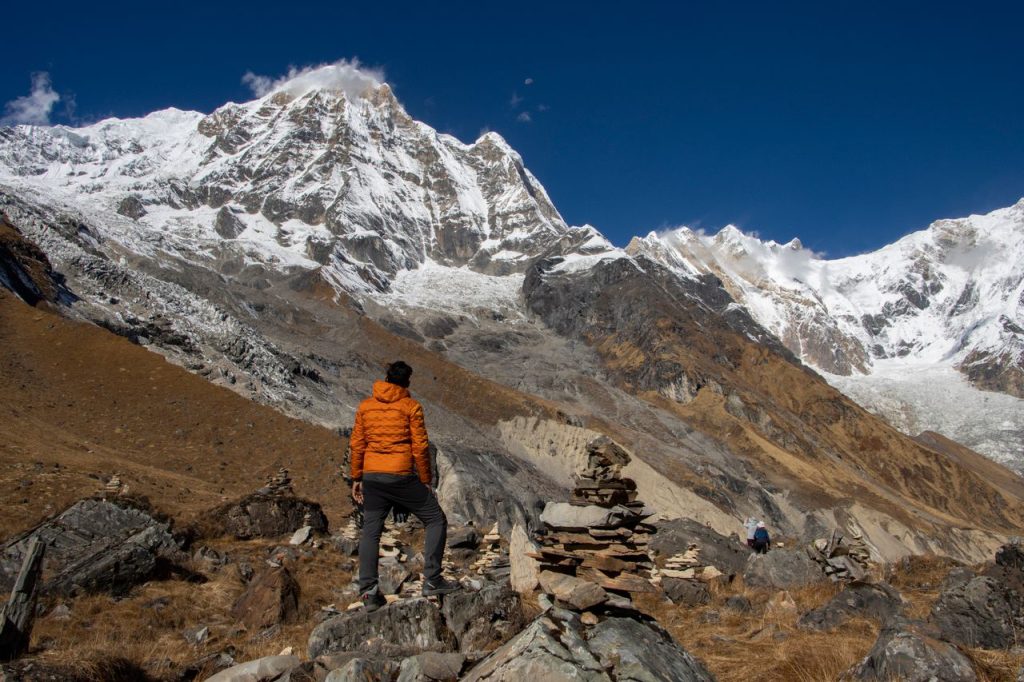
Annapurna I stands as one of the most dangerous mountains in the world and often ranks at the top of fatality lists. It rises to 8,091 meters in Nepal and challenges climbers with extreme natural risks that go beyond technical difficulty. Unlike some other high peaks, Annapurna does not forgive small mistakes, which makes it especially feared among mountaineers.
The main danger on Annapurna comes from its unstable snow and ice structure. Large sections of the mountain sit on steep slopes where snow does not stay stable for long. This creates a constant avalanche risk that can strike without warning. Even experienced climbing teams struggle to predict when conditions will change, which increases the danger level significantly.
Another major challenge is the steep and complex terrain. Climbers must navigate sharp ridges, deep snow, and icy walls that require both strength and precision. The weather also changes quickly, bringing heavy snowfall and strong winds that reduce visibility and make movement very slow.
What makes Annapurna even more dangerous is its high fatality rate compared to other eight-thousand-meter peaks. Historically, a large percentage of climbers who attempted the summit did not return safely. Even with modern gear and improved weather forecasting, the mountain continues to claim lives.
Despite its danger, Annapurna still attracts elite climbers who seek the ultimate challenge in mountaineering. It represents both beauty and risk, making it one of the most respected and feared mountains in the world.
2. K2 (Pakistan / China)
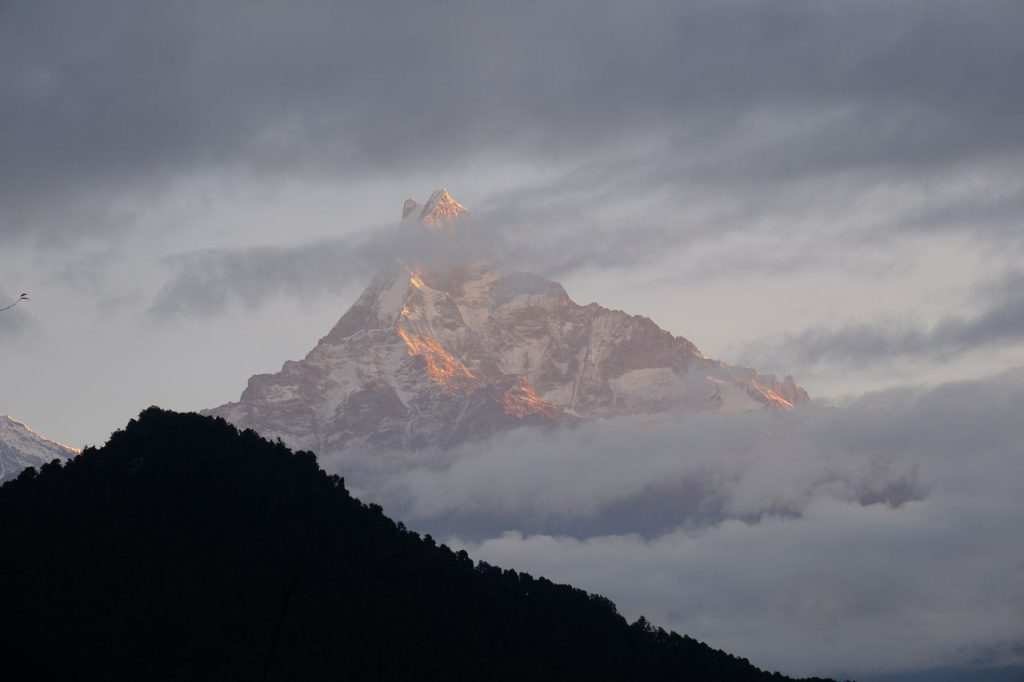
K2 is the second-highest mountain in the world at 8,611 meters, and climbers widely call it the “Breathtaking Mountain” because of its extreme difficulty and harsh climbing conditions. Unlike Mount Everest, K2 demands a much higher level of technical skill, and it offers very little room for error.
One of the biggest dangers on K2 is its steep and technical terrain. Climbers face long sections of ice walls, narrow ridges, and exposed climbing routes where balance and precision are critical. The most famous and dangerous section is the “Bottleneck,” a narrow couloir beneath massive hanging ice blocks that can collapse at any time.
Weather conditions on K2 also change rapidly and often become severe without warning. Strong winds, heavy snowfall, and sudden storms make it extremely difficult for climbers to continue safely. Many expeditions fail because of poor weather windows that close too quickly.
K2 also sits in a very remote location between Pakistan and China, which makes rescue operations extremely difficult. If an emergency happens at high altitude, help cannot arrive quickly, forcing climbers to rely on themselves in life-threatening situations.
The mountain also has a high fatality rate compared to most other peaks above 8,000 meters. Many experienced climbers consider K2 more dangerous than Everest because it combines extreme technical difficulty with unpredictable weather and limited support infrastructure.
Despite these dangers, K2 remains one of the most respected achievements in mountaineering, attracting only the most skilled and prepared climbers in the world.
3.Nanga Parbat (Pakistan)
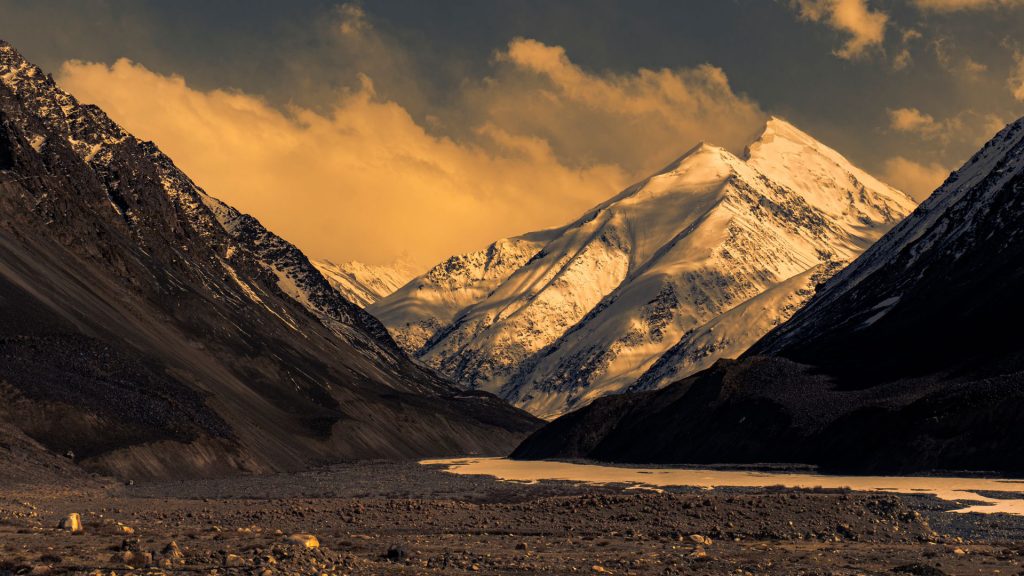
Nanga Parbat rises to 8,126 meters and ranks as one of the most dangerous mountains in the world. Climbers often call it the “Killer Mountain” because it has claimed many lives throughout mountaineering history. Its massive size, extreme weather, and difficult terrain make it a serious challenge even for expert climbers.
One of the biggest dangers on Nanga Parbat comes from its huge vertical walls, especially the famous Rupal Face. This face rises about 4,600 meters from base to summit and stands as one of the tallest mountain walls on Earth. Climbers must move through steep ice, loose rock, and exposed sections where a single mistake can become fatal.
Weather conditions on Nanga Parbat also change very quickly. Strong winds, heavy snow, and sudden storms can appear without warning and trap climbers at high altitude. These unpredictable conditions reduce visibility and make climbing routes more dangerous and harder to follow.
Another major challenge is the isolation of the mountain. Nanga Parbat sits in a remote region of Pakistan, far from fast rescue support. If an emergency happens during the climb, help often takes a long time to arrive, which increases the risk for climbers.
Because of these combined factors extreme terrain, unstable weather, and isolation Nanga Parbat remains one of the deadliest peaks in the world. Only highly skilled and well-prepared climbers attempt this mountain, and even then, success is never guaranteed.
4.Kangchenjunga (Nepal / India)
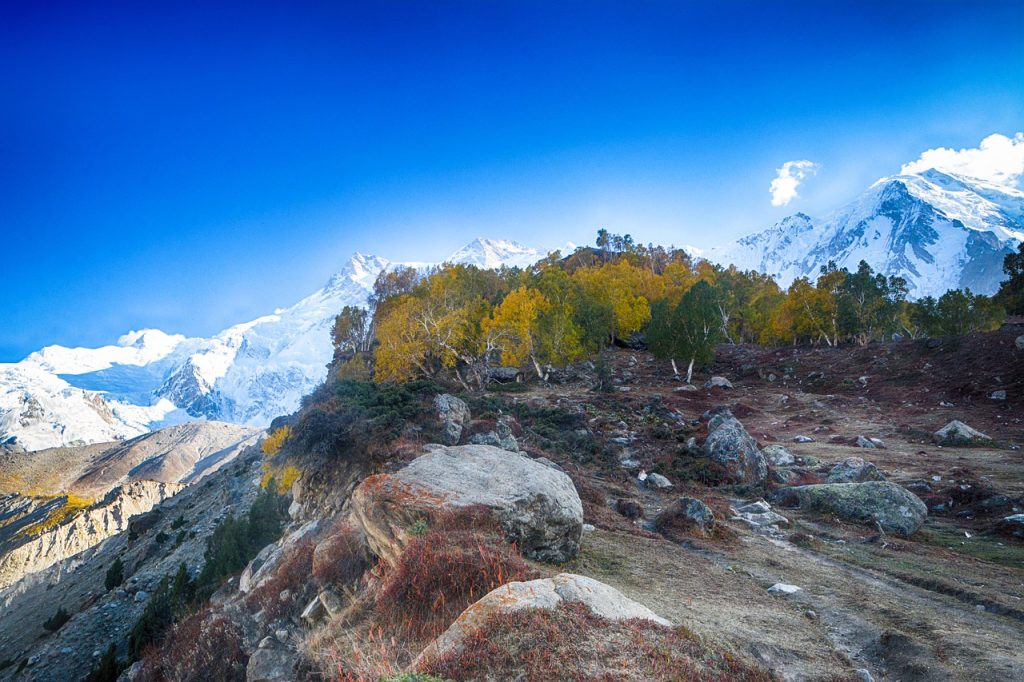
Kangchenjunga stands at 8,586 meters and ranks as the third-highest mountain in the world. It lies on the border between Nepal and India and remains one of the most remote and least climbed eight-thousanders. Climbers respect this mountain not only for its size but also for its serious dangers.
One of the main challenges on Kangchenjunga comes from its long and isolated approach. Teams must travel through remote terrain before even reaching the higher camps, which makes logistics and rescue support very difficult. If an emergency happens, help cannot arrive quickly due to distance and weather limitations.
The mountain also presents very demanding technical climbing sections. Near the summit, climbers face steep ice slopes, narrow ridges, and unstable snow conditions. These areas require careful movement and strong experience in high-altitude climbing. The low oxygen level at this height makes every step slower and more exhausting.
Weather conditions on Kangchenjunga also add to the risk. Strong winds, deep snow, and sudden storms often reduce visibility and increase the chance of accidents. Climbers must carefully choose short weather windows to attempt the summit safely.
Another important factor is tradition. Many climbers stop just short of the true summit out of respect for local beliefs, which also reflects how challenging and respected this mountain is.
Because of its isolation, technical difficulty, and harsh weather, Kangchenjunga remains one of the most dangerous and least forgiving mountains in the world.
5. Baintha Brakk (The Ogre) – Pakistan
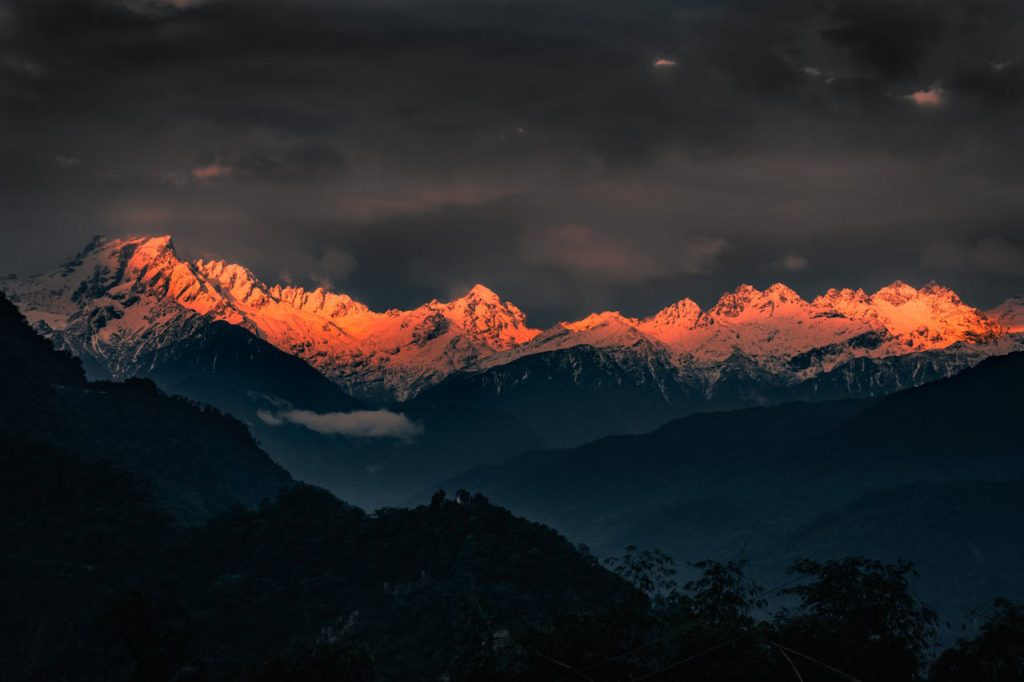
Baintha Brakk, also known as “The Ogre,” rises to 7,285 meters in the Karakoram range of Pakistan. Even though it is lower than many eight-thousand-meter peaks, it is considered one of the hardest and most dangerous mountains in the world because of its extreme technical difficulty.
The main challenge on Baintha Brakk comes from its steep and complex rock structure. Climbers face near-vertical granite walls mixed with unstable ice sections. These conditions require advanced rock and ice climbing skills, and every move demands precision and full focus. One small mistake can lead to a serious fall because the routes offer very little protection.
Weather conditions on The Ogre also increase the danger. Strong winds, sudden snowstorms, and freezing temperatures often hit the mountain without warning. These harsh conditions make climbing slow and dangerous, especially on exposed sections where climbers cannot find shelter.
Another major risk comes from the mountain’s isolation. Baintha Brakk sits deep in a remote part of the Karakoram range, far from rescue support. If an accident happens, evacuation becomes extremely difficult and sometimes impossible within a safe time frame.
The mountain has a very low success rate, and only a few expeditions in history have managed to reach the summit. This shows how technically demanding and unpredictable it is compared to other peaks.
Because of its extreme technical difficulty, unpredictable weather, and remote location, Baintha Brakk remains one of the most feared climbing challenges in the world.
6. The Eiger (Switzerland)
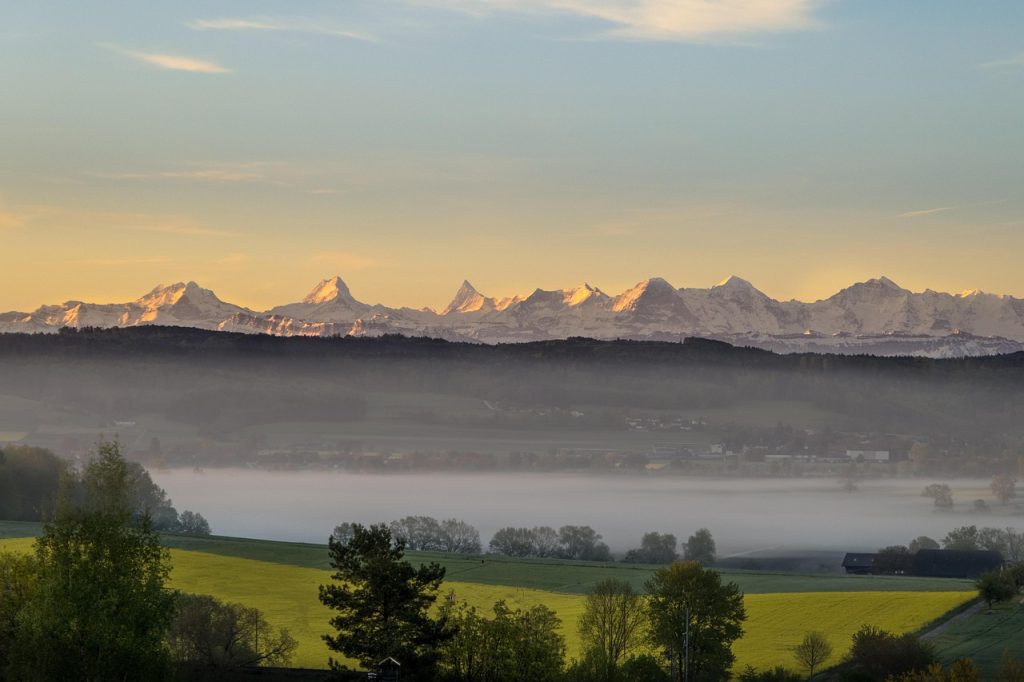
The Eiger stands at 3,967 meters in the Swiss Alps, but its danger level makes it one of the most feared mountains in the world. Its height is not extreme compared to the Himalayas, but its north face creates one of the toughest climbing challenges in alpine history.
The most dangerous part of The Eiger is its North Face, also known as the “Mordwand” or “Murder Wall.” This face rises about 1,800 meters and combines steep rock, ice, and constant falling debris. Climbers face rockfalls and ice collapse throughout the climb, which creates unpredictable danger at every section.
Weather on The Eiger changes very quickly. Strong winds, sudden snowstorms, and freezing temperatures can appear without warning. These conditions often reduce visibility and make it very difficult for climbers to find safe routes or continue their ascent.
The mountain also has complex route-finding challenges. Many sections look similar, and climbers can easily take the wrong path in poor visibility. This increases the risk of accidents and delays, especially when weather conditions worsen quickly.
Another major risk comes from warming temperatures in the Alps. Ice melts faster, which increases rockfall activity and makes climbing conditions even more unstable than in the past.
Because of its technical difficulty, unstable conditions, and dangerous North Face, The Eiger remains one of the most respected and deadly climbing challenges in the world, even for highly experienced alpine climbers.
7. Cerro Torre (Argentina / Chile)
Cerro Torre rises to 3,128 meters in the Patagonian Andes between Argentina and Chile. Climbers consider it one of the most difficult and dangerous peaks in the world because of its extreme weather and highly technical climbing conditions, even though it is not very high compared to Himalayan mountains.
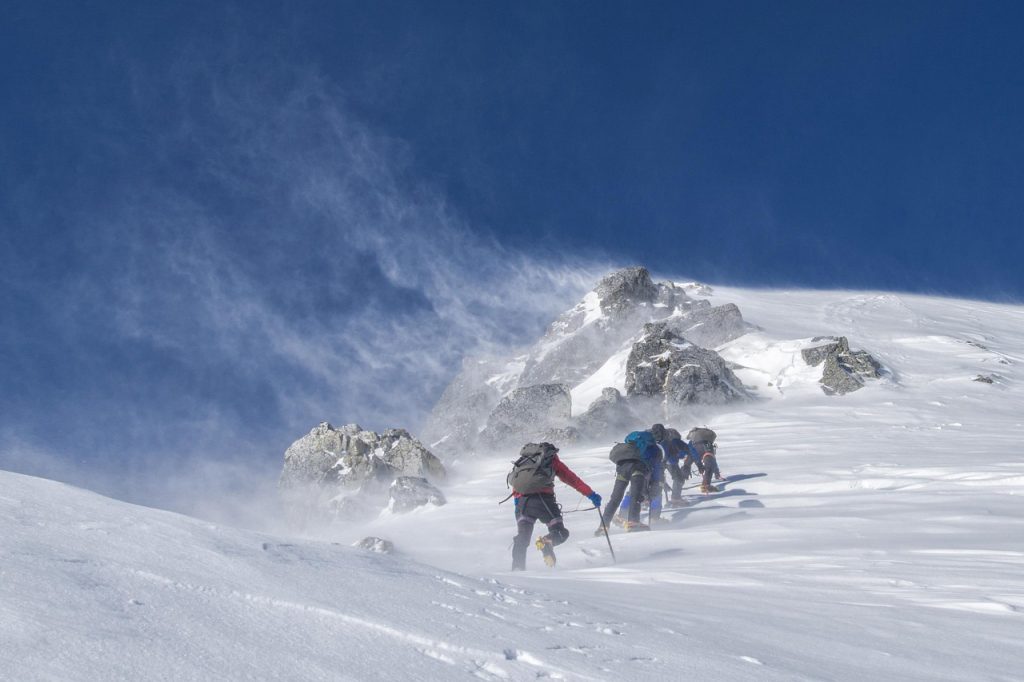
The biggest challenge on Cerro Torre comes from its weather. Strong winds constantly hit the mountain, and storms can develop very quickly. These winds often reach extreme speeds and make it almost impossible for climbers to maintain balance or continue safely. Weather windows for climbing stay very short and unpredictable.
Another major difficulty comes from the mountain’s shape. Cerro Torre features steep granite walls covered with unstable ice formations. At the summit, climbers often face a mushroom-like cap of rime ice that changes shape depending on weather conditions. This makes the final push extremely unpredictable and dangerous.
Technical climbing skills are essential on Cerro Torre. Climbers must use advanced rock and ice techniques to move through vertical sections where protection is limited. Every movement requires precision because falling rocks and ice increase the risk level.
The remote location of the mountain also adds difficulty. Rescue support remains limited, and harsh weather often prevents helicopters from reaching climbers in emergencies. This isolation increases the seriousness of any accident.
Because of its extreme winds, technical routes, and unstable summit conditions, Cerro Torre remains one of the most challenging and feared mountains for climbers worldwide.
8. Makalu (Nepal / China)
Makalu stands at 8,485 meters and ranks as the fifth-highest mountain in the world. It sits on the border between Nepal and China and forms part of the Himalayas. Climbers respect Makalu because it combines extreme altitude with steep, technical terrain that demands full focus and strong experience.
The mountain has a sharp pyramid shape with narrow ridges and steep faces on all sides. These conditions make climbing very technical because climbers must move carefully on exposed sections where balance becomes difficult. One wrong step on these ridges can lead to serious danger due to the steep drop below.
Weather on Makalu adds another level of difficulty. Strong winds often hit the upper sections of the mountain, and sudden storms can reduce visibility quickly. Heavy snowfall also makes routes unstable and slows down progress during summit attempts.
Another major challenge comes from altitude. At this height, oxygen levels are extremely low, which slows down the body and affects decision-making. Climbers must move slowly and carefully to avoid exhaustion and altitude sickness.
Makalu also requires strong endurance because its routes are long and physically demanding. Climbers spend many days on the mountain, facing cold temperatures and harsh conditions before reaching the summit.
Because of its technical ridges, extreme altitude, and unpredictable weather, Makalu remains one of the most difficult and dangerous mountains in the world, even for experienced high-altitude climbers.
9. Denali (USA)
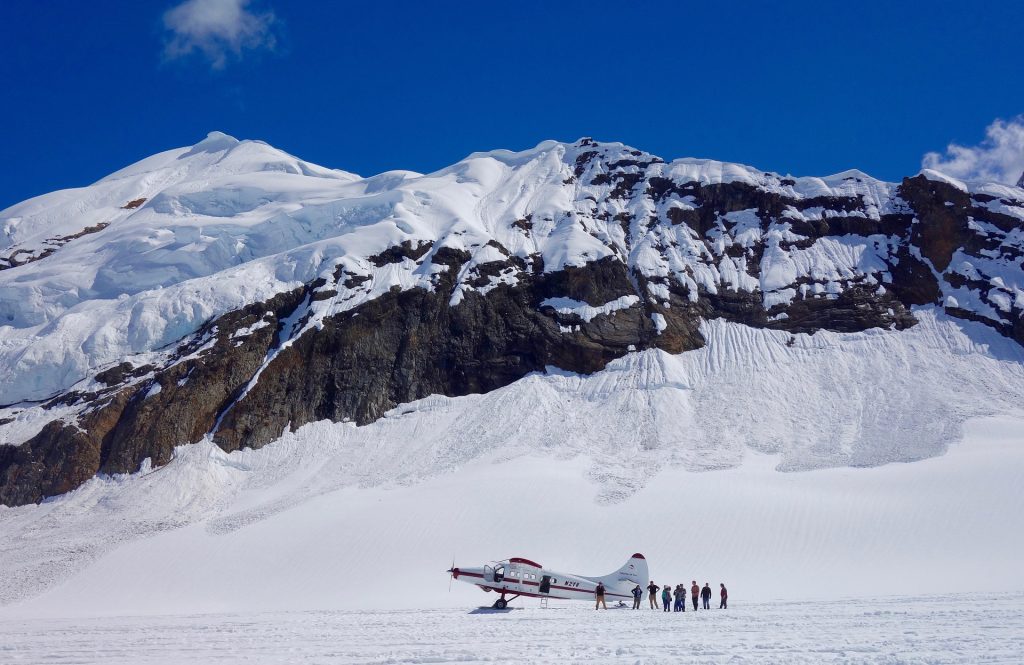
Denali rises to 6,190 meters and stands as the highest mountain in North America. It sits in Alaska and presents one of the toughest climbing environments in the world because of its extreme cold, strong winds, and remote location.
The biggest challenge on Denali comes from its weather. Climbers face some of the coldest conditions on Earth, with temperatures dropping far below freezing even in climbing season. Strong Arctic winds also increase the danger by creating wind chill that makes the mountain feel much colder than its actual temperature.
Another major difficulty comes from the mountain’s latitude. Denali sits close to the Arctic Circle, so the air pressure is lower than on mountains at the same height near the equator. This makes the climb feel more physically demanding and increases fatigue at lower altitudes.
Climbers also face complex glacier travel on Denali. They must move across deep crevasses, unstable snow bridges, and long icy slopes while carrying heavy loads. These conditions require strong navigation skills and careful teamwork to avoid accidents.
Isolation adds another serious risk. Denali sits in a remote wilderness with limited rescue options. Weather conditions often prevent helicopters from flying, so climbers must rely heavily on self-sufficiency during emergencies.
Because of its extreme cold, remote location, and challenging glacier terrain, Denali remains one of the most demanding and dangerous mountains in the world, even though it is not as tall as the Himalayan peaks.
10. Mount Everest (Nepal / China)
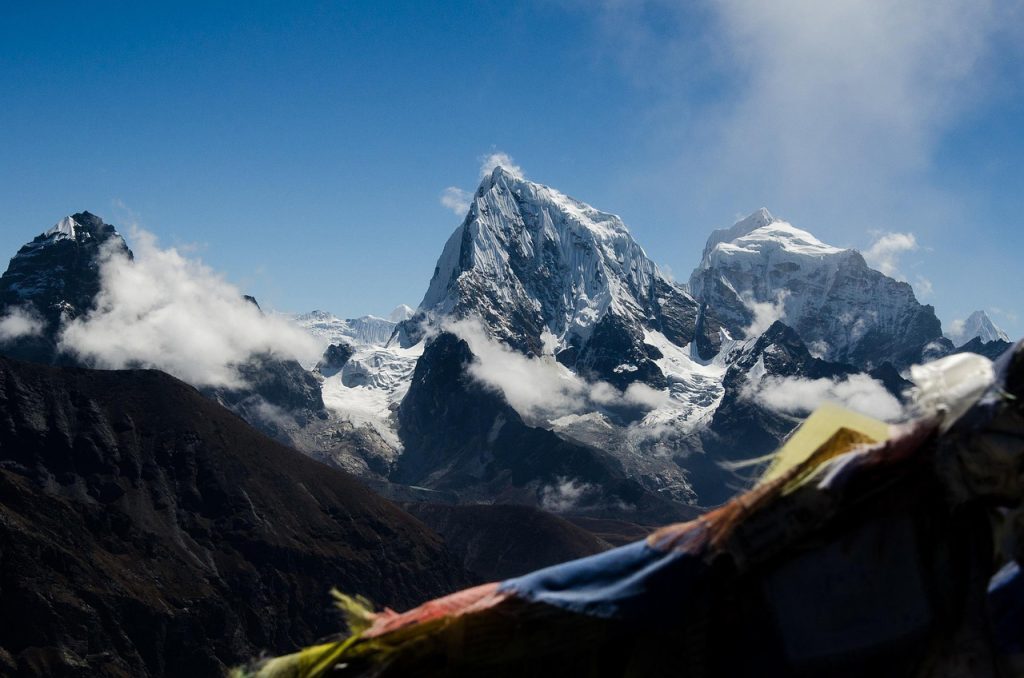
Mount Everest stands at 8,849 meters and ranks as the highest mountain in the world. It sits on the border between Nepal and China and attracts thousands of climbers every year. Even though it is the most famous peak, it still remains extremely dangerous due to altitude, weather, and overcrowding.
The biggest challenge on Everest comes from extreme altitude. Above 8,000 meters, climbers enter the “death zone,” where oxygen levels drop so low that the human body cannot fully recover. At this height, climbers feel extreme fatigue, confusion, and slow physical movement, which increases the risk of mistakes.
Another major danger comes from the Khumbu Icefall on the Nepal side. This section contains moving ice blocks, deep crevasses, and unstable ladders that climbers must cross carefully. Ice constantly shifts in this area, which creates unpredictable and serious risks.
Weather conditions on Everest also change quickly. Strong winds and sudden storms can trap climbers at high altitude and delay descent. Even small weather changes can turn a safe climb into a dangerous situation.
Crowding has also become a serious issue on Everest. Many climbers attempt the summit during the same short weather window, which creates traffic jams in narrow sections. This slows down movement and increases exposure time in the most dangerous zones.
Because of its extreme altitude, dangerous icefall, and unpredictable conditions, Mount Everest remains one of the most challenging and high-risk mountains in the world, despite modern climbing support and equipment.
Comparison Table (K2 vs Everest vs Annapurna)
This section compares the three most dangerous mountains in the world: K2, Mount Everest, and Annapurna I. These mountains appear in this comparison because they represent the highest levels of climbing danger based on real risks such as fatality rates, technical difficulty, and extreme weather conditions.
Climbers and researchers often compare these peaks to understand which mountain creates the highest risk for human survival. While all three sit in the “death zone” above 8,000 meters, they each present different types of danger. Some focus more on technical climbing challenges, while others involve extreme weather or high avalanche risk.
This comparison helps you clearly see why these mountains consistently rank at the top of the world’s deadliest climbs.
What This Comparison Shows
K2 ranks as the most technically difficult of the three because it combines steep climbing sections, unpredictable weather, and limited rescue options. Annapurna I shows the highest fatality risk because avalanches occur frequently and without warning. Mount Everest, although the highest mountain in the world, has a lower technical difficulty but still creates serious danger due to extreme altitude and overcrowding.
This comparison clearly shows that height alone does not determine danger. Instead, the combination of weather, terrain, and fatality history decides how dangerous a mountain truly is.
Why Climbers Still Risk These Mountains
Even though the world’s hardest and most dangerous mountains put human life at serious risk, climbers still travel from different countries to attempt these peaks. Each expedition carries danger, but strong motivation pushes people to continue climbing in extreme conditions.
Adventure
Many climbers pursue these mountains for pure adventure. They want to experience extreme environments that test their physical strength and mental control. High-altitude climbing creates moments that no normal travel experience can offer, such as walking through ice walls, crossing glaciers, and surviving freezing winds at extreme heights. This sense of adventure attracts experienced climbers who seek challenges beyond ordinary limits.
Records
Some climbers aim to break records in mountaineering. They attempt to become the youngest, fastest, or first from their country to reach a summit. These achievements bring global recognition and personal satisfaction. Records in high-altitude climbing also push climbers to attempt more difficult routes or climb multiple dangerous peaks in a short time, even when risks remain very high.
Human Challenge
Many climbers see these mountains as a test of human strength and endurance. They want to prove what the human body and mind can achieve under extreme pressure. High-altitude environments challenge decision-making, stamina, and emotional control. For many climbers, reaching the summit represents personal victory over fear, pain, and exhaustion.
Tourism
Adventure tourism also plays a major role. Guided expeditions and professional support teams make it possible for more climbers to attempt dangerous peaks. This industry provides jobs for local guides, porters, and rescue teams in mountain regions. Although the risks remain high, structured tourism systems help improve safety and organization during expeditions.
Safer Alternatives for Beginners
Not everyone wants to climb the world’s most dangerous mountains. Many adventure travelers dream of reaching a mountain summit without facing extreme technical challenges, deadly weather, or high-risk climbing conditions. Fortunately, several mountains offer an exciting trekking experience while remaining accessible to beginners with proper preparation.
Mount Kilimanjaro, Tanzania
Mount Kilimanjaro stands as one of the best beginner-friendly high-altitude mountains in the world. At 5,895 meters (19,341 feet), it ranks as the highest mountain in Africa and attracts thousands of trekkers every year.
Unlike mountains such as K2 or Annapurna, Kilimanjaro does not require technical climbing skills, ropes, or mountaineering experience. Trekkers follow established routes through rainforests, alpine deserts, and arctic summit zones before reaching Uhuru Peak.
The main challenge comes from altitude rather than difficult climbing. Most climbers who choose a longer route and allow enough time for acclimatization have a strong chance of reaching the summit successfully.
For many first-time mountain adventurers, Kilimanjaro provides the perfect introduction to high-altitude trekking.
Mount Meru, Tanzania
Many travelers overlook Mount Meru, but it offers one of the most rewarding trekking experiences in East Africa. Rising to 4,566 meters (14,980 feet), Mount Meru stands within Arusha National Park and delivers spectacular scenery throughout the climb.
Trekkers pass through forests filled with wildlife, open grasslands, and dramatic volcanic landscapes. Along the way, hikers often spot giraffes, buffaloes, zebras, and monkeys.
Mount Meru challenges trekkers physically, but it remains far less crowded than Kilimanjaro. Many climbers also use Mount Meru as preparation for a future Kilimanjaro summit attempt because it helps the body adjust to higher elevations.
Other Great Trekking Peaks for Beginners
Several mountains around the world offer excellent trekking opportunities for beginners who want adventure without extreme danger.
Mount Toubkal in Morocco gives trekkers the chance to climb North Africa’s highest peak while enjoying stunning Atlas Mountain scenery.
Island Peak in Nepal provides a stepping stone for hikers who want to gain basic mountaineering experience before attempting more difficult Himalayan expeditions.
Mount Kinabalu in Malaysia combines beautiful landscapes, well-maintained trails, and a challenging but achievable summit experience.
These mountains allow travelers to build confidence, improve fitness, and gain valuable mountain experience before considering more demanding climbs.
Why Start with Beginner-Friendly Mountains?
Climbing a safer trekking peak helps adventurers learn how their bodies respond to altitude, changing weather, and multi-day hikes. It also builds confidence and mountain skills in a controlled environment.
Many experienced mountaineers began their journey on mountains such as Kilimanjaro or Mount Meru before moving on to more technical and dangerous peaks.
For most people, the goal is not simply to reach a summit. The goal is to enjoy the experience, explore incredible landscapes, and return home with unforgettable memories. Beginner-friendly mountains make that possible while keeping risks much lower than the world’s most dangerous climbs.
Safety Tips for High-Altitude Climbing
High-altitude mountains offer incredible adventures, but they also present serious challenges. Thin air, changing weather, and physical exhaustion can quickly turn a climb into a dangerous situation. Whether you plan to climb Kilimanjaro, Mount Meru, or a higher peak, following basic safety practices can greatly improve your chances of a successful summit.
Take Time to Acclimatize
Your body needs time to adjust to lower oxygen levels at high elevations. If you climb too quickly, you increase your risk of altitude sickness, which can cause headaches, nausea, dizziness, and extreme fatigue.
Choose an itinerary that includes enough days for acclimatization. Climb slowly, stay hydrated, and listen to your body throughout the trek. Many successful climbers follow the simple rule: walk slowly and conserve energy.
Climb with Experienced Guides
A professional guide does much more than show the way. Experienced guides monitor your health, track weather conditions, manage emergencies, and help you make safe decisions on the mountain.
When choosing a trekking company, look for trained guides with strong safety records and extensive experience on the mountain. Their knowledge can make a significant difference, especially at higher elevations.
Use the Right Gear
Proper equipment helps you stay warm, dry, and comfortable during your climb. Mountain weather can change quickly, and temperatures often drop dramatically as you gain altitude.
Pack quality hiking boots, warm layers, waterproof clothing, gloves, a hat, sunglasses, and a reliable backpack. Test your gear before the trek to ensure everything fits well and works properly.
Plan Your Climb Carefully
Good planning reduces risks and helps you prepare for unexpected challenges. Research your route, understand the weather patterns, and choose the best season for your climb.
Train several weeks or months before your trek to improve your endurance and strength. Make sure you have travel insurance, emergency contacts, and all required permits before you begin your adventure.
Put Safety Before the Summit
Many climbers focus only on reaching the top, but smart mountaineers know that safety comes first. If you experience severe altitude sickness or dangerous weather conditions, turning back is often the best decision.
The mountain will always remain there for another attempt. Protecting your health and returning safely should always be your highest priority.
FAQ Section (Google Snippet Booster)
Mountaineers often call Annapurna I one of the deadliest mountains in the world. Many climbers have lost their lives there because of avalanches, steep faces, and unstable snow conditions. Unlike other high peaks, Annapurna gives very little room for error, so even experienced climbers face serious risk.
K2 is more dangerous than Mount Everest. Everest stands higher, but it offers more established routes, better rescue support, and more climbing traffic. K2 has steeper sections, harsher weather, and fewer safety options. Climbers face a much lower survival rate on K2 compared to Everest.
Beginners should not attempt extreme peaks like Everest, K2, or Annapurna. These mountains require technical skills, high-altitude experience, and strong physical conditioning.
Instead, beginners should start with trekking peaks like Mount Kilimanjaro or Mount Meru. These mountains do not require technical climbing skills and give new climbers a safer way to experience high-altitude adventure while building experience for future expeditions.
Final Thoughts
Mountains inspire adventure, challenge, and personal growth, but they also demand respect. Every peak, whether small or extreme, carries real risks that climbers must take seriously.
Always put safety first. Good preparation, the right equipment, and proper guidance can turn a difficult climb into a successful and memorable journey. Never rush the mountain, and never ignore warning signs from your body or the environment.
Travel responsibly every time you step into the mountains. Protect nature, respect local communities, and follow established trekking rules. Clean trails, responsible waste management, and cultural respect keep these destinations beautiful for future generations.
At WeWild Travel, we believe that every journey should combine adventure with safety and respect for nature. We help travelers explore iconic mountains like Kilimanjaro and Mount Meru with trusted guides and well-planned experiences that focus on both achievement and responsible travel.
In the end, the best summit is not just reaching the top-it is returning safely with unforgettable memories and a deeper connection to the wild world.