How Hard Is It to Climb Mount Kilimanjaro? A Complete Fitness & Preparation Guide
Estimated reading time: 18 minutes
So, how hard is it to climb Mount Kilimanjaro? The short answer is that it’s challenging but achievable for most people with the right preparation. While you don’t need technical climbing skills or mountaineering experience, climbing Africa’s highest mountain requires physical endurance, mental determination, and the ability to cope with high altitude.
The biggest challenge isn’t the steep trails or long hiking days it’s the reduced oxygen at high altitude. Many trekkers are surprised to learn that altitude sickness, not fitness, is the main reason some climbers fail to reach the summit. Fortunately, choosing the right route, allowing enough time for acclimatization, and preparing properly can greatly improve your chances of success.
The good news is that thousands of first-time trekkers successfully reach Uhuru Peak every year with the support of experienced guides. Whether you’re an active hiker or simply looking for a life-changing adventure, Kilimanjaro is an achievable goal if you train well and climb at a steady pace.
In this complete guide, you’ll learn what makes Mount Kilimanjaro difficult, how fit you need to be, how to train for the trek, the best routes for beginners, common mistakes to avoid, and practical tips to help you reach the summit safely and confidently.
Table of contents
- How Hard Is It to Climb Mount Kilimanjaro? A Complete Fitness & Preparation Guide
- How Hard Is It to Climb Mount Kilimanjaro?
- What Makes Climbing Kilimanjaro Difficult?
- Do You Need to Be Fit to Climb Kilimanjaro?
- Can Beginners Climb Kilimanjaro?
- How to Train for Kilimanjaro
- How to Prepare Before Your Climb
- Best Routes for First-Time Climbers
- Common Mistakes First-Time Climbers Make
- How to Increase Your Summit Success
- Frequently Asked Questions
- Final Thoughts
- Read Also:
How Hard Is It to Climb Mount Kilimanjaro?
The short answer: climbing Mount Kilimanjaro is challenging, but it is achievable for most people with proper preparation. It is not a technical mountain climb, meaning you do not need ropes, climbing skills, or previous mountaineering experience. However, reaching the summit requires physical endurance, mental strength, and good altitude preparation.
Difficulty Rating
Mount Kilimanjaro is generally considered a challenging high-altitude trek, rather than a technical climb. The difficulty comes mainly from the mountain’s elevation, long walking days, cold temperatures, and the effects of reduced oxygen as you climb higher.
Most days involve walking for around 5 8 hours, while the final summit attempt can take much longer. Climbers usually start at midnight and hike through the night to reach Uhuru Peak (5,895 meters) in time for sunrise.
The biggest challenge is altitude. Even very fit hikers can experience altitude sickness because the body needs time to adapt to lower oxygen levels. This is why choosing a longer route and climbing at a slow pace are important for success.
Why Thousands of Climbers Succeed Every Year
Thousands of people successfully climb Mount Kilimanjaro every year because the mountain is accessible with the right planning and support. The main factors that improve summit success include:
- Choosing a route with enough days for acclimatization.
- Training your body before the trek.
- Walking slowly and following the “pole pole” approach.
- Staying hydrated and eating properly.
- Listening to experienced guides.
With good preparation, a positive mindset, and the support of a professional mountain team, climbing Kilimanjaro can become one of the most rewarding experiences of your life.
What Makes Climbing Kilimanjaro Difficult?
Although Mount Kilimanjaro does not require technical climbing skills, it is still a serious high-altitude trek. The difficulty comes from several factors, including altitude, long hiking days, the challenging summit attempt, and changing mountain conditions. Understanding these challenges helps you prepare properly before your adventure.
High Altitude
The biggest challenge when climbing Kilimanjaro is altitude, not the physical trail itself. As you climb higher, the air becomes thinner and contains less oxygen, making your body work harder with every step.
Even people who are very fit can experience altitude-related symptoms such as headaches, tiredness, nausea, or shortness of breath. This is why proper acclimatization is essential. Choosing a longer route, climbing slowly, and following your guide’s advice give your body more time to adjust to the elevation.
Long Hiking Days
Kilimanjaro requires several days of continuous walking, with most trekking days lasting around 5 to 8 hours. The distance may not seem extreme, but walking at high altitude makes the journey more demanding.
You will hike through different landscapes, from rainforest and moorland to rocky alpine deserts and snowy summit areas. Building your endurance through regular hiking and fitness training before your trip will make the experience much more comfortable.
Summit Night
The final summit attempt is usually the hardest part of the entire Kilimanjaro climb. Most trekkers begin the ascent around midnight to reach Uhuru Peak at sunrise.
This stage involves hiking for many hours in darkness, cold temperatures, and low oxygen conditions. The steep slopes, tired legs, and mental challenge make summit night a true test of determination.
However, reaching the highest point in Africa and watching the sunrise from Uhuru Peak makes every difficult step worthwhile.
Weather Conditions
Kilimanjaro has several climate zones, meaning weather conditions can change dramatically during the climb. You may experience warm temperatures in the lower rainforest and freezing conditions near the summit.
Rain, strong winds, cold nights, and sudden weather changes can make the trek more challenging. Packing the right clothing layers and quality gear is essential for staying comfortable and safe throughout the journey.
With proper preparation, the right mindset, and support from experienced guides, these challenges can be managed, allowing you to enjoy one of the world’s most unforgettable trekking experiences.
Do You Need to Be Fit to Climb Kilimanjaro?
Yes, having a good level of fitness will make your Mount Kilimanjaro climb easier and more enjoyable, but you do not need to be an elite athlete. Many first-time trekkers with average fitness successfully reach the summit with proper preparation.
Fitness helps you handle long walking days, steep sections, and the physical demands of hiking at high altitude. However, being extremely fit does not guarantee success because altitude affects everyone differently. Good preparation, a slow pace, and proper acclimatization are just as important as physical strength.
Cardio Training
Cardiovascular fitness is one of the most important areas to train before climbing Kilimanjaro. Activities such as running, cycling, swimming, or brisk walking help improve your endurance and prepare your body for long days on the mountain.
Aim to build your stamina gradually by exercising several times a week. The goal is not to become a professional athlete but to make your heart and lungs more efficient during continuous activity.
Strength Training
Strength training helps your body handle the physical demands of carrying a daypack and walking on uneven terrain. Focus on exercises that strengthen your legs, core, and upper body.
Useful exercises include:
- Squats and lunges for stronger legs.
- Step-ups to prepare for uphill hiking.
- Planks and core exercises for stability.
- Light strength exercises for carrying your backpack.
Hiking Endurance
The best preparation for Kilimanjaro is regular hiking. Spending time on trails helps your body adapt to long-distance walking and gives you confidence before the climb.
Try to include longer hikes with elevation gain and practice walking with the backpack you plan to use on the mountain. Gradually increasing your hiking distance will help prepare your body for the real conditions of Kilimanjaro.
Remember, Kilimanjaro is not a race. A steady pace, mental preparation, and consistent training are the keys to giving yourself the best chance of reaching Uhuru Peak successfully.
Can Beginners Climb Kilimanjaro?
Yes, beginners can climb Mount Kilimanjaro successfully. In fact, many people who reach the summit each year are first-time trekkers with no previous high-altitude climbing experience. The key is proper preparation, choosing the right route, and having a professional team to support you throughout the journey.
No Technical Climbing Required
One of the reasons Kilimanjaro is so popular is that it does not require technical climbing skills. You do not need ropes, special climbing equipment, or experience with rock climbing.
The standard Kilimanjaro routes are hiking trails that require physical endurance rather than advanced mountaineering skills. The main challenges are the altitude, long walking days, and changing weather conditions.
Guided Climbs
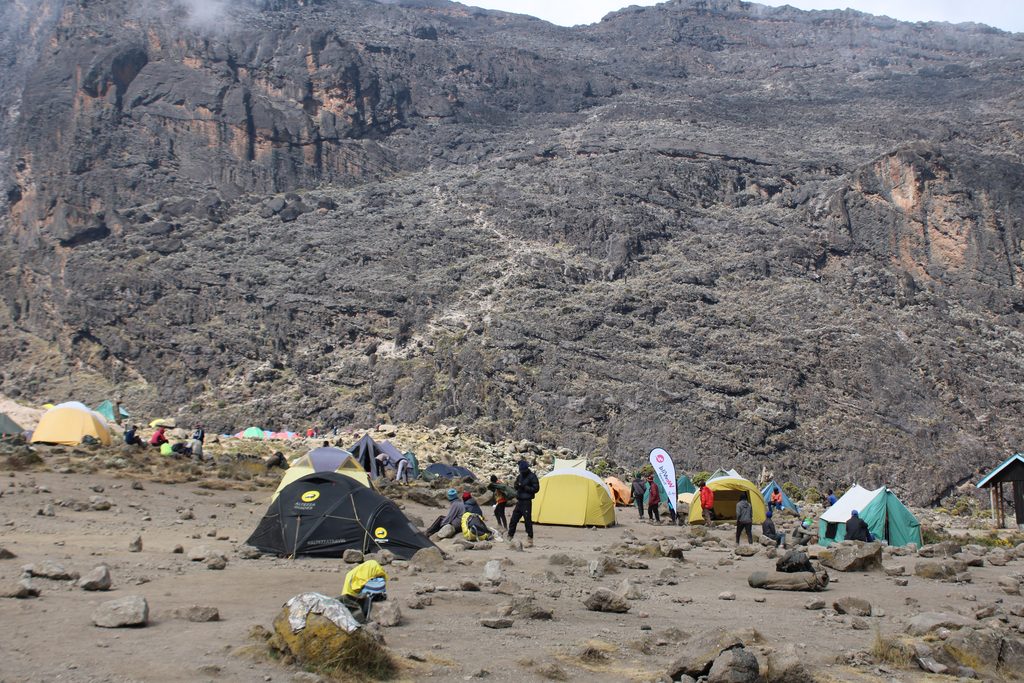
All climbers on Mount Kilimanjaro must be accompanied by a licensed guide and support crew. Experienced guides play an important role in your safety and success by setting the right pace, monitoring your health, checking for signs of altitude sickness, and helping you make good decisions on the mountain.
A professional team also includes porters who carry camping equipment, food, and supplies, allowing trekkers to focus on their climb and enjoy the experience.
Success Stories
Every year, thousands of first-time climbers from around the world stand on Uhuru Peak, the highest point of Mount Kilimanjaro. They come from different backgrounds, ages, and fitness levels, proving that the mountain is achievable with the right mindset and preparation.
Many successful climbers share the same advice: train consistently, choose a route with enough acclimatization time, walk slowly, and trust your guide.
With determination, preparation, and the right support, climbing Kilimanjaro can become one of the most memorable achievements of your life.
How to Train for Kilimanjaro
Training for Mount Kilimanjaro is one of the most important steps toward a successful summit. Although the climb does not require technical skills, your body needs to be prepared for long hiking days, steep trails, high altitude, and changing weather conditions.
The best training plan should focus on building endurance, strengthening your muscles, improving your hiking ability, and preparing your mind for the challenge ahead. Ideally, start training at least 2-3 months before your climb to give your body enough time to adapt.
Cardio Training
Cardiovascular training helps your heart and lungs work efficiently during long days on the mountain. Activities such as walking, running, cycling, swimming, or using a stair machine can improve your endurance.
Try to exercise consistently and gradually increase the duration and intensity of your workouts. The goal is to prepare yourself for several hours of continuous movement without becoming exhausted.
Strength Training
Strong muscles help you handle uneven terrain, uphill sections, and carrying a daypack during your trek. Focus especially on your legs, core, and lower body.
Useful exercises include:
- Squats and lunges to strengthen your legs.
- Step-ups to prepare for climbing uphill.
- Planks to improve core stability.
- Calf raises to support long walking days.
Strength training two to three times per week can make your climb more comfortable and reduce the risk of injury.
Hiking Practice
The best preparation for Kilimanjaro is spending time on actual trails. Regular hiking helps your body become comfortable with long distances, elevation changes, and carrying your backpack.
Before your trip, practice walking on different terrains and include longer hikes whenever possible. If you can, hike with the boots and backpack you plan to use on Kilimanjaro so you can adjust before your adventure begins.
Mental Preparation
Climbing Kilimanjaro is not only a physical challenge it is also a mental one. There will be moments when you feel tired, cold, or uncomfortable, especially during the final summit push.
Developing patience, determination, and a positive mindset will help you overcome difficult moments. Remember that Kilimanjaro is climbed slowly, step by step. The famous phrase “pole pole” (slowly, slowly) reminds trekkers that steady progress is the key to reaching the summit.
With consistent training and the right mindset, you can give yourself the best possible chance of standing on Uhuru Peak and celebrating your achievement.
How to Prepare Before Your Climb
Proper preparation is one of the biggest factors that determines your success on Mount Kilimanjaro. While the mountain does not require technical climbing skills, being prepared with the right equipment, health planning, and knowledge of altitude will make your experience safer and more enjoyable.
Gear
Having the right gear is essential for comfort and safety on Kilimanjaro. The mountain has different climate zones, so you need clothing that can handle warm temperatures, rain, wind, and freezing conditions near the summit.
Important items include:
- Quality hiking boots that are already broken in.
- Warm layers, including a thermal base layer and insulated jacket.
- Waterproof jacket and trousers.
- Hiking socks and gloves.
- Sleeping bag suitable for cold temperatures.
- Headlamp for the summit night.
- Backpack and water bottles or hydration system.
Choosing the right equipment helps you stay comfortable and focused throughout the trek.
Travel Insurance
Travel insurance is an important part of preparing for Kilimanjaro. A good policy should cover high-altitude trekking, emergency medical treatment, and evacuation from the mountain if needed.
Before purchasing insurance, check that it specifically covers activities at Kilimanjaro’s elevation, as some standard travel policies may not include high-altitude adventures.
Vaccinations
Before traveling to Tanzania, consult a travel health professional about recommended vaccinations and health precautions. Requirements can vary depending on your travel history, but preparing your health before the trip helps you enjoy your adventure with confidence.
It is also a good idea to carry any personal medications you need and a basic first-aid kit for the trek.
Hydration
Staying hydrated is essential during a Kilimanjaro climb. The combination of physical activity, dry mountain air, and high altitude can increase fluid loss.
Drink water regularly throughout the day and follow your guide’s recommendations. Proper hydration can help your body perform better and reduce some discomfort during the trek.
Altitude Medicine
Altitude sickness is one of the main challenges on Mount Kilimanjaro. Some climbers use medications such as Diamox (acetazolamide) to help prevent altitude-related problems, but it should only be taken after consulting a healthcare professional.
The best protection against altitude sickness is still proper acclimatization, climbing slowly, choosing the right route, and listening to your body.
By preparing carefully before your climb, you increase your confidence, comfort, and chances of reaching Uhuru Peak successfully.
Best Routes for First-Time Climbers
Choosing the right route is one of the most important decisions when planning your Mount Kilimanjaro climb. For first-time trekkers, the best route is usually not the shortest one, but the route that allows enough time for your body to adjust to the altitude.
Longer routes generally provide better acclimatization, more scenic experiences, and higher chances of reaching the summit successfully.
| Route | Difficulty | Success Rate | Days |
|---|---|---|---|
| Lemosho Route | Moderate to Challenging | High | 7-8 days |
| Northern Circuit Route | Moderate | Very High | 8-9 days |
| Machame Route | Challenging | High | 6-7 days |
| Marangu Route | Moderate | Lower compared to longer routes | 5-6 days |
Lemosho Route
The Lemosho Route is one of the most recommended options for first-time climbers. It starts on the western side of Mount Kilimanjaro and offers beautiful scenery, fewer crowds in the early stages, and a gradual ascent.
One of its biggest advantages is the longer acclimatization period. The route allows trekkers to gain altitude slowly, giving the body more time to adjust and reducing the risk of altitude-related problems.
Northern Circuit Route
The Northern Circuit Route is the longest Kilimanjaro route and is considered one of the best choices for climbers who want the highest chance of summit success. Its gradual elevation gain gives your body excellent time to acclimatize.
This route is ideal for first-time trekkers who have enough time available and want a more relaxed pace. It also offers quieter trails and stunning views around the northern side of the mountain.
Why Longer Routes Are Better for First-Time Climbers
Many beginners make the mistake of choosing the shortest and cheapest route. However, spending more days on the mountain usually gives you a better chance of reaching Uhuru Peak safely.
A longer itinerary means:
- More time for your body to adapt to altitude.
- Less pressure during daily hikes.
- Better chance of avoiding altitude sickness.
- A more enjoyable trekking experience.
For most first-time climbers, the Lemosho Route or Northern Circuit Route provides the best balance of safety, comfort, scenery, and summit success.
Common Mistakes First-Time Climbers Make
Many first-time climbers underestimate the preparation needed for Mount Kilimanjaro. While the mountain is achievable for beginners, small mistakes can reduce your comfort, increase your risk of altitude problems, and make the experience more difficult than it needs to be.
Understanding these common mistakes will help you prepare better and improve your chances of reaching Uhuru Peak successfully.
Training Too Late
One of the most common mistakes is starting physical preparation only a few weeks before the climb. Kilimanjaro requires endurance, strong legs, and the ability to walk for several hours each day.
A good training program should begin at least 2-3 months before your trek. Regular cardio, strength exercises, and hiking practice will help your body adapt to the demands of the mountain.
Choosing the Shortest Route
Many climbers choose shorter routes because they cost less and require fewer days. However, shorter routes give your body less time to adjust to high altitude.
Longer routes such as the Lemosho Route and Northern Circuit Route provide better acclimatization, which can improve your comfort and chances of reaching the summit.
Packing Too Much
Overpacking is a common mistake among beginners. Carrying unnecessary items can make your trek less comfortable and add extra stress during long hiking days.
Pack only essential gear and focus on quality items such as good hiking boots, warm layers, rain protection, and a suitable sleeping bag. Your support team will carry most camping equipment, so you do not need to bring everything yourself.
Walking Too Fast
Kilimanjaro is not a race. Many beginners make the mistake of walking too quickly at the start because they feel strong and want to make progress faster.
The best approach is “pole pole,” meaning “slowly, slowly” in Swahili. A steady pace helps your body adjust to altitude and saves energy for the higher sections of the mountain.
Ignoring Guides
Your guides are one of your most important resources during the climb. They have experience reading mountain conditions, monitoring altitude symptoms, and making decisions that protect your safety.
Ignoring their advice, hiding symptoms, or pushing beyond your limits can put your health at risk. Always communicate openly with your guide and trust their experience.
By avoiding these common mistakes, first-time climbers can enjoy a safer, more comfortable, and more successful Mount Kilimanjaro experience.
How to Increase Your Summit Success
Reaching the summit of Mount Kilimanjaro is an incredible achievement, but success depends on more than just determination. Good preparation, smart decisions, and taking care of your body throughout the climb can greatly improve your chances of standing on Uhuru Peak.
Follow these important tips to give yourself the best possible chance of a successful Kilimanjaro climb.
Train Early
Starting your preparation early gives your body enough time to build endurance and strength. Regular cardio exercises, strength training, and hiking practice will help you handle long days on the mountain.
A well-prepared body will make the trek more enjoyable and reduce the physical stress of climbing at high altitude.
Stay Hydrated
Proper hydration is essential during a Kilimanjaro climb. High altitude, dry air, and physical activity can cause your body to lose fluids faster than normal.
Drink water regularly throughout the day and follow your guide’s advice about hydration. Staying hydrated helps your body perform better and supports the acclimatization process.
Walk “Pole Pole”
The Swahili phrase “pole pole” means “slowly, slowly,” and it is one of the most important rules on Kilimanjaro.
Walking at a steady pace allows your body more time to adapt to the altitude, saves energy, and reduces the risk of altitude-related problems. Remember, climbing Kilimanjaro is not about speed it is about reaching the summit safely.
Sleep Well
Rest is an important part of altitude adaptation. Your body needs time to recover after each day’s hike and prepare for the next challenge.
Try to maintain good sleeping habits before and during your trek. Getting enough rest helps improve your energy levels and mental strength.
Listen to Your Guides
Your guides have valuable experience and knowledge of Mount Kilimanjaro. They monitor your condition, check for signs of altitude sickness, and help you make safe decisions throughout the climb.
Always communicate honestly about how you feel and follow their instructions. Their guidance can make a major difference in your safety and summit success.
With the right preparation, a positive mindset, and support from an experienced mountain team, reaching the top of Africa’s highest mountain is a realistic goal for many determined trekkers.
Frequently Asked Questions
Yes, climbing Mount Kilimanjaro is challenging, but it is achievable for most people with proper preparation. The biggest challenges are high altitude, long hiking days, and changing weather conditions rather than technical climbing skills.
Yes. Beginners can successfully climb Kilimanjaro because the routes do not require previous mountaineering experience. With good fitness, proper training, and an experienced guide team, many first-time trekkers reach the summit every year.
You do not need to be an athlete, but you should have good endurance. Training with cardio exercises, strength workouts, and regular hiking will help prepare your body for the demands of the trek.
Most successful climbs take between 6 and 9 days, depending on the route chosen. Longer routes are usually recommended because they allow better acclimatization and improve summit success chances.
For many climbers, the hardest part is summit night. The combination of cold temperatures, darkness, steep terrain, and low oxygen makes the final ascent physically and mentally demanding.
No. Mount Kilimanjaro is a trekking mountain and does not require ropes, technical climbing skills, or previous mountaineering experience.
The best preparation includes starting training early, choosing the right route, packing suitable gear, staying hydrated, walking slowly, and following your guide’s advice throughout the climb.
Final Thoughts
So, how hard is it to climb Mount Kilimanjaro? The answer depends on your preparation, mindset, and how you approach the mountain. Kilimanjaro is a challenging high-altitude trek, but it is achievable for many people, including first-time climbers, when they prepare properly.
The biggest challenges are not technical climbing skills but altitude, long hiking days, cold conditions, and the mental strength required to keep going. By training early, choosing the right route, walking at a steady pace, staying hydrated, and listening to your guides, you can greatly improve your chances of reaching Uhuru Peak.
Remember that climbing Kilimanjaro is not a race. The goal is to climb safely, enjoy the journey, and give your body enough time to adapt to the mountain. With proper preparation and the support of an experienced team, standing on the roof of Africa can become one of the most rewarding experiences of your life.
At We Wild Travel, we help trekkers prepare for their Kilimanjaro adventure with experienced guides, carefully planned routes, and a strong focus on safety and comfort. Whether this is your first mountain trek or a personal dream you’ve had for years, our team is ready to help you take the first step toward the summit.