The First Woman to Climb Mount Kilimanjaro: A Story of Courage
Estimated reading time: 14 minutes
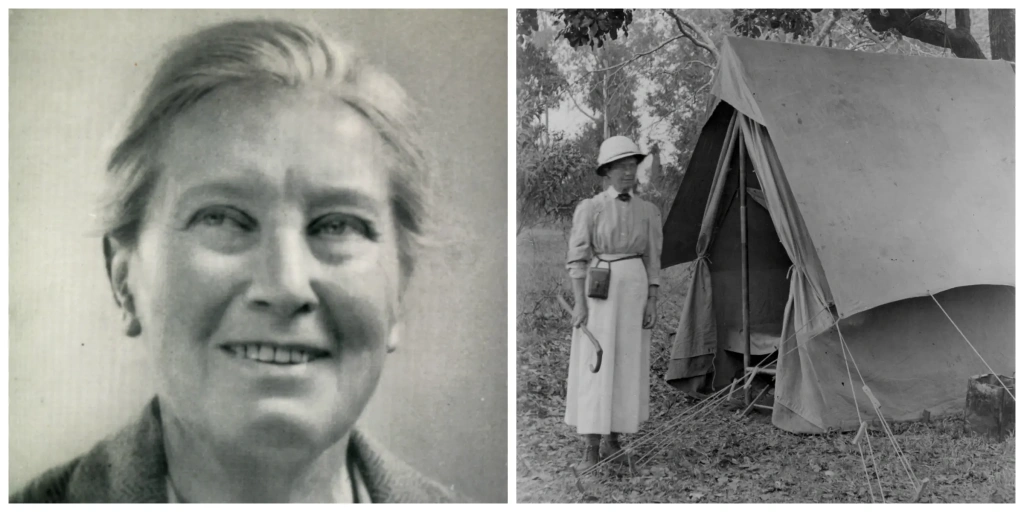
The first woman to climb Mount Kilimanjaro was Sheila MacDonald, who reached the summit of Uhuru Peak in 1927 and made history on Africa’s highest mountain. She showed courage and determination in an era when very few women attempted serious high-altitude expeditions. Her climb on Mount Kilimanjaro proved that women could overcome extreme physical and mental challenges in mountaineering.
Sheila MacDonald faced harsh weather, thin air, and difficult terrain during her ascent. She moved through steep volcanic slopes, cold nights, and limited support, yet she kept pushing forward toward the summit. Kilimanjaro stood as one of the most challenging mountains in the world at that time, and her achievement gained international attention.
Her journey inspired future generations of climbers, especially women who wanted to explore high mountains. Today, thousands of women climb Mount Kilimanjaro every year, but Sheila MacDonald remains the first woman to climb Mount Kilimanjaro and reach its highest point, Uhuru Peak, in 1927.
Table of contents
- The First Woman to Climb Mount Kilimanjaro: A Story of Courage
- Who Was the First Woman to Climb Mount Kilimanjaro?
- When Did the First Woman Climb Kilimanjaro?
- Timeline of Women on Mount Kilimanjaro
- Early Women Pioneers Before the First Summit
- Why Sheila MacDonald’s Climb Was Historic
- Challenges of Early Kilimanjaro Climbers
- Women on Kilimanjaro Today
- Interesting Facts About Women Climbers
- Frequently Asked Questions
- Conclusion
- Read Also:
Who Was the First Woman to Climb Mount Kilimanjaro?
The first woman to climb Mount Kilimanjaro was Sheila MacDonald, a young Scottish mountaineer who made history in 1927 by reaching Uhuru Peak. She grew up in a well-connected British family and developed a strong interest in outdoor sports, travel, and mountaineering from an early age. She built her climbing experience in the Scottish Highlands and the European Alps before traveling to Africa.
Sheila MacDonald joined the Kilimanjaro expedition by chance after meeting experienced climbers during her journey to East Africa. She accepted the challenge because she wanted adventure and wanted to test her climbing ability on one of the highest mountains in the world. Kilimanjaro attracted her because it offered a difficult but achievable summit compared to Himalayan peaks, making it a serious goal for early explorers.
She stood out from other climbers because she showed confidence, endurance, and adaptability in extreme conditions. She handled high altitude, cold weather, and physical exhaustion while continuing toward the summit. Her determination and skill made her one of the most remarkable female climbers of her time and secured her place in mountaineering history.
When Did the First Woman Climb Kilimanjaro?
The first woman to climb Mount Kilimanjaro reached the summit in 1927, when Sheila MacDonald successfully completed her historic ascent to Uhuru Peak, the highest point of Africa’s tallest mountain.
She joined the expedition during a period when Kilimanjaro climbing remained rare and extremely demanding. The journey to the summit took several days and required passing through dense rainforest, alpine desert, and icy volcanic slopes. The team relied on basic equipment, local porters, and limited scientific knowledge about altitude sickness.
Conditions on the mountain in 1927 were far more severe than today. Climbers faced thicker glaciers, unpredictable weather, and no established rescue systems. The final ascent demanded physical strength, mental endurance, and careful navigation through snow and ice near the crater rim. Despite these challenges, she pushed forward and reached the summit, making 1927 a historic year in Kilimanjaro’s climbing history.
Timeline of Women on Mount Kilimanjaro
| Year | Climber | Achievement | Notes |
|---|---|---|---|
| 1909 | Gertrude Benham | Early high-altitude attempt | Reached very high elevation but did not summit |
| 1914 | Clara Ruckteschell-Truëb | Reached crater rim | Arrived at Gilman’s Point area |
| 1925 | Estella Latham | High crater ascent | Reached point later named Stella Point |
| 1927 | Sheila MacDonald | First female summit | Reached Uhuru Peak (5,895 m) |
Early Women Pioneers Before the First Summit
Before the first woman reached the summit of Mount Kilimanjaro, several brave women challenged the mountain and pushed human limits at extreme altitude. Their efforts built the foundation for later success and showed that women could survive and perform in harsh mountain environments. These pioneers did not always reach the top, but they changed the history of Kilimanjaro climbing forever.
Gertrude Benham
Gertrude Benham stands among the earliest women linked to Mount Kilimanjaro exploration. She traveled widely across Africa and built strong mountaineering experience in the Alps before coming to East Africa. In 1909, she attempted to climb Kilimanjaro during a time when the mountain had no established routes, no proper maps, and no modern climbing support.
She moved through dense rainforest, steep volcanic slopes, and cold alpine zones with a small expedition team. Benham pushed higher than many expected for a woman at that time and reached very high elevations near the glacier zone. However, she did not reach the main summit of Kibo. Despite this, her attempt proved that women could handle extreme altitude conditions and difficult expedition travel.
Her journey also revealed how dangerous early Kilimanjaro expeditions were. Climbers faced unknown weather patterns, lack of oxygen knowledge, and no rescue systems. Gertrude Benham’s effort became one of the earliest recorded female attempts on Africa’s highest mountain and inspired future climbers to continue pushing upward.
Clara Ruckteschell-Trueb
Clara Ruckteschell-Truëb played an important role in early Kilimanjaro climbing history. She traveled from Europe with her husband and joined an expedition to German East Africa in 1914. Unlike many travelers of her time, she actively participated in the climb rather than staying behind as a passive observer.
Her team ascended through forest zones and volcanic terrain toward the Kibo crater rim. Clara reached Gilman’s Point, one of the highest accessible points on the mountain before the summit. This achievement placed her among the first women to reach the upper edge of Kilimanjaro’s main crater.
Clara’s climb took place under extremely difficult conditions. She faced cold temperatures, thin air, and long trekking days with limited equipment. The expedition had no modern weather forecasts or reliable high-altitude gear, so every step required strong physical endurance and careful decision-making.
Her achievement matters because she proved that women could succeed in serious high-altitude expeditions alongside male climbers. Clara Ruckteschell-Truëb became one of the key early figures who helped open the path for future female summit attempts on Kilimanjaro.
Stella Latham
Estella Latham became part of Kilimanjaro history through her 1925 expedition, which reached one of the highest points on the crater rim. Her climb did not reach Uhuru Peak, but she reached an important location that later became known as Stella Point, one of the final steps before the summit.
She climbed during a period when Kilimanjaro expeditions still lacked proper infrastructure. There were no established huts at high altitude, and climbers depended heavily on porters and basic shelters. Despite these challenges, Stella showed strong determination and endurance as she moved higher into the icy upper slopes of Kibo.
Her expedition stands out because she nearly reached the summit zone at a time when very few women had ever climbed that high. The extreme cold, thin air, and steep volcanic terrain made every final meter extremely difficult. Even experienced climbers often turned back before reaching the crater rim.
Stella Latham’s journey remains important because it shows the gradual progress toward the first female summit. She helped bridge the gap between early failed attempts and the successful 1927 ascent. Her name remains connected to Kilimanjaro history through Stella Point, symbolizing courage and persistence in early women’s mountaineering.
Why Sheila MacDonald’s Climb Was Historic
The climb of Sheila MacDonald became historic because it marked the first confirmed time a woman reached the summit of Mount Kilimanjaro. In 1927, she stood on Uhuru Peak and changed the history of African mountaineering forever. Her achievement did not only represent a personal victory, but it also reshaped how people viewed women in extreme adventure sports.
First confirmed female summit
Sheila MacDonald achieved the first verified female ascent of Kilimanjaro’s highest point, Uhuru Peak (5,895 meters). Earlier women reached high points on the mountain, but none had officially reached the true summit. Her successful climb provided clear historical confirmation and established a new milestone in mountaineering records. This moment placed her name permanently in the history of African exploration.
Gender barrier breaking
Her ascent broke a strong social barrier in the early 20th century, when many people believed women could not handle extreme altitude or dangerous mountain conditions. She proved that skill, preparation, and determination mattered more than gender. Her success challenged old beliefs and helped open the door for more women to join serious expeditions in the Alps, Africa, and beyond.
Inspiration for modern climbers
Sheila MacDonald’s achievement continues to inspire modern climbers who attempt Mount Kilimanjaro today. Thousands of women now reach Uhuru Peak every year, and many follow the same spirit of courage she showed in 1927. Her story reminds climbers that persistence and mental strength can overcome one of the world’s most challenging mountains.
Challenges of Early Kilimanjaro Climbers
Early climbers of Mount Kilimanjaro faced serious and life-threatening challenges because they climbed without modern technology, scientific knowledge, or proper safety systems. Every part of the journey tested their physical strength, mental focus, and survival ability in extreme mountain conditions.
No modern equipment
Early climbers faced the mountain without modern climbing gear, which made every step more dangerous and exhausting. They did not have insulated jackets, oxygen tanks, waterproof boots, or advanced ropes designed for high-altitude safety. Instead, they used basic clothing and simple tools that worked well in lowlands but failed in freezing alpine conditions. This lack of equipment exposed climbers to frostbite, slipping hazards on ice, and rapid body heat loss during long ascents. Even carrying supplies became difficult because backpacks and support systems were very limited. As a result, climbers depended heavily on physical endurance and careful movement, which slowed progress and increased the risk of failure on steep volcanic slopes.
Extreme altitude
Mount Kilimanjaro creates one of the sharpest altitude changes in the world, and early climbers struggled because they had no understanding of how low oxygen affects the human body. As they climbed higher, air pressure dropped and oxygen levels decreased, causing severe fatigue, dizziness, headaches, and nausea. Many climbers experienced altitude sickness without knowing what caused it or how to treat it. The body becomes weaker at high elevation, so even simple walking felt extremely difficult near the summit zone. Without acclimatization knowledge or oxygen support, many expeditions slowed down or turned back before reaching the crater rim, making altitude one of the biggest barriers to success.
Harsh weather
Early Kilimanjaro climbers faced unpredictable and extreme weather conditions that changed quickly with elevation. The lower slopes had heavy rainfall and dense mist, while the upper zones turned into freezing cold deserts with strong winds and ice-covered terrain. Temperatures dropped sharply at night, often reaching below freezing, which made sleeping and resting very difficult. Sudden storms reduced visibility and increased the risk of losing the route on steep volcanic ground. Wet clothing and cold winds drained body heat quickly, increasing exhaustion and danger. These harsh weather conditions made the climb physically demanding and mentally stressful from start to finish.
Limited knowledge
Early explorers climbed Kilimanjaro with very limited scientific knowledge about high-altitude mountains and almost no reliable maps or route information. They did not fully understand acclimatization, oxygen levels, or how the body reacts to extreme elevation. Weather forecasting did not exist, so climbers could not predict storms or temperature drops. Most expeditions relied on trial, error, and basic guidance from local porters or previous explorers. This lack of knowledge increased uncertainty at every stage of the climb and often forced climbers to make risky decisions. Without proper understanding of the mountain, many early attempts ended before reaching the summit.
Women on Kilimanjaro Today
Today, women from all over the world successfully climb Mount Kilimanjaro every year. What once seemed like an extraordinary achievement reserved for a few pioneering adventurers has become an attainable goal for thousands of female trekkers. The courage shown by early climbers such as Sheila MacDonald helped inspire generations of women to challenge themselves on Africa’s highest mountain.
Thousands of Female Climbers Reach the Summit Every Year
Every year, thousands of women attempt and successfully complete the climb to Uhuru Peak. They come from different countries, backgrounds, and age groups. Some climb to celebrate personal achievements, while others raise money for charity, mark important life milestones, or simply pursue a lifelong dream. Many women with no previous mountaineering experience also reach the summit through proper preparation, training, and support from experienced guides.
Safe Guided Tours Make the Climb More Accessible
Modern Kilimanjaro expeditions are much safer than the journeys undertaken by early explorers. Professional guides monitor climbers throughout the trek and check for signs of altitude sickness. Organized tours provide meals, camping equipment, safety briefings, and emergency support. Porters carry most of the heavy gear, allowing climbers to focus on walking and acclimatizing. These improvements have made Kilimanjaro one of the most accessible high-altitude mountains in the world.
Popular Routes for Women Climbers
Several routes lead to the summit, each offering a different experience. The Machame Route attracts climbers who want beautiful scenery and good acclimatization opportunities. The Lemosho Route offers stunning landscapes, fewer crowds, and one of the highest success rates on the mountain. The Marangu Route, often called the “Coca-Cola Route,” provides hut accommodation instead of tents, making it a popular choice for climbers seeking additional comfort.
Today, women continue to make history on Mount Kilimanjaro. While the mountain remains a serious physical challenge, modern guiding standards, improved equipment, and well-established routes allow more women than ever before to follow in the footsteps of the first woman to climb Mount Kilimanjaro and experience the unforgettable journey to Uhuru Peak.
Interesting Facts About Women Climbers
Women have achieved remarkable milestones on Mount Kilimanjaro over the years. From record-breaking ascents to inspiring achievements by young climbers and older women, these accomplishments show that determination and preparation can help people of many ages reach Africa’s highest peak.
Oldest Female Climbers
Age has not stopped many women from reaching the summit of Kilimanjaro. One of the most famous examples is Anne Lorimor, who reached Uhuru Peak at the age of 89 in 2019. Her achievement inspired people around the world and proved that age does not automatically prevent someone from pursuing challenging goals. Before her ascent, other women in their seventies and eighties had also successfully climbed the mountain, demonstrating that proper training, determination, and professional guidance can make the climb possible for older adventurers.
Fastest Female Ascent Records
Some women have approached Kilimanjaro as an athletic challenge rather than a multi-day trek. Danish ultra-runner Kristina Schou Madsen gained international attention after completing an exceptionally fast ascent of Mount Kilimanjaro in 2018. Her performance highlighted the physical demands of the mountain and showed what elite endurance athletes can achieve. These speed records require extraordinary fitness, careful planning, and the ability to perform at high altitude while moving quickly through several climate zones.
Youngest Female Climbers
Young climbers have also made headlines on Kilimanjaro. One well-known example is Ashleen Mandrick, who reached the summit at a very young age. Her climb attracted international media attention and sparked discussions about the appropriate age for high-altitude trekking. While some children have successfully climbed Kilimanjaro, most trekking experts recommend that young climbers wait until they are older and better able to adapt to altitude and the physical demands of the mountain.
These achievements show that women of different ages and backgrounds continue to leave their mark on Mount Kilimanjaro. From pioneering explorers like Sheila MacDonald to modern record holders, their stories add another inspiring chapter to the history of Africa’s highest mountain.
Frequently Asked Questions
The first woman to climb Mount Kilimanjaro was Sheila MacDonald. She reached the summit in 1927 and became the first woman to stand on the highest point of Africa. Her achievement marked an important moment in mountaineering history and inspired many women to pursue high-altitude adventures.
Sheila MacDonald successfully climbed Mount Kilimanjaro in 1927. At that time, climbing the mountain was far more difficult than it is today because there were no established tourist routes, limited equipment, and little understanding of altitude sickness. Her successful ascent remains one of the most important milestones in Kilimanjaro’s history.
Yes, Mount Kilimanjaro is generally safe for women when they climb with a reputable tour operator and follow safety guidelines. Thousands of women reach the summit every year without major problems. Professional guides, trained porters, emergency procedures, and well-established routes make the climb much safer than it was in the past. Proper preparation, fitness, and acclimatization are the keys to a safe and successful climb.
Kilimanjaro is a challenging trek, but it does not require technical climbing skills. The biggest challenge is the high altitude, which can cause fatigue, headaches, and altitude sickness. Climbers must walk for several hours each day and face cold temperatures near the summit. Most people who prepare properly and choose a suitable route have a good chance of reaching Uhuru Peak.
Yes, beginners can climb Mount Kilimanjaro. Many people who reach the summit have no previous mountaineering experience. However, beginners should train before the trip, choose a route with enough time for acclimatization, and climb with experienced guides. Routes such as Lemosho and Machame often provide better acclimatization opportunities and improve the chances of a successful summit.
Conclusion
Read more about Sheila MacDonald
The story of the first woman to climb Mount Kilimanjaro remains one of the most inspiring chapters in the mountain’s history. In 1927, Sheila MacDonald reached the summit of Africa’s highest peak and achieved what no woman had done before. Her success came after years of earlier attempts by other pioneering women who helped pave the way for future climbers.
Sheila MacDonald faced high altitude, freezing temperatures, and difficult mountain conditions, yet she continued to the summit with determination and courage. Her achievement proved that women could overcome the same challenges that confronted male explorers and mountaineers.
Today, thousands of women from around the world climb Mount Kilimanjaro every year. They follow established routes, benefit from modern equipment, and draw inspiration from the remarkable women who came before them. The mountain continues to attract adventurers seeking challenge, achievement, and unforgettable experiences.
More than a century later, Sheila MacDonald’s climb still reminds us that determination can turn ambitious dreams into historic achievements. Her journey to the Roof of Africa continues to inspire climbers to take the first step toward their own summit.