Why Mount Kilimanjaro Should Be on Your Bucket List (Complete Guide 2026– 2027)
Estimated reading time: 1 minute
If you’re looking for an adventure that combines breathtaking landscapes, personal achievement, and unforgettable memories, Mount Kilimanjaro deserves a place at the top of your bucket list. Rising 5,895 meters (19,341 feet) above sea level, it is Africa’s highest mountain and the world’s tallest free-standing peak. Unlike many famous mountains, Kilimanjaro does not require technical climbing skills, making it an achievable goal for many first-time trekkers with the right preparation.
But climbing Kilimanjaro is about much more than reaching the summit. Along the way, you’ll hike through lush rainforests, giant heath and moorlands, alpine deserts, and icy glaciers crossing five unique climate zones in a single journey. Every day offers new scenery, new challenges, and a growing sense of accomplishment.
In this complete guide, you’ll discover what makes Mount Kilimanjaro one of the world’s greatest bucket list adventures, what to expect during the climb, who can reach the summit, the best time to visit, how to prepare, and practical tips to help you plan a safe and unforgettable experience.
Table of contents
- Why Mount Kilimanjaro Should Be on Your Bucket List (Complete Guide 2026 – 2027)
- Why Mount Kilimanjaro Is the Ultimate Bucket List Adventure
- What Makes Mount Kilimanjaro Unique?
- What Makes Mount Kilimanjaro Unique?
- Can Beginners Climb Mount Kilimanjaro?
- What Is It Like to Reach Uhuru Peak?
- Best Time to Climb Mount Kilimanjaro
- Choosing the Best Kilimanjaro Route
- How to Prepare for Your Climb
- Essential Packing List
- Common Mistakes to Avoid
- Frequently Asked Questions
- Final Thoughts
- Read Also:
Why Mount Kilimanjaro Is the Ultimate Bucket List Adventure
Mount Kilimanjaro is a bucket list adventure because it offers a rare combination of natural beauty, personal achievement, and accessibility that few destinations in the world can match. As Africa’s highest mountain, it challenges you physically and mentally while rewarding you with unforgettable landscapes and the satisfaction of standing on the continent’s highest point. Whether you’re an experienced trekker or planning your first major hiking adventure, Kilimanjaro offers an experience that stays with you long after you return home.
Africa’s Highest Mountain
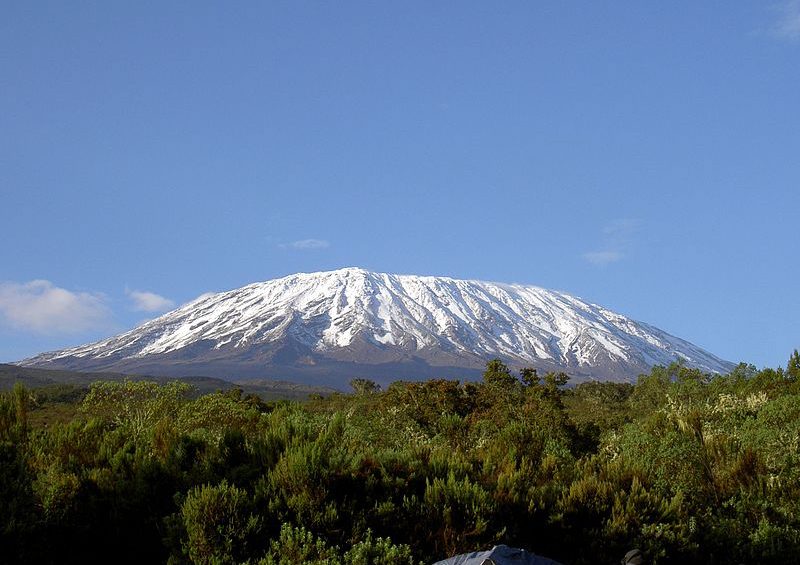
Standing at 5,895 meters (19,341 feet) above sea level, Mount Kilimanjaro is the highest mountain in Africa and the tallest free-standing mountain in the world. Unlike mountain ranges such as the Himalayas or the Andes, Kilimanjaro rises dramatically from the surrounding plains, creating one of the most recognizable landscapes on Earth. Reaching Uhuru Peak, the mountain’s highest point, is more than a physical accomplishment it’s a milestone that many travelers dream of achieving at least once in their lifetime.
A UNESCO World Heritage Site
Mount Kilimanjaro is more than just a famous mountain. It is located within Kilimanjaro National Park, a UNESCO World Heritage Site recognized for its exceptional natural beauty and ecological importance. During the climb, you’ll pass through five distinct climate zones, from lush rainforest and giant heather to alpine desert and glaciers near the summit. Few places in the world offer such remarkable environmental diversity within a single trek, making every day on the mountain feel completely different from the last.
One of the World’s Most Famous Trekking Destinations
Every year, thousands of adventurers from around the world travel to Tanzania to climb Mount Kilimanjaro. Its global reputation comes from offering a high-altitude adventure that does not require technical climbing skills. With proper preparation, the right route, and the support of experienced guides, many first-time trekkers successfully reach the summit. This unique combination of challenge and accessibility has made Kilimanjaro one of the world’s most sought-after trekking destinations.
A Journey That Changes You
The greatest reward of climbing Kilimanjaro is not simply reaching the summit it’s the journey itself. Early morning summit attempts, breathtaking sunrises above the clouds, and the determination required to keep moving forward create memories that last a lifetime. Many climbers describe standing at Uhuru Peak as one of the proudest moments of their lives because the achievement represents perseverance, resilience, and the courage to pursue a meaningful goal.
For many travelers, Mount Kilimanjaro is far more than another destination to visit. It is a life-changing adventure that inspires confidence, creates unforgettable memories, and earns its place on bucket lists around the world. Before planning your climb, it’s important to understand what makes this remarkable mountain so unique and unlike any other trekking destination.
What Makes Mount Kilimanjaro Unique?
Mount Kilimanjaro stands out as one of the most unique mountains in the world because it combines extreme height, diverse ecosystems, and accessibility for non-technical climbers. Unlike many high peaks that require advanced mountaineering skills, Kilimanjaro offers a trekking experience that takes you through multiple climate zones, rich wildlife habitats, and dramatic landscapes all in a single journey. This rare combination makes it one of the most popular bucket-list adventures on the planet.
From its snow-covered summit to its tropical base, Kilimanjaro delivers a journey that feels like traveling through different continents in just a few days. Every stage of the climb reveals a new environment, making the experience both physically rewarding and visually unforgettable.
Five Climate Zones
One of the most remarkable features of Kilimanjaro is that climbers pass through five distinct climate zones during the ascent. Each zone has its own weather patterns, vegetation, and scenery.
The journey begins in the lush rainforest zone, filled with dense vegetation, humidity, and wildlife such as monkeys and colorful birds. As you climb higher, the landscape changes into the moorland zone, where giant heathers and unique plants dominate the terrain. Further up, trekkers enter the alpine desert zone, a dry and rocky environment with extreme temperature changes between day and night. Finally, the climb reaches the arctic zone, where ice, snow, and glaciers cover the summit area.
This dramatic transition through ecosystems is one of the reasons Kilimanjaro feels like several mountains in one.
Highest Free-Standing Mountain
Mount Kilimanjaro rises to 5,895 meters (19,341 feet), making it the highest free-standing mountain in the world. Unlike mountain ranges such as the Himalayas or Andes, Kilimanjaro stands alone above the surrounding plains of Tanzania.
This isolated structure creates a visually stunning skyline and allows climbers to see the mountain from great distances. The lack of surrounding peaks also means the ascent is continuous, taking trekkers from lowland forests directly to high-altitude glaciers in a single expedition.
No Technical Climbing Required
Another reason Kilimanjaro is so unique is that it does not require technical climbing skills. There are no ropes, ice axes, or mountaineering experience needed to reach the summit.
Climbers simply follow marked trails under the guidance of experienced local guides. While the trek is physically demanding due to altitude and long hiking days, it remains accessible to beginners who have good fitness and proper preparation. This makes Kilimanjaro one of the few high-altitude peaks in the world that non-climbers can realistically attempt.
Amazing Wildlife Around the Mountain
The lower slopes of Kilimanjaro are rich in biodiversity, offering trekkers the chance to experience wildlife and natural beauty before even reaching higher elevations.
In the rainforest zone, climbers may encounter monkeys, colorful birds, and unique plant species found only in this region. The mountain is also located near some of Tanzania’s most famous safari destinations, including Serengeti National Park and Ngorongoro Conservation Area, allowing travelers to combine a mountain trek with an unforgettable wildlife safari experience.
This combination of mountain adventure and safari makes Kilimanjaro not just a climb, but part of a larger East African journey that showcases nature in its most diverse and powerful forms.
What Makes Mount Kilimanjaro Unique?
Mount Kilimanjaro is unique because it is the highest free-standing mountain in the world, offers five climate zones in one climb, requires no technical climbing skills, and is surrounded by rich wildlife and famous safari destinations. This combination makes Mount Kilimanjaro one of the most accessible and diverse trekking experiences on Earth.
Five Climate Zones
Climbers pass through five distinct climate zones during the ascent:
Rainforest – Moorland – Alpine Desert – Arctic
Each zone has different weather, plants, and scenery. The journey starts in a warm rainforest and ends in icy conditions near the summit, creating a rare “walk through the world’s climates” experience.
Highest Free-Standing Mountain
Kilimanjaro rises 5,895 meters (19,341 feet) above sea level.
It is the highest free-standing mountain in the world, meaning it is not part of any mountain range. It stands alone above the plains of Tanzania, making it visible from far distances and creating a dramatic landscape.
No Technical Climbing Required
Kilimanjaro is one of the few high mountains in the world that does not require technical climbing skills.
- No ropes needed
- No ice climbing experience required
- Only trekking and endurance hiking
This makes it accessible to beginners who are physically prepared and properly acclimatized.
Amazing Wildlife Around the Mountain
The lower slopes of Kilimanjaro are full of natural life and beauty.
You can see:
- Monkeys in the rainforest
- colorful birds
- Unique plant species
The mountain is also close to major safari parks such as Serengeti National Park and Ngorongoro Conservation Area, making it easy to combine trekking with a wildlife safari adventure.
Can Beginners Climb Mount Kilimanjaro?
Yes, beginners can climb Mount Kilimanjaro successfully. The mountain does not require technical climbing skills, so you do not need ropes, ice axes, or prior mountaineering experience. What matters most is basic fitness, proper preparation, and choosing the right itinerary that allows enough time for acclimatization.
Many first-time trekkers reach Uhuru Peak every year because Kilimanjaro is designed as a trekking mountain rather than a technical climb. With the support of professional guides and a well-planned route, even beginners can complete the journey safely and confidently.
Success on Kilimanjaro depends more on how your body adapts to altitude than on climbing experience. That is why preparation and route selection play a much bigger role than advanced hiking skills.
Fitness Requirements
You do not need to be an elite athlete to climb Kilimanjaro. A moderate level of fitness is enough for most beginners.
You should be able to:
- Walk for several hours a day
- Handle uphill and uneven terrain
- Maintain steady energy over multiple days
Training with hiking, walking, cardio, and light strength exercises before your trip will make the experience more comfortable and improve your endurance on the mountain.
Minimum Age
The minimum age for climbing Kilimanjaro in Kilimanjaro National Park is usually 10 years old.
However, age alone is not the most important factor. Young climbers must have good physical fitness, mental readiness, and the ability to handle cold temperatures and long trekking days. Families often choose longer routes to give younger trekkers more time to acclimatize.
Importance of Guided Climbs
All climbers must go with a licensed guide. Independent climbing is not allowed on Kilimanjaro.
Guides play a key role in:
- Leading the trekking route safely
- Monitoring your health and altitude symptoms
- Setting a safe pace
- Making decisions in changing weather conditions
Experienced guides greatly increase your chances of reaching the summit and ensure your safety throughout the journey.
Success Depends on Acclimatization, Not Experience
One of the most important facts about Kilimanjaro is that success depends more on acclimatization than experience.
Even strong hikers can struggle if they ascend too quickly. The body needs time to adjust to lower oxygen levels at higher altitude. Symptoms of altitude sickness can affect anyone, regardless of fitness level.
Choosing a slower, longer itinerary gives your body more time to adapt and significantly improves your chance of reaching the summit safely.
Longer Routes Increase Success Rate
Longer routes such as the Lemosho Route and Northern Circuit offer more days on the mountain, which allows better acclimatization.
These routes:
- Reduce the risk of altitude sickness
- Provide a slower, safer ascent
- Increase summit success rates
- Offer more time to enjoy scenery
For beginners, a 7-8 day route is strongly recommended because it provides the best balance of safety, comfort, and summit success.
What Is It Like to Reach Uhuru Peak?
Reaching Uhuru Peak on Mount Kilimanjaro is one of the most emotional and unforgettable moments in any trekker’s life. After days of climbing through different climate zones, your final challenge begins in the middle of the night, when the mountain is quiet, cold, and completely dark. Every step feels slow and heavy, but the goal is close.
This moment is not just about physical strength. It is about determination, patience, and mental focus. As you climb higher in freezing conditions, you keep moving step by step with your headlamp lighting the trail ahead. Your guide encourages you, and the group moves slowly together toward the summit.
When you finally reach the top, everything changes in an instant.
Summit Night Starts at Midnight
The final ascent usually begins around midnight. Climbers wake up in the cold and begin walking under a sky full of stars. The air is thin, and the temperature drops sharply as you gain elevation.
There is no rush only slow, steady steps toward the highest point in Africa. The silence of the mountain and the rhythm of walking create a powerful mental focus that carries you through the hardest part of the climb.
Very Cold Temperatures
As you approach the summit, temperatures can drop well below freezing, sometimes reaching -10°C to -20°C (14°F to -4°F). The wind can be strong, and the cold becomes more intense as you get closer to the top.
Proper clothing becomes essential. Every layer matters, and staying warm is part of the challenge. Despite the cold, most climbers stay focused on one thing: reaching the top.
Slow Climb in Darkness
The ascent is slow and deliberate. You move step by step in the dark, often only seeing the ground in front of you. This slow pace is important because it helps your body manage altitude and conserve energy.
The combination of darkness, cold, and altitude creates a powerful mental challenge. Many climbers describe this part of the journey as the most difficult but also the most meaningful.
Reaching Sunrise at Uhuru Peak
After hours of climbing, the sky slowly begins to change. As you approach the summit, the first light of sunrise appears on the horizon. This is one of the most breathtaking moments on Earth.
Standing at Uhuru Peak (5,895 meters), you watch the sun rise over Africa, lighting up glaciers, clouds, and endless landscapes below. The view is peaceful, powerful, and unforgettable.
Feeling of Achievement and Emotion
When you reach the summit, emotions take over. Many climbers feel a mix of joy, relief, exhaustion, and pride. The journey, the training, and the challenges all come together in this single moment.
Some people smile, some cry, and others simply stand in silence, taking in everything around them. It is a personal achievement that stays in memory for a lifetime.
Standing on the Roof of Africa
At the top of Africa, you are standing on one of the most iconic points on Earth. The feeling of being at Uhuru Peak is not just about altitude it is about accomplishment.
You have crossed five climate zones, pushed through physical limits, and reached the highest point on the continent. For many travelers, this moment represents more than a climb it becomes a life-changing experience they never forget.
Best Time to Climb Mount Kilimanjaro
The best time to climb Mount Kilimanjaro is during the dry seasons when weather conditions are more stable, trails are less slippery, and visibility is clearer. Most climbers prefer January to March and June to October because these months offer the safest and most enjoyable trekking experience.
Although Kilimanjaro can be climbed all year round, choosing the right season can greatly improve your comfort, safety, and chances of reaching the summit.
Weather Table
| Season | Weather | Crowds |
|---|---|---|
| Jan–Mar | Dry | Moderate |
| Apr–May | Rainy | Low |
| Jun–Oct | Dry | High |
| Nov | Short rains | Low |
Best Months to Climb
The best months to climb Kilimanjaro are January to March and June to October. During these periods, the mountain experiences less rain, which means better trail conditions and clearer views of the surrounding landscapes.
- January to March: Cooler temperatures, fewer crowds, and beautiful snowy summit views.
- June to October: Most popular season with stable weather and excellent visibility.
Weather Impact on Visibility and Safety
Weather plays a major role in your Kilimanjaro experience. During dry seasons, trails are safer and less muddy, making hiking easier and reducing the risk of slipping. Clear skies also improve visibility, allowing trekkers to enjoy panoramic views across Tanzania and Kenya.
In contrast, rainy seasons (April to May and November) bring muddy trails, cloud cover, and reduced visibility. While the mountain is quieter during these months, trekking conditions can be more challenging and require stronger preparation and waterproof gear.
By climbing during the dry season, you can enjoy better trail conditions, clearer views, and a greater chance of reaching the summit successfully.
Choosing the Best Kilimanjaro Route
Choosing the best route is one of the most important decisions when planning to climb Mount Kilimanjaro. Every route leads to Uhuru Peak, but each offers a different experience in terms of scenery, trekking days, difficulty, and acclimatization. The best route depends on your fitness level, budget, available time, and summit goals.
If reaching the summit is your top priority, choose a route that gives your body enough time to adjust to the altitude. In general, longer routes have higher success rates because they allow better acclimatization. Before booking your trek, compare the main Kilimanjaro routes to find the one that best matches your experience and travel plans.
Kilimanjaro Route Comparison
| Route | Difficulty | Duration | Summit Success | Best For |
|---|---|---|---|---|
| Lemosho | Moderate | 7-8 Days | High (90%+) | First-time trekkers |
| Machame | Moderate-Challenging | 6-7 Days | High (85-90%) | Scenic adventure |
| Marangu | Moderate | 5-6 Days | Moderate (60-75%) | Climbers with limited time |
| Rongai | Moderate | 6-7 Days | Good (80-85%) | Quieter trails |
| Northern Circuit | Moderate | 8-9 Days | Very High (95%+) | Highest success rate |
Success rates vary depending on itinerary length, acclimatization, weather conditions, and individual fitness.
Machame Route
The Machame Route, often called the Whiskey Route, is one of the most popular routes on Kilimanjaro. It takes 6 to 7 days and offers spectacular scenery through rainforest, moorland, alpine desert, and glaciers.
Although some sections are steeper than other routes, the climb-high, sleep-low itinerary helps many trekkers acclimatize well. It is an excellent choice for hikers looking for a scenic and rewarding adventure.
Lemosho Route
The Lemosho Route is widely considered the best route for beginners and one of the most beautiful ways to climb Kilimanjaro. The trek usually lasts 7 to 8 days, giving your body plenty of time to adjust to the altitude.
The route begins on the quieter western side of the mountain before joining the Machame Route. It combines breathtaking scenery, excellent acclimatization, and one of the highest summit success rates, making it a favorite among guides and first-time climbers.
Marangu Route
The Marangu Route, also known as the Coca-Cola Route, is the only route that uses mountain huts instead of tents. Most climbers complete it in 5 to 6 days, making it one of the shortest options.
The comfortable accommodation appeals to many trekkers, but the shorter itinerary provides less time for acclimatization. As a result, the summit success rate is generally lower than on longer routes.
Rongai Route
The Rongai Route approaches Kilimanjaro from the northern side near the Kenyan border. It usually takes 6 to 7 days and is known for its quieter trails and gradual ascent.
Because this side of the mountain receives less rainfall, Rongai is a good option during wetter months. It is ideal for trekkers who prefer a peaceful climb with fewer crowds.
Northern Circuit
The Northern Circuit is the longest official route, taking 8 to 9 days to complete. It circles much of the mountain, offering incredible scenery, excellent acclimatization, and the highest summit success rate of all Kilimanjaro routes.
Although it requires more time, it is one of the best choices for climbers who want to maximize their chances of reaching Uhuru Peak while enjoying a quieter and more relaxed trekking experience.
Which Route Is Best?
There is no single best route for everyone, but some routes are better suited to specific types of trekkers.
- Lemosho Route: Best overall for beginners, scenery, and high summit success.
- Machame Route: Best for adventurous hikers who want stunning landscapes.
- Marangu Route: Best for travelers who prefer hut accommodation and shorter itineraries.
- Rongai Route: Best for quieter trails and a gradual ascent.
- Northern Circuit: Best for the highest summit success rate and the most comprehensive Kilimanjaro experience.
If you are climbing Kilimanjaro for the first time, many experienced guides recommend the Lemosho Route because it offers the ideal balance of acclimatization, safety, scenery, and summit success.
How to Prepare for Your Climb
Preparing for Mount Kilimanjaro is one of the best ways to increase your chances of reaching the summit and enjoying the experience. While Kilimanjaro does not require technical climbing skills, it demands endurance, determination, and the ability to hike for several consecutive days at high altitude. A well-planned training program helps improve your fitness, builds confidence, and prepares your body for the physical and mental challenges of the trek.
Most trekkers should begin training 8 to 12 weeks before their departure. Your preparation should include cardiovascular exercise, regular hiking, strength training, mental preparation, and an understanding of how altitude affects the body. Remember that reaching the summit is not about hiking as fast as possible it is about staying consistent, acclimatizing properly, and following your guide’s advice throughout the climb.
Cardio Training
Cardiovascular fitness is the foundation of Kilimanjaro preparation. Since you will hike for several hours each day, your heart and lungs need to work efficiently, especially at higher elevations where oxygen levels are lower.
Excellent cardio exercises include:
- Brisk walking
- Running or jogging
- Cycling
- Swimming
- Stair climbing
- Using an inclined treadmill
Aim for 30 to 60 minutes of cardio exercise at least three to five times per week. As your fitness improves, gradually increase the duration and intensity of your workouts.
Hiking Practice
The best training for Kilimanjaro is hiking. Walking on hills and uneven trails prepares your body for the type of terrain you will encounter on the mountain.
Whenever possible:
- Hike once every week.
- Wear the boots you plan to use on Kilimanjaro.
- Carry a light backpack to simulate trekking conditions.
- Gradually increase your hiking distance and elevation gain.
If you live in a flat area, climbing stairs or walking on a treadmill with an incline is an excellent alternative.
Strength Training
Strong legs and a stable core help you maintain balance, reduce fatigue, and handle steep sections of the trail more comfortably.
Focus on exercises such as:
- Squats
- Lunges
- Step-ups
- Planks
- Deadlifts
- Calf raises
Complete two or three strength-training sessions each week, allowing enough time for recovery between workouts.
Mental Preparation
Climbing Kilimanjaro is as much a mental challenge as it is a physical one. Long hiking days, cold temperatures, and the midnight summit ascent require patience and determination.
Preparing mentally can make a big difference. Set realistic expectations, maintain a positive attitude, and focus on taking one step at a time rather than thinking only about the summit. Trust your guides, enjoy the changing landscapes, and remember that a slow, steady pace is the key to success.
Altitude Awareness
Altitude is the biggest challenge on Kilimanjaro. As you climb higher, the air contains less oxygen, making even simple activities feel more demanding.
While you cannot fully train for altitude at sea level, you can prepare by understanding how it affects the body. During the climb:
- Walk slowly and maintain a steady pace.
- Drink plenty of water.
- Eat regular meals.
- Get enough rest.
- Tell your guide immediately if you experience symptoms such as headache, dizziness, or nausea.
Choosing a 7- or 8-day itinerary also gives your body more time to acclimatize, which significantly improves your chances of reaching the summit.
Training Duration (8-12 Weeks)
For most people, 8 to 12 weeks of consistent training is enough to prepare for Kilimanjaro. Begin with moderate workouts and gradually increase the intensity as your fitness improves.
A balanced weekly training plan should include:
- 3-5 cardio sessions
- 1-2 long hikes
- 2-3 strength-training sessions
- 1-2 rest or recovery days
Following a structured training plan will help you arrive in Tanzania stronger, more confident, and ready to enjoy one of the world’s greatest trekking adventures. Combined with proper acclimatization and experienced guides, good preparation can greatly increase your chances of standing on the Roof of Africa.
Essential Packing List
Packing the right gear is one of the most important steps when preparing to climb Mount Kilimanjaro. During the trek, you’ll hike through five climate zones, from warm rainforest to the freezing arctic conditions near the summit. Temperatures, weather, and terrain change dramatically, so bringing the proper equipment will keep you comfortable, safe, and ready for every stage of the journey.
You do not need the most expensive gear, but every item should be reliable and suitable for high-altitude trekking. Comfortable clothing, waterproof equipment, and well-tested hiking boots can make a significant difference to your overall experience. Before traveling to Tanzania, check your equipment carefully and test anything new to ensure it fits properly.
Kilimanjaro Packing Checklist
| Item | Why You Need It |
|---|---|
| Hiking boots | Provide ankle support and grip on rocky trails |
| Waterproof jacket | Protects against rain, wind, and cold |
| Down jacket | Keeps you warm during cold mornings and summit night |
| Sleeping bag | Provides warmth during overnight camping |
| Trekking poles | Reduce pressure on your knees and improve balance |
| Headlamp | Required for the midnight summit ascent |
| Gloves | Protect your hands from freezing temperatures |
| Sunglasses | Shield your eyes from strong UV rays at high altitude |
| Water bottles or hydration system | Help you stay hydrated throughout the climb |
| Backpack (Daypack) | Carries water, snacks, warm layers, and personal items |
Hiking Boots
Choose waterproof hiking boots with good ankle support and durable soles. Wear them on several training hikes before your trip to prevent blisters and ensure a comfortable fit during the climb.
Waterproof Jacket
Mountain weather can change quickly. A high-quality waterproof and windproof jacket protects you from rain, cold winds, and sudden weather changes, especially at higher elevations.
Down Jacket
Summit night can be extremely cold, with temperatures well below freezing. An insulated down jacket provides essential warmth and helps you stay comfortable during the final ascent.
Sleeping Bag
Most Kilimanjaro routes involve camping, so a warm sleeping bag is essential. Choose one rated for sub-zero temperatures to ensure a comfortable night’s sleep at higher camps.
Trekking Poles
Trekking poles improve stability on steep climbs and reduce pressure on your knees during long descents. Many trekkers consider them one of the most valuable pieces of equipment on the mountain.
Headlamp
Every climber needs a reliable headlamp for summit night, which usually begins around midnight. Bring extra batteries or a fully charged rechargeable headlamp to avoid running out of light.
Gloves
Carry insulated gloves for cold conditions and lightweight liner gloves for added comfort. Warm hands make the climb much more enjoyable, especially near the summit.
Sunglasses
Strong sunlight and high UV exposure can affect your eyes at higher elevations. Polarized sunglasses with UV protection help protect your vision and reduce glare from snow and ice.
Water Bottles or Hydration System
Proper hydration is essential for both performance and acclimatization. Most guides recommend drinking 3 to 4 liters of water each day, so carry reusable water bottles or a hydration bladder that is easy to access while hiking.
Backpack
Carry a comfortable daypack with padded shoulder straps and a waist belt. Your backpack should hold your water, snacks, rain gear, camera, sunscreen, and extra clothing while porters carry your larger duffel bag.
Before your climb, ask your tour operator which items are included and which can be rented in Tanzania. Many local operators, including WeWild Travel, offer quality gear rentals such as sleeping bags, trekking poles, insulated jackets, and gaiters, making it easier to travel without purchasing every piece of equipment.
Common Mistakes to Avoid
Many climbers prepare well for Mount Kilimanjaro, but simple mistakes can make the trek more difficult than it needs to be. Most problems on the mountain are preventable with proper planning, the right equipment, and by following your guide’s advice. Understanding these common mistakes before your climb will help you stay safe, enjoy the journey, and improve your chances of reaching Uhuru Peak.
Whether you are a first-time trekker or an experienced hiker, avoiding the following mistakes can make a significant difference to your overall Kilimanjaro experience.
Walking Too Fast
One of the biggest mistakes climbers make is hiking too quickly. It may feel natural to keep a fast pace at lower elevations, but moving too fast makes it harder for your body to adjust to the altitude.
Kilimanjaro guides often use the phrase “pole pole,” which means “slowly, slowly” in Swahili. Walking at a slow, steady pace helps conserve energy, improves acclimatization, and increases your chances of reaching the summit.
Not Drinking Enough Water
Staying hydrated is essential during the climb. Dehydration can increase fatigue and may worsen the effects of altitude.
Most guides recommend drinking 3 to 4 liters of water each day. Carry reusable water bottles or a hydration system and drink regularly, even if you do not feel thirsty.
Choosing the Shortest Route Only
Many climbers choose the shortest route to save time or reduce costs, but this decision can lower their chances of reaching the summit.
Shorter itineraries provide less time for acclimatization, increasing the risk of altitude sickness. Longer routes, such as the Lemosho Route and Northern Circuit, give your body more time to adapt and generally have much higher summit success rates.
Wearing New Boots
Never bring brand-new hiking boots to Kilimanjaro. New boots often cause blisters and discomfort because they have not adapted to your feet.
Wear your boots during training hikes before your trip. Breaking them in helps ensure a better fit and makes long trekking days much more comfortable.
Ignoring Altitude Symptoms
Altitude sickness can affect anyone, regardless of age or fitness level. Ignoring early symptoms can lead to more serious health problems.
Tell your guide immediately if you experience:
- Persistent headache
- Dizziness
- Nausea
- Unusual fatigue
- Difficulty breathing
Experienced guides monitor climbers closely and will recommend the safest course of action if symptoms develop.
Poor Packing
Packing the wrong equipment or forgetting essential items can make your climb uncomfortable and stressful. Cold weather, rain, and changing temperatures require clothing and gear that perform well in different conditions.
Before traveling, check your packing list carefully and make sure you have:
- Waterproof clothing
- Warm layers
- Broken-in hiking boots
- A reliable headlamp
- Gloves and a warm hat
- Enough water storage
- Personal medications and essentials
If you do not own all the required gear, many Kilimanjaro operators, including WeWild Travel, offer equipment rentals, allowing you to travel lighter while still using high-quality trekking equipment.
By avoiding these common mistakes and following your guide’s advice, you will enjoy a safer, more comfortable, and more rewarding Kilimanjaro adventure. Careful preparation and smart decisions can make the difference between simply attempting the climb and successfully standing on the Roof of Africa.
Frequently Asked Questions
Climbing Mount Kilimanjaro is challenging, but it is achievable for most healthy people with proper preparation. The mountain does not require technical climbing skills, ropes, or mountaineering experience.
The cost of climbing Kilimanjaro typically ranges from US$2,000 to US$6,000 or more, depending on the route, itinerary length, group size, and level of service. Most tour packages include park fees, professional guides, porters, meals, camping equipment, accommodation before and after the trek, and airport transfers. International flights, visas, travel insurance, tips, and personal expenses are usually not included.
Most Kilimanjaro climbs take 5 to 9 days, depending on the route you choose. Although shorter routes are available, many guides recommend 7 or 8 days because they provide more time for acclimatization and significantly improve summit success rates.
The summit success rate depends mainly on the route and the number of days spent on the mountain. Longer routes such as the Lemosho Route and Northern Circuit generally achieve success rates of 90% or higher, while shorter itineraries have lower success rates because they allow less time for acclimatization.
Yes. Comprehensive travel insurance that covers high-altitude trekking, emergency medical treatment, evacuation, and trip cancellations is strongly recommended before climbing Kilimanjaro.
The best times to climb are January to March and June to October. These dry seasons usually offer more stable weather, better trail conditions, and clearer views, making them the most popular months for trekking.
A reputable local operator provides experienced guides, knowledgeable support teams, strong safety standards, and personalized service. Booking with a local company like WeWild Travel also supports Tanzanian communities while giving you expert assistance before, during, and after your Kilimanjaro adventure.
Final Thoughts
Climbing Mount Kilimanjaro is much more than checking off a bucket-list destination. It is an opportunity to challenge yourself, experience breathtaking landscapes, and stand on the highest point in Africa. From walking through five unique climate zones to watching the sunrise from Uhuru Peak, every step of the journey creates memories that last a lifetime.
The climb is achievable for many people, including beginners, as long as they prepare well, choose the right route, train consistently, and trek with experienced guides. Taking enough time to acclimatize, packing the proper gear, and avoiding common mistakes will greatly improve your chances of enjoying a safe and successful adventure.
If you’re ready to turn your dream into reality, WeWild Travel is here to help. As a trusted local Kilimanjaro tour operator, we offer experienced mountain guides, carefully planned itineraries, quality equipment, and personalized support from the moment you arrive in Tanzania until you celebrate your success at the summit.
Whether you want to climb Kilimanjaro, experience a world-class wildlife safari, or relax on the beautiful beaches of Zanzibar after your trek, our team can create the perfect Tanzania adventure for you.
Start planning your Mount Kilimanjaro journey today and discover why reaching the Roof of Africa is an experience you’ll never forget.