Everything You Need to Know Before Climbing Kilimanjaro
Introduction
Before climbing Mount Kilimanjaro, you should understand that it is a high-altitude trekking adventure, not a technical climbing mountain, and your success depends more on preparation, pacing, and acclimatization than physical strength alone. Many people imagine Kilimanjaro as a difficult rock-climbing expedition, but in reality, it is a long walking journey through different climate zones, starting from rainforest at the base and ending at a cold, oxygen-thin summit. Because of this, even beginners can reach the top if they prepare properly and follow the right strategy.
What makes Kilimanjaro unique is how your body reacts to altitude. As you go higher, oxygen levels drop, and this is where many climbers face challenges like fatigue, headaches, or slow movement. That is why understanding the mountain before you start is very important. You need to know how to choose the right route, how to train your body for long walking days, what kind of gear to bring, and how important it is to walk slowly and steadily (“pole pole”). With the right mindset, good preparation, and proper guidance, climbing Kilimanjaro becomes not just possible, but one of the most rewarding experiences in Africa.
Kilimanjaro Is a Trek, Not a Mountain You “Climb”
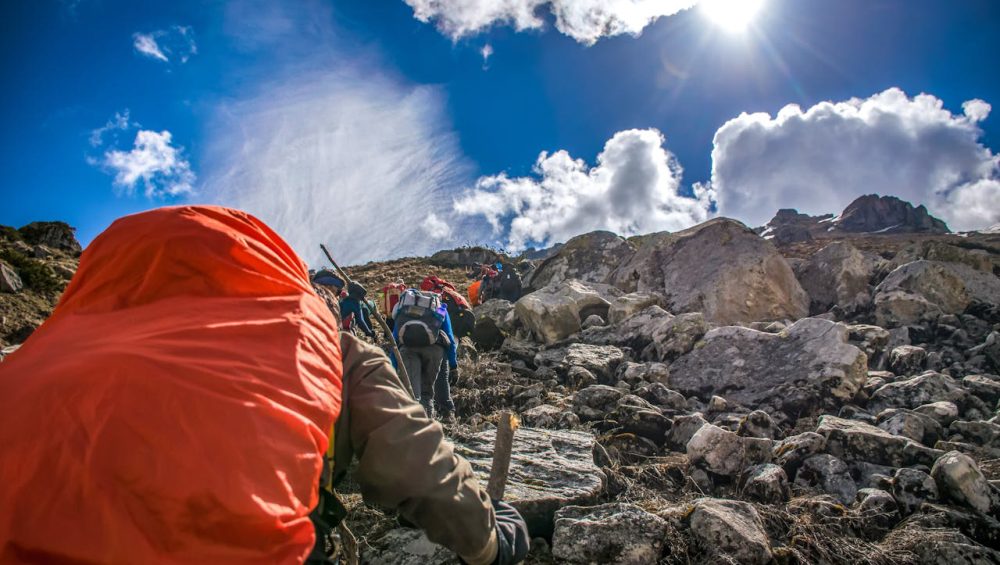
Most people are surprised when they learn that climbing Mount Kilimanjaro does not require technical mountaineering skills. It is not a rock-climbing mountain where you need ropes, helmets for climbing walls, or advanced alpine experience. Instead, it is best described as a long trekking journey where you walk step by step through different landscapes until you reach the summit at Uhuru Peak.
No climbing skills needed
You do not need any experience in rock climbing or using special equipment like ropes or harnesses. In fact, most people who successfully reach the summit have never climbed a mountain before. The entire route is designed for trekking, which means you simply walk on marked trails with the support of professional guides and porters.
However, this does not mean it is easy. You still need to be prepared for long walking hours every day, sometimes between 5 to 8 hours of hiking depending on the route. The guides control the pace carefully using a very important rule called “pole pole” (slowly, slowly). This slow pace helps your body adjust to the increasing altitude and reduces the risk of altitude sickness. So, even though no technical skills are required, patience and steady walking are essential.
But it is still very challenging
Even without climbing techniques, Kilimanjaro is still considered a serious physical and mental challenge. The difficulty does not come from ropes or dangerous climbing walls, but from natural conditions that change as you go higher.
One of the biggest challenges is high altitude. As you ascend, the air becomes thinner and contains less oxygen. This makes your body work harder even when you are just walking slowly. Many climbers feel tired faster than normal, and some may experience symptoms like headache, dizziness, or loss of appetite. This is why acclimatization (allowing your body to adjust slowly) is very important.
Another challenge is the long trekking days. Each day involves walking for several hours over different terrains such as forest paths, rocky slopes, and open mountain landscapes. Even though the pace is slow, the continuous walking can be physically demanding, especially when combined with altitude effects.
Finally, the cold temperatures near the summit make the journey even harder. As you get closer to the top, especially during summit night, temperatures can drop below freezing. Strong winds and thin air make it feel even colder. Climbers must walk in the dark for several hours before reaching the summit, which requires both mental strength and proper warm clothing.
In summary, Kilimanjaro is not technically difficult, but it is physically and mentally demanding because of altitude, long hiking days, and extreme cold near the top.
Altitude Is the Biggest Challenge
The biggest difficulty when climbing Mount Kilimanjaro is not the distance or terrain, but the high altitude. As you go higher, your body enters an environment where the air becomes thinner and every step feels more demanding. Many climbers are physically strong, but still struggle because of how the body reacts to reduced oxygen levels.
Oxygen gets lower as you go up
At sea level, your body gets a normal amount of oxygen with every breath, which allows you to walk, think, and move easily. But as you climb higher on Kilimanjaro, the amount of oxygen in the air gradually decreases. By the time you reach the summit area, the oxygen level is much lower compared to the ground.
This means your body has to work harder just to perform simple actions like walking slowly or even breathing deeply. You may notice that your pace becomes slower, your breathing becomes
heavier, and you get tired much faster than normal. This is completely natural and happens to almost every climber, regardless of fitness level. That is why guides always encourage a slow and steady pace, allowing the body enough time to adjust step by step.
Common effects
As your body adjusts to high altitude, you may experience some common effects. These are normal signs that your body is adapting, but they must be managed carefully:
- Headache – One of the most common symptoms caused by lower oxygen levels
- Tiredness – You may feel exhausted even after short walking sections
- Loss of appetite – Many climbers feel less interested in food, even though eating is important for energy
These effects can vary from person to person. Some climbers feel only mild symptoms, while others may feel stronger changes in their body. The key is not to panic, but to move slowly and listen to your body throughout the climb.
Choosing the Right Route Matters
When planning a climb on Mount Kilimanjaro, one of the most important decisions you will make is choosing the right trekking route. The route you select has a direct impact on your success, comfort, and how well your body adapts to altitude. Many climbers underestimate this step, but it can make the difference between reaching the summit and turning back early.
Longer routes higher success
Longer routes such as the Lemosho and Machame routes are generally considered the best options for success. The main reason is that they give your body more time to adjust slowly to the increasing altitude. This process is called acclimatization, and it is one of the key factors in preventing altitude sickness.
With more days on the mountain, your body can adapt step by step instead of rushing upward too quickly. This means you walk at a slower, safer pace, rest more often, and gradually get used to the thinner air. Because of this gradual adjustment, climbers on longer routes usually have a higher summit success rate and experience fewer severe altitude problems.
Another advantage of longer routes is that they allow you to enjoy the scenery more. You pass through different ecological zones at a comfortable pace, giving you time to appreciate the rainforest, moorland, and alpine desert landscapes.
Short routes are harder
Shorter routes may seem attractive because they take fewer days, but they are more challenging on the body. The main problem is that you ascend too quickly without giving your body enough time to adapt to altitude changes.
When the climb is rushed, the risk of altitude sickness increases significantly. Symptoms like headache, dizziness, and extreme fatigue become more common, and some climbers may struggle to continue. Because of the faster pace, the body does not get enough recovery time between elevations.
As a result, shorter routes often have a lower success rate compared to longer ones. While they can still be completed by well-prepared climbers, they require stronger fitness, faster adaptation, and greater mental endurance.
Fitness Helps, But You Don’t Need to Be an Athlete
When preparing to climb Mount Kilimanjaro, many people assume they must be extremely fit, strong athletes, or experienced hikers to reach the summit. However, this is not true. Kilimanjaro is not a race or a technical climb. It is a long trekking journey that most people can complete with average fitness, as long as they prepare properly and understand what to expect on the mountain.
Basic preparation is enough
To successfully complete the climb, you do not need professional athletic ability. What matters most is having a reasonable level of endurance and being comfortable with walking for long periods. The trek is designed in a way that allows gradual movement, with a slow pace that gives your body time to adjust to altitude and terrain changes.
At a minimum, you should be able to handle:
- Walking for 5 to 8 hours per day without extreme exhaustion
- Steady uphill hiking on uneven and sometimes rocky trails
- Continuing to walk even when the pace is slow and consistent for several days
This basic ability is important because Kilimanjaro is not a one-day hike. It is a multi-day expedition where each day involves continuous walking at different altitudes and landscapes. Even though the guides set a slow pace, your body still needs endurance to keep moving for many hours. If you are comfortable with long walks in your daily life, your experience on the mountain will be much easier and more enjoyable.
Training helps a lot
Even though you do not need to be an athlete, preparing your body before the climb can make a big difference in your comfort and success rate. Simple and consistent training helps your body adjust to long walking hours and reduces fatigue during the actual trek. It also improves your breathing and stamina, which becomes very important as you go higher in altitude.
Effective and simple training methods include:
- Walking regularly for long distances, preferably on hills or rough terrain to simulate mountain conditions
- Stair climbing, which strengthens your legs and prepares you for steep uphill sections of the mountain
- Light jogging or brisk walking, which improves your overall cardiovascular fitness and helps your body use oxygen more efficiently
The purpose of training is not to turn you into a professional athlete, but to prepare your body for endurance. If your legs, lungs, and stamina are conditioned beforehand, the daily trekking on Kilimanjaro will feel more manageable. You will also recover faster after each hiking day, allowing you to stay strong and focused throughout the journey to the summit.
Packing the Right Gear Is Critical
When preparing to climb Mount Kilimanjaro, one of the most important things you must understand is that your success and comfort heavily depend on the gear you bring. Many climbers underestimate this part and focus only on fitness, but the truth is that the mountain has extreme weather changes. You can experience warm sunshine in the lower zones and freezing cold temperatures near the summit, sometimes within the same day. Without the right equipment, the journey becomes very uncomfortable and even risky.
Good packing is not about bringing many items, but about bringing the right essential gear that protects you from cold, rain, wind, and long trekking days. Proper clothing and equipment also help your body conserve energy, which is very important for reaching the summit successfully.
Essential items include:
- Warm jacket (very important) – A high-quality insulated jacket is necessary because temperatures drop significantly as you go higher. Near the summit, it can become extremely cold, especially at night and during summit push. A warm jacket helps maintain body heat and protects you from wind chill.
- Hiking boots – Strong, waterproof hiking boots are essential for walking long distances on different terrains such as muddy rainforest paths, rocky slopes, and dusty trails. Good boots also help prevent injuries and reduce foot pain during long trekking days.
- Gloves & hat – Your hands, ears, and head lose heat quickly in cold conditions. Gloves protect your hands from freezing temperatures, while a warm hat helps retain body heat. These items are especially important during early morning hikes and summit night.
- Sleeping bag for cold nights – Nights on the mountain can be very cold, especially at higher camps. A high-quality sleeping bag designed for low temperatures ensures you can rest properly and recover energy for the next day’s hike.
Proper gear is not just about comfort it is a key factor in safety, energy management, and overall success on the mountain. With the right equipment, your body can focus on walking and acclimatization instead of fighting cold and discomfort.
A Good Tour Company Makes a Huge Difference
When planning to climb Mount Kilimanjaro, choosing the right tour company is one of the most important decisions you will make. Many people focus only on fitness and gear, but the truth is that your guides and support team play a major role in your safety, comfort, and overall success. A well-organized team can turn a difficult climb into a manageable and unforgettable experience, while a poor team can make the journey much harder than expected.
Safety and success depend on guides
Experienced mountain guides are essential because they understand the mountain, altitude conditions, and how the human body reacts during the climb. They are trained to monitor your health every day and identify early signs of altitude sickness before it becomes serious.
Professional guides also control the climbing pace. They ensure you walk slowly and steadily, following the “pole pole” principle, which helps your body adjust to lower oxygen levels. This slow and controlled pace is one of the most important factors for reaching the summit safely.
In addition, guides help you manage altitude-related challenges by advising when to rest, drink water, or adjust your pace. They also provide motivation during difficult moments, especially on summit night when the climb becomes physically and mentally demanding. Their experience and support significantly increase your chances of reaching Uhuru Peak.
Mental Strength Is More Important Than You Think
Many climbers preparing for Mount Kilimanjaro focus mostly on physical fitness, but mental strength is just as important sometimes even more important. The mountain tests your patience, determination, and ability to stay positive when conditions become difficult. There are moments during the trek when your body feels tired, the weather changes suddenly, or the altitude makes every step feel heavier. In these situations, mindset becomes one of the biggest factors that helps climbers continue moving toward the summit.
Summit night is tough
Summit night is considered the hardest part of the entire Kilimanjaro climb. Most climbers begin the final ascent around midnight in freezing temperatures and complete darkness. At this stage, the air contains very little oxygen, making breathing more difficult and causing even slow walking to feel exhausting.
The climb to the summit can take many hours, and fatigue becomes both physical and mental. Some climbers feel discouraged because progress seems slow, while others struggle with cold temperatures and lack of sleep. This is the moment where determination becomes essential. Reaching the summit is not about moving fast-it is about continuing forward one step at a time, even when conditions become uncomfortable.
Slow mindset wins
One of the most important lessons on Kilimanjaro is understanding the meaning of “pole pole,” a Swahili phrase that means “slowly, slowly.” Guides repeat these words throughout the trek because climbing too fast increases exhaustion and makes altitude adjustment much harder.
A slow and steady mindset helps conserve energy, improves acclimatization, and keeps your body under control. Climbers who remain patient, calm, and focused usually perform better than those who try to rush. On Kilimanjaro, success is rarely about speed-it is about consistency and endurance.
Final Thought
Climbing Mount Kilimanjaro is much more than simply reaching the highest point in Africa. It is a journey that challenges your body, tests your mindset, and rewards you with unforgettable experiences along the way. From walking through rainforest trails to standing above the clouds near the summit, every stage of the trek brings a different experience and lesson.
Many people begin the climb feeling nervous about altitude, cold temperatures, or long trekking days. However, with the right preparation, proper acclimatization, and guidance from an experienced team, the mountain becomes achievable for many first-time trekkers. Success on Kilimanjaro is not about climbing fast or being the strongest person on the mountain. It is about moving steadily, staying patient, and believing in your ability to continue one step at a time.
The journey to Uhuru Peak is also emotional. The early mornings, changing landscapes, and final summit push create memories that stay with climbers for a lifetime. Reaching the top brings a deep sense of achievement because every step to the summit is earned through determination and persistence.
With the right mindset, proper gear, and support from a professional trekking company like WeWild Travel, climbing Kilimanjaro becomes more than just a hike-it becomes one of the most rewarding adventures you can experience in Tanzania.