Ethical Kilimanjaro Climbing: How to Summit Without Exploiting Porters
Climbing Mount Kilimanjaro is a dream adventure for many trekkers, but behind every successful summit there is a hardworking team of porters who make the journey possible. Ethical Kilimanjaro Climbing: How to Summit Without Exploiting Porters is about understanding that reaching the top of Africa should never come at the cost of unfair treatment, low wages, or unsafe working conditions for the people supporting your climb.
Many first-time climbers focus only on preparation, gear, and fitness, but they often do not think deeply about how trekking companies treat their mountain crews. Porters carry heavy loads, set up tents, transport food, and support climbers every single day in challenging high-altitude conditions. Without them, most expeditions would not be possible. However, not all companies follow fair standards, and some workers may face overloading, poor pay, or lack of proper equipment.
This guide explains how you can climb Kilimanjaro responsibly while protecting porter rights and supporting ethical tourism. You will learn how to choose the right trekking operator, what fair treatment looks like on the mountain, and how your decisions as a traveler can make a positive difference. Ethical climbing is not just about reaching Uhuru Peak it is about respecting the people who help you get there and ensuring that your adventure contributes to a better and fairer trekking industry in Tanzania.
Why Ethical Climbing Matters on Kilimanjaro
Ethical climbing on Mount Kilimanjaro is important because every trekking experience depends on the people working behind the scenes, especially porters and guides. When climbers choose ethical practices, they are not only improving their own journey but also protecting the dignity, safety, and livelihoods of the mountain crew who make the expedition possible. Responsible tourism ensures that success on the summit is shared fairly by everyone involved.
Understanding ethical climbing also helps trekkers make better decisions when choosing tour operators. It encourages respect for local workers, fair wages, and safe working conditions, which directly improve the quality and safety of the entire expedition.
Porters are the backbone of every expedition
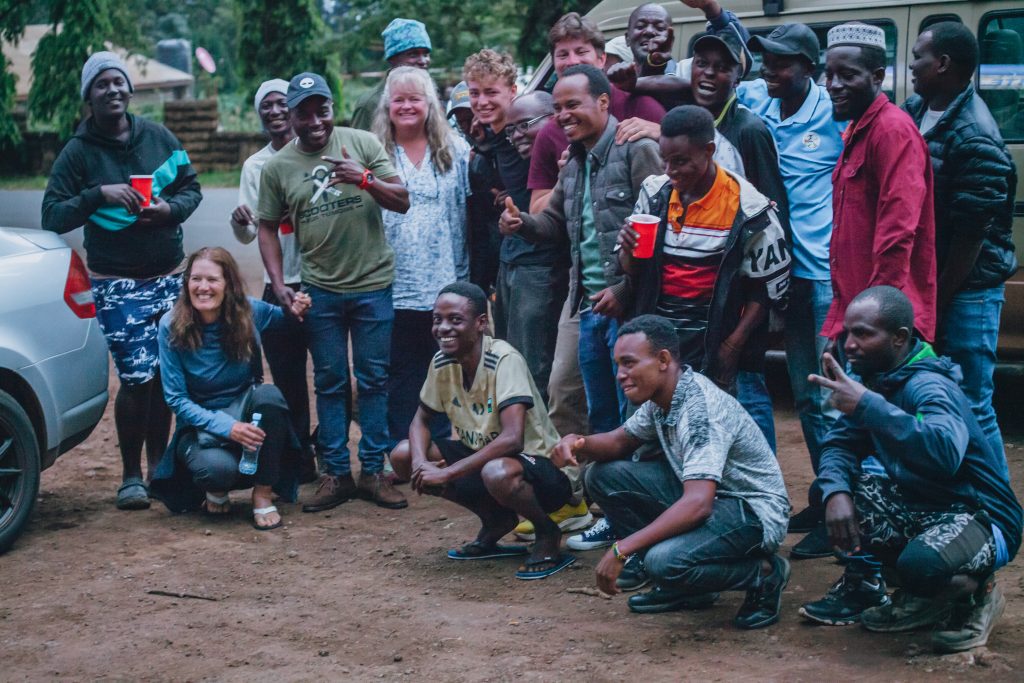
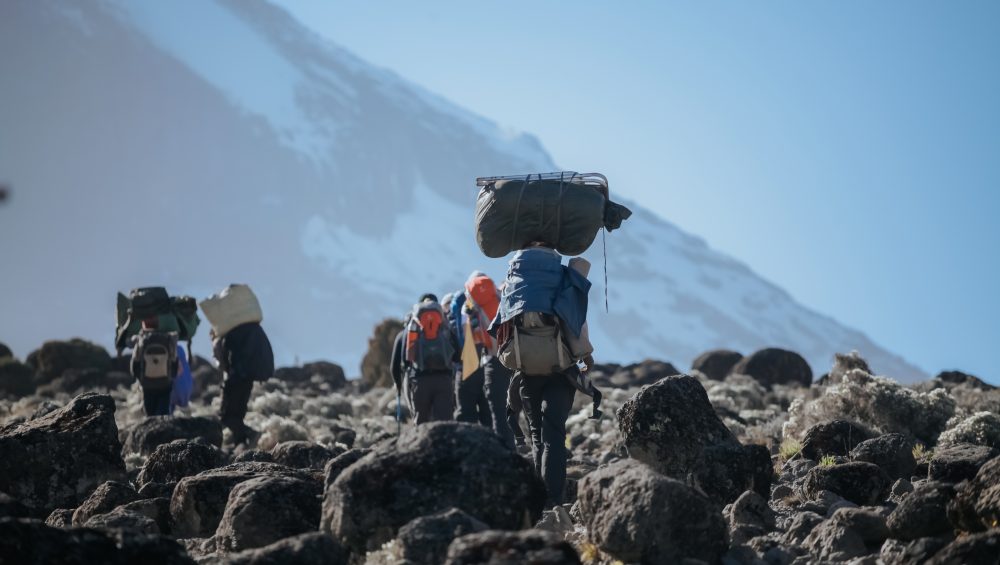
Porters are the most essential part of any climb on Mountain Kilimanjaro because they carry the heavy equipment that allows trekkers to move comfortably with only a small daypack. They transport tents, food, cooking supplies, and climbing gear across long and difficult mountain routes, often under challenging weather conditions.
Without porters, it would be nearly impossible for most climbers to complete the expedition safely or comfortably. They arrive at camps before trekkers, set up tents, prepare meals, and ensure everything is ready for rest and recovery. Their work is physically demanding, requiring strength, endurance, and consistency over several days at high altitude.
Recognizing porters as the backbone of the expedition helps trekkers understand that Kilimanjaro is not a solo achievement it is a team effort where every role matters equally.
Fair treatment improves safety and success
Fair treatment of porters and guides on Mount Kilimanjaro directly improves the safety and success of every climb. When workers are well-paid, properly equipped, and not overloaded, they can perform their duties more effectively and with greater energy throughout the expedition.
Ethical treatment also creates a more stable and motivated team. Guides can focus better on monitoring climbers’ health, managing pace, and responding to altitude-related challenges when they are supported by a well-treated crew. This improves overall group safety and increases summit success rates.
In contrast, unfair conditions can lead to fatigue, stress, and reduced performance, which may negatively affect the entire trekking experience. Ethical practices ensure that everyone on the mountain from climbers to porters works in a safe and supportive environment.
Tourism impacts local livelihoods in Tanzania
Tourism on Mount Kilimanjaro plays a major role in supporting local communities and the national economy. Thousands of people in Tanzania depend on trekking tourism for their income, including porters, guides, cooks, drivers, and hotel staff.
When climbers choose ethical tour operators, they help ensure that this income is distributed fairly and sustainably. Fair wages and proper working conditions allow workers to support their families, improve their quality of life, and continue working in the tourism industry with dignity.
Responsible tourism also helps preserve the long-term future of Kilimanjaro trekking. By supporting fair practices today, travelers contribute to a healthier, safer, and more sustainable industry that benefits both visitors and local communities for years to come.
Understanding Porter Working Conditions
To climb Mount Kilimanjaro ethically, it is important to first understand what life and work are like for porters on the mountain. Porters are the people who make the expedition possible by carrying equipment, setting up camps, and supporting trekkers every day. Their working conditions can be very demanding because they operate in high altitude, changing weather, and physically challenging terrain. Understanding their reality helps climbers make better, more responsible decisions when choosing a trekking company.
What porters carry and do daily
Porters on Mount Kilimanjaro carry essential expedition supplies such as tents, cooking equipment, food, water containers, sleeping gear, and climbers’ duffel bags. While trekkers walk with only a small daypack, porters often carry heavy loads across long distances each day.
Their work begins early in the morning and continues until camp is fully set up for the climbers’ arrival. They are responsible for pitching tents, organizing sleeping areas, preparing dining spaces, and ensuring all equipment is ready for use. In many cases, they also assist with cooking and cleaning camp areas.
This daily routine requires strength, endurance, and discipline, especially because it is repeated for several days at high altitude.
Common challenges they face on the mountain
Porters working on Mount Kilimanjaro face many physical and environmental challenges. One of the biggest difficulties is carrying heavy loads in thin air, especially at higher elevations where oxygen levels are low. This makes physical effort more tiring and increases fatigue over time.
Weather is another major challenge. Porters work in rain, strong sun, cold temperatures, and sometimes snow near the upper zones of the mountain. They must continue working regardless of conditions to ensure camps are ready for climbers.
Long working hours, limited rest, and repeated multi-day climbs can also affect their physical well-being. Despite these challenges, porters continue to support expeditions with dedication and resilience.
Why fair pay and limits matter
Fair pay and reasonable weight limits are essential for porters on Mount Kilimanjaro because they directly affect health, safety, and overall working conditions. When porters are paid fairly, they can support their families and continue working in the tourism industry with dignity.
Weight limits are equally important because carrying excessive loads increases the risk of injury, exhaustion, and long-term health problems. Ethical trekking companies set clear rules to ensure porters are not overloaded and have enough time to rest during the expedition.
When fair pay and proper limits are respected, the entire trekking system becomes safer and more sustainable. It also ensures that climbers are supported by a healthy, motivated, and well-treated team throughout their journey.
How to Choose an Ethical Kilimanjaro Operator
Choosing the right trekking company for Mount Kilimanjaro is one of the most important steps in ensuring your climb is ethical and responsible. A good operator not only helps you reach the summit safely but also ensures that porters and guides are treated fairly throughout the expedition. Many first-time trekkers focus only on price or itinerary, but ethical choices have a long-term impact on the people who make the climb possible.
A responsible operator will prioritize fair wages, safe working conditions, proper equipment, and reasonable loads for porters. They will also follow guidelines that protect both workers and climbers during the trek.
Look for KPAP or responsible certifications
One of the best ways to identify an ethical company on Mount Kilimanjaro is to check whether they are affiliated with KPAP (Kilimanjaro Porters Assistance Project) or other recognized responsible tourism organizations. These certifications show that the company follows strict standards for porter treatment, including fair pay, proper food, and safe working conditions.
KPAP also monitors trekking companies to ensure that porters are not overloaded and that their rights are respected throughout the expedition. When a company is certified, it gives trekkers more confidence that their climb supports ethical tourism practices.
Check porter salary and welfare policies
Before booking a climb on Mount Kilimanjaro, it is important to ask how the company treats its porters financially and socially. Ethical operators clearly explain how much porters are paid, whether tips are fairly distributed, and what additional benefits are provided.
Good companies also offer proper meals, sleeping equipment, and protective clothing for their staff. They ensure that porters have access to clean water, safe camping conditions, and medical support when needed.
Understanding these policies helps trekkers avoid companies that prioritize profit over people. Transparency is a strong sign of responsible tourism.
Avoid extremely cheap tour operators
While low prices may seem attractive when planning a trip to Mount Kilimanjaro, extremely cheap tour operators often cut costs in ways that affect porter welfare and safety. This can include underpaying staff, overloading porters, or reducing the quality of food and equipment provided on the mountain.
Ethical trekking requires proper resources to support both climbers and the crew. If a price seems unusually low compared to other operators, it may be a sign that corners are being cut somewhere in the system.
Choosing a fairly priced operator ensures that everyone involved in the expedition is treated with respect and that your climb contributes positively to local livelihoods and sustainable tourism.
Signs of Unethical Trekking Companies
When planning a climb on Mount Kilimanjaro, it is very important to recognize warning signs of unethical trekking companies. Not all operators follow responsible tourism standards, and some may prioritize profit over the safety and well-being of their staff. Understanding these signs helps trekkers avoid supporting harmful practices and choose companies that treat porters and guides fairly.
Ethical awareness is not just about personal experience it also protects the people who work hard behind the scenes to make the climb possible. Spotting unethical behavior early can help you make better booking decisions.
Overloaded porters
One of the clearest signs of an unethical operator on Mount Kilimanjaro is when porters are carrying excessively heavy loads. Every porter should have a reasonable weight limit to protect their health and safety, but some companies ignore these rules to reduce costs.
Overloading porters can lead to serious physical strain, injuries, and exhaustion, especially at high altitude where oxygen levels are already low. Ethical companies carefully manage weight distribution and ensure that each porter carries a safe and fair load.
If you notice porters struggling with very heavy bags or carrying more than expected, it may indicate that the company is not following responsible guidelines.
Poor food or equipment for staff
Another warning sign on Mount Kilimanjaro is when porters and guides are not provided with proper food, clothing, or equipment. Ethical trekking companies ensure that their staff receive nutritious meals, warm clothing, and adequate camping gear to survive and work comfortably in mountain conditions.
Unethical operators may reduce costs by giving staff low-quality food, insufficient gear, or outdated equipment. This not only affects their health but also reduces their ability to support climbers effectively during the expedition.
Good treatment of staff is a strong indicator of a responsible company, while poor conditions often reflect a lack of care for the people behind the climb.
Hidden costs or unclear pricing
Hidden costs or unclear pricing structures are another sign of unethical trekking companies on Mount Kilimanjaro. Some operators advertise very low prices but later add unexpected fees for essentials such as park permits, equipment, or staff wages.
In some cases, unclear pricing can also mean that money intended for porters is reduced or not distributed fairly. Ethical companies provide transparent pricing that clearly explains what is included in the package and how funds are used.
Clear communication and honest pricing are key signs of a trustworthy operator. If details are vague or constantly changing, it is often better to choose a more transparent and responsible company.
How You Can Support Porters as a Climber
When climbing Mount Kilimanjaro, every trekker has a responsibility not only to reach the summit but also to support the porters and guides who make the journey possible. Ethical climbing is not only about choosing the right company it is also about how you behave and the decisions you make during the expedition. Small actions from climbers can greatly improve the working conditions and experience of the mountain crew.
Supporting porters ensures that your adventure contributes positively to local livelihoods and promotes fair treatment throughout the trekking industry.
Tip fairly and respectfully
Tipping is an important part of trekking culture on Mount Kilimanjaro because it directly supports the income of porters, guides, and cooks. While wages are provided by tour operators, tips are often a significant part of their total earnings.
Tipping fairly means recognizing the effort and hard work each crew member puts into the expedition. Porters carry heavy loads, guides ensure safety, and cooks prepare meals under challenging conditions. A fair and respectful tip shows appreciation for their dedication and helps improve their livelihoods.
It is also important that tipping is done transparently, usually organized through the guide at the end of the climb, so that distribution is fair among the entire team.
Pack responsibly and avoid overloading
Responsible packing on Mount Kilimanjaro helps reduce unnecessary strain on porters. Even though trekkers only carry a daypack, the total weight of duffel bags and equipment still affects the workload of the support team.
Avoid bringing unnecessary items and try to keep your gear as light and efficient as possible. Overpacking increases the load that porters must carry, which can lead to fatigue and discomfort during the climb.
Packing responsibly is a simple but powerful way to show respect for the people who are physically supporting your journey up the mountain.
Respect staff and follow guide instructions
Respecting guides and porters on Mount Kilimanjaro is essential for both safety and ethical trekking. Guides are highly experienced professionals who understand altitude, weather conditions, and route safety. Following their instructions helps ensure a smooth and successful climb.
Respect also means treating staff with kindness, patience, and appreciation. The mountain environment is challenging for everyone, and positive communication creates a better atmosphere for the entire team.
By listening to guides and respecting the crew, climbers contribute to a safer expedition and a more supportive working environment for all involved.
Responsible Tourism Benefits Everyone
Responsible tourism on Mount Kilimanjaro is not only about protecting porters and guides, it also improves the overall experience for climbers and supports the long-term future of trekking in Tanzania. When travelers choose ethical operators and respect local working conditions, the benefits are shared by everyone involved in the journey.
This approach ensures that climbing Kilimanjaro remains safe, sustainable, and meaningful for both visitors and local communities.
Better trekking experience for climbers
When trekking is done responsibly on Mount Kilimanjaro, climbers often enjoy a smoother, safer, and more organized experience. Ethical operators provide well-trained guides, properly equipped porters, and structured itineraries that prioritize acclimatization and safety.
This leads to better pacing, improved meal quality, reliable camping setups, and stronger support during difficult sections of the climb. Climbers also benefit emotionally, knowing that their journey is not harming the people who support it.
A well-managed expedition creates more comfort, less stress, and a higher chance of reaching the summit successfully.
Sustainable jobs for local communities
Responsible tourism on Mount Kilimanjaro plays a major role in creating stable and fair employment for local communities. Thousands of people depend on trekking tourism, including porters, guides, cooks, drivers, and hotel staff in nearby towns like Moshi and Arusha.
When tourists choose ethical companies, they help ensure that these jobs provide fair wages, safe working conditions, and long-term stability. This allows families to depend on tourism income in a sustainable way.
It also strengthens the local economy and reduces exploitation, making tourism a positive force for development in the region.
Protecting future Kilimanjaro trekking culture
Sustainable tourism on Mount Kilimanjaro helps protect the future of the mountain trekking industry. If ethical standards are ignored, poor working conditions and environmental damage could harm the reputation and sustainability of the route.
By supporting responsible operators, climbers help maintain high standards of safety, environmental care, and fair treatment of workers. This ensures that future generations of travelers can still enjoy a safe, well-managed, and respectful climbing experience.
Protecting Kilimanjaro trekking culture means preserving both the natural environment and the human systems that make the journey possible.
FAQ – Ethical Kilimanjaro Climbing
Climbing Mount Kilimanjaro raises many questions about how trekking companies operate and how porters are treated. This FAQ section helps clarify the most important concerns so climbers can make informed, responsible decisions before booking their expedition. Understanding these answers will help you choose ethical operators and support fair treatment throughout your journey.
Do all companies treat porters fairly?
No, not all companies treat porters fairly on Mount Kilimanjaro. While many operators follow responsible tourism standards, some still cut costs by underpaying staff, overloading porters, or providing poor equipment. This is why it is important for climbers to research companies carefully before booking. Ethical operators are usually transparent about wages, working conditions, and porter welfare policies. Choosing the right company makes a big difference in ensuring fair treatment.
How can I check if a tour is ethical?
You can check if a trekking company is ethical on Mount Kilimanjaro by looking for certifications like KPAP (Kilimanjaro Porters Assistance Project). These organizations monitor companies to ensure fair treatment of porters and guides. You should also check if the company clearly explains porter salaries, weight limits, and working conditions. Reviews from past climbers can also give insight into how staff are treated. If a company is transparent and open about its policies, it is usually a good sign of ethical practice.
What is fair tipping on Kilimanjaro?
Fair tipping on Mount Kilimanjaro depends on the length of the trek and the size of the support team, but it is an important part of supporting porters and guides. Tips are usually shared among the crew, including guides, cooks, and porters. A fair tip recognizes the effort and hard work they put into making the climb safe and successful. Most ethical companies provide tipping guidelines at the end of the trek to ensure fair and transparent distribution.
Are porters trained and insured?
Yes, many porters working on Mount Kilimanjaro receive basic training and safety instruction, especially when working with ethical trekking companies. Training often includes safety procedures, load management, and mountain awareness. Insurance coverage is also provided by responsible operators to protect porters in case of injury or illness during the climb. However, this is not universal, which is why choosing a certified and ethical company is very important. Supporting well-trained and insured porters helps improve safety and ensures better working conditions throughout the expedition.
Final Thought
Ethical climbing on Mount Kilimanjaro is not only about reaching Uhuru Peak it is about understanding the human effort behind every successful expedition. When climbers choose responsible operators, they help ensure that porters and guides are treated fairly, paid properly, and supported in safe working conditions.
This approach does not reduce the quality of the adventure in fact, it improves it. Ethical trekking teams are often better organized, more professional, and more focused on safety, which creates a smoother and more enjoyable experience for climbers. At the same time, it ensures that the journey contributes positively to local communities who depend on tourism for their livelihood.
In the end, reaching the summit feels even more meaningful when you know your climb respected the people who made it possible.