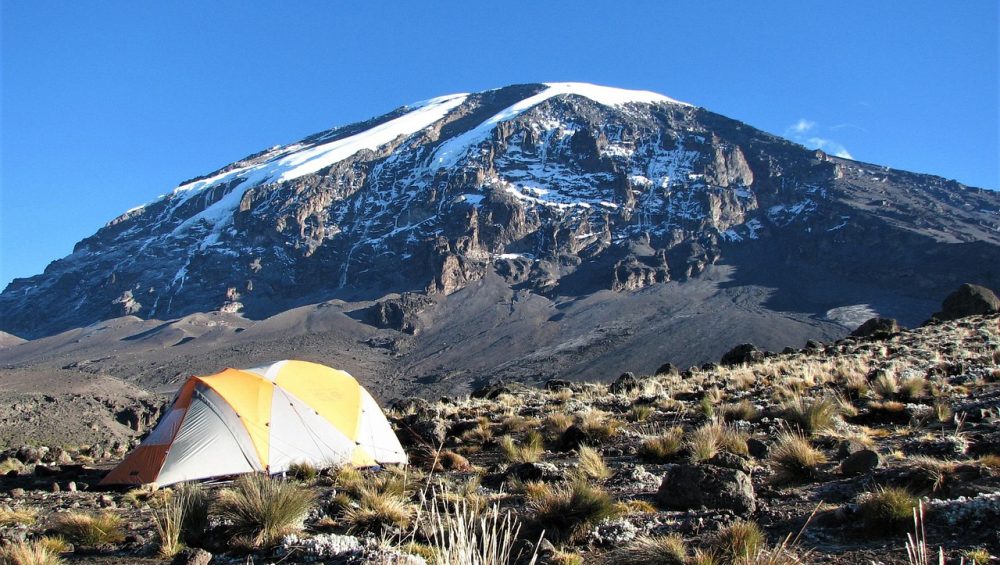
Climbing Mount Kilimanjaro is one of the most rewarding adventures in the world, especially for first-time trekkers looking to challenge themselves and experience Africa’s highest peak. Standing at 5,895 meters (19,341 feet), Mount Kilimanjaro attracts thousands of climbers every year, not because it is the easiest mountain, but because it is one of the most accessible high-altitude summits without technical climbing skills. For beginners, this makes it both exciting and achievable with the right preparation.
If you are planning your first Mount Kilimanjaro climb, it is normal to have many questions. How difficult is it? What is the best time to go? Which route should you choose? And how much does it cost? These are important considerations that can greatly affect your experience and your chances of reaching the summit. Unlike regular hiking trips, climbing Kilimanjaro requires careful planning, proper acclimatization, and guidance from experienced professionals.
This complete guide targets first-time trekkers and provides clear, practical, and reliable information. You will learn everything you need to know before your climb, including how to choose the right route, when to travel for the best weather, what gear to pack, and how to prepare physically and mentally. Understanding these factors will not only improve your chances of success but also make your journey safer and more enjoyable.
One of the most important things to remember is that success on Mount Kilimanjaro is not about speed, but about patience and proper acclimatization. Taking your time, following expert advice, and choosing a well-organized tour operator can make all the difference. With the right support and preparation, even first-time trekkers can stand on the “Roof of Africa” and enjoy one of the most unforgettable achievements of their lives.
Whether your goal is adventure, personal challenge, or simply experiencing the beauty of Tanzania’s landscapes, this guide will help you take the first step toward a successful Mount Kilimanjaro climb.
What is Mount Kilimanjaro?
Mount Kilimanjaro is the highest mountain in Africa and one of the most famous trekking destinations in the world. It is a free-standing volcanic mountain, meaning it rises alone from the surrounding plains without being part of a mountain range. This makes it visually dramatic and globally recognized. Every year, thousands of trekkers from different countries travel to Tanzania with the goal of reaching its summit, Uhuru Peak. For many first-time trekkers, we see Kilimanjaro as a dream adventure because it offers a rare combination of accessibility, natural beauty, and personal challenge.
Location (Tanzania)
Mount Kilimanjaro is located in northern Tanzania, near the border with Kenya. It sits within the protected area of Kilimanjaro National Park, which we manage to preserve its unique ecosystem and wildlife. The mountain is approximately a few hours’ drive from the city of Arusha, which is the main hub for most climbing expeditions and safari tours in Tanzania.
The location of Kilimanjaro is one of the reasons it is so popular among international travelers. Visitors can easily combine a Kilimanjaro climb with a safari experience in famous parks like Serengeti or Ngorongoro. The surrounding region is also rich in culture, with local communities such as the Chagga people living on the mountain’s lower slopes. This makes the climb not only a physical adventure but also a cultural experience.
Because it is located near the equator, Kilimanjaro has a unique climate system. Instead of traditional seasonal weather patterns, the mountain has multiple ecological zones stacked on top of each other, ranging from rainforest at the base to arctic conditions at the summit. This makes the journey feel like traveling through different continents within a single climb.
Mount Kilimanjaro stands at 5,895 meters (19,341 feet) above sea level, making it the tallest mountain in Africa and the highest free-standing mountain in the world. Its height is one of the main reasons why it is both challenging and rewarding for climbers.
Unlike many other high mountains that require technical climbing skills, we climb Kilimanjaro by trekking. However, the real difficulty comes from the altitude. As climbers ascend higher, oxygen levels decrease significantly, which can affect physical performance and stamina. This is why proper acclimatization is very important during the climb.
Why it is popular
Mount Kilimanjaro is popular for several powerful reasons that attract both beginners and experienced trekkers. We consider it a non-technical climb, so it does not require ropes, crampons, or advanced mountaineering skills.This makes it one of the most accessible high-altitude mountains in the world.
Another reason for its popularity is its global recognition as part of the Seven Summits challenge, which involves climbing the highest mountain on each continent. Many adventurers use Kilimanjaro as a stepping stone toward bigger mountaineering goals.
The mountain is also famous for its breathtaking scenery. The landscapes change dramatically as climbers ascend, offering views of dense forests, unique wildlife, volcanic rock formations, and glacier-covered peaks. This variety makes the journey visually unforgettable.
Finally, reaching the summit at Uhuru Peak is a life-changing achievement. Standing at the “Roof of Africa” gives climbers a powerful sense of success and accomplishment. For many first-time trekkers, this emotional reward is the main reason they choose Kilimanjaro over other mountains in the world.
How Hard is Climbing Kilimanjaro?
We often see Mount Kilimanjaro as a “beginner-friendly” high mountain, but this idea can be misleading. While it is true that it does not require technical mountaineering skills, it is still a serious physical and mental challenge. Many first-time trekkers underestimate it because there is no climbing equipment involved, but the real difficulty comes from the environment, altitude, and endurance needed over several days. Understanding each challenge clearly is important for successful preparation and summit success.
Not Technical Climbing (But Still Demanding)
One of the biggest advantages of Kilimanjaro is that it is a non-technical trekking mountain, meaning you do not need ropes, helmets, or climbing experience. We follow well-established hiking trails that gradually take you from the base of the mountain to the summit. This is why many beginners choose Kilimanjaro as their first major mountain adventure.
However, “non-technical” does not mean “easy.” The terrain changes constantly as you climb. You start in dense rainforest, move through rocky moorlands, and eventually enter a cold, icy desert near the summit. Some sections are steep and require careful walking, especially when the air becomes thinner. Even though you are only walking, doing so for many hours each day at increasing altitude makes the journey physically exhausting. The combination of long trekking distances, uneven terrain, and changing weather conditions still requires strong endurance and discipline.
Altitude is the Main Challenge (Most Important Factor)
The most difficult part of climbing Kilimanjaro is not the distance it is the high altitude. As you ascend, oxygen levels gradually decrease, making it harder for your body to perform normal physical activities. At the summit, the oxygen level is nearly half of what it is at sea level.
This low oxygen environment can affect climbers in different ways. Some climbers feel constant tiredness, shortness of breath, headaches, nausea, or difficulty sleeping. We call these symptoms altitude sickness, and they can affect even very fit individuals.
To manage altitude, climbers must ascend slowly and allow their bodies time to adjust.We call this acclimatization, and longer routes such as Lemosho or Machame give the body more time to adapt. Hydration is also very important, as drinking enough water helps the body cope better with altitude changes. The local guide phrase “pole pole” (slowly, slowly) is not just advice it is a survival strategy on the mountain.
Fitness Needed for the Climb (Physical and Mental Preparation)
Even though Kilimanjaro is non-technical, it still requires good physical fitness and mental strength. We expect climbers to handle long trekking days that usually last 5 to 8 hours, and sometimes longer depending on the route and pace. On summit night, the challenge becomes even more intense, with continuous walking for 12 to 15 hours in cold, dark, and windy conditions.
Physical preparation should start at least a few weeks or months before the climb. Activities like hiking on hills, running, cycling, swimming, and stair climbing help build stamina and leg strength. Endurance is more important than speed, because the climb is about long-distance effort over many days rather than short bursts of energy. Strong legs and good cardiovascular fitness make a big difference when trekking uphill with a backpack.
Mental fitness is equally important and often overlooked. Many climbers struggle not because of their physical condition, but because of fatigue, cold weather, or slow progress. Staying mentally strong means being patient, focused, and determined even when conditions become uncomfortable. It also means accepting that the climb is slow and challenging, and that success depends on persistence rather than speed.
In the end, climbing Kilimanjaro is a combination of physical endurance, altitude adaptation, and mental resilience. With the right preparation and mindset, even first-time trekkers can successfully reach the summit and experience one of the most rewarding achievements in the world of adventure travel.
Best Time to Climb Mount Kilimanjaro
The best time to climb Mount Kilimanjaro is during the dry seasons, when weather conditions are more stable, skies are clearer, and trekking paths are less slippery. Choosing the right time is very important for first-time trekkers because it directly affects visibility, comfort, and overall summit success. We recommend climbing Kilimanjaro year-round, but some months offer better conditions due to rainfall patterns and temperature changes.
The most recommended periods for climbing are January to March and June to October, as these months provide the best combination of clear weather and safer trekking conditions. During these times, climbers enjoy better trail conditions, beautiful views, and a higher chance of reaching the summit.
January to March – Quiet Season with Cooler Conditions
We find the mountain generally quieter between January and March compared to the peak tourist season. The weather is often cooler, and there is a higher chance of snow at the summit, creating a dramatic and beautiful landscape.
These months are ideal for trekkers who prefer fewer crowds and a more peaceful climbing experience. However, temperatures can drop significantly at higher altitudes, so proper cold-weather gear is essential.
June to October – Best Weather and Peak Season
We consider the period from June to October the most popular and busiest time to climb Kilimanjaro. This is the main dry season in Tanzania, meaning there is very little rain and the skies are usually clear.
These conditions make trekking easier and more comfortable, especially for beginners. Visibility is excellent, allowing climbers to enjoy stunning views of the surrounding landscapes and the glaciers near the summit. Because of the stable weather, this season also records the highest number of successful summit attempts.
Choosing the Right Time for Your Climb
Both recommended seasons offer excellent climbing conditions, but the best choice depends on personal preference. Some trekkers prefer the quiet atmosphere of January to March, while others choose June to October for the most reliable weather.
In both cases, proper preparation, physical fitness, and choosing a longer acclimatization route remain key factors for success.
Kilimanjaro Routes Explained
When planning a climb on Mount Kilimanjaro, choosing the right route is one of the most important decisions for first-time trekkers. Each route offers a different experience in terms of scenery, difficulty, duration, and success rate. Some routes are more scenic but longer, while others are shorter but more direct. Understanding these routes helps climbers select the best option based on fitness level, budget, and personal preference.
Machame Route
The Machame Route is one of the most popular trekking paths on Mount Kilimanjaro, often referred to as the “Whiskey Route” because it is more challenging than easier options like Marangu. We know it for its beautiful scenery and high summit success rate, and we make it a top choice for many first-time trekkers who want both adventure and a strong chance of reaching the top.
This route typically takes 6 to 7 days, allowing better acclimatization compared to shorter routes. Climbers pass through diverse landscapes including dense rainforest, moorland, and alpine desert before reaching the summit. One of the main advantages of Machame is its “climb high, sleep low” profile, which helps the body adjust gradually to altitude changes. Although it includes steeper sections and longer walking days, we consider it one of the best routes for scenic beauty and overall experience.
Lemosho Route
We regard the Lemosho Route as one of the most scenic and successful routes on Kilimanjaro.
It starts on the western side of the mountain and offers a quieter, more remote experience in the early days of the trek. This makes it ideal for trekkers who want fewer crowds and a more peaceful connection with nature.
The route usually takes 7 to 8 days, which provides excellent acclimatization and increases the chances of reaching the summit successfully. Climbers enjoy breathtaking views of untouched rainforest, wildlife, and wide open landscapes before merging with the Machame Route later in the journey. We recommend the Lemosho Route for beginners because its longer duration and gradual ascent give climbers a safer, more comfortable experience and a higher summit success rate.
Marangu Route
The Marangu Route stands as the oldest and most established route on Kilimanjaro, and we often call it the “Coca-Cola Route” because many trekkers consider it the easiest in terms of terrain.Unlike other routes where climbers sleep in tents, Marangu offers hut accommodation, making it more comfortable for some trekkers.
This route typically takes 5 to 6 days, which is shorter than other options. However, the shorter duration also means less time for acclimatization, which can lower summit success rates. The trail is more direct and less scenic compared to routes like Lemosho or Machame, but it is still a good option for climbers who prefer basic shelter and a more structured path.It often attracts trekkers with limited time, but we recommend careful preparation due to the faster ascent.
Rongai Route
Here’s the active-voice version:
The Rongai Route approaches Kilimanjaro from the northern side near the Kenyan border, and we consider it the quietest route on the mountain. It is less crowded, making it a great option for trekkers who want a more remote and peaceful experience away from the busier southern trails.
This route usually takes 6 to 7 days, and its gradual slope makes it one of the easier ascents.Because it is drier than other routes, it is also a good choice during the rainy season. The scenery is different from other routes, featuring dry landscapes, wide views, and a unique approach to the summit. Although it has slightly less dramatic scenery in the early stages, it offers a steady and manageable climb, especially suitable for beginners who prefer a quieter trekking experience.
Cost of Climbing Kilimanjaro
The cost of climbing Mount Kilimanjaro varies depending on the route, number of days, level of comfort, and the tour operator you choose. Unlike a simple hiking trip, Kilimanjaro operates as a fully supported expedition that includes guides, porters, food, park fees, and camping or hut accommodation. Understanding the cost breakdown is very important for first-time trekkers so you can plan your budget properly and avoid choosing unsafe or unrealistically cheap options.
Below, we break down the main cost components of a Kilimanjaro climb.
Kilimanjaro Climbing Cost Breakdown
| Cost Component | What It Includes | Why It Matters |
| Park Fees | Entry fees, camping/hut fees, rescue fees, conservation charges | These are mandatory payments to Kilimanjaro National Park and support conservation, rescue services, and maintenance of the mountain environment |
| Guide & Crew Costs | Professional mountain guides, assistant guides, cooks, porters, staff insurance, wages | Ensures safety on the mountain, proper navigation, daily food preparation, and carrying of equipment and supplies |
| Equipment | Sleeping bags, jackets, boots, trekking poles, backpacks, rental gear if needed | Essential for survival in different climate zones, from rainforest conditions at the base to freezing temperatures near the summit |
| Budget Climbs | Group tours, basic camping setups, shared services, standard meals | More affordable option for travelers who want a cost-effective adventure while still receiving full mountain support |
| Luxury Climbs | Private guides, upgraded tents, better meals, personalized service, smaller groups | Offers higher comfort, more privacy, and a flexible climbing experience with increased attention from guides |
Here’s the active-voice version:
Safety standards and operational requirements mainly influence the cost of a Kilimanjaro climb. Park fees alone make up a significant portion of the total price because the mountain is located inside a protected national park.We use these non-negotiable fees to maintain trails, protect wildlife, and support rescue operations when needed.
Another major factor is the guide and crew system. Here’s the active-voice version:
We support every climber with a team of guides, porters, and cooks.This system is essential for safety and success because it ensures proper navigation, food preparation, and equipment management throughout the trek. The number of crew members depends on group size and route selection.
Equipment also plays an important role in the overall cost. Because climbers pass through multiple climate zones, from warm forests to freezing summit conditions, proper gear is necessary for safety and comfort. Many operators include gear rental options for those who do not want to purchase expensive equipment.
Finally, the price varies depending on whether you choose a budget group climb or a luxury private experience. Budget climbs are more affordable but use shared services and basic camping, while luxury climbs offer more comfort, privacy, and personalized attention.
In general, investing in a properly organized climb is more important than choosing the cheapest option, because safety, success rate, and overall experience depend heavily on the quality of support provided on the mountain.
Tips for First-Time Trekkers
Climbing Mount Kilimanjaro for the first time is a life-changing experience, but it also requires smart preparation and the right mindset. Many first-time trekkers think fitness alone is enough, but success on the mountain depends on a combination of pacing, hydration, route selection, and mental strength. These practical tips are based on real climbing experience and are essential for increasing your chances of reaching the summit safely and comfortably.
Go Slowly (“Pole Pole”)
One of the most important rules on Kilimanjaro is the Swahili phrase “pole pole,” which means slowly, slowly. This is not just advice it is a survival strategy on the mountain. As you climb higher, your body needs time to adjust to lower oxygen levels. Walking too fast increases the risk of altitude sickness and exhaustion.
Experienced guides always encourage climbers to maintain a slow, steady pace, even when the trail feels easy. Many successful climbers are not the fastest hikers they are the most patient ones. Taking breaks, breathing properly, and keeping a consistent rhythm helps the body adapt gradually and improves your chances of reaching the summit.
Choose a Longer Route
Choosing a longer route is one of the smartest decisions for first-time trekkers. Routes that take more days, such as 7 to 8 days, give your body more time to adjust to altitude changes. This We call this process acclimatization, and it significantly increases summit success rates.
Shorter routes may seem attractive because they cost less time and money, but they often increase the risk of altitude sickness. Longer routes allow a gradual ascent, meaning your body can produce more red blood cells and adjust better to the reduced oxygen levels. That’s why we often recommend routes like Lemosho and Machame for beginners.
Drink Enough Water
Hydration is extremely important during the climb. At high altitude, the body loses water faster due to breathing dry air and increased physical effort. Drinking enough water helps prevent dehydration, reduces fatigue, and supports the body in adjusting to altitude.
We advise climbers to drink at least 3 to 4 liters of water per day.
Even if you do not feel thirsty, regular drinking is necessary. Proper hydration also helps reduce symptoms of altitude sickness such as headaches and dizziness. Many guides encourage small, frequent sips throughout the day rather than drinking large amounts at once.
Train Before Climbing
Physical preparation before the climb greatly improves your experience on the mountain. While Kilimanjaro does not require technical climbing skills, it still demands strong endurance. Training helps your body handle long walking days, steep sections, and changing weather conditions.
Effective training includes activities like hiking, jogging, cycling, stair climbing, and walking long distances with a backpack. The goal is not speed but stamina. Preparing your legs, lungs, and core muscles makes it easier to handle daily trekking for several hours.
Mental preparation is also part of training. Understanding that the climb is slow, sometimes tiring, and mentally challenging helps you stay focused and motivated. Many climbers who fail do so not because of fitness, but because they underestimate the mental challenge of continuous trekking at high altitude.
Listen to Your Guide and Respect Your Body
Another critical tip is to always follow your guide’s instructions. Professional mountain guides understand altitude, weather changes, and trail conditions. They train to monitor your health and help you make safe decisions.
It is also important to listen to your own body. If you feel symptoms like dizziness, nausea, or extreme fatigue, you should speak to your guide immediately. Ignoring early signs of altitude sickness can make the situation worse. Successful climbers are those who balance determination with awareness of their physical limits.
Why Climb with WeWild Travel
WeWild Travel is a trusted local operator in Tanzania offering affordable and personalized Kilimanjaro climbs. As a locally based team, we understand the mountain, the routes, the weather conditions, and the needs of first-time trekkers better than anyone. Our goal is not just to take you to the summit of Mount Kilimanjaro, but to make sure you enjoy a safe, well-organized, and memorable journey from start to finish.
Choosing the right operator is one of the most important decisions for your climb because it directly affects your safety, comfort, and success rate. WeWild Travel focuses on providing a balance of affordability, professionalism, and personalized service so that every climber feels supported throughout the entire expedition.
We commit to delivering a high-quality mountain experience through carefully planned services, experienced guides, and clear communication before and during your climb.
Private Climbs with Expert Guides
We offer private and small-group climbs led by experienced local guides who know every route in detail. Our guides train in altitude management, safety procedures, and emergency response to keep you safe throughout the trek.
Flexible Itineraries
We understand that every traveler is different. That’s why we offer flexible climbing schedules and route options based on your fitness level, time, and preferences. Whether you want a longer acclimatization route or a shorter adventure, we customize the plan for you.
Strong Safety Focus
Safety is our top priority on every climb. We provide proper acclimatization planning, daily health checks, and professional support staff to monitor your condition. Our team makes every decision on the mountain with your well-being in mind.
Excellent Customer Support
From the first inquiry to the final summit, our team is always available to support you. We offer fast communication, clear guidance, and assistance with packing lists, travel planning, and preparation so you feel confident before your journey begins.
With WeWild Travel
With WeWild Travel, you are not just booking a climb you are joining a team that supports you every step of the way, from the base of Kilimanjaro to the summit.t booking a climb you are joining a dedicated team that cares about your success on Mount Kilimanjaro.
Frequently Asked Questions (FAQ) About Climbing Mount Kilimanjaro
Here are some of the most common questions first-time trekkers ask before climbing Mount Kilimanjaro. These answers will help you better understand the climb, prepare properly, and feel more confident before your journey.
Do I need climbing experience to climb Kilimanjaro?
No, you do not need any technical climbing experience to climb Mount Kilimanjaro. It is a trekking mountain, not a technical mountaineering peak. This means you will mainly be walking on established trails. However, good physical fitness and mental preparation are very important because the trek is long and takes place at high altitude.
How long does it take to climb Kilimanjaro?
Most Kilimanjaro climbs take 5 to 9 days, depending on the route you choose. Longer routes such as Lemosho or Machame give your body more time to adjust to altitude. This improves acclimatization and increases your chances of reaching the summit successfully.Most Kilimanjaro climbs take between 5 to 9 days, depending on the route you choose.
What is the hardest part of climbing Kilimanjaro?
The hardest part of the climb is not the walking distance it is the high altitude. As you go higher, oxygen levels decrease, which can cause fatigue, headaches, and altitude sickness. Summit night is also very challenging because it involves many hours of climbing in cold temperatures and darkness.
What is the best time to climb Kilimanjaro?
The best time to climb Kilimanjaro is during the dry seasons: Januaryto March and June toOctober. These months offer better weather conditions, clearer views, and safer trekking paths compared to rainy seasons.
How much does it cost to climb Kilimanjaro?
The cost of climbing Kilimanjaro usually ranges from budget to luxury options. On average, it can cost between $1,500 to $4,000+, depending on the route, number of days, and level of comfort. The price includes park fees, guides, porters, food, and camping or hut accommodation.
What should I pack for Kilimanjaro?
You should pack warm clothing, waterproof jackets, hiking boots, gloves, hats, sunglasses, a sleeping bag, and a daypack. Layered clothing is very important because temperatures change significantly as you move through different climate zones on the mountain
Can beginners successfully climb Kilimanjaro?
Yes, beginners can successfully reach the summit of Mount Kilimanjaro if they prepare properly. Each year, many first-time trekkers achieve the climb. Choosing the right route, maintaining a slow pace, drinking enough water, and carefully following your guide’s instructions all improve your chances of success.
Final Thoughts
Climbing Mount Kilimanjaro is more than just a trek it is a personal journey that tests your endurance, patience, and determination. For first-time trekkers, it may feel challenging at the beginning, but with the right preparation, mindset, and support, it becomes one of the most rewarding experiences in the world. The mountain offers a unique combination of adventure, natural beauty, and personal achievement that stays with you for a lifetime.
Throughout this guide, you have learned what Kilimanjaro is, how difficult the climb can be, the best time to go, the different routes available, the cost breakdown, and essential tips for success. Each of these factors plays an important role in helping you prepare properly. The key takeaway is that success on Kilimanjaro is not about speed or strength alone it is about pacing yourself, choosing the right route, staying hydrated, and respecting altitude.
For beginners, the journey to the summit is as important as reaching the top. Every step through the rainforest, every sunrise above the clouds, and every challenging section of the trail contributes to the full experience. When you finally reach Uhuru Peak, it becomes a moment of achievement that very few people in the world experience.
If you are planning your first climb, make sure you choose a trusted and experienced local operator who can guide you safely from start to finish. Proper planning, good support, and a positive mindset will greatly increase your chances of success.
With the right preparation and determination, your dream of standing on the “Roof of Africa” can become a reality.