A Longer Mountain Journey
The route circles around the northern slopes, giving trekkers more time to experience different sides of Kilimanjaro.

The Northern Circuit is one of the longest trekking routes on Mount Kilimanjaro. It approaches the summit from the west, crosses the Shira Plateau and follows the quieter northern slopes before reaching Uhuru Peak at 5,895 metres. Climbers can choose an 8-day, 9-day or 10-day itinerary, including an extended option with an overnight stay at Crater Camp. This guide explains the route, camps, costs, acclimatization, difficulty and how to choose your climb.
The Northern Circuit approaches Kilimanjaro from the western side before circling around the remote northern slopes. Its longer itineraries provide more time on the mountain than many shorter routes.
The Northern Circuit is a long trekking route on Mount Kilimanjaro in northern Tanzania. It begins on the western side of the mountain, usually through Londorossi Gate, and follows part of the Lemosho approach before turning north around the mountain. The route later joins the eastern side of the summit area for the final climb to Uhuru Peak.
Unlike routes that spend most of their time on Kilimanjaro's southern slopes, the Northern Circuit travels around the quieter northern side. Trekkers pass through rainforest, open moorland, the Shira Plateau and high-altitude landscapes. The route offers wide mountain views and a longer journey before summit night.
The Northern Circuit is available in different durations. WeWild Travel offers 8-day, 9-day and 10-day options. The 10-day itinerary includes an overnight stay at Crater Camp, close to the summit area.
The route circles around the northern slopes, giving trekkers more time to experience different sides of Kilimanjaro.
The northern side is generally less busy than some of the popular southern trekking sections.
Choose an 8-day, 9-day or 10-day climb according to your schedule, budget and preferred mountain experience.
The Northern Circuit begins on the western side of Mount Kilimanjaro. Climbers travel to Londorossi Gate, where park entry and trekking arrangements take place. The trail then enters the rainforest and continues towards Mti Mkubwa Camp before reaching the Shira Plateau.
After crossing the Shira area, the route continues towards Moir Hut, Buffalo Camp and Third Cave Camp. These northern mountain camps lead trekkers towards School Hut or the relevant summit approach camp, depending on the selected itinerary.
The summit attempt leads to Uhuru Peak, the highest point in Africa at 5,895 metres. After the summit, climbers descend towards Mweka Camp and continue to Mweka Gate, where the mountain trek ends.
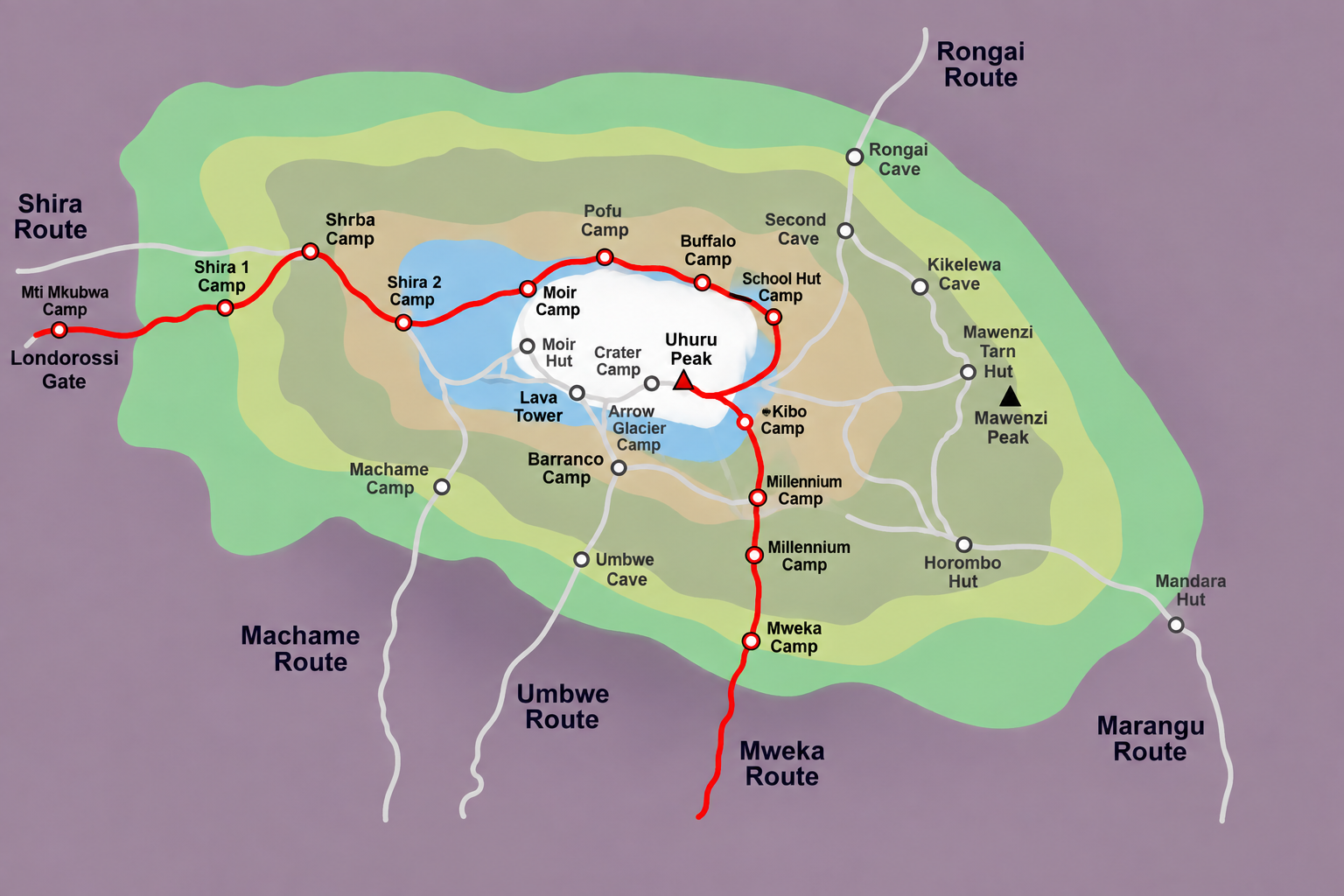
The Northern Circuit map helps you understand how the trail travels from the western side of Kilimanjaro across the Shira Plateau and around the northern slopes. It also shows the camps used before the summit attempt and the descent towards Mweka Gate.
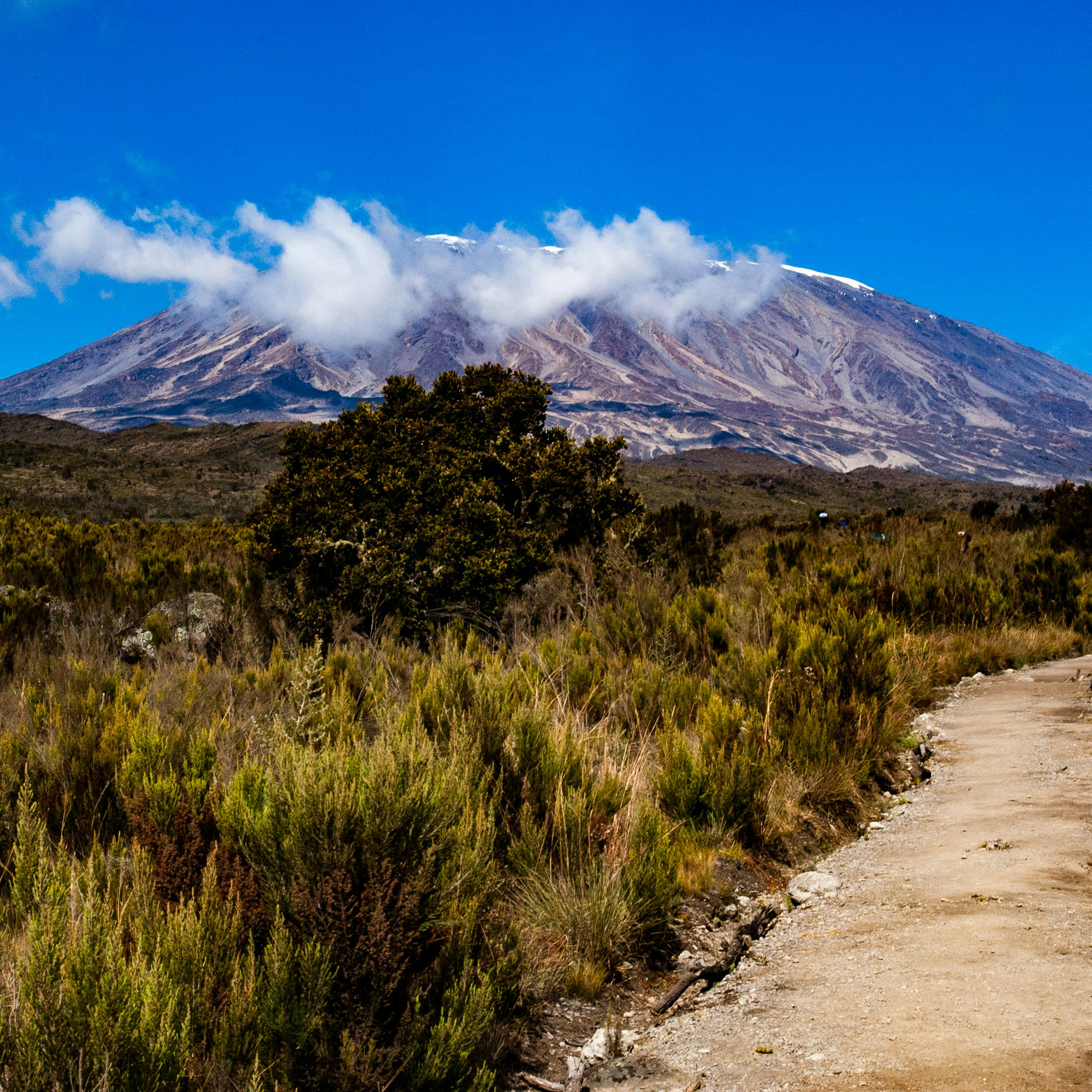
The northern side offers a different perspective of Kilimanjaro from the more frequently used southern routes. The landscape is open and remote, with broad views towards the mountain's northern foothills. Weather and visibility change throughout the day, so trekkers should be prepared for sun, wind, cold and occasional rain.
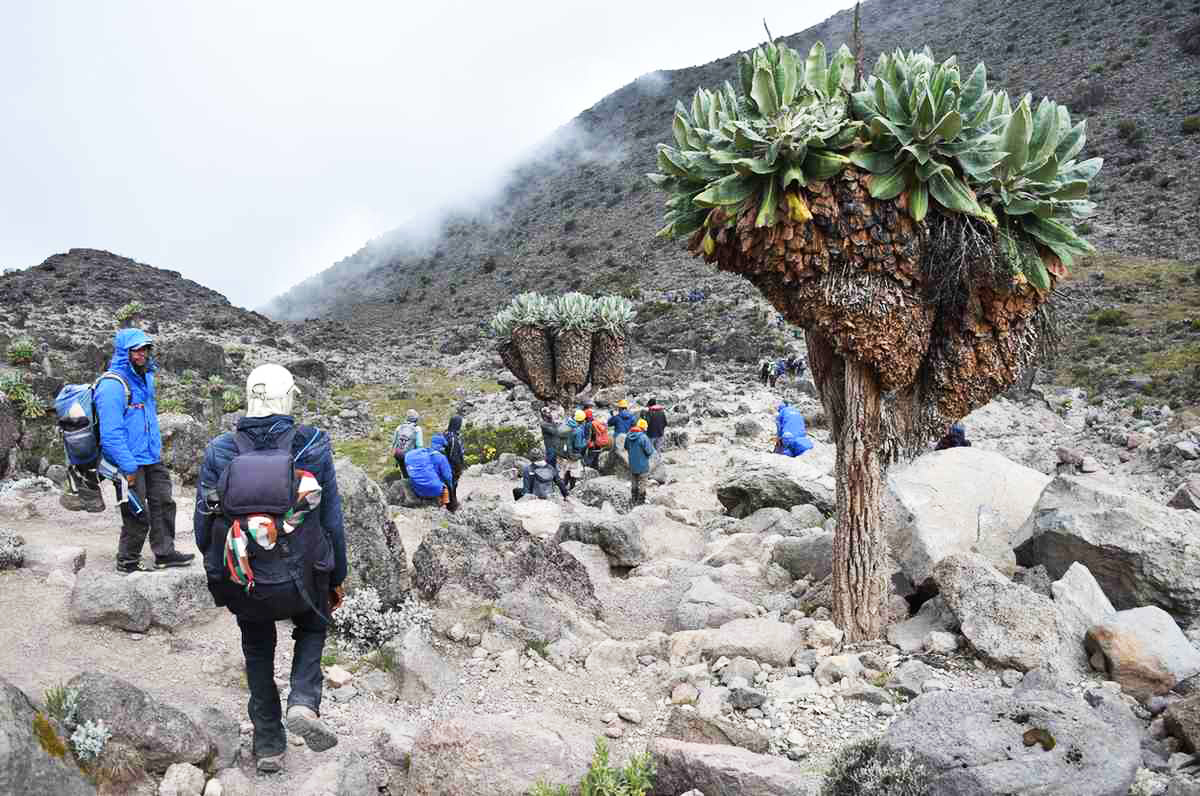
The Northern Circuit takes you through several of Kilimanjaro's mountain environments. From the high Shira landscape to the open northern slopes, each section offers a different view of Africa's highest mountain.
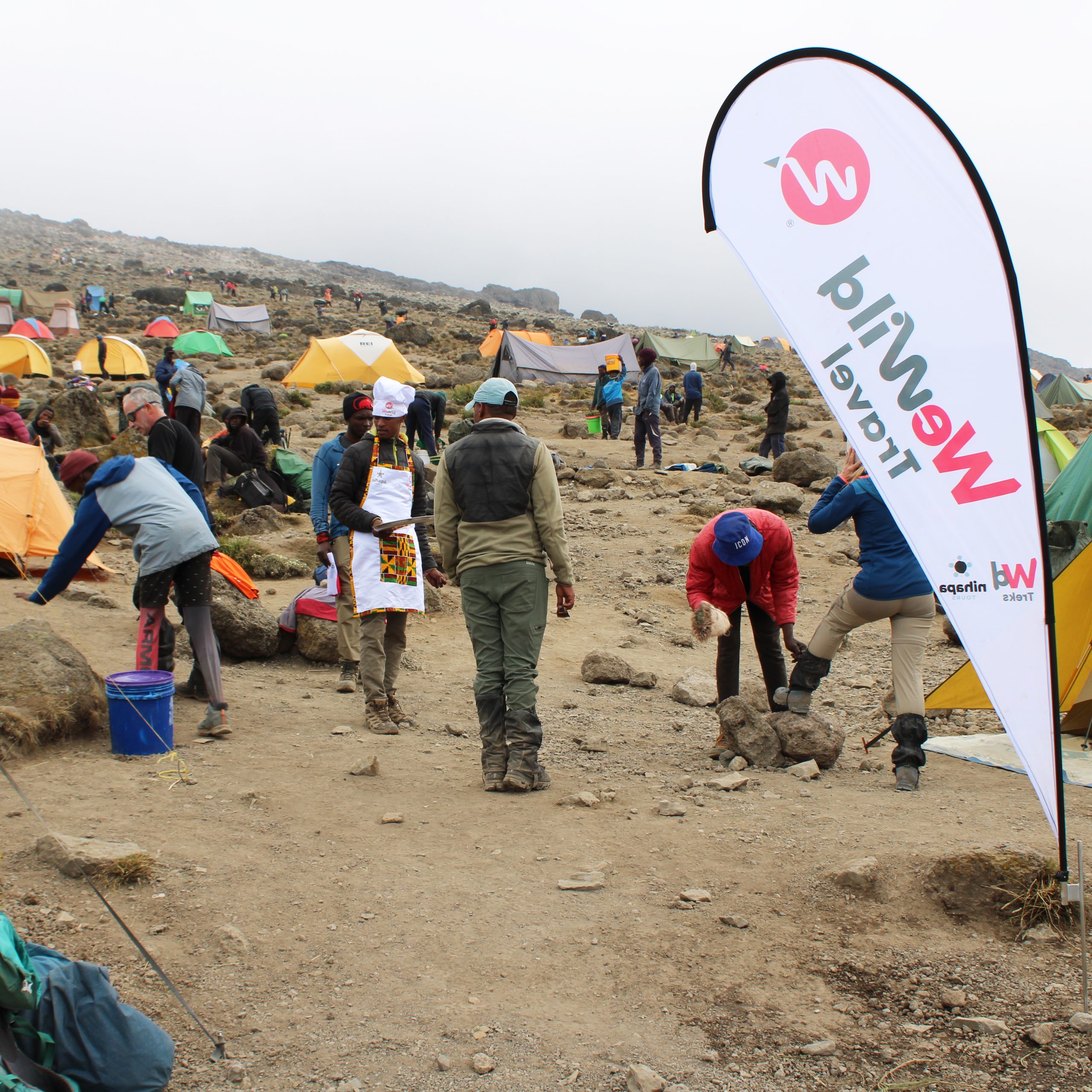
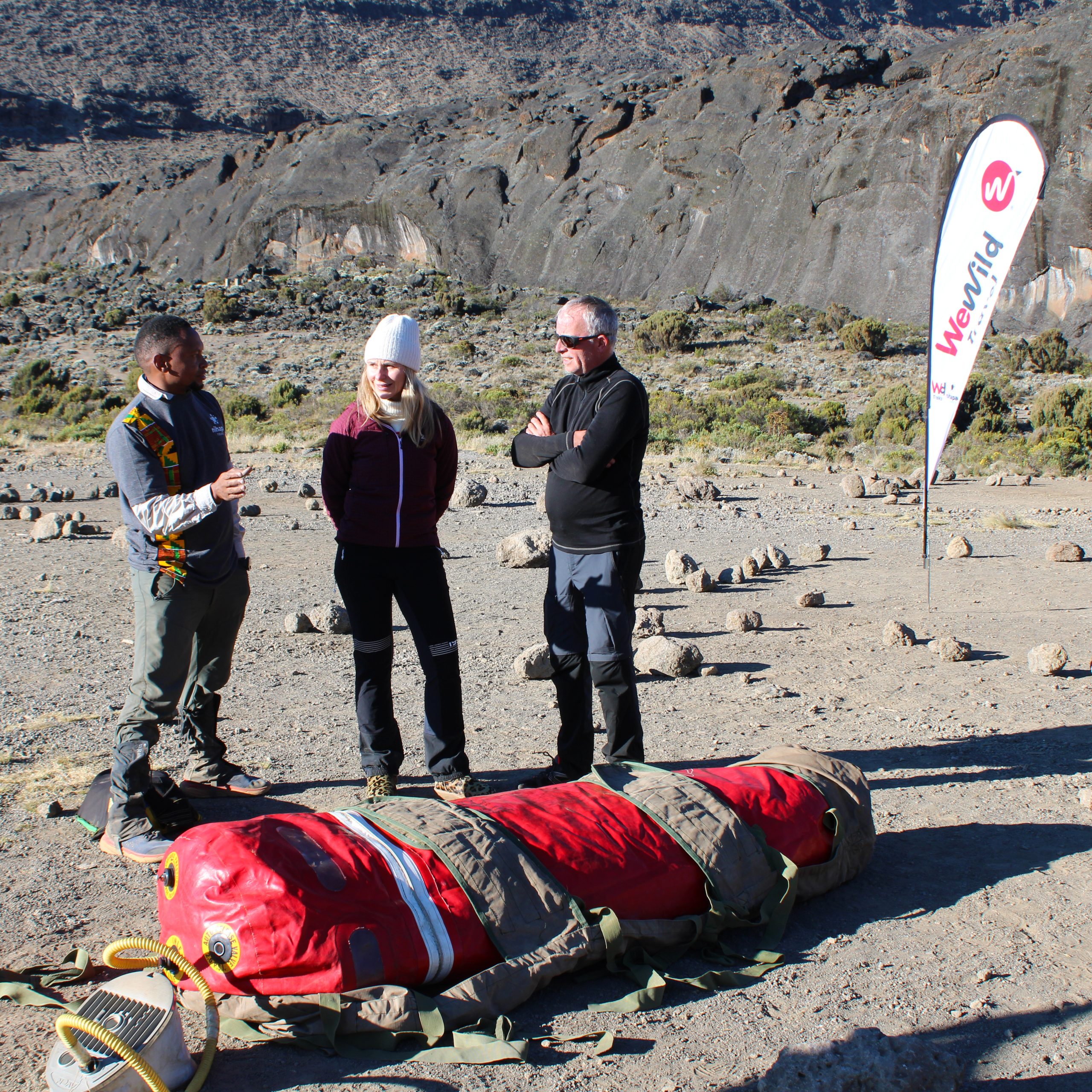
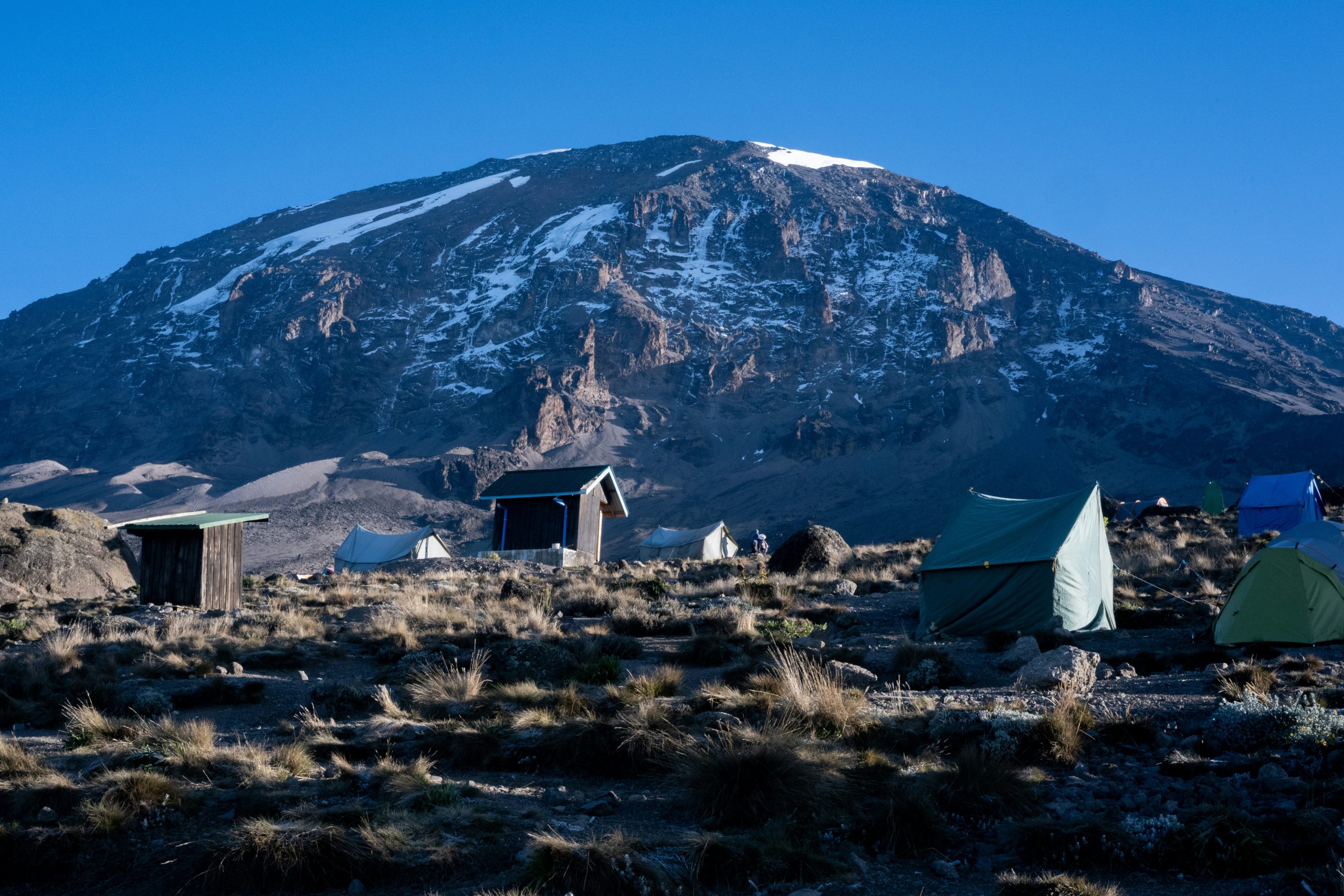
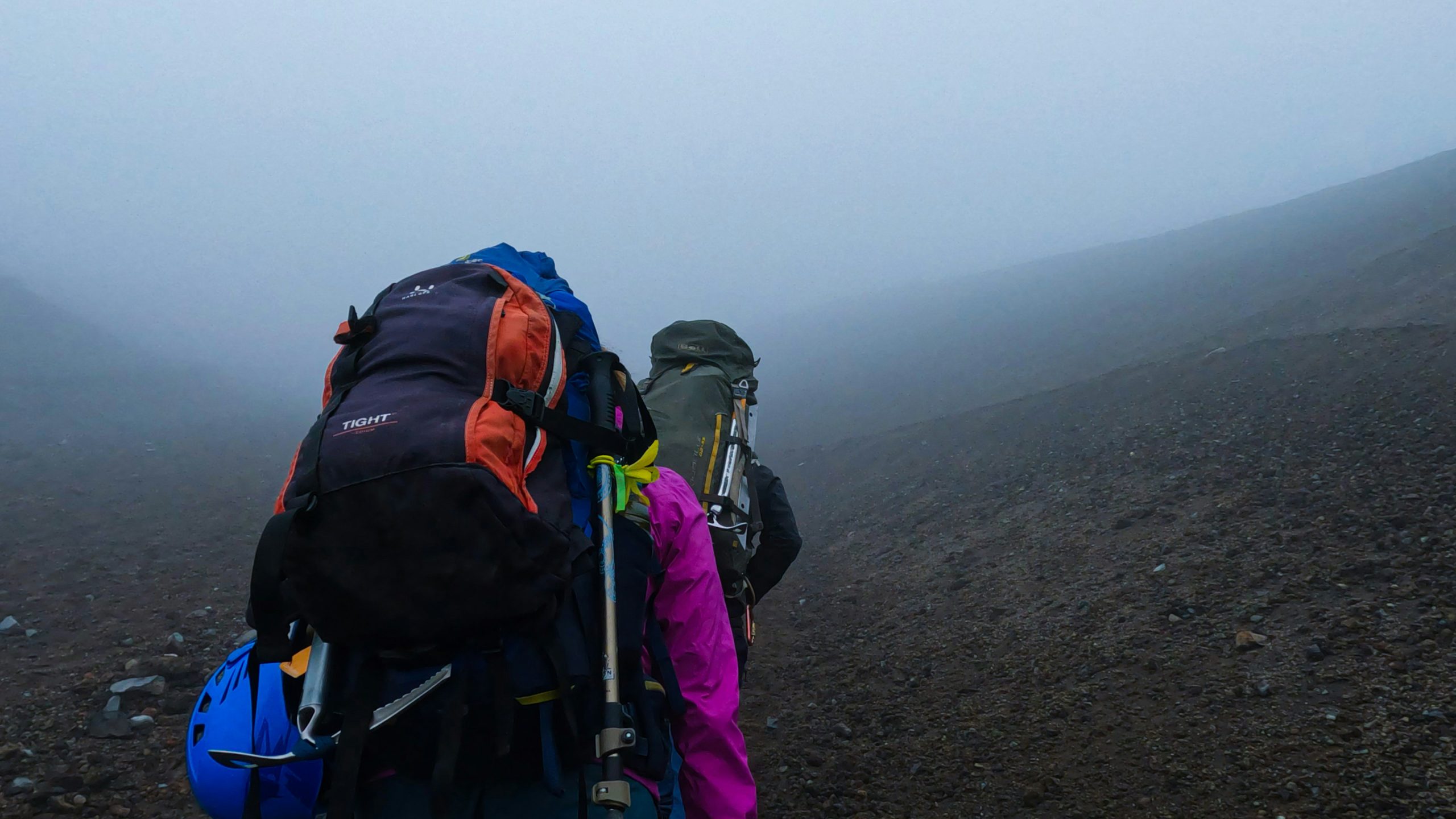
The Northern Circuit can be climbed in 8, 9 or 10 days with WeWild Travel. The itineraries follow the same general western and northern approach, but the number of days changes the pace, camp schedule and time available for acclimatization. The 10-day option adds an overnight stay at Crater Camp.
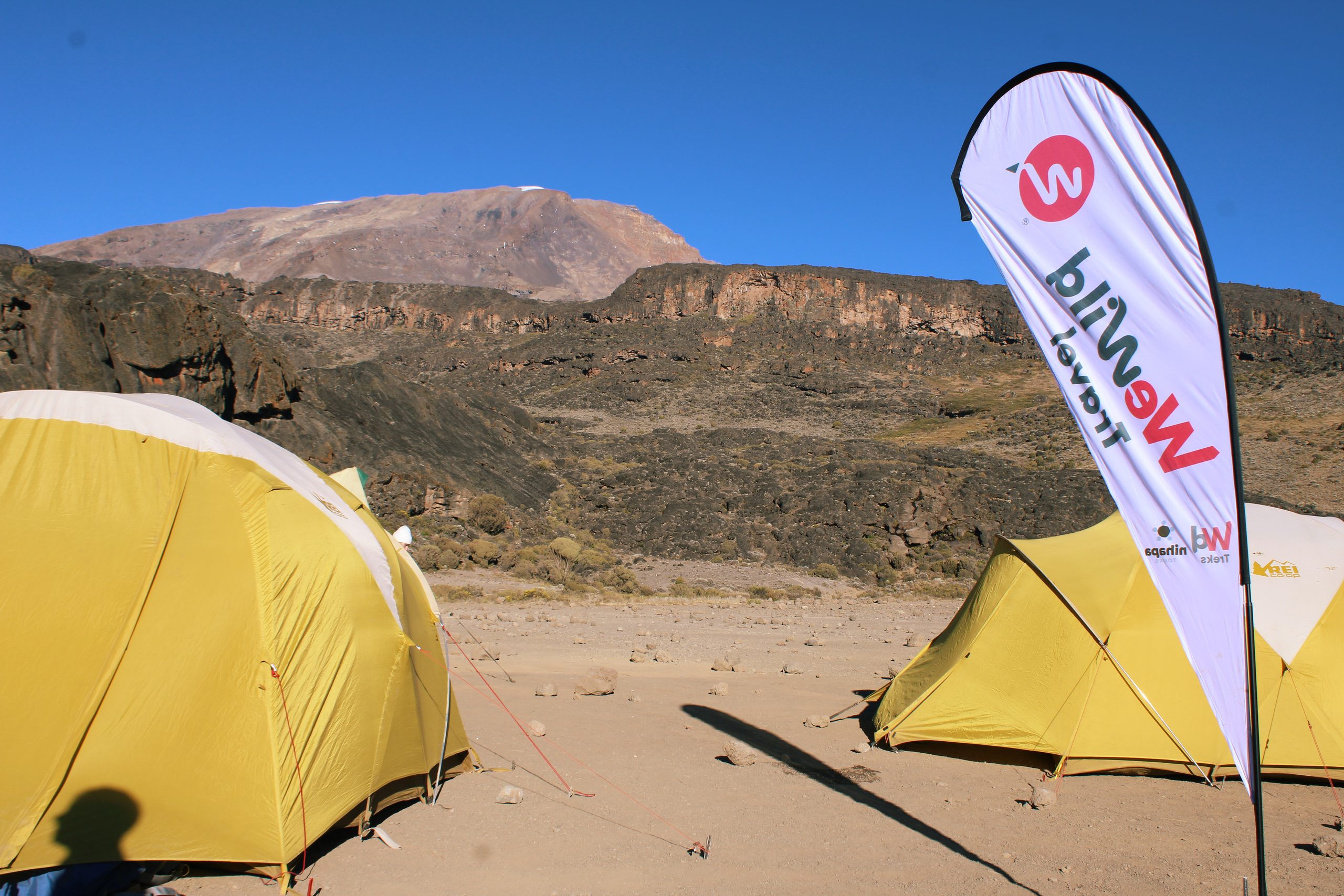 8 DAYS
The 8-day option follows a more compact schedule around the northern slopes before the summit attempt. It suits climbers who want the Northern Circuit experience within a shorter trip, while understanding that the itinerary allows less time on the mountain than the longer options.
9 DAYS
The 9-day itinerary gives you a longer journey around Kilimanjaro's northern slopes. It includes the Shira area, Moir Hut, Buffalo Camp and Third Cave Camp before the summit section. This is the main itinerary explained in the day-by-day guide below.
 10 DAYS
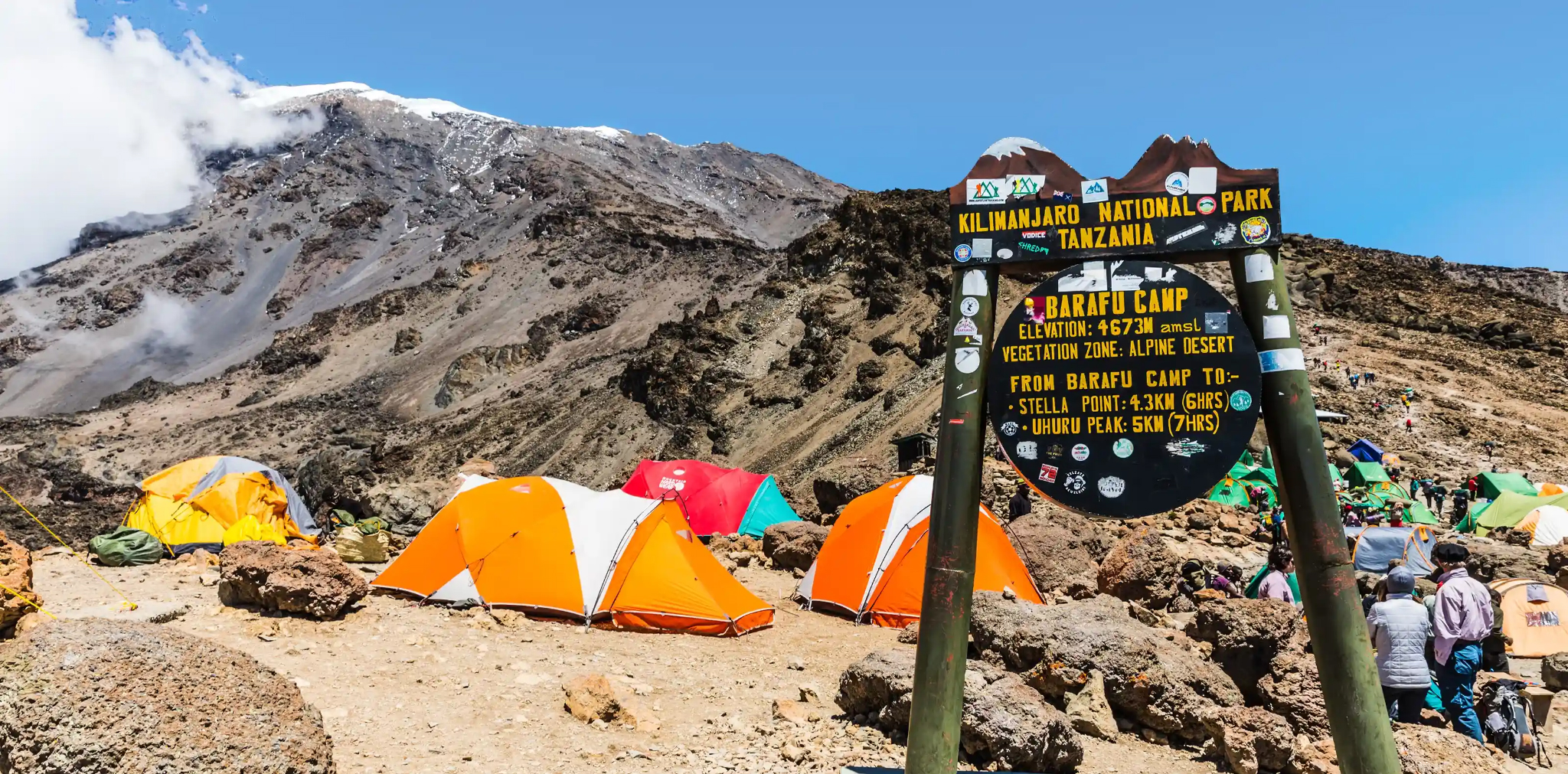
The 10-day itinerary includes an overnight stay at Crater Camp, approximately 5,750 metres above sea level. This is a demanding high-altitude experience and should only be considered with careful planning, professional guide supervision and an appropriate assessment of your health and acclimatization.
This 9-day Northern Circuit itinerary follows the western approach, crosses the Shira Plateau and continues around the northern slopes before the summit attempt. The daily stages below summarise the published package route. Some exact figures are not confirmed on the package page, so check the final trekking schedule with WeWild Travel before departure.
After registration at Londorossi Gate, begin the trek through Kilimanjaro's rainforest. The trail passes through dense vegetation and forest habitat before reaching Mti Mkubwa Camp, also known as Big Tree Camp. This is the first overnight stop on the mountain.
Leave the forest and climb towards the Shira Plateau. As the vegetation becomes more open, the views across the mountain begin to widen. Shira 1 Camp is the next overnight stop, giving you time to rest and adjust to the increasing altitude.
Continue across the Shira Plateau towards Shira 2 Camp. The terrain is more open than the rainforest, with broad views across the plateau and towards the higher mountain slopes. The shorter stage allows time to rest and enjoy the landscape.
Leave the Shira Plateau and continue towards Moir Hut. The route gains altitude and enters a more exposed high-mountain environment. Walk at a steady pace, drink regularly and follow your guide's instructions as your body adjusts to the higher elevation.
Continue around the northern side of Kilimanjaro towards Buffalo Camp. The landscape becomes increasingly open, with wide views across the northern slopes. The trail includes undulating sections, so keep a comfortable pace and take breaks as directed by your guide.
Walk across the northern slopes towards Third Cave Camp. This section continues the circuit around the mountain, with changing views of the surrounding landscape. Arrive at camp, eat well and rest before the next stage towards the summit approach.
Leave the northern camp area and continue towards School Hut. This stage brings you closer to the summit approach and involves trekking at high altitude. After arriving, your guide will explain the summit schedule, review your condition and help you prepare for the night climb.
Begin the summit attempt during the night, following your guide's instructions and a steady pace. The climb leads towards the crater rim and onward to Uhuru Peak, the highest point in Africa at 5,895 metres. After celebrating the summit, descend carefully towards the lower mountain camp specified in your confirmed itinerary.
Continue descending through the mountain's lower vegetation zones towards Mweka Gate. After completing the park exit procedures, meet your transfer and return to your hotel in Arusha or Moshi, according to your package arrangements.
The Northern Circuit is a long route around Mount Kilimanjaro, but the total distance depends on the itinerary and the exact trail schedule. The published 9-day package gives distances for several individual stages, while some sections and the summit-day measurements still need confirmation.
For this reason, WeWild Travel recommends confirming the complete distance breakdown with the mountain team before publishing or relying on one total kilometre figure. The 8-day, 9-day and 10-day options may follow different camp schedules and should not automatically be treated as having identical distances.
The Northern Circuit is a demanding high-altitude trek. It does not normally require technical climbing skills, but it involves several days of walking, steep sections, cold conditions and exposure to high elevation. The summit attempt is particularly challenging because of the altitude, low temperatures and long hours on the trail.
Prepare with regular walking, hiking, stair climbing and endurance training. Build up to longer sessions on uneven terrain and practise walking with the daypack you plan to use. Strong fitness can make trekking more comfortable, but it cannot predict how your body will respond to altitude.
The route passes through rainforest, moorland, open plateau and rocky high-altitude terrain. Conditions change as you climb. Some days involve steady uphill walking, while other sections cross undulating ground around the northern slopes. Wind, rain, cold and strong sunshine are all possible.
The summit attempt takes place at very high altitude, where less oxygen is available. Climbers usually start during the night and move slowly towards the crater rim before continuing to Uhuru Peak. Cold temperatures, fatigue and the length of the summit day make this the most demanding part of the trek for many climbers.
Previous hiking experience is helpful, especially for a multi-day route. However, beginners who are physically prepared and understand the demands of high altitude may also consider the Northern Circuit. Discuss your experience, fitness and medical considerations with your operator before booking.
The Northern Circuit's longer itineraries provide more time on the mountain than many shorter Kilimanjaro climbs. This can support a more gradual ascent and give climbers additional time to adjust to increasing altitude. However, acclimatization varies from person to person, and a longer route does not guarantee that altitude sickness will not occur.
Follow your guide's pace, avoid rushing and allow enough time for rest during each trekking day.
Tell your guide about headache, nausea, dizziness, unusual tiredness or any change in how you feel.
Health checks and the guide's decisions should take priority over a planned summit schedule.
Possible symptoms include headache, nausea, dizziness, loss of appetite and unusual fatigue. Severe symptoms can include confusion, difficulty walking straight, breathlessness at rest or a worsening cough. These signs require urgent attention. Tell your guide immediately and follow their instructions. Descent and medical assessment may be necessary.
Crater Camp is located at approximately 5,750 metres, close to the summit of Kilimanjaro. Spending a night at this elevation is a serious high-altitude undertaking. It is not automatically suitable for every climber, even someone who has completed other mountain treks. Your guide must assess your condition and make decisions based on safety. Never continue to Crater Camp or the summit if your guide advises against it.
The Northern Circuit can be climbed during several months of the year, but weather conditions affect trail comfort, visibility and mountain temperatures. The commonly preferred climbing periods are the drier months from June to October and the warmer, generally favourable period from January to February. Conditions can still change quickly at high altitude.
This is a popular period for Kilimanjaro climbs. Conditions are often drier, although temperatures can be cold and the mountain may experience wind, cloud or occasional rain.
These months are also commonly selected for climbing. Trekkers can experience clear periods and good mountain views, but weather is never guaranteed.
Rainfall is generally higher during this period. Trails can become wet and muddy, and cloud may affect visibility. Discuss current conditions before choosing dates.
Showers can occur, with conditions varying from day to day. Prepare for changing weather and ask your operator for current seasonal advice.
Your guide and operator should advise on current mountain conditions before departure. Weather patterns vary, so no month guarantees clear skies or dry trails.
The Northern Circuit cost with WeWild Travel depends on the itinerary, group size, travel dates and services included. The starting prices currently displayed on the three package pages supplied for this guide are US$1,895 for the 8-day route, US$1,975 for the 9-day route and US$2,081 for the 10-day Crater Camp itinerary.
| Itinerary | Advertised starting price | Main feature |
|---|---|---|
| 8-Day Northern Circuit | From US$1,895 per person | Shorter Northern Circuit schedule |
| 9-Day Northern Circuit | From US$1,975 per person | Longer standard route itinerary |
| 10-Day Northern Circuit | From US$2,081 per person | Includes Crater Camp overnight |
These are advertised starting prices, not guaranteed prices for every date or group size. Confirm the current price, hotel arrangements, inclusions and any additional costs in a written quotation before paying a deposit.
Private climbs, solo bookings and larger groups can have different per-person prices.
More days can add park fees, crew services, food and mountain logistics.
Hotel category, room arrangements and extra nights can change the total price.
The 10-day itinerary includes a high-altitude Crater Camp overnight and a different mountain schedule.
Send your travel dates, group size and preferred itinerary for a tailored quotation.
The published Northern Circuit package pages list a range of mountain services and support. Your exact inclusions depend on the itinerary and the written quotation. The listed services include:
The package pages list several costs that climbers should arrange separately unless the written quotation specifically includes them:
Climbers on the Northern Circuit sleep in mountain tents at designated camps. The exact overnight stops depend on whether you choose the 8-day, 9-day or 10-day itinerary. The route uses several camps across the western, Shira and northern sections of Kilimanjaro.
Mountain camping is basic and designed for rest between trekking days. The support crew sets up the sleeping tents and dining arrangements according to the package. Temperatures can fall significantly at higher camps, so suitable sleeping equipment and warm clothing are essential.
Crater Camp is located inside Kilimanjaro's summit crater at approximately 5,750 metres. The 10-day package includes an overnight stay there after the summit approach. It offers a distinctive high-altitude experience, but the elevation creates serious risks. Climbers should only stay there when their guide considers it appropriate and safe.
Pack for changing temperatures, rain, strong sunshine and freezing conditions near the summit. The Northern Circuit includes several nights in mountain camps, so you need suitable trekking clothing, a warm sleeping system and personal equipment.
Keep your waterproof jacket, warm layer, drinking water, snacks, sunscreen, headlamp and personal medication in your daypack. Carry valuables and important documents securely. Confirm the porter luggage limit and packing arrangements with WeWild Travel before travelling.
Ask WeWild Travel about available rental equipment before your arrival. Confirm sizes, availability and condition in advance, especially for sleeping bags, insulated jackets, waterproof clothing and trekking poles. Do not assume personal equipment is included unless it appears in your written quotation.
The Northern Circuit, Lemosho and Machame routes all climb Mount Kilimanjaro, but they differ in duration, scenery and route direction. The Northern Circuit takes a longer path around the northern slopes. Lemosho approaches from the west before joining the southern circuit, while Machame climbs from the southwest and descends through Mweka.
| Feature | Northern Circuit | Lemosho | Machame |
|---|---|---|---|
| Typical duration | 8, 9 or 10 days | 6–9 days, depending on itinerary | 6 or 7 days |
| Starting side | West | West | Southwest |
| Route experience | Circles the northern slopes | Crosses Shira Plateau and southern slopes | Climbs through the southern mountain side |
| Accommodation | Mountain tents | Mountain tents | Mountain tents |
| Descent | Mweka side | Mweka side | Mweka side |
| Distinctive feature | Long northern circuit | Western approach and Shira Plateau | Barranco Wall and varied southern scenery |
Both routes begin on Kilimanjaro's western side and include the Shira Plateau. The Northern Circuit continues around the northern slopes, creating a longer route before the summit approach. Lemosho follows a different schedule and joins the southern circuit earlier. Choose by comparing the number of days, camp schedule and the experience you want.
Machame is a popular southern approach with a shorter 6-day or 7-day itinerary. The Northern Circuit takes longer and spends more time on the mountain's northern side. If you prefer a longer trek and a quieter route experience, consider the Northern Circuit. If your schedule is shorter, compare the Machame options as well.
Choose the route that matches your available time, budget, trekking experience and health needs. Compare the full itinerary rather than choosing only by price. Your operator should explain the daily elevations, walking times, accommodation, safety arrangements and what happens if you need to descend early.
WeWild Travel lists 8-day, 9-day and 10-day Northern Circuit itineraries. The 10-day option includes an overnight stay at Crater Camp. Compare the full daily schedule before choosing.
The supplied WeWild Travel package pages currently show starting prices from US$1,895 for 8 days, US$1,975 for 9 days and US$2,081 for 10 days with Crater Camp. Confirm the current price for your dates and group size.
Yes. It is a demanding high-altitude trek with several days of walking and a challenging summit attempt. Good preparation, suitable equipment and careful acclimatization are important.
The longer itineraries provide more time on the mountain and can support a gradual ascent. However, individual responses to altitude vary, and no route guarantees that altitude sickness will not occur.
The route starts on the western side of Kilimanjaro, usually through Londorossi Gate. It crosses the Shira Plateau before continuing around the northern slopes.
The descent finishes at Mweka Gate on the southern side of Kilimanjaro. Your package should specify the transfer arrangements after the trek.
Crater Camp is a high-altitude camp inside Kilimanjaro's summit crater at approximately 5,750 metres. The 10-day Northern Circuit package includes an overnight stay there. This experience involves serious altitude exposure and requires careful guide assessment.
June to October and January to February are commonly selected climbing periods. Weather can change quickly, so ask your operator about current conditions and prepare for cold, wind and rain.
The Northern Circuit uses tented mountain accommodation at designated camps. The support crew arranges the camp facilities according to the package.
Beginners may consider the route if they are physically prepared and understand the demands of high altitude. Previous hiking experience is helpful. Discuss your fitness and health with your operator before booking.
The northern slopes are generally quieter than some of Kilimanjaro's more frequently used southern sections. Crowds still vary by season, camp and daily route schedule.
Tell your guide immediately if you feel unwell or develop symptoms of altitude sickness. Your guide will assess your condition and arrange descent or medical support when needed. Your safety is more important than reaching the summit.
Ready to climb Mount Kilimanjaro via the Northern Circuit? WeWild Travel is a local Kilimanjaro tour operator based in Arusha, Tanzania, offering 8-day, 9-day and 10-day Northern Circuit climbing packages.
Tell us your preferred travel dates, group size and itinerary. Our team can help you compare the 8-day, 9-day and 10-day options, explain the Crater Camp experience, confirm the current price and provide a detailed breakdown of your package.